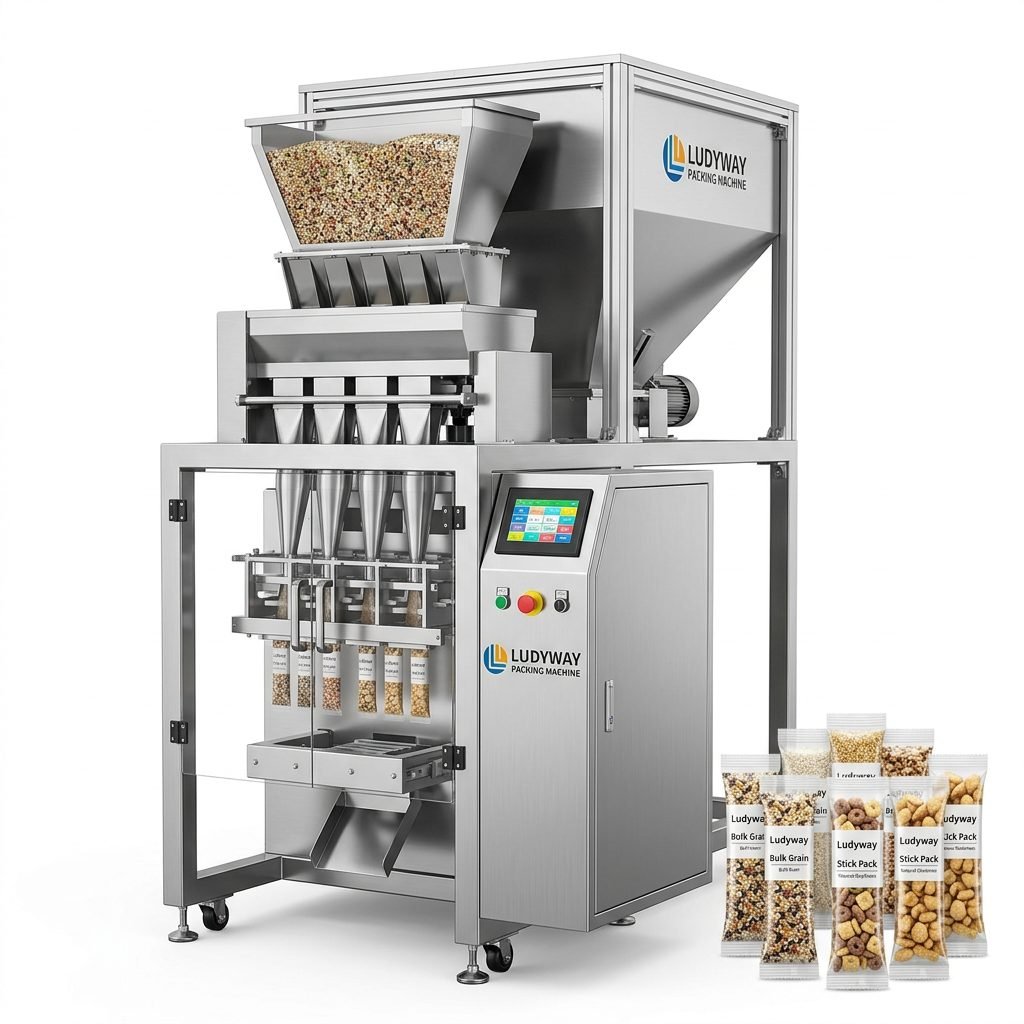
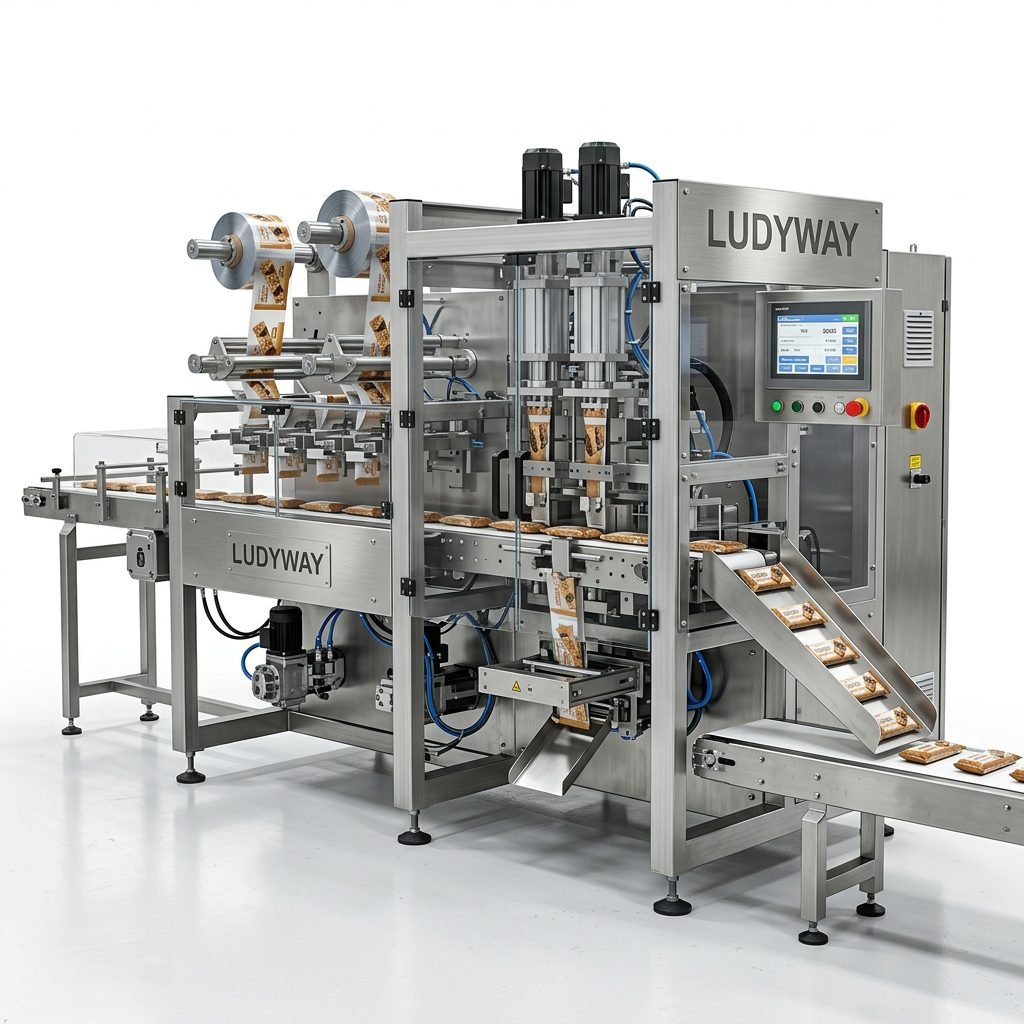
In pharmaceutical packaging, stick packs have become a practical format for brands that need precision, hygiene, portability, and production efficiency. From oral rehydration salts and cold medicine granules to nutraceutical powders and liquid dose products, stick pack packaging offers a compact solution that aligns with modern patient expectations and strict manufacturing standards.
Because each unit is narrow, lightweight, and easy to tear open, stick packs support both convenience and compliance. They also help pharmaceutical manufacturers improve filling accuracy, reduce material waste, and streamline secondary packaging. For companies looking to modernize operations, stick packs are more than a packaging trend—they are a format that can strengthen product performance from factory floor to end-user experience.
What Is Stick Pack Packaging in Pharma?
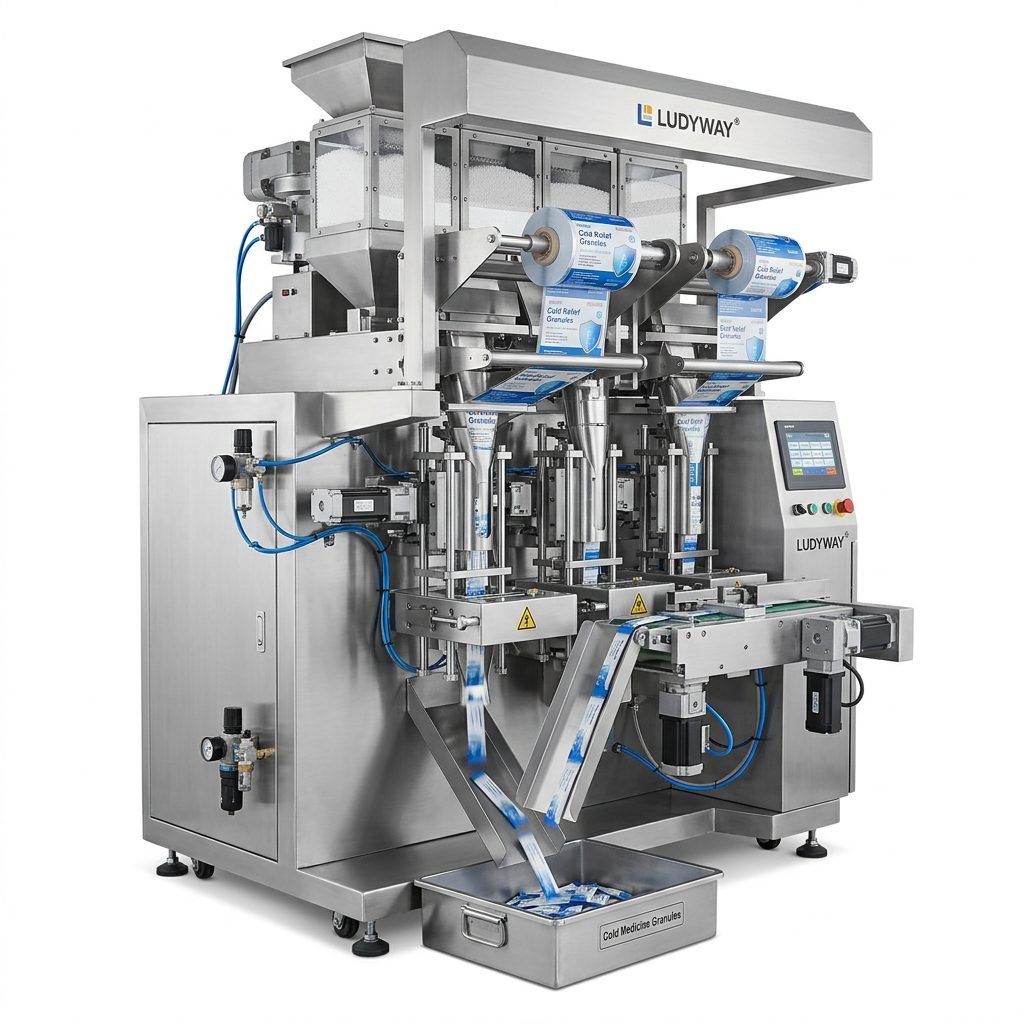
Stick pack packaging is a type of flexible single-dose pack, usually long and slim, designed to hold a measured amount of powder, granules, liquid, gel, or other pharmaceutical formulations. It is commonly made from multilayer films that provide barrier protection against moisture, oxygen, and contamination.
In the pharmaceutical sector, stick packs are widely used for:
- Oral powders and granules
- Effervescent blends
- Electrolyte products
- Nutraceutical and probiotic supplements
- Topical gels and creams
- Single-use liquid medications
The format is especially valuable when unit-dose accuracy and portability are critical.
Key Advantages of Stick Pack Packaging in Pharma
1. Precise Unit Dosing
One of the biggest advantages of stick pack packaging is its ability to deliver an exact amount per pack. In pharmaceuticals, dose consistency is essential for product safety, efficacy, and regulatory compliance. Stick packs help reduce dosing errors by offering pre-measured, ready-to-use portions.
- Supports accurate fill control
- Reduces user measuring mistakes
- Improves consistency across production batches
2. Better Patient Convenience
Patients increasingly prefer packaging that is easy to carry, open, and consume. Stick packs fit well into bags, pockets, travel kits, and hospital dispensing systems. This convenience can improve treatment adherence, especially for on-the-go supplements, pediatric formulations, and OTC products.
For elderly users and busy consumers, a tear-open stick pack is often simpler than bottles, jars, or bulk pouches.
3. Strong Barrier Protection
Many pharmaceutical formulations are sensitive to moisture, light, and oxygen. Stick packs can be built with high-barrier laminate materials that help preserve stability and shelf life. This is particularly important for hygroscopic powders, active nutraceutical ingredients, and fast-dissolving products.
Individual sealed portions also reduce the risk of contamination after opening, unlike multi-use containers that are repeatedly exposed to air.
4. Reduced Packaging Material Usage
Compared with some rigid packaging formats, stick packs usually require less material. Their slim structure can lower packaging weight and improve shipping efficiency. This can support cost control and sustainability goals without sacrificing functionality.
5. Efficient High-Speed Production
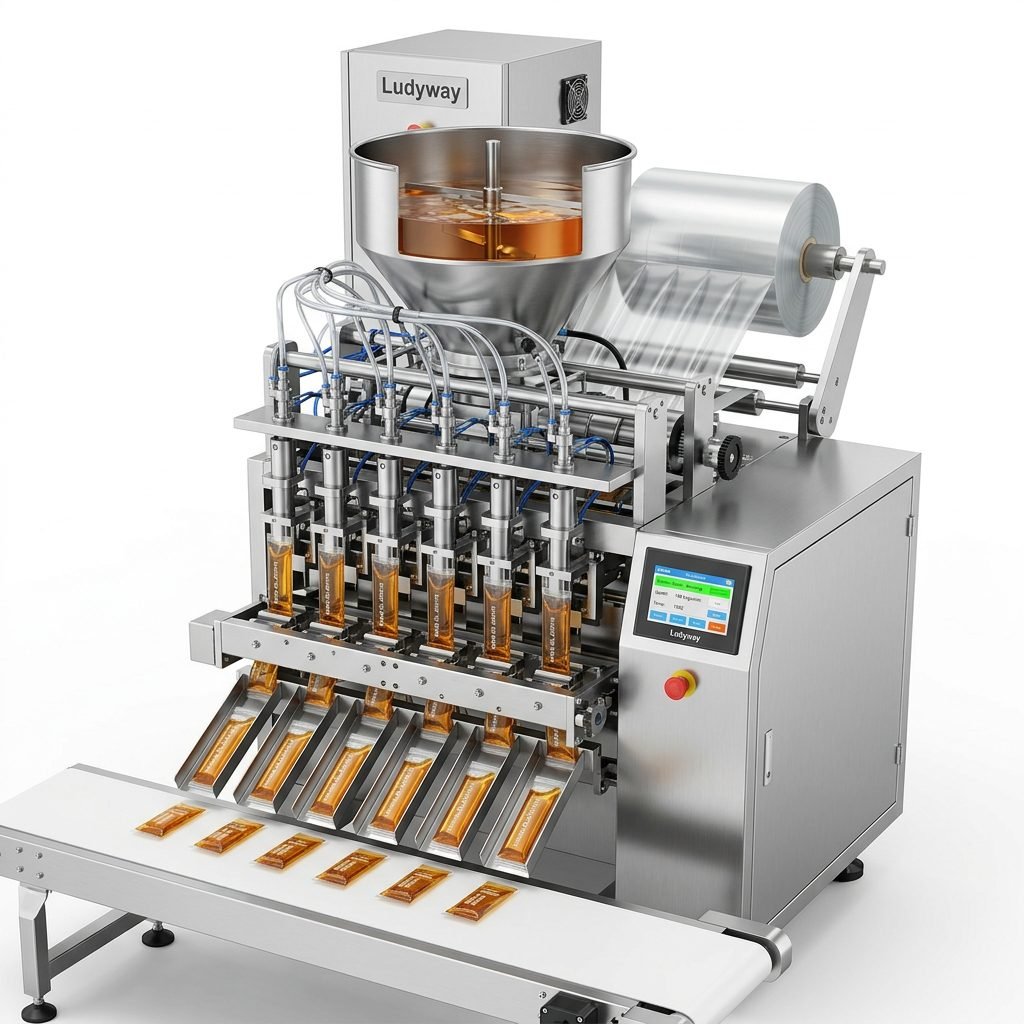
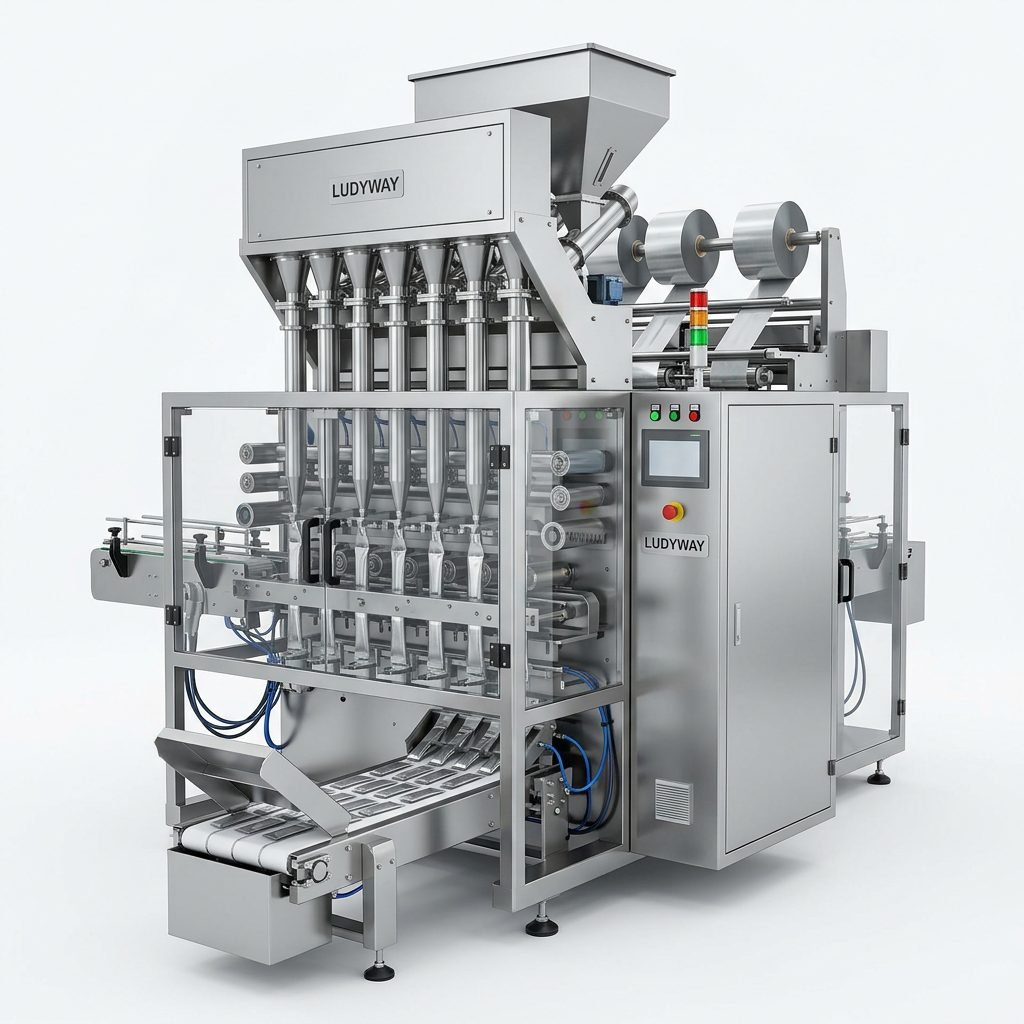
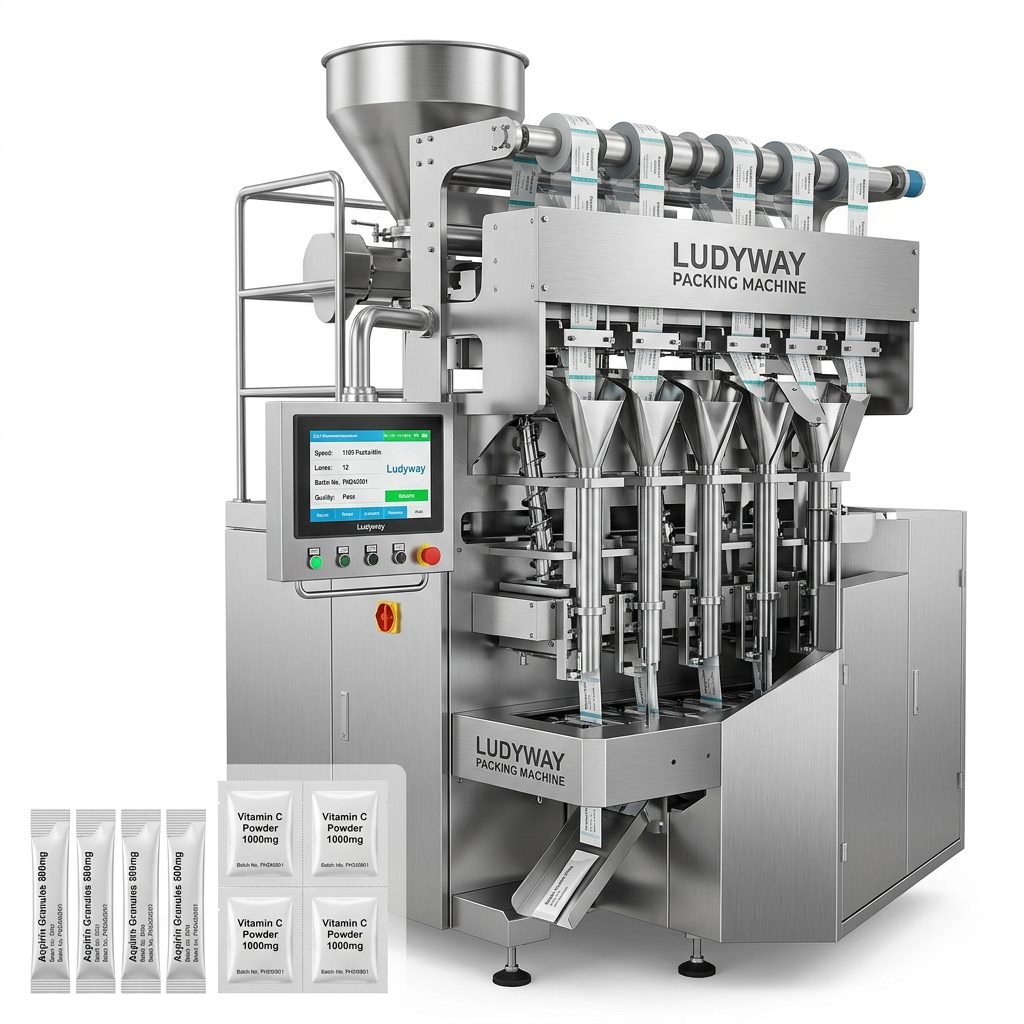
Modern multi-lane stick pack machines are designed for high-output pharmaceutical environments. They can produce a large number of packs per minute while maintaining sealing quality and dosing precision. This makes stick packs ideal for large-scale production of OTC medicines, supplements, and healthcare products.
6. Cleaner Product Presentation and Branding
Stick packs create a neat, modern look on retail shelves and in healthcare channels. They also offer space for branding, dosage instructions, batch coding, and compliance information. For premium nutraceuticals and direct-to-consumer healthcare products, this format improves both visual appeal and product organization.
Main Pharmaceutical Applications of Stick Packs
Stick packs are suitable for a wide range of pharmaceutical and health-related products. Their flexibility makes them useful in both prescription-adjacent and consumer health segments.
| Application | Why Stick Packs Work Well |
|---|---|
| Cold medicine granules | Single-dose convenience, easy carrying, better moisture protection |
| Oral rehydration salts | Accurate dosage and simple field or travel use |
| Probiotic powders | Portion control and barrier protection for sensitive ingredients |
| Electrolyte and vitamin mixes | On-the-go use, retail-friendly format, consumer convenience |
| Topical gels and creams | Hygienic single-use application and reduced contamination risk |
| Nutraceutical supplements | Premium presentation, precise dosing, improved portability |
Why Stick Packs Matter for Pharmaceutical Manufacturers
The importance of stick packs goes beyond appearance. They affect operations, quality control, logistics, and market competitiveness.
Operational Benefits
- Supports automated filling and sealing
- Works with multi-lane systems for higher output
- Reduces labor demand in repetitive packaging processes
- Improves batch uniformity
Quality and Compliance Benefits
- Helps maintain product integrity
- Facilitates traceability with coding and printing
- Supports hygienic, single-use dispensing
- Can be integrated into validated pharmaceutical packaging workflows
Commercial Benefits
- Improves shelf presentation
- Enables travel-size and sample-size formats
- Supports product line extensions
- Appeals to modern healthcare and wellness consumers
Stick Packs vs. Traditional Pharma Packaging
| Packaging Format | Advantages | Limitations |
|---|---|---|
| Stick Packs | Portable, single-dose, efficient, attractive, low material use | Requires suitable filling and sealing technology |
| Bottles | Familiar format, reusable cap closure | Less portable, repeated exposure after opening, bulk dosing risk |
| Sachets | Single-use, flexible, broad compatibility | Wider shape may be less convenient for direct pouring |
| Blister Packs | Good for tablets and capsules, strong protection | Not ideal for powders, granules, gels, or liquid unit doses |
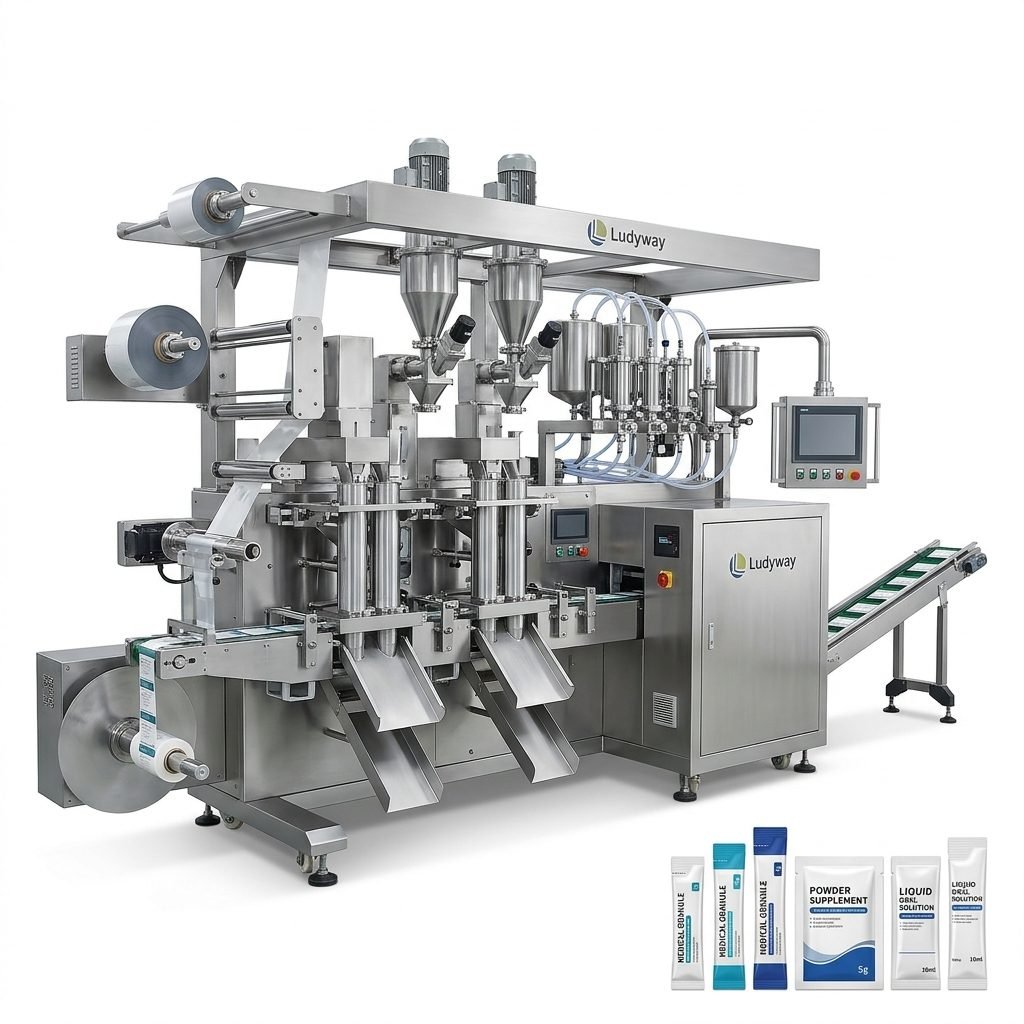
Important Factors When Choosing Stick Pack Packaging Equipment
Not every machine is suitable for pharmaceutical-grade production. Choosing the right equipment requires attention to product characteristics, compliance expectations, and long-term line performance.
Consider These Points:
- Product type: powder, granule, liquid, gel, or paste
- Dose accuracy: especially for active ingredients and regulated formulations
- Seal quality: to prevent leaks, moisture ingress, and contamination
- Material compatibility: barrier films and pharma-grade packaging materials
- Line speed: based on target production volume
- Cleaning and maintenance: essential for hygienic changeovers
- Integration capability: coding, cartoning, checkweighing, and case packing
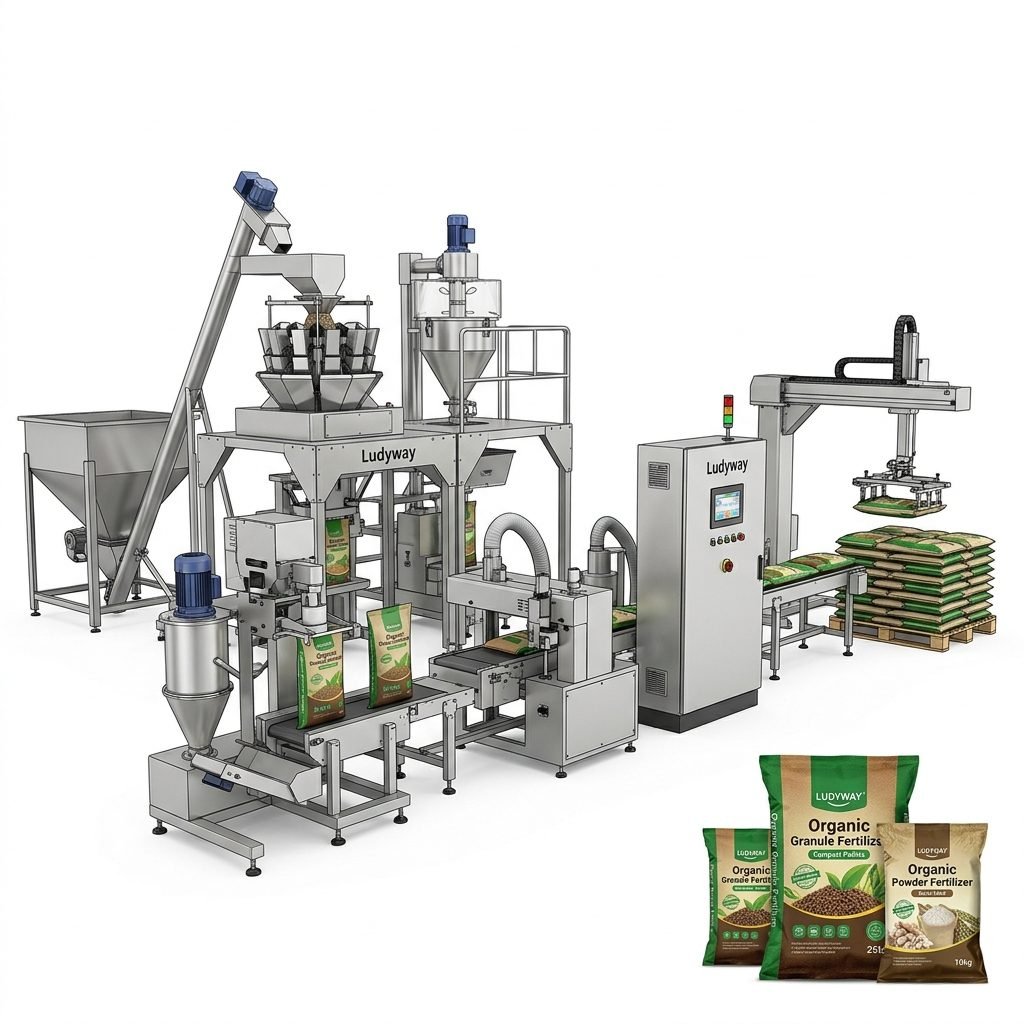
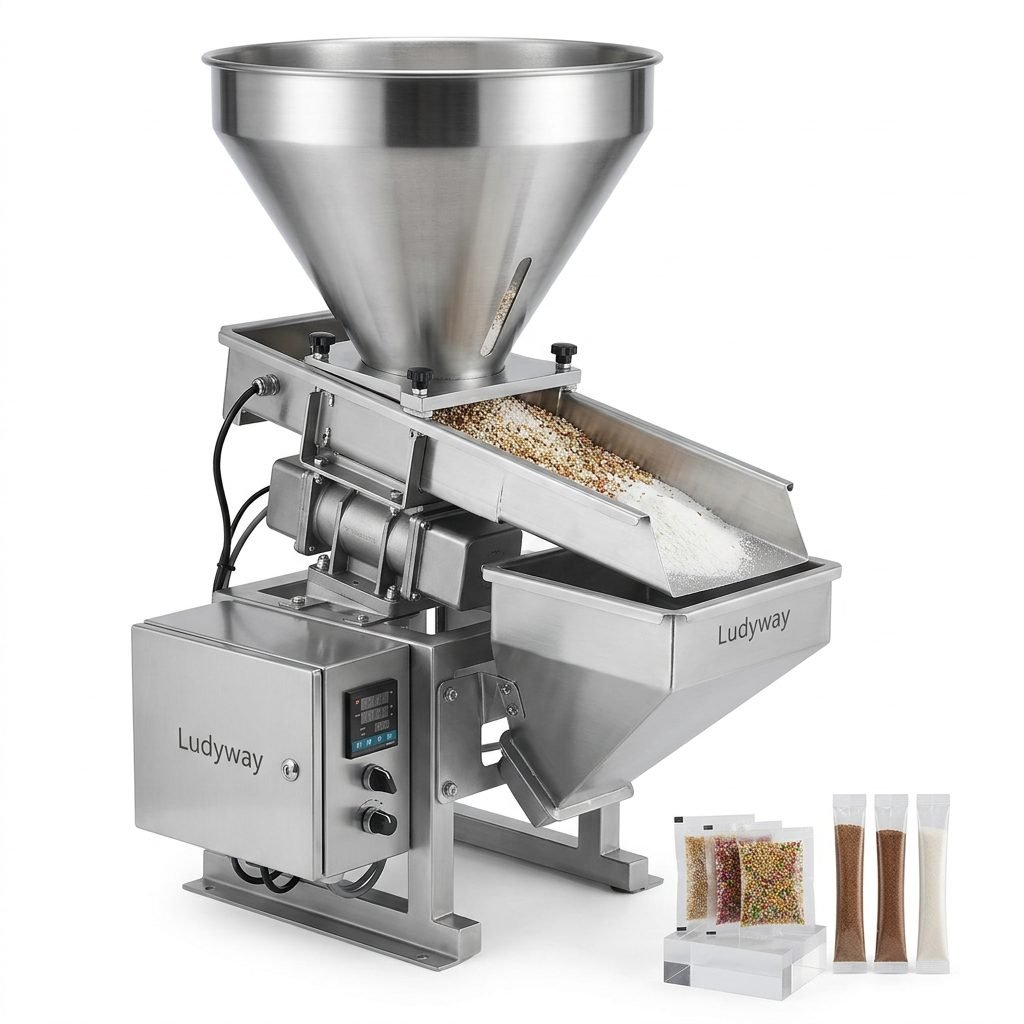
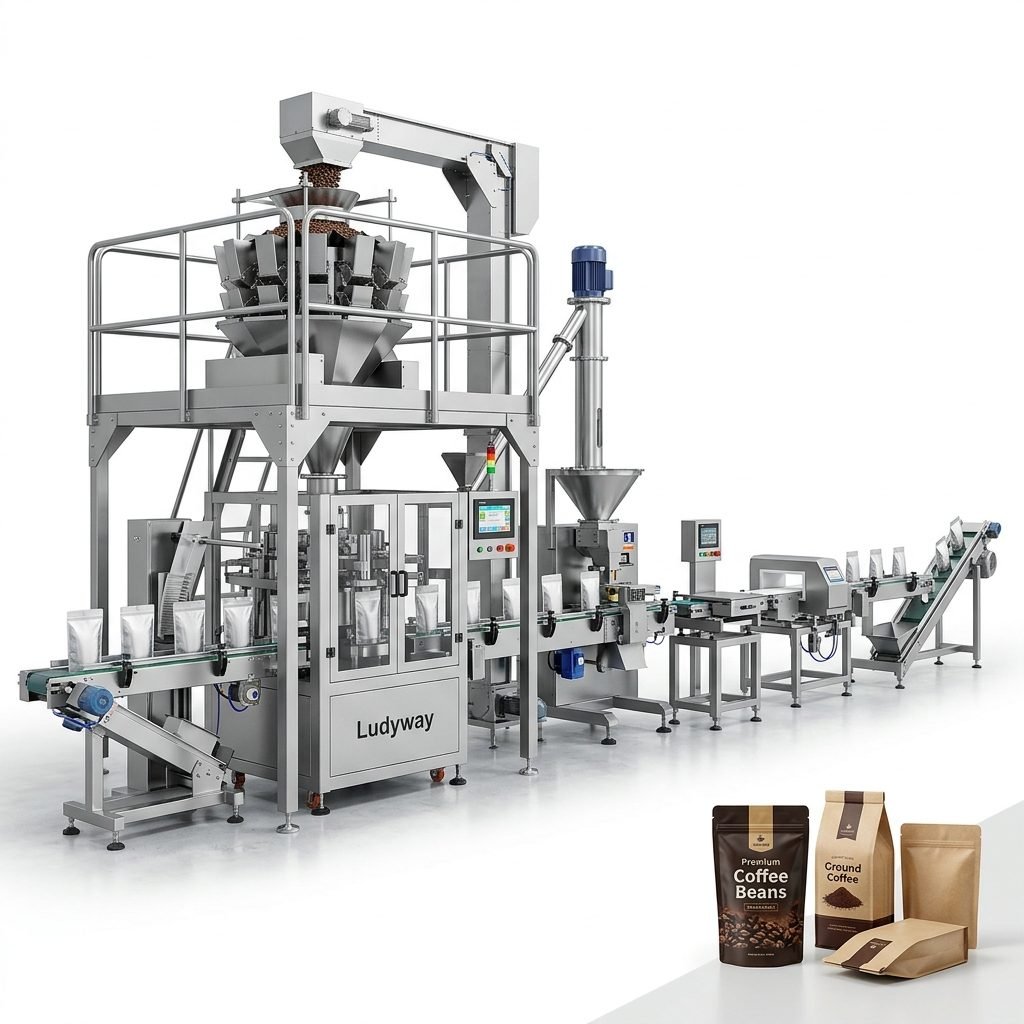
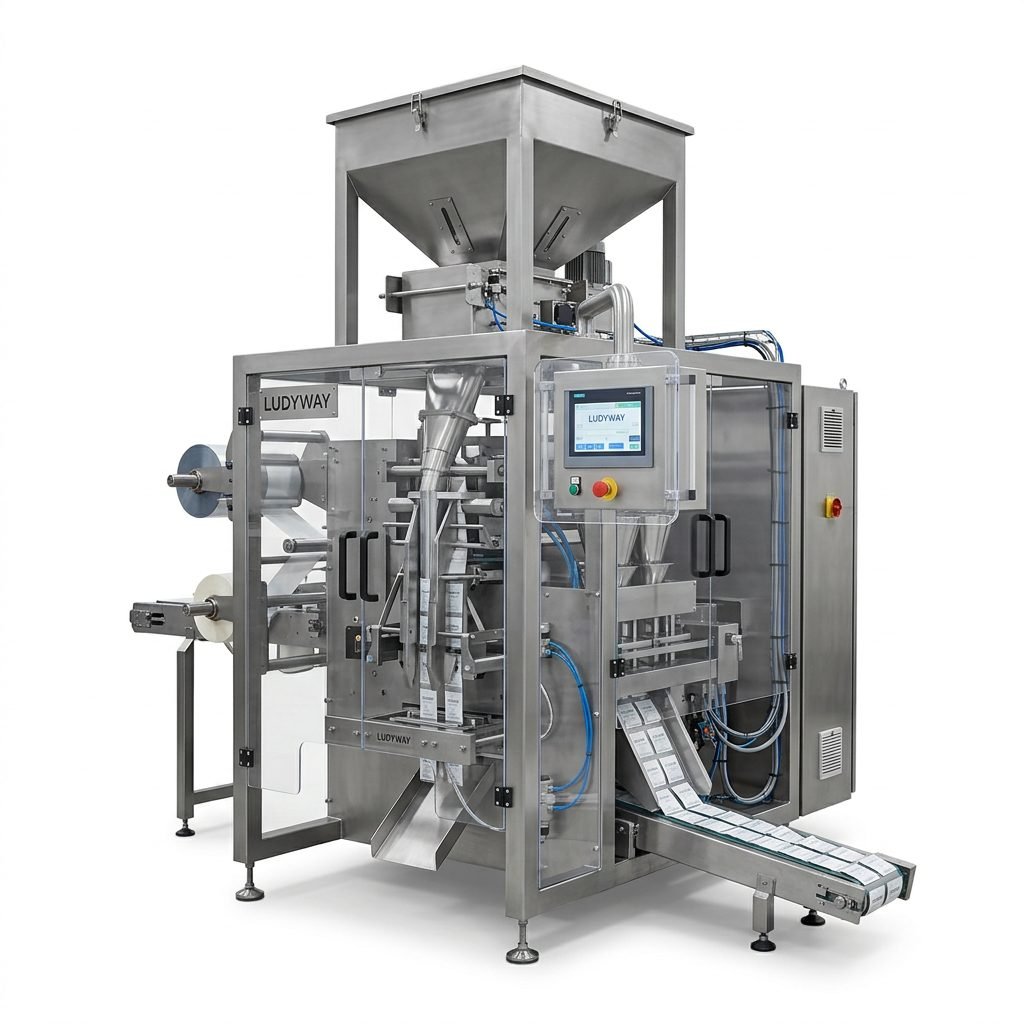
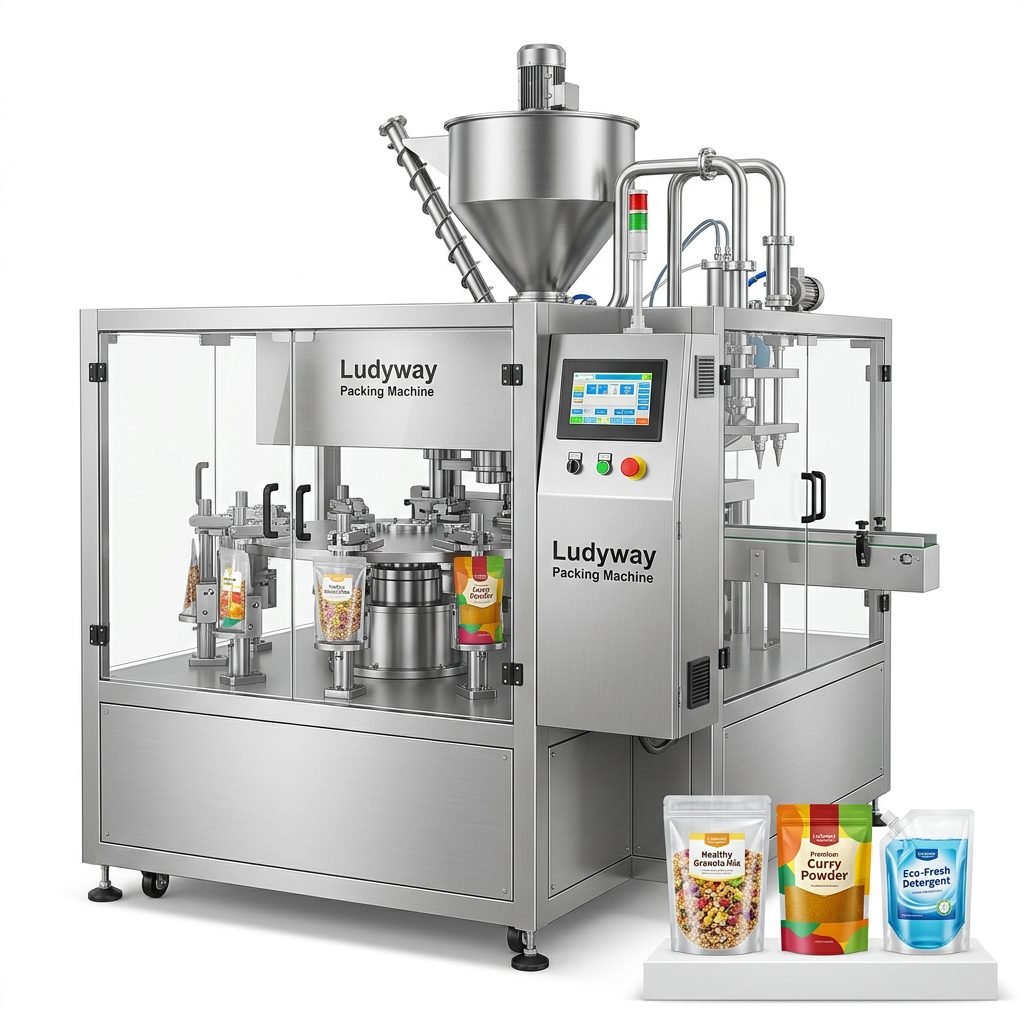
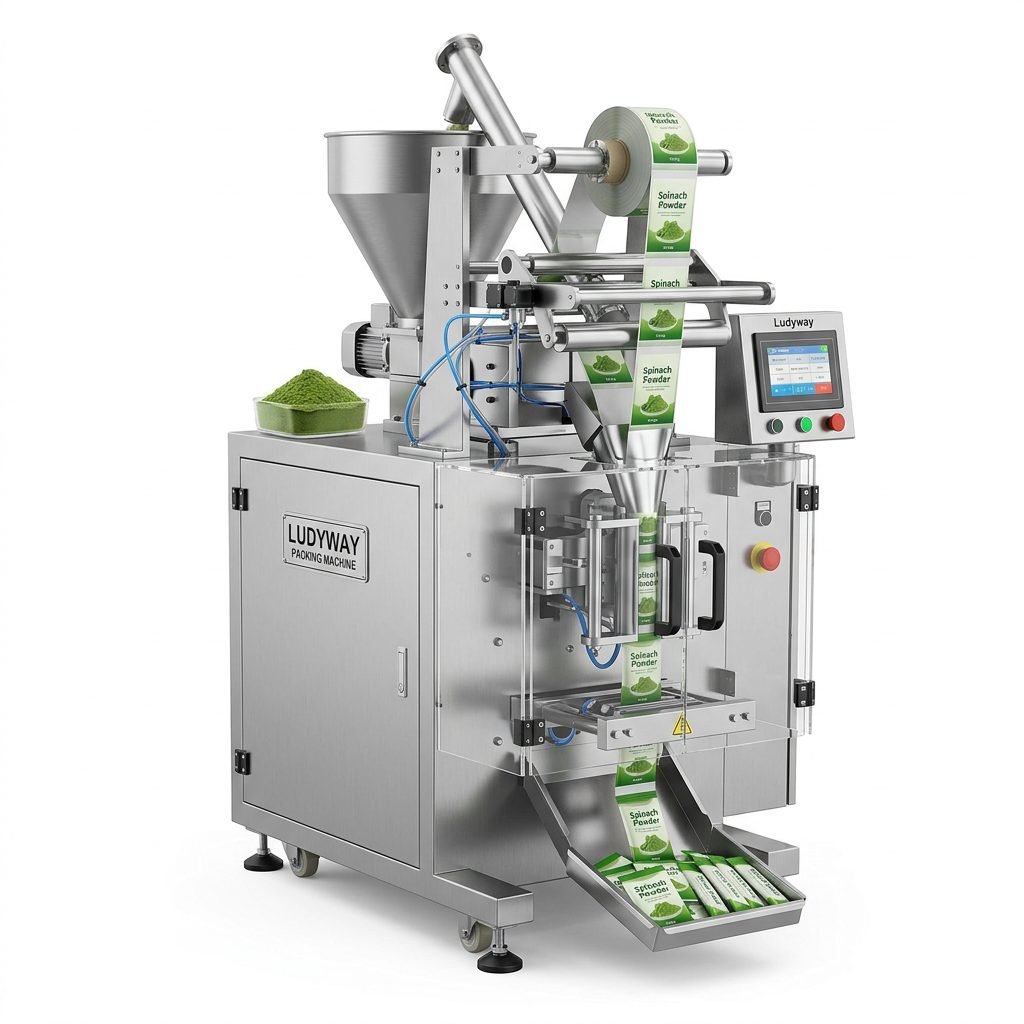
Manufacturers that need scalable automation often look for experienced suppliers capable of delivering both standalone stick pack machines and complete line solutions. One example is pharmaceutical packaging machines from Ludyway, a packaging equipment manufacturer known for multi-lane systems, turnkey packaging lines, and broad experience across pharma, food, and health-related applications.
Emerging Trends in Pharma Stick Pack Packaging
The pharmaceutical market continues to push stick pack innovation in several directions:
- More demand for unit-dose and on-the-go healthcare products
- Growth in nutraceutical and functional supplement packaging
- Increased use of smart coding and traceability systems
- Higher expectations for efficient, compact, high-speed lines
- Interest in reducing packaging material usage while maintaining protection
As these trends continue, stick packs are likely to remain one of the most important flexible packaging formats for pharmaceutical powders, granules, and single-use liquids.
When Stick Pack Packaging Is the Best Choice
Stick packs are especially effective when a product needs:
- Single-dose dispensing
- Easy portability
- Fast consumer use
- Strong moisture and oxygen protection
- Clean and modern shelf presentation
- High-volume automated production
For pharmaceutical brands and contract manufacturers, this makes the format highly relevant in both retail health and clinical-use channels.
Final Thoughts
Stick pack packaging matters in pharma because it combines dose precision, product protection, convenience, and manufacturing efficiency in one compact format. It helps brands meet patient expectations, optimize line performance, and improve product consistency across a wide range of pharmaceutical and nutraceutical applications.
Whether used for cold medicine granules, oral hydration products, supplements, or liquid healthcare items, stick packs offer a practical solution for modern pharmaceutical packaging. For manufacturers focused on quality, automation, and market adaptability, they represent a smart investment with long-term value.