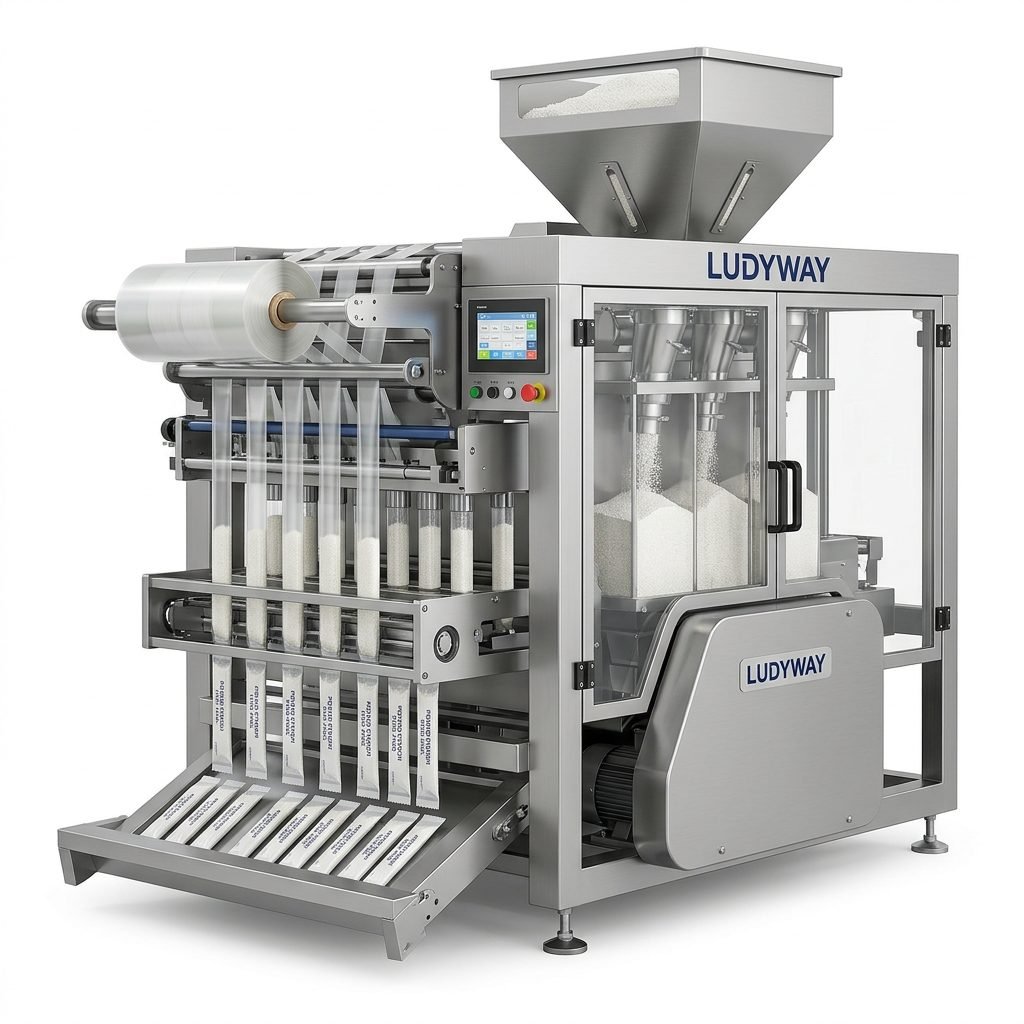
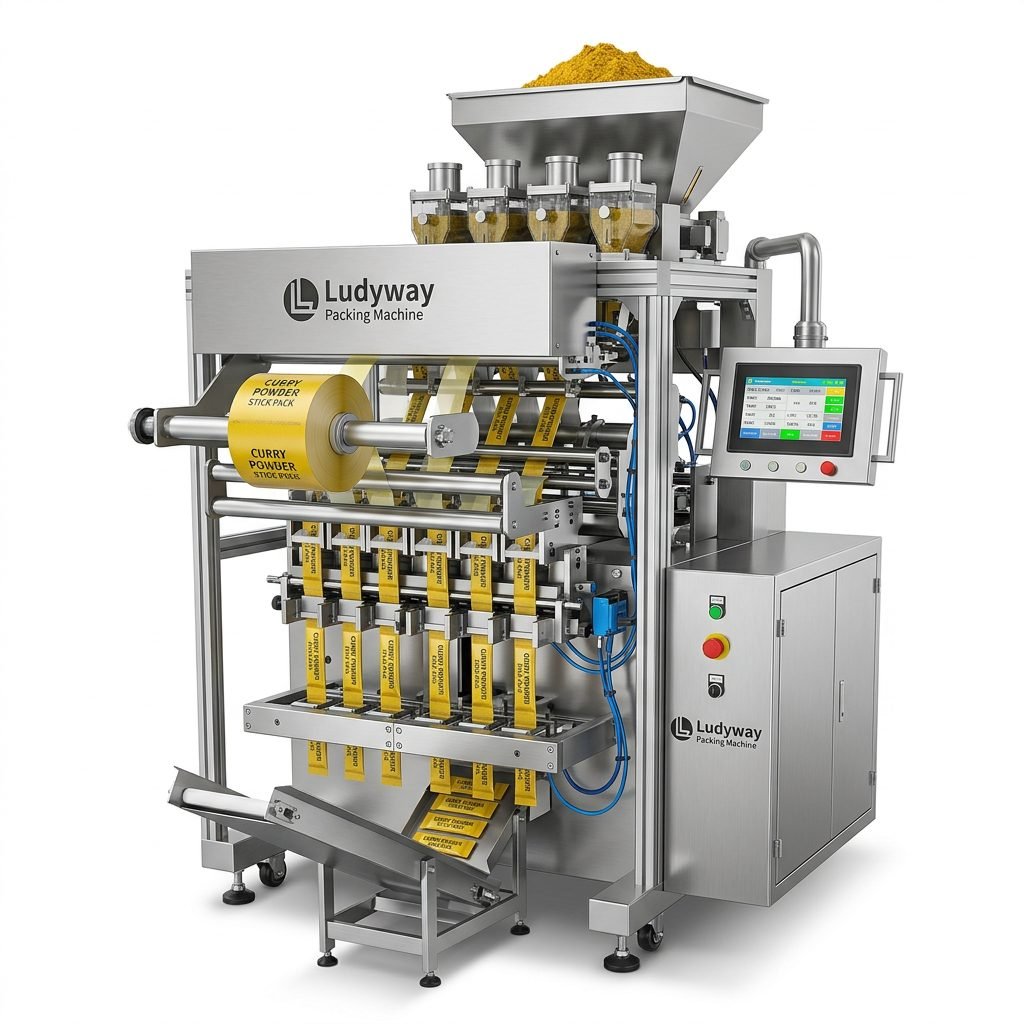
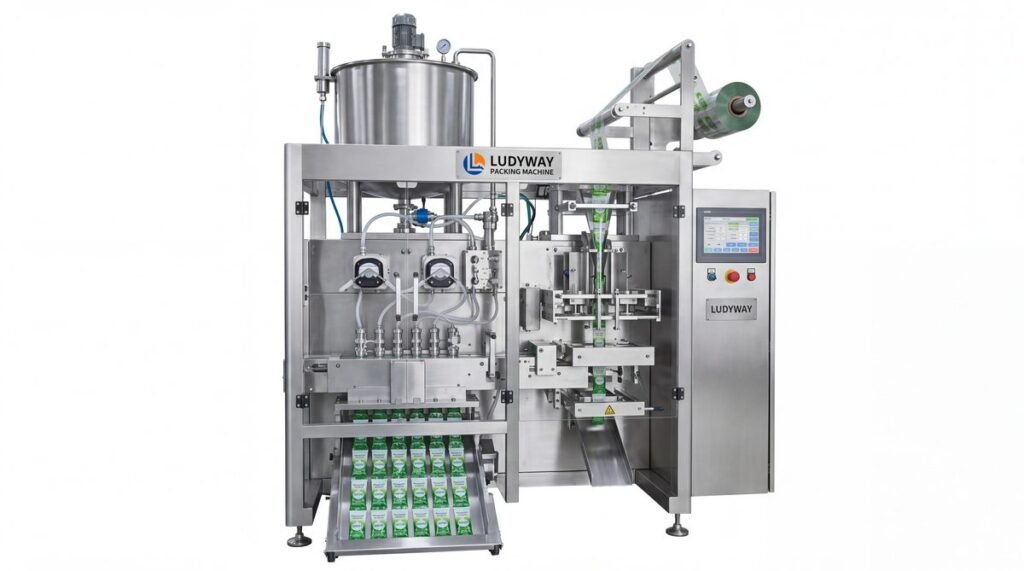
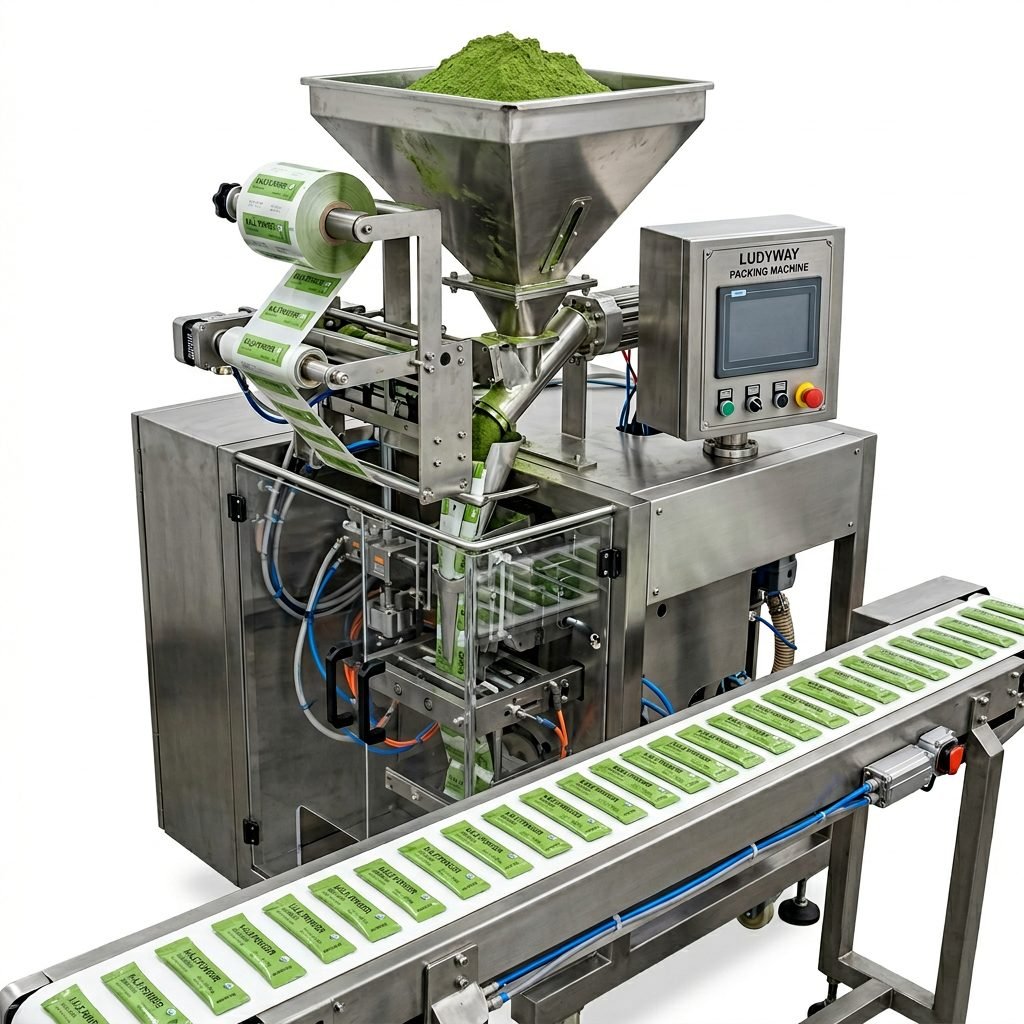
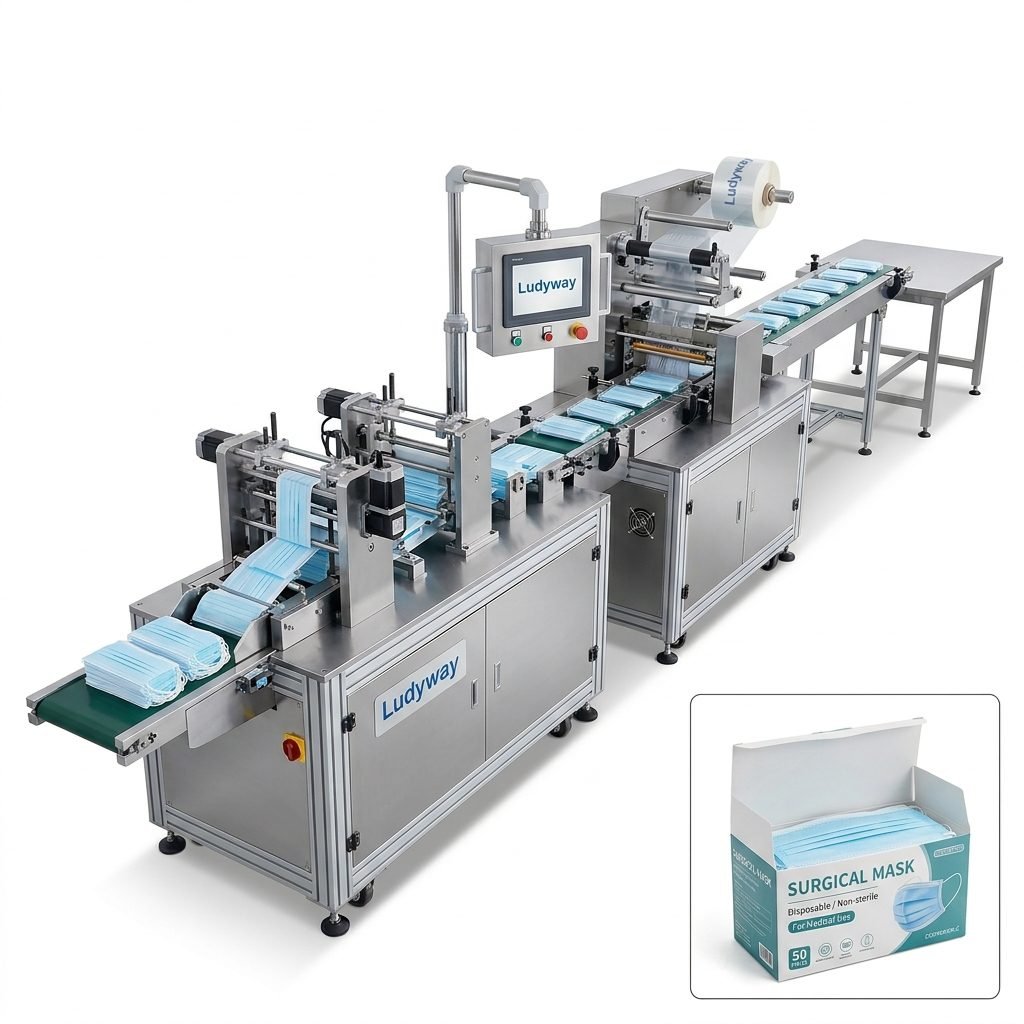
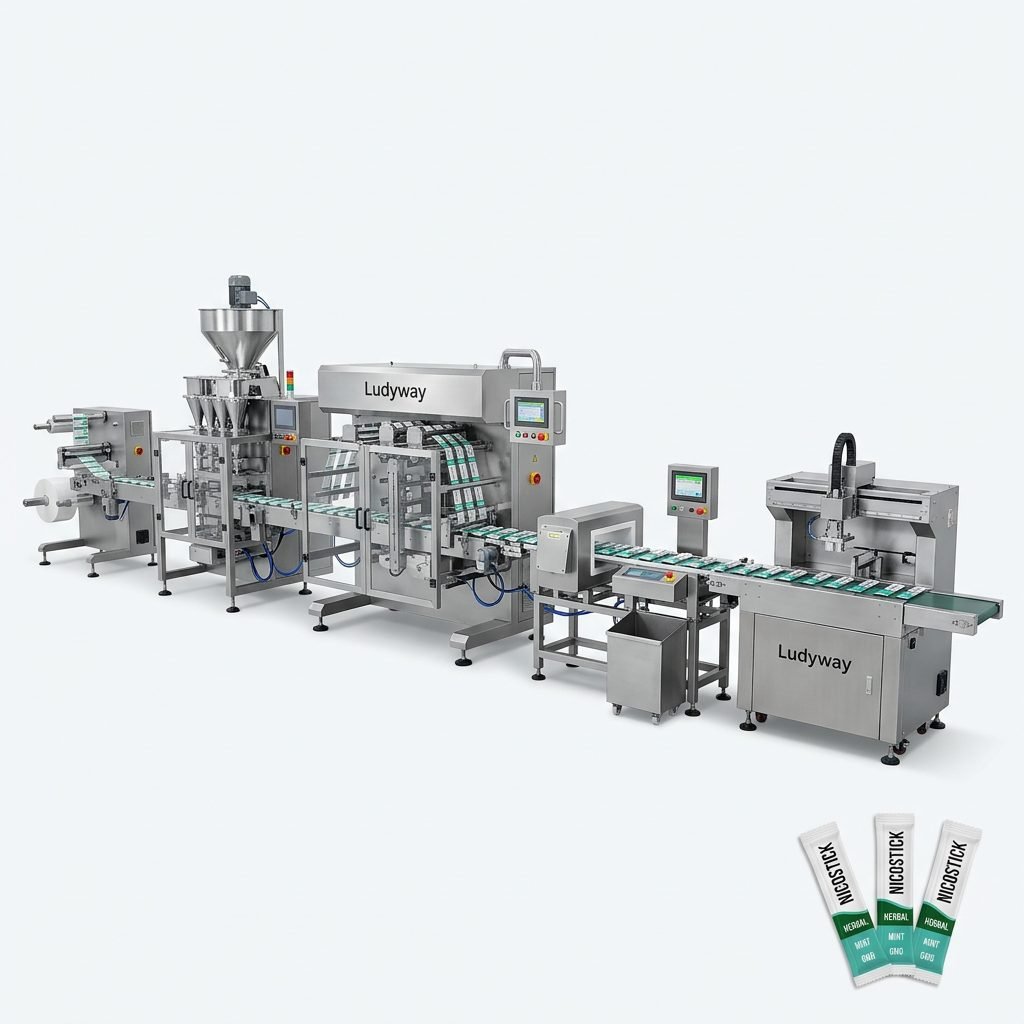
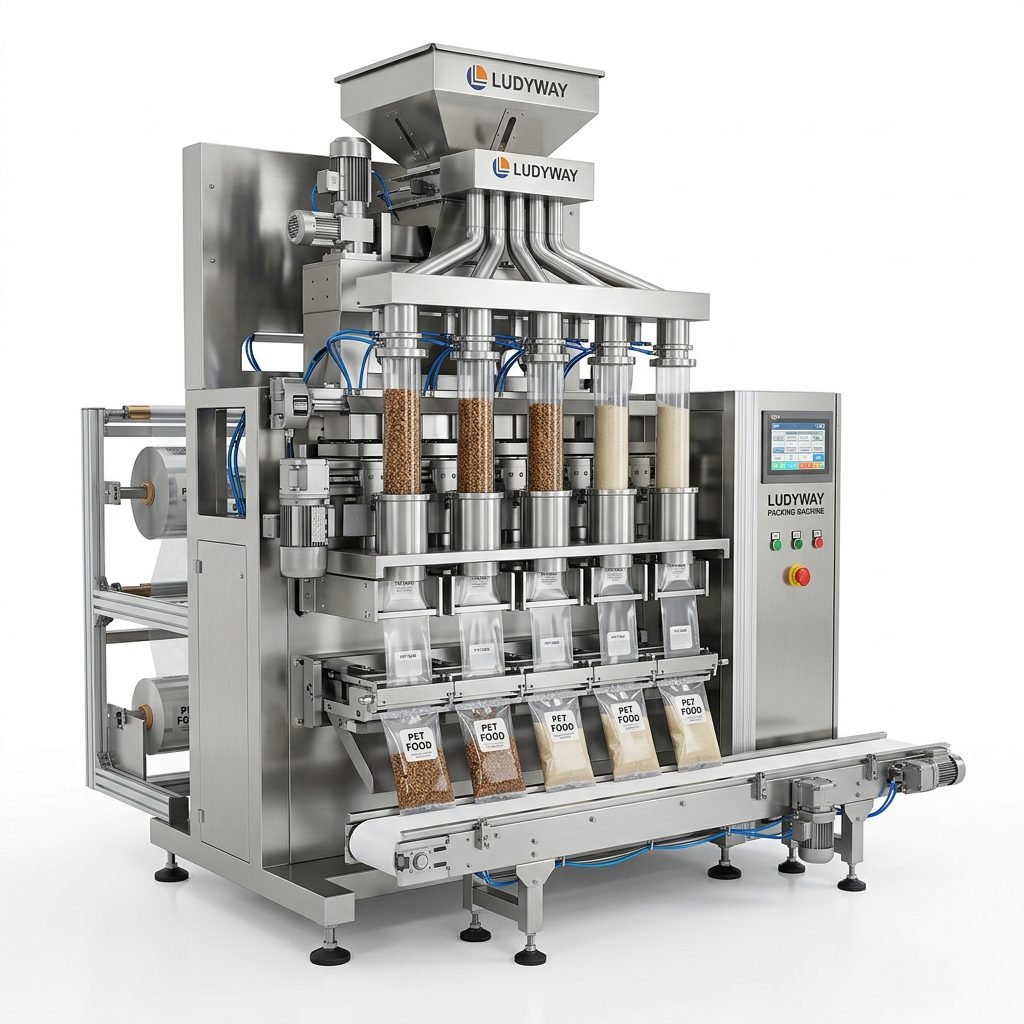
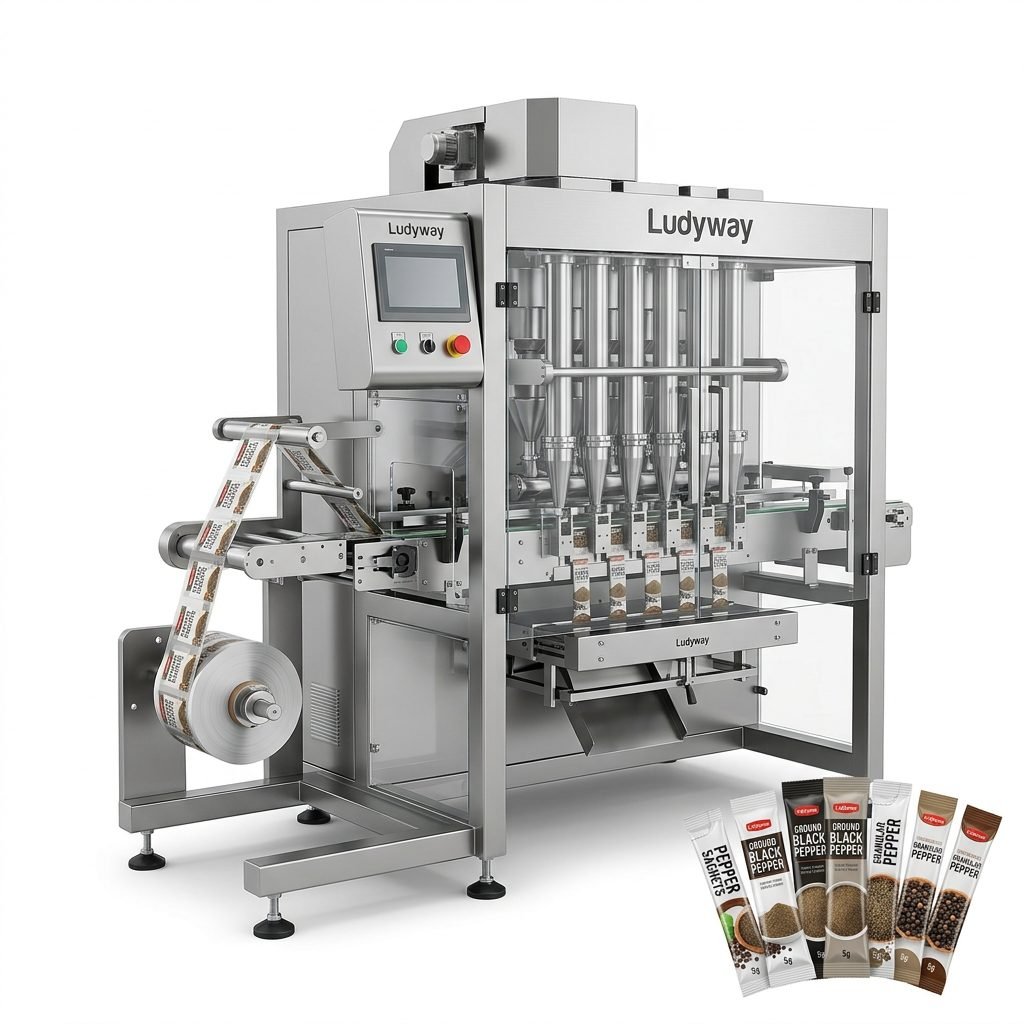
Popsicle packaging plays a critical role in product freshness, sealing integrity, shelf appeal, and high-speed output. For frozen treat manufacturers, choosing the right packaging machine is not only about wrapping a product quickly—it is about maintaining shape, minimizing melt-related issues, ensuring hygienic operation, and supporting stable production during peak demand seasons.
Modern popsicle packaging machine systems are designed to help producers handle individual bars, multi-pack formats, and secondary packaging with greater consistency. Whether you produce fruit pops, dairy-based ice pops, low-sugar frozen treats, or novelty products, the right packaging setup can improve throughput, reduce labor dependency, and support long-term production growth.
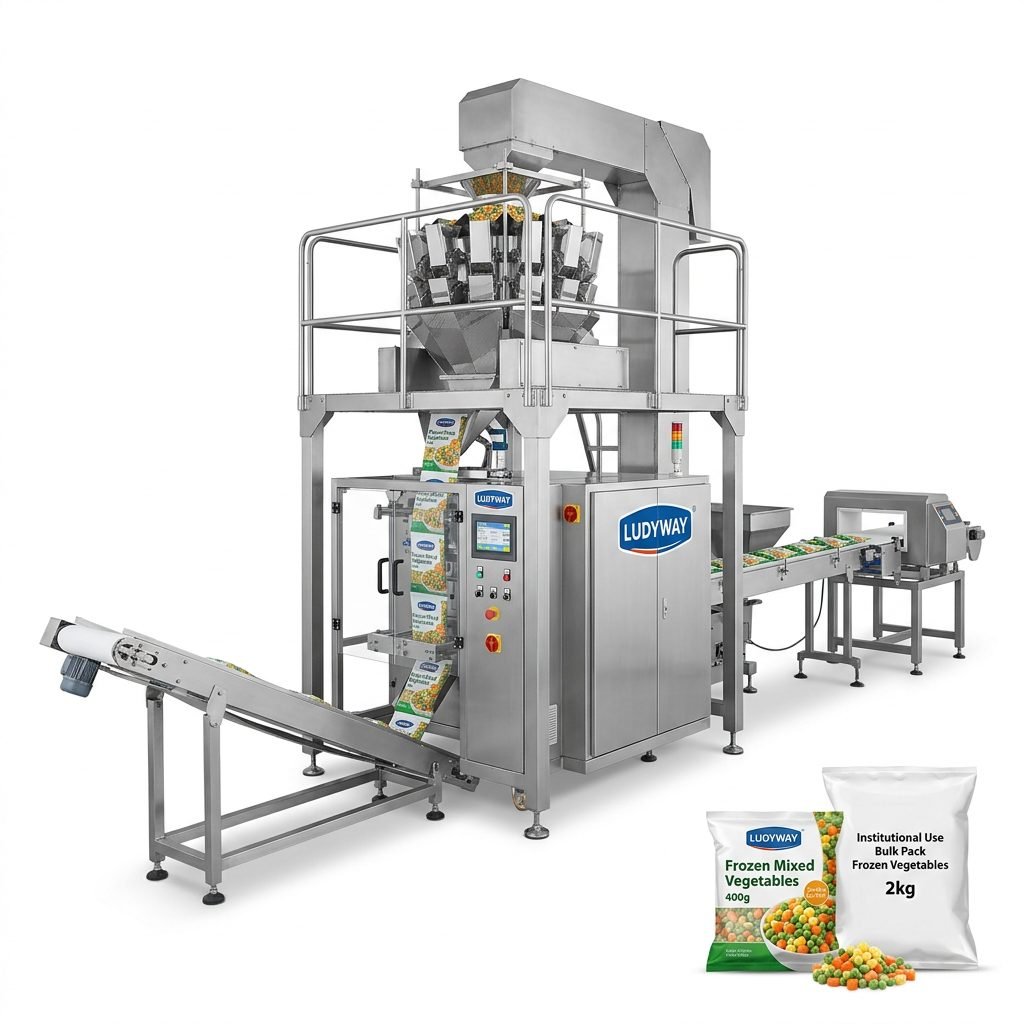
Why Popsicle Packaging Requires Specialized Equipment
Frozen desserts are highly sensitive to temperature changes, surface moisture, and handling pressure. A popsicle may look simple, but packaging it efficiently requires reliable feeding, precise sealing, and compatibility with cold-chain workflows. Standard packing equipment often struggles with condensation, sticking, inconsistent alignment, or film sealing issues in frozen environments.
- Low-temperature adaptability to support frozen product handling
- Stable film feeding for smooth wrapping and reduced waste
- Accurate product positioning for neat, retail-ready packs
- Reliable sealing performance to protect against leakage and contamination
- Integration capability with conveyors, cartoners, checkweighers, and coding systems
Key Benefits of an Efficient Popsicle Packaging Machine
Investing in a well-matched system can produce measurable gains across production, quality control, and operating cost. For manufacturers supplying supermarkets, convenience stores, foodservice channels, or private-label brands, packaging consistency directly affects market competitiveness.
- Higher packaging speed for seasonal demand spikes
- Reduced manual handling and lower labor intensity
- Better seal quality for frozen storage and transport
- Improved product appearance on shelves
- Lower material loss through accurate film control
- More scalable production for growing brands
Common Packaging Formats for Popsicles
Packaging requirements vary depending on product shape, serving size, brand positioning, and distribution method. Some factories focus on single-bar convenience packs, while others prioritize family-size bundles or bulk foodservice formats.
| Packaging Format | Typical Use | Machine Requirement |
|---|---|---|
| Individual flow wrap | Retail single popsicles | High-speed feeding and tight end sealing |
| Pillow bag pack | Economical frozen treat packaging | Stable film tracking and moisture-tolerant sealing |
| Multi-pack bag | Family packs and club-store sales | Counting, grouping, and bag filling integration |
| Cartoned pack | Premium retail and branded assortments | Secondary cartoning and coding systems |
| Bulk pack | Foodservice and industrial supply | High-capacity conveying and case packing |
Important Features to Look For
Not every machine labeled for frozen food is equally suitable for popsicles. Buyers should evaluate real production needs, packaging materials, target output, and line integration goals before making a decision.
1. Sealing Stability
Because frozen products can create surface condensation, sealing performance must remain stable even in challenging conditions. Consistent temperature control and film compatibility are essential for secure packs.
2. Gentle Product Handling
Popsicles can crack, deform, or lose coating quality if handled roughly. Smooth conveying and synchronized infeed systems help maintain product integrity.
3. Flexible Changeover
Manufacturers often run multiple SKUs, flavors, and pack sizes. A packaging machine with efficient format adjustment helps reduce downtime between production runs.
4. Hygienic Construction
Food-grade contact parts, easy-clean surfaces, and sanitary design support compliance and simplify maintenance in frozen dessert plants.
5. Automation Compatibility
The most efficient operations connect primary wrapping with cartoning, checkweighing, coding, case packing, and palletizing. This reduces bottlenecks and creates a smoother end-to-end process.
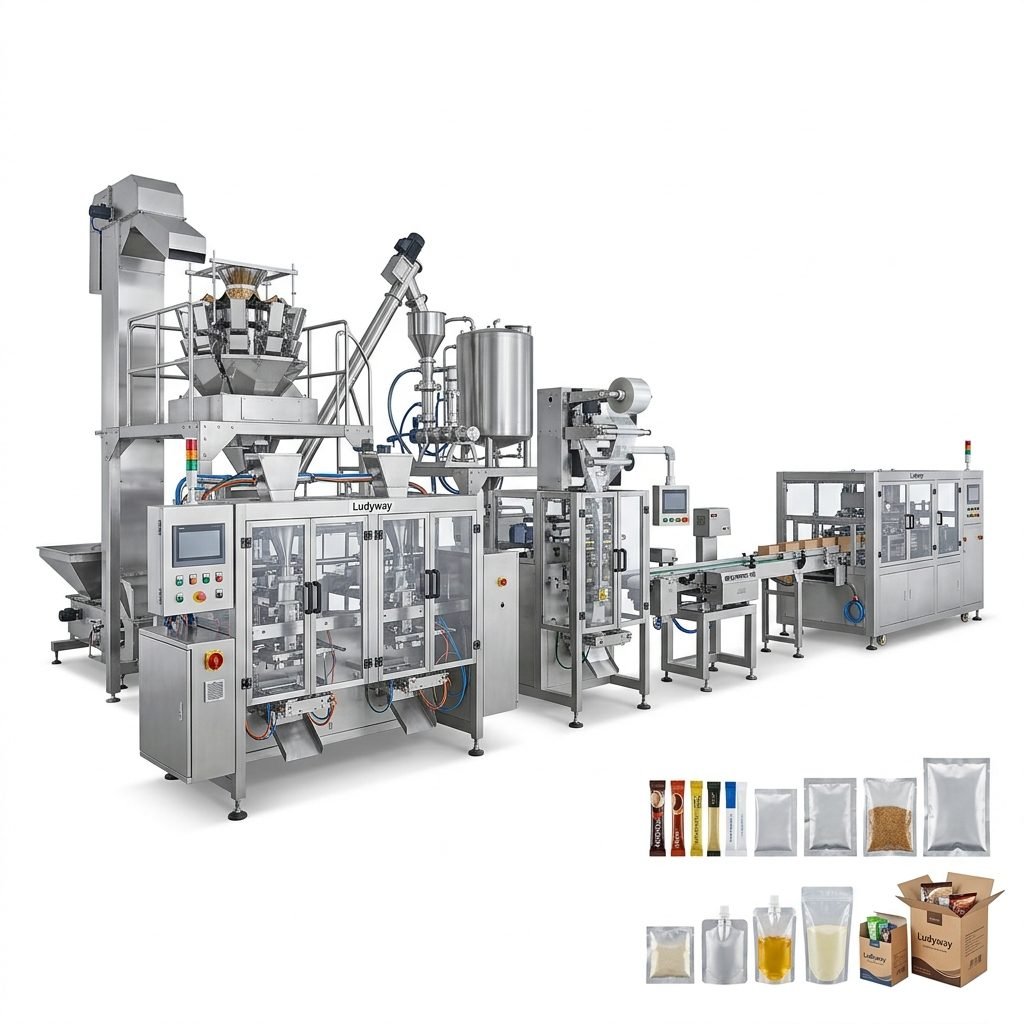
How Automation Improves Frozen Treat Production
As labor costs rise and product variety expands, automated popsicle packaging machines are becoming a practical necessity. Automated systems can operate with improved rhythm, less human contact, and more predictable output. This is especially valuable for brands serving large retail channels, where delivery timing and pack consistency matter.
An automated line may include:
- Infeed conveyors for aligned product transfer
- Primary wrapping units for single popsicles
- Metal detection or checkweighing modules
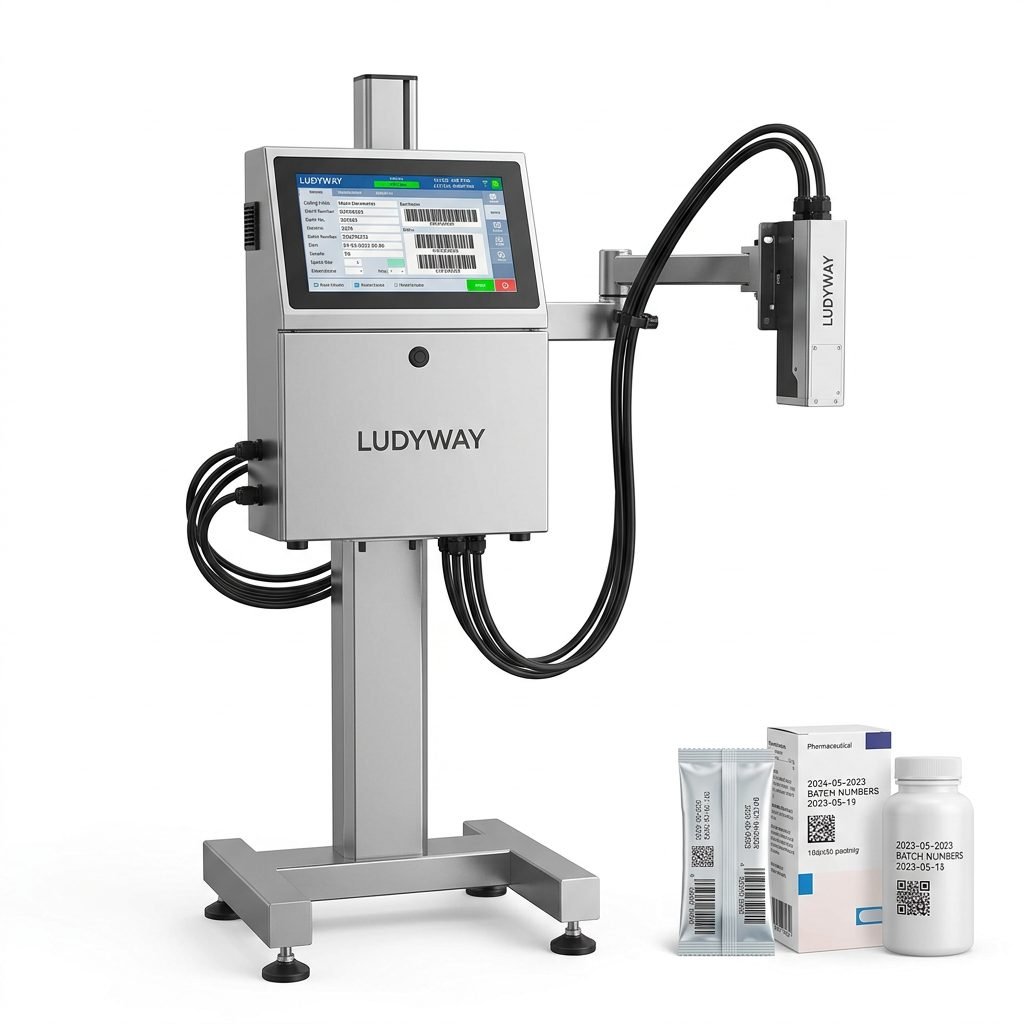
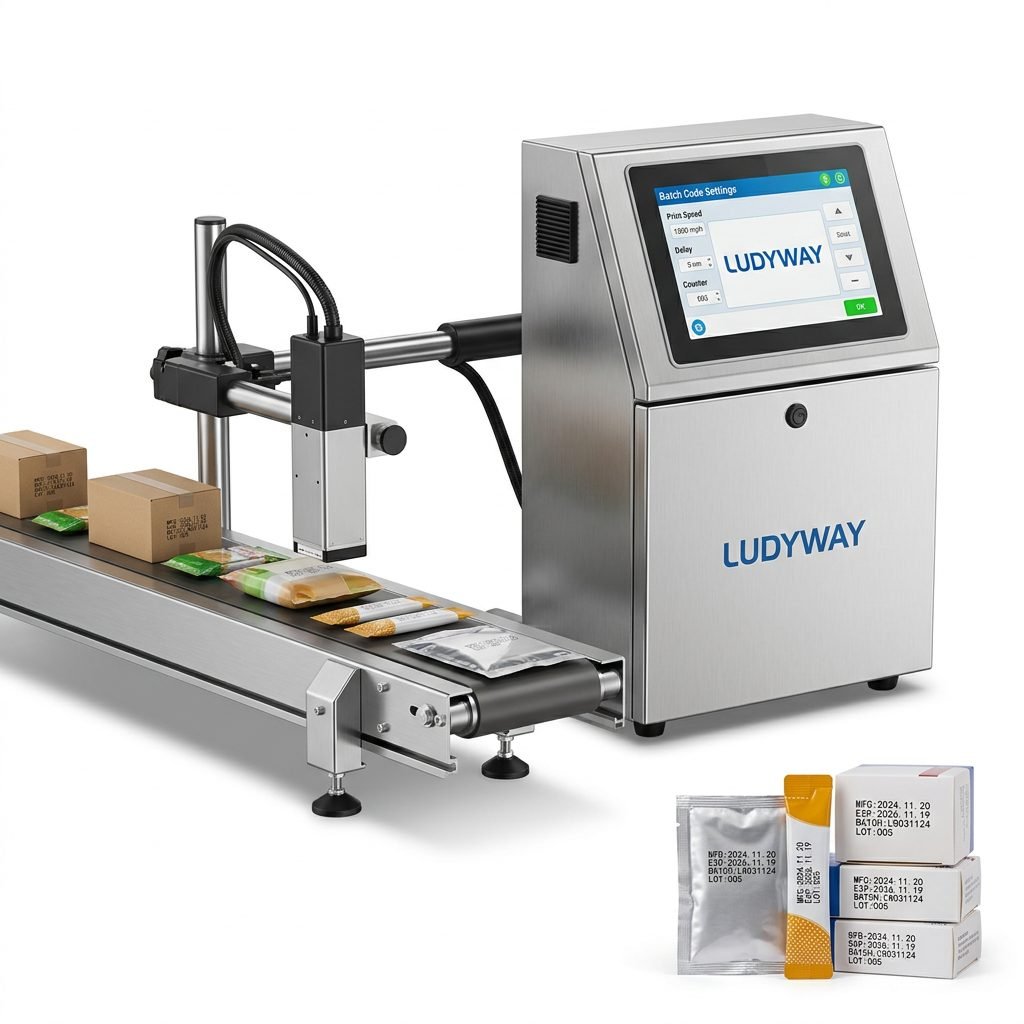
- Date coding and traceability systems
- Cartoning or bagging equipment for multi-packs
- Case packing and palletizing for shipment readiness
Choosing the Right Machine for Your Production Line
The best packaging solution depends on your production environment rather than on speed alone. A machine should match your product characteristics, factory layout, packaging materials, and future capacity plans.
| Selection Factor | Why It Matters |
|---|---|
| Product size and shape | Affects infeed design, film width, and sealing method |
| Packaging material | Determines sealing performance and machine compatibility |
| Output target | Guides machine speed, lane design, and automation level |
| Available floor space | Impacts layout planning and line integration |
| Cleaning and maintenance needs | Helps maintain food safety and reduce downtime |
| Expansion plans | Supports future upgrades to complete packaging lines |
Industries and Businesses That Benefit Most
Popsicle packaging machinery is suitable for a wide range of frozen dessert operations, including:
- Ice cream and frozen novelty manufacturers
- Private-label frozen dessert producers
- Contract food packaging facilities
- Regional brands scaling to national retail supply
- Food exporters requiring consistent pack quality
- Factories upgrading from manual or semi-automatic packaging
Reducing Waste and Improving Packaging Consistency
Waste reduction is one of the biggest gains from a properly configured packaging machine. Film misalignment, weak seals, product jams, and manual mishandling can significantly increase unit cost. Automated equipment helps control these variables more effectively.
A more efficient system can help reduce:
- Packaging film waste
- Seal defects and rework
- Damaged or deformed products
- Unplanned downtime
- Excess labor during peak production periods
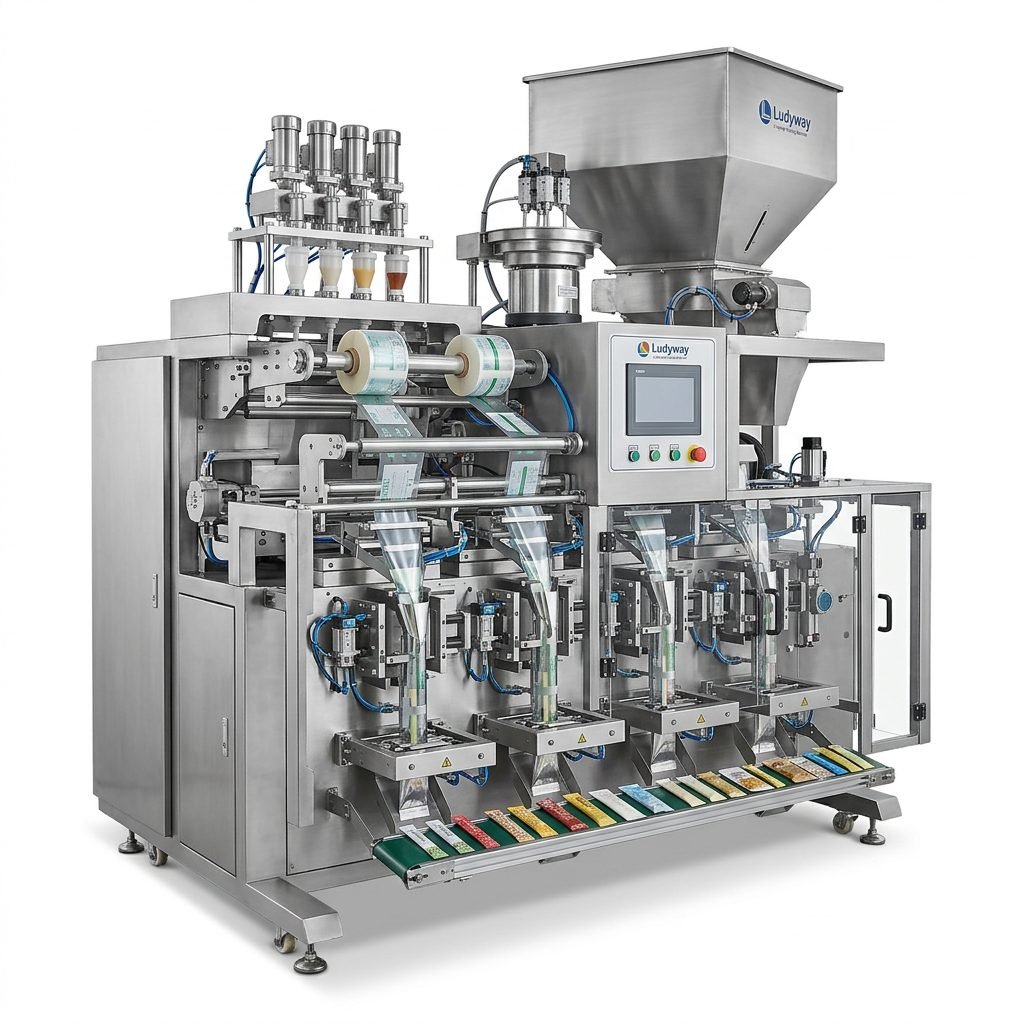
Turnkey Solutions for Growing Manufacturers
For companies planning to expand output, a standalone machine may be only the first step. Many frozen food producers now prefer turnkey packaging solutions that combine feeding, wrapping, counting, cartoning, coding, inspection, and end-of-line automation. This approach improves coordination across the whole factory and simplifies supplier management.
As one of China’s leading packaging machine and turnkey packaging line manufacturers, Ludyway popsicle packaging machine solutions can support businesses looking for scalable automation, customized line integration, and long-term packaging efficiency across food production applications.
Maintenance and Operational Best Practices
Even the best equipment performs best with proper maintenance and operator training. Frozen product packaging environments can be demanding, so routine inspection is essential.
Recommended practices:
- Check sealing components regularly for stable performance
- Keep conveyors and contact surfaces clean and dry where possible
- Monitor film tension and tracking during long runs
- Train operators on SKU changeover procedures
- Schedule preventive maintenance before peak seasons
- Track downtime causes to optimize line efficiency
What to Ask Before Buying a Popsicle Packaging Machine
Before finalizing a purchase, it is smart to discuss technical details with the supplier. This helps avoid mismatch between equipment capability and real production demand.
- What product shapes and sizes can the machine handle?
- Which packaging films are supported?
- What is the stable operating speed under actual factory conditions?
- Can the system connect with cartoning or case packing equipment?
- How easy is cleaning and format changeover?
- What after-sales service and spare parts support are available?
Final Considerations for Long-Term Efficiency
An efficient popsicle packaging machine is more than a production tool—it is a key part of product protection, brand presentation, and factory performance. The right equipment helps maintain cold-chain packaging quality, supports higher throughput, and creates a smoother path from manufacturing to retail delivery.
For frozen treat brands aiming to improve speed, consistency, and scalability, investing in a well-designed packaging solution can deliver strong long-term value. From individual wraps to complete automated lines, the right system makes frozen dessert packaging faster, cleaner, and more reliable.