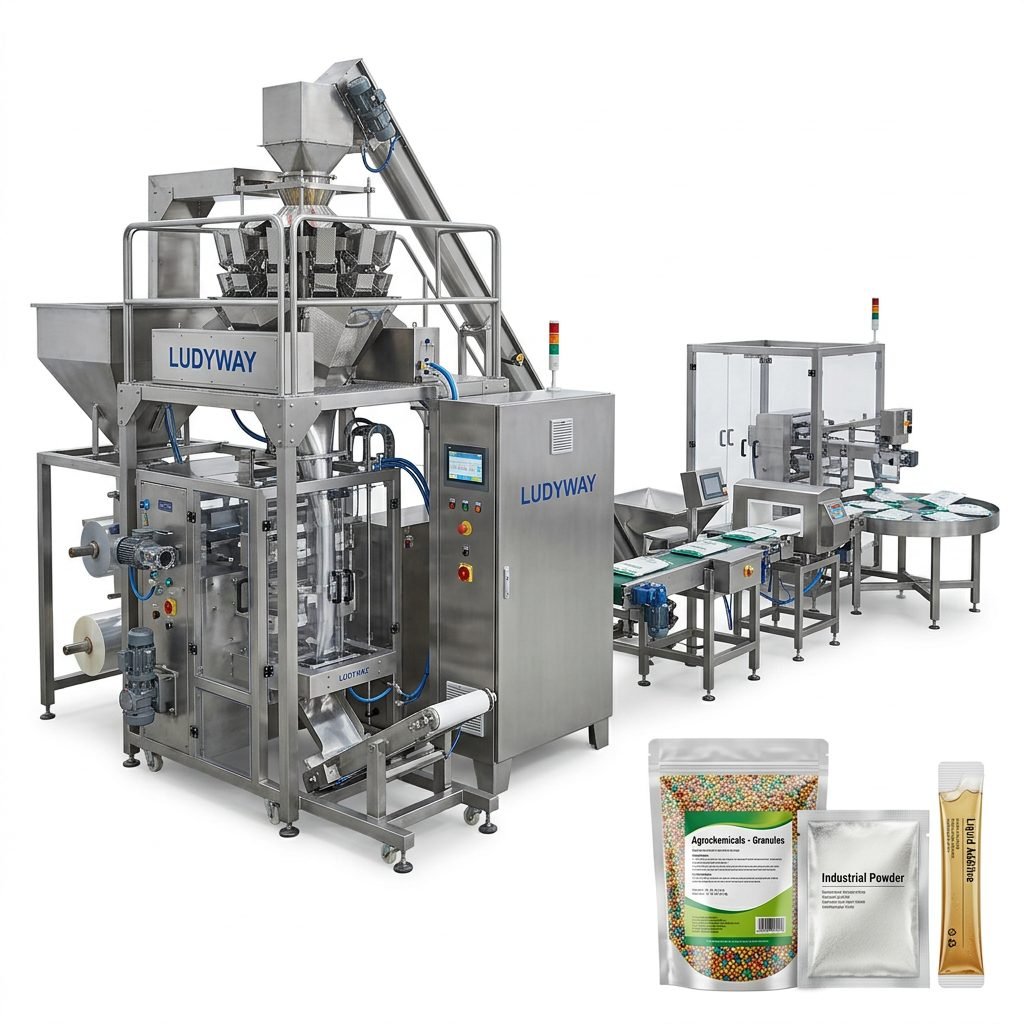
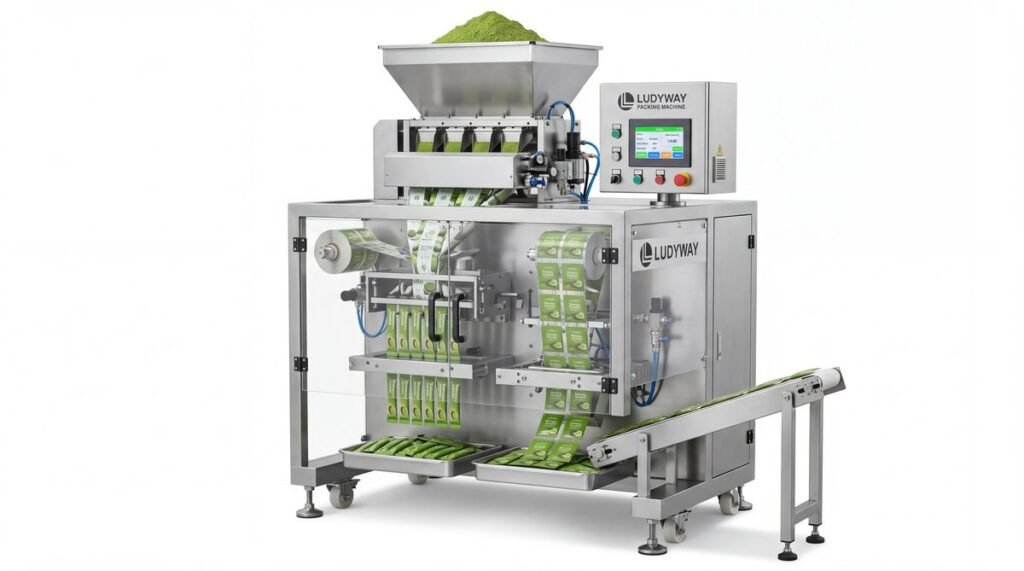
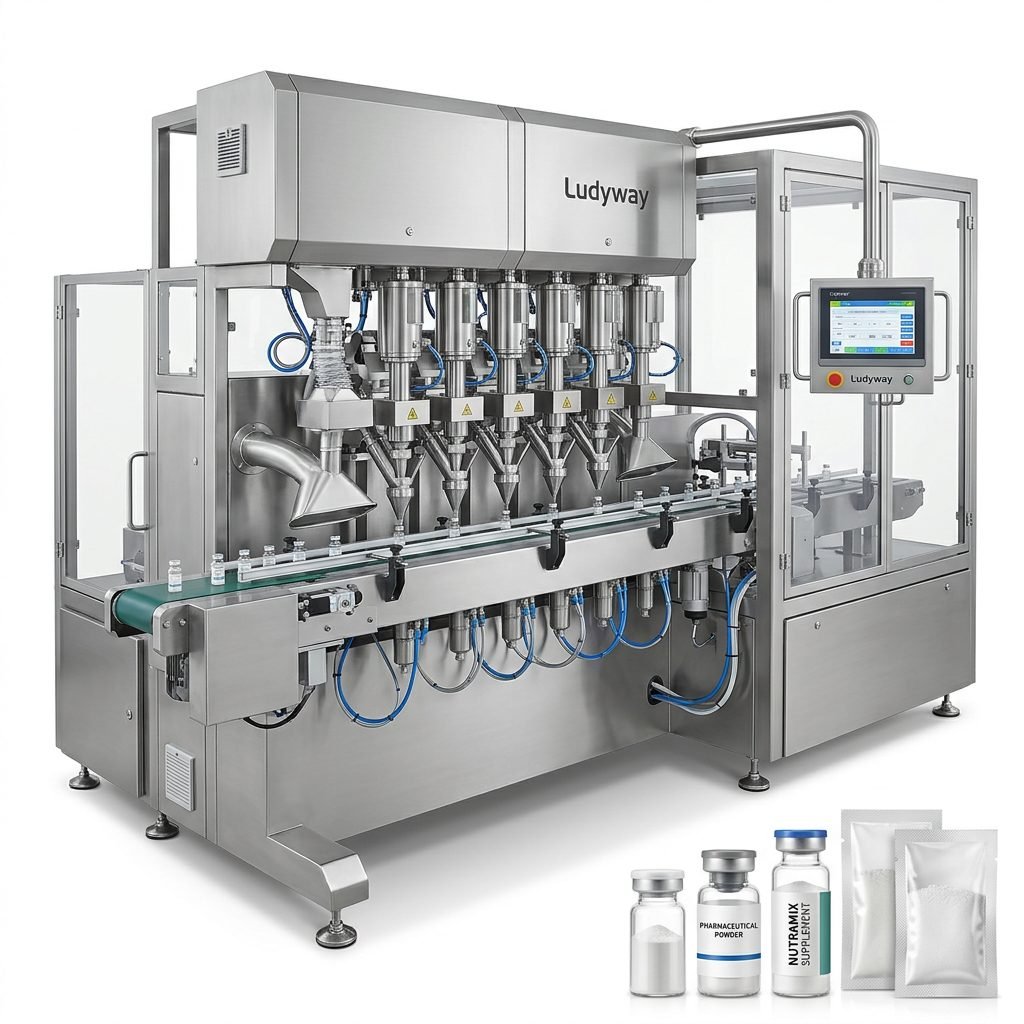
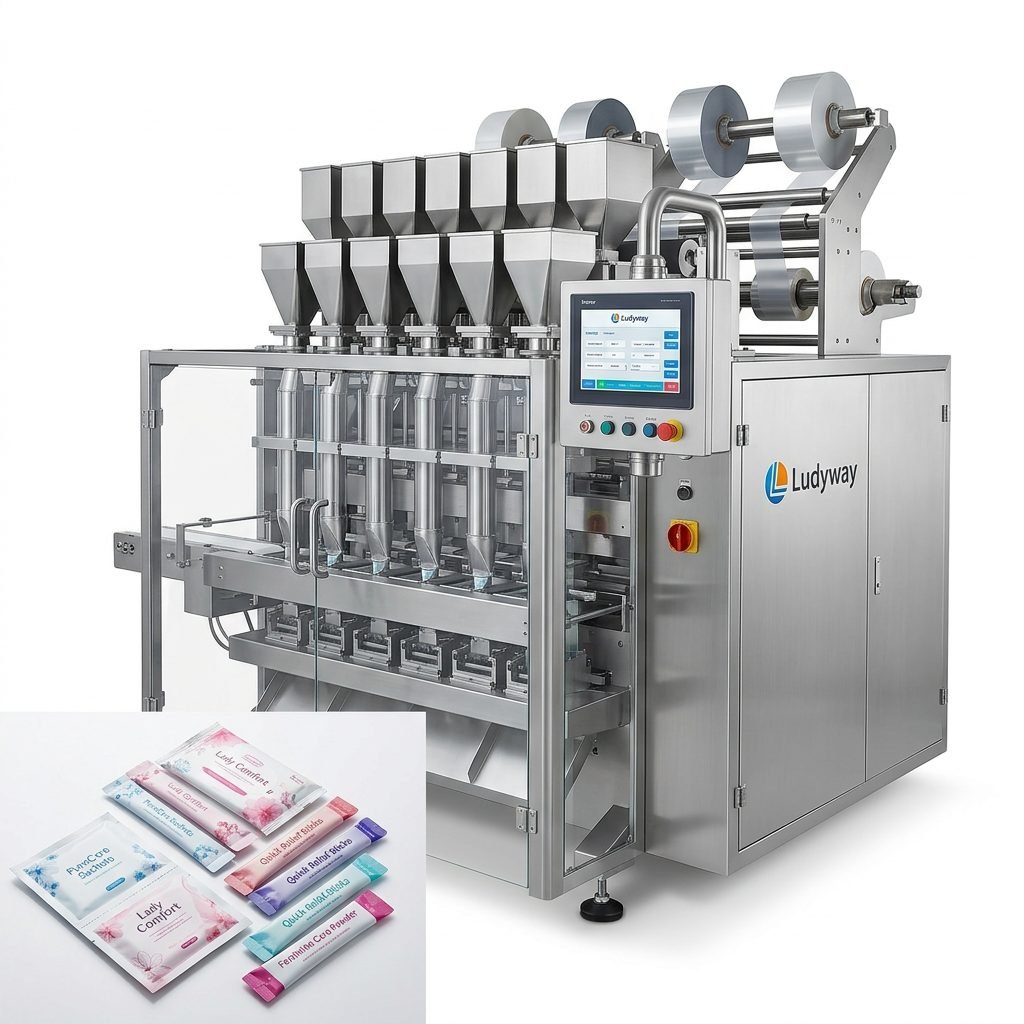
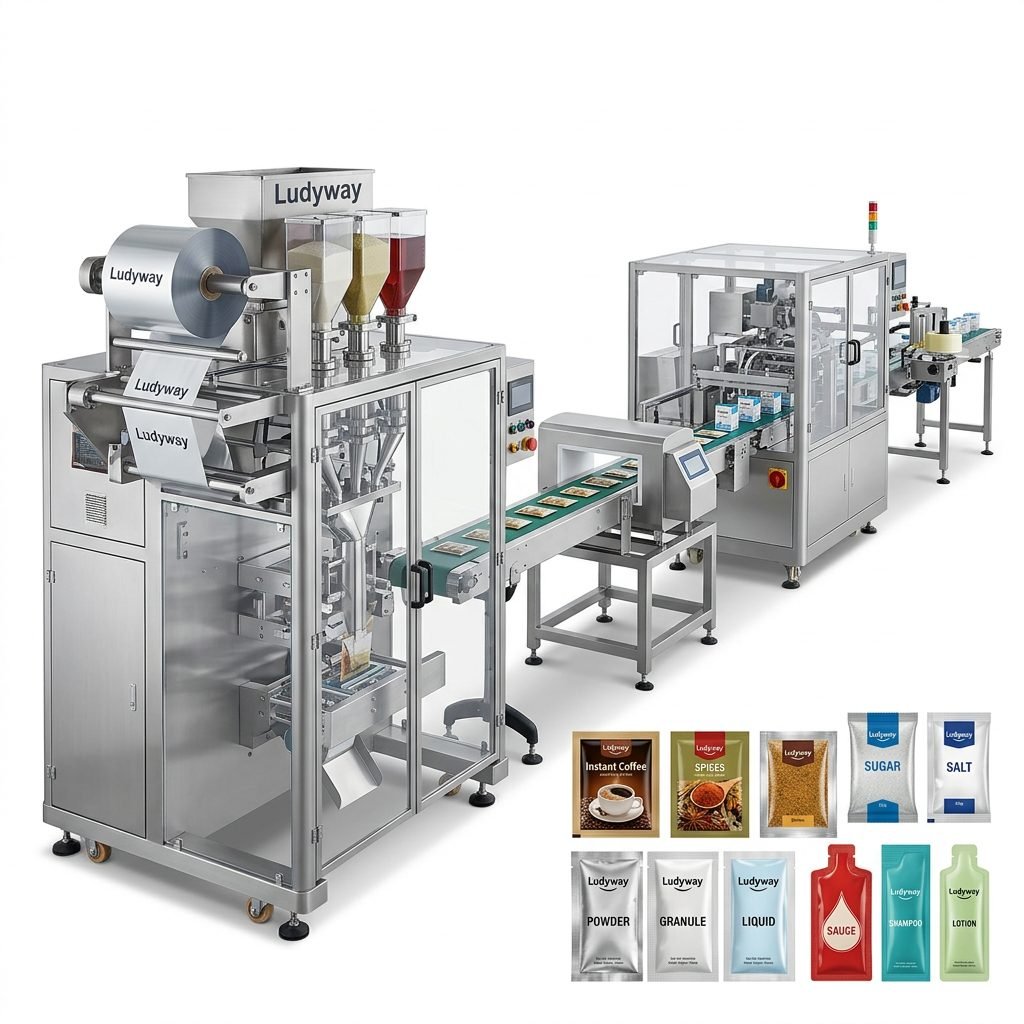
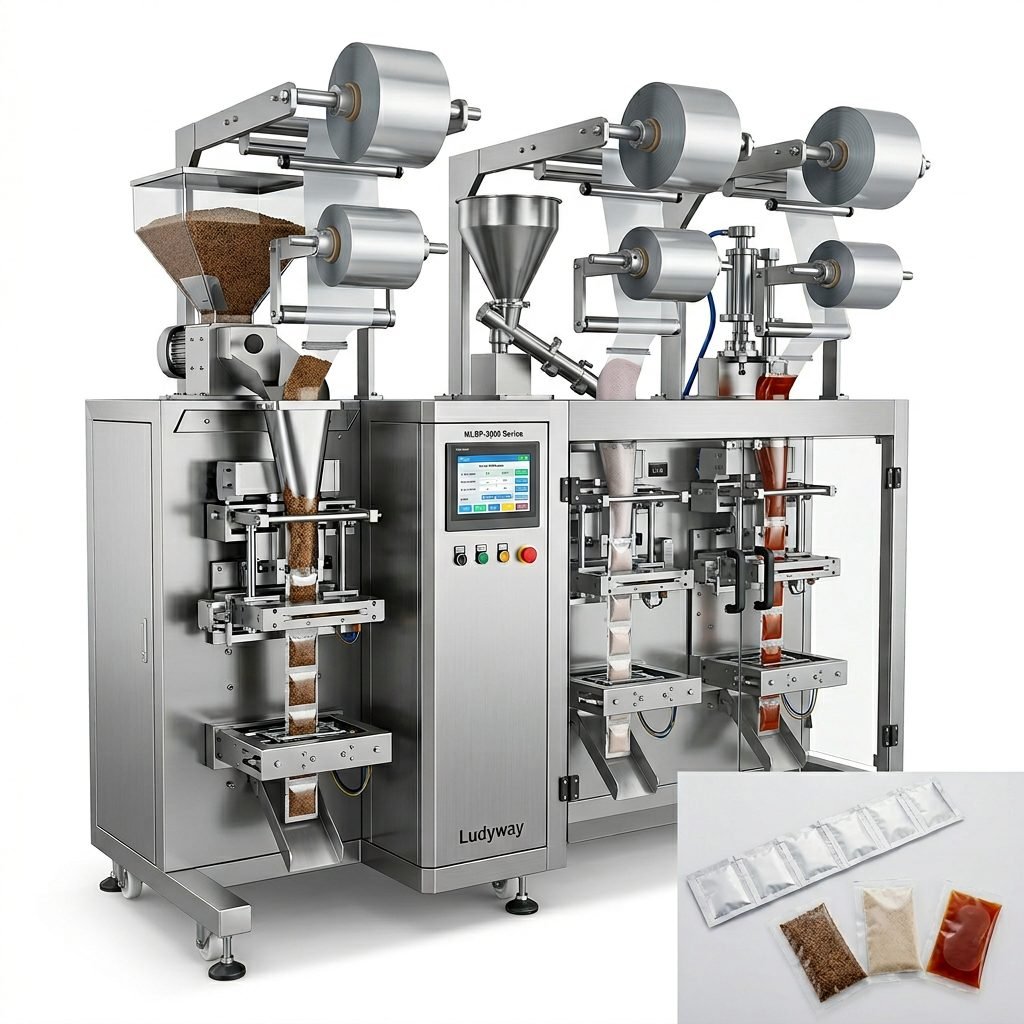
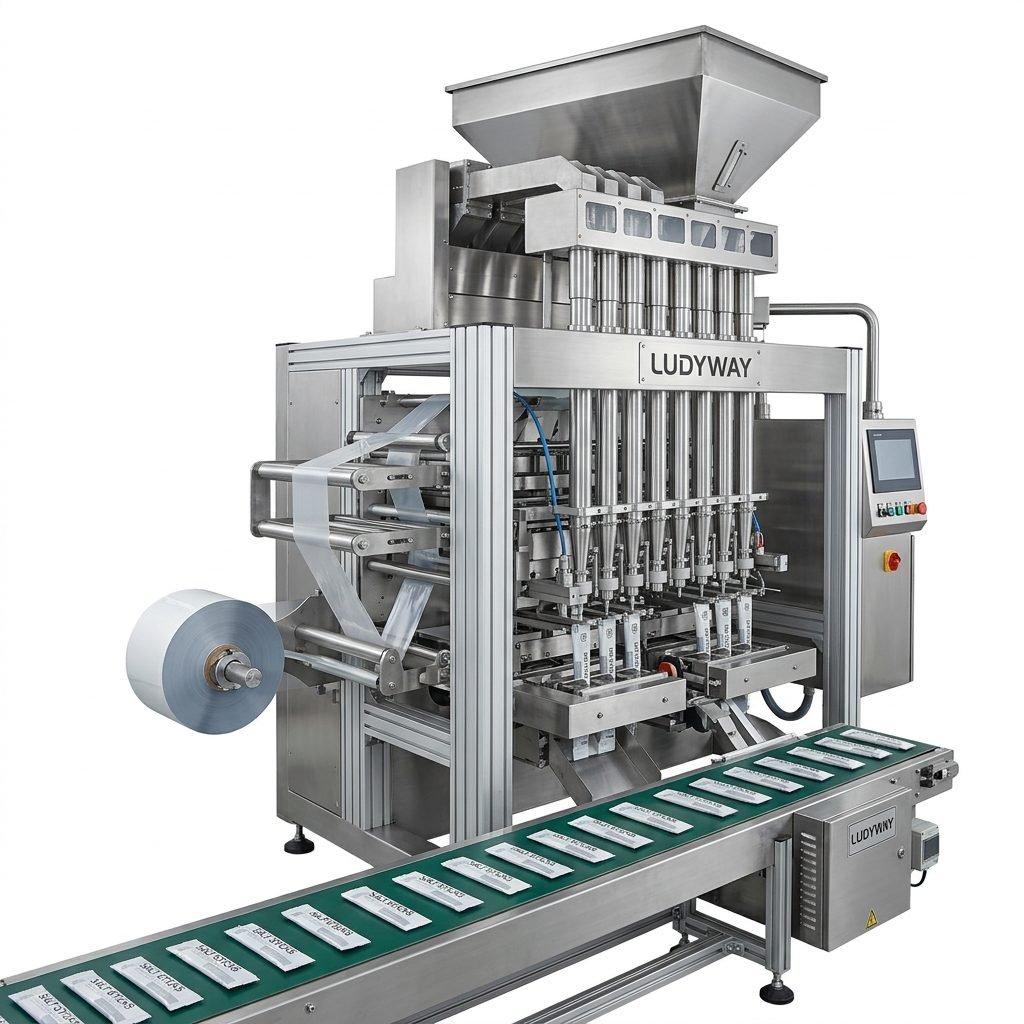
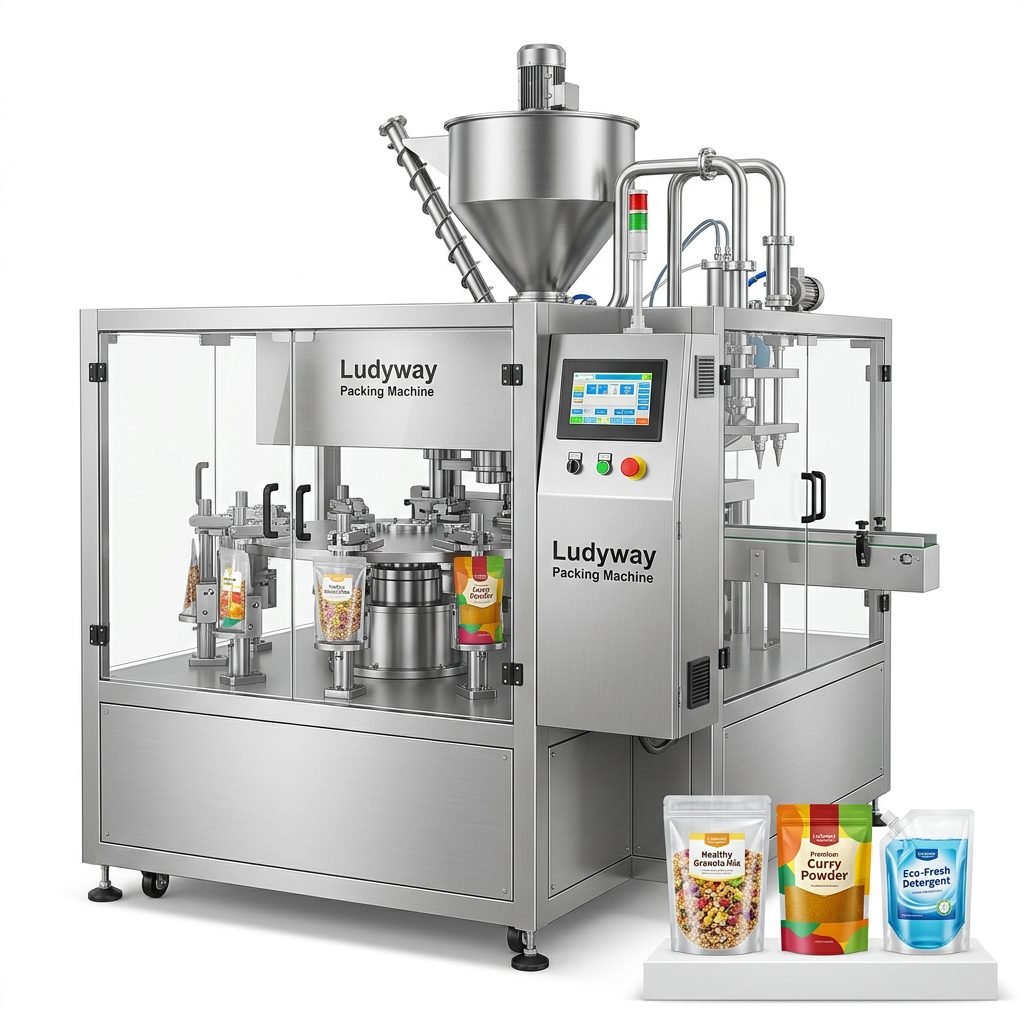
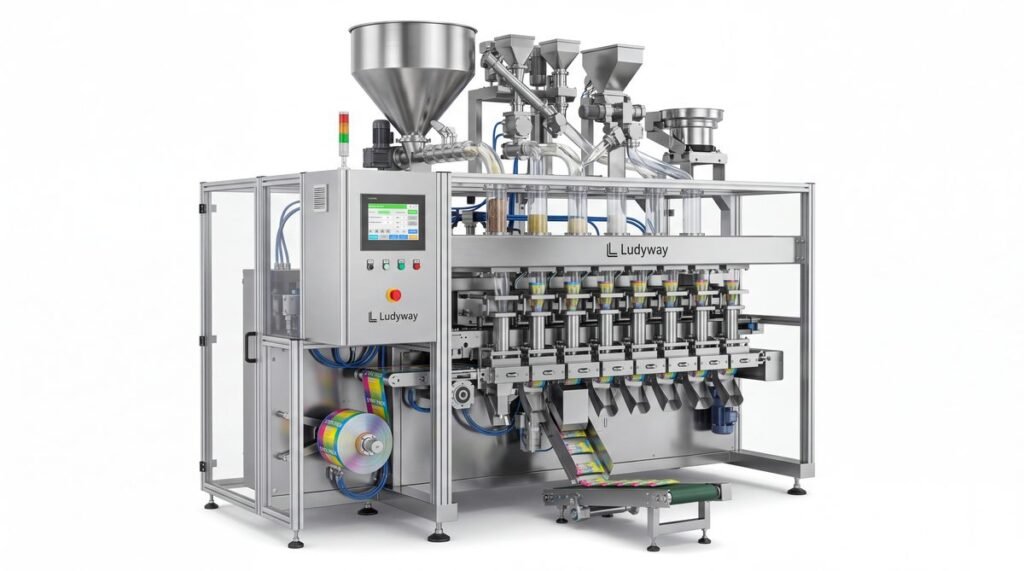
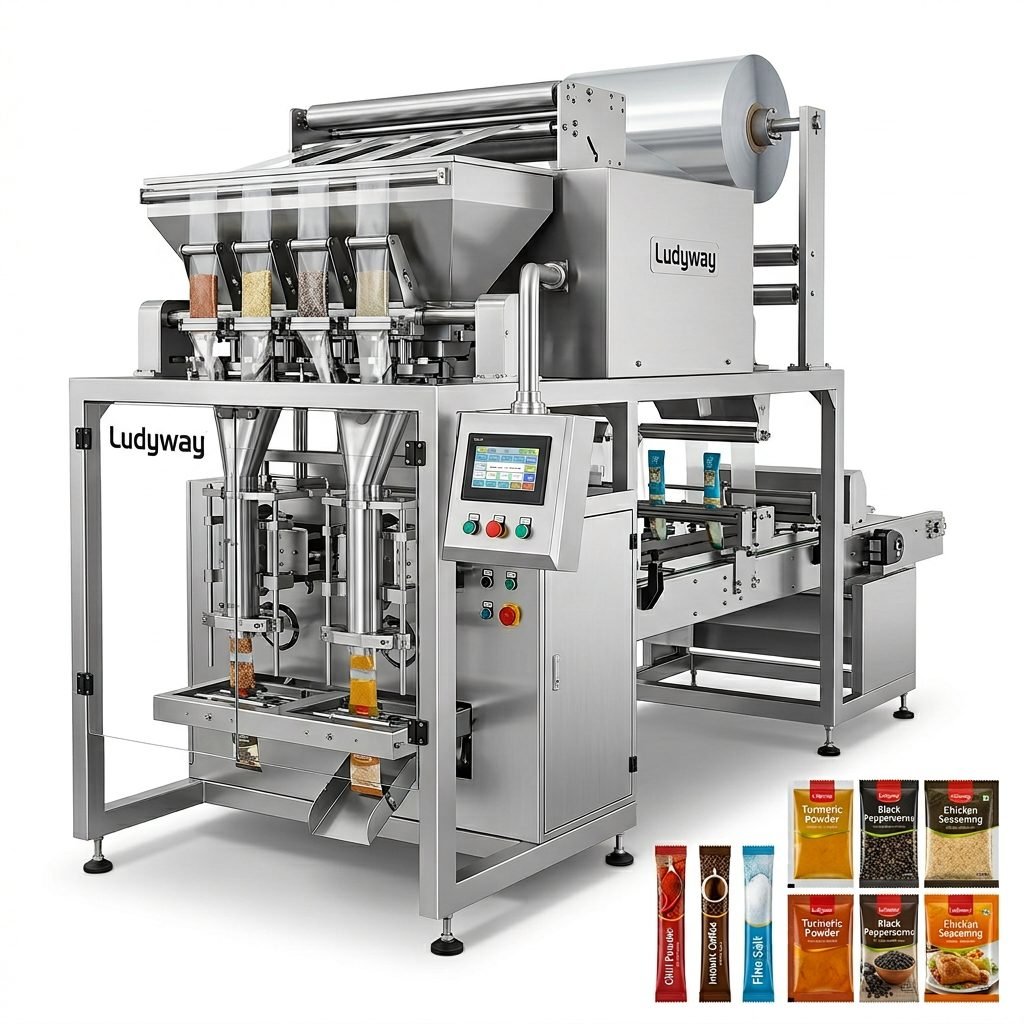
Choosing the right packaging equipment is a strategic decision that affects production speed, labor cost, packaging quality, product safety, and long-term profitability. Whether you are packaging powders, granules, liquids, pastes, sachets, stick packs, bottles, or pouches, understanding packaging machine price factors can help you make a smarter investment for your business.
This guide explains how packaging machine prices are formed, what machine type fits different industries, and how to compare suppliers without overpaying or underbuying.
What Affects Packaging Machine Price?
Packaging machine prices vary widely because the final cost depends on more than just the machine frame. A compact semi-automatic unit may cost only a fraction of a fully integrated turnkey packaging line. Before requesting a quotation, it is important to understand the main price drivers.
- Product type: powders, granules, liquids, viscous products, capsules, and irregular solids require different dosing and sealing systems.
- Packaging format: sachet, stick pack, pouch, bottle, jar, bag, carton, or vacuum package.
- Automation level: semi-automatic machines cost less than fully automatic packaging lines.
- Speed requirement: higher output usually means servo systems, more lanes, and more advanced controls.
- Material compatibility: corrosive, dusty, sticky, sterile, or food-grade materials need specialized design.
- Customization: non-standard bag sizes, feeding systems, coding, cartoning, and palletizing increase investment.
- Compliance requirements: GMP, CE, FDA-related needs, or pharmaceutical validation can raise total cost.
Typical Packaging Machine Price Ranges
The table below gives a general market reference. Actual pricing depends on specifications, output, materials, and optional functions.
| Machine Type | Typical Price Range | Best For |
|---|---|---|
| Semi-automatic filling machine | US$2,000–8,000 | Small businesses, pilot production, manual packaging support |
| Vertical form fill seal machine | US$8,000–35,000 | Powders, granules, snacks, seasonings, food ingredients |
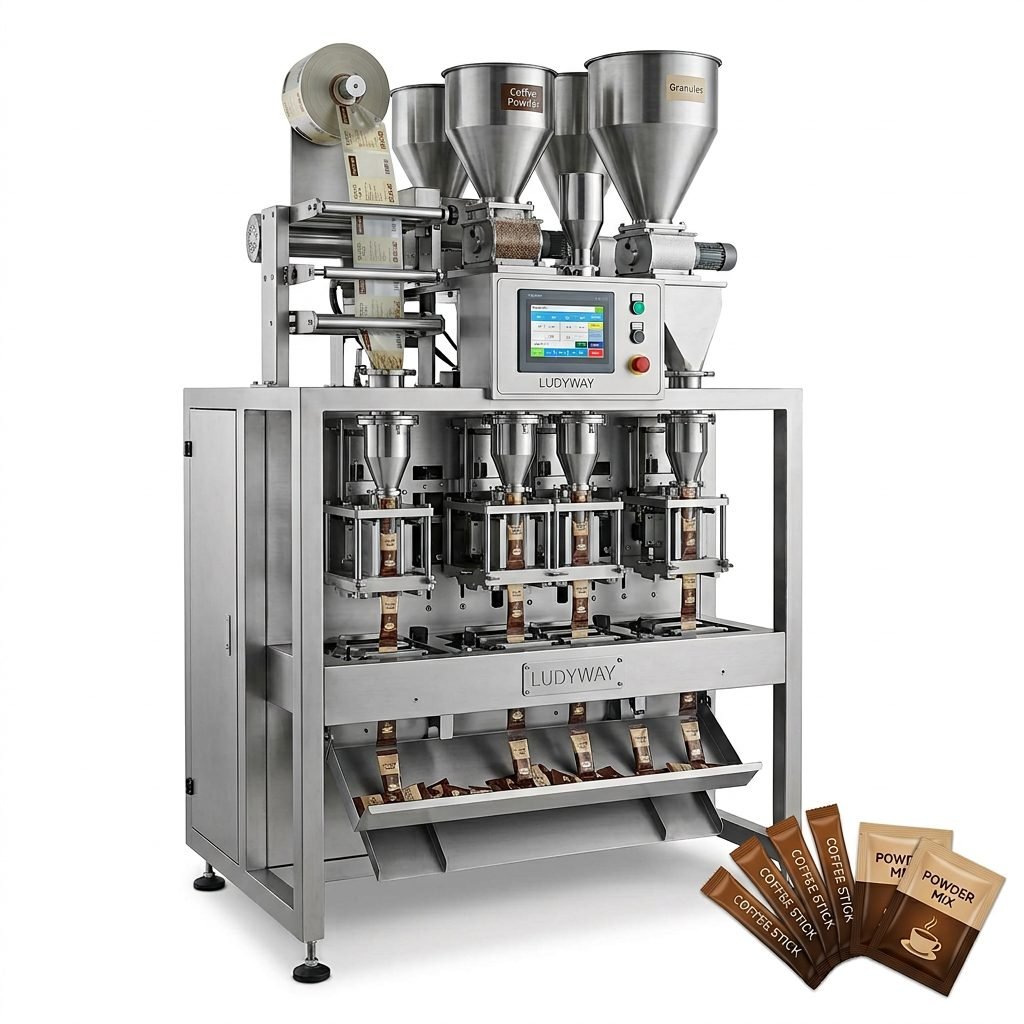
| Sachet packaging machine | US$10,000–45,000 | Single-dose powder, liquid, paste, cosmetic and pharma products |
| Multi-lane stick pack machine | US$25,000–120,000+ | High-volume drink mixes, supplements, sugar, coffee, oral powders |
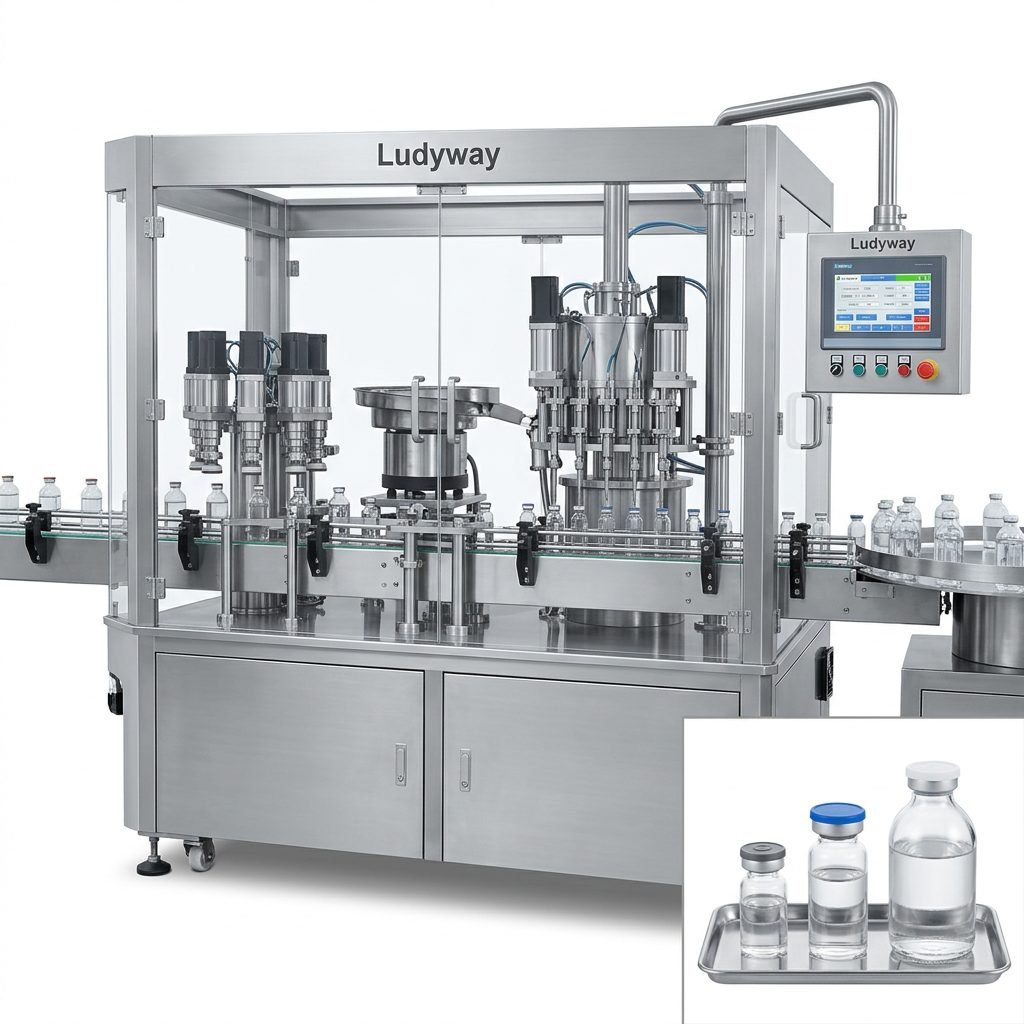
| Liquid filling and sealing machine | US$12,000–60,000 | Sauces, shampoo, lotion, detergents, oral liquids |
| Premade pouch packaging machine | US$20,000–80,000 | Stand-up pouches, zipper bags, premium retail packaging |
| Complete turnkey packaging line | US$50,000–500,000+ | Factories seeking full automation from feeding to end-of-line packing |
How to Choose the Right Packaging Machine for Your Business
The lowest-priced machine is not always the most cost-effective choice. A packaging machine should match your product, workflow, growth plans, and quality standards.
1. Define Your Product Characteristics
Start with the product itself. Fine powder behaves differently from free-flowing granules, and liquids with foam or viscosity require a different filling approach. If you package multiple products, flexibility becomes a major buying factor.
- Powders often need auger filling and dust control.
- Granules may require cup fillers, weighers, or vibratory feeders.
- Liquids and gels often need piston pumps or liquid dosing pumps.
- Pharmaceutical and health products may need higher hygiene and precision standards.
2. Match the Machine to Your Packaging Format
Your package style directly influences machine structure and price. For example, a basic pillow bag machine is usually less expensive than a multi-lane stick pack machine with coding, cartoning, and inspection modules.
| Packaging Format | Recommended Machine | Price Impact |
|---|---|---|
| Back-seal / pillow bag | VFFS machine | Lower to medium |
| Sachet | Sachet packing machine | Medium |
| Stick pack | Multi-lane stick pack machine | Medium to high |
| Premade pouch | Pouch filling and sealing machine | High |
| Bottle / vial | Filling, capping, labeling line | Medium to high |
3. Estimate Your Required Output
Think in terms of packages per minute, shift output, and future capacity. A machine that fits today’s needs but cannot support business growth may lead to early replacement costs.
Practical tip: choose equipment with a reasonable capacity buffer rather than buying exactly for current volume.
4. Consider Total Cost of Ownership, Not Just Purchase Price
Many buyers focus on the quotation price and overlook operating expenses. The real cost includes installation, training, spare parts, maintenance, energy use, labor savings, waste reduction, and downtime risk.
- Does the machine reduce manual labor?
- Is it easy to clean and maintain?
- Are spare parts available quickly?
- Can operators learn it easily?
- Does it minimize material waste and sealing defects?
5. Check Industry Compatibility
Different sectors need different technical standards. Food packaging machines emphasize hygiene and product safety. Pharmaceutical packaging machines often require precise dosing, validation support, and contamination control. Chemical packaging systems may need anti-corrosion materials and dust management.
If your business handles multiple product categories, a modular packaging solution can be a better long-term investment.
Which Packaging Machine Fits Different Business Types?
For Small Businesses and Startups
If you are testing the market or producing limited batches, start with a semi-automatic or compact automatic solution. Focus on reliability, ease of changeover, and affordable maintenance rather than maximum speed.
For Growing Food Brands
Snack foods, spices, coffee, cereals, milk powders, and nutrition products often benefit from vertical packaging machines, sachet machines, or multi-lane stick pack systems depending on package size and output needs.
For Pharmaceutical and Health Supplement Producers
Accuracy and consistency matter more than low upfront price. Stick packs, sachets, blister lines, bottle filling systems, and integrated inspection modules can support compliance and dosage control.
For Large Industrial Manufacturers
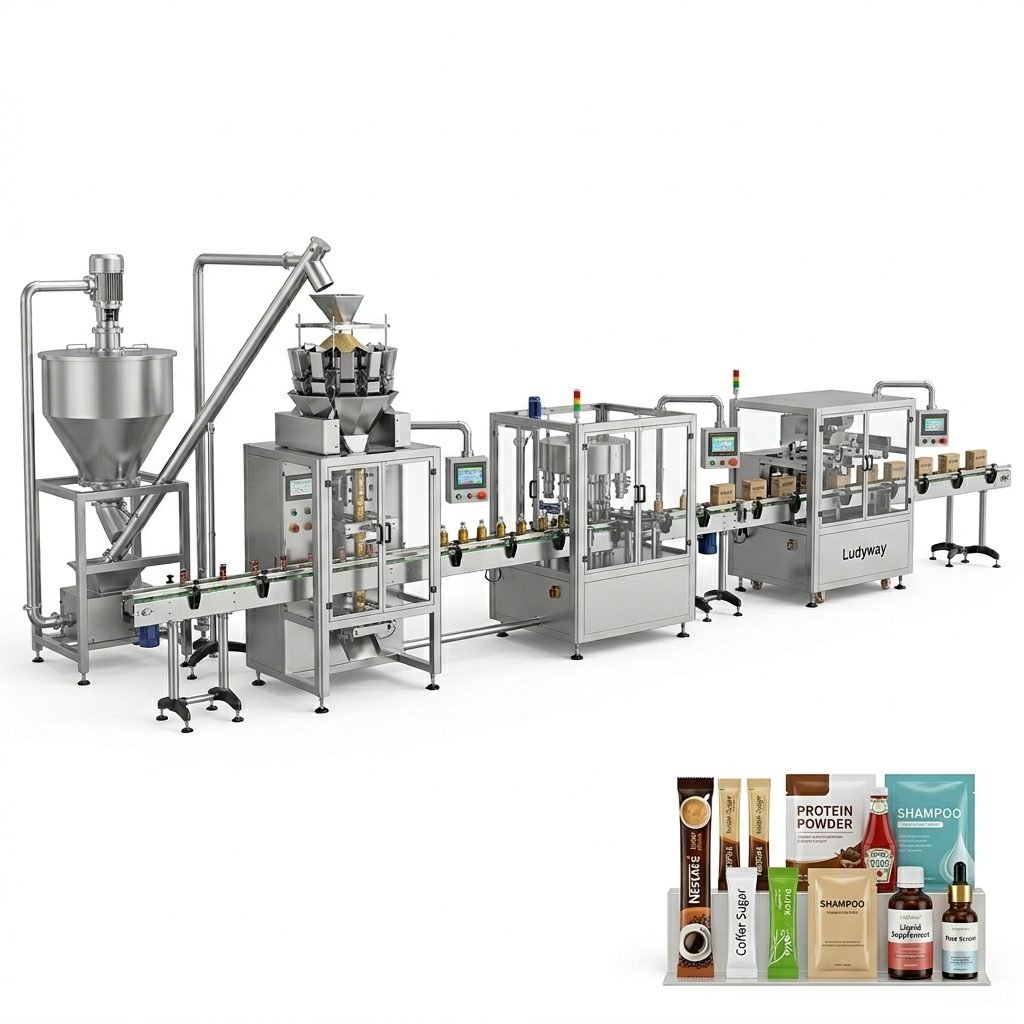
A turnkey packaging line may be the best option when your project includes conveying, filling, sealing, coding, checkweighing, cartoning, case packing, and palletizing. This approach can improve line balance and reduce manual handling points.
Common Mistakes When Comparing Packaging Machine Prices
- Choosing based on the cheapest quote only.
- Ignoring the difference between machine price and full line price.
- Not confirming output under real product conditions.
- Overlooking after-sales service and spare parts support.
- Buying a machine without room for future product upgrades.
- Failing to ask about material thickness, bag size range, and sealing performance.
Questions to Ask Before You Buy
- What products can this machine handle?
- What is the actual speed range for my material?
- How accurate is the filling system?
- What package sizes and film materials are supported?
- What optional modules are available?
- How long is lead time?
- What installation and training services are included?
- What warranty and technical support are provided?
Why Supplier Experience Matters
A packaging machine is not just hardware. It is an engineering solution tied to your product behavior, factory layout, and operational goals. An experienced manufacturer can help you avoid mismatched configurations, hidden upgrade costs, and unstable production results.
For buyers looking for scalable automation, packaging machine manufacturer Ludyway offers a broad range of packaging equipment and turnkey line solutions for food, pharmaceutical, health supplement, cosmetic, chemical, and related industries. With more than 30 years of manufacturing experience, a facility of over 20,000 square meters, and service coverage across more than 100 countries and regions, the company is often considered by buyers seeking customized and export-oriented packaging systems.
How to Get the Most Accurate Packaging Machine Quote
To receive a useful quotation, prepare the following details before contacting suppliers:
- Product name and form: powder, granule, liquid, paste, capsule, etc.
- Package type and dimensions
- Target speed or daily output
- Required filling range and accuracy
- Packaging film or container details
- Available factory space and voltage
- Need for coding, labeling, cartoning, or palletizing
- Industry standards or certification expectations
Final Buying Advice
The right packaging machine should improve efficiency, protect product quality, and support long-term growth. Instead of asking only “What is the packaging machine price?”, ask “What machine delivers the best value for my product, output, and business model?”
A well-matched machine can reduce labor costs, improve packaging consistency, and create a stronger return on investment over time. When evaluating options, compare specifications carefully, request sample testing if possible, and prioritize suppliers that understand your industry and application.