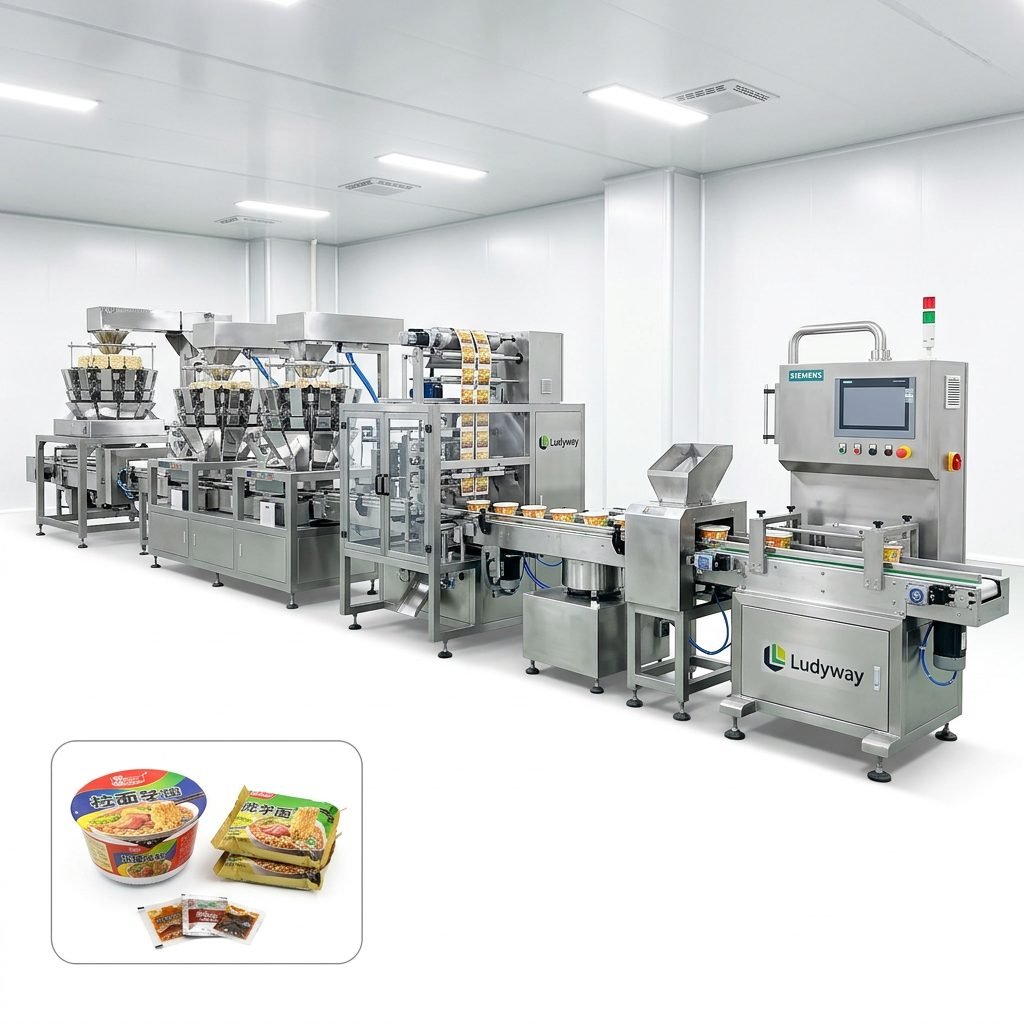
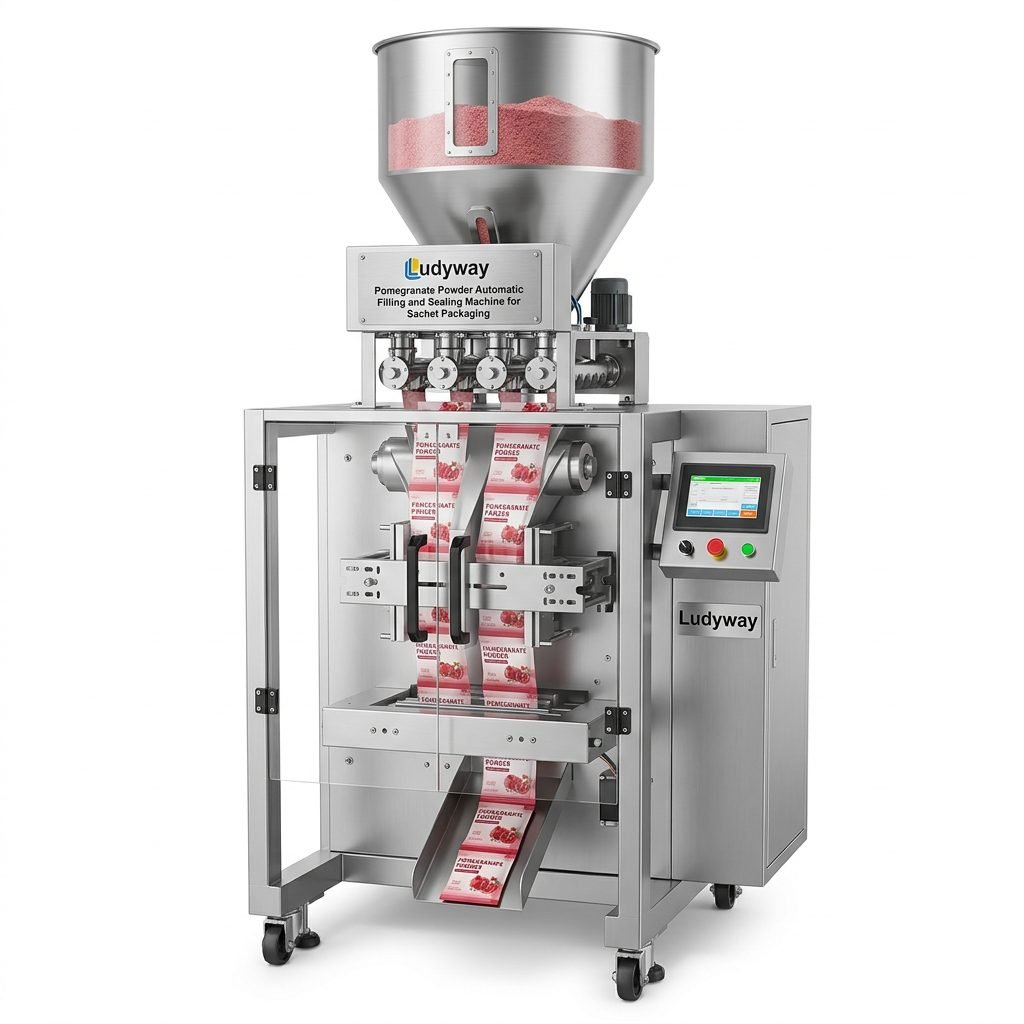
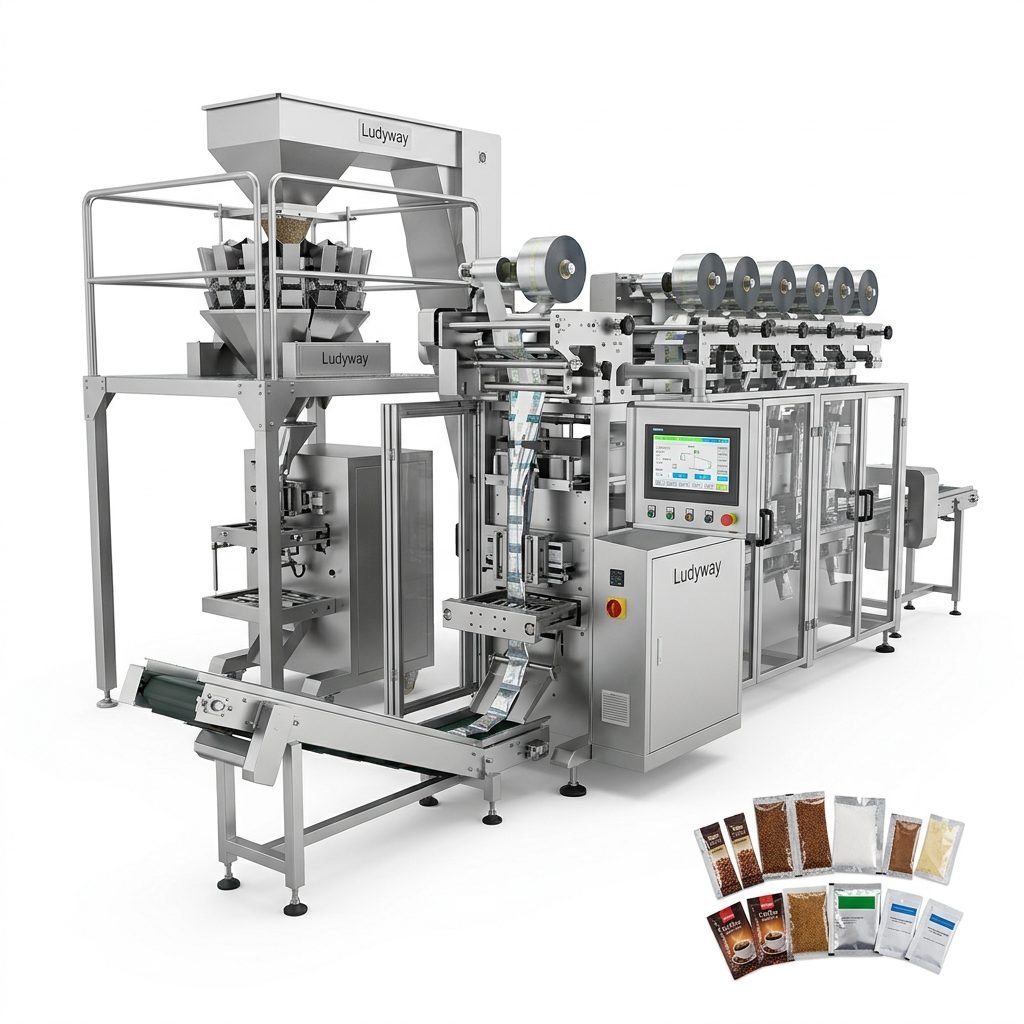
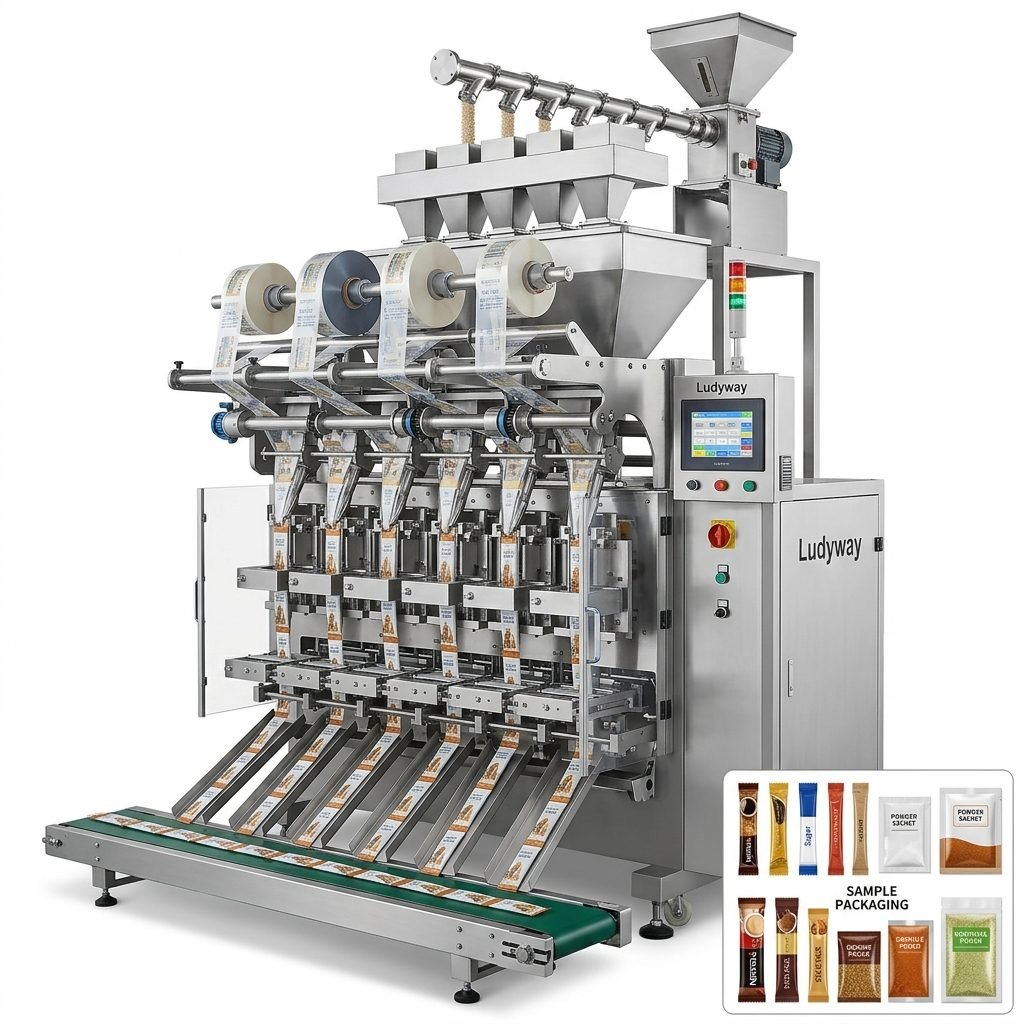
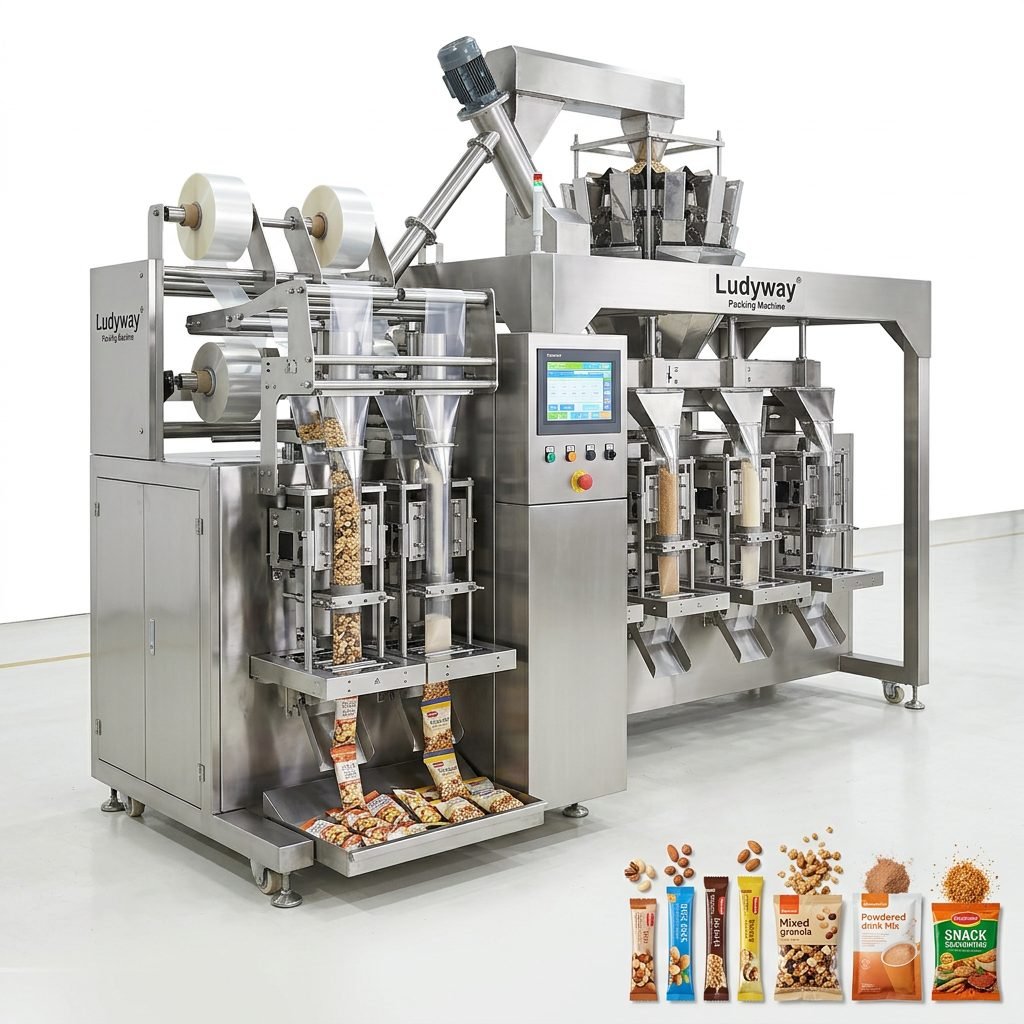
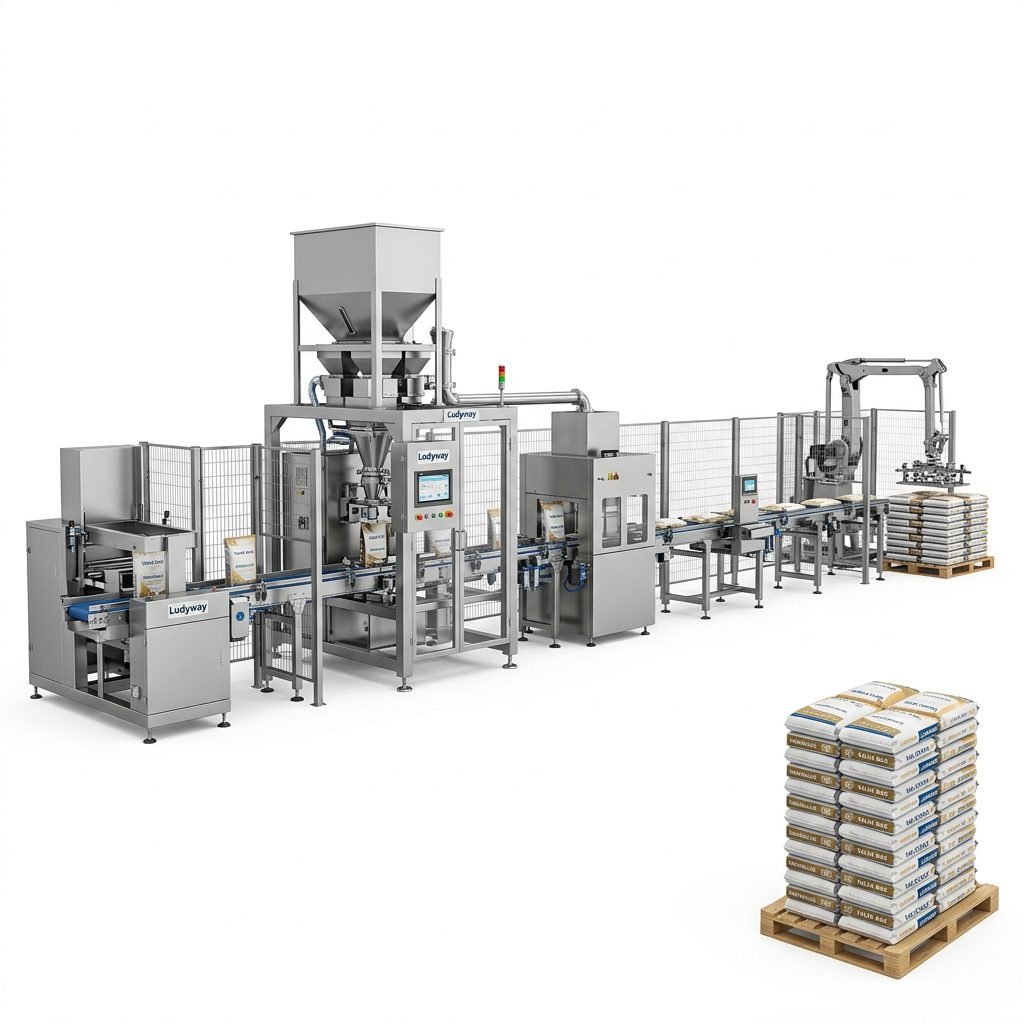
Automatic pouch packing machines have become a core solution for businesses that need faster output, cleaner sealing, better portion control, and more consistent packaging quality. Whether you produce food, pharmaceuticals, supplements, cosmetics, chemicals, or pouch-based consumer goods, the right system can significantly improve production efficiency while reducing labor dependence and packaging errors.
In this guide, you’ll learn what an automatic pouch packing machine is, its main features, the business benefits it delivers, and the most important points to consider before choosing one for your production line.
What Is an Automatic Pouch Packing Machine?
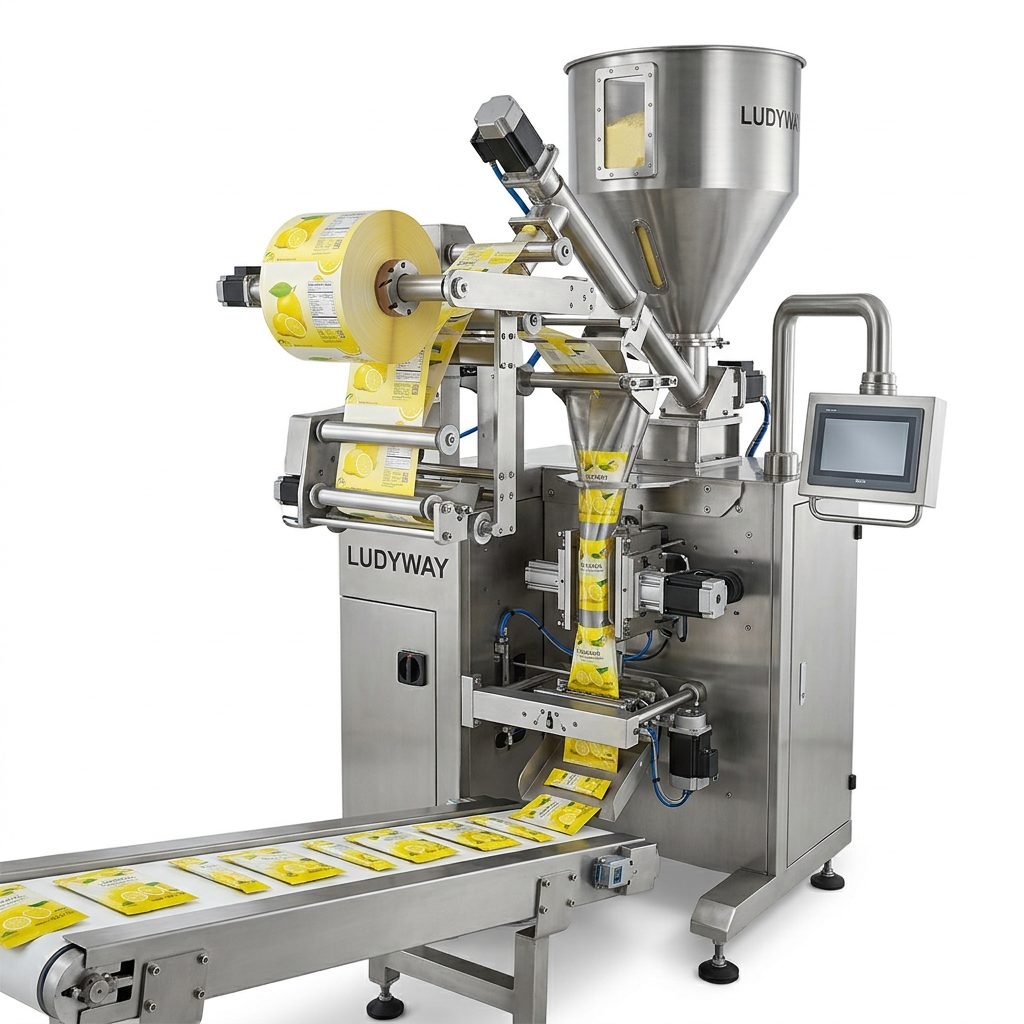
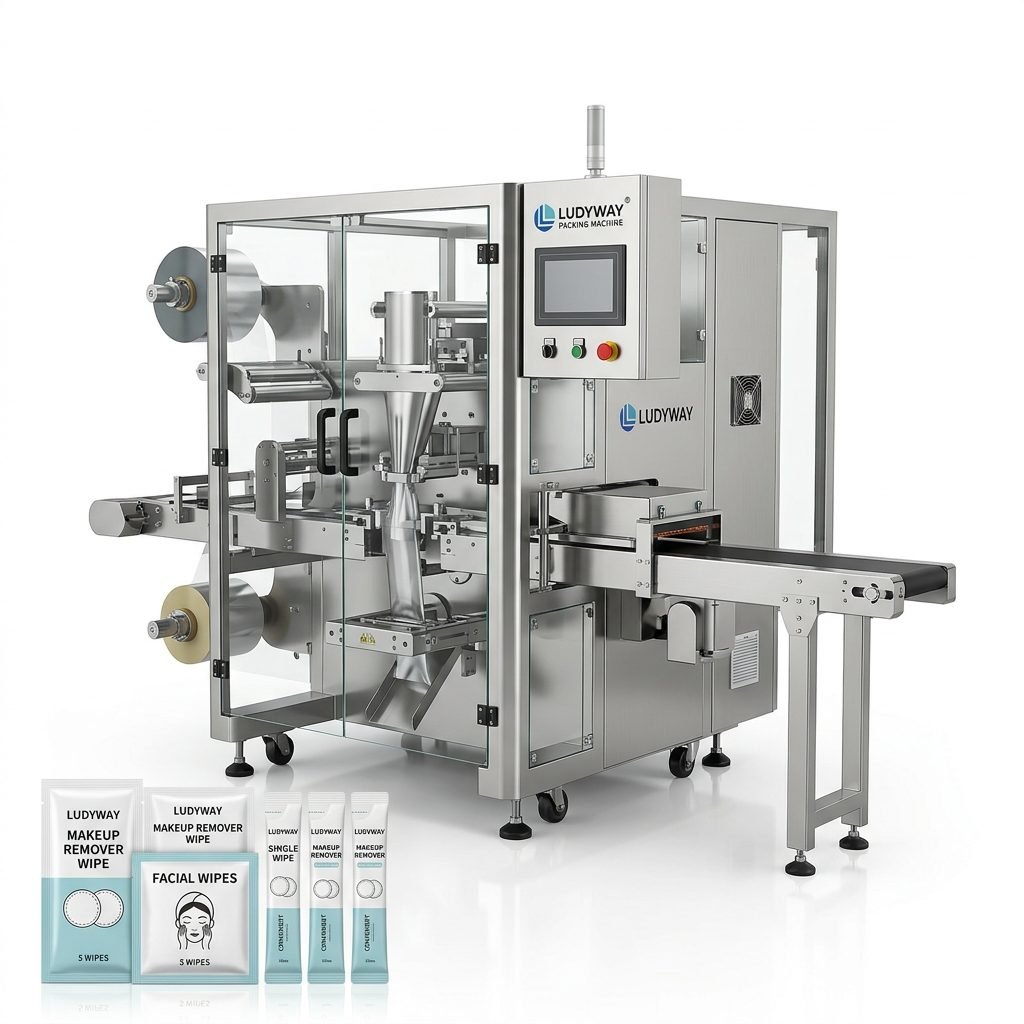
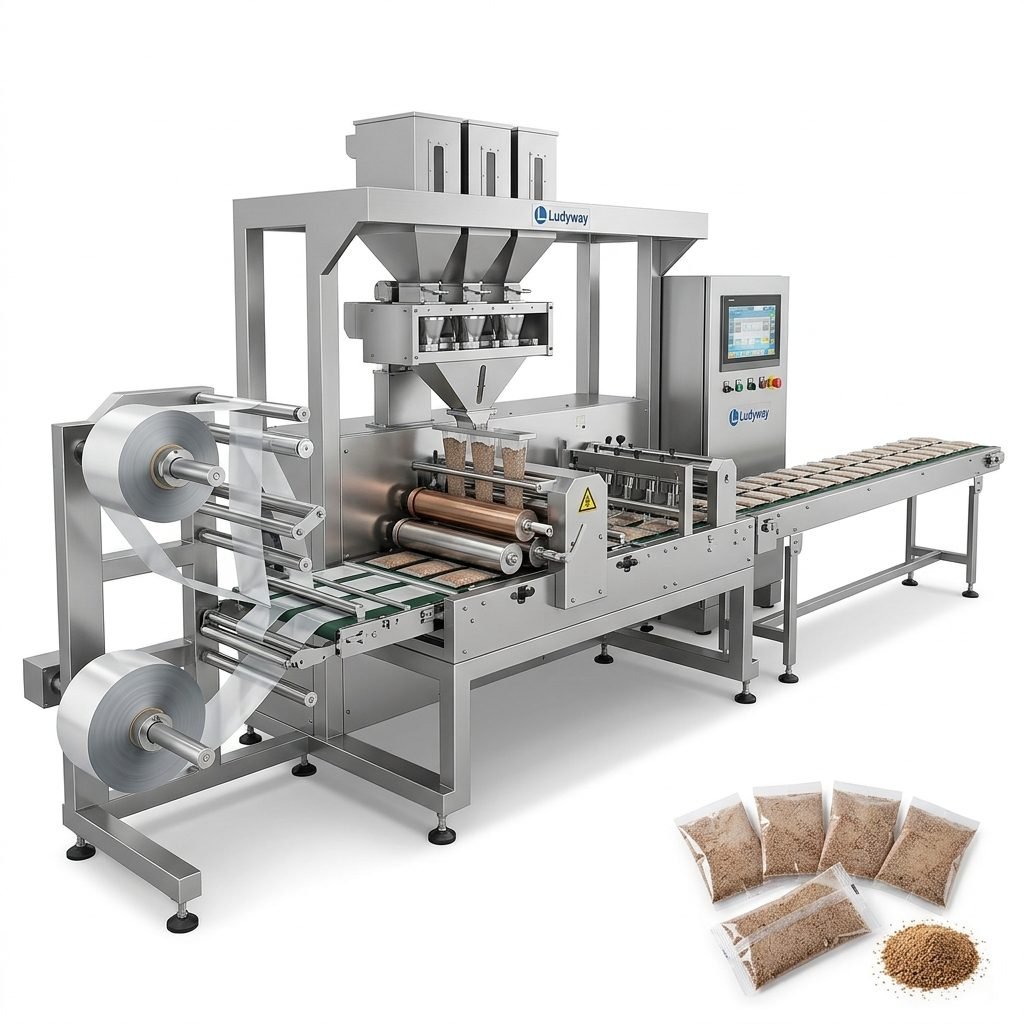
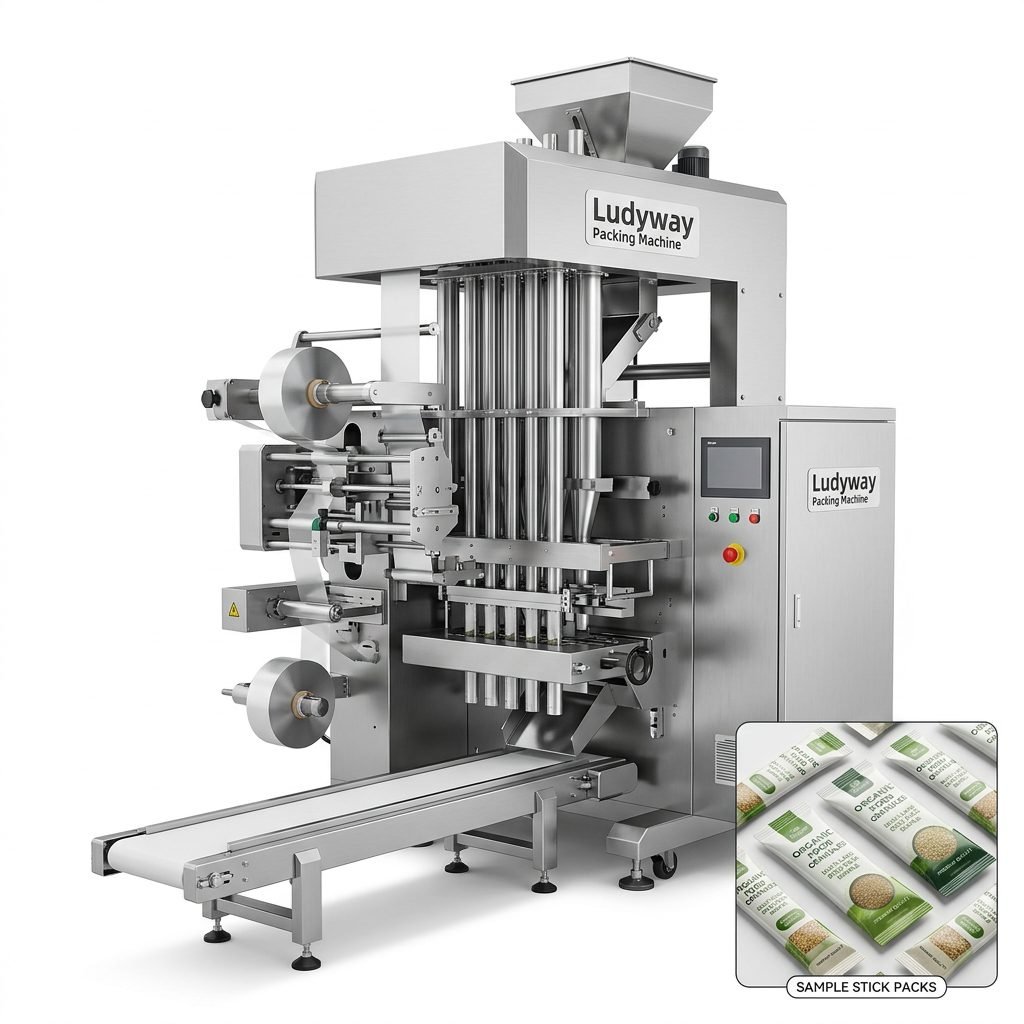
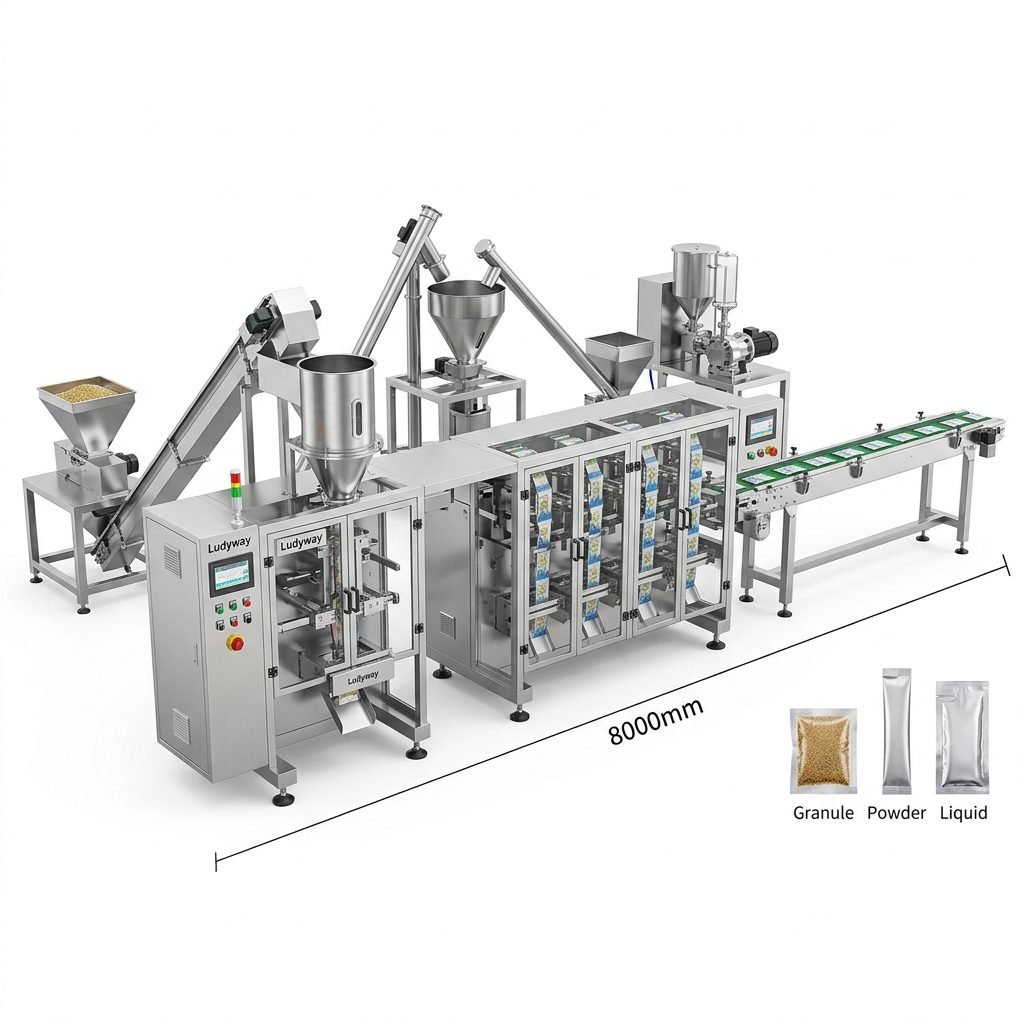
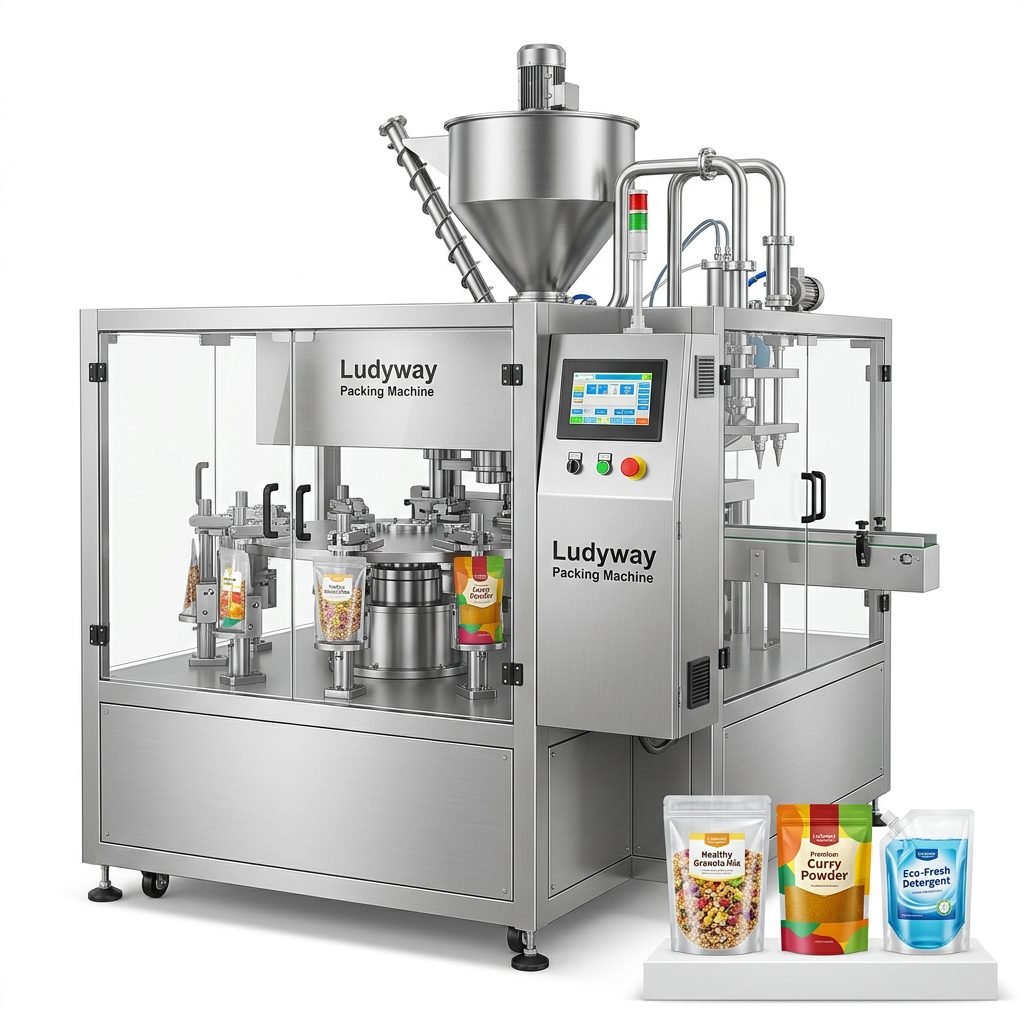
An automatic pouch packing machine is equipment designed to automatically complete one or more packaging steps such as pouch forming, pouch opening, filling, weighing, sealing, coding, and discharge. Depending on the machine type, it can handle premade pouches or create pouches from roll film.
These machines are widely used for packaging products such as:
- Powders
- Granules
- Liquids
- Pastes and gels
- Tablets and small items
- Nicotine or oral pouch products
Common pouch styles include stand-up pouches, flat pouches, zipper pouches, spouted pouches, three-side seal bags, four-side seal bags, and special-shaped pouches.
How the Machine Works
While the exact process depends on the machine configuration, a typical automatic pouch packing workflow includes:
- Pouch feeding or film unwinding
- Pouch forming or pouch opening
- Product dosing or filling
- Air removal or nitrogen flushing if required
- Heat sealing
- Date coding and inspection
- Output conveyance, counting, cartoning, or case packing
This automated workflow helps manufacturers maintain stable speed, accurate fill weights, and reliable sealing performance in medium- to high-volume production environments.
Key Features of Automatic Pouch Packing Machines
1. High-Speed Automated Operation
One of the biggest advantages is the ability to run continuously with minimal manual intervention. High-speed automation is especially valuable for brands facing large order volumes, contract packaging requirements, or tight delivery schedules.
2. Accurate Filling Systems
Different products require different dosing systems. Machines may use auger fillers for powders, volumetric cups for granules, multihead weighers for snacks, pumps for liquids, or piston fillers for pastes. This improves filling precision and reduces product giveaway.
3. Strong Sealing Performance
Seal quality directly affects shelf life, leakage prevention, and overall product appearance. Automatic machines are designed to provide stable temperature control and repeatable sealing pressure for consistent pack integrity.
4. Flexible Pouch Compatibility
Many modern machines support multiple pouch sizes and formats, making them suitable for businesses that produce several SKUs or frequently change packaging designs.
5. PLC and Touchscreen Control
User-friendly interfaces help operators adjust parameters, store recipes, monitor alarms, and simplify changeovers. This reduces training time and supports easier daily operation.
6. Integration with Upstream and Downstream Equipment
An automatic pouch packing machine can often be connected with feeding systems, conveyors, metal detectors, checkweighers, coding systems, cartoners, and palletizers to create a more complete packaging line.
Main Benefits for Manufacturers
Higher Production Efficiency
Automation shortens packaging cycles and supports continuous production. Compared with manual or semi-automatic methods, businesses can achieve much higher throughput with improved consistency.
Lower Labor Costs
By automating repetitive tasks such as pouch handling, filling, and sealing, companies can reduce labor intensity and reassign workers to quality control, supervision, and other higher-value roles.
Better Packaging Consistency
Uniform pouch appearance, more precise dosage, and stable sealing quality all contribute to a more professional product presentation and stronger customer confidence.
Reduced Material Waste
Reliable automation helps decrease underfilling, overfilling, sealing defects, and rejected packs. Over time, this can translate into meaningful material and product savings.
Improved Hygiene and Safety
For food, supplement, and pharmaceutical applications, automated handling reduces direct contact with the product and supports more hygienic packaging processes.
Scalability for Business Growth
As demand grows, an automatic machine makes it easier to increase production capacity without proportionally increasing labor. This makes it a practical long-term investment for expanding brands.
Types of Automatic Pouch Packing Machines
| Machine Type | Best For | Typical Products |
|---|---|---|
| Premade Pouch Packing Machine | Brands using high-end pouch designs | Snacks, powders, pet food, liquids |
| Vertical Form Fill Seal Machine | High-efficiency roll film packaging | Powders, granules, small sachets |
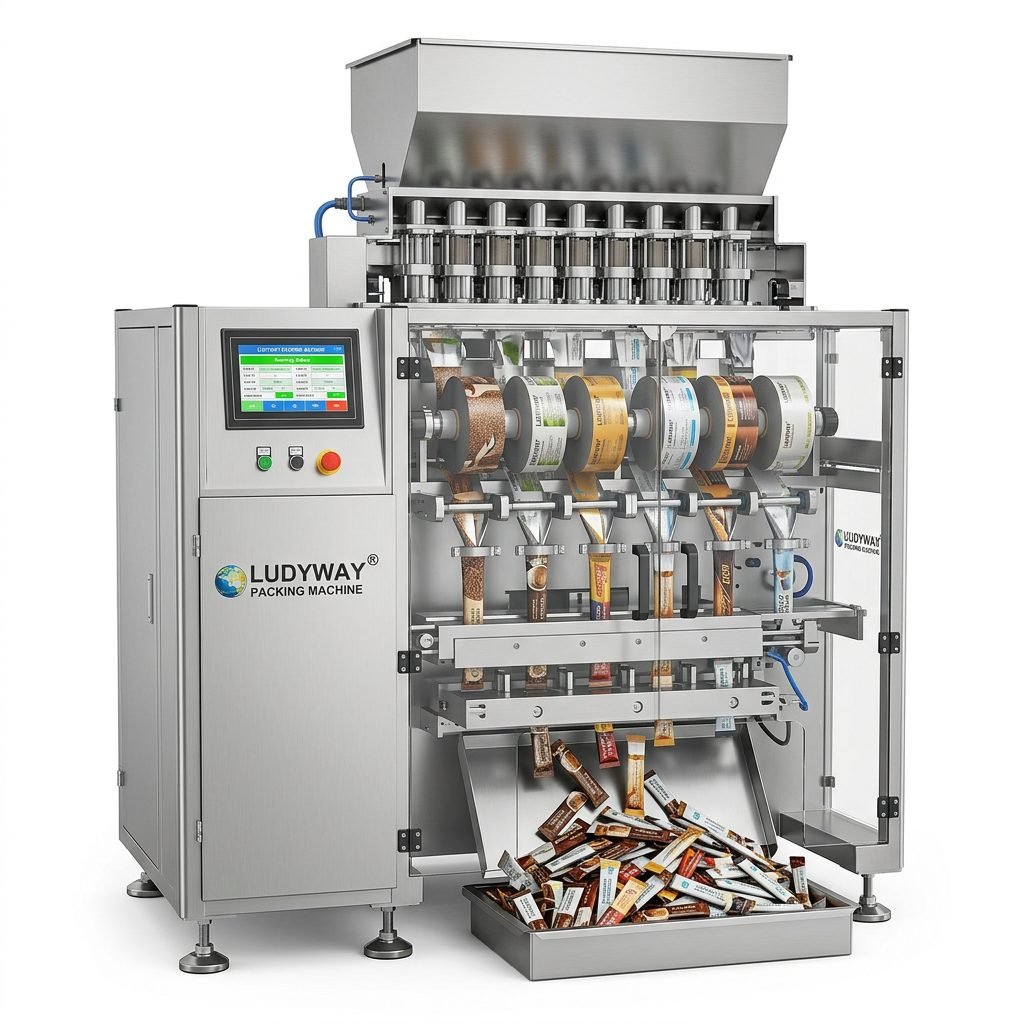
| Multi-Lane Sachet/Pouch Machine | High-output small-dose packaging | Health supplements, drink powders, gels |
| Rotary Pouch Packing Machine | Flexible premade pouch applications | Coffee, nuts, sauces, detergents |
Industries That Commonly Use These Machines
- Food industry: coffee, sugar, spices, snacks, cereals, sauces, milk powder
- Pharmaceutical industry: powders, granules, medical sachets, healthcare products
- Nutraceutical industry: collagen, protein powder, electrolyte powder, vitamin blends
- Cosmetics industry: cream sachets, shampoo, lotion, serum, gel
- Chemical industry: detergent powder, cleaners, additives, treatment chemicals
- Nicotine and pouch products: filling, sealing, counting, and secondary packaging
How to Choose the Right Automatic Pouch Packing Machine
Understand Your Product Characteristics
Start with the basics: is your product a powder, granule, liquid, paste, or a mixed material? Product flowability, viscosity, particle size, dust level, and moisture content all affect machine selection.
Confirm the Pouch Type and Size
The pouch format has a major influence on machine structure. You should confirm:
- Pouch width and length range
- Required pouch style
- Whether zipper, spout, or euro hole is needed
- Material structure and sealing requirements
Evaluate Required Output
Your target packs per minute should align with current demand and future growth plans. Buying a machine only for today’s order volume can limit expansion later.
Check Filling Accuracy Requirements
In industries such as pharmaceuticals, supplements, and premium food products, dosage accuracy is especially important. Make sure the selected filler meets your tolerance expectations.
Consider Automation Level
Some businesses need a standalone machine, while others need a full line with feeding, inspection, coding, cartoning, and palletizing. Choosing the right automation level can improve long-term ROI.
Assess Changeover Convenience
If you run multiple SKUs, short changeover time matters. Look for machines with convenient parameter storage, tool-free adjustment points, and flexible settings.
Review Machine Stability and Support
Stable operation is essential. In addition to the machine itself, evaluate the supplier’s engineering experience, export capability, spare parts support, and after-sales service.
Quick Buyer Checklist
- What product will be packed?
- What pouch style do you need?
- What is the target output per minute or hour?
- What filling accuracy is required?
- Do you need a standalone machine or turnkey line?
- How many pouch sizes and SKUs will be produced?
- What is your available workshop space?
- What local electrical and compliance requirements apply?
Common Mistakes to Avoid
- Choosing based only on price rather than total lifecycle value
- Ignoring future production expansion
- Not matching the filler type to the real product behavior
- Overlooking seal quality requirements
- Failing to confirm spare parts and technical support availability
- Not testing actual pouch materials before final purchase
Why Turnkey Packaging Line Compatibility Matters
Many growing manufacturers no longer want just one packaging machine. They want a connected system that improves upstream feeding and downstream handling. A pouch packing machine that can integrate with conveyors, checkweighers, coding units, cartoners, case packers, and palletizers will provide greater operational value over time.
For buyers looking for a reliable manufacturing partner, Ludyway automatic pouch packing machine solutions are supported by more than 30 years of packaging industry experience, broad application coverage, and turnkey line integration capabilities for food, pharmaceutical, health supplement, and pouch-based packaging projects.
Who Should Invest in an Automatic Pouch Packing Machine?
This type of equipment is especially suitable for:
- Manufacturers scaling from manual to automated production
- Brands with increasing SKU counts and higher packaging demands
- Factories requiring more hygienic and consistent packaging
- Contract packers handling different product categories
- Export-oriented businesses that need better packaging appearance and stability
Final Considerations Before Buying
Before placing an order, it is wise to send product samples, pouch samples, target fill weights, and required output details to the supplier. A practical testing process can help confirm real machine performance and reduce procurement risk.
The best automatic pouch packing machine is not simply the fastest model. It is the one that fits your product, pouch format, speed target, quality standard, factory layout, and long-term automation plan. When chosen correctly, it can deliver higher efficiency, lower waste, and stronger packaging consistency for years to come.