Setting up a ketchup packaging machine production line requires careful planning, the right equipment selection, and a methodical approach to installation and calibration. Whether you are expanding an existing facility or building a new processing plant, understanding the complete workflow—from sauce preparation to final carton sealing—is essential for achieving high throughput, consistent product quality, and long-term operational efficiency. This guide walks you through every critical step, offering practical insights for food manufacturers seeking a reliable and scalable packaging solution.
Understanding Your Ketchup Packaging Requirements
Before selecting equipment, clearly define your production goals. Consider the following key parameters that directly influence machine configuration:
- Target output speed — measured in sachets, stick packs, or bottles per minute
- Packaging format — sachet, stick pack, pouch, bottle, or bulk bag
- Fill volume range — typically from 5g single-serve sachets to 1kg pouches
- Product viscosity — ketchup varies from smooth to chunky formulations
- Shelf-life requirements — hot-fill, cold-fill, or aseptic processing
- Automation level — semi-automatic versus fully automatic with robotic integration
Accurately mapping these requirements early prevents costly retrofits and ensures your packaging line meets both current and future production demands.
Core Equipment in a Ketchup Packaging Line
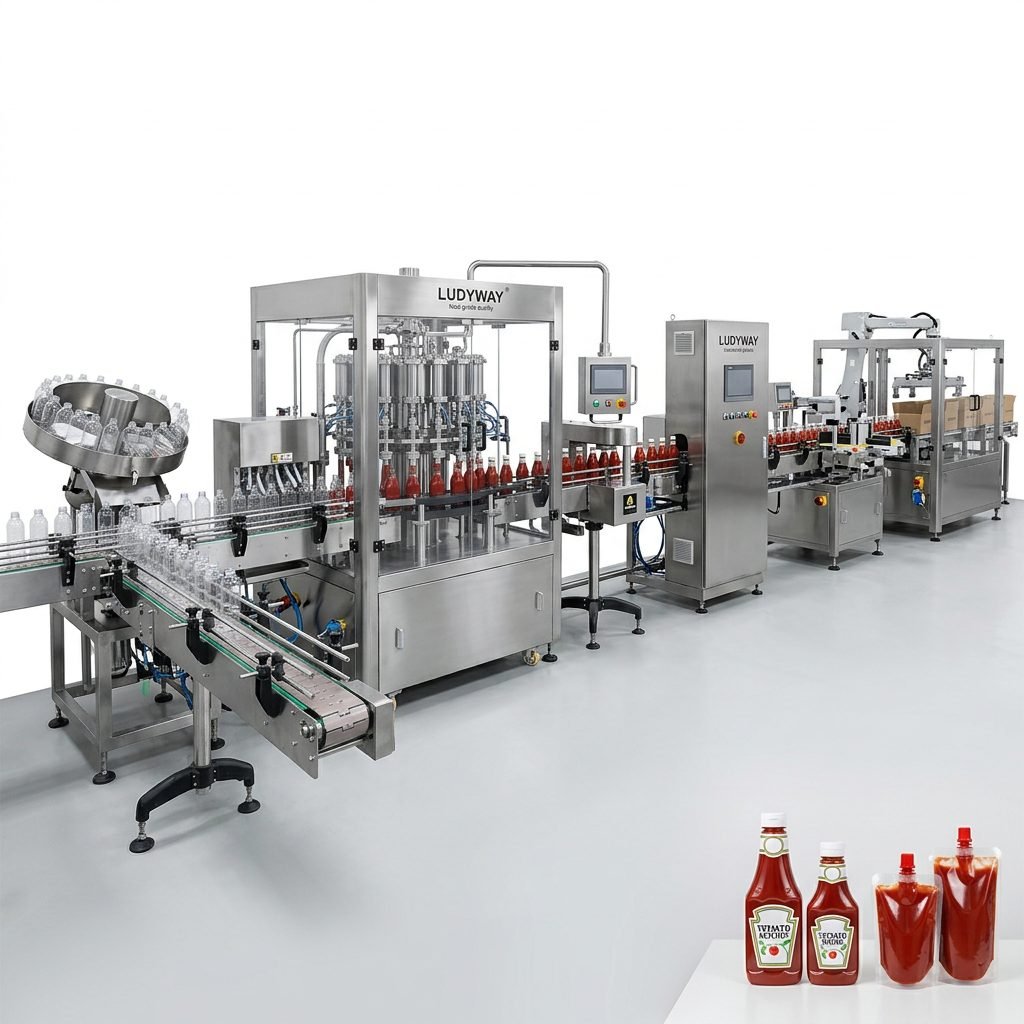
A complete ketchup packaging production line typically consists of several integrated machines working in sequence. Understanding each component’s function helps in making informed procurement decisions.
Liquid Filling Machine
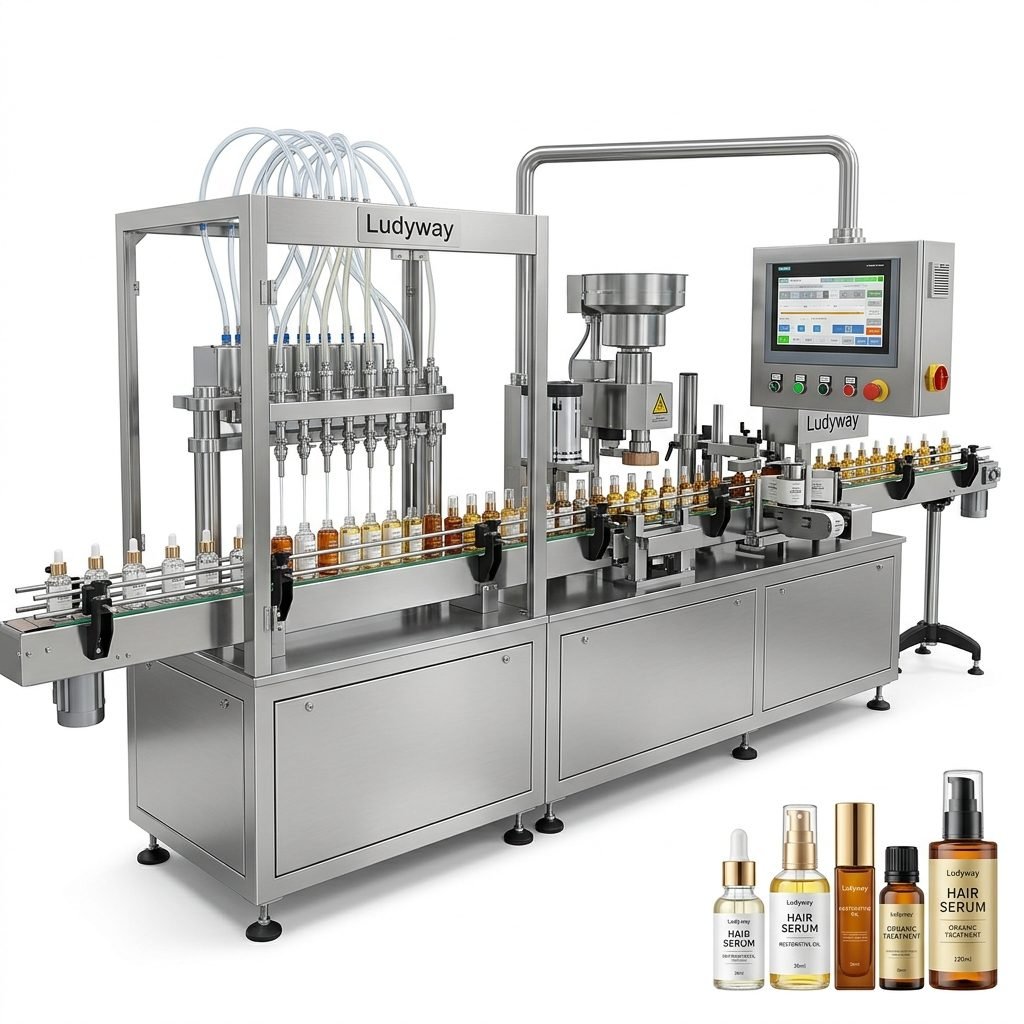
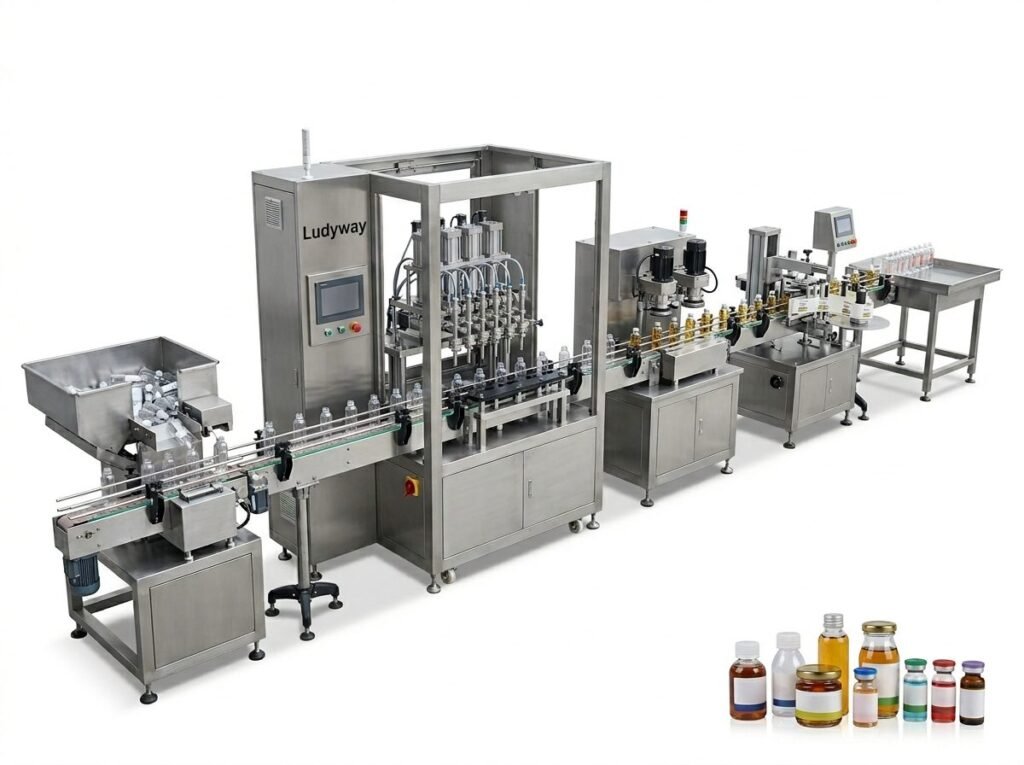
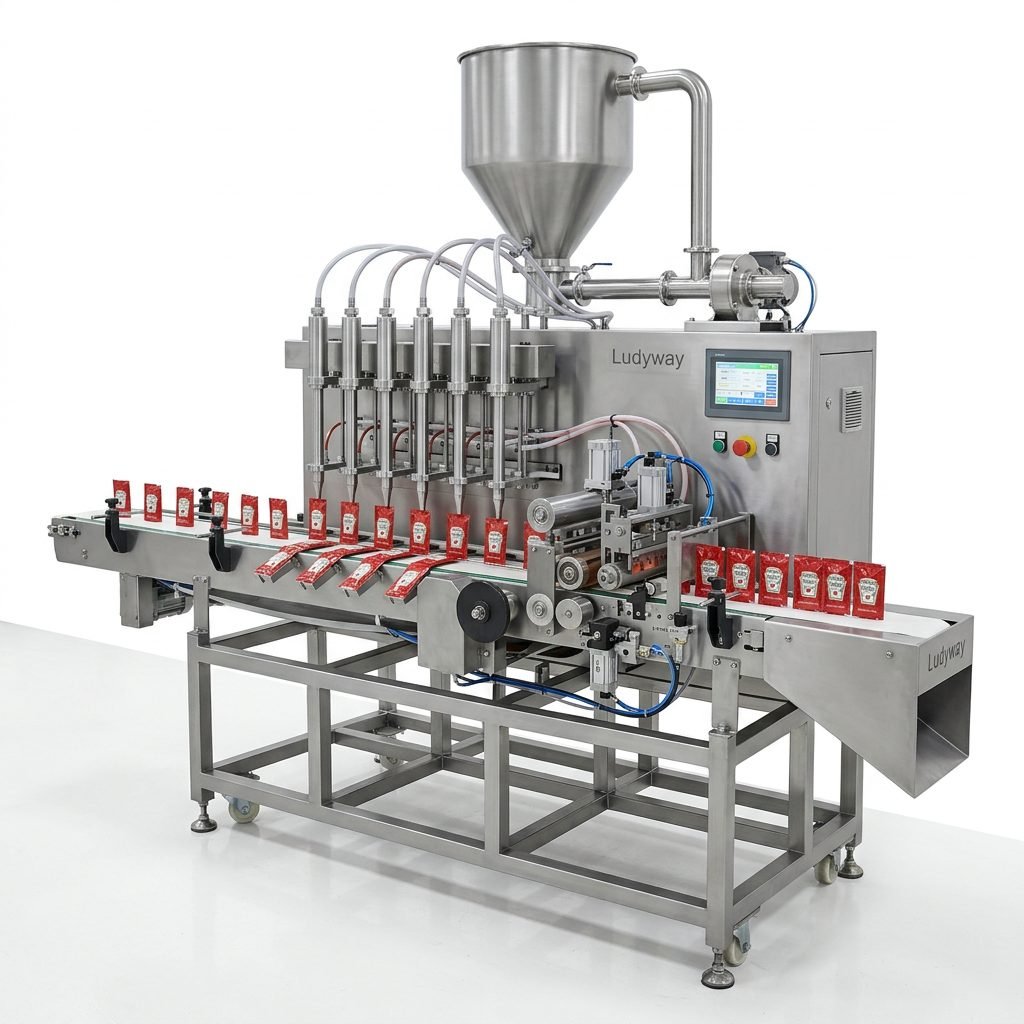
The filling station is the heart of any ketchup packaging operation. Piston fillers and volumetric pump fillers are most commonly used for viscous tomato-based sauces. Multi-nozzle configurations allow simultaneous filling of multiple lanes, dramatically increasing throughput. For manufacturers targeting high-speed output, multi-lane liquid filling systems with servo-driven controls deliver exceptional accuracy and repeatability.
Sachet and Pouch Forming Unit
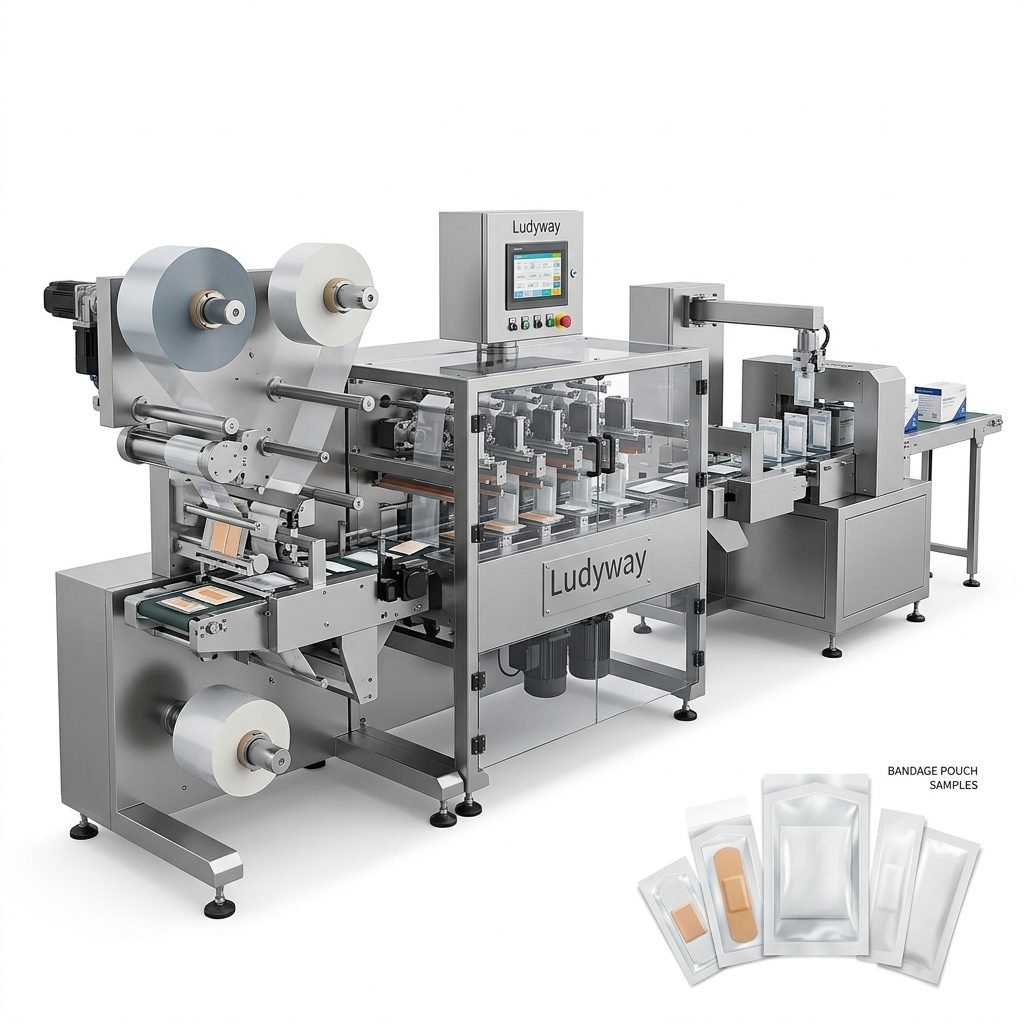
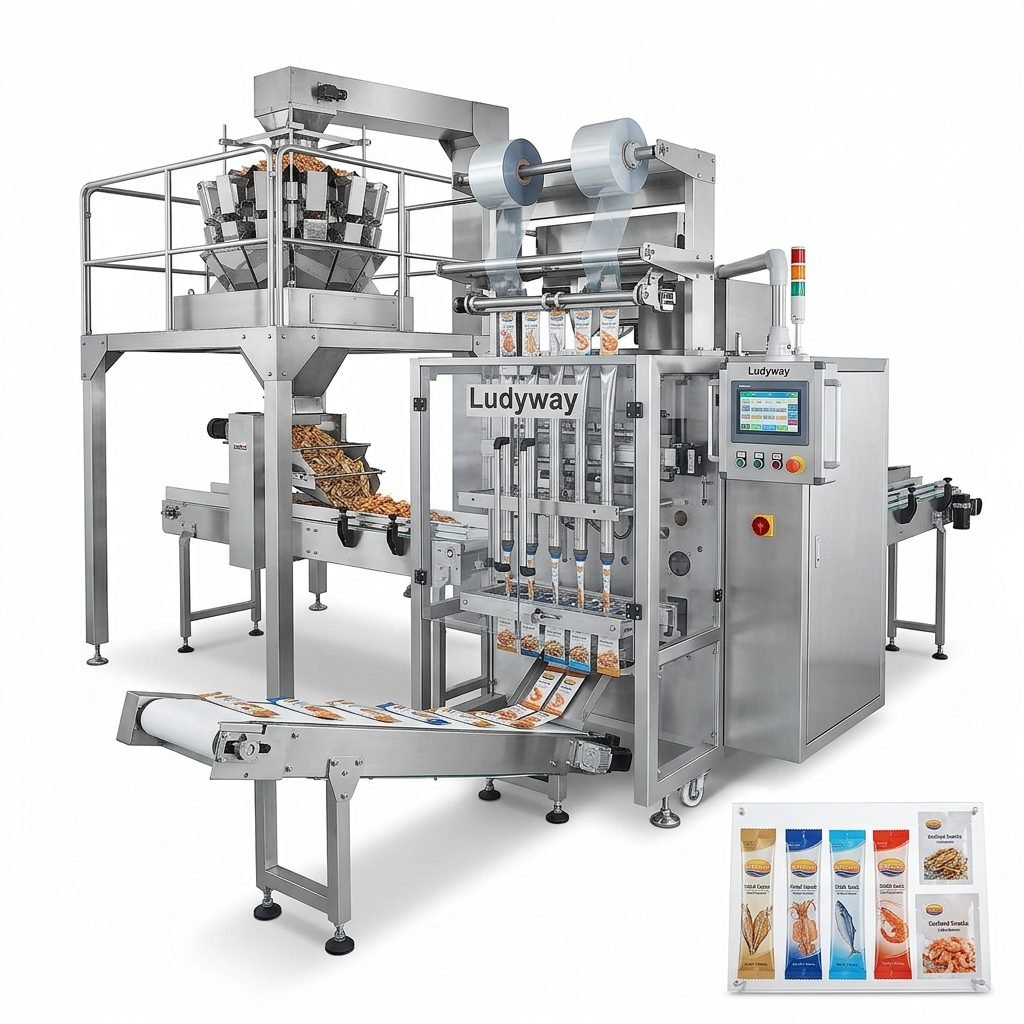
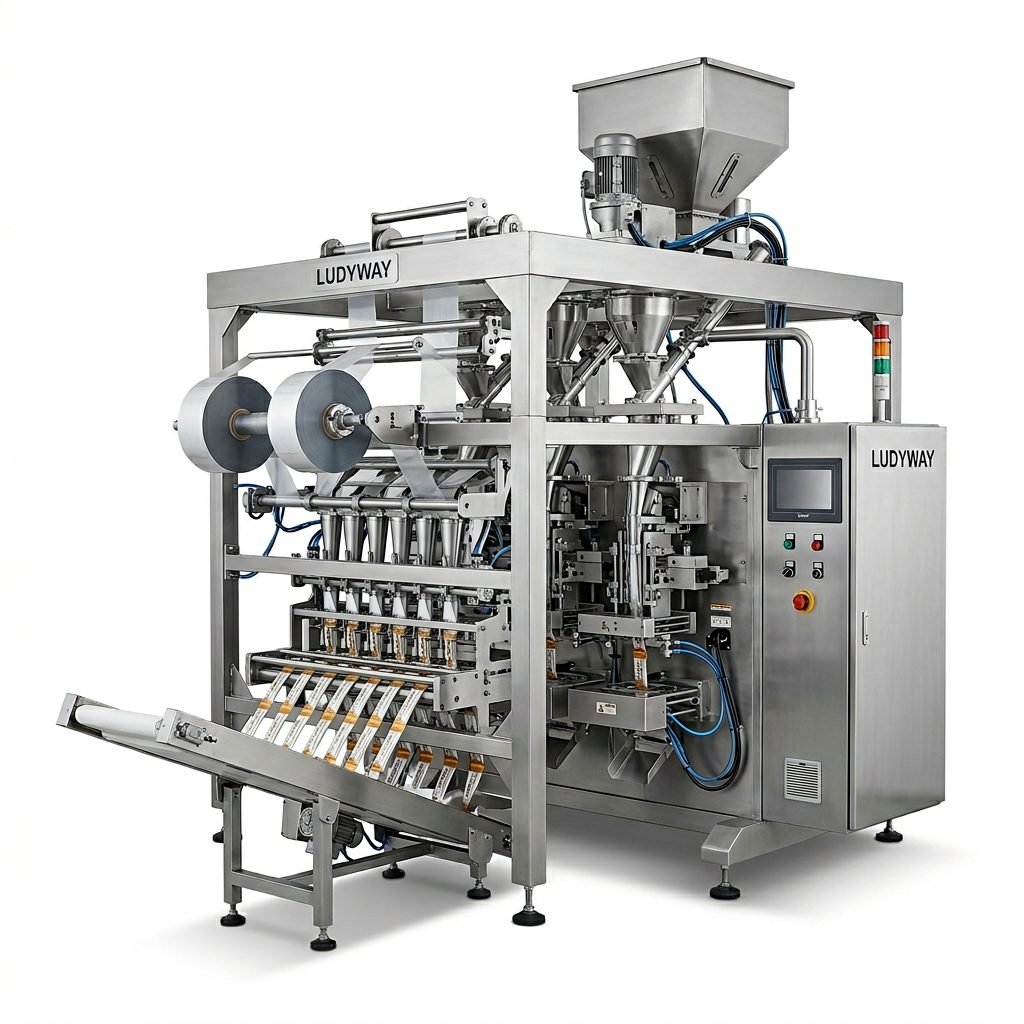
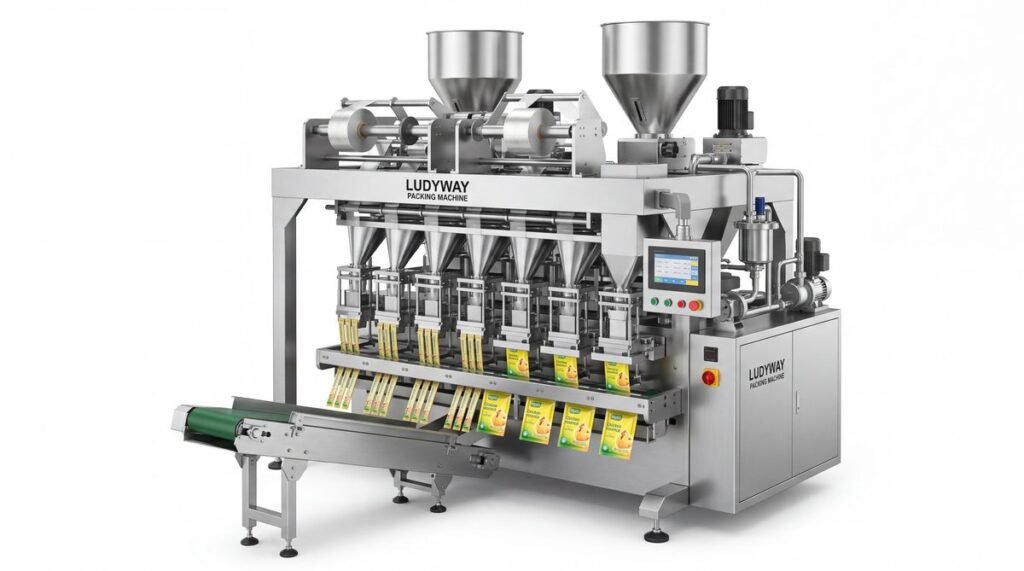
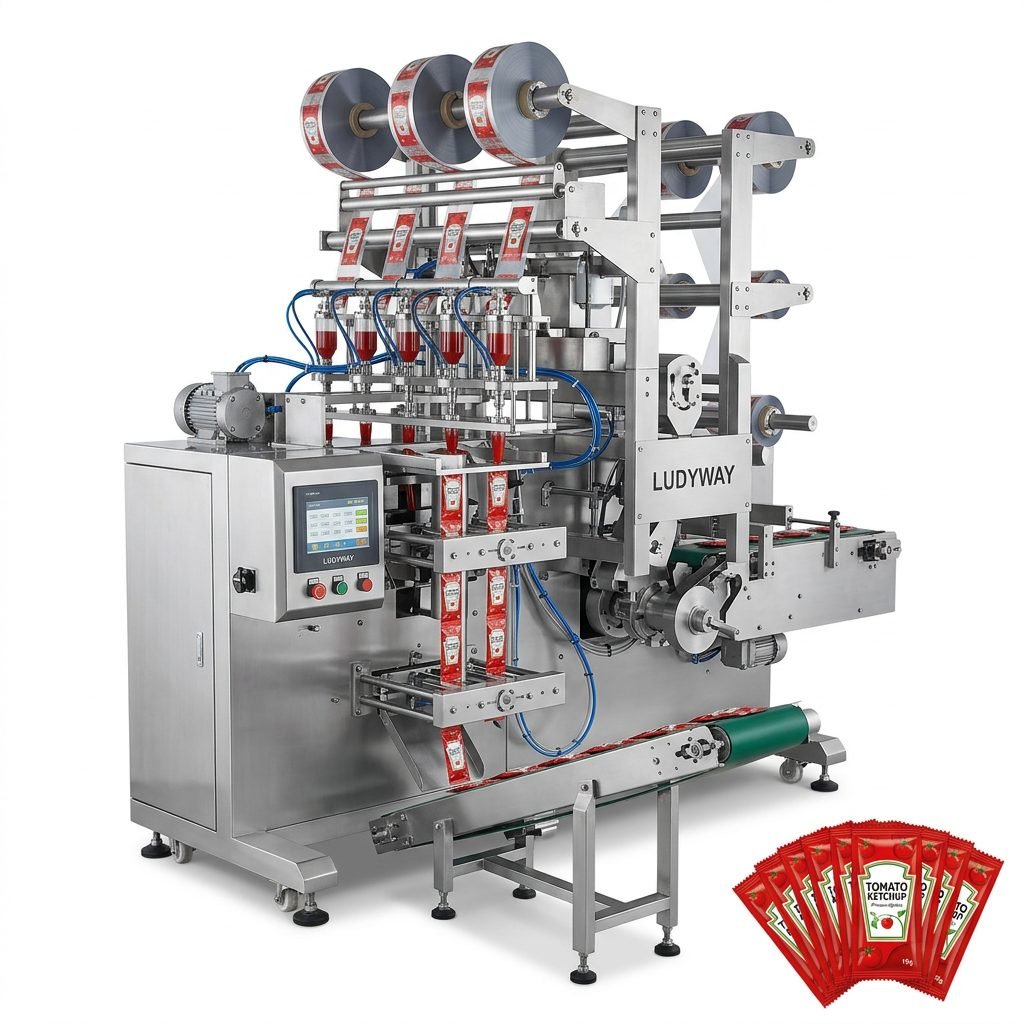
For single-serve ketchup packets, a vertical form-fill-seal (VFFS) or horizontal form-fill-seal (HFFS) machine forms the pouch from roll stock film, fills it with product, and seals it. Multi-lane configurations—commonly 4, 6, 8, or 10 lanes—enable high-volume production of ketchup sachets for food service and retail markets.
Sealing and Coding Equipment
Reliable heat sealing systems ensure package integrity and prevent leakage—a critical quality factor for liquid products like ketchup. Integrated thermal inkjet printers or laser coding machines apply batch numbers, expiry dates, and barcodes directly onto each package for traceability compliance.
Secondary Packaging Systems
After primary packaging, ketchup sachets or pouches flow into cartoning machines, case packers, and palletizing systems. Automated secondary packaging reduces manual labor, increases consistency, and prepares products efficiently for warehousing and distribution.
Production Line Layout Planning
An optimized packaging line layout minimizes material handling distances, reduces bottlenecks, and improves overall equipment effectiveness (OEE). Key considerations include:
- Linear versus L-shaped flow — based on available floor space
- Buffer zones — accumulation tables between machines to absorb speed variations
- Operator access — adequate clearance for monitoring, maintenance, and cleaning
- Utility connections — compressed air, electrical supply, and drainage positioning
- Material staging areas — proximity to packaging film, cartons, and pallet supplies
Working with an experienced turnkey packaging line provider can significantly streamline layout design and equipment integration.
Step-by-Step Installation Process
Following a structured installation sequence reduces downtime and accelerates commissioning. Here is a proven methodology:
Step 1: Site Preparation
Verify that all utility connections—electrical power, compressed air, water supply, and drainage—meet the equipment specifications. Ensure the floor is level and capable of supporting machine weight and vibration. Install any required exhaust or ventilation systems for hot-fill operations.
Step 2: Machine Positioning and Assembly
Position each machine according to the approved layout drawing. Assemble modular components, including conveyors, filling stations, and sealing units. Verify that all interconnecting conveyor heights and transfer points are correctly aligned.
Step 3: Electrical and Pneumatic Connections
Connect main power supplies, control panels, and sensor wiring. Route pneumatic lines for actuated components. Double-check all connections against wiring diagrams before powering on any equipment.
Step 4: Control System Configuration
Program PLC parameters, HMI settings, and recipe management functions. Configure fill volume settings, sealing temperature profiles, conveyor speeds, and sensor thresholds. Modern ketchup packaging machines support multiple recipe storage for different pack sizes and formulations.
Step 5: Dry Run and Wet Testing
Conduct a dry run (without product) to verify mechanical synchronization, sensor functionality, and safety interlocks. Follow with a wet test using the actual ketchup product to fine-tune fill accuracy, seal strength, and overall cycle speed.
Quality Control Integration
Incorporating quality inspection systems into your ketchup packaging line helps maintain consistent product standards. Essential quality control equipment includes:
| QC Equipment | Function | Benefit |
|---|---|---|
| Checkweigher | Verifies fill weight of each package | Reduces product giveaway and ensures compliance |
| Metal Detector | Detects ferrous and non-ferrous metal contaminants | Protects consumer safety and brand reputation |
| X-Ray Inspection | Identifies foreign objects including glass, stone, bone | Comprehensive contaminant detection |
| Vision System | Inspects label placement, seal integrity, date codes | Automated quality verification at line speed |
| Leak Detection | Pressure or vacuum-based seal testing | Prevents leaking packages from reaching customers |
Maintenance Best Practices
Proactive maintenance extends machine lifespan and prevents unplanned downtime. Establish a comprehensive maintenance schedule covering:
- Daily cleaning — sanitize product contact surfaces per food safety protocols
- Weekly inspections — check belts, chains, seals, and sensor calibration
- Monthly lubrication — apply food-grade lubricants to bearings and moving parts
- Quarterly audits — comprehensive electrical, pneumatic, and mechanical assessments
- Annual overhaul — replace wear components and recalibrate all systems
Maintain a spare parts inventory for critical components—including sealing bars, filling nozzles, belts, and sensors—to minimize downtime during repairs. Following industry best practices for packaging machinery maintenance further enhances equipment reliability.
Selecting the Right Equipment Supplier
Choosing a reliable packaging machinery manufacturer is critical to the success of your ketchup packaging production line. Evaluate potential suppliers based on:
- Industry experience — proven track record in liquid and viscous food packaging
- Technical support — availability of installation, training, and after-sales service
- Customization capability — ability to tailor equipment to specific product characteristics
- Compliance — adherence to FDA food packaging regulations and international standards
- Scalability — modular designs that accommodate future capacity expansion
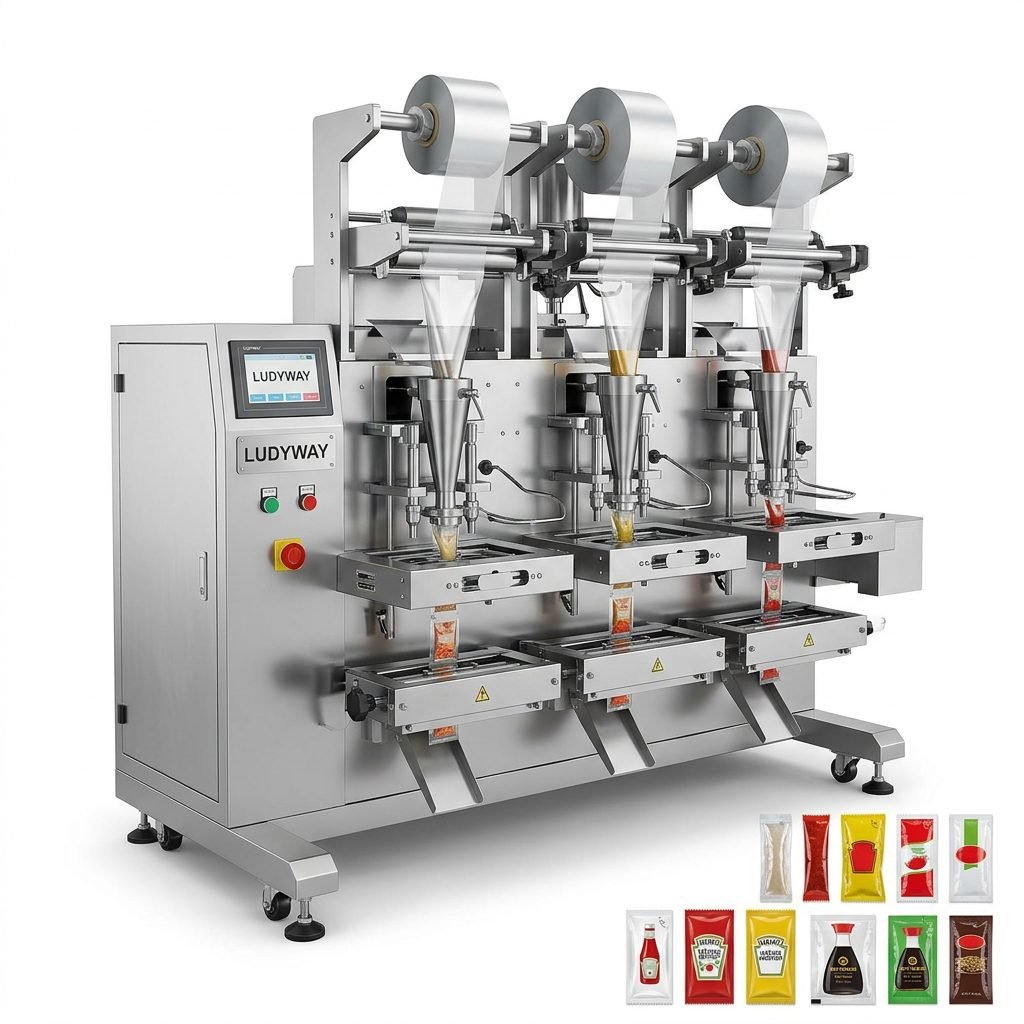
Ludyway is one of the largest packaging machine manufacturers in China, specializing in advanced packaging equipment and turnkey production solutions for the food, pharmaceutical, and health industries—with over 30 years of industry expertise serving customers in more than 100 countries and regions worldwide.
Common Challenges and Solutions
Even well-designed ketchup packaging lines encounter operational challenges. Anticipating these issues helps maintain consistent production:
Challenge: Inconsistent Fill Volumes
Solution: Verify product temperature and viscosity stability. Calibrate filling nozzles regularly and consider installing a servo-driven piston filler with real-time feedback control for precise dosing accuracy.
Challenge: Seal Integrity Failures
Solution: Check sealing jaw temperature, pressure, and dwell time. Product residue on sealing surfaces is a common cause—implement regular cleaning intervals and inspect film quality for consistency.
Challenge: Film Tracking Issues
Solution: Ensure proper web tension control and verify that film roll specifications match machine requirements. Photoelectric sensor alignment and roller condition also affect tracking accuracy.
Challenge: Production Bottlenecks
Solution: Analyze line balance and identify the slowest machine. Adding accumulation buffers between stations or upgrading the bottleneck equipment can significantly increase overall line throughput.
Regulatory Compliance for Ketchup Packaging
Food packaging operations must comply with applicable regulations. Key standards relevant to ketchup packaging include FDA food contact substance requirements, ISO packaging standards, and regional food safety certifications such as BRC, IFS, or SQF. Ensure your packaging materials, equipment design, and operational procedures align with these requirements to facilitate smooth market access.
Future-Proofing Your Packaging Line
As consumer preferences evolve toward smaller portion sizes, sustainable packaging, and convenience formats, designing flexibility into your ketchup packaging line provides long-term competitive advantage. Consider equipment that supports:
- Multiple packaging formats — sachet, stick pack, mini-pouch, and dip pot configurations
- Recyclable and bio-based film materials
- Smart factory integration with IoT-enabled monitoring and predictive maintenance
- Rapid changeover capabilities for different pack sizes and product variants
Final Considerations for Line Setup Success
Setting up a ketchup packaging machine production line is a significant investment that demands thorough planning, disciplined execution, and ongoing optimization. Key takeaways for a successful implementation include:
- Define clear production specifications before equipment selection
- Prioritize equipment compatibility and integration ease
- Invest in quality control systems that protect brand integrity
- Establish robust maintenance routines from day one
- Partner with experienced machinery manufacturers who offer comprehensive support
- Stay informed about evolving flexible packaging industry trends and regulatory changes
By following the structured approach outlined in this guide, food manufacturers can achieve a smooth commissioning process, rapid time-to-production, and a packaging line that delivers reliable performance for years to come.