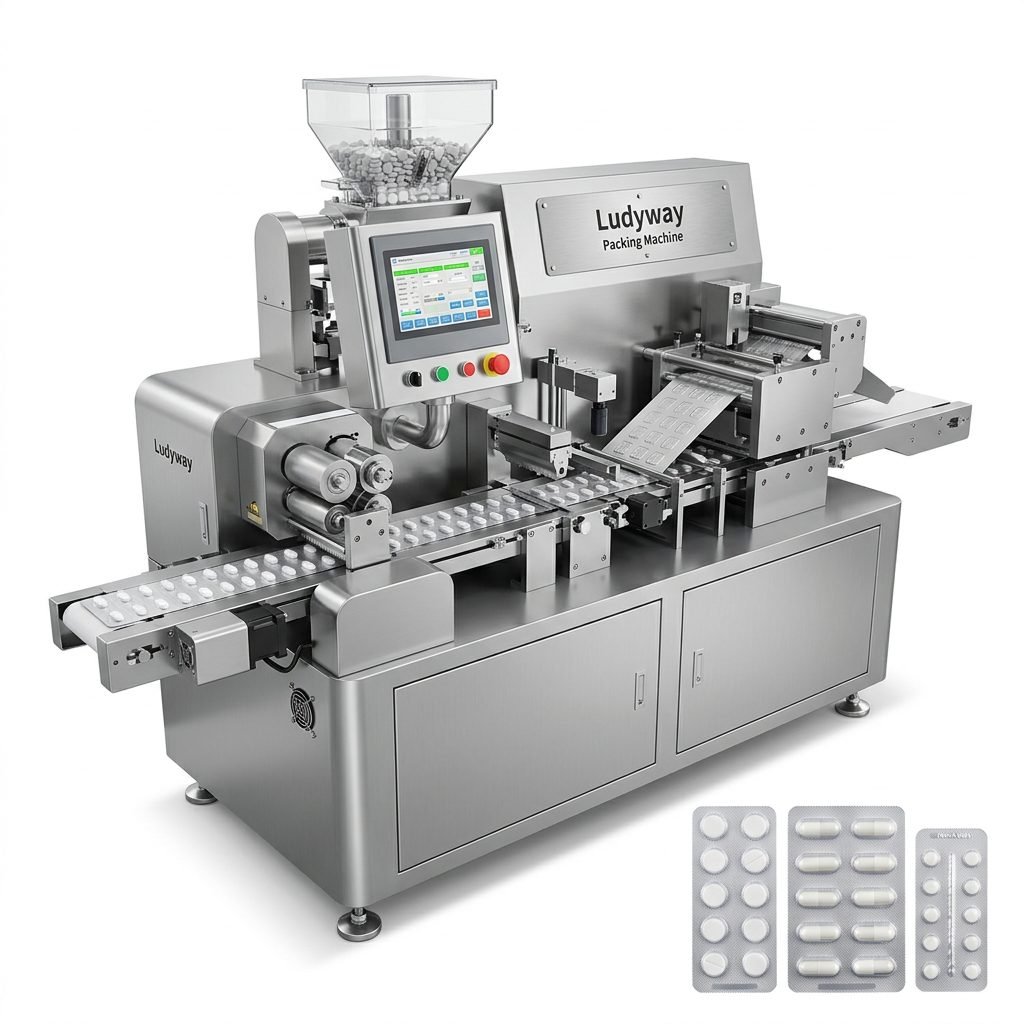
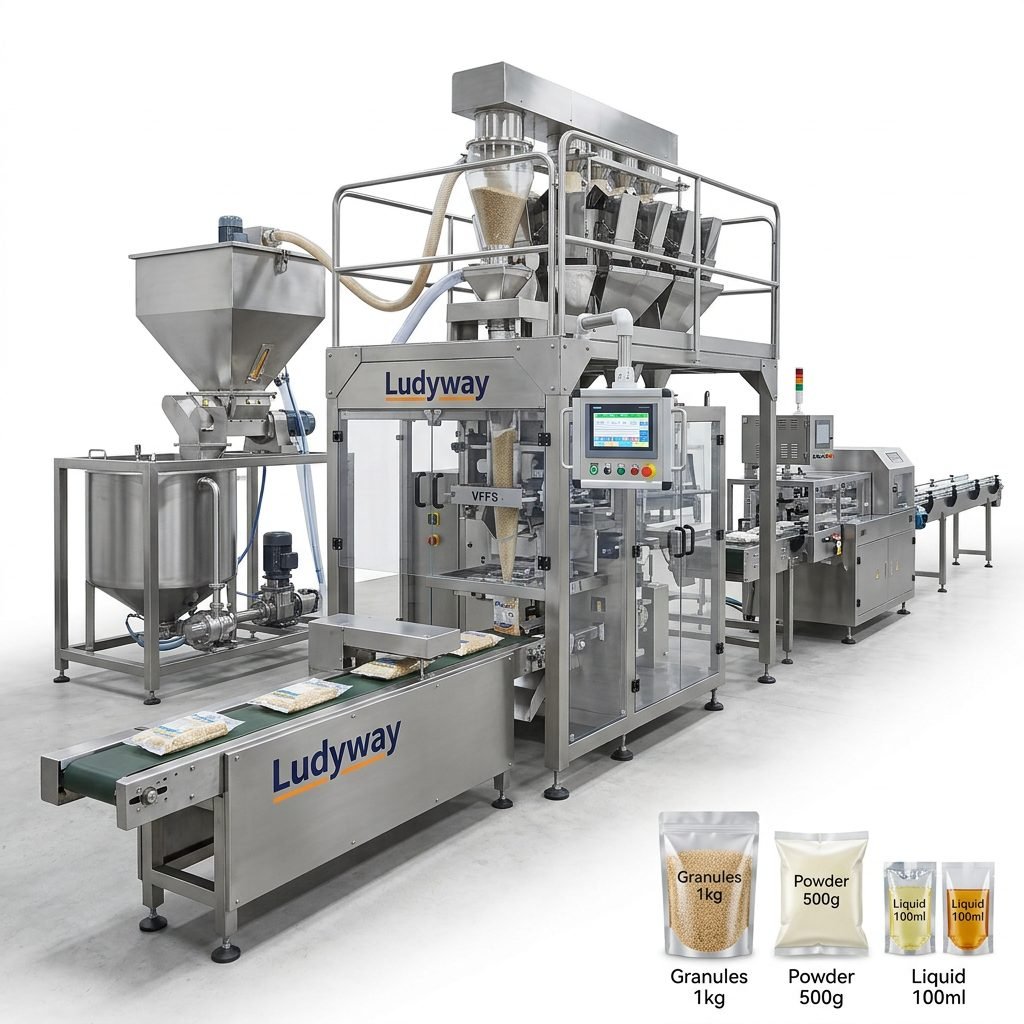
Audion packaging machines are widely valued for businesses that need efficient sealing, dependable wrapping, and consistent package quality. In modern production environments, reliable packaging is not just about appearance—it directly affects shelf life, transportation safety, product hygiene, and customer satisfaction. Whether you handle food, pharmaceuticals, cosmetics, or industrial goods, the right machine setup can improve throughput while reducing waste and labor pressure.
For companies comparing packaging technologies, it is useful to understand where Audion-type sealing and wrapping solutions fit within a broader automation strategy. From compact tabletop sealers to integrated production lines, these systems help manufacturers create secure, professional packaging with repeatable results.
Why Efficient Sealing and Wrapping Matter
Packaging performance has a direct influence on product protection and operating efficiency. Weak seals, inconsistent wrapping tension, or poor material compatibility can lead to leakage, contamination, damaged goods, and costly returns. A well-matched packaging machine helps businesses achieve:
- Reliable seal integrity for better product protection
- Improved visual consistency across batches
- Faster production cycles with less manual handling
- Reduced packaging material waste
- Lower risk of transit damage and rework
- Better compliance for regulated industries
In sectors such as food and pharma, dependable sealing is especially important because package failure can compromise freshness, safety, and legal compliance. In retail and e-commerce, wrapping quality also influences presentation and brand perception.
Key Features Buyers Look for in Packaging Machines
When choosing between different packaging systems, buyers usually focus on more than speed alone. They want a machine that can keep production stable over time and adapt to different product formats. Important features often include:
- Seal consistency across different materials and bag styles
- Ease of operation for quick training and reduced operator error
- Material compatibility with films, laminates, sachets, pouches, or shrink wraps
- Production flexibility for multiple SKUs and pack sizes
- Maintenance accessibility to reduce downtime
- Integration capability with conveyors, coding, cartoning, and inspection equipment
Common Applications
| Industry | Typical Packaging Need | Machine Focus |
|---|---|---|
| Food | Freshness, hygiene, shelf appeal | Sealing accuracy, speed, material suitability |
| Pharmaceutical | Safety, traceability, compliance | Precision sealing, inspection, coding integration |
| Cosmetics | Leak prevention, attractive finish | Clean sealing, sachet and pouch adaptability |
| Chemical | Durability, secure transport | Strong closure, corrosion-aware design |
| Pet Products | Portion control, repeatable packs | Stable filling and sealing performance |
How Sealing and Wrapping Solutions Improve Production
A strong packaging workflow depends on coordination between product feeding, dosing, bag forming, sealing, coding, inspection, and final packing. Even a highly efficient filler can lose value if the sealing station cannot keep up or if the wrapping process causes jams.
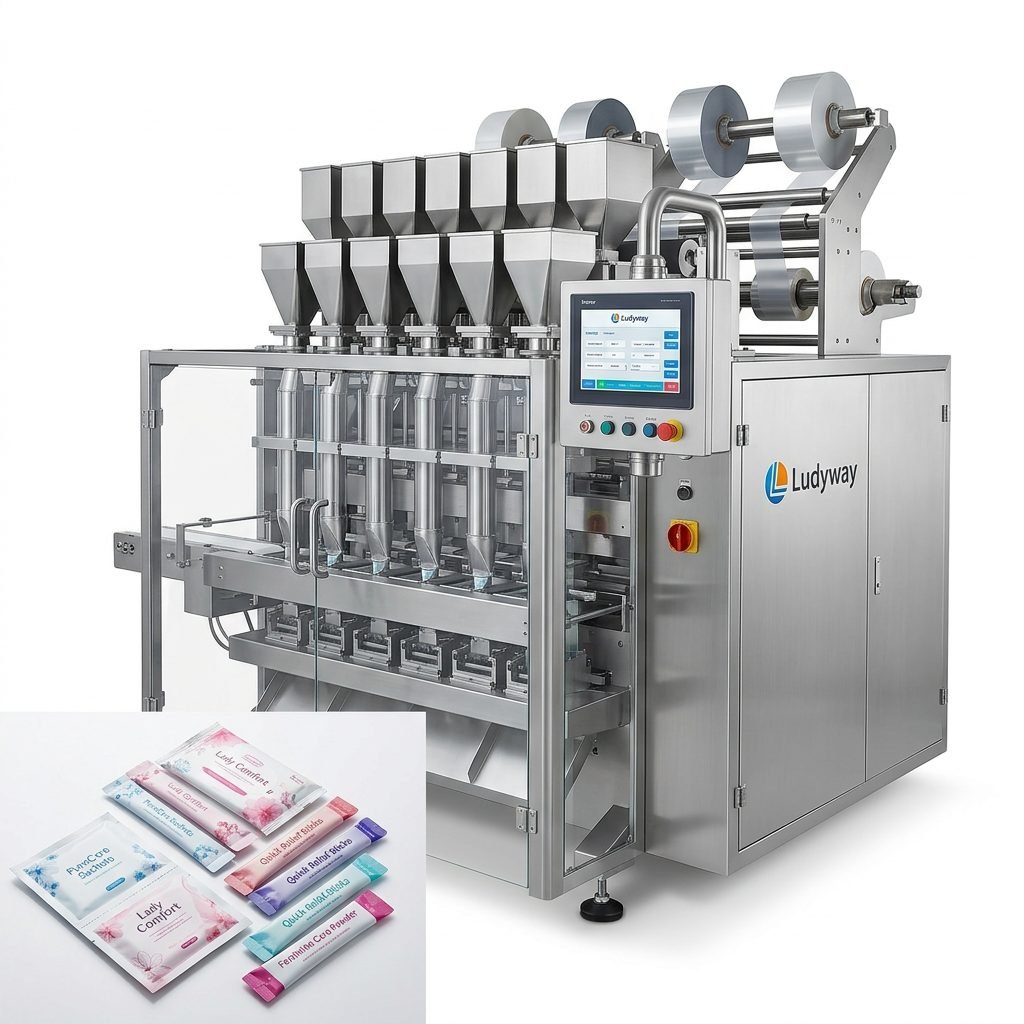
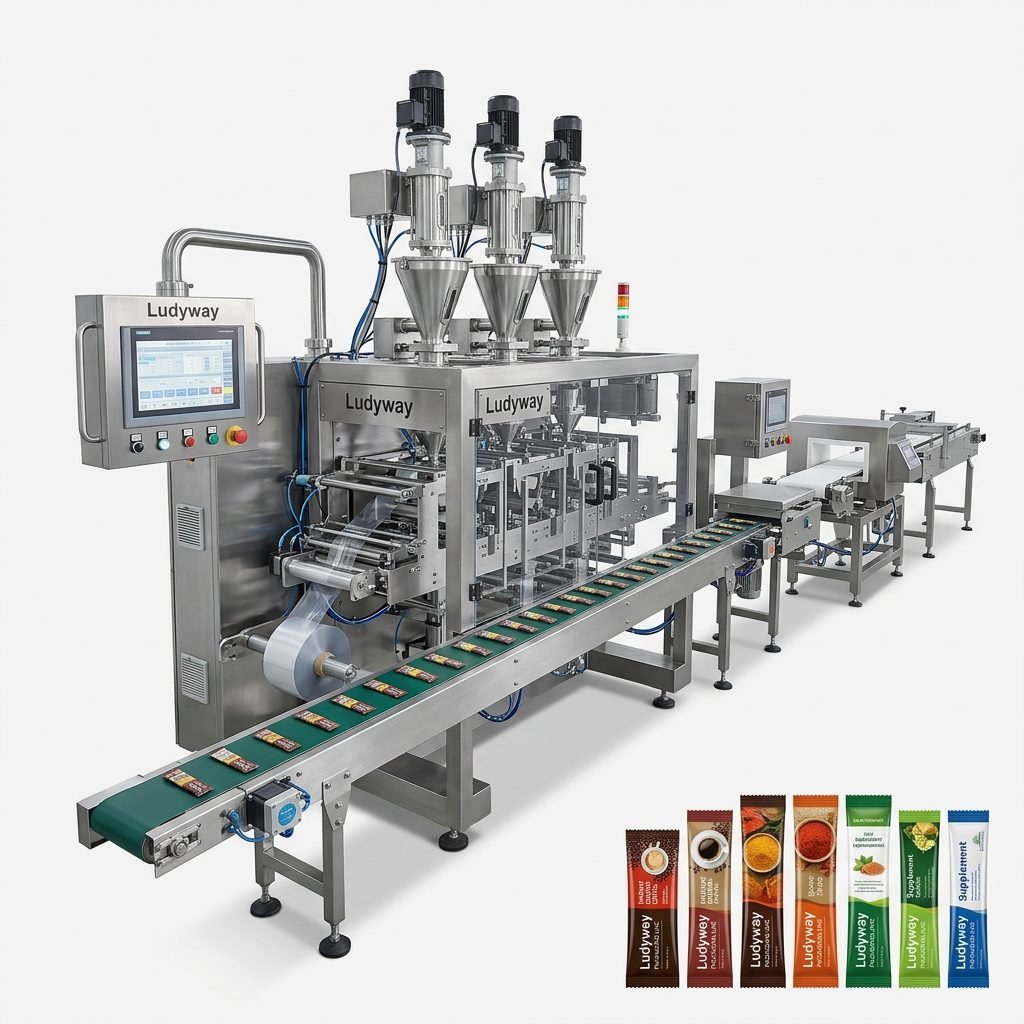
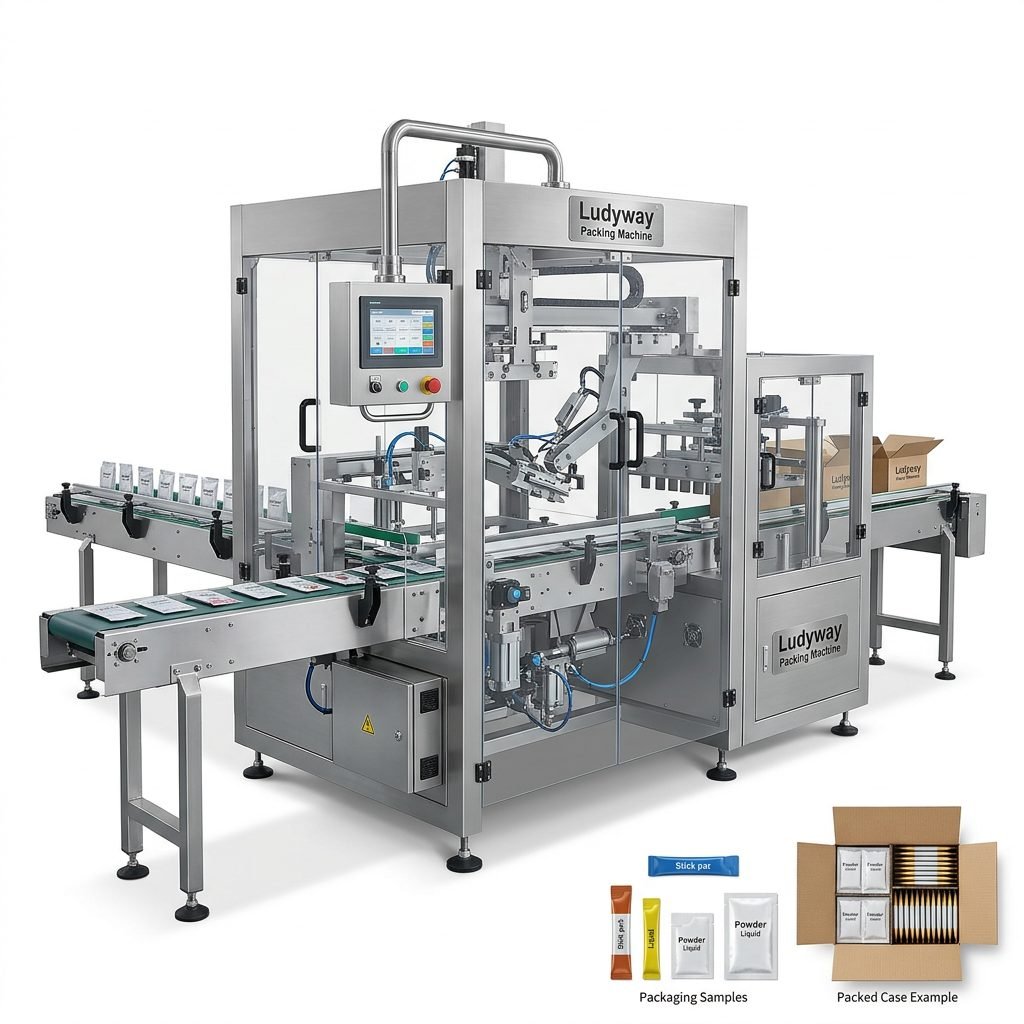
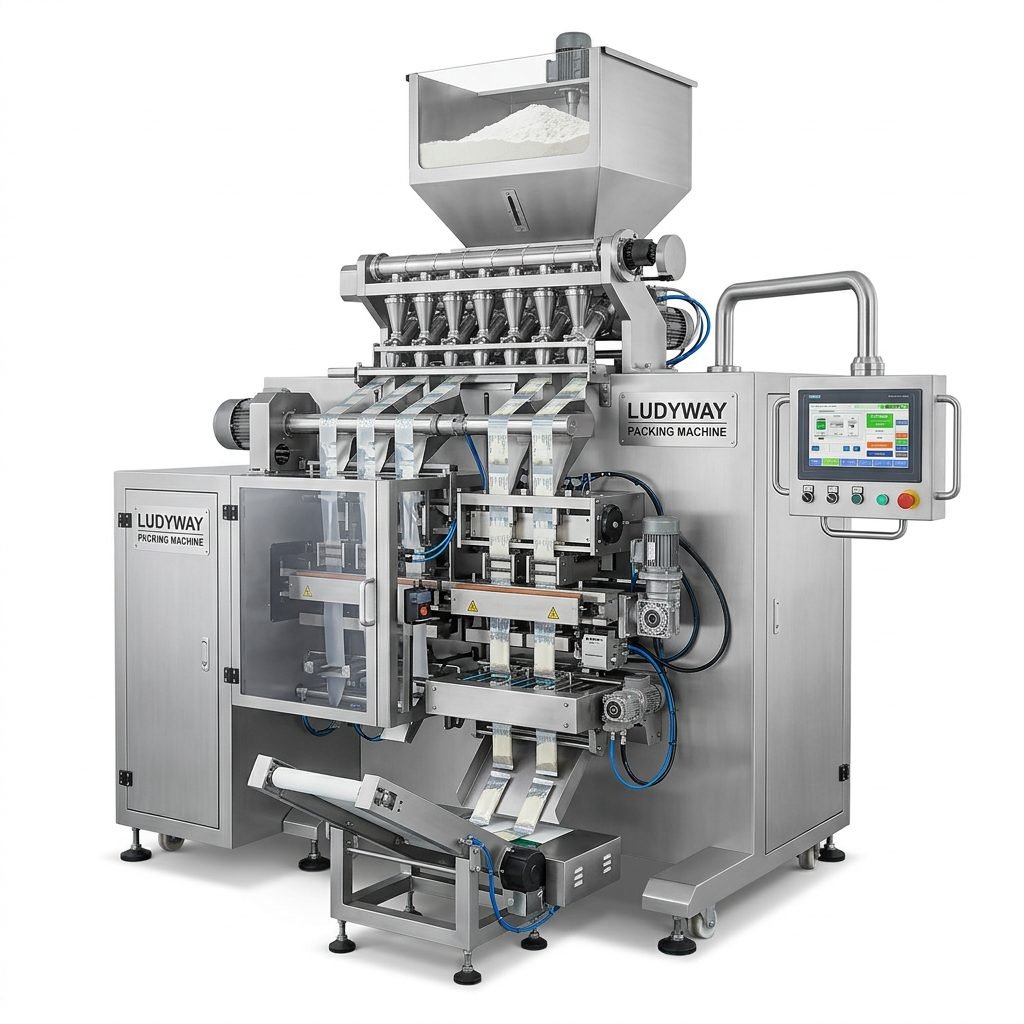
This is why many manufacturers move from standalone equipment to more integrated systems. For example, sachet and stick pack lines often combine filling, sealing, counting, case packing, and palletizing in one continuous process. The result is more predictable output and easier line management.
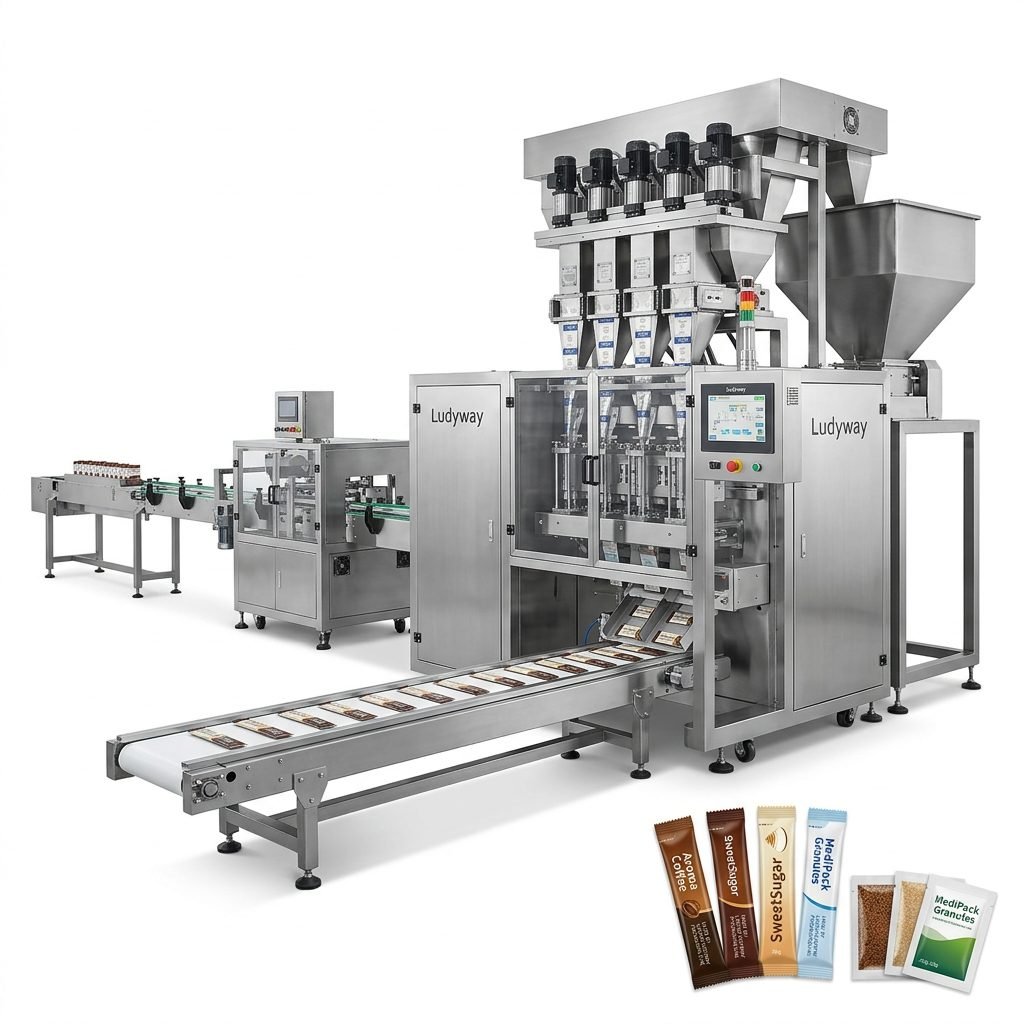
Benefits of Upgrading to Automated Packaging
- Higher output per shift
- More consistent package appearance
- Reduced operator dependency
- Lower packaging error rates
- Better scalability for growing demand
- Improved production data and process control
Choosing the Right Machine for Your Product Type
Different product forms require different sealing and wrapping approaches. Powders, granules, liquids, pastes, and solid items each behave differently during packaging. The right machine should match not only the product itself, but also the target pack format and production volume.
Product-to-Machine Matching Guide
| Product Type | Recommended Packaging Style | Key Consideration |
|---|---|---|
| Powder | Sachets, stick packs, pouches | Dust control and accurate dosing |
| Granules | Stick packs, sachets, bags | Flow consistency and seal cleanliness |
| Liquids | Sachets, pouches, bottles | Leak-proof sealing and hygiene |
| Pastes/Creams | Sachets, tubes, pouches | Viscosity handling and no-drip filling |
| Solid Items | Flow wrap, bagging, tray wrap | Product positioning and pack protection |
If your production includes multiple SKUs, flexible machine settings become especially valuable. Fast changeover and recipe storage can help avoid long setup times and reduce production interruptions.
What to Check Before Investing
Before purchasing a packaging machine, businesses should review both technical and operational factors. A lower upfront price does not always mean lower total cost. Long-term value comes from machine stability, support quality, spare parts availability, and real compatibility with your packaging materials.
Practical Buyer Checklist
- What products and packaging materials will be used?
- What output level is needed now and in the next 3–5 years?
- Does the machine support your sealing quality standard?
- Can it integrate with coding, inspection, cartoning, or palletizing?
- How easy is cleaning and maintenance?
- Is technical support available for installation and after-sales service?
- Can the supplier offer customization for your production needs?
Tip: Always test the machine with your actual product and packaging film whenever possible. Real production samples reveal sealing performance far better than catalog specifications alone.
Integrated Packaging Lines for Higher Efficiency
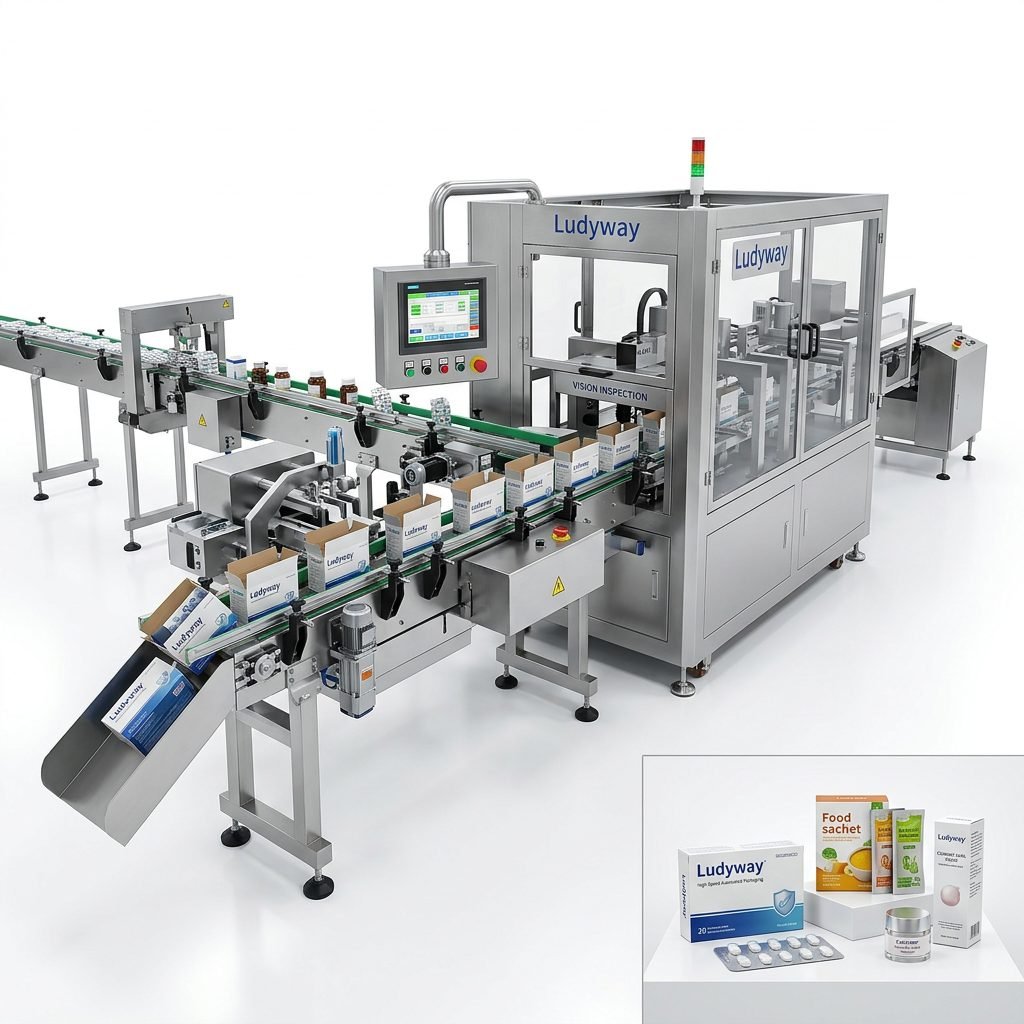
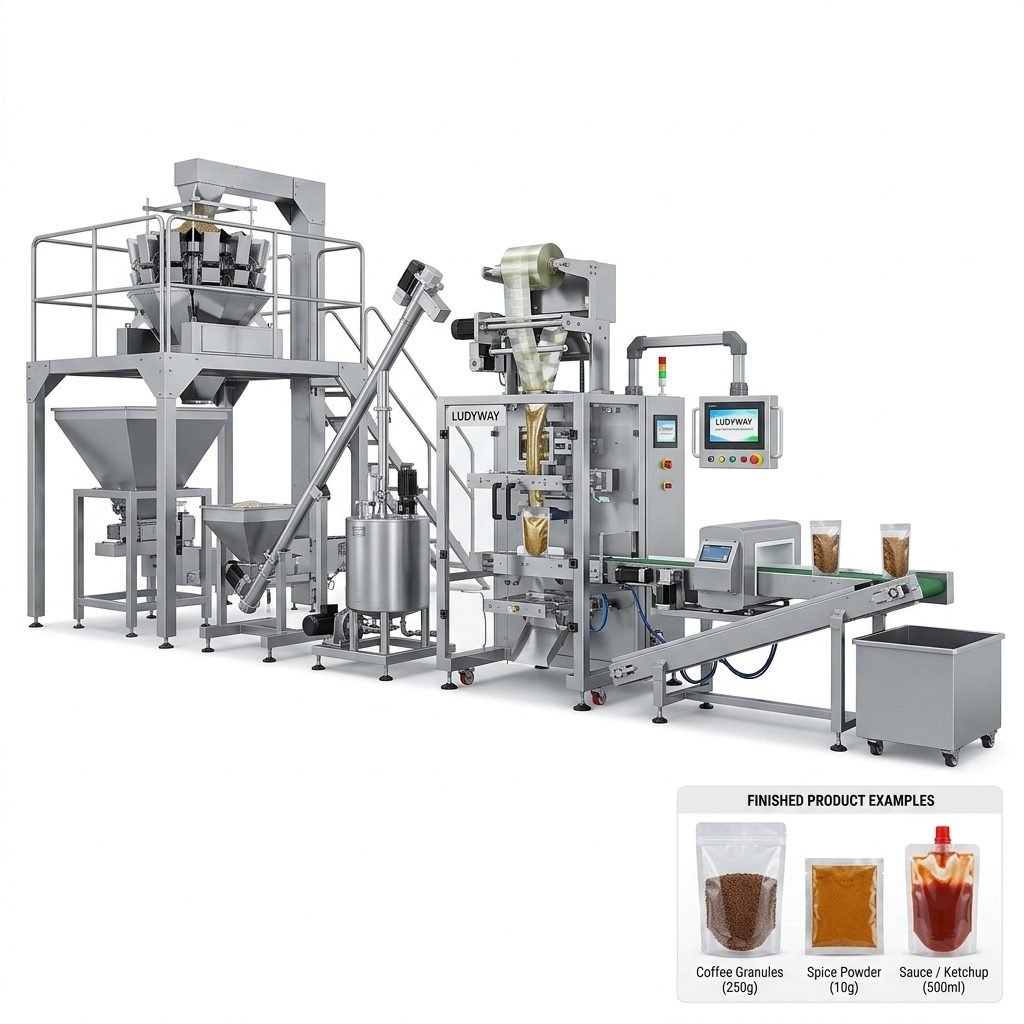
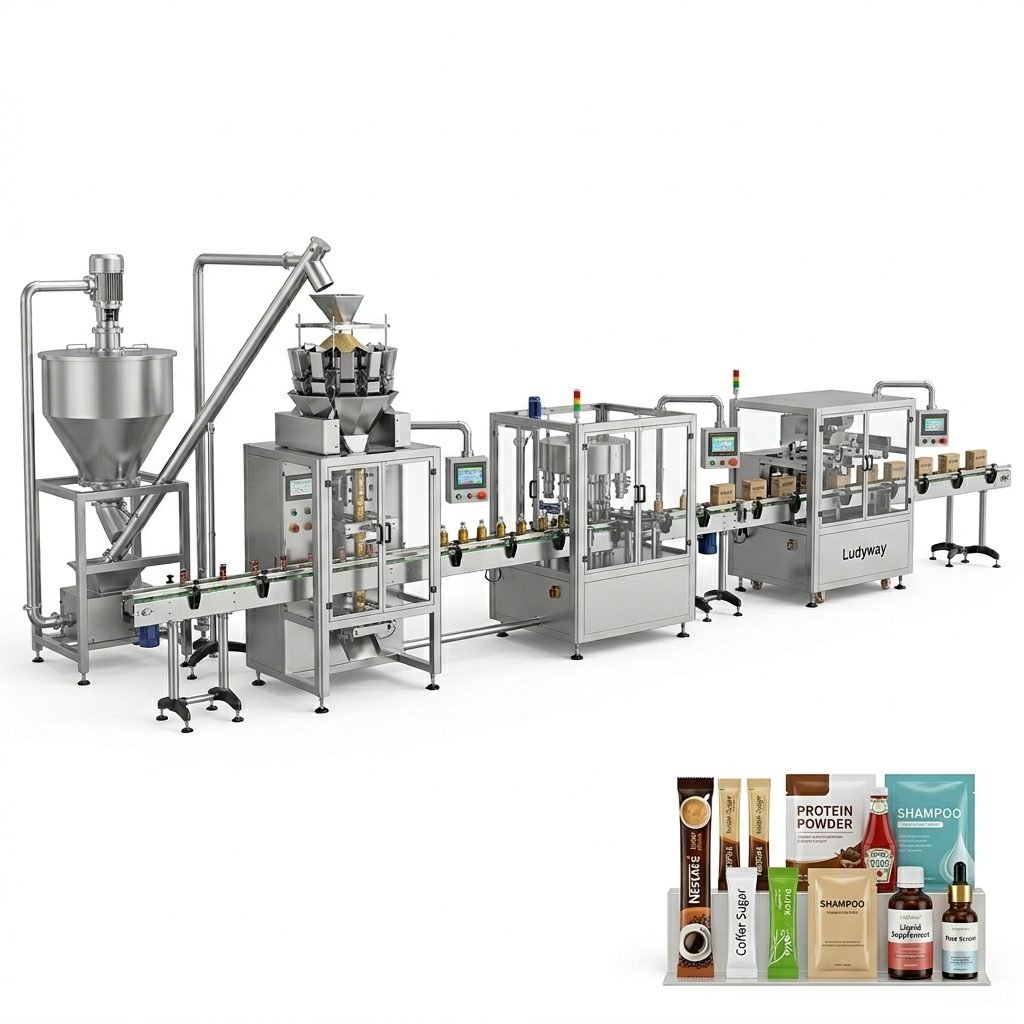
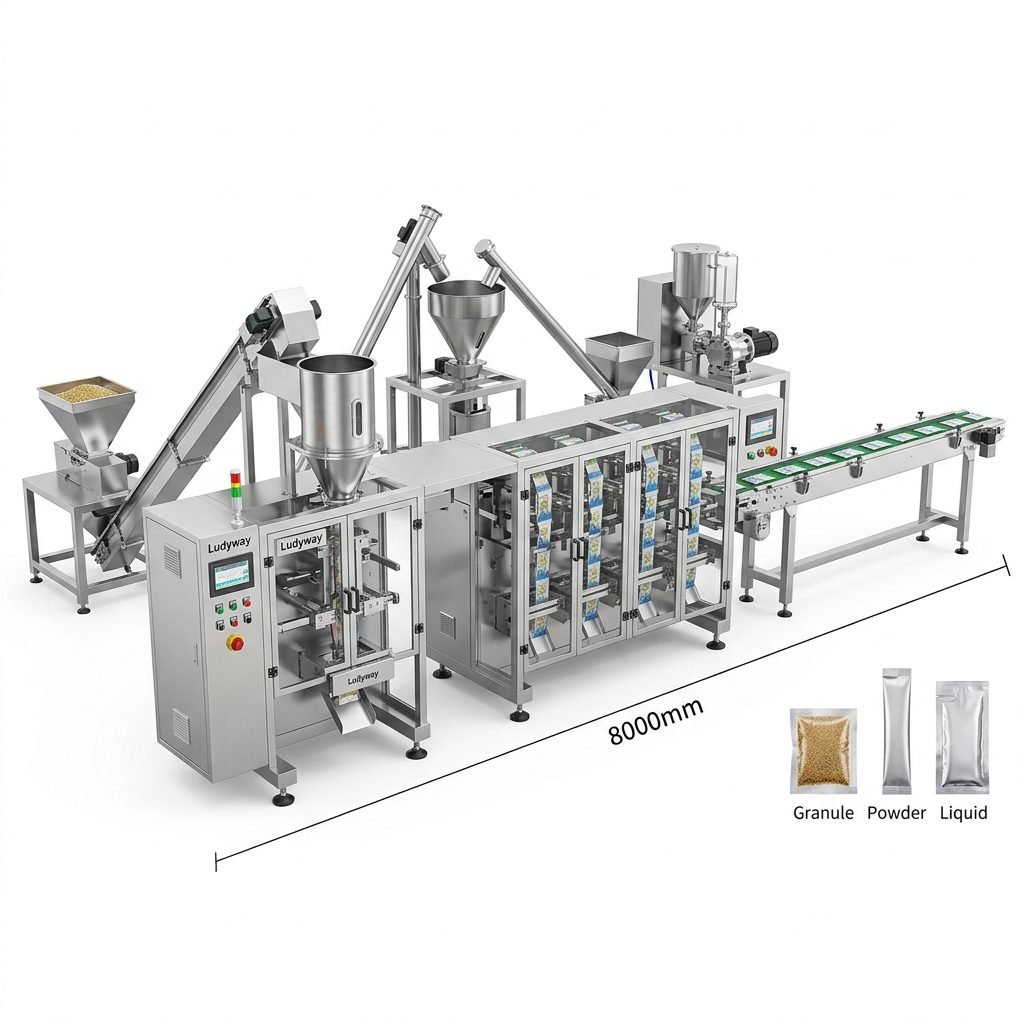
Many manufacturers today prefer complete packaging lines instead of isolated machines. A turnkey system can connect feeding, filling, sealing, wrapping, case packing, checkweighing, coding, and final logistics handling into one coordinated flow. This approach reduces manual transfer points and improves line-wide consistency.
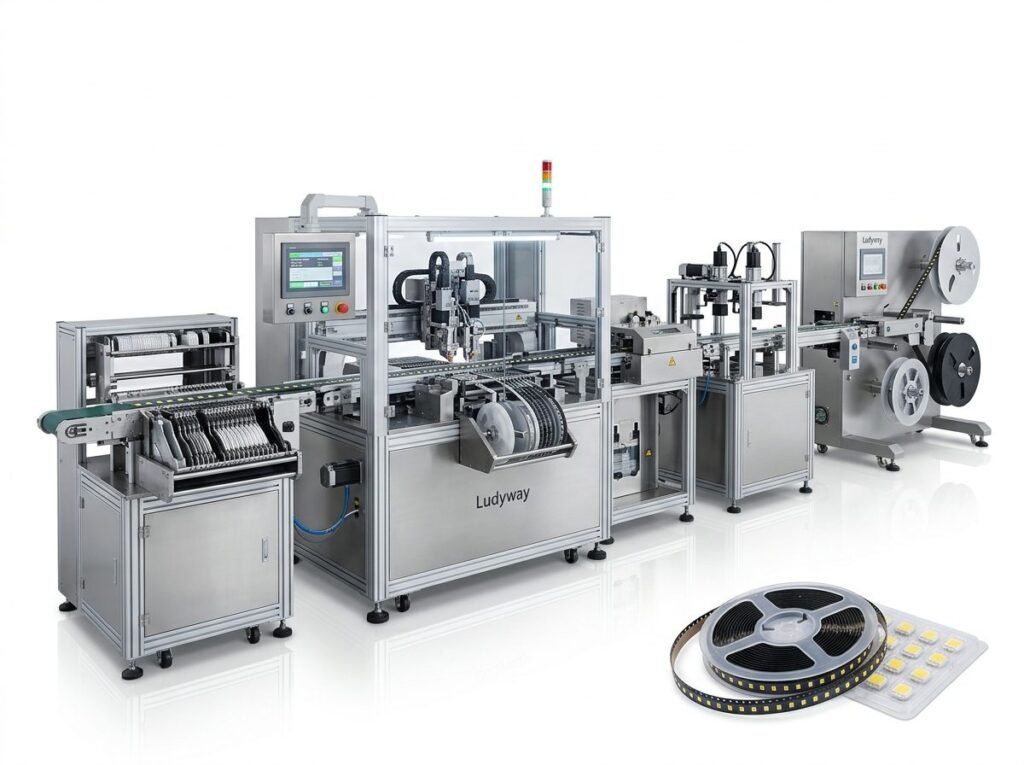
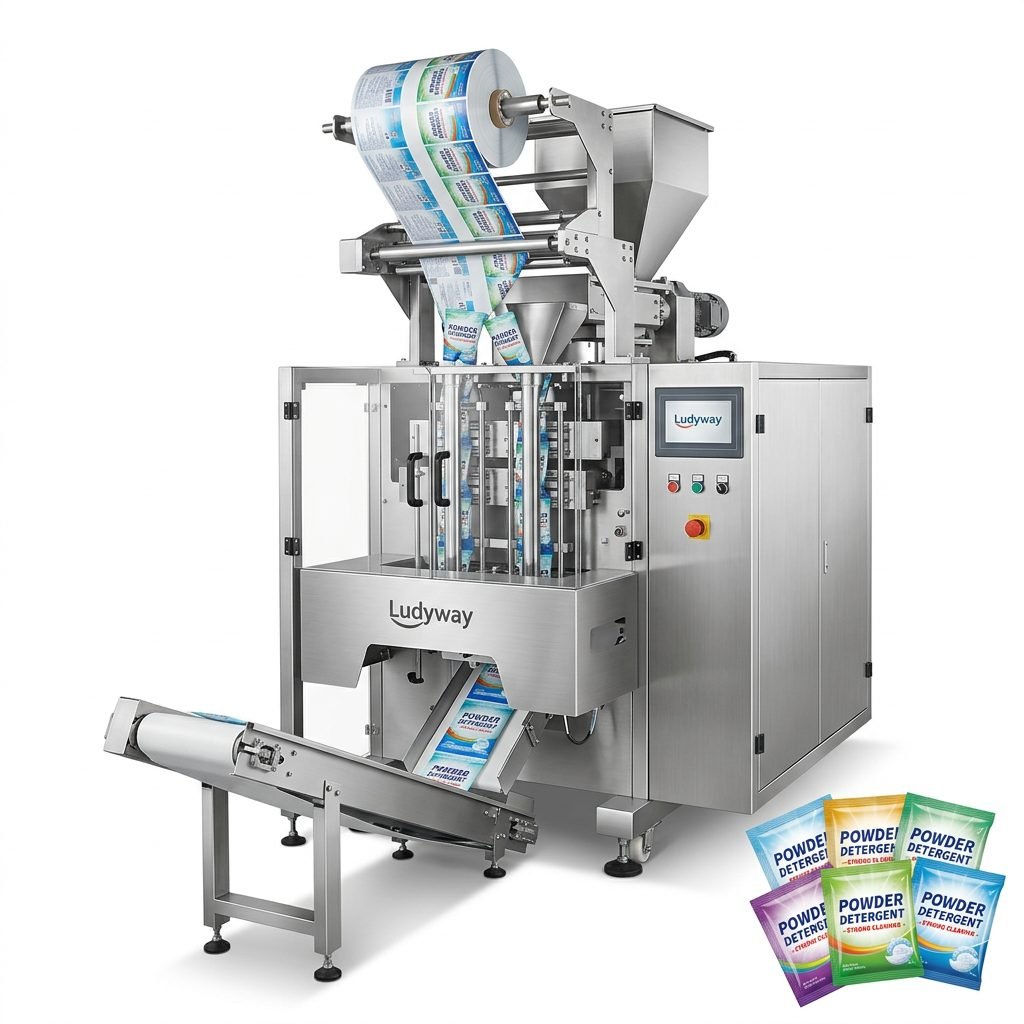
For companies seeking scalable automation, Ludyway packaging machine solutions offer a broad range of equipment and turnkey packaging lines for food, pharmaceutical, cosmetic, chemical, and related industries. With decades of manufacturing experience, large-scale production capacity, and service across more than 100 countries and regions, the company is often considered by buyers looking for practical automation with flexible machine configurations.
Why Turnkey Systems Are Attractive
- Better coordination between upstream and downstream machines
- Fewer compatibility issues during commissioning
- More efficient plant layout planning
- Simplified supplier communication
- Greater room for future line expansion
Maintenance and Long-Term Performance
Packaging equipment should be assessed not only by initial speed, but by how well it performs over time. Preventive maintenance, proper operator training, and stable component quality all influence uptime. Machines used for sealing and wrapping should be inspected regularly for wear on sealing parts, conveyors, sensors, and film-tracking components.
A strong maintenance plan can help businesses:
- Reduce unplanned stoppages
- Maintain seal quality over long production runs
- Extend machine service life
- Improve spare parts management
- Protect product quality and consistency
Final Considerations for Packaging Decision-Makers
Audion packaging machines and similar sealing and wrapping solutions remain important for companies that need secure, efficient, and repeatable packaging operations. The best choice depends on your product form, package type, target speed, hygiene requirements, and automation goals.
For growing manufacturers, the smartest investment is often a solution that combines reliable sealing performance, operational flexibility, and future-ready line integration. When these factors align, packaging equipment becomes more than a machine—it becomes a long-term productivity asset.