A packing strap machine is an essential piece of equipment used to secure cartons, bundles, and palletized goods with plastic or steel strapping. In modern packaging operations, it helps businesses improve load stability, reduce manual labor, and speed up final packaging. Whether you work in logistics, food processing, pharmaceuticals, e-commerce fulfillment, or industrial manufacturing, choosing the right machine can make a major difference in productivity and shipping safety.
This guide explains how a packing strap machine works, the main types available, its key benefits, and the factors you should compare before buying.
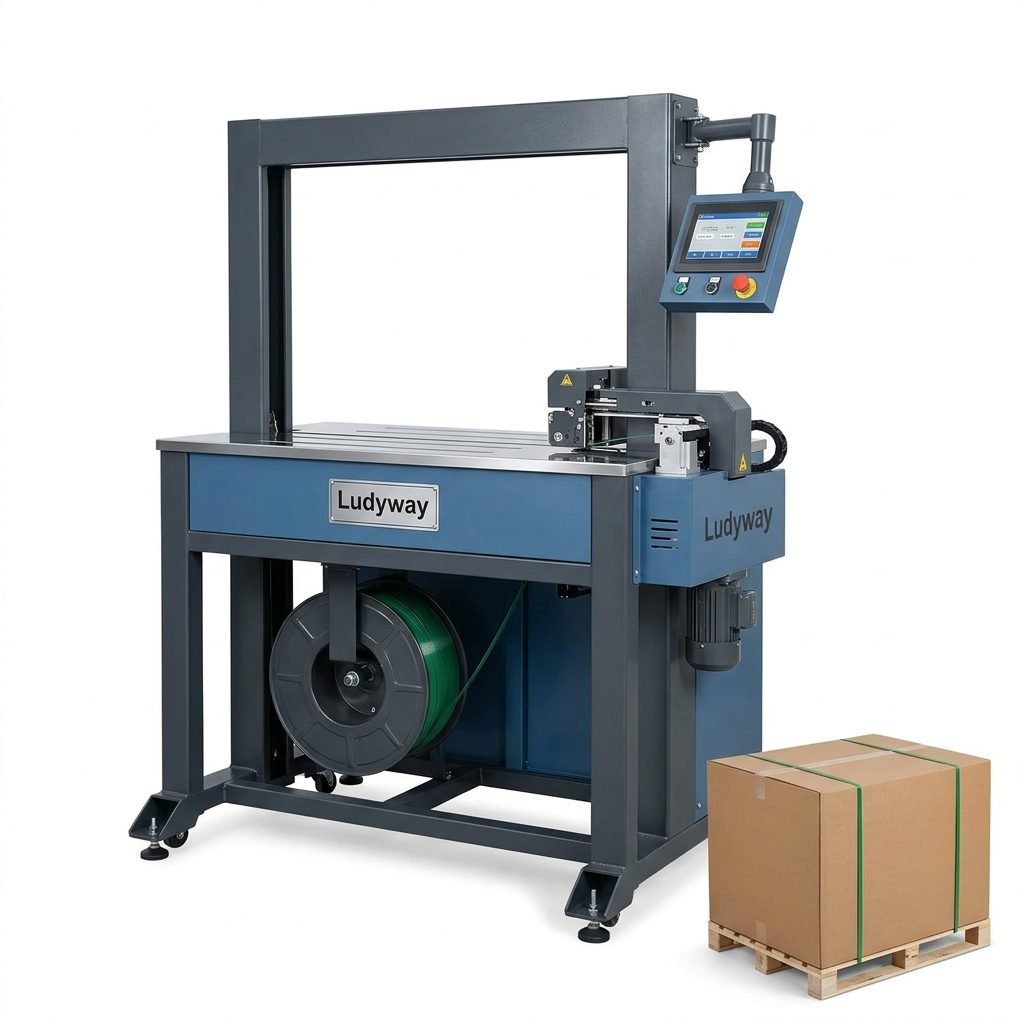
What Is a Packing Strap Machine?
A packing strap machine, also called a strapping machine or banding machine, applies a strap around a product or package and then tightens, seals, and cuts the strap automatically or semi-automatically. The purpose is to keep items firmly held together during storage, handling, and transportation.
Common strap materials include:
- PP strap – widely used for cartons, light to medium loads, and general packaging
- PET strap – stronger than PP, suitable for heavier loads and pallet strapping
- Steel strap – used for very heavy, rigid, or sharp-edged industrial products
How Does a Packing Strap Machine Work?
Although machine designs vary, the working process usually follows a similar sequence. Once the package is positioned, the machine feeds the strap around it, tensions the strap to the required force, seals the joint, and cuts off the excess strap.
Basic Working Steps
- Package positioning: The box, bundle, or pallet is placed in the strapping area.
- Strap feeding: The machine sends the strap around the package through an arch or guide path.
- Tensioning: The strap is tightened to hold the product securely.
- Sealing: Heat sealing, friction welding, or metal sealing locks the strap ends together.
- Cutting: The machine trims the strap and prepares for the next cycle.
Automatic vs. Semi-Automatic Operation
In a semi-automatic packing strap machine, the operator wraps the strap around the package manually and inserts it into the machine. The machine then tensions, seals, and cuts it.
In an automatic packing strap machine, the entire cycle is largely automated. This is ideal for high-volume production lines where speed and consistency are critical.
| Machine Type | How It Works | Best For |
|---|---|---|
| Manual | Operator wraps, tensions, and seals the strap by hand | Low-volume packaging |
| Semi-automatic | Operator places strap; machine tensions, seals, and cuts | Medium-volume operations |
| Automatic | Machine performs the full strapping cycle automatically | High-speed packaging lines |
| Pallet strapping machine | Applies strap around pallet loads vertically or horizontally | Warehousing and logistics |
Main Benefits of Using a Packing Strap Machine
A good strapping system does more than just hold packages together. It can improve packaging quality across the entire shipping process.
1. Higher Packaging Efficiency
Machines complete strapping much faster than manual work, which helps reduce bottlenecks in end-of-line packaging.
2. Better Load Stability
Properly tensioned straps keep cartons and pallets more stable during transport, loading, and stacking.
3. Lower Labor Costs
Automation reduces dependence on repetitive manual tasks and can free operators for more valuable work.
4. More Consistent Sealing Quality
Machine-controlled tension and sealing deliver more uniform results than manual tools, reducing loose straps and damaged packages.
5. Improved Workplace Safety
By reducing manual handling and repetitive movements, a packing strap machine can help create a safer packaging environment.
Types of Packing Strap Machines
Semi-Automatic Strapping Machines
These machines are cost-effective and simple to operate. They are commonly used by small and medium businesses packaging cartons, printed materials, consumer goods, and warehouse shipments.
Fully Automatic Strapping Machines
Designed for continuous production lines, these machines can be integrated with conveyors, sorters, and packaging systems. They are ideal for factories with high daily output.
Arch Strapping Machines
These use an arch frame to guide the strap around the package. They are widely used for cartons, trays, books, and boxed products.
Horizontal and Vertical Pallet Strapping Machines
These models are used for securing pallet loads for transport. Vertical machines strap top-to-bottom, while horizontal systems wrap around the sides of the pallet.
Handheld Battery Strapping Tools
Portable battery-powered tools are useful for large packages, irregular loads, and applications where mobility matters more than conveyor integration.
Industries That Use Packing Strap Machines
- Food and beverage packaging
- Pharmaceutical and healthcare products
- E-commerce and fulfillment centers
- Paper, printing, and publishing
- Building materials and hardware
- Chemical and industrial products
- Consumer goods and retail distribution
How to Choose the Right Packing Strap Machine
The best machine depends on your product type, output target, packaging format, and budget. Before buying, compare these factors carefully.
Production Volume
If your packaging demand is low, a semi-automatic model may be enough. For high-volume factories, a fully automatic machine offers better long-term efficiency.
Package Size and Shape
Make sure the machine matches your carton dimensions, load size, and product stability. Irregular or oversized products may need handheld or customized systems.
Strap Material Compatibility
Check whether the machine supports PP, PET, or steel strap, and confirm the strap width and thickness range.
Tension Requirements
Light cartons need less tension, while palletized heavy loads need stronger holding force. Choosing the wrong tension range can lead to damaged packaging or weak load security.
Integration with Existing Lines
If you already use conveyors, weighers, sealing machines, or palletizers, make sure the strapping machine can be integrated smoothly into your current packaging line.
Maintenance and Spare Parts
Choose equipment with reliable technical support, easy wear-part replacement, and stable after-sales service to reduce downtime.
| Selection Factor | What to Check |
|---|---|
| Output capacity | Packages per hour or per shift |
| Product dimensions | Minimum and maximum package size |
| Strap type | PP, PET, or steel |
| Automation level | Manual, semi-automatic, automatic |
| Sealing method | Heat seal, friction weld, or metal seal |
| After-sales support | Installation, training, parts, technical service |
Common Problems and Practical Tips
Loose Strap
This may result from low tension settings, incorrect strap quality, or worn tensioning components. Regular calibration helps maintain stable performance.
Poor Sealing
If the seal is weak, check the heating element or friction weld system, along with strap material compatibility and machine cleanliness.
Frequent Jams
Jams often come from low-quality strap rolls, dust buildup, or incorrect threading. Routine cleaning and proper consumables can reduce issues significantly.
Maintenance Tips
- Clean strap channels and sealing areas regularly
- Inspect cutters, rollers, and heaters for wear
- Use the correct strap specification recommended by the manufacturer
- Train operators on proper loading and adjustment
- Keep key spare parts available to avoid long downtime
Why End-of-Line Compatibility Matters
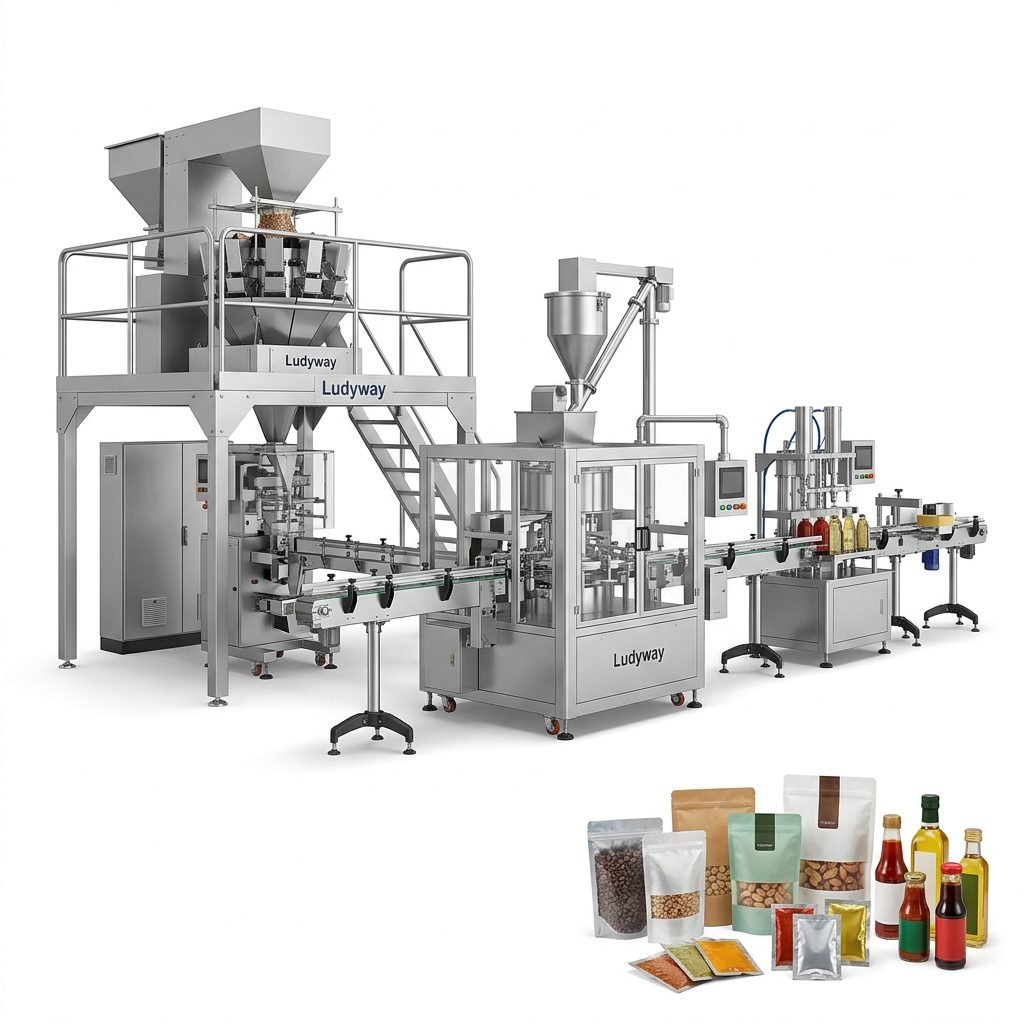
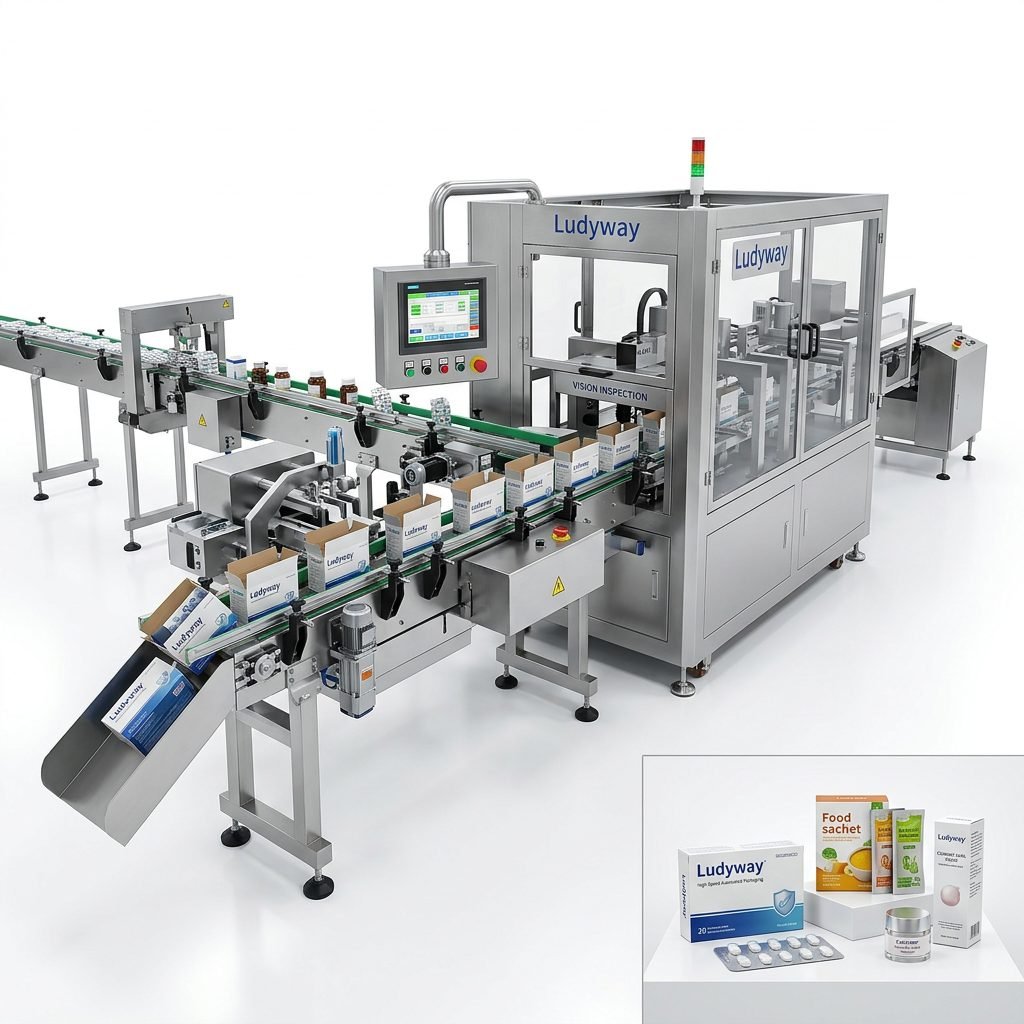
A packing strap machine performs best when it fits into the full packaging workflow. In many factories, strapping is only one step in a larger system that may include filling, sealing, coding, checkweighing, cartoning, case packing, and palletizing. If your business plans to scale, it is wise to choose equipment that can grow with your production needs.
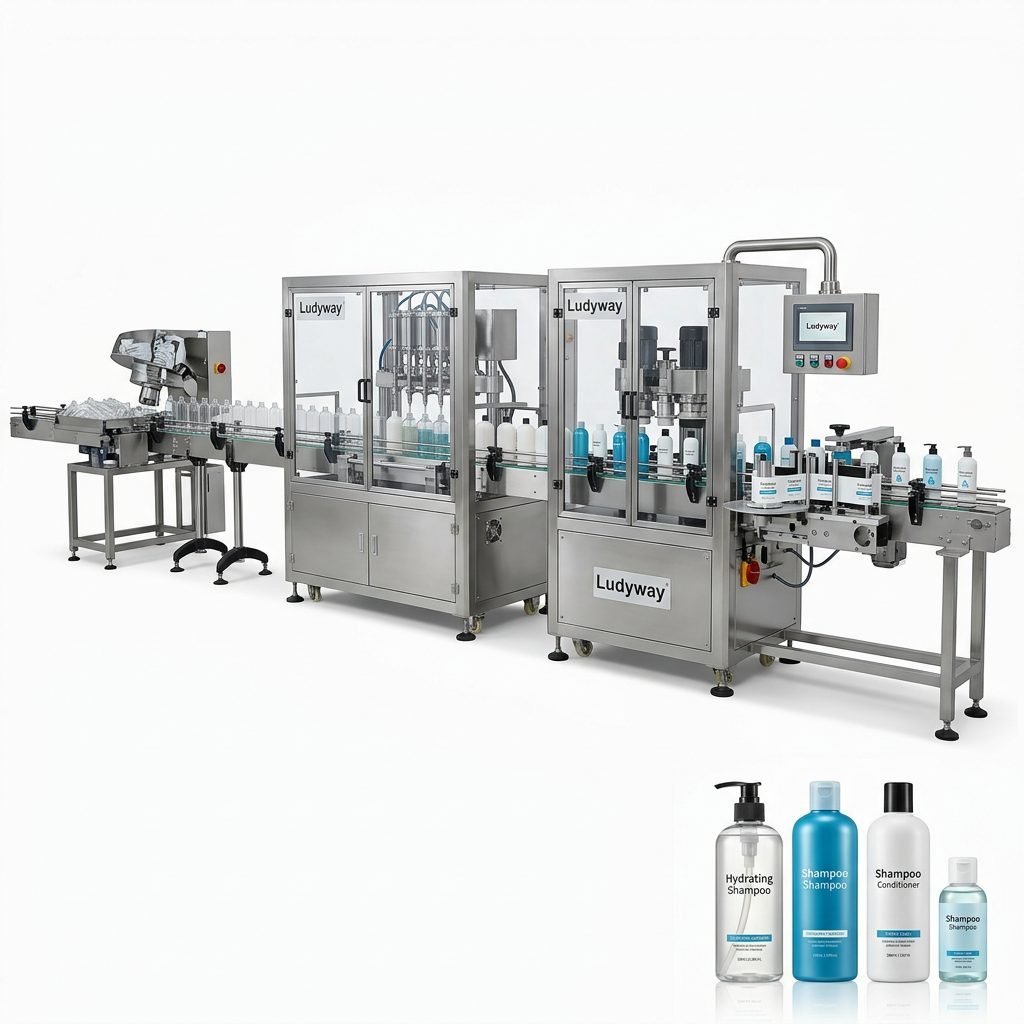
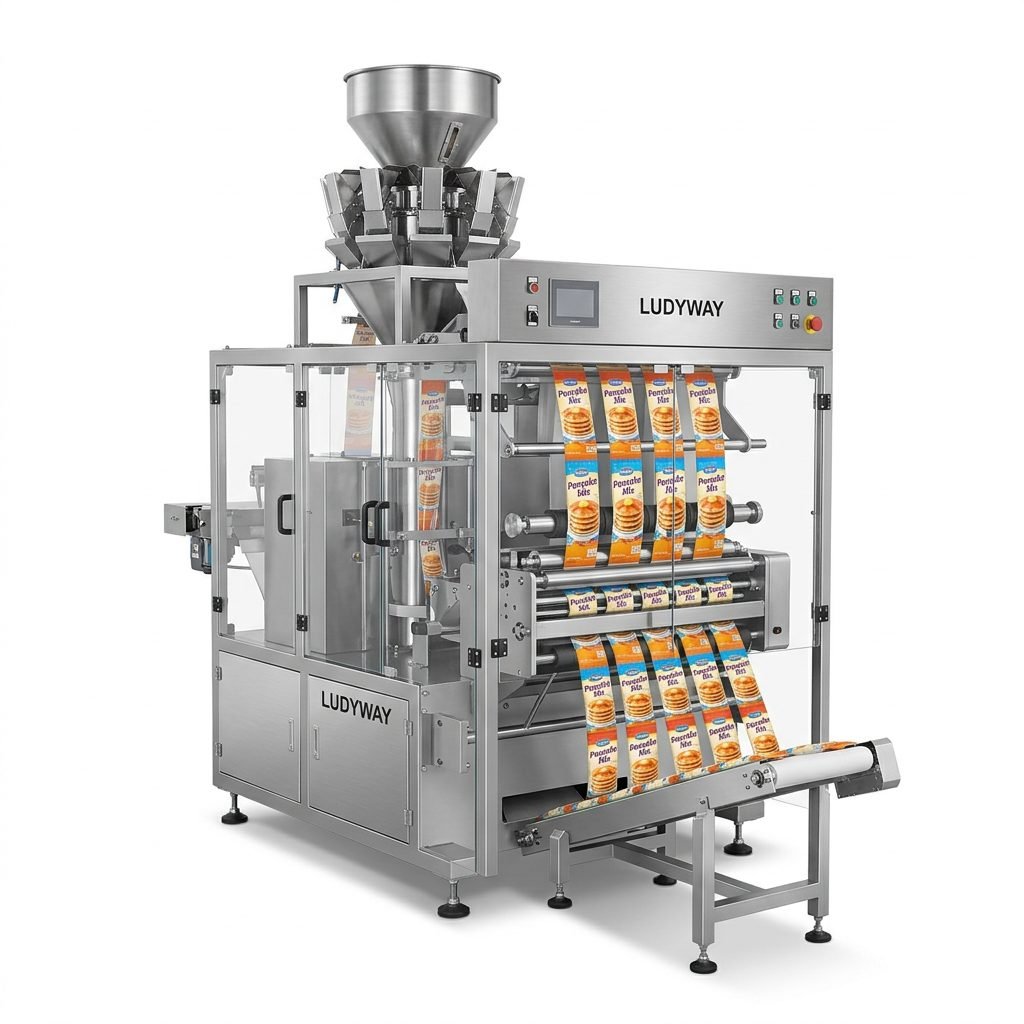
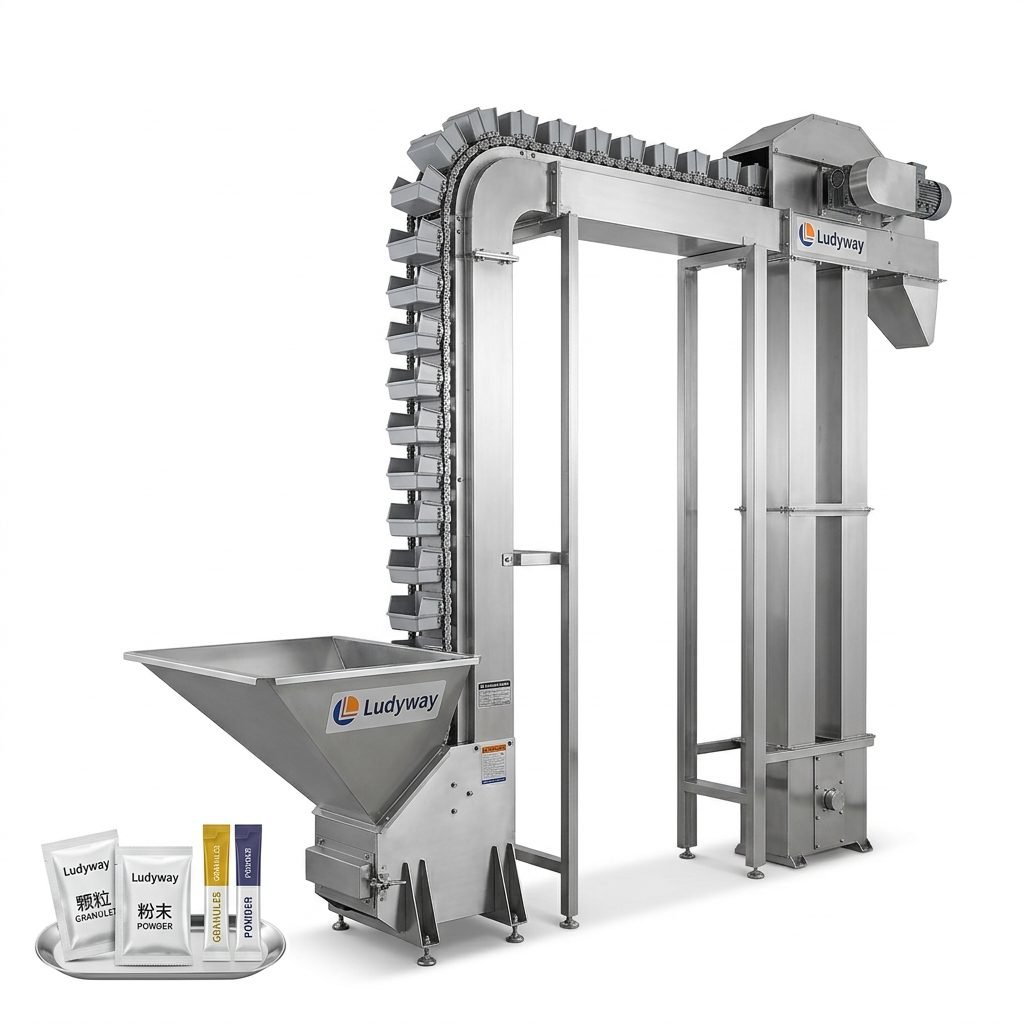
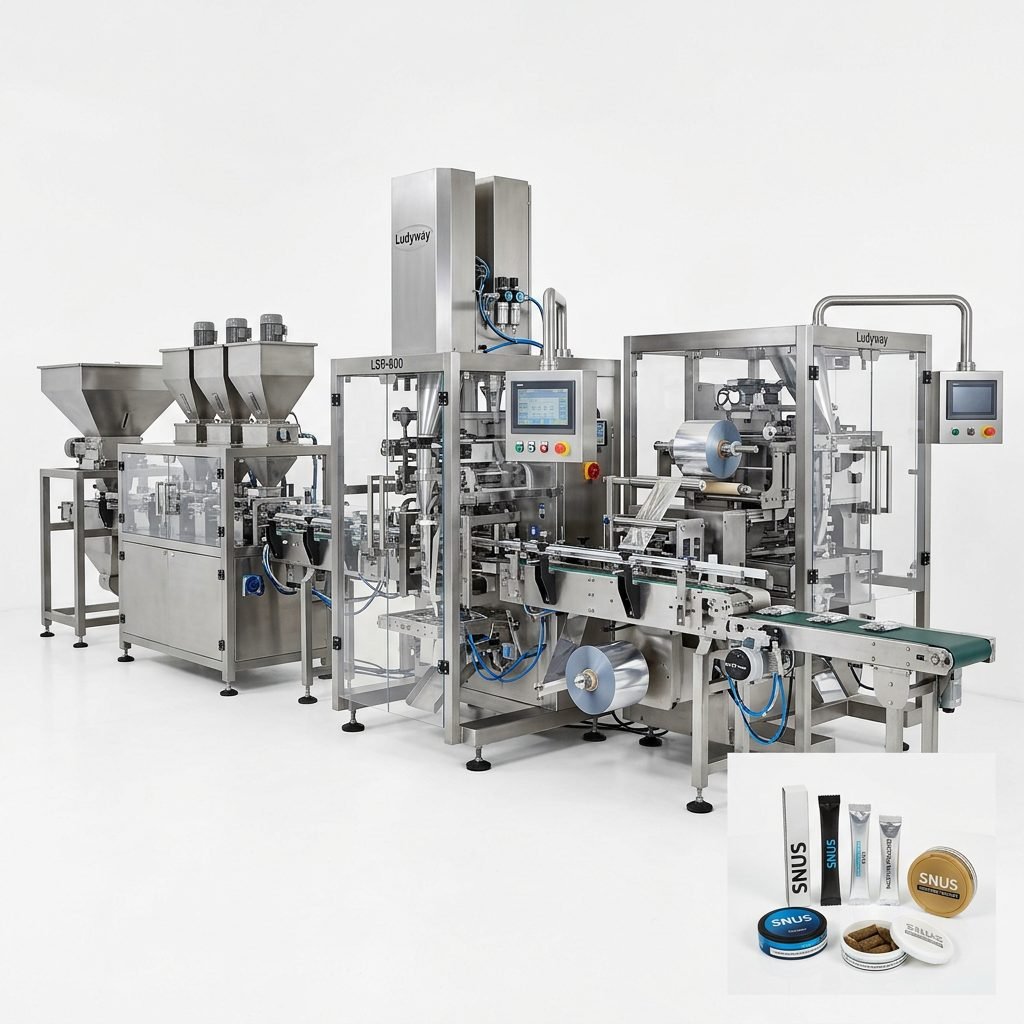
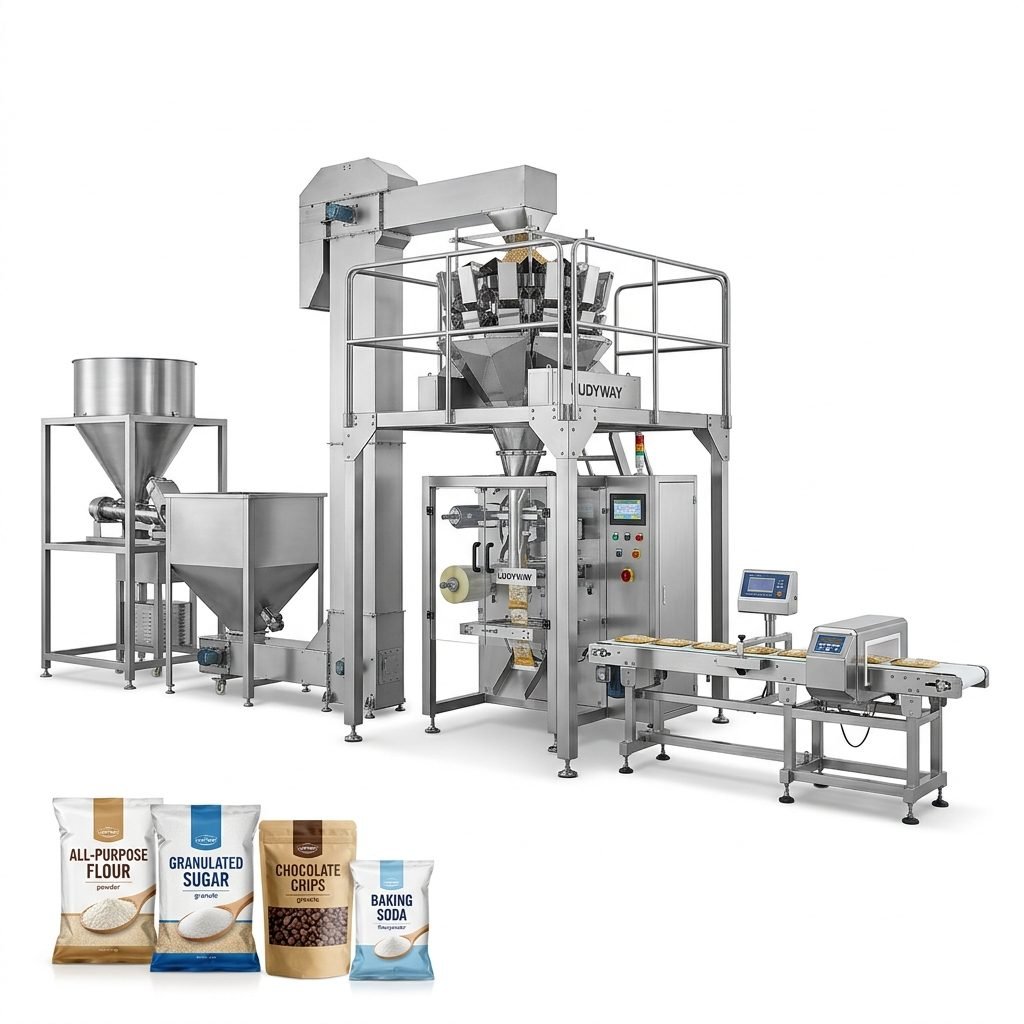
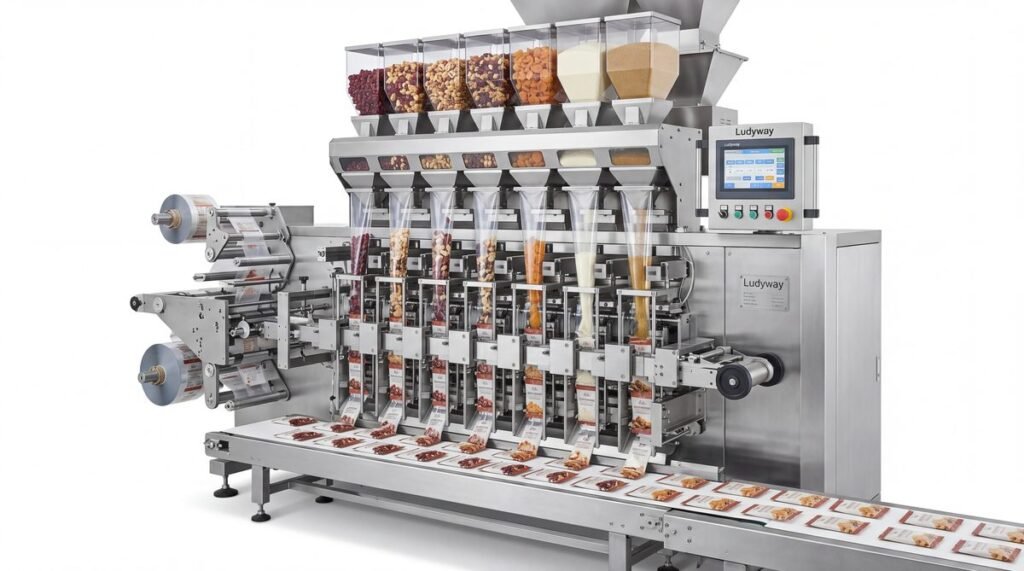
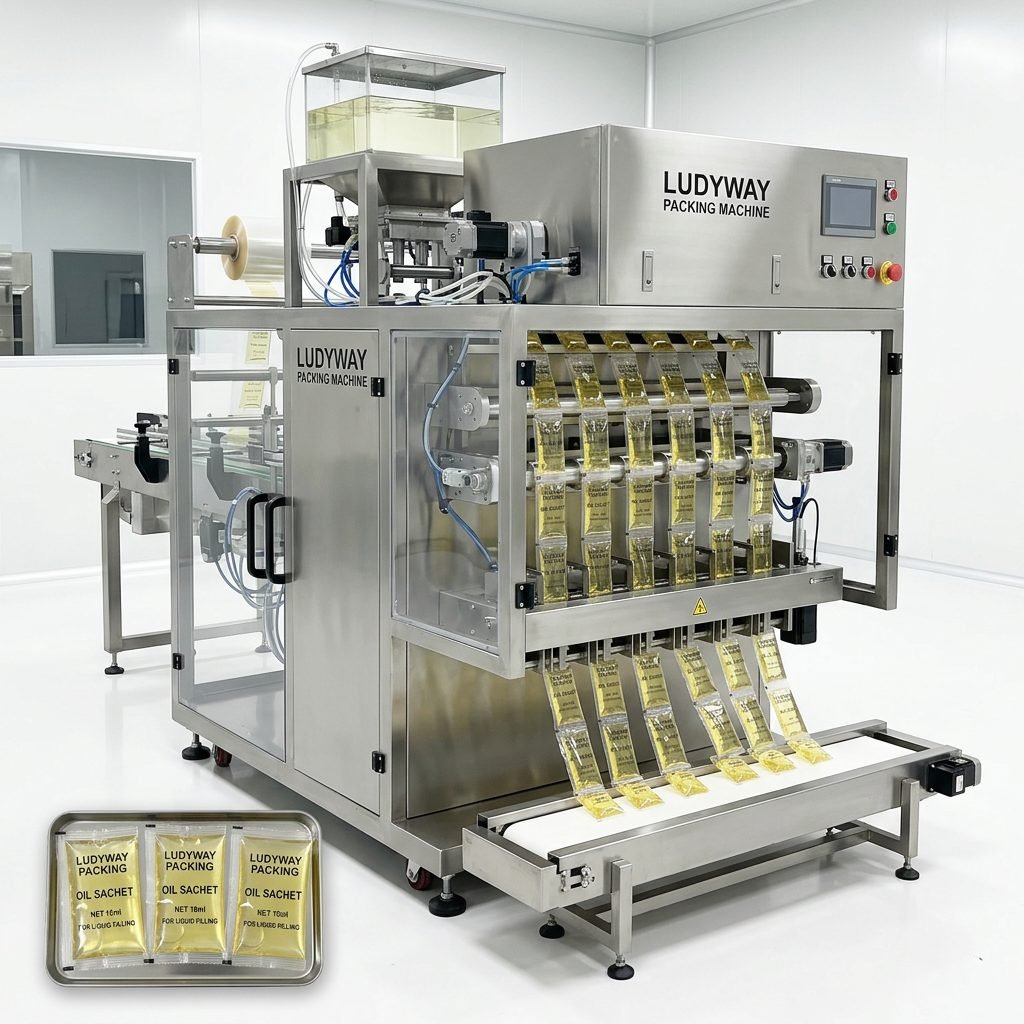
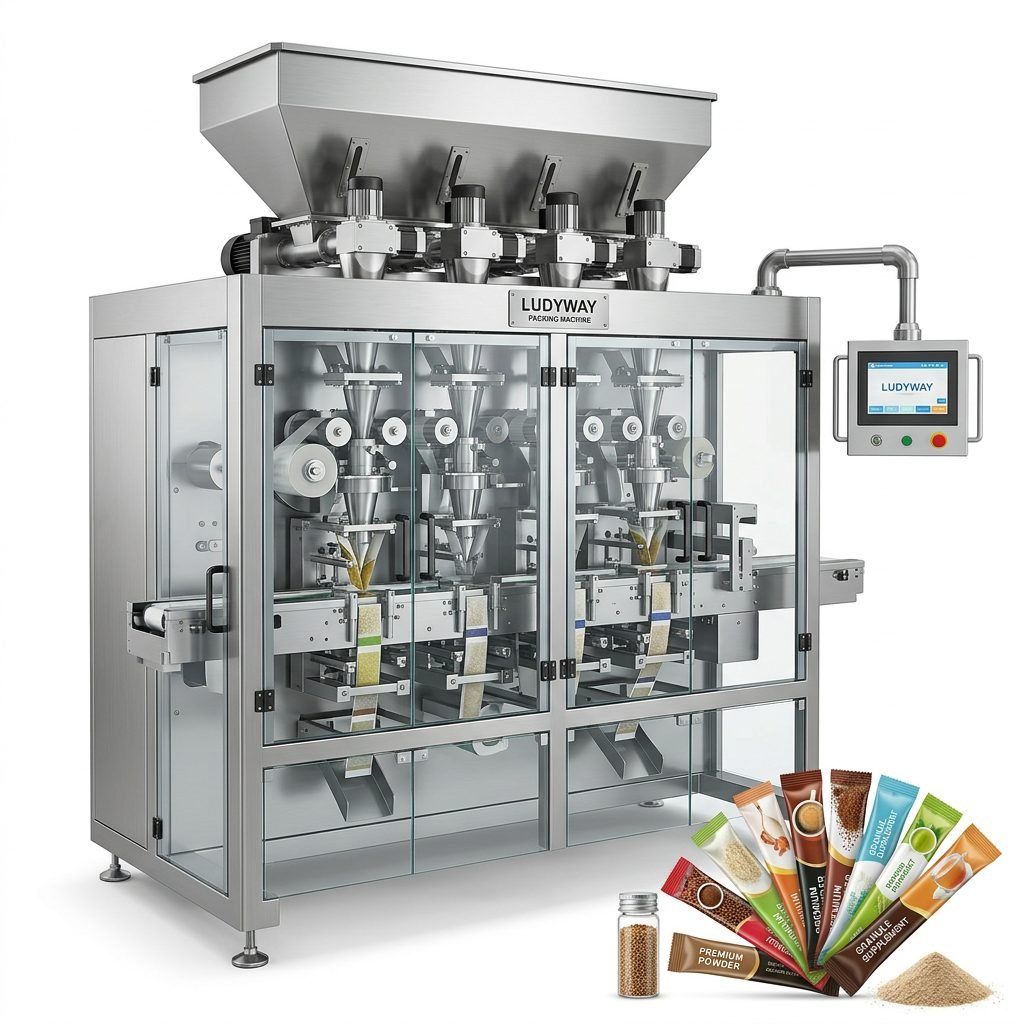
For businesses looking for broader automation support, packing machine manufacturer Ludyway supplies packaging machinery and turnkey packaging line solutions for food, pharmaceutical, cosmetic, chemical, and related industries.
Frequently Asked Questions
What is the difference between PP and PET strapping?
PP strapping is lighter and more economical for cartons and lighter packages. PET strapping offers higher strength and is better for heavier loads and pallet applications.
Is a semi-automatic strapping machine enough for a small business?
Yes. For many small and medium operations, a semi-automatic machine provides a good balance between cost and efficiency.
Can a packing strap machine be integrated into an automatic line?
Yes. Many automatic strapping machines are designed to work with conveyors and other packaging equipment in continuous production environments.
How long does a packing strap machine last?
With proper maintenance, quality machines can operate reliably for many years. Actual service life depends on workload, environment, maintenance quality, and spare-part support.
Final Buying Advice
When choosing a packing strap machine, focus on application fit, automation level, strap compatibility, and long-term service support. A low-cost machine may save money upfront, but the right model will deliver better uptime, more consistent packaging quality, and lower operating costs over time.
If your operation handles growing order volumes or requires integrated packaging automation, it is worth investing in a system that matches both your current workload and future expansion plans.