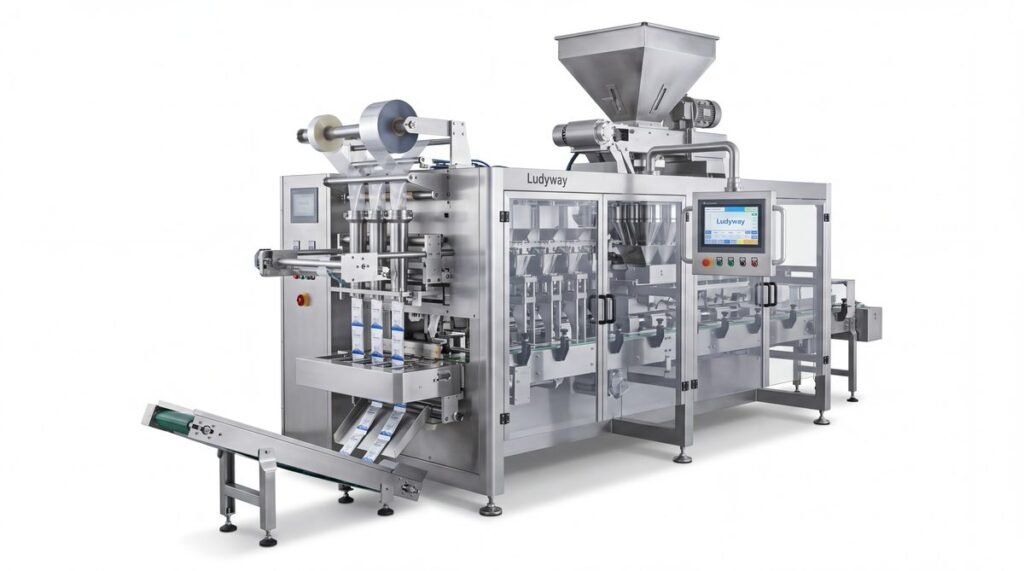
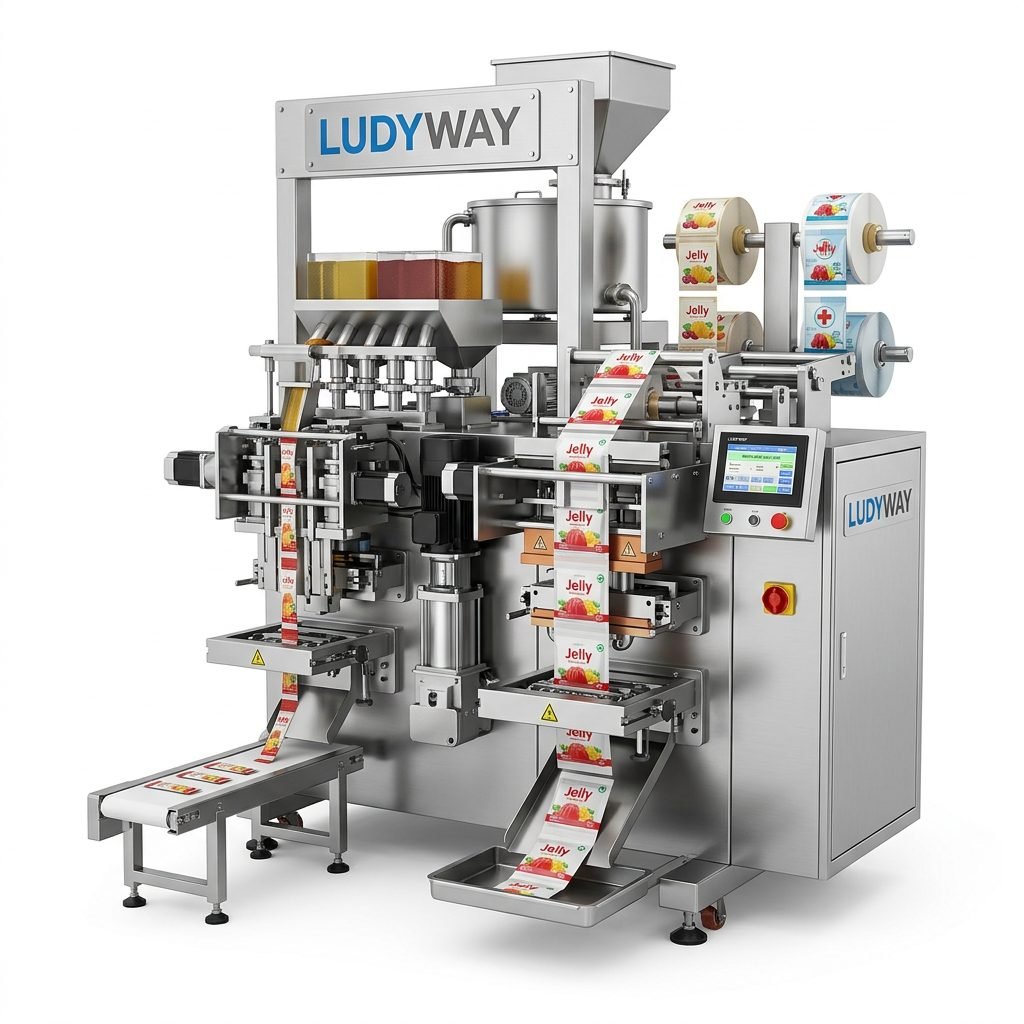
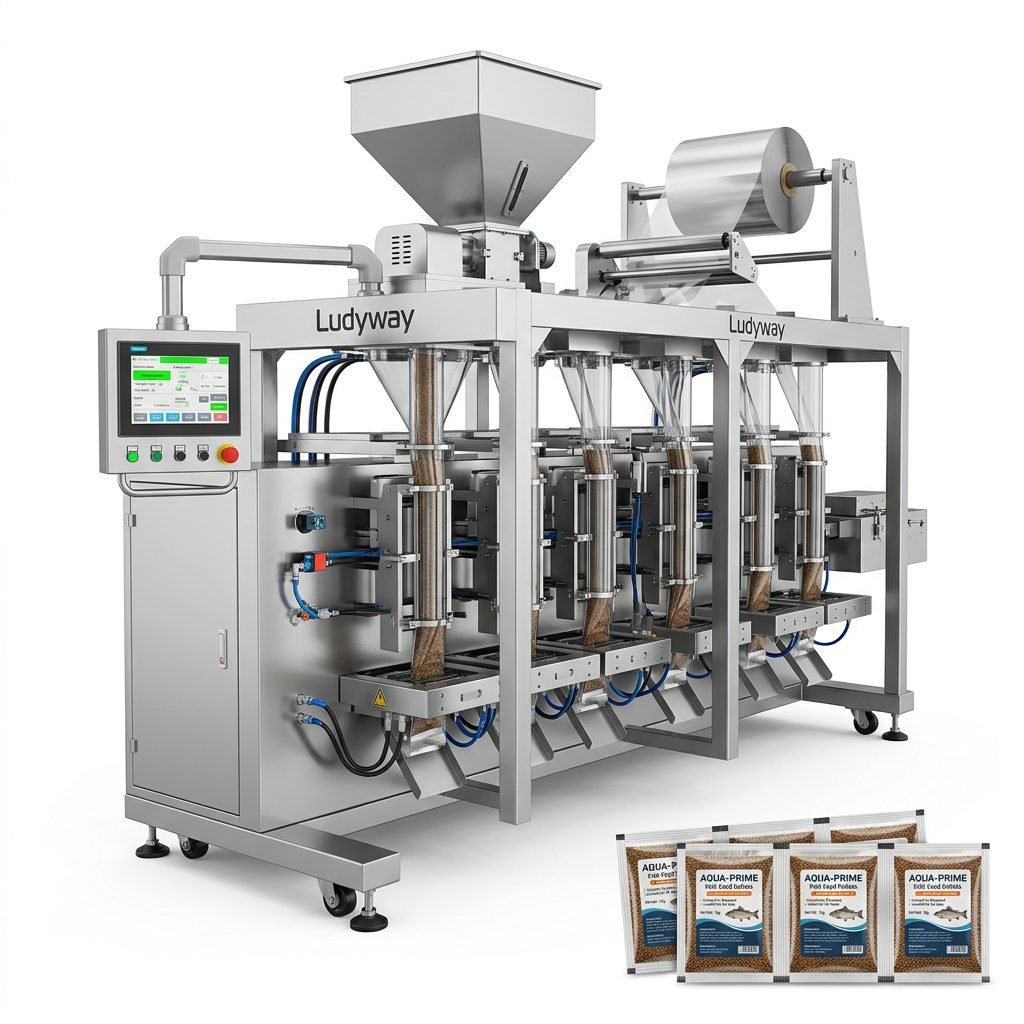
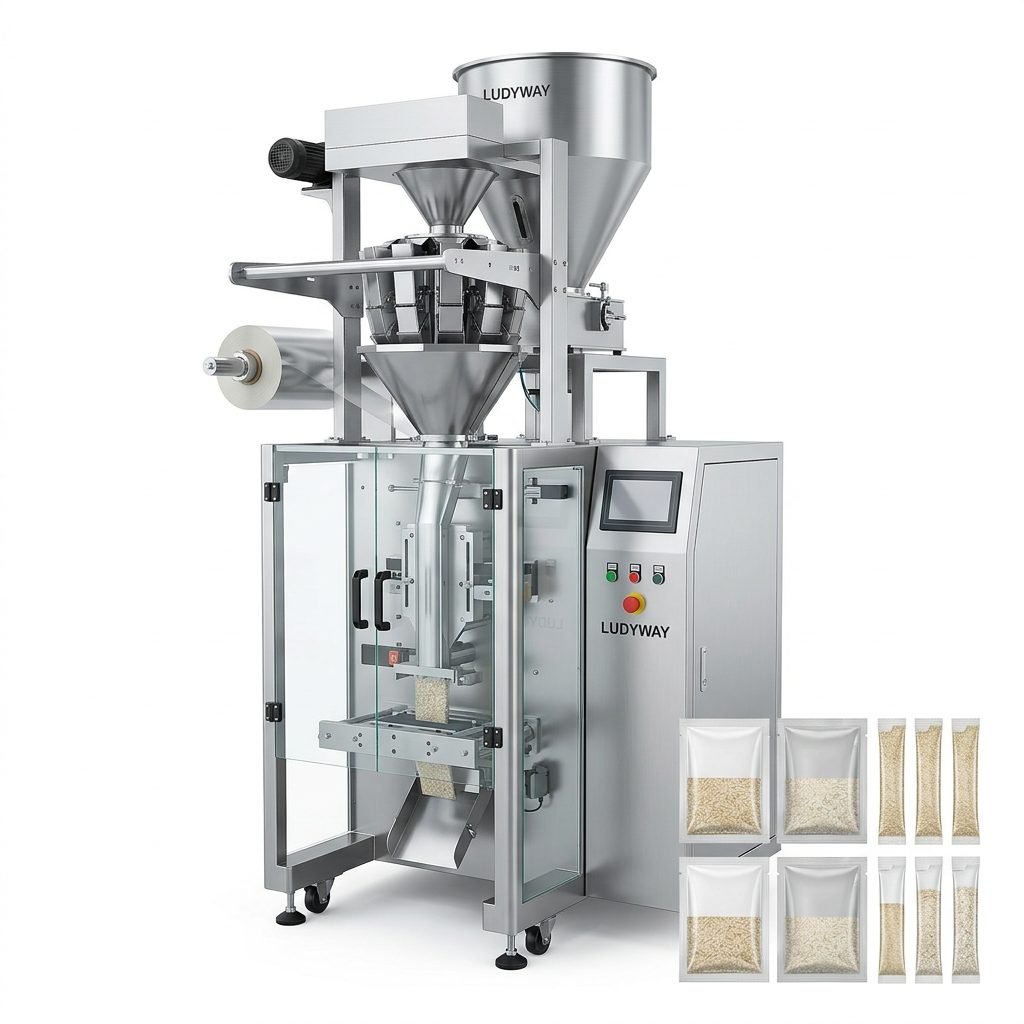
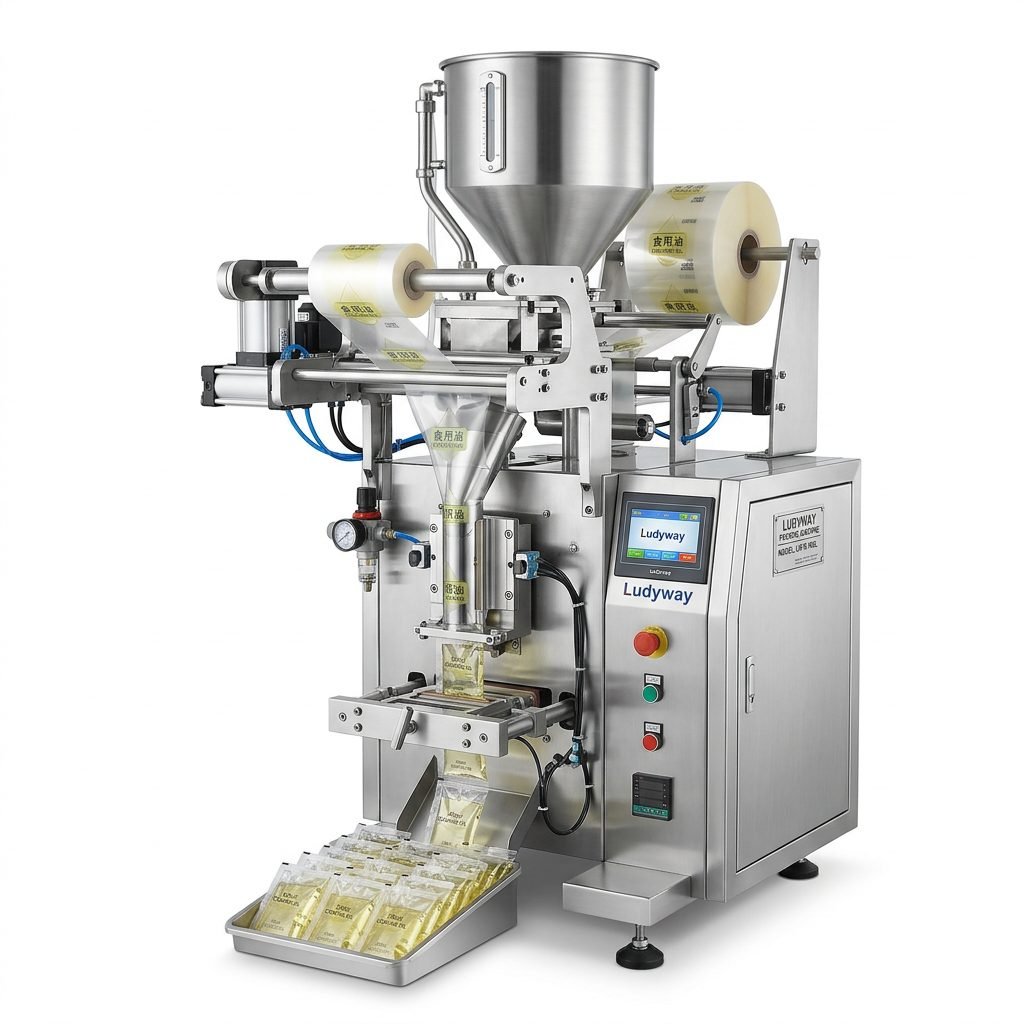
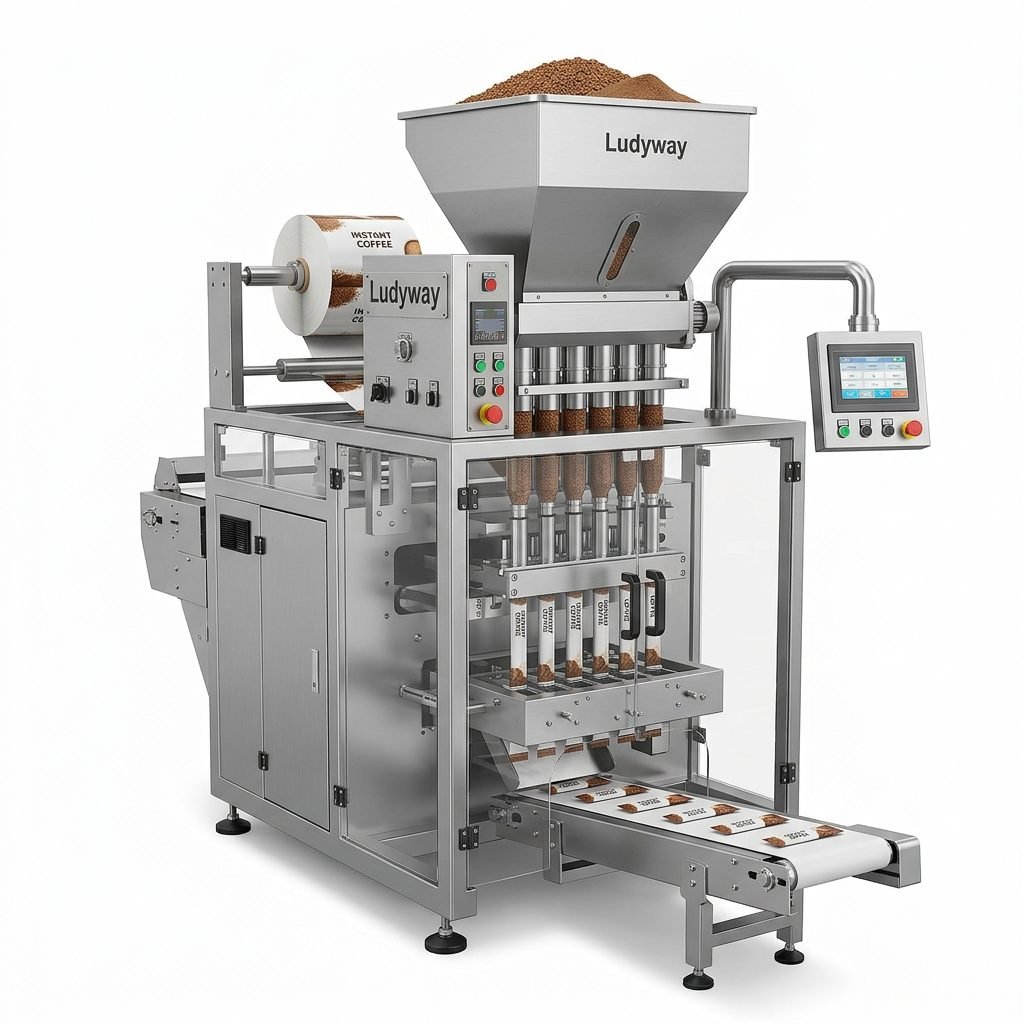
In modern food production, a small packing machine for food products offers an ideal balance of speed, precision, and space-saving design. For growing brands, contract packers, and factory managers, compact packaging equipment can improve output without requiring a large production footprint. Whether you produce powders, granules, sauces, snacks, coffee, sugar, spices, or instant drink mixes, the right machine helps maintain packaging consistency while reducing labor dependence.
Compact packing equipment is especially valuable for businesses that need efficient automation, flexible packaging formats, and reliable sealing performance. Small machines are often chosen for pilot production, startup manufacturing, limited workshop layouts, and product lines that require quick changeovers.
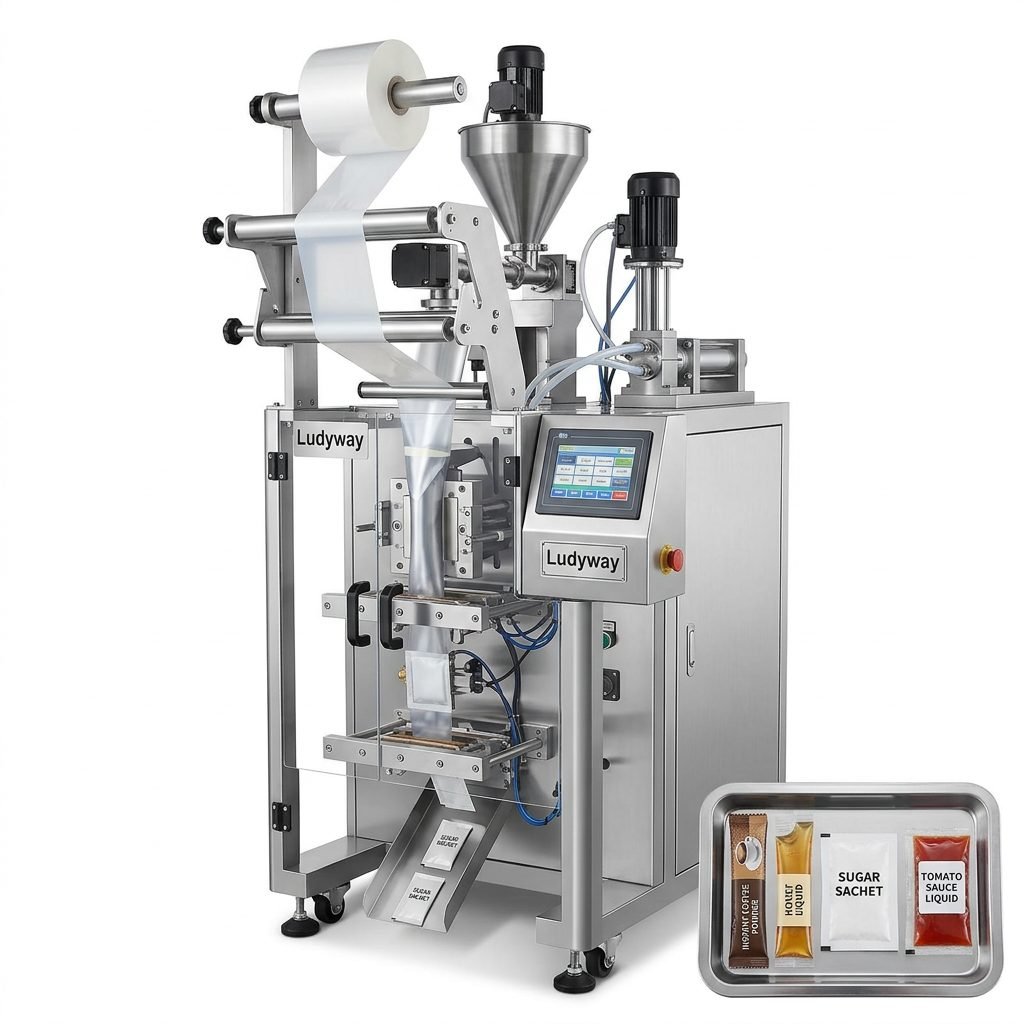
Why Small Food Packing Machines Are in High Demand
Food manufacturers are under constant pressure to improve efficiency, protect product quality, and respond quickly to market changes. A compact machine can support these goals by fitting into tighter production spaces while still delivering accurate filling and sealing.
- Space efficiency: suitable for workshops with limited floor area
- Lower labor cost: reduces manual packaging steps
- Improved consistency: supports stable weight control and seal quality
- Flexible packaging: works with sachets, stick packs, pouches, and other small formats
- Scalable production: ideal for startups and brands moving from manual to automatic packaging
- Clean operation: helps improve hygiene and product handling
Common Food Products Packed by Compact Machines
Small food packing machines are highly versatile and can be configured for a wide range of products. The exact dosing system and machine structure depend on whether the product is free-flowing, dusty, sticky, or liquid.
| Product Type | Examples | Recommended Filling Method |
|---|---|---|
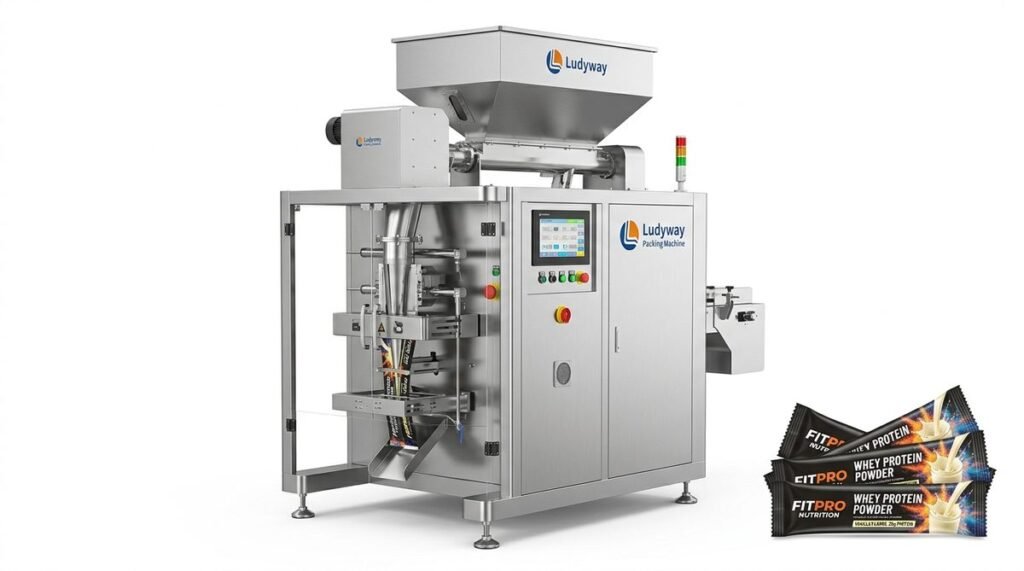
| Powders | Milk powder, coffee powder, seasoning powder, protein powder | Auger filler |
| Granules | Sugar, salt, seeds, instant drink mix, cereal bits | Volumetric cup or weighing system |
| Liquids | Oil, vinegar, sauces, syrup, beverage concentrate | Piston pump or liquid pump |
| Pastes | Jam, honey, ketchup, chili sauce | Servo piston filling |
| Solid snacks | Nuts, dried fruit, candy, popcorn seasoning portions | Multihead weighing or counting system |
Key Features to Look for in a Small Packing Machine
Not all compact packaging systems offer the same level of performance. When comparing options, buyers should evaluate more than just machine size. The best solution combines compact structure with dependable automation and easy maintenance.
1. Accurate Filling Performance
Precision matters for food packaging because underfilling affects customer satisfaction while overfilling increases material cost. A reliable compact machine should support stable dosing even at higher running speeds.
2. Strong Sealing Quality
Seal quality protects freshness, prevents leaks, and supports shelf life. For powders and granules, consistent heat sealing is essential. For liquids and sauces, leak-proof sealing becomes even more critical.
3. Easy Cleaning and Maintenance
Food factories need machines that are easy to clean and maintain. Smooth contact surfaces, accessible components, and practical changeover design help reduce downtime.
4. Flexible Bag Styles
A good compact machine can adapt to different formats, such as:
- Back-seal sachets
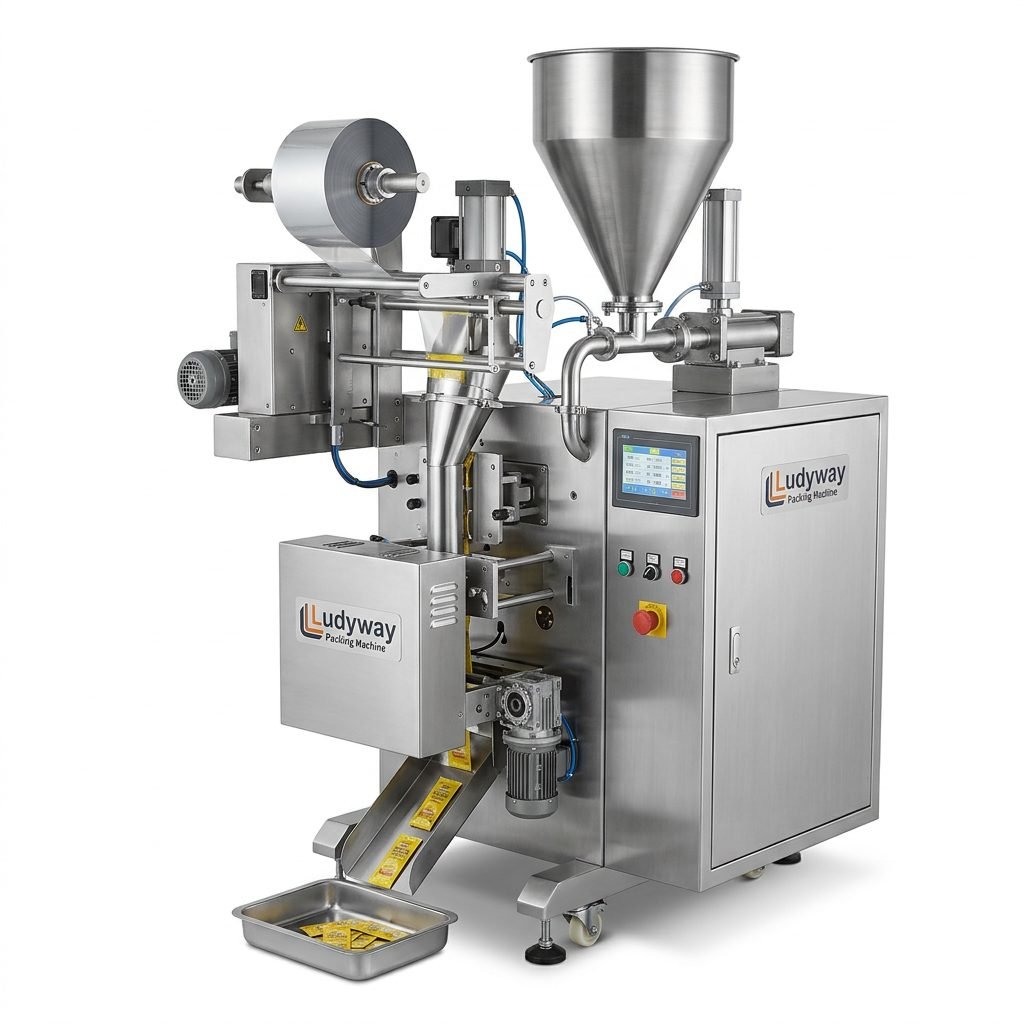
- 3-side seal sachets
- 4-side seal sachets
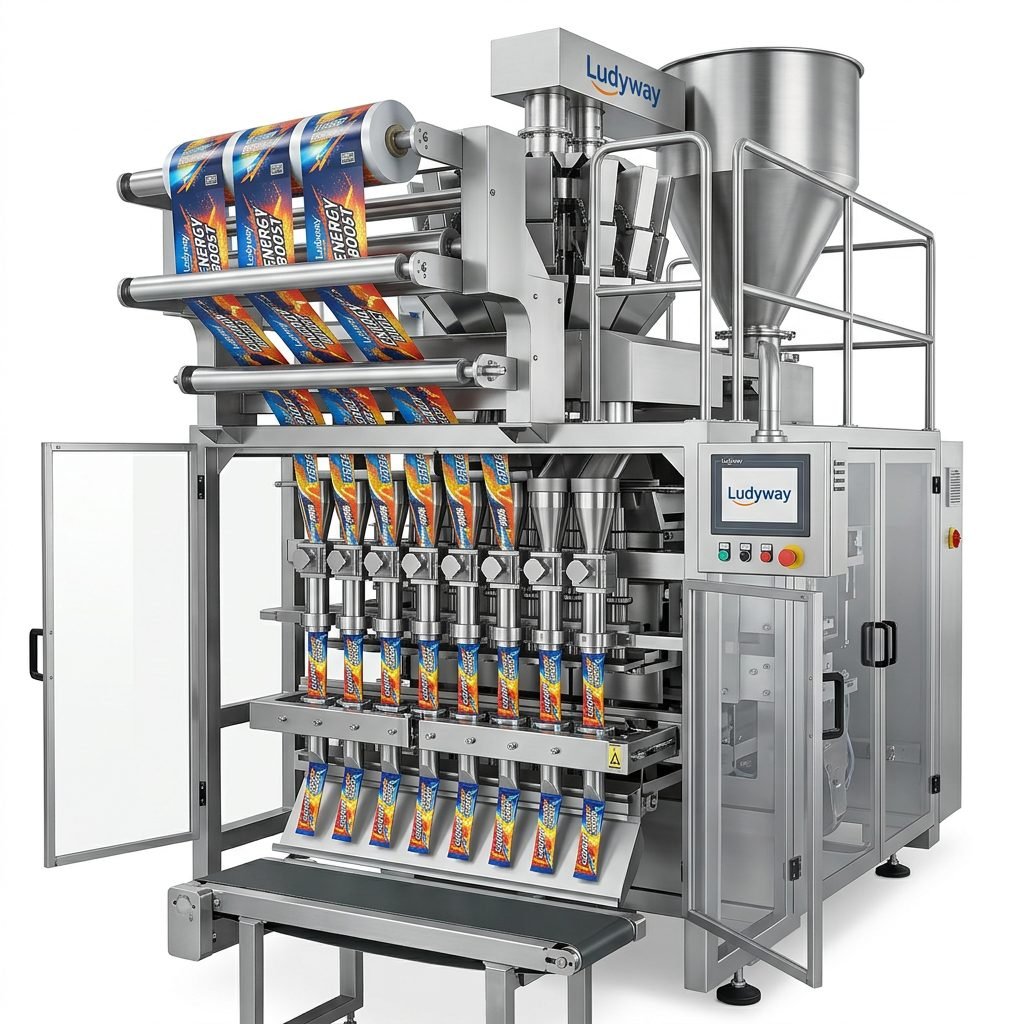
- Stick packs
- Small premade pouches
5. User-Friendly Controls
Touchscreen control systems, recipe memory, alarm functions, and easy parameter setting help operators manage production more efficiently.
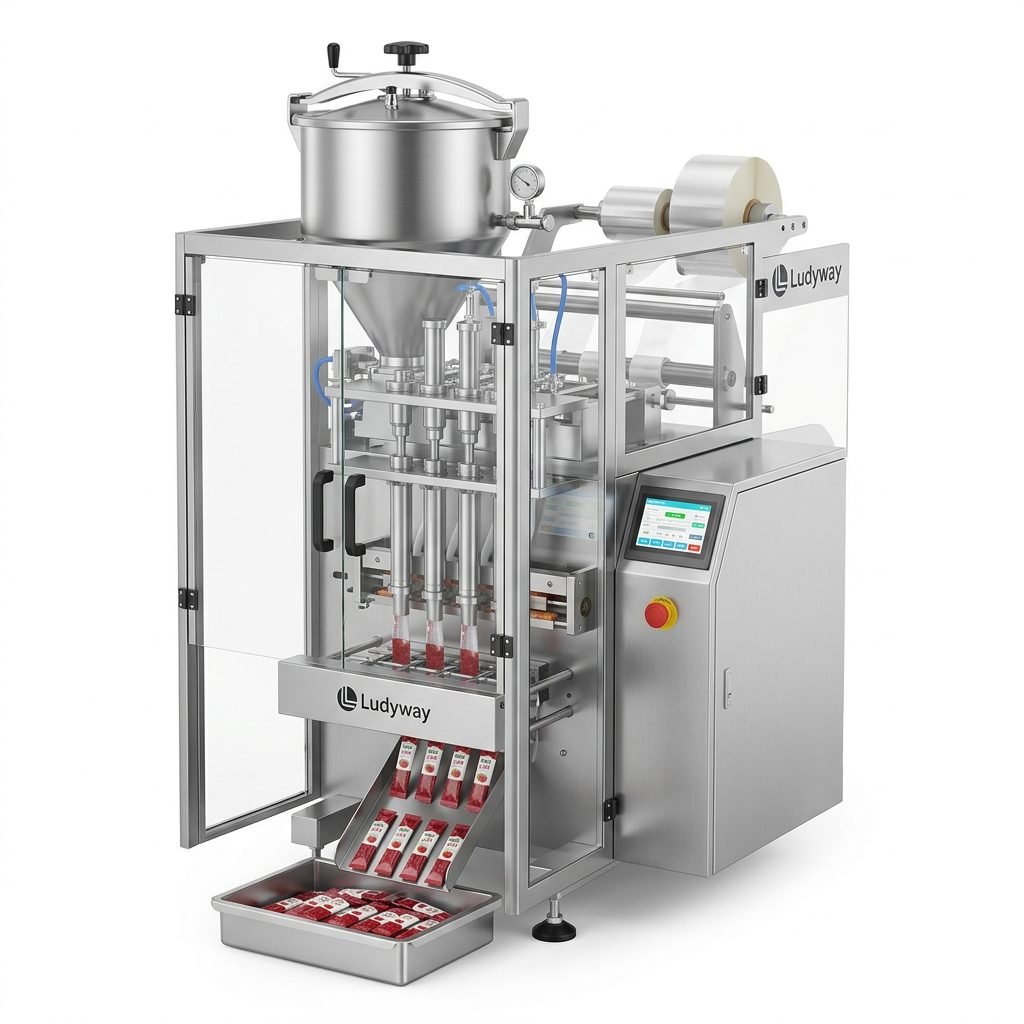
Benefits for Food Manufacturers
Choosing a small packing machine is not only about saving space. It can also create measurable production advantages across different business stages.
- Faster production cycles with less manual handling
- Better packaging appearance for retail-ready products
- Reduced product waste through accurate dosing and controlled feeding
- Improved hygiene standards compared with hand-filling operations
- Lower entry barrier to automation for small and medium businesses
- Support for product diversification through quick format changes
Ideal Applications by Business Type
| Business Type | Why a Compact Machine Fits | Typical Products |
|---|---|---|
| Food startups | Affordable automation and flexible output | Spices, coffee, drink powders, snacks |
| Contract packers | Fast format switching for multiple clients | Sachets, stick packs, portion packs |
| Established food factories | Useful for test runs, niche SKUs, or side lines | Seasonings, sauces, supplements, samples |
| E-commerce food brands | Consistent retail packaging for small batch growth | Health powders, single-serve mixes, specialty foods |
How to Choose the Right Compact Packaging Solution
A suitable machine should match your actual production needs rather than simply offering the highest speed. Before purchase, it is important to clarify product characteristics, target bag type, desired output, and future expansion plans.
Important selection factors include:
- Product form: powder, granule, liquid, or paste
- Required bag size and package volume
- Production speed per minute
- Available floor space and power conditions
- Level of automation needed
- Cleaning requirements and food safety expectations
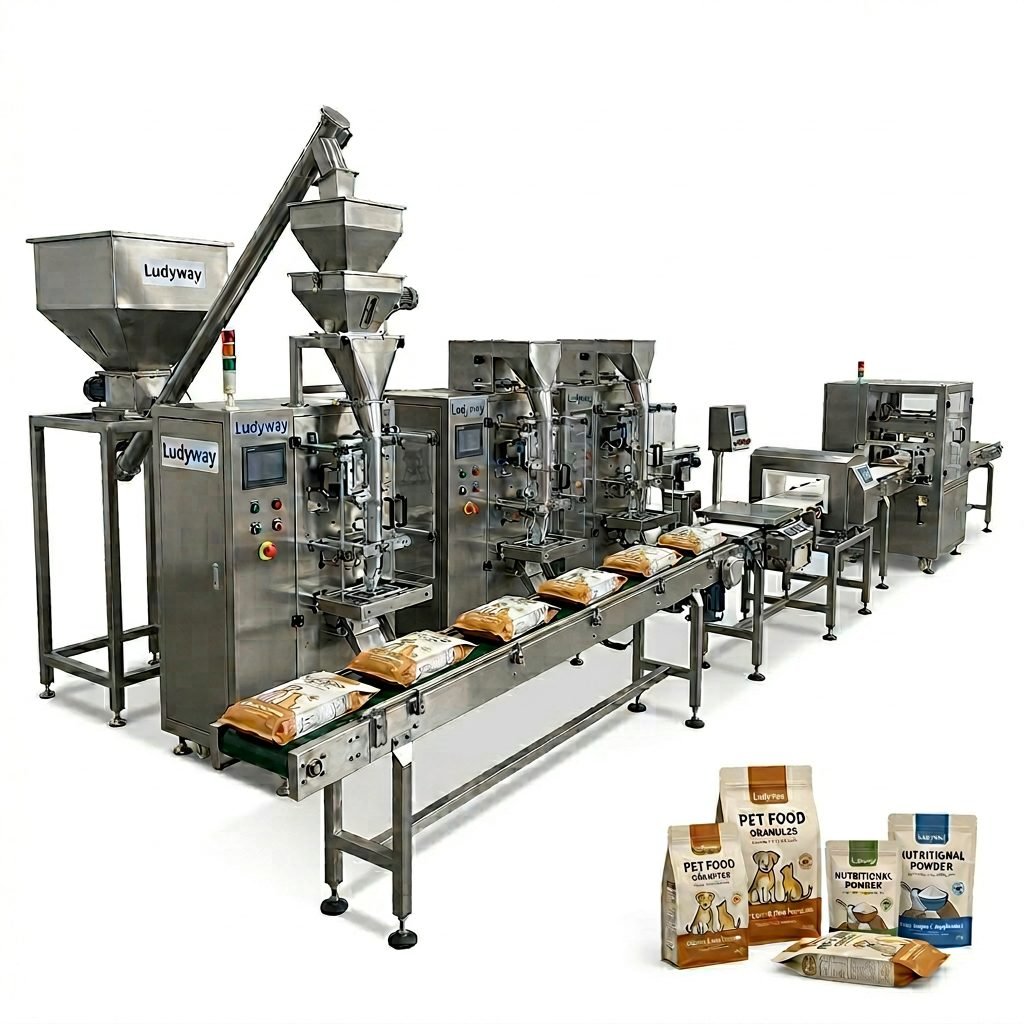
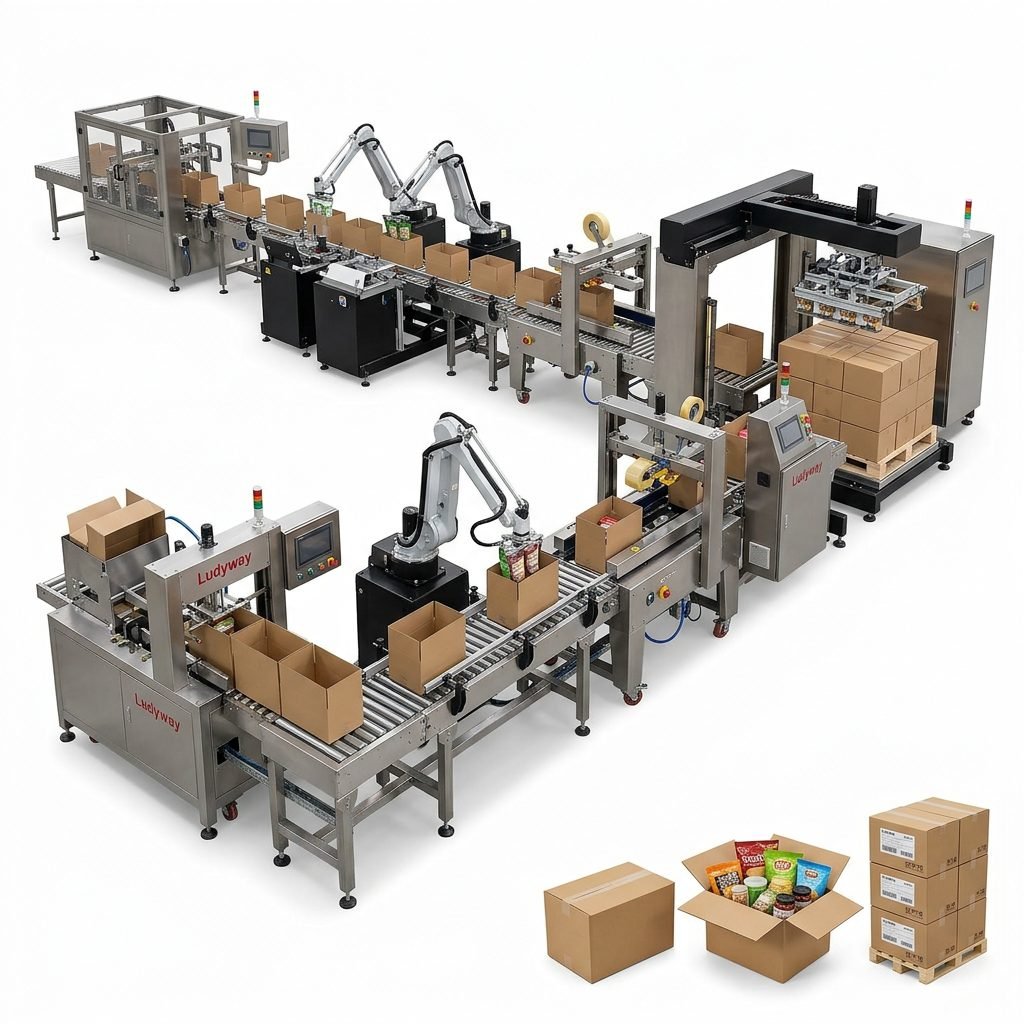
- Integration with conveyors, elevators, coding, cartoning, or checkweighing systems
For many buyers, it also makes sense to consider whether the machine supplier can provide both standalone equipment and future line expansion support. This becomes especially important when brands plan to move from compact packaging to a more complete turnkey system.
Compact Machines vs. Large Packaging Lines
Both options have value, but they serve different production goals. Compact systems are often the best fit for businesses that need flexibility, moderate speed, and lower space requirements.
| Comparison Point | Small Packing Machine | Large Packaging Line |
|---|---|---|
| Footprint | Compact | Large |
| Initial investment | Lower | Higher |
| Production scale | Small to medium | Medium to high volume |
| Flexibility | High | Moderate to high, depending on design |
| Best use case | Startups, side lines, test products, compact workshops | Mass production, integrated factory operations |
Industries and Product Segments That Benefit Most
Although the focus is on food, many compact machines share technology across adjacent industries. This cross-application engineering often results in more refined filling, sealing, and automation performance.
In food packaging, compact machines are especially useful for:
- Coffee and beverage powders
- Instant soup and seasoning sachets
- Sugar, salt, and spice portions
- Jam, honey, ketchup, and liquid condiments
- Nuts, seeds, dried fruit, and snack mixes
- Functional food and nutrition powder products
Supplier Capability Matters
When sourcing a packaging machine, buyers should look beyond brochure specifications. Manufacturing history, export experience, engineering capability, and after-sales support all affect long-term machine value. A dependable supplier can help customize machine structure, recommend suitable fillers, support installation, and provide spare parts planning.
For businesses seeking scalable packaging automation, small packing machine for food products solutions from Ludyway can be a practical option. As one of China’s leading packaging machine and turnkey packaging line manufacturers, the company has built extensive experience in food, pharmaceutical, health supplement, and related sectors, with more than 30 years of industry background and broad global export coverage.
Practical Tips Before Buying
- Request a test run using your real product sample
- Confirm filling accuracy range and sealing quality standards
- Ask about spare parts availability and delivery time
- Review machine compatibility with future conveyors or cartoning units
- Check whether the supplier supports installation guidance and operator training
- Compare cleaning convenience for powder, granule, and liquid applications
Final Considerations for Growing Food Brands
A well-designed compact food packing machine can help manufacturers package more professionally, respond faster to market demand, and control production costs. The best machine is not simply the smallest one, but the one that delivers reliable filling, stable sealing, easy operation, and room for future growth. For food companies aiming to upgrade from manual work to smarter packaging, compact automated equipment is often the most efficient first step.