Choosing the right juice packing machine is not only about filling liquid into a container. It is about matching your product type, packaging format, production speed, hygiene standards, and future expansion goals with the right machine configuration. Whether you produce fresh juice, NFC juice, concentrated juice, fruit beverages, functional drinks, or juice-based mixes, the packaging system you choose will directly affect product quality, shelf life, labor costs, and output stability.
A well-designed solution should help you achieve accurate filling, leak-free sealing, clean operation, efficient changeover, and reliable long-term performance. For many beverage manufacturers, the best investment is not simply the cheapest machine, but the one that delivers consistent packaging quality and supports business growth.
Why the Right Juice Filling and Packaging Solution Matters
Juice products are sensitive to contamination, oxidation, foaming, dripping, and filling inconsistency. If the packaging process is not designed properly, manufacturers may face:
- Product waste from inaccurate filling
- Seal failures and leakage during transport
- Shorter shelf life due to poor hygienic control
- Higher downtime caused by unstable machine performance
- Increased labor dependence and operating costs
- Difficulty adapting to new packaging formats
That is why a modern juice packaging line should be evaluated as a complete system, including product feeding, liquid filling, sealing, coding, inspection, secondary packaging, and end-of-line automation.
Start by Defining Your Juice Product Type
Before selecting a machine, identify the physical characteristics of your juice. Different liquids require different filling methods and machine structures.
| Juice Type | Key Packaging Challenge | Recommended Solution Focus |
|---|---|---|
| Clear juice | High-speed filling, drip prevention | Precision liquid filling with stable sealing |
| Pulp juice | Particle handling and filling consistency | Wide-path product contact parts and anti-clogging design |
| Concentrated juice | Viscosity and flow control | Pump-based or servo-controlled filling |
| Functional juice drinks | Dose precision and hygienic packaging | Accurate liquid dosing with cleanable contact surfaces |
| Hot-filled juice | Temperature compatibility | Heat-resistant components and controlled sealing |
The more clearly you define your product, the easier it becomes to choose the correct filling principle, sealing system, and packaging material.
Choose the Right Packaging Format for Your Market
The best juice packing machine depends heavily on how you want to sell your product. Different packaging types serve different price points, consumption habits, and channel requirements.
Common juice packaging formats
- Sachets – suitable for single-use, low-volume, affordable retail packs
- Stick packs – convenient for travel-size or functional drink concentrates
- Premade pouches – attractive shelf appearance and better branding space
- Bottles – ideal for premium juice, ready-to-drink applications, and multi-serve products
- Spouted pouches – user-friendly for children’s juice and on-the-go consumption
- Cartons or bag-in-box systems – often used for larger volume distribution
If your business targets convenience retail, food service, e-commerce, or export markets, packaging style can significantly influence machine selection.
Main Types of Juice Packing Machines
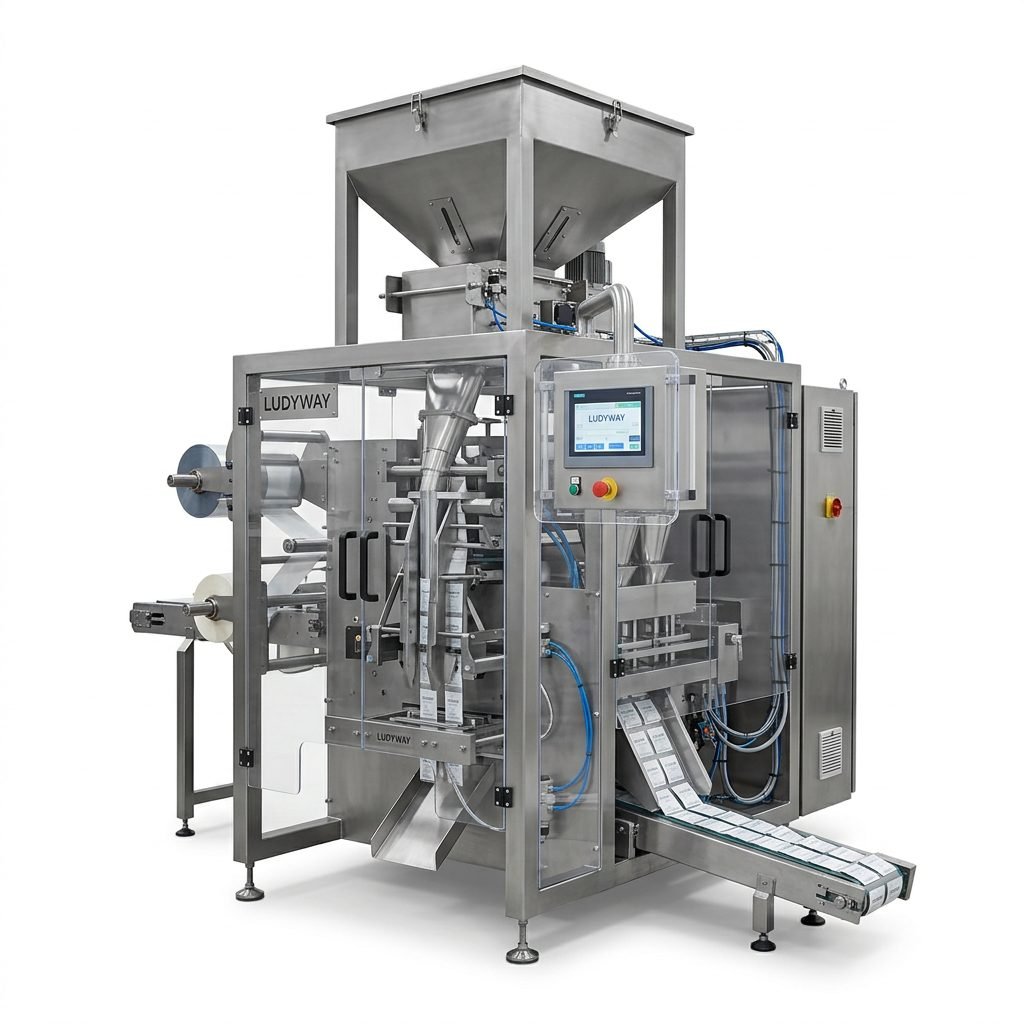
1. Vertical form fill seal machines for juice sachets
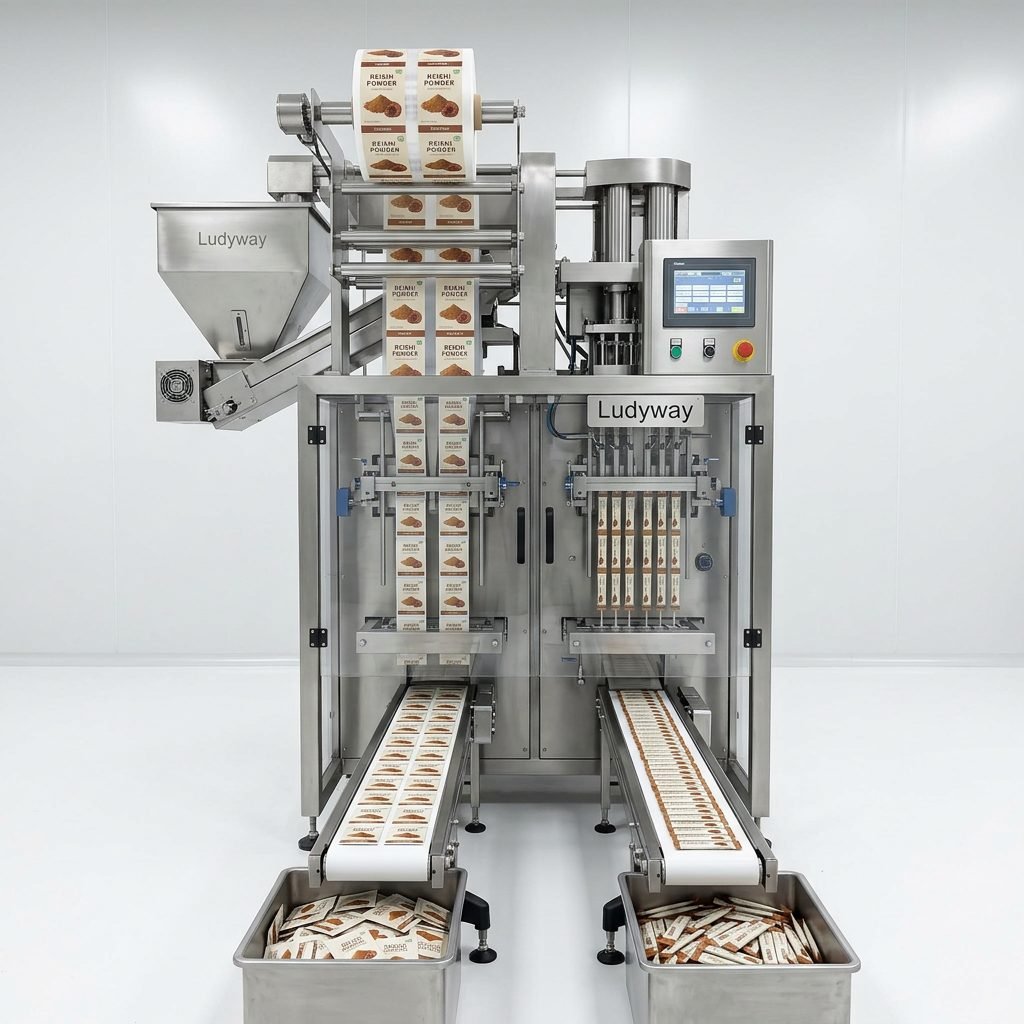
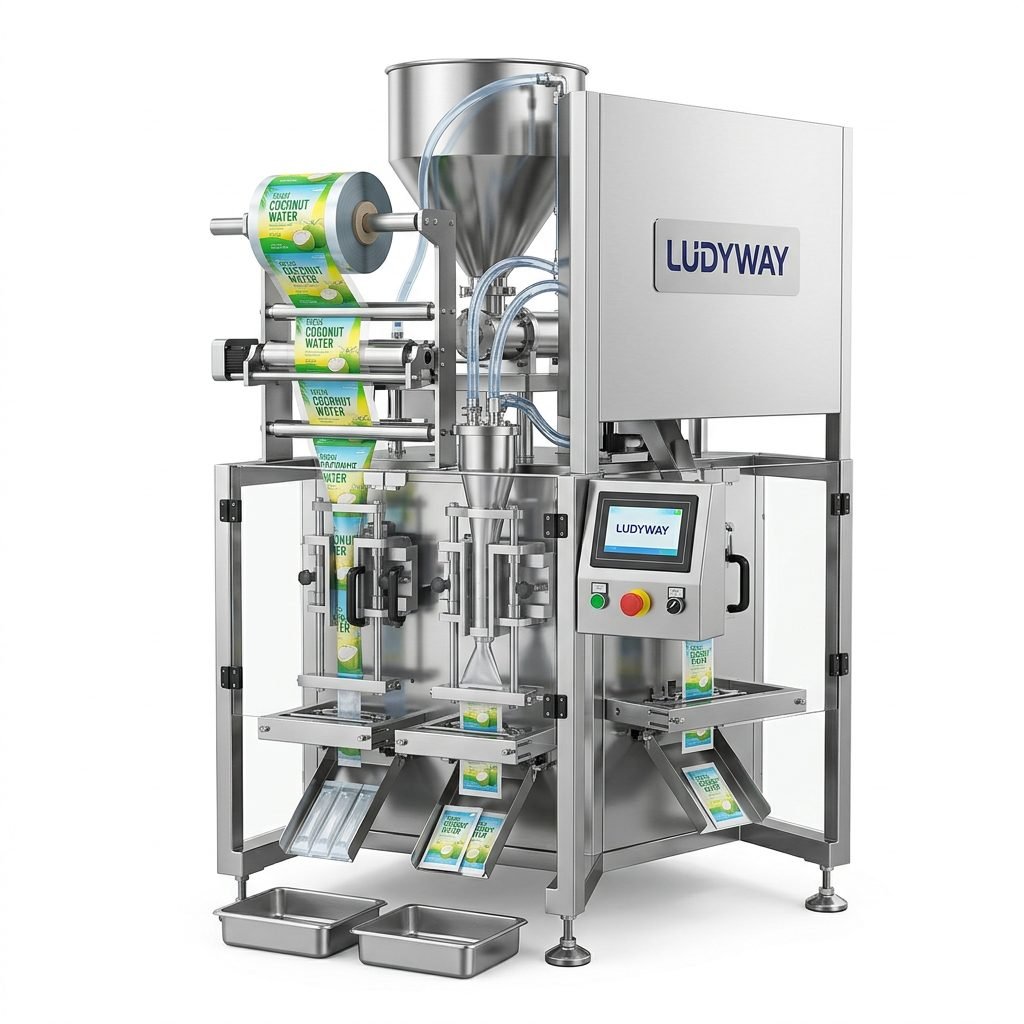
These machines form the pouch from roll film, fill the juice, and seal the package in one automatic process. They are widely used for high-efficiency production of small liquid packs.
Best for:
- Economical single-dose juice packs
- High-volume retail production
- Compact factory layouts
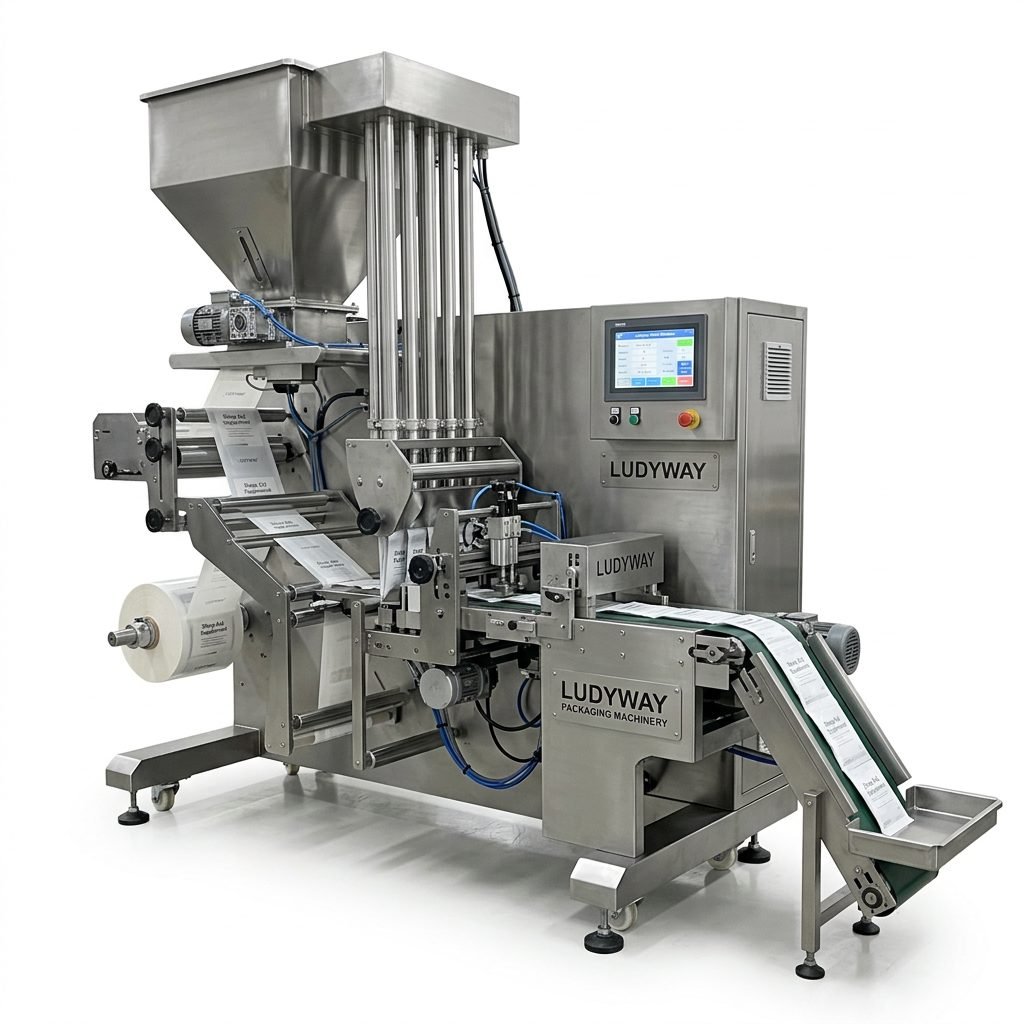
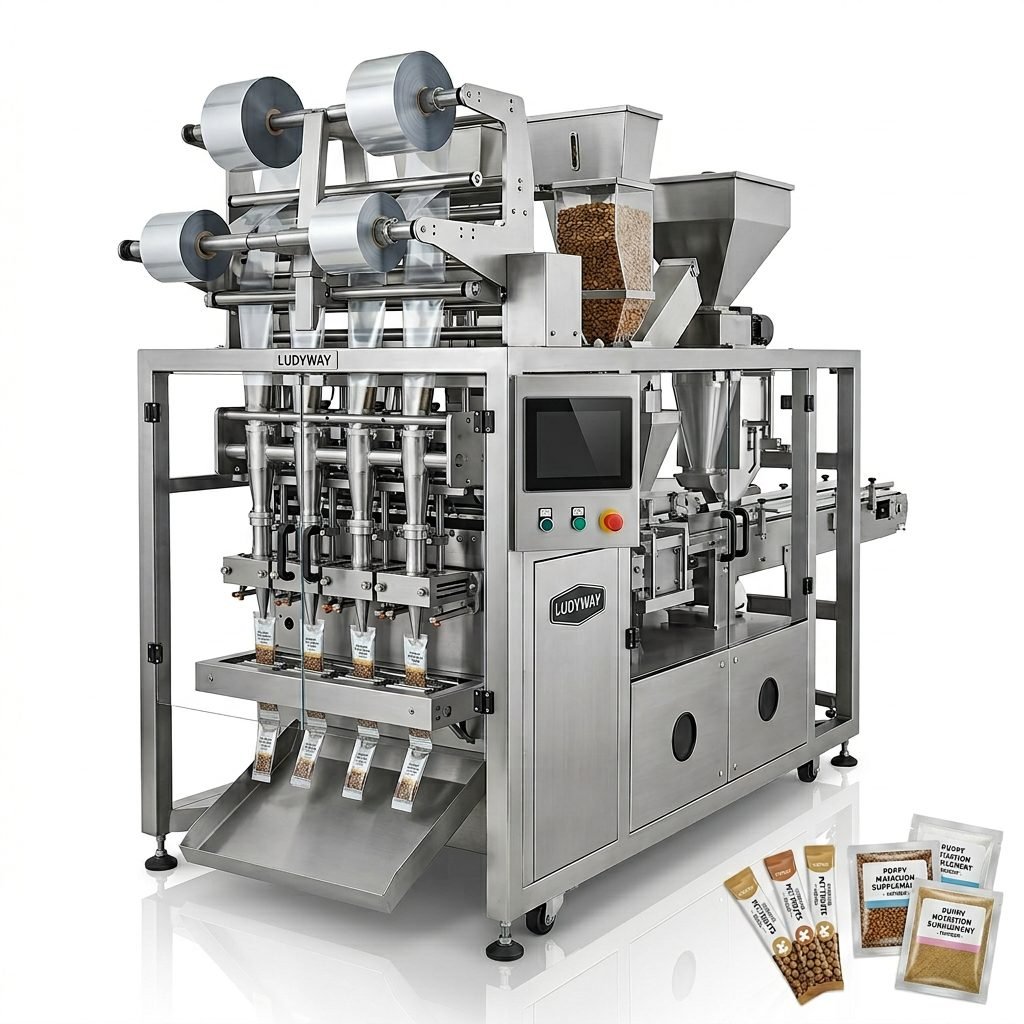
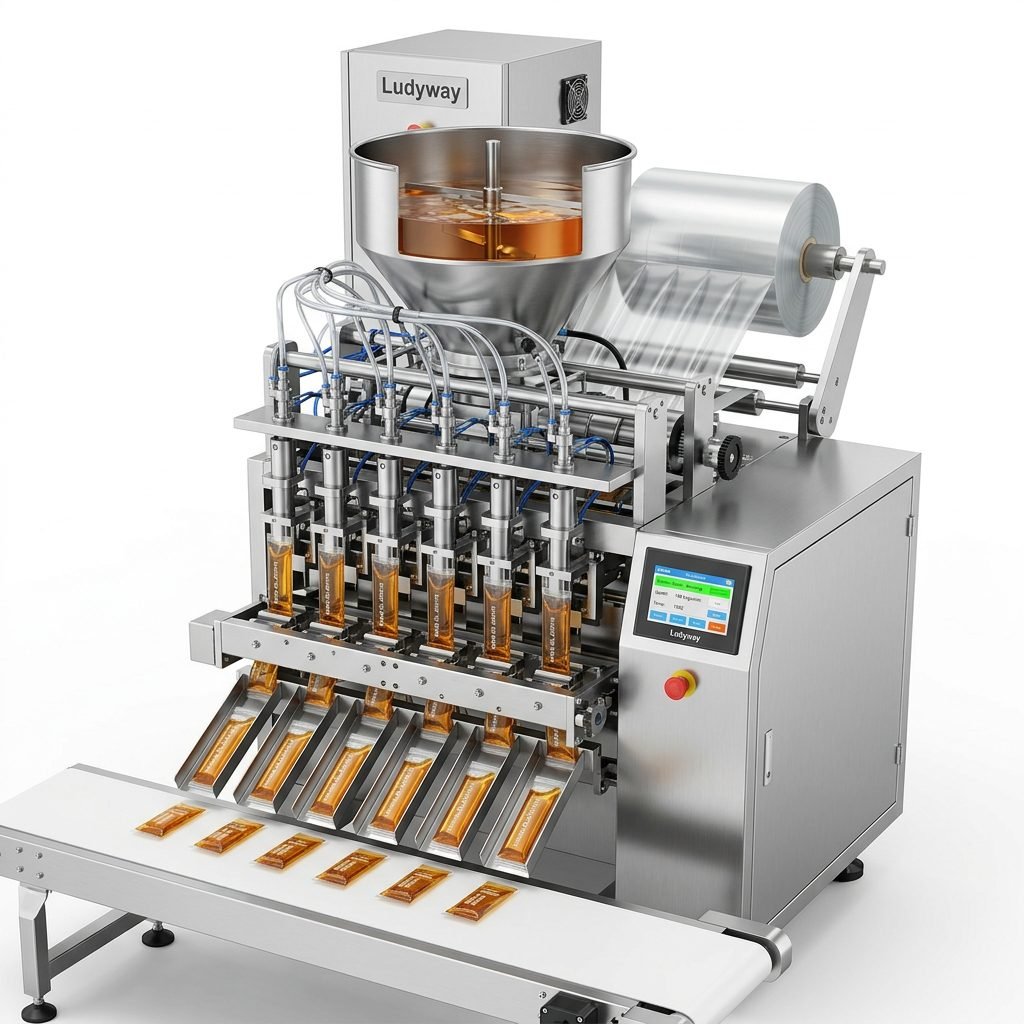
2. Multi-lane liquid sachet or stick pack machines
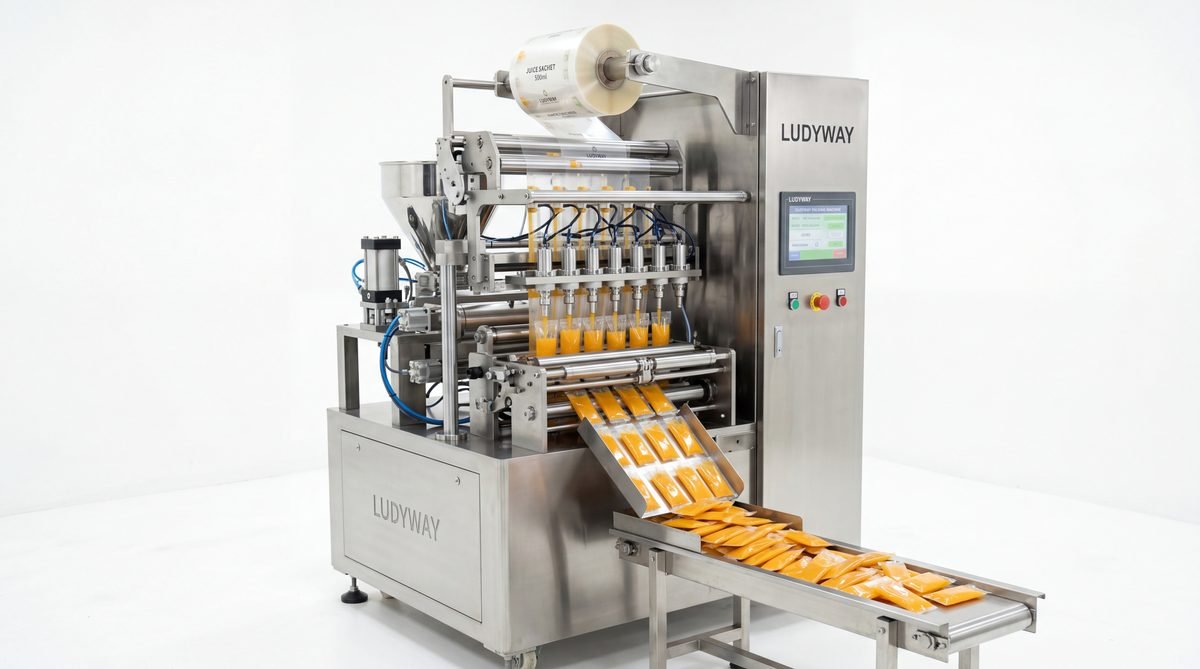
Multi-lane systems are designed for higher output. Several lanes operate at the same time, making them ideal for brands producing small juice sachets or concentrate packs in large quantities.
This is often the preferred option for manufacturers focused on speed, labor reduction, and standardized small-format packaging.
3. Premade pouch filling and sealing machines
These machines use preformed pouches, which helps create premium packaging presentation. They are suitable when appearance, reclosability, or shelf impact matters.
4. Bottle filling and capping lines
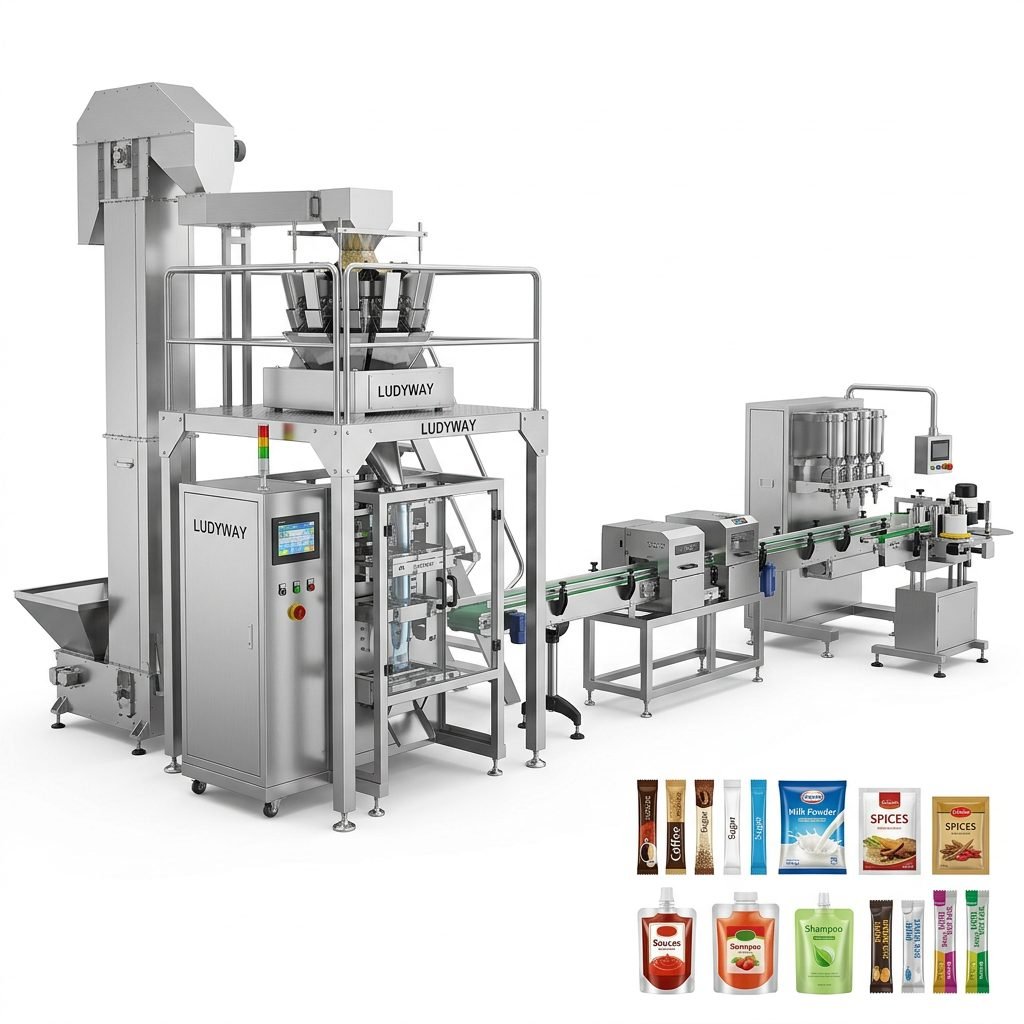
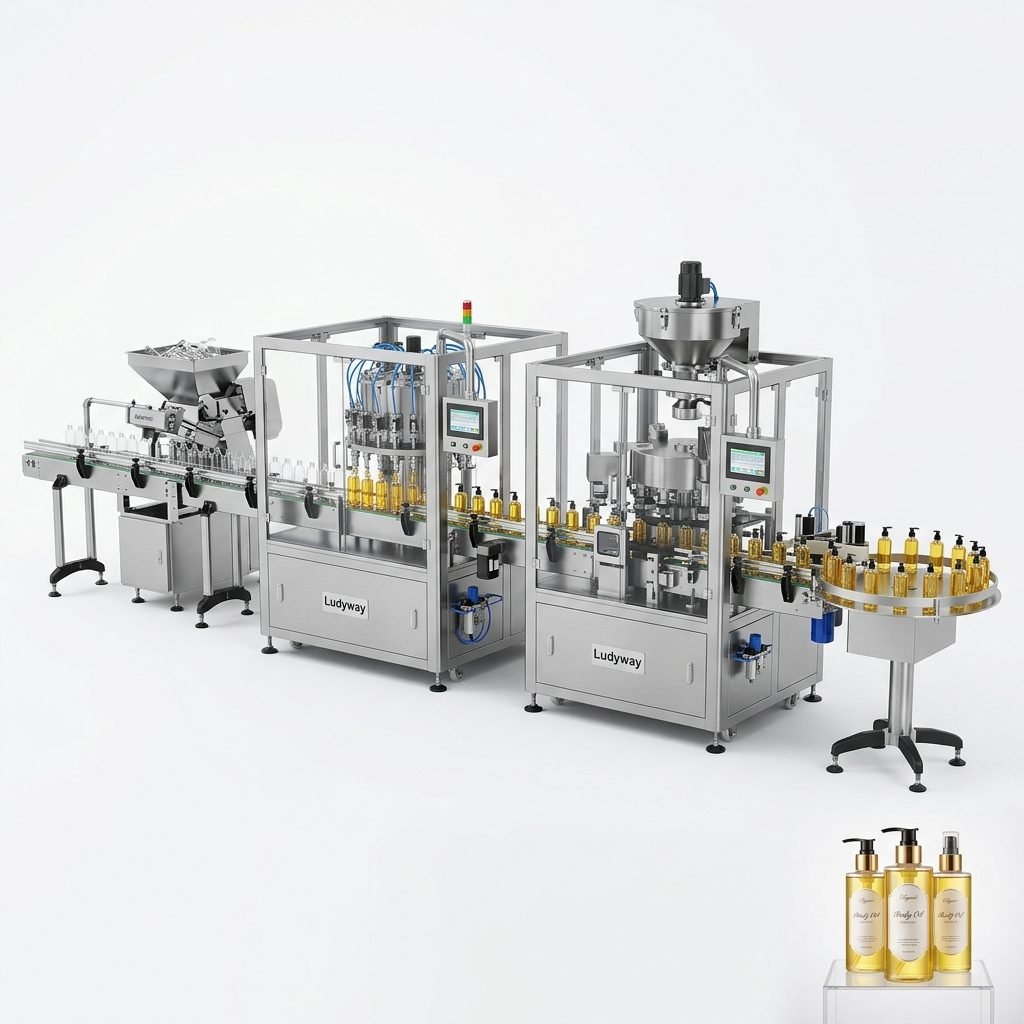
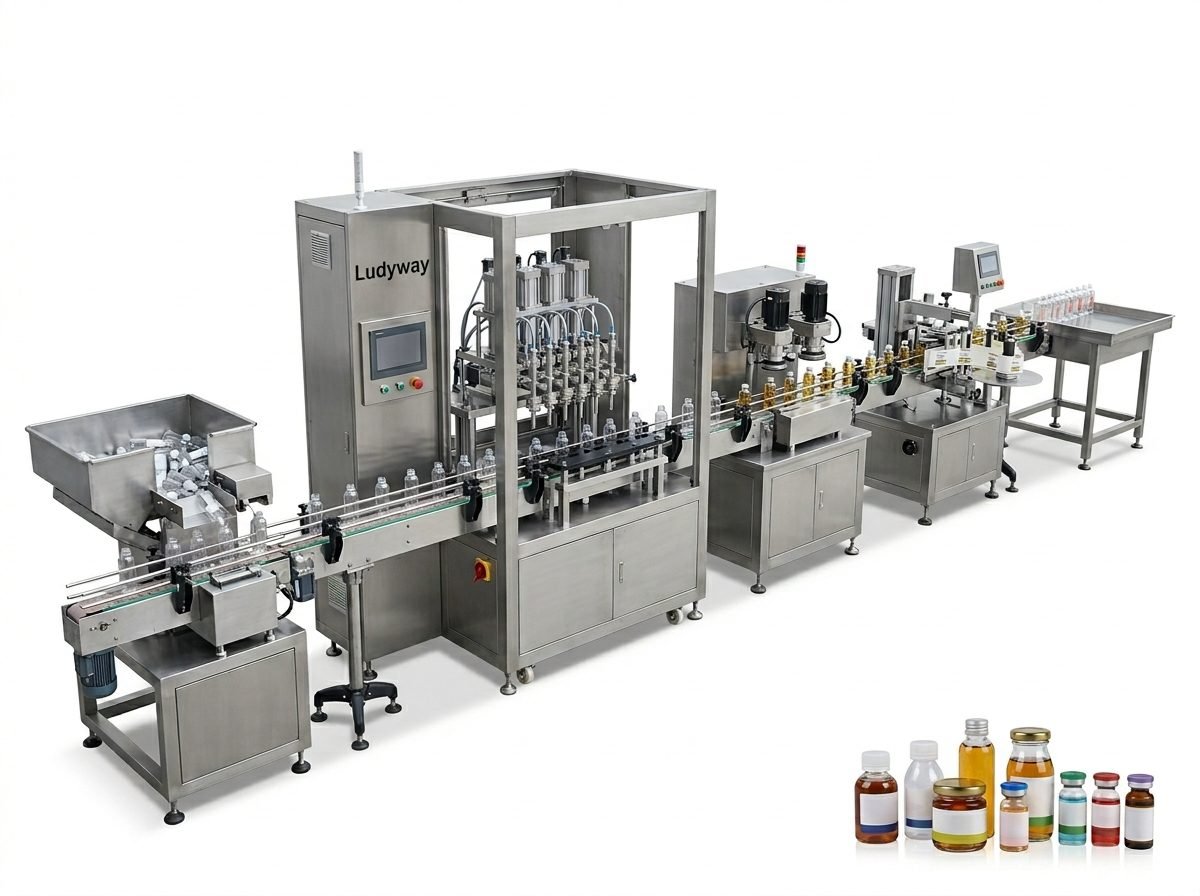
For ready-to-drink juice sold in PET, glass, or HDPE containers, bottle filling lines provide a complete packaging solution. These lines may include rinsing, filling, capping, labeling, coding, cartoning, and palletizing.
How to Match Filling Technology to Juice Characteristics
Not all liquids behave the same during filling. The ideal filling system depends on viscosity, temperature, pulp content, and required precision.
| Filling Technology | Suitable For | Advantages |
|---|---|---|
| Piston filling | Thicker juice, concentrates, juice with pulp | High accuracy, good for viscous products |
| Pump filling | Standard liquid juice products | Stable transfer and flexible application |
| Gravity filling | Low-viscosity clear juice | Simple structure and cost efficiency |
| Servo-controlled dosing | Premium or precision-fill applications | High repeatability and better adjustment control |
If your juice foams easily, contains fruit particles, or needs exact small-dose filling, always verify machine performance through a product test before ordering.
Key Factors to Evaluate Before Buying
Production capacity
Know your current and target output. A machine that fits today’s orders but cannot support future growth may become a bottleneck quickly. Ask for realistic speed data based on your actual package size and product behavior, not only theoretical speed.
Package size range
If you plan to offer multiple SKUs, choose a machine with flexible size adjustment. This is especially important for brands selling different serving sizes or export packs.
Material compatibility
Packaging films, pouches, bottles, and caps must work smoothly with the machine. Sealing temperature, film thickness, and container quality all affect final package performance.
Sanitary design
Juice packaging equipment should use food-grade contact parts, smooth surfaces, and an easy-clean structure. Stainless steel construction and hygienic pipeline design are especially important for beverage production.
Accuracy and seal quality
Even small filling deviations can cause high annual product loss. Poor sealing can damage brand reputation through leakage or spoilage. Filling precision and sealing consistency should be treated as core buying criteria.
Automation level
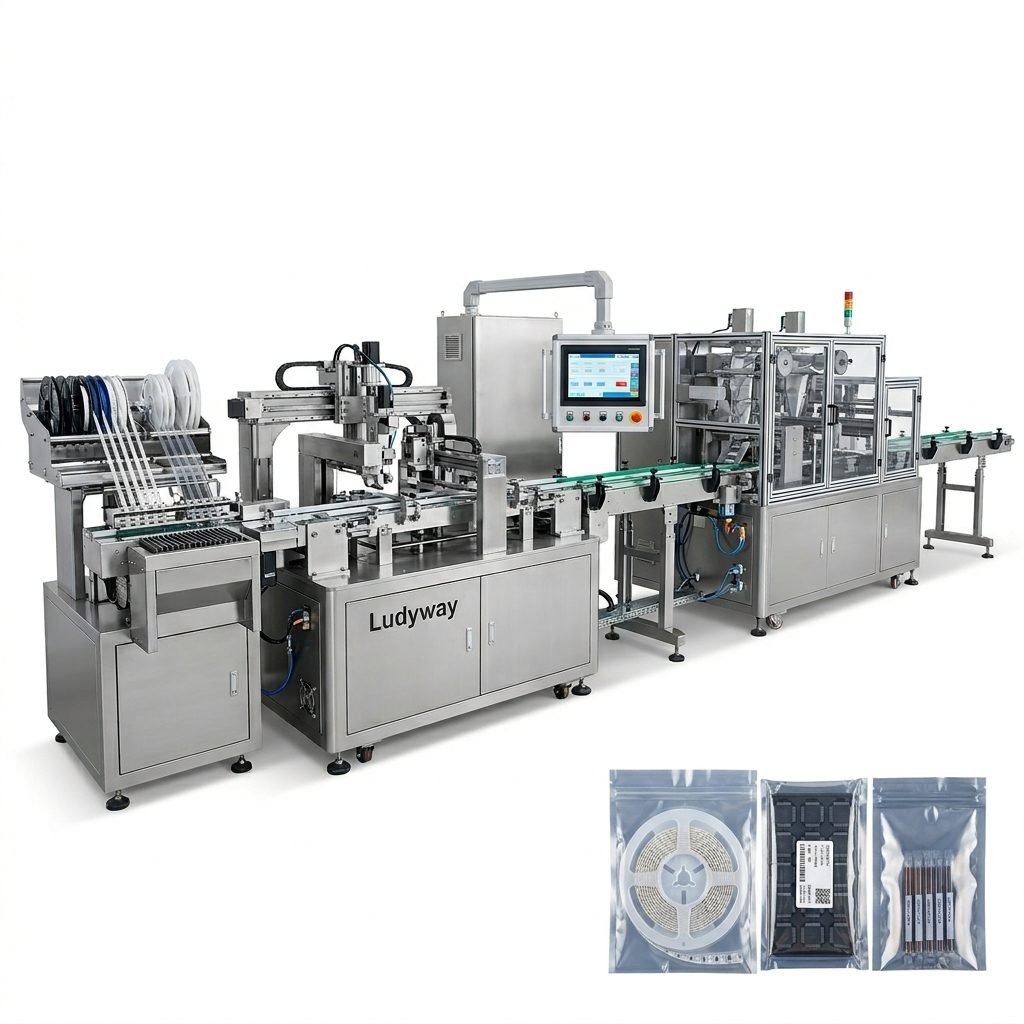
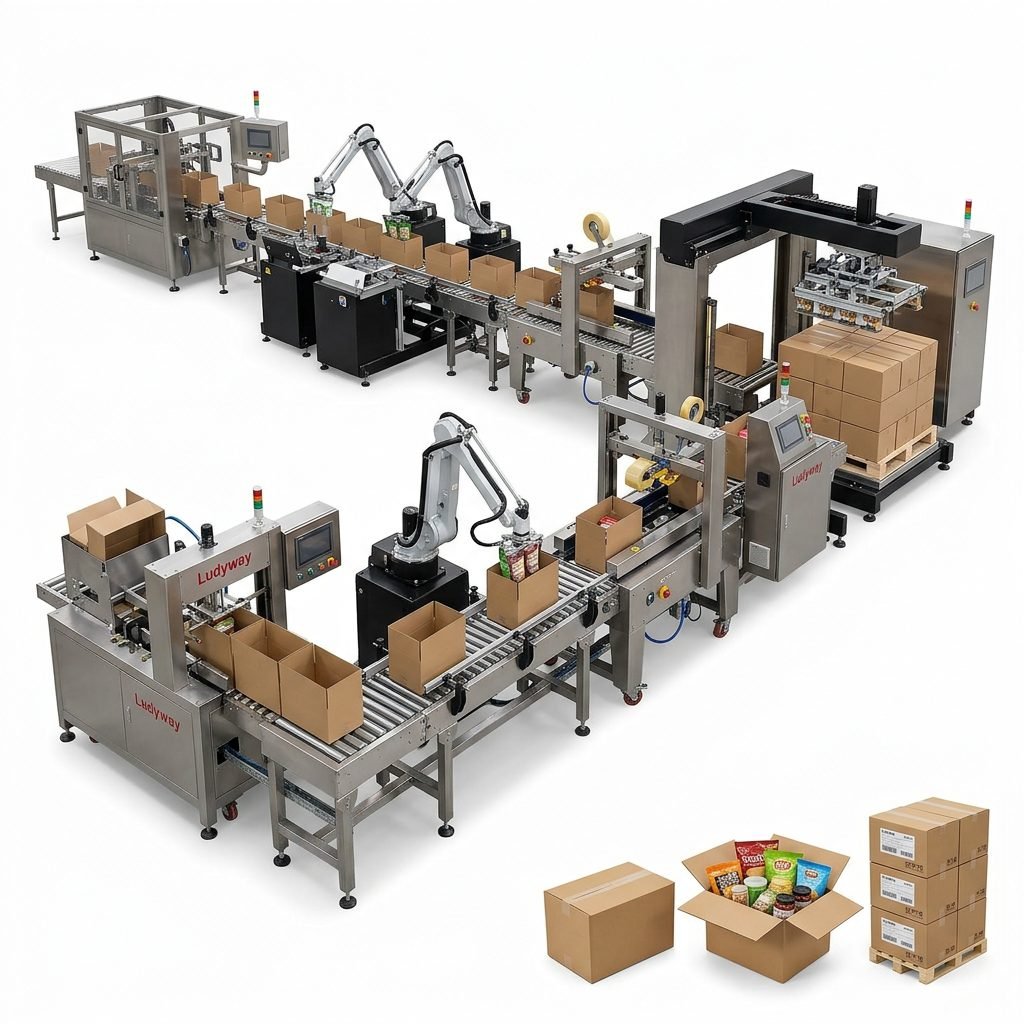
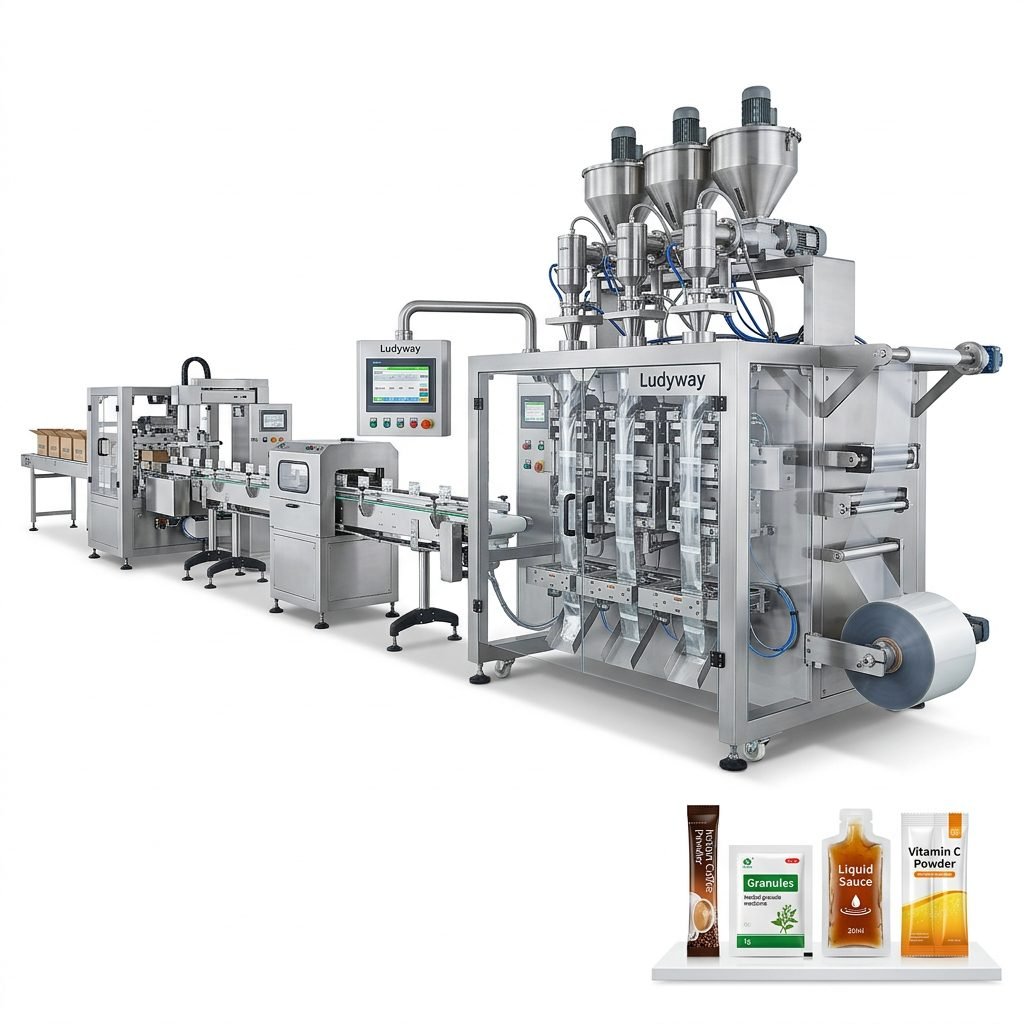
A standalone machine may be enough for startups, while larger factories often need integrated systems with conveyors, coding, checkweighing, case packing, and palletizing.
Maintenance and technical support
Fast after-sales support, spare parts availability, remote assistance, and commissioning guidance can greatly reduce downtime over the machine’s life cycle.
Quick buyer tip: Ask the supplier to provide a packaging solution based on your juice sample, desired pack format, output target, and factory layout rather than offering a generic machine model.
When You Need a Standalone Machine vs. a Complete Packaging Line
Some manufacturers only need one machine to automate filling and sealing. Others need a complete system from product feeding to final carton output.
A standalone machine is suitable when:
- You are starting with one product format
- Your output demand is still moderate
- You already have downstream packaging equipment
- Factory space is limited
A turnkey packaging line is suitable when:
- You require higher production efficiency
- You want to reduce manual handling
- You need better packaging consistency across all stages
- You plan to scale quickly or serve export markets
For growing beverage brands, an integrated solution often creates better long-term value because every machine in the line is engineered to work together.
Signs of a High-Quality Juice Packaging Machine
- Stable operation at consistent speed
- Easy switching between pack sizes
- Low leakage and low product loss
- Reliable sealing under real production conditions
- User-friendly control system
- Easy access for cleaning and maintenance
- Good integration with printers, conveyors, and inspection systems
- Documented testing and quality inspection before shipment
Common Mistakes Buyers Should Avoid
- Choosing only by price and ignoring long-term operating cost
- Buying a machine without testing the actual juice product
- Ignoring future packaging expansion plans
- Overlooking cleaning requirements and hygienic design
- Failing to confirm spare parts and after-sales support
- Selecting a speed level that is unrealistic for the product type
A low-cost machine with unstable performance can easily become more expensive over time due to downtime, rejected packs, labor needs, and product waste.
Questions to Ask a Juice Packing Machine Supplier
- Can the machine handle my exact juice formula and viscosity?
- What is the actual output based on my package size?
- Can it fill juice with pulp or suspended particles?
- What packaging materials are compatible?
- How easy is cleaning and maintenance?
- What spare parts and service support are available?
- Can the machine integrate with coding, cartoning, and palletizing equipment?
- Do you offer customized turnkey packaging lines?
Choosing a Supplier with Real Manufacturing and Export Experience
For beverage manufacturers, supplier strength matters almost as much as machine design. An experienced manufacturer is more likely to provide reliable engineering, tailored line planning, quality control, and long-term support.
If you are looking for a scalable solution, Ludyway juice packing machine solutions are backed by more than 30 years of packaging machinery experience, a manufacturing base of over 20,000 square meters, and extensive export service across global markets. This is particularly valuable for buyers who need customized filling and packaging systems rather than one-size-fits-all equipment.
Best Solution by Business Stage
| Business Stage | Recommended Packaging Solution | Reason |
|---|---|---|
| Startup juice brand | Compact liquid sachet or pouch machine | Lower initial investment and easier operation |
| Growing beverage factory | Multi-lane juice packaging machine | Higher output and better labor efficiency |
| Premium juice producer | Premade pouch or bottle filling line | Improved packaging appearance and brand value |
| Large-scale manufacturer | Turnkey automatic packaging line | Full automation, consistency, and expansion readiness |
Final Buying Perspective
The best juice packing machine is the one that fits your product, your packaging format, your output target, and your long-term production plan. Instead of selecting equipment based only on machine appearance or price, focus on technical fit, hygienic design, real production performance, and supplier capability.
When the filling method, packaging format, automation level, and after-sales support all align with your business needs, your juice packaging system can become a major driver of efficiency, product quality, and market competitiveness.