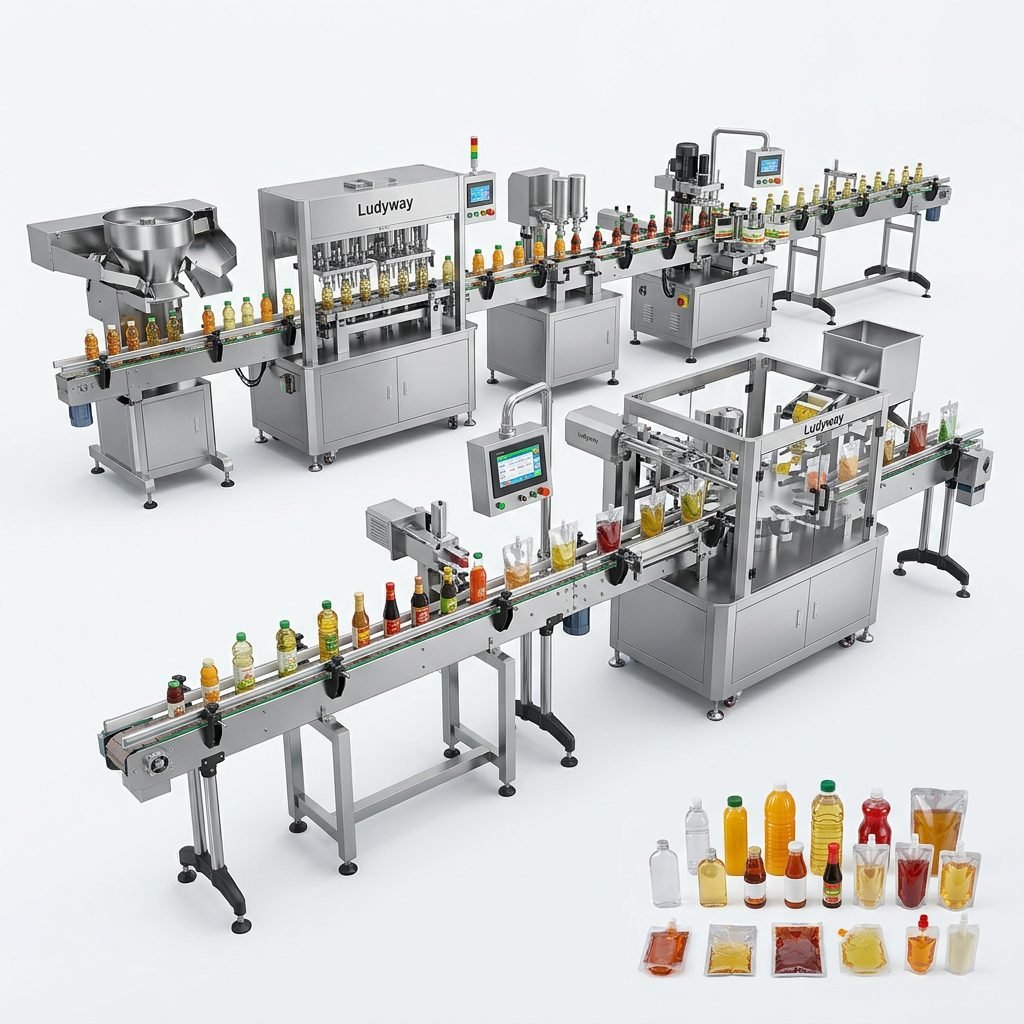
Understanding the price of a sachet packing machine is not as simple as comparing one quote to another. Costs can vary widely depending on machine type, packaging speed, product characteristics, automation level, material compatibility, and after-sales support. If you are planning to invest in sachet packaging equipment for food, pharmaceuticals, cosmetics, or chemicals, this guide will help you evaluate pricing with confidence and avoid costly purchasing mistakes.
For many buyers, the real question is not only “How much does a sachet packing machine cost?” but also “Which machine gives the best long-term value?” A lower upfront price may lead to higher operating costs, slower output, more downtime, or limited upgrade options. A better decision comes from balancing budget, performance, and future production goals.
What Is a Sachet Packing Machine?
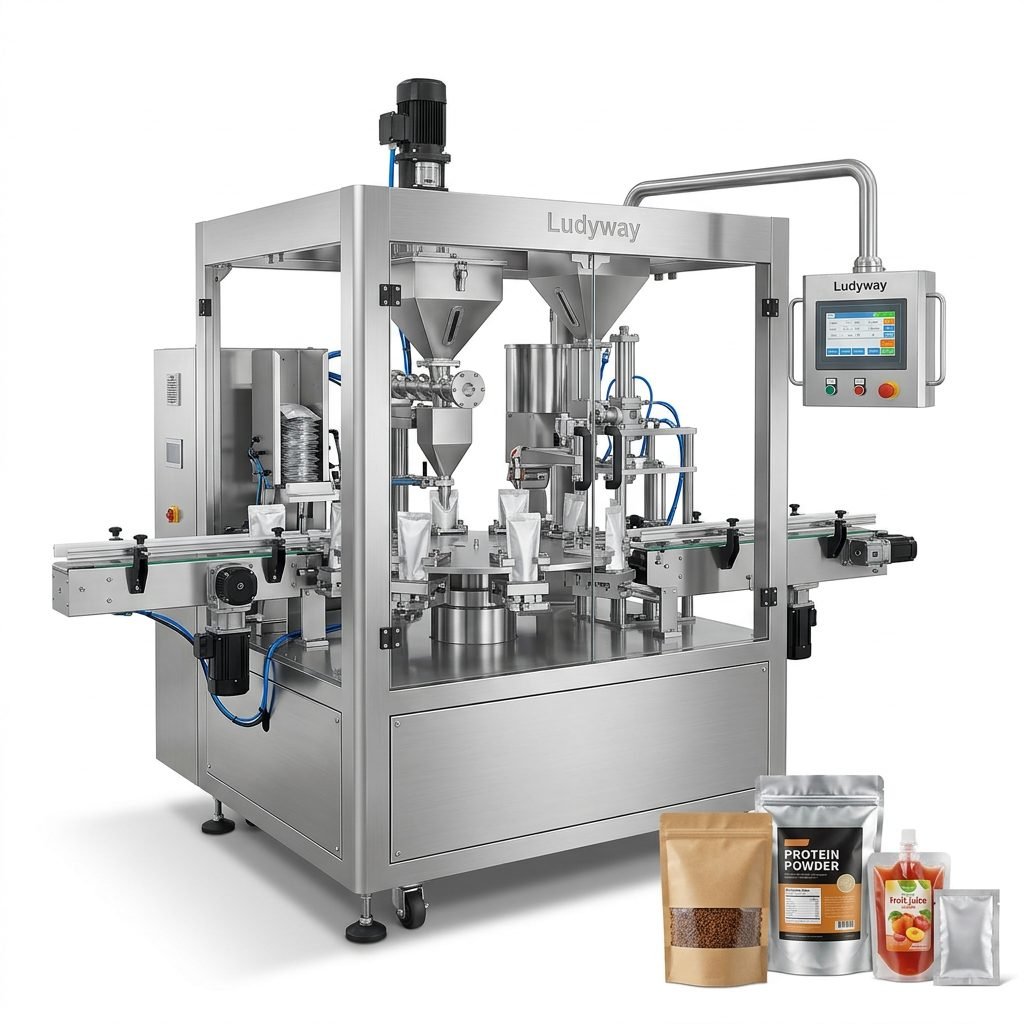
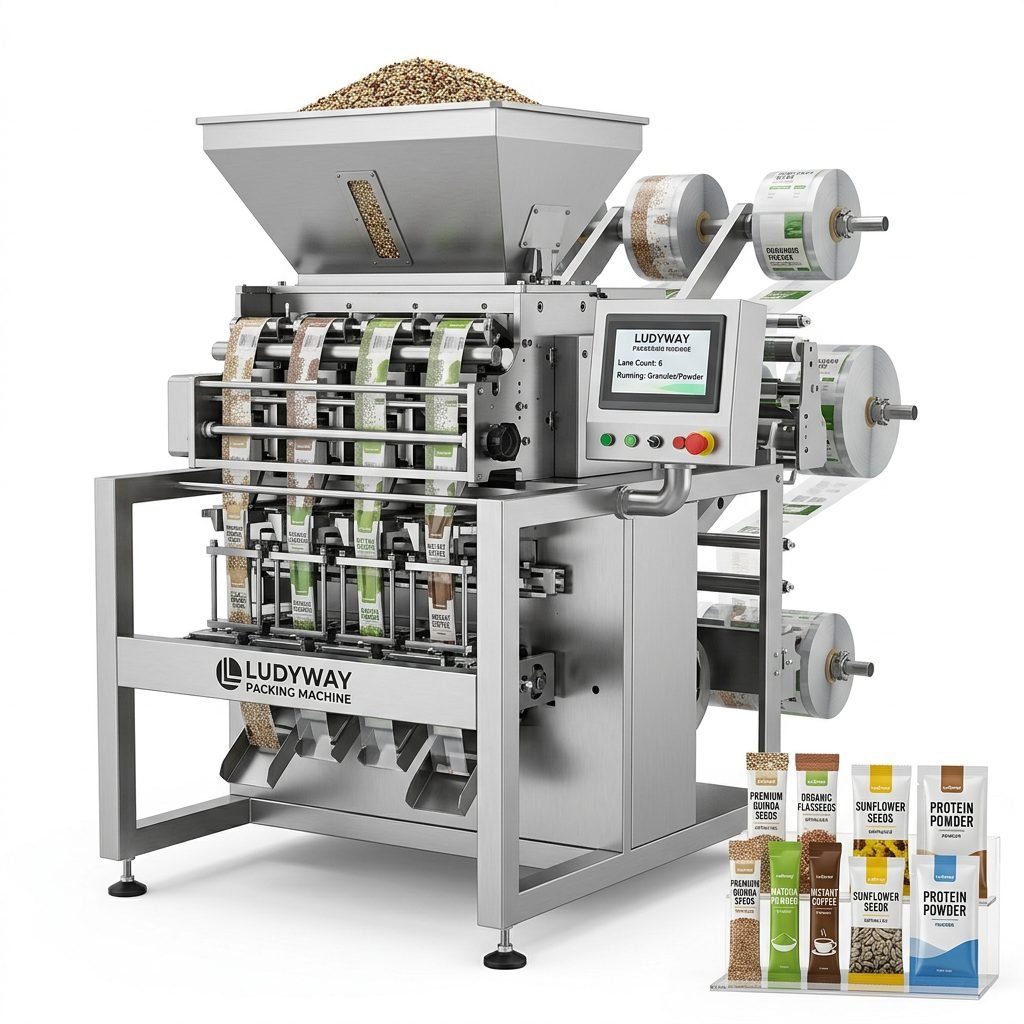
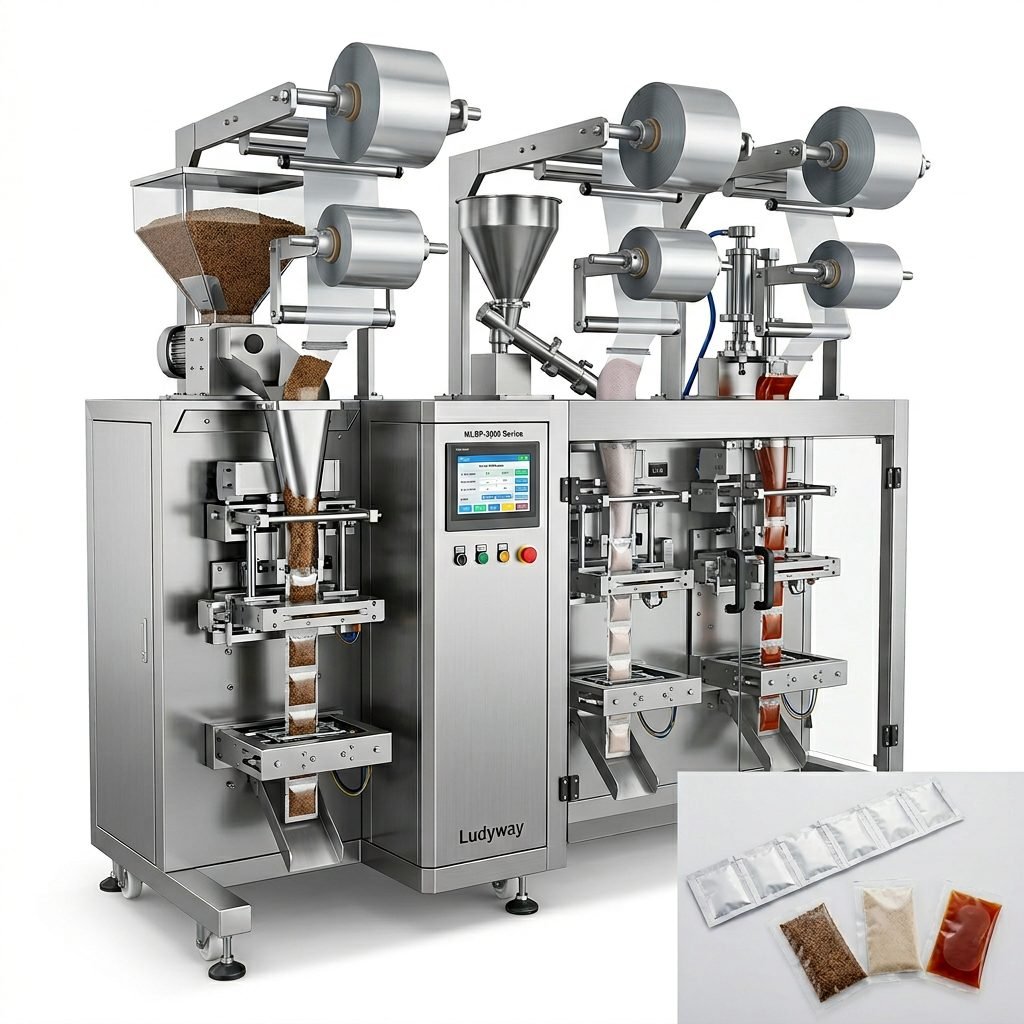
A sachet packing machine is an automated packaging system designed to form, fill, and seal small flexible packets for single-dose or small-volume products. These machines are commonly used for:
- Powders such as coffee, milk powder, seasoning, pharmaceutical powder, and supplements
- Granules such as sugar, salt, seeds, instant drink mixes, and pet nutrition products
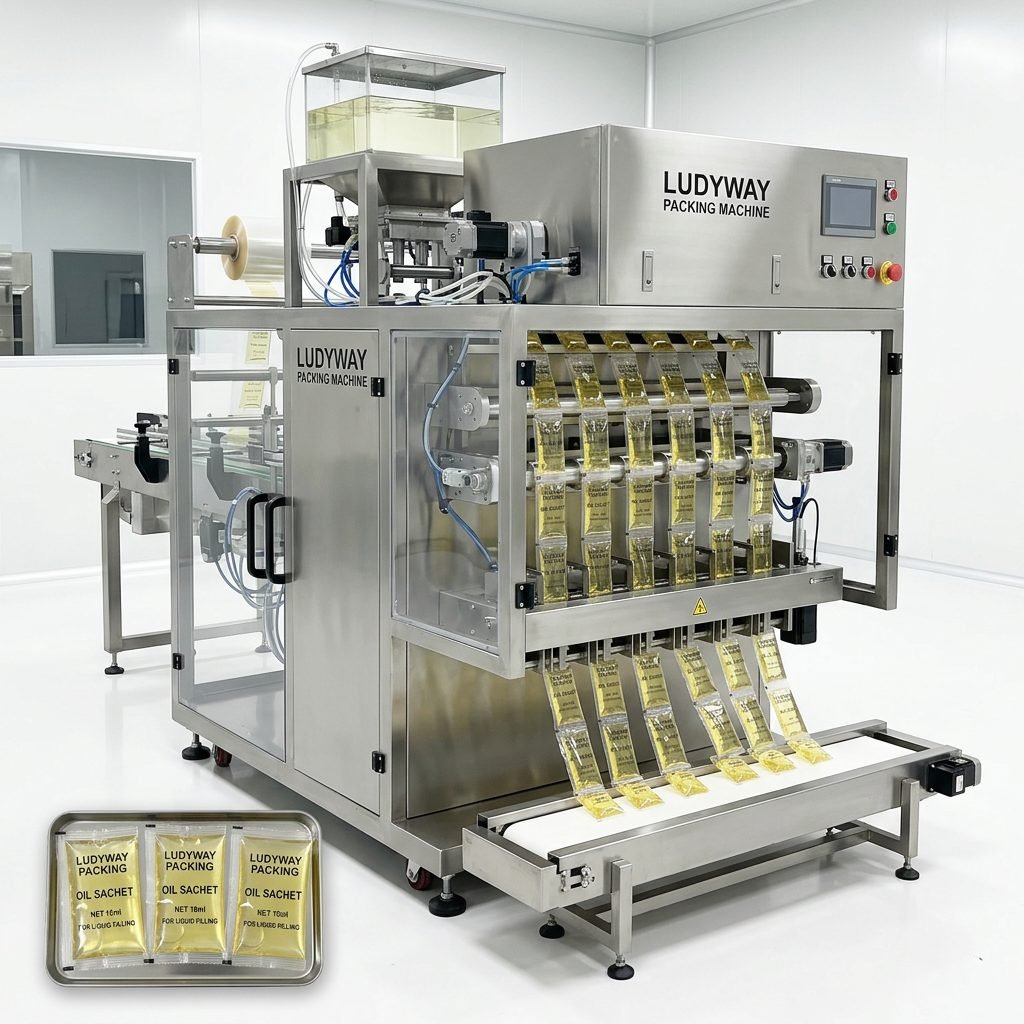
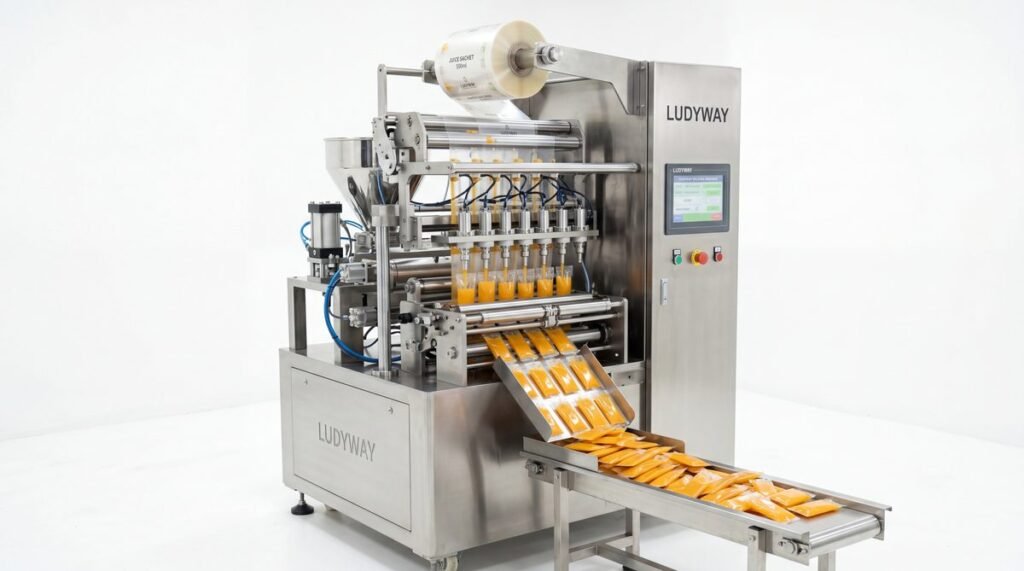
- Liquids and pastes such as shampoo, sauce, lotion, syrup, oils, and gel products
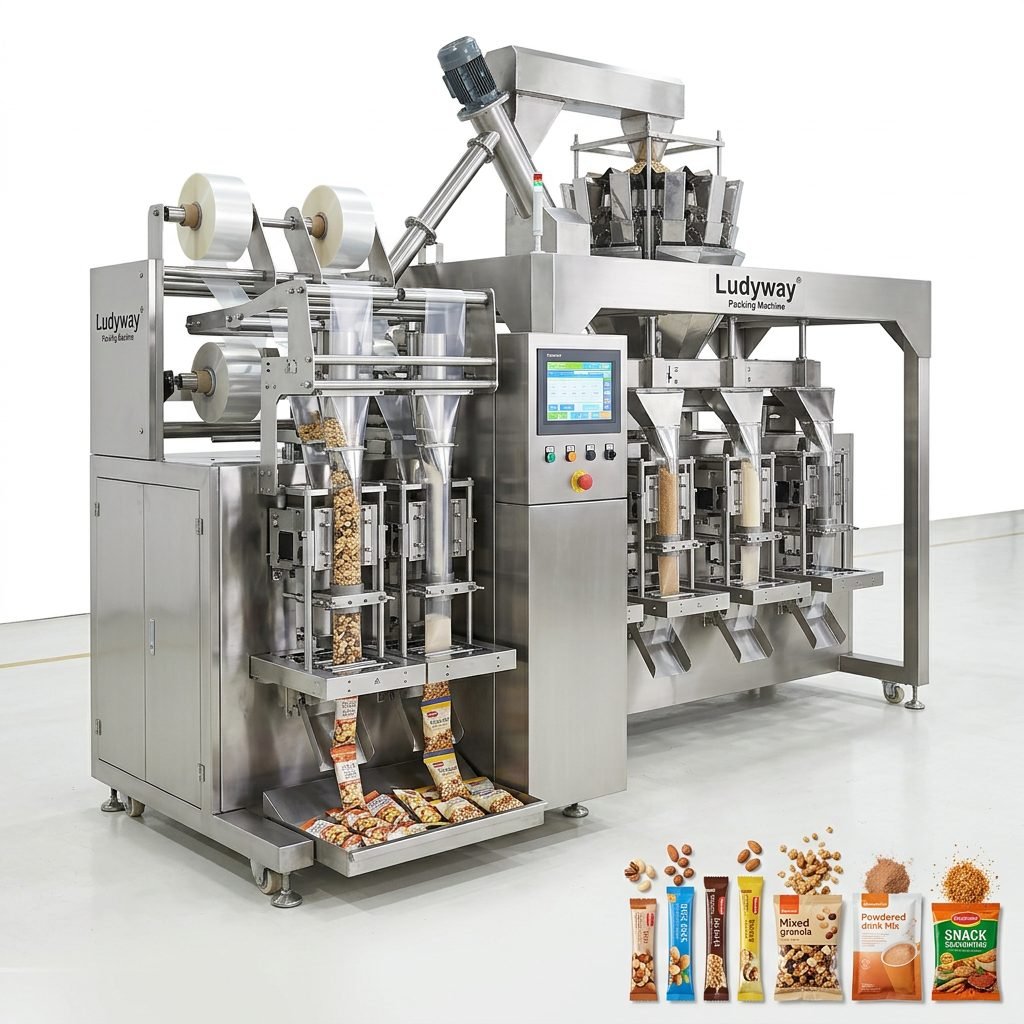
Depending on the application, the machine may use auger filling, volumetric cups, piston pumps, or multi-head weighing systems. The packaging format can also vary, including 3-side seal, 4-side seal, back seal, or stick pack structures.
Average Sachet Packing Machine Price Range
The market price of a sachet packing machine typically falls within a broad range because machine specifications differ significantly. The table below gives a practical overview.
| Machine Type | Typical Price Range | Suitable For |
|---|---|---|
| Entry-level single-lane machine | USD 3,000 – 10,000 | Small factories, startups, trial production |
| Standard automatic sachet packing machine | USD 10,000 – 30,000 | Most food, cosmetic, and chemical packaging lines |
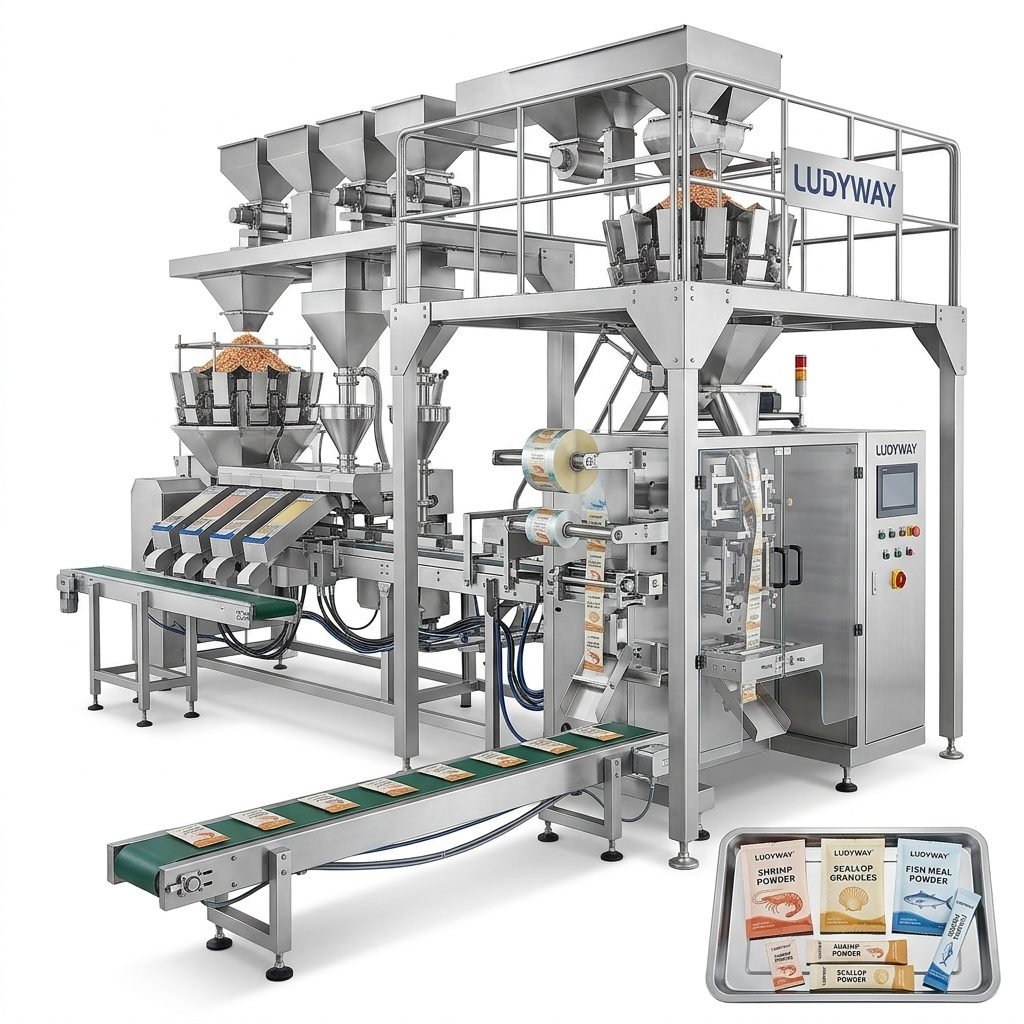
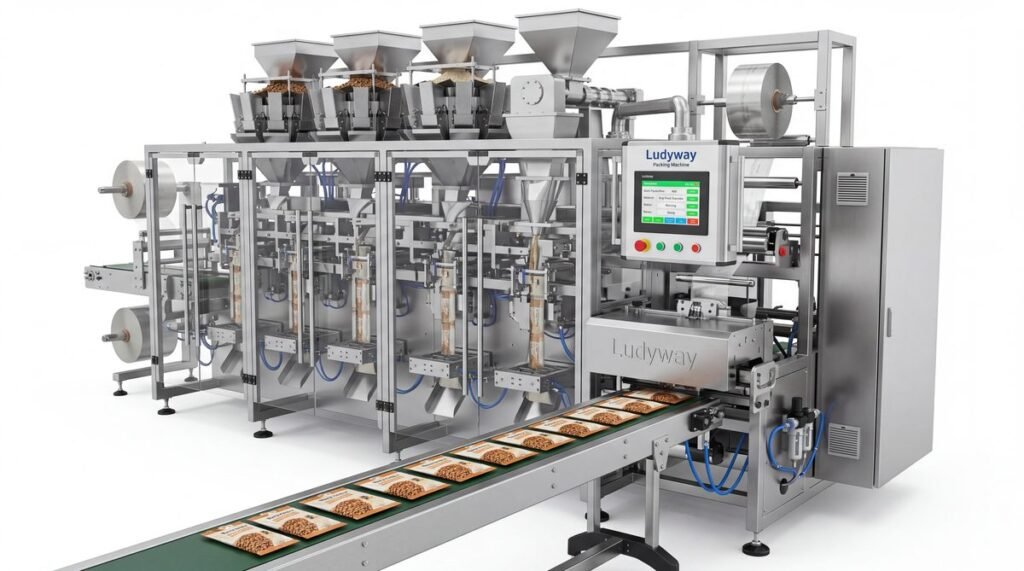
| High-speed multi-lane machine | USD 30,000 – 80,000+ | Large-scale production, export-oriented manufacturers |
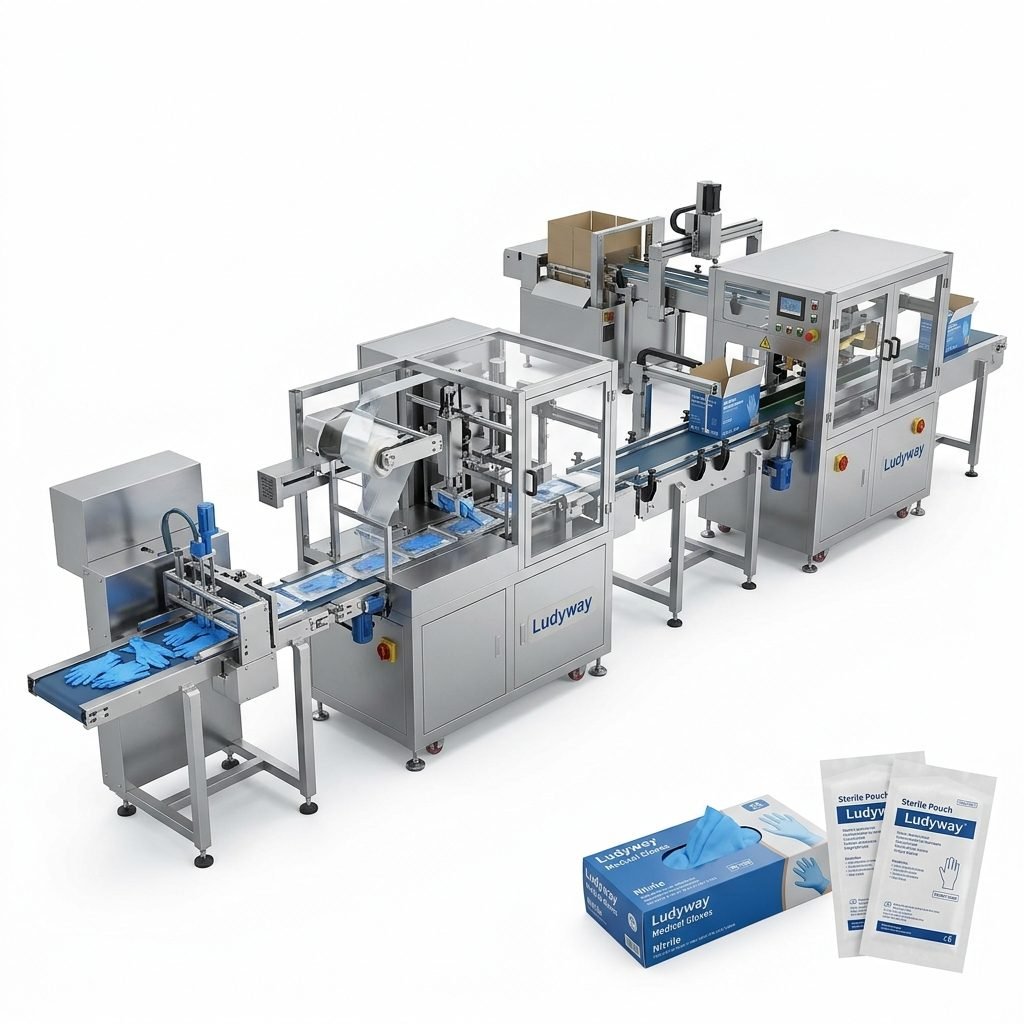
| Customized turnkey sachet packaging line | USD 80,000 – 250,000+ | Integrated feeding, coding, cartoning, inspection, and end-of-line automation |
Important: These price ranges are general market references. Final pricing depends on technical requirements, optional functions, packaging film structure, and project customization.
Main Factors That Affect Sachet Packing Machine Price
1. Product Type
The material you pack has a major impact on machine design and filling system cost.
- Powder products often require auger fillers, dust control, and sealing stability
- Granules may use cup fillers or weighing devices
- Liquids and pastes generally need pumps, anti-drip nozzles, heating hoppers, or mixing systems
Liquid and paste sachet packing machines are often more expensive than basic granule machines because they need more precise sealing and dosing control.
2. Speed and Output
Higher-speed machines cost more because they use better servo systems, stronger mechanical structures, and more advanced control logic. A machine producing 30–50 sachets per minute will usually be far cheaper than a multi-lane system producing several hundred sachets per minute.
3. Number of Lanes
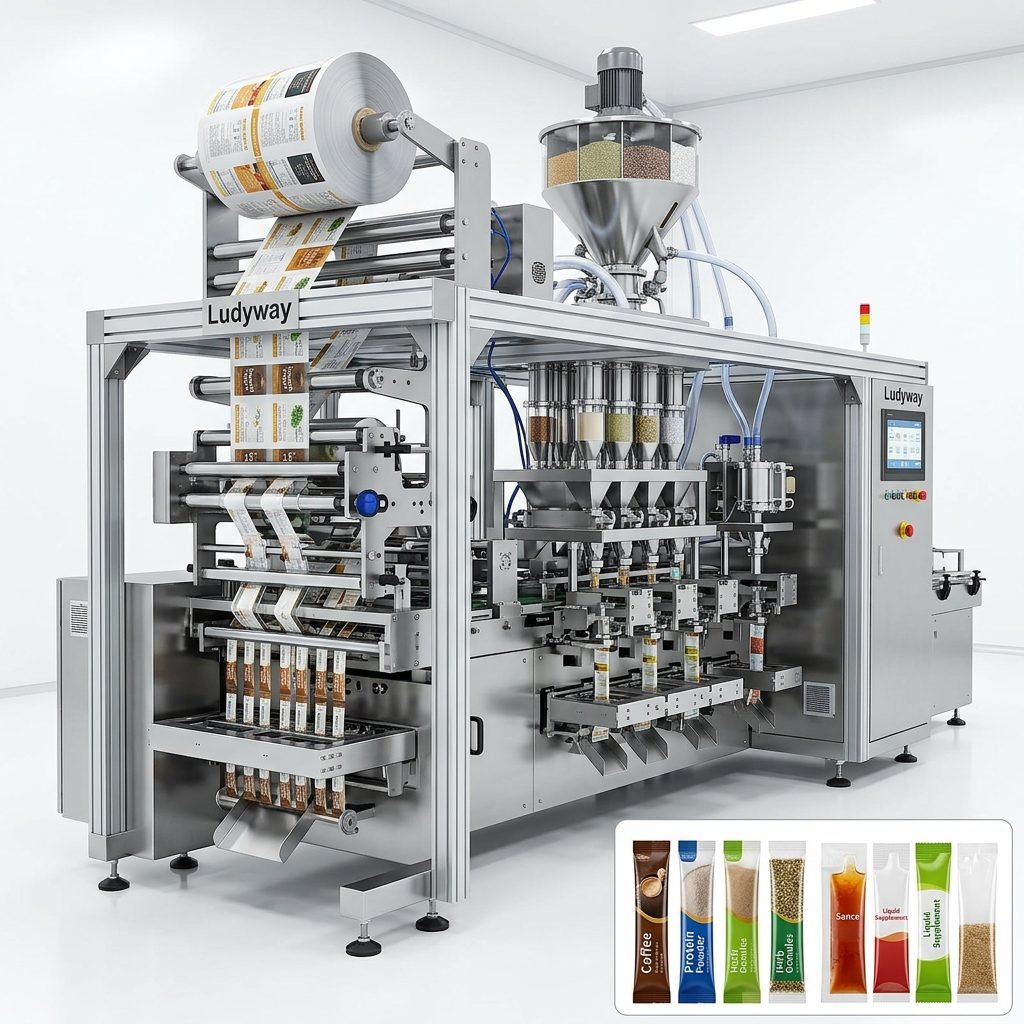
Single-lane machines are suitable for lower-volume production. Multi-lane sachet packing machines significantly improve output, but they also increase the price because of:
- More forming tubes and sealing units
- Higher control complexity
- More demanding alignment and cutting accuracy
- Greater installation and commissioning requirements
4. Packaging Material Compatibility
If your business uses laminated films, recyclable materials, foil structures, or special barrier films, the machine may require upgraded sealing parts and precise temperature control. That can raise the total cost.
5. Automation Level
A standalone sachet packing machine is cheaper than a full automatic line with feeding, metal detection, checkweighing, coding, cartoning, and palletizing. However, a fully integrated line can greatly reduce labor cost and improve consistency.
6. Brand, Manufacturing Quality, and Support
Machine price also reflects supplier experience, factory scale, exported installations, engineering capability, and after-sales response. Buyers should not focus only on the lowest quotation. Supplier reliability often determines whether the machine performs well over the next five to ten years.
Price by Machine Application
| Application | Estimated Price Level | Notes |
|---|---|---|
| Powder sachet packing machine | Medium to high | Often requires auger filling and dust protection |
| Granule sachet packing machine | Low to medium | Relatively simple filling for free-flowing products |
| Liquid sachet packing machine | Medium to high | Needs leak-proof sealing and pump system |
| Paste sachet packing machine | High | Viscosity handling usually increases cost |
| Pharmaceutical sachet machine | High | Higher GMP, precision, and validation standards |
| Multi-lane high-speed machine | High to premium | Best for mass production and labor savings |
Hidden Costs Buyers Should Consider
A quotation may look attractive at first, but the total investment often includes more than the machine itself. Before buying, account for the following:
- Shipping and insurance
- Import duty and local taxes
- Installation and commissioning
- Operator training
- Spare parts package
- Custom molds or format sets
- Air compressor, chiller, conveyor, or feeder
- Maintenance and future upgrades
When comparing two suppliers, always ask for the total delivered cost rather than just the base ex-factory price.
How to Choose the Right Sachet Packing Machine for Your Budget
Define Your Production Goal
Start with a clear target for output, sachet size, product type, and future expansion. If your production volume is expected to grow quickly, buying a machine only for your current demand may become expensive in the long run.
Match the Filling System to the Product
The right filling system improves accuracy and reduces material waste. For example:
- Auger filler for fine powders
- Volumetric cup for uniform granules
- Piston or pump filler for liquids and gels
- Weigher for irregular granules or products requiring tighter accuracy
Think Beyond Initial Price
A better-built machine may cost more upfront but save money through:
- Lower downtime
- Better sealing consistency
- Less film waste
- More accurate dosing
- Longer service life
- Faster product changeover
Check Customization Capability
If you package multiple products or plan to launch new SKUs, choose a supplier that can provide adaptable machine configurations. This is especially important for brands working with different sachet widths, filling weights, or film structures.
Features That Increase Value
Some machine features raise the purchase price but may deliver strong operational benefits:
- Servo-driven film pulling system
- Touchscreen HMI and PLC control
- Automatic film tracking
- No-sachet-no-fill protection
- Date coding or printing integration
- Nitrogen flushing
- Easy-clean design for hygiene-sensitive products
- Stainless steel construction
- Remote technical support capability
For food, pharma, and health supplement industries, these features often improve product quality and compliance while reducing operator intervention.
Should You Buy a New or Used Sachet Packing Machine?
A used machine may reduce initial investment, but it comes with trade-offs.
| Option | Advantages | Risks |
|---|---|---|
| New machine | Warranty, latest controls, customization, longer service life | Higher initial cost |
| Used machine | Lower upfront price, faster availability | Wear, limited support, outdated parts, lower efficiency |
If you need stable long-term production, new equipment is usually the safer choice, especially for regulated or export-oriented industries.
Buying Tips to Get the Best Price
- Prepare a clear requirement sheet with product details, sachet size, target speed, and output goals.
- Ask for videos of similar applications to confirm real machine performance.
- Request a sample test using your actual product and packaging film.
- Compare technical configurations, not just total price.
- Confirm spare parts and warranty terms before payment.
- Check after-sales response capability for overseas customers.
- Evaluate upgrade potential if your production may scale in the future.
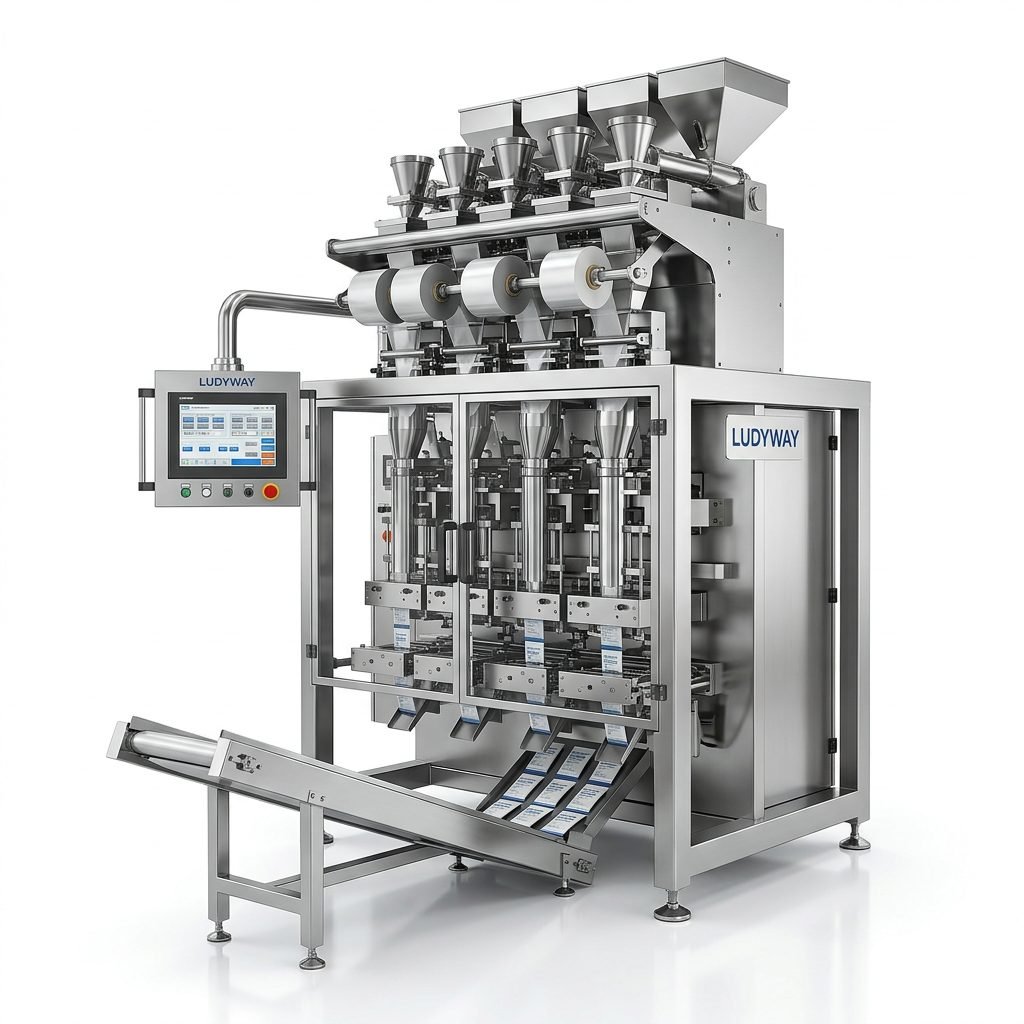
Who Should Invest in a Multi-Lane Sachet Packing Machine?
A multi-lane system is usually the right choice when:
- Your labor cost is rising
- You need high-volume production
- Your brand sells single-serve products at scale
- You supply supermarkets, pharmacies, distributors, or export channels
- You want more stable output and lower unit packaging cost
Although the initial price is higher, the cost per sachet can become much lower over time, especially in continuous production environments.
Choosing a Reliable Supplier
A dependable supplier should offer more than equipment assembly. Look for companies with real manufacturing capacity, technical depth, international project experience, and strong application knowledge. One example is Ludyway sachet packing machine manufacturer, a China-based packaging machinery company with more than 30 years of industry experience, a factory area of over 20,000 square meters, and broad export coverage across Europe, North America, the Middle East, South America, Africa, and Southeast Asia.
For buyers who need scalable equipment or complete turnkey packaging lines, working with an experienced manufacturer can reduce sourcing risk and improve long-term return on investment.
Frequently Asked Questions
How much does a small sachet packing machine cost?
A small entry-level machine may cost around USD 3,000 to 10,000, depending on filling type, automation level, and configuration.
Why are multi-lane sachet packing machines more expensive?
Because they deliver higher productivity and use more complex control systems, additional sealing units, and more precise synchronization across lanes.
Is a higher-priced sachet machine always better?
Not always. The best machine is the one that fits your product, output target, quality standards, and long-term operating budget. The goal is best value, not simply highest or lowest price.
Can one machine pack different products?
In some cases, yes. With the right change parts and filling systems, one machine may handle multiple products. However, compatibility depends on product flowability, viscosity, filling weight, and sachet format.
Final Evaluation Checklist Before You Request a Quote
- Product type: powder, granule, liquid, or paste
- Sachet size and sealing style
- Target output per minute or per day
- Desired automation level
- Packaging film specification
- Voltage and factory layout requirements
- Need for coding, cartoning, inspection, or conveyors
- Budget range and expansion plan
When you understand these points clearly, it becomes much easier to evaluate sachet packing machine price and choose a solution that supports both current production and future growth.