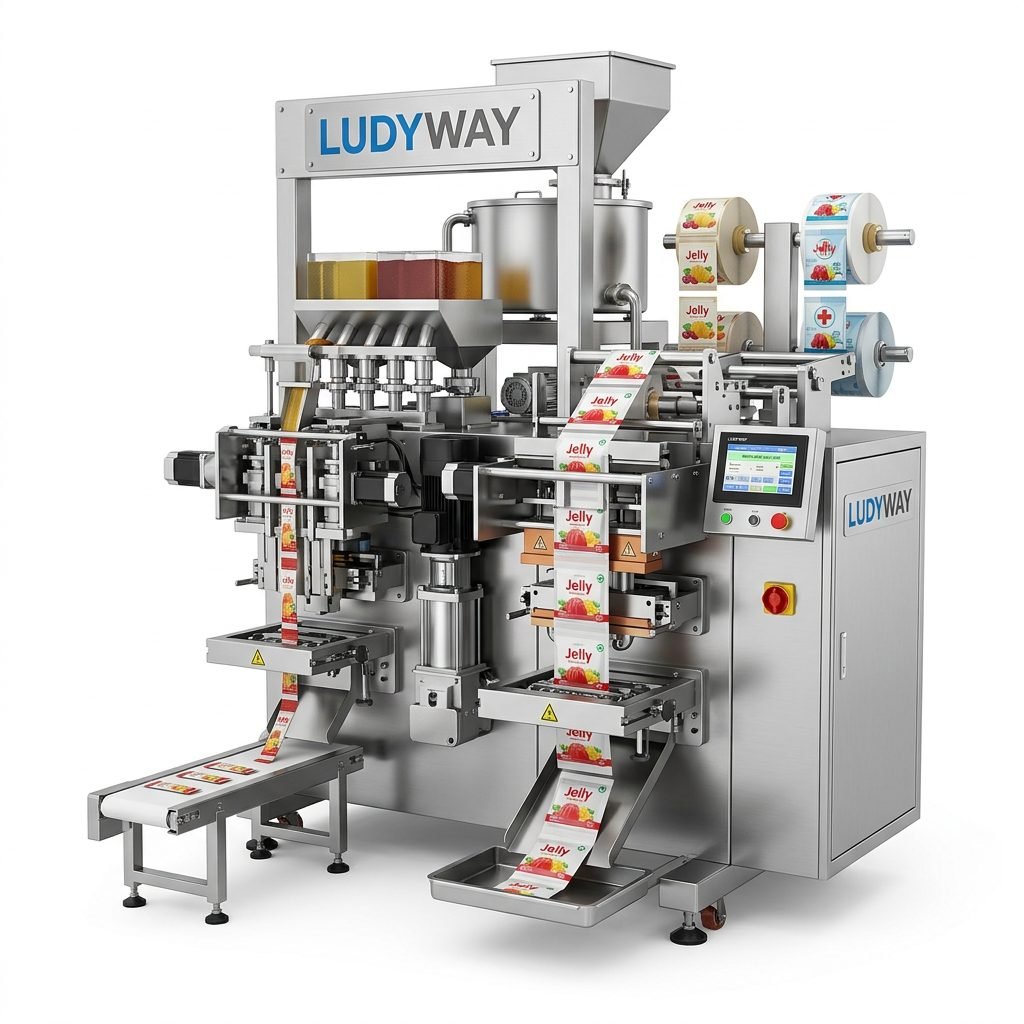
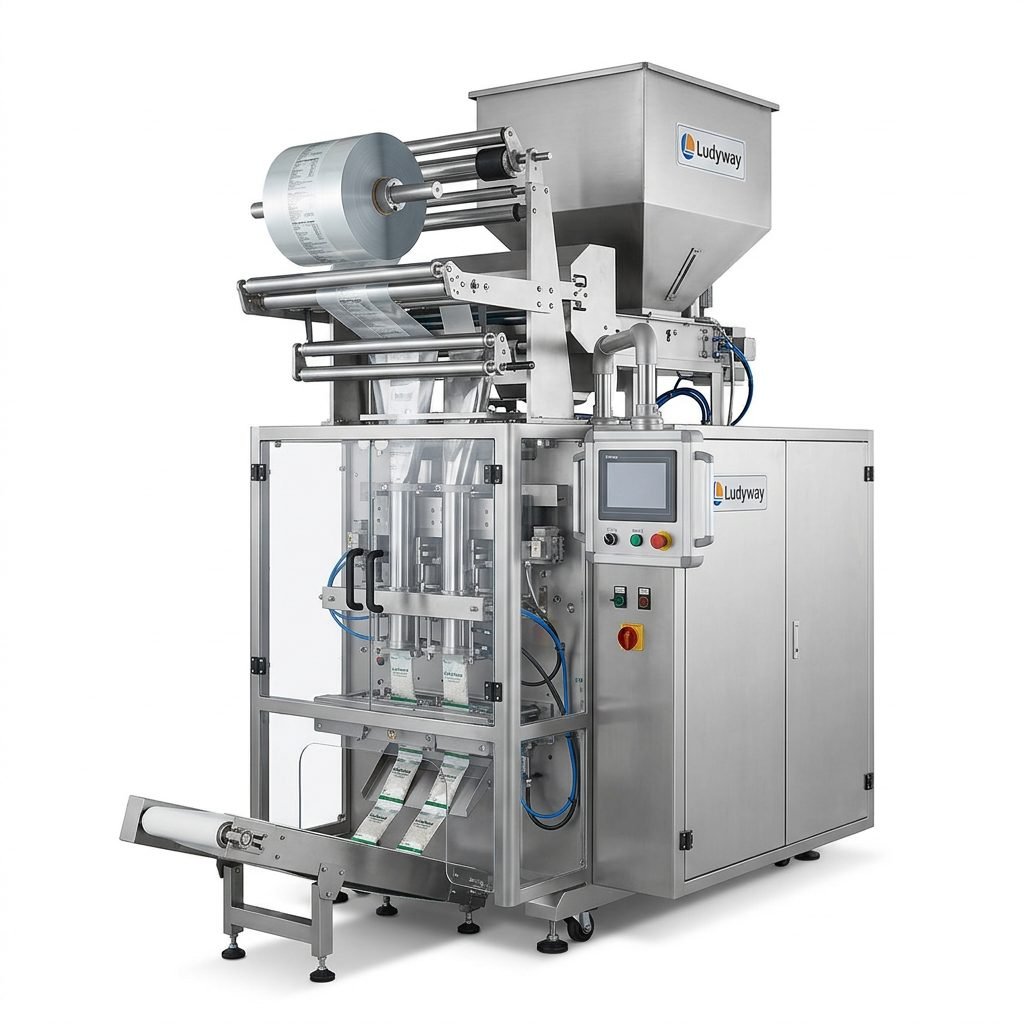
Accurate medication packaging is one of the most critical processes in modern pharmacy operations. Whether you run a hospital pharmacy, retail pharmacy, long-term care facility, or pharmaceutical packaging center, the right pharmacy pill packaging machine can improve dose accuracy, reduce labor pressure, strengthen traceability, and support safer patient outcomes.
Choosing the best automated solution is not only about speed. It also involves packaging format, pill counting precision, software integration, maintenance requirements, regulatory compliance, and long-term production scalability.
Why Automated Pill Packaging Matters in Pharmacy Operations
Manual packaging may work at a very small scale, but as prescription volume grows, the risk of human error also increases. An automated pill packaging machine helps pharmacies standardize packaging quality while improving workflow efficiency.
- Higher accuracy: Better control over pill counting, dosing, and pack integrity
- Improved patient safety: Clear labeling and consistent unit-dose or multi-dose packaging
- Labor savings: Less manual sorting, filling, and sealing
- Better inventory tracking: Easier data capture and packaging traceability
- Scalability: Supports growing prescription demand without major workflow disruption
For pharmacies managing chronic disease medication, elderly care prescriptions, or high daily script volumes, automation often becomes a practical necessity rather than a luxury.
Main Types of Pharmacy Pill Packaging Machines
Not all systems are built for the same application. Before comparing suppliers or models, it is important to understand the main machine categories.
Unit-Dose Packaging Machines
These machines package one dose per pouch or pack, making them ideal for hospitals, clinics, and institutional medication distribution. Unit-dose packaging improves traceability and helps reduce medication administration errors.
Multi-Dose Pouch Packaging Machines
These systems package multiple pills for a specific administration time into one pouch, such as “morning” or “after dinner.” They are widely used in senior care, home care, and long-term medication management.
Blister Packaging Machines
Blister packs are commonly used when product protection, tamper evidence, and retail presentation are priorities. They are often selected by pharmaceutical manufacturers and contract packers.
Bottle Filling and Counting Systems
These machines count tablets or capsules and fill them into bottles. They are suitable for pharmaceutical factories, nutraceutical brands, and high-volume dispensing applications.
Cartoning and End-of-Line Systems
For fully automated production, packaging may continue from primary pill packaging into cartoning, coding, inspection, and case packing.
How to Choose the Best Automated Solution
The best machine is the one that fits your medication format, compliance requirements, and operational goals. Focus on these decision factors.
1. Define Your Packaging Format Clearly
Start by identifying how medications need to be delivered:
- Unit-dose pouches
- Multi-dose adherence packs
- Blister packs
- Bottles
- Mixed-format packaging lines
If your pharmacy serves hospitals, unit-dose automation may be best. If you support elderly patients with complex schedules, multi-dose pouch packaging is often the stronger choice.
2. Check Pill Compatibility
Different tablets and capsules behave differently in automated systems. The machine should handle your actual medication mix, including:
- Round, oval, or irregular tablets
- Hard and soft capsules
- Coated or fragile pills
- Different sizes and thicknesses
A reliable supplier should test samples or provide clear compatibility data before you buy.
3. Evaluate Counting and Dosing Accuracy
Accuracy is the core buying criterion. Ask about counting sensors, reject mechanisms, error alarms, vision inspection options, and validation data. A machine with high throughput but unstable counting performance can create costly downstream problems.
4. Review Software and Data Integration
Modern pharmacy automation depends heavily on software. Look for systems that support:
- Prescription data import
- Barcode printing and scanning
- Batch tracking and audit trails
- Hospital or pharmacy system integration
- User access control and data security
This is especially important for facilities with high regulatory oversight or centralized dispensing models.
5. Consider Speed vs. Real Output
Do not focus only on the advertised maximum speed. Instead, ask for the real production speed under your product conditions. Actual output depends on pill type, pouch size, packaging material, changeover frequency, and operator skill.
6. Check Labeling and Printing Capabilities
Pill packaging usually requires clear printed information, such as:
- Patient name
- Drug name
- Dose instructions
- Date and time
- Batch or lot information
- Barcode or QR code
The print quality must remain sharp and readable, especially for pharmacy safety and traceability.
7. Assess Regulatory and Validation Support
In pharmaceutical environments, equipment selection should align with GMP expectations and local compliance requirements. Ask suppliers whether they can support:
- IQ/OQ documentation
- Material certificates
- Validation protocols
- Clean design standards
- Electronic record support
This can save significant time during qualification and audit preparation.
8. Prioritize Easy Cleaning and Maintenance
Downtime affects pharmacy productivity. Choose a machine designed for fast cleaning, simple tool-less access where possible, and easy maintenance of wear parts. Spare parts availability and remote technical support also matter.
9. Plan for Future Expansion
A packaging machine should match not just current needs, but future growth. If your pharmacy expects increased prescription volume, new medication formats, or central fill expansion, a modular system can be a better long-term investment.
Key Features to Compare Before Buying
| Feature | Why It Matters | What to Ask |
|---|---|---|
| Counting accuracy | Reduces medication errors | What is the validated accuracy rate? |
| Packaging format | Must match dispensing workflow | Does it support unit-dose, multi-dose, blister, or bottle formats? |
| Software integration | Improves traceability and automation | Can it connect with pharmacy management systems? |
| Print quality | Ensures clear instructions and compliance | What printer technology is included? |
| Changeover time | Affects operational flexibility | How long does format or product changeover take? |
| Validation support | Important for pharma compliance | Are IQ/OQ documents available? |
| After-sales service | Protects uptime and investment | What support is provided for installation, training, and spare parts? |
Common Mistakes When Selecting a Pill Packaging Machine
Many buyers focus only on price or headline speed. This often leads to poor system fit. Avoid these common mistakes:
- Choosing a machine without testing actual pill samples
- Ignoring software compatibility with your pharmacy workflow
- Overlooking maintenance complexity and spare part lead time
- Buying for current volume only, without future expansion planning
- Failing to verify validation and compliance documentation
- Selecting equipment based solely on low upfront cost
Who Should Invest in Automated Pharmacy Pill Packaging?
Automation can create strong value for:
- Hospital pharmacies with large daily medication rounds
- Retail pharmacies offering adherence packaging services
- Long-term care pharmacies serving nursing homes
- Central fill pharmacies and prescription hubs
- Pharmaceutical and nutraceutical manufacturers
- Contract packaging companies handling tablets and capsules
If your team faces rising labor costs, medication packaging errors, or increasing prescription complexity, automation is worth evaluating now rather than later.
Questions to Ask a Supplier Before Making a Decision
- Can you run a sample test with our tablets or capsules?
- What packaging materials are compatible with the machine?
- What is the actual output in a pharmacy environment?
- What inspection and reject systems are included?
- How does the machine handle mixed pill sizes and shapes?
- What documentation is available for qualification and compliance?
- What training is provided to operators and maintenance staff?
- How fast can spare parts and technical support be delivered?
Choosing a Reliable Manufacturing Partner
Machine quality is important, but supplier capability is just as important. A strong manufacturer should offer engineering experience, customization ability, stable production quality, and long-term support.
For buyers looking for integrated pharmaceutical and automated packaging solutions, pharmaceutical packaging machines from Ludyway are backed by more than 30 years of packaging equipment experience, a manufacturing facility of over 20,000 square meters, and global export service across more than 100 countries and regions.
Final Buying Checklist
| Checklist Item | Status to Confirm |
|---|---|
| Packaging format matches your workflow | Yes / No |
| Machine tested with your real pill samples | Yes / No |
| Counting accuracy verified | Yes / No |
| Software integration reviewed | Yes / No |
| Validation/compliance documents available | Yes / No |
| Maintenance and spare parts support confirmed | Yes / No |
| Future expansion options considered | Yes / No |
By evaluating these points carefully, you can choose a pharmacy pill packaging machine that delivers accurate medication packaging, reliable automation, and long-term operational value.