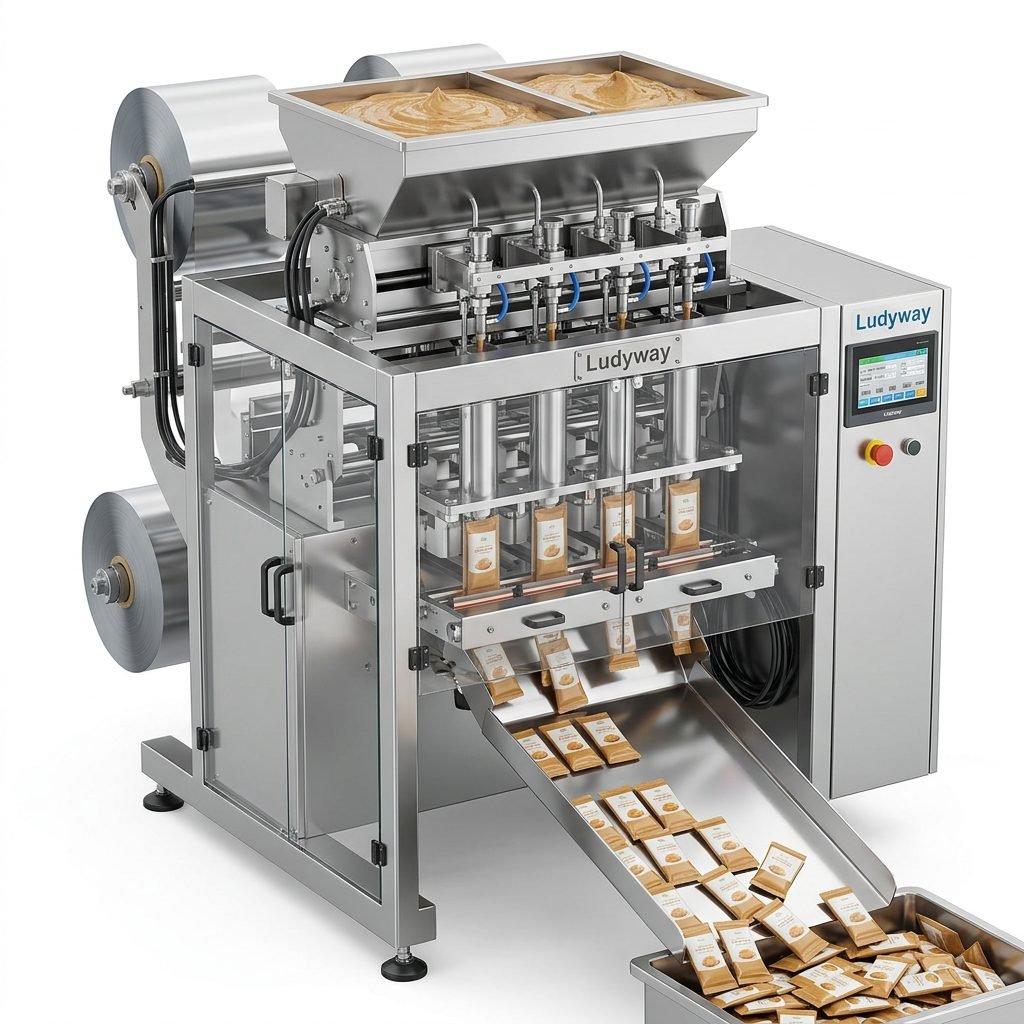
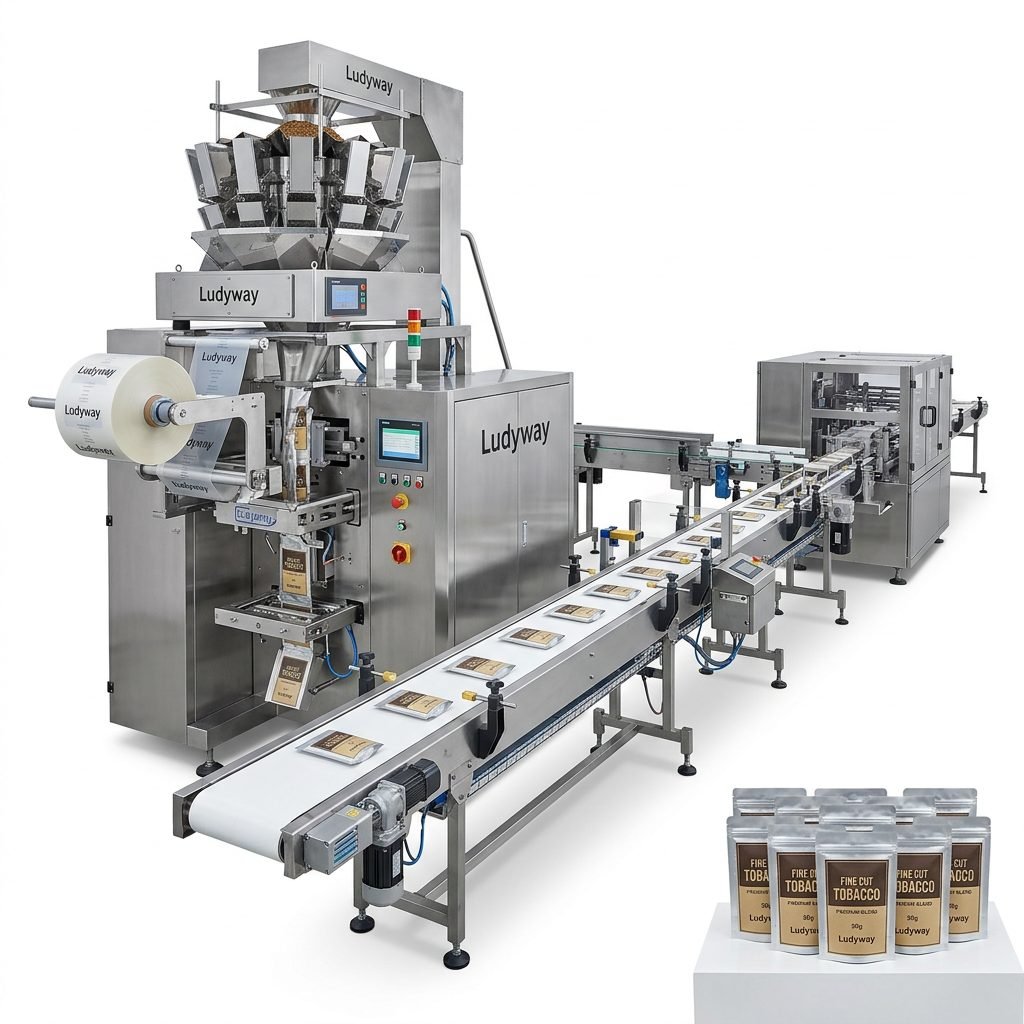
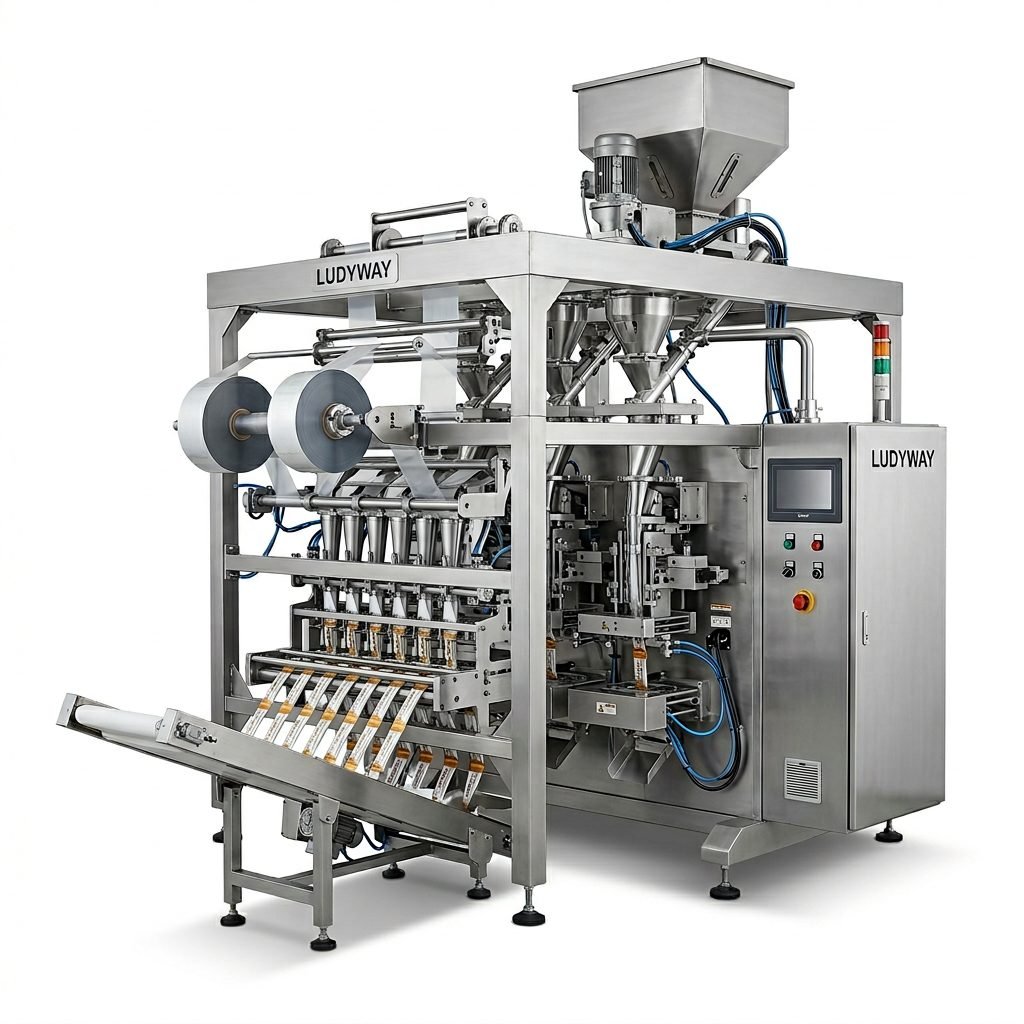
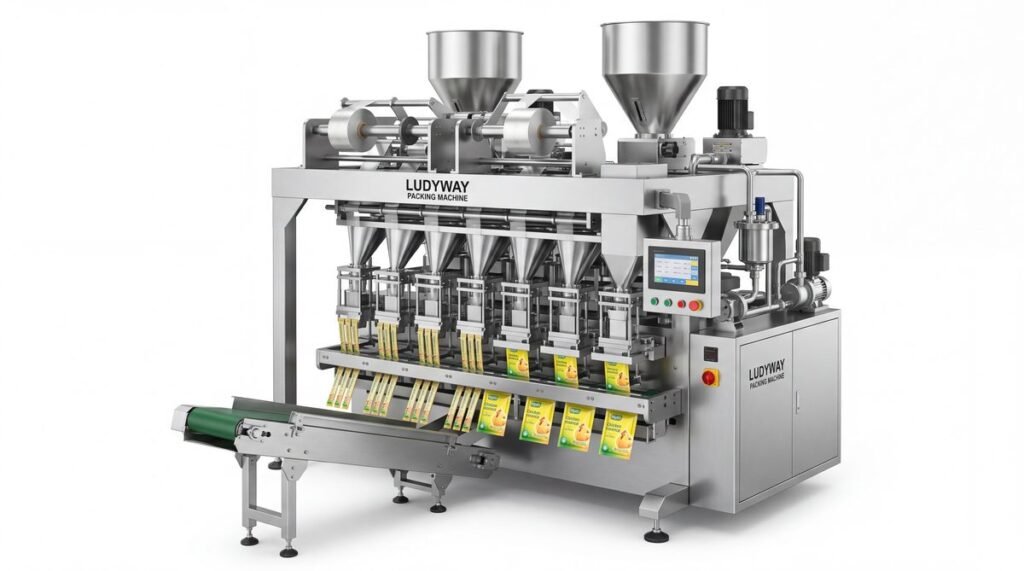
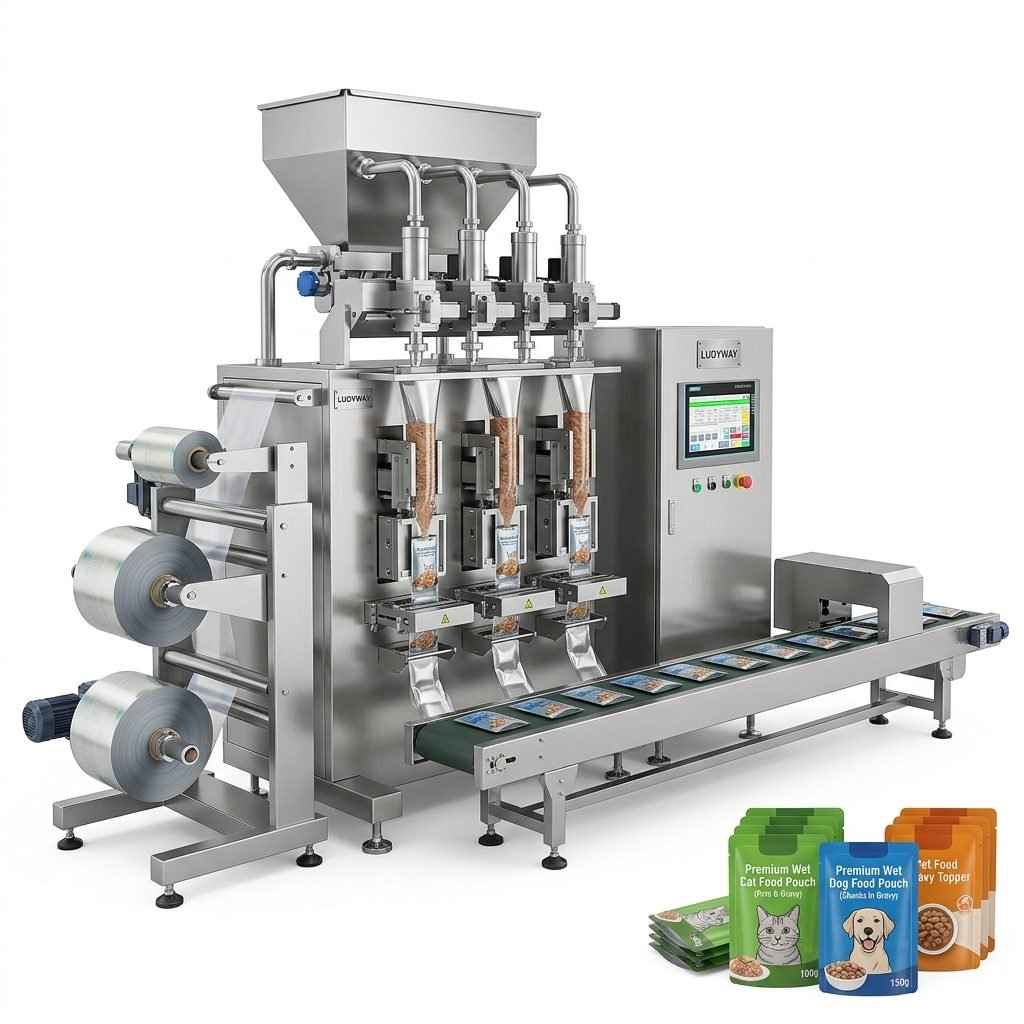
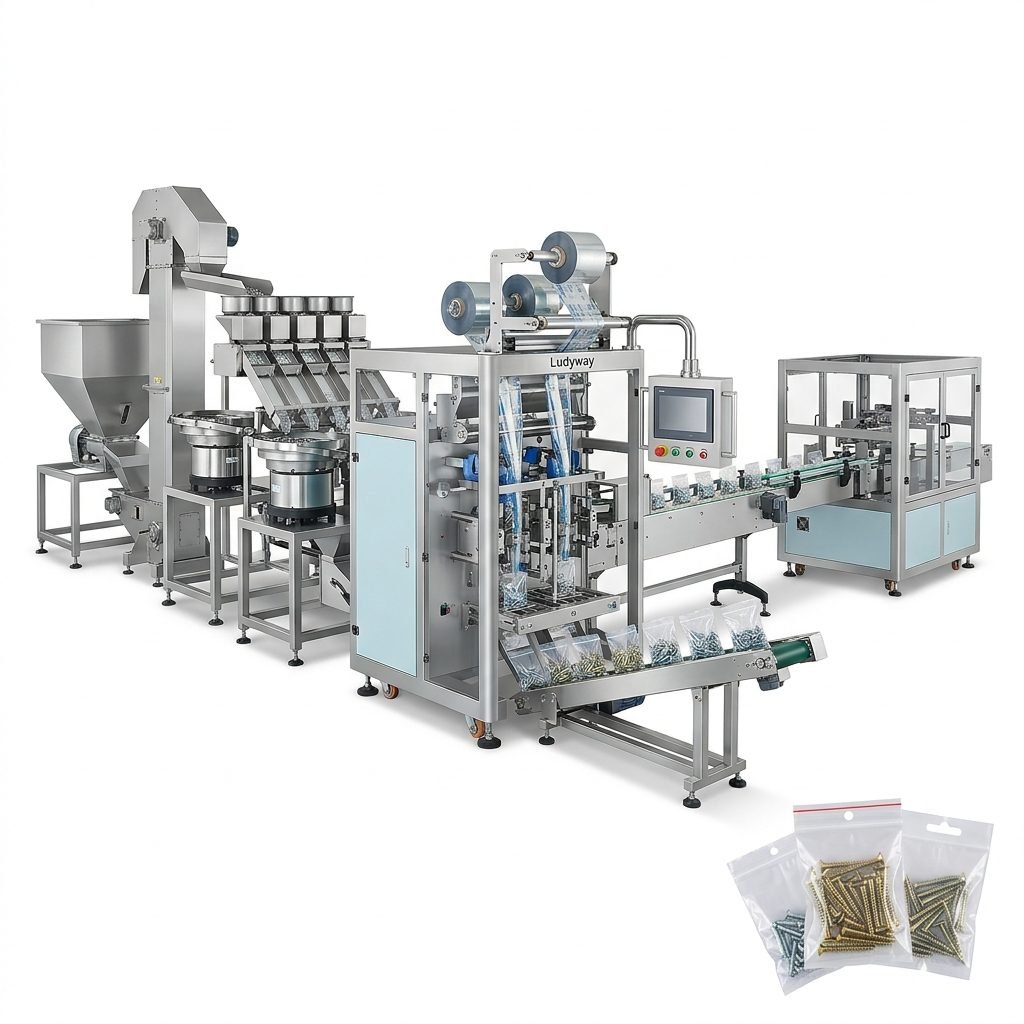
In high-volume production, an automatic weighing and packing machine is one of the most effective investments for manufacturers that need faster throughput, lower labor dependence, and consistent packaging quality. Whether you pack granules, powders, liquids, or mixed-format products, the right automated system can significantly improve production efficiency while reducing giveaway, sealing errors, and downtime.
Modern packaging operations are no longer judged by speed alone. Buyers also expect accurate filling, stable sealing, traceability, hygienic design, and flexible changeover. That is why more food, pharmaceutical, health supplement, chemical, and pet product companies are upgrading from semi-automatic equipment to intelligent weighing and packaging lines.
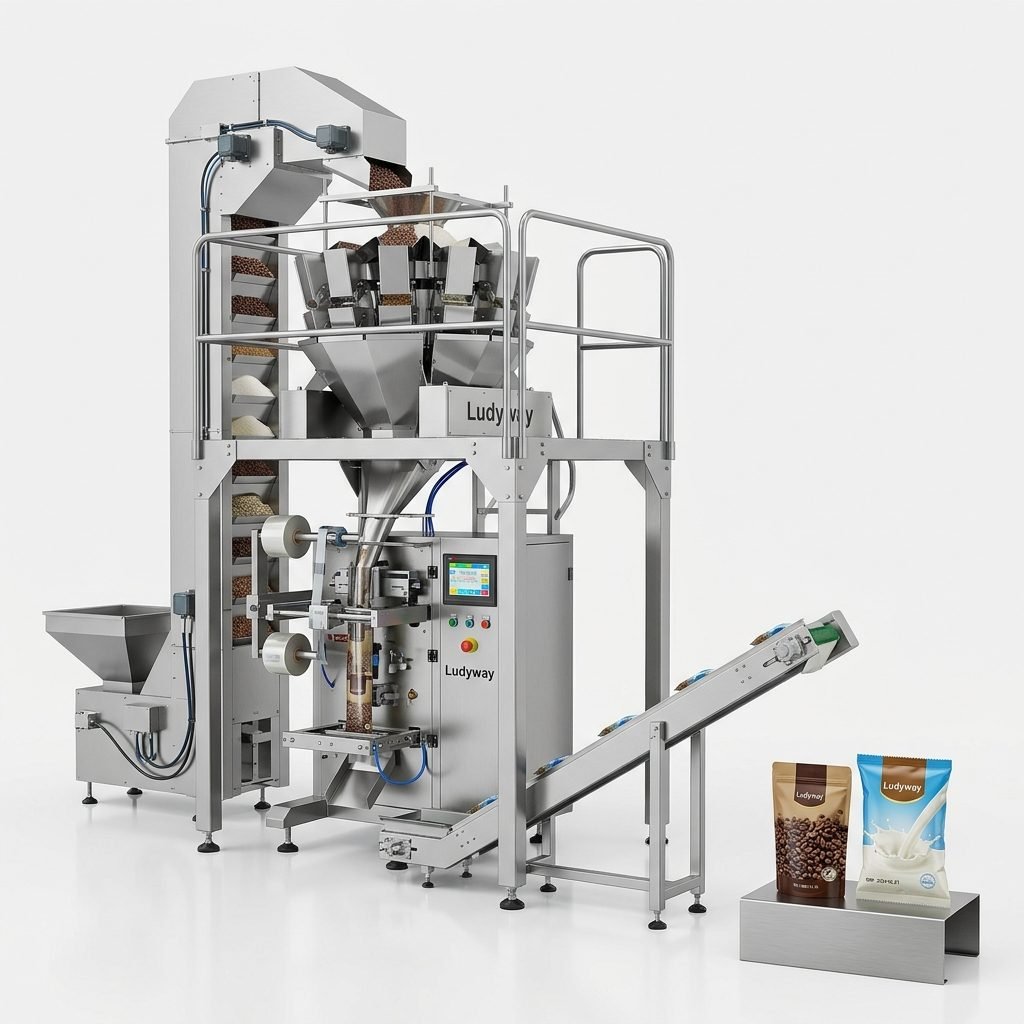
What Is an Automatic Weighing and Packing Machine?
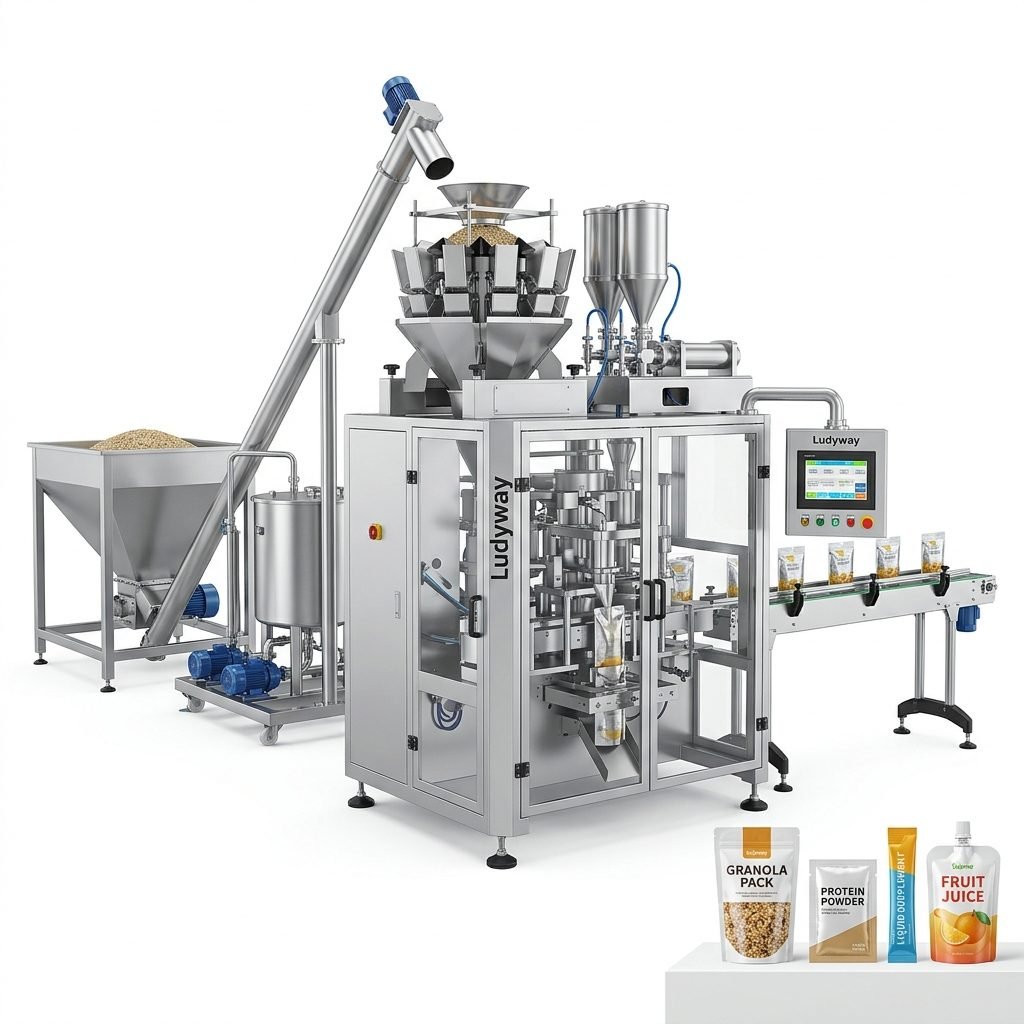
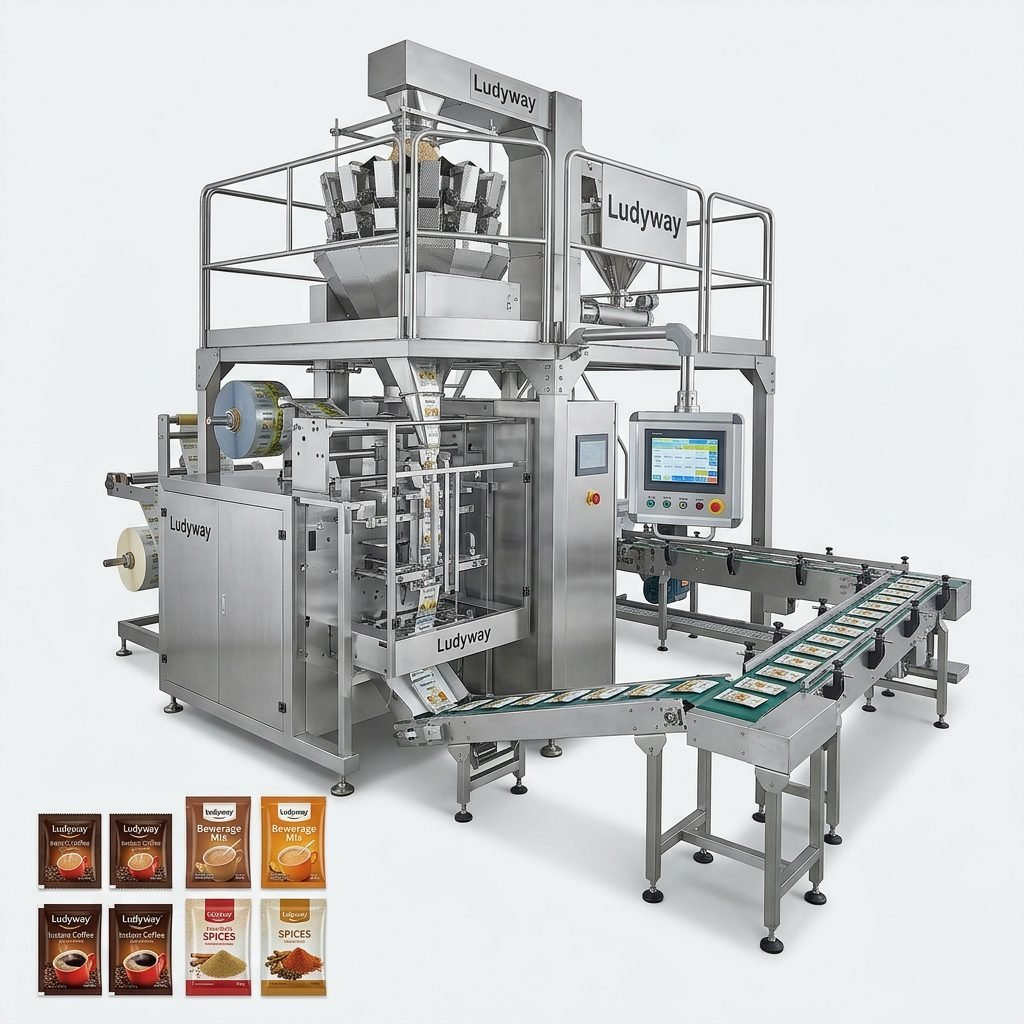
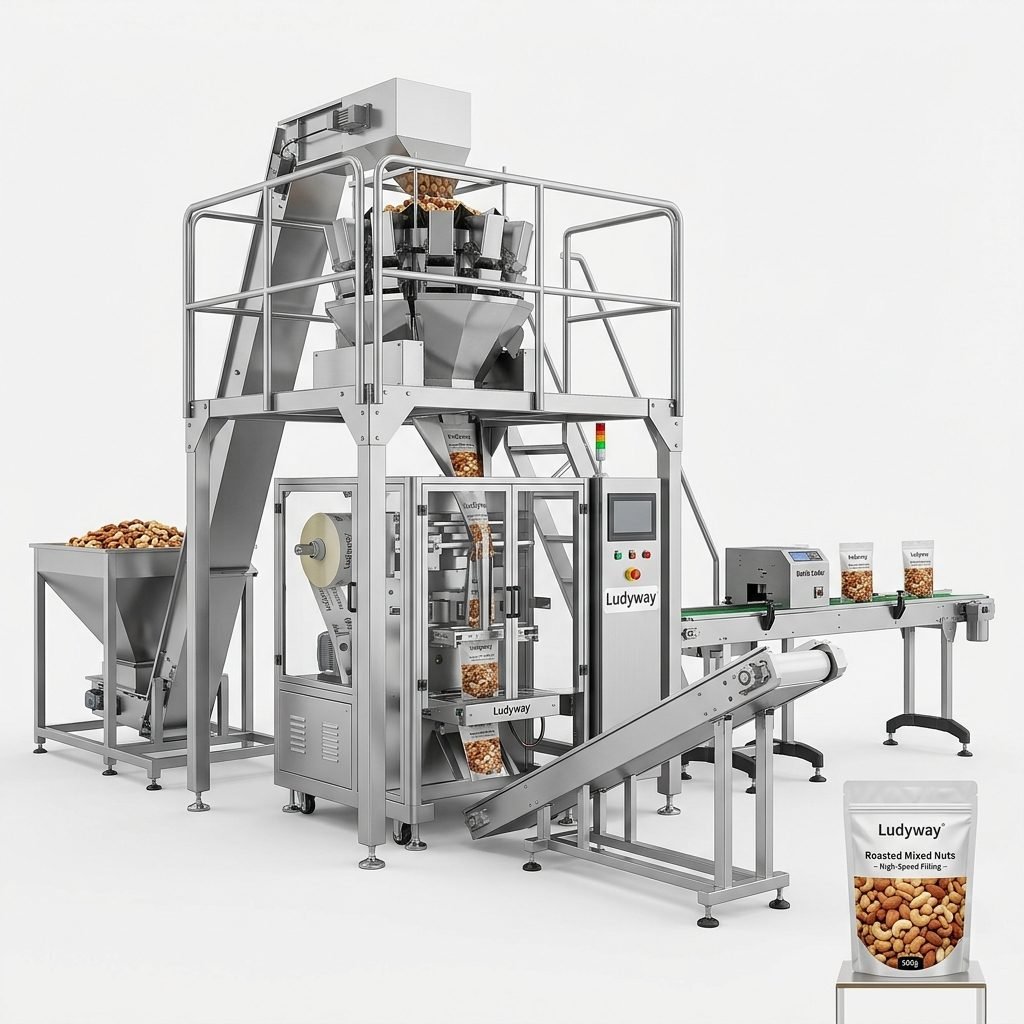
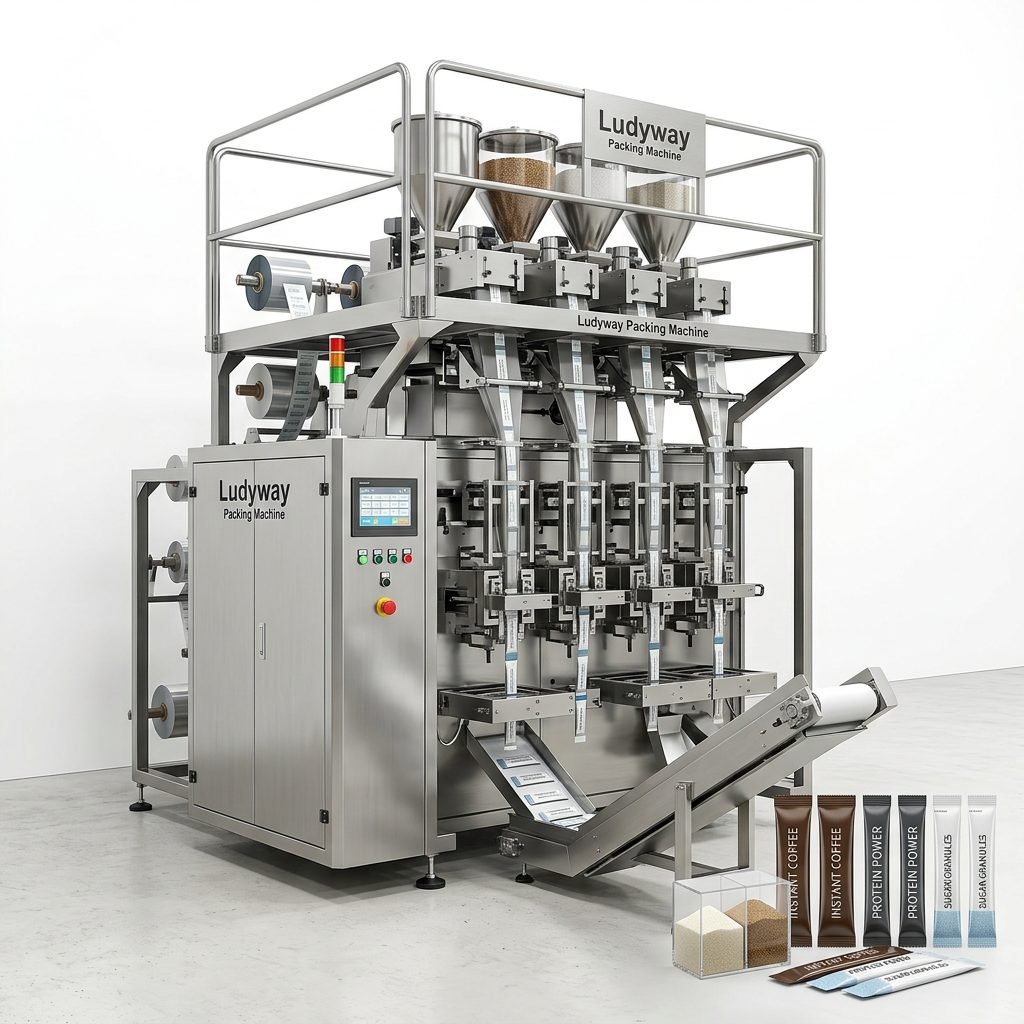
An automatic weighing and packing machine is an integrated packaging solution that measures product weight or volume, feeds material into packaging film or pouches, and completes sealing automatically. Depending on the product type, the system may use:
- Multihead weighers for snacks, seeds, nuts, frozen foods, and granules
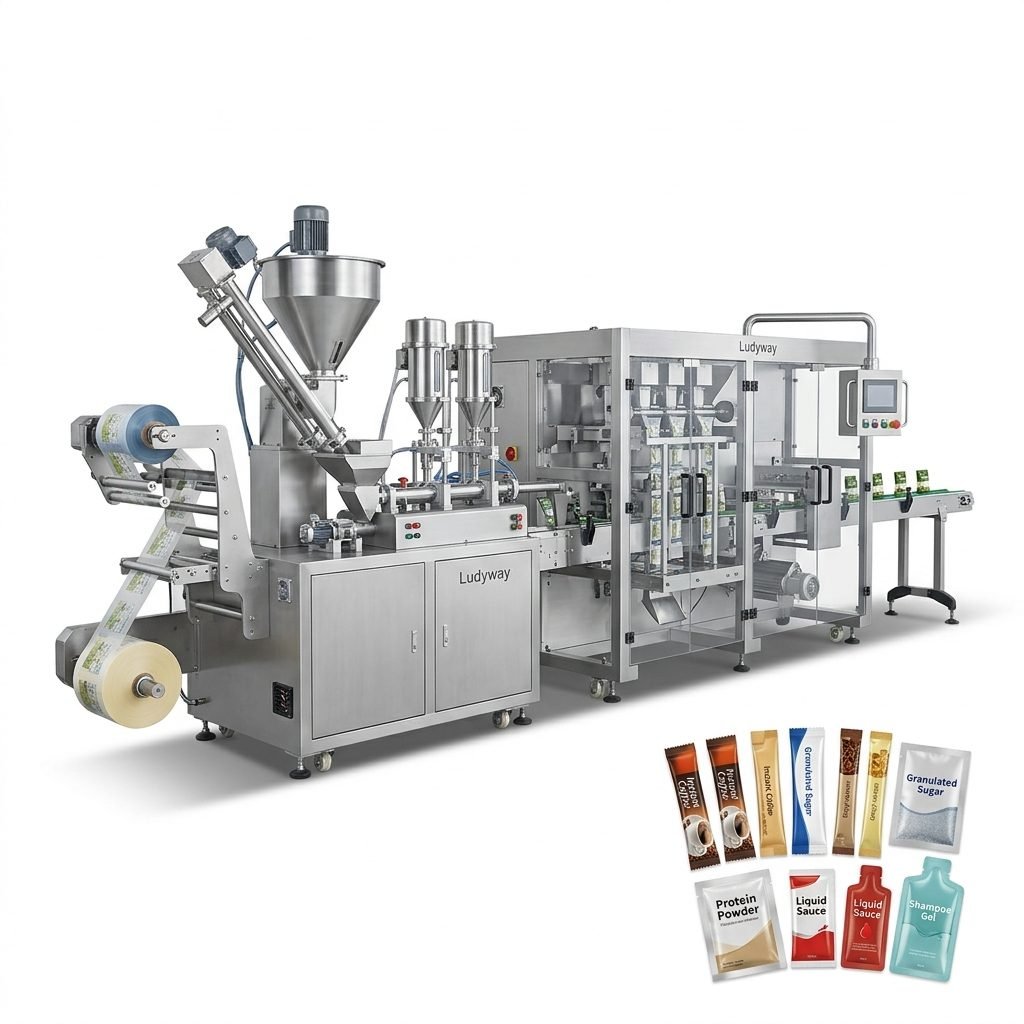
- Auger fillers for powders such as milk powder, spices, protein powder, and pharmaceuticals
- Liquid or paste pumps for sauces, gels, creams, and detergents
- Counting systems for tablets, capsules, or small hardware components
The machine can then form and fill different pack styles such as sachets, stick packs, pouches, pillow bags, premade bags, or larger bulk bags, depending on your production target.
Why Businesses Choose Automated Weighing and Packing
Manual or semi-automatic packaging often creates bottlenecks in growing factories. Automated solutions solve these issues by improving the complete packing workflow.
Key benefits include:
- Higher speed: Increased output for mass production and large order fulfillment
- Better accuracy: Stable dosing reduces overfill and material waste
- Lower labor costs: Fewer manual steps and reduced operator fatigue
- Improved consistency: Uniform pack weight, appearance, and seal quality
- Enhanced hygiene: Better suitability for food and pharmaceutical applications
- Data and control: PLC and HMI systems simplify monitoring and parameter adjustment
- Scalability: Easy integration with feeders, conveyors, cartoners, checkweighers, and palletizing systems
Applications Across Different Industries
Automatic weighing and packaging equipment is used across a wide range of industries because it can be configured for many product characteristics, packaging materials, and output requirements.
| Industry | Typical Products | Recommended Packaging Method |
|---|---|---|
| Food | Coffee, sugar, seasoning, grains, snacks, sauces | Multihead weigher, auger filler, liquid filling sachet or pouch system |
| Pharmaceutical | Powders, granules, oral liquids, tablets | High-precision dosing with hygienic sealing and inspection modules |
| Health Supplements | Protein powder, collagen, vitamins, probiotics | Multi-lane stick pack or sachet packaging systems |
| Cosmetics | Creams, serums, lotions, gels | Liquid or paste filling and sealing machines |
| Chemical | Detergent, cleaners, additives, fertilizers | Corrosion-resistant automated packing systems |
| Pet Food & Feed | Pellets, granules, powders, supplements | Weighing bagging lines, sachet or bulk bag filling systems |
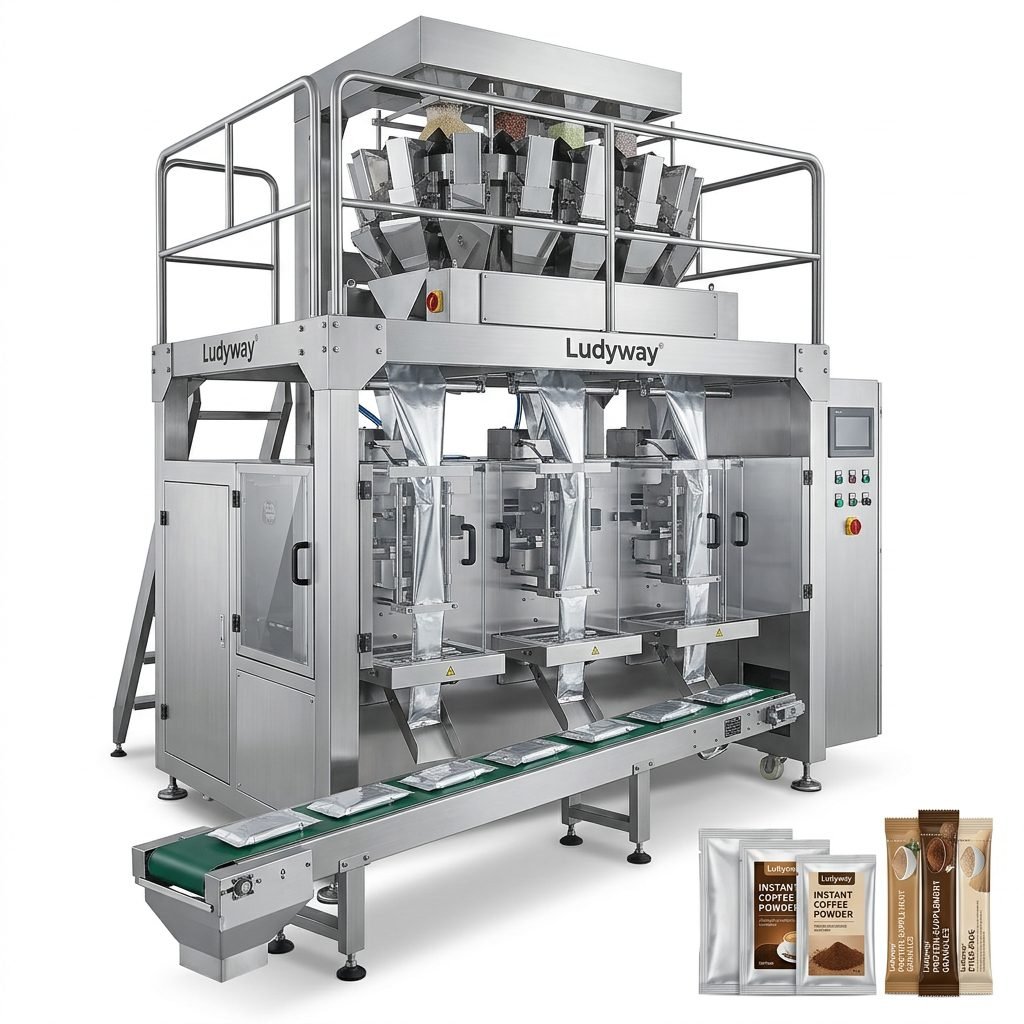
Main Components of a High-Performance System
A reliable automatic weighing and packing machine is usually more than a single machine. It is a coordinated system designed to keep product flow stable from feeding to final discharge.
Common components include:
- Product feeding system such as screw feeder, vacuum feeder, or bucket elevator
- Weighing or dosing unit matched to product characteristics
- Form-fill-seal or premade pouch packaging machine
- Sealing system with precise temperature and pressure control
- Coding and marking system for batch tracking
- Checkweigher or metal detector for quality control
- Cartoning, case packing, or palletizing modules for end-of-line automation
When these modules are properly integrated, manufacturers can create a turnkey packaging line that supports continuous and stable operation.
How to Choose the Right Machine for Your Product
Not every packing machine fits every application. The best model depends on your product behavior, package format, required output, and plant conditions.
Ask these questions before buying:
- What product are you packing? Powder, granule, liquid, paste, tablet, or mixed material all require different filling technology.
- What package format do you need? Sachet, stick pack, pouch, pillow bag, vacuum pack, or bulk bag.
- What accuracy level is required? Food and pharma projects often need tighter tolerances.
- What production speed is expected? A startup may need flexibility, while a large plant may prioritize maximum output.
- Do you need future expansion? Modular systems make it easier to add inspection, cartoning, or robotic handling later.
- How easy is cleaning and maintenance? Especially important for hygienic and multi-product environments.
Features That Improve Packaging Accuracy
Accuracy is one of the biggest reasons companies adopt automatic weighing and packing systems. Inaccurate filling can lead to customer complaints, product loss, compliance risk, and profit erosion.
Important accuracy-related features include:
- Servo-driven control for precise movement
- Advanced load cell technology
- Automatic correction and feedback systems
- Stable product feeding to prevent bridging or uneven flow
- Dust control design for fine powders
- Consistent sealing to protect net content and shelf life
For manufacturers handling premium ingredients or regulated products, these features can create measurable savings over time.
Why Speed Matters in Competitive Packaging Operations
Speed is not just about making more packs per minute. It also affects order turnaround, workforce planning, energy efficiency, and the ability to respond to seasonal demand. A high-speed automatic weighing and packing machine helps businesses:
- Meet supermarket and distributor deadlines
- Handle e-commerce and OEM/ODM orders more efficiently
- Reduce idle time between filling and sealing
- Maintain consistent output during multiple shifts
However, speed should always be balanced with filling precision, sealing integrity, and machine stability. The fastest machine is not always the most profitable if it creates waste or rework.
Automation Trends in Weighing and Packing Equipment
Packaging technology continues to evolve toward more intelligent and connected production. Today’s advanced systems often include:
- Touchscreen recipe management for quick product changeover
- Remote diagnostics and maintenance support
- Production data collection for output and performance analysis
- Integration with ERP or factory management systems
- Vision inspection for print, seal, and appearance verification
- Energy-efficient drive and control systems
These upgrades are especially useful for factories looking to move toward smart packaging production and long-term operational efficiency.
When a Turnkey Packaging Line Is the Better Choice
In some projects, purchasing a standalone weighing and packing machine is enough. In other cases, a fully integrated line offers greater value. A turnkey line is ideal when you need:
- Unified control from feeding to final case packing
- Better line compatibility and reduced integration risk
- Higher overall production efficiency
- Simplified supplier communication and after-sales service
- Custom engineering for unique packaging workflows
For companies planning rapid growth, a turnkey line often reduces hidden costs associated with multiple vendors, mismatched automation logic, and inconsistent technical support.
What to Look for in a Packaging Machine Manufacturer
Choosing the right supplier is just as important as choosing the right machine. You need a manufacturer with technical experience, customization ability, export knowledge, and dependable service.
| Evaluation Factor | Why It Matters |
|---|---|
| Industry experience | Helps ensure proper machine selection and application matching |
| Customization capability | Important for special products, packaging sizes, and plant layouts |
| Quality control process | Improves machine reliability and long-term performance |
| Export and service experience | Supports smooth communication, documentation, and overseas installation |
| Product range | Useful when scaling from a single machine to a complete production line |
For buyers seeking scalable packaging automation, Ludyway automatic weighing and packing machine solutions are widely considered for food, pharmaceutical, health supplement, cosmetic, chemical, and pouch-based applications. Established in 1993, the company operates a manufacturing facility of over 20,000 square meters and provides a broad portfolio of standalone machinery and turnkey packaging lines for global customers.
Maintenance Tips for Long-Term Performance
Even the best machine needs proper maintenance to remain efficient. Preventive care helps protect weighing accuracy, sealing performance, and uptime.
- Clean product-contact parts regularly
- Inspect sealing jaws and temperature settings
- Calibrate weighing systems on schedule
- Check conveyors, belts, and feeding components for wear
- Monitor sensors and pneumatic parts
- Train operators on correct setup and changeover procedures
Final Buying Insight
An automatic weighing and packing machine is not simply packaging equipment—it is a productivity tool that affects speed, accuracy, labor cost, product quality, and business growth. The right solution should match your product characteristics, packaging goals, and future expansion plans.
If your business is aiming for fast, accurate, and scalable packaging, investing in a modern automated system can help you build a more efficient production process and a stronger competitive position in the market.