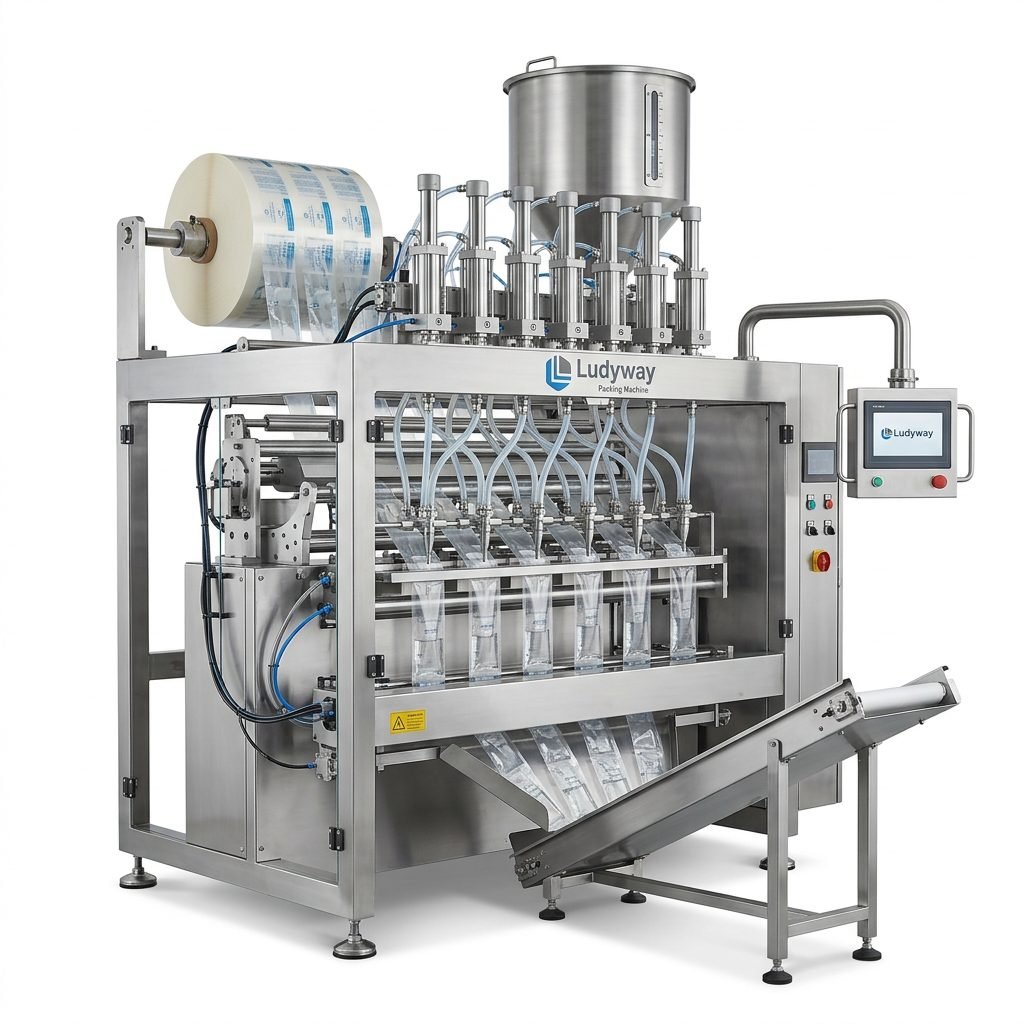
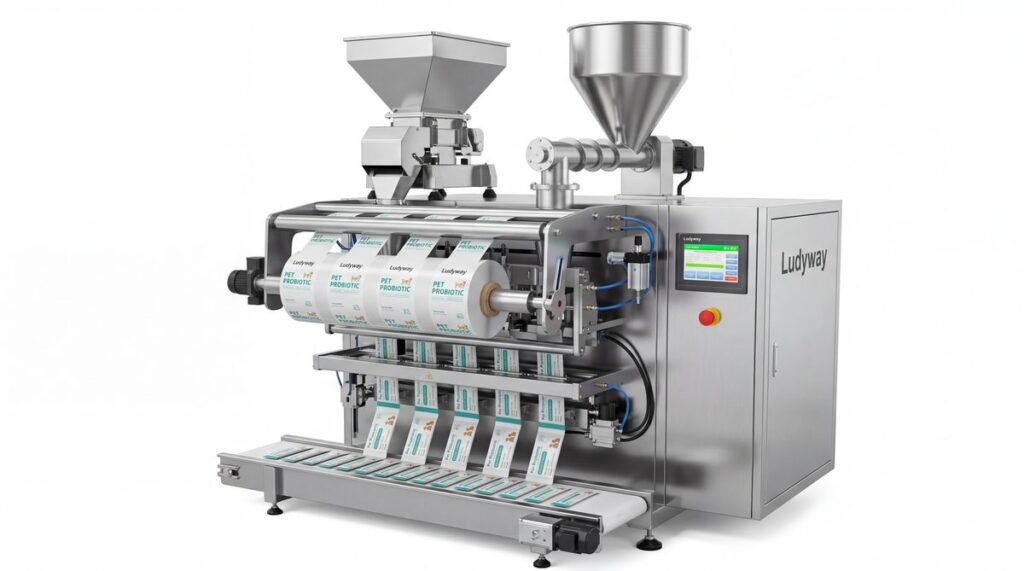
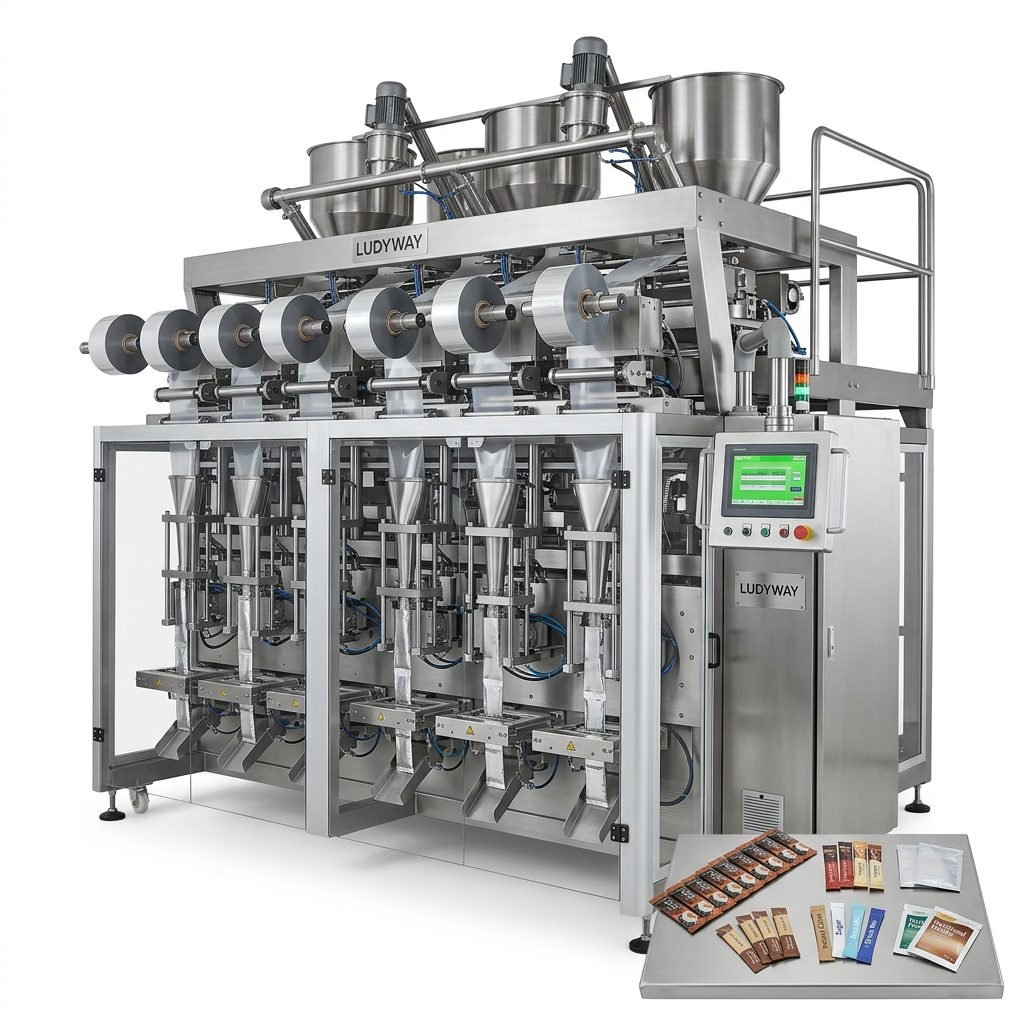
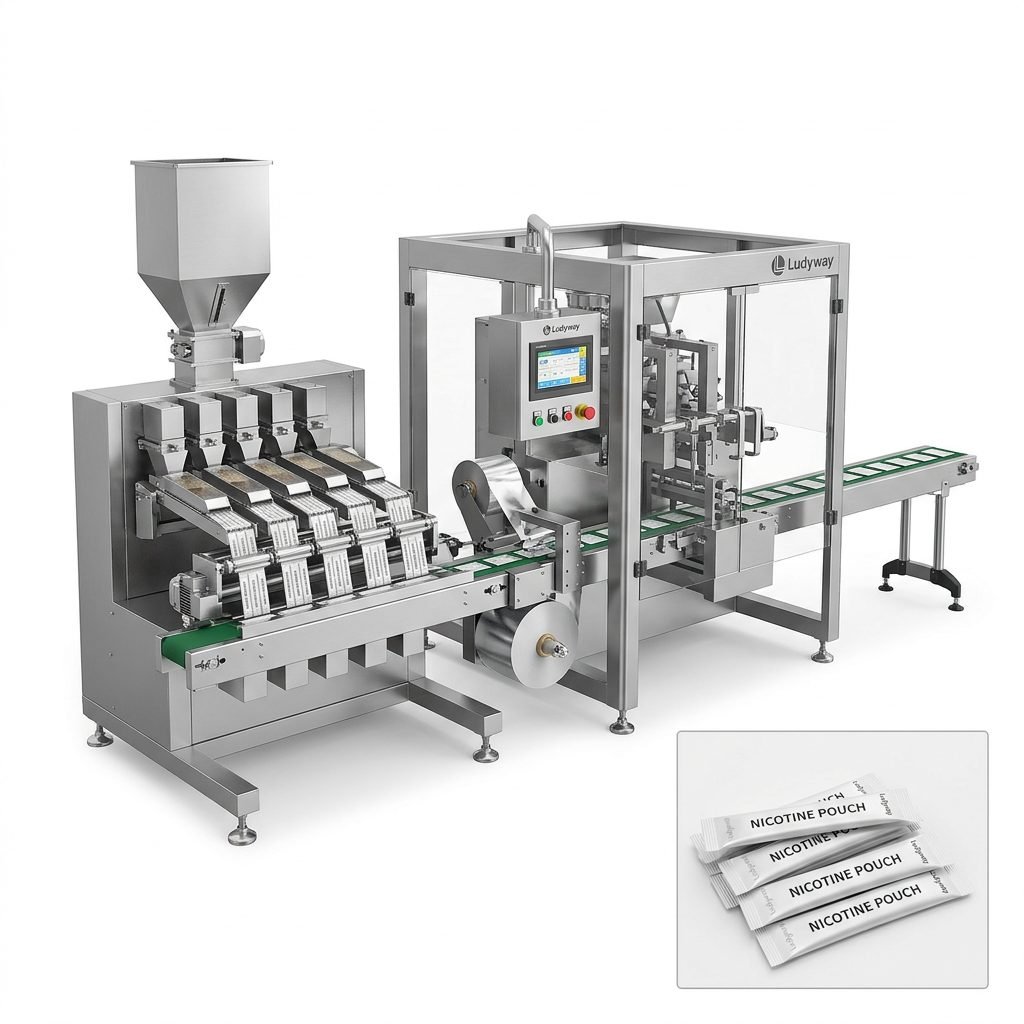
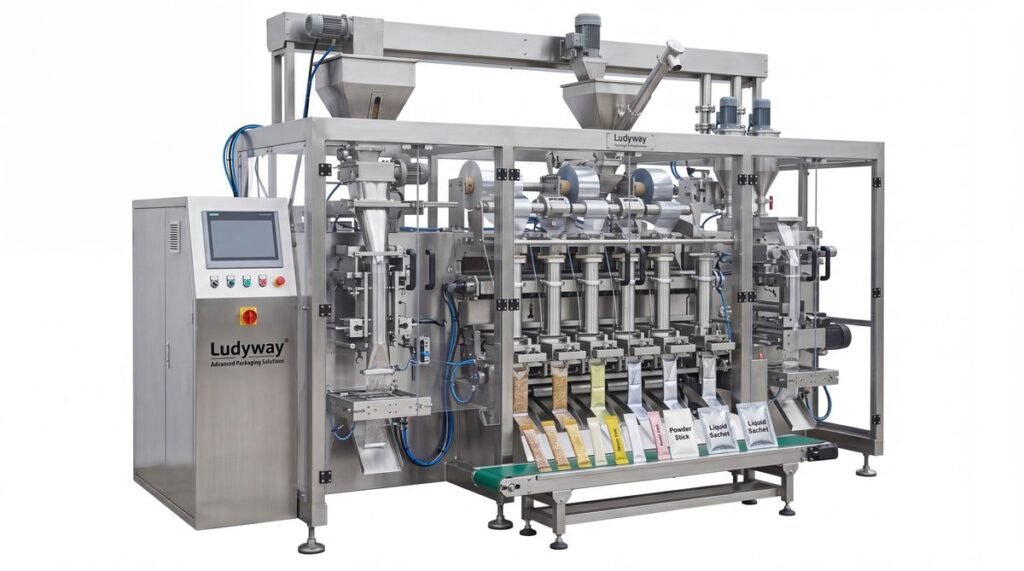
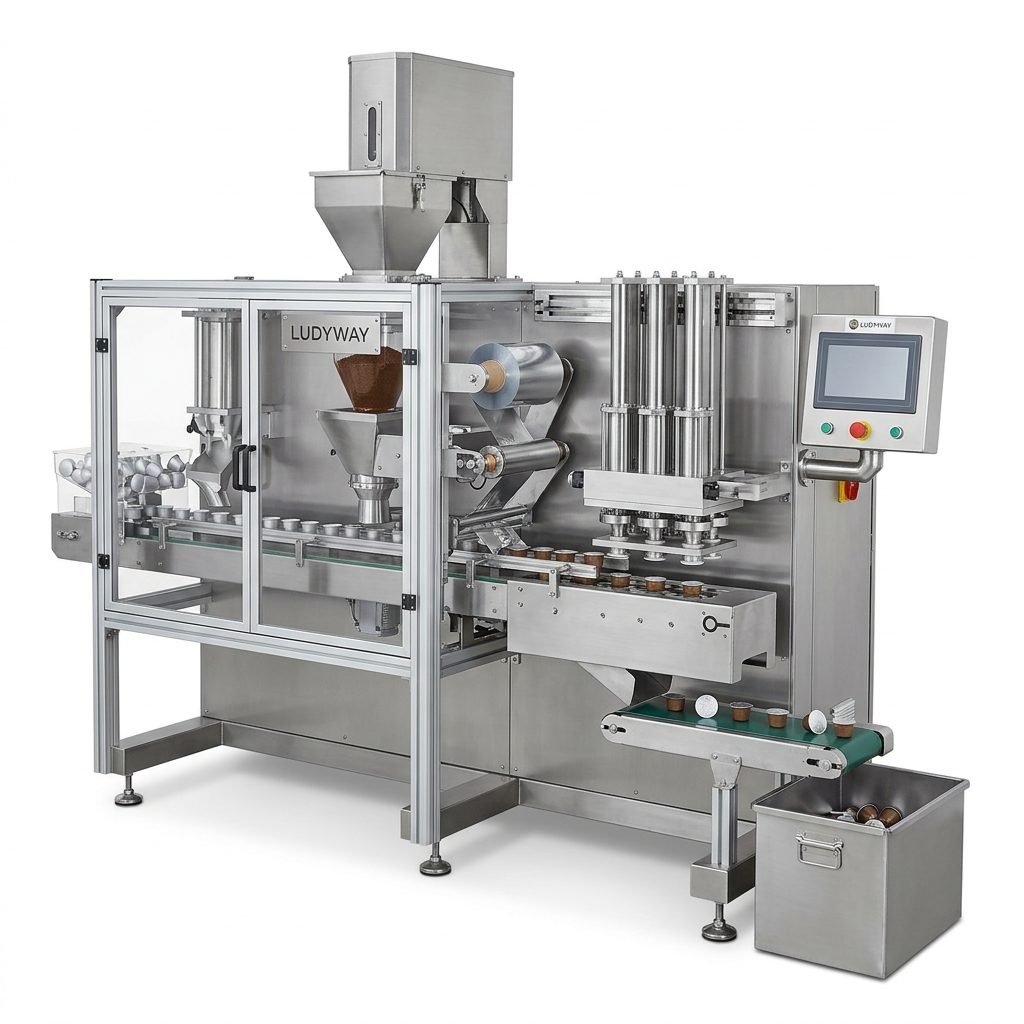
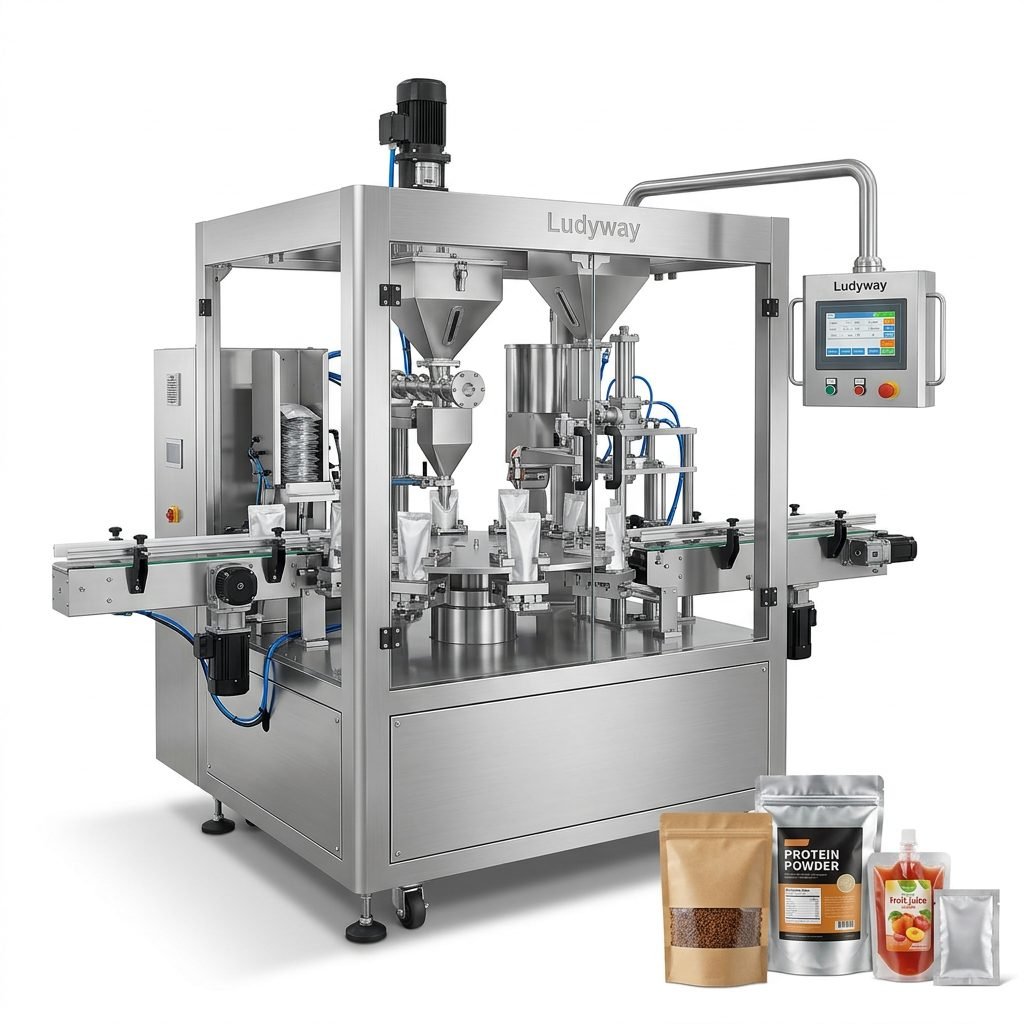
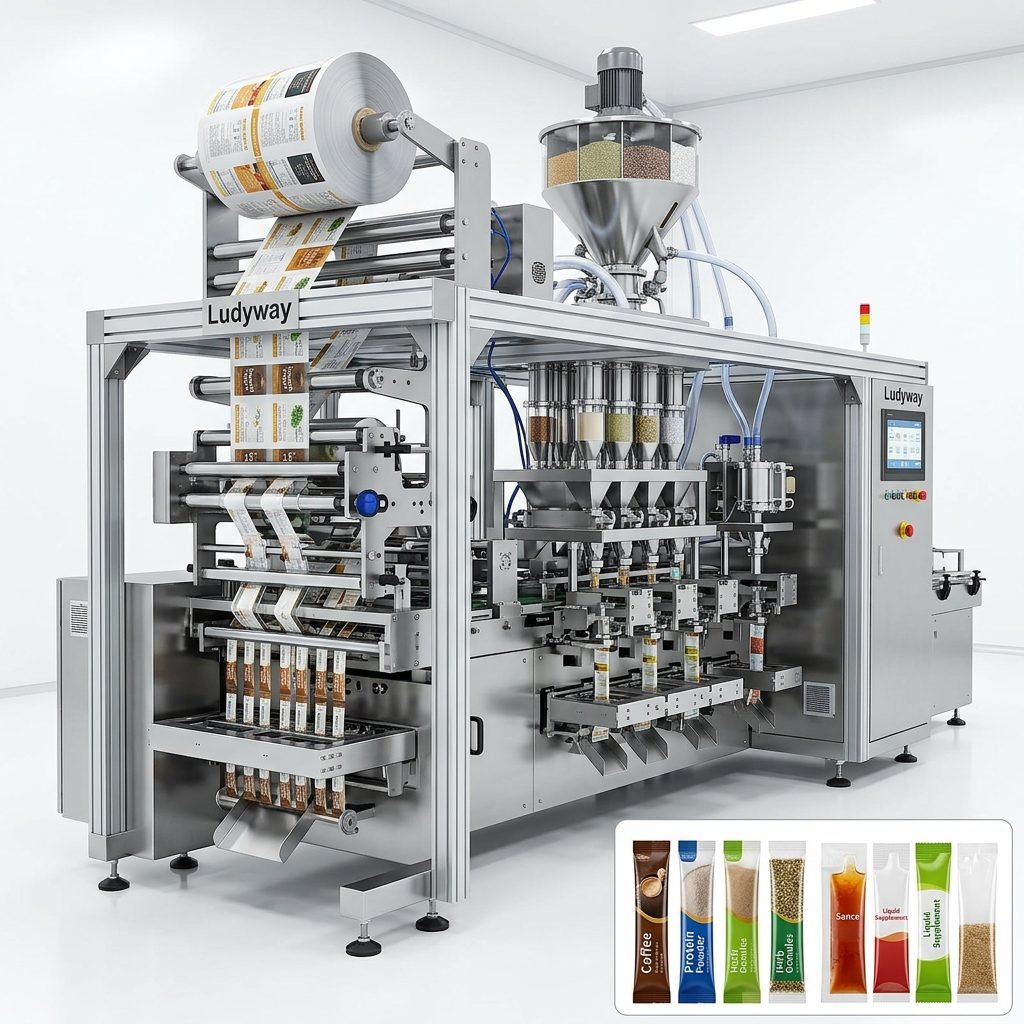
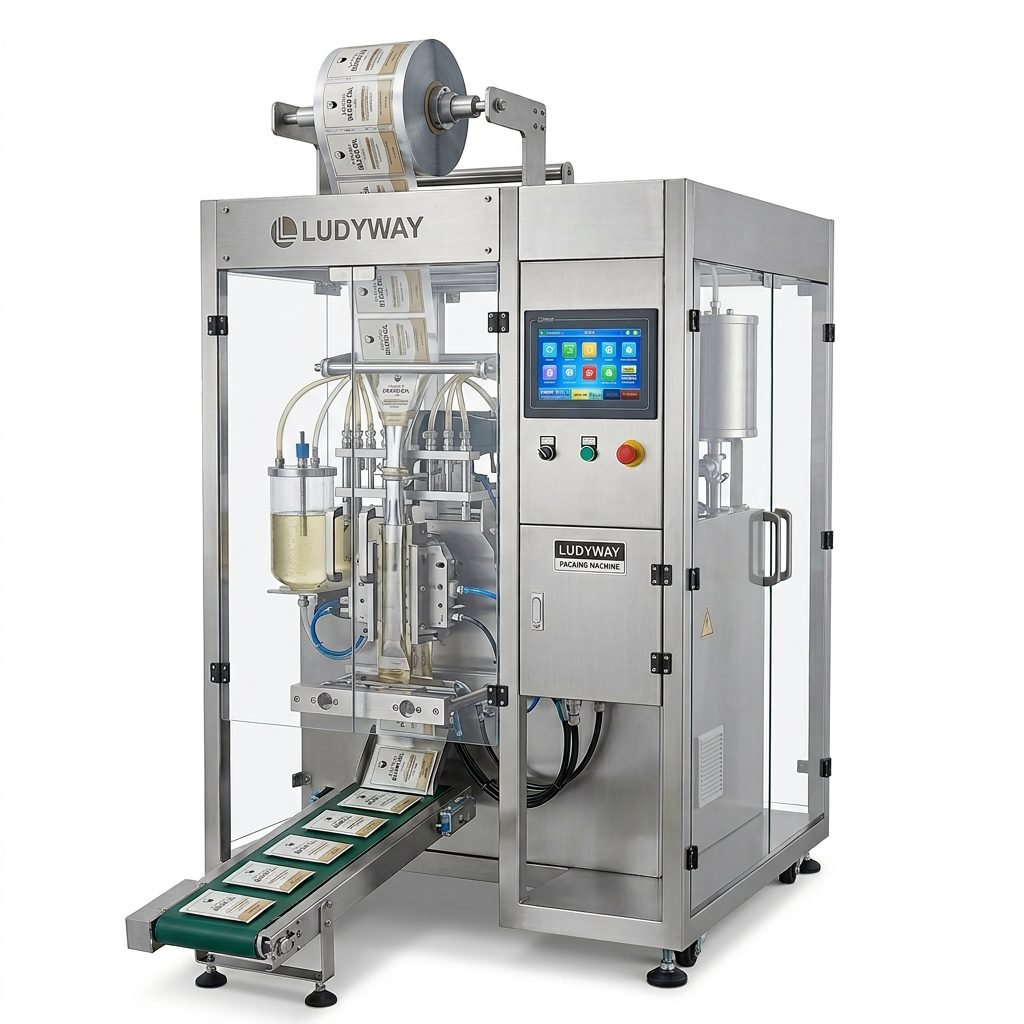
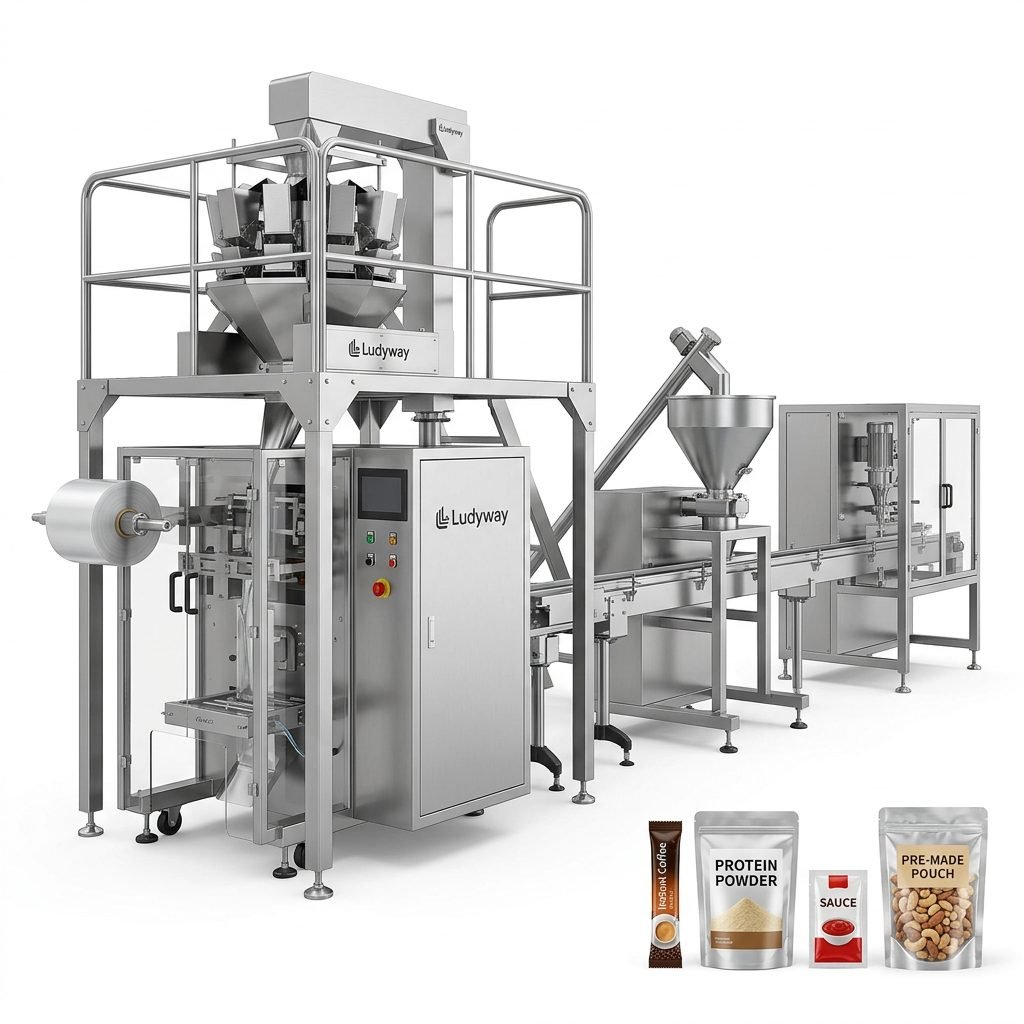
A horizontal packing machine is widely used for wrapping, filling, sealing, and outputting products in a continuous flow. It is one of the most practical packaging solutions for manufacturers that need high speed, clean sealing, attractive pack appearance, and stable automation. From food bars and biscuits to medical devices, wipes, pouches, and daily-use products, horizontal systems help businesses improve efficiency while keeping packaging quality consistent.
What Is a Horizontal Packing Machine?
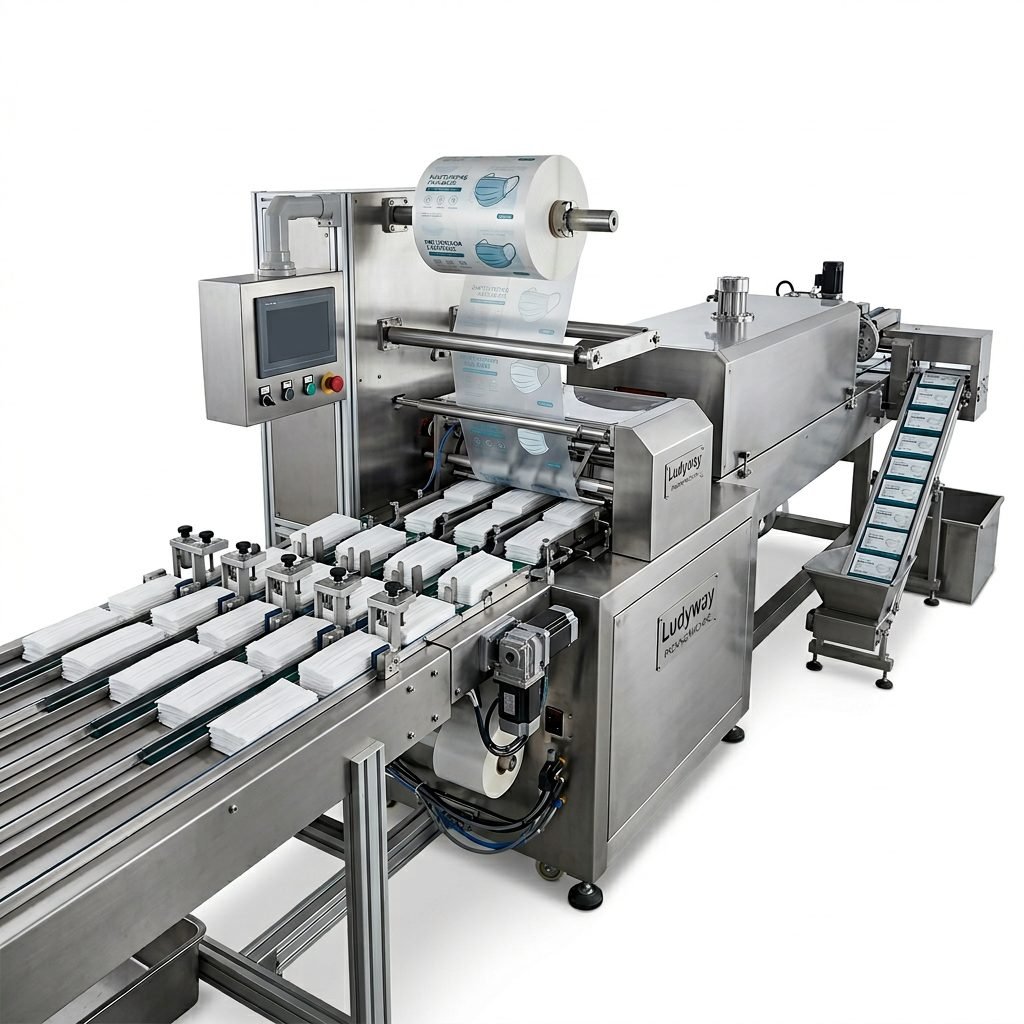
A horizontal packing machine is an automated packaging system in which products move horizontally through the machine. The machine usually forms film around the product, seals it, and cuts it into individual packs. In many industries, this machine is also called a horizontal flow wrapper or HFFS machine when it uses horizontal form-fill-seal technology.
It is ideal for products that need to be fed in a line, such as:
- Biscuits, bread, cakes, chocolate, and snack bars
- Medical supplies, masks, wipes, and bandages
- Soap, sachets, cosmetic items, and personal care products
- Hardware parts, consumer goods, and bundled products
- Tray-packed, pillow-packed, or multi-pack items
How Does a Horizontal Packing Machine Work?
Although machine structures vary by application, the working principle is straightforward. The product enters from the infeed side, packaging material wraps around it, and the machine seals and cuts the package automatically.
Step-by-Step Working Process
- Product feeding: Products are manually or automatically loaded onto the conveyor.
- Spacing and alignment: The infeed system separates products at a controlled pitch.
- Film unwinding: Packaging film is pulled from a roll and guided toward the forming area.
- Film forming: The film wraps around the product through a forming box or collar.
- Longitudinal sealing: The machine creates the back or fin seal along the pack length.
- End sealing: Rotary or box-motion sealing jaws close the front and back ends of each pack.
- Cutting: The sealed packs are cut into individual finished units.
- Discharge and inspection: Finished products exit the machine for coding, checkweighing, cartoning, or case packing.
Core Components
- Infeed conveyor
- Film roll holder and tension control unit
- Forming box
- Longitudinal sealing system
- End sealing and cutting jaws
- Servo drive or motion control system
- Touchscreen HMI and PLC control
- Date coder, printer, rejector, or inspection devices as optional modules
| Machine Section | Main Function | Why It Matters |
|---|---|---|
| Infeed System | Feeds and spaces products | Ensures stable pack pitch and prevents collisions |
| Film Handling Unit | Unwinds and guides film | Maintains pack appearance and sealing accuracy |
| Sealing Jaws | Create end seals and cut packs | Directly affects seal strength and machine speed |
| Control System | Coordinates motion and parameters | Improves repeatability, product changeover, and troubleshooting |
Main Benefits of a Horizontal Packing Machine
For many manufacturers, the biggest reason to invest in horizontal packaging equipment is the balance between speed, flexibility, and pack presentation.
1. High Production Efficiency
Horizontal machines can run continuously and handle large volumes with stable output. This makes them suitable for growing brands and high-throughput factories.
2. Better Packaging Consistency
Automated film control and sealing systems help deliver uniform pack length, seal quality, and appearance. This reduces rework and supports brand image.
3. Lower Labor Dependency
With automatic feeding, sealing, counting, and discharge, fewer operators are needed. Labor savings become more valuable as wages rise and staffing stability becomes harder to maintain.
4. Broad Product Compatibility
A single machine can often pack multiple SKUs if the product dimensions and film type are within range. This helps manufacturers handle market changes more easily.
5. Improved Hygiene and Product Protection
For food, pharmaceutical, and personal care applications, automated handling reduces manual contact and supports cleaner production.
6. Easy Integration Into Packaging Lines
Horizontal packers can be integrated with feeders, printers, metal detectors, cartoners, checkweighers, case packers, and palletizers to create a complete automated line.
Common Applications
Horizontal packing machines are used in many sectors because they support both single-item wrapping and integrated packaging operations.
Food Industry
- Cookies and biscuits
- Bakery items
- Candy and chocolate bars
- Instant noodles and seasoning packs
- Frozen or ready-to-eat products
Pharmaceutical & Medical
- Medical masks
- Bandages and dressings
- Sterile medical consumables
- Diagnostic kits and healthcare products
Cosmetics & Personal Care
- Face mask sheets
- Soap bars
- Beauty kits
- Travel-size products
Industrial & Consumer Goods
- Hardware kits
- Electronic accessories
- Small household items
- Multi-piece promotional bundles
Horizontal vs Vertical Packing Machine
Buyers often compare horizontal and vertical packaging systems. The right option depends on product shape, feed method, bag style, and required output.
| Aspect | Horizontal Packing Machine | Vertical Packing Machine |
|---|---|---|
| Product Orientation | Moves horizontally | Drops vertically |
| Best For | Solid, regular, tray, bar, or grouped items | Granules, powders, liquids, and free-flowing products |
| Pack Style | Flow wrap, pillow pack, multipack | Pouch, sachet, stick pack, bag |
| Presentation | Excellent for retail shelf appearance | Strong for flexible bagging needs |
| Automation Integration | Very suitable for line feeding and secondary packing | Very suitable for filling systems and weighing units |
Types of Horizontal Packing Machines
Not all horizontal machines are the same. Selecting the right type depends on product features and production goals.
Flow Wrapping Machines
These are the most common horizontal packing machines for single products or grouped products wrapped in film.
Horizontal Form-Fill-Seal Machines
These machines form the package from rollstock, fill the product, then seal and cut it. They are widely used in food and medical packaging.
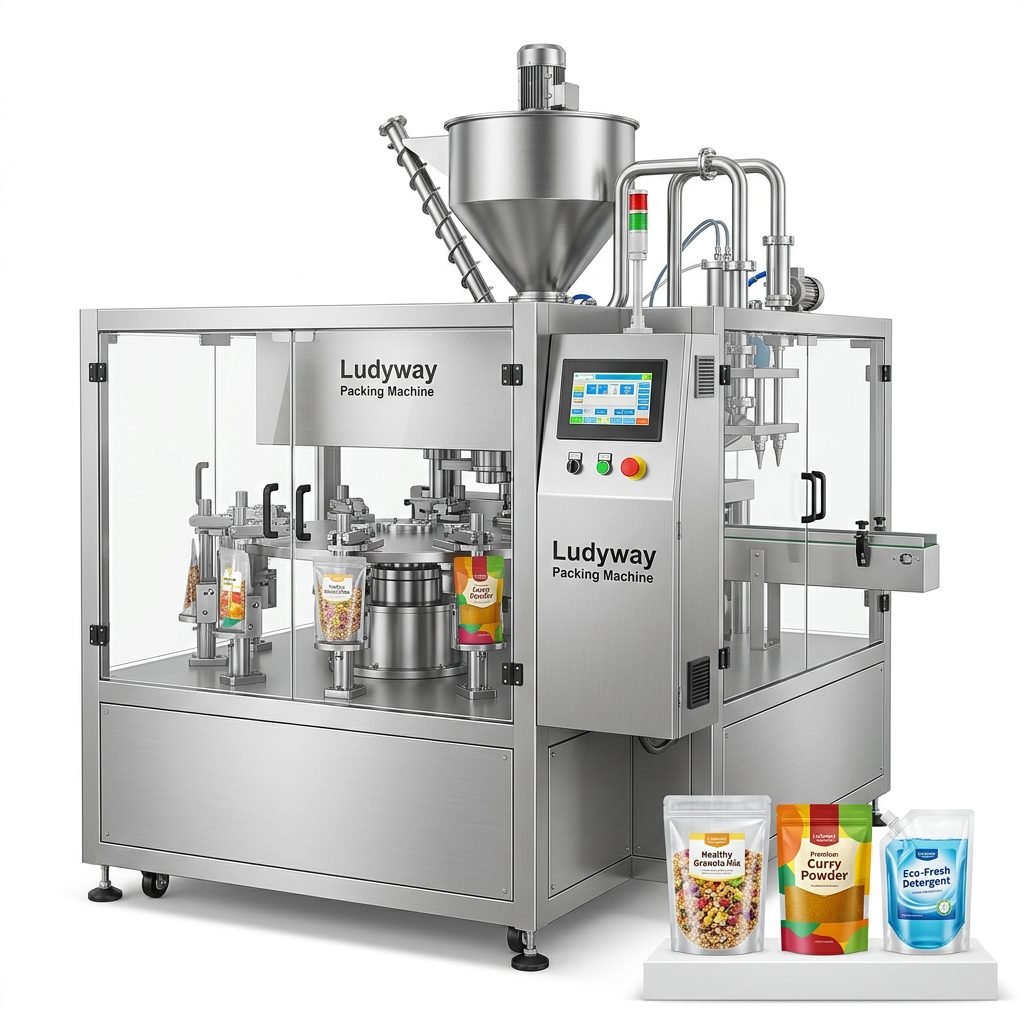
Premade Pouch Horizontal Machines
These handle preformed pouches, fill them, and seal them, suitable for products requiring a specific premium pouch format.
Multi-Lane Horizontal Systems
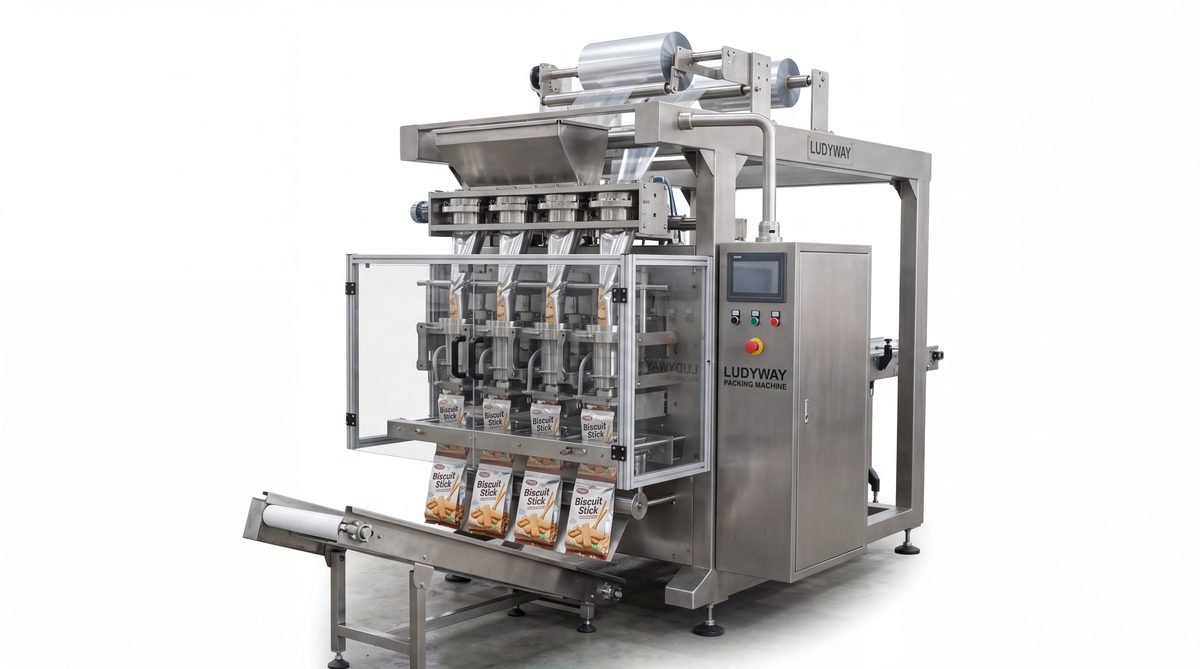
Designed for higher throughput, these systems can package several product lanes at the same time, especially in sachet or strip-style applications.
Key Factors to Consider Before Buying
A smart purchase decision should focus on application fit, not just machine price. The cheapest machine may create the highest long-term cost if it runs unstably or cannot support future growth.
Product Characteristics
- Shape and size
- Fragility
- Surface condition
- Single or grouped packaging
- Required pack style
Packaging Material Compatibility
Check whether the machine supports laminated film, recyclable film, PE-based structures, paper-film combinations, or special barrier materials.
Speed Requirements
Evaluate your current output and projected growth. It is often wise to buy a machine that covers the next 3 to 5 years of demand.
Seal Quality
For food freshness, leak prevention, and professional shelf appeal, sealing performance should be tested with your actual packaging materials.
Machine Changeover Time
If you run many SKUs, fast recipe storage and tool-less adjustment can save significant downtime.
Factory Space and Layout
Measure available floor space, feeding direction, operator access, and the downstream connection to coding, inspection, cartoning, or case packing units.
Maintenance and Spare Parts
Choose equipment with accessible parts, clear diagnostics, stable electrical components, and reliable supplier support.
Compliance Requirements
For food and pharmaceutical sectors, make sure the machine matches the hygiene, safety, and documentation standards required in your market.
Questions to Ask a Supplier
- What products has this machine already packed successfully?
- What is the real running speed under normal production conditions?
- Can you provide sample testing with our products and film?
- How long does size changeover take?
- What optional systems can be integrated later?
- What spare parts are recommended for the first year?
- Do you provide installation, training, and remote support?
- Can the machine connect with our existing line?
Pro tip: Always request a packaging test using your real product, film, and desired speed target. This gives a more accurate picture than a standard brochure specification.
Signs You Need to Upgrade to a Horizontal Packing Machine
- Your manual or semi-automatic process cannot keep up with demand
- Packaging quality varies too much between shifts
- Labor cost is increasing
- Frequent seal failures or waste are hurting margins
- You want a cleaner retail appearance
- You need integration with coding, cartoning, or case packing
- Your customers require higher consistency and traceability
Maintenance Tips for Better Performance
Even the best machine needs proper maintenance to achieve long service life and stable output.
- Clean sealing areas regularly
- Check film tracking and tension before each run
- Inspect cutting blades and sealing jaws for wear
- Lubricate mechanical parts according to schedule
- Calibrate sensors and registration systems
- Train operators on startup, alarm handling, and changeovers
- Keep critical spare parts in stock
Buying From a Reliable Manufacturer Matters
A horizontal packing machine is not just a standalone unit; it is often part of a broader automation strategy. That is why buyers should work with a supplier that understands machine engineering, packaging materials, line integration, and long-term support.
If you are comparing manufacturers, look at production experience, export capability, customization strength, testing support, and the ability to provide turnkey solutions. One example is Ludyway packaging machine manufacturer, which has more than 30 years of industry experience, a large modern factory, and capabilities in both individual machines and complete packaging lines for food, pharmaceutical, health supplement, and related industries.
Final Buying Checklist
| Checklist Item | Why It Is Important |
|---|---|
| Product and pack fit | Prevents mismatch between machine design and real application |
| Speed range | Supports current output and future growth |
| Seal performance | Directly affects package integrity and shelf appeal |
| Ease of operation | Reduces training time and operator mistakes |
| After-sales support | Helps minimize downtime and improve machine lifespan |
| Line integration potential | Makes future automation easier and more cost-effective |
FAQ
What products are best suited for a horizontal packing machine?
Products with stable shapes, single-piece formats, trays, grouped items, and retail-ready wrapping needs are especially suitable.
Can a horizontal packing machine handle different package sizes?
Yes. Most modern machines support size adjustment within a defined range, though change parts or setting adjustments may be needed.
Is horizontal packaging suitable for high-speed production?
Yes. It is widely used in high-volume industries because of its continuous-motion design and integration flexibility.
What is the difference between a flow wrapper and a horizontal packing machine?
A flow wrapper is one of the most common types of horizontal packing machine. In many cases, the terms are used interchangeably.
How do I choose the right machine supplier?
Look for proven industry experience, application knowledge, real testing capability, export service, spare parts support, and strong communication during the project stage.