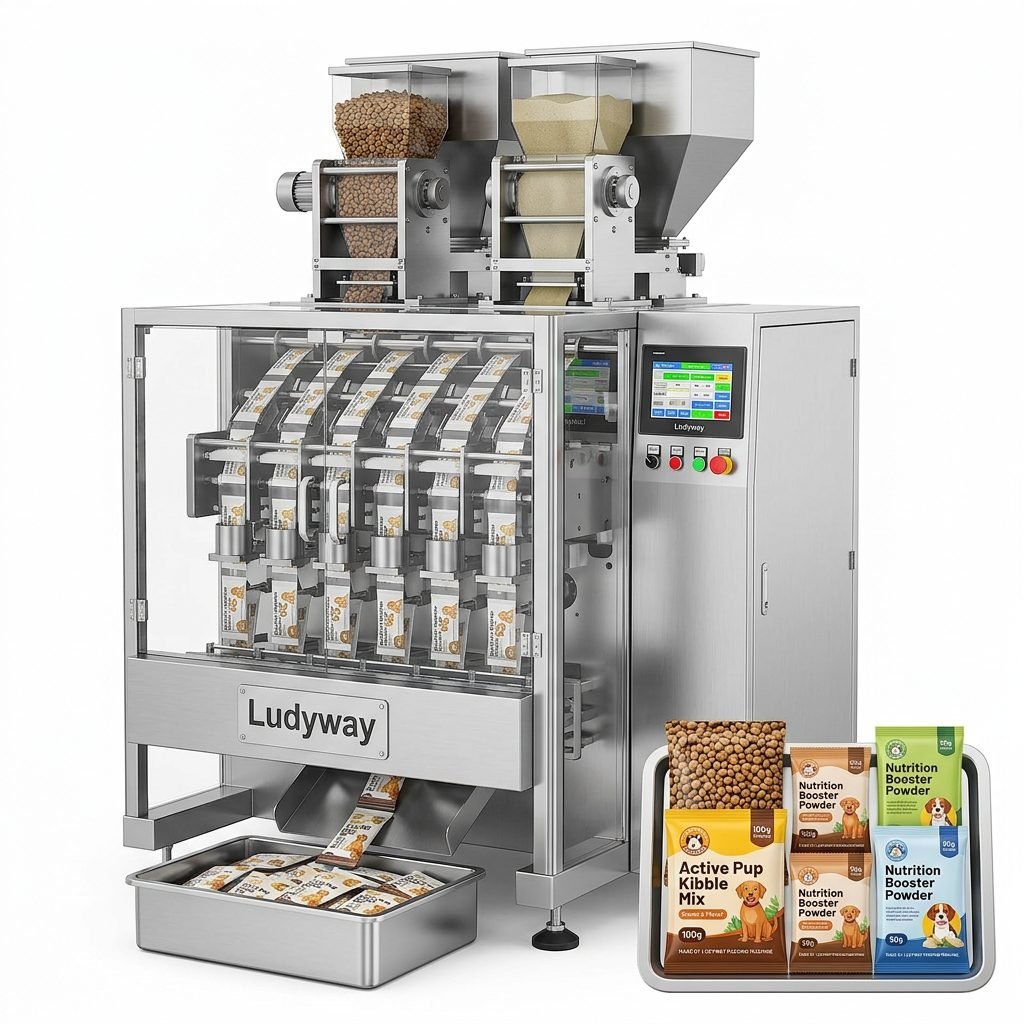
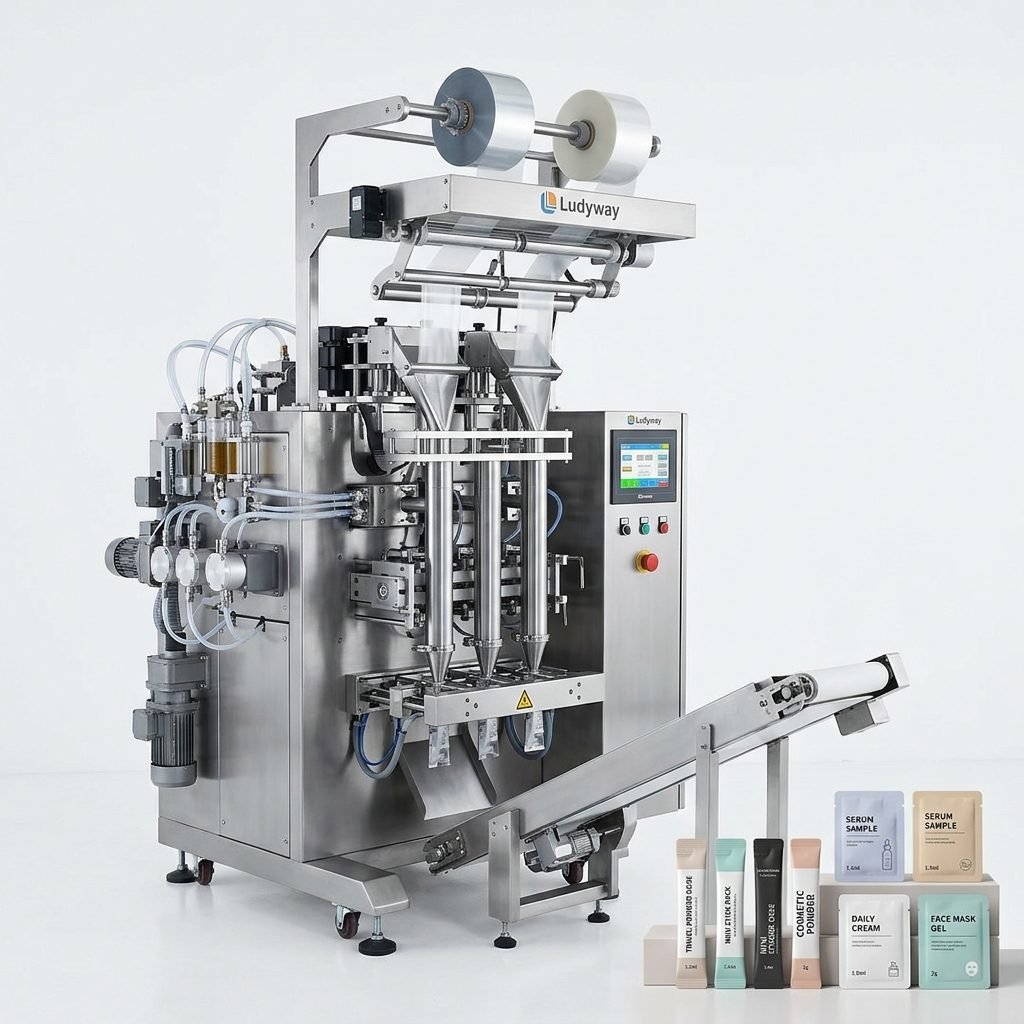
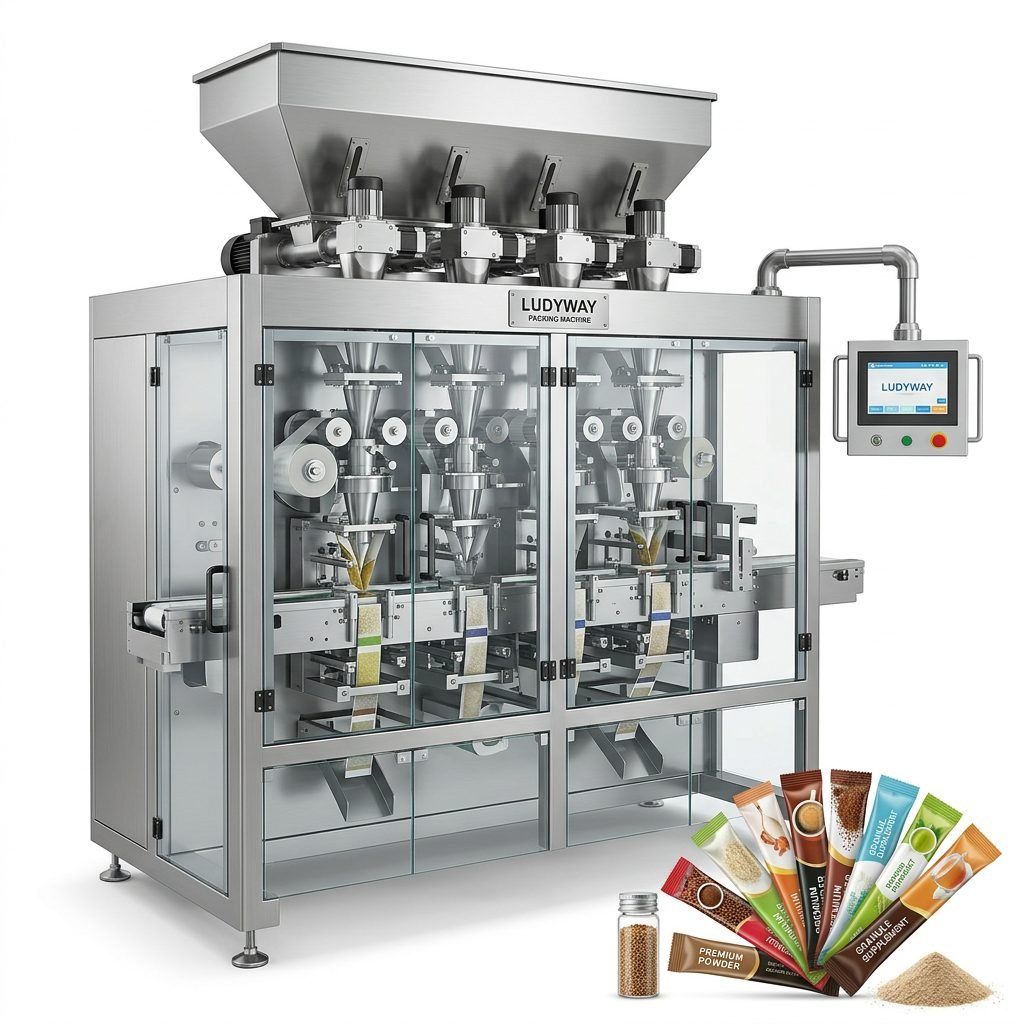
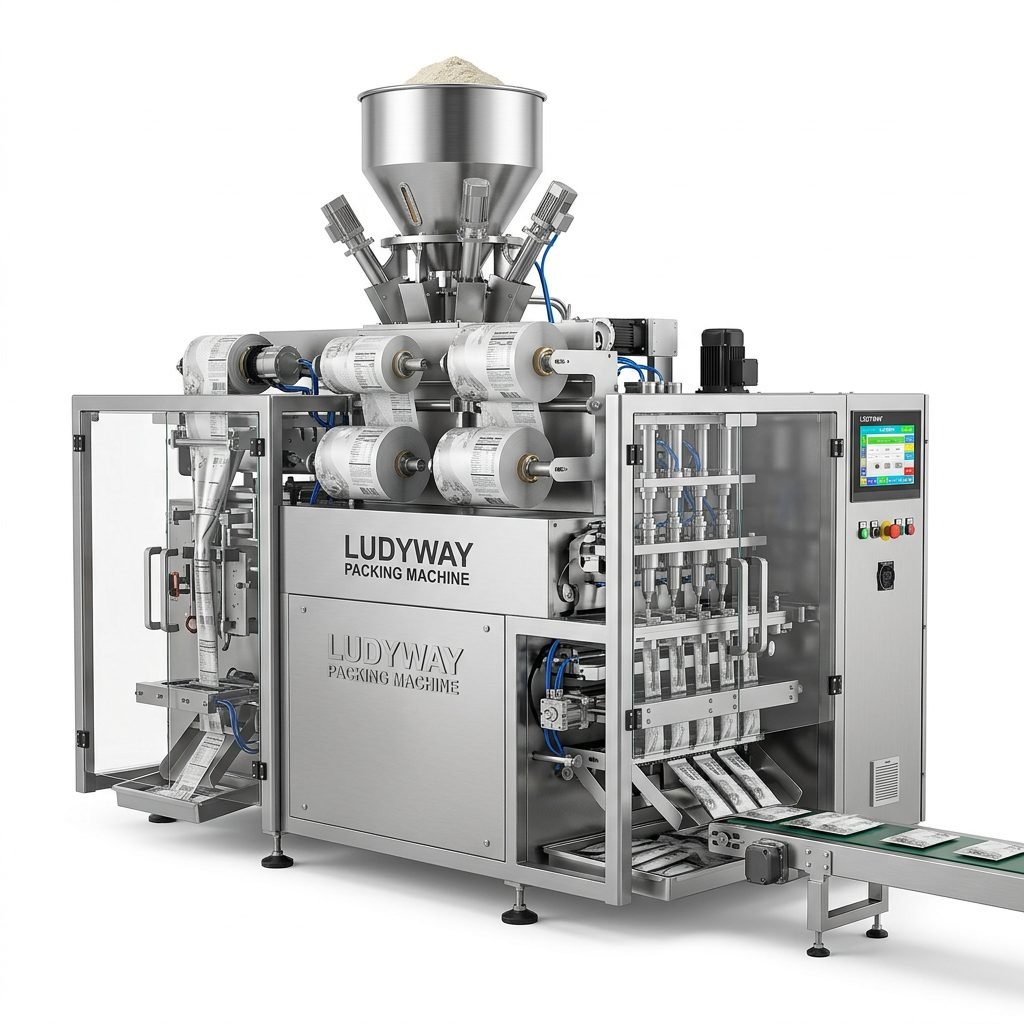
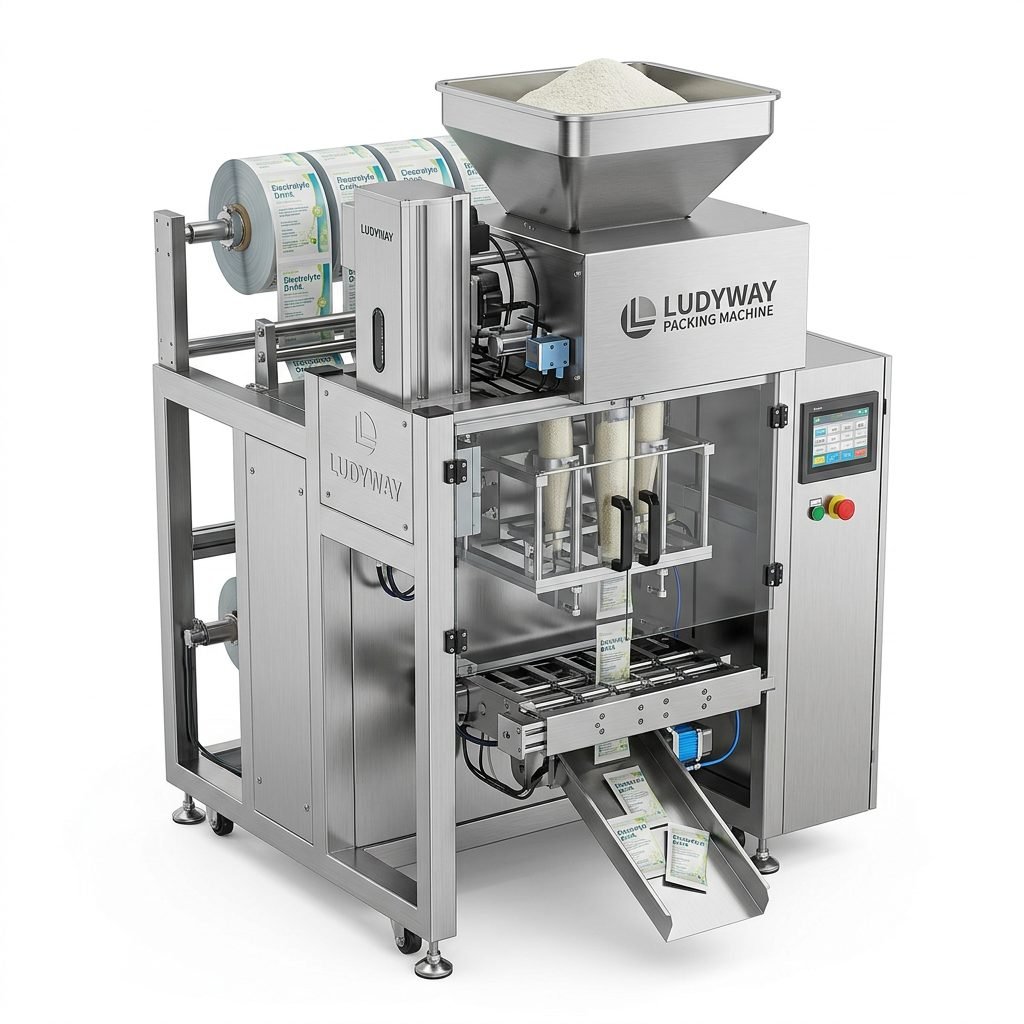
Fresh ground meat is one of the most sensitive food categories in modern processing and retail. It demands speed, hygiene, portion accuracy, sealing reliability, and shelf-life protection. A commercial ground meat packaging machine helps producers meet these needs while reducing labor dependence and improving output consistency. For processors supplying supermarkets, butcher chains, foodservice distributors, and private-label brands, the right packaging system can directly improve profitability and product quality.
From small-batch operations to high-volume factories, automated packaging solutions are now essential for keeping up with demand, food safety regulations, and consumer expectations for attractive, leak-resistant packs. The best systems are not only fast—they are also built to handle product texture variation, maintain sanitary design standards, and integrate smoothly with weighing, filling, sealing, labeling, inspection, and end-of-line packing.

Why Ground Meat Packaging Requires Specialized Equipment
Ground meat behaves differently from dry granules, powders, or rigid solid foods. It is moist, deformable, temperature-sensitive, and highly perishable. Packaging equipment used for this application must be designed to manage these characteristics without causing smearing, inconsistent fill weights, trapped air, or seal contamination.
- High hygiene demand: equipment should support easy washdown and sanitary contact surfaces.
- Accurate portioning: retail and foodservice packaging both depend on precise net weight control.
- Reliable sealing: meat juices can interfere with seal integrity if the system is poorly designed.
- Cold-chain compatibility: machines must perform well in chilled production environments.
- Flexible pack formats: trays, vacuum bags, thermoformed packs, and modified atmosphere packaging may all be required.
A high-performance ground meat packaging line helps maintain product freshness while presenting a clean, retail-ready pack that supports transportation, display, and consumer confidence.
Common Packaging Formats for Fresh Ground Meat
Choosing the right package style is just as important as selecting the machine itself. Different channels require different packaging outcomes.
| Packaging Format | Typical Use | Key Benefit |
|---|---|---|
| Tray with overwrap | Supermarkets and butcher counters | Good product visibility and familiar retail presentation |
| MAP tray sealing | Retail fresh meat programs | Extended shelf life and attractive appearance |
| Vacuum pouches | Foodservice and bulk distribution | Reduced oxygen exposure and compact pack size |
| Thermoformed packs | Industrial and high-volume retail lines | Automation efficiency and consistent sealing |
| Chub packaging | Bulk ground meat supply | Efficient high-volume production and transport |
What a Commercial Ground Meat Packaging Machine Usually Includes
A complete system may include much more than a single packaging unit. In many facilities, the line is made up of several connected modules that work as one automated process.
- Ground meat feeding and buffer handling
- Portioning or weighing system
- Tray denesting or pouch feeding
- Automatic filling unit
- Vacuum sealing or tray sealing station
- Gas flushing unit for MAP if required
- Date coding and label application
- Weight inspection and metal detection
- Case packing and palletizing for end-of-line automation
For processors aiming to scale efficiently, integrated turnkey solutions can reduce manual transfer points and improve line control from raw product entry to finished pack output.

Key Features to Look for in a Ground Meat Packaging System
1. Sanitary Construction
The machine should use food-grade materials, smooth contact surfaces, and structures that minimize product buildup. Easy-access cleaning points and hygienic design are critical in meat applications.
2. Stable Filling Accuracy
Ground meat packaging needs repeatable portion control. A machine with dependable filling precision helps reduce giveaway, support legal compliance, and maintain pack-to-pack consistency.
3. Seal Integrity
Leakage and seal failure lead to spoilage, messy displays, customer complaints, and waste. Strong sealing technology is one of the most valuable features in any fresh meat packaging solution.
4. Flexible Capacity
Some plants need multiple pack sizes in one shift. Equipment with quick changeover capability supports retail promotions, family packs, foodservice formats, and seasonal demand changes.
5. Automation Integration
Machines that connect with conveyors, checkweighers, coding devices, and inspection units offer better operational efficiency than isolated standalone machines.
6. Temperature-Sensitive Operation
Since fresh ground meat is commonly packed in chilled production areas, stable mechanical and sealing performance under cold conditions matters.
Benefits of Automating Fresh Meat Packaging
Automation does more than replace labor. It can transform how a meat processor manages consistency, hygiene, throughput, and cost control.
- Higher throughput: more packs per hour with less downtime.
- Reduced labor intensity: fewer manual handling steps in cold environments.
- Improved product appearance: cleaner fills and more consistent package presentation.
- Lower product waste: more accurate dosing and fewer rejected packs.
- Better traceability: easier integration with coding and inspection systems.
- Enhanced food safety: less direct human contact with the product.
Best Applications for Commercial Ground Meat Packaging Machines
These machines are widely used across meat processing operations of different sizes and sales channels, including:
| Application | Packaging Need | Recommended Focus |
|---|---|---|
| Retail beef mince | Attractive shelf-ready packs | Tray sealing or MAP |
| Ground pork | Leak-resistant chilled packaging | Reliable sealing and sanitation |
| Ground chicken or turkey | Freshness control and shelf life | Vacuum or modified atmosphere packaging |
| Foodservice bulk packs | Large weight, transport efficiency | Vacuum pouch or chub systems |
| Private label production | Fast format changes and coding | Flexible automated line integration |
How to Choose the Right Machine for Your Facility
Before investing in a commercial ground meat packaging machine, processors should assess both current needs and future growth plans. The ideal solution depends on production volume, product type, package format, labor availability, and compliance requirements.
Ask These Questions First
- What is your target packs-per-minute or packs-per-hour output?
- Will you package beef, pork, poultry, or mixed protein products?
- Do you need tray sealing, vacuum packaging, or thermoforming?
- How many pack sizes will be used each day?
- Is modified atmosphere packaging needed for shelf-life extension?
- What inspection and labeling systems must be integrated?
- How important are washdown efficiency and sanitation access?
- Will the system need future expansion to a full packaging line?
A good supplier should not simply recommend a machine model. They should evaluate the application, packaging material, desired automation level, and line layout to ensure the investment fits long-term production goals.
The Importance of Turnkey Integration
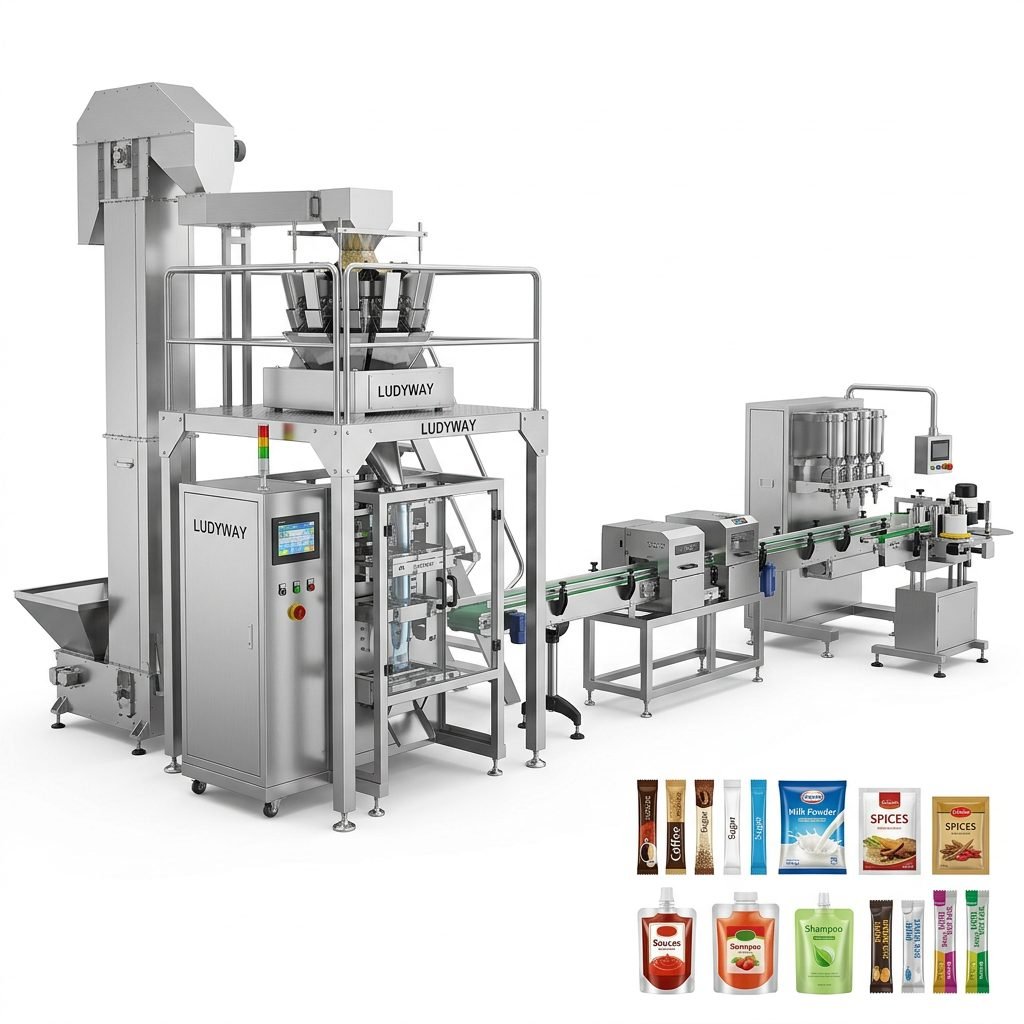
Many meat processors start by searching for a single packaging machine, but the highest efficiency often comes from a coordinated line. A turnkey packaging line can connect product feeding, filling, sealing, coding, inspection, cartoning, and palletizing into a unified workflow.
This approach can deliver several advantages:
- Reduced coordination issues between multiple vendors
- Better line compatibility and automation logic
- Faster installation and commissioning
- More consistent after-sales technical support
- Improved data flow and production management
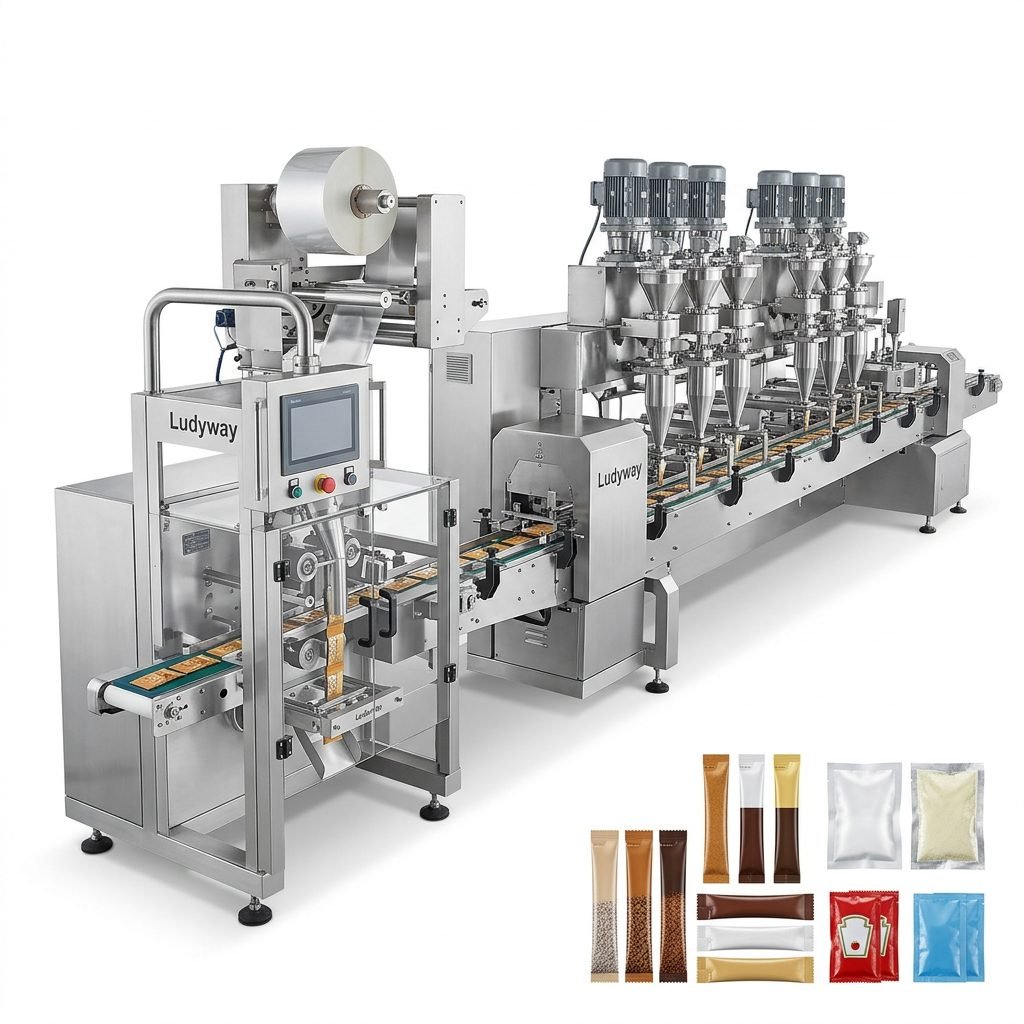
For companies planning expansion, working with an experienced manufacturer of packaging machinery and integrated systems can simplify project execution. One example is Ludyway commercial ground meat packaging machine solutions, supported by over 30 years of manufacturing experience, a modern production base of more than 20,000 square meters, and broad capability in standalone machines as well as turnkey packaging lines.
Maintenance and Hygiene Best Practices
Even the best packaging machine performs poorly without proper cleaning and maintenance. In fresh meat production, preventive care is essential for both food safety and uptime.
Recommended Practices
- Clean contact parts thoroughly after each production shift.
- Inspect sealing areas regularly for residue buildup.
- Verify weighing accuracy and dosing consistency on schedule.
- Monitor wear parts such as sealing components, belts, and cutters.
- Keep spare parts available for critical production points.
- Train operators in sanitation, startup checks, and quick troubleshooting.
Well-maintained equipment not only extends service life but also helps avoid costly product recalls, unplanned downtime, and packaging defects.
Future Trends in Fresh Ground Meat Packaging
The market for fresh meat packaging continues to evolve. Buyers increasingly look for systems that support sustainability, digital monitoring, and higher production flexibility.
- Use of recyclable or reduced-material packaging options
- More intelligent monitoring of sealing and weight performance
- Faster recipe and format changeover
- Greater adoption of end-of-line robotics
- Improved integration with factory traceability systems
- Enhanced hygiene design for quicker sanitation cycles
Processors investing now should consider not only current throughput, but also how easily a system can adapt to future operational and retail requirements.
Conclusion
A commercial ground meat packaging machine is a critical investment for businesses that need freshness protection, efficient production, precise portioning, and dependable pack quality. Whether the goal is retail-ready tray packs, vacuum-sealed bulk packs, or a fully automated packaging line, the right equipment can significantly improve both product performance and plant efficiency.
By focusing on sanitary design, seal integrity, automation compatibility, and long-term scalability, meat processors can choose a packaging solution that supports safe operations and stronger market competitiveness.