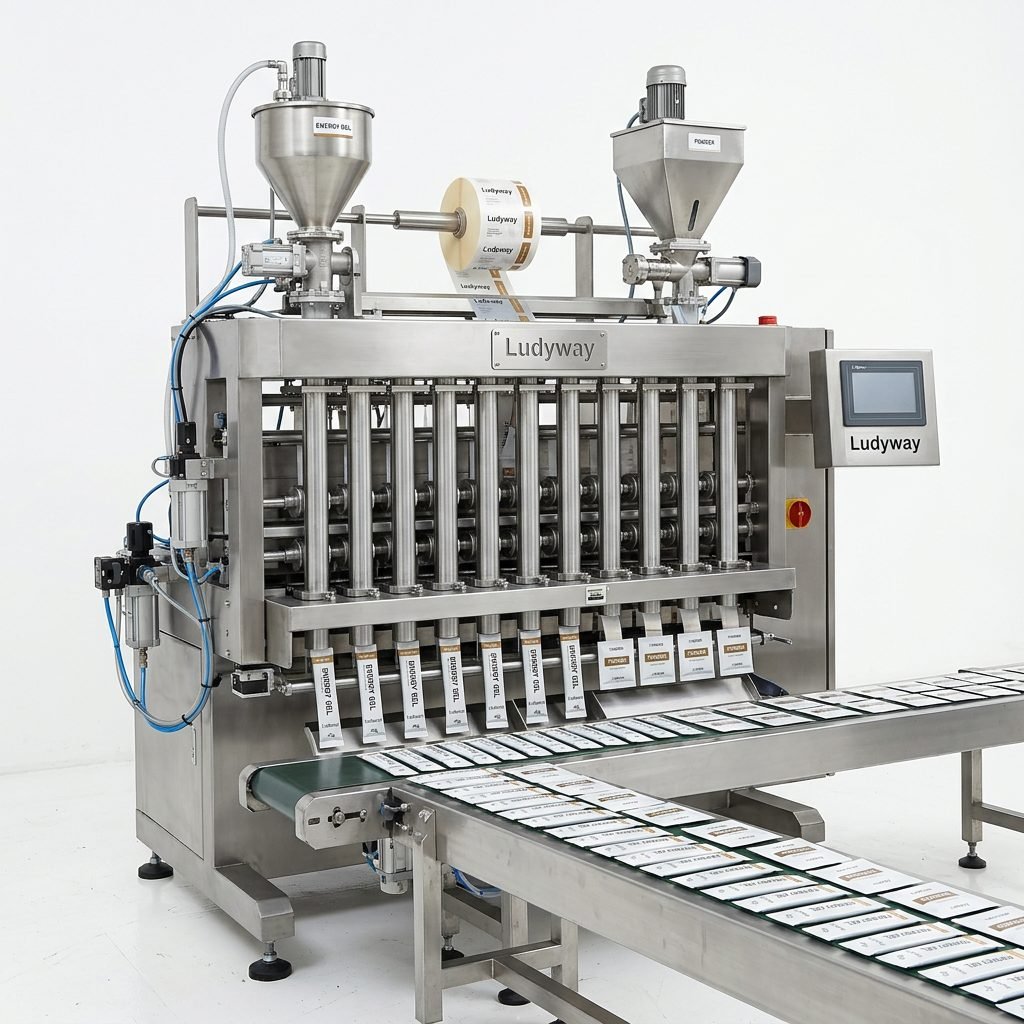
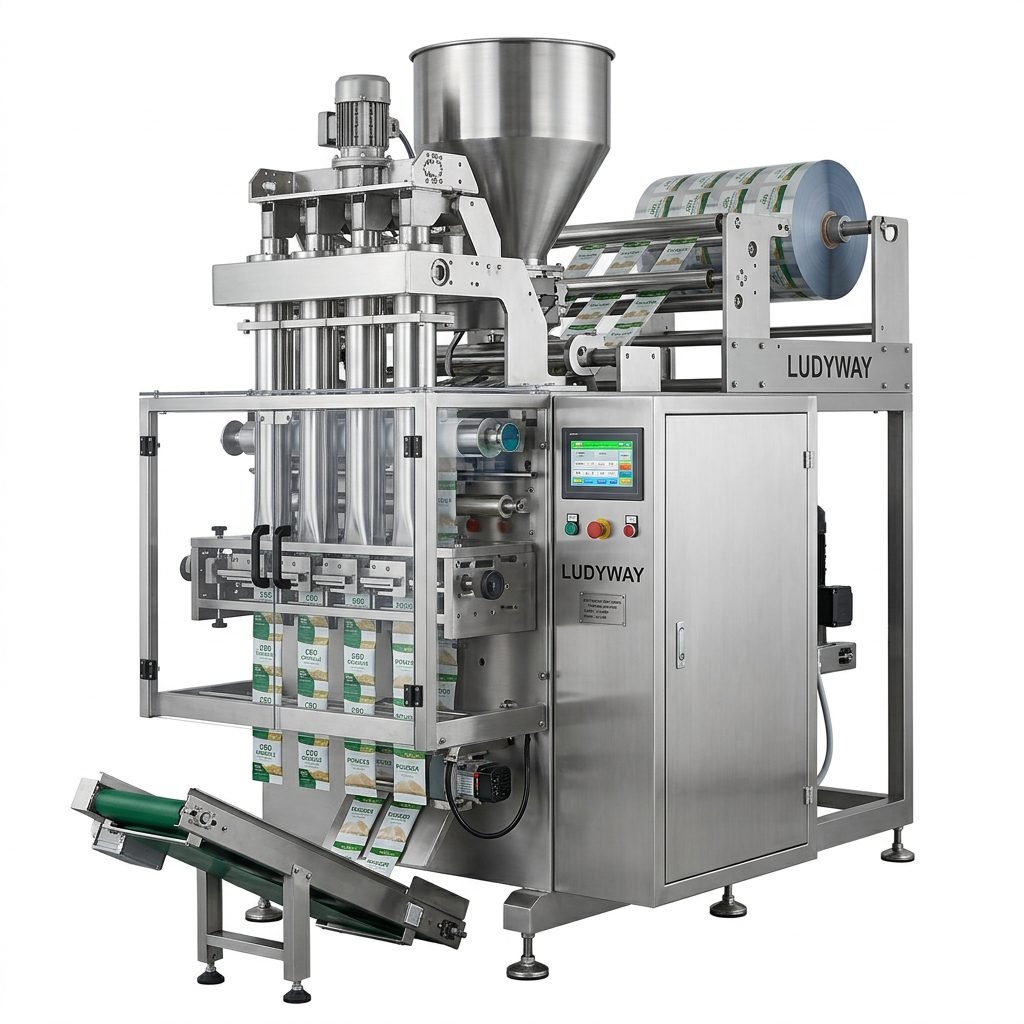
Choosing the right tray packaging machine is not only about speed. It is about finding a system that matches your product, tray format, production target, hygiene standard, labor plan, and future expansion goals. For manufacturers in food, pharmaceutical, personal care, and industrial sectors, the right solution can improve throughput, reduce waste, and deliver more consistent packaging quality.
If you are evaluating a new system, the best approach is to compare machine type, automation level, tray material compatibility, sealing performance, integration options, and total operating cost before making a decision.
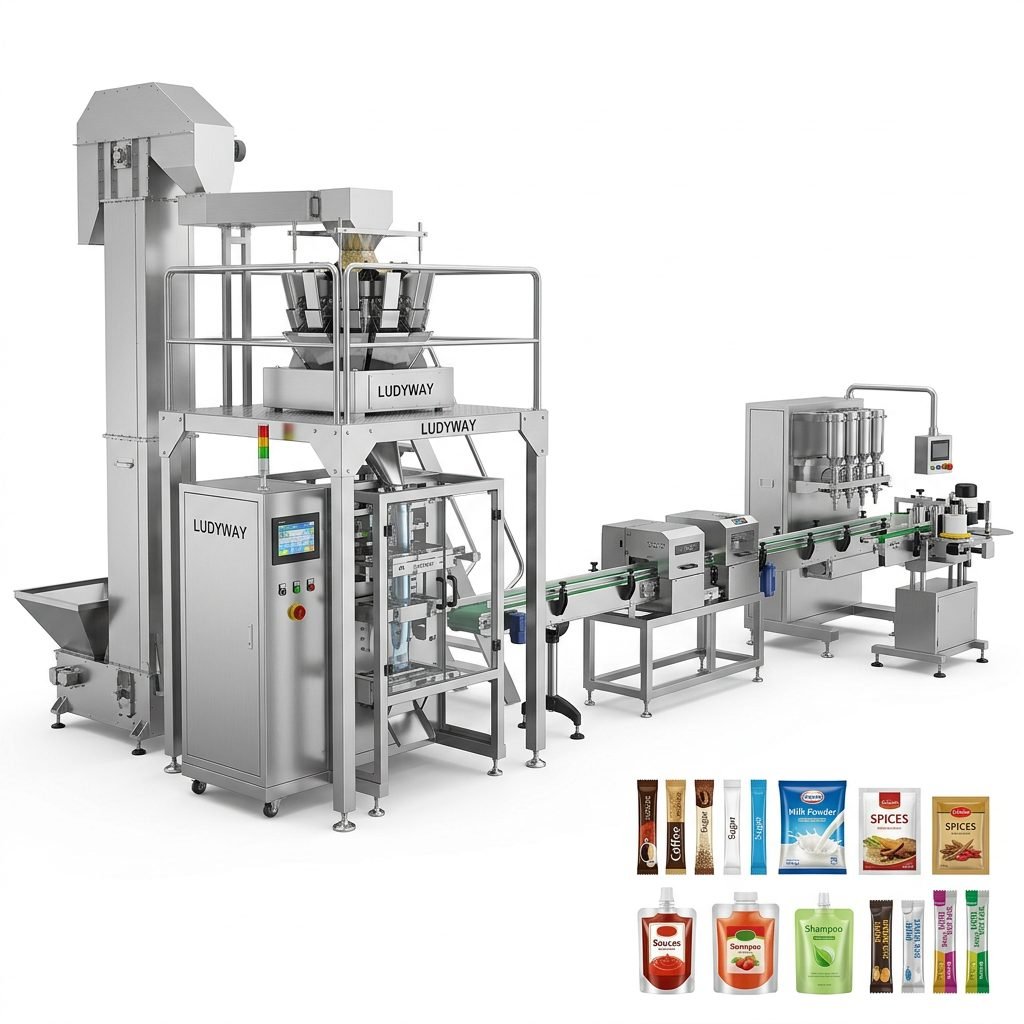
What Is a Tray Packaging Machine?
A tray packaging machine is equipment designed to fill, seal, cover, label, or otherwise package products into trays. These systems are widely used for fresh food, ready meals, meat, poultry, seafood, medical devices, pharmaceutical items, and retail consumer goods. Depending on the application, the machine may perform one or multiple tasks in a single automated cycle.
- Tray denesting and feeding
- Manual or automatic product loading
- Vacuum sealing or modified atmosphere packaging (MAP)
- Top film sealing
- Lidding, coding, inspection, and discharge
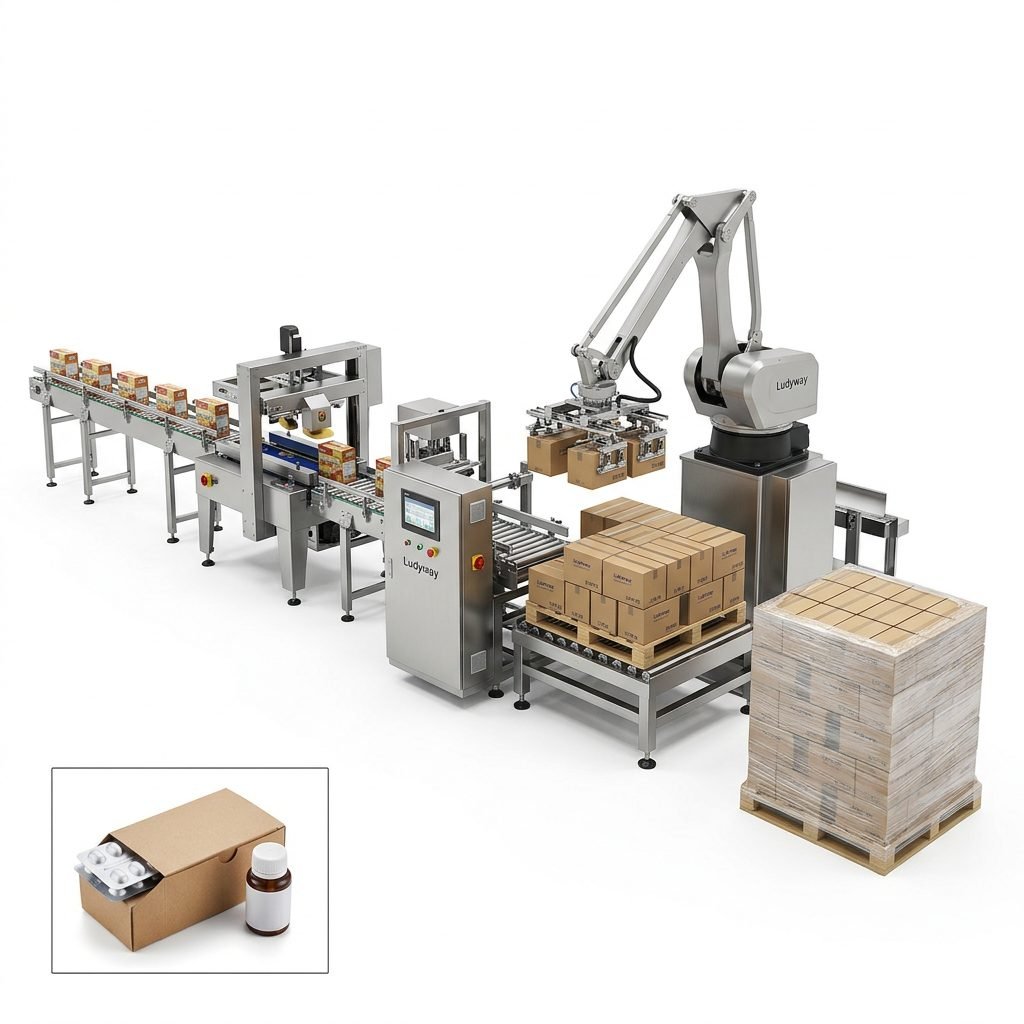
For high-volume manufacturers, tray packaging machines are often integrated into complete packaging lines with conveyors, checkweighers, coding systems, metal detectors, case packers, and palletizing equipment.
Why the Right Tray Packaging Solution Matters
A poorly matched machine can create bottlenecks, inconsistent seals, high film waste, sanitation problems, and unnecessary downtime. By contrast, a properly selected system helps you achieve fast, efficient packaging with stable long-term performance.
- Higher output: Meet rising production demand without sacrificing quality.
- Better seal integrity: Protect product freshness and reduce leakage risks.
- Lower labor dependence: Improve automation and simplify operation.
- Reduced material waste: Optimize film use and tray handling accuracy.
- Easier compliance: Support hygiene, traceability, and industry regulations.
Main Types of Tray Packaging Machines
Understanding the available machine categories is the first step in choosing the best solution for your production line.
| Machine Type | Best For | Key Advantage |
|---|---|---|
| Manual or semi-automatic tray sealer | Small batches, startups, test production | Lower investment cost |
| Automatic tray sealer | Medium to high-volume production | Improved consistency and speed |
| Vacuum tray packaging machine | Fresh meat, seafood, prepared foods | Longer shelf life |
| MAP tray packaging machine | Retail foods needing freshness retention | Gas flushing for product protection |
| Fully integrated tray packaging line | Large factories and turnkey projects | End-to-end automation |
Key Factors to Consider Before Buying
1. Product Type and Product Behavior
Different products behave differently during filling and sealing. Solid items, powder-coated products, moist foods, liquids, sauces, and fragile products all require different tray handling and sealing conditions. The machine should be selected around real product behavior, not only around target speed.
- Does the product spill easily?
- Is the product temperature-sensitive?
- Does it require vacuum or gas flushing?
- Will product residue affect seal quality?
2. Tray Size, Shape, and Material
Tray packaging machines must be compatible with your tray dimensions and material structure. Common tray materials include PET, PP, CPET, aluminum, and biodegradable formats. If you use multiple SKUs, fast tool change and format flexibility become very important.
A machine that supports quick mold changeover can significantly reduce downtime when switching between tray formats.
3. Required Packaging Speed
One of the most common mistakes is buying a machine based only on the highest advertised speed. Instead, evaluate real working speed under your own product and operating conditions.
Ask suppliers for:
- Cycles per minute under actual tray format
- Output with vacuum or MAP enabled
- Performance with different fill weights
- Speed impact during format changes and cleaning
4. Seal Quality and Shelf-Life Needs
If your product requires leak-free sealing, attractive shelf presentation, and long distribution times, seal integrity is critical. The correct tray packaging machine should deliver stable temperature control, pressure control, and consistent top film application.
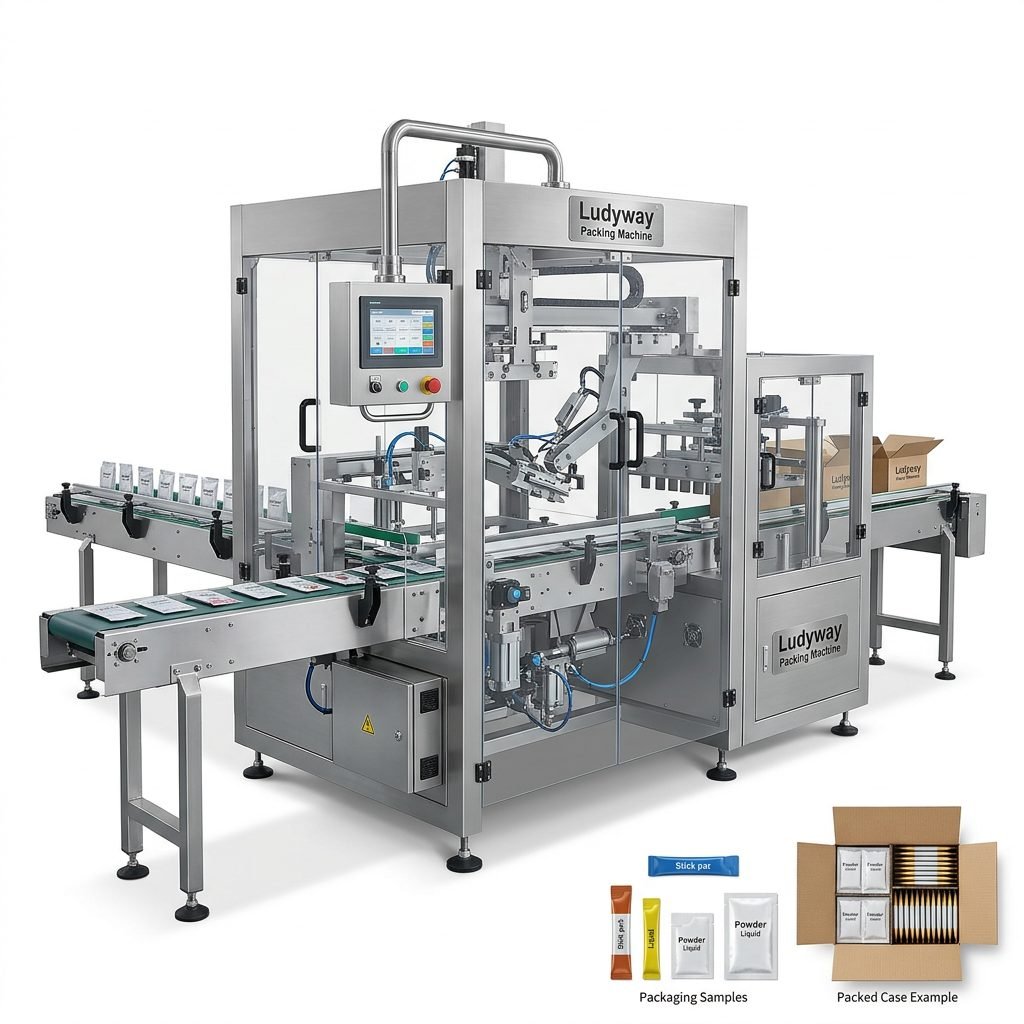
5. Automation Level
Your ideal machine may be semi-automatic, fully automatic, or part of a complete line. The right choice depends on labor cost, output demand, available factory space, and expansion plans.
| Automation Level | Suitable For | Consideration |
|---|---|---|
| Semi-automatic | Low-volume or flexible production | More operator involvement |
| Automatic standalone | Growing production needs | Balanced cost and efficiency |
| Fully integrated line | Large-scale manufacturing | Higher investment, stronger scalability |
6. Hygiene and Cleaning Requirements
For food and pharmaceutical applications, hygienic design is non-negotiable. Stainless steel construction, easy-access components, washable surfaces, and tool-free disassembly all make sanitation easier and safer.
Look for features such as:
- Smooth machine surfaces
- Minimal dirt traps
- Easy-open guarding
- Quick cleaning access
- Food-grade contact parts
7. Integration With Upstream and Downstream Equipment
A tray packaging machine rarely works alone in modern manufacturing. It should integrate smoothly with denesters, fillers, dosing systems, labelers, printers, conveyors, checkweighers, cartoners, and palletizers.
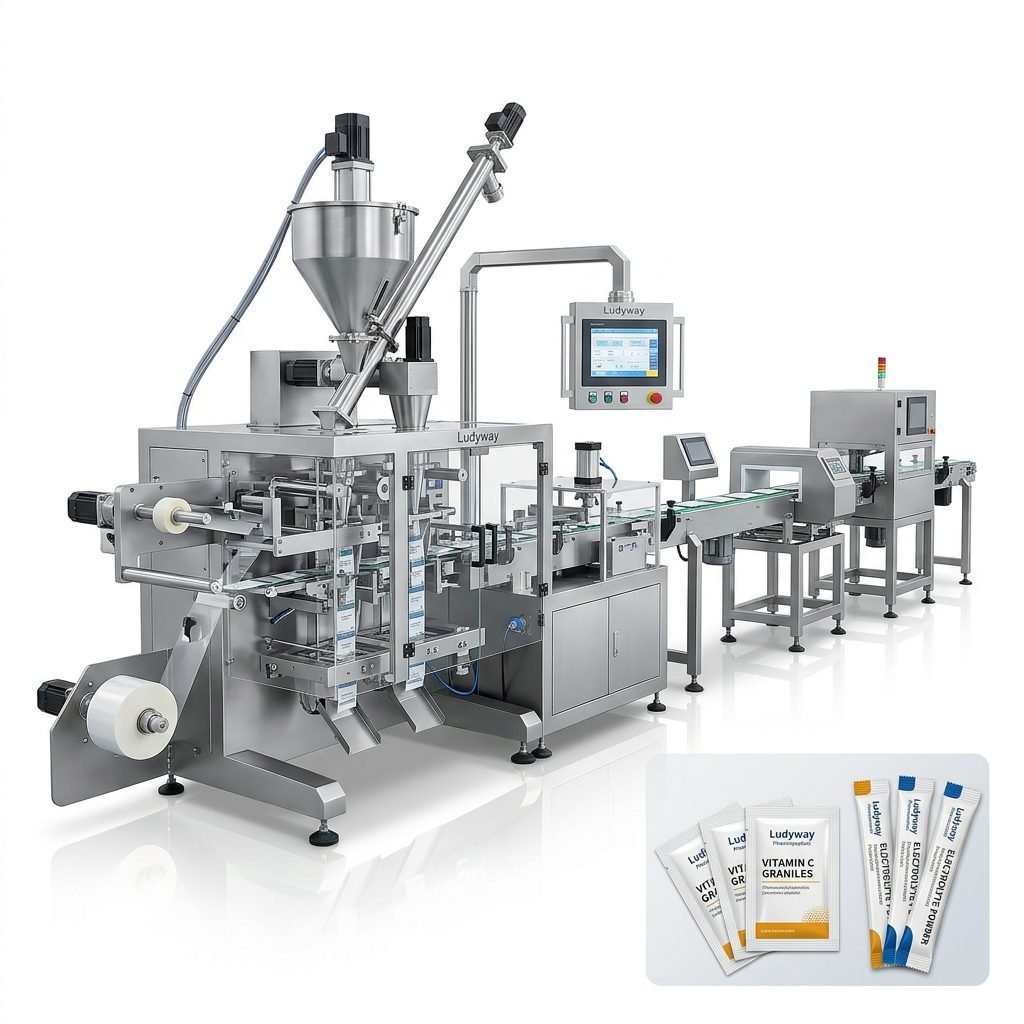
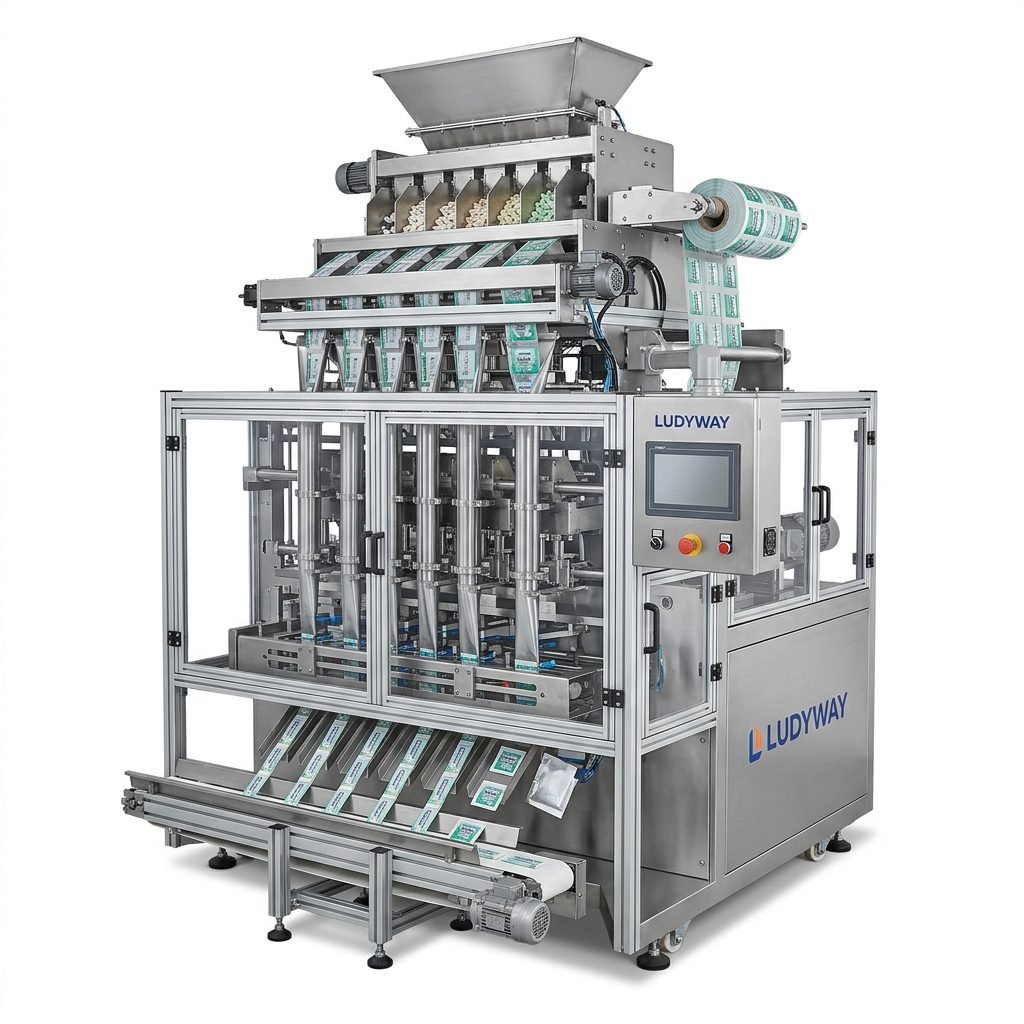
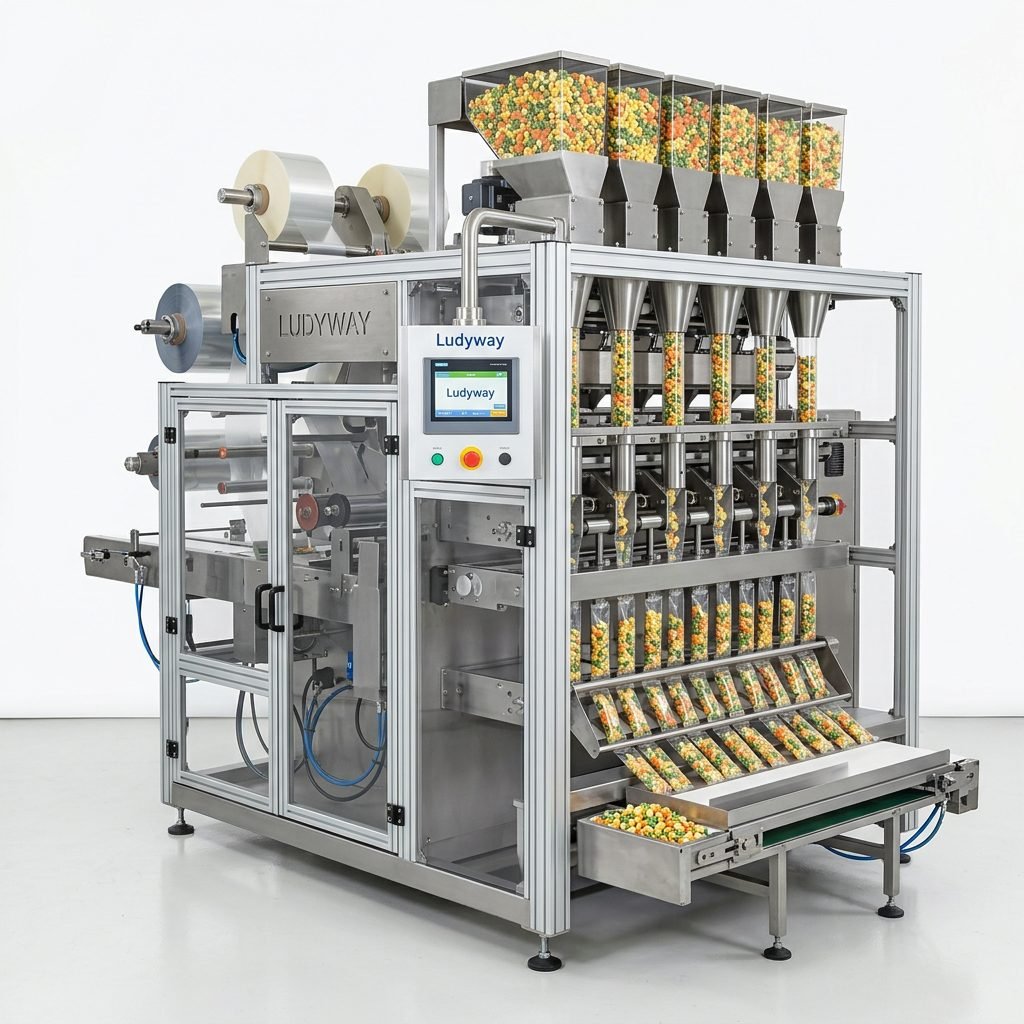
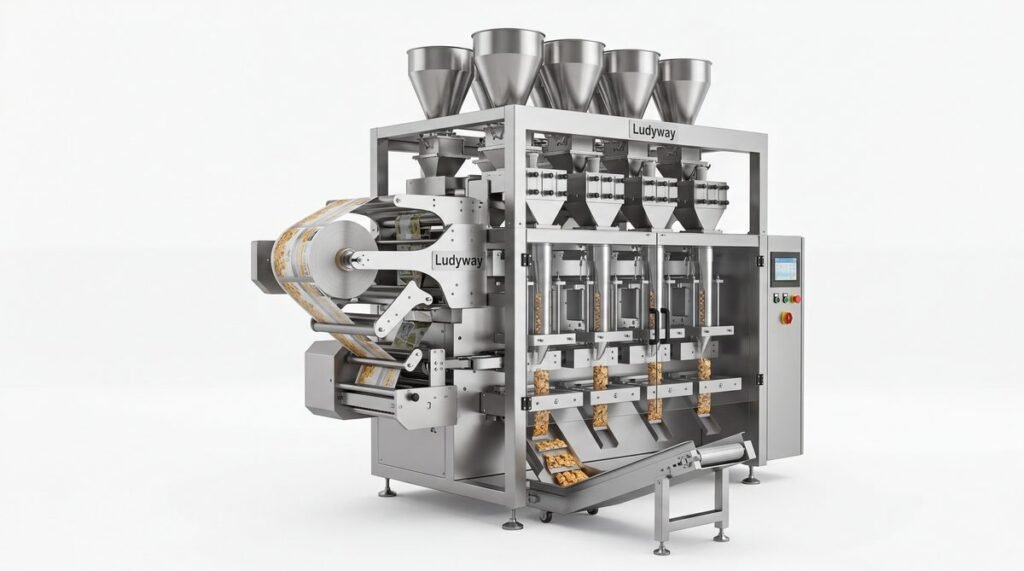
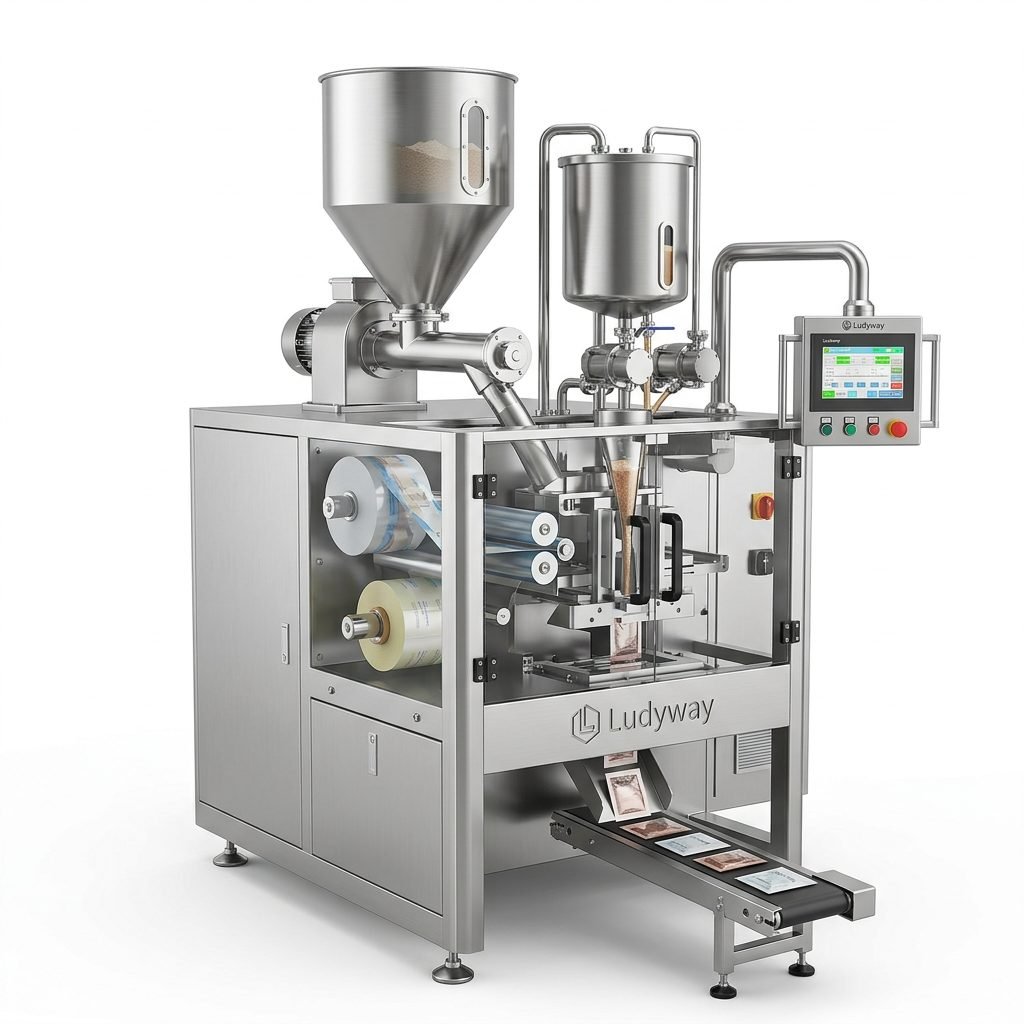
If you want a more scalable packaging strategy, working with an experienced supplier such as Ludyway tray packaging machine solutions can help you evaluate not just a single machine, but also the full line layout, automation logic, and long-term expansion path.
8. Changeover Time and Flexibility
Manufacturers producing multiple SKUs need equipment that can switch between tray sizes and products efficiently. Long changeovers reduce effective output, even if the machine itself runs fast during production.
Check whether the machine offers:
- Recipe memory on HMI
- Quick-release tooling
- Servo-driven adjustments
- Simple operator setup instructions
9. Maintenance and Spare Parts Support
Reliable packaging is not only about machine design. It also depends on after-sales support, available spare parts, technical documentation, and troubleshooting response time. A lower-priced machine can become expensive if downtime is frequent or support is weak.
10. Total Cost of Ownership
The purchase price is only one part of the decision. You should also evaluate energy use, film waste, labor requirements, maintenance costs, tooling cost, spare parts, and line efficiency. In many cases, a better-engineered automatic tray packaging machine provides a stronger long-term return.
How to Match the Machine to Your Industry
Food Industry
Food manufacturers usually focus on freshness, hygiene, shelf life, and retail presentation. Vacuum and MAP tray packaging systems are common for meat, seafood, produce, and ready meals.
Pharmaceutical and Medical Industry
These users need stable sealing, validation support, high cleanliness, and traceability. Precision, documentation, and inspection integration are especially important.
Personal Care and Consumer Goods
Tray packaging may be used for kits, sample packs, medical consumables, and premium retail products. Appearance, packaging consistency, and flexible format handling often matter as much as speed.
Industrial Products
For components, hardware, or specialty chemicals, the machine must withstand demanding conditions and maintain reliable sealing or pack presentation across different product weights and tray formats.
Questions to Ask a Tray Packaging Machine Supplier
- What products has this machine packaged successfully before?
- What is the real production speed for my tray size?
- Can the machine support vacuum, gas flushing, or skin pack if required?
- How long does a format change take?
- What materials are compatible with the sealing system?
- What after-sales service and spare parts support are available?
- Can the machine be integrated into a turnkey packaging line later?
- Is factory testing available with my sample product and trays?
Common Buying Mistakes to Avoid
- Choosing based only on initial price
- Ignoring future SKU expansion
- Overestimating or underestimating required output
- Not testing actual tray and film materials
- Overlooking hygiene and cleaning demands
- Buying a standalone machine without considering line integration
Signs You Need to Upgrade Your Current Tray Packaging Equipment
If your production line is already running, these signs often indicate it is time to upgrade:
- Frequent seal failures or tray jams
- Labor demand is too high for current output
- Downtime is increasing
- New product formats cannot be handled efficiently
- Retail shelf-life targets are not being met
- Current equipment cannot integrate with upstream or downstream automation
Best Choice for Fast and Efficient Packaging
The best tray packaging machine is the one that fits your real operation—not just your current budget or a brochure specification. It should match your product type, tray format, speed requirement, sanitation level, and long-term automation plan.
When comparing solutions, focus on performance stability, seal quality, flexibility, ease of cleaning, and full-line compatibility. Those are the factors that create lasting efficiency.
Final Buying Checklist
| Checklist Item | Why It Matters |
|---|---|
| Product compatibility | Ensures smooth filling and sealing |
| Tray and film suitability | Prevents sealing and handling issues |
| Real production speed | Aligns output with factory goals |
| Cleaning design | Supports hygiene and less downtime |
| Changeover flexibility | Improves multi-SKU efficiency |
| Integration capability | Supports complete packaging automation |
| After-sales support | Reduces operational risk |
| Total cost of ownership | Improves long-term ROI |
A smart investment in the right tray packaging solution can help your business package faster, run more efficiently, and scale with confidence.