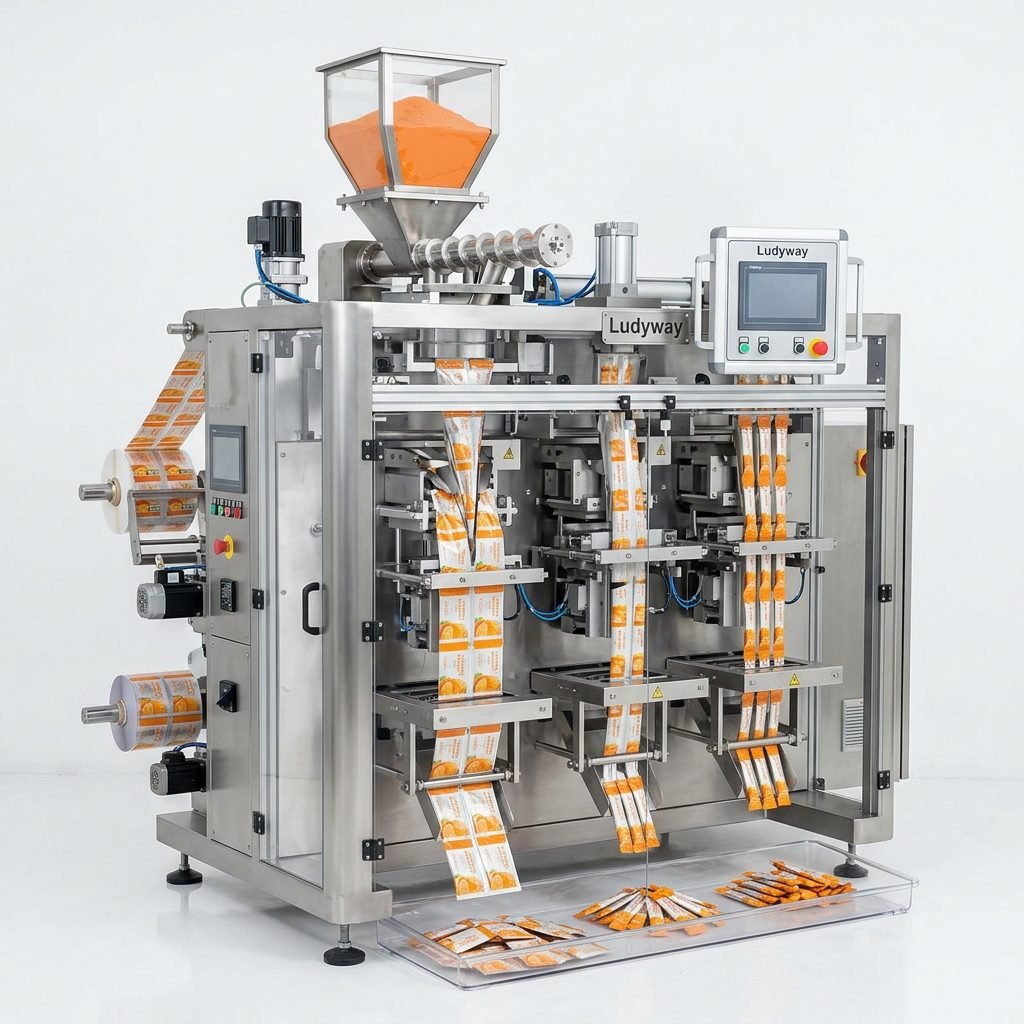
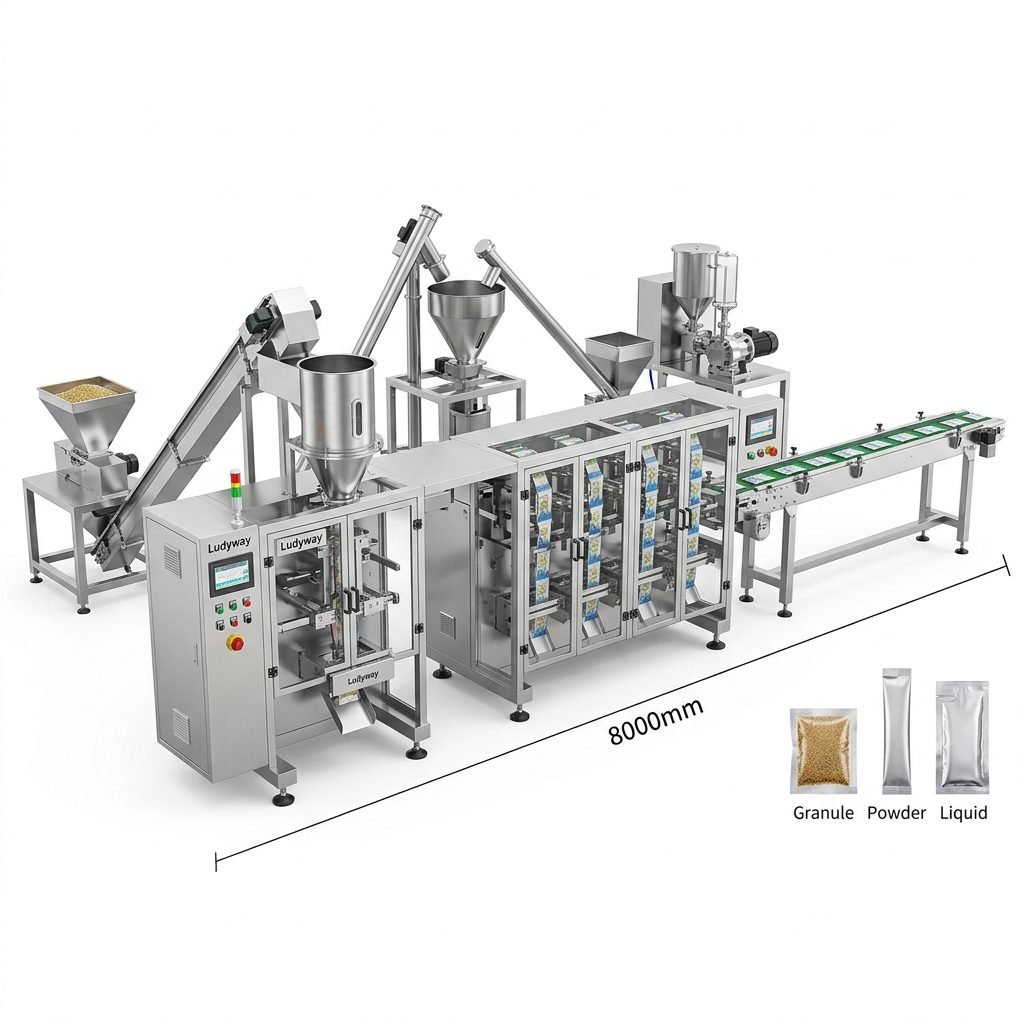
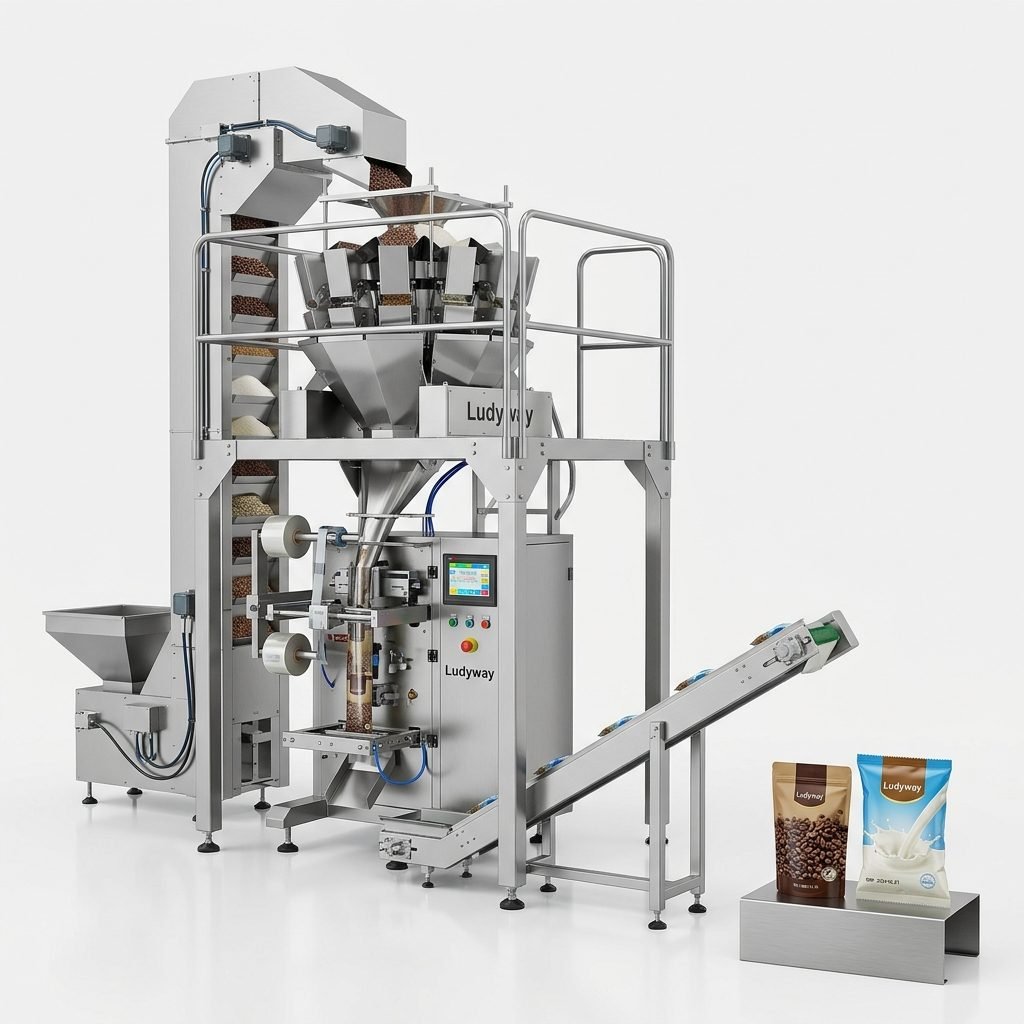
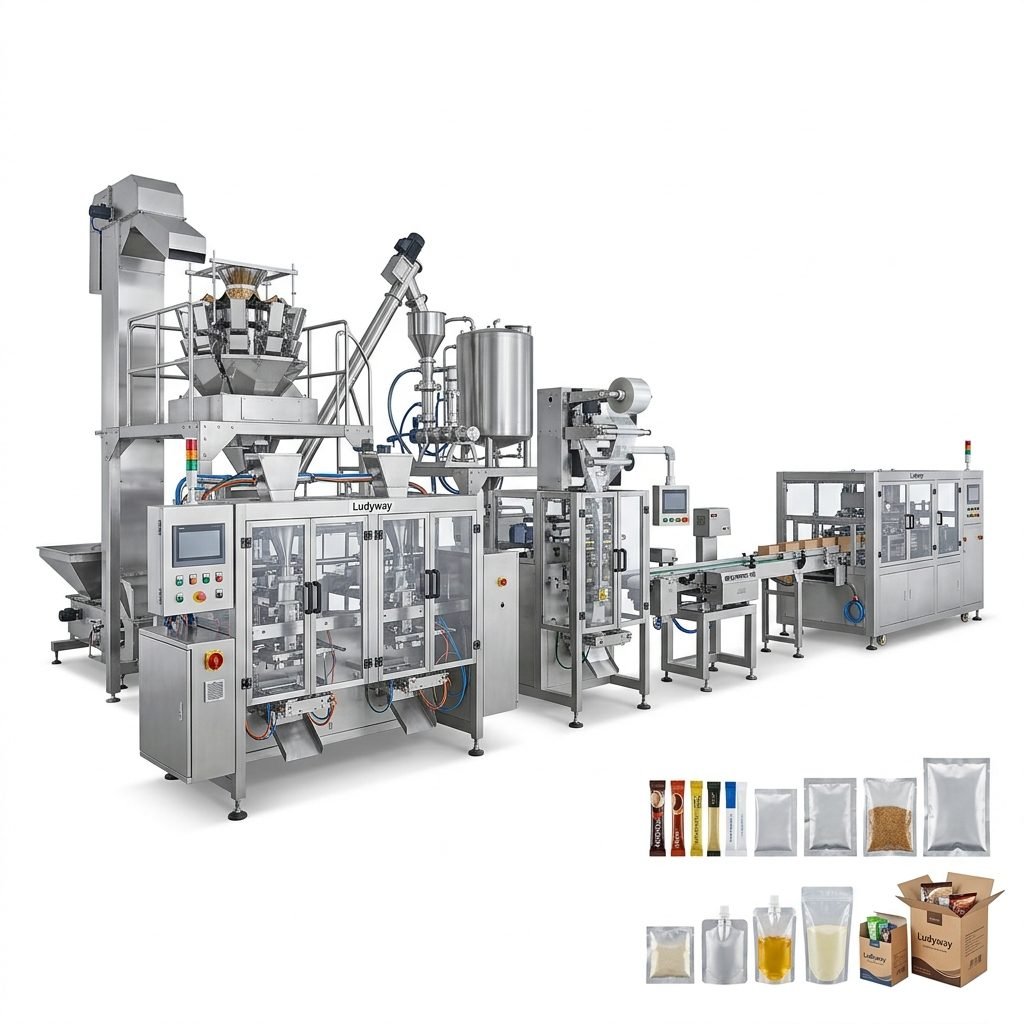
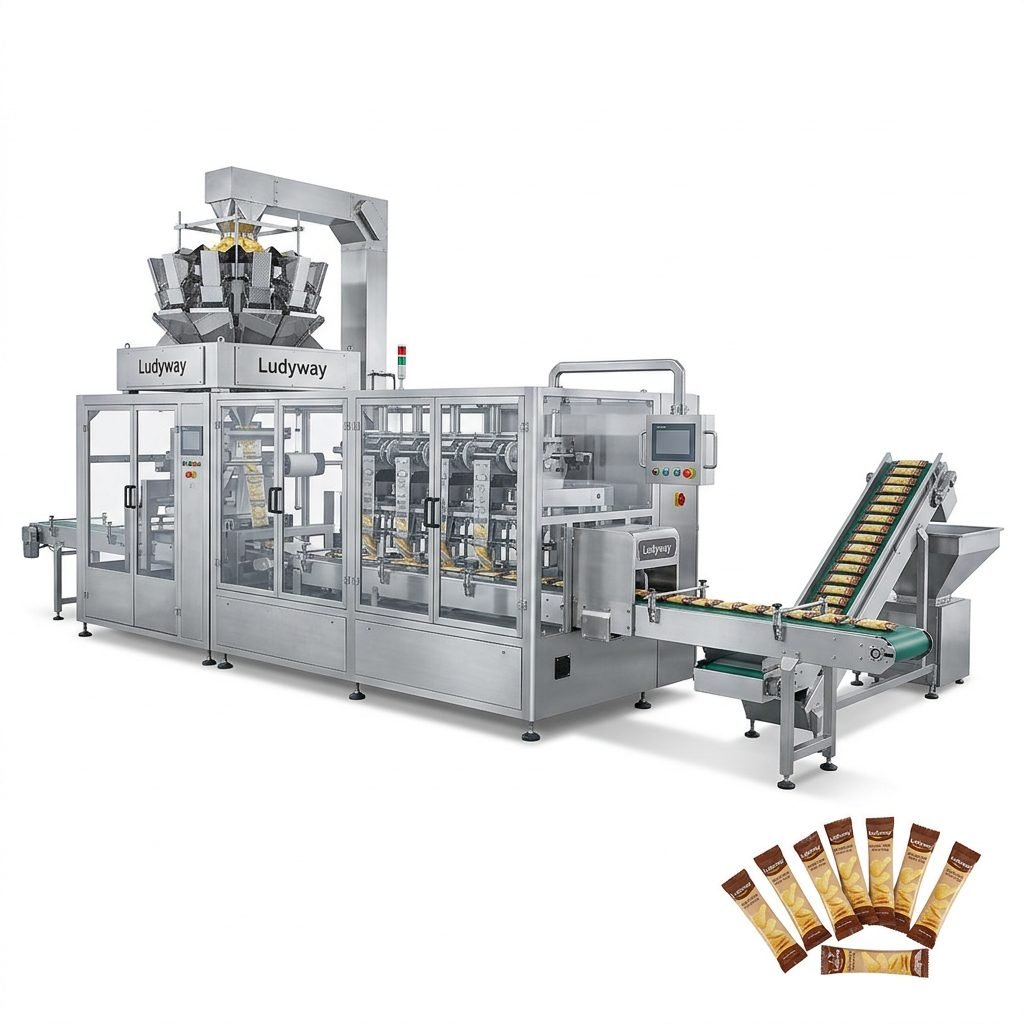
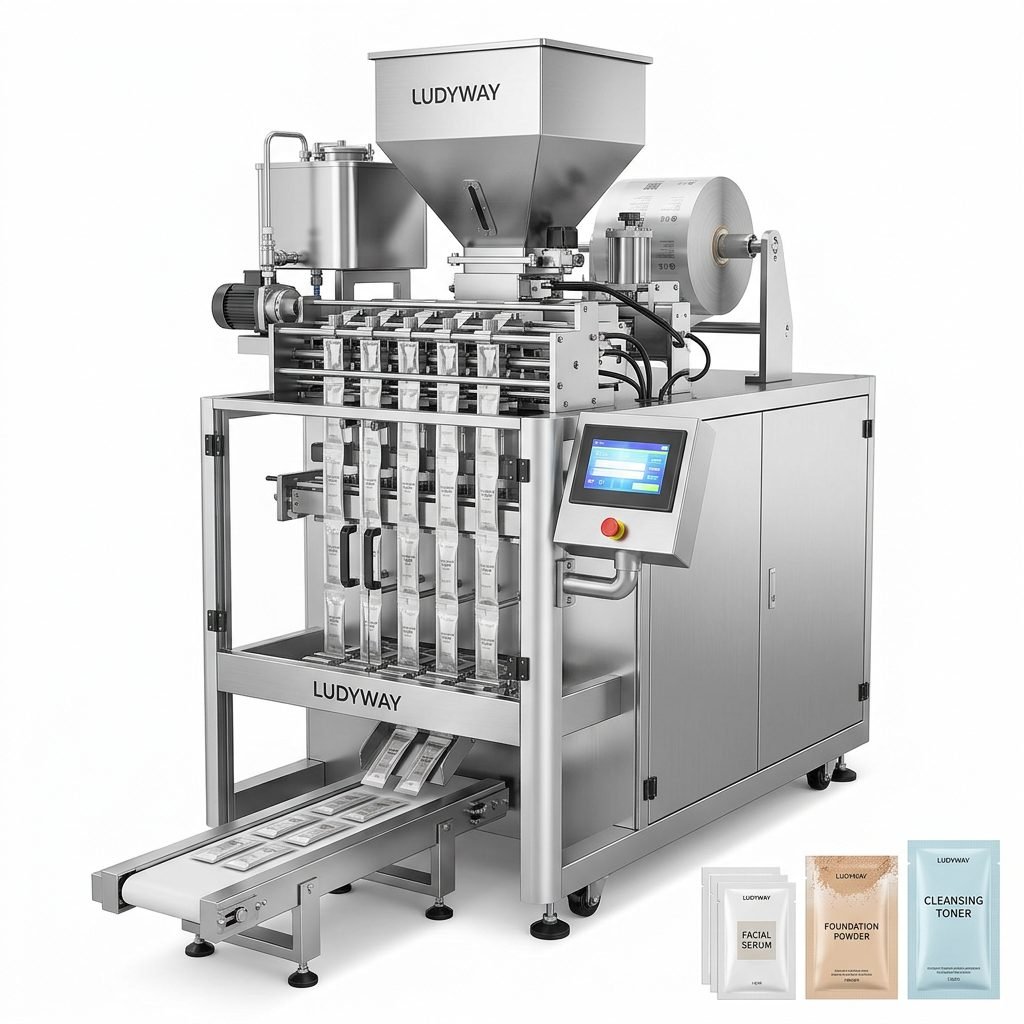
Clamshell packaging machines are widely used in modern manufacturing because they combine product protection, visual presentation, and efficient sealing in one packaging process. From consumer goods and electronics to food, cosmetics, and healthcare products, these machines help businesses improve line speed, reduce labor, and deliver more consistent packaging quality.
If you are evaluating clamshell packaging automation for your factory, this guide explains the core machine features, operational benefits, common applications, and the factors that matter most when choosing the right system.
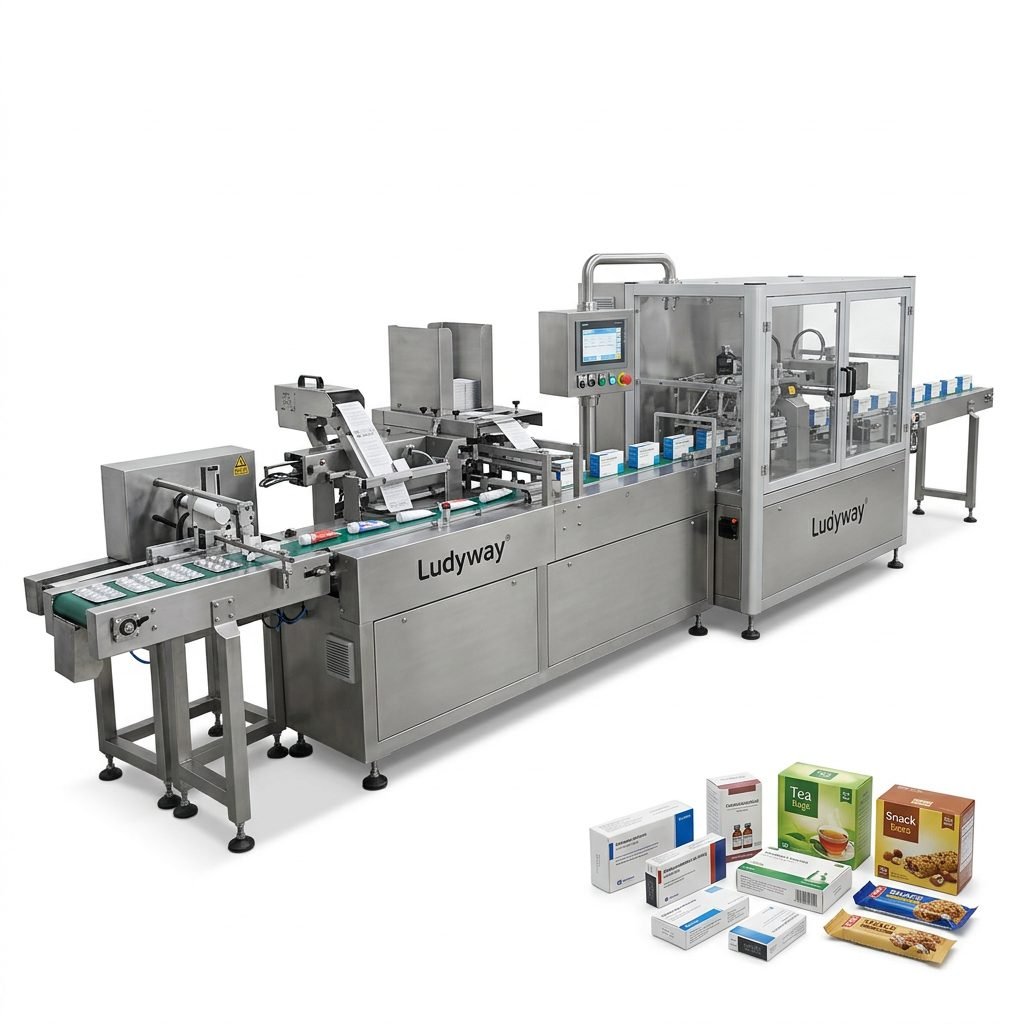
What Is a Clamshell Packaging Machine?
A clamshell packaging machine is equipment designed to place products into pre-formed clamshell packages and seal them securely. A clamshell package typically consists of a hinged plastic container that folds shut like a shell. Depending on the product and production goals, the machine may perform one or more of the following functions:
- Product feeding and positioning
- Clamshell opening and loading
- Manual, semi-automatic, or automatic insertion
- Heat sealing, RF sealing, or ultrasonic sealing
- Labeling, coding, or batch marking
- Inspection and discharge
These machines are especially valuable for products that need tamper evidence, retail-ready appearance, and better physical protection during transportation and shelf display.
How a Clamshell Packaging Machine Works
Although machine structures vary by model, a standard production cycle usually includes the following steps:
- Empty clamshells are fed into the machine.
- The packaging is opened or positioned for loading.
- The product is inserted manually or automatically.
- The clamshell is closed and aligned.
- The sealing unit applies heat, pressure, or another sealing method.
- Finished packs are checked and discharged to the next packaging stage.
In higher-speed lines, the clamshell packaging machine may be integrated with conveyors, counting systems, robotic pick-and-place units, vision inspection, printers, and cartoning equipment.
Key Features of Clamshell Packaging Machines
1. Automatic or Semi-Automatic Operation
Manufacturers can choose equipment based on output demand. Semi-automatic systems are suitable for lower-volume operations or products with frequent changeovers, while fully automatic systems are ideal for high-volume packaging environments.
2. Precise Product Placement
Accurate loading is essential to avoid sealing defects, cosmetic damage, or package misalignment. Many machines use indexing systems, custom fixtures, or servo-controlled positioning to improve consistency.
3. Flexible Sealing Technology
Different products require different sealing methods. Common options include:
- Heat sealing for coated cards or compatible plastics
- RF sealing for certain PVC-based packaging materials
- Ultrasonic sealing for select applications requiring controlled energy input
4. Tooling Changeover Capability
For manufacturers handling multiple product sizes, quick-change tooling helps reduce downtime and improve line flexibility. This is important for contract packers and businesses with diverse SKUs.
5. PLC and Touchscreen Controls
Modern machines typically include a PLC and HMI interface for recipe storage, parameter setting, alarm monitoring, and easier operation. This simplifies training and supports better production repeatability.
6. Safety and Compliance Design
Protective covers, emergency stop functions, sensor interlocks, and guarded sealing zones help improve operator safety while supporting compliance with industrial production standards.
| Feature | Why It Matters | Typical Benefit |
|---|---|---|
| Servo control | Improves motion accuracy | Stable sealing and positioning |
| Quick-change tooling | Supports multiple product formats | Reduced downtime |
| Touchscreen HMI | Easy settings and diagnostics | Simplified operation |
| Integrated inspection | Detects packaging defects | Higher product quality |
Benefits of Using a Clamshell Packaging Machine
Higher Packaging Efficiency
Manual clamshell sealing can be labor-intensive and inconsistent. Automated equipment significantly increases packaging speed, making it easier to meet growing production demand.
Improved Package Consistency
Machine-controlled loading and sealing help ensure each pack looks uniform. This enhances shelf appeal and supports a more professional brand image.
Better Product Protection
Clamshell packs protect products from dust, moisture, physical impact, and tampering. For delicate or high-value goods, this can reduce returns and damage rates.
Lower Labor Dependence
By automating repetitive tasks, manufacturers can reduce manual handling requirements and reassign labor to more value-added activities.
Enhanced Retail Presentation
Clear clamshell packaging makes products highly visible while keeping them secured. This is especially useful for retail items where packaging appearance directly affects buying decisions.
Scalable Production
A well-selected machine can support future output increases, additional SKUs, and integration with broader packaging lines.
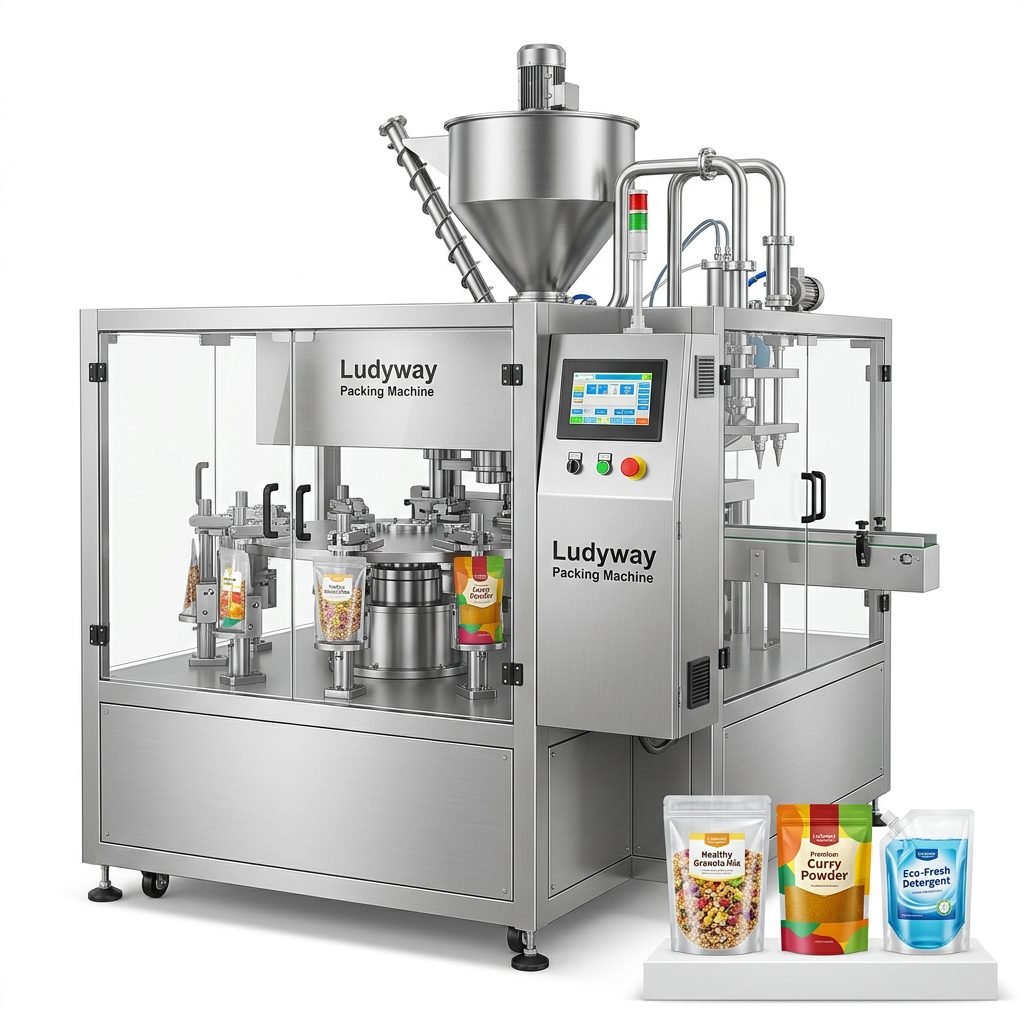
Common Applications of Clamshell Packaging Machines
Clamshell packaging machines are used across many industries because of their versatility. Common applications include:
- Consumer electronics accessories
- Hardware tools and small components
- Toys and stationery
- Cosmetic and personal care items
- Pharmaceutical and healthcare products
- Food items requiring visible, protective packaging
- Promotional kits and retail multipacks
Food Industry
In food applications, clamshell packaging is often used for bakery goods, fresh produce, snacks, confectionery, and ready-to-sell convenience products. The machine must match hygiene requirements, material properties, and sealing performance expectations.
Pharmaceutical and Healthcare Industry
For healthcare items, packaging integrity is critical. Clamshell systems can help deliver secure presentation for diagnostic kits, personal care devices, and certain over-the-counter products.
Retail and Consumer Goods
Retail packaging often prioritizes both anti-theft design and visual appeal. Clamshell packaging machines are frequently selected for products that benefit from hanging display formats and tamper-evident sealing.
Types of Clamshell Packaging Machines
Manual and Tabletop Units
Suitable for startups, small-batch packaging, or trial production. These systems have lower investment costs but limited throughput.
Semi-Automatic Machines
Operators load products while the machine performs the sealing cycle. This type is a practical middle ground for companies balancing cost and efficiency.
Fully Automatic Machines
Designed for large-scale production, these systems automate feeding, loading, sealing, and discharge. They are ideal for factories that require high output and stable long-run performance.
Integrated Packaging Lines
Some operations need a full line rather than a standalone machine. In these cases, the clamshell packer may connect with product feeding, labeling, coding, cartoning, case packing, and palletizing systems.
How to Choose the Right Clamshell Packaging Machine
Selecting the right system requires more than comparing speed alone. Buyers should evaluate the full packaging process.
Consider Product Characteristics
- Product size, shape, and fragility
- Weight and orientation requirements
- Single-item or multi-item pack format
Evaluate Packaging Material Compatibility
- PET, PVC, RPET, or other plastics
- Card-backed or full plastic clamshells
- Seal type and material thickness
Match Machine Speed to Production Goals
A machine that is too small can create bottlenecks, while a system that is oversized may increase investment without clear operational value. Always compare machine output with your current and expected demand.
Check Changeover and Maintenance Requirements
Fast changeovers are important when packaging multiple SKUs. Maintenance accessibility also affects uptime, service cost, and line reliability.
Review Automation and Integration Needs
If your factory plans to expand, choose equipment that can connect with conveyors, inspection devices, coding systems, and secondary packaging equipment.
| Selection Factor | Questions to Ask | Impact |
|---|---|---|
| Output speed | How many packs per minute are needed? | Determines capacity fit |
| Package format | What clamshell type and dimensions are used? | Affects tooling design |
| Sealing method | Which seal technology matches the material? | Influences package quality |
| Future expansion | Will the line require added automation later? | Supports long-term ROI |
Important Performance Indicators
When comparing machine options, pay close attention to the following performance indicators:
- Production speed
- Seal strength and consistency
- Reject rate
- Tooling change time
- Machine uptime
- Ease of cleaning and maintenance
- Operator training requirements
- Compatibility with upstream and downstream equipment
Challenges Manufacturers Should Consider
While clamshell packaging machines offer many advantages, buyers should also consider a few practical challenges:
- Material variations can affect sealing stability
- Custom tooling may be needed for unusual products
- Improper product placement can reduce package quality
- Some clamshell formats require more storage space than flexible packaging
- Initial automation investment may be higher than manual packaging methods
The best way to minimize these issues is to work with an experienced packaging equipment supplier that understands both product behavior and line integration requirements.
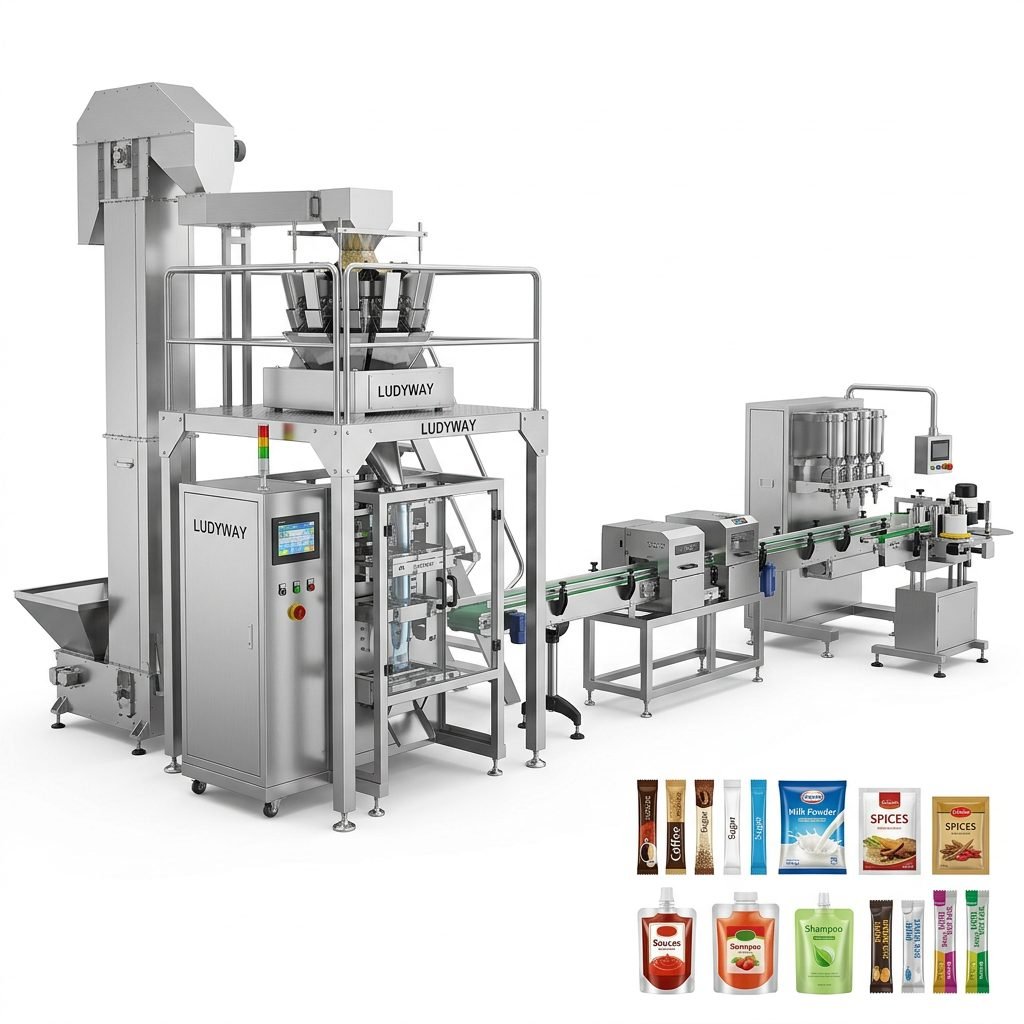
Why Turnkey Integration Matters
For many factories, packaging performance depends on the whole line, not only the sealing station. A clamshell packaging machine often works best when integrated with feeders, conveyors, vision systems, coding devices, cartoners, and palletizing equipment.
That is why many global buyers prefer suppliers with strong engineering and full-line delivery capabilities. Ludyway clamshell packaging machine and turnkey packaging solutions are often considered by manufacturers looking for scalable automation, broad application experience, and integrated packaging line support.
Maintenance Tips for Long-Term Machine Performance
Regular maintenance is essential for stable packaging quality and lower downtime. Good maintenance practices include:
- Cleaning sealing zones and fixtures on schedule
- Checking temperature and pressure consistency
- Inspecting wear parts and replacing them before failure
- Verifying sensor accuracy and alignment
- Keeping operator settings standardized through saved recipes
- Training staff on proper startup, changeover, and shutdown procedures
Future Trends in Clamshell Packaging Automation
The packaging industry continues to move toward smarter and more sustainable automation. Emerging trends include:
- More servo-driven precision systems
- Faster changeovers for short production runs
- Greater compatibility with recyclable packaging materials
- Vision inspection and intelligent reject functions
- Remote diagnostics and predictive maintenance support
- Full digital integration with factory MES and data systems
Conclusion
A clamshell packaging machine is an effective solution for businesses that need secure sealing, attractive retail presentation, and higher packaging efficiency. Whether you are packaging consumer goods, healthcare items, food, or industrial products, the right machine can improve output, reduce labor pressure, and support consistent product quality.
When evaluating equipment, focus on product compatibility, sealing method, output requirements, changeover flexibility, and the supplier’s ability to support complete line integration. A well-matched system can deliver reliable performance today while creating room for future production growth.