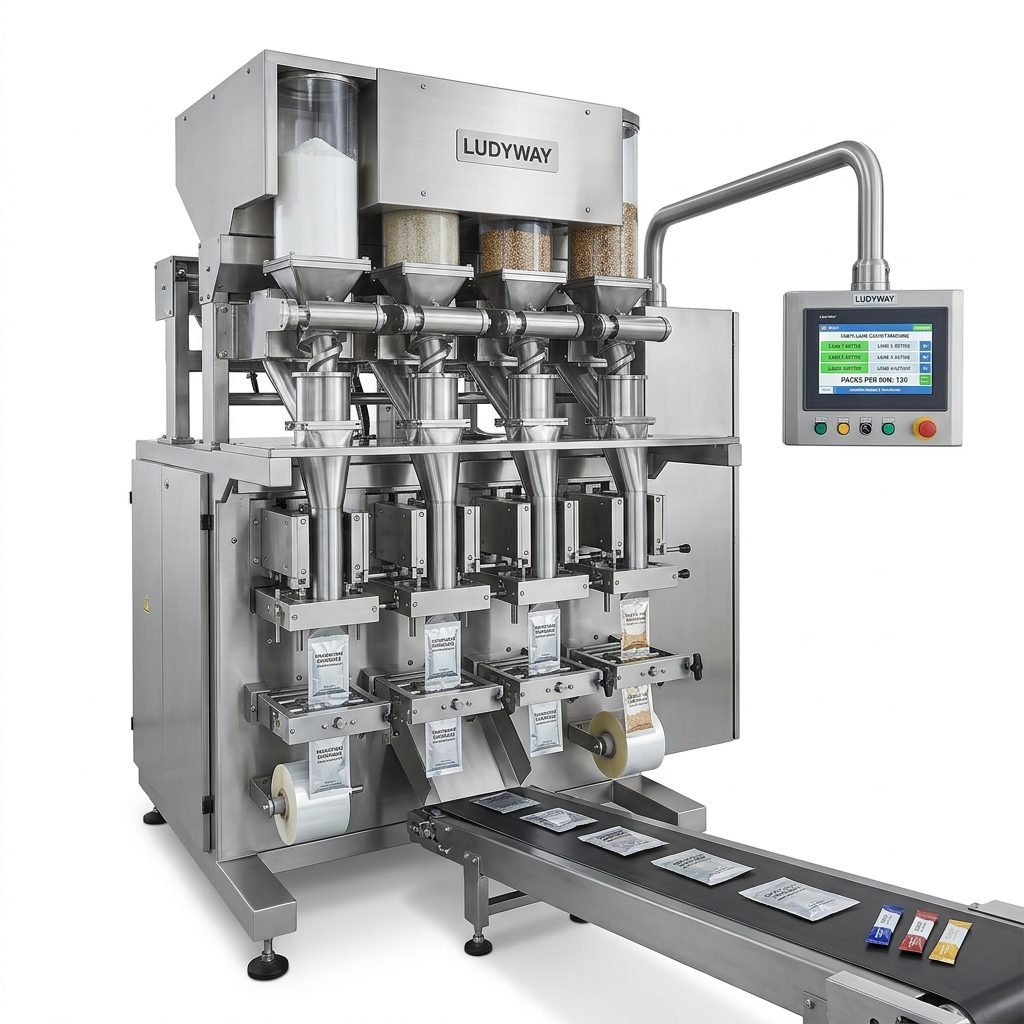
Choosing the right air tight packing machine is not only about sealing a package. It is about protecting product freshness, extending shelf life, preserving aroma, preventing oxidation, reducing waste, and improving overall production efficiency. Whether you pack food, pharmaceuticals, supplements, pet products, or industrial materials, the best vacuum packaging solution should match your product type, output goals, packaging format, and compliance requirements.
A well-selected system can help manufacturers lower operating costs while delivering a better customer experience. On the other hand, the wrong machine may cause weak seals, poor vacuum performance, inconsistent package appearance, and unnecessary downtime. This guide explains what to evaluate before you invest.
Why Air Tight Vacuum Packaging Matters
Air tight packaging removes or reduces air inside the pack and creates a controlled sealed environment. This is especially important for products that are sensitive to moisture, oxygen, light, contamination, and odor migration.
- Food products: Helps preserve taste, texture, and shelf life.
- Pharmaceuticals and health supplements: Supports product stability and hygiene.
- Powders and granules: Reduces caking, oxidation, and leakage risks.
- Frozen or dried products: Prevents freezer burn and moisture absorption.
- Industrial materials: Protects sensitive components and specialty chemicals.
For brands competing in retail or export markets, package integrity also affects product image. A clean and consistent vacuum pack signals quality and professionalism.
Types of Vacuum Packaging Machines
The best machine depends on how your product behaves during filling and sealing. Different product forms require different chamber designs, feeding systems, and vacuum levels.
1. Chamber Vacuum Packaging Machines
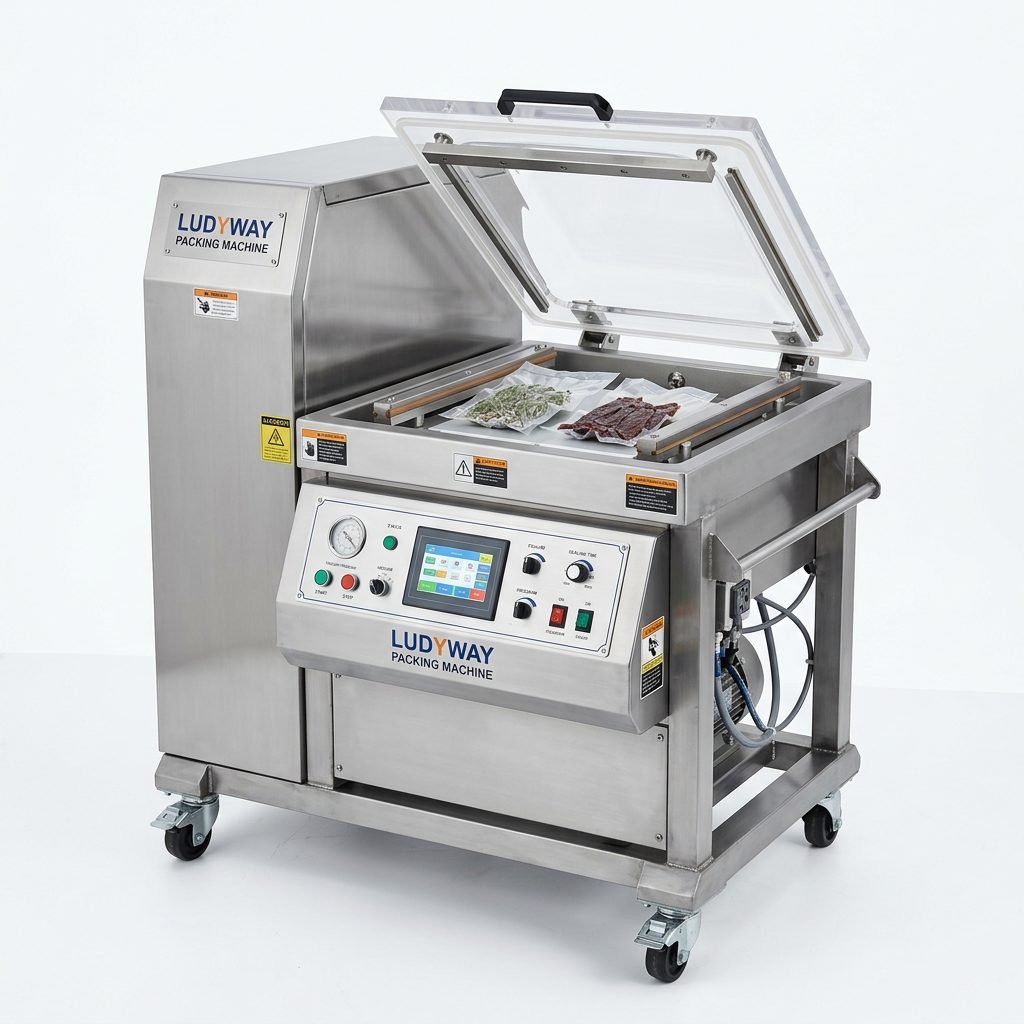
These machines place the filled package inside a chamber, evacuate air, and then seal it. They are widely used for meat, seafood, cheese, prepared foods, and many industrial products. Chamber systems usually provide stable vacuum results and strong seals.
2. External Vacuum Sealers
These are often suitable for smaller operations or simpler bag sealing tasks. They are more compact but may not be ideal for high-output industrial packaging.
3. Thermoforming Vacuum Packaging Machines
Designed for high-volume production, these machines form the package, load the product, pull vacuum, and seal continuously. They are suitable for larger factories focused on automation and repeatability.
4. Vacuum Skin Packaging Systems
Often used for premium food presentation, vacuum skin packaging tightly wraps film around the product and tray, improving appearance while maintaining freshness.
5. Vacuum Packaging Integrated with Filling Lines
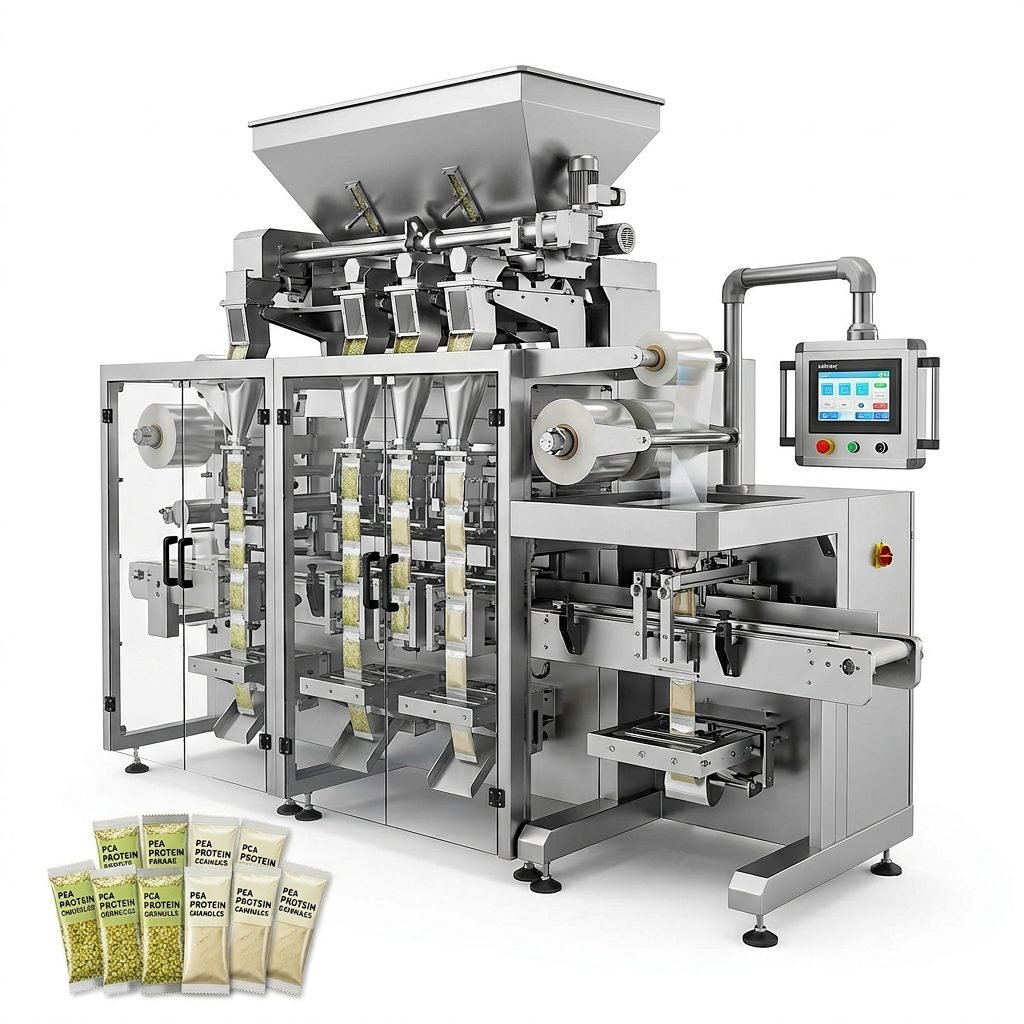
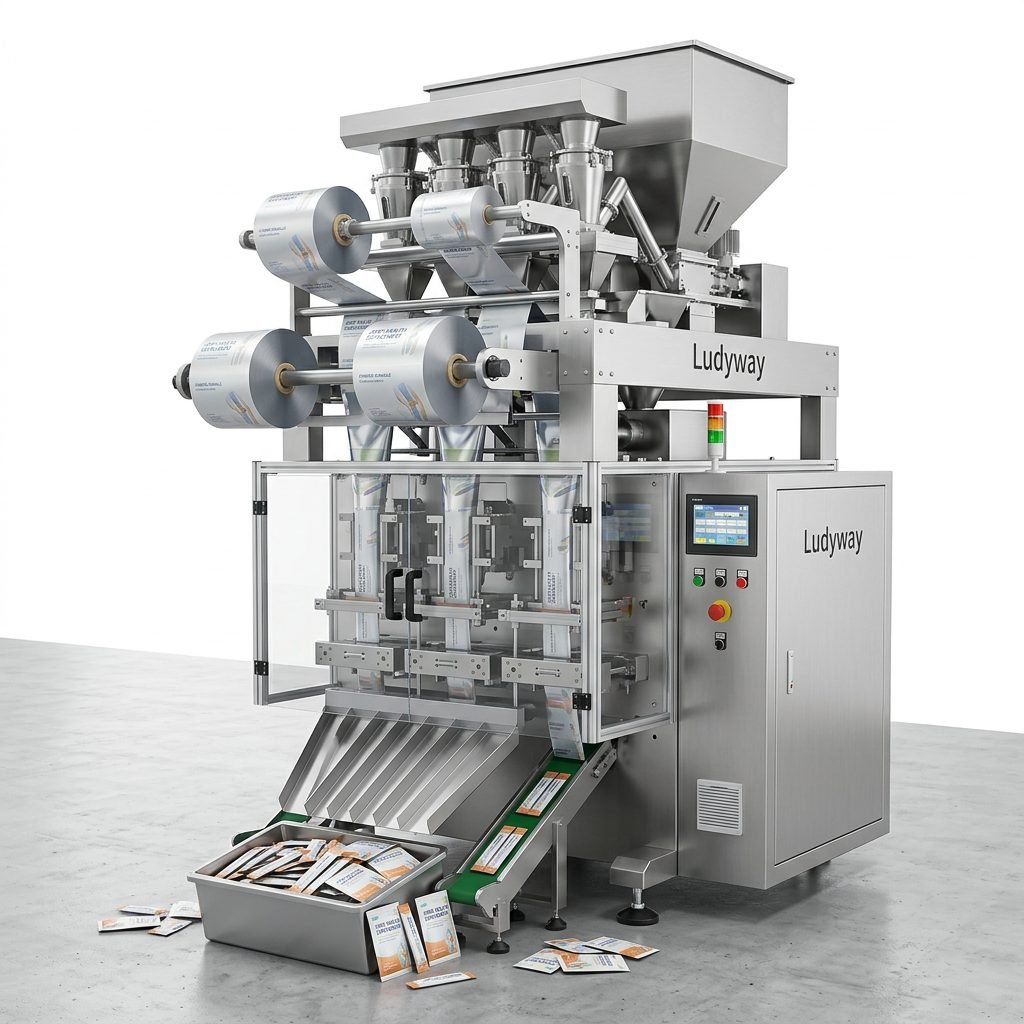
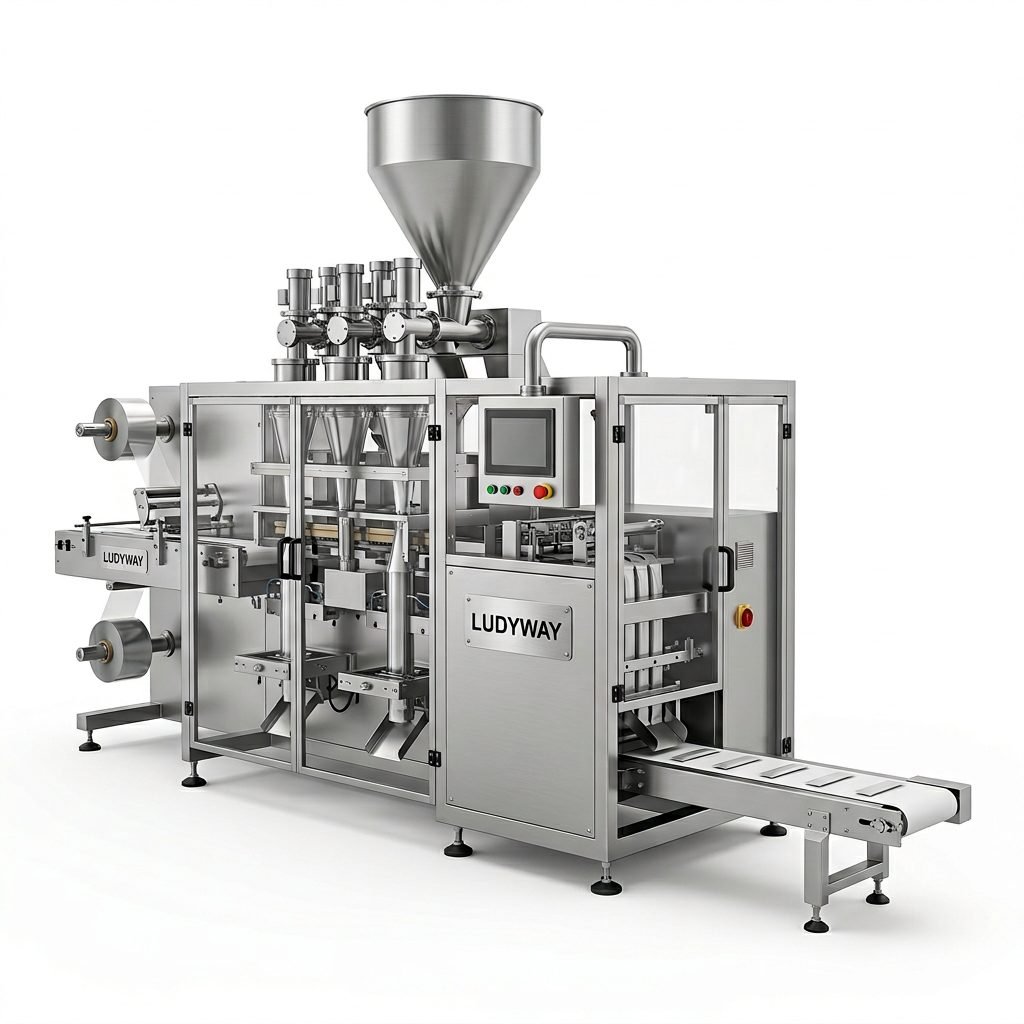
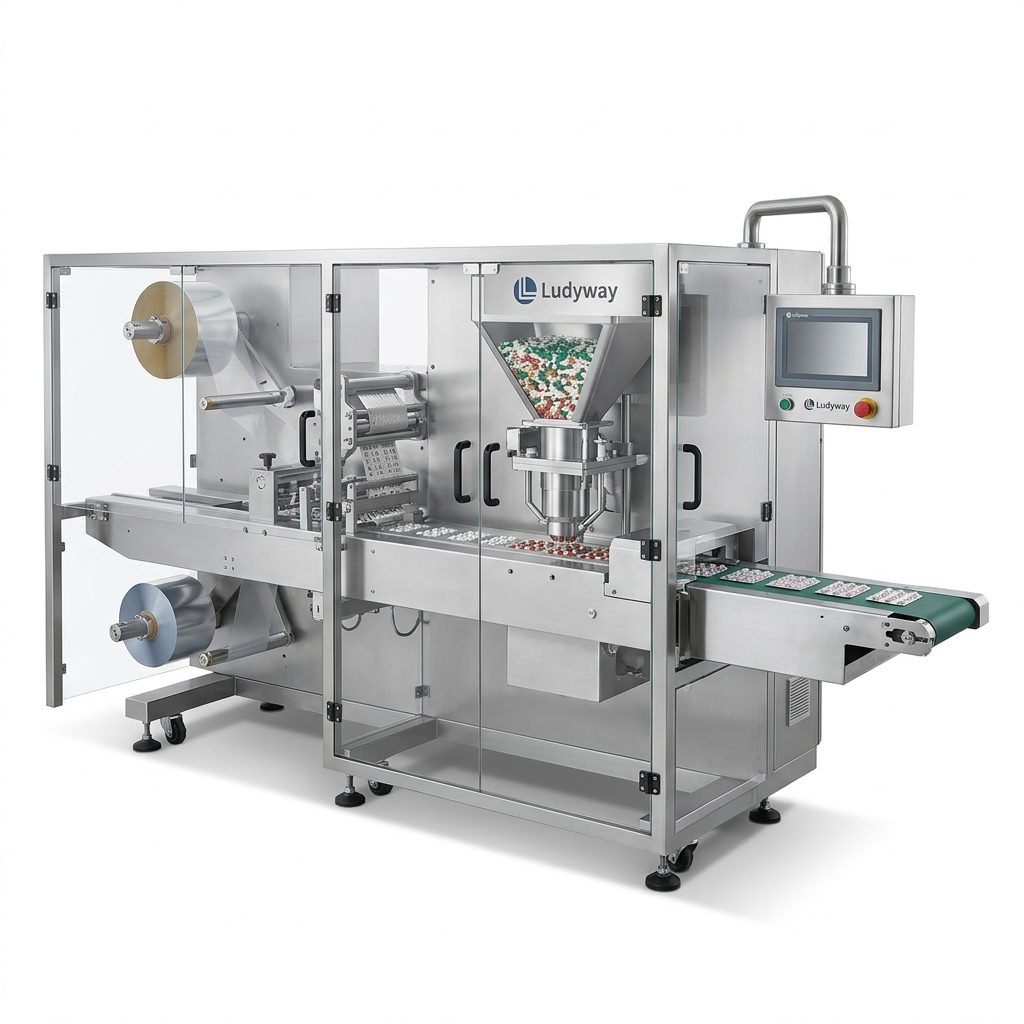
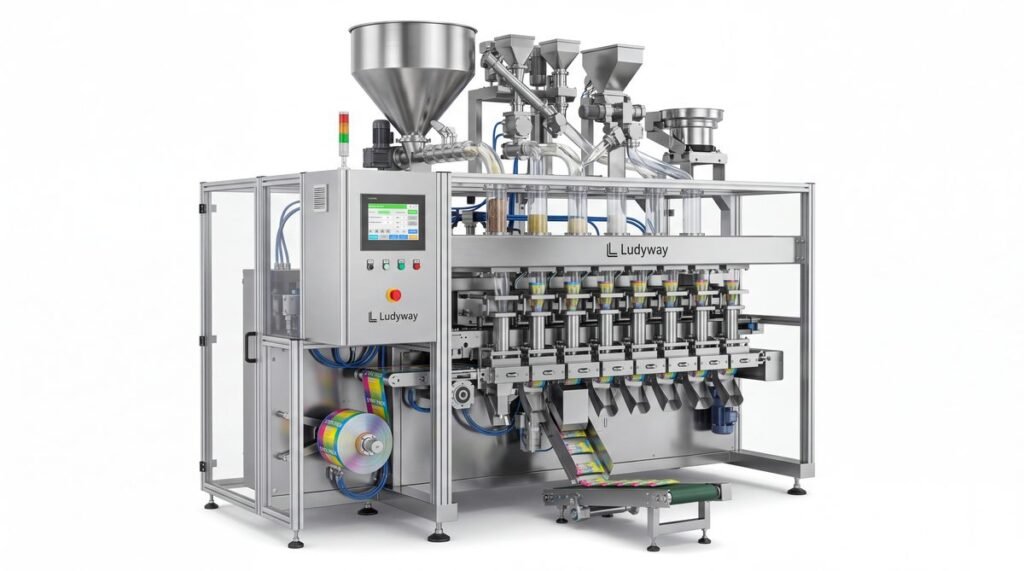
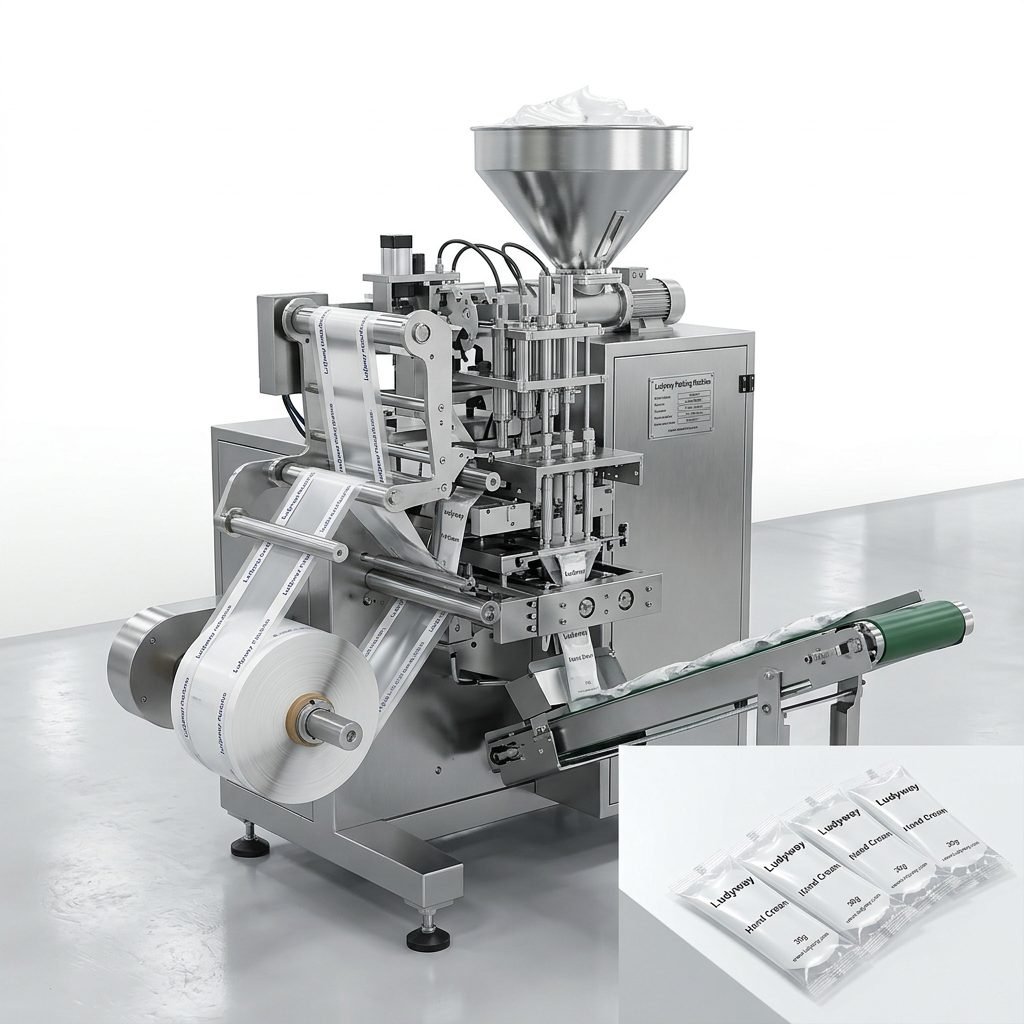
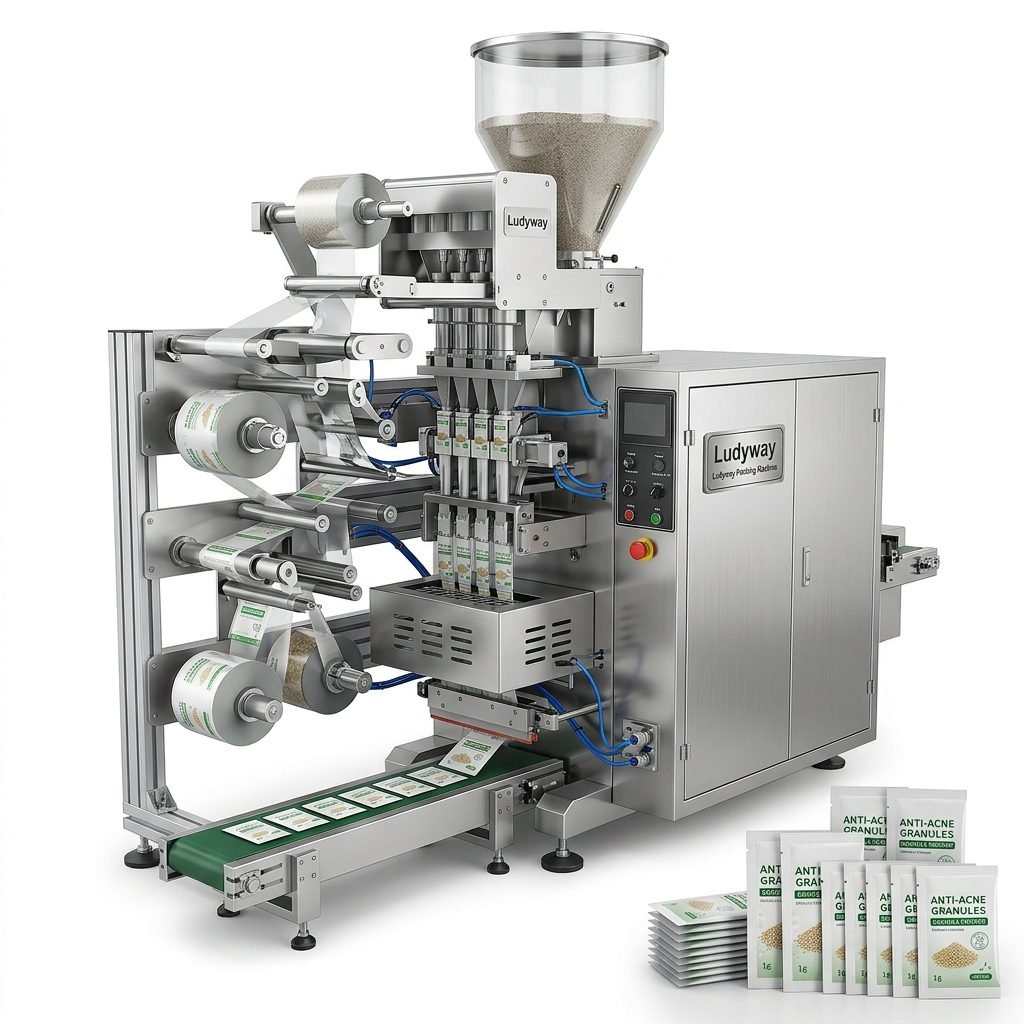
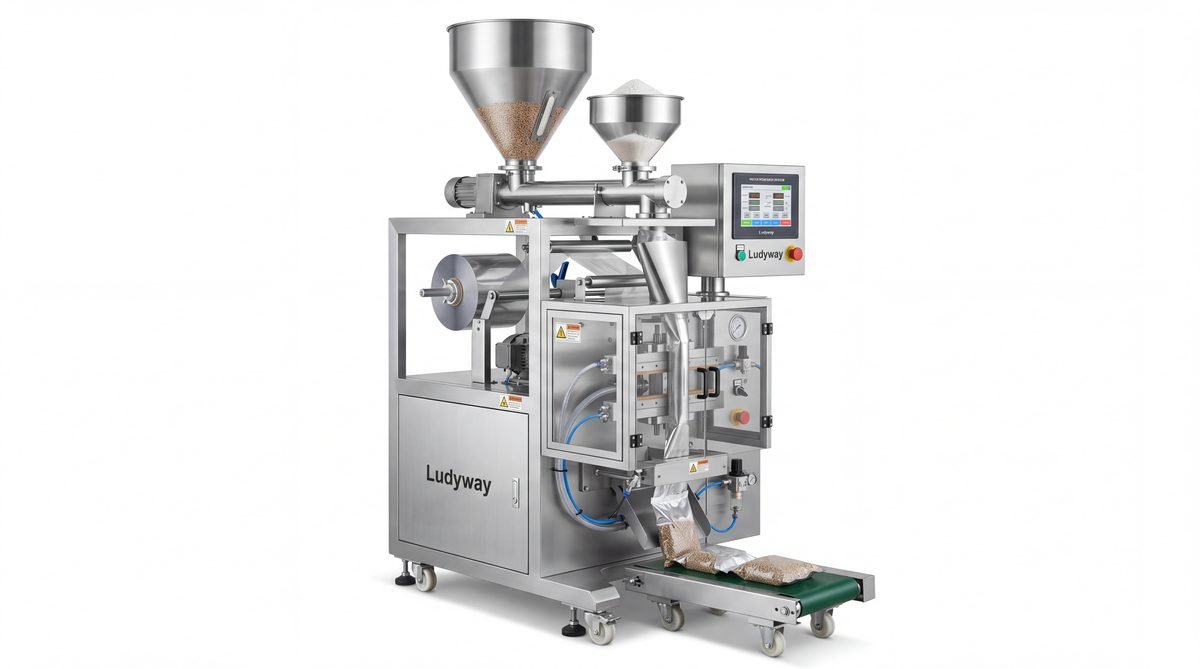
For powders, granules, liquids, and pouch-based products, vacuum or air-tight sealing can be combined with weighing, dosing, filling, coding, inspection, and cartoning into a complete line.
| Machine Type | Best For | Main Advantage |
|---|---|---|
| Chamber Vacuum Machine | Food, pharma, dried goods | Reliable vacuum and seal quality |
| External Vacuum Sealer | Light-duty applications | Compact and cost-effective |
| Thermoforming Vacuum System | High-volume factories | Continuous automated production |
| Vacuum Skin Packaging | Premium retail food packs | Excellent presentation and protection |
| Integrated Vacuum Packaging Line | Automated large-scale production | Higher efficiency and line compatibility |
Key Factors to Consider Before Buying
Product Characteristics
Start with the product itself. Is it solid, powder, liquid, paste, fragile, oily, or moisture-sensitive? A freeze-dried food item may require strong vacuum performance and gentle handling, while a pharmaceutical pouch may require high cleanliness standards and precise sealing control.
- Particle size and flowability
- Moisture content
- Sensitivity to oxygen
- Required shelf life
- Package size and shape
Packaging Material Compatibility
Not every machine works equally well with every film or pouch type. Confirm that your chosen machine supports the barrier film, laminated pouch, tray material, or bag thickness you plan to use. Good sealing depends on the right combination of heat, pressure, and dwell time.
Required Vacuum Level
A higher vacuum level is not always better. The right setting depends on the product. Delicate items can deform under excessive vacuum, while oxygen-sensitive products may require stronger evacuation or even nitrogen flushing combined with air tight sealing.
Production Capacity
Think beyond your current volume. If your operation is growing, choose a machine that can scale with your business. Evaluate:
- Packs per minute or cycles per minute
- Single-chamber vs. double-chamber operation
- Manual, semi-automatic, or fully automatic workflow
- Integration with upstream filling and downstream cartoning
Seal Quality and Leak Prevention
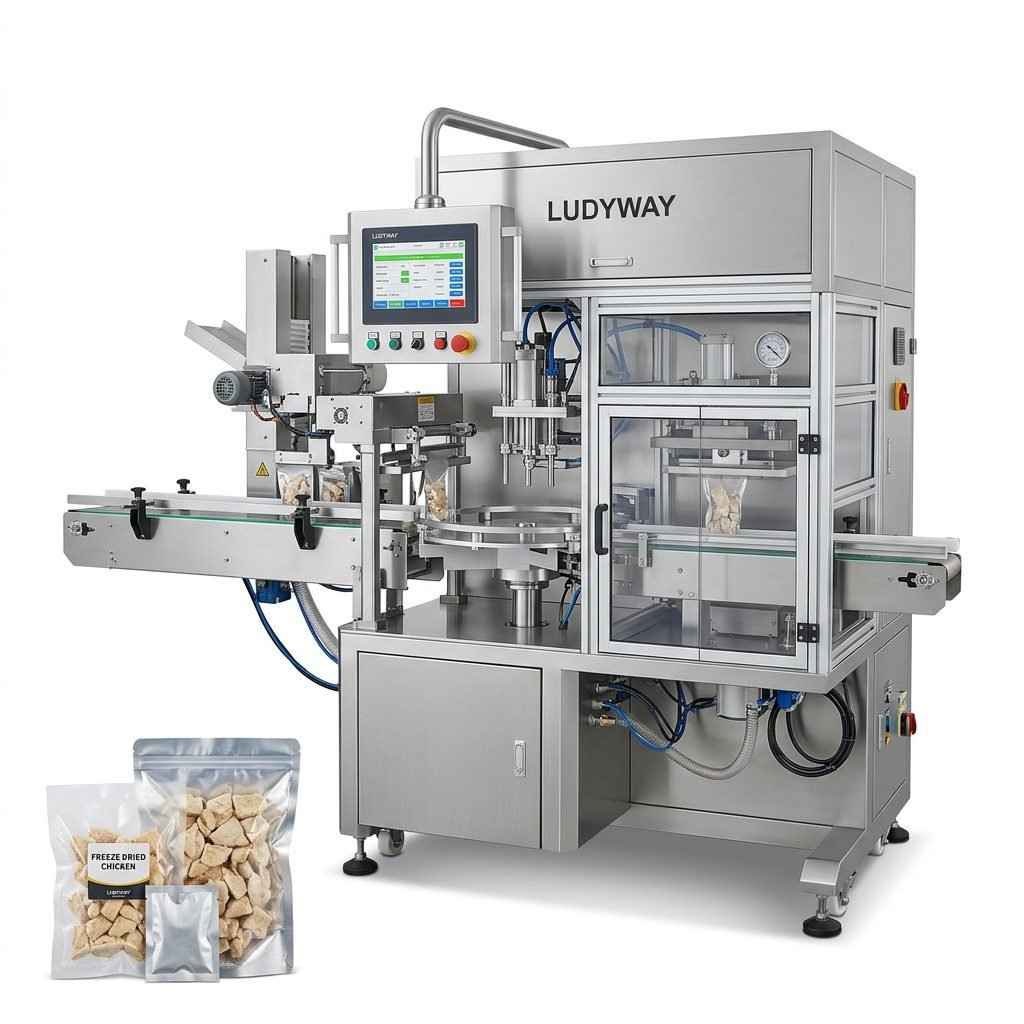
For an air tight packing machine, seal integrity is critical. Poor seals can destroy the purpose of vacuum packaging. Ask about sealing width, seal strength, temperature control accuracy, and leak testing options. In regulated sectors, consistent seals are just as important as machine speed.
Hygiene and Cleaning
For food, pharma, and medical products, the machine should be easy to clean and maintain. Stainless steel contact parts, accessible structure, reduced dead corners, and cleanable sealing areas are all important.
Automation and Smart Controls
Modern machines often include touchscreen interfaces, recipe storage, alarm systems, automatic parameter adjustment, fault diagnostics, and production data monitoring. These features help reduce operator error and improve consistency.
How to Match the Machine to Your Industry
Food Industry
Food manufacturers usually focus on freshness, shelf life, and attractive pack appearance. Vacuum packaging is common for meat, seafood, cheese, coffee, ready meals, dried fruit, nuts, spices, and freeze-dried products.
Recommended features: food-grade construction, washable design, high seal consistency, and optional gas flushing.
Pharmaceutical and Health Supplement Industry
This sector requires accuracy, cleanliness, and compliance. Air tight packaging helps protect active ingredients from humidity and oxidation. Traceability, batch coding, and stable process control are especially important.
Recommended features: precise vacuum control, hygienic construction, validation support, and integration with inspection systems.
Pet Food and Feed
Vacuum or tightly sealed packaging helps maintain product quality, especially for freeze-dried treats, premium nutrition products, and oxidation-sensitive formulas.
Industrial and Chemical Products
For specialty powders, granules, additives, and sensitive components, air tight sealing reduces contamination and supports safer transport and storage. Machines should be selected based on material handling behavior and environmental protection needs.
Questions to Ask a Supplier
Before making a purchase, ask targeted questions instead of comparing machines on price alone.
- What products has this machine already been tested with?
- What is the actual vacuum performance under production conditions?
- Can it handle different bag sizes and materials?
- What maintenance schedule is required?
- Are spare parts and technical support available internationally?
- Can the system be integrated into a full packaging line later?
Common Mistakes When Choosing a Vacuum Packaging Solution
| Mistake | Why It Causes Problems | Better Approach |
|---|---|---|
| Choosing by price only | May lead to poor seal quality and short machine life | Evaluate total cost of ownership |
| Ignoring product behavior | Vacuum settings may damage or poorly protect the product | Test real samples before ordering |
| Underestimating future volume | Creates bottlenecks as demand grows | Choose scalable equipment |
| Overlooking after-sales service | Downtime becomes more expensive | Work with an experienced exporter |
| No line integration planning | Causes inefficiency between filling, sealing, and packing stages | Plan complete workflow early |
When You Need a Standalone Machine vs. a Turnkey Line
A standalone air tight packing machine can be the right choice for businesses with stable product formats, moderate volume, or a limited production footprint. But if you need feeding, dosing, vacuum sealing, inspection, coding, cartoning, and final case packing in one coordinated process, a turnkey line is often more efficient in the long term.
Manufacturers looking for scalable automation often work with experienced suppliers such as Ludyway vacuum packaging solution provider, especially when they need custom configurations for food, pharmaceutical, supplement, and pouch-based applications.
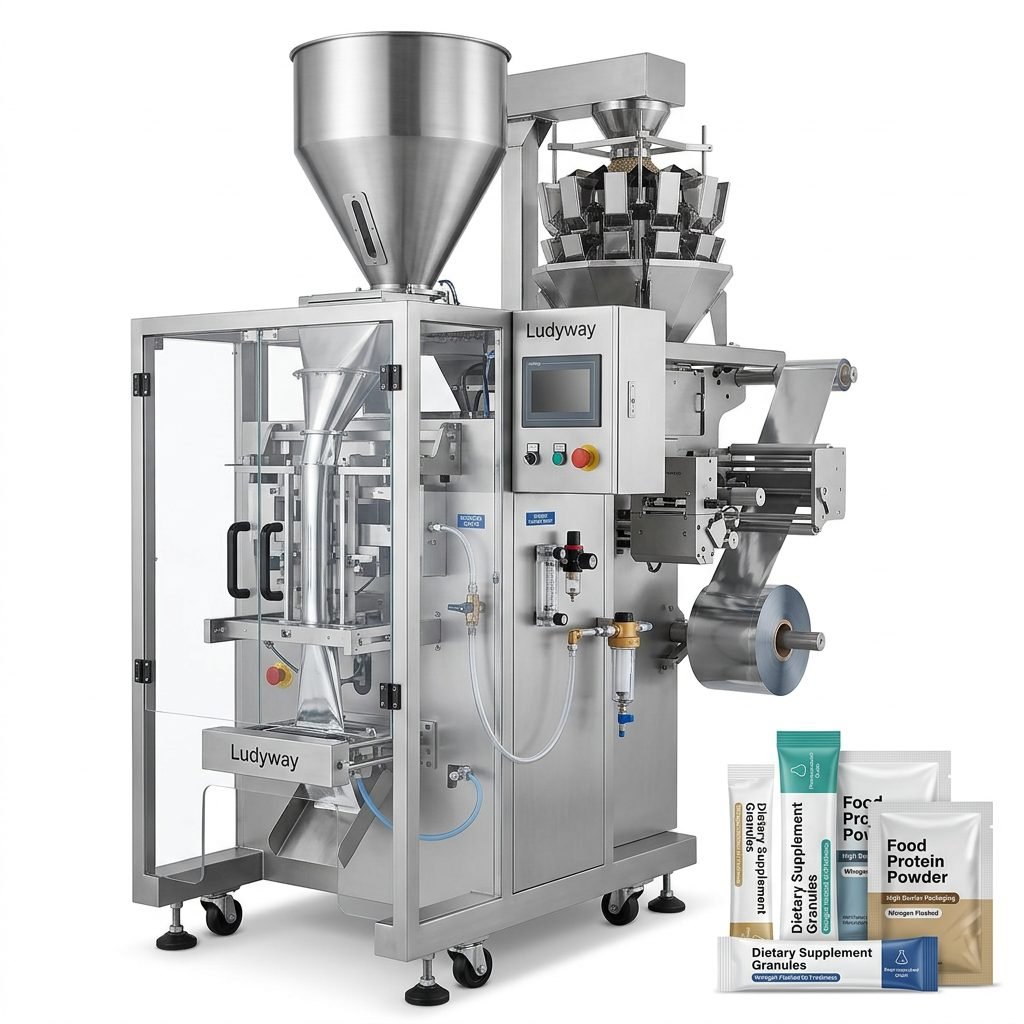
Signs of a High-Quality Air Tight Packing Machine
- Stable vacuum pump performance
- Consistent heat sealing across repeated cycles
- User-friendly control system
- Durable stainless steel structure
- Easy cleaning and maintenance access
- Compatibility with multiple packaging materials
- Optional gas flushing, coding, and inspection modules
- Proven technical support and spare parts availability
Final Selection Checklist
Use this checklist before confirming your purchase:
- Define product type, package format, and shelf-life target.
- Confirm required output per hour or shift.
- Test machine performance with real samples.
- Verify sealing quality and leak resistance.
- Check film or pouch material compatibility.
- Review hygiene, cleaning, and compliance requirements.
- Assess upgrade potential for future automation.
- Compare service response, parts support, and export experience.
Conclusion
The best air tight packing machine is the one that fits your product, packaging format, capacity target, and quality standards. A strong vacuum packaging solution should do more than remove air; it should support efficiency, protect brand value, and reduce long-term production risks. By focusing on product compatibility, seal integrity, automation level, and supplier capability, you can choose a system that delivers reliable performance now and supports future growth.