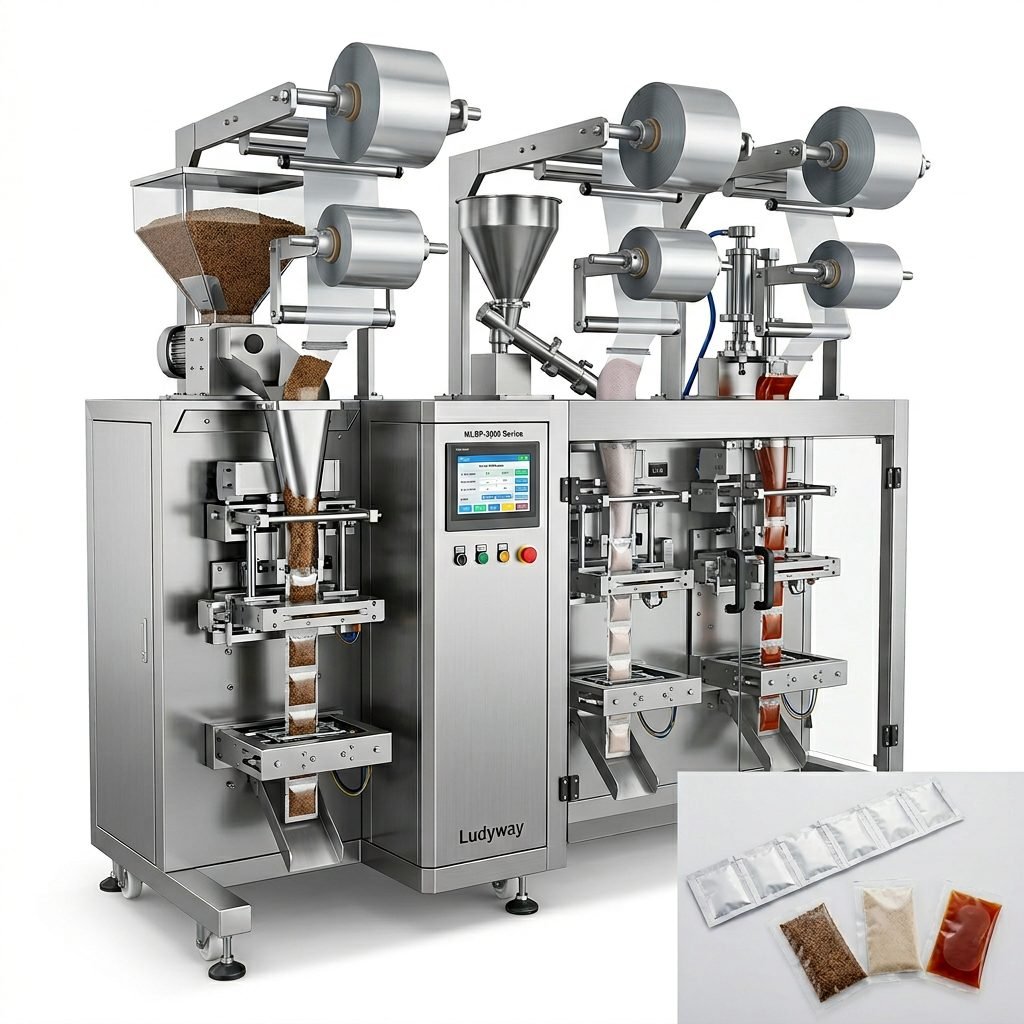
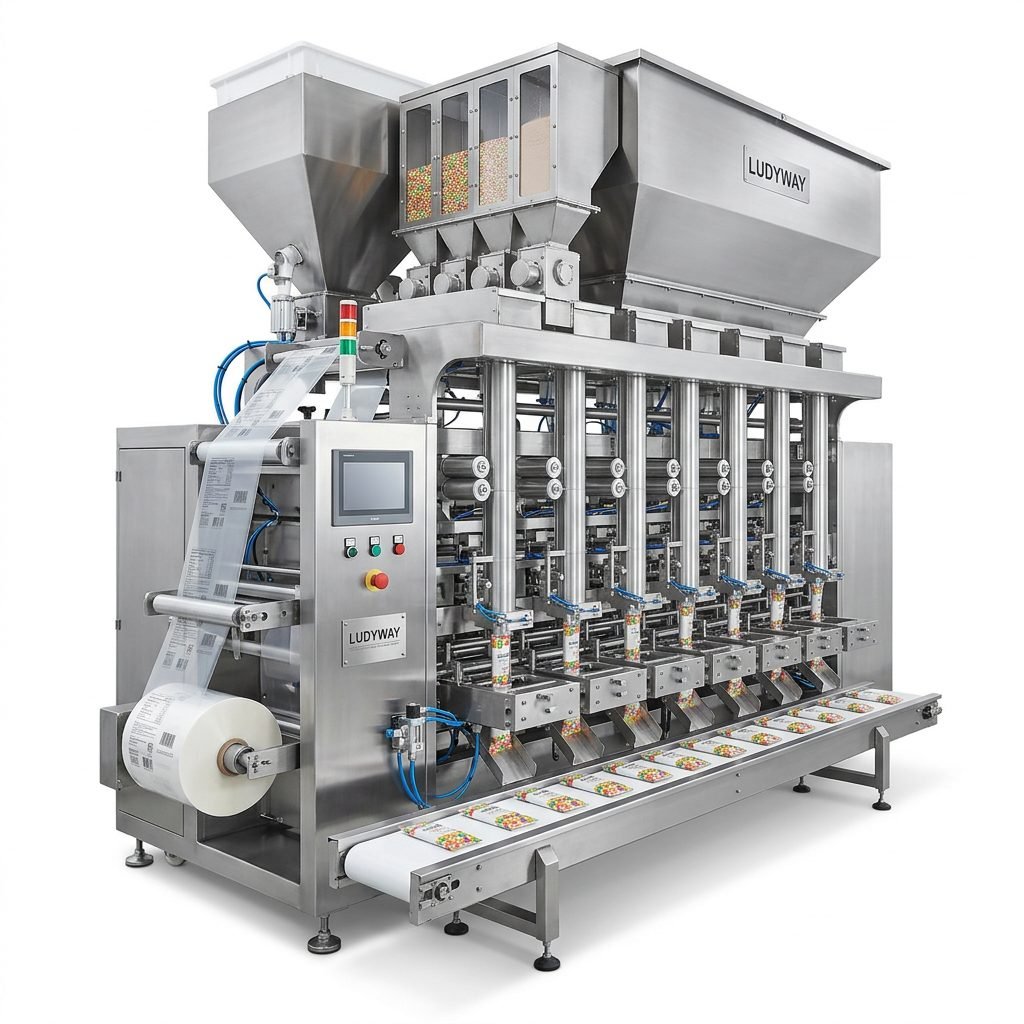
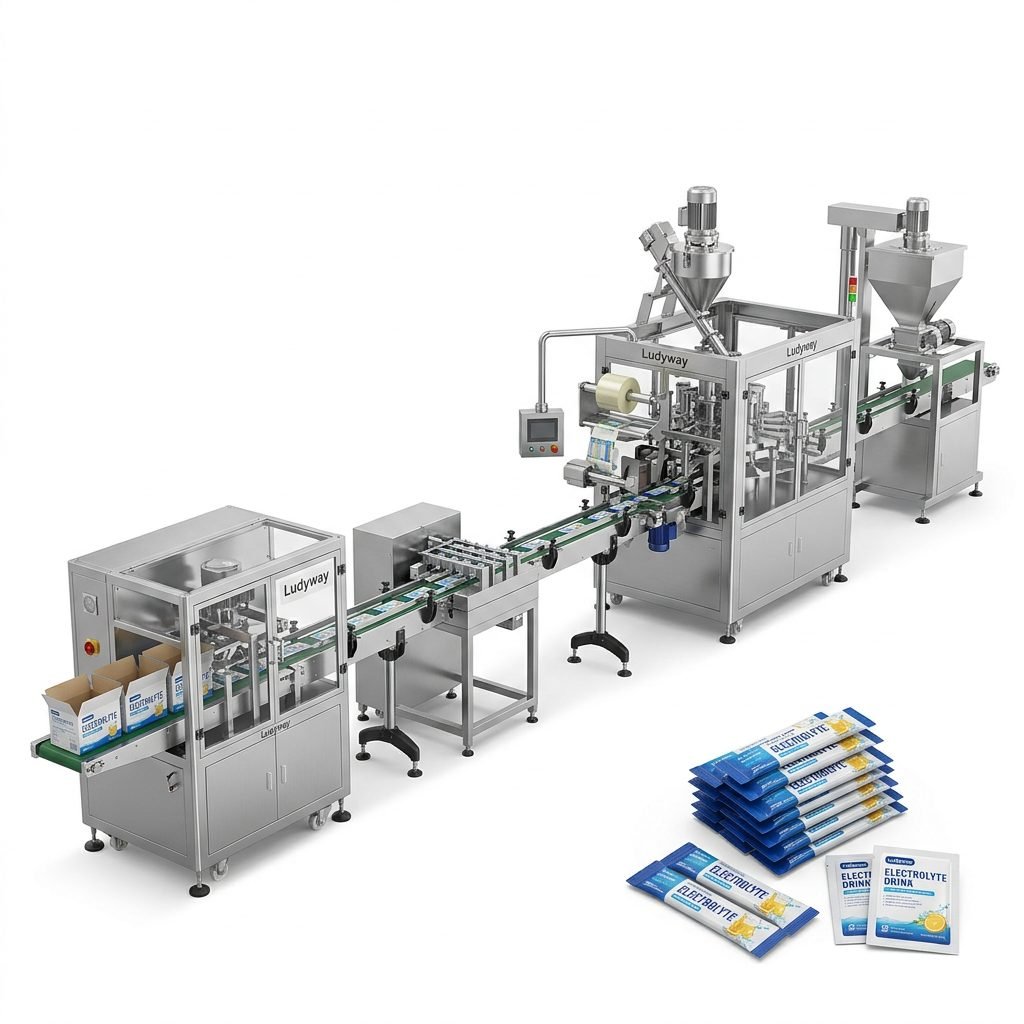
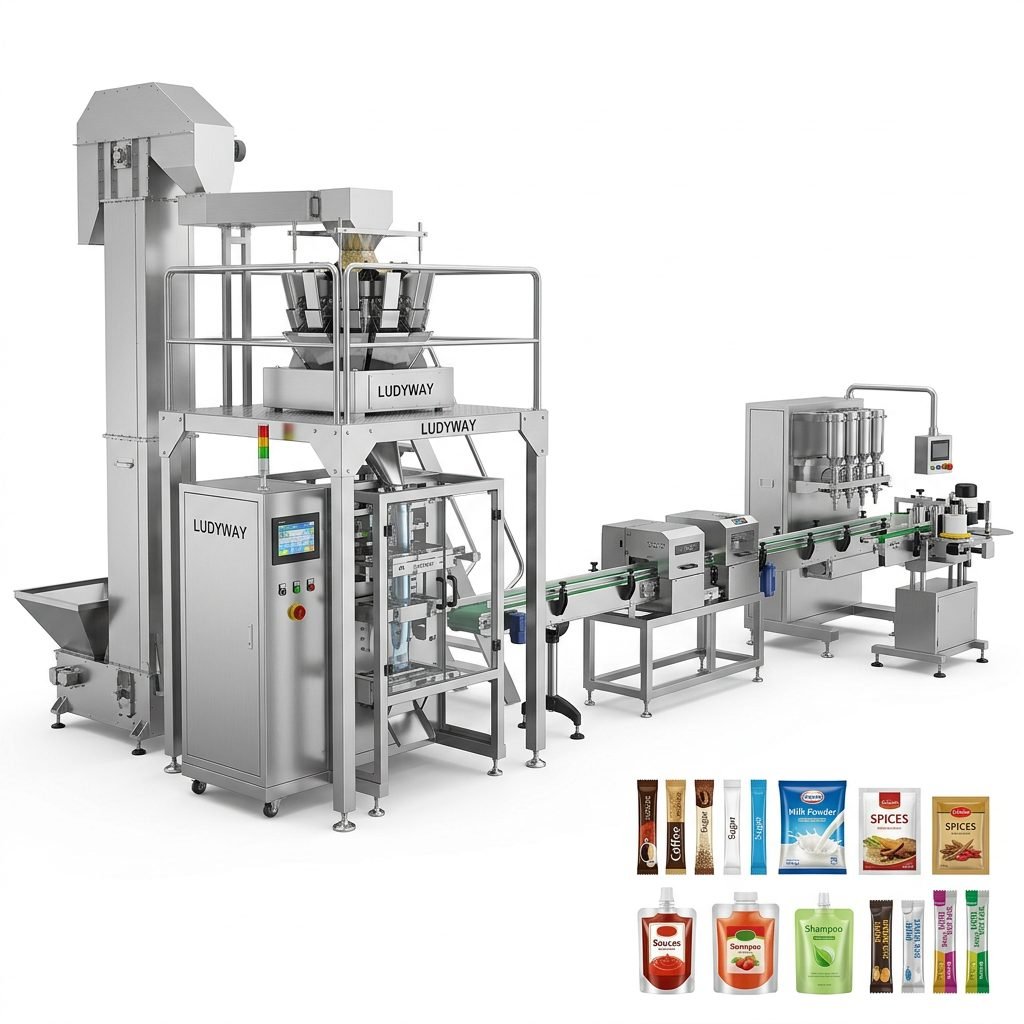
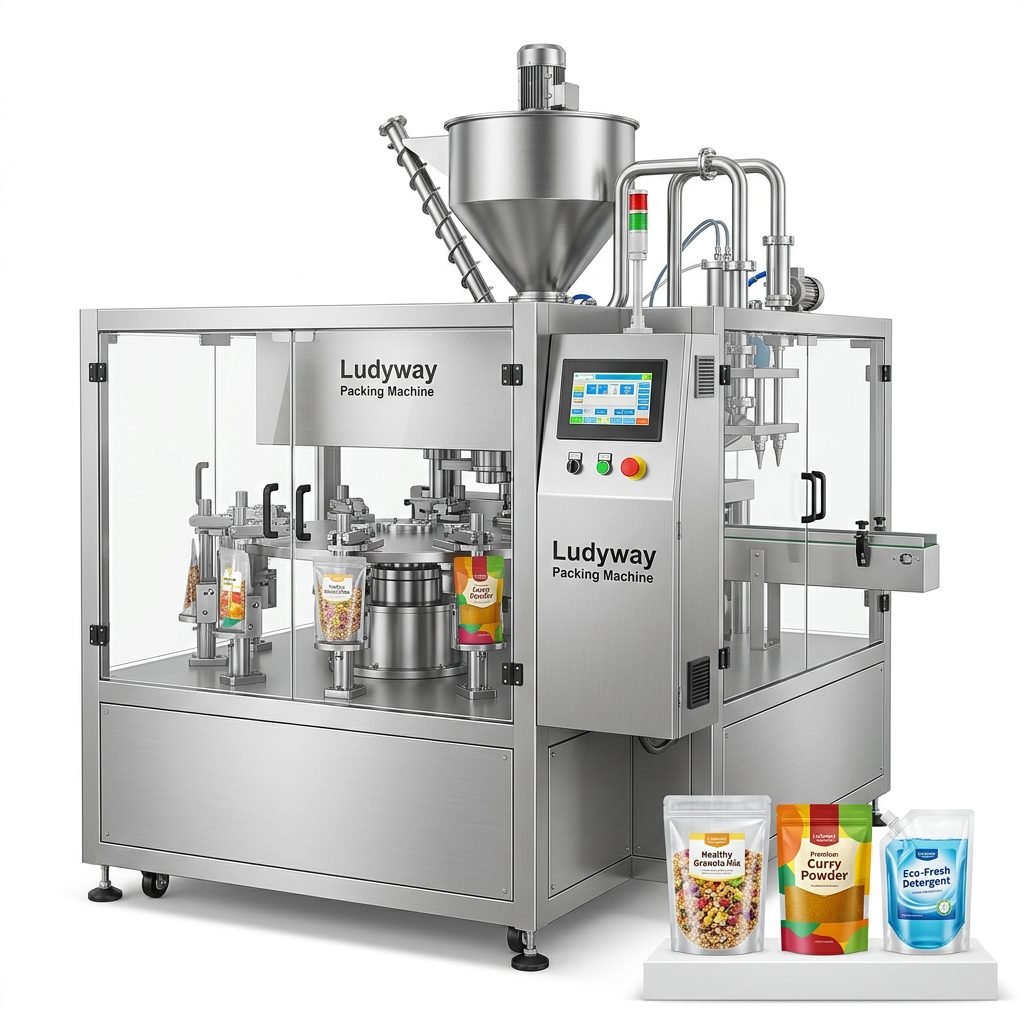
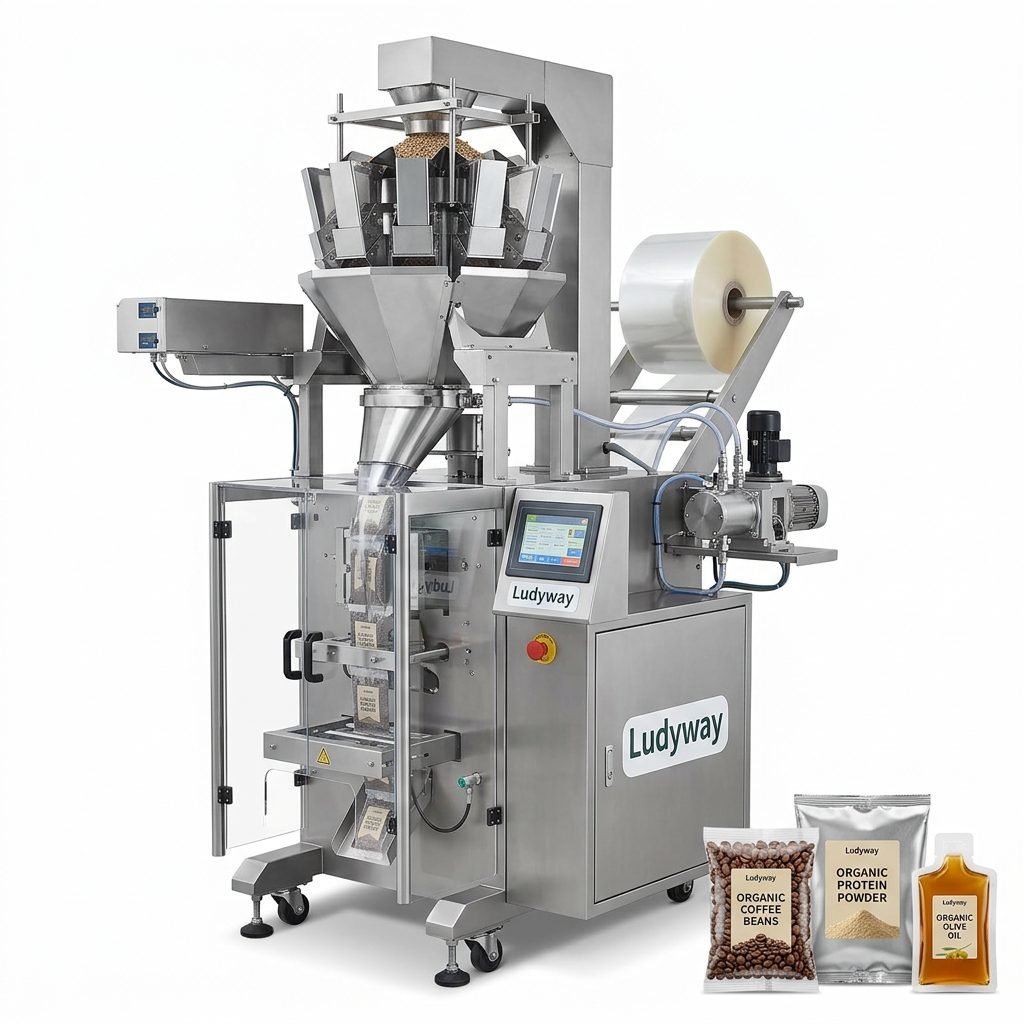
In the fast-paced world of manufacturing, efficiency and precision are paramount. For businesses packaging products in plastic bottles, selecting the right packaging machine is a critical decision that impacts production speed, product integrity, and overall operational costs. This comprehensive guide delves into the world of plastic bottle packaging machinery, exploring the various types, key features, and essential factors to consider when choosing the perfect solution for your production line.
Understanding the Core Types of Plastic Bottle Packaging Machines
The market offers a diverse range of machines, each designed for specific stages of the packaging process. Understanding these types is the first step toward making an informed choice.
1. Bottle Unscramblers
These machines are the starting point of an automated line. Their primary function is to take bulk, randomly oriented plastic bottles and orient them correctly, standing upright on a conveyor belt. They are essential for feeding subsequent machines like fillers and cappers efficiently.
2. Liquid Filling Machines
This category is vast and is chosen based on the product’s viscosity and foaming characteristics. Piston Fillers are highly accurate and ideal for thick products like sauces, creams, and oils. Gravity Fillers are simple and cost-effective for free-flowing, non-foaming liquids like water or juice. Pressure Fillers are used for carbonated beverages, while Volumetric Cup Fillers offer good speed for medium-viscosity products.
3. Capping Machines
Once filled, bottles need to be sealed. Capping machines apply various types of closures: screw caps, snap-on caps, press-on lids, or even spray pumps. They can be single-head for low-speed operations or multi-head rotary chuck cappers for high-speed production lines.
4. Labeling Machines
These apply labels to the bottles. Options include pressure-sensitive (self-adhesive) labelers, which are versatile and fast, and wrap-around labelers for full-body coverage. The choice depends on label material and application requirements.
5. Complete Packaging Lines
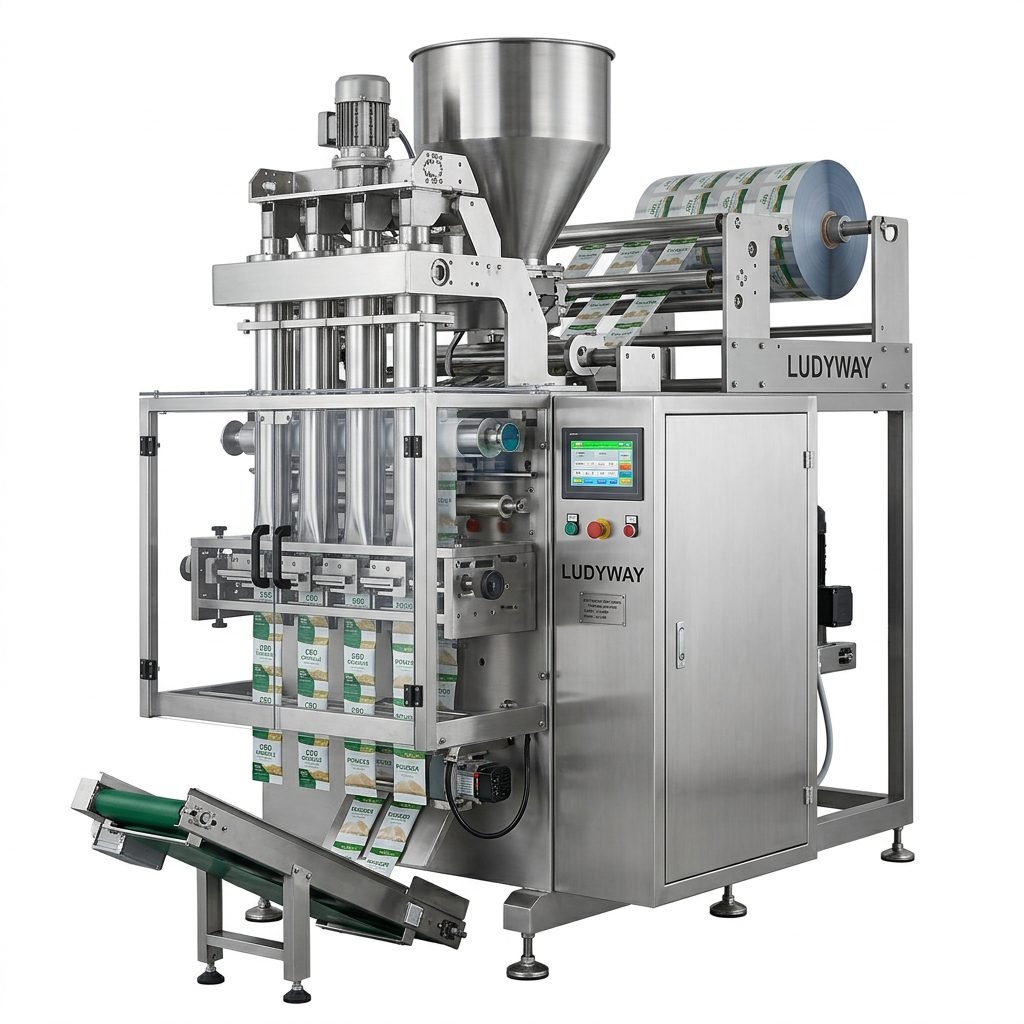
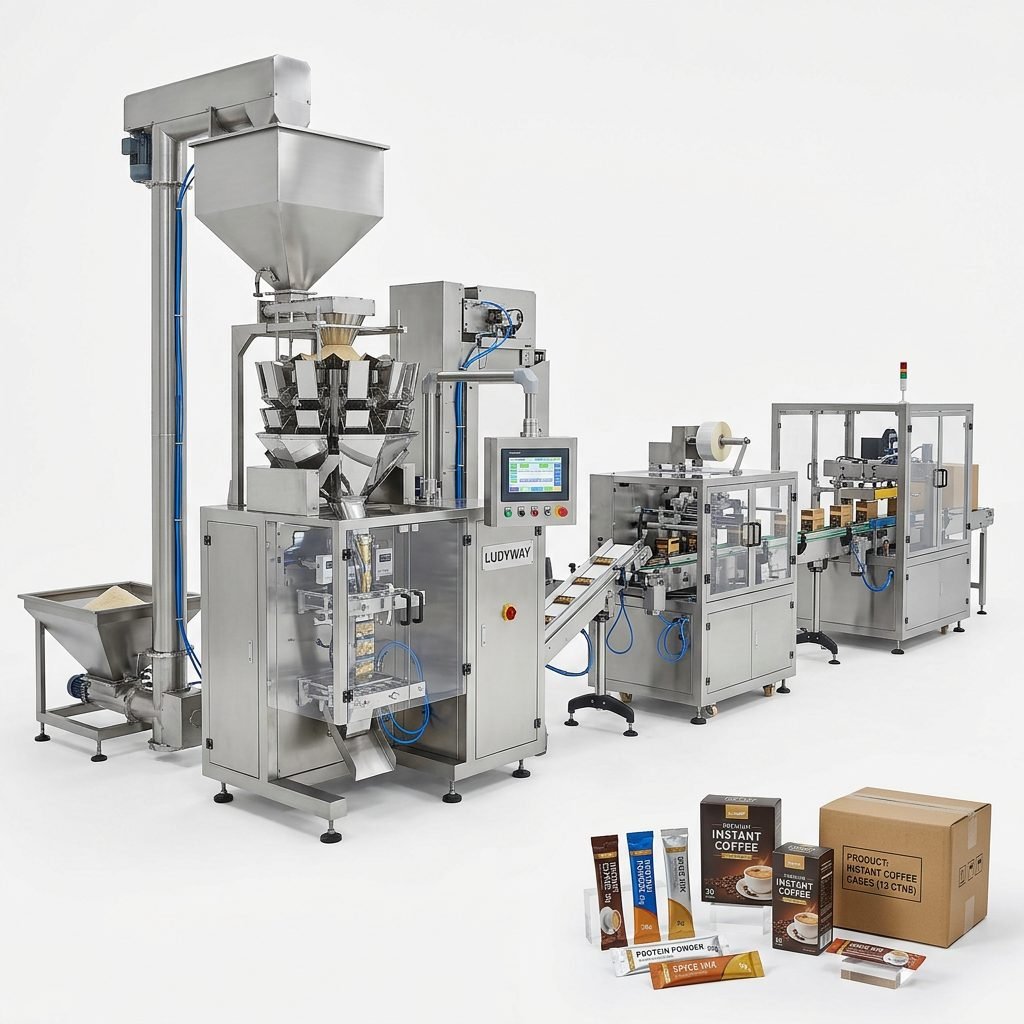
For high-volume producers, a fully integrated turnkey line is often the best solution. Companies like Ludyway Machinery specialize in designing and supplying these complete systems, which seamlessly combine unscrambling, filling, capping, and labeling into one synchronized, high-efficiency unit.
Essential Features and Technological Advancements
Modern machines go beyond basic functions. Key features to look for include:
🔹 Precision and Accuracy
High-accuracy filling systems minimize product giveaway and ensure every bottle meets the stated volume, which is crucial for compliance and cost control.
🔹 Versatility and Changeover
Look for machines with quick-change parts and tool-less adjustments to handle different bottle sizes and shapes with minimal downtime.
🔹 Hygiene and Construction
For food, pharmaceutical, or cosmetic products, machines with stainless steel contact parts, CIP (Clean-in-Place) systems, and sanitary design are non-negotiable.
🔹 Automation and Control
Advanced packaging machinery features user-friendly PLC (Programmable Logic Controller) touchscreens, recipe storage, production counting, and diagnostic alerts for proactive maintenance.
🔹 Speed and Output
The machine’s speed (bottles per minute, BPM) must align with your current and projected production targets to ensure a return on investment.
How to Choose the Right Solution: A Step-by-Step Guide
Selecting a machine is a strategic investment. Follow this framework to guide your decision.
Step 1: Define Your Product and Bottle
Clearly identify your product’s properties (viscosity, acidity, foaming) and your bottle specifications (material, size, shape, neck finish). This directly dictates the type of filler and capper you need.
Step 2: Assess Your Production Requirements
Determine your required output speed (BPM), the number of shifts you run, and your desired level of automation (semi-automatic vs. fully automatic).
Step 3: Evaluate Your Facility
Measure your available floor space, check utility requirements (electrical, air pressure), and ensure the machine’s footprint and power needs are compatible.
Step 4: Consider Future Growth
Invest in a machine that offers some scalability. Can it handle a range of bottle sizes? Is it from a supplier, like Ludyway, known for modular systems that can be expanded later?
Step 5: Analyze Total Cost of Ownership (TCO)
Look beyond the initial purchase price. Factor in installation costs, energy consumption, spare parts availability, maintenance needs, and the supplier’s reputation for after-sales support and technical service.
💡 Pro Tip: The Value of a Reliable Partner
Choosing a machinery supplier is as important as choosing the machine itself. A partner with deep industry experience, such as Ludyway Machinery with over a decade of expertise, provides invaluable benefits. They offer not just equipment, but tailored solutions, comprehensive training, reliable spare parts, and long-term technical support. This partnership ensures your packaging line remains productive and efficient for years to come, maximizing your investment.
Conclusion
Navigating the landscape of plastic bottle packaging machines requires careful analysis of your specific needs against the capabilities of available technology. By thoroughly understanding the different machine types, prioritizing key features like precision and hygiene, and following a structured selection process that emphasizes partnership and total cost of ownership, you can invest in a solution that drives efficiency, ensures quality, and supports your business growth. The right packaging machine is a cornerstone of a successful, competitive manufacturing operation.
Frequently Asked Questions (FAQs)
1. What is the main difference between a semi-automatic and a fully automatic packaging machine?
A semi-automatic machine requires some manual intervention, such as placing bottles on the filling station or applying caps. It is suitable for low to medium production volumes. A fully automatic machine is part of an integrated line where bottles are automatically unscrambled, filled, capped, and labeled with minimal human oversight, designed for high-volume, continuous production.
2. How do I know which type of filling technology (piston, gravity, etc.) is right for my product?
The choice is primarily based on your product’s viscosity and characteristics. Thin, free-flowing liquids like water work well with gravity fillers. Thick, viscous products like honey or ketchup require piston fillers. For foamy liquids or carbonated drinks, pressurized filling systems are necessary. Always consult with your machinery supplier and provide a product sample for testing.
3. Can one machine handle different bottle sizes and shapes?
Many modern machines are designed for versatility. They feature “quick-change” parts or adjustable components that allow operators to switch between different bottle sizes and types with relative ease and minimal tooling. However, the degree of flexibility varies by machine, so this is a key question to ask during the selection process.
4. What kind of maintenance do these machines require?
Regular maintenance is crucial for longevity and consistent performance. This typically includes daily cleaning (especially for food-grade applications), periodic lubrication of moving parts, inspection and replacement of wear parts like seals and gaskets, and calibration of filling heads. A good supplier will provide a detailed maintenance schedule and training.
5. Why is supplier support so important when purchasing packaging machinery?
Even the best machines may require service, spare parts, or operational guidance. A supplier with strong technical support ensures minimal downtime if issues arise. They provide installation supervision, operator training, access to genuine spare parts, and troubleshooting assistance. This support is vital for maintaining continuous production and protecting your investment.