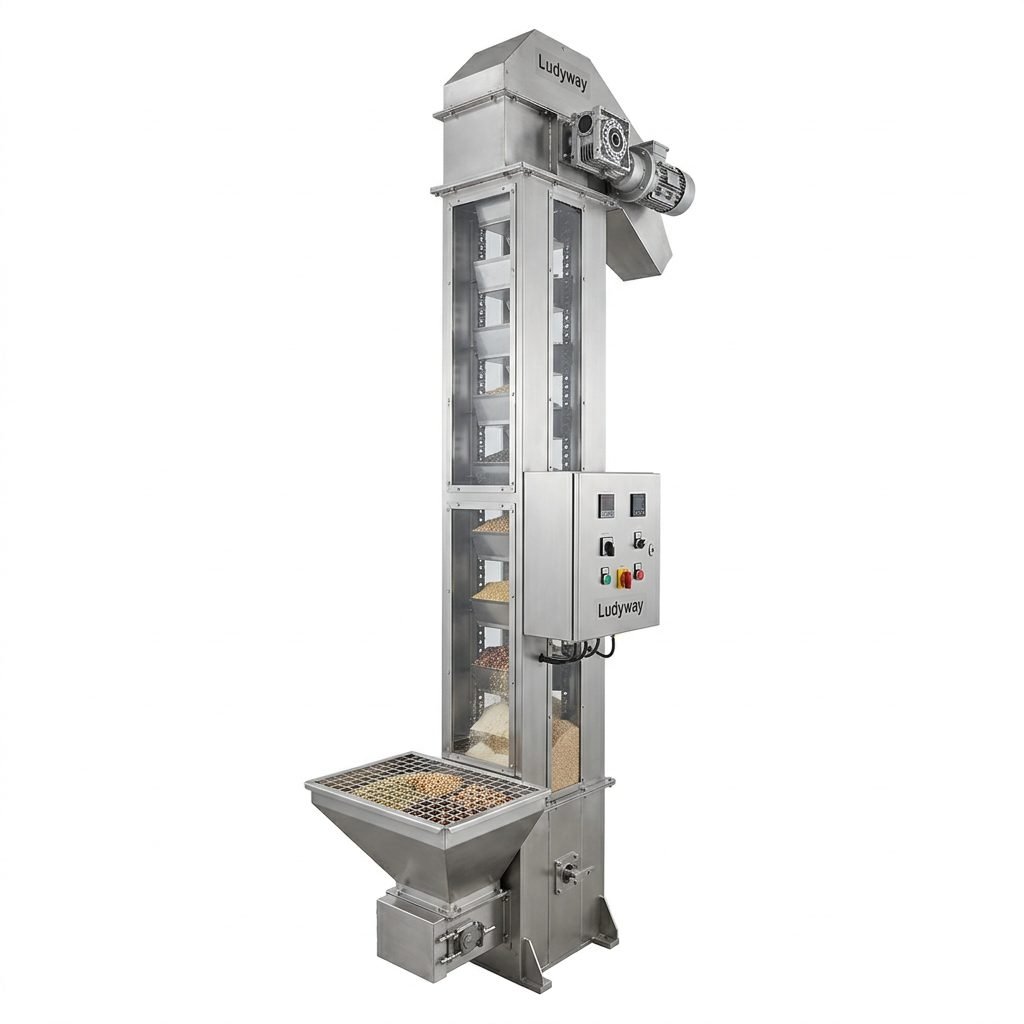
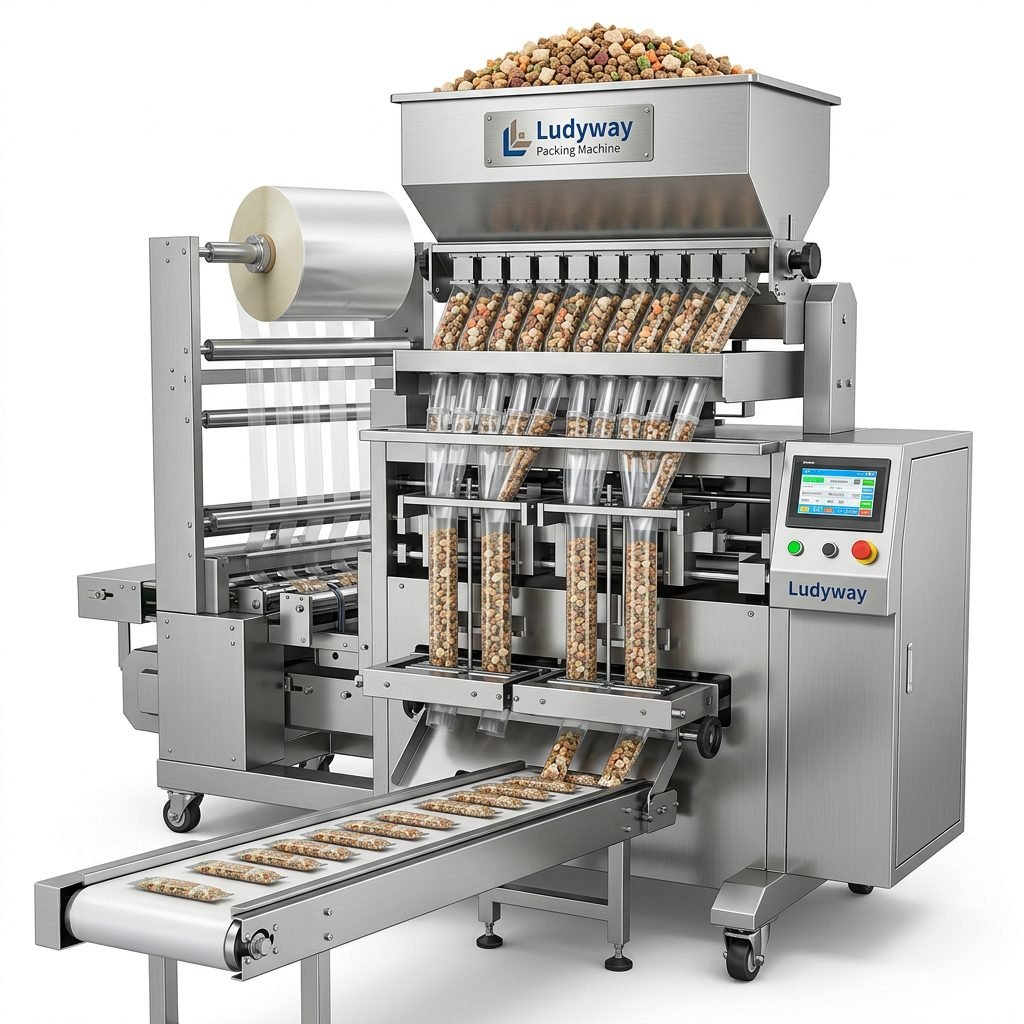
Efficient medication packaging is critical for patient safety, compliance, traceability, and pharmacy workflow performance. Whether you run a hospital pharmacy, contract packaging facility, pharmaceutical factory, or supplement production site, selecting the right pharmacy packaging machine can significantly improve output quality while reducing labor, waste, and packaging errors.
The best solution is not simply the fastest machine. It should match your medication format, packaging material, regulatory requirements, production volume, sanitation standards, and future expansion plans. Below is a practical guide to help buyers evaluate the right system with confidence.
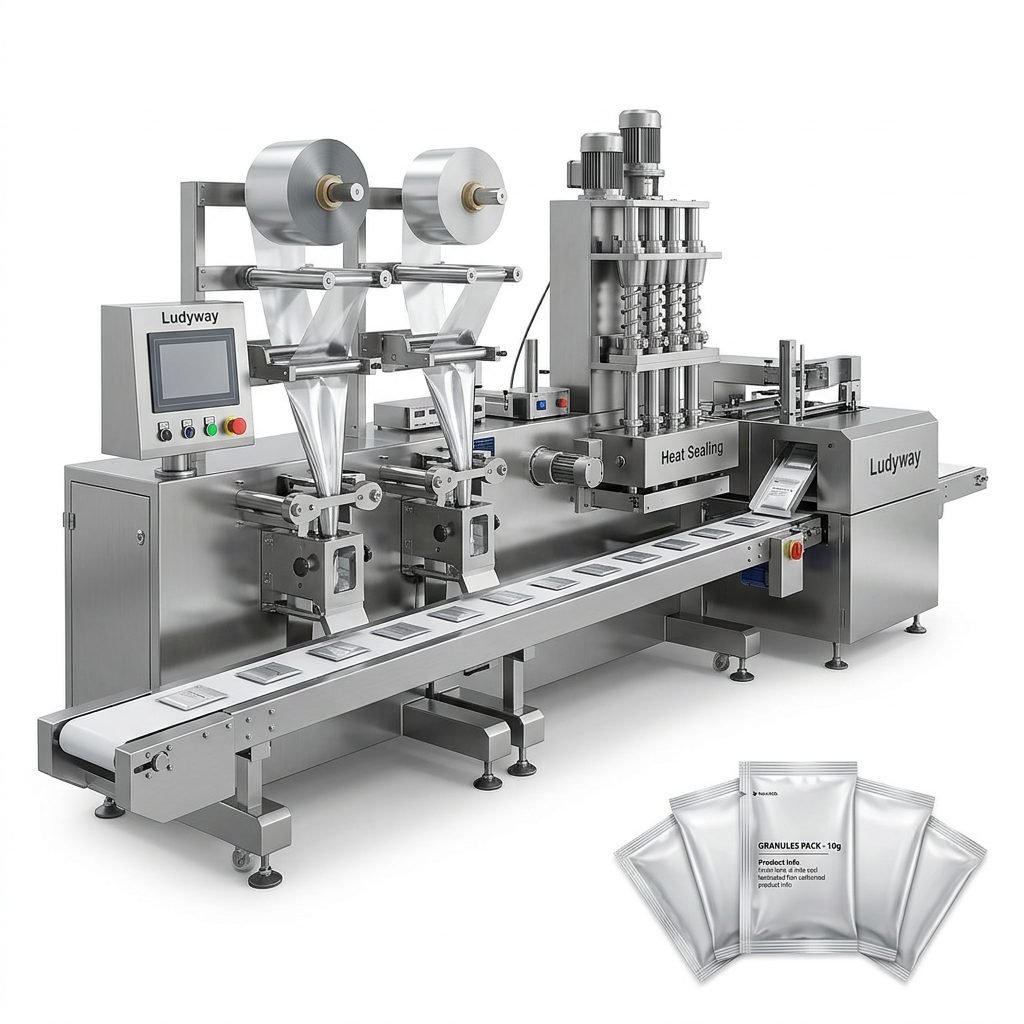
Why the Right Pharmacy Packaging Machine Matters
Medication packaging is more than a final production step. It affects:
- Dosage accuracy and product consistency
- Protection from moisture, oxygen, light, and contamination
- Batch traceability and labeling compliance
- Production speed and labor efficiency
- Patient convenience and shelf-life performance
A poor machine fit may cause sealing defects, inaccurate fills, excessive downtime, packaging waste, maintenance burdens, and non-compliance risks. A well-matched machine supports stable production and long-term return on investment.
Start with Your Medication Type
The first step is identifying exactly what you need to pack. Different dosage forms require different filling, feeding, sealing, and inspection technologies.
| Medication Type | Common Packaging Format | Recommended Machine Type |
|---|---|---|
| Powders | Sachets, stick packs, pouches | Auger filler, multi-lane sachet machine, stick pack machine |
| Granules | Sachets, stick packs, pouches | Cup filler, weighing system, VFFS or multi-lane packaging machine |
| Liquids / oral solutions | Sachets, stick packs, bottles | Liquid filling and sealing machine, bottle filling line |
| Pastes / gels | Sachets, tubes, pouches | Piston filling machine, sachet or tube filling system |
| Tablets / capsules | Blisters, bottles, strips | Blister packaging machine, counting line, bottling system |
Tip: If your product range includes multiple SKUs or dosage types, consider a modular or customizable packaging line rather than a single-purpose machine.
Choose the Right Packaging Format
Your machine must align with the packaging style expected by your market and product use case. In pharmacy and healthcare applications, common formats include:
- Sachets – suitable for unit-dose powders, oral rehydration salts, supplements, and medical powders.
- Stick packs – ideal for single-serve pharmaceutical powders and granules with compact retail-friendly presentation.
- Blister packs – commonly used for tablets and capsules where dose separation and protection are required.
- Bottles – preferred for tablets, capsules, syrups, and oral liquids.
- Pouches – useful for flexible packaging of powders, granules, or medical consumables.
When comparing formats, think about barrier protection, convenience, machine speed, storage, transportation, retail presentation, and final user handling.
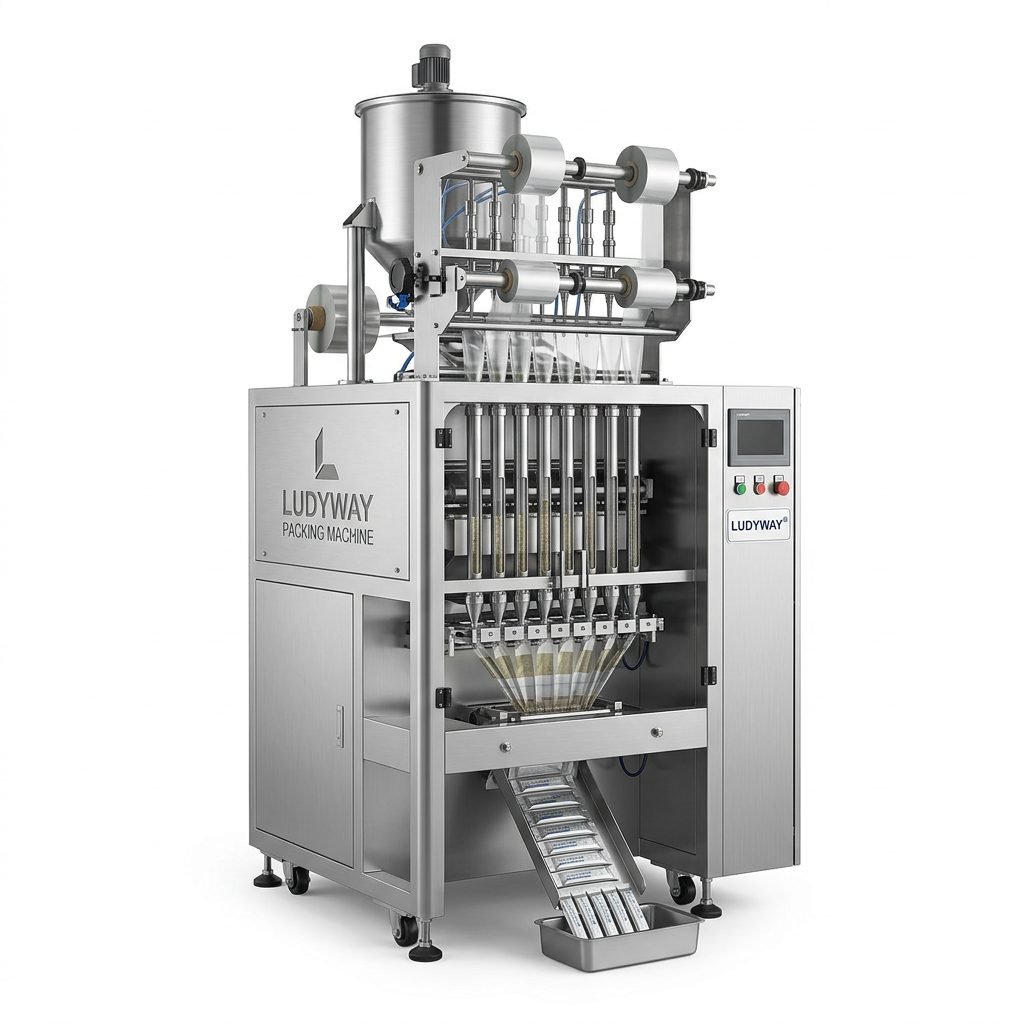
Evaluate Production Capacity Carefully
Many buyers overfocus on maximum speed. In reality, the correct question is: What stable output do you need per shift, per day, and per year?
Ask these questions before choosing a machine:
- What is your current packaging volume?
- How many SKUs do you run each week?
- How often do you need format changeovers?
- Do you expect production growth in the next 2–5 years?
- Do you need one machine or a complete automated line?
For high-output pharmaceutical powder or granule packaging, multi-lane equipment can offer major efficiency gains. For smaller batches or frequent product changes, a flexible lower-capacity machine may provide better real-world performance.
Capacity Selection Rule
Choose a machine that covers your current demand comfortably while leaving room for future expansion. Running equipment continuously at its upper limit can reduce service life and increase maintenance frequency.
Pay Attention to Filling Accuracy
In pharmacy packaging, accuracy is not optional. Fill deviation can affect compliance, product cost, and customer trust. The right filling system depends on product characteristics:
- Auger fillers for fine powders
- Volumetric cup fillers for free-flowing granules
- Multi-head weighers for higher precision granular applications
- Piston pumps for creams, gels, and viscous liquids
- Peristaltic or liquid pumps for oral liquids and low-viscosity products
Always request a filling accuracy test using your actual medication sample, because powder density, particle size, humidity sensitivity, and flowability all impact machine performance.
Consider GMP, Hygiene, and Material Standards
Pharmaceutical and healthcare packaging equipment should be designed for clean production and easy sanitation. Machine construction quality directly affects reliability and audit readiness.
Key features to look for include:
- Stainless steel contact parts
- Dust-proof or enclosed filling area
- Easy disassembly for cleaning
- Smooth machine surfaces with minimal dead corners
- Stable sealing temperature control
- Traceability support for coding and batch marking
Important: If your products are moisture-sensitive, sterile-adjacent, or highly regulated, equipment hygiene design should be one of your top decision factors.
Look Beyond the Core Machine
An efficient pharmacy packaging solution often includes more than the main packer. Auxiliary systems can dramatically improve overall productivity and quality control.
| Auxiliary Equipment | Function |
|---|---|
| Checkweigher | Verifies fill weight consistency |
| Metal detector | Improves product safety and inspection compliance |
| Coding / printing system | Prints batch numbers, dates, and traceability information |
| Cartoning machine | Automates secondary packaging |
| Conveyors / feeding systems | Stabilize product transfer and improve line efficiency |
| Case packer / palletizer | Supports high-volume end-of-line automation |
If you are scaling production, a turnkey line may be more cost-effective than purchasing standalone machines one by one.
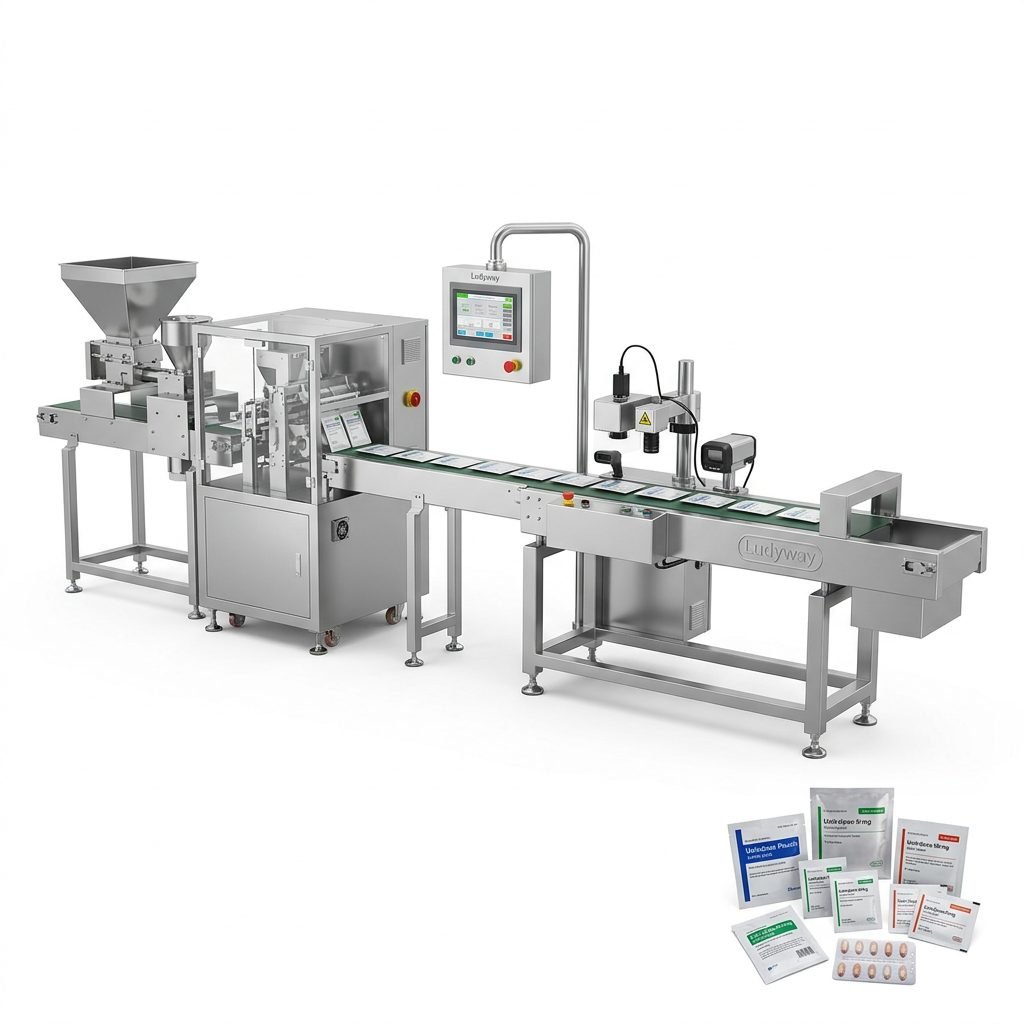
Assess Changeover and Flexibility
Pharmaceutical businesses often produce multiple formulations, pack sizes, and SKU variations. A machine that performs well in one format but takes too long to change over can reduce actual efficiency.
Check for:
- Quick tool-free adjustment where possible
- Recipe storage in the control system
- Easy film roll replacement
- Simple access for cleaning and maintenance
- Compatibility with different pouch or sachet dimensions
Check Sealing Quality and Packaging Integrity
For medical and pharmaceutical products, weak seals can result in leakage, contamination, reduced shelf life, and product rejection. The machine should provide stable sealing pressure, temperature, and dwell time according to your packaging film structure.
During supplier evaluation, request:
- Seal strength samples
- Running video with similar products
- Packaging material compatibility details
- Leak test or quality validation data if available
Think About Compliance and Documentation
Packaging machine selection should also consider documentation and validation support. Depending on your market and product category, you may need technical files, operating manuals, electrical drawings, spare parts lists, FAT/SAT support, and machine qualification assistance.
Useful Questions for Suppliers
- What certifications or quality documentation are available?
- Can the machine support batch coding and traceability?
- Is validation support available if required?
- What testing is completed before shipment?
- How are spare parts managed for international customers?
Compare Total Cost, Not Just Purchase Price
A lower machine price does not always mean a better investment. Consider the total ownership cost over time, including:
- Machine purchase price
- Installation and training
- Maintenance and spare parts
- Packaging material waste
- Downtime risk
- Labor savings
- Energy consumption
- Output per shift
A more reliable machine with better automation may deliver stronger ROI through lower waste, higher throughput, and improved consistency.
Signs of a Reliable Pharmacy Packaging Machine Supplier
Choosing the right supplier is just as important as choosing the machine. A dependable manufacturer should offer engineering support, customization capability, testing experience, and after-sales service.
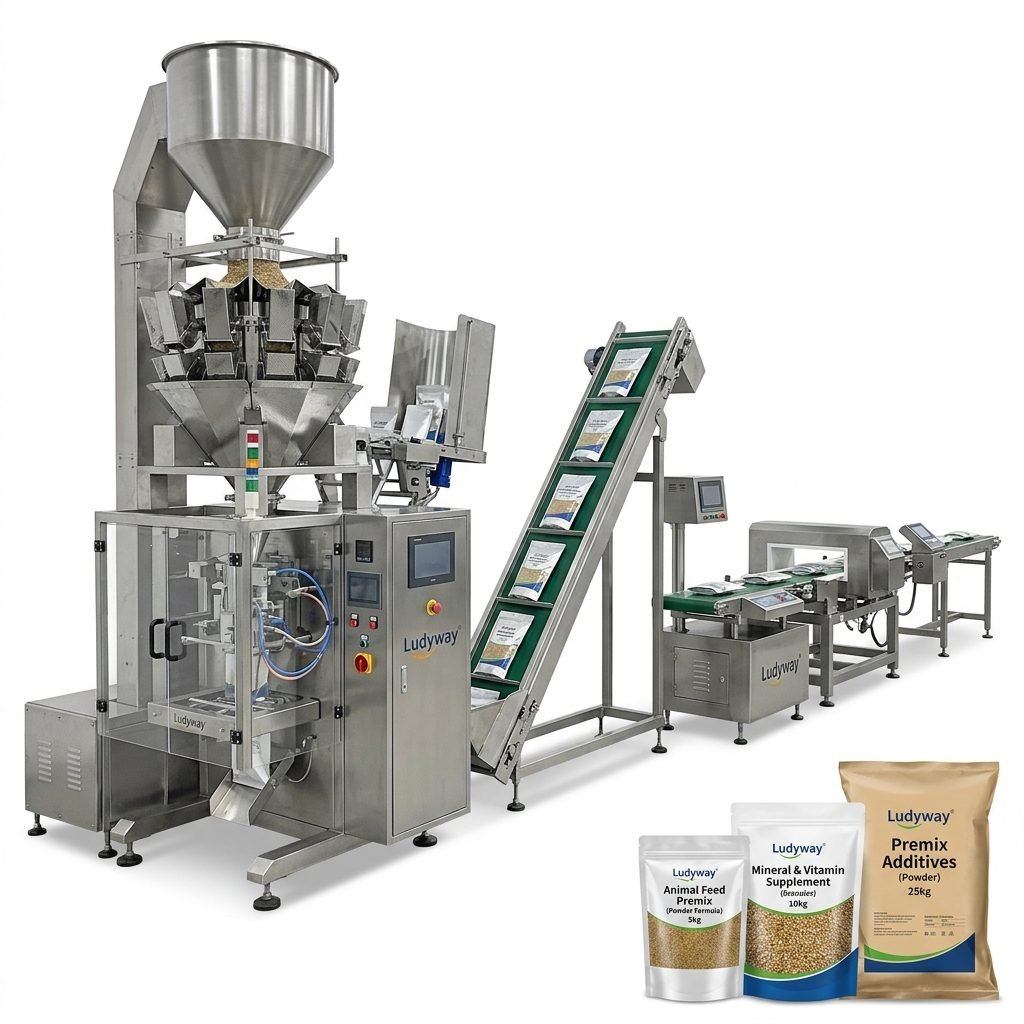
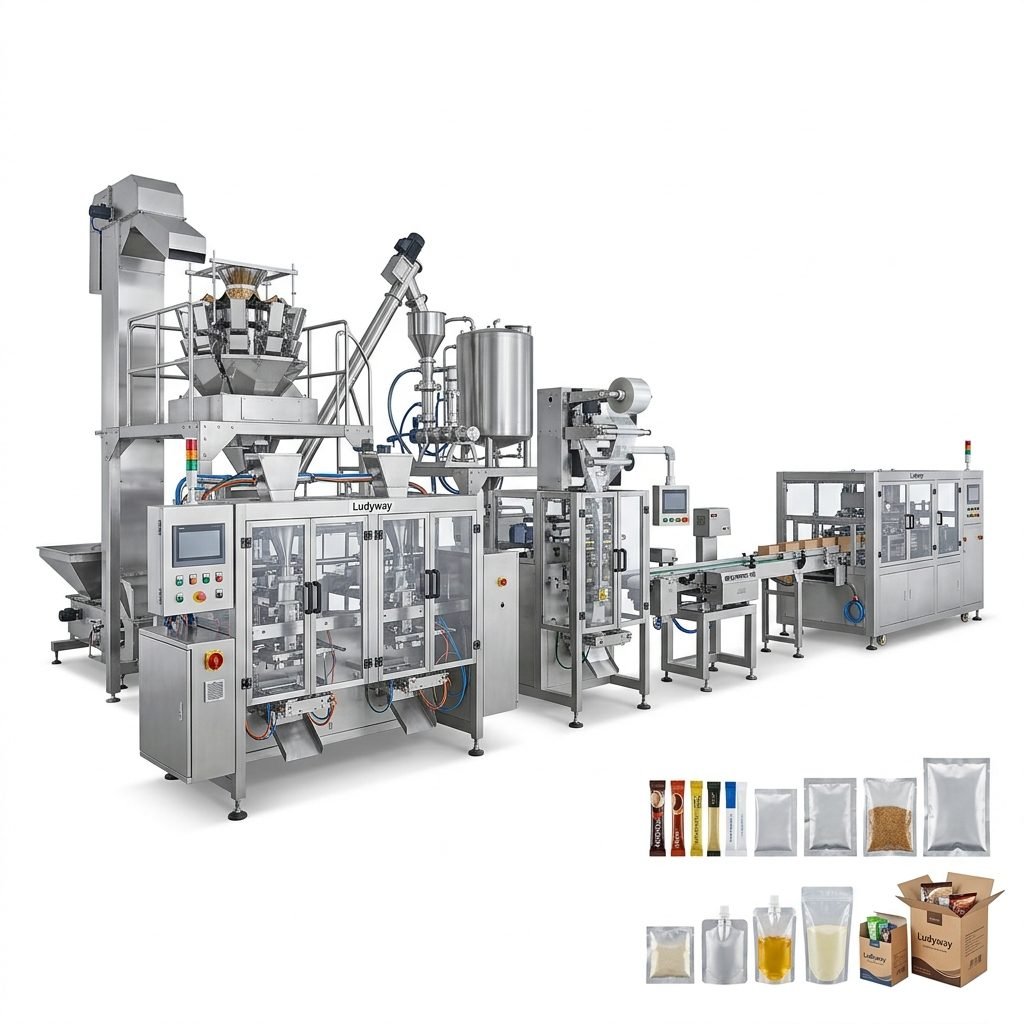
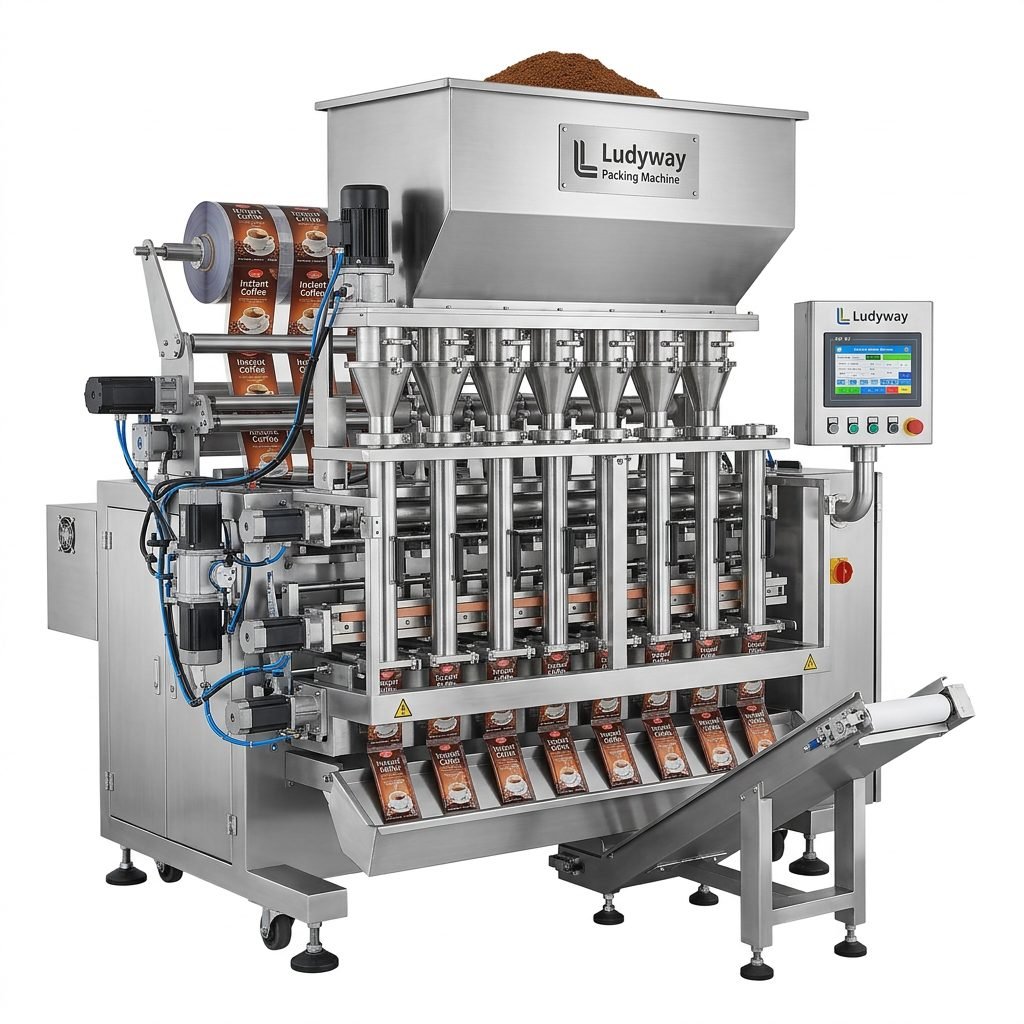
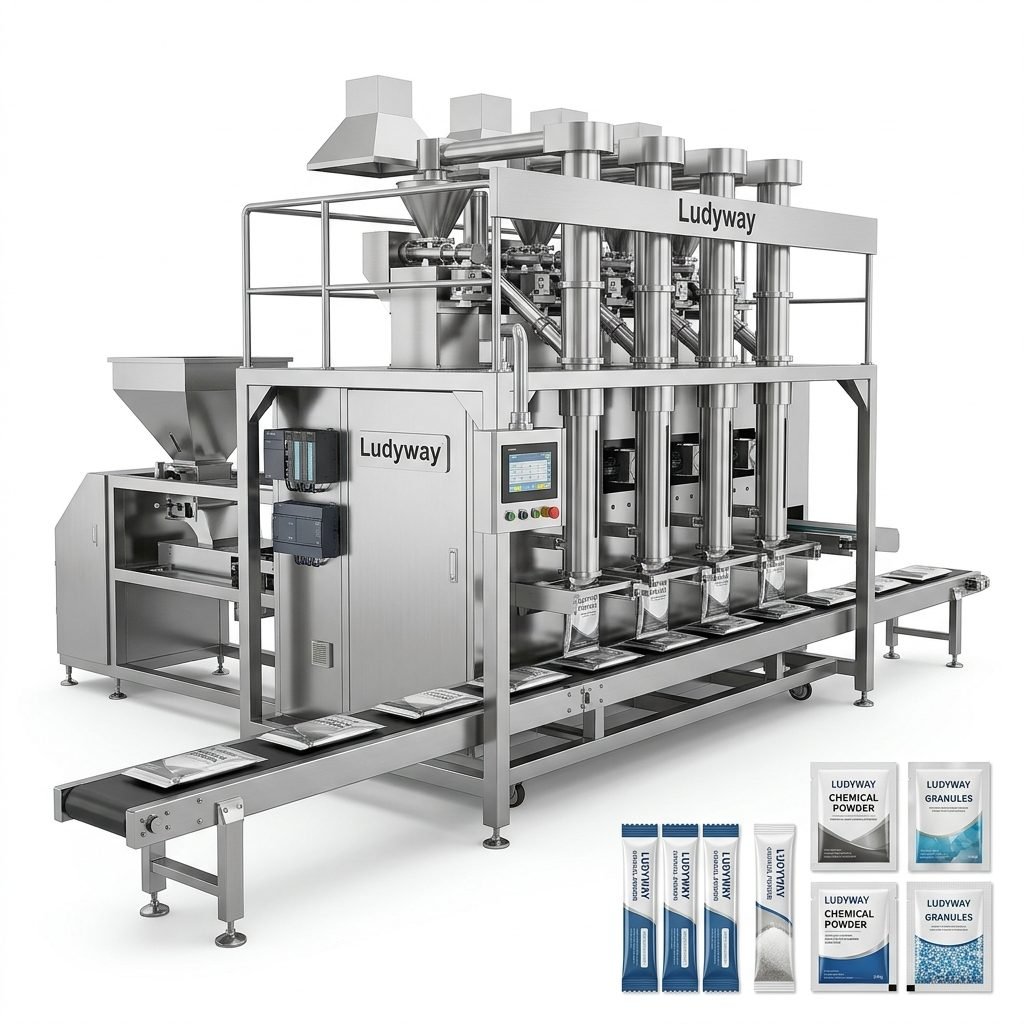
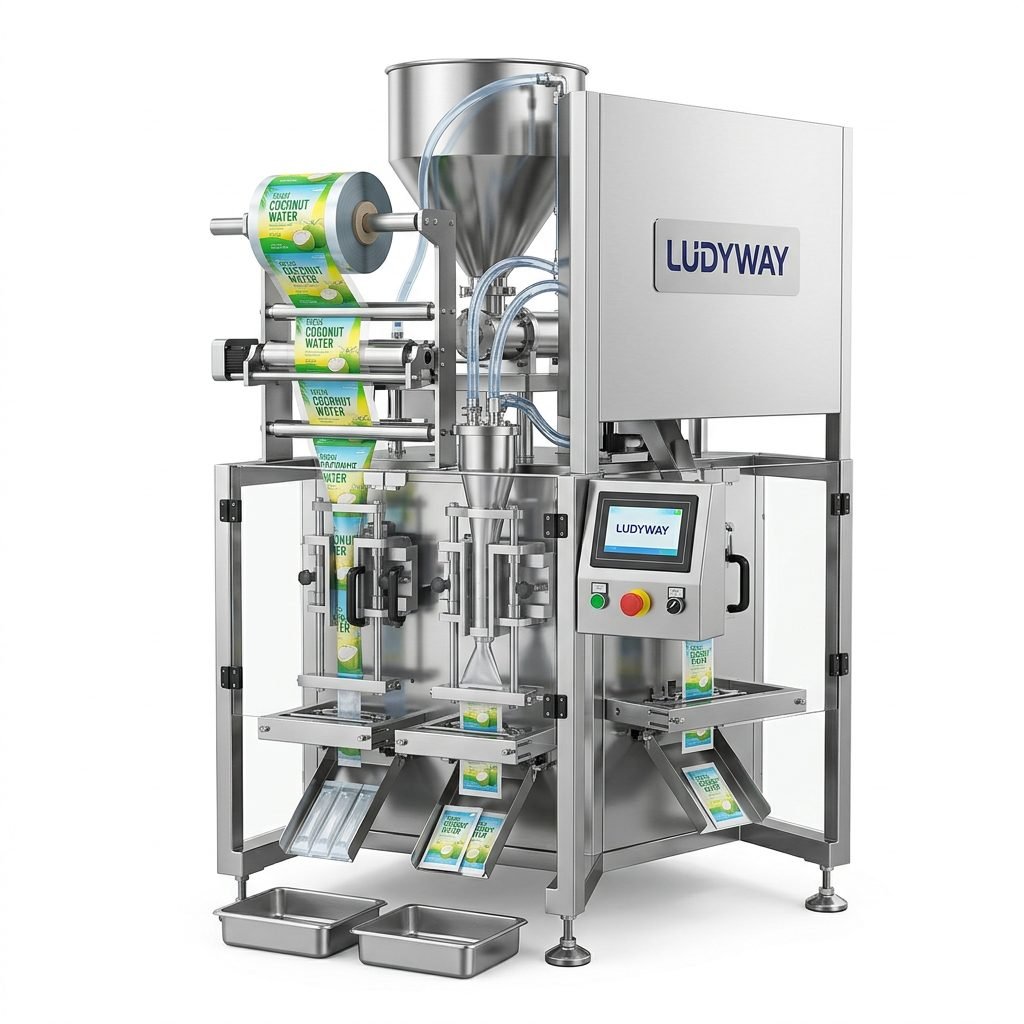
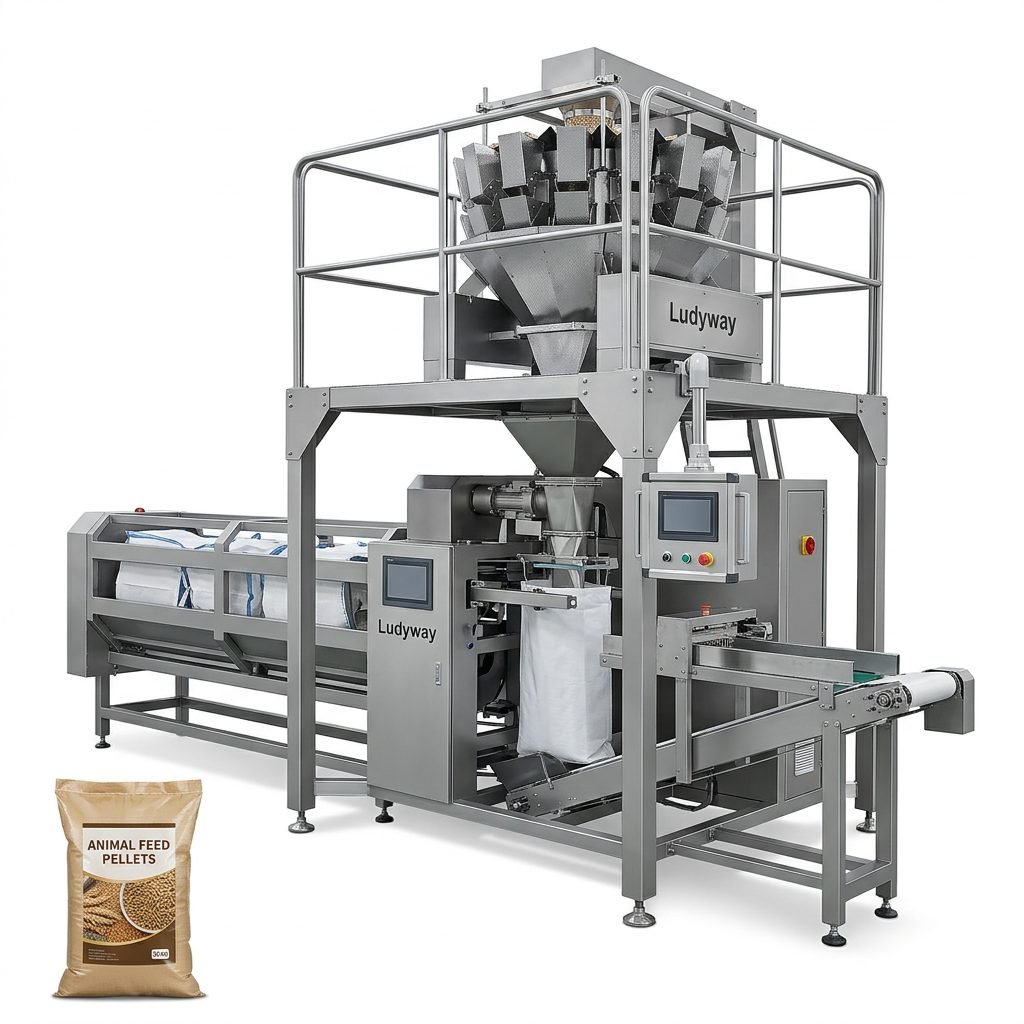
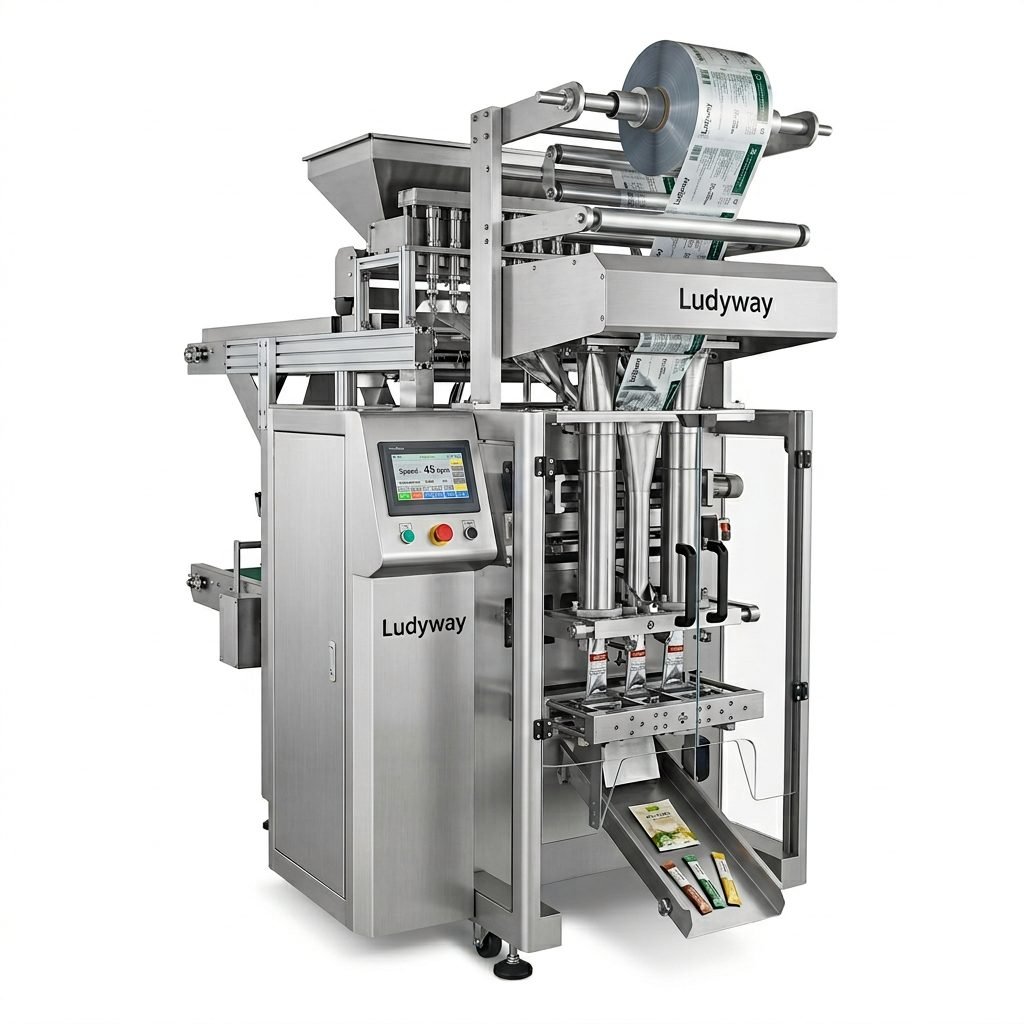
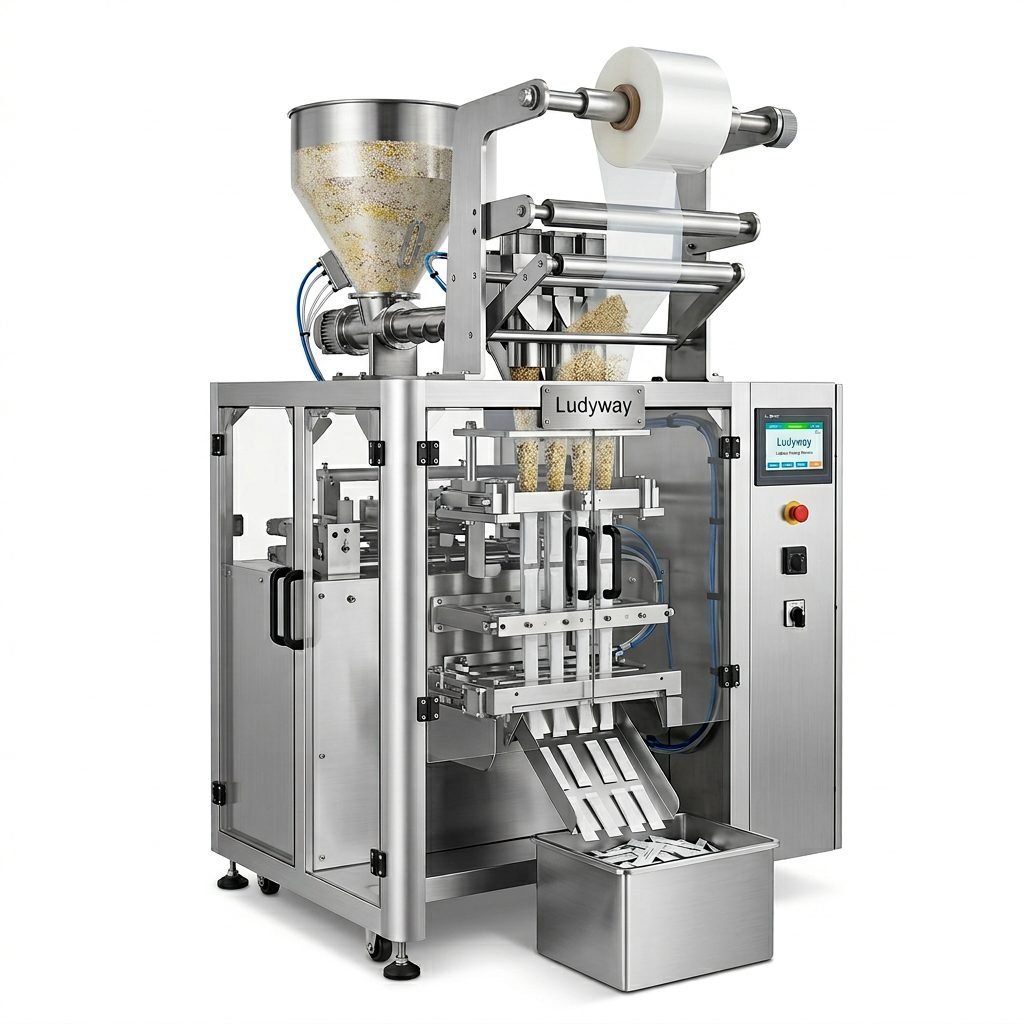
For buyers looking for scalable packaging solutions, pharmaceutical packaging machines from Ludyway are often considered for projects that require flexible configurations, turnkey integration, and long-term packaging automation support.
Checklist Before You Make a Final Decision
- Confirm product type: powder, granule, liquid, paste, tablet, or capsule
- Define target packaging format and pack size
- Measure required output by hour and by shift
- Test actual product samples on the machine
- Verify filling accuracy and seal quality
- Review hygiene design and cleaning convenience
- Confirm compatibility with your packaging material
- Evaluate automation options and auxiliary equipment
- Check service support, documentation, and spare parts availability
- Compare total lifecycle cost, not just initial quotation
Final Buying Insight
The right pharmacy packaging machine should fit your product, your compliance needs, and your production goals at the same time. The most efficient solution is one that delivers stable accuracy, reliable sealing, easy cleaning, manageable changeovers, and room to scale.
If you evaluate machinery based on real production requirements rather than headline speed alone, you will be far more likely to choose a packaging system that improves operational efficiency and supports long-term pharmaceutical packaging success.