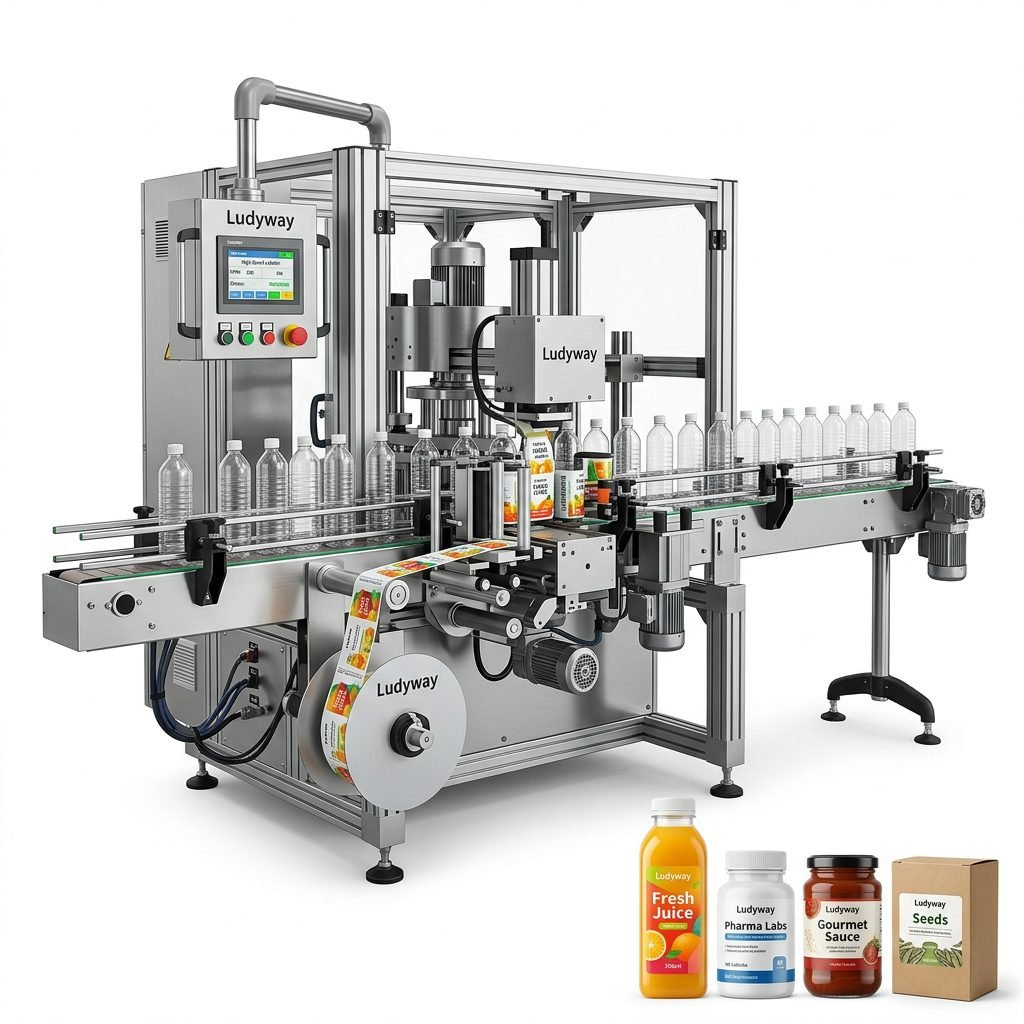
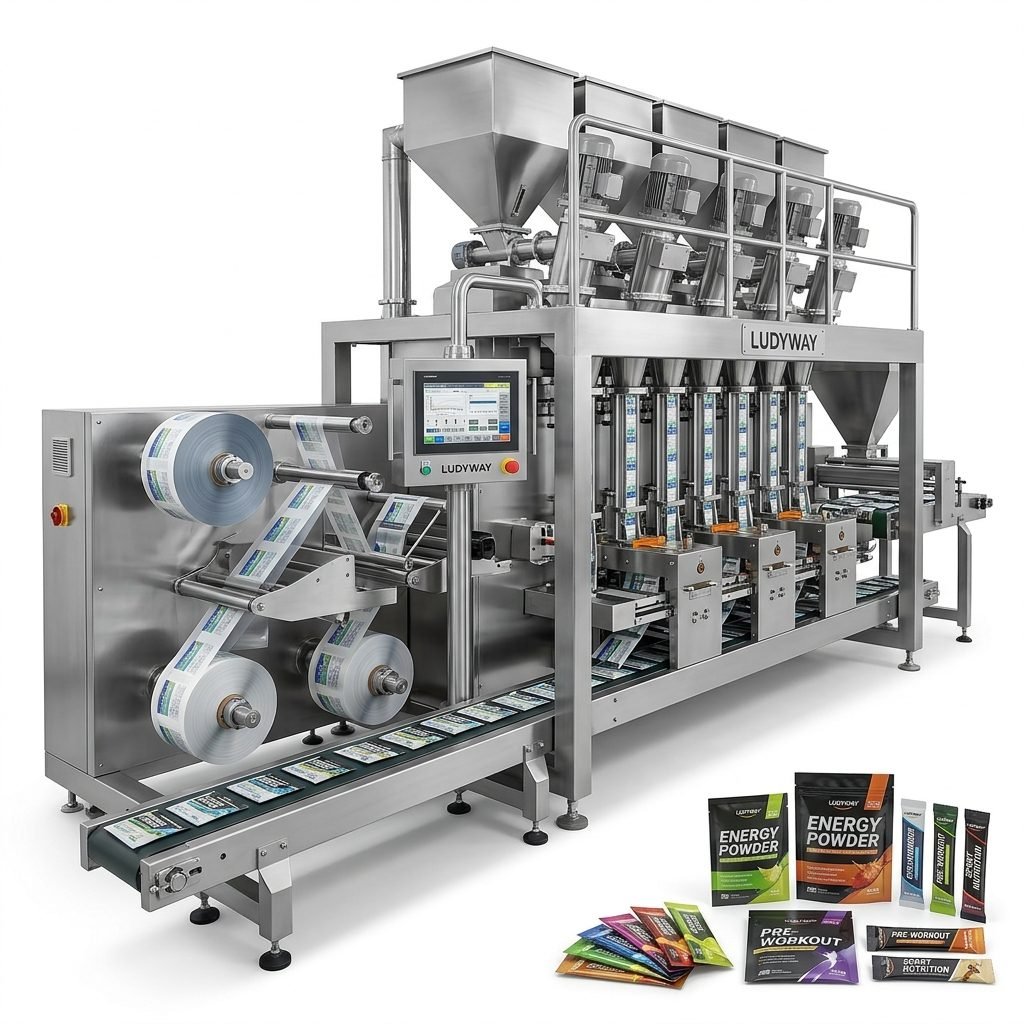
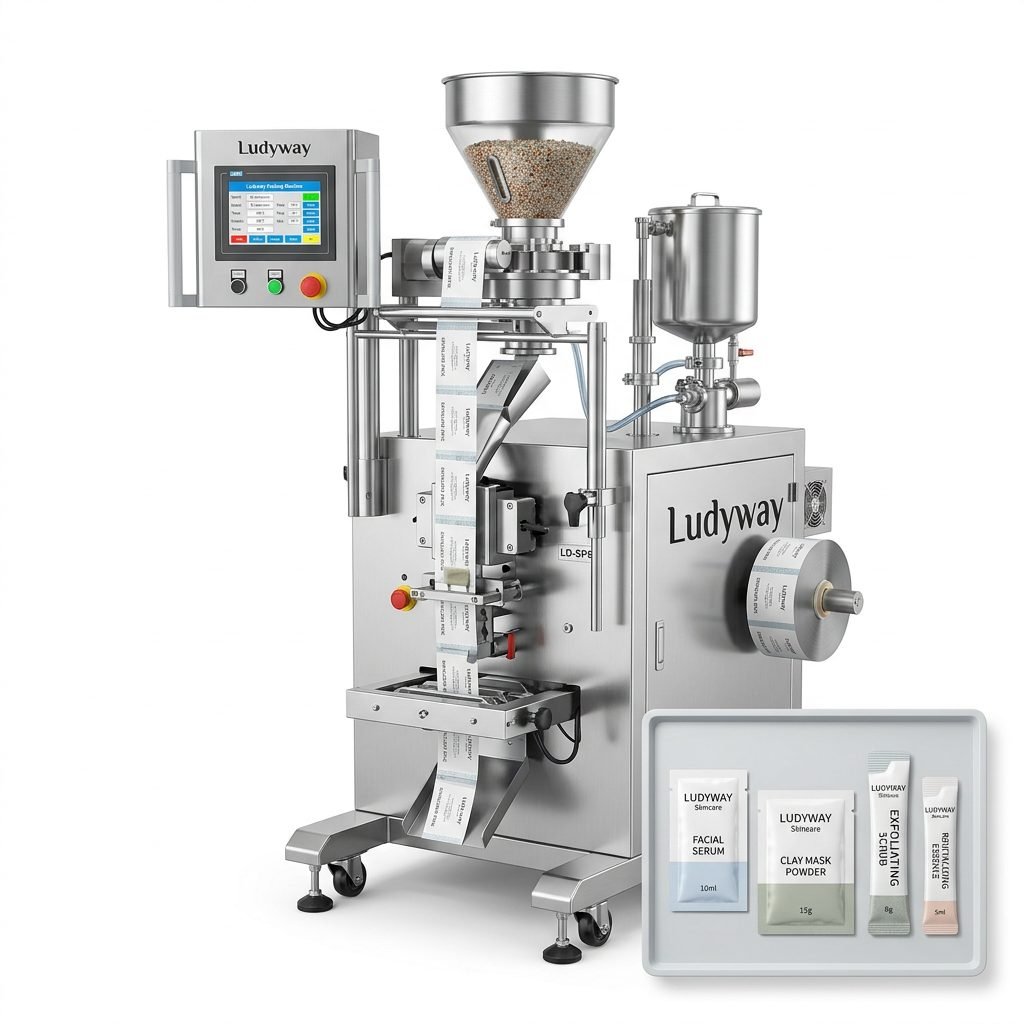
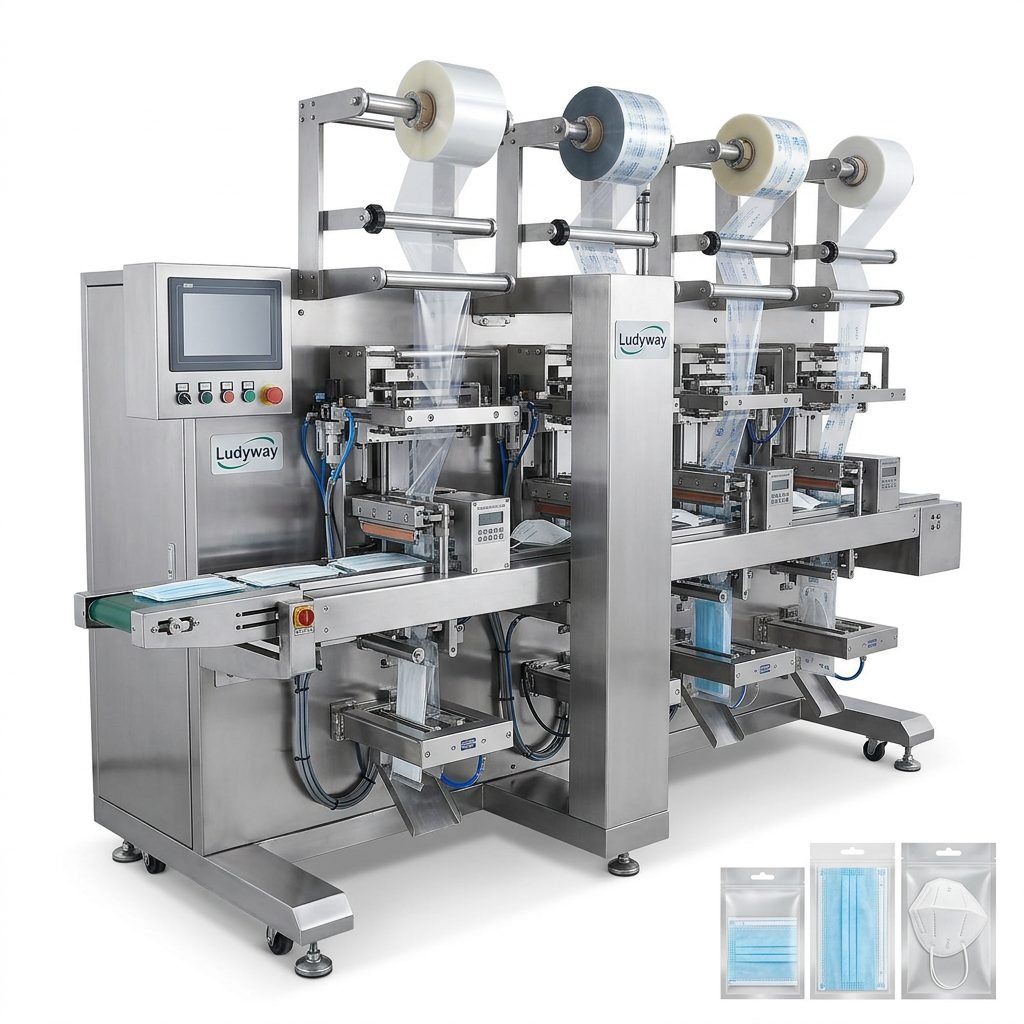
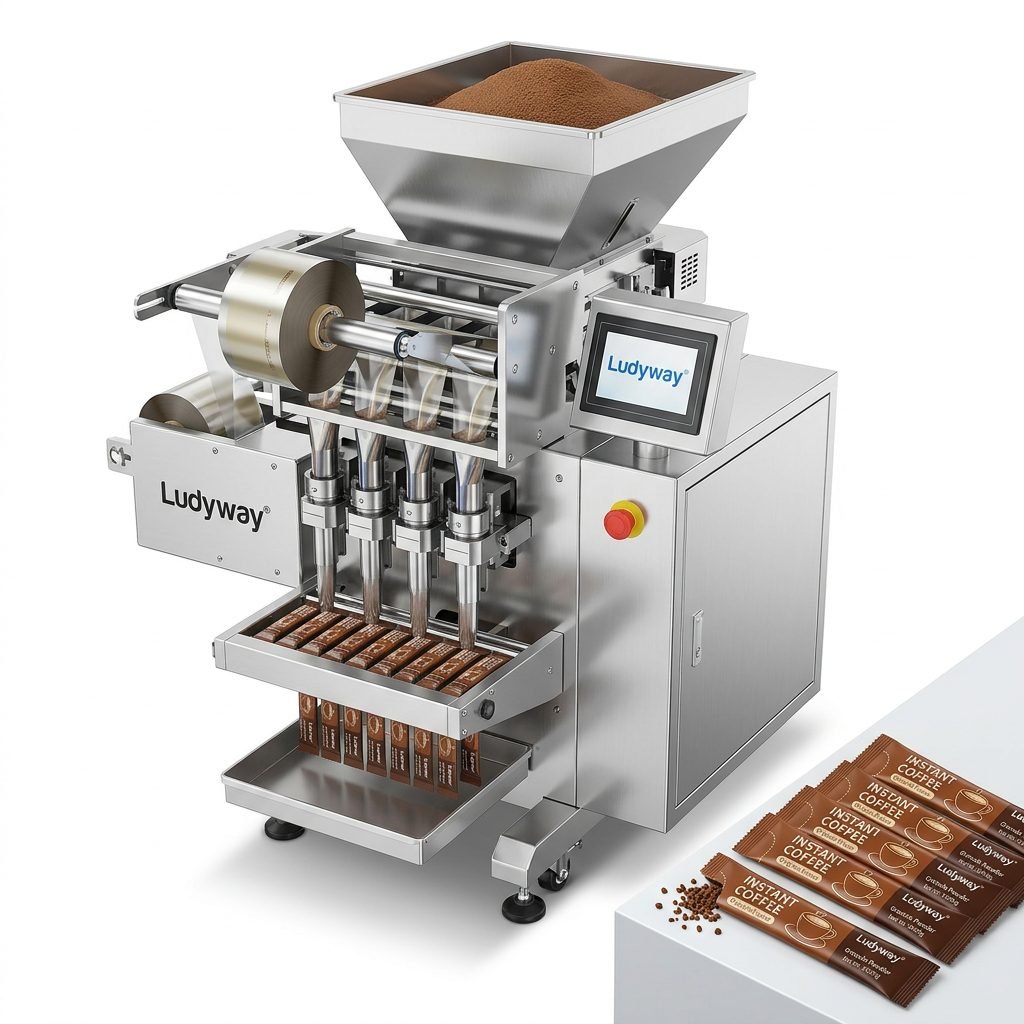
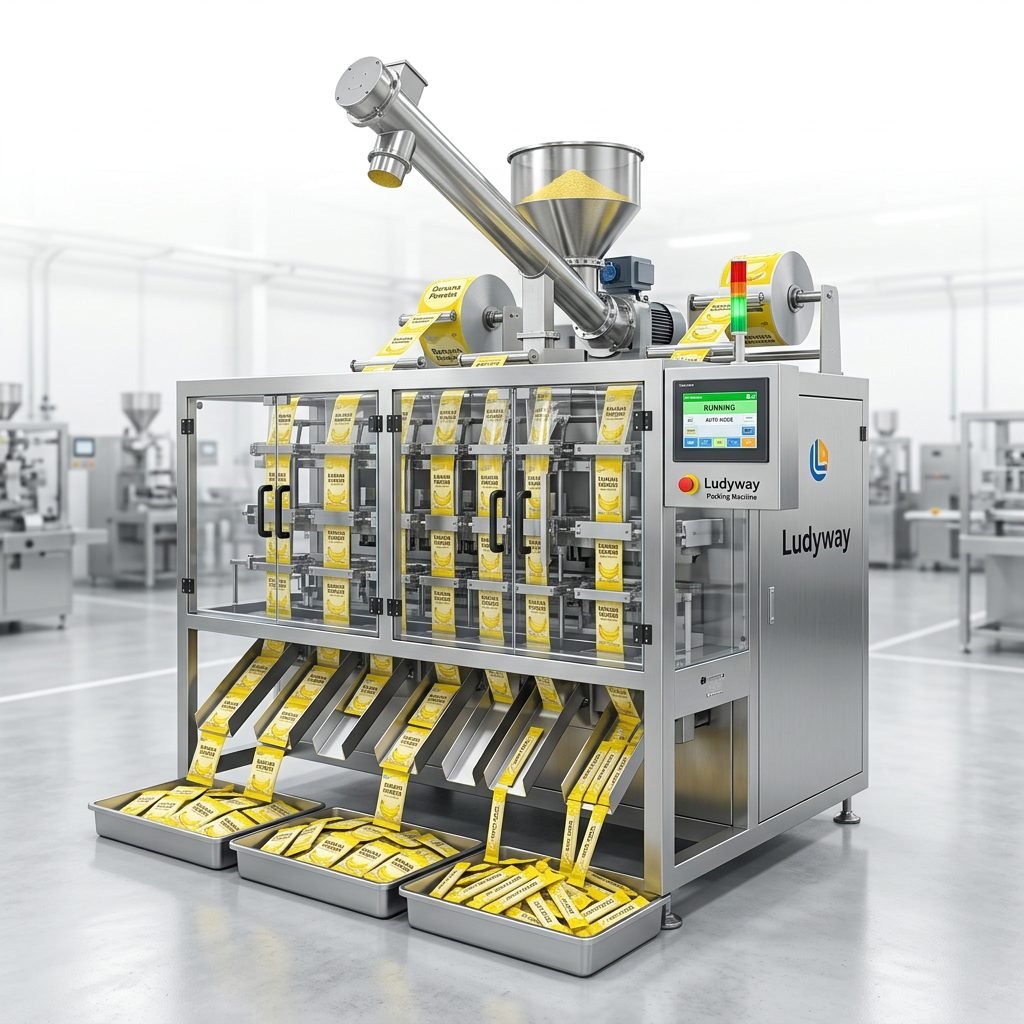
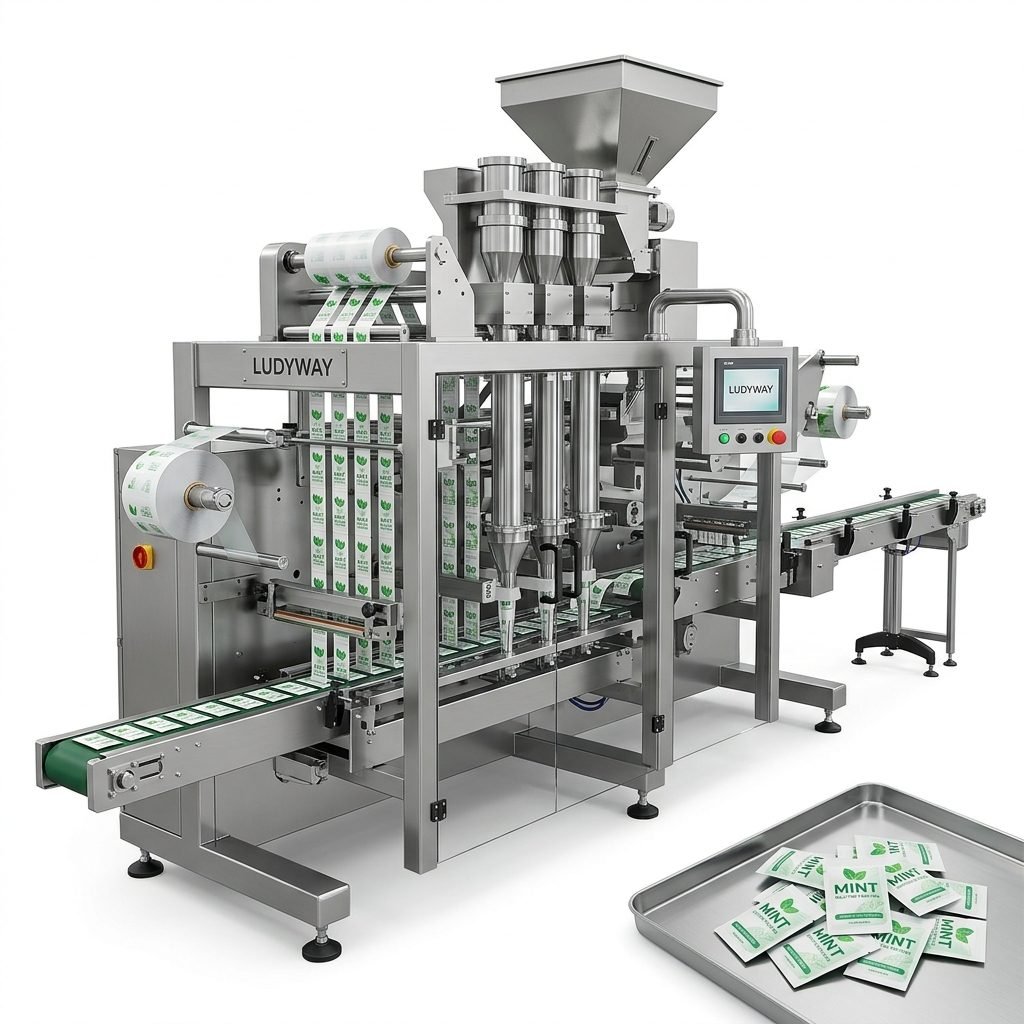
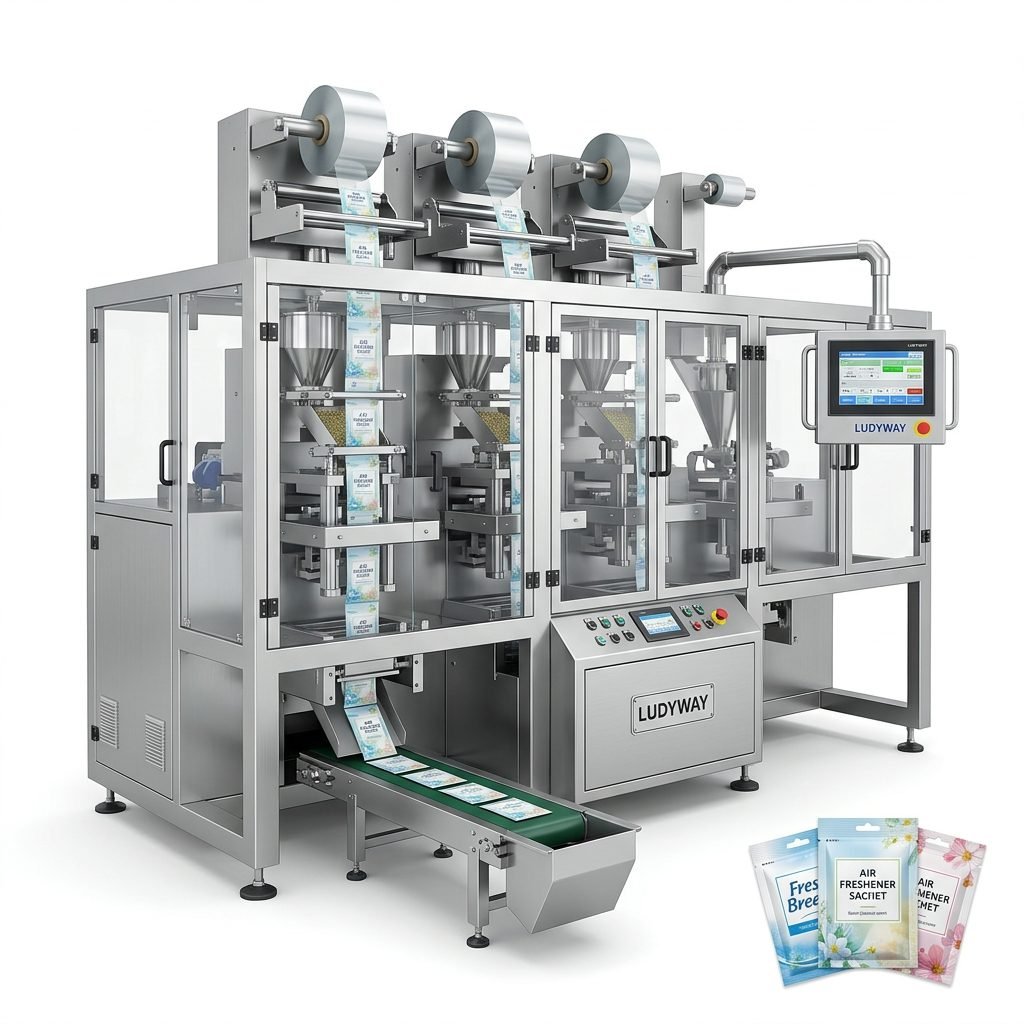
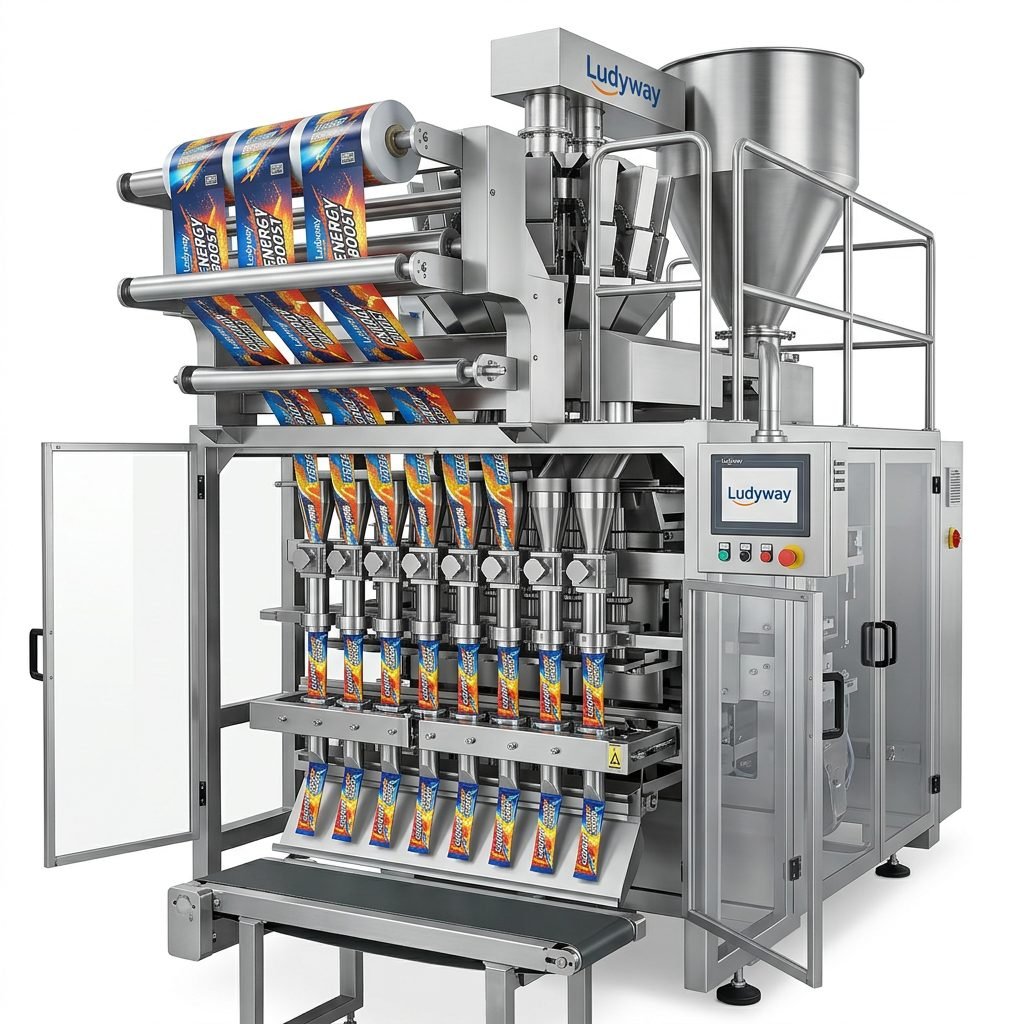
Sachet sealing machines are essential packaging systems used to form, fill, and seal small flexible packets for products such as powders, granules, liquids, gels, and pastes. From food seasonings and coffee to cosmetics, pharmaceuticals, and cleaning products, these machines help manufacturers achieve fast output, reliable sealing quality, and consistent pack presentation.
In this guide, you’ll learn what a sachet sealing machine is, how it works, the main machine types, common applications, and the key benefits businesses should consider before investing.
What Is a Sachet Sealing Machine?
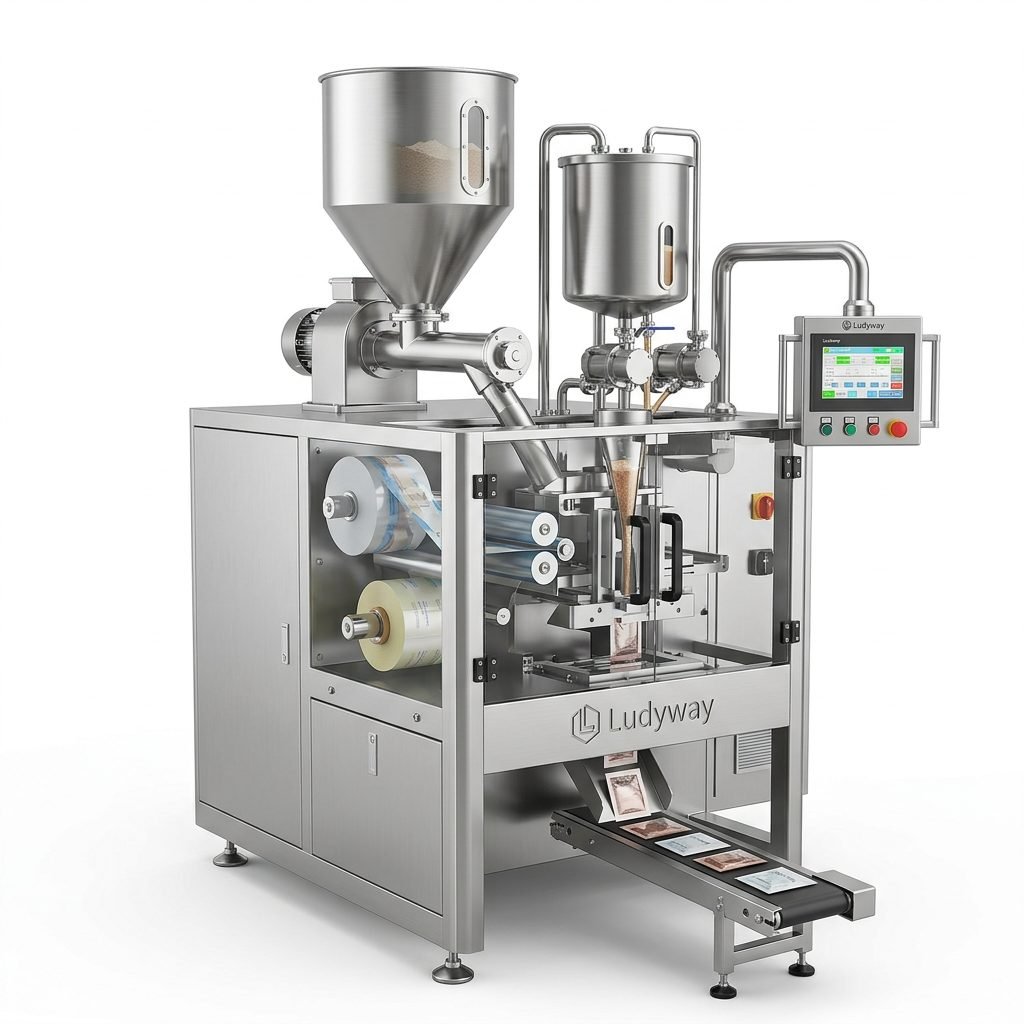
A sachet sealing machine is a packaging machine designed to produce sealed sachets from flexible packaging film. Depending on the machine configuration, it may perform only the sealing step or complete the full process of forming, dosing, filling, sealing, and cutting.
These machines are widely used for single-use or small-dose packaging because sachets are convenient, lightweight, hygienic, and cost-effective. A typical sachet may contain:
- Powdered drink mixes
- Sugar, salt, coffee, spices, and seasonings
- Creams, lotions, shampoos, and serums
- Pharmaceutical powders or oral liquids
- Detergents, disinfectants, and chemical additives
How Does a Sachet Sealing Machine Work?
Although machine designs vary, most sachet packaging and sealing systems follow a similar process:
- Film feeding: A roll of laminated packaging film is unwound into the machine.
- Sachet forming: The film is shaped into the required sachet format.
- Product dosing and filling: The machine dispenses a preset amount of powder, liquid, paste, or granules.
- Heat sealing: The machine seals the sachet edges using controlled temperature, pressure, and dwell time.
- Cutting and discharge: Finished sachets are cut apart and conveyed out for collection or cartoning.
The most critical stage is sealing. A proper seal protects product freshness, prevents leakage, and supports shelf life and transportation stability.
Main Components of a Sachet Sealing Machine
Understanding the core parts helps buyers evaluate machine quality and suitability:
| Component | Function |
|---|---|
| Film unwinding system | Feeds packaging film smoothly into the machine |
| Forming unit | Shapes film into sachet structure |
| Filling system | Doses product accurately using auger, pump, cup, or weigher |
| Sealing jaws | Apply heat and pressure to create airtight seals |
| Cutting system | Separates finished sachets from the film web |
| Control panel / PLC | Controls parameters such as sealing temperature, speed, and filling volume |
Types of Sachet Sealing Machines
1. Vertical Form Fill Seal Sachet Machines
These are among the most common solutions for powder and granule sachets. The machine forms the sachet vertically, fills the product, and seals it in one continuous motion.
Best for: sugar, coffee powder, spices, protein powder, pharmaceutical granules.
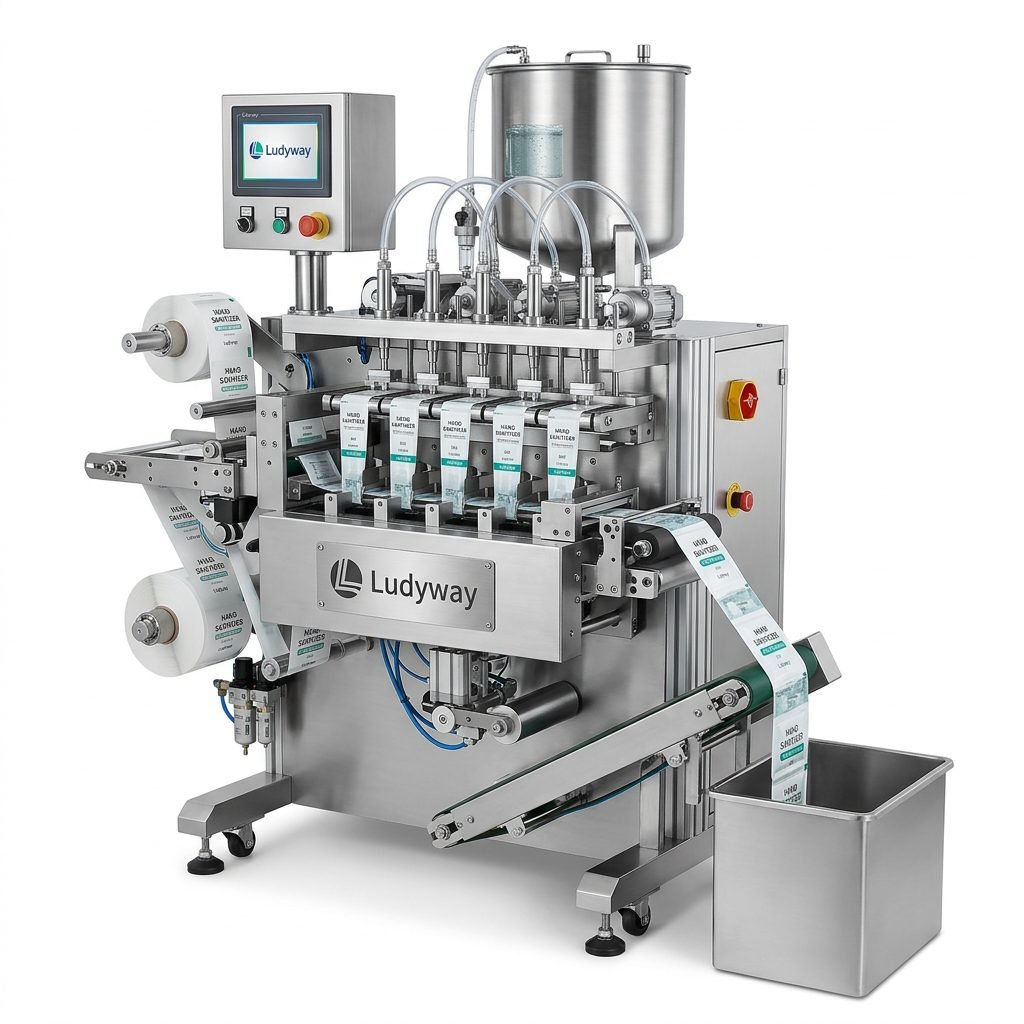
2. Liquid and Paste Sachet Sealing Machines
These use piston pumps, peristaltic pumps, or servo liquid filling systems to package products with fluid or semi-fluid consistency.
Best for: shampoo, ketchup, sauce, lotion, sanitizer, serum, oil.
3. Multi-Lane Sachet Sealing Machines
Multi-lane machines produce several sachets simultaneously, making them ideal for high-volume production. They are especially popular in food, nutraceutical, and pharmaceutical sectors.
Best for: high-speed production of drink powders, supplements, seasonings, and cosmetic samples.
4. Premade Sachet Filling and Sealing Machines
Instead of forming sachets from film rolls, these machines fill and seal preformed sachets. They are often chosen when packaging style or material structure requires a premade format.
5. Continuous Band Sealing Machines
These are used mainly for sealing pre-filled sachets or pouches in a secondary step. They are simpler than full automatic packaging systems and suit smaller operations.
Common Sachet Styles
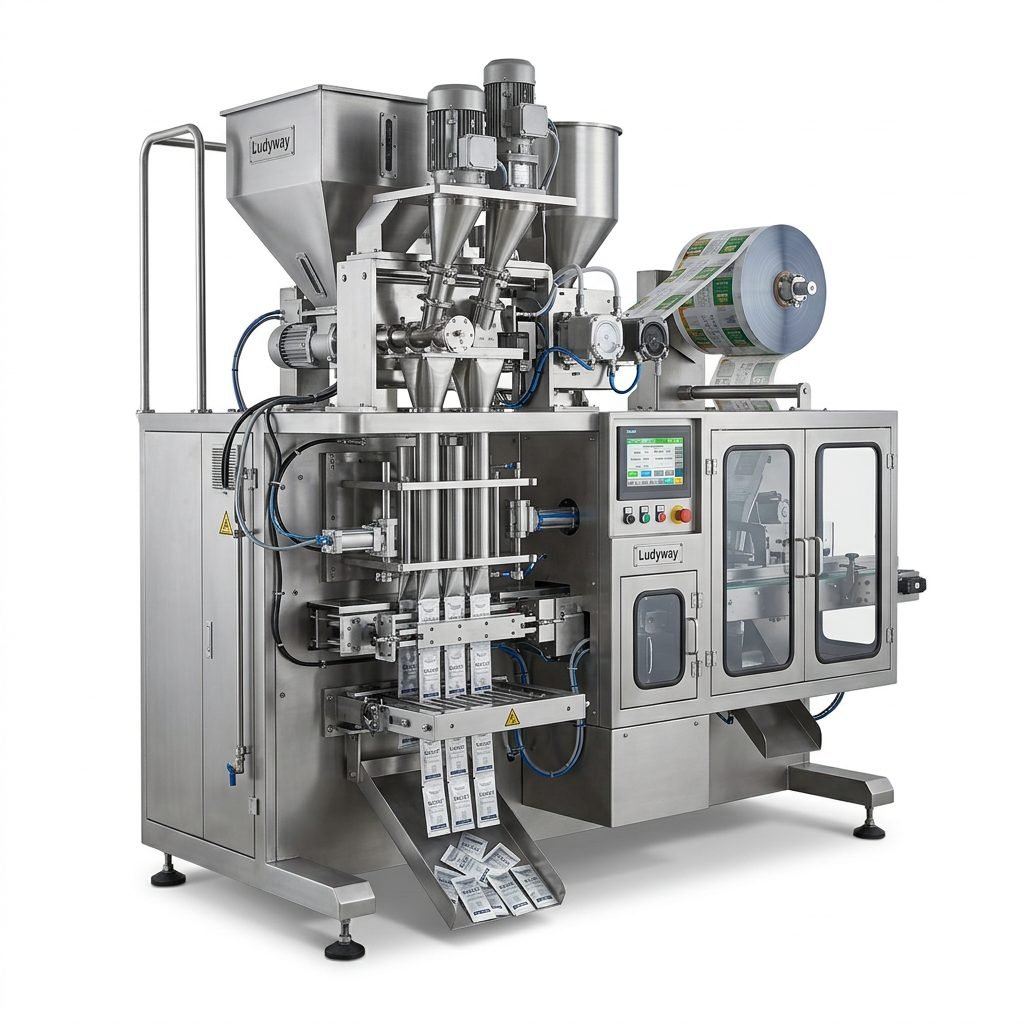
Sachet sealing machines can be configured for different pack shapes and layouts, including:
- 3-side seal sachets
- 4-side seal sachets
- Back seal sachets
- Twin sachets
- Irregular or shaped sachets
- Perforated chain sachets for retail multipacks
Industries That Use Sachet Sealing Machines
Food Industry
Food manufacturers use sachet machines for single-serve and portion-control packaging. Popular products include instant coffee, seasonings, soups, sugar, sauces, and health drink powders.
Pharmaceutical Industry
Pharma companies rely on sachet sealing for precise dosing, hygiene, and tamper-resistant packaging. Common examples include oral rehydration salts, medical powders, granules, and liquid dose packs.
Cosmetic and Personal Care Industry
Sachets are widely used for sample packs and travel-size products such as shampoo, face cream, lotion, serum, conditioner, and hand sanitizer.
Chemical and Household Industry
Detergents, descalers, cleaners, agricultural additives, and industrial chemicals are often packed in sachets for controlled usage and easier storage.
Key Benefits of Using a Sachet Sealing Machine
| Benefit | Why It Matters |
|---|---|
| Higher efficiency | Automates filling and sealing for faster output |
| Consistent seal quality | Reduces leakage, contamination, and product loss |
| Accurate dosing | Improves product consistency and cost control |
| Lower labor demand | Cuts manual handling and repetitive work |
| Better hygiene | Supports cleaner packaging for food and pharma products |
| Flexible applications | Handles powders, granules, liquids, and pastes in various sachet sizes |
How to Choose the Right Sachet Sealing Machine
Selecting the right machine depends on more than speed alone. Buyers should compare the following points carefully:
- Product type: powder, granule, liquid, gel, or paste
- Sachet size range: width, length, and fill volume
- Required output: single-lane or multi-lane production
- Packaging material: film structure, heat sealability, and barrier properties
- Seal strength requirements: especially important for liquids and export shipments
- Automation level: standalone machine or integrated line with coding, cartoning, and inspection
- Cleaning and maintenance needs: essential for food, pharmaceutical, and cosmetic production
Important Features to Look For
Modern sachet sealing equipment often includes advanced functions that improve both production stability and packaging quality:
- Servo-driven film pulling
- PLC touch screen control
- Automatic registration mark tracking
- No-film or no-fill alarm systems
- Precise temperature control for sealing jaws
- Easy changeover for different sachet sizes
- Integration with date coding, checkweighing, cartoning, and conveyor systems
Typical Challenges and How Good Machines Solve Them
Not all sachet sealing machines perform equally well. Lower-quality systems may lead to poor seals, dosing errors, or material waste. A well-engineered machine can reduce common issues such as:
- Seal wrinkles or weak seal edges
- Leakage in liquid sachets
- Powder dust affecting seal quality
- Inconsistent cutting positions
- Film tracking errors
- Downtime during product changeover
This is why many manufacturers prefer experienced suppliers with proven application knowledge across multiple industries. For businesses seeking scalable equipment and integrated automation, Ludyway sachet sealing machine solutions are often considered for food, pharmaceutical, cosmetic, and chemical packaging projects.
Sachet Sealing Machine vs. Stick Pack Machine
These two machine categories are often compared because both handle small flexible packs. However, they serve slightly different packaging styles.
| Feature | Sachet Machine | Stick Pack Machine |
|---|---|---|
| Pack shape | Usually wider and shorter | Narrow and elongated |
| Typical products | Sauces, creams, powders, wipes liquids | Drink powder, sugar, coffee, supplements |
| Retail usage | Samples and single-use doses | Portable and on-the-go servings |
| Machine format | Single-lane or multi-lane | Frequently multi-lane for high speed |
Who Should Invest in a Sachet Sealing Machine?
A sachet sealing machine is a smart investment for companies that need:
- Single-dose or trial-size packaging
- Better product hygiene and shelf stability
- Higher packaging speed with lower labor cost
- Consistent, market-ready pouch appearance
- Flexible packaging for different formulas and industries
Final Thoughts
A sachet sealing machine is far more than a simple sealer. It is a vital packaging solution that supports product protection, dosing accuracy, production efficiency, and brand presentation. Whether you package powders, granules, liquids, or pastes, the right machine can significantly improve output quality and operational performance.
Before choosing a model, evaluate your product characteristics, output target, sachet format, and future automation plans. A properly matched system will deliver reliable seals, reduced waste, and long-term packaging value.