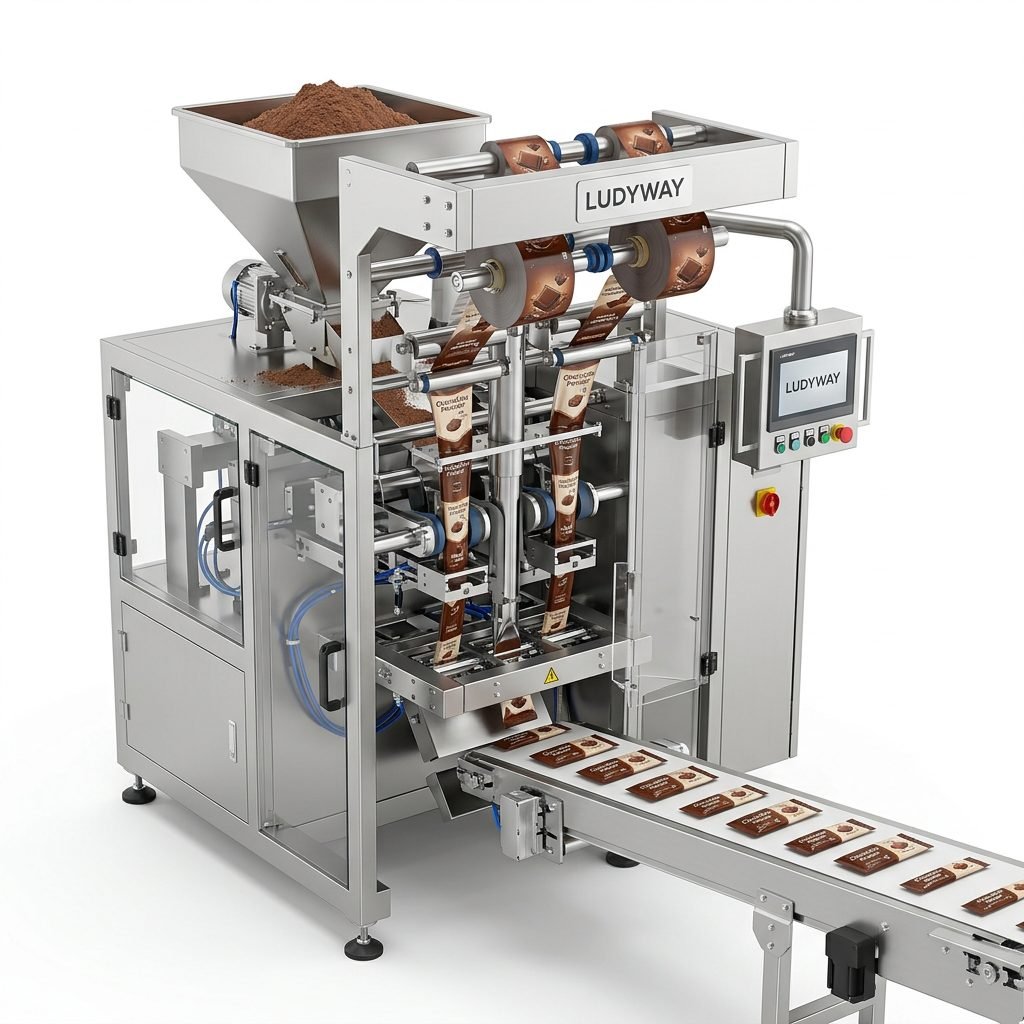
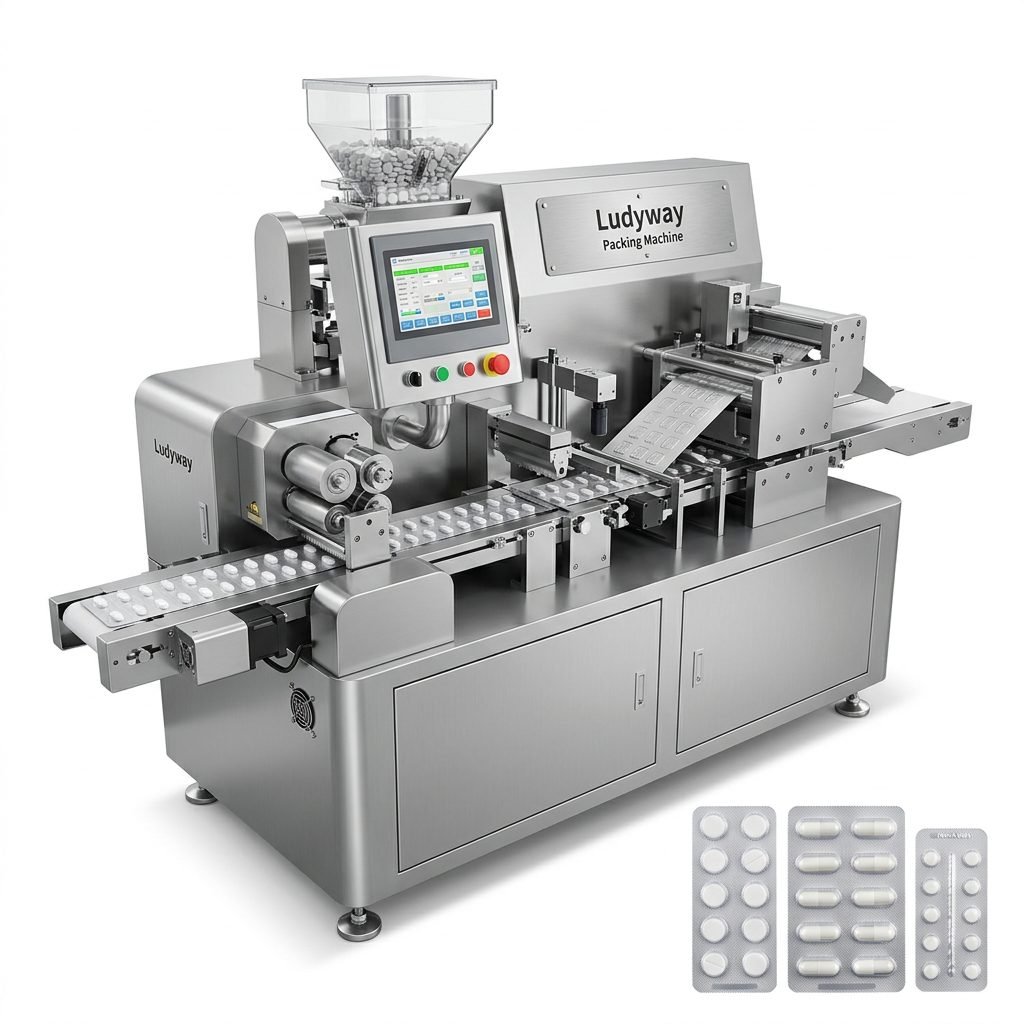
Buying a 1 kg packing machine is not only about finding the lowest quotation. The real cost depends on the machine type, filling accuracy, packaging speed, material compatibility, automation level, and after-sales support. If you compare offers carefully before ordering, you can avoid hidden costs and choose equipment that matches your production goals.
For manufacturers packaging rice, sugar, flour, beans, seeds, spices, fertilizer, pet food, chemicals, or powdered products, understanding price structure in advance helps you make a smarter investment decision.
What Is a 1 kg Packing Machine?
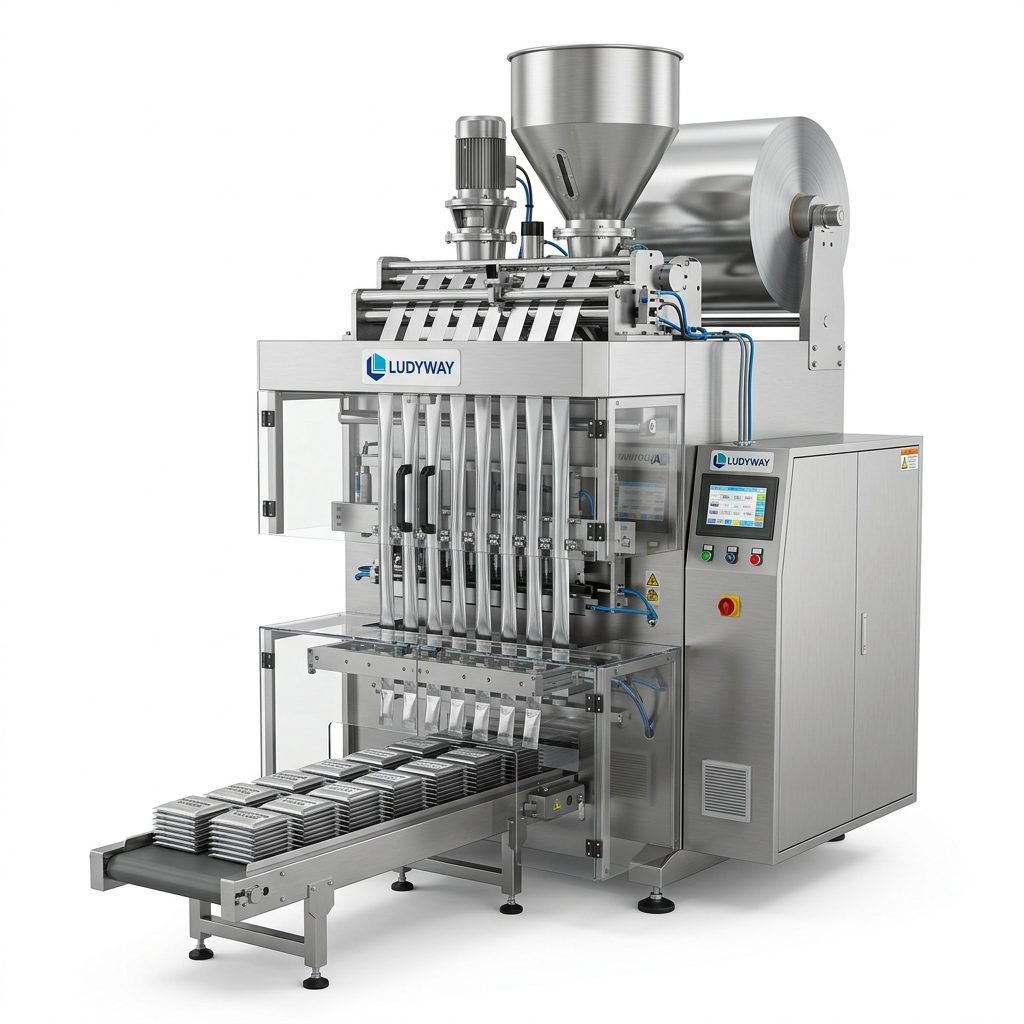
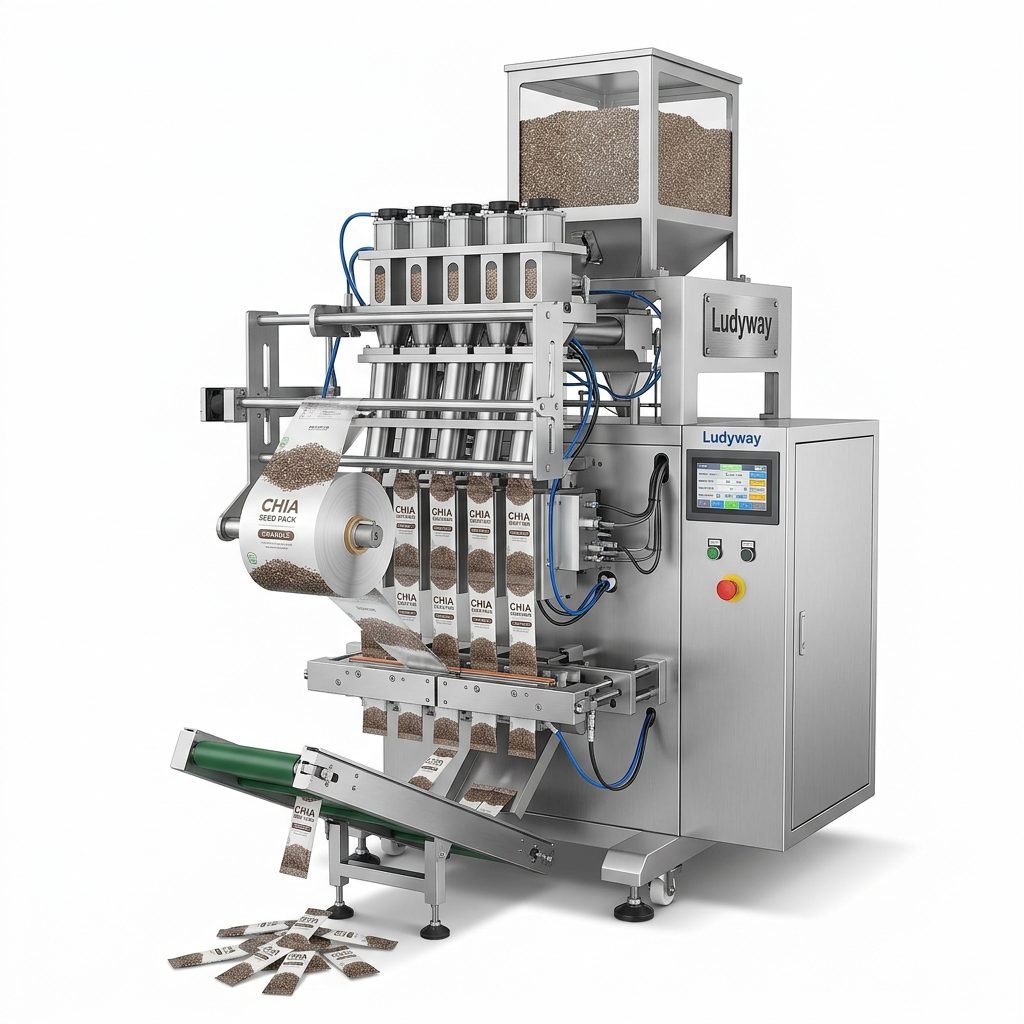
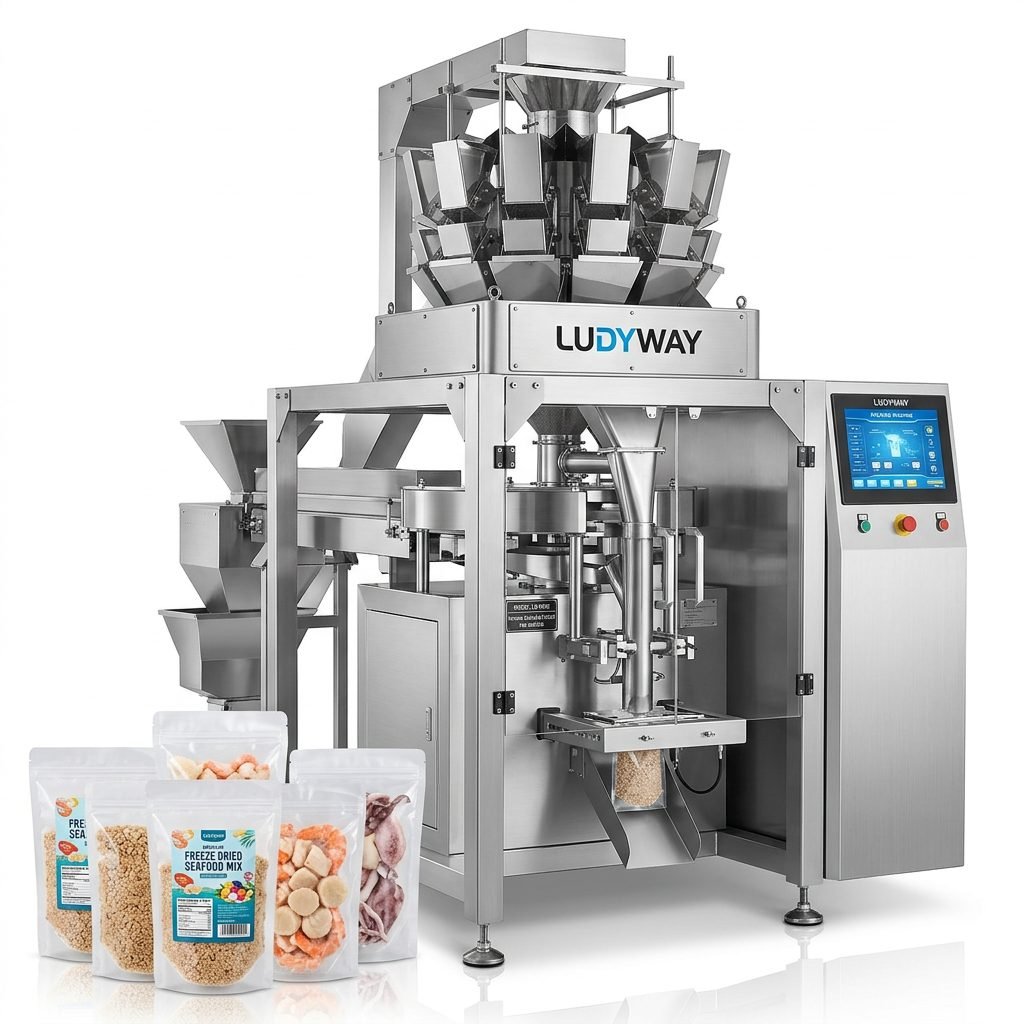
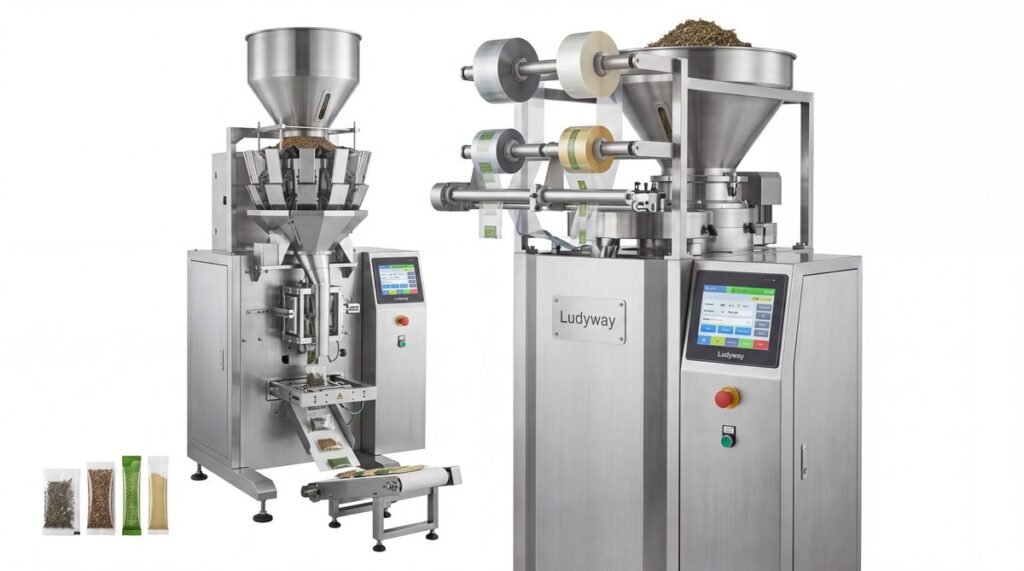
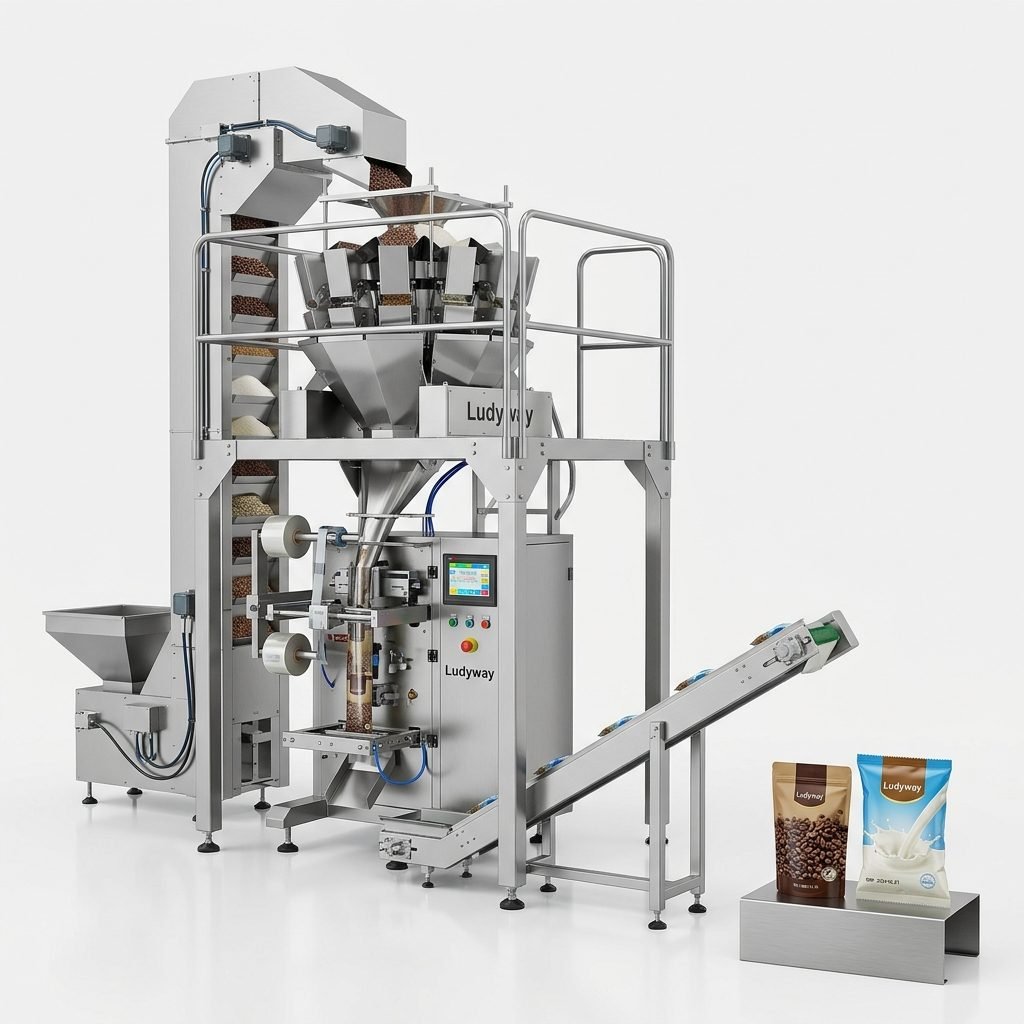
A 1 kg packing machine is packaging equipment designed to accurately weigh, fill, and seal products in 1 kilogram packs. Depending on the product and packaging format, the machine may use a multi-head weigher, auger filler, cup filler, linear weigher, or volumetric dosing system.
These machines are commonly used for:
- Grains and rice
- Sugar and salt
- Flour and powders
- Beans, seeds, and nuts
- Pet food and feed additives
- Chemical powders and granules
- Snack and dry food products
Average 1 kg Packing Machine Price Range
The price can vary widely depending on configuration. A simple semi-automatic machine costs much less than a fully automatic line with conveyor, feeding system, coding, checkweigher, and sealing modules.
| Machine Type | Typical Price Range | Best For |
|---|---|---|
| Semi-automatic weighing & filling machine | US$1,500 – US$5,000 | Small workshops and startups |
| Basic automatic 1 kg packing machine | US$5,000 – US$12,000 | General food and granule packaging |
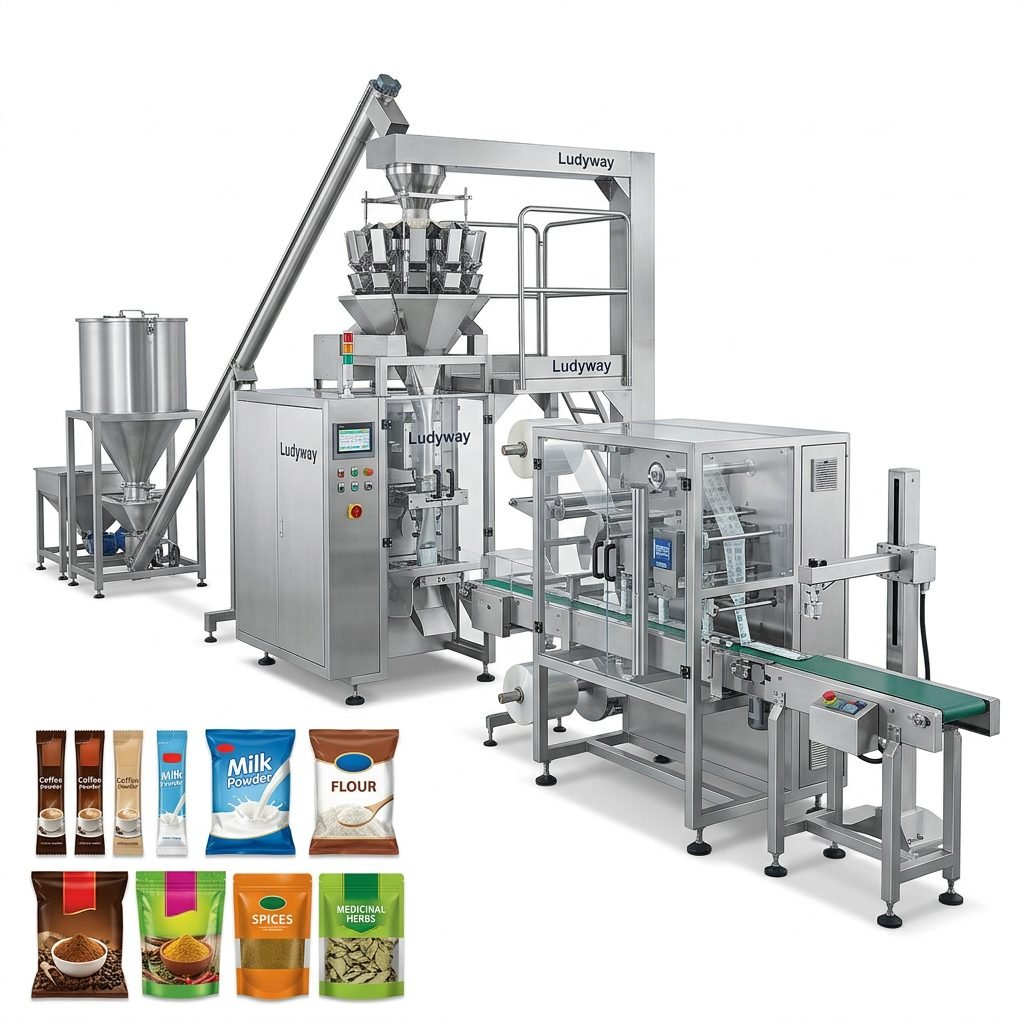
| Advanced vertical form fill seal machine | US$12,000 – US$28,000 | Medium to high-speed automated production |
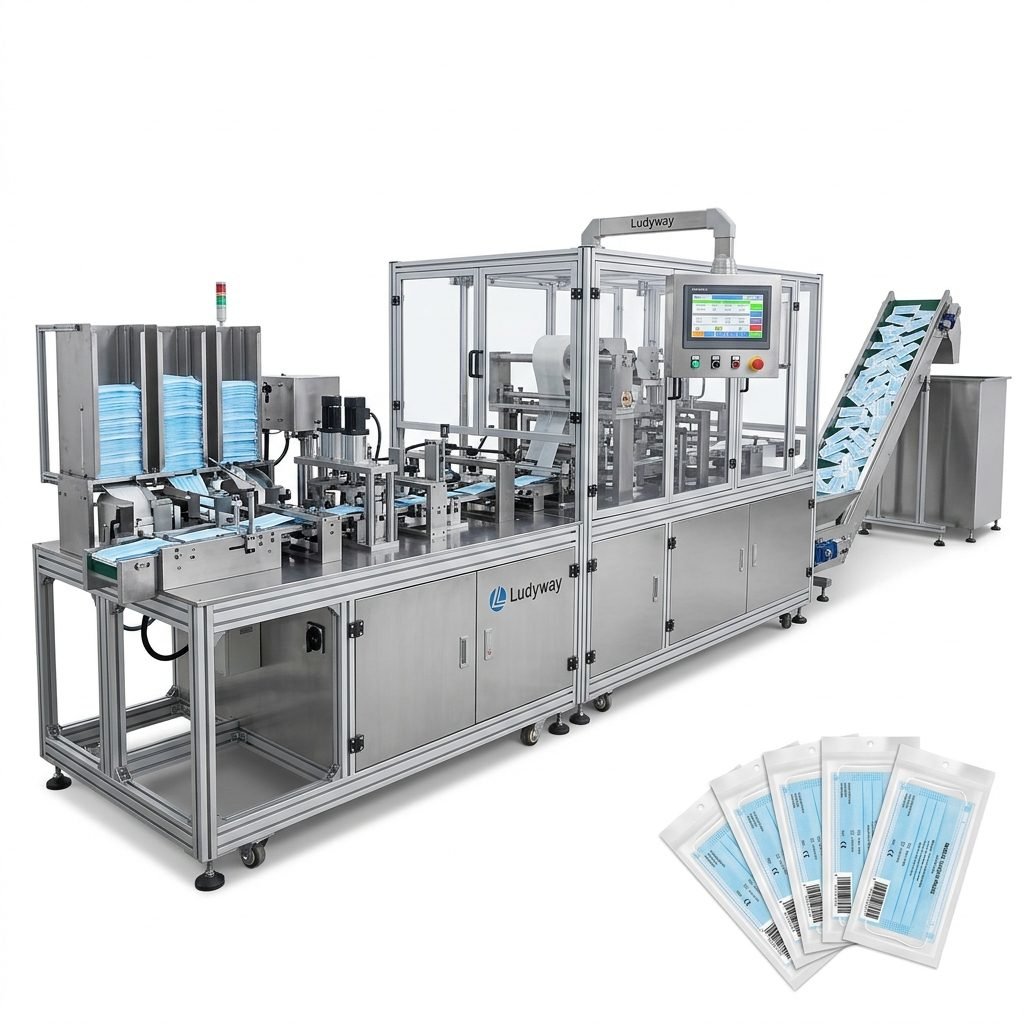
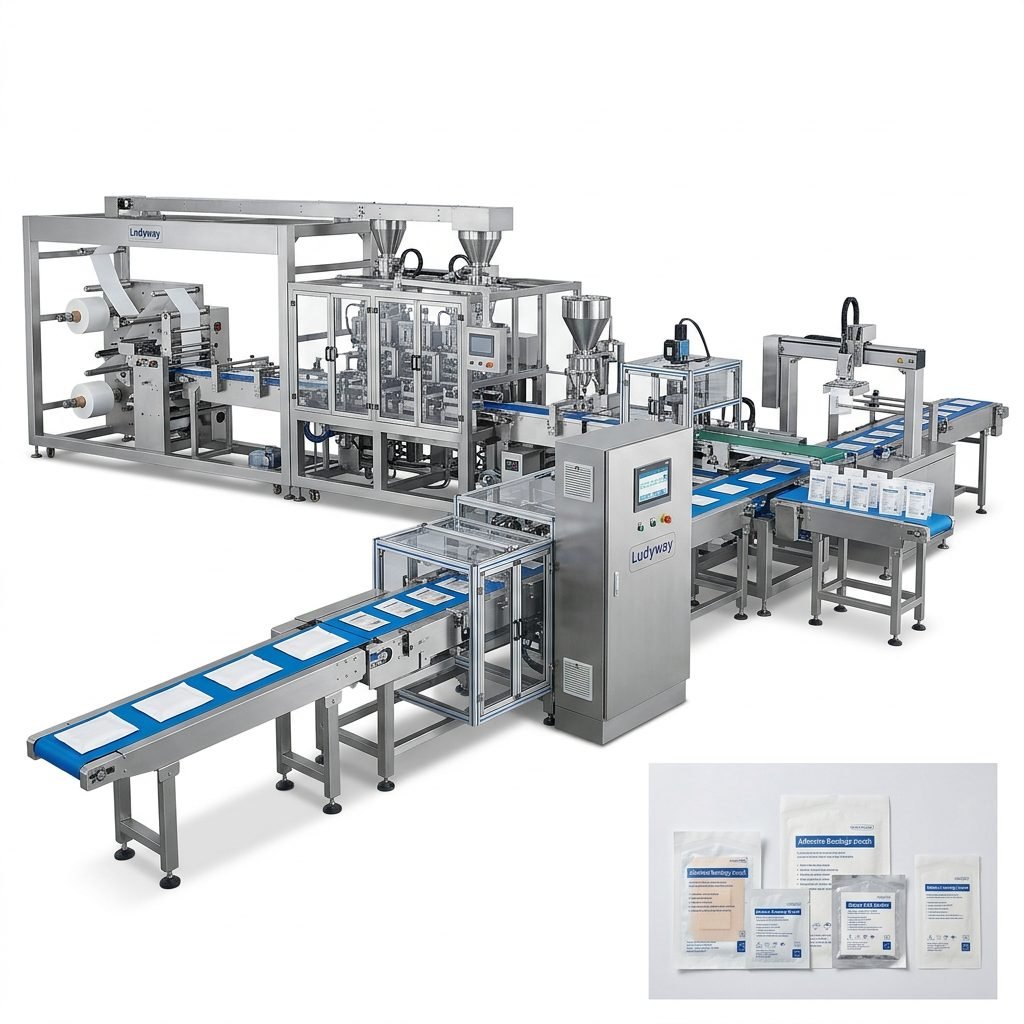
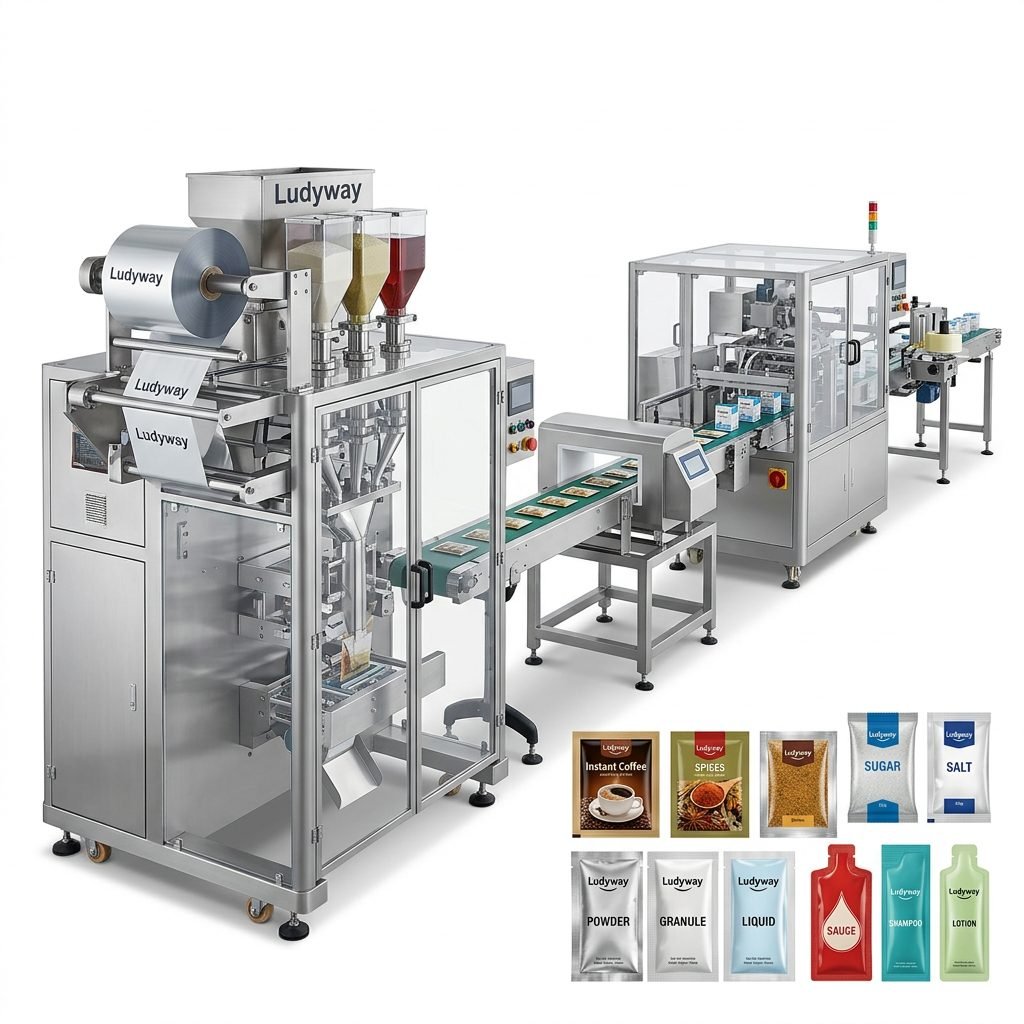
| Fully integrated packaging line | US$28,000 – US$80,000+ | Large factories needing turnkey automation |
Important: A low machine price may not include shipping, molds, air compressor, conveyor, spare parts, installation, or customization. Always ask what is included in the quote.
Main Factors That Affect 1 kg Packing Machine Price
1. Product Type
Different materials need different filling technologies. A 1 kg rice packing machine usually costs differently from a flour or chemical powder packing machine because product flow characteristics are not the same.
- Granules: often use linear weighers or multi-head weighers
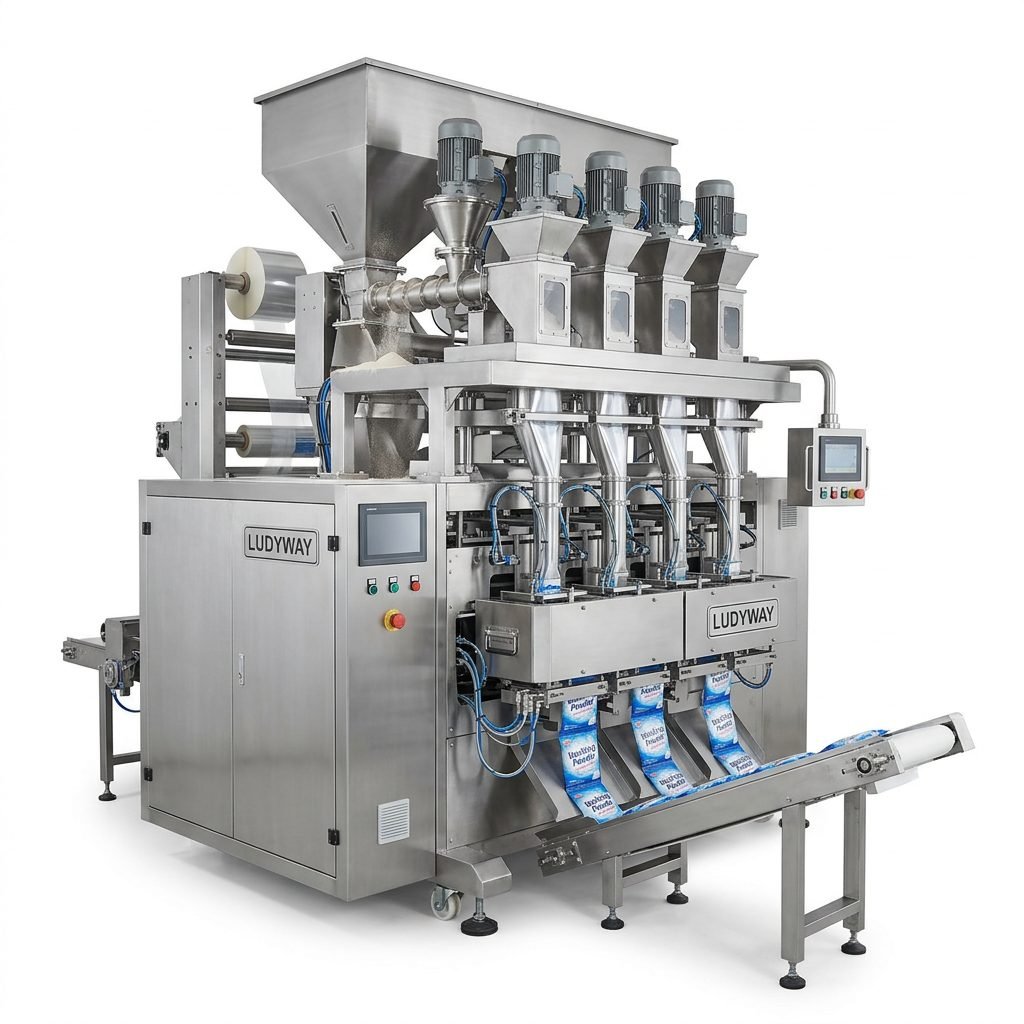
- Powders: often use auger fillers with dust control
- Liquids or pastes: require liquid pumps and different sealing systems
2. Automation Level
Semi-automatic machines have lower initial cost but require more labor. Fully automatic systems reduce labor costs and improve output, but the upfront investment is higher.
3. Speed Requirement
If your target is 10 bags per minute, the machine cost will be lower than a system designed for 30–60 bags per minute. Higher speed usually means stronger frame design, better control systems, and more precise dosing.
4. Packaging Material and Bag Style
A machine for pillow bags may cost less than one designed for gusset bags, stand-up pouches, or premade pouches. Film tracking, sealing quality, and bag-forming complexity all influence the price.
5. Accuracy Requirements
If your product is expensive, even small weight errors can create major losses. Machines with tighter tolerances and advanced weighing systems are more expensive, but they can save money over time.
6. Machine Materials and Build Quality
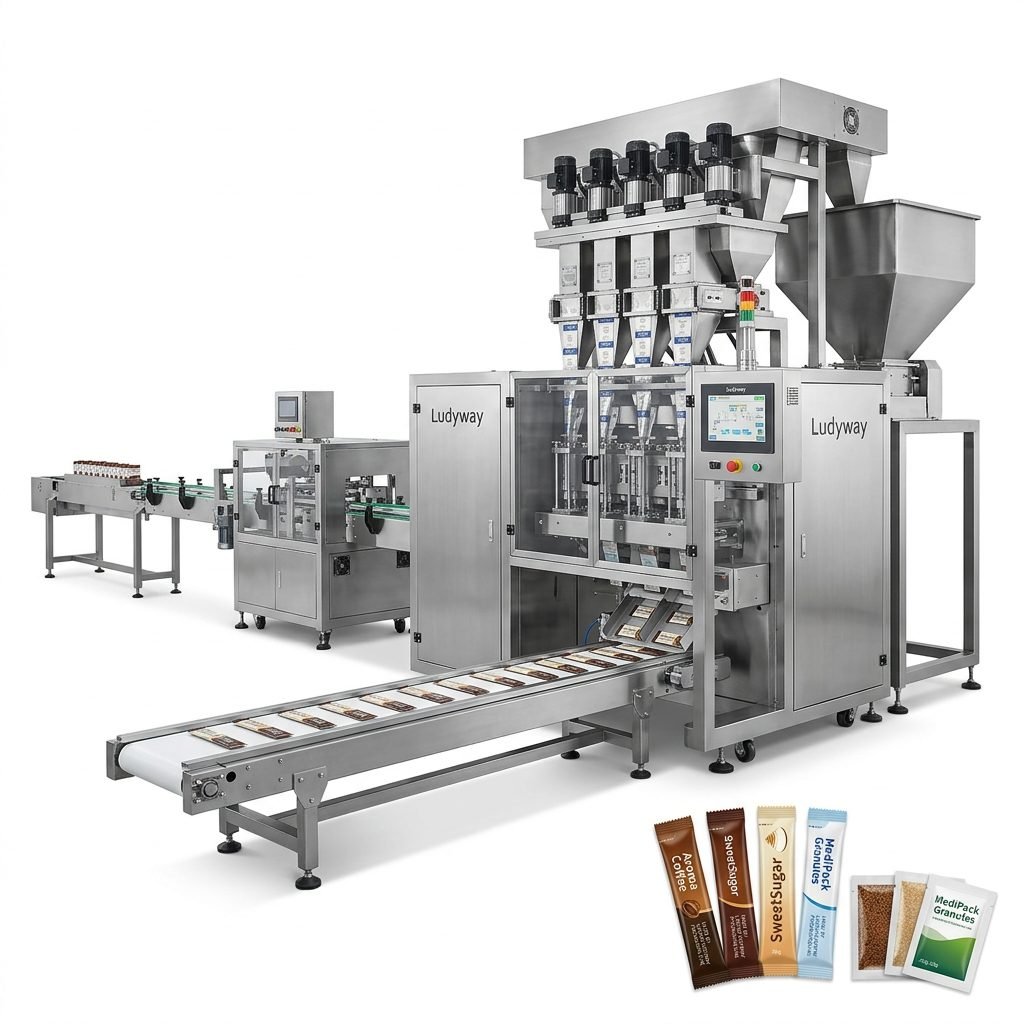
Food, pharmaceutical, and chemical applications may require different construction standards. Stainless steel 304 or 316 contact parts, stronger electronics, and higher sanitation standards increase cost but improve reliability and compliance.
7. Customization
If you need special hopper size, dust extraction, nitrogen flushing, date coding, checkweighing, metal detection, or special voltage, the machine price will increase.
Typical Hidden Costs Before You Buy
Many buyers compare machine prices only and miss the total project cost. That can lead to budget overruns later.
| Cost Item | Why It Matters |
|---|---|
| Shipping and insurance | Large equipment can add substantial logistics cost |
| Import tax and customs clearance | Depends on your country and HS code |
| Installation and commissioning | May be charged separately for onsite service |
| Spare parts package | Useful for reducing downtime after delivery |
| Air compressor or auxiliary devices | Not always included in standard quotations |
| Film rolls or bag samples for testing | Needed for trial runs and setup verification |
How to Judge Whether the Price Is Reasonable
A good price is not simply the cheapest. It should reflect the machine’s performance, lifespan, support, and fit for your application.
- Ask for packing speed under real working conditions
- Request filling accuracy data for your exact product
- Confirm electrical brand, PLC, touch screen, and pneumatic parts
- Check whether the machine can run your bag size and film type
- Ask if trial video with your sample product is available
- Clarify warranty terms and remote technical support
- Review maintenance convenience and spare part availability
Questions You Should Ask Suppliers Before Ordering
- What products can this 1 kg packing machine handle?
- What is the actual speed for my material and bag type?
- What filling accuracy can you guarantee?
- Is the quotation FOB, CIF, or EXW?
- Which parts are included and which are optional?
- Do you provide machine testing with my samples?
- How long is the lead time?
- What technical support is available after installation?
- Can the machine be upgraded in the future?
- Do you have export experience in my market?
Semi-Automatic vs Fully Automatic: Which One Gives Better Value?
The answer depends on production volume. Small factories and new brands may start with semi-automatic equipment. But if labor costs are high or production demand is growing, a fully automatic 1 kg packing machine often delivers better long-term value.
| Option | Advantages | Considerations |
|---|---|---|
| Semi-automatic | Low initial investment, simple operation | Higher labor dependency, lower output |
| Fully automatic | Higher speed, labor savings, consistent packaging | Higher purchase price, more planning required |
Industries That Commonly Use 1 kg Packing Machines
A 1 kg bag size is one of the most common retail and wholesale formats. It is widely used in:
- Food processing
- Agriculture and seed packaging
- Flour and baking ingredient packing
- Pet food and animal nutrition
- Chemical raw materials
- Health supplement powders
- Household cleaning products
Should You Buy from China?
For many global buyers, Chinese suppliers offer a strong balance of price and manufacturing capability. The key is choosing an experienced manufacturer that can provide testing, customization, documentation, and service support.
If you are evaluating suppliers, Ludyway packaging machine solutions are often considered by buyers looking for scalable packaging equipment and turnkey lines. The company has been established since 1993 and focuses on food, pharmaceutical, health supplement, and related automated packaging applications.
Tips to Get a Better Quote
- Send your product details: granule, powder, liquid, or mixed material
- Provide target bag size, bag style, and packaging film type
- Share expected speed per minute or per hour
- Explain whether you need standalone equipment or a full line
- Ask for optional items separately to compare clearly
- Request machine videos, drawings, and sample packing tests
Final Buying Checklist
Before you confirm the order, make sure you have reviewed the following points:
- Quoted price and trade term
- Suitable filler type for your product
- Actual output and accuracy
- Included accessories and optional add-ons
- Voltage compatibility for your factory
- Lead time and shipping arrangement
- Warranty and technical support process
- Spare parts list and maintenance plan
Conclusion
A 1 kg packing machine price can range from a few thousand dollars to a much larger turnkey investment, depending on product characteristics and automation needs. The best buying strategy is to compare total value rather than headline price. When you focus on filling accuracy, speed, machine quality, and supplier support, you are much more likely to choose equipment that improves efficiency and pays back faster.