Packaging automation can improve output, reduce labor dependency, increase consistency, and help businesses scale faster. But before investing in new equipment, most decision-makers ask one practical question: What is the real ROI? The good news is that calculating the return on investment of packaging automation is simpler than many companies think when you break it into clear cost and savings categories.
Whether you run a food factory, pharmaceutical plant, supplement business, or daily-use goods operation, a proper ROI calculation helps you move from guesswork to data-driven investment planning.
Why ROI Matters in Packaging Automation
Buying an automatic packaging machine or a complete packaging line is not just an equipment purchase. It is a business investment that affects labor costs, production speed, quality, waste levels, maintenance planning, and customer satisfaction.
- Faster approval for capital expenditure projects
- Better vendor comparison between different machine solutions
- Clearer budgeting for finance and operations teams
- More confidence in long-term expansion decisions
Instead of focusing only on machine price, smart manufacturers compare the total cost of ownership against the financial gains created by automation.
The Basic ROI Formula
The standard ROI formula is:
ROI (%) = [(Annual Financial Gain – Annual Operating Cost) ÷ Total Investment Cost] × 100
Another useful metric is payback period:
Payback Period = Total Investment Cost ÷ Annual Net Savings
In simple terms:
- Total Investment Cost = what you spend to buy, install, and launch the automated system
- Annual Net Savings = what you save or earn each year after subtracting operating expenses
Step 1: Calculate the Total Investment Cost
Your ROI starts with the full project cost, not just the machine invoice. Many businesses underestimate ROI because they either ignore hidden costs or fail to compare all cost categories fairly.
| Investment Item | What to Include |
|---|---|
| Equipment Purchase | Main packaging machine, feeders, conveyors, sealing units, coding systems |
| Installation | On-site setup, alignment, wiring, utility connection |
| Training | Operator, maintenance, and production supervisor training |
| Factory Modification | Layout adjustment, flooring, power supply, compressed air, safety systems |
| Testing & Validation | Trial runs, product testing, qualification documents if required |
| Spare Parts & Startup Stock | Initial wear parts, sensors, sealing components, consumables |
Tip: If you are investing in a turnkey line rather than a standalone machine, include all upstream and downstream units such as filling, weighing, cartoning, labeling, coding, checkweighing, and inspection equipment.
Step 2: Estimate Labor Savings
Labor savings are often the easiest and most visible benefit of packaging automation. Start by comparing your current manual or semi-automatic process with the expected automated staffing requirement.
Labor savings formula
Annual Labor Savings = (Current Labor Cost – Future Labor Cost)
Include:
- Operator wages
- Overtime costs
- Temporary labor
- Recruitment and turnover expenses
- Shift-related labor inefficiencies
For example, if a manual line needs 8 operators per shift and an automated line needs only 3, the savings can be substantial over one year.
Example: If labor costs drop from $180,000 per year to $75,000 per year, your annual labor savings are $105,000.
Step 3: Measure Productivity Gains
Automation does not only save labor. It can also increase output, reduce bottlenecks, and improve line uptime. This means your business may produce and sell more with the same plant footprint.
Ask these questions:
- How many packs per minute does the current line produce?
- How many packs per minute will the automated system produce?
- How many production hours do you run each year?
- What is the profit contribution per unit?
Productivity gain formula
Annual Productivity Gain = Extra Sellable Units per Year × Profit per Unit
This is especially important when demand already exceeds your current packaging capacity. In that case, automation does not just cut cost—it directly unlocks new revenue.
Step 4: Include Waste Reduction
Manual packaging and older machines often create hidden losses through inaccurate filling, sealing defects, packaging film waste, damaged products, and rejected batches. Automated systems usually improve repeatability and reduce these losses.
Waste reduction may come from:
- More accurate filling weights
- Better seal integrity
- Lower packaging material loss
- Fewer product rejects
- Reduced rework and return rates
Waste reduction formula
Annual Waste Savings = Current Waste Cost – Future Waste Cost
If your current overfill and material waste cost $40,000 annually and automation cuts that to $12,000, then your annual savings are $28,000.
Step 5: Add Quality and Compliance Benefits
Some ROI factors are not always obvious in the first spreadsheet, but they still matter. Better packaging consistency can improve retail acceptance, product protection, traceability, and regulatory compliance.
Depending on your industry, you may gain value from:
- Better batch traceability
- Lower risk of human error
- Improved packaging appearance
- More consistent fill weights and seals
- Reduced compliance risk in food, pharma, and health products
These benefits may be harder to assign a precise number to, but they often reduce long-term business risk and customer complaints.
Step 6: Subtract Ongoing Operating Costs
Automation is not free to run. To get a realistic ROI, subtract annual operating costs from your gross benefits.
| Operating Cost | Typical Examples |
|---|---|
| Energy | Electricity, air compressor load, utilities |
| Maintenance | Routine maintenance, lubrication, inspection, service support |
| Spare Parts | Belts, cutters, heaters, sensors, sealing parts |
| Software & Controls | Updates, diagnostics, monitoring tools if applicable |
| Skilled Staffing | Technician or supervisor support for higher-level automation |
Important: Most businesses still find that the annual savings from labor, output, and lower waste are much higher than these ongoing costs.
A Simple ROI Example
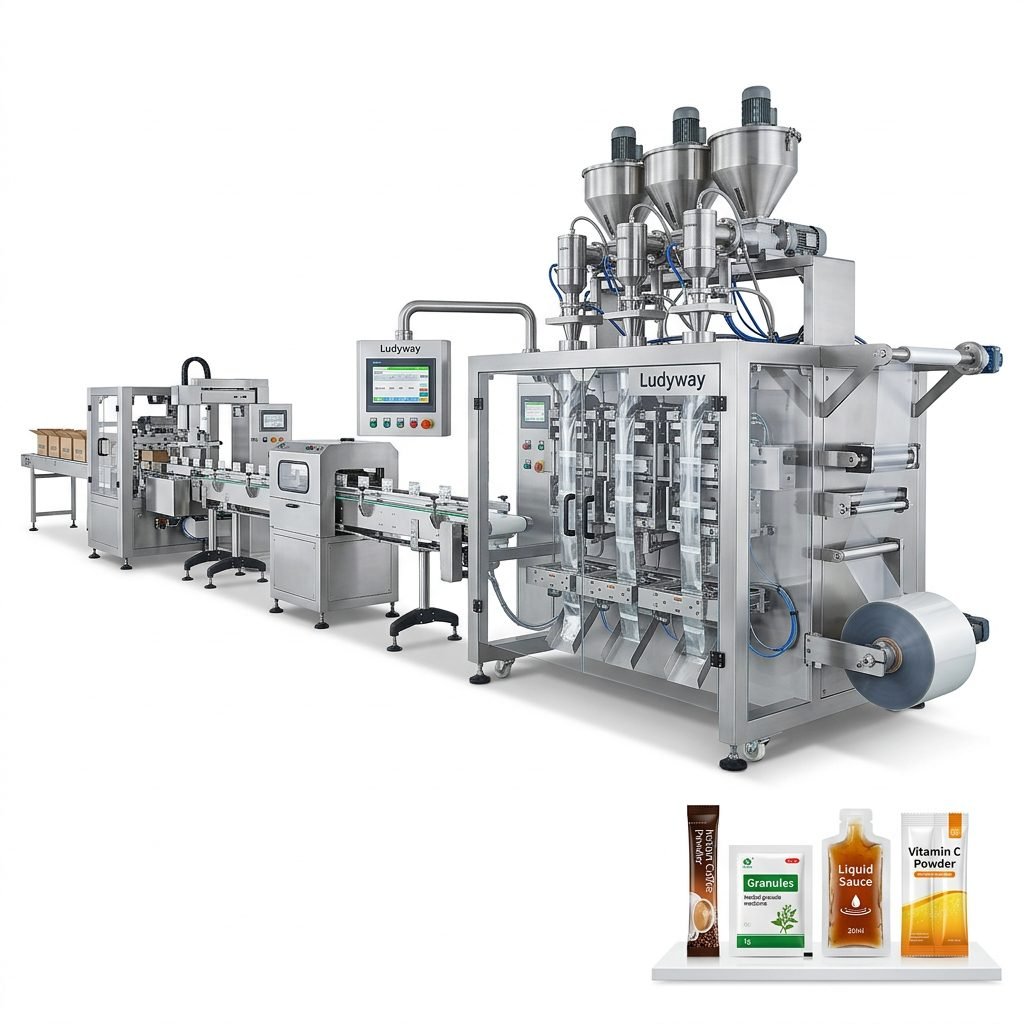
Let’s say a company is considering an automated sachet packaging line.
| Category | Value |
|---|---|
| Total Investment Cost | $250,000 |
| Annual Labor Savings | $105,000 |
| Annual Productivity Gain | $70,000 |
| Annual Waste Reduction | $28,000 |
| Annual Operating Cost | $23,000 |
| Annual Net Savings | $180,000 |
Payback Period: $250,000 ÷ $180,000 = 1.39 years
ROI: ($180,000 ÷ $250,000) × 100 = 72%
For many manufacturers, a payback period under 2 years is already considered attractive.
Common Mistakes When Calculating ROI
- Looking only at purchase price instead of total project cost
- Ignoring downtime reduction and throughput improvement
- Forgetting maintenance costs in annual calculations
- Underestimating waste savings from accurate filling and sealing
- Not accounting for future growth in production demand
A good ROI model should be realistic, not overly optimistic. Conservative estimates often make your business case stronger and more credible.
How to Compare Different Automation Options
If you are choosing between semi-automatic equipment, a fully automatic machine, or a turnkey packaging line, compare them side by side using the same criteria.
- Total upfront investment
- Required labor per shift
- Expected output speed
- Changeover flexibility
- Maintenance complexity
- Expected scrap and reject rate
- Scalability for future products
Sometimes the lowest-cost machine has the weakest ROI because it limits output, needs more operators, or creates more downtime. In contrast, a stronger automated solution may cost more initially but deliver a faster payback.
When Packaging Automation Usually Delivers Strong ROI
Packaging automation tends to offer especially strong returns when:
- Labor costs are rising
- Manual packaging causes frequent inconsistency
- Demand is growing faster than current capacity
- Multiple shifts create staffing challenges
- Products need better presentation and sealing quality
- Regulated industries require more traceability and repeatability
Food, pharmaceutical, nutraceutical, cosmetic, chemical, and pet product manufacturers often see high ROI because packaging quality and efficiency directly affect profitability.
Questions to Ask Before Investing
Before purchasing an automated packaging system, ask:
- What output do we need today and in the next 3 to 5 years?
- How many operators can this system replace or reassign?
- How much waste can be reduced?
- How easy is the machine to clean, maintain, and change over?
- Can the supplier support installation, training, and after-sales service?
- Can the line be integrated with future equipment upgrades?
Working with an experienced manufacturer also makes ROI forecasting easier because machine suppliers can provide realistic speed data, layout recommendations, and application-specific cost estimates.
Choosing the Right Packaging Automation Partner
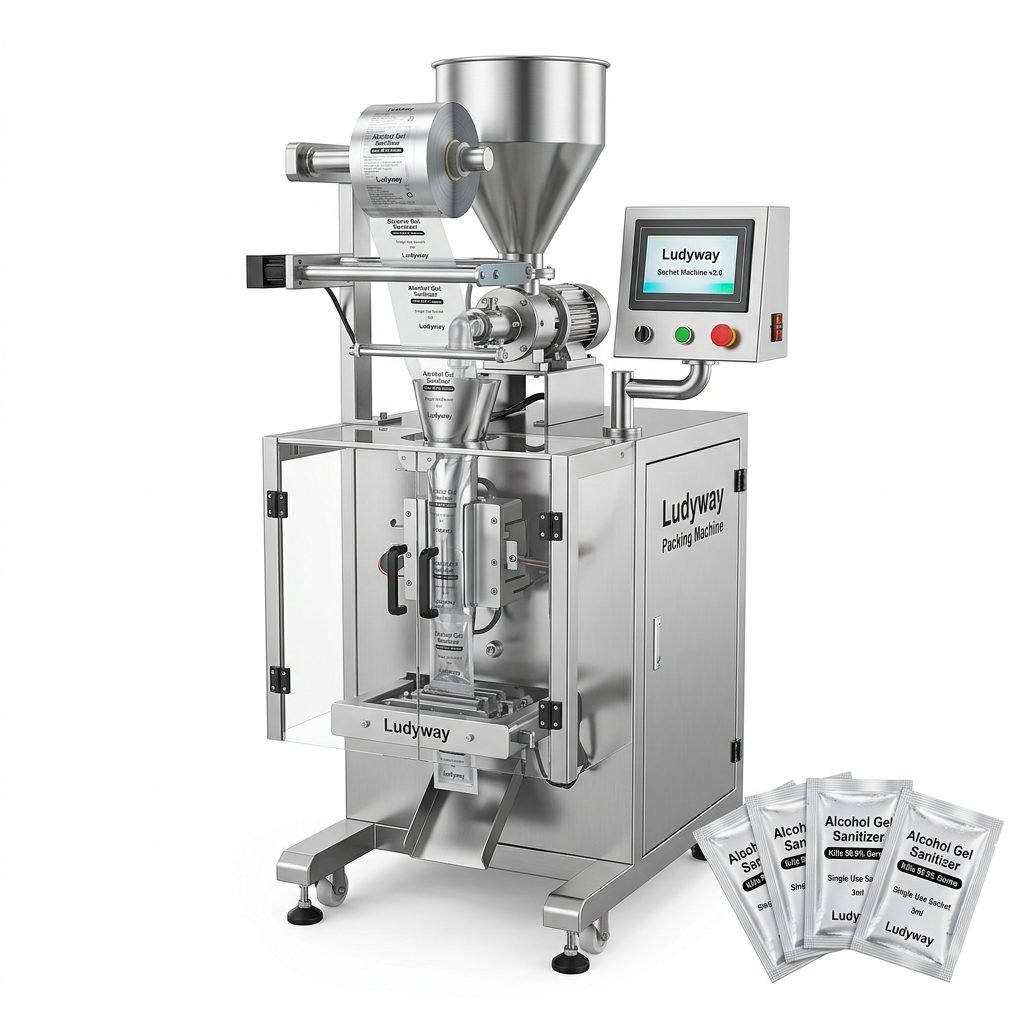
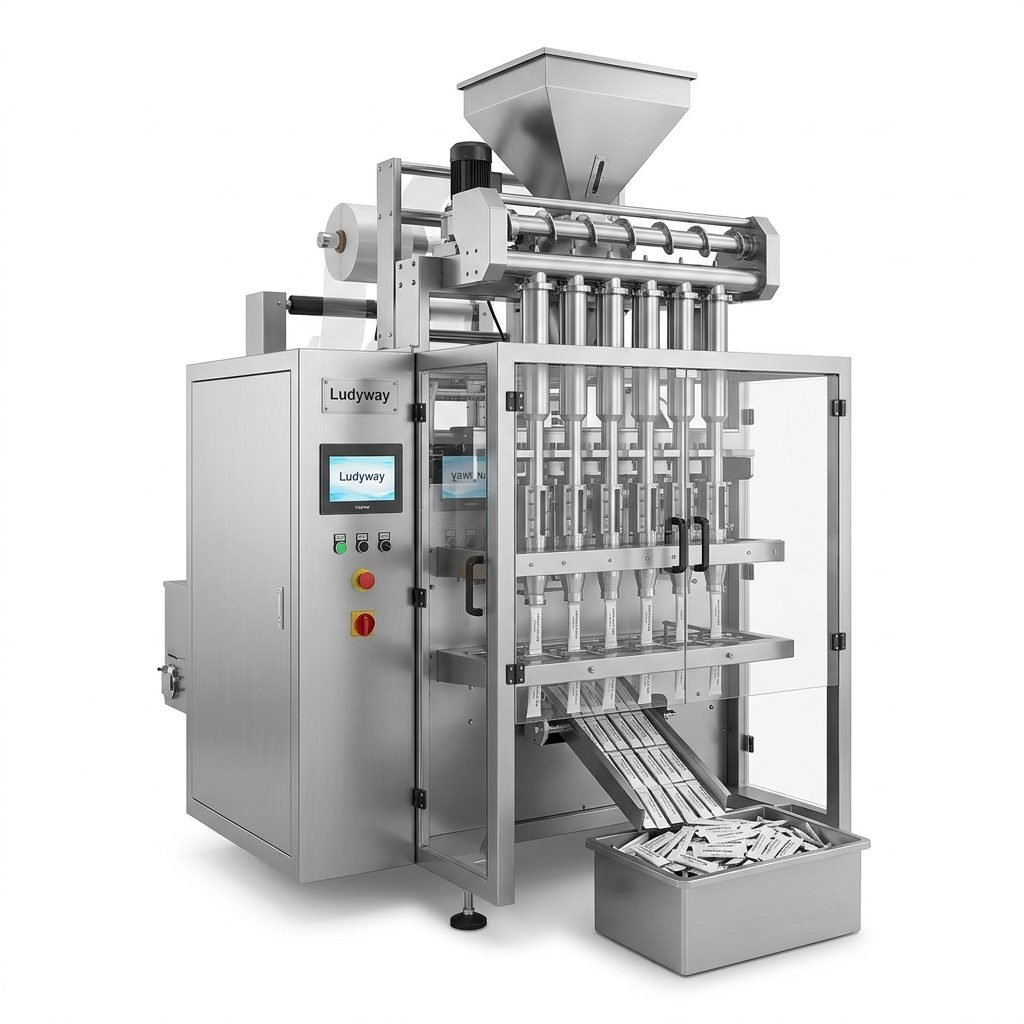
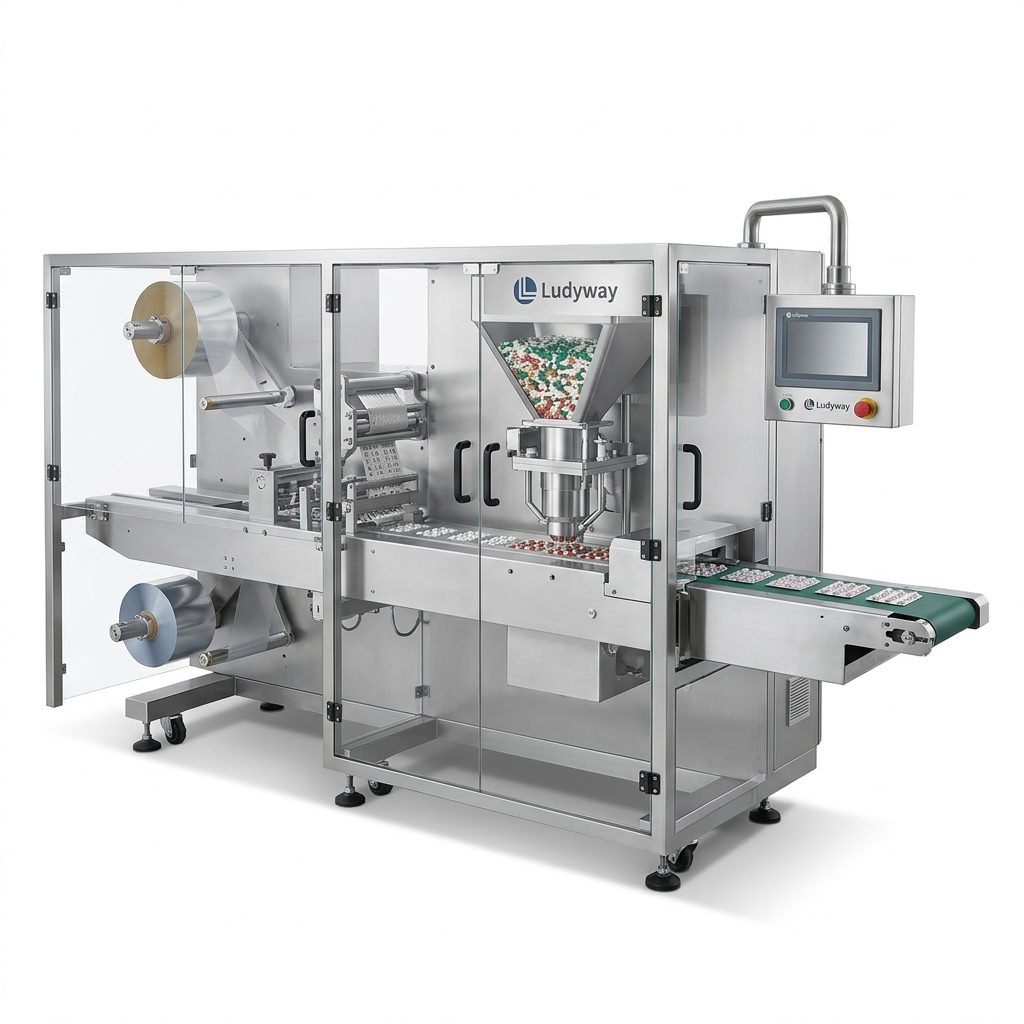
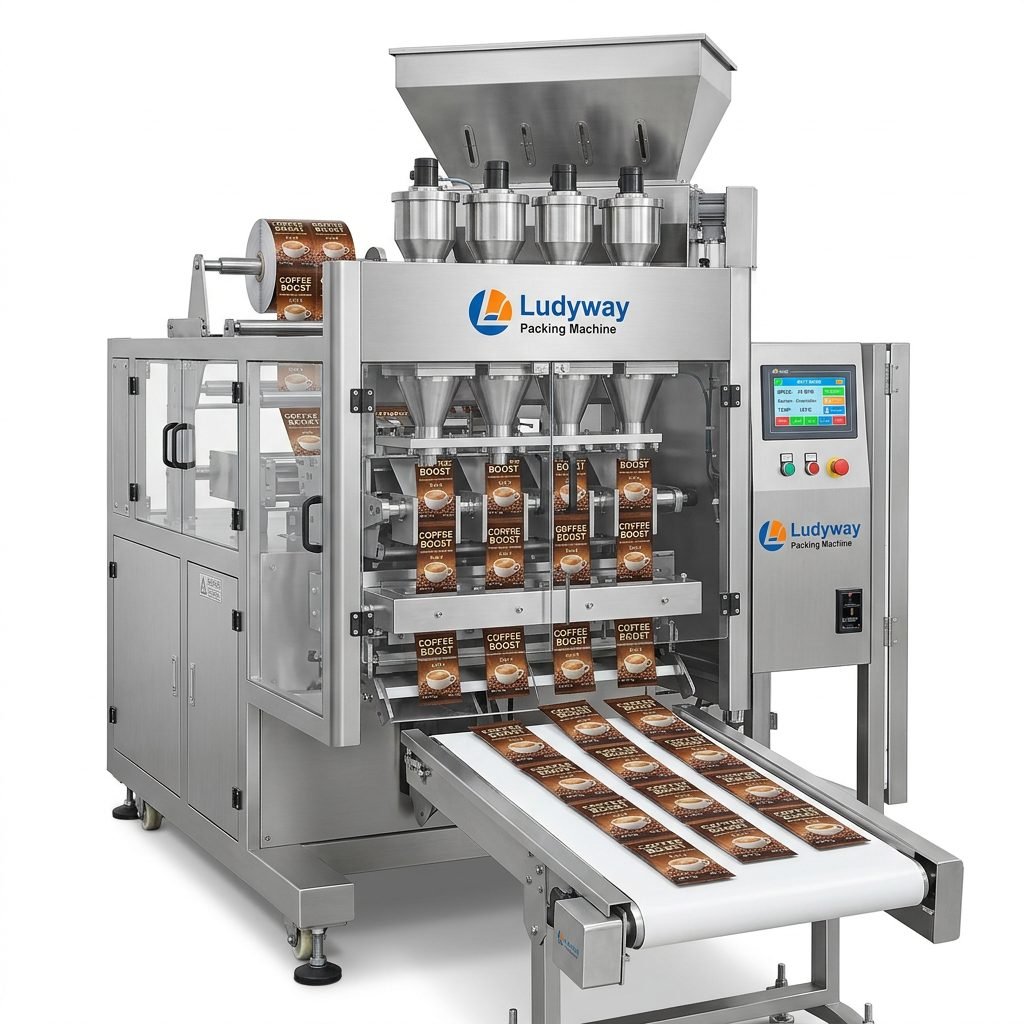
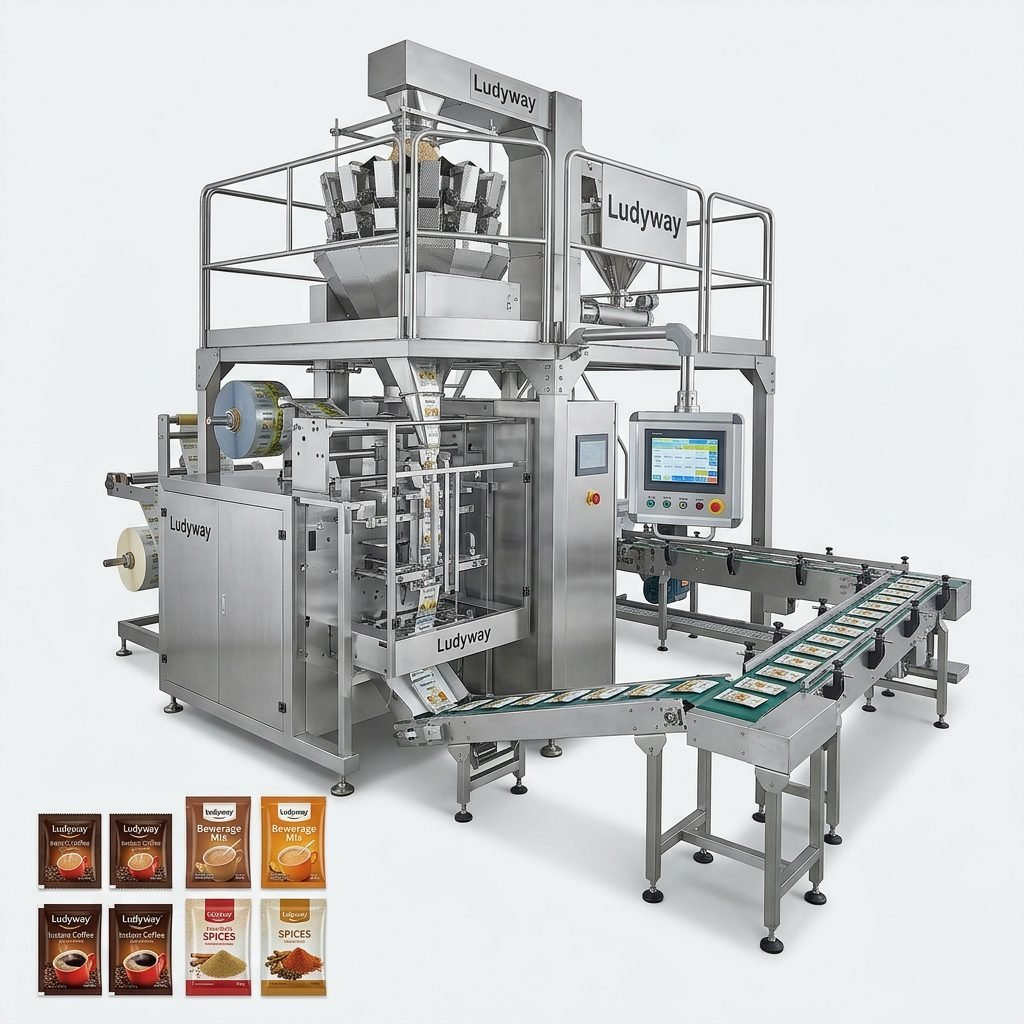
For businesses that want to evaluate machine options, line integration, and long-term packaging efficiency, working with an established supplier can reduce project risk. Ludyway packaging automation solutions are designed for manufacturers seeking scalable equipment for food, pharmaceutical, health supplement, cosmetic, chemical, and pouch-based applications.
The right partner should help you assess not only machine specifications, but also labor reduction, floor layout, output targets, packaging material compatibility, and future expansion potential.
Final ROI Checklist
Before making your investment decision, confirm that your ROI model includes all of the following:
| Checklist Item | Included? |
|---|---|
| Machine and installation cost | Yes / No |
| Training and startup cost | Yes / No |
| Labor savings | Yes / No |
| Output increase | Yes / No |
| Waste and reject reduction | Yes / No |
| Maintenance and utility cost | Yes / No |
| Payback period estimate | Yes / No |
When calculated correctly, packaging automation ROI becomes a practical management tool—not just a finance exercise. It helps businesses invest with confidence, improve packaging performance, and build a stronger foundation for long-term growth.