Tea brands of every size need packaging that protects aroma, controls weight, and keeps production practical. A manual tea bag packing machine is often the ideal starting point for small businesses, specialty tea shops, new private-label brands, and pilot production lines. It offers a simple and cost-effective way to package loose tea into retail-ready tea bags without the high investment of a fully automated system.
For larger companies, manual or semi-manual tea bag equipment can also play an important role in sample production, seasonal products, R&D testing, limited-edition blends, and backup capacity. Choosing the right solution depends on output goals, tea type, packaging format, labor availability, hygiene requirements, and future expansion plans.
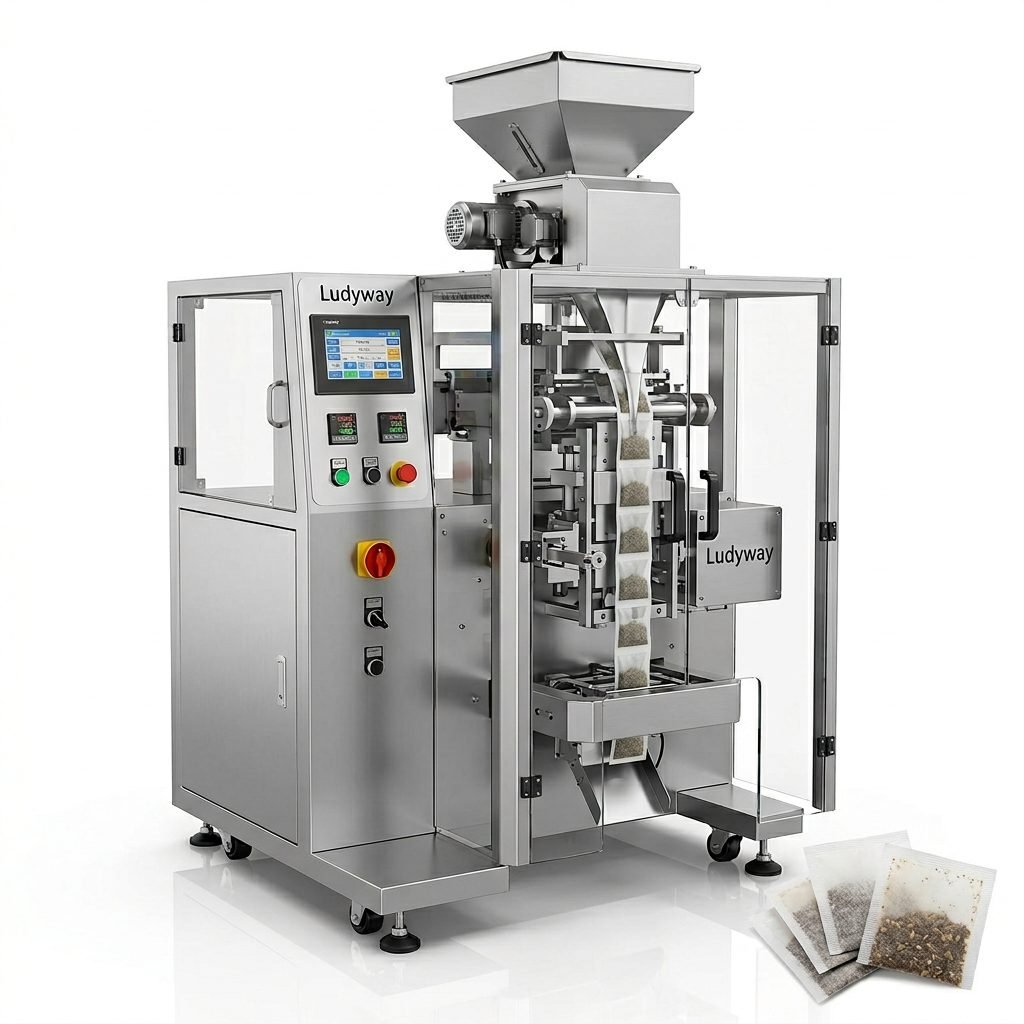
What Is a Manual Tea Bag Packing Machine?
A manual tea bag packing machine is a packaging solution that requires operator involvement for one or more steps, such as dosing tea, placing filter material, sealing bags, trimming, counting, or loading finished products. Depending on the model, the machine may be fully hand-operated or partially assisted by pneumatic, heat-sealing, or simple mechanical functions.
These machines are commonly used for:
- Loose leaf tea packaging
- Herbal tea blends
- Fruit tea products
- Green tea, black tea, oolong tea, and wellness tea
- Trial batches and custom blends
- Small-batch contract packaging
Why Businesses Choose Manual Tea Bag Packaging Equipment
Not every tea company needs a high-speed automated line from day one. Many businesses begin with a manual tea bag machine because it balances affordability, flexibility, and control.
- Lower initial investment compared with automatic systems
- Simple operation and easier operator training
- Suitable for multiple tea blends and changing SKUs
- Compact footprint for small workshops or retail tea businesses
- Reduced waste during startup and recipe testing
- Useful for seasonal or limited production runs
Manual vs Semi-Automatic vs Fully Automatic Tea Bag Packing
The best equipment category depends on your production stage. The table below helps compare the main options.
| Machine Type | Best For | Output Level | Investment | Flexibility |
|---|---|---|---|---|
| Manual tea bag packing machine | Startups, tea boutiques, lab trials | Low | Low | High |
| Semi-automatic tea bag machine | Growing brands, regional suppliers | Medium | Medium | Medium to high |
| Fully automatic tea bag packaging line | Large factories, export production, mass retail | High | High | Process-specific |
Key Benefits for Small Tea Businesses
1. Affordable Entry into the Tea Packaging Market
If you are launching a tea brand, controlling startup costs is critical. A manual tea bag packing machine allows you to begin production without committing to a large automated line. This helps preserve cash for branding, product development, raw materials, and market testing.
2. Greater Blend Flexibility
Small tea businesses often offer multiple SKUs in lower quantities. Manual operation makes changeovers easier, especially when handling different leaf cuts, herbal mixtures, flower blends, or specialty wellness formulas.
3. Better Hands-On Quality Control
Operators can visually inspect fill condition, tea consistency, seal quality, and bag appearance during production. This is especially useful for artisan tea companies where presentation and product feel matter.
4. Space-Saving Design
Many startups work from compact production rooms, tea shops, or shared commercial facilities. Manual tea bag packaging machines generally require less space than large automated systems, making them ideal for smaller operations.
Why Larger Businesses Still Use Manual Tea Bag Machines
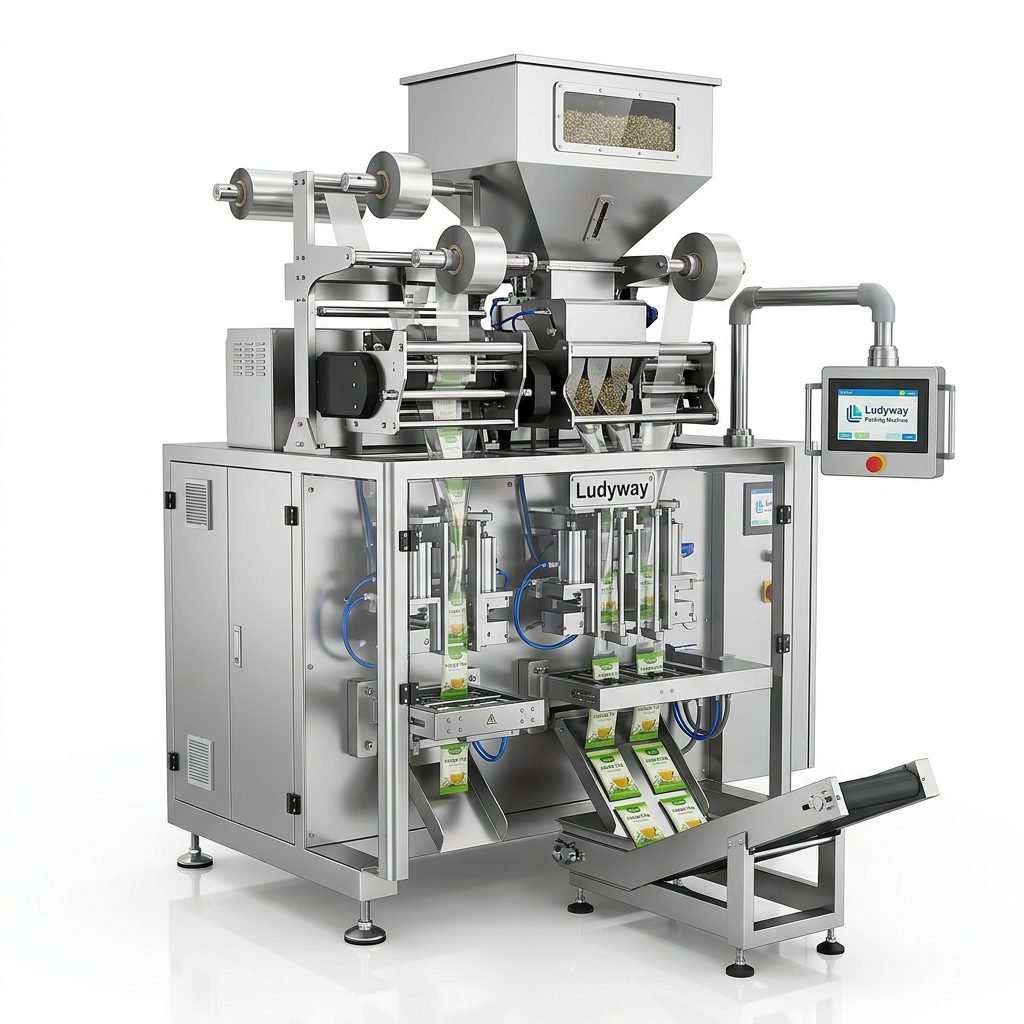
Although large tea manufacturers usually rely on automation, manual machines still serve valuable functions in broader production systems.
- Sample runs for new tea blends
- Market testing before high-volume launch
- Premium hand-finished tea bag products
- Backup packaging during maintenance downtime
- Low-volume contract or custom client orders
- Internal R&D and packaging material validation
This makes manual equipment a strategic asset, not just a beginner tool.
Tea Products Suitable for Manual Tea Bag Packing Machines
A properly selected manual system can handle many tea categories, depending on cut size, flowability, and bag design.
| Tea Type | Packaging Suitability | Notes |
|---|---|---|
| Black tea | Excellent | Consistent cut grades are easiest to fill |
| Green tea | Excellent | Requires moisture and aroma protection |
| Herbal tea | Very good | Blend uniformity affects dosing accuracy |
| Fruit tea | Good | Particle size should be controlled |
| Powdered tea or matcha blends | Conditional | May require specialized powder dosing |
| Loose whole-leaf premium tea | Moderate | Depends on bag size and product fragility |
Important Features to Look For
When comparing tea bag packaging equipment, focus on practical performance rather than only price.
Accurate Filling Control
Tea bag weight consistency affects both cost and customer experience. Look for a machine that supports stable dosing and easy adjustment for different tea densities.
Reliable Sealing Quality
Good sealing helps protect fragrance, prevent leaks, and improve shelf appeal. A poor seal can damage the brand image and lead to complaints.
Material Compatibility
Check whether the machine supports the filter paper, heat-sealable tea bag material, or outer envelope structure you plan to use.
Ease of Cleaning
Tea packaging should remain clean and hygienic. Machines with straightforward contact parts and accessible structures reduce maintenance time and contamination risk.
Upgrade Potential
A business may start with manual packing but later need coding, counting, cartoning, overwrapping, or full automation. Choosing equipment from a manufacturer with scalable solutions can simplify long-term growth.
How to Choose the Right Machine for Your Business Size
For Startups and Small Tea Shops
- Prioritize low investment and easy operation
- Select a compact machine with simple changeover
- Choose flexible dosing for multiple blends
- Make sure spare parts and support are available
For Medium-Sized Tea Brands
- Consider semi-automatic options for better throughput
- Plan for printed tags, strings, or outer envelope capability
- Evaluate labor cost versus machine efficiency
- Look for modular upgrades
For Large Manufacturers
- Use manual machines for pilot runs and special orders
- Integrate them into R&D or backup workflows
- Coordinate with automated feeding, sealing, cartoning, and inspection systems
- Standardize specifications across product families
Common Packaging Formats for Tea Businesses
Manual and semi-manual tea packaging can support several market-friendly formats:
- Standard single-chamber tea bags
- Tea bags with tag and string
- Inner tea bag plus outer envelope
- Retail pouches for loose tea
- Trial packs and sampler sets
- Custom wellness tea bundle packs
Operational Tips to Improve Tea Bag Packaging Efficiency
- Keep tea particle size as consistent as possible for better dosing.
- Control humidity in the packaging area to protect product quality.
- Train operators on sealing temperature and handling procedures.
- Test each tea blend before production to reduce adjustment time.
- Use quality packaging materials to avoid tearing, leakage, or poor appearance.
- Set up a routine cleaning and preventive maintenance schedule.
When Should You Upgrade from Manual to Automatic?
A manual tea bag packing machine is an excellent solution, but there comes a point where higher automation improves profit and consistency. You may be ready to upgrade when:
- Orders regularly exceed your daily manual output capacity
- Labor cost becomes too high relative to production volume
- You need more consistent high-speed packaging quality
- Your business expands into supermarkets, export, or large contract supply
- You require integrated coding, cartoning, inspection, or case packing
At that stage, a scalable supplier can help transition from manual operation to a broader automated packaging strategy without disrupting product quality.
Choosing a Reliable Packaging Equipment Partner
Beyond the machine itself, your supplier matters. Look for a manufacturer that understands not only tea bag filling and sealing, but also complete packaging workflows, future expansion, customization, and after-sales support.
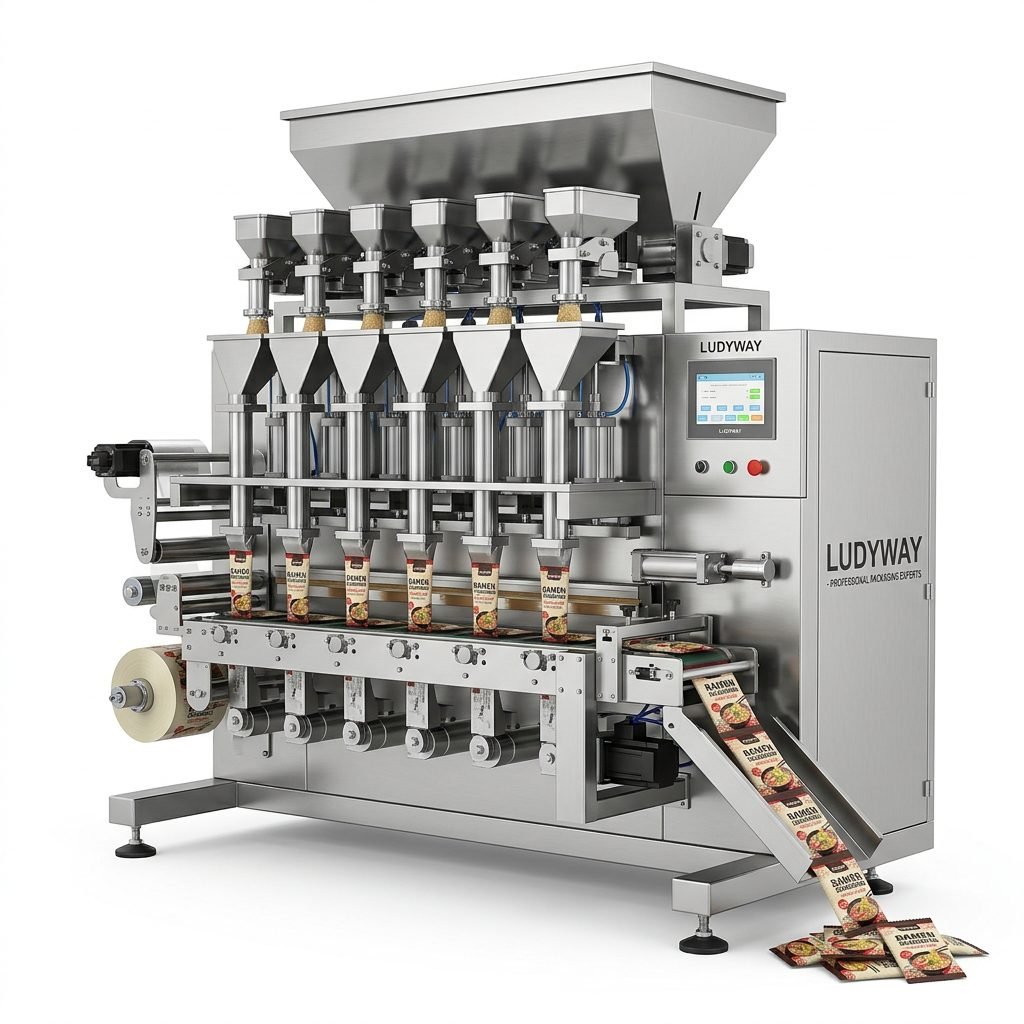
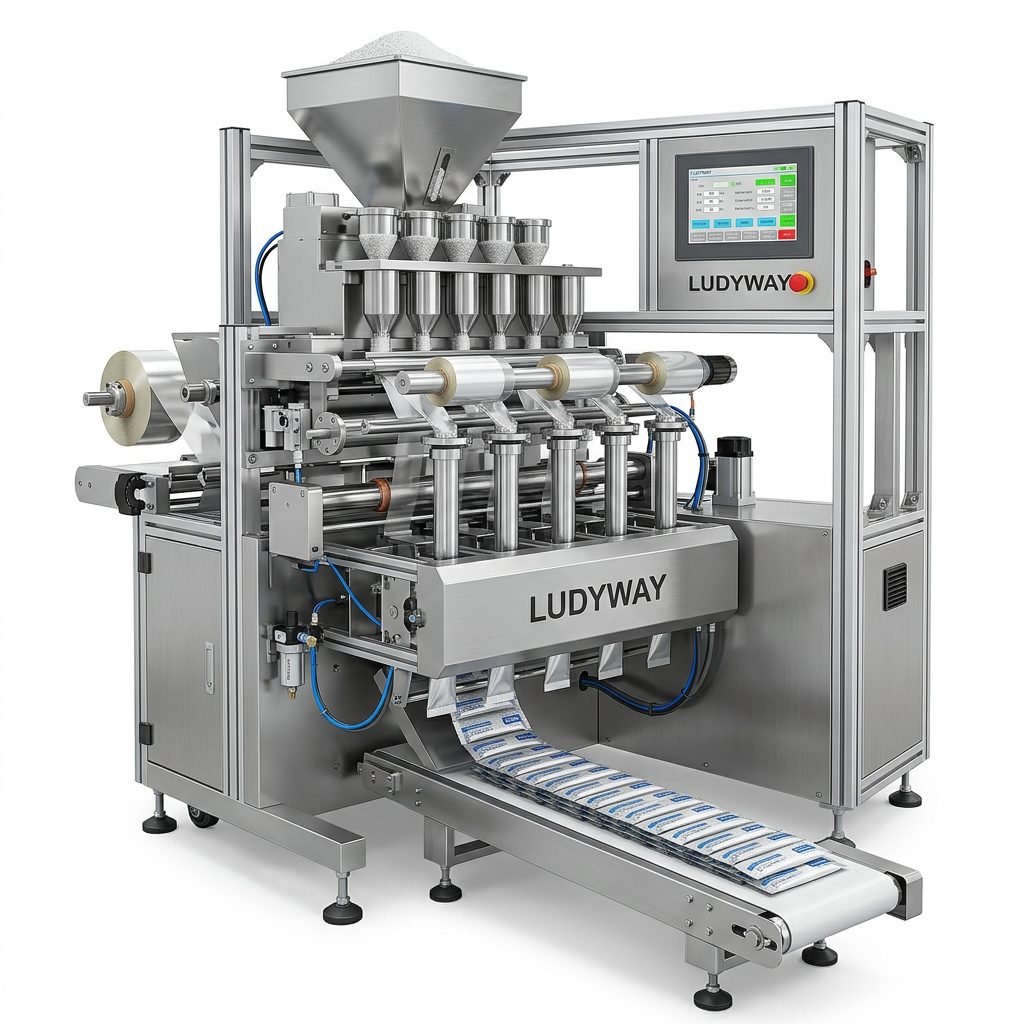
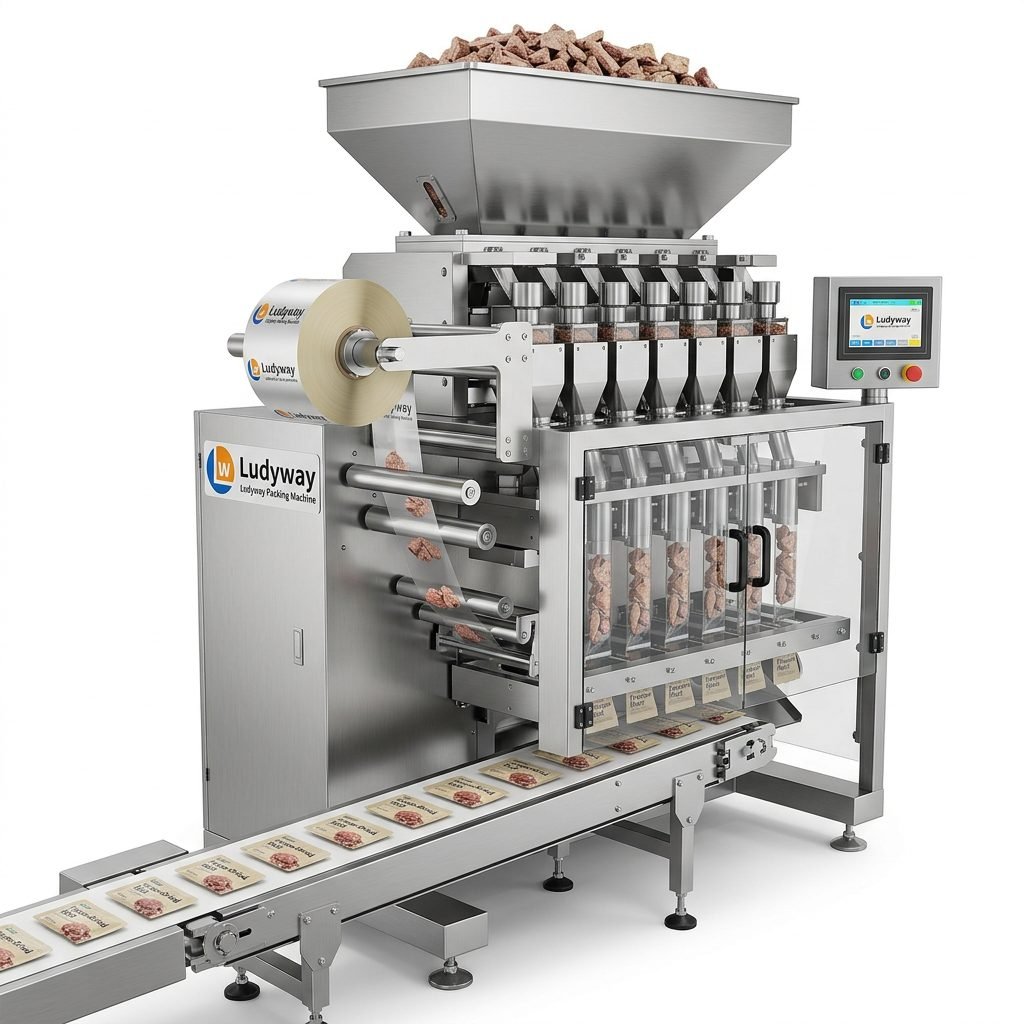
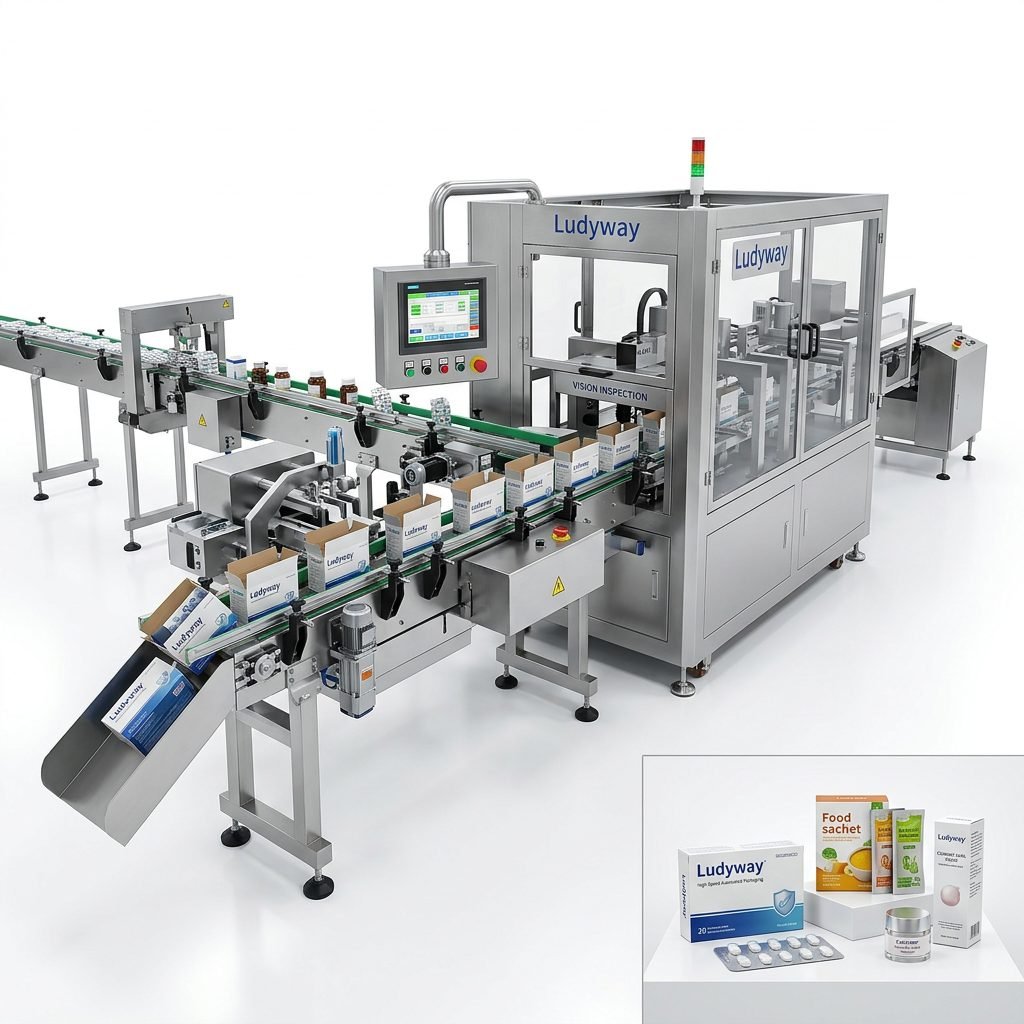
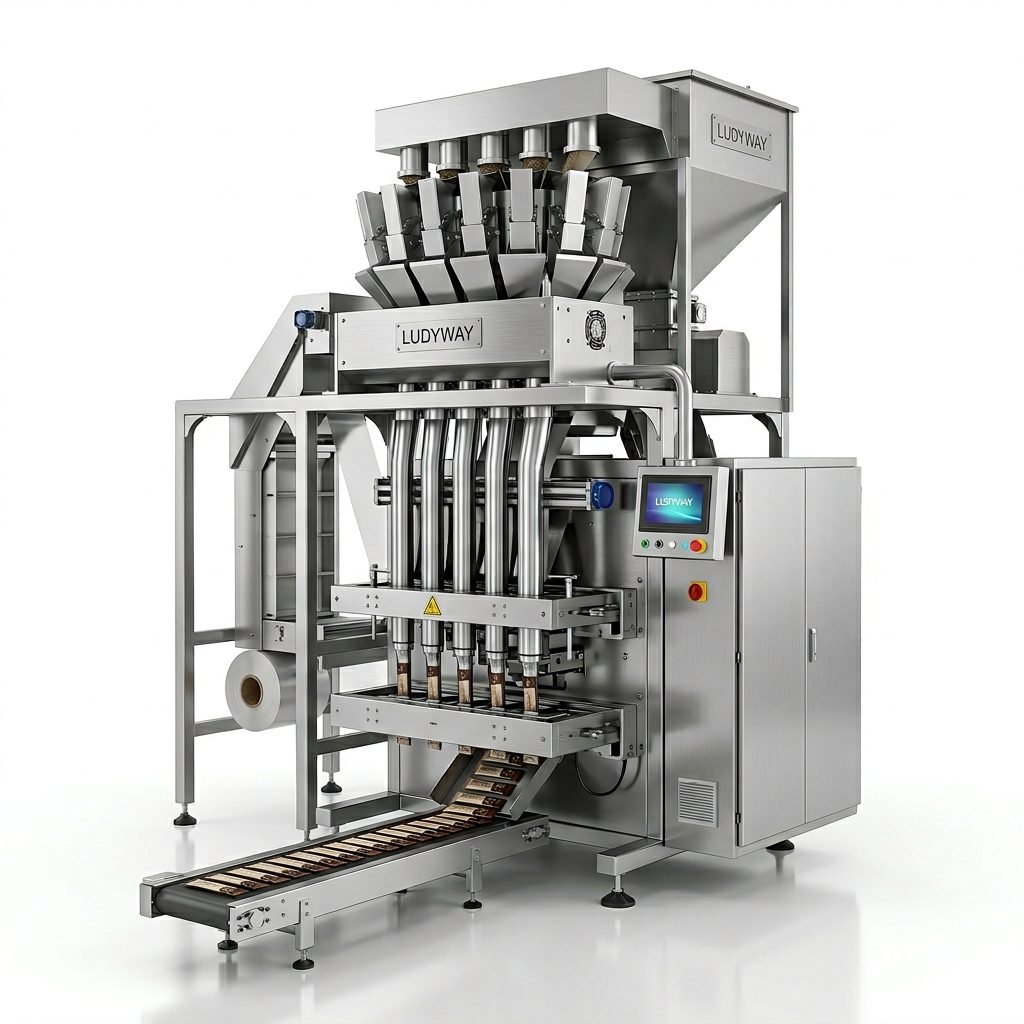
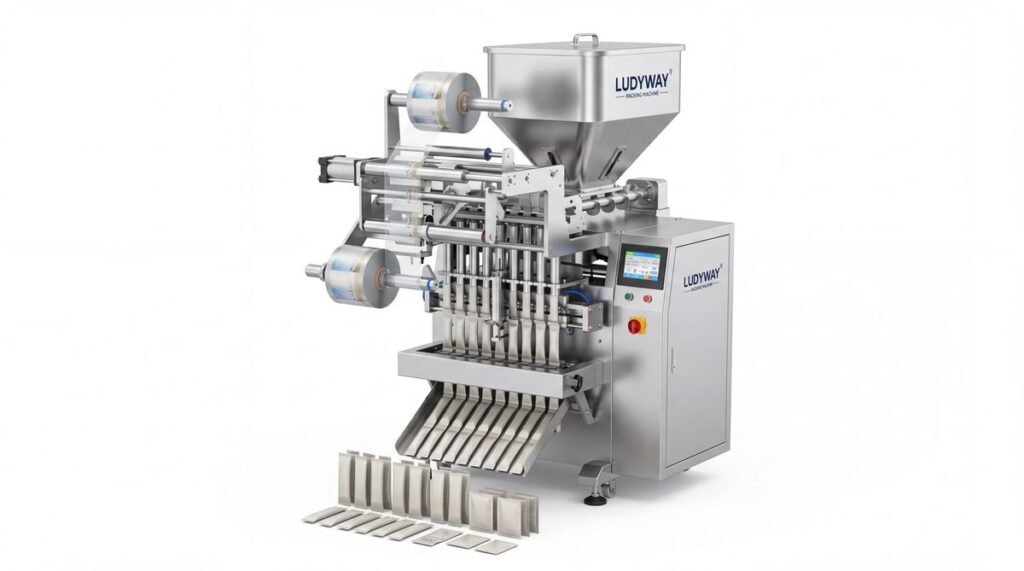
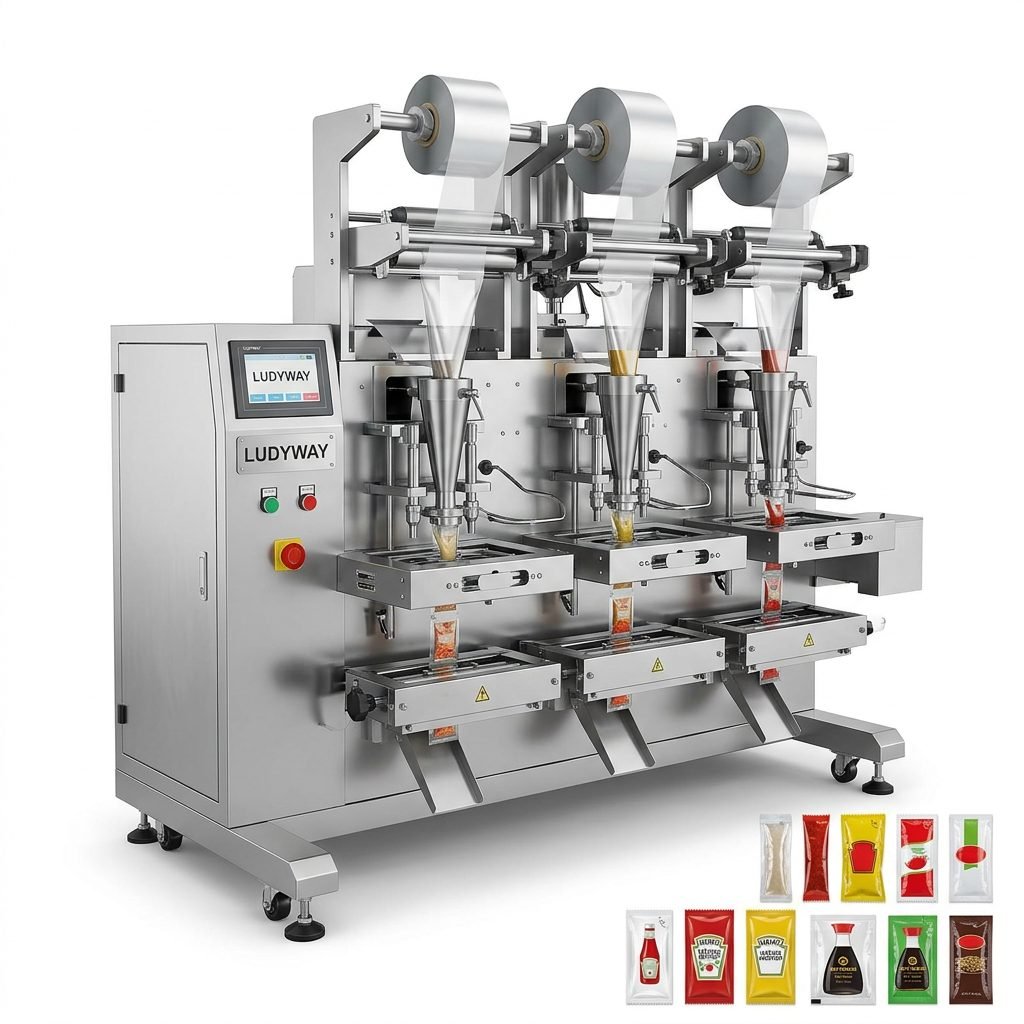
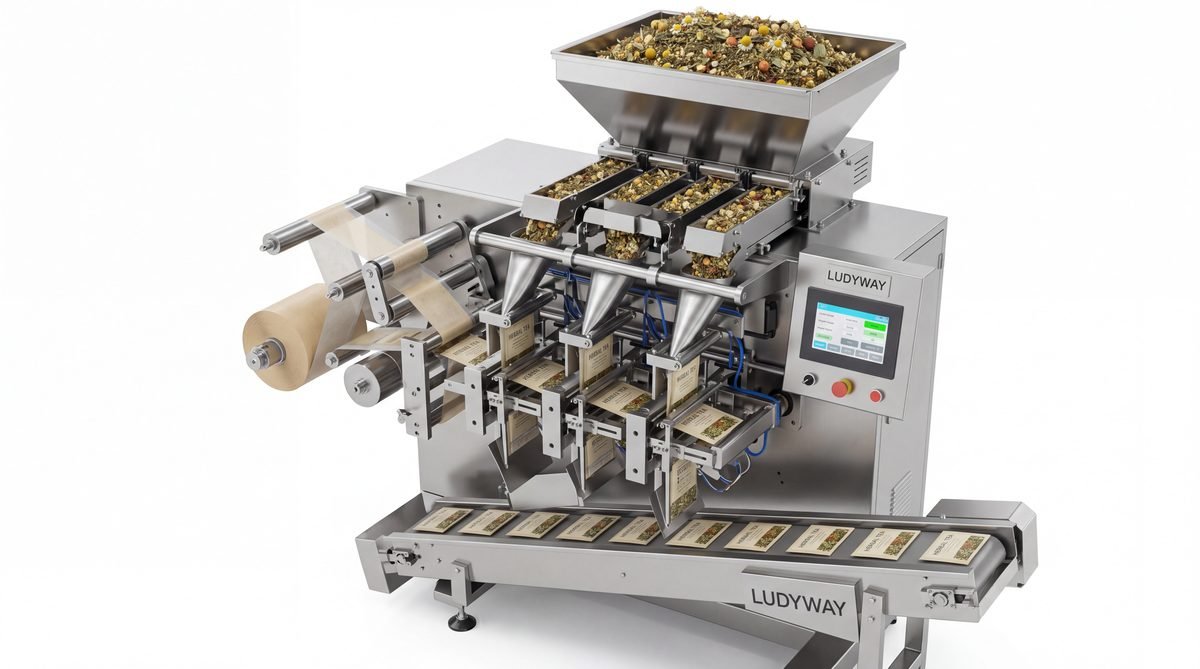
For businesses seeking scalable tea and sachet packaging solutions, Ludyway manual tea bag packing machine solutions can be a strong option. Founded in 1993, the company is recognized as one of China’s leading packaging machine and turnkey packaging line manufacturers, with over 30 years of industry experience, a factory of more than 20,000 square meters, and broad export service across Europe, North America, the Middle East, South America, Africa, and Southeast Asia.
Quick Buyer Checklist
- Tea type: loose leaf, herbal, fruit, powder, or blended formula
- Bag format: standard tea bag, string and tag, envelope, or sachet
- Target output: daily and monthly packaging volume
- Available space: workshop layout and utility access
- Labor model: manual, semi-automatic, or integrated production
- Growth plan: whether future automation is expected
Final Thoughts
A manual tea bag packing machine remains a practical and efficient choice for many tea businesses. For small brands, it creates an affordable path to market with strong flexibility. For larger companies, it provides value in custom runs, testing, and backup production. The right solution should match your tea characteristics, packaging goals, quality standards, and long-term growth plan.
By selecting equipment with dependable filling accuracy, clean sealing performance, and upgrade potential, businesses can build a more efficient tea packaging operation today while preparing for larger opportunities tomorrow.