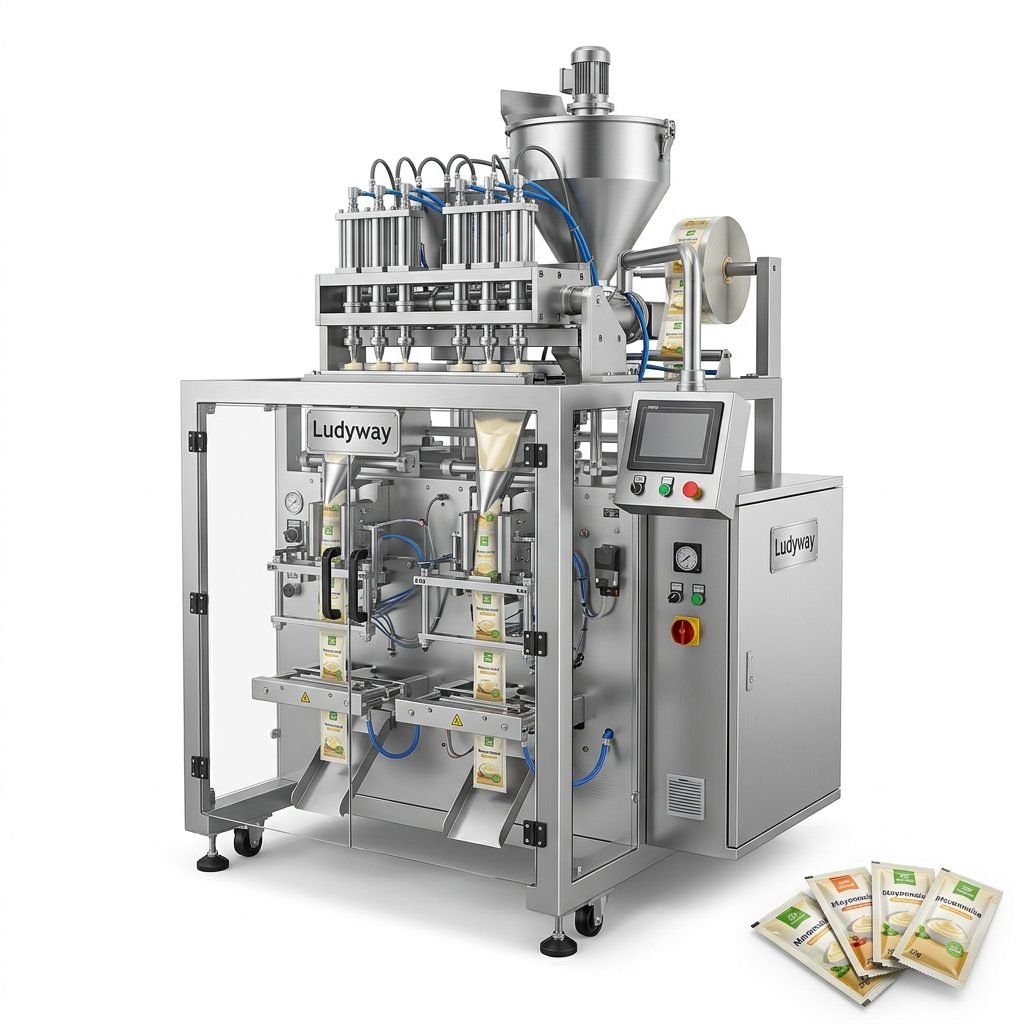
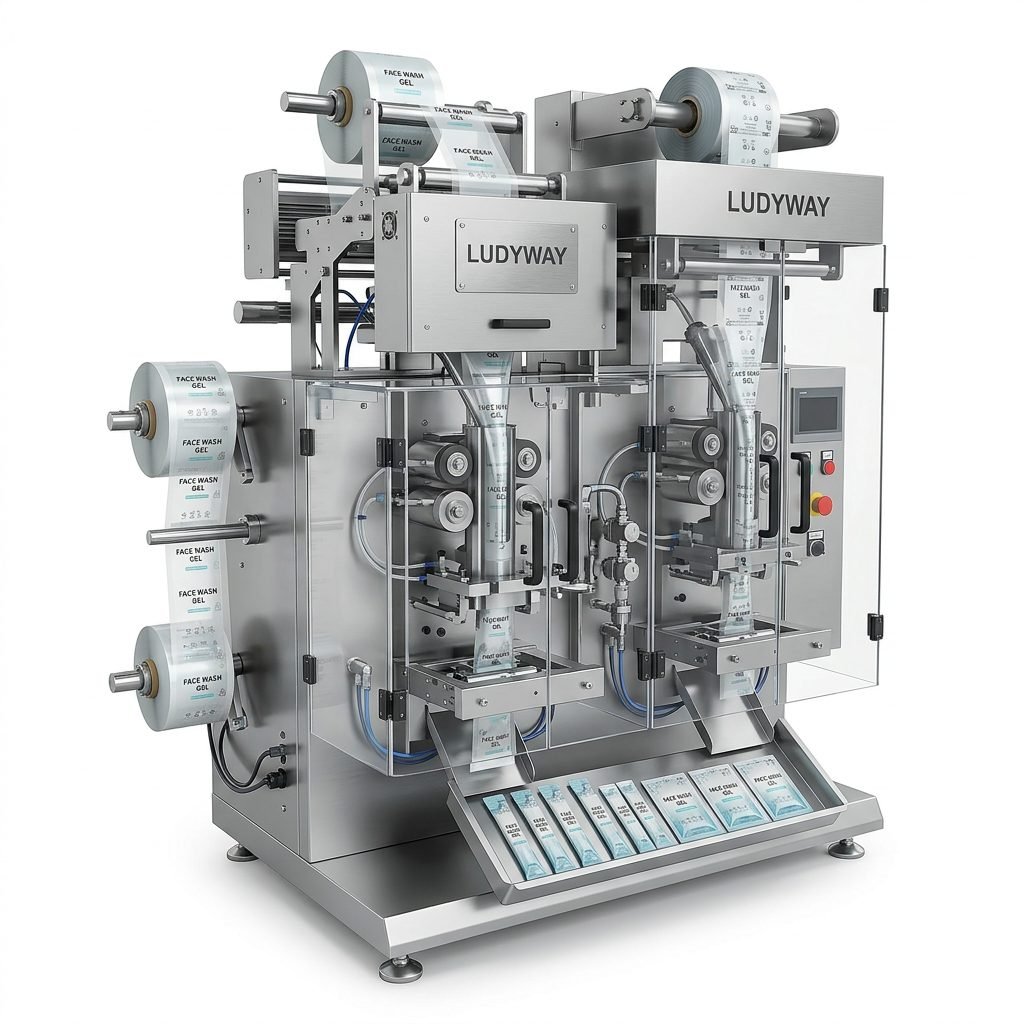
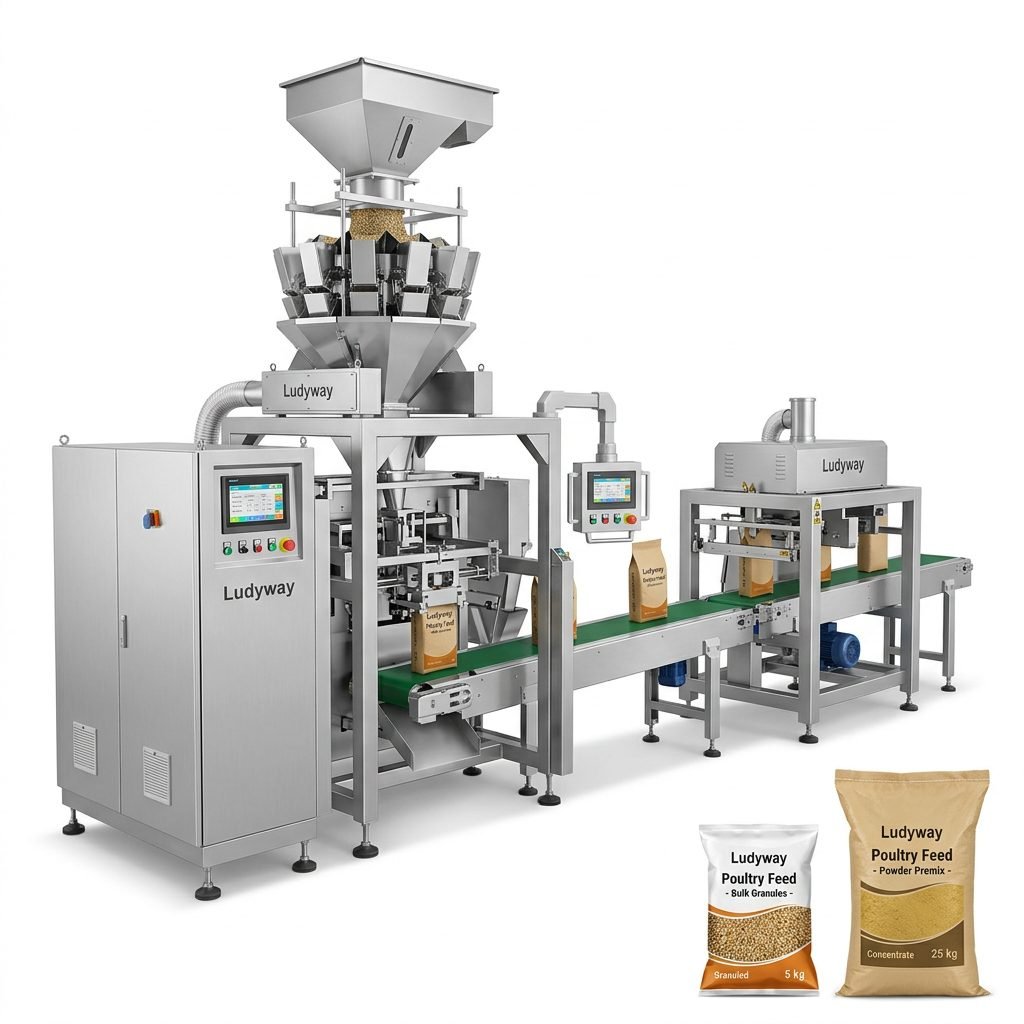
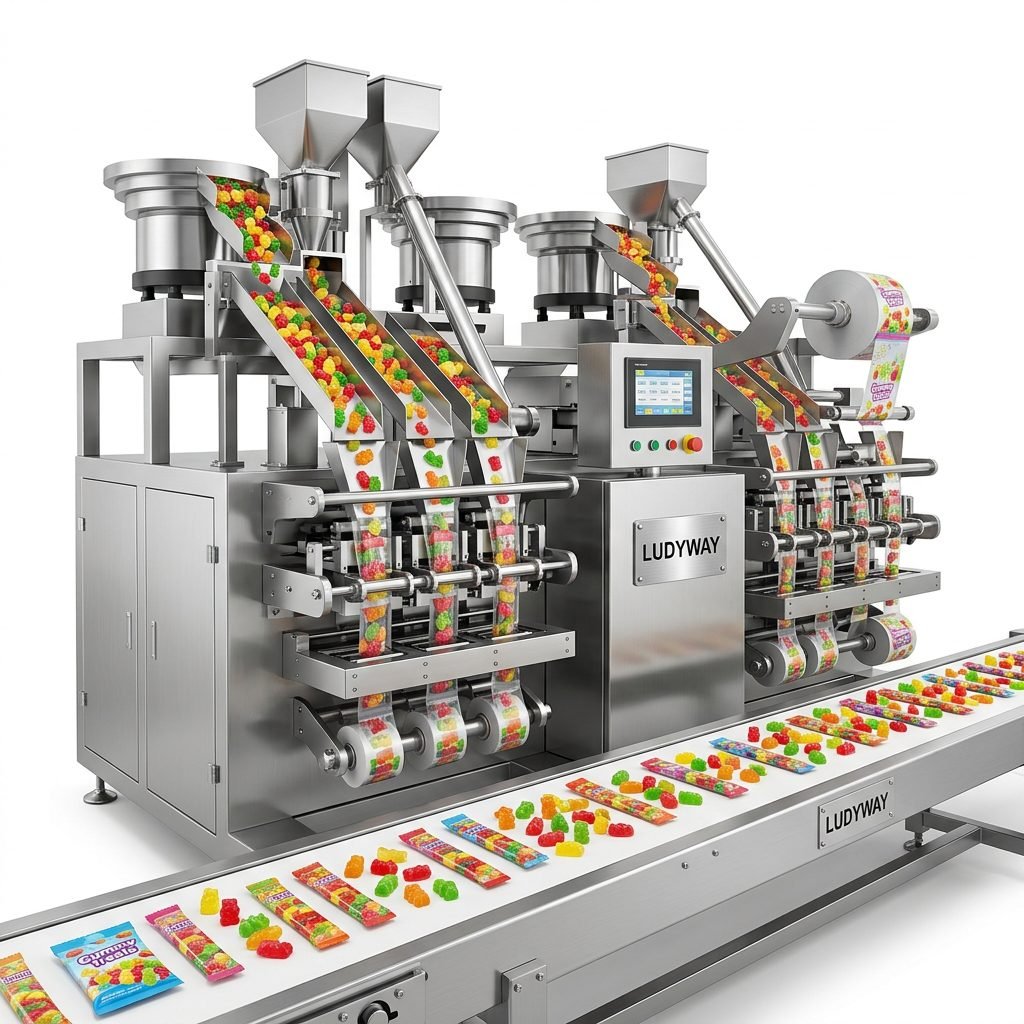
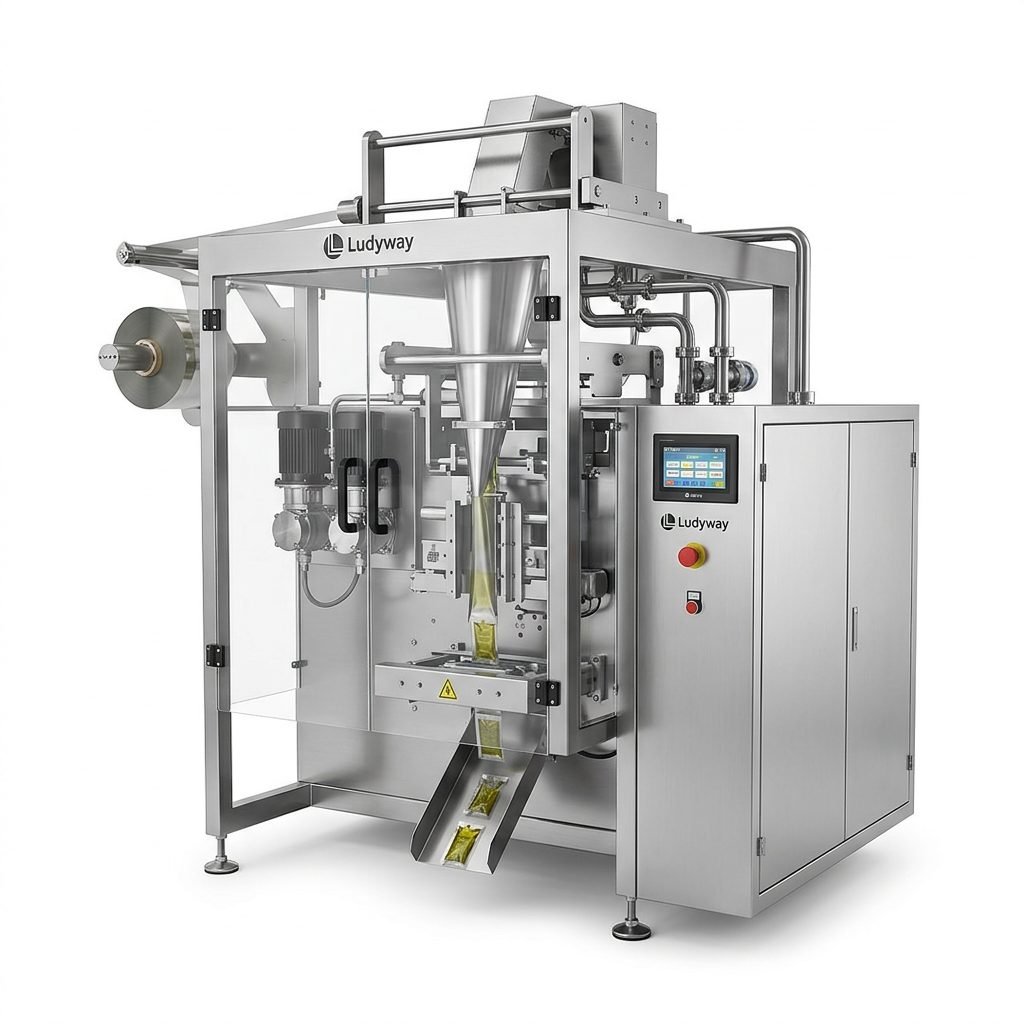
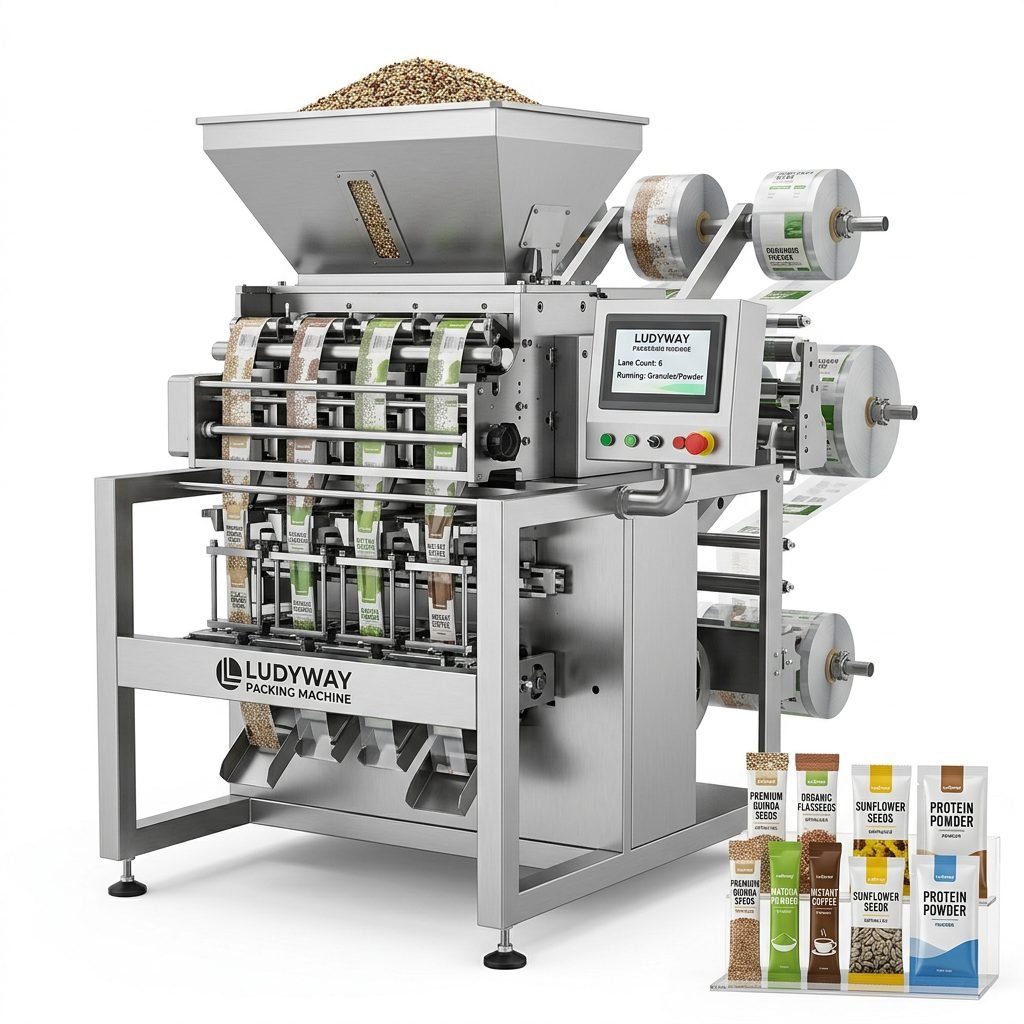
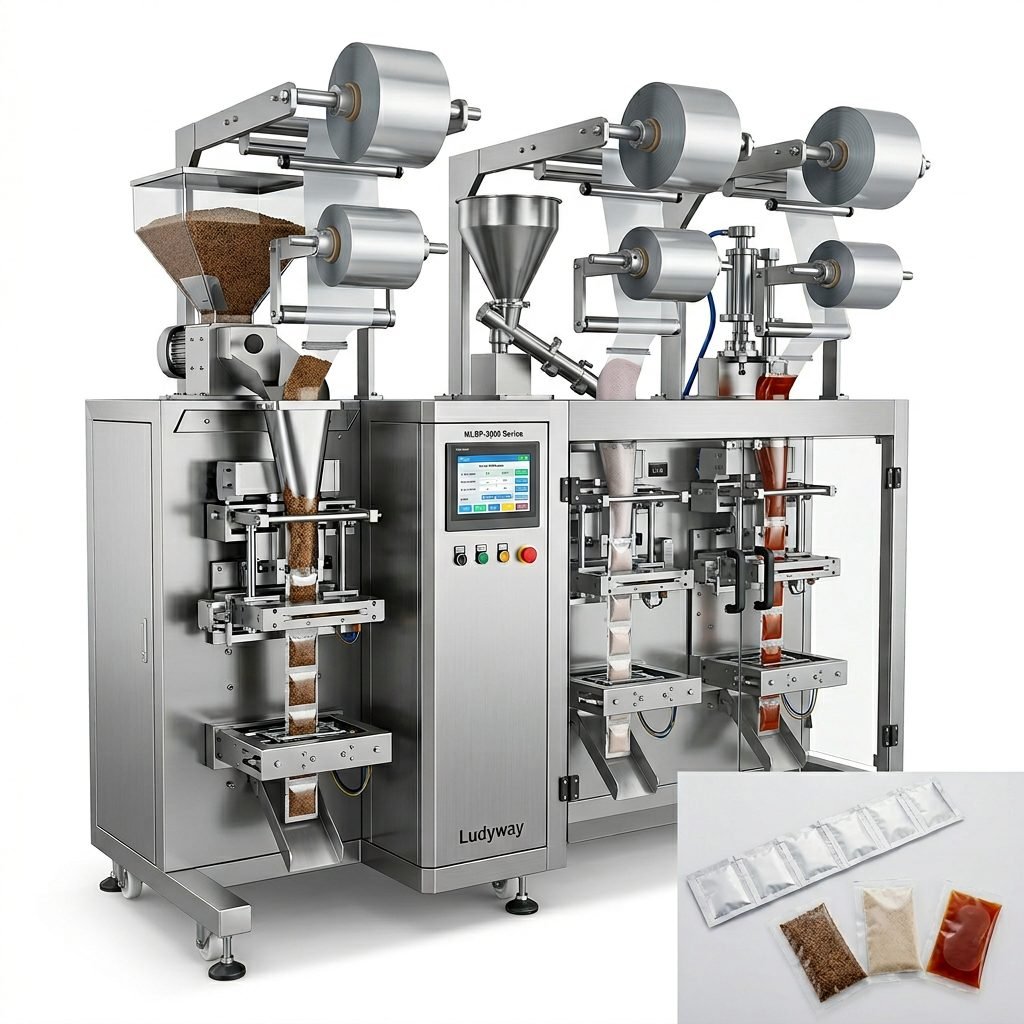
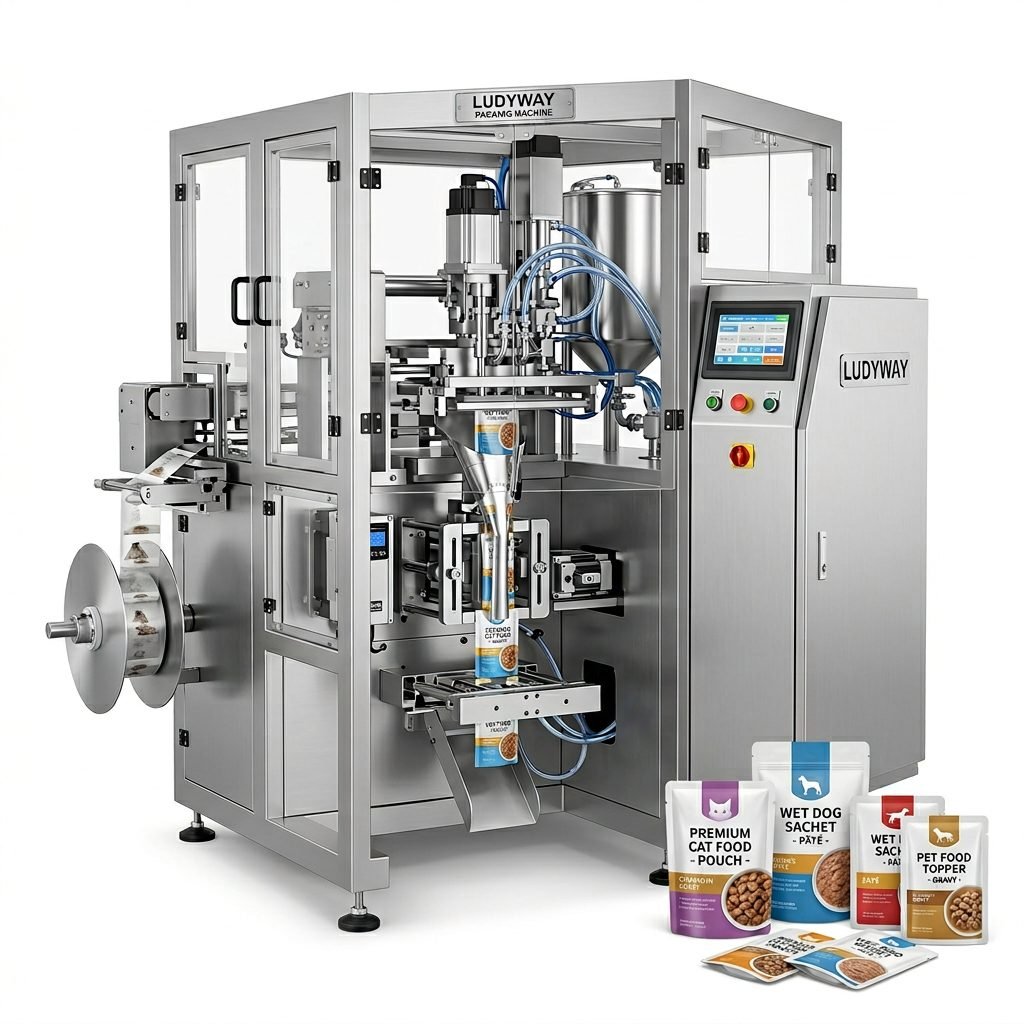
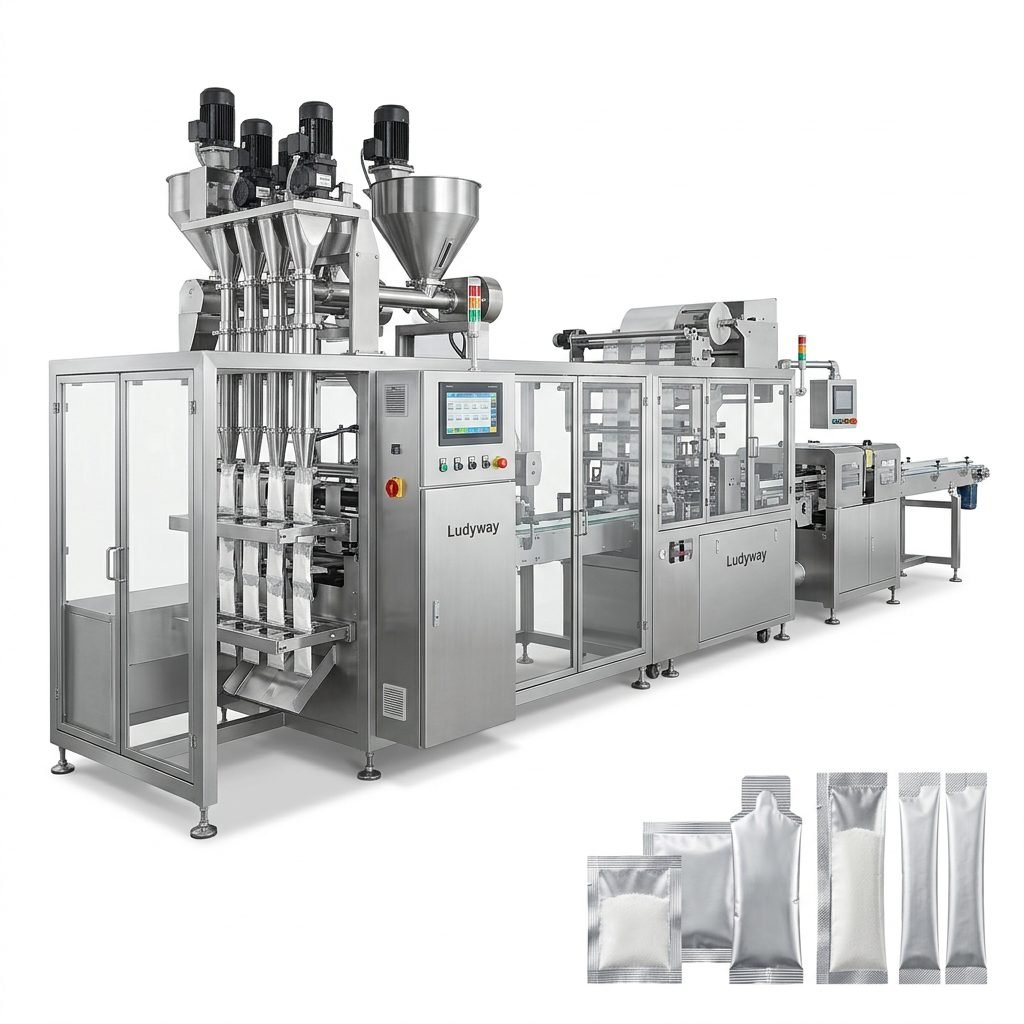
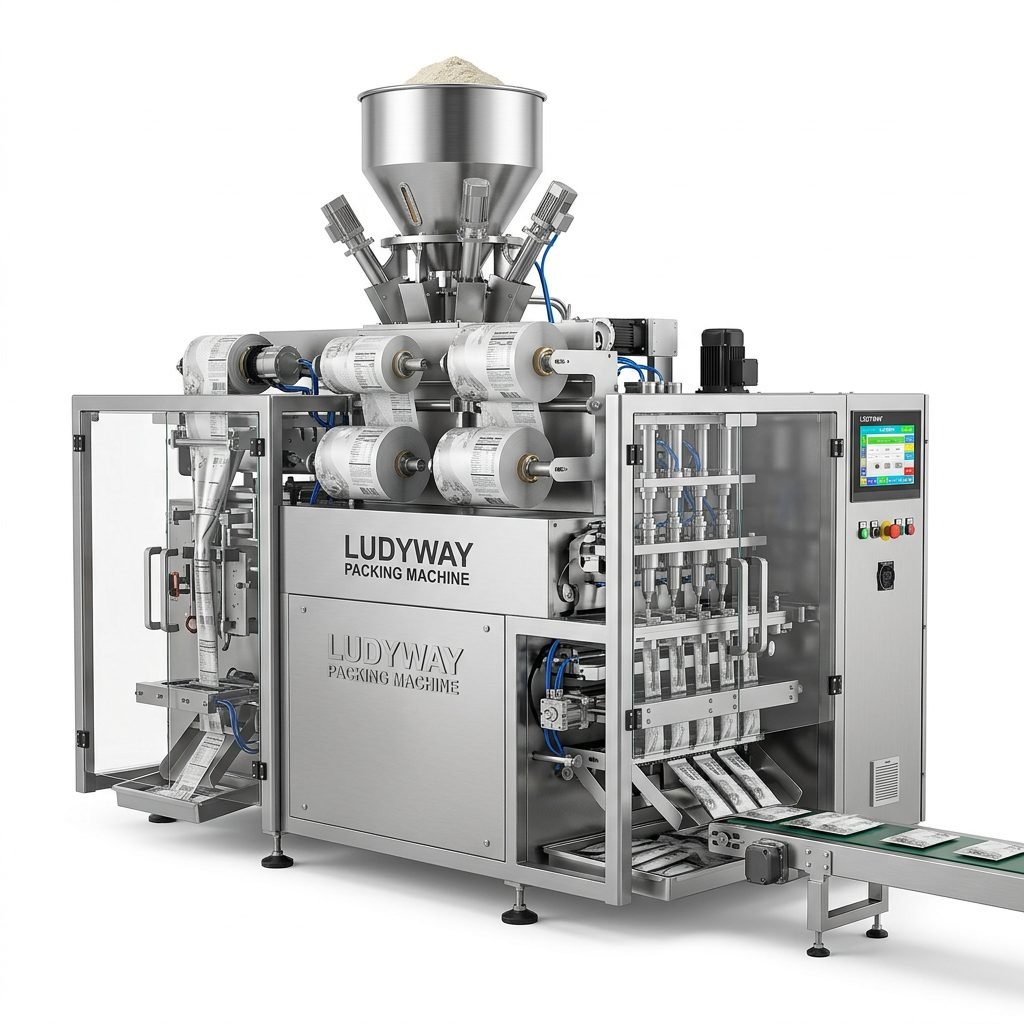
Choosing the best packaging machine for coffee is not only about speed. It is about matching the machine to your coffee format, target output, packaging style, product freshness goals, and long-term production cost. Whether you pack instant coffee, ground coffee, coffee beans, drip coffee, or coffee mixes, the right system can improve consistency, shelf appeal, and operational efficiency.
In the coffee industry, packaging directly affects aroma retention, moisture protection, dosage accuracy, and brand presentation. A machine that works well for coffee beans may be completely unsuitable for fine instant powder. That is why manufacturers should evaluate technical details before making an investment.
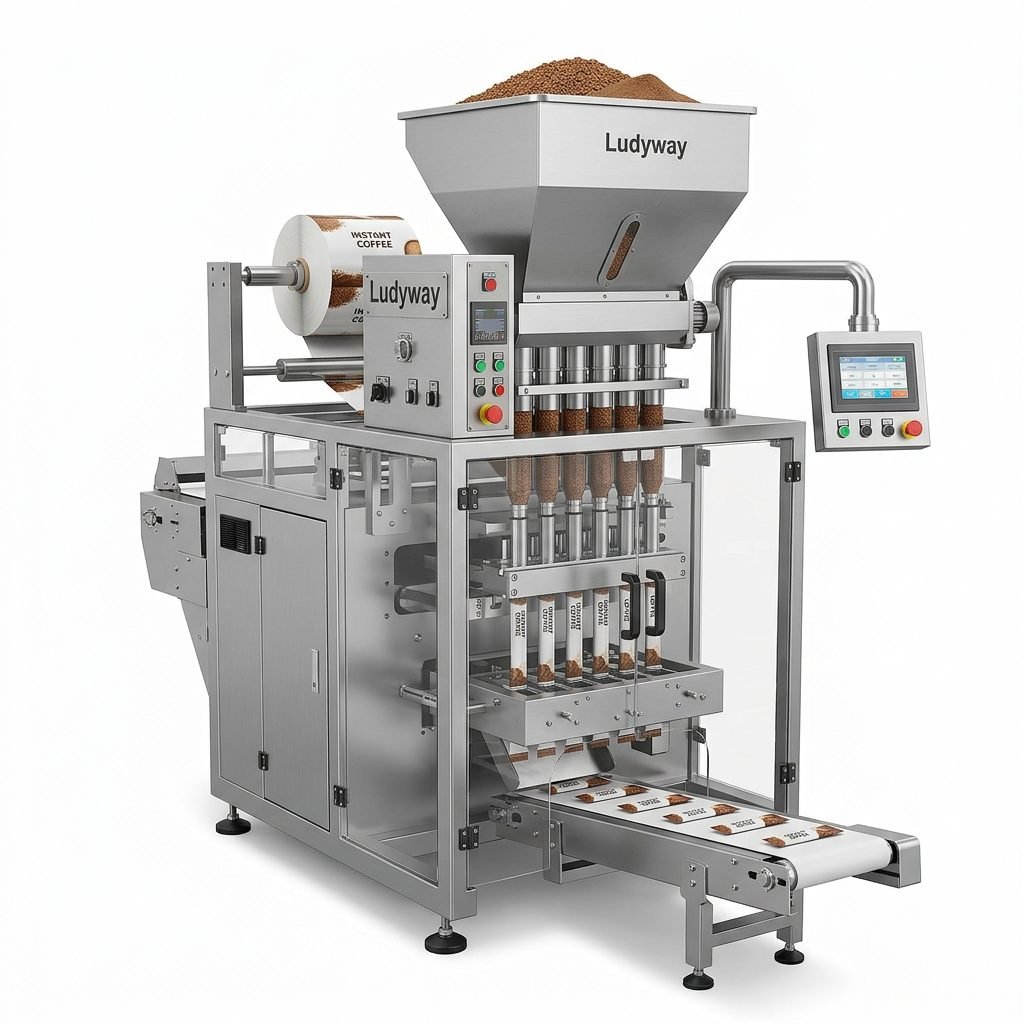
Why Coffee Packaging Machines Matter
Coffee is highly sensitive to oxygen, humidity, light, and contamination. Even premium beans or powder can lose their value if the packaging process is unstable. A reliable machine helps coffee brands maintain:
- Accurate filling for each bag, sachet, pouch, or stick pack
- Strong sealing integrity to reduce leakage and preserve freshness
- Higher production efficiency with less labor dependency
- Better packaging appearance for retail and e-commerce markets
- Traceability and quality control through coding, inspection, and automation integration
For coffee businesses scaling from manual filling to automated production, the right packaging machine can significantly lower waste while improving output stability.
Start by Identifying Your Coffee Product Type
The first step is to understand exactly what you are packaging. Different coffee products flow differently and require different dosing and sealing technologies.
| Coffee Product | Common Packaging Format | Recommended Machine Type |
|---|---|---|
| Instant coffee powder | Sachets, stick packs | Multi-lane powder sachet or stick pack machine |
| Ground coffee | Pouches, sachets, vacuum bags | VFFS machine, premade pouch machine, vacuum system |
| Coffee beans | Stand-up pouches, pillow bags, valve bags | Granule weighing and bagging machine |
| 3-in-1 coffee mix | Single-serve sachets, stick packs | Multi-lane powder packaging machine |
| Drip coffee | Inner and outer bags | Specialized drip coffee bag packaging machine |
| Coffee capsules | Capsules, cups | Capsule filling and sealing machine |
If your product range includes multiple SKUs, it is often smarter to choose a flexible machine platform rather than a single-format system.
Main Types of Coffee Packaging Machines
1. Stick Pack Machines
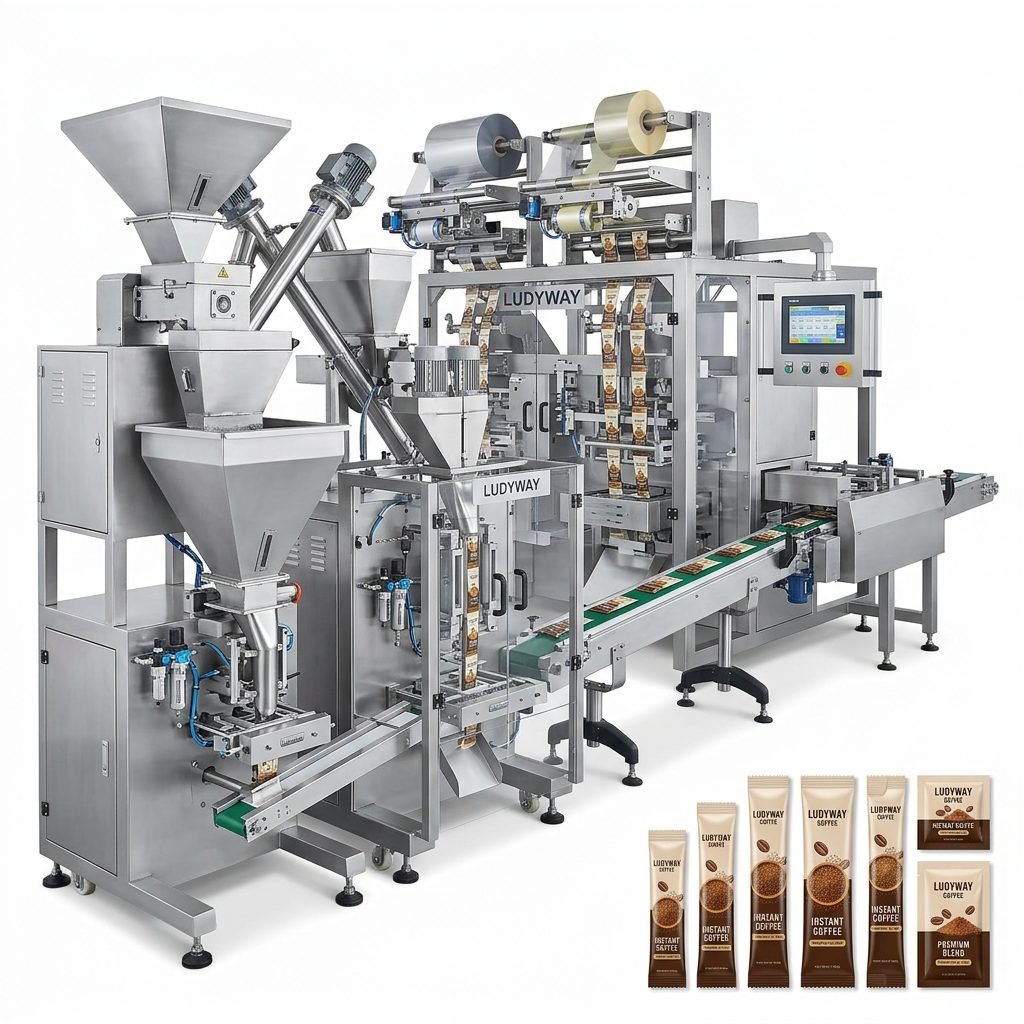
Stick pack machines are ideal for instant coffee, functional coffee powder, and single-serve coffee mixes. They produce slim, portable packs that are popular in retail, hotels, offices, and travel markets.
- Suitable for high-volume production
- Excellent for small-dose coffee packaging
- Can support multi-lane output for faster throughput
2. Sachet Packaging Machines
Sachet machines are used for square or rectangular packs and are common for instant coffee and coffee creamer combinations. They offer strong market versatility and can support various seal styles.
3. Vertical Form Fill Seal Machines
VFFS machines are often used for coffee beans, ground coffee, and larger pillow bags. They are practical for medium to high output and can be integrated with weighing systems, nitrogen flushing, and coding devices.
4. Premade Pouch Packaging Machines
These machines are suitable for premium coffee brands using stand-up pouches, zipper bags, or special-shaped bags. They offer stronger shelf impact and are well suited for specialty coffee.
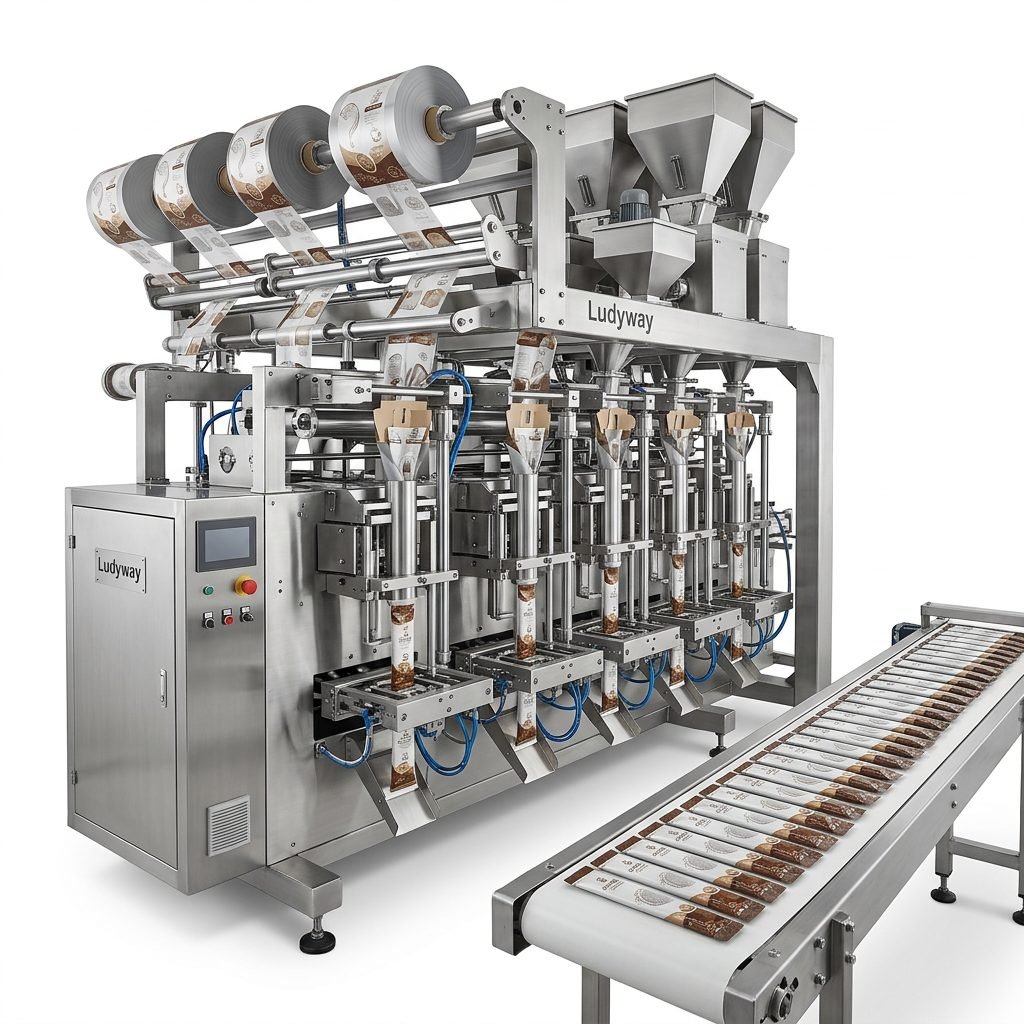
5. Drip Coffee Bag Packaging Machines
For drip coffee, you need a specialized machine capable of handling the inner filter bag and the outer envelope. Precision and sealing quality are especially important in this format.
Key Factors to Consider Before Buying
Packaging Speed
Your ideal machine speed depends on daily output targets. A growing coffee brand may only need moderate speed today, but expansion plans should also be considered. Choosing a machine that is too small may create a bottleneck within a year.
Filling Accuracy
Coffee powder and granules require stable dosing. Underfilling affects brand trust, while overfilling increases cost. Ask suppliers for real accuracy data based on coffee, not just general materials.
Packaging Material Compatibility
Coffee is often packed in laminated film, foil film, recyclable materials, valve bags, or nitrogen-flush pouches. The machine should match your intended packaging materials and sealing requirements.
Freshness Protection
Freshness is a major purchase driver in the coffee market. Consider whether you need:
- Nitrogen flushing
- Vacuum sealing
- Degassing valve compatibility
- High-barrier packaging material support
Changeover Flexibility
If you pack different coffee weights or bag sizes, the machine should allow efficient changeover. This is especially important for contract packers and brands with multiple SKUs.
Cleaning and Dust Control
Coffee powder can create dust during filling. Good equipment design helps reduce contamination, improve machine stability, and support easier cleaning between production runs.
How to Match Machine Type to Business Stage
| Business Stage | Typical Need | Suggested Solution |
|---|---|---|
| Startup coffee brand | Small batch, limited SKUs | Compact sachet or pouch machine |
| Growing regional producer | Higher output, more retail formats | Multi-lane stick pack or VFFS system |
| Large coffee manufacturer | High speed, automation, consistency | Integrated automatic packaging line |
| Premium specialty brand | Shelf appearance, freshness, flexibility | Premade pouch or valve bag packaging system |
Questions You Should Ask the Supplier
- What coffee products has this machine packaged before?
- What is the actual output range for my pack size?
- What filling accuracy can be achieved with instant coffee or ground coffee?
- Can the machine support nitrogen flushing or aroma-protection features?
- How long does format changeover take?
- What spare parts and after-sales support are available?
- Can the machine be integrated into a complete coffee packaging line later?
A reliable supplier should be able to provide sample testing, machine videos, technical specifications, and packaging recommendations based on your coffee product.
Common Mistakes When Choosing a Coffee Packaging Machine
- Choosing based on price only instead of total operating value
- Ignoring future production expansion
- Buying a machine without testing actual coffee material
- Overlooking seal quality and freshness retention
- Not checking local voltage, certification, and service support
The cheapest machine may become the most expensive if it causes downtime, inaccurate filling, poor seals, or excessive waste.
When a Turnkey Coffee Packaging Line Makes More Sense
If your production is expanding rapidly, a standalone machine may not be enough. In many cases, a full coffee packaging line delivers better long-term performance. This may include:
- Feeding and conveying systems
- Automatic weighing or auger filling
- Packaging machine
- Date coding and labeling
- Checkweighing or inspection equipment
- Cartoning and case packing
For businesses looking for scalable automation, coffee packaging machine solutions from Ludyway can support both standalone machines and turnkey packaging lines for powders, granules, liquids, and pouch-based products.
Final Selection Checklist
Before you make a final decision, confirm that your chosen machine fits the following points:
- Compatible with your coffee type
- Suitable for your target pack format
- Meets your desired speed and accuracy
- Supports freshness protection features
- Allows easy cleaning and maintenance
- Can scale with future growth
- Comes with dependable technical support
Conclusion
The best packaging machine for the coffee industry is the one that matches your product characteristics, packaging goals, and production plan. Instant coffee, ground coffee, beans, drip coffee, and coffee mixes all require different packaging approaches. By evaluating machine type, accuracy, flexibility, freshness protection, and supplier capability, you can choose an option that supports both current needs and future growth.
A well-selected coffee packaging machine helps you protect aroma, improve productivity, reduce waste, and build a stronger brand in a highly competitive market.