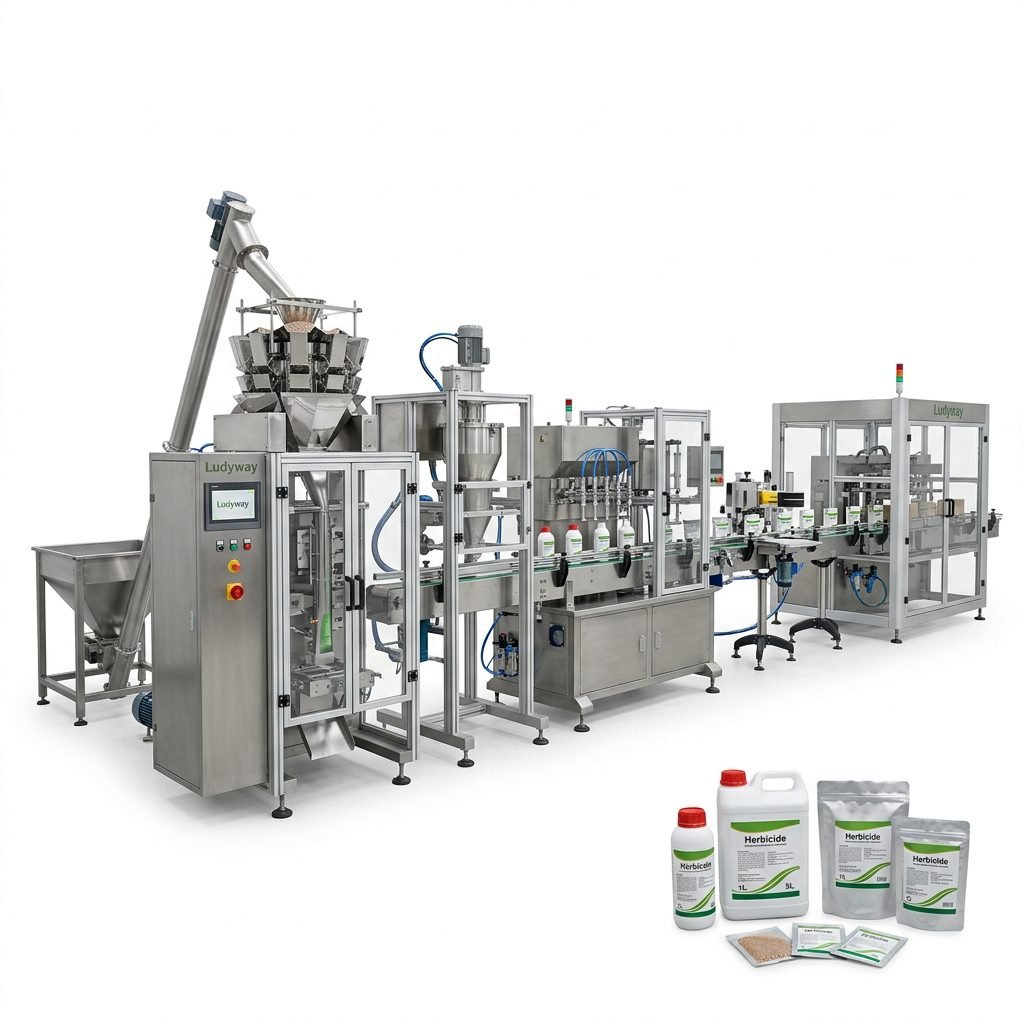
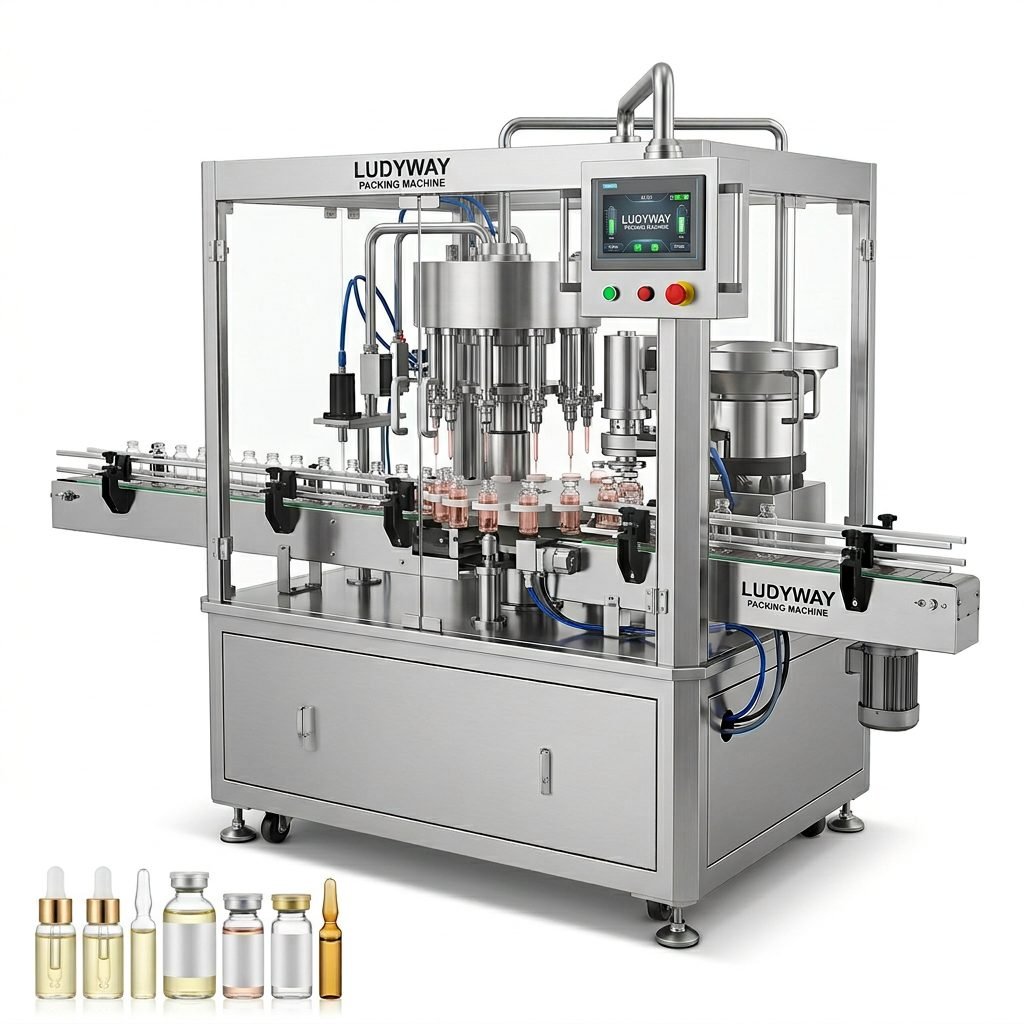
Industrial packaging equipment plays a central role in modern manufacturing by helping businesses package products faster, more accurately, and with better consistency. Whether you produce food, pharmaceuticals, cosmetics, chemicals, or consumer goods, the right machinery can improve output, reduce waste, and support long-term growth.
From simple filling units to fully automated turnkey lines, packaging systems are designed to meet different production speeds, product forms, and compliance requirements. Understanding the main equipment types and selection criteria is essential before making an investment.
What Is Industrial Packaging Equipment?
Industrial packaging equipment refers to machinery used to prepare products for storage, transport, retail display, and end use. These systems can handle tasks such as dosing, filling, sealing, labeling, coding, cartoning, case packing, palletizing, and inspection.
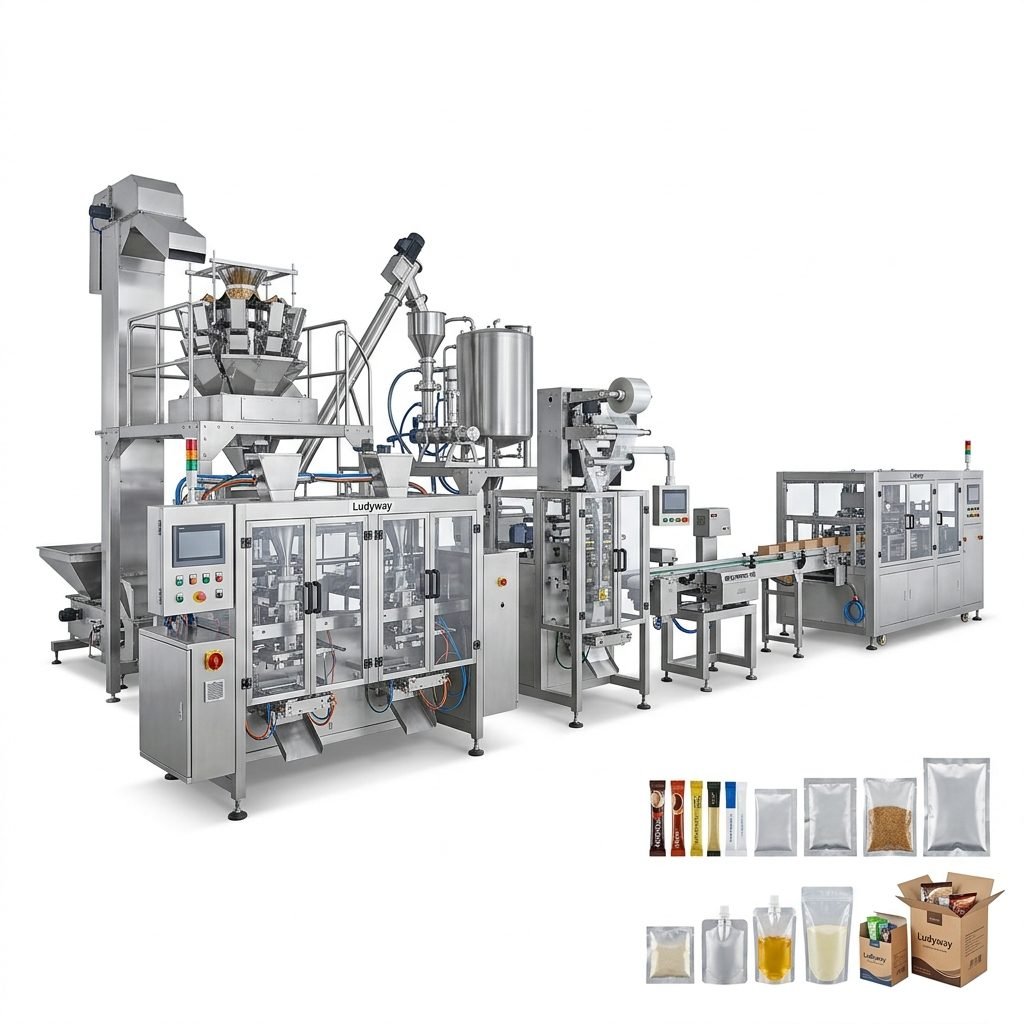
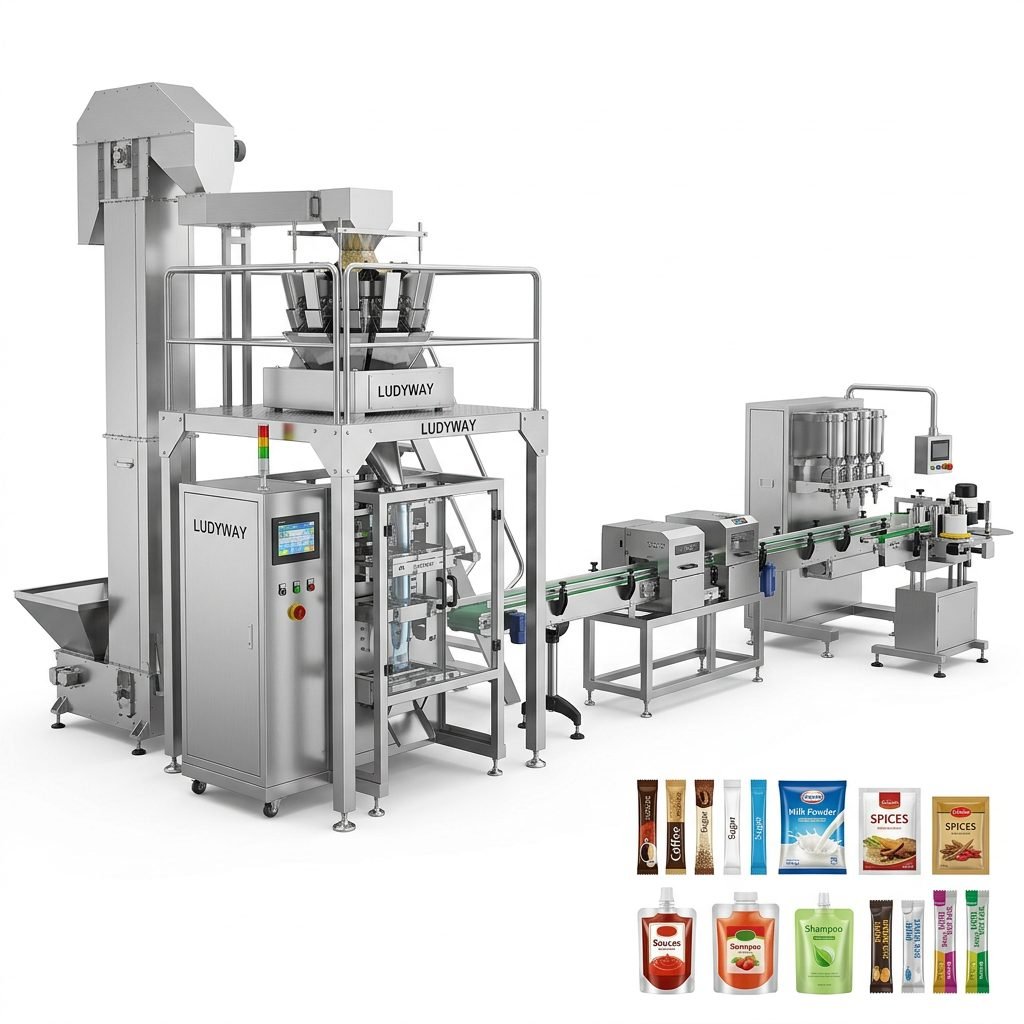
In automated environments, multiple machines are integrated into one production flow. This helps manufacturers maintain a stable process from raw product feeding to final packed goods.
Main Types of Industrial Packaging Equipment
1. Filling Machines
Filling machines are used to dispense a precise amount of product into containers or packaging materials. They are widely used for powders, granules, liquids, pastes, and gels.
- Auger fillers for powders
- Volumetric fillers for granules
- Piston fillers for thick liquids and pastes
- Pump or flowmeter fillers for liquids
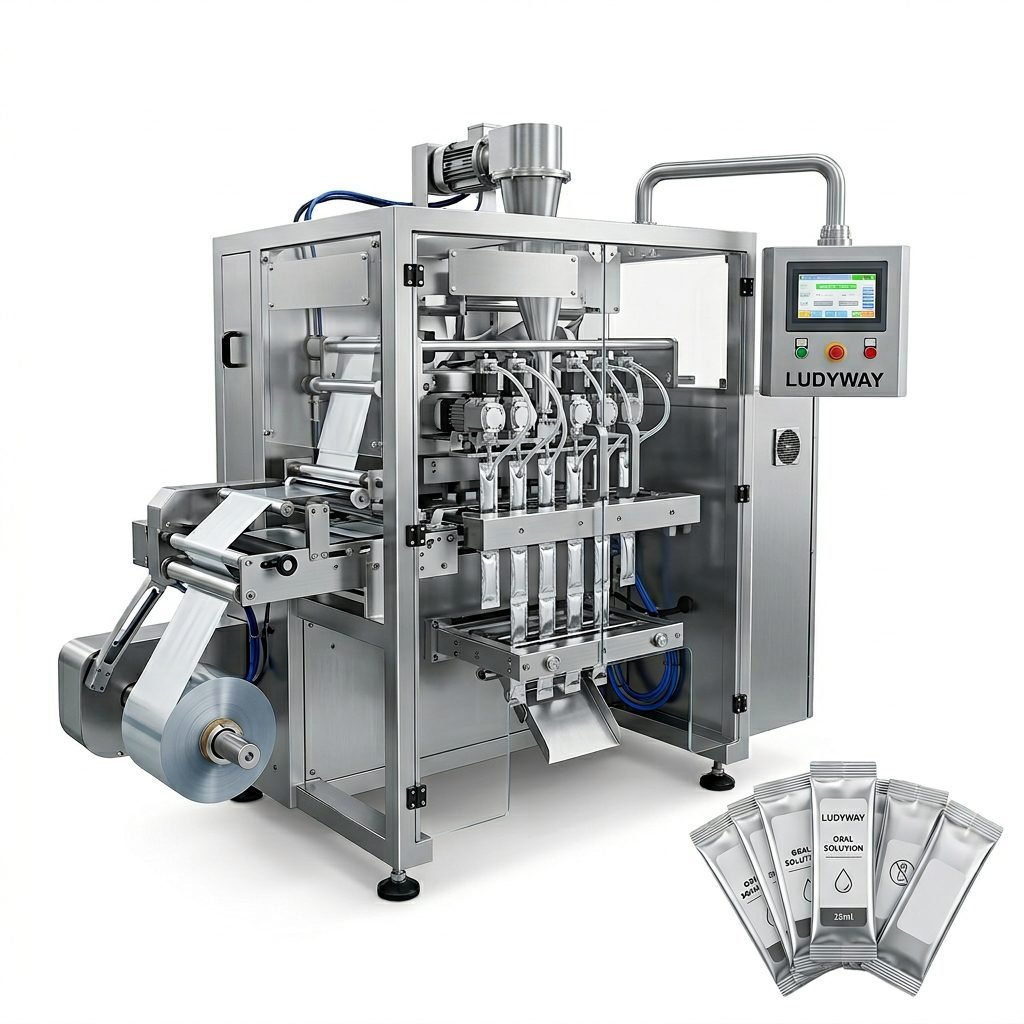
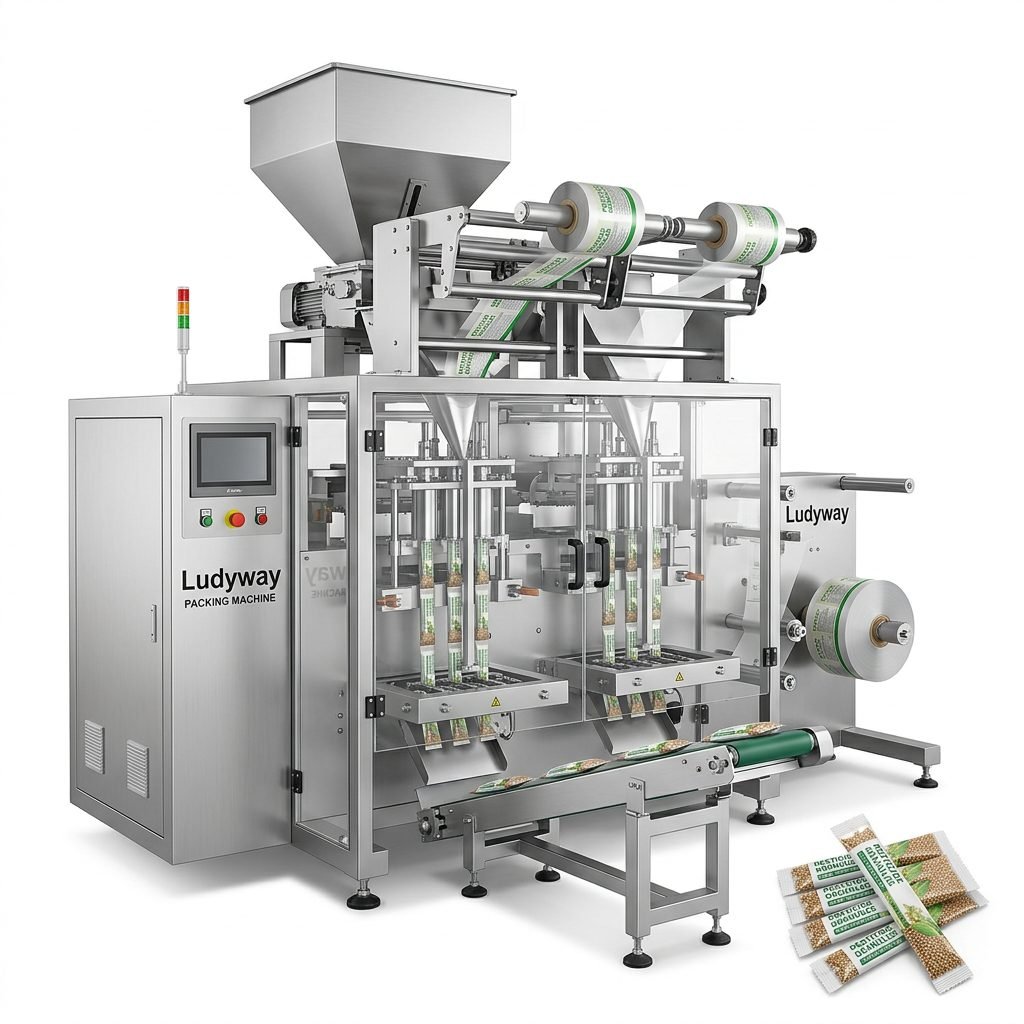
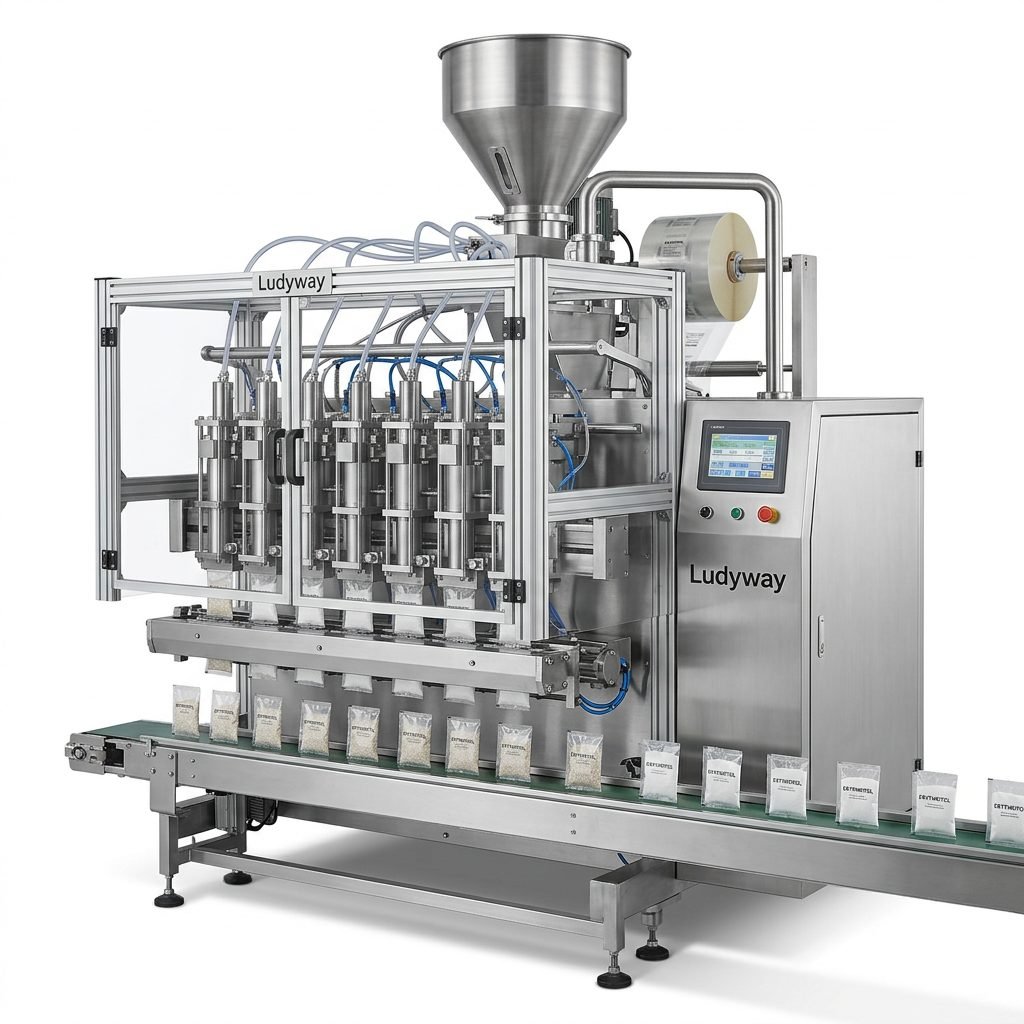
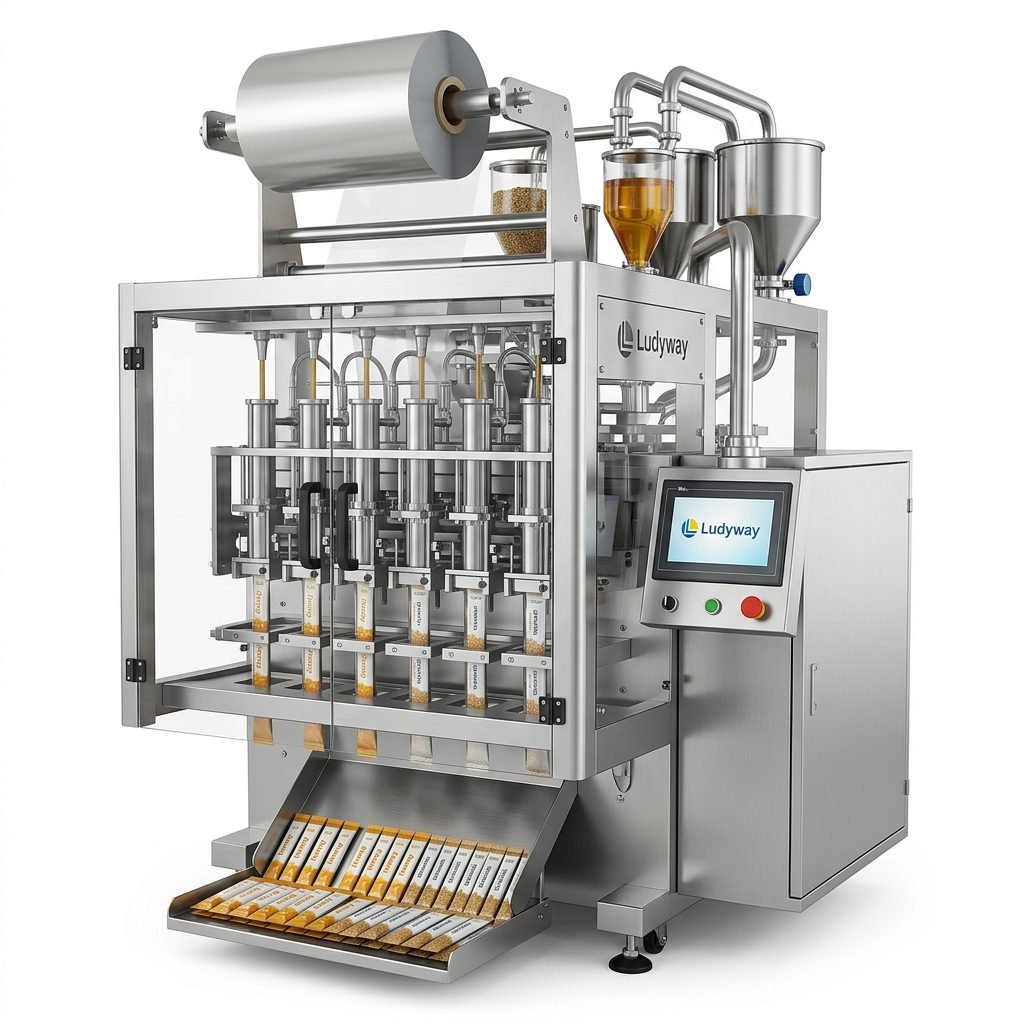
- Multi-lane fillers for high-output sachet and stick pack applications
2. Form Fill Seal Machines
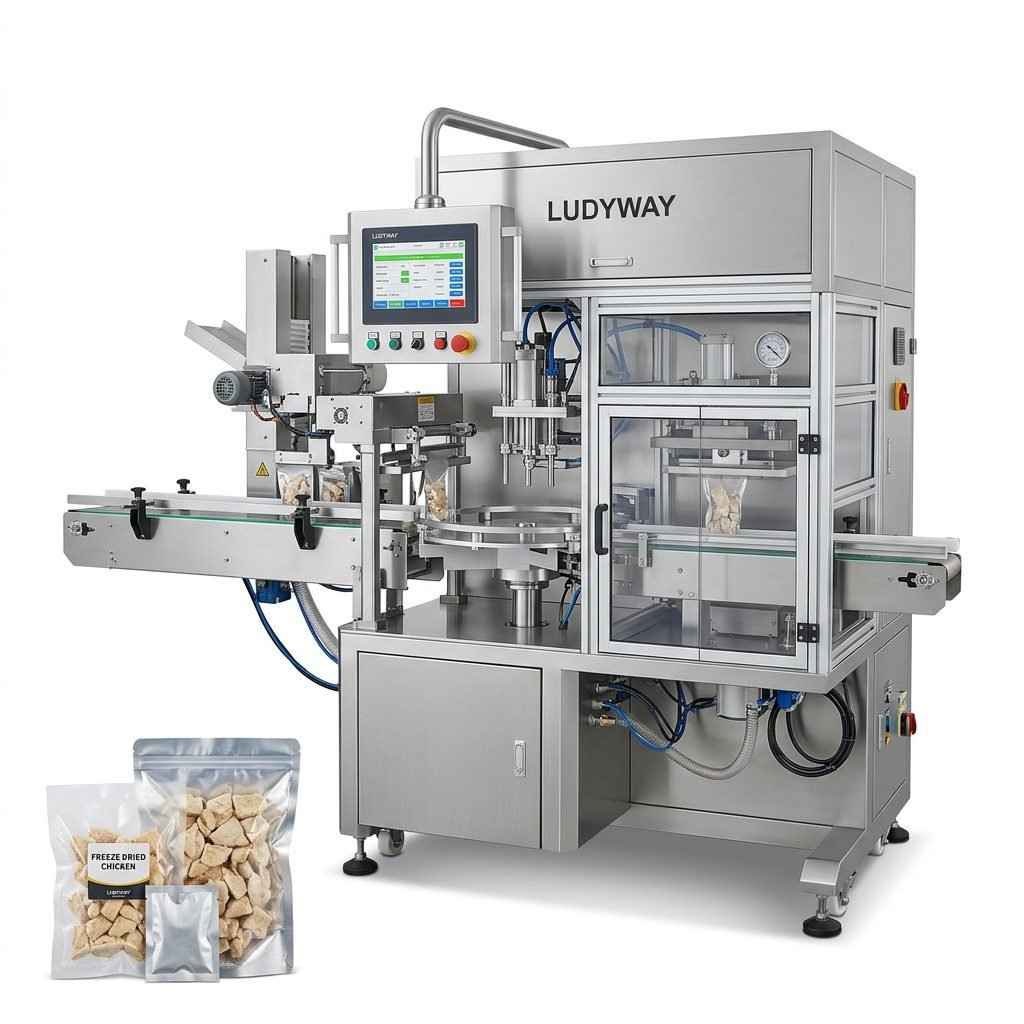
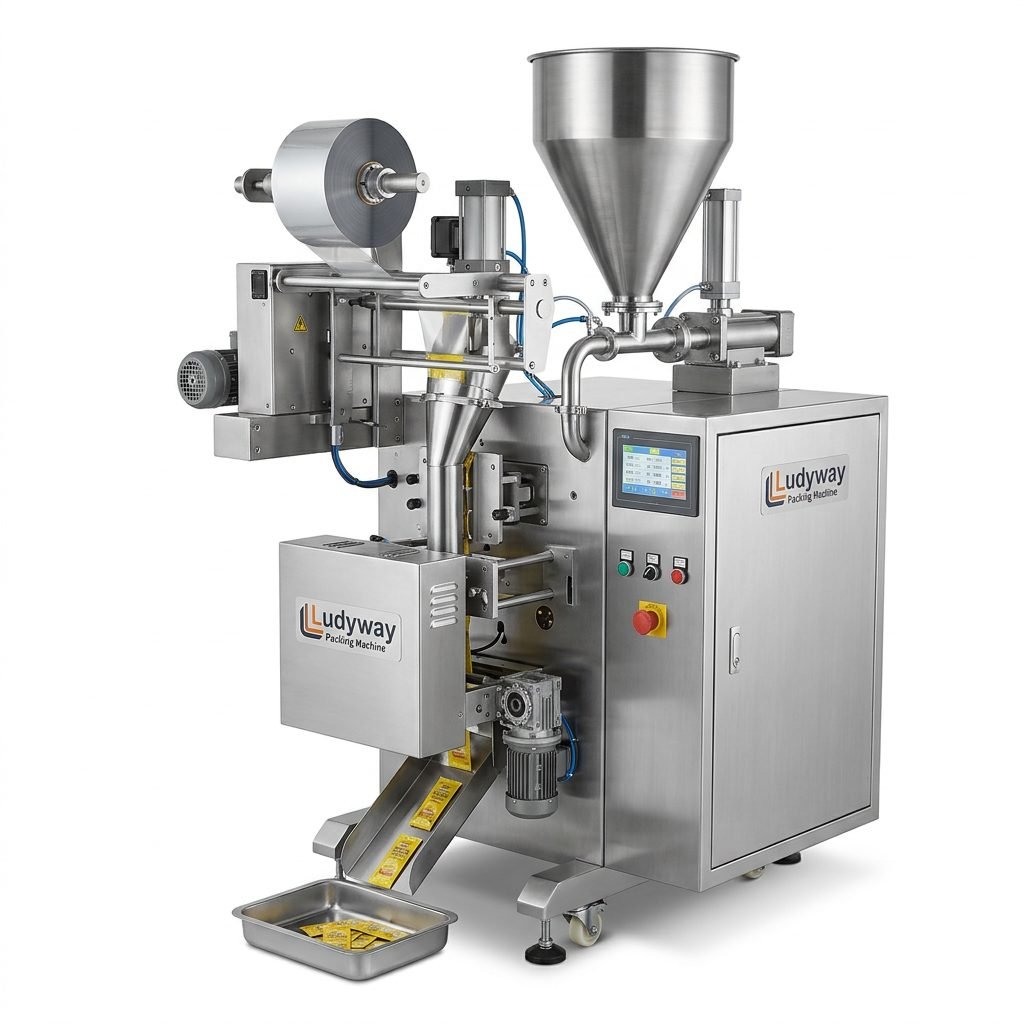
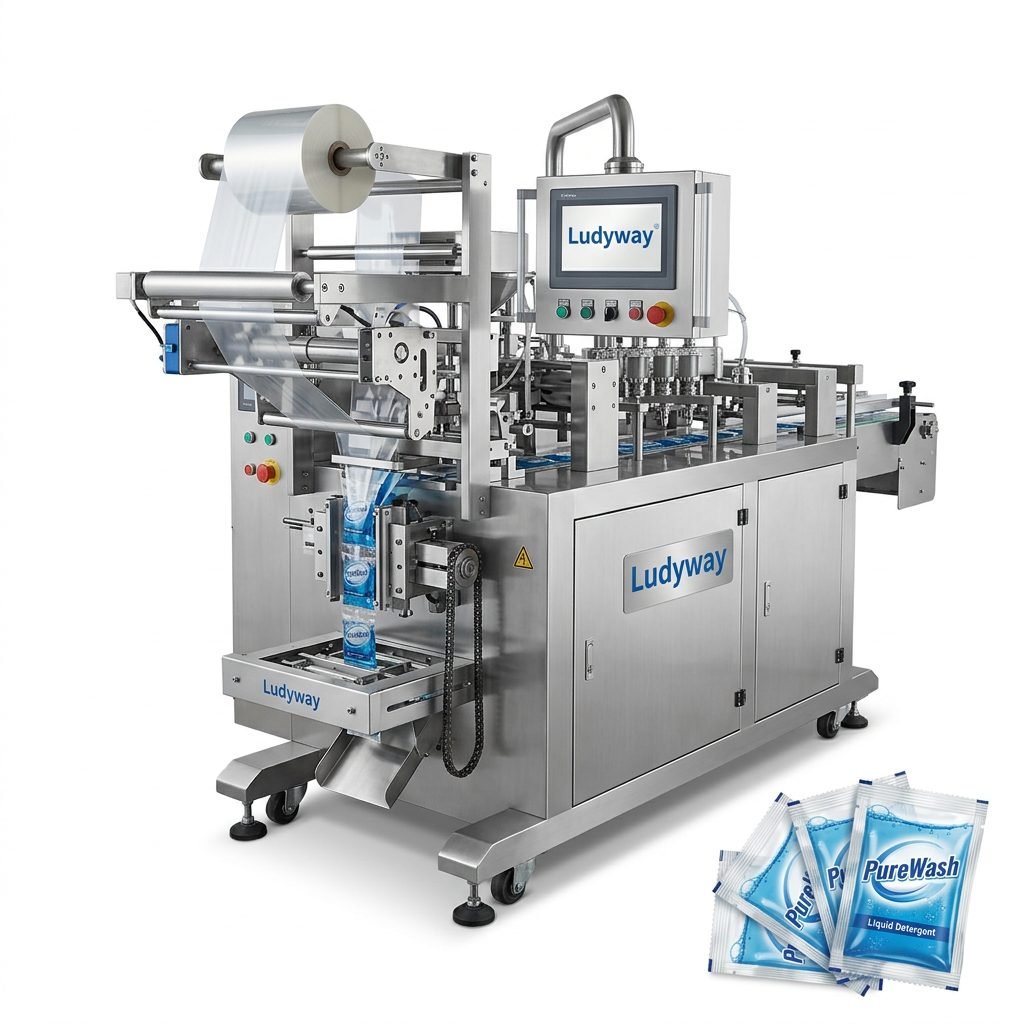
Form fill seal equipment creates the package, fills it with product, and seals it in one continuous process. This category includes vertical and horizontal systems.
- VFFS machines for pouches and bags
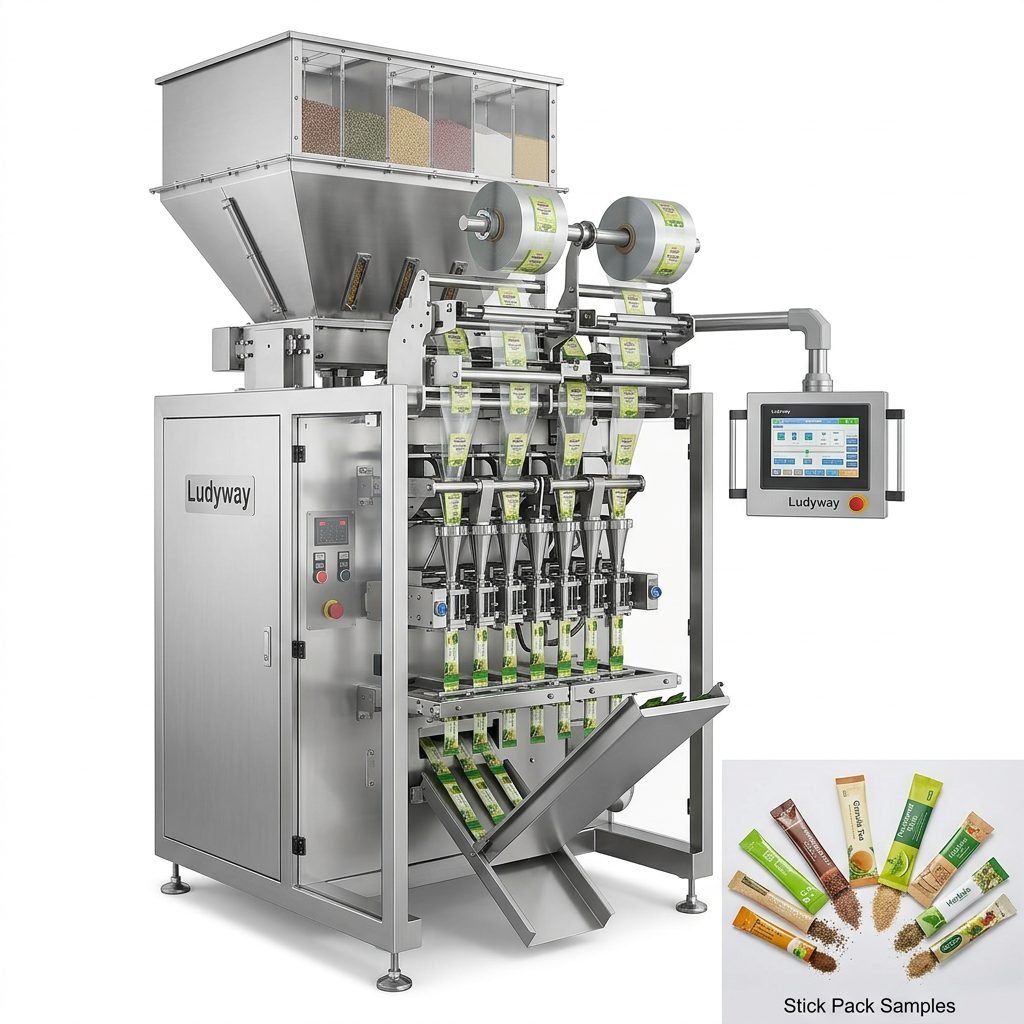
- Stick pack machines for single-dose packaging
- Sachet packaging machines for powders, granules, liquids, and creams
- Premade pouch filling and sealing machines
3. Sealing Machines
Sealing equipment closes the package securely to protect product quality and shelf life. The sealing method depends on the packaging material and product sensitivity.
- Heat sealing
- Ultrasonic sealing
- Vacuum sealing
- Induction sealing
- Cap sealing for bottles and jars
4. Labeling and Coding Machines
These systems apply product labels and print production data such as batch numbers, manufacturing dates, and traceability codes. They are especially important in regulated sectors like pharmaceuticals and food.
5. Cartoning and Case Packing Machines
Once primary packages are completed, cartoners and case packers prepare them for secondary and tertiary packaging. These machines improve shipping efficiency and protect products during logistics.
6. Palletizing and Wrapping Systems
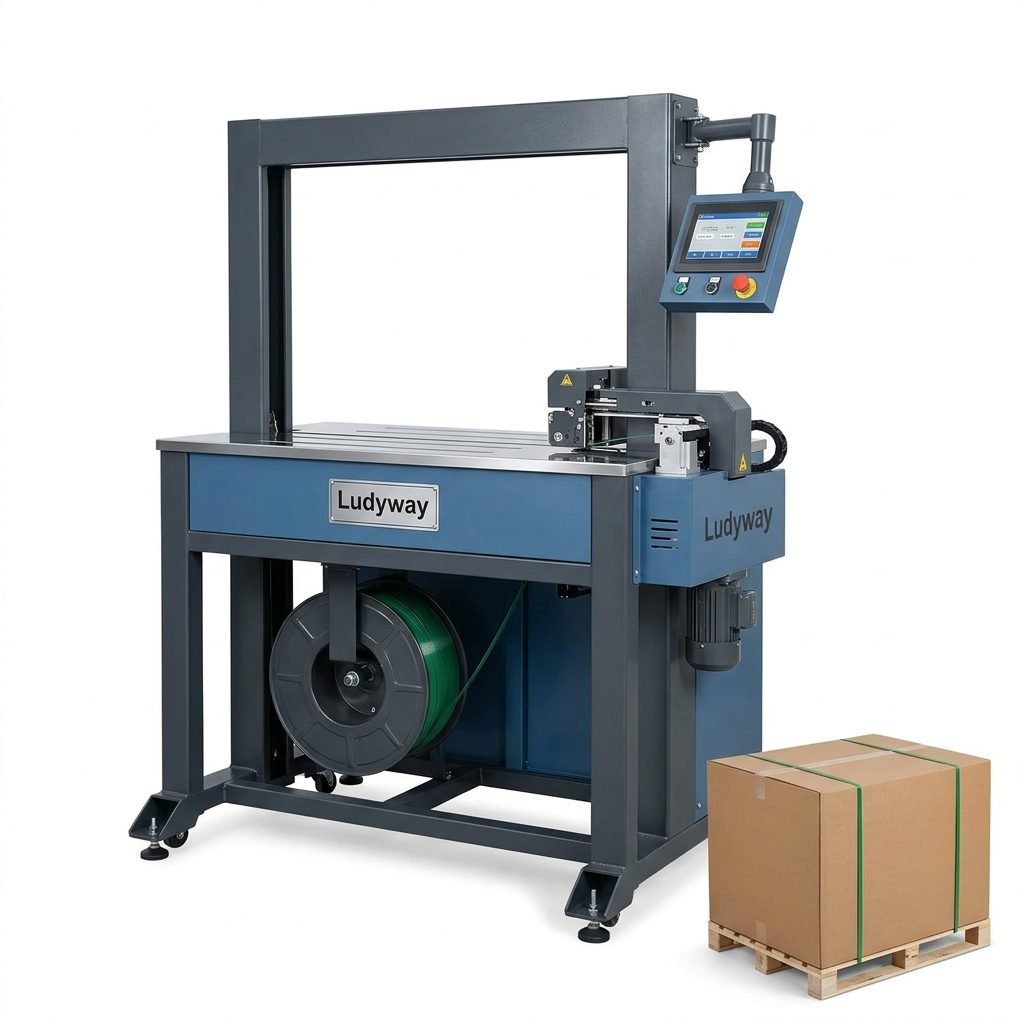
At the end of the line, palletizers, strapping machines, and stretch wrappers organize packaged goods for warehousing and transportation. This reduces manual labor and improves load stability.
7. Inspection and Auxiliary Equipment
Supporting systems help maintain quality and line efficiency.
- Checkweighers
- Metal detectors
- X-ray inspection machines
- Conveyors and elevators
- Feeders and dosing systems
Common Packaging Formats Supported
| Packaging Format | Typical Products | Typical Equipment |
|---|---|---|
| Sachets | Sauces, shampoo, powders, supplements | Sachet packing machines, liquid fillers |
| Stick packs | Drink mixes, sugar, coffee, gels | Multi-lane stick pack machines |
| Pouches | Snacks, pet food, powders, liquids | VFFS, premade pouch machines |
| Bottles | Drinks, oils, cosmetics, pharmaceuticals | Bottle filling, capping, labeling lines |
| Cartons and cases | Retail and shipping packs | Cartoners, case packers, sealers |
Key Benefits of Industrial Packaging Equipment
Higher Productivity
Automated machines can process far more units per minute than manual methods. This is especially valuable for companies facing large order volumes or seasonal demand spikes.
Better Packaging Accuracy
Precision dosing and controlled sealing reduce underfilling, overfilling, and package defects. This helps protect product quality and lowers giveaway costs.
Lower Labor Dependence
Automation reduces repetitive manual handling and allows workers to focus on quality control, maintenance, and production management.
Improved Product Consistency
Standardized packaging operations result in cleaner seals, uniform fill weights, and a more professional appearance across every batch.
Enhanced Hygiene and Safety
In food, pharmaceutical, and personal care industries, enclosed automated systems help minimize contamination risk and support hygiene requirements.
Scalability for Business Growth
Many modern packaging systems are modular, making it easier to add lanes, inspection units, cartoning, or palletizing as production expands.
Industries That Use Industrial Packaging Equipment
Packaging systems are used across a wide range of sectors, including:
- Food and beverage – spices, coffee, snacks, sauces, dairy powders
- Pharmaceutical – powders, granules, capsules, tablets, medical supplies
- Cosmetics and personal care – creams, lotions, serums, sachets, bottles
- Chemical – detergents, additives, cleaners, industrial powders and liquids
- Animal nutrition – feed, supplements, pellets, pet food
How to Choose the Right Packaging Solution
1. Define Your Product Characteristics
Start with the basics: product form, viscosity, particle size, flow behavior, dust level, and sensitivity to moisture or oxygen. A machine that works well for free-flowing granules may not perform well with sticky powders or thick pastes.
2. Identify the Required Packaging Format
Choose whether your product should be packed in sachets, stick packs, pouches, bottles, jars, cartons, or bulk bags. The packaging format directly affects machine type, speed, and line structure.
3. Calculate Production Capacity
Estimate your current and future output needs. Consider:
- Units per minute
- Shift pattern
- Peak season demand
- Planned future expansion
Choosing only for today’s volume can limit growth tomorrow.
4. Check Automation Level
Some businesses need standalone machines, while others benefit more from a complete integrated line including feeding, filling, sealing, coding, cartoning, and palletizing. The best choice depends on budget, labor structure, and efficiency goals.
5. Consider Industry Compliance
Food and pharmaceutical manufacturers often need higher standards for material contact parts, cleanability, traceability, and validation support. Make sure the equipment fits your regulatory environment.
6. Evaluate Customization Options
A flexible supplier should be able to adjust machine configuration to your product, pack size, material, layout, and output target. This is especially important for multi-product lines or specialized applications.
7. Review After-Sales Support
Equipment performance depends not only on machine design, but also on installation, training, spare parts access, and technical service. Reliable support reduces downtime and protects your investment.
Quick Selection Checklist
| Factor | Questions to Ask |
|---|---|
| Product Type | Is it powder, granule, liquid, paste, capsule, or mixed material? |
| Package Style | Do you need sachets, stick packs, pouches, bottles, or bulk bags? |
| Output | What speed and daily production volume are required? |
| Automation | Do you need a standalone machine or a full turnkey line? |
| Compliance | Are there GMP, food safety, or other regulatory requirements? |
| Service | Can the supplier provide installation, training, and long-term support? |
When a Turnkey Packaging Line Makes More Sense
A standalone machine may be enough for startups or limited product ranges, but growing manufacturers often gain more value from a turnkey packaging line. A complete solution connects multiple processes into one streamlined workflow, reducing transfer points and improving overall efficiency.
For companies looking for scalable automation, industrial packaging equipment from Ludyway can support applications across food, pharmaceutical, cosmetics, chemical, and related industries, with options ranging from single machines to integrated turnkey production lines.
Final Thoughts on Choosing Industrial Packaging Equipment
The right packaging solution should match your product, production target, packaging format, and growth plan. Instead of focusing only on purchase price, evaluate the total long-term value: efficiency, reliability, maintenance needs, labor savings, and adaptability.
By selecting equipment with the proper specifications and support, manufacturers can improve productivity, strengthen packaging quality, and build a more competitive operation in demanding global markets.