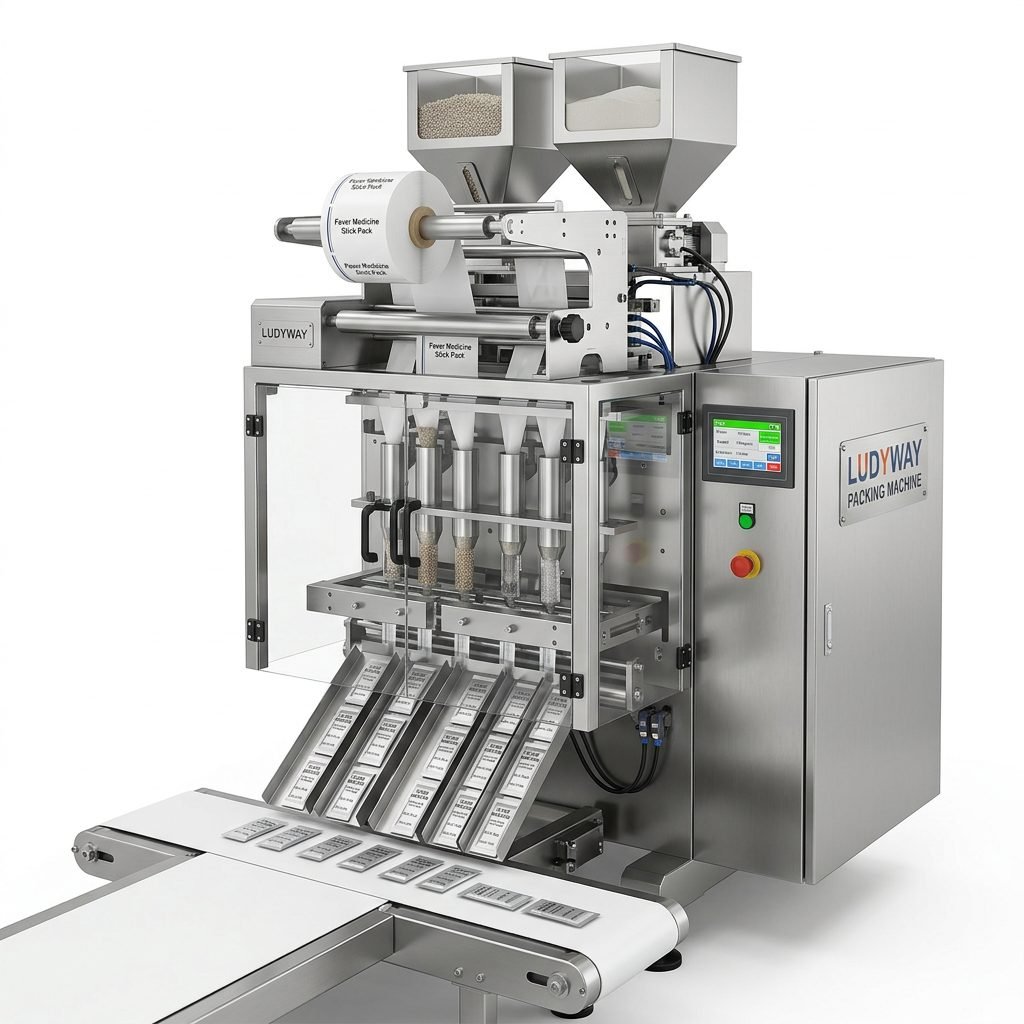
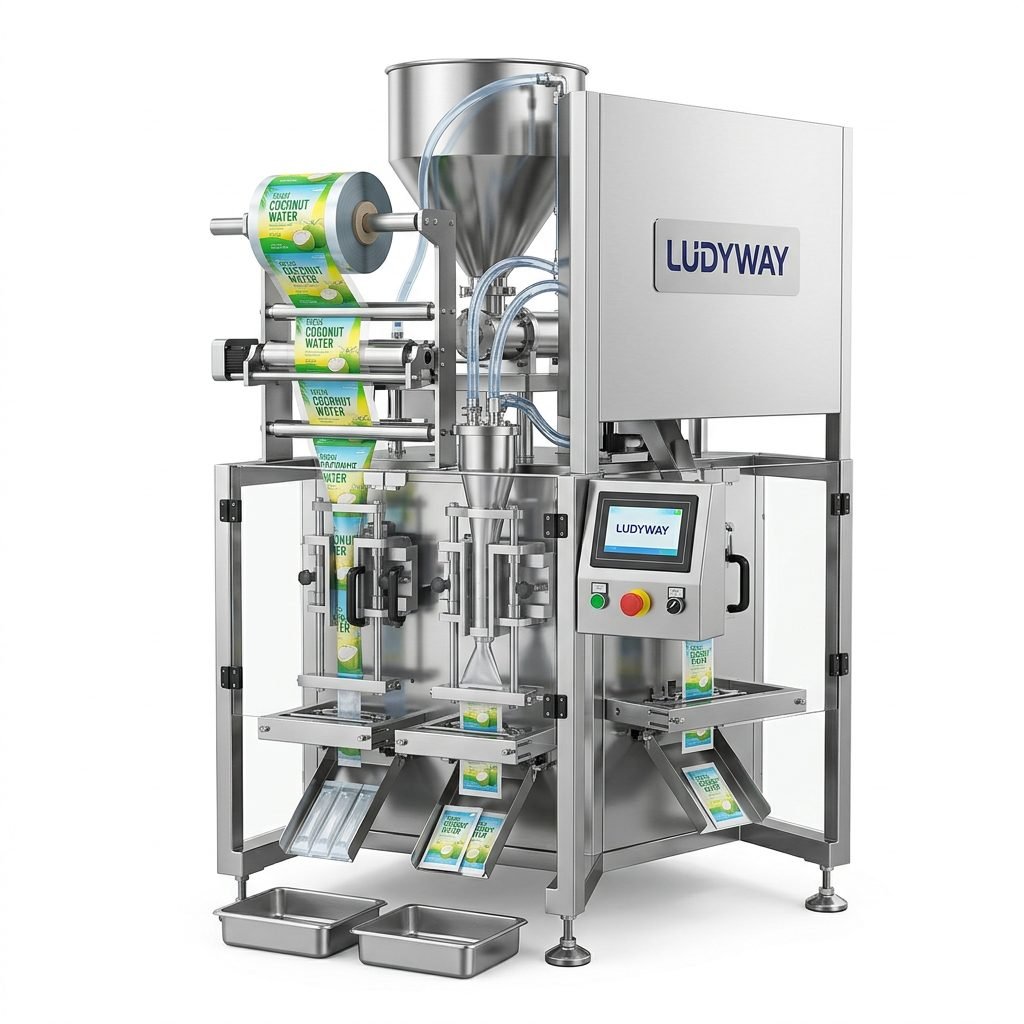
Rotary packing machines have become a preferred solution for manufacturers that need high-speed, consistent, and flexible pouch packaging. From food and beverages to pharmaceuticals, cosmetics, chemicals, and pet products, these systems help businesses automate filling and sealing while maintaining product quality and presentation.
If you are evaluating automated pouch packaging equipment, understanding how a rotary packing machine works is essential. This guide explains the process, major benefits, common applications, and what to consider before investing.
What Is a Rotary Packing Machine?
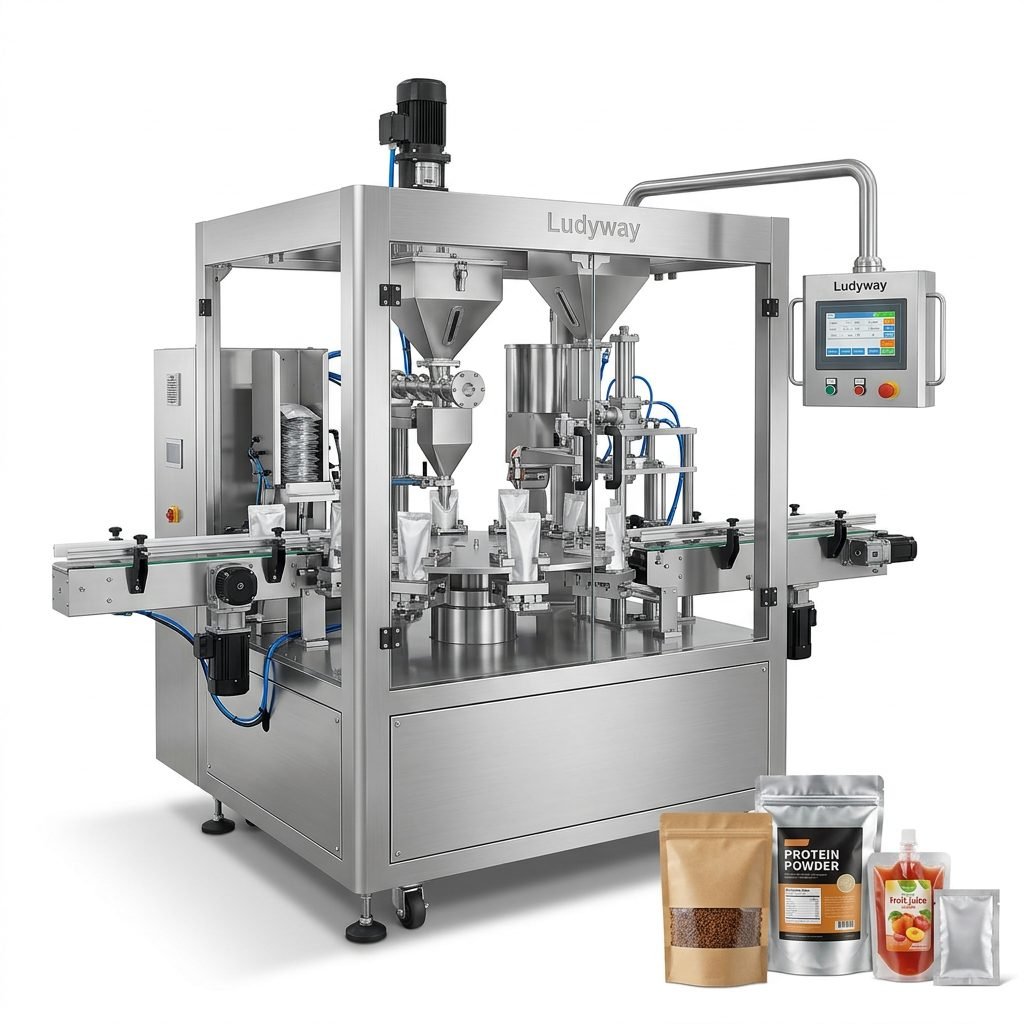
A rotary packing machine is an automated packaging system designed to fill and seal premade pouches in a circular, indexed motion. The machine uses a rotating turret with multiple stations, and each station performs a specific step such as pouch loading, opening, filling, sealing, coding, and discharge.
Unlike vertical form fill seal systems that create bags from roll film, a rotary pouch machine works with preformed bags. This makes it especially suitable for brands that want premium packaging formats like:
- Stand-up pouches
- Flat pouches
- Zipper pouches
- Spout pouches
- Three-side seal and four-side seal pouches
How Does a Rotary Packing Machine Work?
The exact configuration depends on the product and pouch style, but the basic operating principle is similar across most models. The machine rotates pouches through multiple workstations, with each station carrying out one packaging task.
Typical Working Process
- Pouch feeding: Empty premade pouches are picked from the magazine and placed into grippers.
- Pouch opening: Vacuum or mechanical devices open the pouch mouth to prepare it for filling.
- Position confirmation: Sensors check whether the pouch is correctly loaded and opened.
- Filling: The product is dispensed into the pouch using a suitable dosing system such as auger filler, liquid pump, piston filler, multihead weigher, or volumetric cup.
- Optional settling or nitrogen flushing: Depending on the application, the machine may remove air, flush with nitrogen, or settle the contents before sealing.
- Sealing: Heat sealing jaws close the pouch securely.
- Cooling and shaping: Some systems use cooling stations to improve seal appearance and strength.
- Discharge: Finished pouches are conveyed to downstream inspection, labeling, cartoning, or case packing equipment.
Simple Flow Overview
| Station | Function | Purpose |
|---|---|---|
| 1 | Pouch pick-up | Feeds premade bags into the machine |
| 2 | Opening | Ensures pouch mouth is ready for product filling |
| 3 | Inspection | Detects missing or improperly opened pouches |
| 4 | Filling | Dispenses product accurately |
| 5 | Auxiliary treatment | Optional settling, vacuum, or gas flushing |
| 6 | Heat sealing | Creates secure, leak-resistant closure |
| 7 | Output | Transfers finished pouches for the next process |
Main Components of a Rotary Packing Machine
A high-performance rotary pouch packing machine combines mechanical precision, product dosing accuracy, and intelligent controls. Key components usually include:
- Rotary turret and gripper system for pouch transfer
- Pouch magazine for automatic bag feeding
- Opening mechanism using vacuum suction or air blow
- Filling unit matched to liquid, powder, granule, paste, or solid products
- Heat sealing station for secure closure
- PLC and touchscreen HMI for operation and recipe control
- Sensors and safety systems for pouch detection and error prevention
Key Benefits of Rotary Packing Machines
1. High Efficiency
Rotary systems are designed for continuous operation and can package a large volume of pouches per minute. This makes them ideal for medium to high-output production environments.
2. Excellent Packaging Appearance
Because the machine uses premade pouches, the final package often looks more premium. This is valuable for retail products where shelf appeal matters.
3. Strong Filling Accuracy
When paired with the right dosing system, a rotary pouch machine can maintain stable fill weight and good repeatability, helping reduce giveaway and product waste.
4. Wide Product Compatibility
Rotary packing equipment can handle many product types, including:
- Powders such as protein powder, coffee, spices, and supplements
- Granules such as sugar, salt, seeds, and snacks
- Liquids such as sauces, oils, detergents, and beverages
- Pastes and creams such as honey, jam, shampoo, and cosmetic products
5. Reduced Labor Dependence
Automation lowers manual handling, improves consistency, and helps factories address rising labor costs and operator shortages.
6. Better Seal Consistency
Well-designed sealing stations deliver more reliable pouch closure, which is essential for product freshness, leak prevention, and transportation safety.
7. Easy Integration with Turnkey Lines
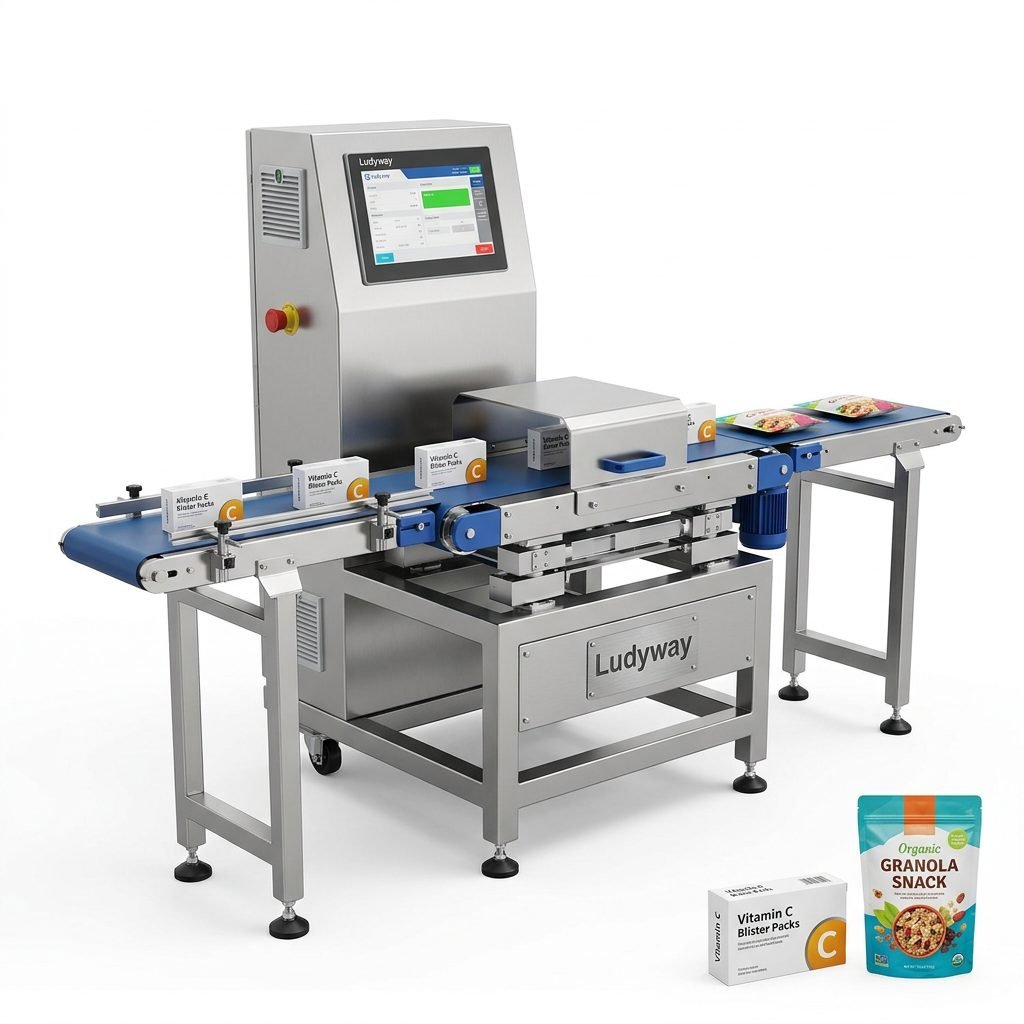
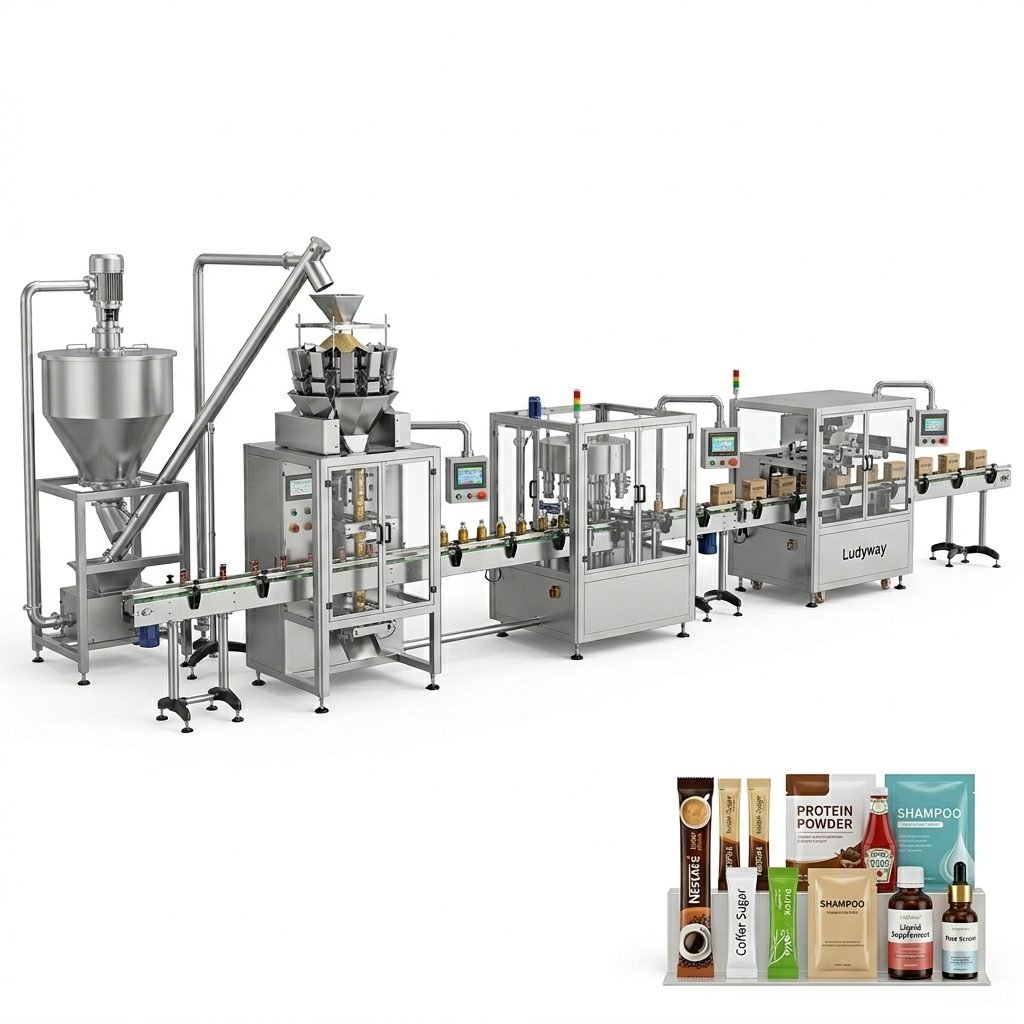
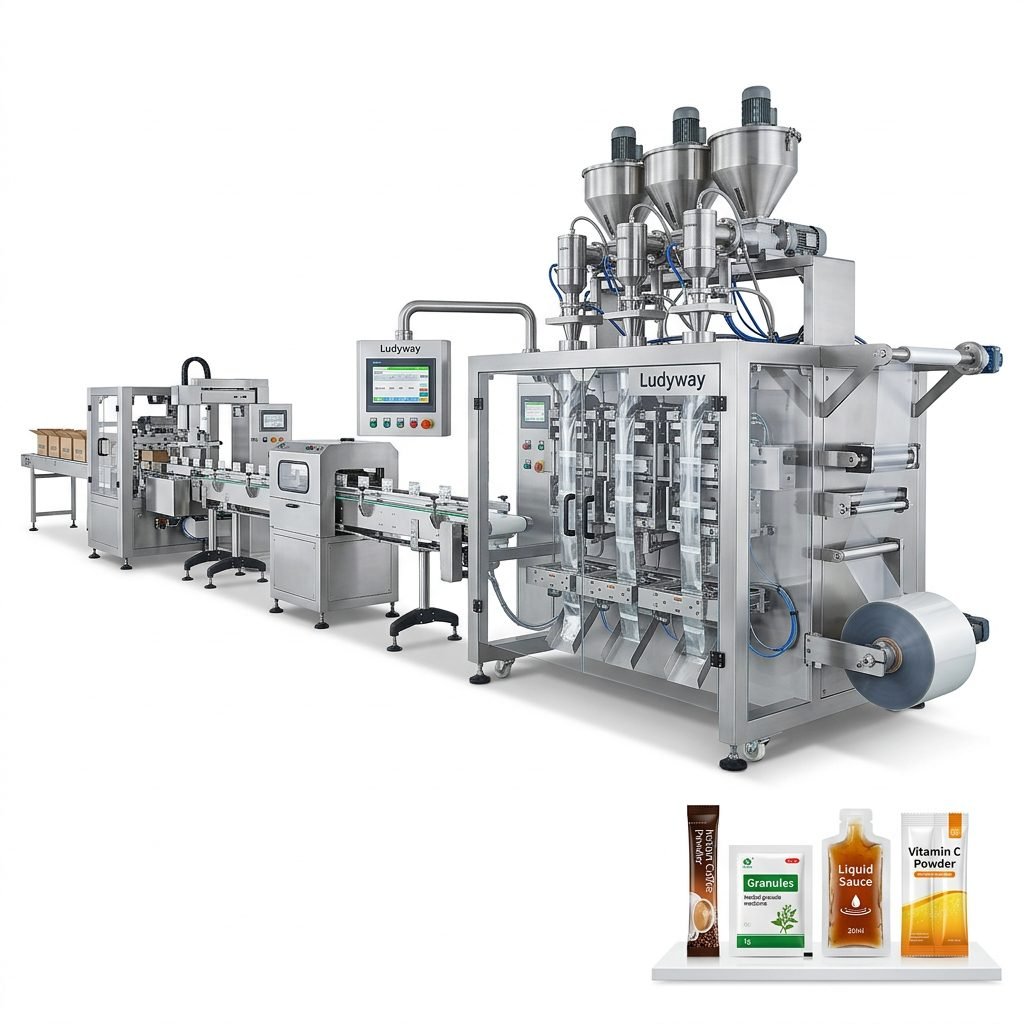
Rotary pouch machines can be integrated with upstream and downstream equipment such as conveyors, checkweighers, metal detectors, labeling machines, cartoners, and palletizing systems.
Rotary Packing Machine vs Other Packaging Machines
| Machine Type | Best For | Key Advantage | Potential Limitation |
|---|---|---|---|
| Rotary Packing Machine | Premade pouches | Premium pouch flexibility and automation | Requires premade bags |
| VFFS Machine | Roll film bag forming | Lower packaging material cost in many cases | Less premium bag appearance |
| Flow Wrapper | Solid single products | High speed for horizontal wrapping | Not ideal for many pouch applications |
| Manual or Semi-auto Filler | Small batch production | Lower initial cost | Lower efficiency and consistency |
Common Applications of Rotary Packing Machines
Food Industry
In food packaging, rotary machines are widely used for snacks, coffee, sugar, spices, sauces, instant drink powders, soup mixes, dried fruit, nuts, grains, and frozen or ready-to-eat products.
Pharmaceutical Industry
Pharmaceutical and nutraceutical manufacturers use rotary pouch packaging for oral powders, granules, health supplements, medical nutrition products, and single-dose formulations where hygiene and dosing precision are critical.
Cosmetics and Personal Care
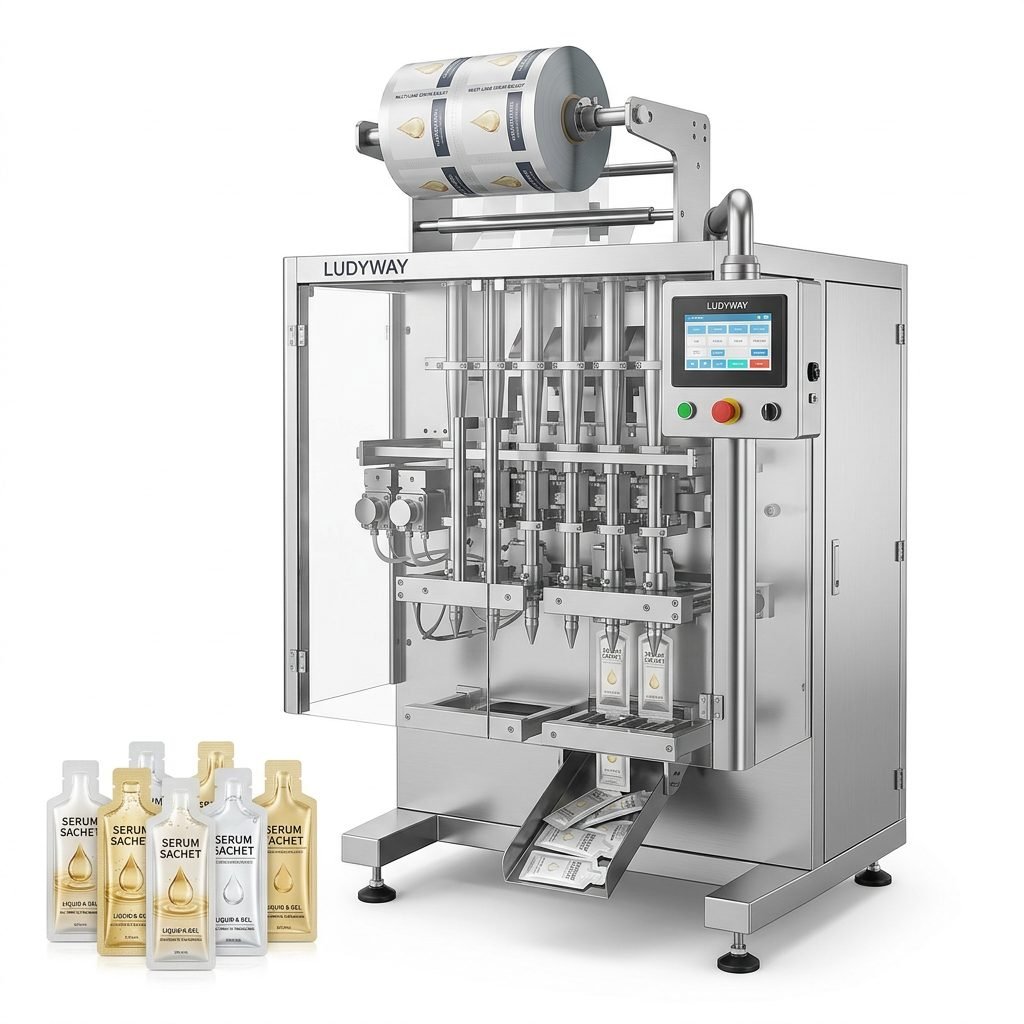
Creams, serums, lotions, shampoos, conditioners, facial masks, and travel-size personal care products are commonly packed in pouches using rotary systems.
Chemical and Household Products
Detergents, cleaners, lubricants, additives, water treatment chemicals, and other industrial products can also be packed safely when machine materials and sealing systems are matched to the formulation.
Pet Food and Animal Nutrition
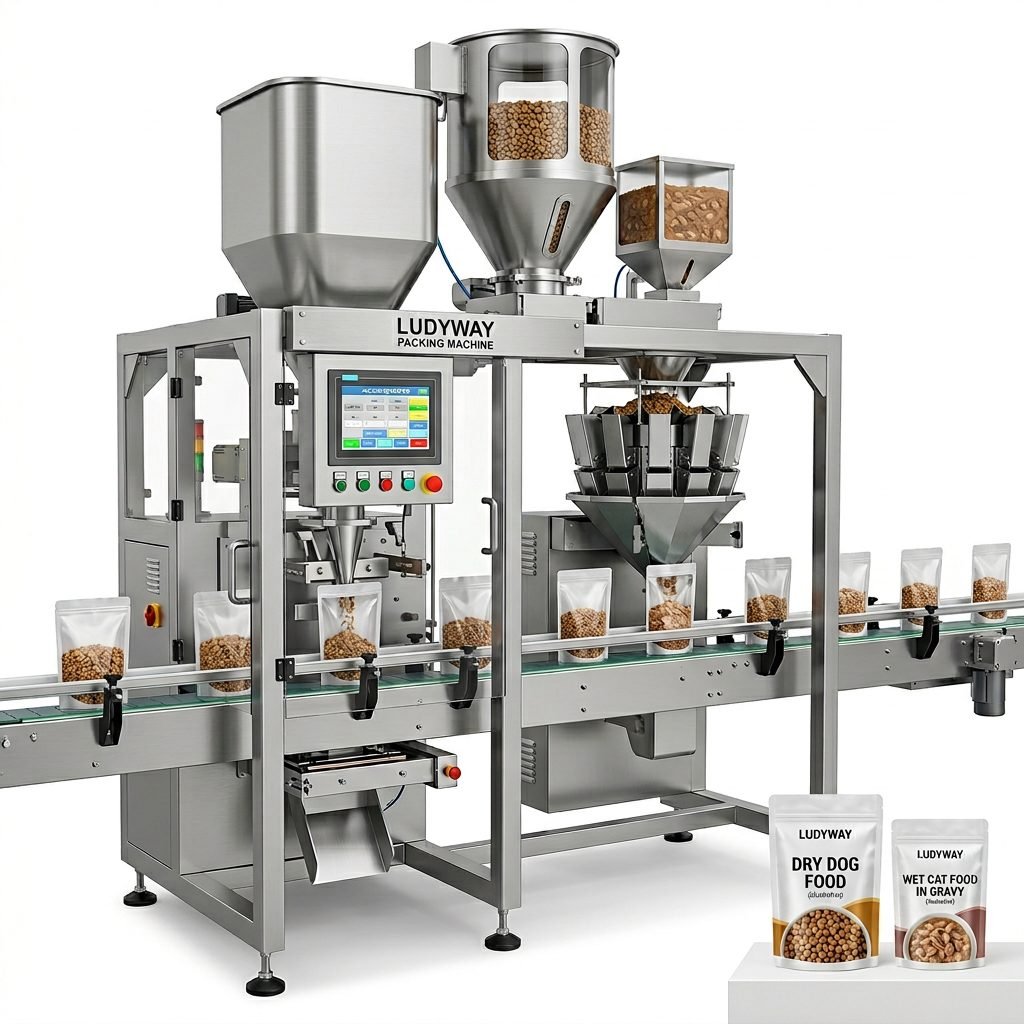
Granules, powders, supplements, treats, and wet pet food products can all benefit from automated pouch packaging for better efficiency and consistent output.
What Products Can Be Packed?
A rotary packing machine can support many product categories when configured with the correct feeding and filling technology. Examples include:
| Product Type | Examples | Typical Filling Method |
|---|---|---|
| Powder | Protein powder, coffee powder, spices, milk powder | Auger filler |
| Granule | Sugar, salt, seeds, rice, snacks | Multihead weigher or cup filler |
| Liquid | Oil, juice, detergent, syrup | Liquid pump or piston filler |
| Paste | Sauce, honey, cream, gel | Piston or servo dosing system |
| Solid pieces | Candy, pet treats, tablets, dried fruit | Weighing or counting system |
Important Factors to Consider Before Buying
Choosing the right rotary packing machine is not only about speed. You should also evaluate the following factors:
- Product characteristics: powder, granule, liquid, paste, viscosity, particle size, and flowability
- Pouch type: zipper pouch, stand-up pouch, flat pouch, spout pouch, and dimensions
- Production output: required bags per minute and future expansion goals
- Filling accuracy: acceptable tolerance and waste control targets
- Seal quality requirements: leak prevention, product freshness, and transport durability
- Machine material: stainless steel selection, especially for food and pharmaceutical environments
- Cleaning and maintenance: quick changeover and sanitation convenience
- Line integration: compatibility with conveyors, inspection units, labeling, cartoning, and palletizing
- Technical support: after-sales service, spare parts, remote support, and training
Who Should Use a Rotary Packing Machine?
A rotary packing machine is especially suitable for businesses that:
- Want to upgrade from manual or semi-automatic pouch filling
- Need attractive premade pouch packaging for retail products
- Require reliable sealing for liquid, powder, or granule products
- Need medium or high production efficiency
- Plan to build a more automated packaging line in the future
Maintenance Tips for Long-Term Performance
To keep a rotary pouch packing machine running efficiently, operators should follow a preventive maintenance routine:
- Clean filling and sealing areas regularly
- Check grippers and pouch opening components for wear
- Inspect sealing jaws and temperature control stability
- Calibrate filling units on schedule
- Lubricate moving parts according to the equipment manual
- Monitor sensors, PLC alarms, and pneumatic components
- Use qualified premade pouches with stable dimensions and sealing properties
Why Turnkey Integration Matters
For many manufacturers, a standalone machine is only the first step. A well-integrated packaging line can improve upstream feeding, downstream inspection, coding, cartoning, and end-of-line handling. That is why many buyers prefer working with an experienced supplier capable of delivering both individual machines and complete line solutions.
For companies seeking scalable pouch packaging automation, Ludyway rotary packing machine solutions can support a wide range of food, pharmaceutical, cosmetic, chemical, and pouch-based production requirements.
Conclusion
A rotary packing machine is a highly effective solution for packaging premade pouches with speed, precision, and consistent sealing quality. It works by rotating pouches through multiple stations that handle feeding, opening, filling, sealing, and discharge. The result is a more automated and efficient packaging process with strong visual appeal and broad application flexibility.
Whether you package powders, granules, liquids, or pastes, the right rotary pouch machine can help reduce labor, improve output, and strengthen packaging quality. For growing manufacturers, it is often a smart investment in long-term automation and brand presentation.