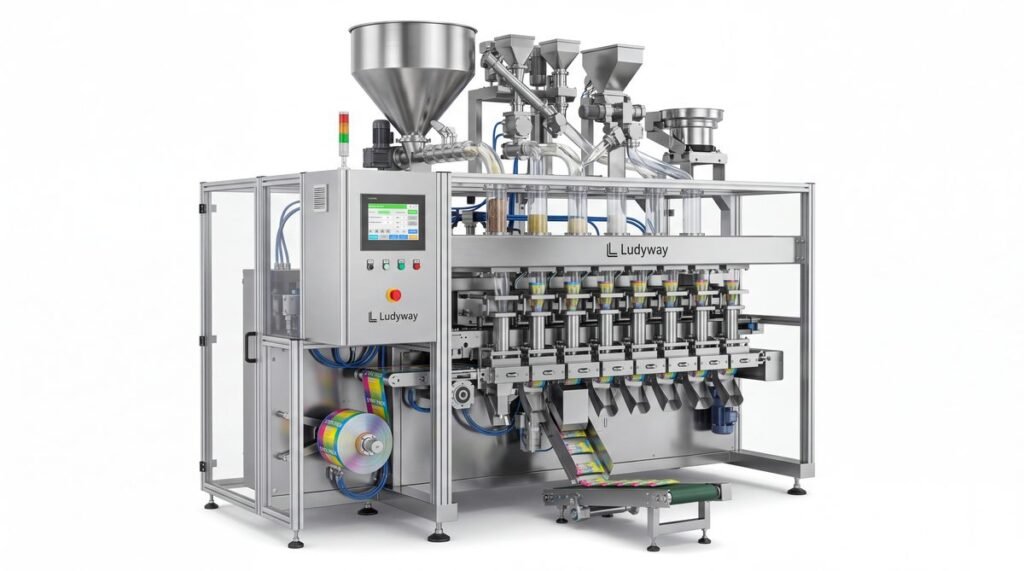
Meal prep brands, central kitchens, catering businesses, and frozen food producers all face the same challenge: how to package meals faster, cleaner, and more consistently without sacrificing food quality. Choosing the right meal prep packaging machine is not just about speed. It directly affects shelf life, labor cost, portion accuracy, product appearance, and customer satisfaction.
If you are comparing equipment for ready meals, portioned ingredients, sauces, powders, snacks, or complete meal kits, this guide will help you understand what matters most before investing in a packaging solution.
Why the right packaging machine matters in meal prep
In the meal prep industry, packaging does more than hold food. It protects freshness, supports portion control, improves transport stability, and helps your brand stand out online and on retail shelves. A poor machine choice can lead to underfilling, leakage, weak seals, slow changeovers, and expensive downtime.
A well-matched system helps you:
- Increase output with more stable automation
- Reduce labor dependency during filling, sealing, and packing
- Improve hygiene and product consistency
- Lower material waste through accurate dosing and sealing
- Handle multiple recipes and packaging formats more easily
- Scale production from startup volumes to industrial capacity
What counts as a meal prep packaging machine?
The term “meal prep packaging machine” can refer to several types of automated equipment depending on your product type. Some businesses package complete prepared meals in trays, while others package dry ingredients, sauces, seasonings, protein powders, or side portions in sachets, pouches, or stick packs.
Common machine categories include:
- Tray sealing machines for chilled or frozen ready meals
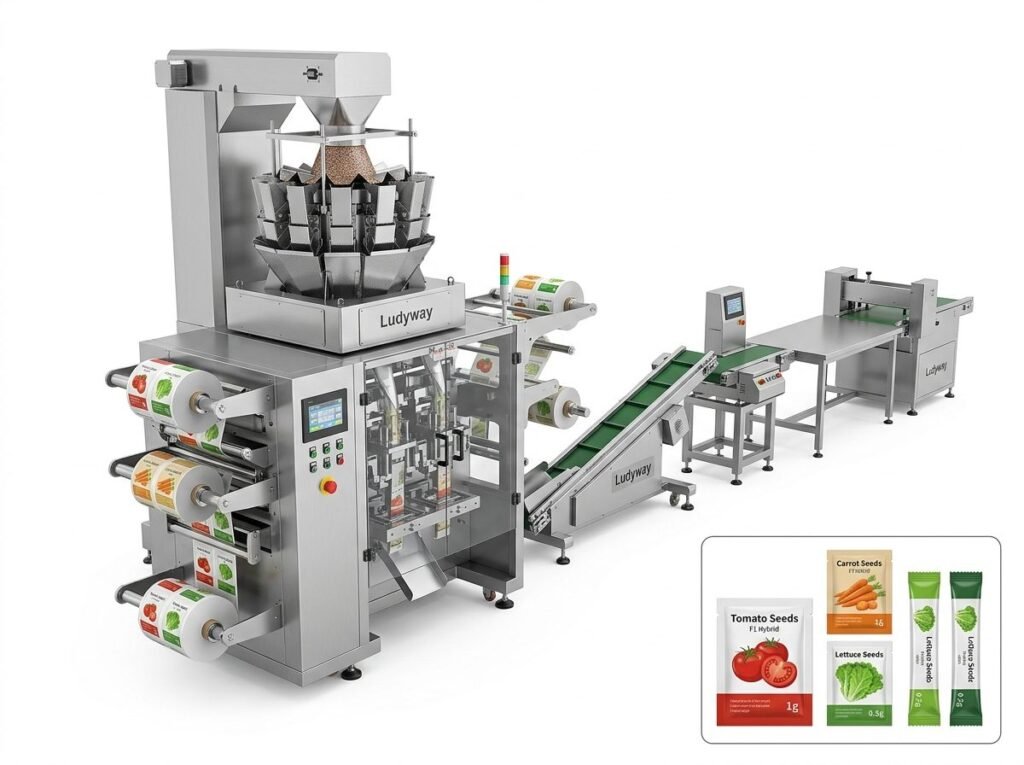
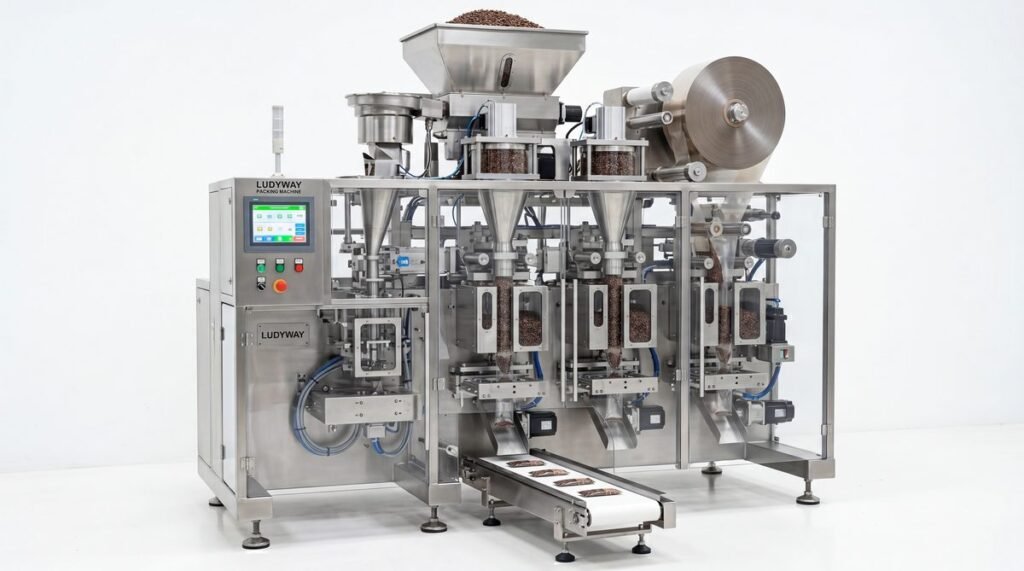
- Vertical form fill seal machines for grains, powders, and granules
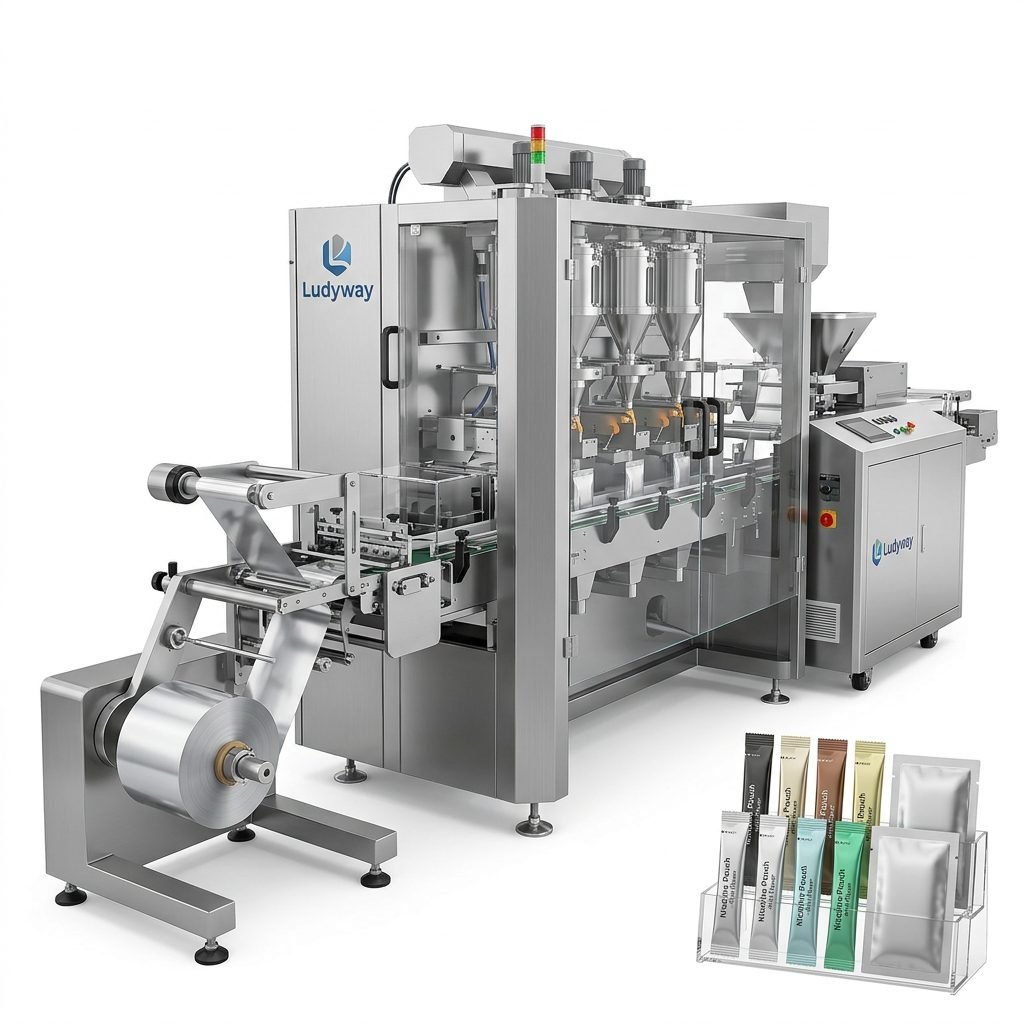
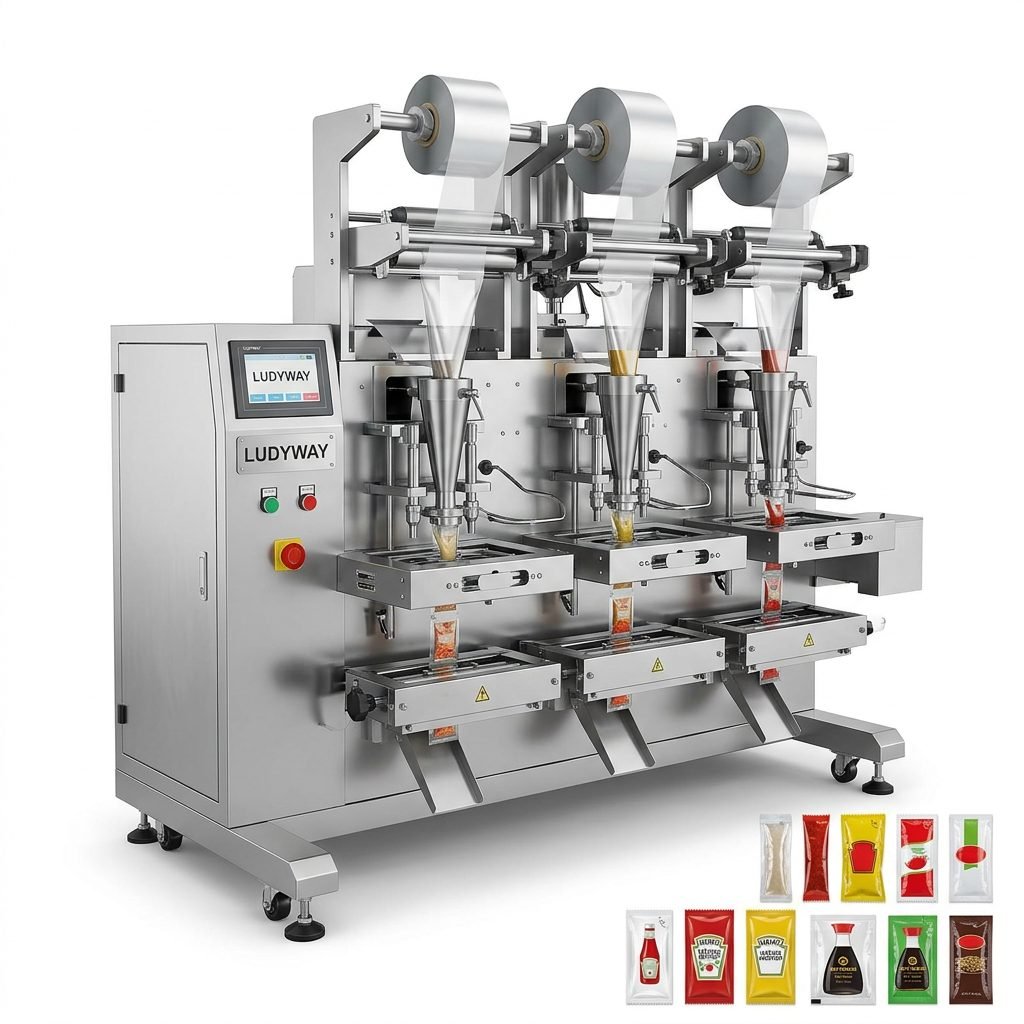
- Premade pouch filling machines for sauces, side dishes, and meal components
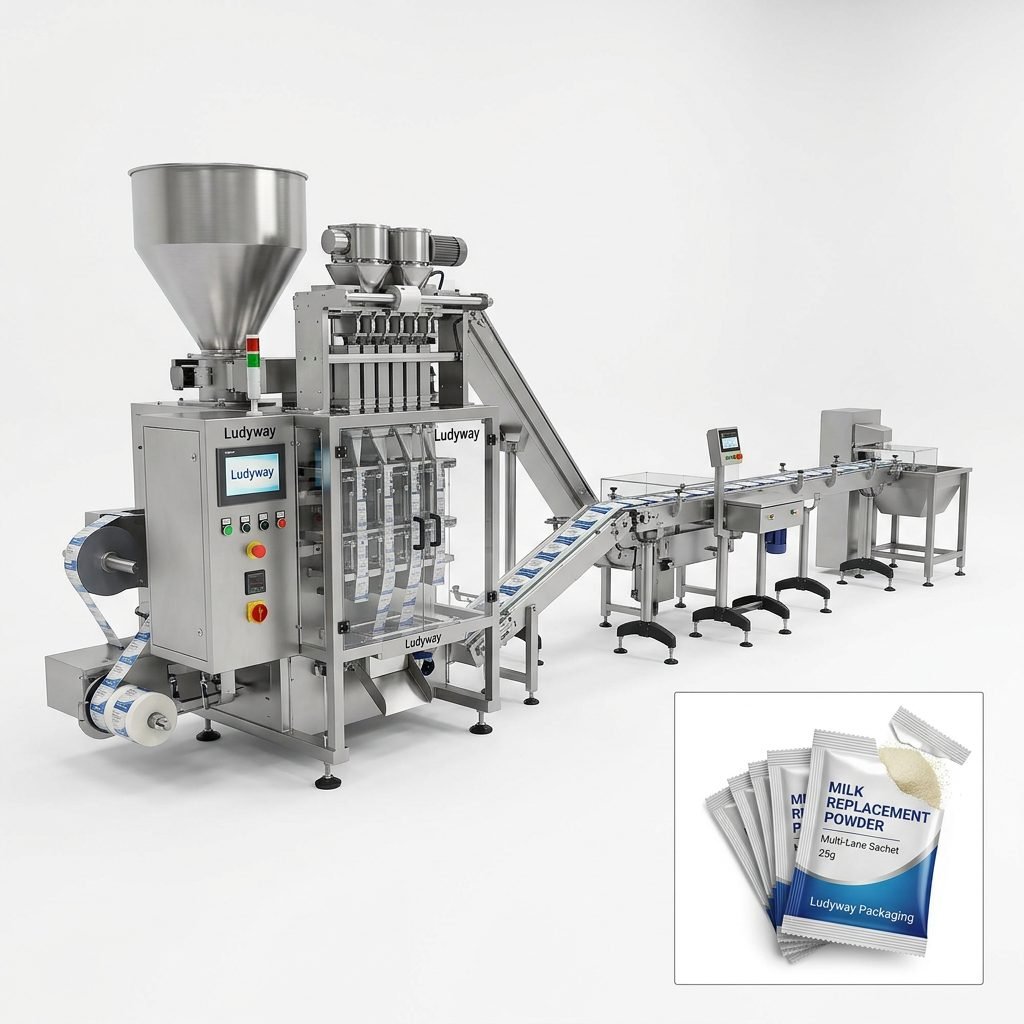
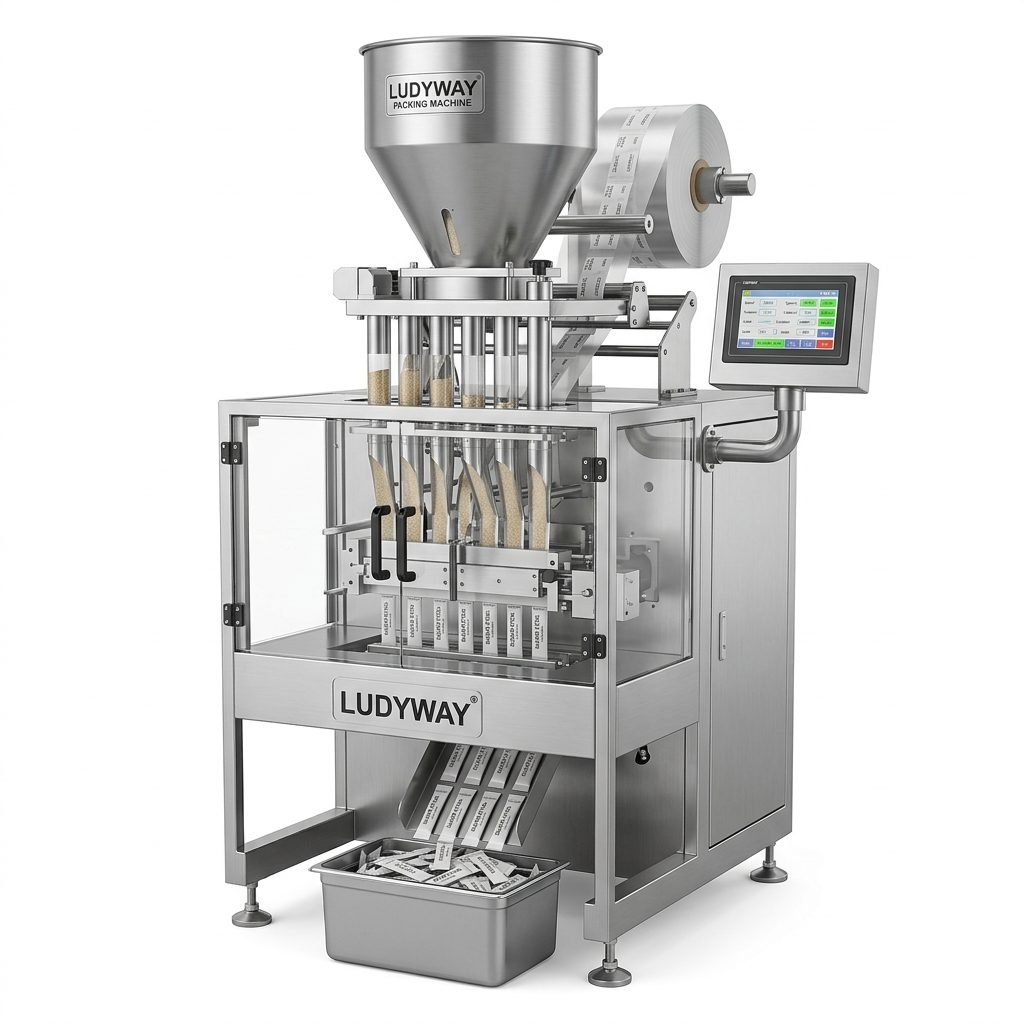
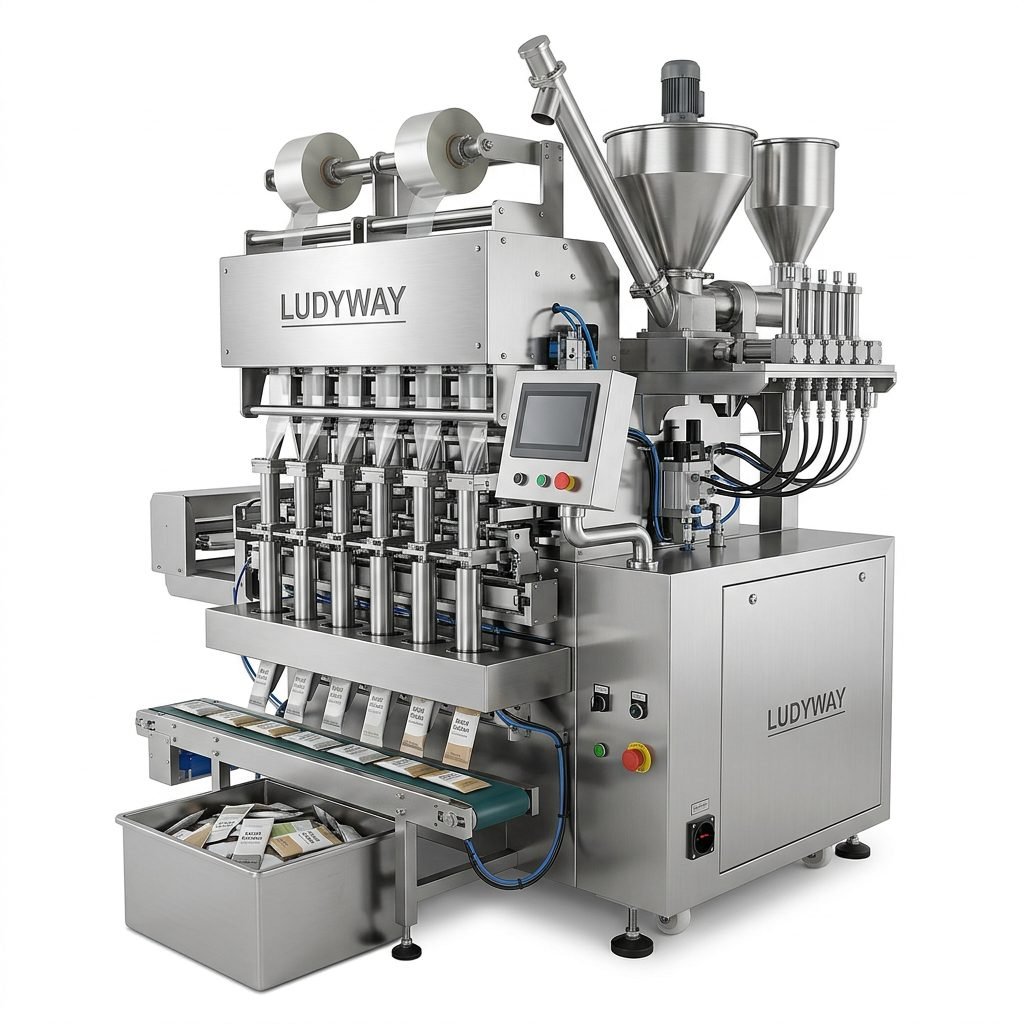
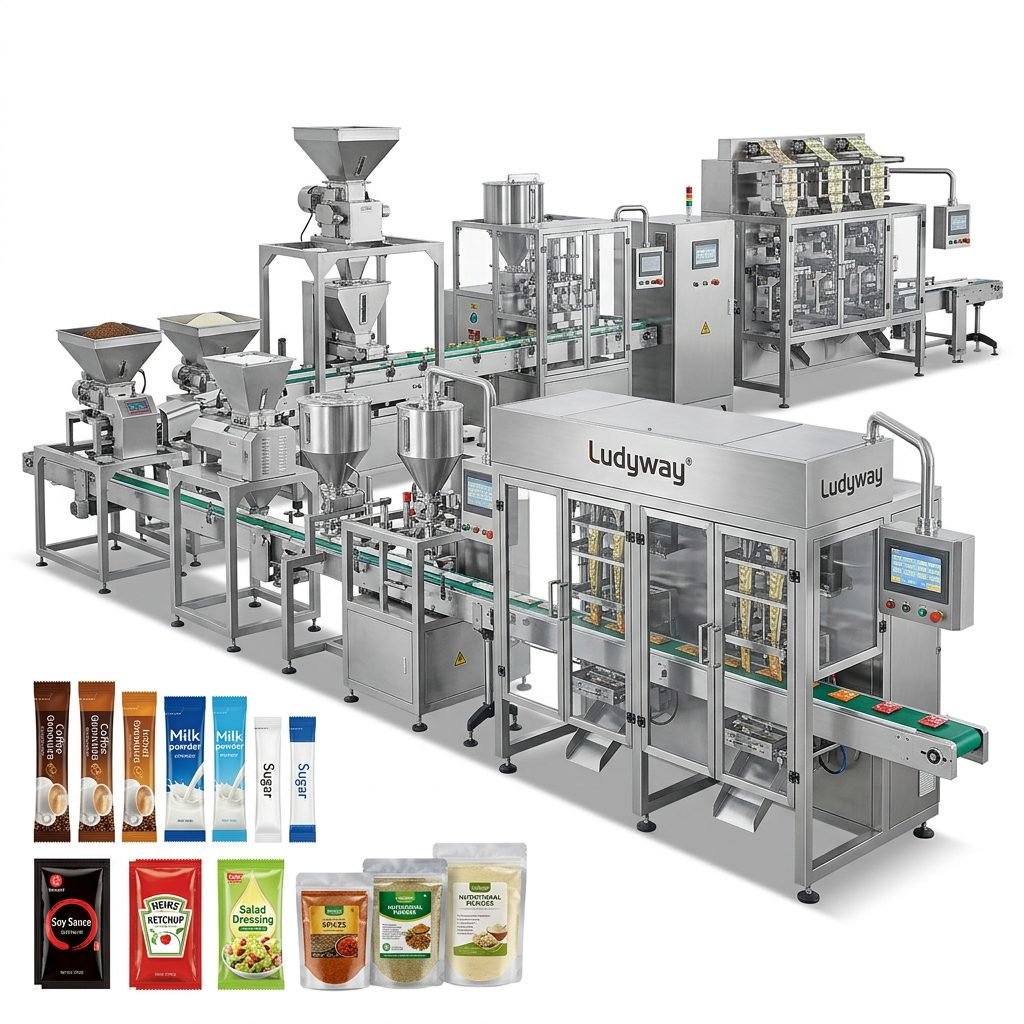
- Multi-lane sachet or stick pack machines for seasonings, supplements, instant mixes, and portion packs
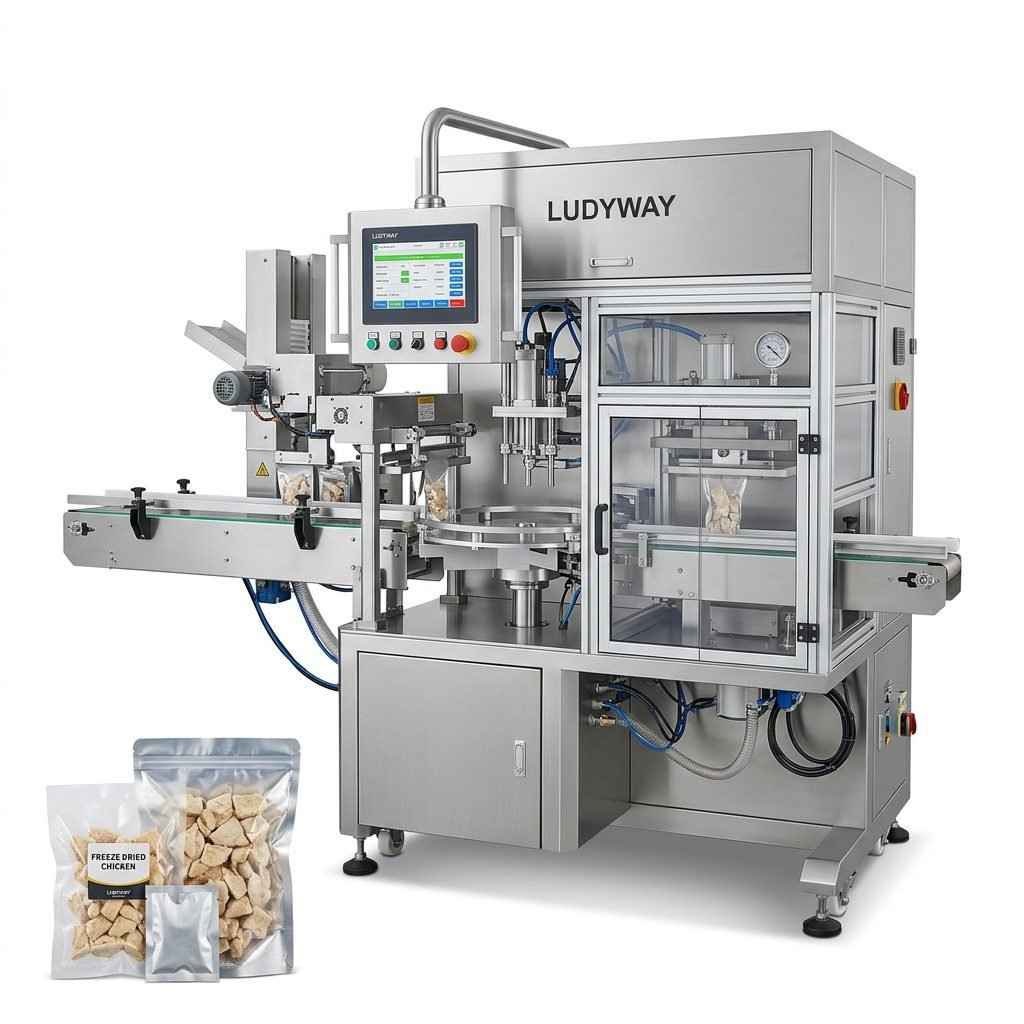
- Vacuum packaging machines for shelf life extension
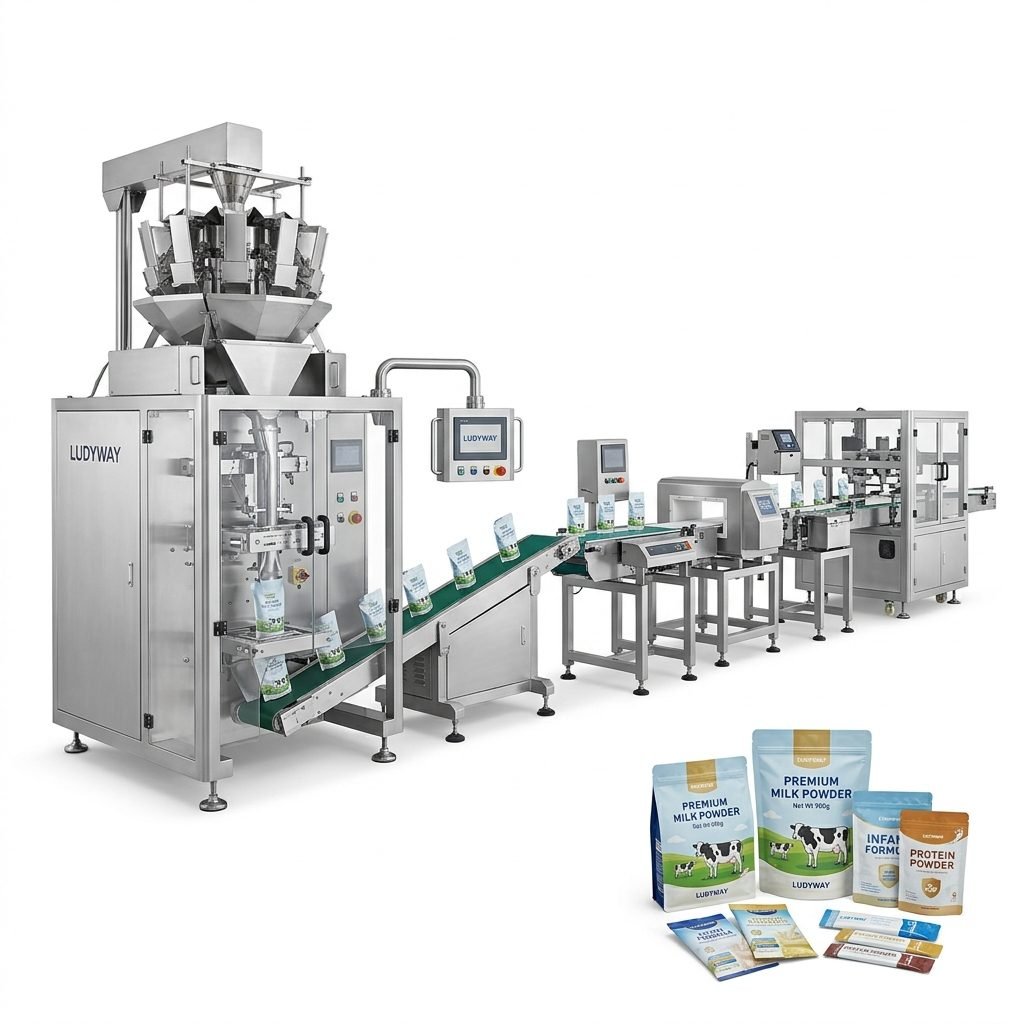
- Complete turnkey packaging lines with feeding, filling, sealing, coding, inspection, cartoning, and palletizing
Start by defining your meal prep product type
Before comparing machine models, identify exactly what you need to pack. The best solution for rice bowls is not the same as the best solution for powdered meal replacement, sauce sachets, or frozen protein portions.
| Product Type | Recommended Packaging Format | Common Machine Type |
|---|---|---|
| Prepared fresh meals | Trays with film sealing | Tray sealer / MAP tray packaging line |
| Frozen ready meals | Trays, bags, vacuum packs | Tray sealer / vacuum packer / bagging line |
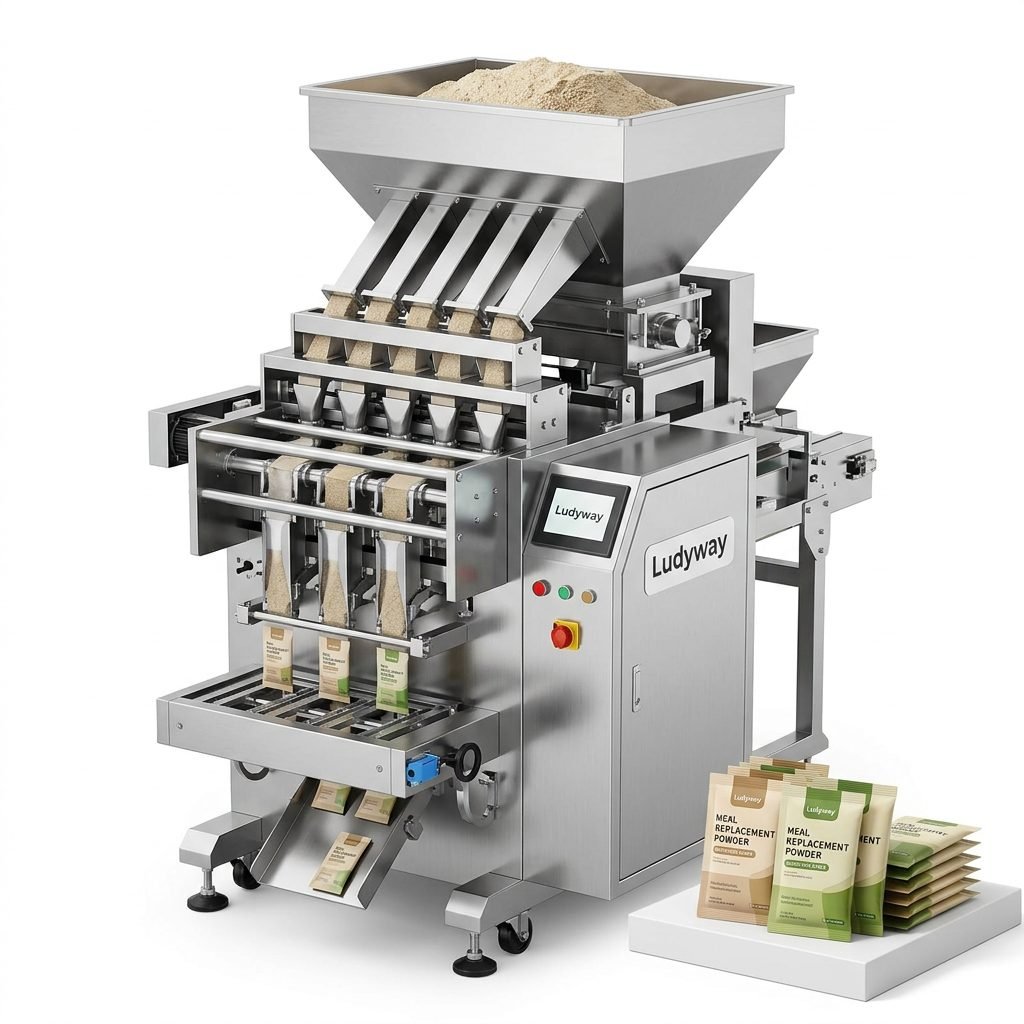
| Meal replacement powder | Sachets, stick packs, pouches | Multi-lane sachet or stick pack machine |
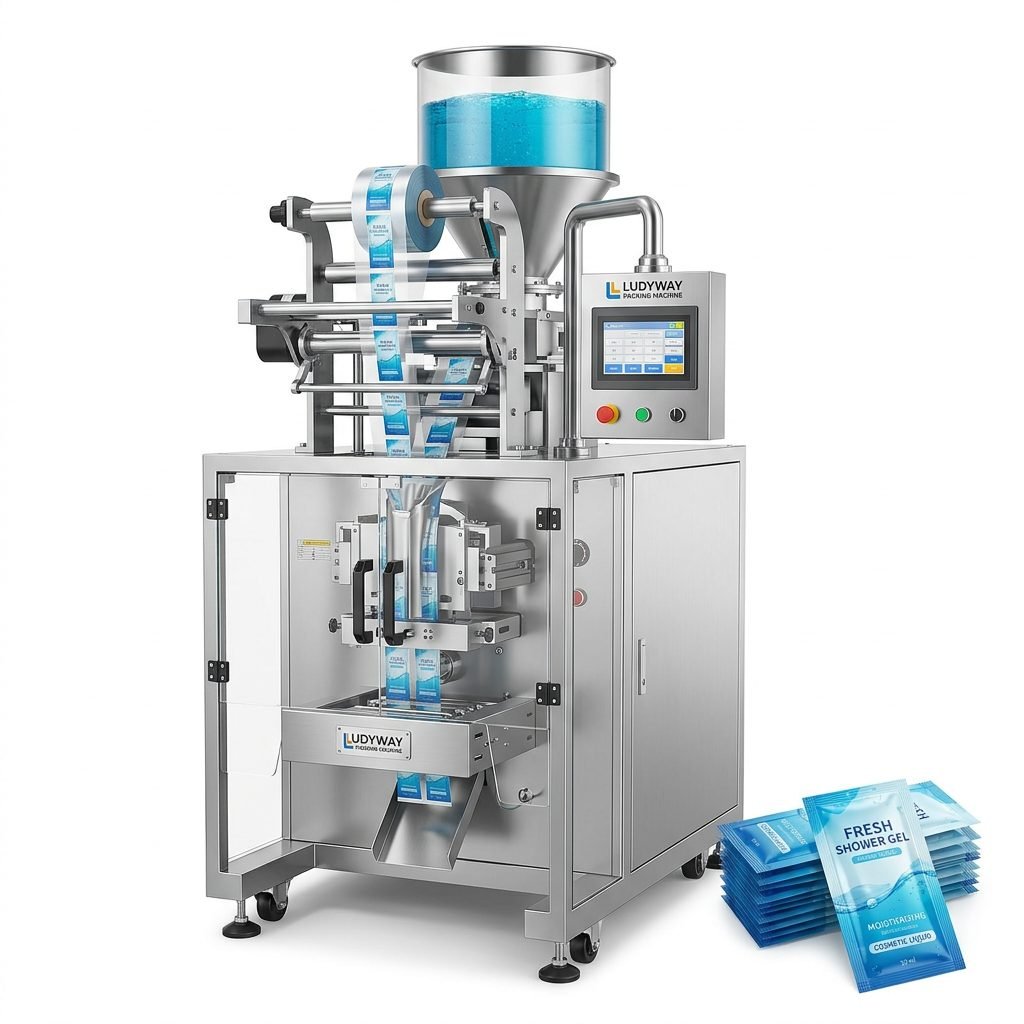
| Sauces and dressings | Sachets, pouches, cups | Liquid filling and sealing machine |
| Dry grains, toppings, seasoning mixes | Bags, sachets, pouches | VFFS or sachet packing machine |
Key factors to consider when choosing a meal prep packaging machine
1. Product characteristics
Your product’s physical form determines the filling system you need. Powders often require auger fillers. Granules may need cup fillers or weighers. Liquids and sauces require piston pumps or liquid dosing systems. Sticky or oily foods need machine surfaces and contact parts designed for easier cleaning and stable flow.
Tip: Always test your real product, not a similar sample, before finalizing machine selection.
2. Packaging format
Think about how your customers use the product. Single-serve consumers may prefer sachets or stick packs. Retail meal kits may need grouped components. Frozen foods may benefit from vacuum or high-barrier pouch packaging. Ready-to-eat meals often require trays with strong seal integrity.
3. Production speed
A machine that is too small will slow growth. A machine that is too large may increase cost without delivering a fast return. Match equipment speed to your current demand and realistic expansion plans over the next three to five years.
- Low volume: suitable for startups, pilot production, niche SKUs
- Medium volume: ideal for regional meal prep brands and commissary kitchens
- High volume: best for large food factories, export suppliers, and contract manufacturers
4. Filling accuracy
Portion control is critical in meal prep. Overfilling increases cost. Underfilling creates compliance and customer trust issues. Ask for filling tolerance data, real product test reports, and examples from similar applications.
5. Hygiene and cleanability
Food packaging equipment should support fast and thorough cleaning. Stainless steel construction, food-grade contact parts, accessible filling zones, and reduced dead corners all help maintain hygiene standards. This is especially important for fresh, protein-rich, dairy-based, or allergen-sensitive products.
6. Packaging material compatibility
Not every machine runs every film or pouch equally well. Confirm whether the equipment supports laminated films, recyclable materials, aluminum foil structures, or high-barrier packaging. Material compatibility affects sealing quality, machine stability, and long-term packaging cost.
7. Flexibility for multiple SKUs
Many meal prep businesses run multiple recipes and pack sizes. If your operation frequently changes flavors, weights, or film sizes, prioritize equipment with quick changeover design, recipe memory, and user-friendly controls.
8. Integration with upstream and downstream equipment
The best machine is rarely standalone. It should fit smoothly into your production flow, including mixers, cookers, conveyors, feeders, coding systems, metal detectors, checkweighers, cartoners, case packers, and palletizers.
If your goal is full automation, a complete line often delivers better long-term efficiency than buying separate machines from different sources.
9. Footprint and plant layout
Compact design matters, especially for kitchens and facilities with limited floor space. Review machine footprint, maintenance access area, operator working space, and future expansion room before purchase.
10. Technical support and spare parts
Even a high-quality machine needs service support. Ask how quickly spare parts can be supplied, whether remote troubleshooting is available, and what training is included. Strong after-sales support reduces downtime and protects your investment.
How to match machine type to meal prep application
| Application | Best Machine Direction | Main Benefit |
|---|---|---|
| Fresh ready meals in trays | Tray sealing line with optional modified atmosphere packaging | Improved freshness and retail presentation |
| Meal prep sauces | Liquid sachet or premade pouch filling machine | Leak-resistant portion packaging |
| Protein or nutrition powder | Multi-lane powder sachet machine | High speed and accurate single-dose filling |
| Rice, grains, dry side dishes | Vertical packaging machine with weighing system | Efficient bulk or retail bagging |
| Frozen ingredients or proteins | Vacuum or pouch packaging system | Better product protection during storage and transport |
Essential features that improve packaging efficiency
When comparing suppliers, look beyond headline speed. True efficiency comes from a combination of automation, control, and reliability.
- Servo-driven control systems for more stable operation
- Automatic film tracking to reduce waste
- Recipe storage for fast SKU changes
- High-precision dosing for consistent fill weight
- Leak-proof sealing for liquids and semi-liquids
- Date coding integration for traceability
- Checkweigher and metal detector support for food safety
- Remote diagnostics for faster technical support
Questions to ask a packaging machine supplier
Before placing an order, ask detailed questions. This reduces risk and helps you compare quotations more accurately.
- What products has this machine packed successfully before?
- What filling system is used for my product type?
- What speed can be achieved with my target pack size?
- What is the real fill accuracy range?
- Which packaging materials are supported?
- How long does format changeover take?
- What spare parts come with the machine?
- Is installation, training, and remote support included?
- Can the machine be upgraded into a full packaging line later?
- Do you offer product testing before production?
Common mistakes buyers make
- Choosing based on price alone instead of total operating cost
- Buying a machine without testing the actual product
- Ignoring cleaning time and maintenance access
- Overlooking future SKU expansion
- Failing to check local power, air, and space requirements
- Not planning for coding, inspection, and secondary packaging
A lower initial price can become expensive if the machine causes frequent downtime, inaccurate fills, unstable seals, or high material waste.
Standalone machine or turnkey line?
If you are just starting out, a standalone machine may be enough. But if your production includes multiple steps and growing order volume, a turnkey system often gives better results. Integrated lines improve coordination between feeding, filling, sealing, inspection, and packing, while reducing manual transfer points.
For businesses that need scalable food automation, Ludyway offers packaging machinery and turnkey line solutions for powders, granules, liquids, pastes, and pouch-based products, with broad export experience and customization capability for food and related industries.
Best solution by business stage
| Business Stage | Recommended Approach | Why It Fits |
|---|---|---|
| Startup meal prep brand | Compact, flexible packaging machine | Lower entry cost and easier SKU testing |
| Growing regional producer | Semi or fully automatic line with coding and inspection | Higher output with better consistency |
| Large food factory | Turnkey integrated packaging line | Maximum efficiency, lower labor use, scalable automation |
Final buying checklist
- Confirm your exact food type and packaging format
- Define target speed, accuracy, and pack size range
- Check hygiene design and cleaning convenience
- Verify packaging material compatibility
- Review integration needs for the full production line
- Request product testing and sample packs
- Evaluate after-sales service and spare parts support
- Choose a solution that supports future growth, not just current output
Conclusion
The best meal prep packaging machine is the one that matches your product, output goals, packaging style, hygiene requirements, and long-term expansion plan. Whether you package ready meals, powders, dry ingredients, or sauces, the right automation solution can significantly improve efficiency, consistency, and profitability.
Instead of focusing only on machine price, evaluate total value: performance, flexibility, sealing quality, fill accuracy, service support, and line integration potential. That is how meal prep businesses build packaging operations that are ready for growth.