Foil packaging is widely used for products that need strong barrier protection, clean presentation, and longer shelf life. Whether you pack coffee, supplements, pharmaceuticals, sauces, powders, or personal care products, choosing the right foil packaging machine can directly affect output, product quality, waste levels, and long-term operating cost.
The best solution is not simply the fastest machine. It is the one that matches your product characteristics, packaging format, production target, compliance requirements, and future expansion plans.
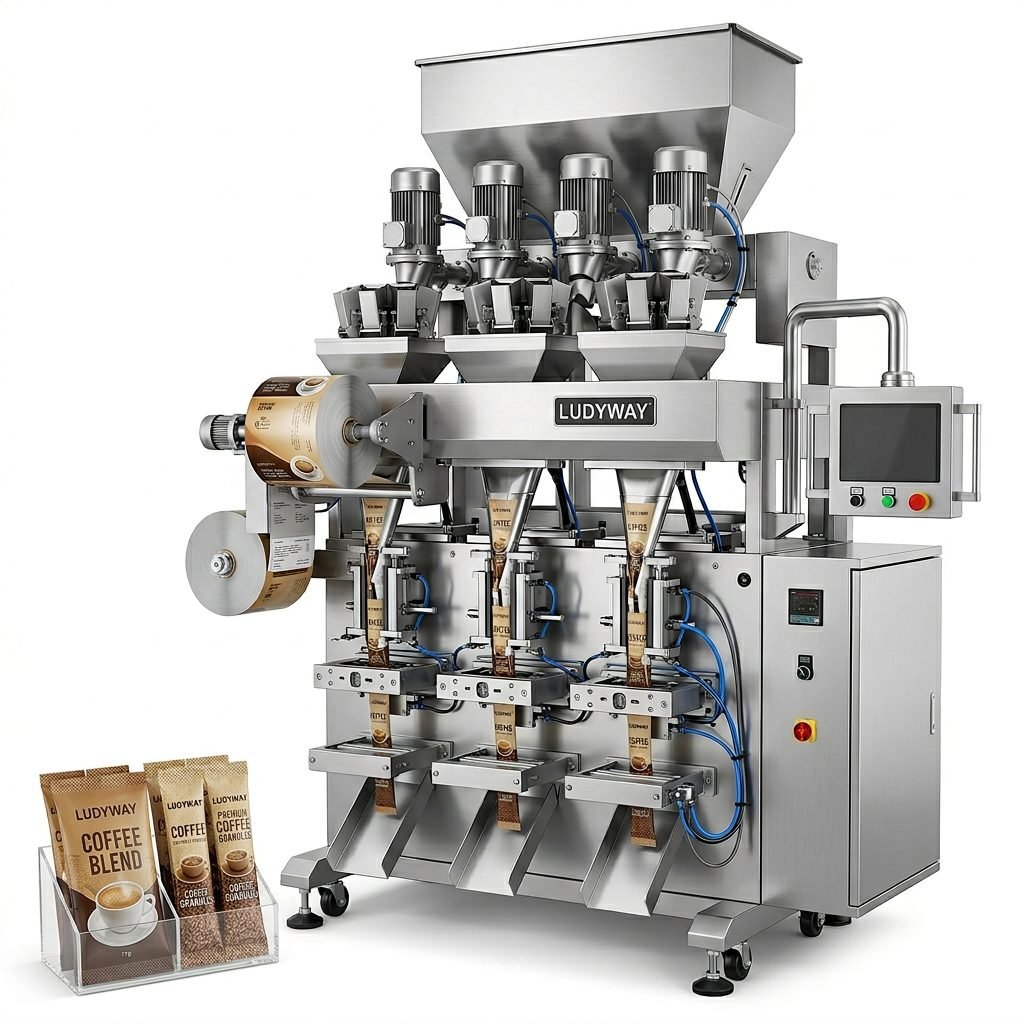
Why foil packaging remains a preferred choice
Foil packaging offers excellent protection against moisture, oxygen, light, and contamination. This makes it especially suitable for products that are sensitive to environmental exposure or require premium shelf presentation.
- Better barrier performance for aroma, freshness, and product stability
- Extended shelf life for food, pharma, and nutraceutical items
- Strong sealing performance when matched with the right heat-sealing system
- Premium brand appearance for retail-ready packs
- Versatile structure options such as laminated foil films, sachets, stick packs, and pouches
However, foil-based materials also require more careful machine selection. Film tension, sealing temperature, forming precision, and dosing accuracy all become more critical when working with foil laminates.
Start with your product, not the machine
Before comparing models, define what you are packing. The same foil machine may not perform equally well for free-flowing granules, hygroscopic powders, viscous liquids, or heat-sensitive formulations.
| Product Type | Typical Foil Pack Format | Key Machine Requirement |
|---|---|---|
| Powders | Sachets, stick packs | Accurate auger dosing, dust control, stable sealing |
| Granules | Sachets, pouches | Volumetric or weighing system, anti-crush feeding |
| Liquids | Sachets, stick packs, pouches | Leak-free filling, strong heat seal, hygienic pipeline design |
| Pastes/Creams | Sachets, cosmetic packs | Servo filling, anti-drip nozzles, precise cut and seal |
| Pharma / supplements | Unit-dose sachets, strip formats | Validation support, precision, cleanability, traceability |
If your material has poor flowability, is oily, absorbs moisture quickly, or tends to stick, the feeding and sealing system must be selected very carefully.
Choose the right packaging format
Foil packaging machines are usually designed around a specific format. Selecting the wrong type can create bottlenecks even if the machine itself is high quality.
Common foil packaging formats
- Sachet packaging for single-dose powders, seasonings, creams, and liquids
- Stick pack packaging for slim, convenient, high-volume retail portions
- Premade pouch packaging for premium product presentation
- Strip or unit-dose pharmaceutical formats for regulated applications
- Larger bag or pouch systems for industrial and bulk use
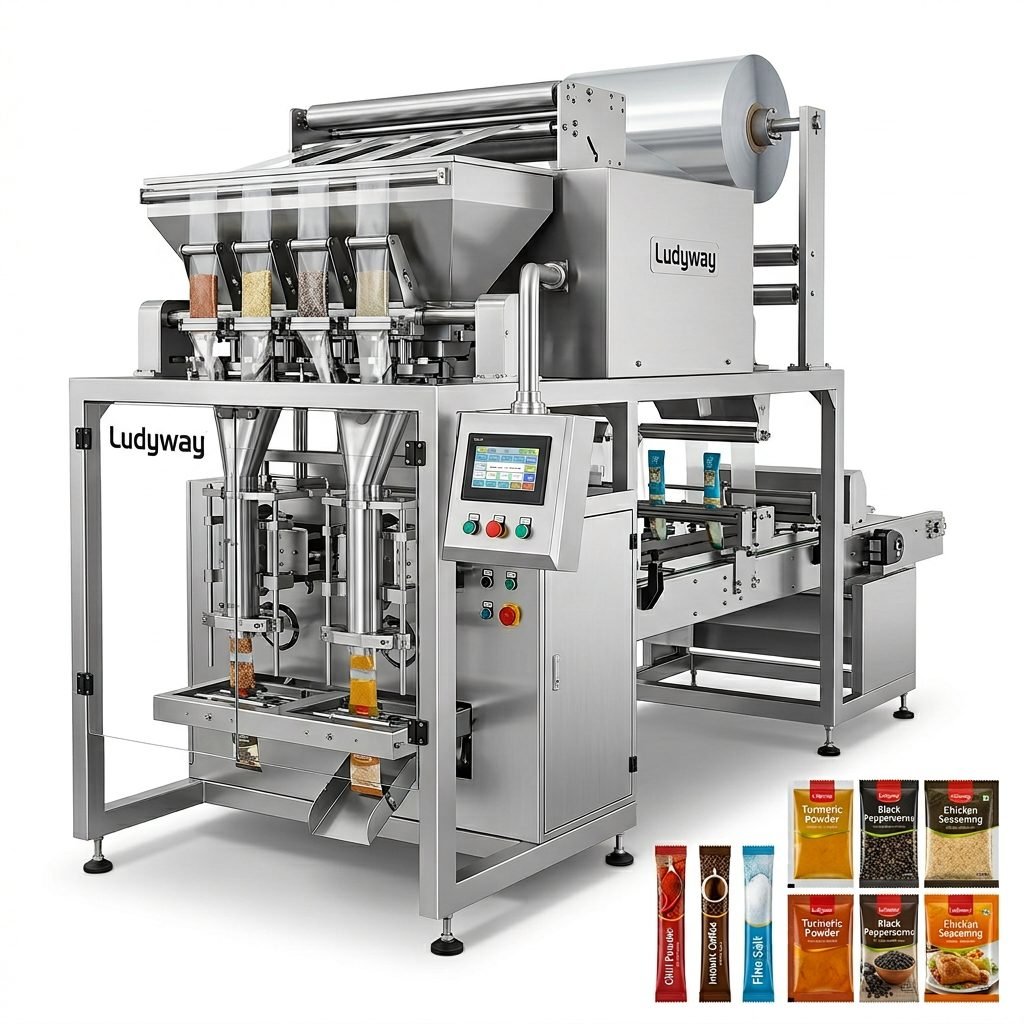
For example, if you need high-output single-serve packaging for drink powder or instant coffee, a multi-lane foil sachet or stick pack system is often more efficient than a slower single-lane setup.
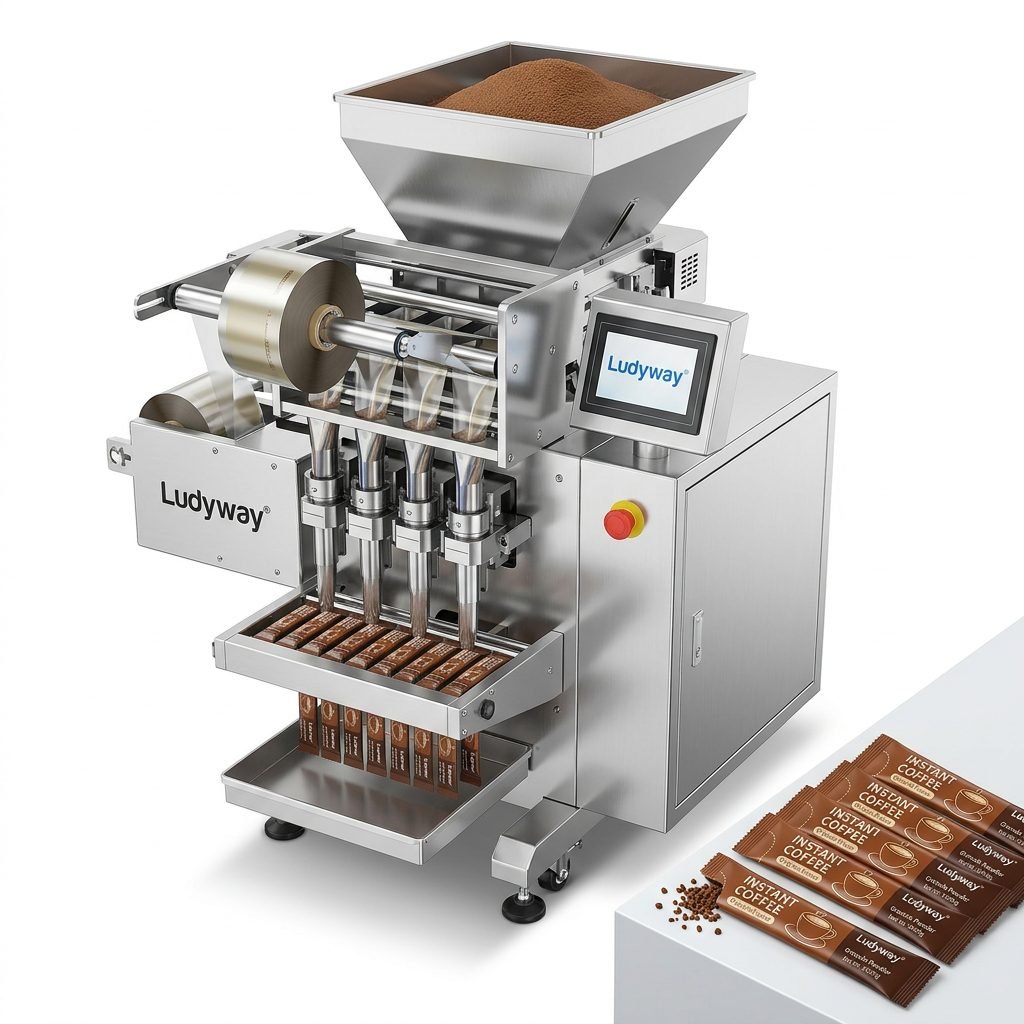
Key factors to evaluate before buying
1. Material compatibility
Not every machine handles foil laminate equally well. Confirm whether the machine supports your exact film structure, thickness, sealing layer, and roll dimensions. Foil materials usually demand more stable tension control and more precise temperature management than standard plastic film.
2. Packaging speed versus stable output
A higher rated speed looks attractive, but real productivity depends on stable operation. Ask for actual production data based on your product and film. A machine running slower but with fewer stoppages, lower rejection rates, and easier maintenance may produce more usable output over a full shift.
3. Filling accuracy
Underfilling creates compliance and customer issues. Overfilling increases material giveaway. The dosing system should match your product:
- Auger filler for powders
- Volumetric cup for free-flowing granules
- Multi-head or linear weighing for certain granular products
- Piston or pump filler for liquids and viscous products
4. Seal quality
In foil packaging, seal integrity is everything. Poor sealing can lead to leakage, contamination, moisture ingress, and short shelf life. Review:
- Seal consistency at your target speed
- Temperature control precision
- Seal jaw design
- Compatibility with your foil laminate
- Performance with difficult products near the seal area
5. Automation level
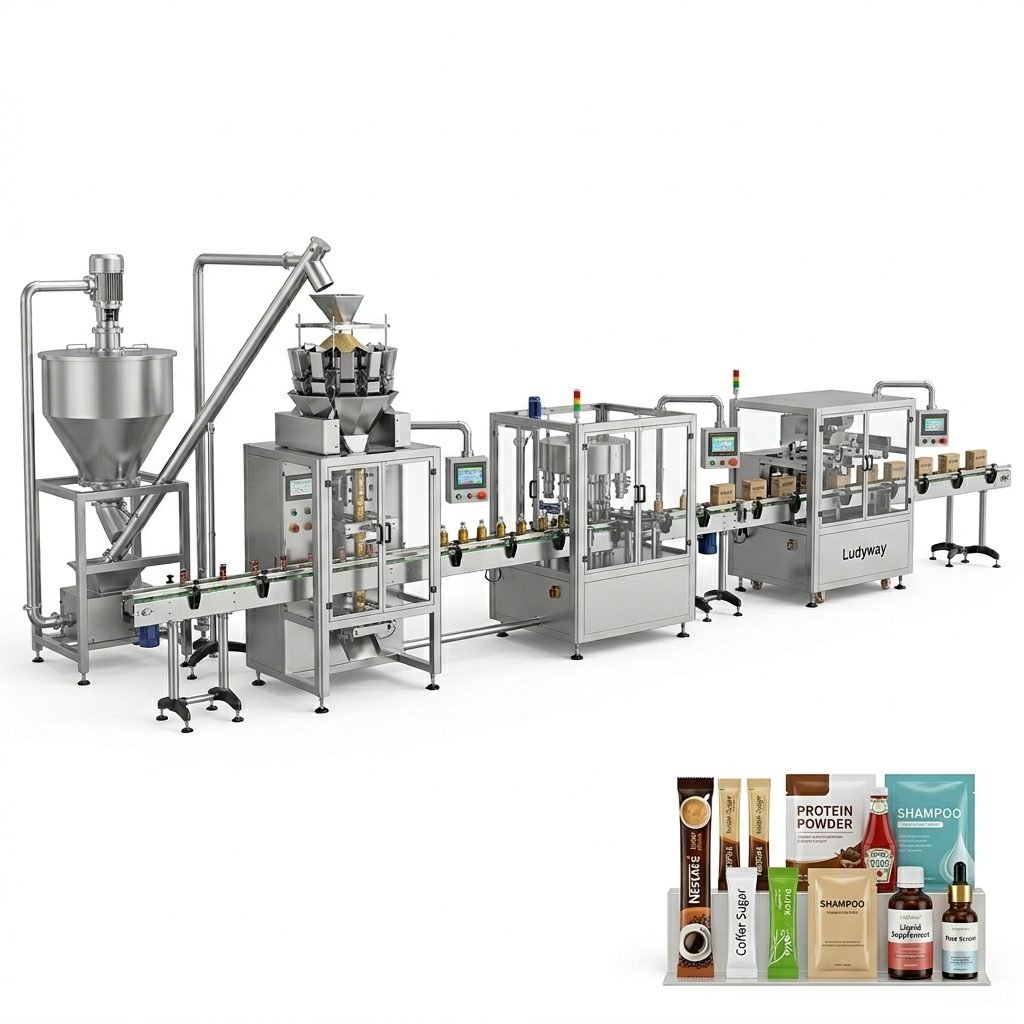
Consider whether you need a standalone machine or a full line that includes conveying, feeding, coding, cartoning, checkweighing, inspection, case packing, and palletizing. Higher automation reduces labor dependency and supports consistent output at scale.
6. Changeover efficiency
If you run multiple SKUs, pack sizes, or formulas, changeover time matters. Fast, tool-light changeover reduces downtime and improves overall equipment effectiveness.
7. Hygiene and compliance
Food, pharmaceutical, and health supplement applications often require sanitary design, contact-part quality, traceability, and easier cleaning. Make sure the machine is suitable for your industry standard and export requirements.
Single-lane or multi-lane foil packaging machine?
This is one of the most important decisions for efficiency planning.
| Option | Best For | Main Advantage | Consideration |
|---|---|---|---|
| Single-lane | Small to medium output, frequent product changes | Lower initial cost, simpler operation | Limited production capacity |
| Multi-lane | High-volume sachet or stick pack production | High throughput, better labor efficiency | Higher investment, more complex setup |
If your target is mass-market retail, e-commerce single-dose packaging, or export-oriented production, a multi-lane system often delivers better long-term economics.
Questions to ask a foil packaging machine supplier
- Can the machine run my exact foil laminate structure?
- What output can it achieve with my real product, not just in theory?
- What filling system is recommended and why?
- How does the machine control seal consistency?
- What are the standard and optional inspection systems?
- How long does format changeover take?
- What spare parts and after-sales support are available?
- Can the machine be integrated into a complete packaging line later?
- Do you provide FAT, installation guidance, and operator training?
- Can you share videos or case studies from similar industries?
Warning signs of choosing the wrong solution
- Buying based only on the lowest price
- Ignoring film compatibility testing
- Selecting oversized capacity that never gets utilized
- Using a powder machine for difficult granules without proper dosing changes
- Underestimating cleaning, maintenance, and operator skill requirements
- Focusing on machine speed while ignoring downstream bottlenecks
A foil packaging line should be evaluated as a production system, not as one isolated machine.
How to calculate packaging efficiency realistically
True efficiency includes more than bags per minute. Use a broader view:
- Net output per shift
- Reject and leakage rate
- Film waste during startup and changeover
- Labor requirement per line
- Cleaning and downtime frequency
- Maintenance cost and spare parts availability
- Scalability for future SKUs
A machine that reduces product giveaway, improves seal reliability, and supports continuous operation can generate a much better return than a cheaper model with frequent production interruptions.
When a turnkey foil packaging line is the better investment
If your business is growing, a complete line may be a smarter choice than buying individual machines from different suppliers. A turnkey solution improves compatibility between feeding, filling, sealing, coding, inspection, and secondary packaging.
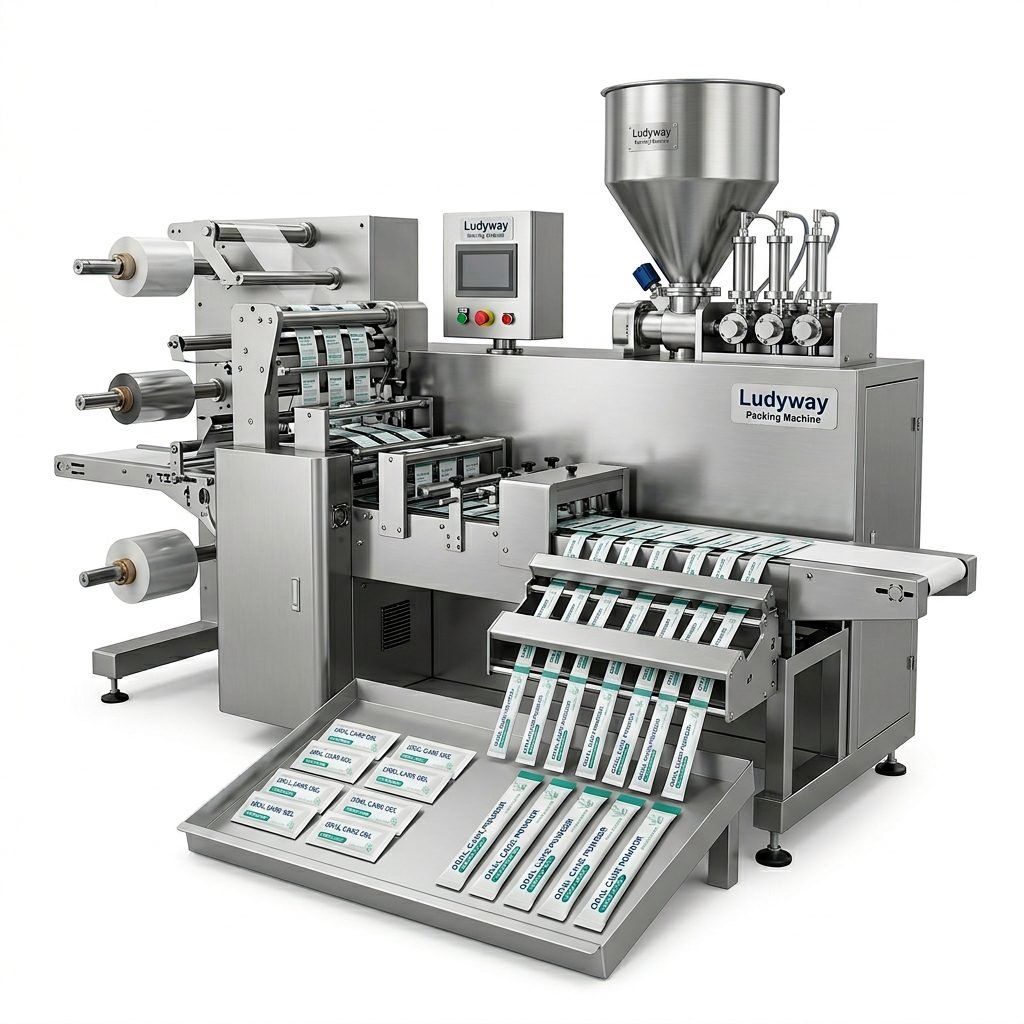
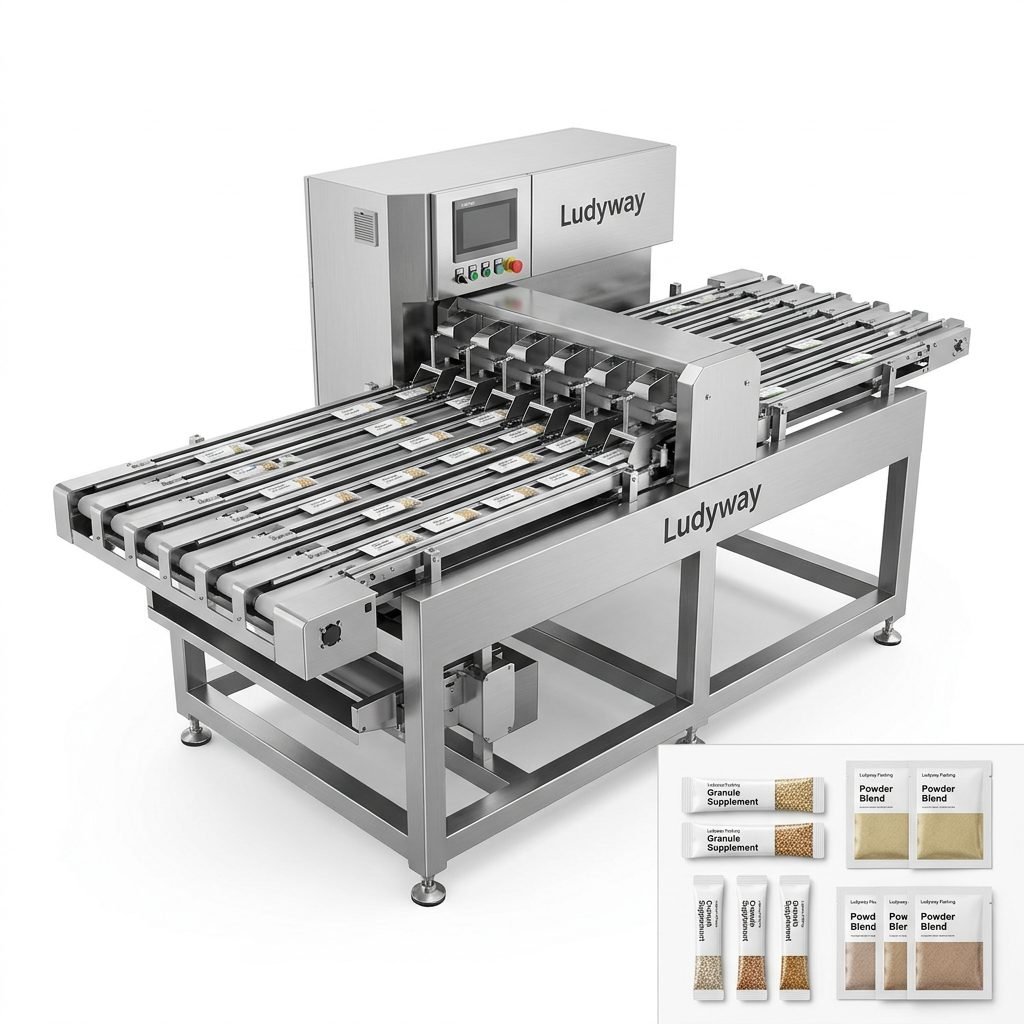
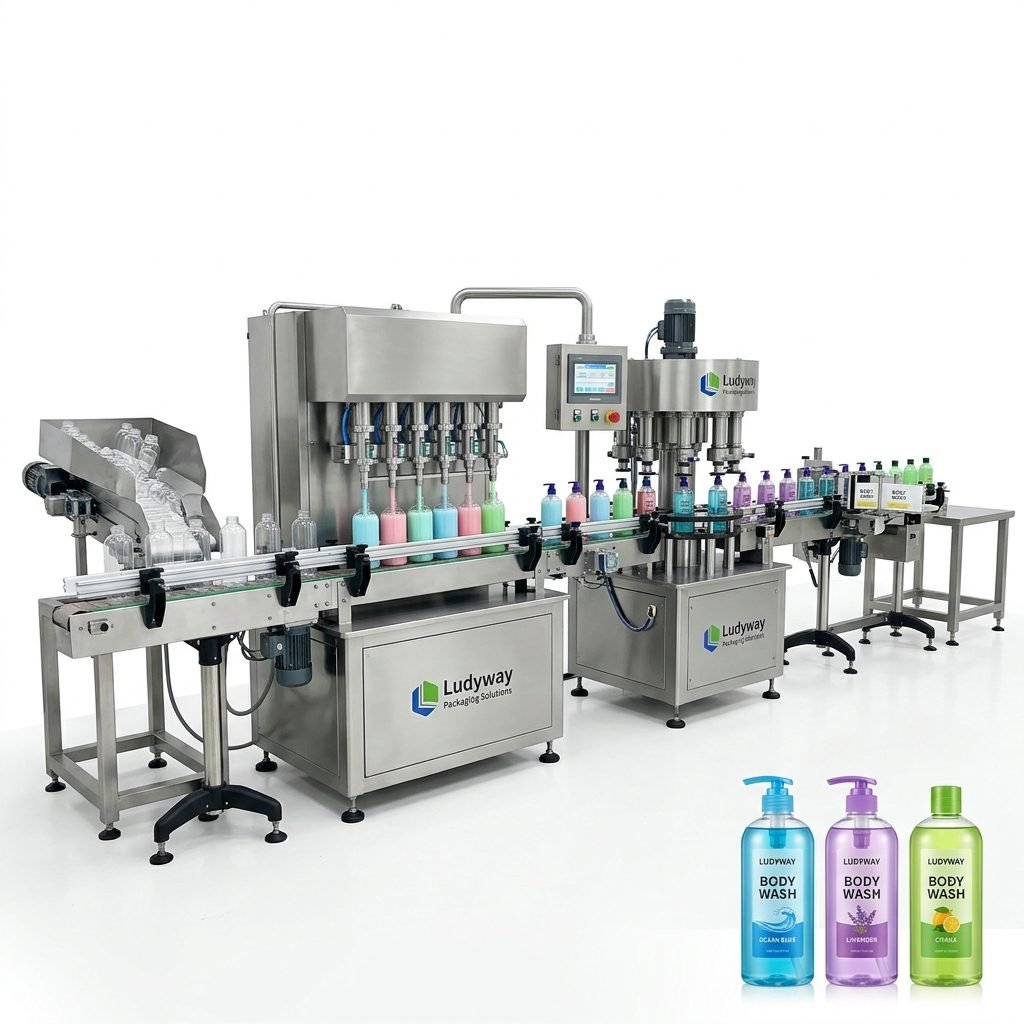
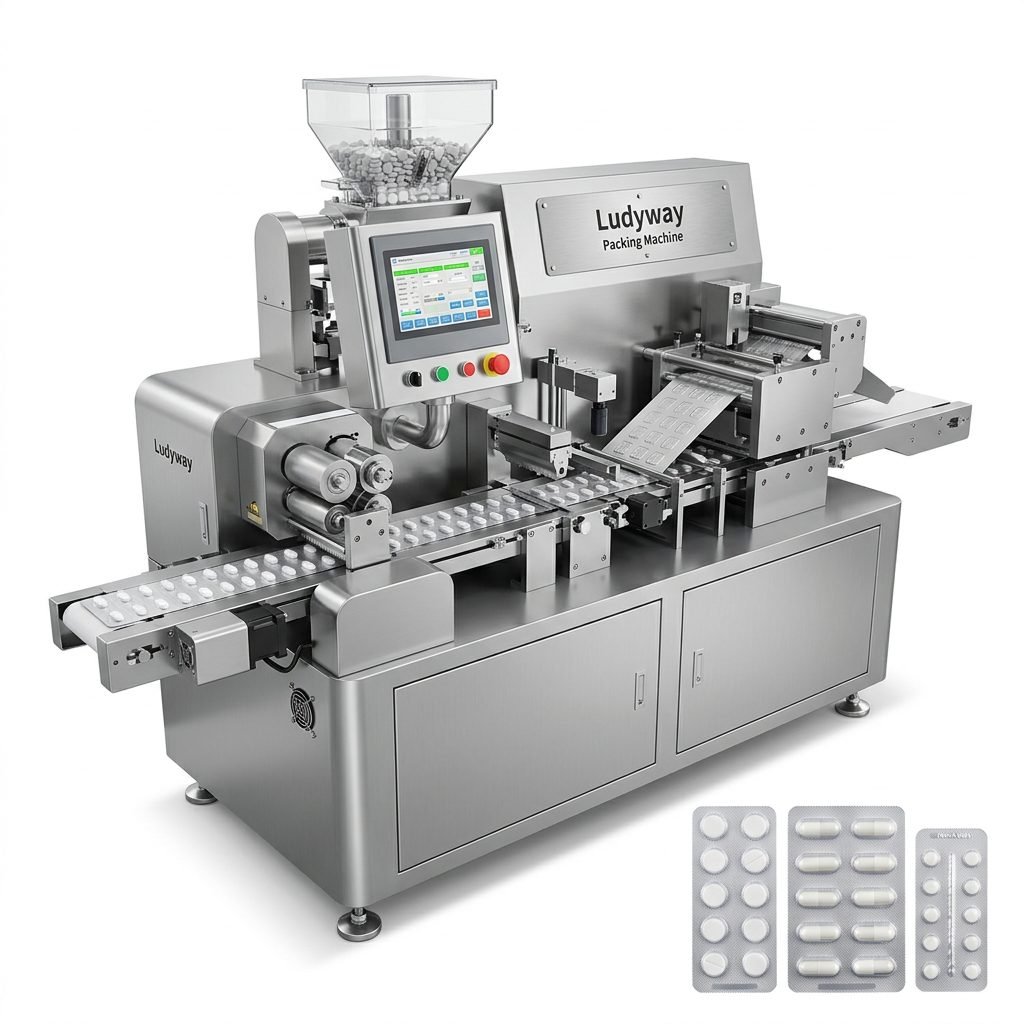
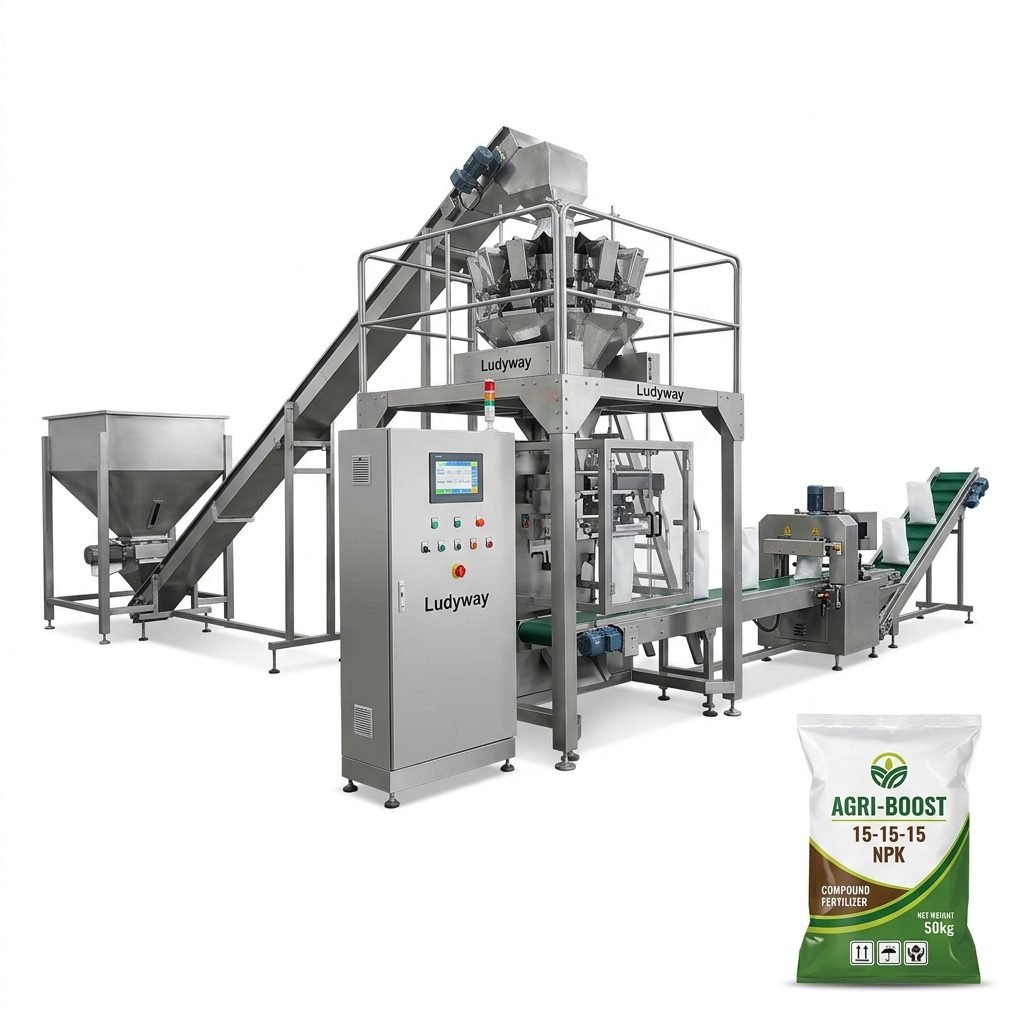
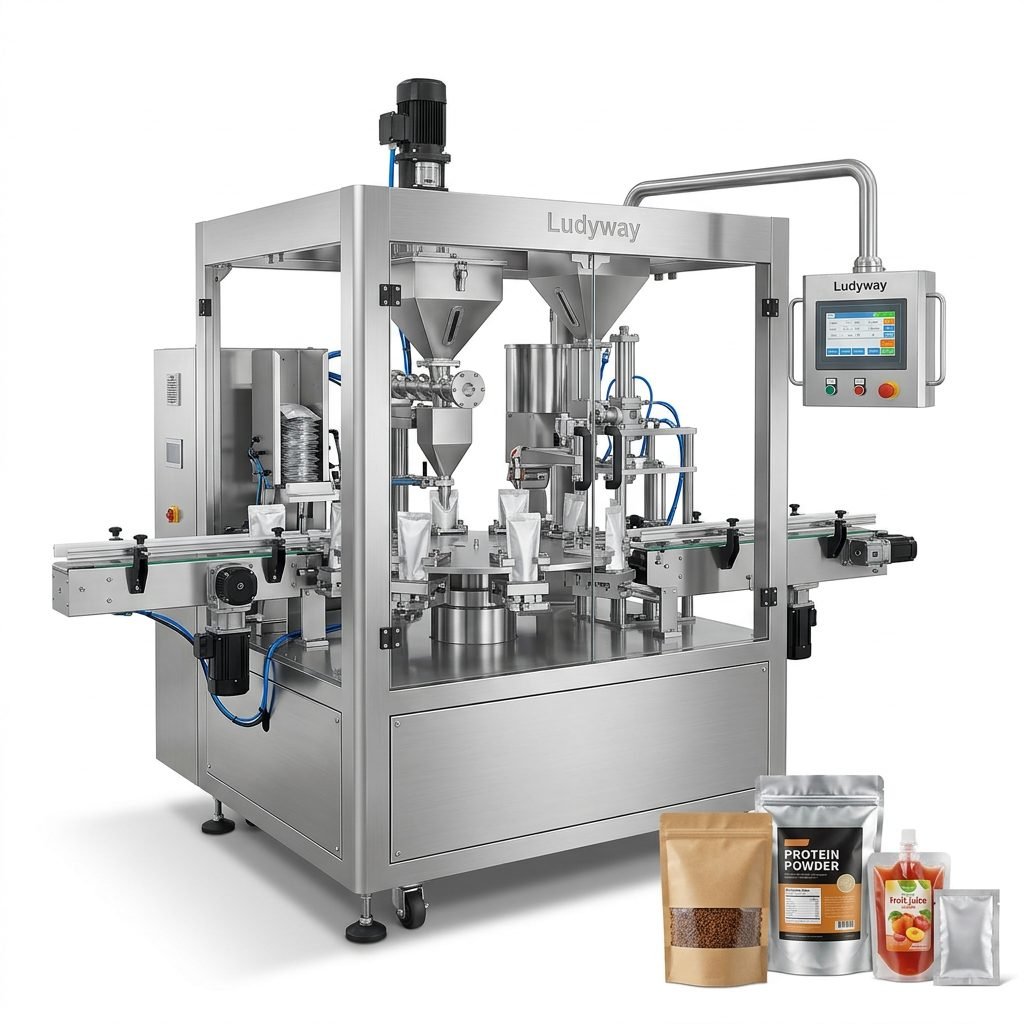
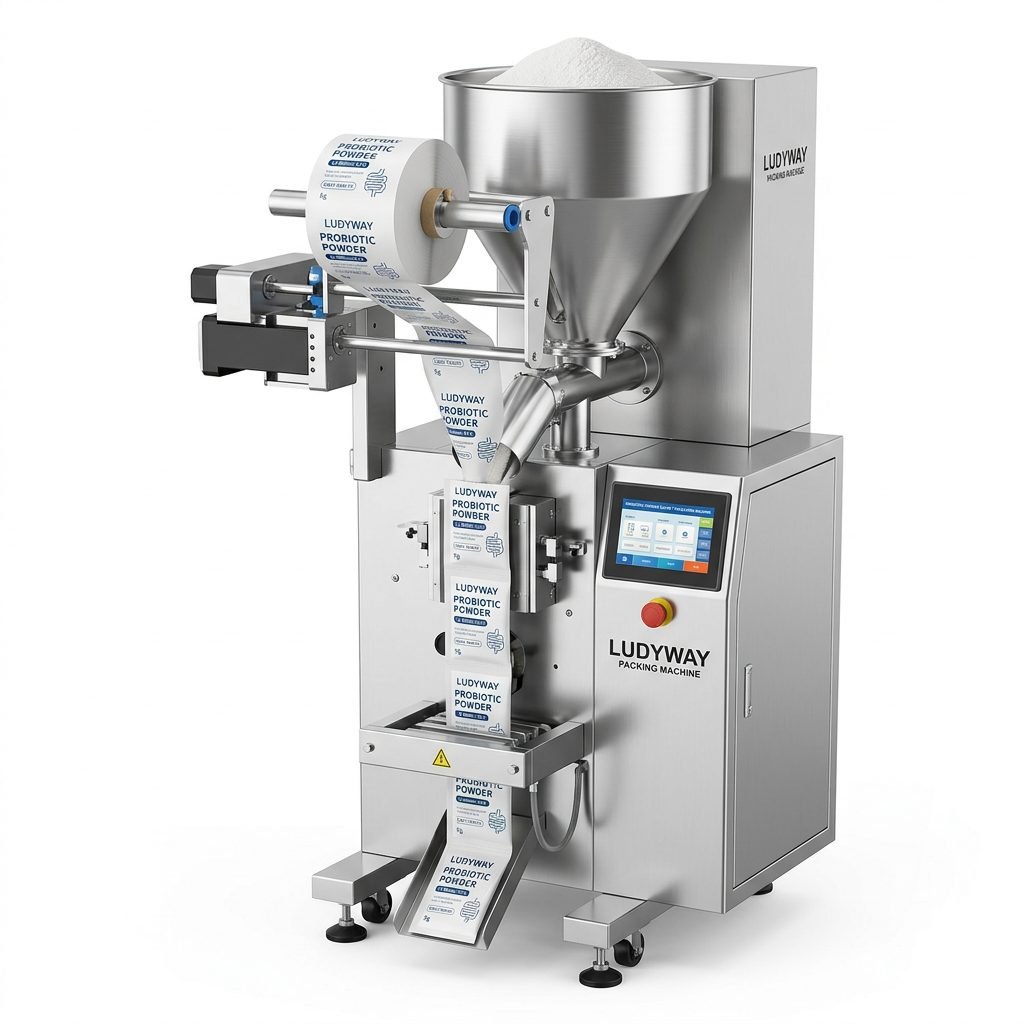
For businesses looking for integrated solutions, foil packaging machine solutions from Ludyway can be considered for food, pharmaceutical, health supplement, chemical, and pouch-based applications, especially where scalable automation and turnkey line integration are important.
A turnkey line is often ideal when you need:
- High-volume automated production
- Stable connection between primary and secondary packaging
- Centralized technical support
- Unified controls and easier commissioning
- Future expansion with lower integration risk
Best industries for foil packaging machines
Foil packaging equipment is commonly used in:
- Instant coffee, tea, milk powder, and beverage powder
- Seasonings, sauces, sugar, salt, and functional food ingredients
- Pharmaceutical powders, granules, oral liquids, and unit-dose products
- Nutritional supplements and sports nutrition sachets
- Cosmetic creams, serums, shampoos, and lotions
- Chemical and cleaning product sachets
Final buying checklist
| Check Item | Have you confirmed it? |
| Product characteristics and flow behavior | Yes / No |
| Foil material structure and sealing compatibility | Yes / No |
| Target pack format and bag dimensions | Yes / No |
| Required speed and actual shift output | Yes / No |
| Filling accuracy requirements | Yes / No |
| Cleaning, maintenance, and compliance needs | Yes / No |
| Expansion to cartoning or full line automation | Yes / No |
The right foil packaging machine should help you package faster, seal better, reduce waste, and scale with confidence. When machine design, material compatibility, and application fit are aligned, efficient packaging becomes much easier to achieve.