Setting up a bean packaging machine production line in Africa presents a significant opportunity. With rising demand for processed and packaged food across the continent, a reliable, high-speed packaging line can help agribusinesses, food processors, and exporters capture new markets. This guide walks you through the essential equipment, realistic cost projections, and the key steps to launch a successful operation.
Why Africa Is Ready for Bean Packaging Automation
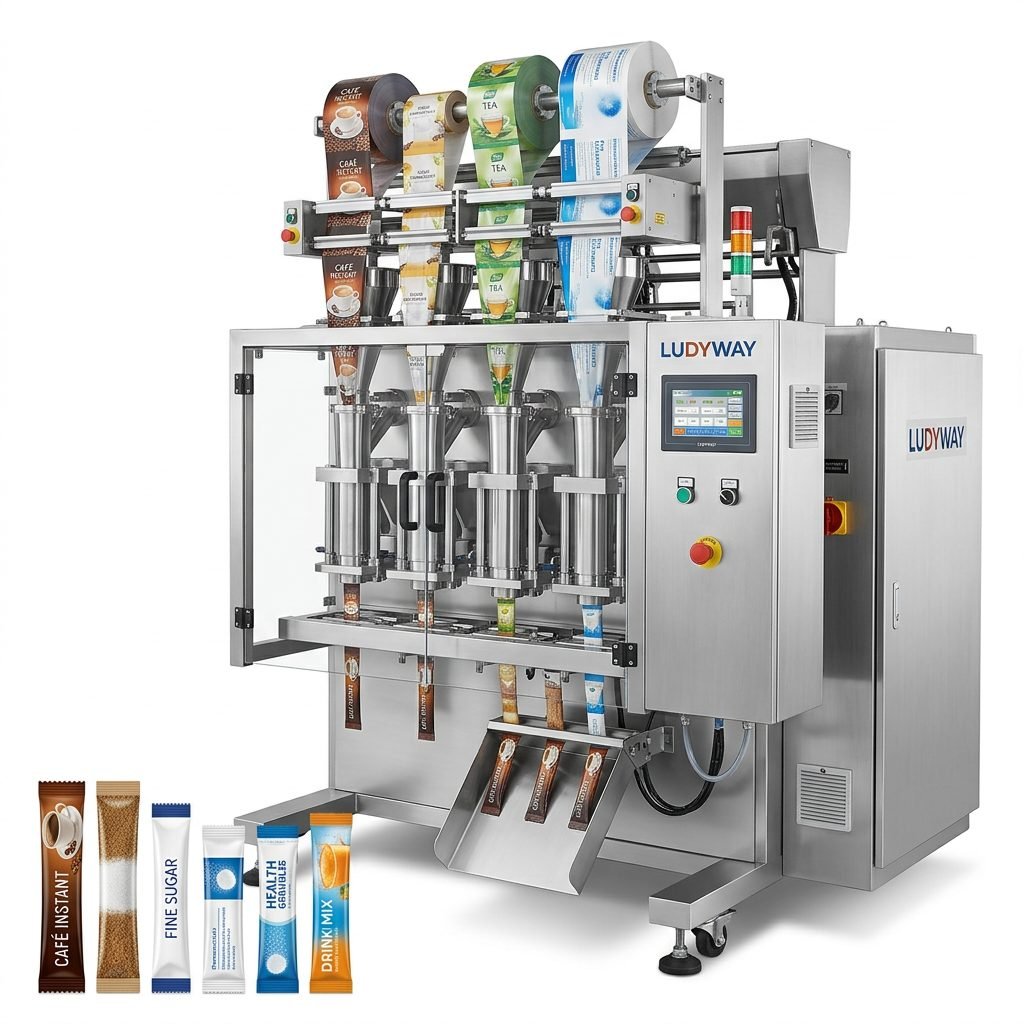
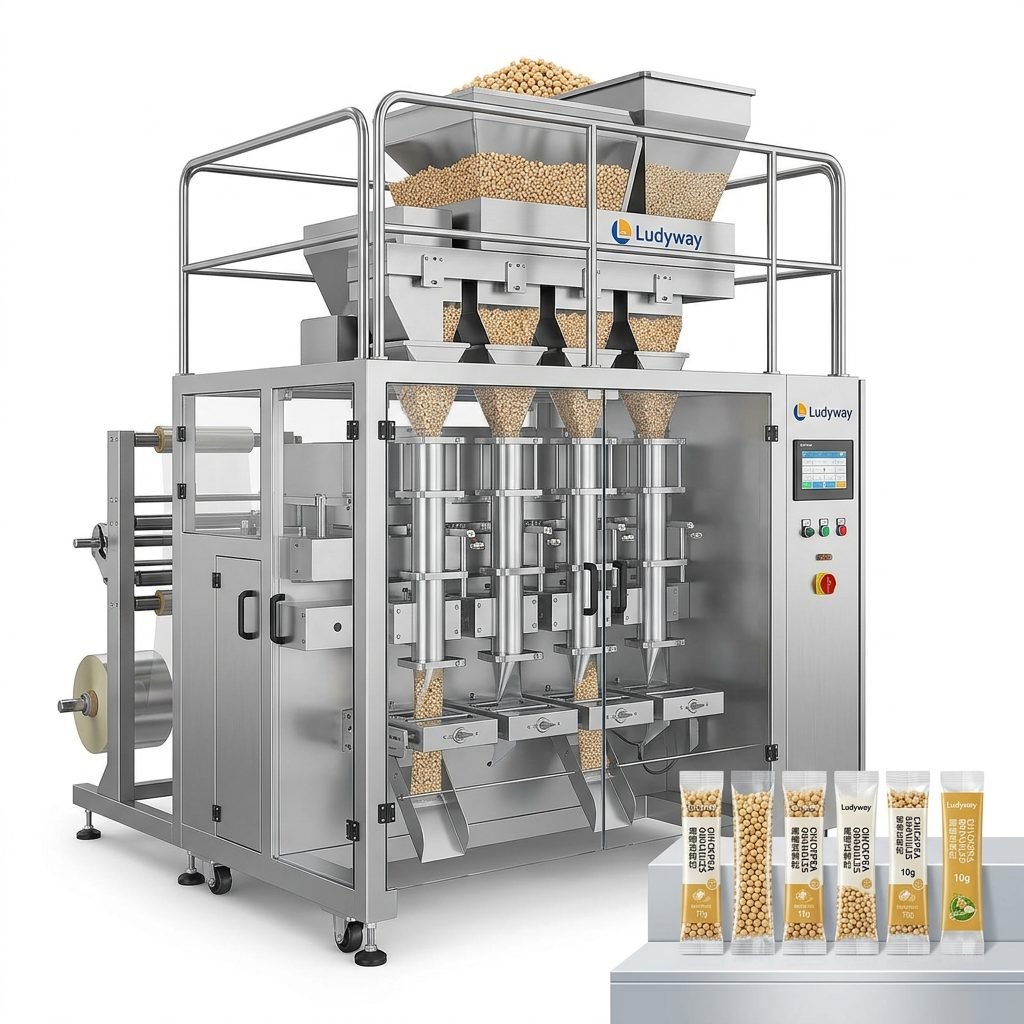
Africa’s food processing sector is expanding rapidly. Beans—whether dry, precooked, or powdered—are a staple protein source. Investing in automated packaging machinery reduces labor costs, improves hygiene, and extends shelf life. Countries like Nigeria, Kenya, South Africa, and Ghana are seeing increased demand for portion-packed beans, bulk packaging, and branded retail products. A well-designed production line can handle various formats including stick packs, sachets, and pillow pouches.
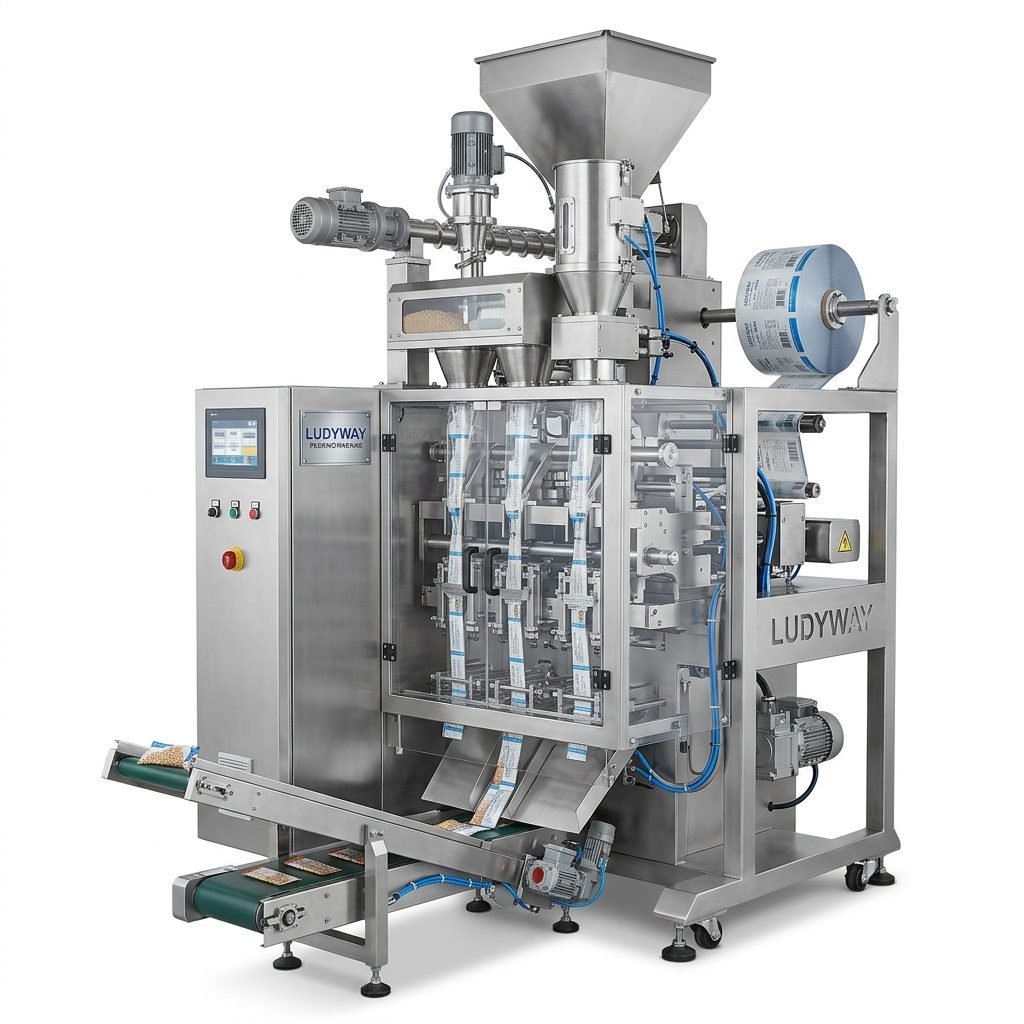
Key Equipment in a Bean Packaging Line
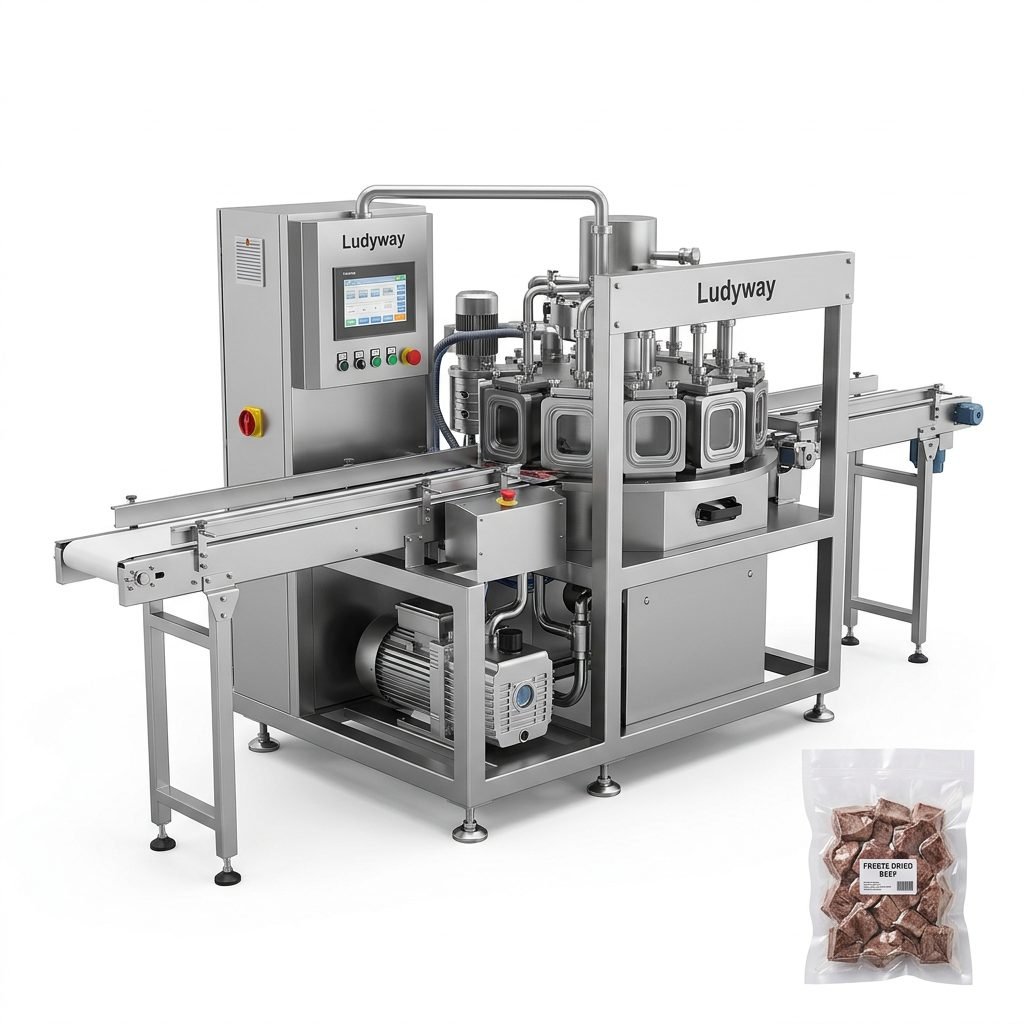
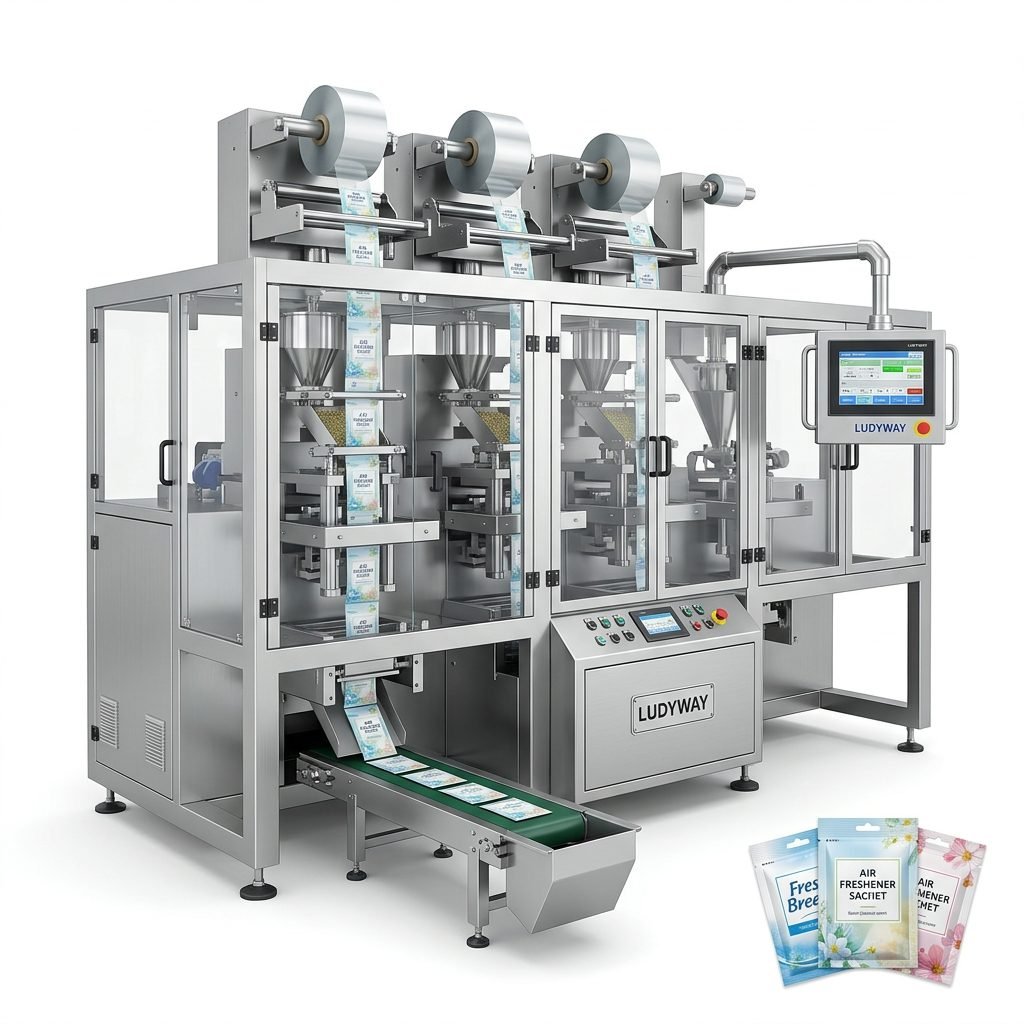
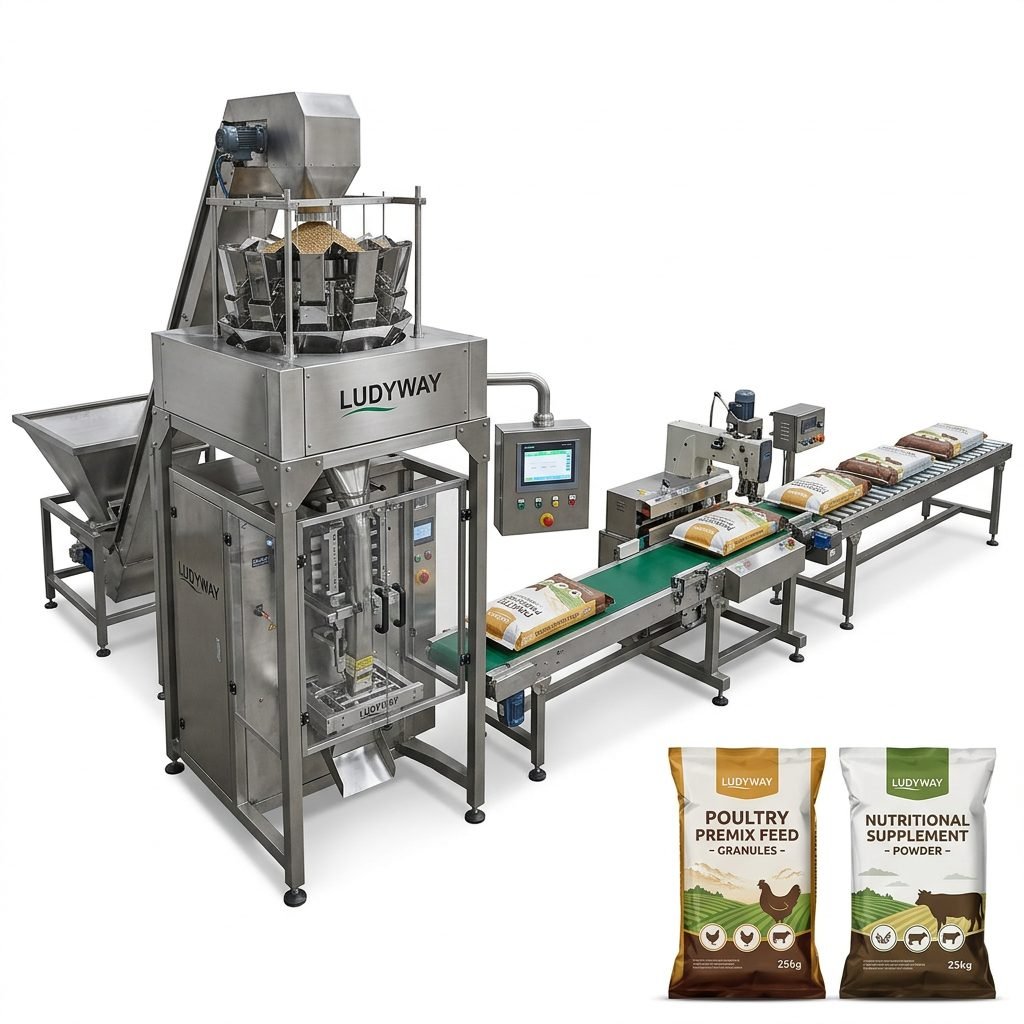
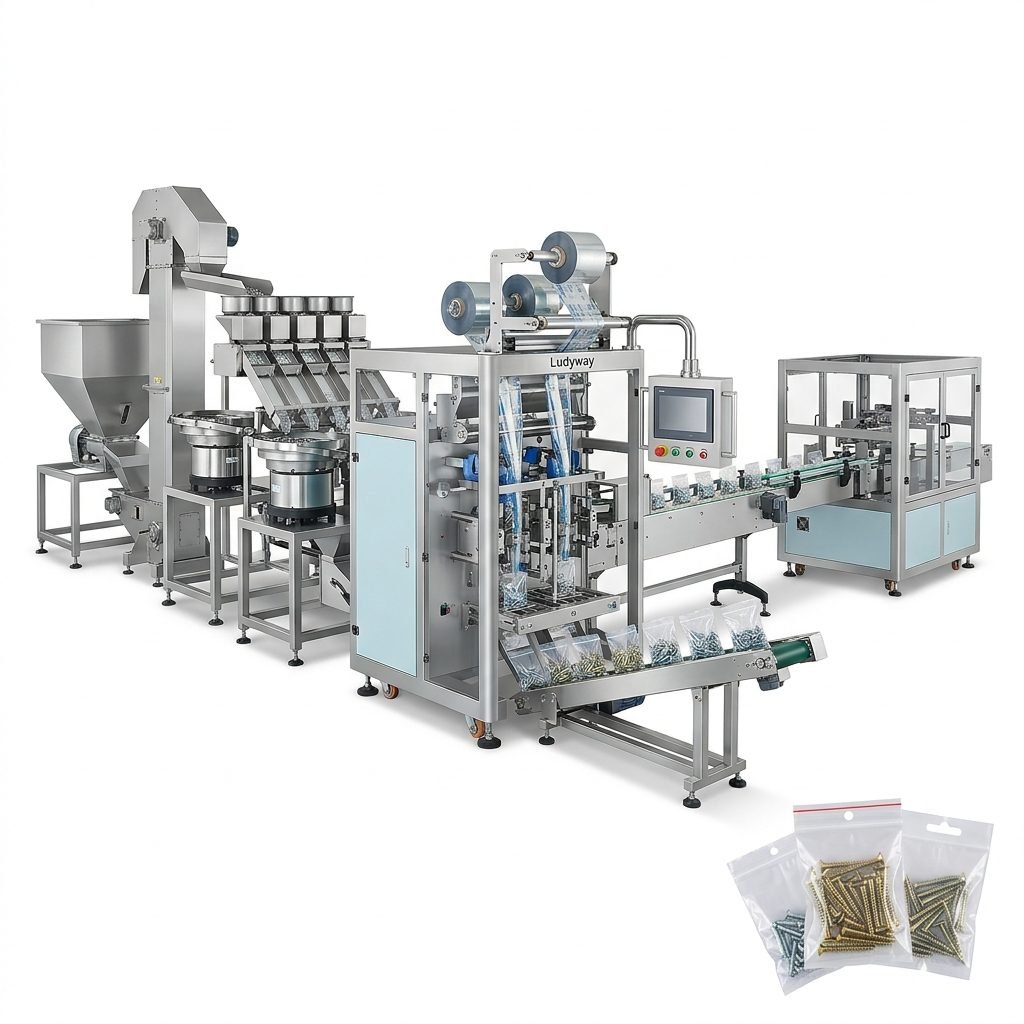
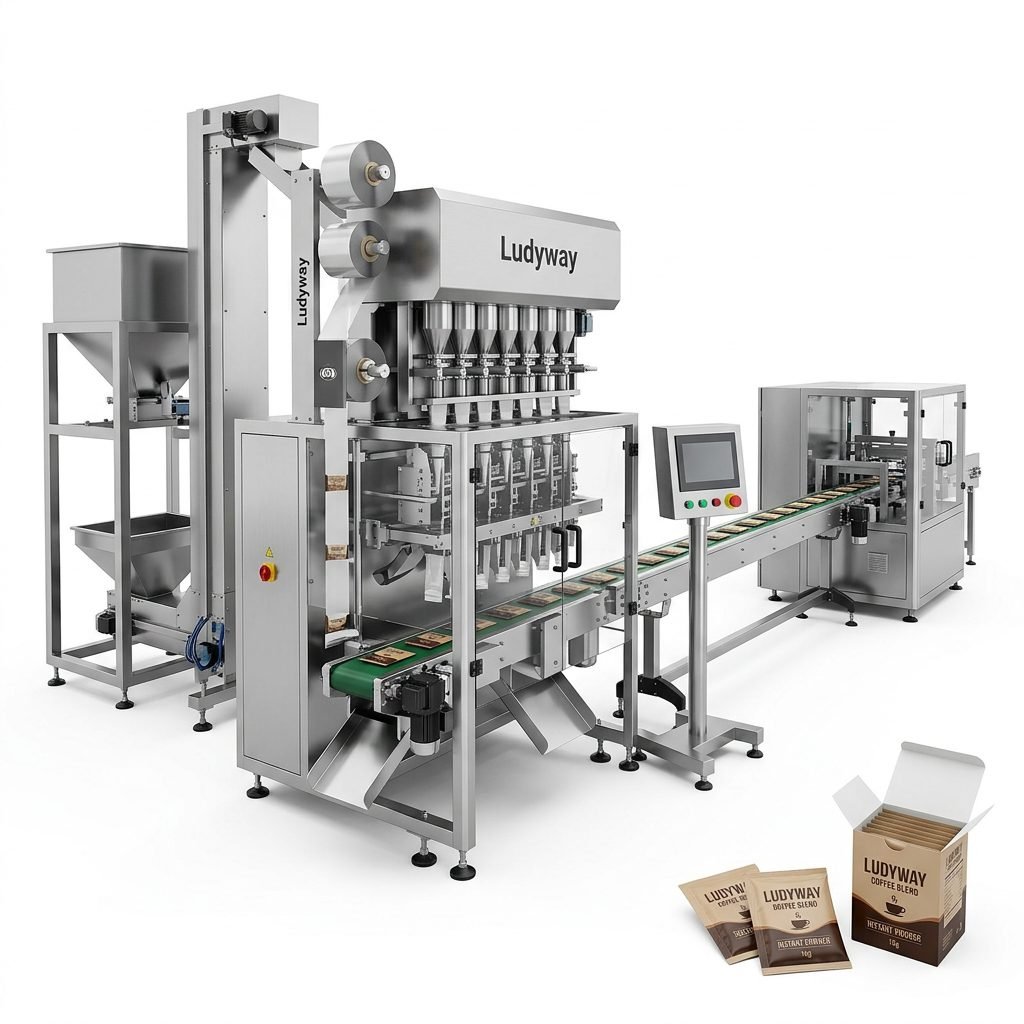
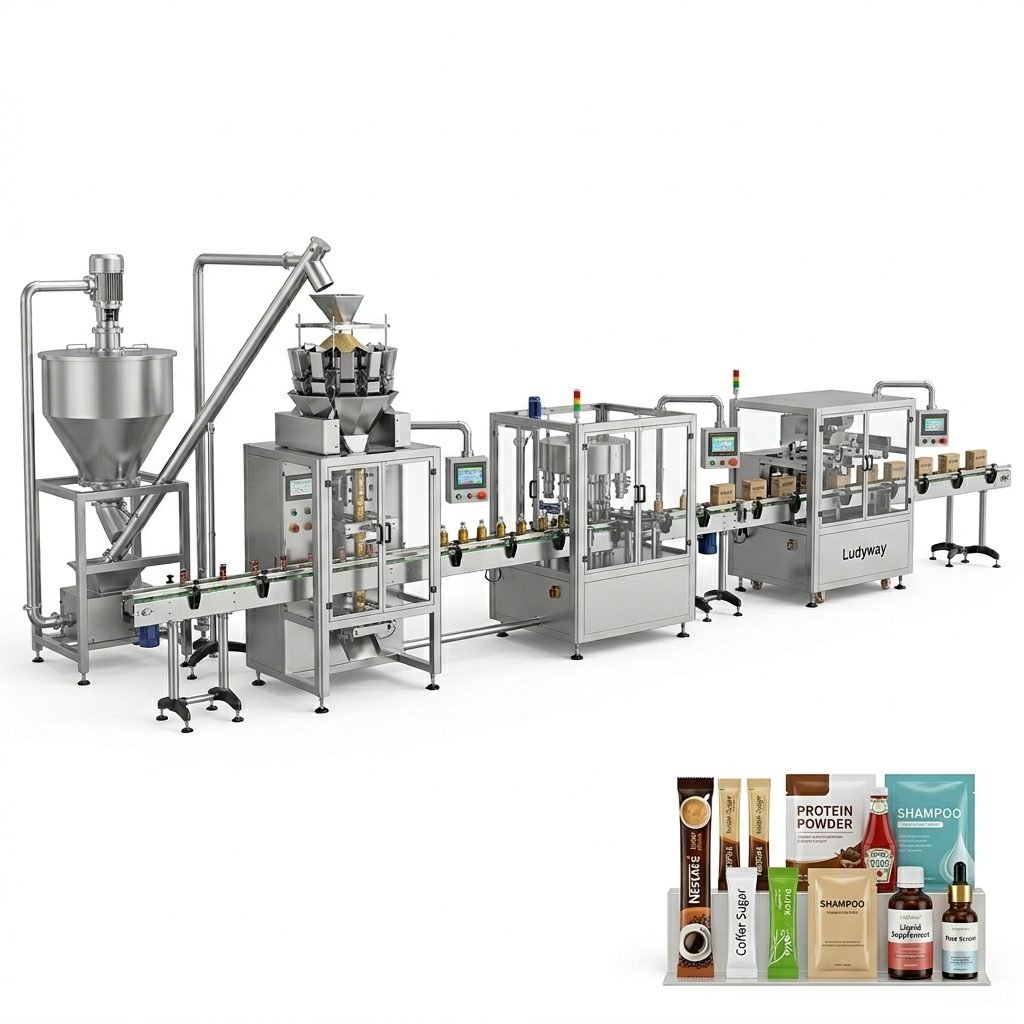
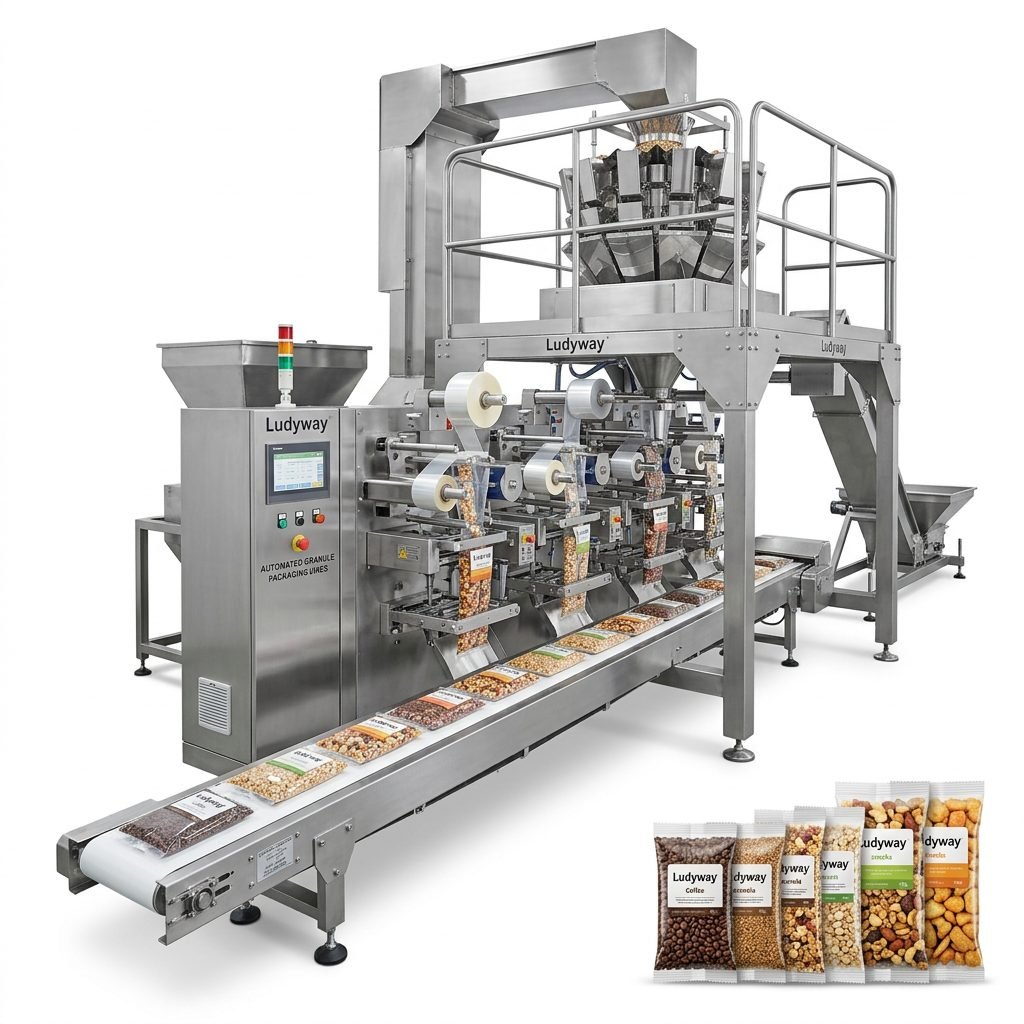
A complete bean packaging production line integrates multiple machines that work in sequence. Below are the core modules you will need.
| Machine / Module | Function |
|---|---|
| Bucket Elevator / Conveyor | Lifts raw beans into the feeding system |
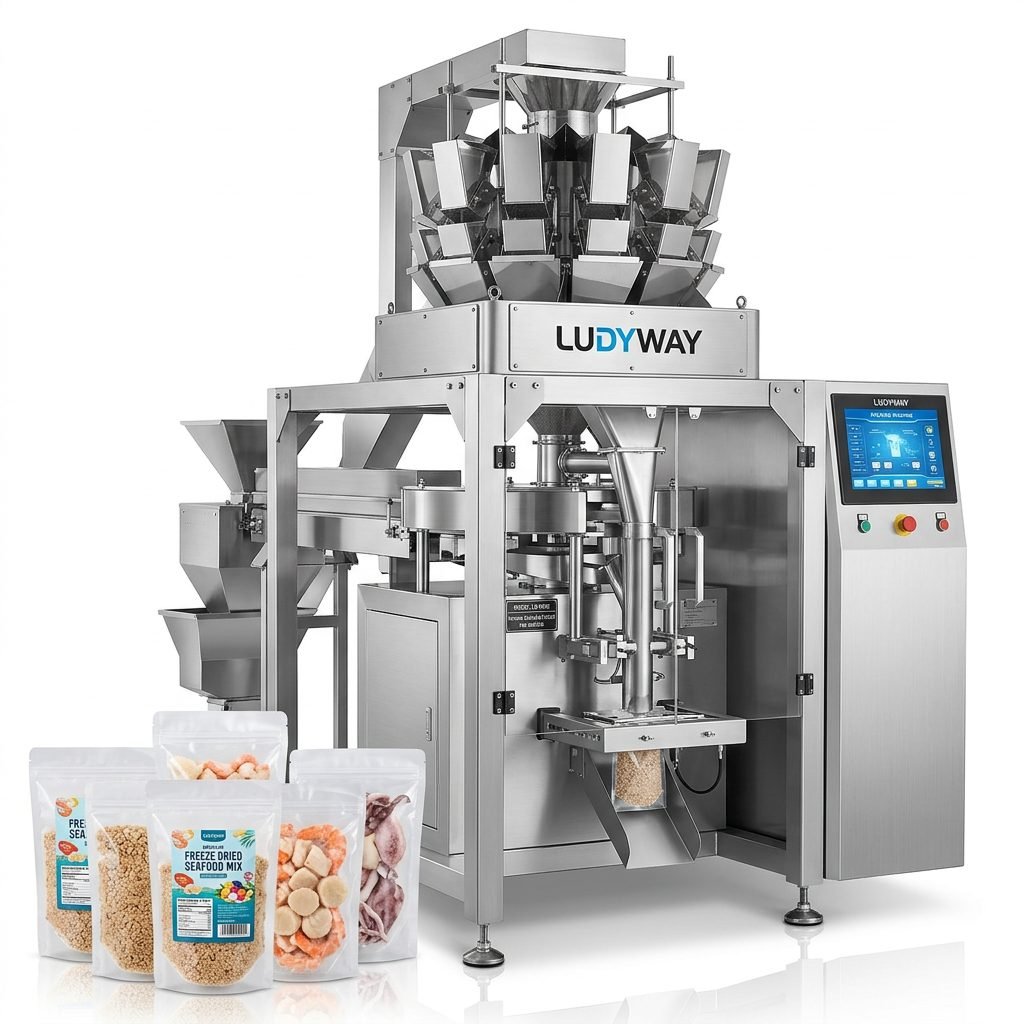
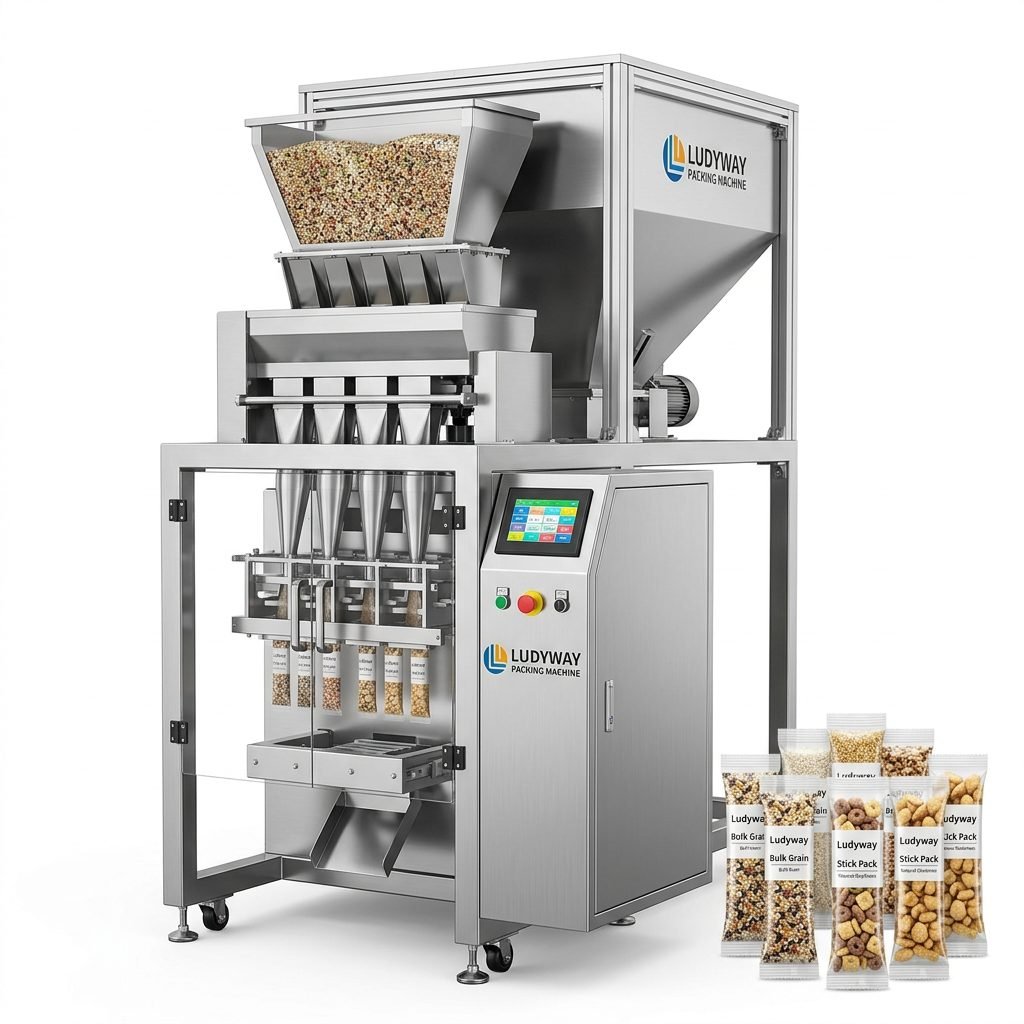
| Multi-Head Weigher | Precisely weighs target portions of granules |
| Vertical Form Fill Seal (VFFS) Machine | Forms pouches, fills beans, and seals |
| Dust Collection System | Removes dust and fines for cleaner packaging |
| Checkweigher | Rejects under/overweight packs |
| Metal Detector | Ensures product safety |
| Cartoning / Case Packer | Packs finished pouches into cartons |
Optional but Recommended Add-Ons
- Nitrogen Flushing System – extends shelf life by replacing oxygen inside the package.
- Date Coding / Inkjet Printer – for batch codes and expiry dates.
- Shrink Wrapping Machine – for bundling multiple packs.
- Palletizer – automates end-of-line stacking.
Estimated Costs for a Bean Packaging Line in Africa
Costs vary based on capacity, automation level, and machine origin. Below is a reference budget for a medium-capacity line (10–30 pouches per minute) with multi-lane options.
| Cost Component | Estimated Range (USD) |
|---|---|
| Complete Machinery Set (FOB) | $45,000 – $120,000 |
| Shipping & Insurance (CIF to Africa) | $4,000 – $15,000 |
| Import Duties & Clearance | Varies (5–35% of CIF) |
| Installation & Training | $3,000 – $8,000 |
| Spare Parts (First Year) | $2,000 – $5,000 |
| Factory Preparation (power, air, layout) | $5,000 – $20,000 |
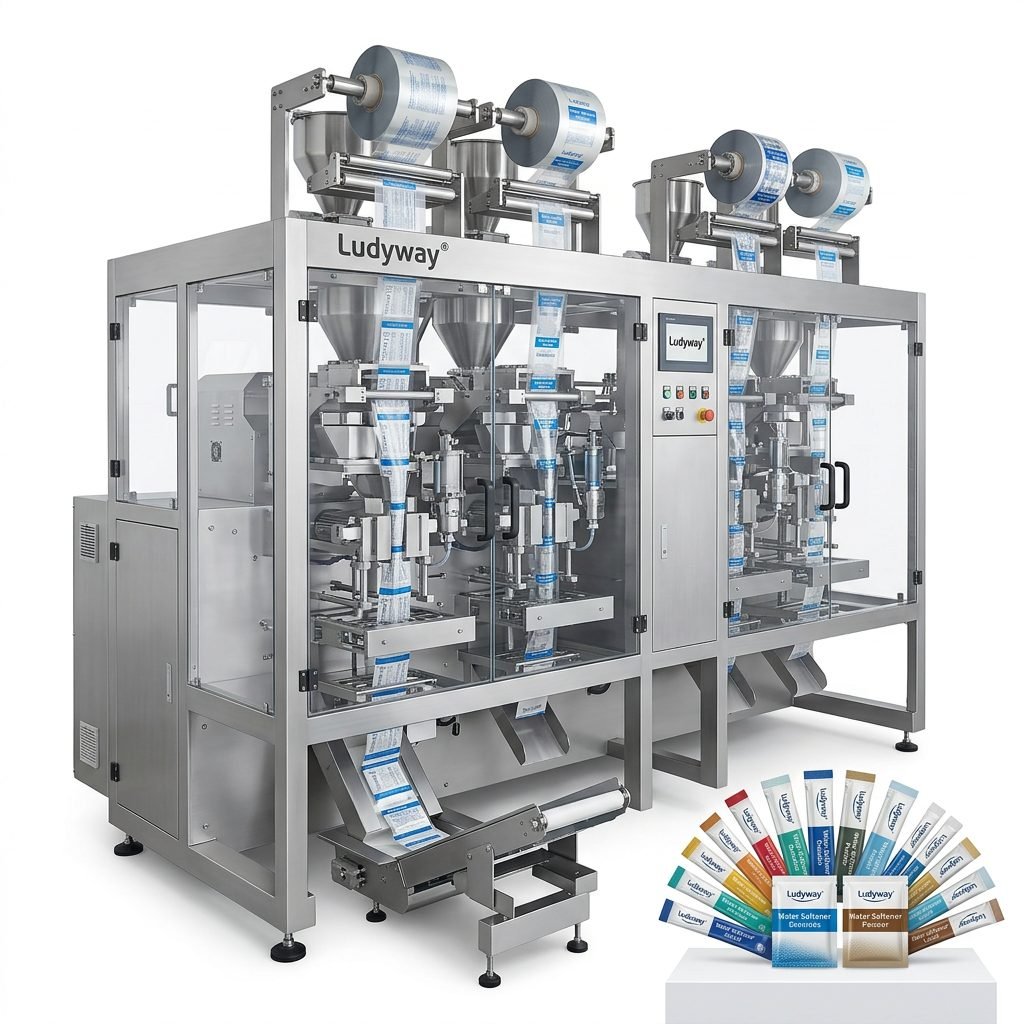
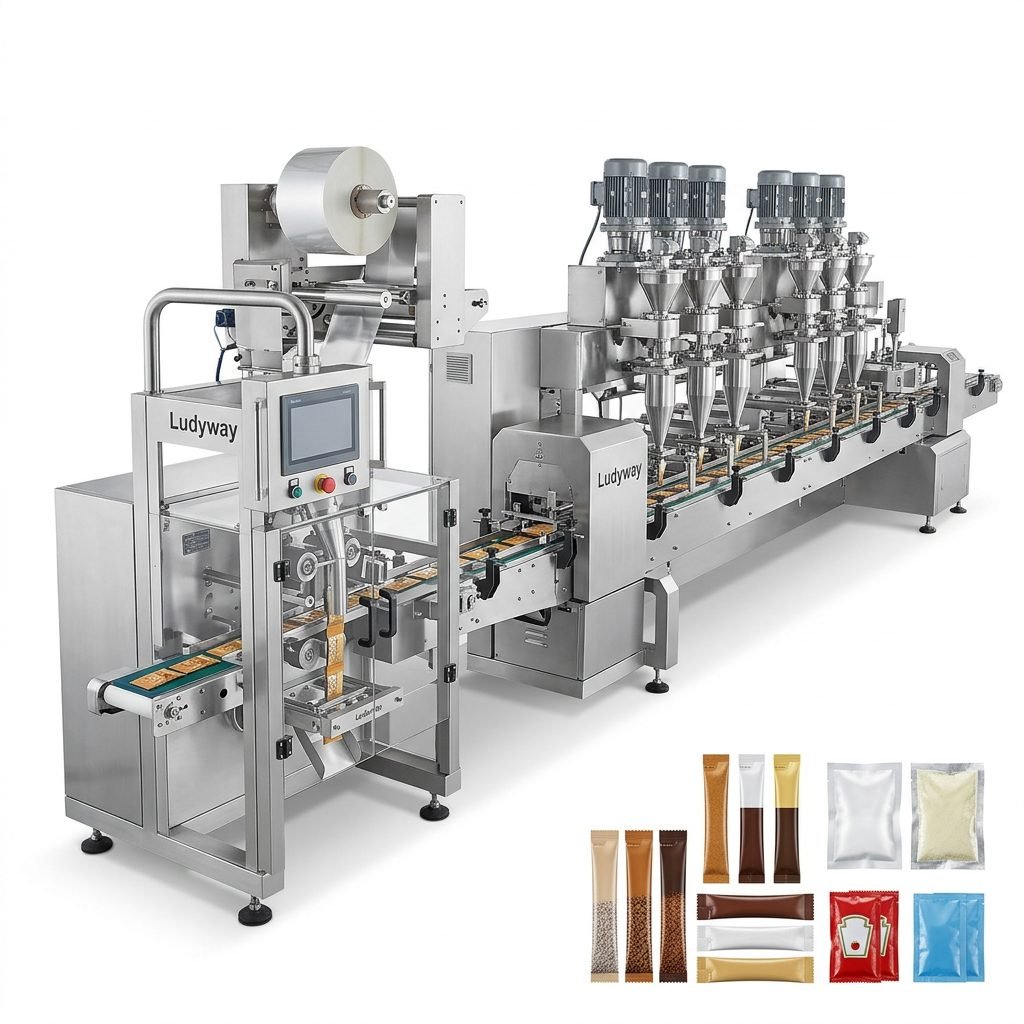
For a fully turnkey solution including 24‑head multi‑lane stick pack machines and end‑of‑line automation, total investment typically ranges from $80,000 to over $200,000. Engaging an experienced turnkey packaging line supplier often reduces hidden costs.

10 Key Steps to Set Up Your Production Line
- Market Research & Product Definition
Define your target pouch sizes, film type, and packaging format (e.g., pillow pouch, gusset bag, stick pack). - Supplier Selection & Factory Audit
Choose a manufacturer with proven experience in bean packaging. Review their installations and request a virtual or on‑site audit. - Machinery Specification & Quotation
Confirm the weigher type, lane number, sealing method, and auxiliary equipment. A detailed technical offer is critical. - Prepare Your Facility
Ensure stable electricity (often a generator backup in Africa), compressed air, and a clean room for food‑grade operations. - Order, Payment & Shipment
Organize L/C, T/T, or trade assurance. Coordinate sea freight to major African ports (Mombasa, Durban, Lagos, etc.). - Installation & Crew Training
Most suppliers send engineers for setup. Train operators on HMI controls, changeovers, and daily maintenance. - Test Runs & Calibration
Run multiple samples to fine‑tune weight accuracy, seal integrity, and film tension. - Quality & Safety Compliance
Align with local and international standards (FDA, ISO, HACCP). Use a vision inspection system if needed. - Packaging Material Sourcing
Procure roll stock film suited to hot and humid climates. Laminated films with high barrier properties protect beans from moisture. - Ongoing Service & Spare Parts
Establish a local spare parts inventory and remote support channels with your supplier.
Regulatory and Certification Considerations
Many African markets align with international guidelines. Look for compliance with ISO 22000 and FDA food contact material regulations. Reference resources such as the FDA Food Packaging & Food Contact Substances and ISO Packaging Standards to confirm material safety.
Why Partner with an Experienced Manufacturer
Working with a specialized supplier streamlines the entire process. Ludyway, one of the largest packaging machine manufacturers in China, provides turnkey bean packaging lines with multi‑lane stick pack and sachet systems. With over 30 years of industry experience and a modern 20,000㎡ factory, the company has installed more than 50 intelligent models in over 100 countries. Their engineering team supports factory layout, installation, and after‑sales service to keep your African operation running efficiently.
Industry Resources for Further Planning
- PMMI State of the Industry Reports
- Flexible Packaging Association – Industry Data
- PACK EXPO International
- EU Packaging and Packaging Waste Regulation
Final Thoughts on Your African Bean Packaging Venture
Setting up a bean packaging machine production line in Africa requires careful planning around equipment, costs, and local conditions. With the right turnkey partner, you can achieve high‑speed, hygienic packaging that meets international standards. Whether you are packaging dry beans, bean powder, or ready‑to‑eat beans, a well‑engineered line becomes the backbone of a scalable food business. Begin with a clear product spec, select reliable machinery, and invest in operator training—then you are ready to serve the continent’s growing demand for quality packaged foods.