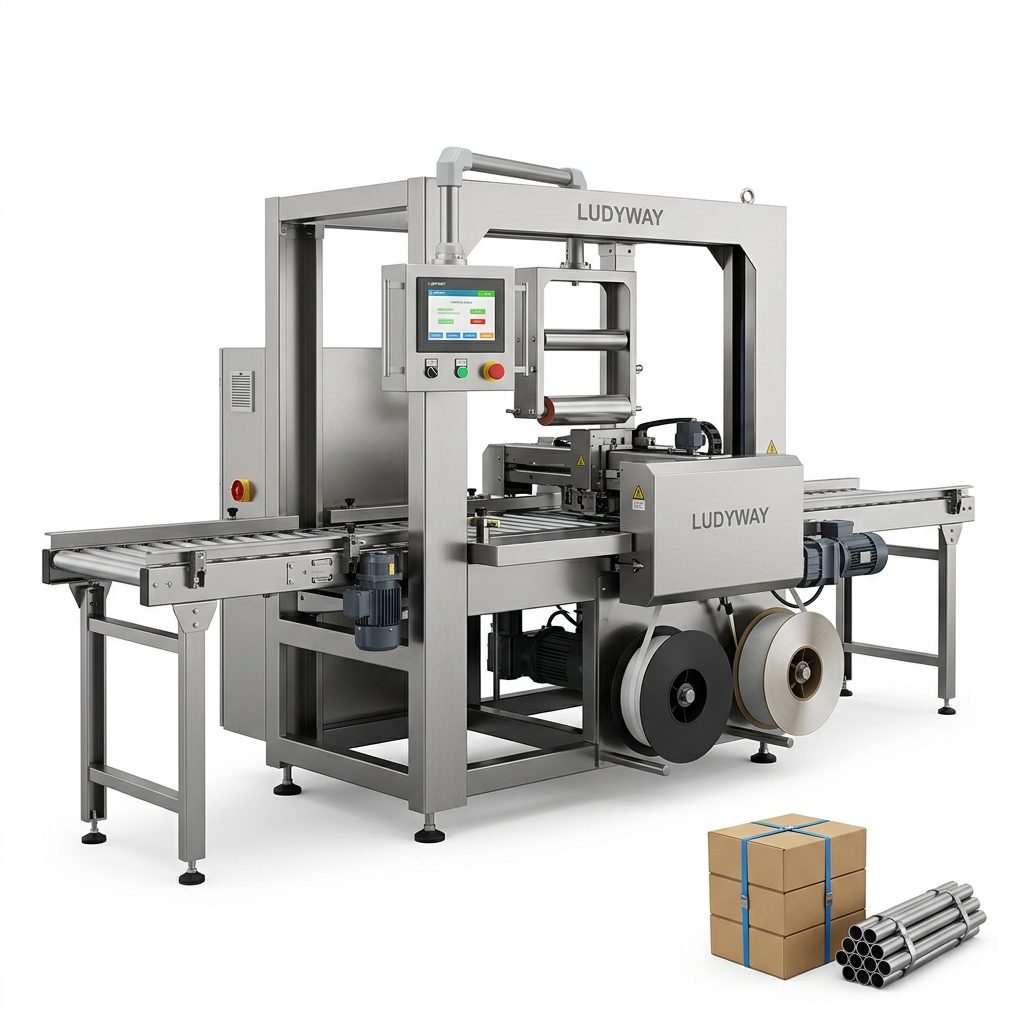
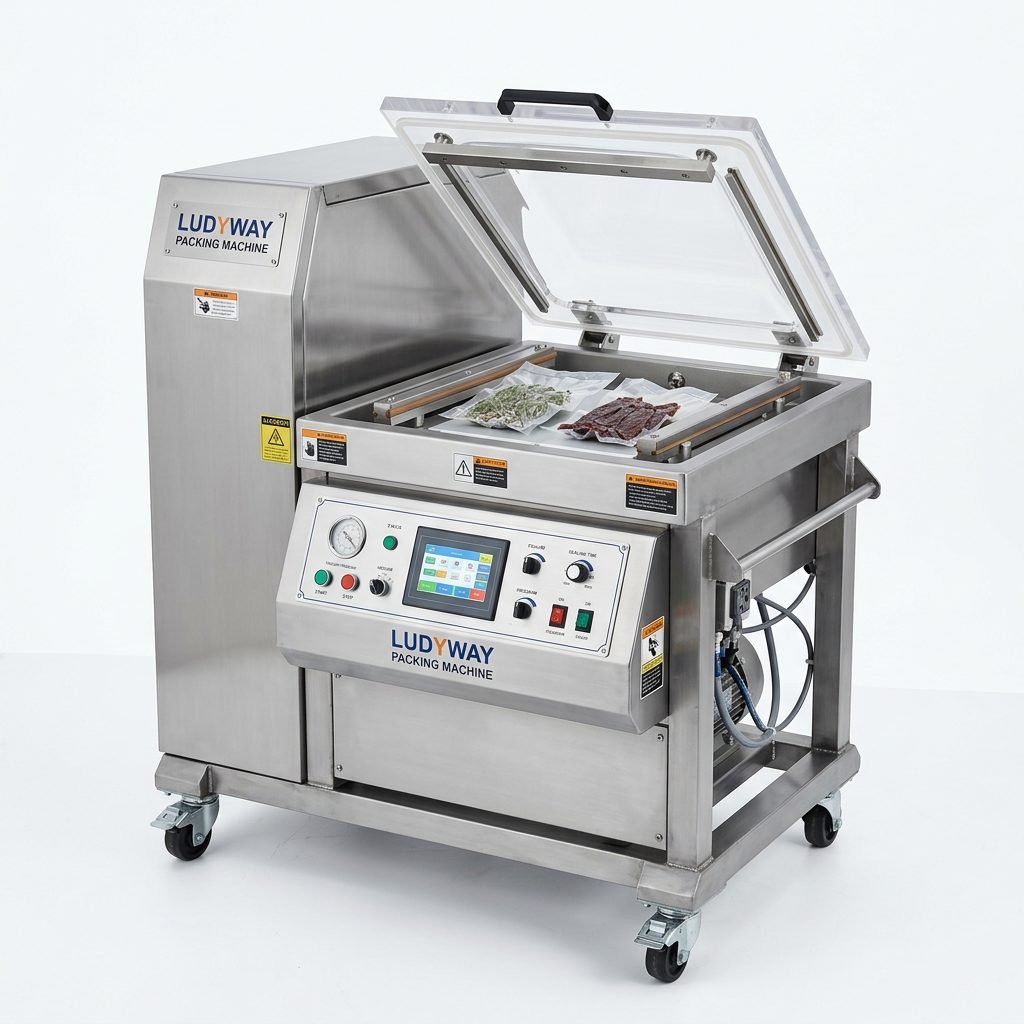
Choosing the right sauce pouch packing machine is not only about speed. It is about matching product viscosity, pouch style, output target, sealing quality, hygiene standard, and future scalability to one integrated solution. Whether you pack ketchup, mayonnaise, chili sauce, curry sauce, soy sauce, salad dressing, jam, or other liquid and semi-liquid products, the wrong machine can lead to leakage, inconsistent fills, product waste, and costly downtime.
This guide explains how to evaluate an automatic filling and sealing solution for sauce pouches, what technical points matter most, and how to avoid common buying mistakes when selecting equipment for food packaging production.
Why Sauce Pouch Packaging Requires the Right Machine Configuration
Sauce products are more complex than standard liquids. Some are free-flowing, while others contain particles, fibers, oil, sugar, or suspended solids. Packaging performance depends on how the machine handles these characteristics during dosing, pouch forming, filling, sealing, and discharge.
- Thin liquids such as soy sauce and vinegar need stable flow control and anti-drip filling.
- Viscous sauces such as ketchup, mayonnaise, and salad dressing need piston or servo-driven dosing accuracy.
- Chunky or particulate sauces need wider flow paths and filling systems designed to prevent clogging or ingredient damage.
- Hot-filled or sensitive products may require special material contact parts and sealing control.
A machine selected only by price or advertised speed may underperform if it is not designed for your exact sauce characteristics.
Key Questions to Ask Before You Choose a Sauce Pouch Packing Machine
Before comparing models, define your production requirements clearly. This short checklist can save a lot of time in supplier discussions.
- What type of sauce are you packing: liquid, paste, or chunky sauce?
- What pouch format do you need: sachet, stick pack, premade pouch, or spouted pouch?
- What is your target pack size range?
- What is your required output per minute or per hour?
- Do you need single-lane or multi-lane production?
- What film structure or pouch material will be used?
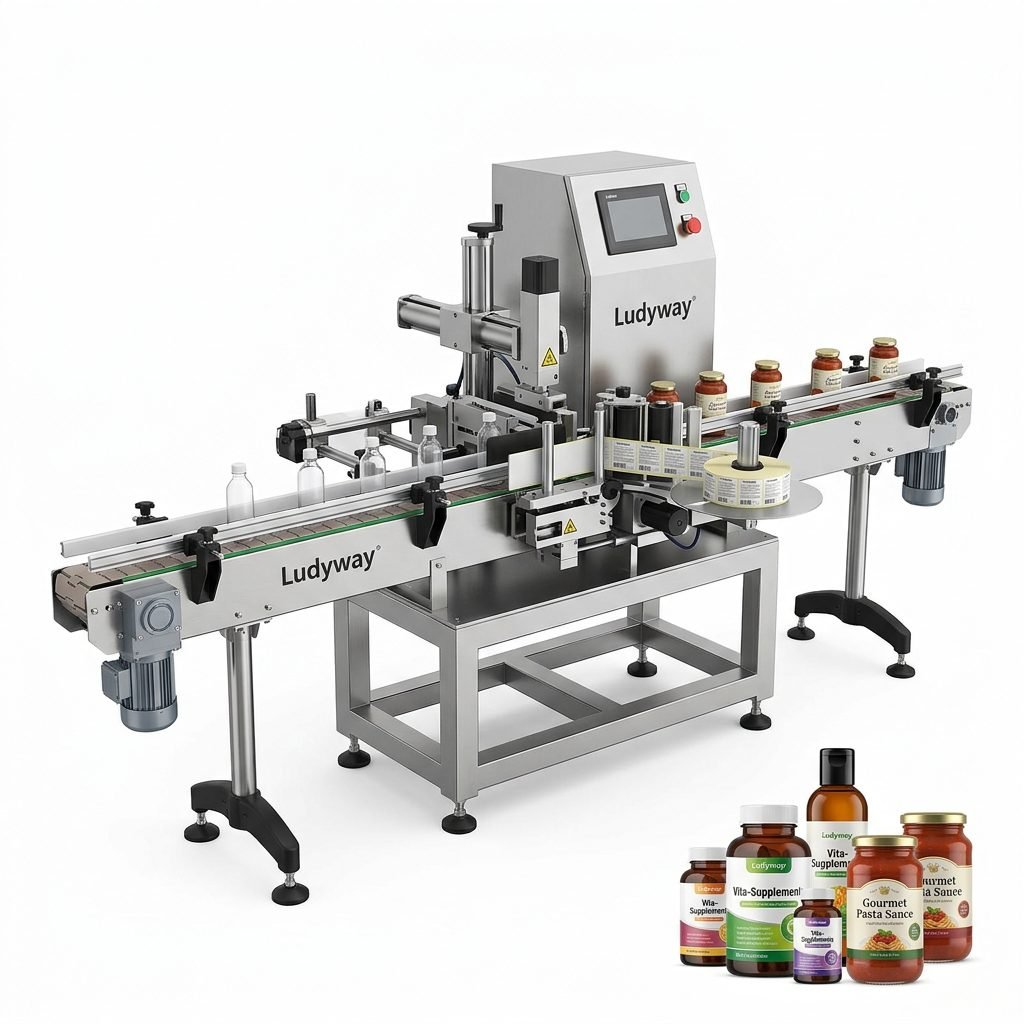
- Do you require date coding, cartoning, checkweighing, or full line integration?
- What food safety and sanitation standards must the machine meet?
Types of Automatic Filling and Sealing Solutions for Sauce Pouches
Vertical Form Fill Seal Machines
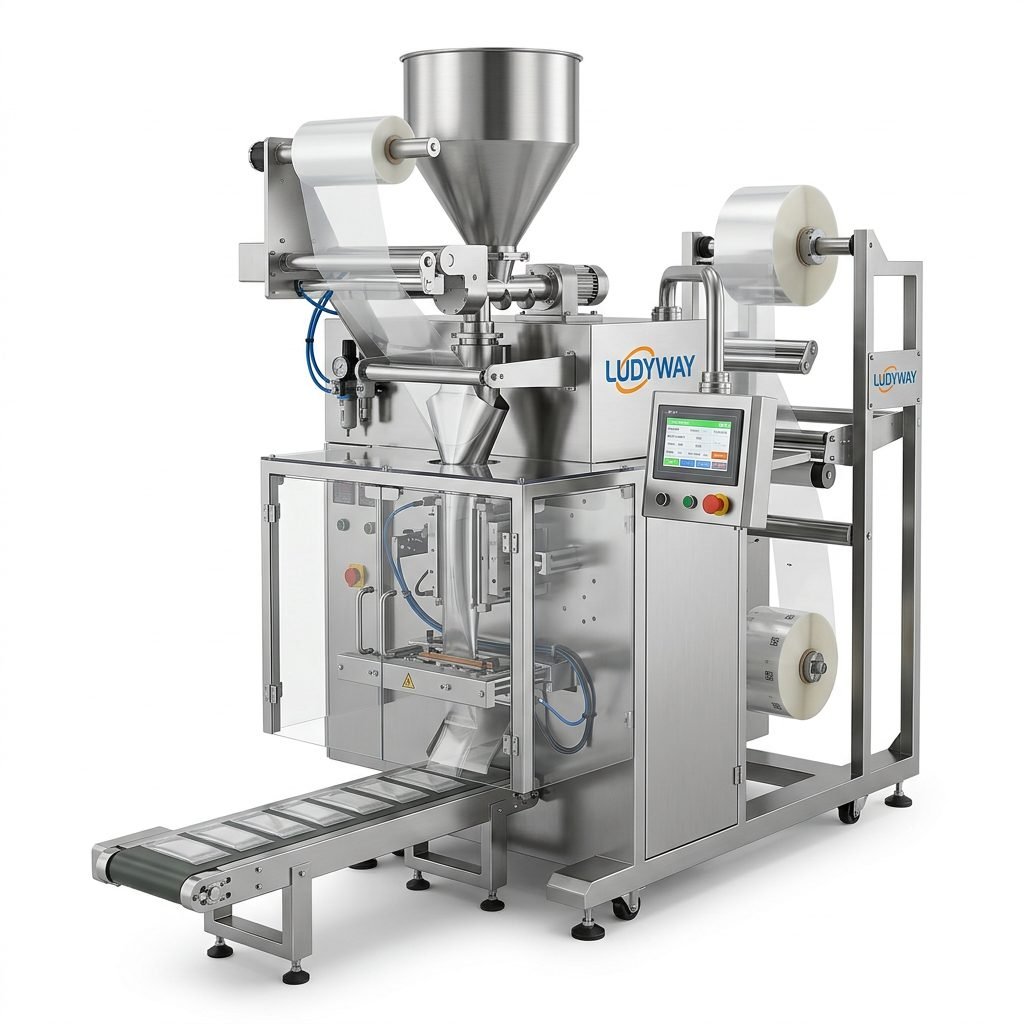
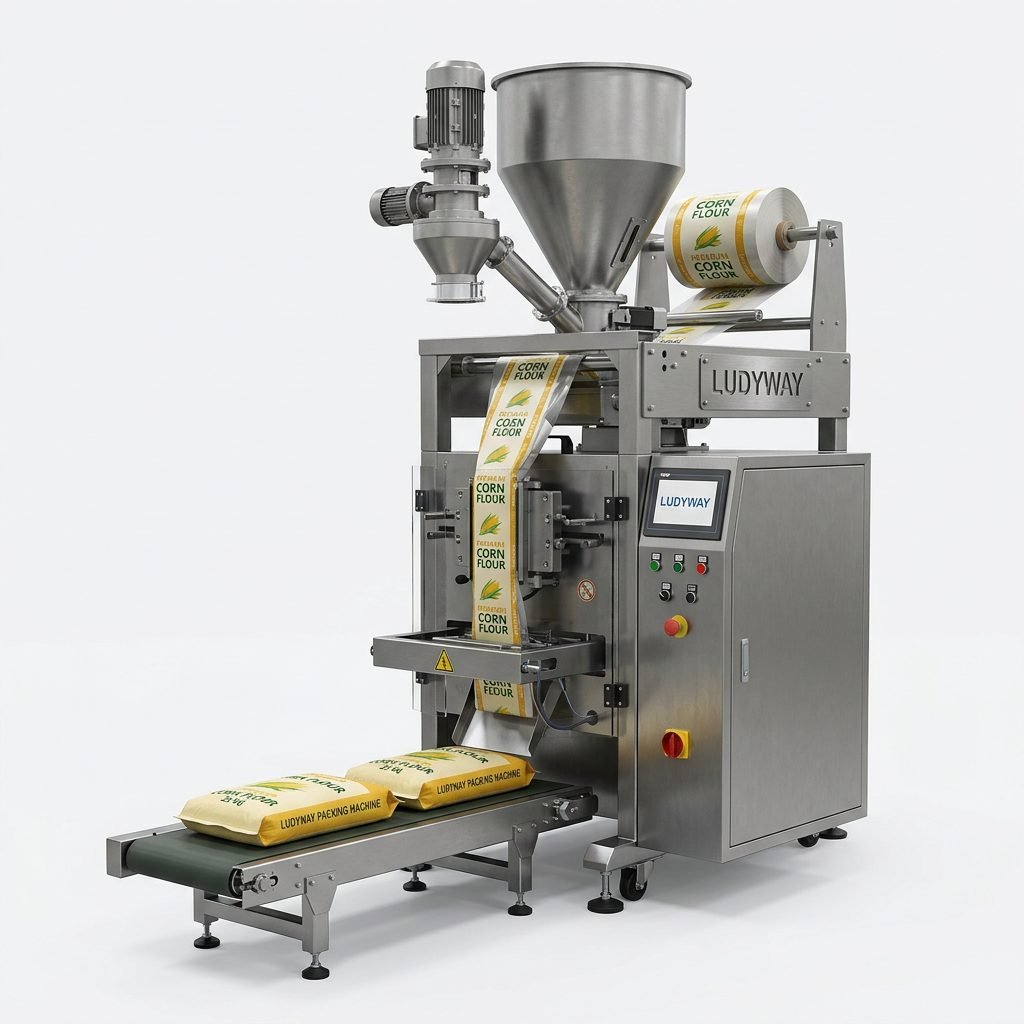
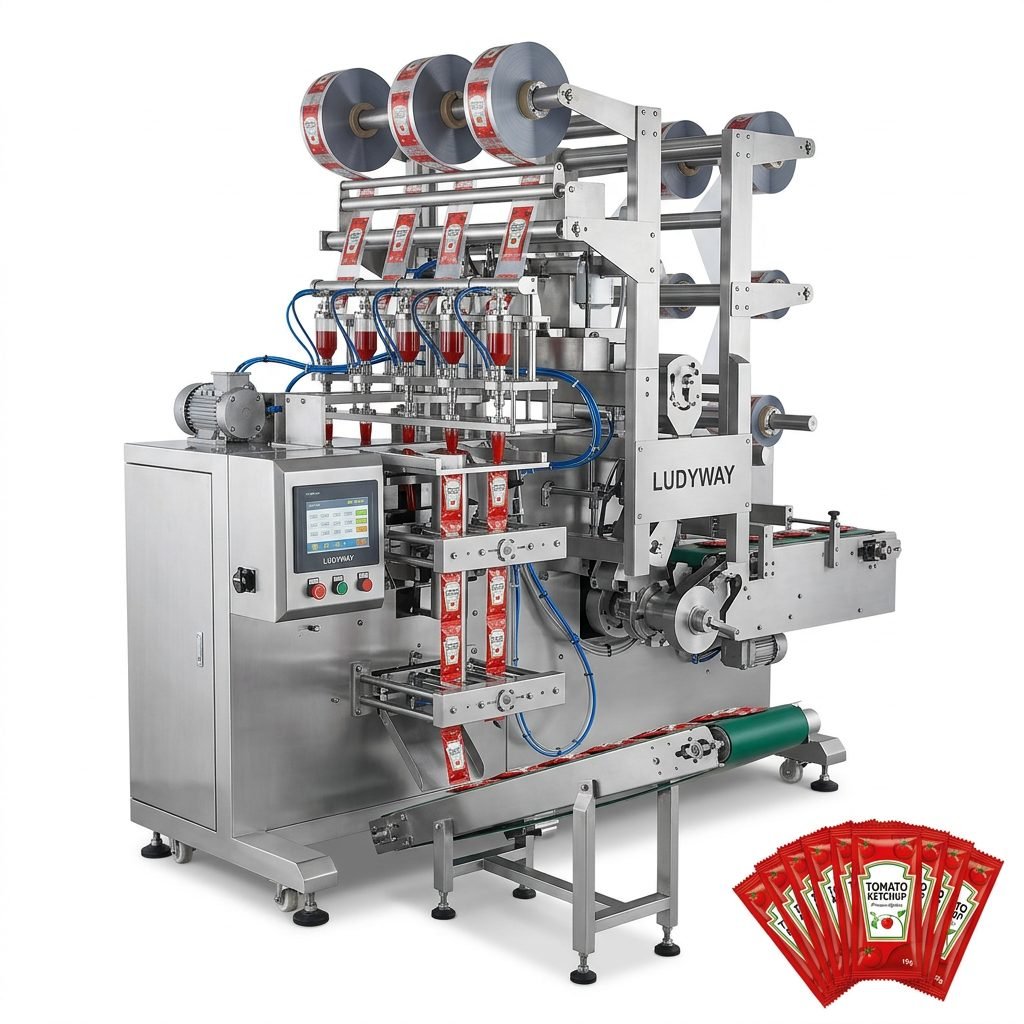
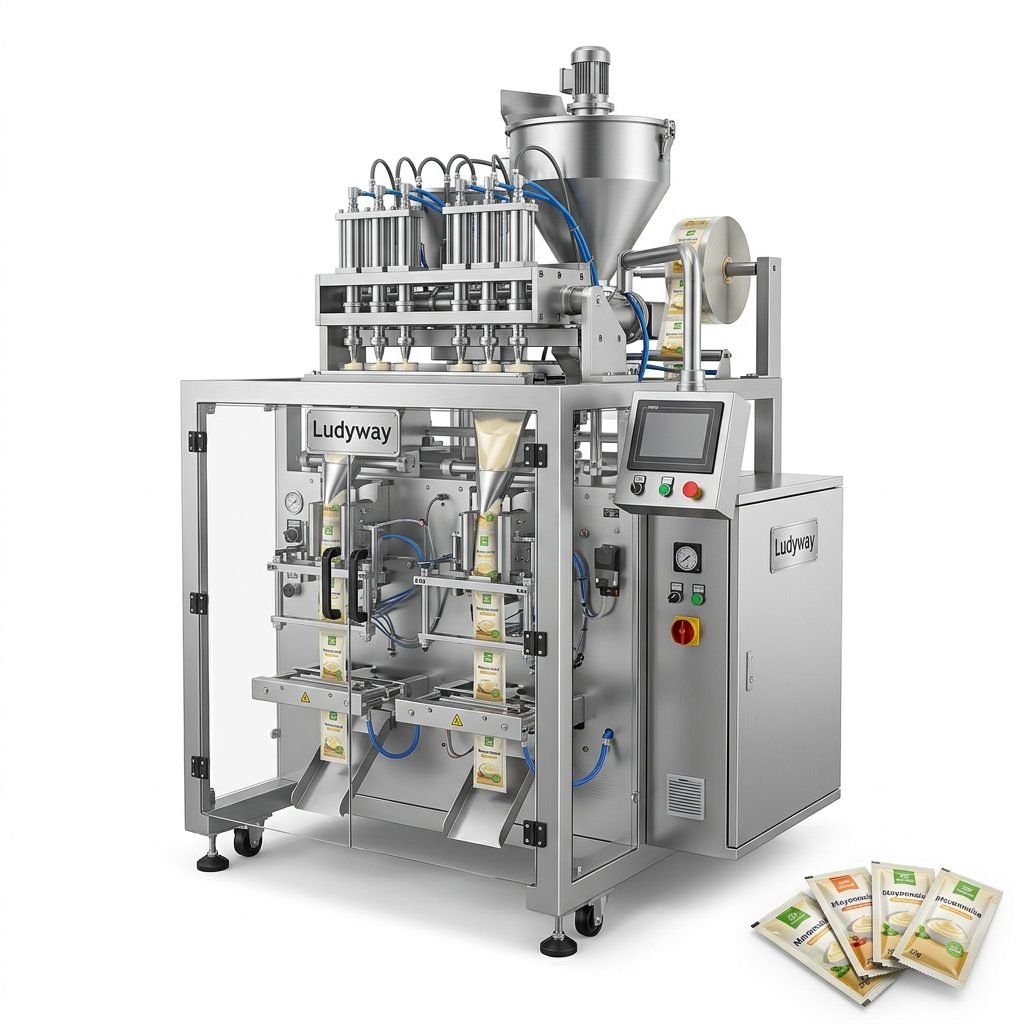
VFFS machines create pouches from roll film, fill them, and seal them in one continuous process. They are popular for high-volume sachet and pillow pouch production. For many sauce manufacturers, this is a cost-effective and efficient choice.
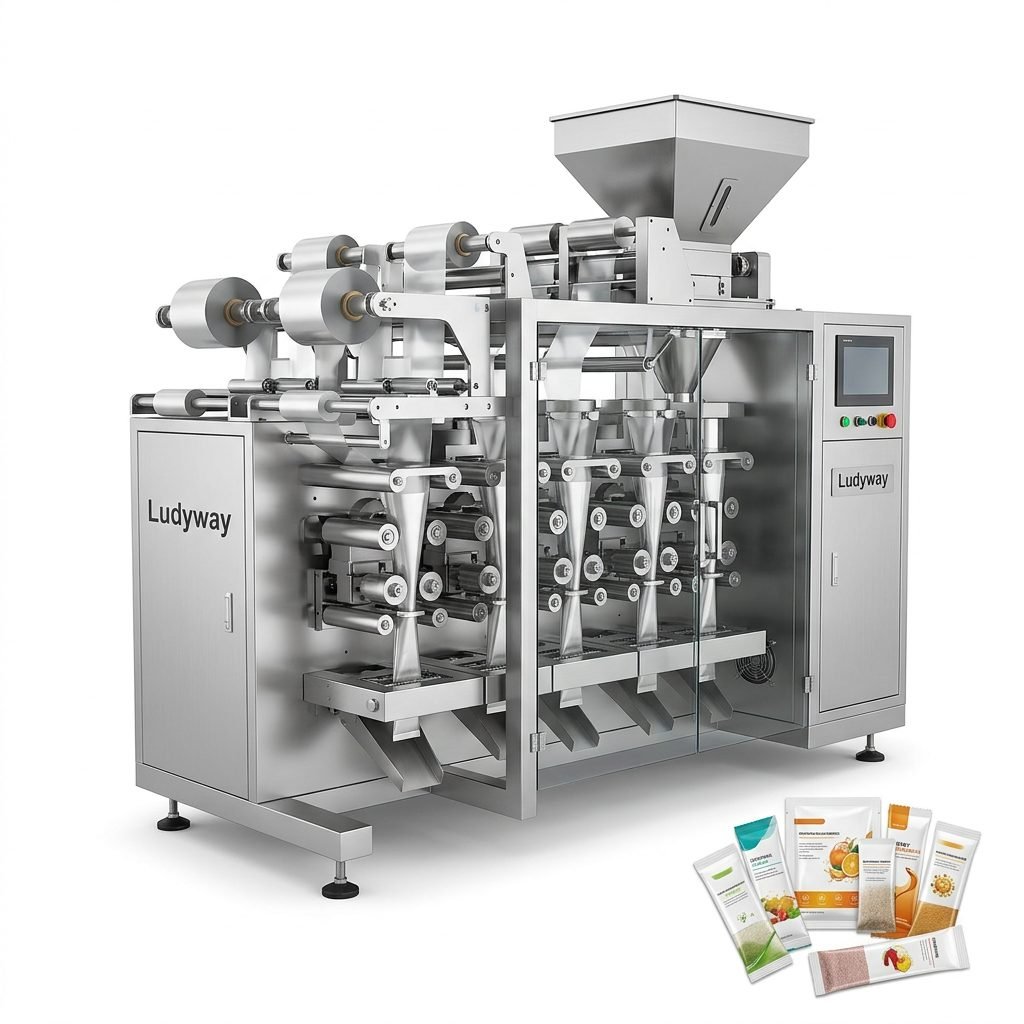
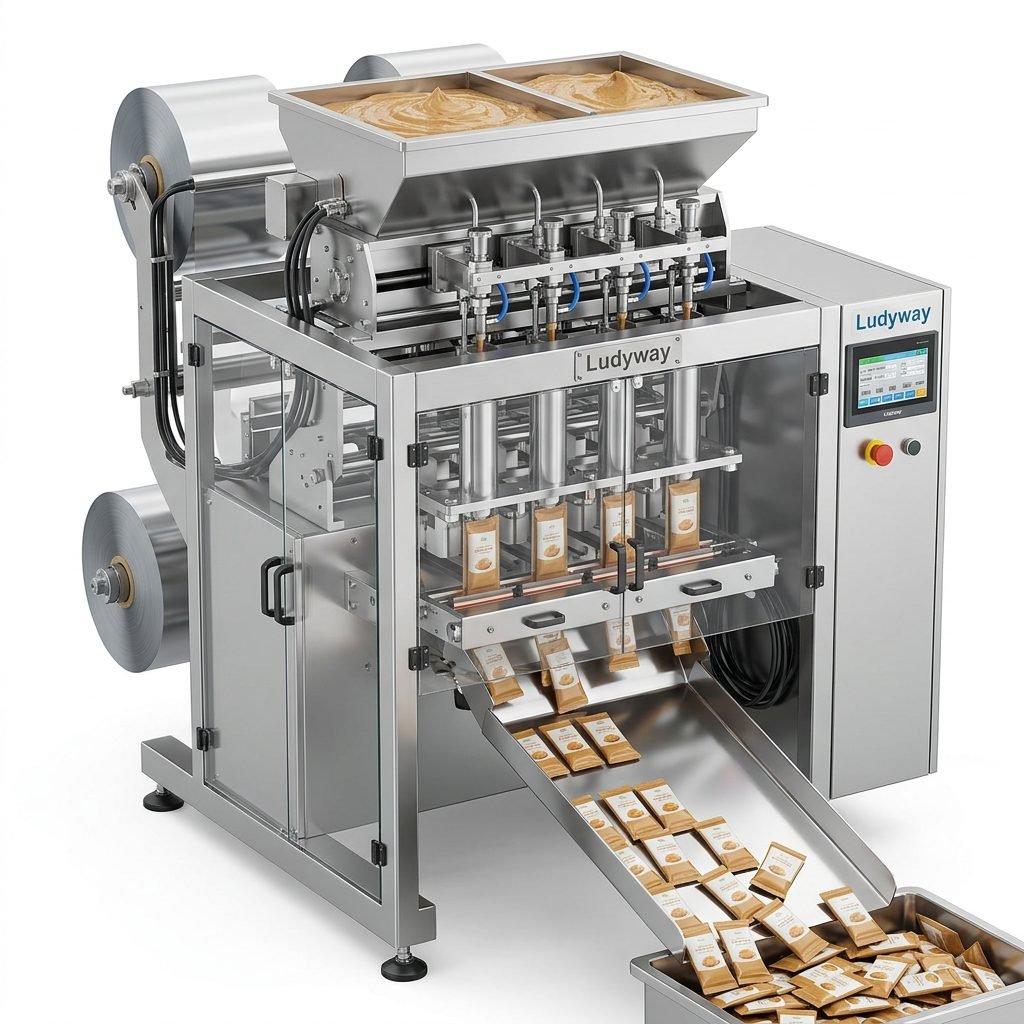
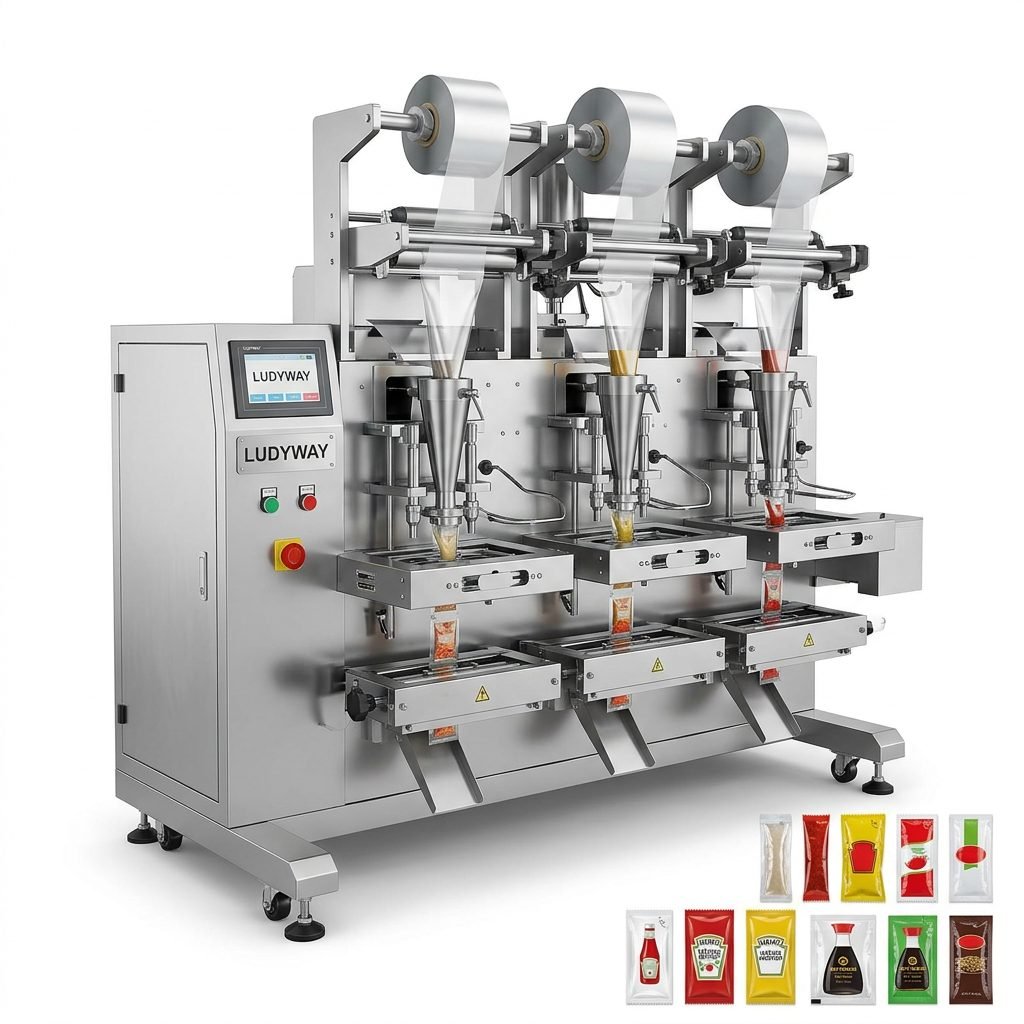
Multi-Lane Sachet or Stick Pack Machines
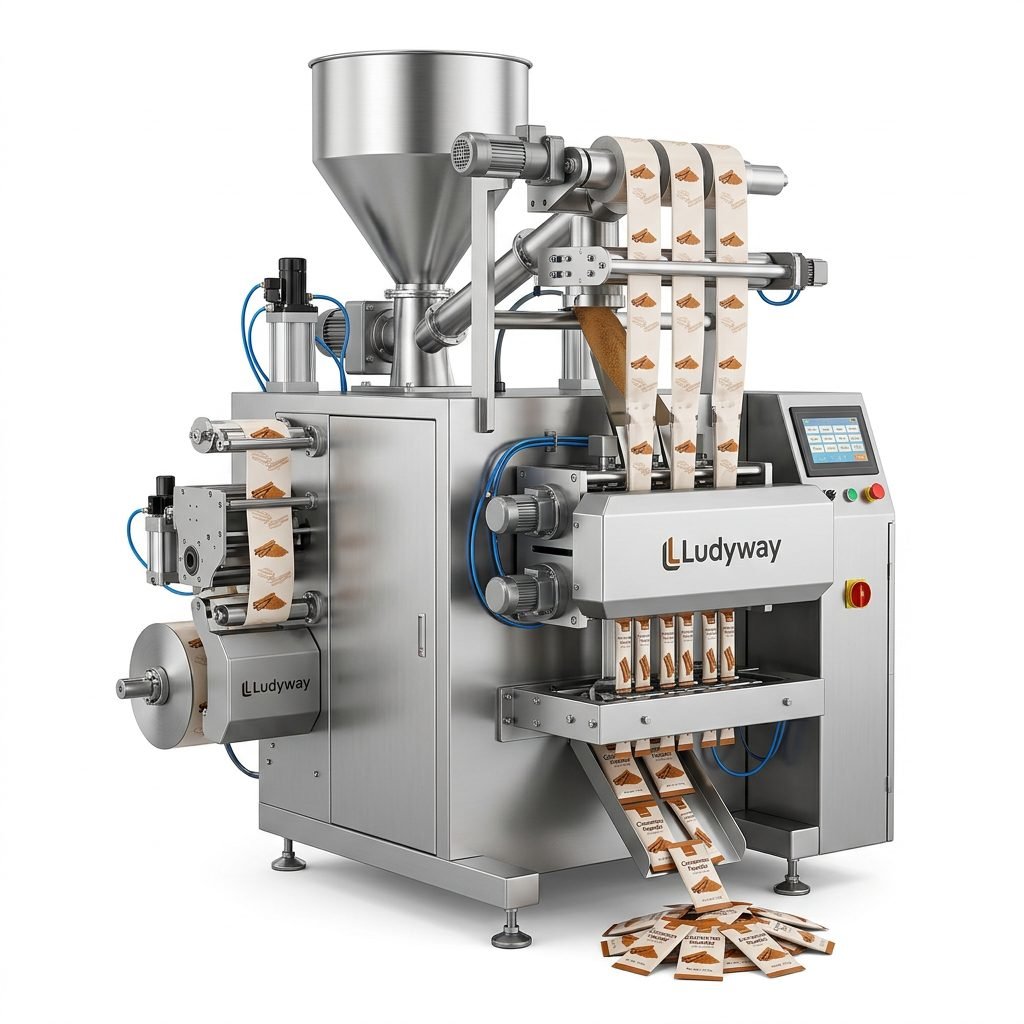
These systems are ideal for small-dose sauce packs such as condiment sachets for foodservice, retail, takeaway, and travel-size applications. Multi-lane designs can deliver very high output while maintaining compact footprints.
Premade Pouch Filling and Sealing Machines
If your brand requires premium pouch shapes, zipper pouches, stand-up pouches, or spouted pouches, premade pouch machines are often the better option. They provide stronger shelf appeal and greater format flexibility.
Turnkey Sauce Packaging Lines
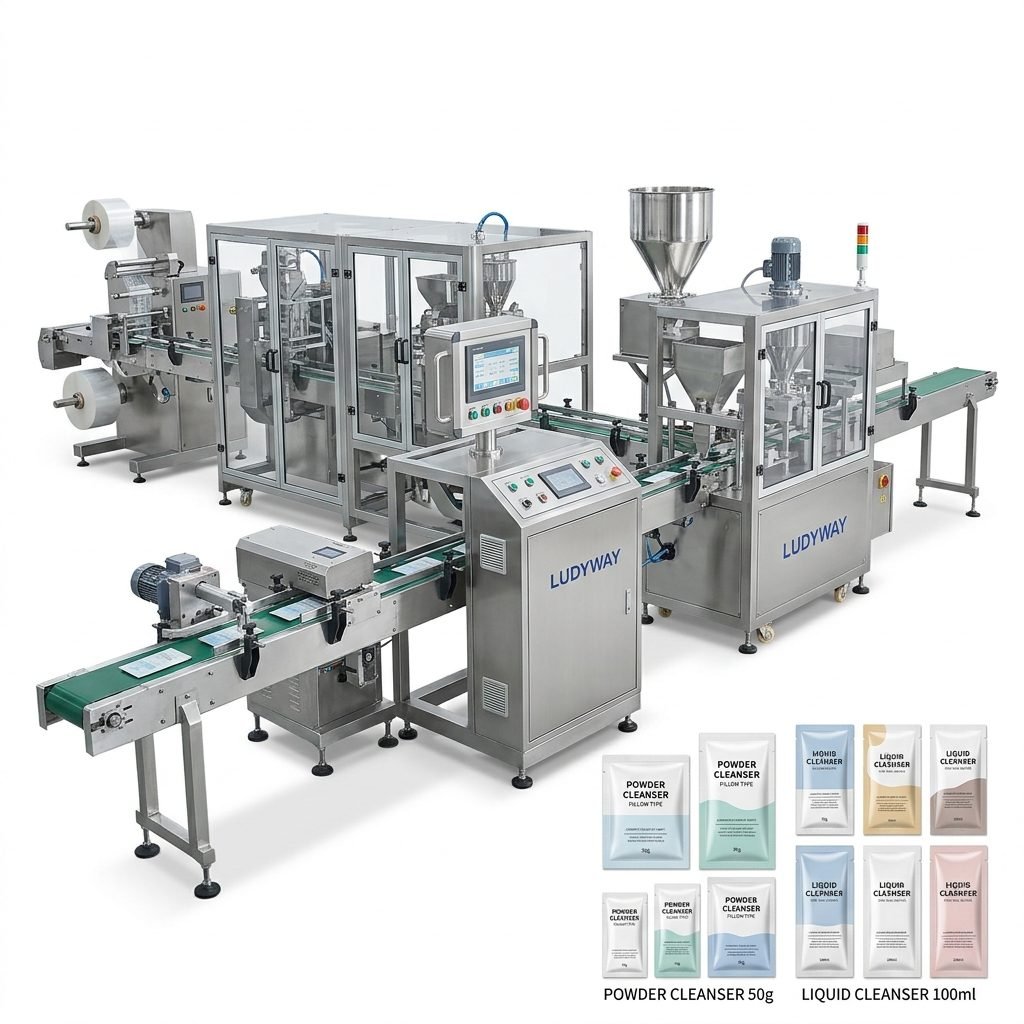
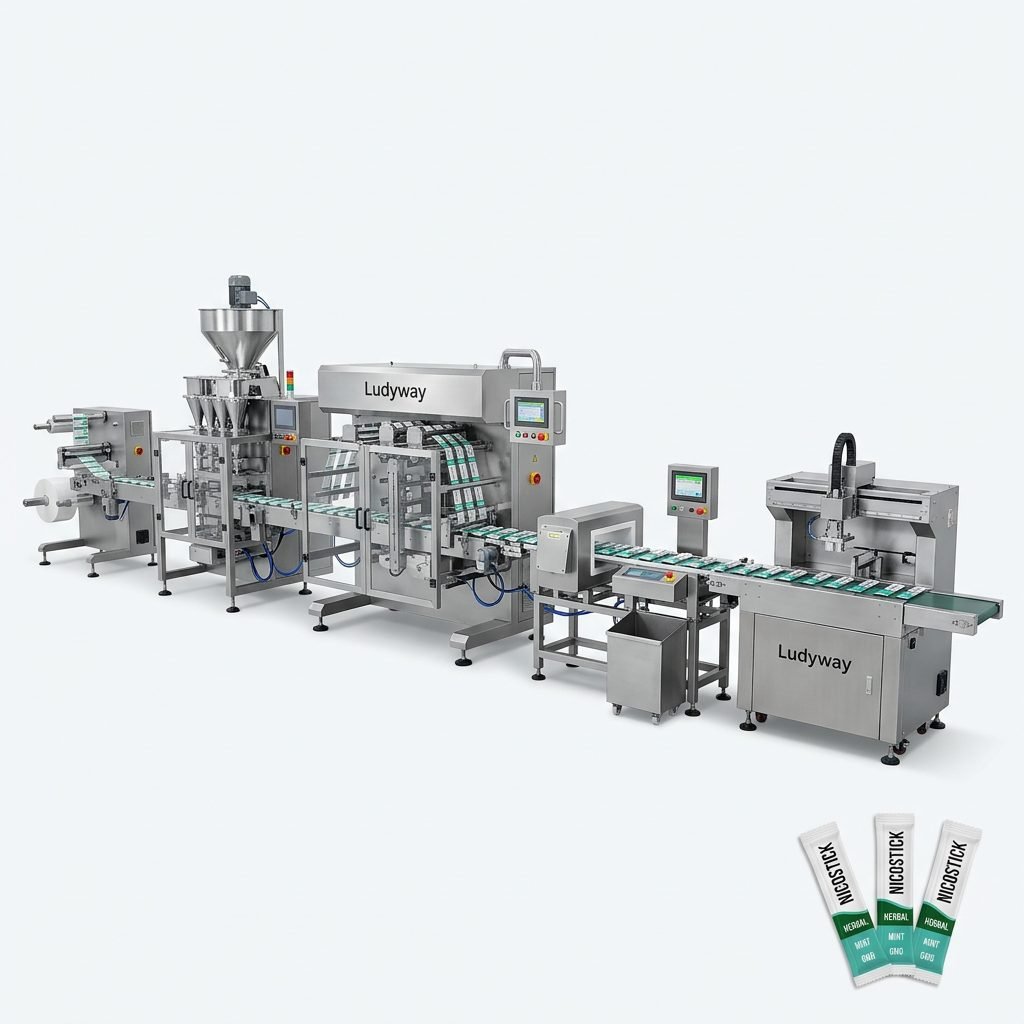
For growing factories, a standalone machine may not be enough. A complete line may include product feeding tanks, agitators, heating systems, filling machines, pouch handling, coding, inspection, secondary packaging, and palletizing. Buyers looking for integrated solutions often work with experienced manufacturers such as Ludyway sauce pouch packing machine solutions for scalable automation planning.
How to Match the Filling System to Your Sauce Product
The filling device is the heart of the machine. Different sauce products require different dosing methods for stable performance.
| Sauce Type | Recommended Filling Method | Why It Fits |
|---|---|---|
| Soy sauce, vinegar, light seasoning liquids | Flow meter or pump filling | Good for free-flowing liquids and repeatable volume control |
| Ketchup, mayonnaise, salad dressing | Piston filling or servo piston filling | Handles viscosity well and improves fill consistency |
| Jam, chili sauce with particles | Positive displacement or customized wide-path filling | Reduces clogging and protects particulates |
| Heated sauces or paste blends | Heated hopper with controlled pump system | Maintains stable product flow and dosing accuracy |
If your sauce changes texture with temperature, include that detail early in machine selection. It can affect hopper design, pipe insulation, pump choice, and sealing reliability.
Important Machine Features That Affect Long-Term Performance
1. Filling Accuracy
Overfilling wastes product. Underfilling creates compliance and customer satisfaction risks. A good machine should maintain stable dosing across long runs, even when sauce viscosity changes slightly during production.
2. Seal Integrity
Sauce packaging must resist leakage during storage, shipping, and handling. Look for consistent temperature control, pressure stability, and proper seal jaw design for your film structure.
3. Anti-Drip and Clean Cut Design
Sauce residue near the seal area is one of the most common causes of pouch failure. Features such as anti-drip nozzles, suck-back control, and seal contamination prevention are highly valuable.
4. CIP-Friendly or Easy-Clean Structure
For food products, cleaning efficiency matters almost as much as running speed. Machines with hygienic contact parts, simple disassembly, and smooth surfaces reduce sanitation time and contamination risk.
5. PLC and HMI Control
A user-friendly control system helps operators change recipes, adjust fill parameters, monitor alarms, and reduce setup errors. This is especially useful when handling multiple sauce SKUs.
6. Expandability
Many buyers start with one machine and later need coding, inspection, cartoning, case packing, or palletizing. A machine that supports future integration can reduce upgrade costs.
How to Evaluate Speed Versus Stability
High speed is attractive, but it should never be considered in isolation. A realistic production target should account for:
- actual sauce behavior during filling
- changeover frequency
- cleaning time
- operator skill level
- reject rate and seal failure rate
- downtime caused by film tracking or clogging
In practice, a machine with slightly lower rated speed but better consistency, less waste, and easier maintenance often gives a higher real output over the full shift.
Single-Lane or Multi-Lane: Which Is Better for Sauce Packaging?
This depends on your pack size, production scale, and product range.
| Option | Best For | Main Advantage | Consideration |
|---|---|---|---|
| Single-lane | Larger pouches, lower to medium output, varied product runs | More flexible and easier to change over | Lower output than multi-lane |
| Multi-lane | Small sachets, high-volume condiment production | Very high efficiency per minute | Requires precise setup and good film quality |
Material Compatibility: A Commonly Overlooked Factor
Not every machine performs equally well with every packaging film. Sauce manufacturers often use laminated films designed for barrier protection, heat sealing, puncture resistance, and shelf-life performance. Your machine should be tested with your actual film sample.
Confirm these points with the supplier:
- film thickness range
- heat seal compatibility
- print registration accuracy
- tear notch or special pouch options
- seal strength under real transport conditions
Food Safety and Hygiene Standards You Should Check
For sauce packing, food-grade design is critical. The machine should support safe contact with acidic, oily, or sugar-rich products and allow efficient cleaning between batches.
- 304 or 316 stainless steel contact parts where needed
- sanitary hopper and pipeline design
- minimal dead corners for residue buildup
- easy washdown or cleaning access
- reliable sealing to protect shelf life and product safety
If your factory exports to multiple markets, discuss certification expectations early, especially when the equipment will be used for regulated food production environments.
When a Turnkey Packaging Line Is Better Than a Standalone Machine
A standalone sauce pouch packing machine may solve immediate needs, but a full packaging line often delivers better overall efficiency. This is especially true when output is high or labor costs are rising.
A turnkey line can include:
- mixing or storage tank
- heated hopper and transfer pump
- automatic pouch forming/filling/sealing
- date coding and batch printing
- metal detection or vision inspection
- cartoning and case packing
- robotic palletizing
This approach improves line balance, reduces manual handling, and supports more stable production planning.
Common Buying Mistakes to Avoid
- Choosing by price only instead of total operating value.
- Ignoring sauce viscosity and particulates when selecting the filling system.
- Focusing on maximum speed without checking reject rate and seal consistency.
- Skipping film and product testing before final confirmation.
- Overlooking cleaning and maintenance access for daily operation.
- Buying a machine with no upgrade path when future automation is likely.
How to Compare Suppliers More Effectively
A good supplier should provide more than a quotation. They should help you validate the application and reduce technical risk.
Ask for the following:
- machine videos for similar sauce applications
- recommended filling method based on your sample
- estimated output under real conditions
- list of consumables and spare parts
- electrical component brands
- after-sales support process
- layout proposal for current and future line expansion
Signs You Have Found the Best Automatic Filling and Sealing Solution
The best machine is not simply the fastest or the cheapest. It is the one that fits your product, packaging format, production goals, and business growth plan.
- It matches your sauce viscosity and product characteristics.
- It delivers reliable fill accuracy and strong seals.
- It is easy for operators to run and clean.
- It supports your preferred pouch format and film.
- It can integrate with upstream and downstream equipment.
- It offers dependable technical support and spare parts access.
Final Selection Checklist for Buyers
| Checklist Item | Why It Matters |
|---|---|
| Product viscosity and particle content | Determines correct filling technology |
| Pouch style and size range | Affects machine type and sealing structure |
| Required production capacity | Helps choose single-lane or multi-lane equipment |
| Film compatibility | Ensures stable sealing and print registration |
| Cleaning and sanitation design | Reduces contamination risk and downtime |
| Automation and expansion options | Protects long-term investment value |
| Supplier service capability | Improves installation, training, and uptime support |
For sauce manufacturers, brand owners, and food processors, selecting the right sauce pouch packing machine is a strategic production decision. A properly matched automatic filling and sealing system can improve efficiency, reduce product loss, strengthen pouch quality, and create a more scalable packaging operation for years ahead.