In the highly regulated and quality-critical pharmaceutical industry, packaging is far more than a final production step—it is a vital component of product integrity, safety, and patient trust. Efficient and reliable pharmaceutical packaging equipment ensures that medications are protected from contamination, maintain their potency, and are delivered to end-users in a compliant and user-friendly format. Selecting the right machinery is a complex decision that impacts production speed, regulatory adherence, and overall operational cost.
Primary Types of Pharmaceutical Packaging Equipment
The packaging process for drugs involves several specialized stages, each requiring precise machinery. Understanding the core types is the first step in building an efficient packaging line.
Blister Packaging Machines
These are among the most common machines for solid oral dosage forms like tablets and capsules. They form a cavity (blister) from a thermoformed plastic sheet, place the product into it, and seal it with a lidding material, often aluminum foil. Blister packs offer excellent product protection, individual dosing, and high visibility.
Key Advantage: Provides a strong barrier against moisture, light, and tampering, which is crucial for drug stability.
Bottling and Capping Lines
This system typically involves a volumetric or auger filler to dispense liquids, powders, or capsules into bottles, followed by a capping machine that applies and torques caps securely. For sensitive products, nitrogen purging can be integrated to displace oxygen.
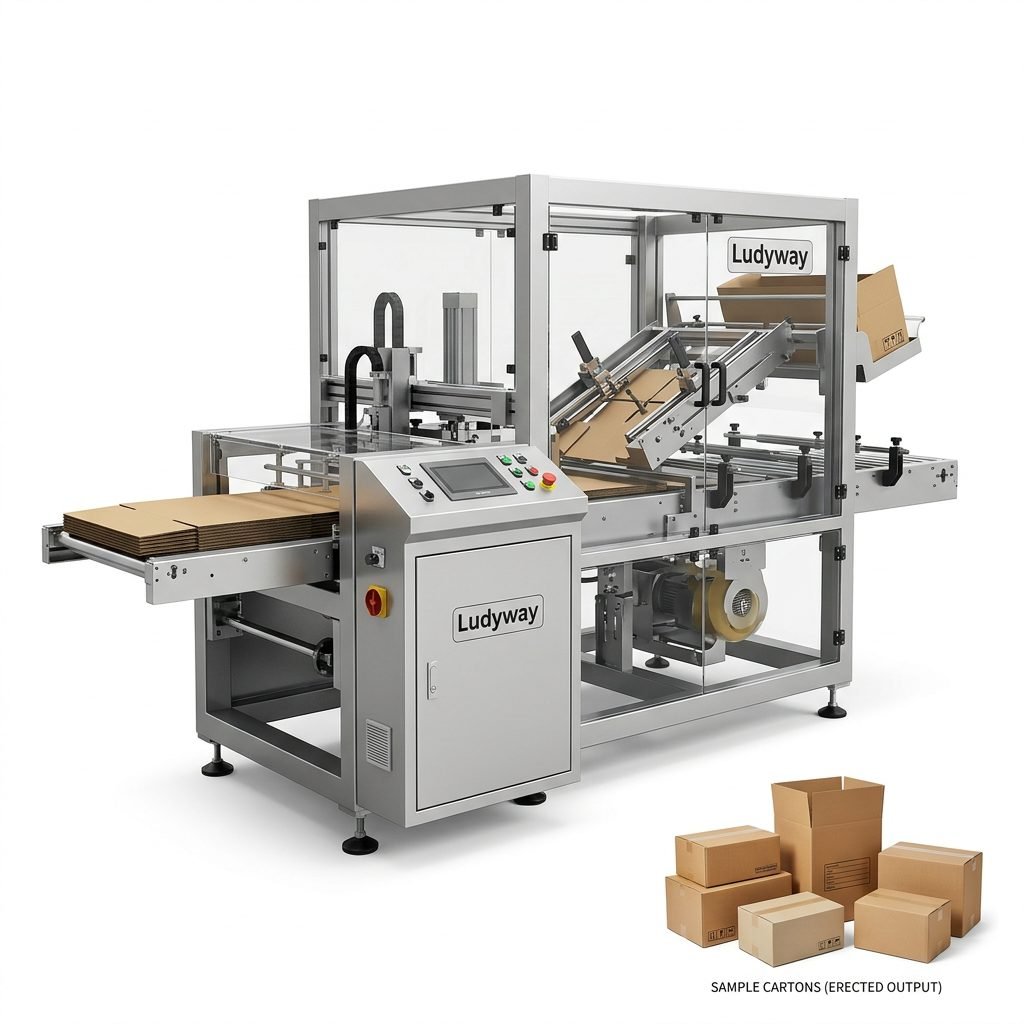
Cartoning Machines
These machines erect folding cartons, insert the primary packaged product (like blisters or bottles), along with leaflets, and close the carton. They are essential for creating the final retail-ready unit.
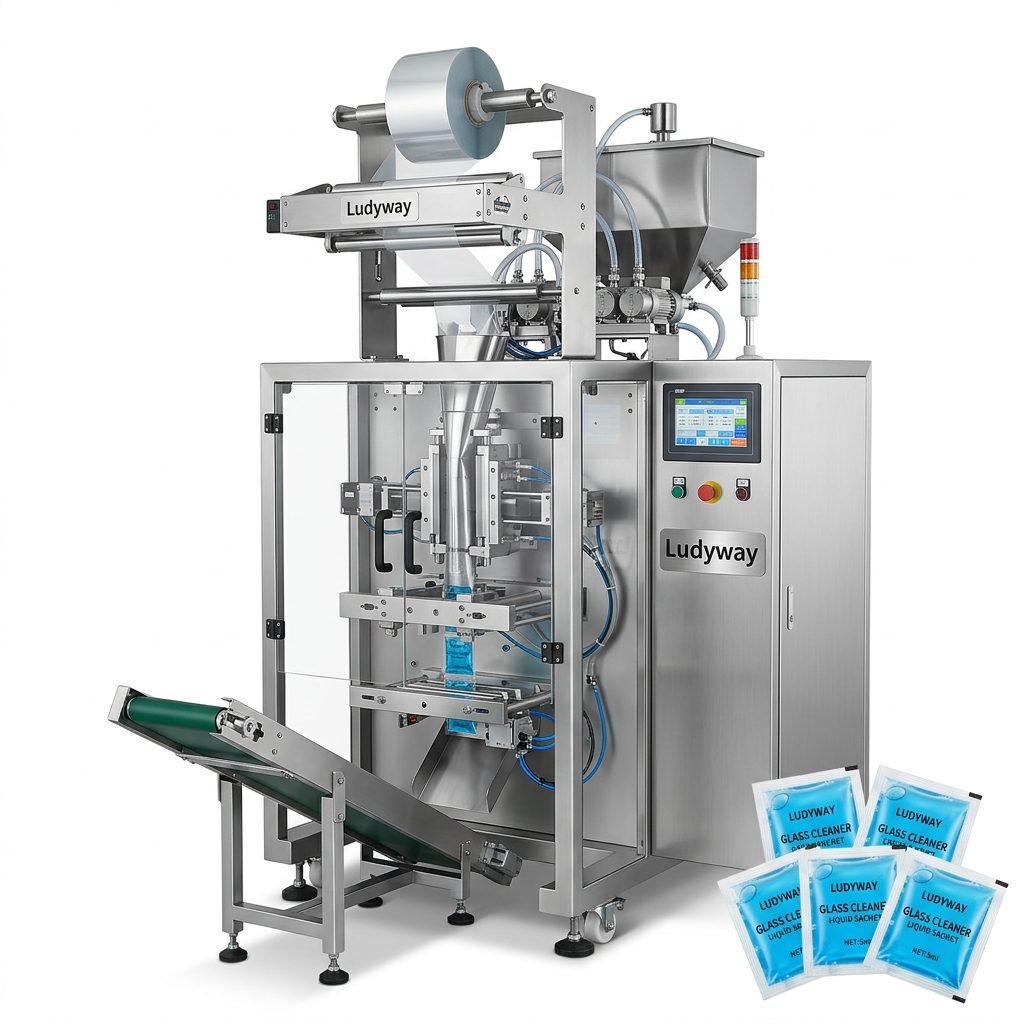
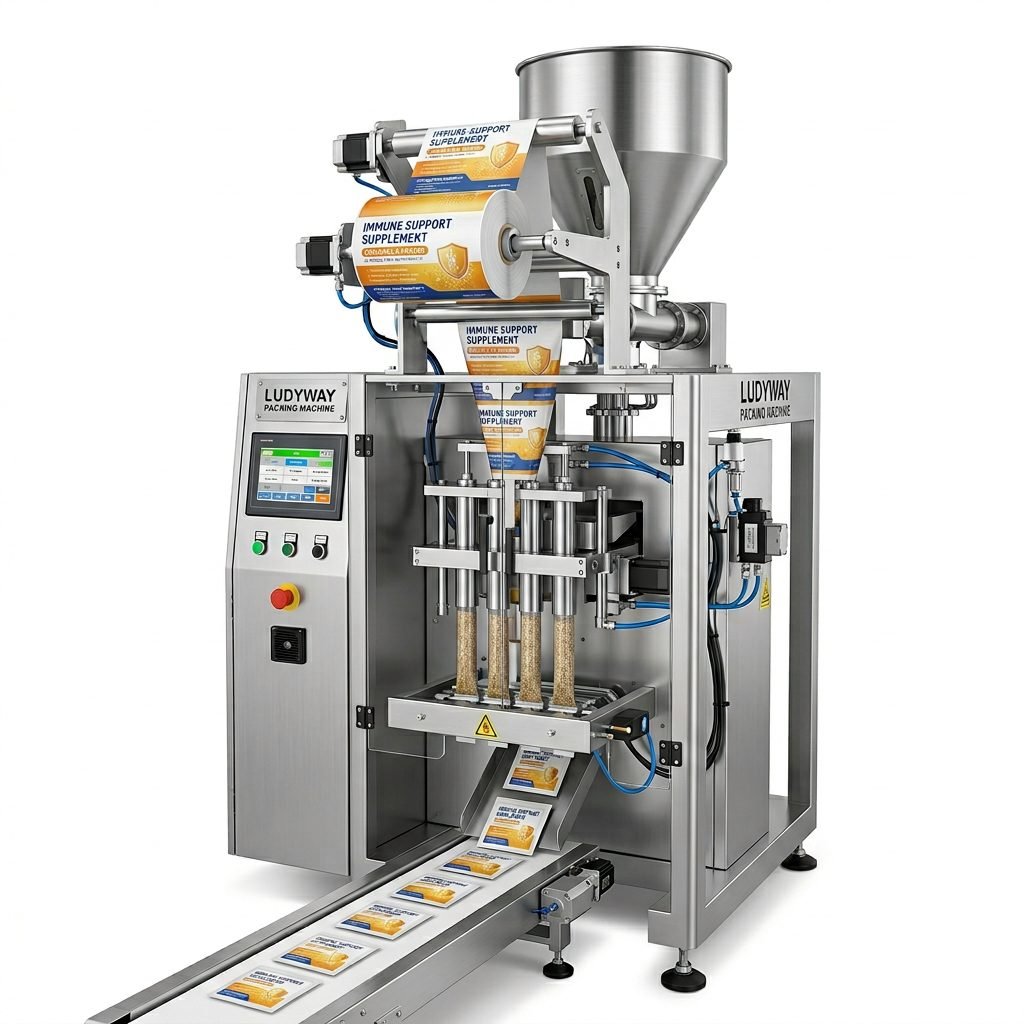
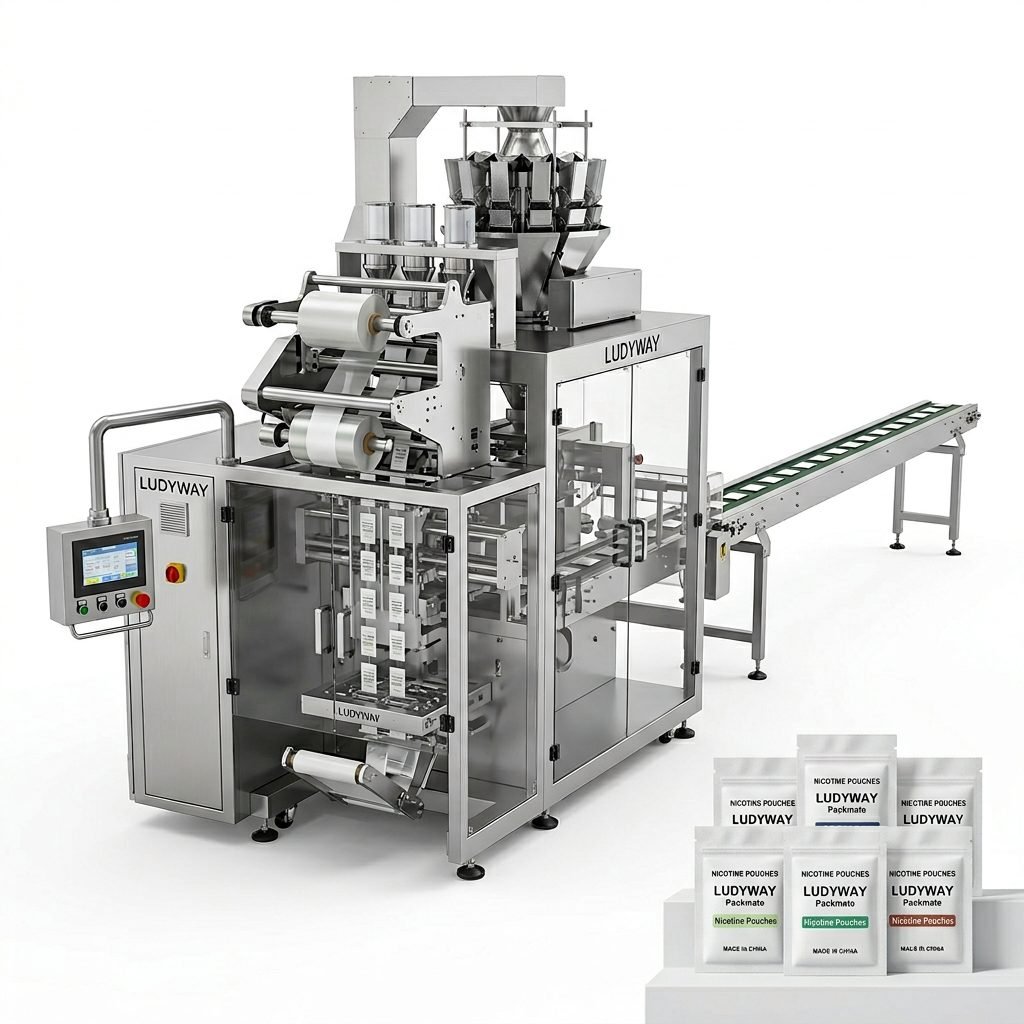
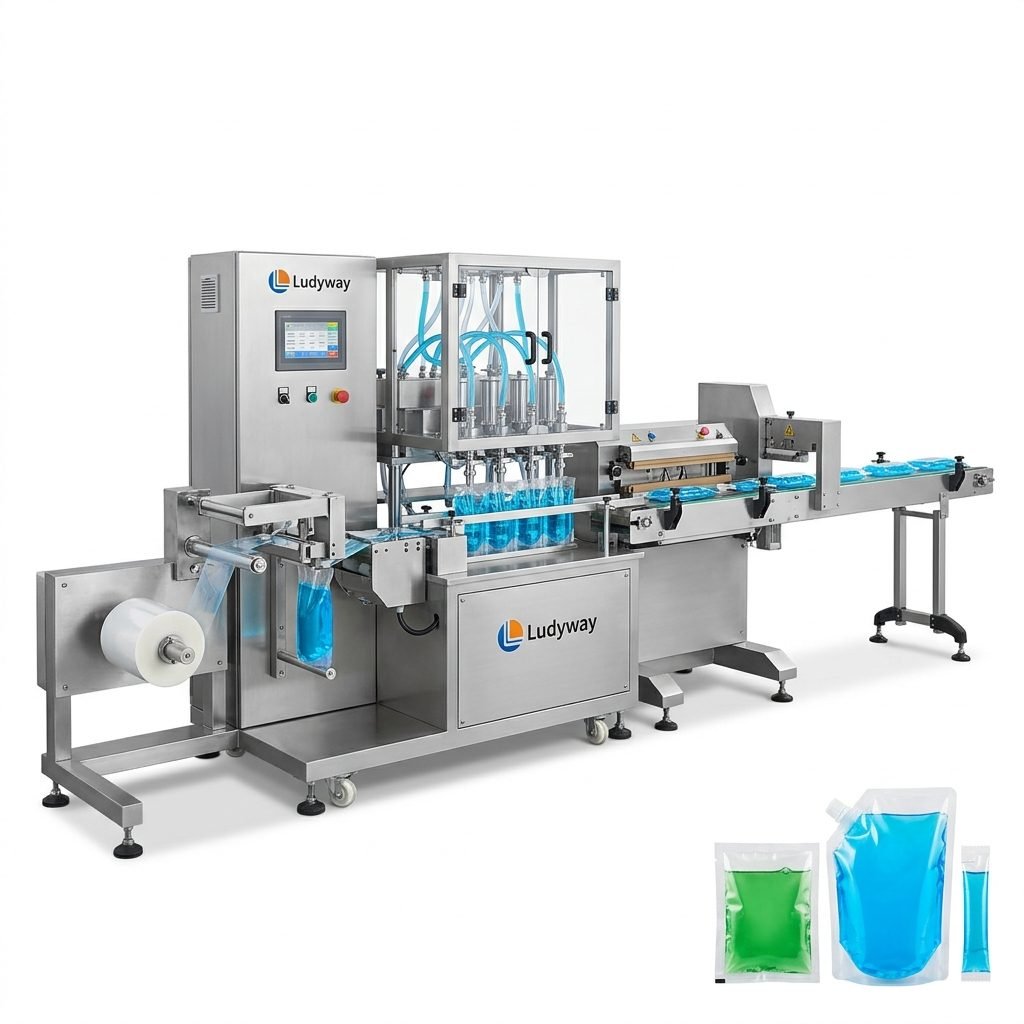
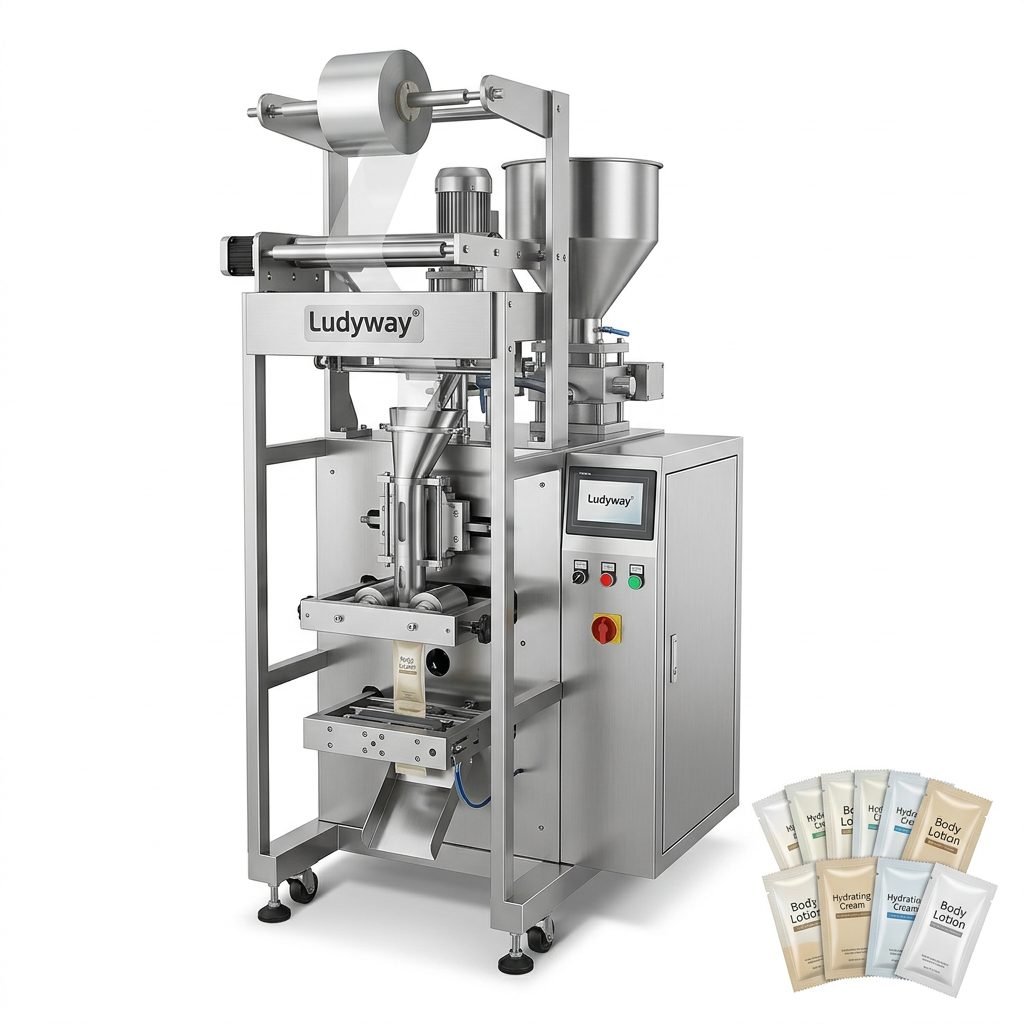
Sachet and Stick Pack Machines
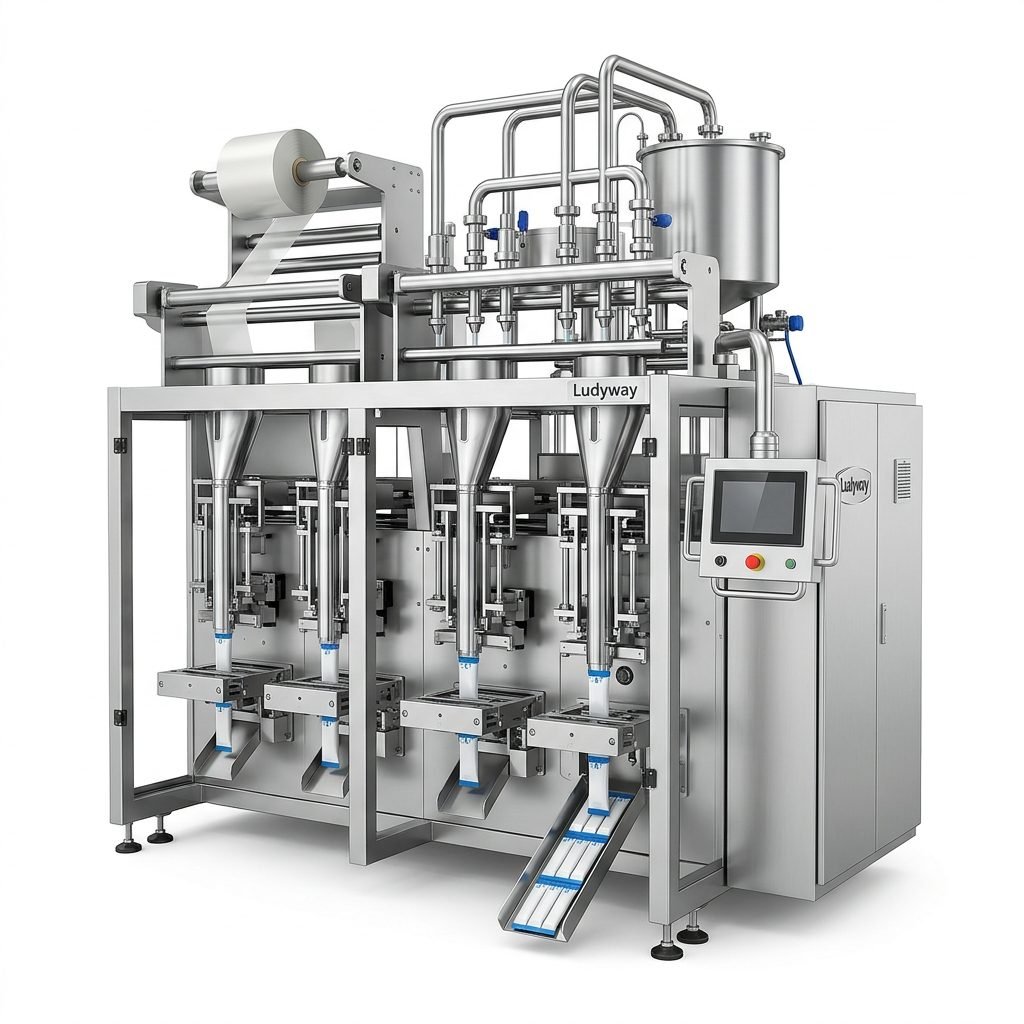
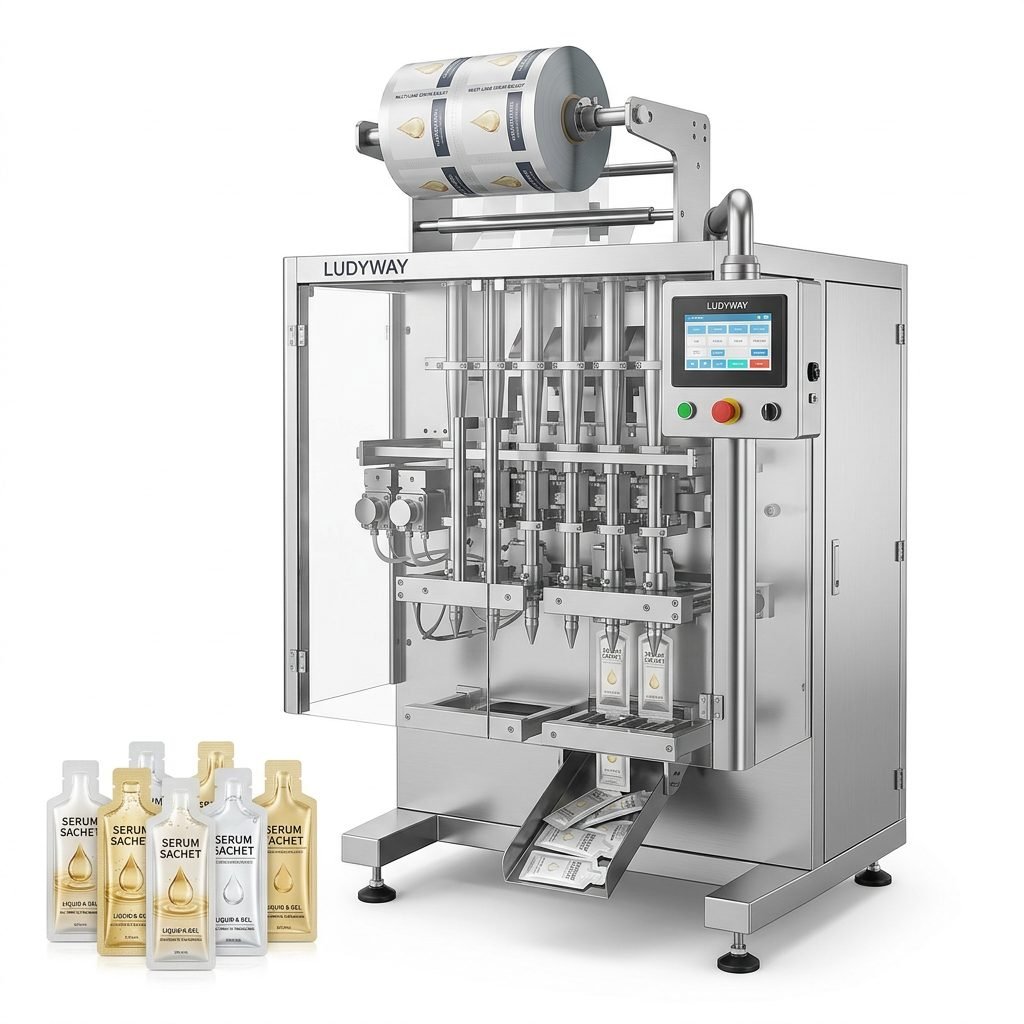
Ideal for unit-dose powders, granules, or liquids (e.g., oral rehydration salts, instant drink mixes, or liquid supplements). They form, fill, and seal single-use packets from a roll of laminated film, offering high convenience and precise dosing.
Industry Trend: There is growing demand for flexible packaging like sachets due to patient convenience, reduced material waste, and suitability for personalized medicine applications.
Labeling and Serialization Equipment
With stringent track-and-trace regulations worldwide (e.g., DSCSA in the USA, FMD in the EU), labeling machines must accurately apply product labels while serialization equipment prints and verifies unique codes (like 2D data matrix codes) on each saleable unit.
Comprehensive Selection Guide for Packaging Machinery
Choosing the right equipment requires a systematic evaluation of your specific needs against machine capabilities.
1. Define Your Product and Output Requirements
Start with the basics: What form is your drug (tablet, liquid, powder)? What is your required output speed (packs per minute)? What are the primary packaging materials (film type, bottle size)? This defines the machine category and size.
2. Prioritize Compliance and Validation
Pharmaceutical equipment must be designed for easy cleaning (CIP/SIP options), be constructed from compliant materials (e.g., 316L stainless steel), and generate documentation for Installation Qualification (IQ), Operational Qualification (OQ), and Performance Qualification (PQ).
3. Evaluate Flexibility and Changeover
If you run multiple products on one line, assess how quickly and easily the machine can change over between different pack sizes or formats. Look for features like tool-less changeovers and recipe memory storage.
4. Assess Integration and Automation Potential
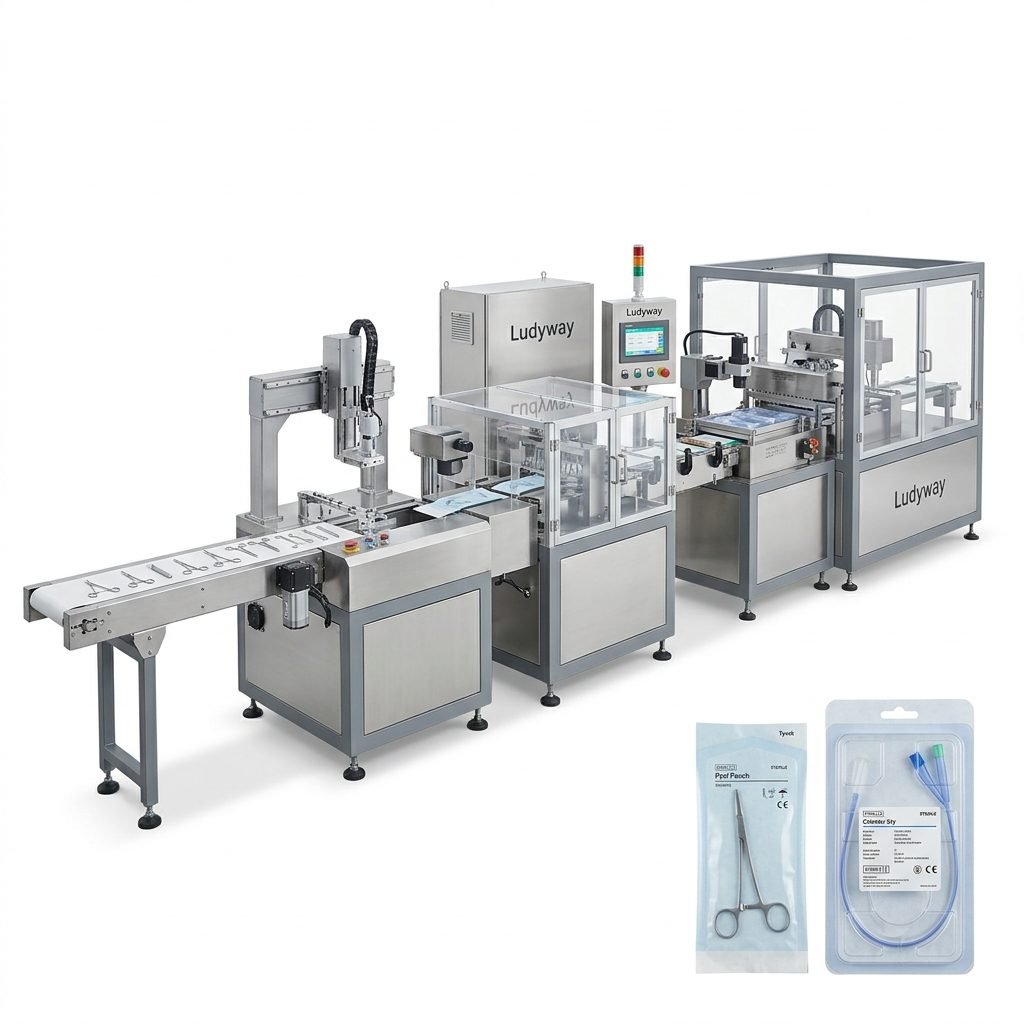
Consider if the machine can seamlessly integrate with upstream and downstream equipment (e.g., conveyors, vision inspection systems, cartoners). Automation, through robotics for loading or PLC control systems, drastically reduces human intervention and error.
💡 Pro Tip:
Always request a live or recorded Factory Acceptance Test (FAT) using a sample of your actual product and packaging materials. This is the best way to verify performance claims.
5. Analyze Total Cost of Ownership (TCO)
Look beyond the initial purchase price. Factor in long-term costs for energy consumption, spare parts, required maintenance, and potential downtime. A slightly more expensive but more reliable machine often has a lower TCO.
Key Factors for Ensuring Efficient Drug Packaging Operations
Efficiency extends beyond machine speed. It encompasses reliability, quality, and smooth workflow.
Machine Reliability and Uptime
Unplanned downtime is extremely costly. Choose equipment known for robust construction and reliability from suppliers with a strong track record. Access to prompt technical support and spare parts is non-negotiable.
Integrated Quality Control
Modern lines incorporate in-process checks. Weight checkers, metal detectors, vision inspection systems for label verification, and leak detectors for blisters automatically reject non-conforming units, ensuring only perfect packs proceed.
Operator Training and Ergonomics
A well-designed machine should have an intuitive HMI (Human-Machine Interface). Comprehensive training for operators and maintenance staff is crucial for safety, efficiency, and maximizing equipment lifespan.
Regulatory Future-Proofing
Ensure the equipment supplier is aware of evolving global regulations (e.g., serialization requirements in new markets) and that the machine’s design and software can be adapted to meet future compliance needs.
Sustainability Considerations
The industry is moving towards sustainable packaging. Equipment that can handle recyclable or mono-material films, minimize material waste through precise dosing, and reduce energy consumption is increasingly important.
Frequently Asked Questions (FAQs)
What is the most important factor when choosing pharmaceutical packaging equipment?
While output and cost are critical, regulatory compliance and validation support are paramount. Equipment must be designed and documented to meet cGMP standards and enable full qualification protocols (IQ/OQ/PQ) for your specific product.
Can one machine handle different packaging formats, like both blisters and sachets?
Typically, no. Blister, sachet, and bottling machines are fundamentally different technologies. However, some flexible packaging machines can handle various sachet or stick pack sizes with quick changeovers. For format changes (e.g., blister to bottle), separate, modular machines integrated into one line are the standard solution.
How critical is after-sales service and support?
Extremely critical. Packaging machinery requires maintenance, occasional repairs, and parts replacement. A supplier with a global service network, readily available spare parts, and remote diagnostic capabilities minimizes production downtime and protects your investment.
What are the benefits of a turnkey packaging line versus buying individual machines?
A turnkey solution, provided by a single supplier like Ludyway, ensures all machines are compatible, properly integrated, and controlled from a central system. This reduces project complexity, speeds up commissioning, and provides single-point accountability for service and performance.
Is automation always necessary for pharmaceutical packaging?
For medium to high-volume production, yes. Automation reduces human error (critical for patient safety), improves consistency, enhances traceability, and lowers long-term labor costs. It is a key enabler of efficiency and compliance in modern pharma operations.