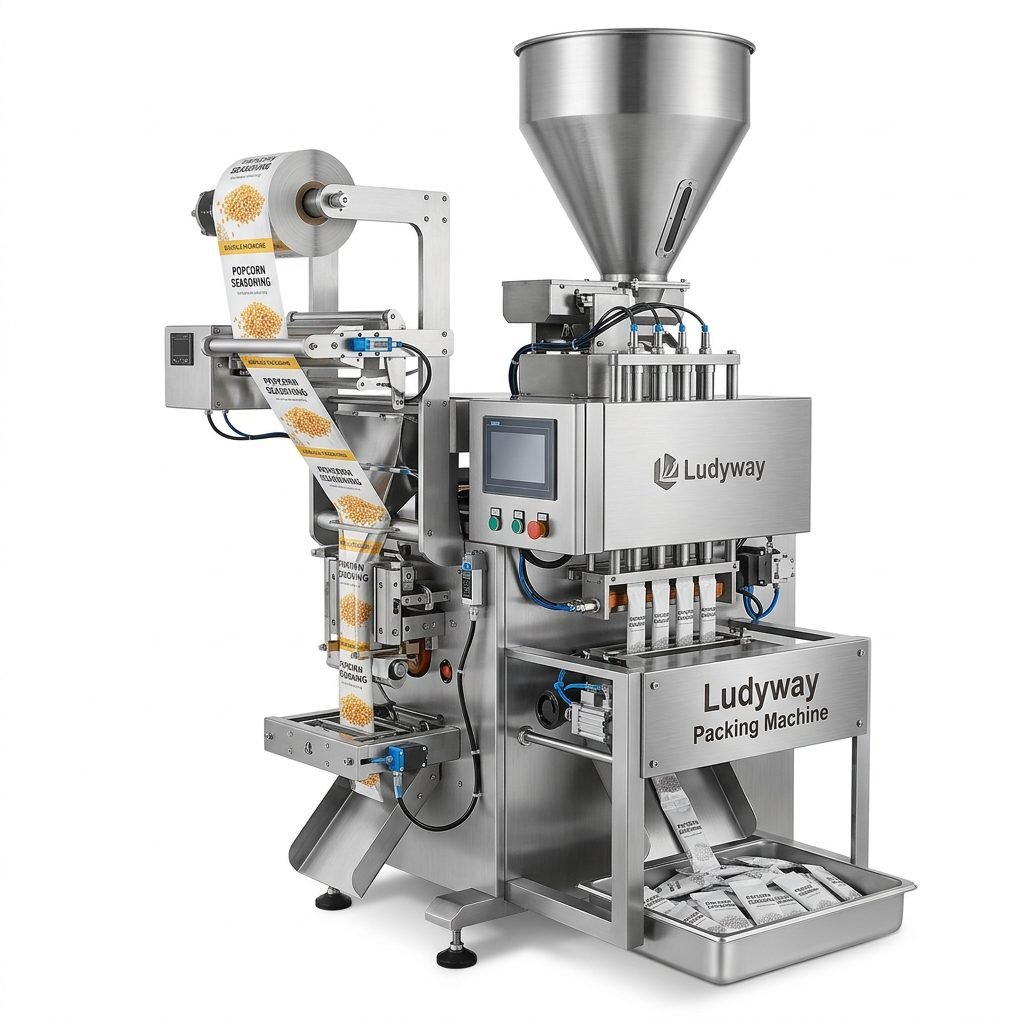
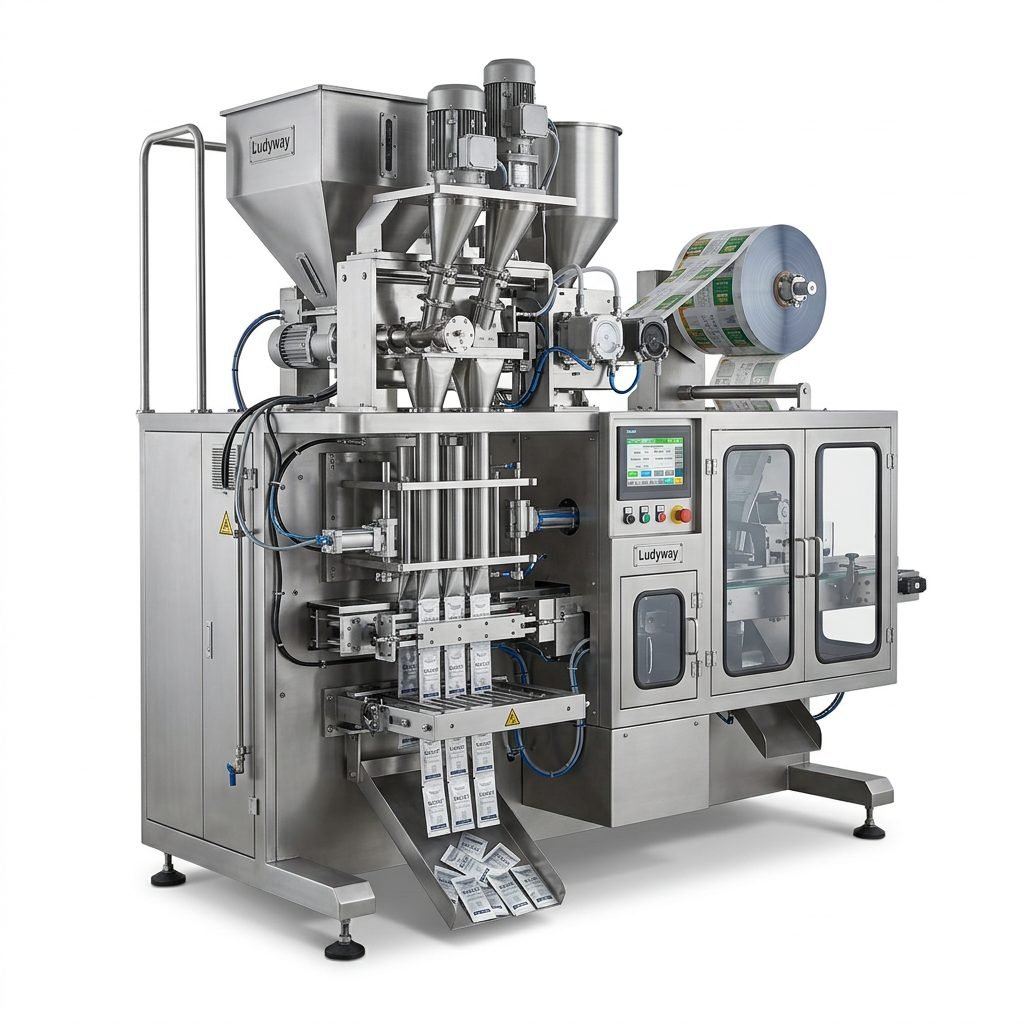
Choosing the right small box packing machine is not just about automating the final step of packaging. It directly affects production efficiency, packaging consistency, labor cost, shipping protection, and the overall presentation of your product. For businesses packaging food, pharmaceuticals, cosmetics, health products, or consumer goods, the right solution can improve output while reducing errors and downtime.
Whether you are packing sachets, stick packs, pouches, bottles, blister products, or small retail items into cartons, understanding machine type, speed, flexibility, and future scalability is essential before making an investment.
What Is a Small Box Packing Machine?
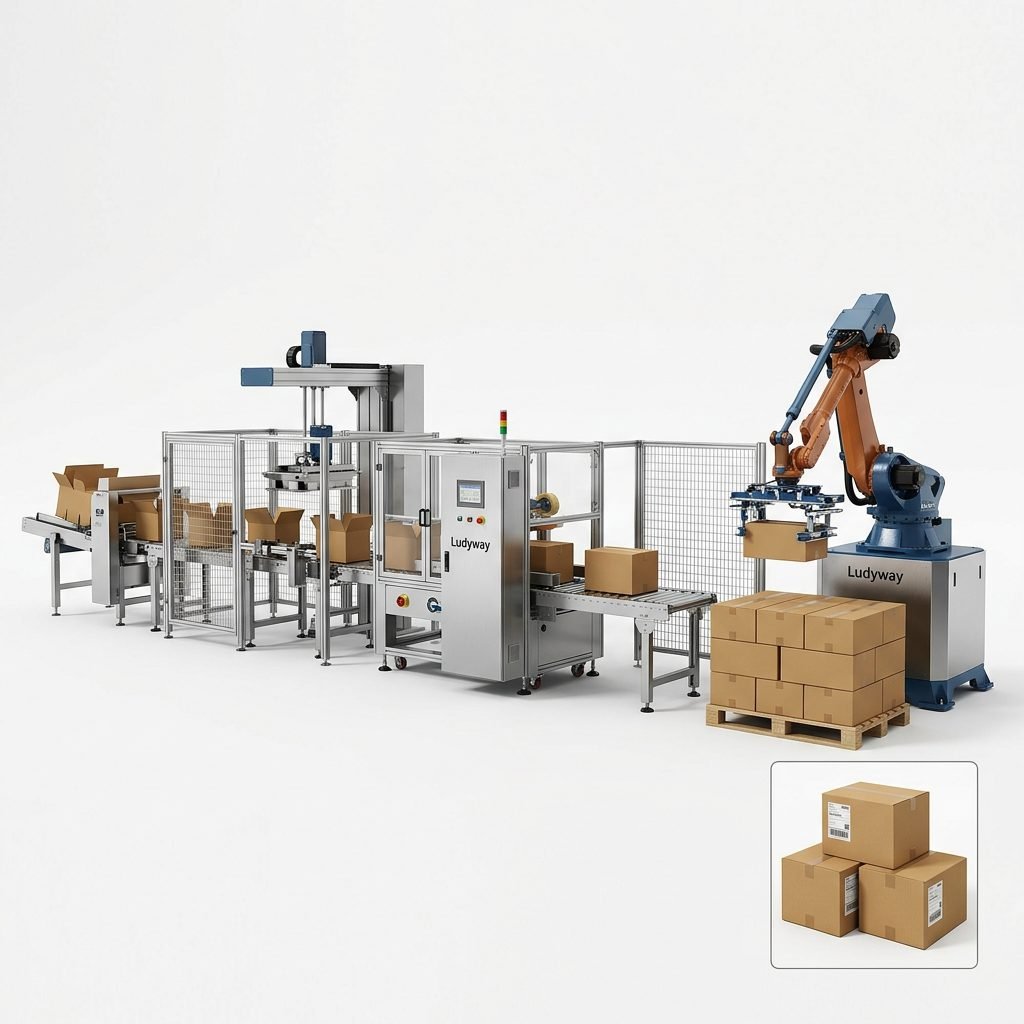
A small box packing machine is packaging equipment designed to place products into compact cartons or boxes automatically or semi-automatically. Depending on the application, the machine may perform one or several tasks:
- Box forming or erecting
- Product counting or collating
- Automatic loading into cartons
- Leaflet insertion
- Box closing, sealing, or gluing
- Coding, labeling, and inspection
These machines are widely used for products such as tablets, sachets, cosmetics, tea, instant food, health supplements, nicotine pouches, personal care items, and many other small-format packaged goods.
Why Your Choice Matters for Business Growth
A packaging machine should match your current production needs, but it also needs to support future expansion. Many companies buy equipment based only on price, then later face issues such as low speed, poor compatibility with different box sizes, unstable feeding, or difficult maintenance.
The right small box packing machine helps you achieve:
- Faster throughput with stable cycle performance
- Lower labor dependence and reduced manual handling
- More uniform box appearance for retail presentation
- Better product protection during transport
- Improved traceability through coding and inspection systems
- Easier integration with upstream and downstream equipment
Key Questions to Ask Before Buying
Before comparing models, define your production requirements clearly. This will help avoid under-specifying or over-specifying the machine.
| Question | Why It Matters |
|---|---|
| What product are you boxing? | Product shape, fragility, and feeding method determine machine structure. |
| What are your box dimensions? | The machine must support your minimum and maximum carton size range. |
| How many boxes per minute do you need? | Output requirements affect servo systems, feeding design, and machine class. |
| How often do you change product formats? | Frequent changeovers require flexible tooling and easy parameter adjustment. |
| Do you need a standalone machine or a full line? | This influences conveyor layout, synchronization, and automation scope. |
| What level of validation or compliance is required? | Important for pharmaceutical, food, and regulated product applications. |
Main Types of Small Box Packing Machines
1. Semi-Automatic Cartoning Machines
These are suitable for small or growing businesses with moderate production volume. Operators may manually place products while the machine assists with carton forming and closing.
Best for: low-volume production, trial products, limited budgets, or frequent manual quality checks.
2. Automatic Horizontal Cartoning Machines
These machines automatically load products horizontally into pre-opened cartons. They are commonly used for sachets, blister packs, tubes, bottles, and flow-wrapped items.
Best for: medium to high-speed packaging with good presentation and continuous operation.
3. Automatic Vertical Cartoning Machines
Products are dropped or inserted vertically into cartons. This type works well for granules in pouches, bottles, jars, and rigid containers.
Best for: products that are easier to feed from top-down positioning.
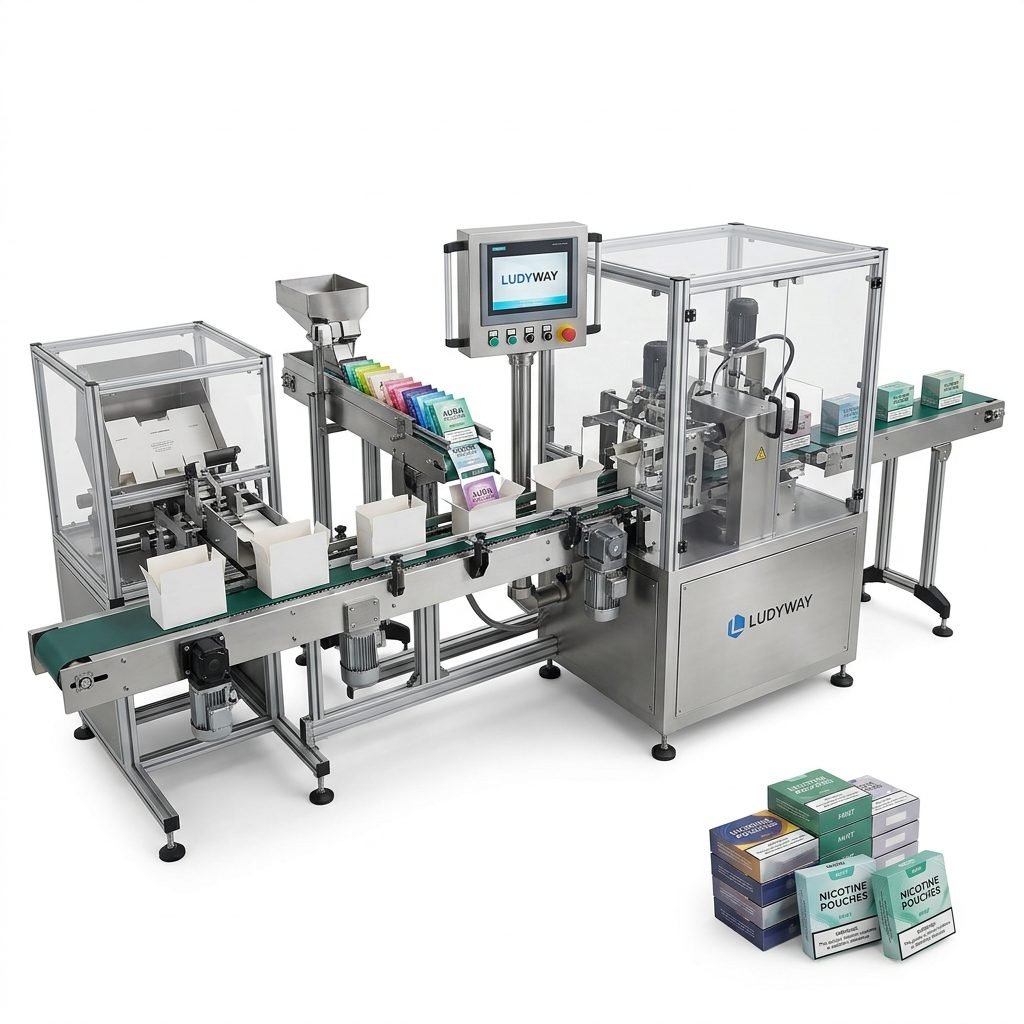
4. Integrated Boxing and End-of-Line Systems
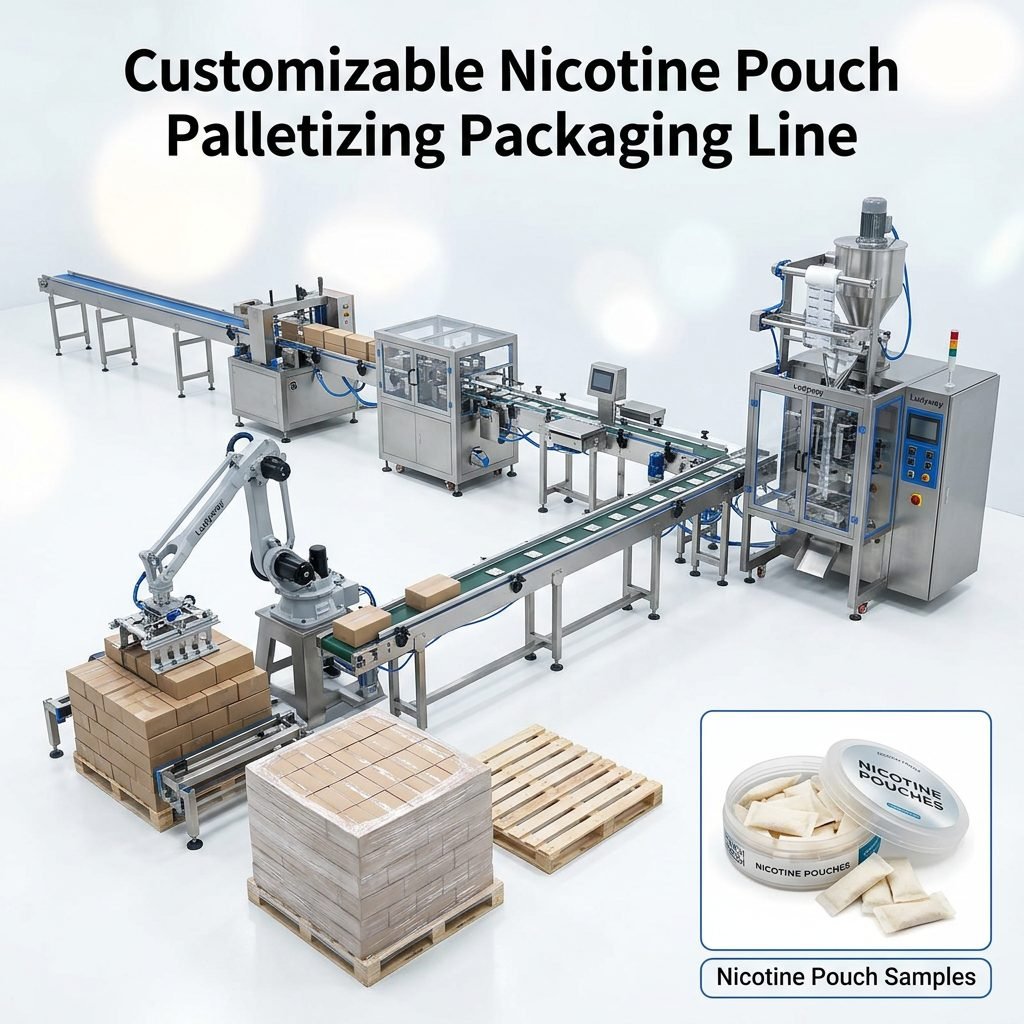
These systems combine cartoning with counting, sealing, labeling, checkweighing, case packing, or palletizing. They are ideal for companies focused on high automation and long-term scaling.
How to Match the Machine to Your Product
Not every cartoning machine fits every product. The right choice depends on both product form and packaging workflow.
For Sachets and Stick Packs
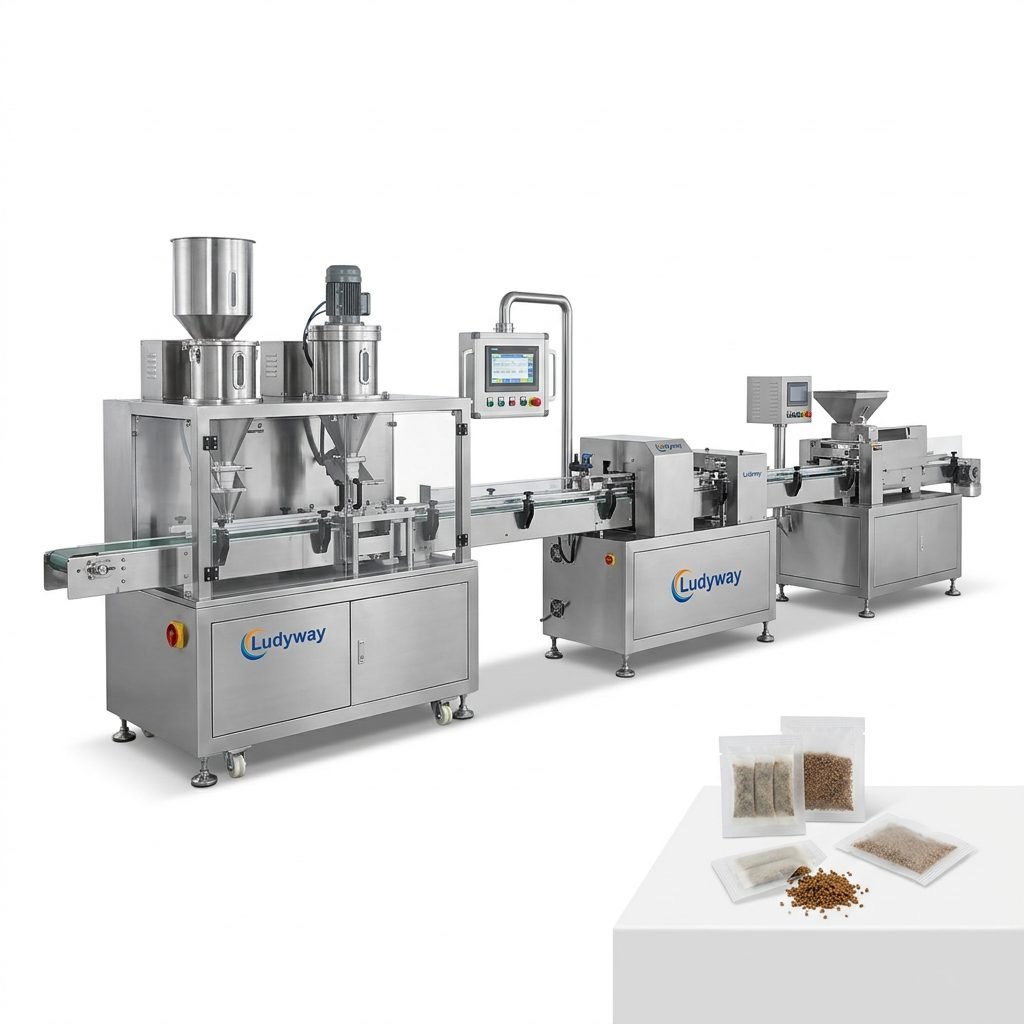
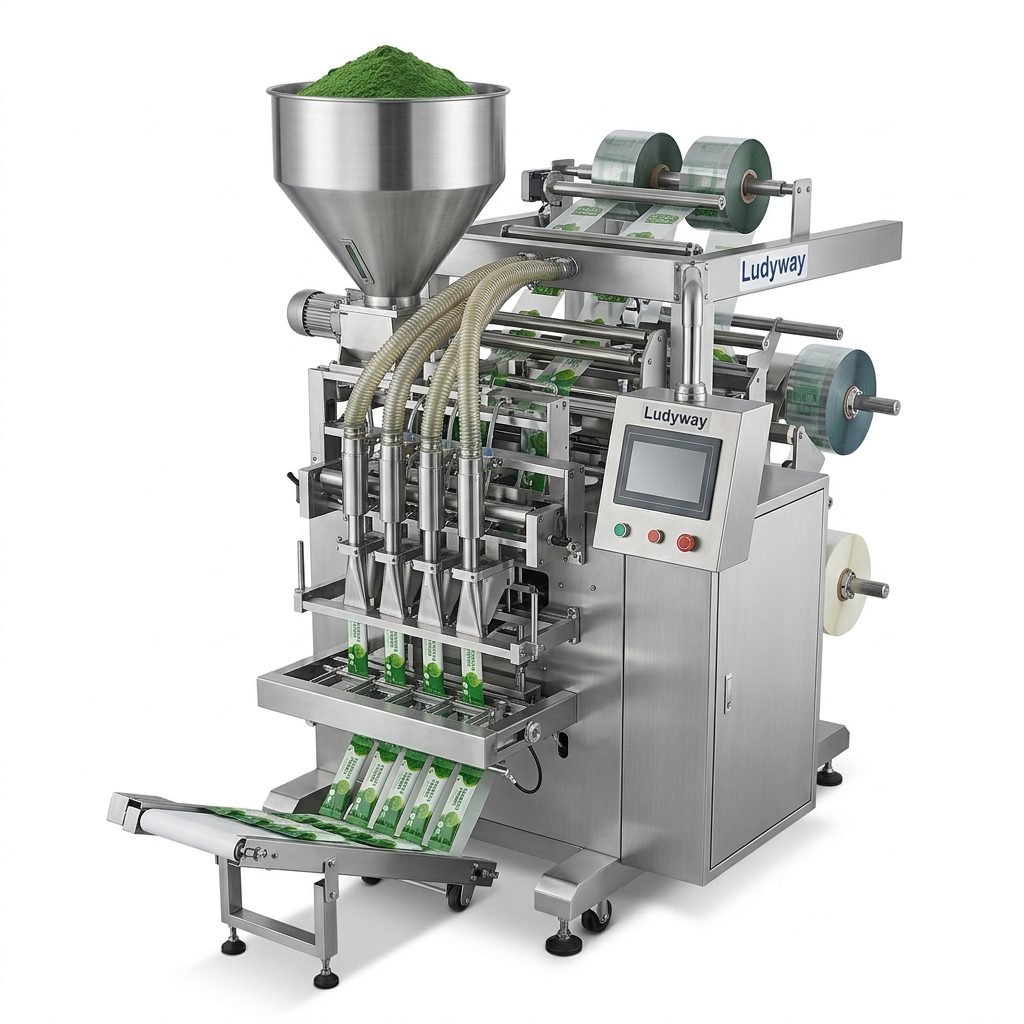
If your products are individual sachets or stick packs, you may need a collating system before cartoning. The machine should be able to count, stack, align, and insert multiple units without jamming.
For Pharmaceutical Products
For tablets, capsules, blisters, or medical devices, accuracy and compliance are critical. You may need leaflet insertion, barcode verification, reject systems, and traceability functions.
For Cosmetics and Personal Care
Products like sachets, tubes, vials, or cream packs often require attractive retail boxes. A machine with precise box handling and neat sealing helps protect brand image.
For Food and Health Supplements
Choose equipment that is easy to clean, stable during long runs, and compatible with multi-format packaging such as pouches, sachets, bottles, and cartons.
Most Important Selection Factors
Production Speed
Always compare real operating speed, not only theoretical maximum speed. A machine advertised at high speed may perform much lower once real products, different box sizes, or frequent changeovers are involved.
Box Size Flexibility
If you run multiple SKUs, make sure the machine supports a wide carton size range and offers fast, simple adjustment. Tool-less or recipe-based changeover can save significant downtime.
Feeding Accuracy
Unstable product feeding can cause box damage, empty cartons, product rejection, and line stoppages. The feeding system should be designed specifically for your product shape and packaging format.
Machine Stability
Look at frame quality, servo control, component reliability, and mechanical precision. Stable operation reduces maintenance frequency and protects production planning.
Integration Capability
A good small box packing machine should integrate smoothly with upstream filling, counting, sachet packing, blister packing, labeling, inspection, and downstream case packing systems.
Ease of Cleaning and Maintenance
For food, pharma, and cosmetics, easy access and cleaning-friendly structure can save time and support compliance requirements.
After-Sales Support
Strong technical support matters as much as machine quality. Installation guidance, spare parts availability, remote support, training, and troubleshooting speed all affect total ownership cost.
Recommended Buying Priorities by Business Stage
| Business Stage | Recommended Focus | Suggested Machine Direction |
|---|---|---|
| Startup or low-volume brand | Budget control, flexibility, simple operation | Semi-automatic or compact automatic model |
| Growing SME | Stable output, changeover speed, labor savings | Automatic cartoner with modular options |
| Established manufacturer | High efficiency, line integration, data control | Full automatic boxing line with inspection and case packing |
| Regulated industry producer | Compliance, validation, traceability, documentation | Pharma-grade automatic cartoning solution |
Common Mistakes Buyers Should Avoid
- Choosing based only on machine price instead of lifecycle value
- Ignoring future product expansion or additional box sizes
- Not testing actual product samples before purchase
- Overlooking space planning and line layout compatibility
- Underestimating the importance of spare parts and service support
- Buying a speed level that upstream production cannot consistently supply
When a Turnkey Packaging Line Makes More Sense
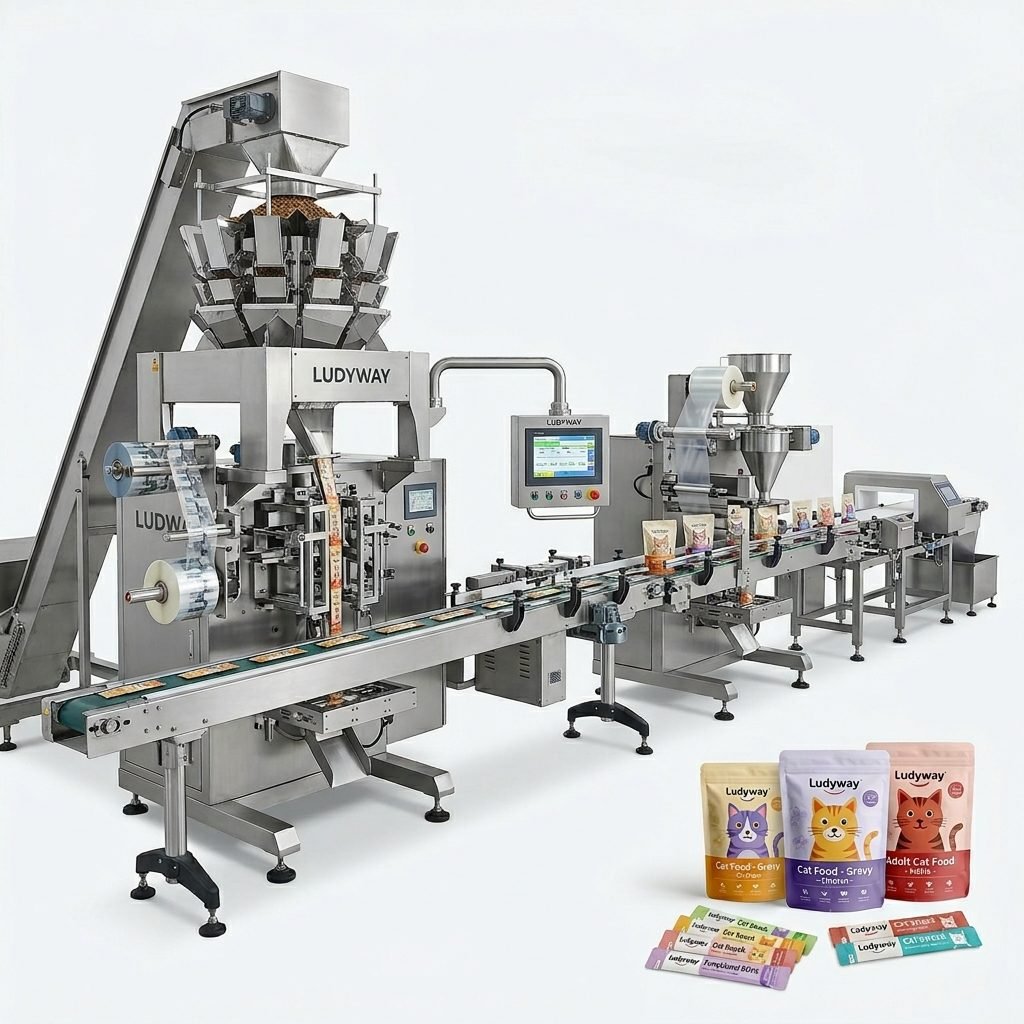
Sometimes a standalone small box packing machine is not enough. If your production already includes filling, pouching, sachet making, counting, coding, cartoning, case packing, and palletizing, a turnkey line can deliver much better synchronization and efficiency.
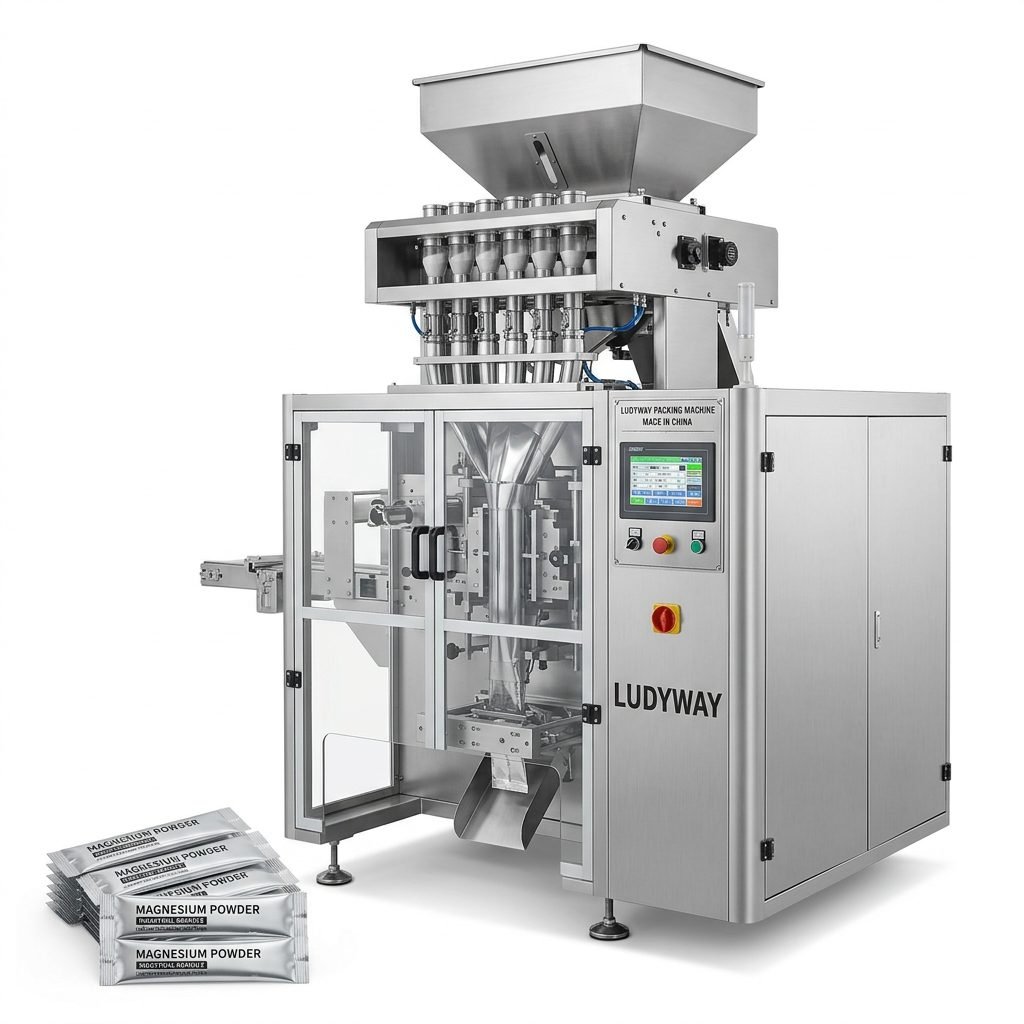
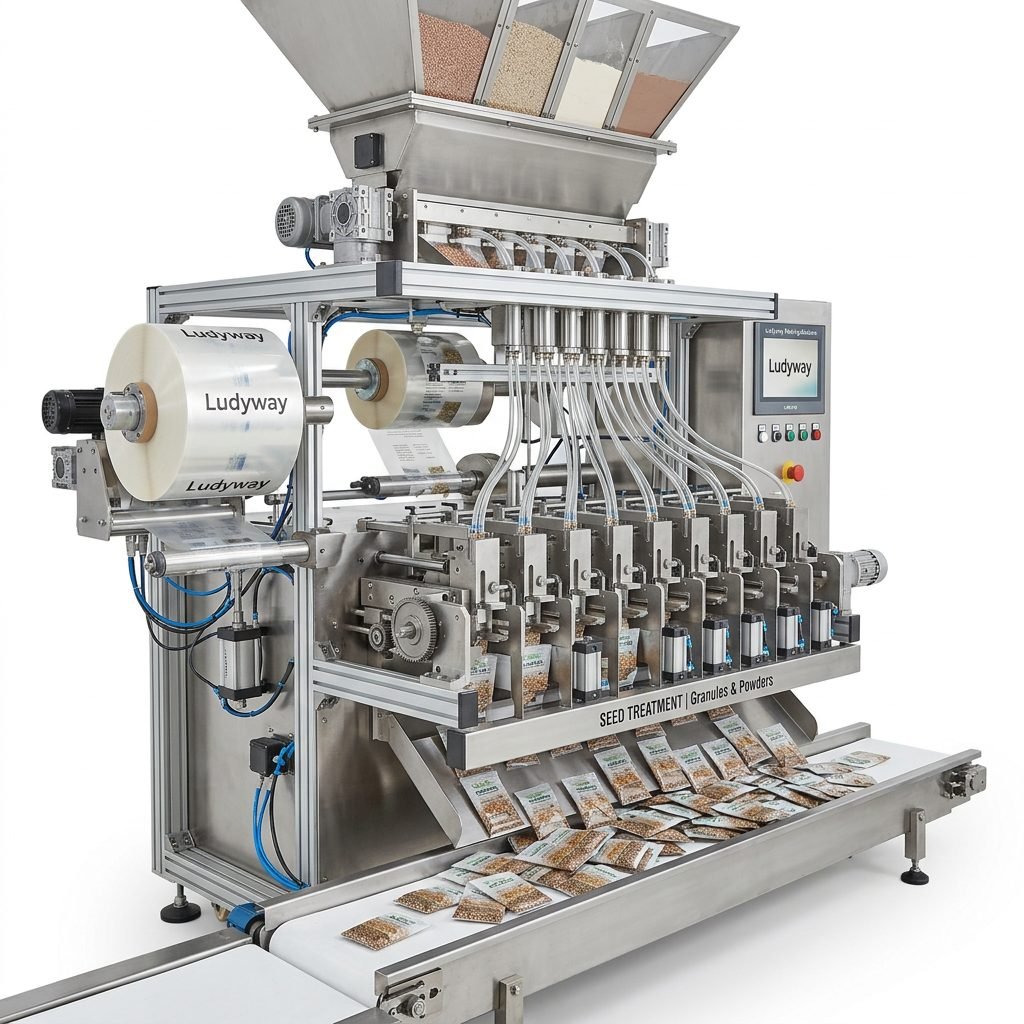
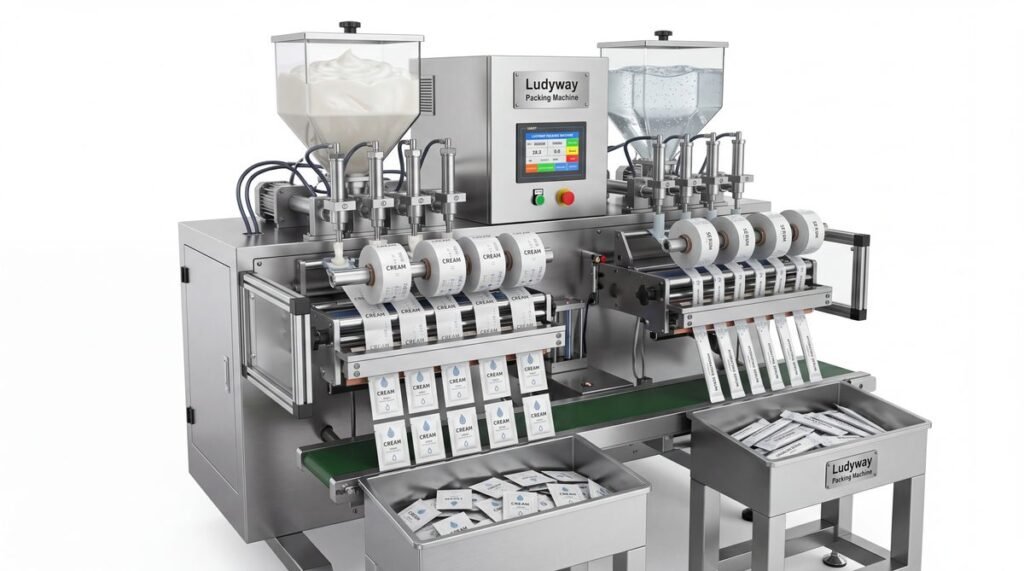
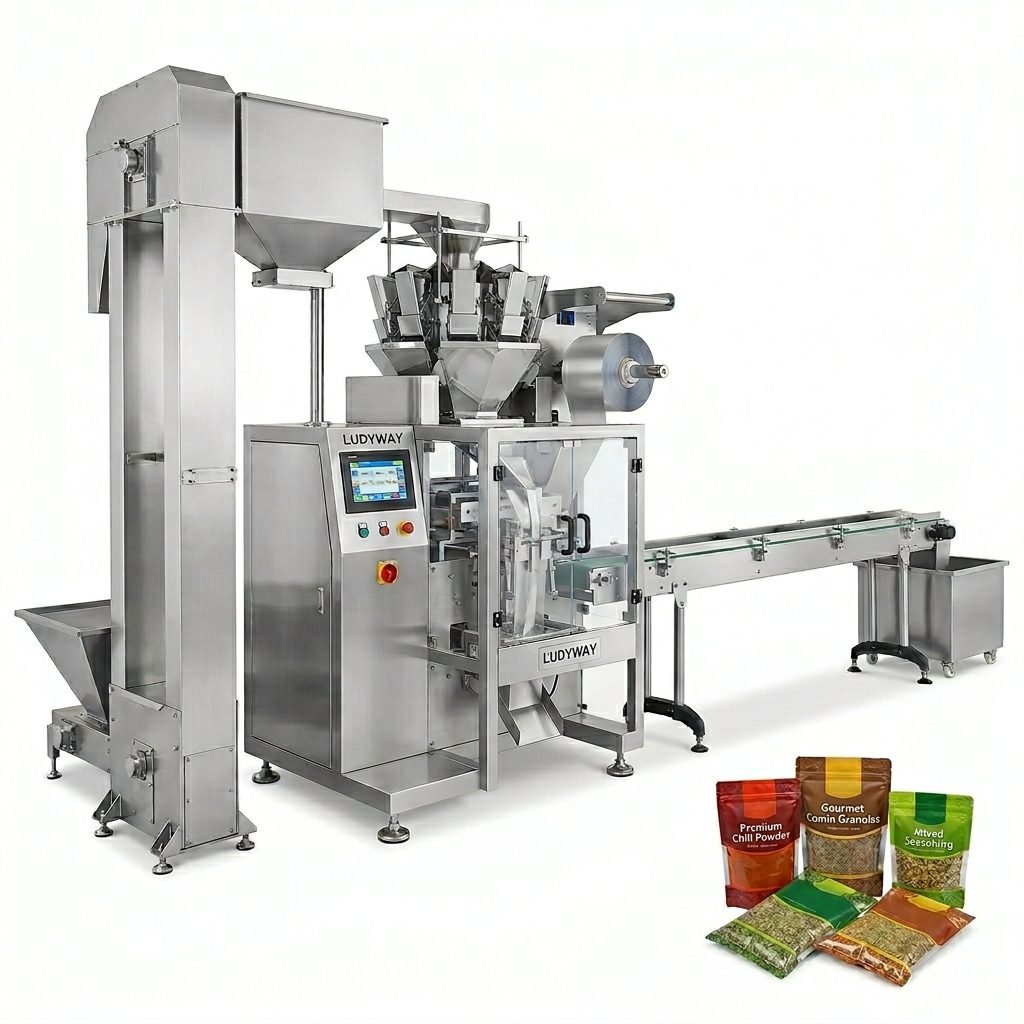
For businesses seeking a broader packaging upgrade, working with an experienced supplier such as small box packing machine manufacturer Ludyway can be valuable when evaluating standalone machines as well as integrated packaging line solutions across food, pharmaceutical, health supplement, cosmetic, and related sectors.
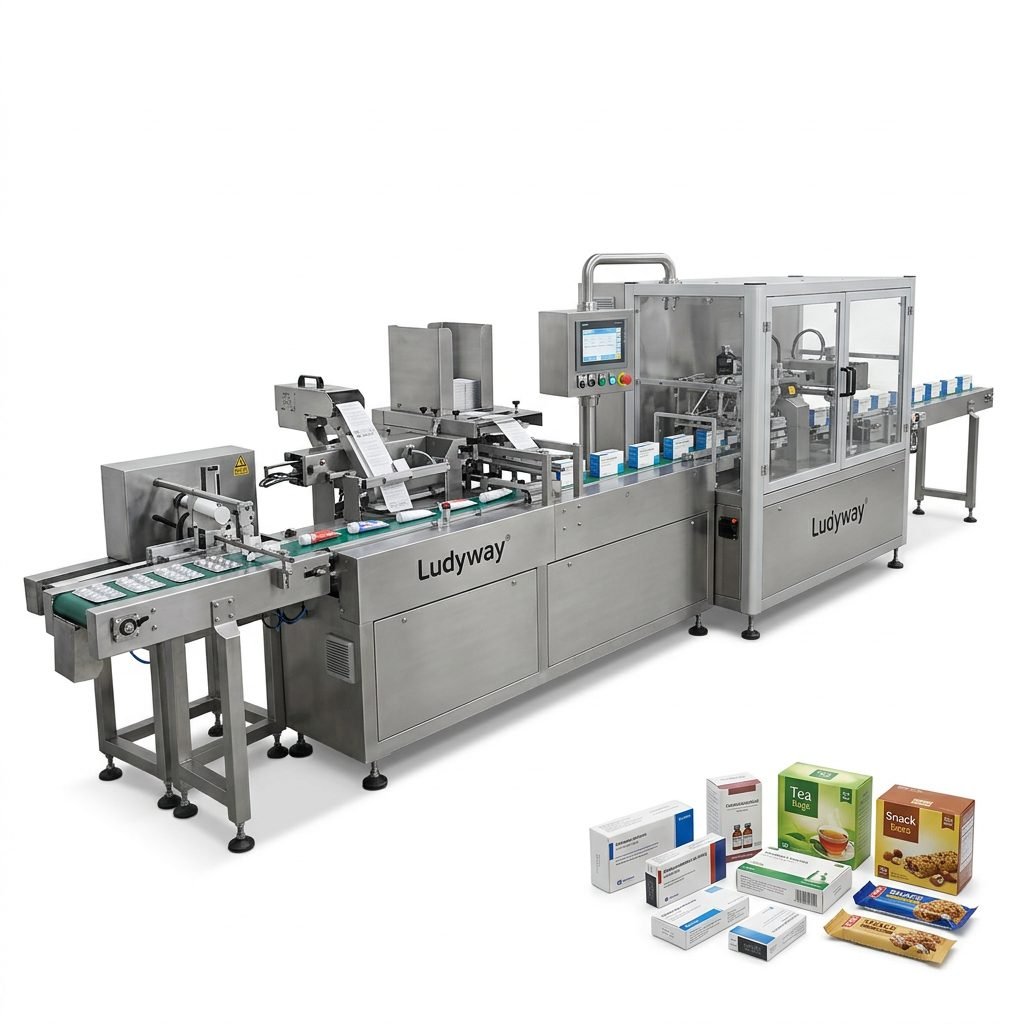
Signs You Have Found the Right Solution
You are likely choosing the right equipment when the machine can:
- Handle your current products reliably with low rejection rates
- Support the carton sizes you use today and may use later
- Fit your real production speed target
- Integrate with existing filling or primary packaging equipment
- Allow operators to adjust formats without excessive downtime
- Provide dependable technical support and spare parts access
Final Buying Checklist
- Define your product type, output target, and box dimensions.
- Confirm whether you need semi-automatic, automatic, or turnkey packaging.
- Check real production speed under your actual packaging conditions.
- Review changeover process for multiple SKUs.
- Evaluate machine material, controls, safety, and maintenance access.
- Request sample testing with your real products and cartons.
- Assess after-sales support, training, and spare parts service.
- Plan for long-term expansion, not just immediate demand.
The best small box packing machine is the one that matches your product, your production rhythm, and your growth plan. A carefully selected solution can improve packaging quality, reduce operational cost, and give your business a more scalable path forward.