Understanding blister packing machine pricing is essential before you invest in pharmaceutical, nutraceutical, medical device, or consumer goods packaging equipment. The price can vary widely based on machine type, production speed, tooling design, automation level, material compatibility, and compliance requirements. If you compare suppliers only by the initial quotation, you may overlook the real long-term cost of ownership.
This guide explains the key factors that influence cost, typical price ranges, and how to choose the right machine for your production goals without overbuying or underbuying.
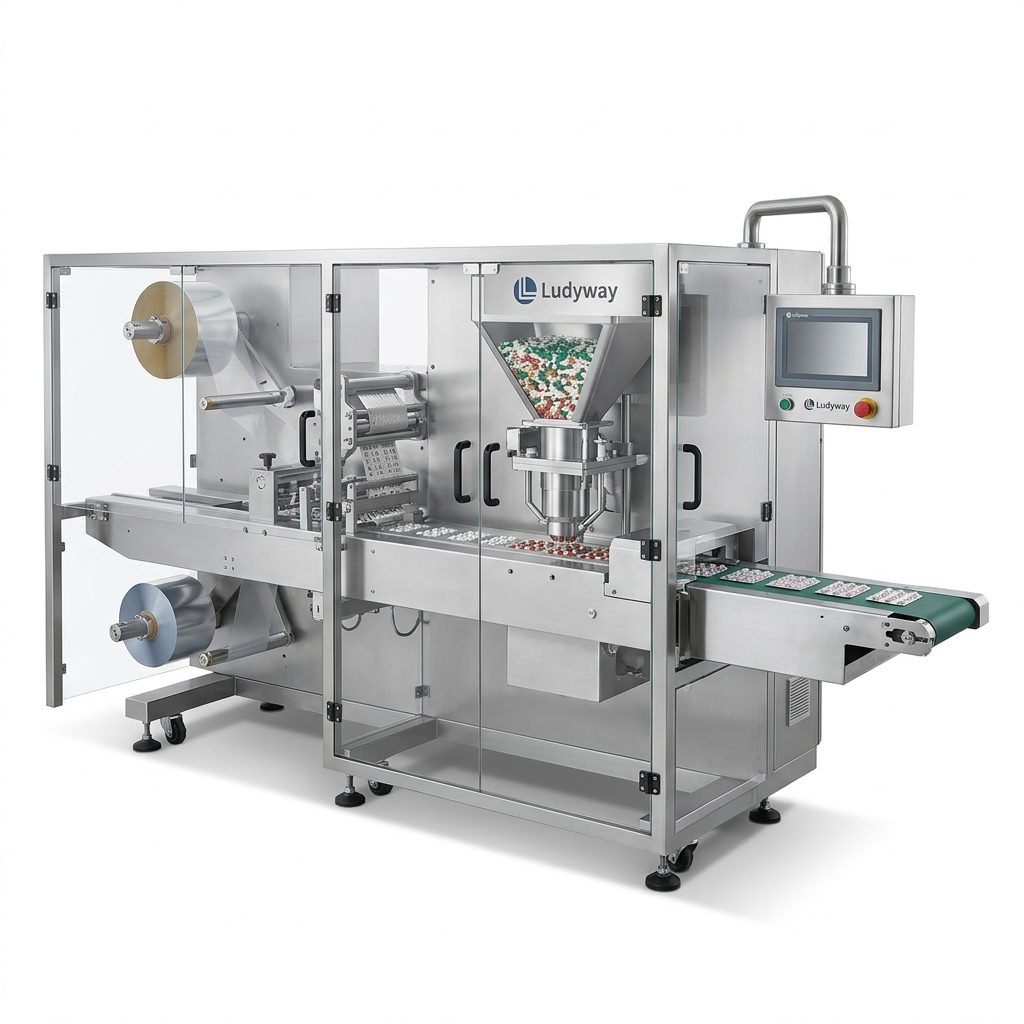
What Is a Blister Packing Machine?
A blister packing machine forms cavities from plastic film, fills them with products such as tablets, capsules, ampoules, syringes, or small medical devices, and then seals them with aluminum foil or other lidding materials. These machines are widely used in:
- Pharmaceutical manufacturing
- Nutraceutical and supplement packaging
- Medical device packaging
- Consumer goods and small hardware packaging
Because application requirements differ so much, the same category of blister packaging machine can range from an entry-level semi-automatic unit to a high-speed fully integrated line.
How Much Does a Blister Packing Machine Cost?
Blister packing machine prices usually fall into broad ranges rather than fixed numbers. Final cost depends on specifications, output, and customization.
| Machine Type | Typical Price Range | Best For |
|---|---|---|
| Semi-automatic blister packing machine | US$5,000 – US$20,000 | Small batches, pilot production, startups |
| Standard automatic blister packing machine | US$20,000 – US$80,000 | Mid-volume tablet and capsule packaging |
| High-speed pharmaceutical blister line | US$80,000 – US$250,000+ | Large-scale regulated production |
| Customized turnkey blister packaging line | US$150,000 – US$500,000+ | Integrated feeding, cartoning, coding, inspection |
Important: These are reference ranges only. The actual quotation depends on your product, cavity format, packaging material, machine speed, and validation requirements.
Main Factors That Affect Blister Packing Machine Price
1. Machine Speed and Output Capacity
Higher output usually means a higher price. A machine producing 2,000 blisters per hour is very different from one designed for 20,000 or 60,000 blisters per hour. High-speed systems need more advanced forming, feeding, servo control, sealing precision, and rejection systems.
- Low-speed machines cost less but suit limited production
- Mid-speed machines balance budget and output
- High-speed lines require larger capital investment but reduce unit packaging cost at scale
2. Level of Automation
Automation level is one of the biggest price drivers. Semi-automatic models need more manual loading and intervention, while fully automatic systems integrate forming, feeding, sealing, coding, cutting, inspection, and discharge.
A more automated system generally offers:
- Lower labor cost
- Higher production consistency
- Better traceability
- Less risk of operator error
3. Product Type and Feeding System
Simple tablets and capsules are easier to feed than irregular softgels, ampoules, syringes, or medical devices. Specialized feeding systems increase engineering complexity and machine cost.
| Product Type | Cost Impact |
|---|---|
| Standard tablets/capsules | Lower to medium |
| Softgels or fragile products | Medium |
| Ampoules, vials, syringes | High |
| Customized medical devices | High to very high |
4. Packaging Materials
The machine must match the forming and sealing requirements of your packaging materials. Common materials include PVC, PVDC, PET, PP, Alu-Alu, and tropical blister structures. Machines capable of handling cold-form aluminum usually cost more than basic thermoforming models.
Why this matters: stronger barrier packaging improves product protection, but it can also require stronger forming pressure, more precise heating control, and different tooling.
5. Tooling and Changeover Requirements
If you package multiple SKUs, tooling design becomes a major cost consideration. A machine with quick-change molds, standardized size parts, and user-friendly format conversion may cost more upfront, but it saves time and reduces downtime later.
- Single-product machines often cost less initially
- Multi-format machines cost more but improve flexibility
- Extra tooling sets add to the total investment
6. Compliance and Validation Standards
For pharmaceutical and medical applications, regulatory compliance can significantly increase equipment pricing. Buyers may require:
- GMP-compliant design
- FDA-ready materials and documentation
- 21 CFR Part 11 support
- IQ/OQ documentation
- CE certification
- Validation support and FAT/SAT testing
These requirements add engineering time, documentation workload, and quality control processes, all of which influence the quote.
7. Integrated Functions and End-of-Line Equipment
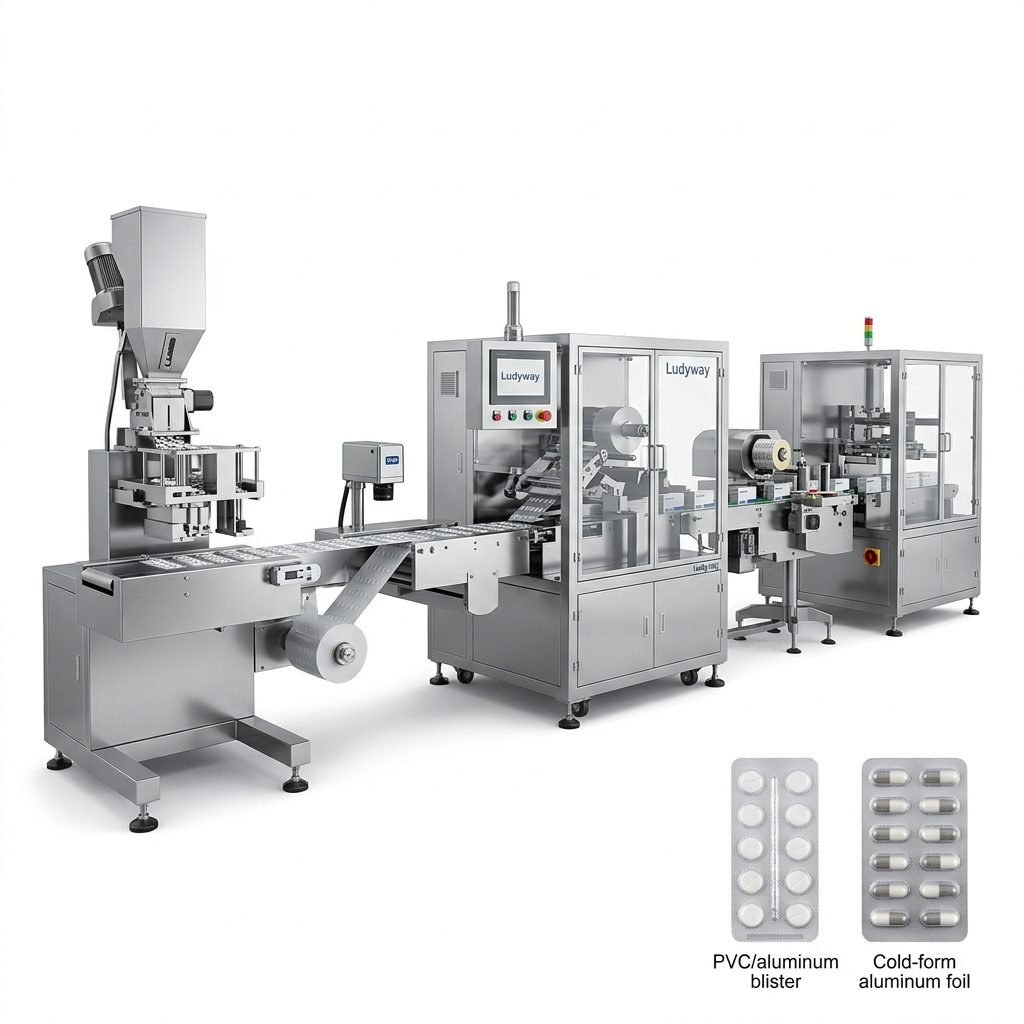
The more functions included, the higher the system cost. Some buyers only need a standalone blister machine, while others need a complete line with:
- Automatic feeders
- Vision inspection
- Printing and embossing
- Batch coding
- Cartoning
- Checkweighing
- Case packing
An integrated line costs more, but it can dramatically improve productivity and line control.
8. Build Quality and Core Components
Servo systems, PLC brand, touchscreen HMI, sensors, pneumatic parts, motors, and sealing assemblies all affect price. Machines using premium international components typically cost more, but they may offer better stability, easier maintenance, and stronger spare parts availability.
9. Customization Level
A standard machine is usually more affordable than a highly customized one. The more your project involves unique blister layouts, special feeding, cleanroom adaptation, or line integration, the more engineering is required.
10. Supplier Capability and Service Support
Low pricing from an inexperienced supplier can lead to higher risk. Training, installation support, spare parts, after-sales service, and remote troubleshooting all have real value. Many buyers now evaluate not only machine cost, but also supplier reliability and export experience.
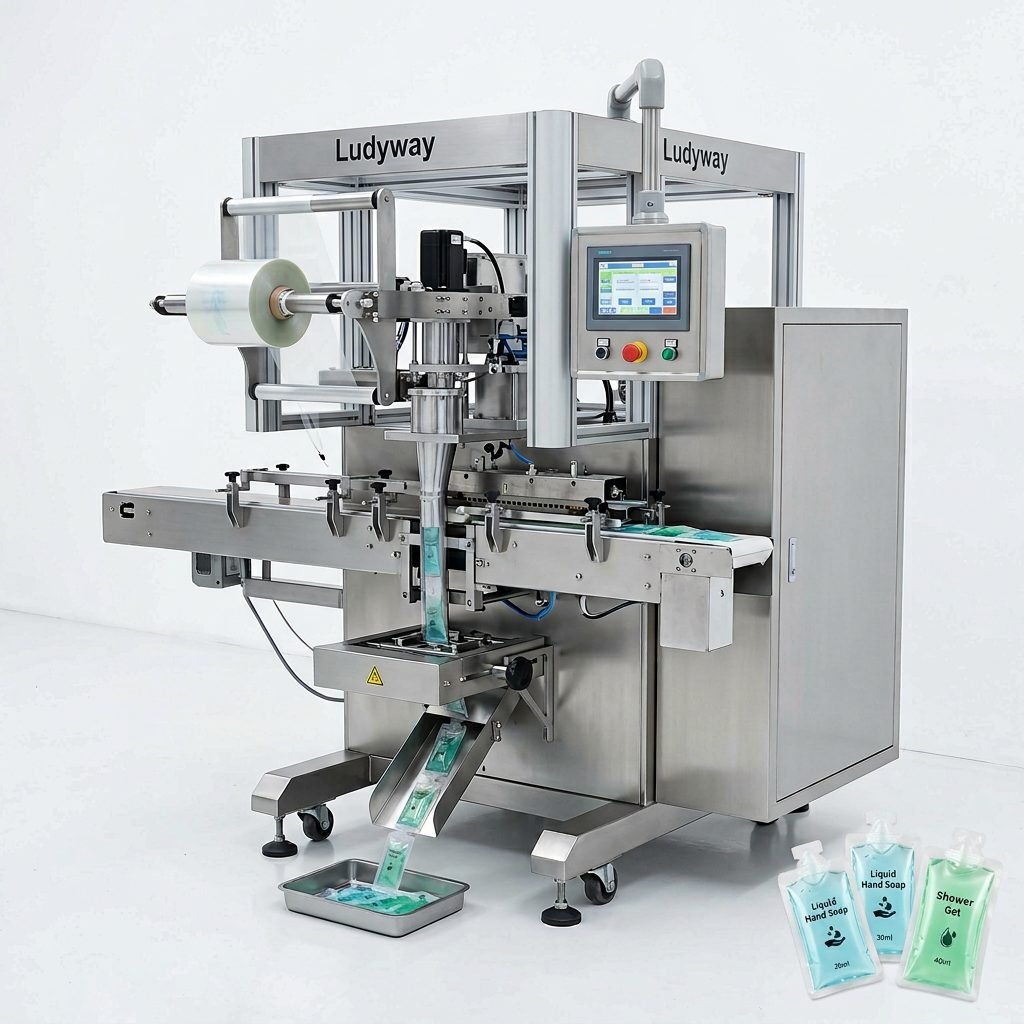
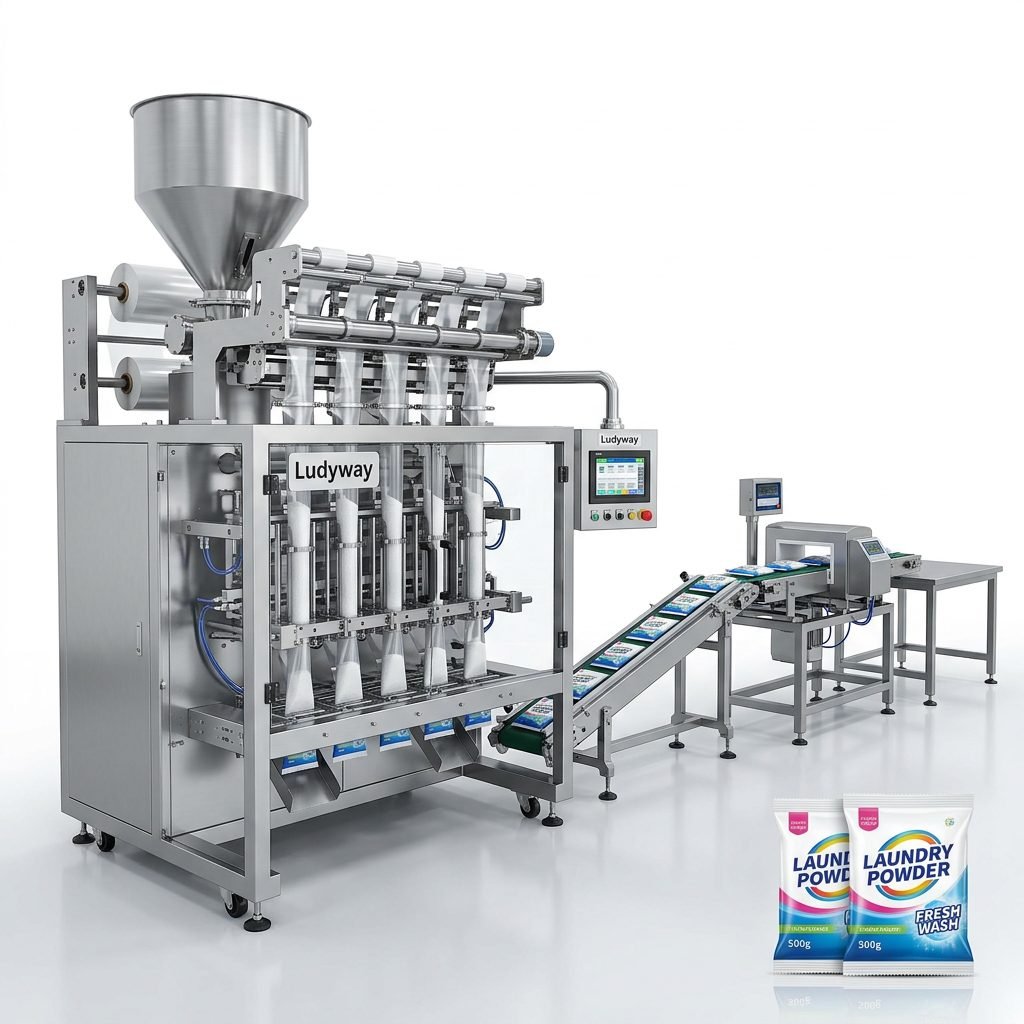
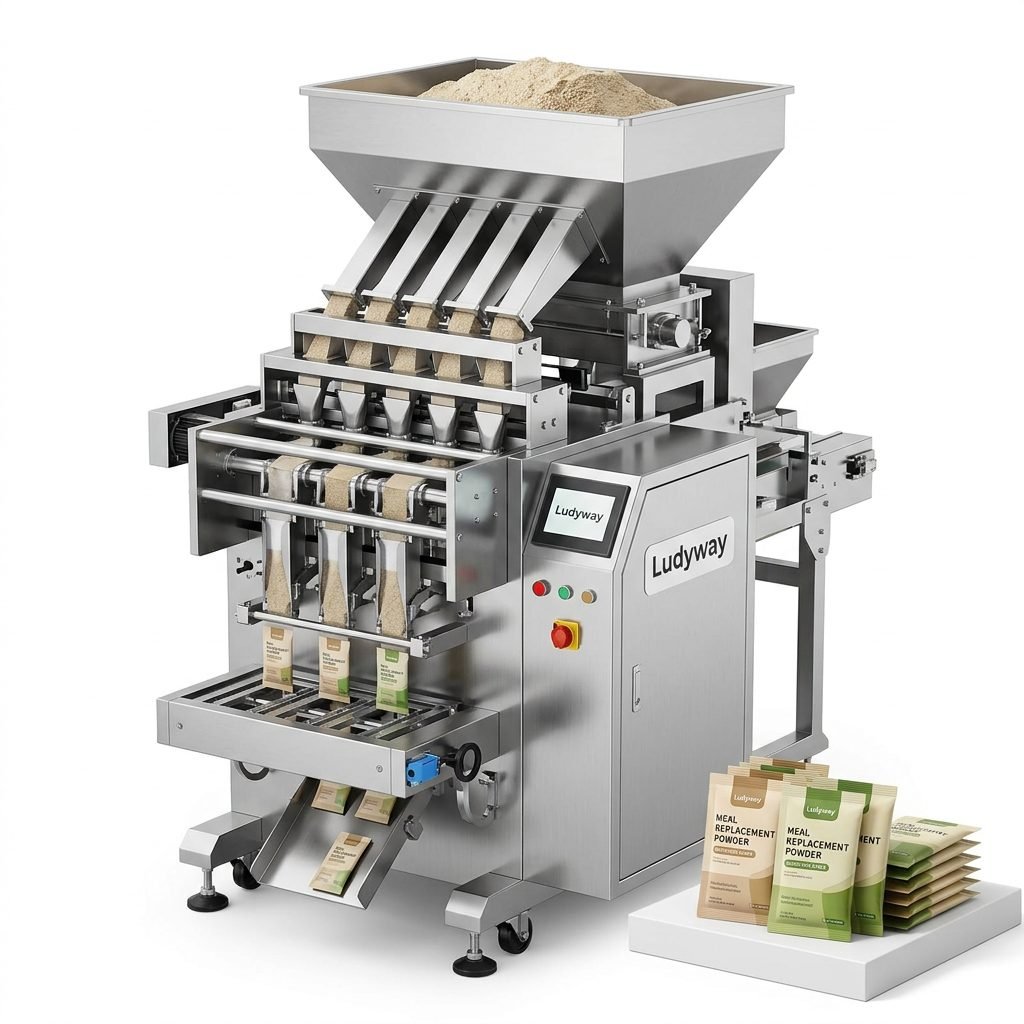
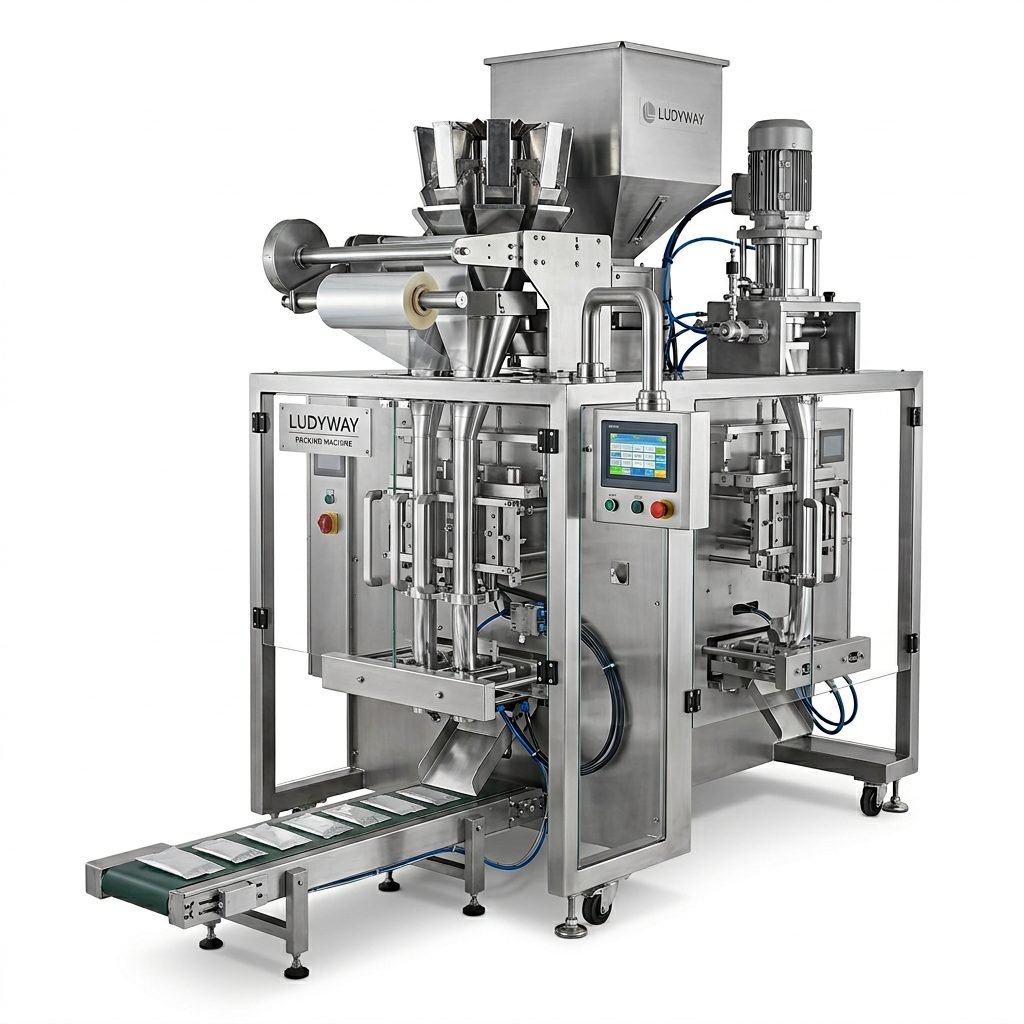
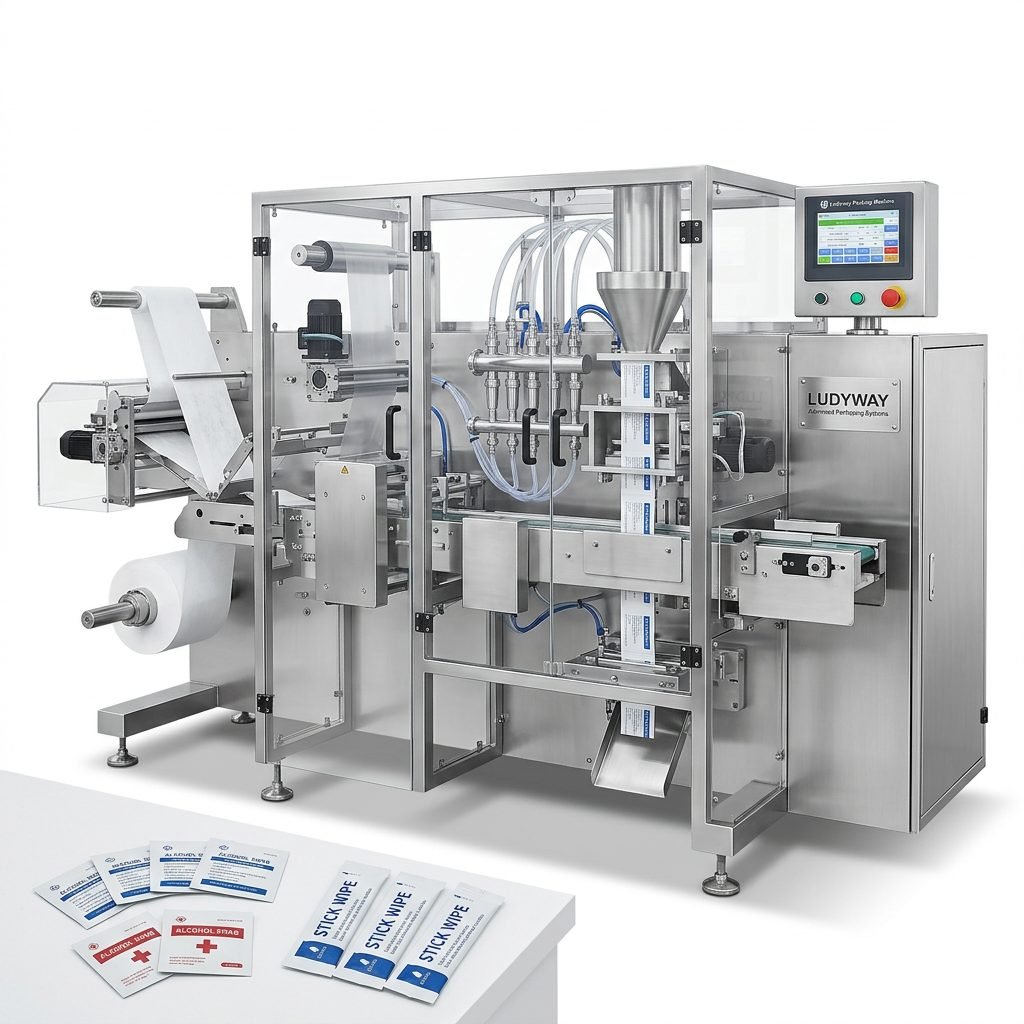
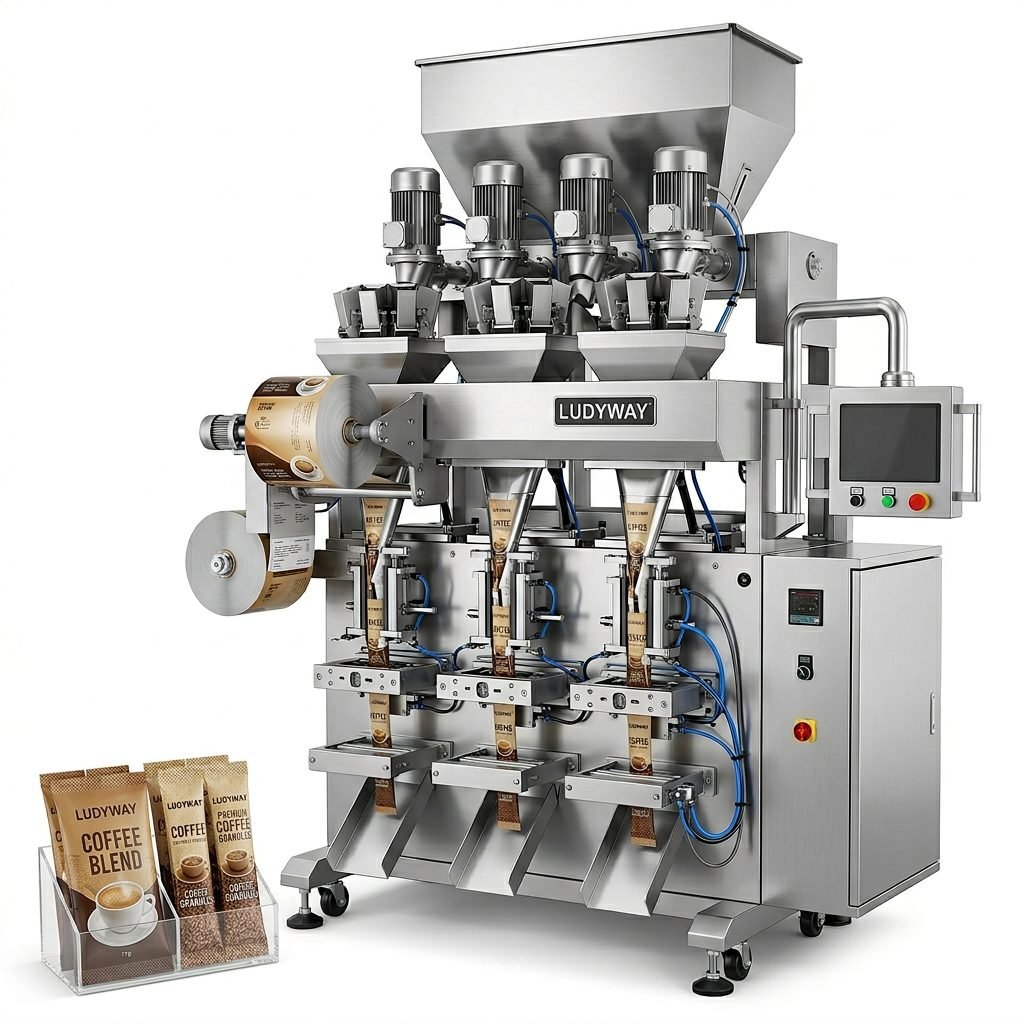
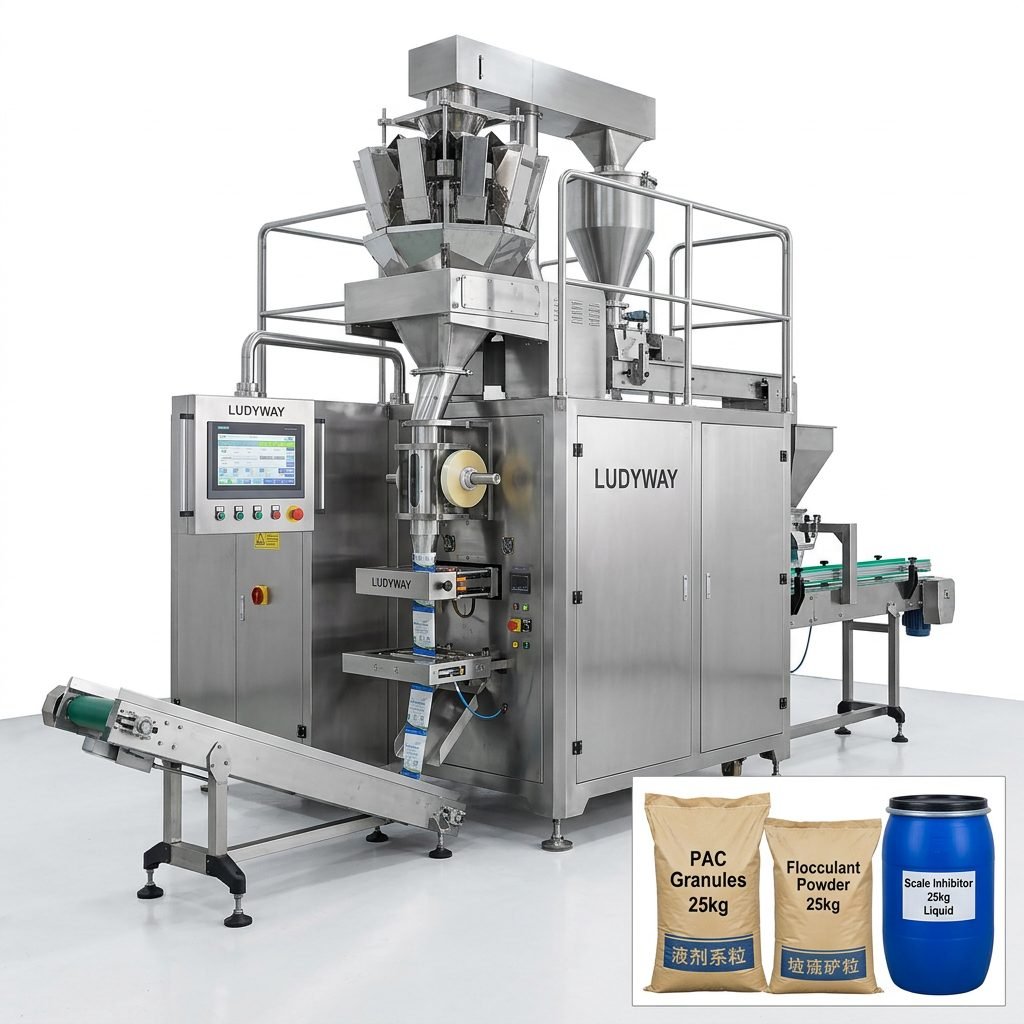
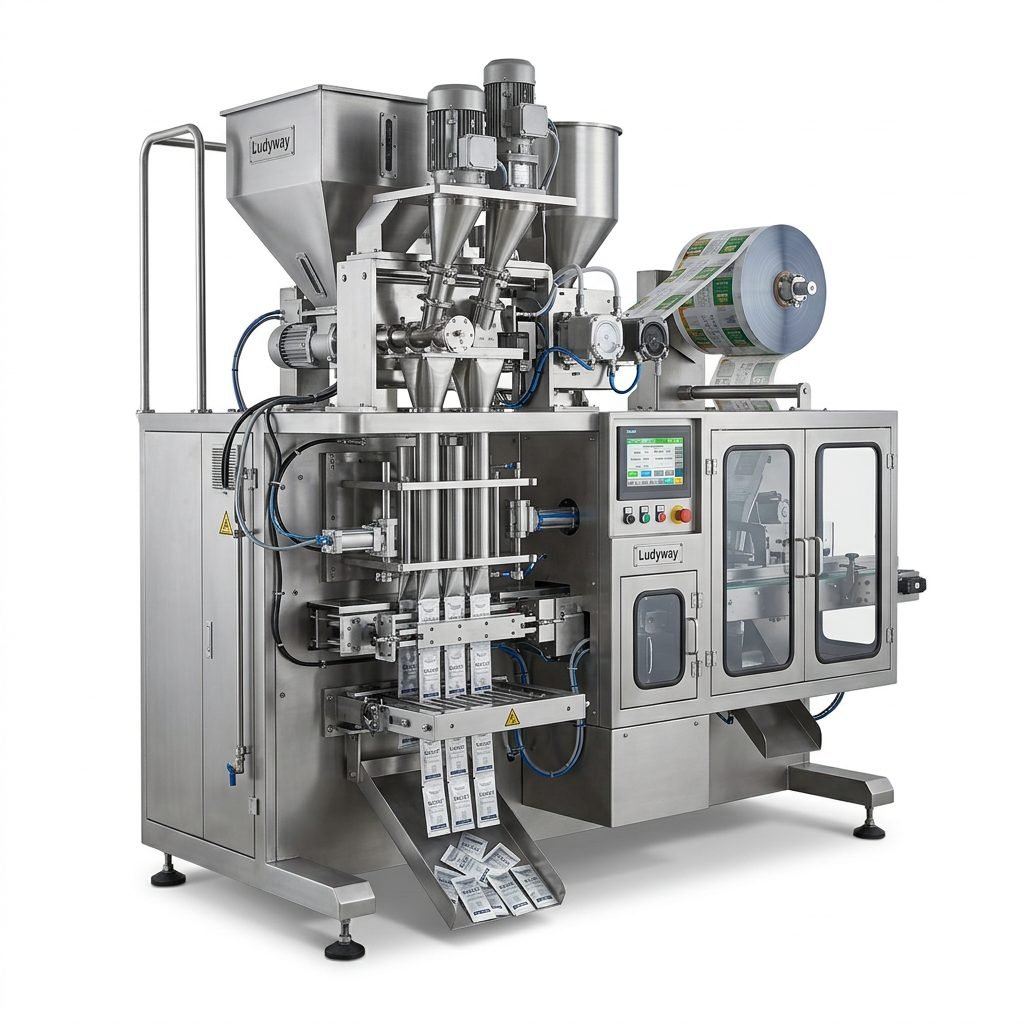
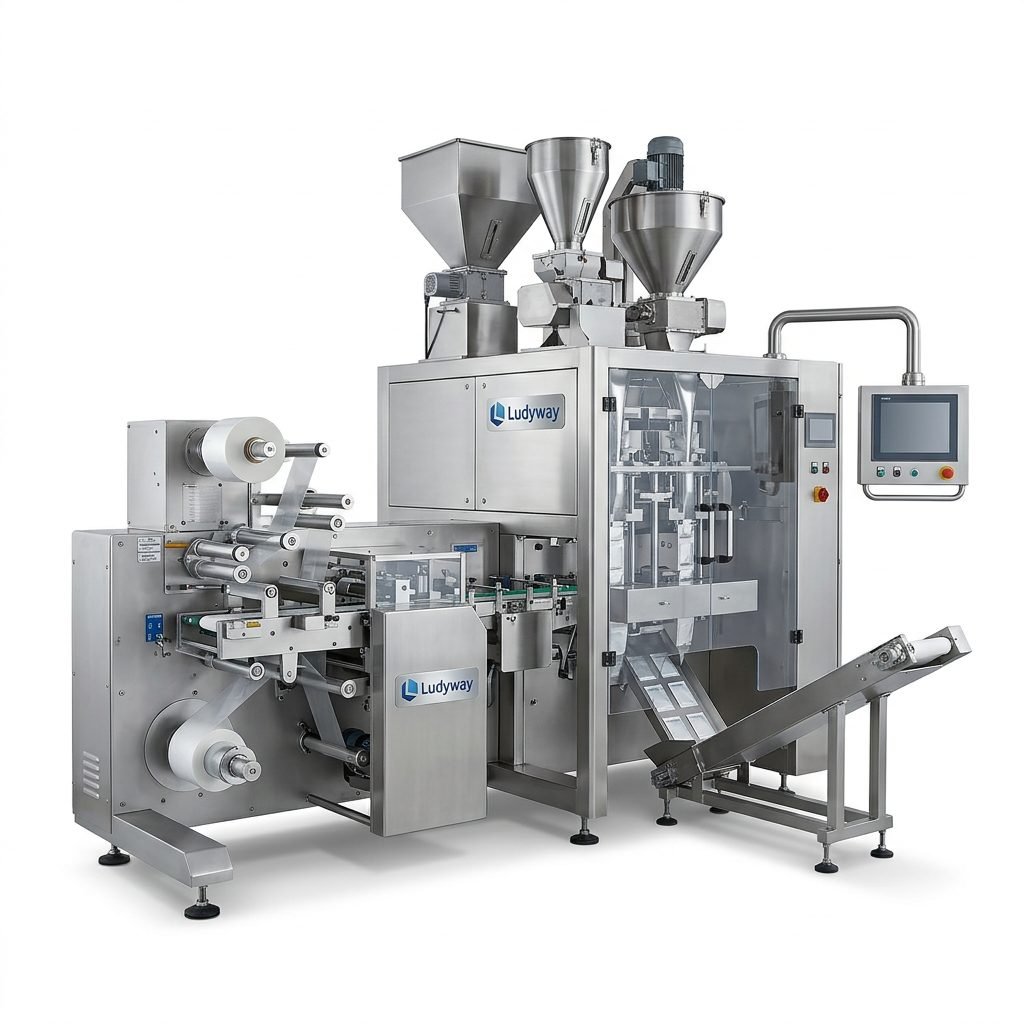
For businesses looking for broader packaging automation support beyond a single unit, Ludyway packaging machine solutions are often considered for scalable manufacturing projects thanks to the company’s long industry experience, wide product coverage, and turnkey line capability.
Hidden Costs Buyers Often Miss
The machine quotation is not the full project budget. You should also evaluate the following:
| Cost Item | Why It Matters |
|---|---|
| Shipping and insurance | Large machines can have high freight costs |
| Installation and commissioning | On-site setup may require engineering support |
| Tooling and spare parts | Essential for format change and maintenance |
| Operator training | Improves safety and reduces downtime |
| Validation documents | Important for regulated industries |
| Utility requirements | Power, compressed air, HVAC, cleanroom matching |
How to Choose the Right Blister Packing Machine
Define Your Product Clearly
Before asking for a quote, list your exact product details:
- Product type and shape
- Dimensions and fragility
- Required cavity layout
- Output target per hour
- Packaging material preference
- Industry regulations
The more accurate your data, the more accurate the quotation.
Match Speed to Real Demand
Do not buy the fastest machine just because it sounds better. If your real production need is moderate, a mid-range automatic machine may deliver better ROI. On the other hand, if you expect rapid growth, buying too small can create a production bottleneck within a year.
Check Material Compatibility
Ask whether the machine can run the barrier films you need now and in the future. Material flexibility can protect your investment if packaging regulations or product stability demands change later.
Evaluate Changeover Efficiency
If you handle multiple SKUs, format change time matters almost as much as machine speed. A machine that changes over quickly can produce more total output over a shift than a faster machine with long downtime.
Review Service and Spare Parts Support
Always ask:
- What spare parts are included?
- How quickly can replacements be shipped?
- Is remote technical support available?
- Can the supplier provide training and manuals in English?
- Is factory acceptance testing available?
Think in Terms of Total Cost of Ownership
A lower-price machine may seem attractive, but if it causes frequent stoppages, sealing defects, difficult maintenance, or high labor dependence, it may cost more over time. A better decision comes from comparing:
- Initial machine price
- Expected service life
- Maintenance cost
- Output efficiency
- Waste rate
- Labor savings
Best Buying Scenarios by Business Type
For Startups and Small Manufacturers
- Focus on affordable semi-automatic or compact automatic models
- Prioritize reliability over advanced extras
- Choose a machine with upgrade potential
For Mid-Sized Pharmaceutical or Supplement Brands
- Invest in automatic blister systems with stable output
- Look for quick tooling changes
- Consider coding, rejection, and inspection integration
For Large Regulated Manufacturers
- Choose high-speed validated systems
- Require compliance documentation and FAT/SAT support
- Plan for line integration with cartoning and end-of-line automation
Questions to Ask Before Requesting a Quote
- What products will be packed, and what are their dimensions?
- What output do you need per minute or per hour?
- Will you use PVC, PVDC, PET, or Alu-Alu materials?
- Do you need a standalone machine or a complete blister packaging line?
- How many product formats and tooling sets are required?
- Do you need GMP, CE, FDA-related, or validation documents?
- What level of after-sales service is included?
Final Buying Insight
Blister packing machine price is shaped by far more than the basic machine frame. Speed, automation, product type, materials, compliance, tooling, and supplier support all affect the final cost. The right choice is the one that fits your current output, future growth, and quality requirements while keeping long-term operating cost under control.
If you define your application clearly and compare suppliers based on performance, support, and total value instead of price alone, you will make a much stronger investment decision.