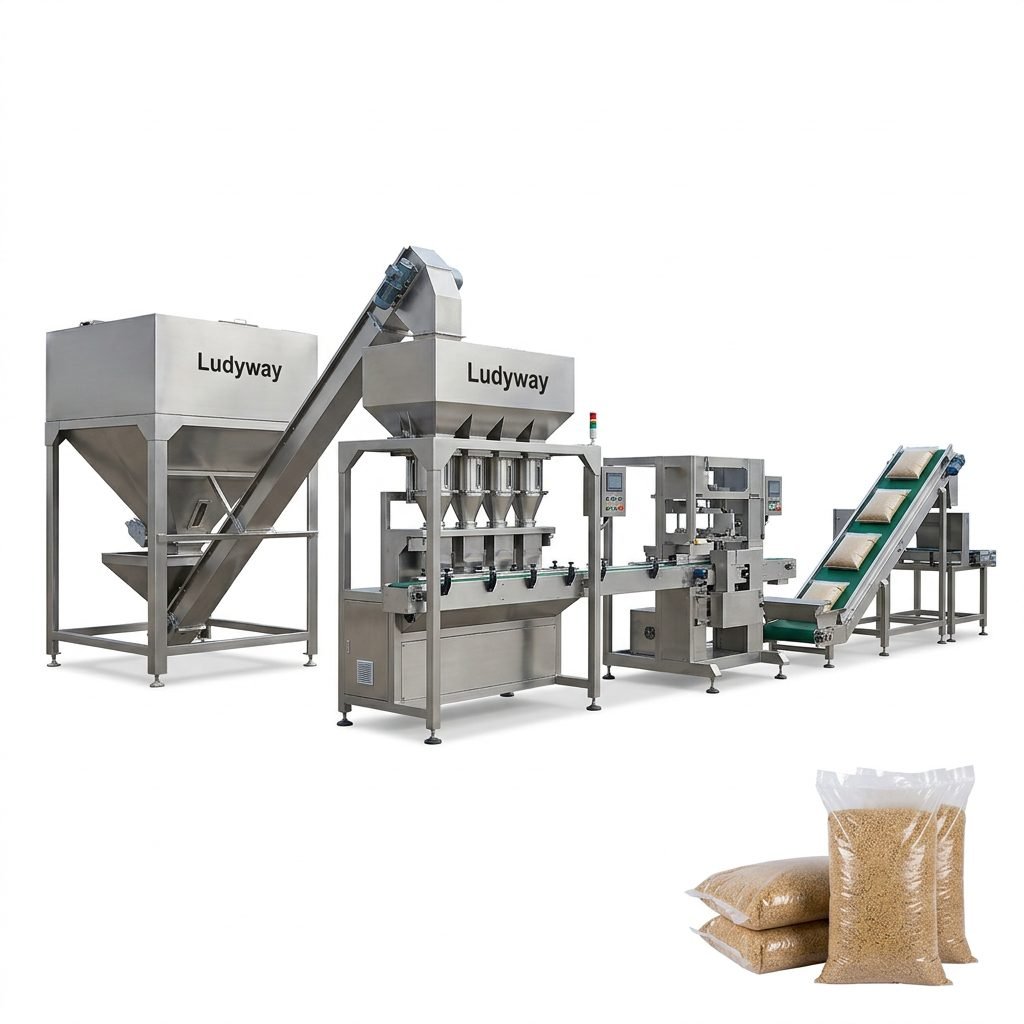
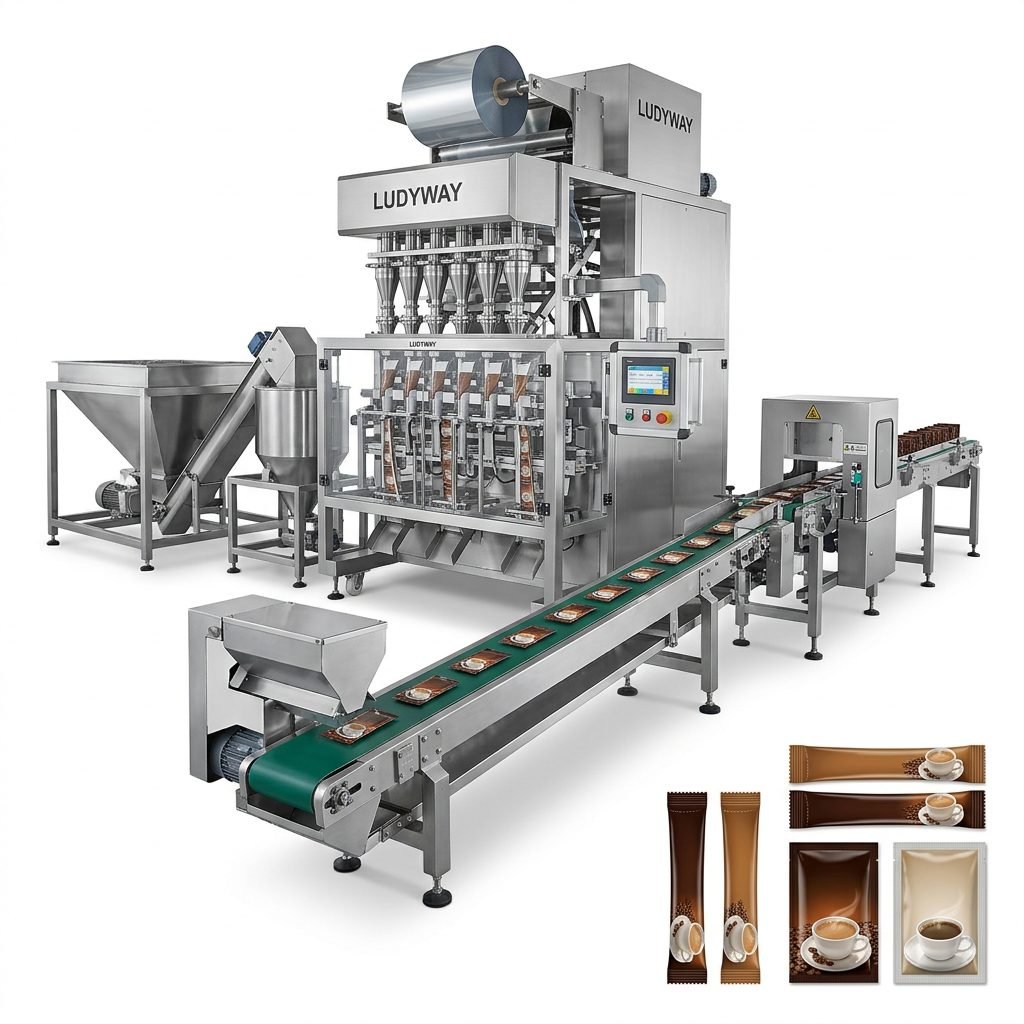
Choosing an automatic packing machine is not only about comparing quotations. The right equipment should match your product type, packaging format, production target, labor plan, and future growth. If you focus only on the initial machine price, you may end up with higher maintenance costs, unstable output, wasted materials, or a packaging format that limits your business expansion.
For food, pharmaceutical, cosmetic, chemical, and health product manufacturers, a smart buying decision starts with understanding what really affects the price of packaging equipment and which machine configuration delivers the best long-term value.
What Determines Automatic Packing Machine Price?
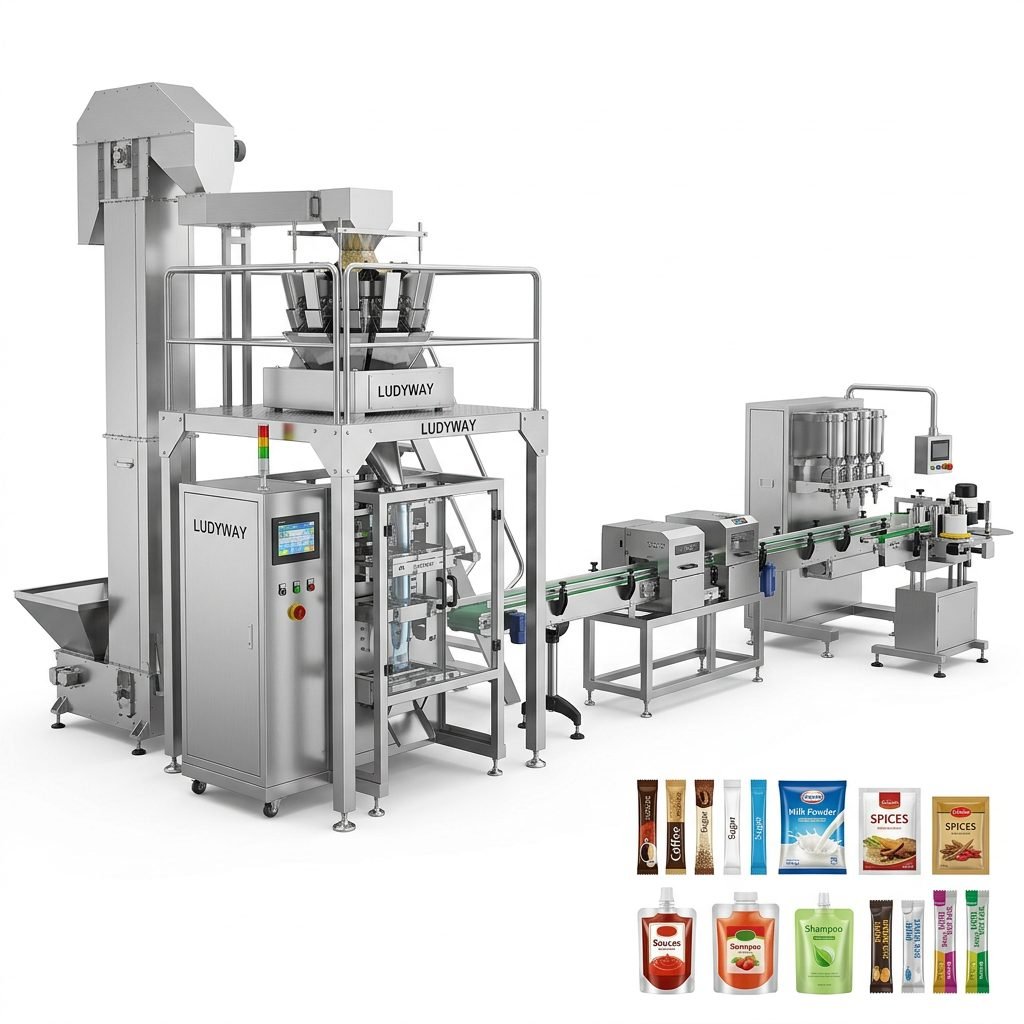
Automatic packing machine price can vary widely because different production requirements call for different structures, controls, and automation levels. A simple standalone sachet machine costs far less than a fully integrated turnkey packaging line with feeding, filling, sealing, coding, inspection, cartoning, and palletizing.
- Product characteristics: powder, granule, liquid, paste, tablet, pouch, or irregular parts
- Packaging type: stick pack, sachet, pillow bag, premade pouch, bottle, tube, carton, or bulk bag
- Speed requirement: low, medium, high-speed, or multi-lane production
- Automation level: semi-automatic, fully automatic, or complete packaging line
- Dosing accuracy: especially important for pharmaceutical, chemical, and nutrition products
- Material and compliance needs: stainless steel grade, GMP-friendly design, dust-proof or anti-corrosion structure
- Customization: special bag sizes, unique film structures, printing systems, or integration with upstream/downstream equipment
| Factor | Impact on Price | Why It Matters |
|---|---|---|
| Machine type | High | Different systems use different sealing, feeding, and filling technologies |
| Output speed | High | Higher speed often requires servo control and stronger structural stability |
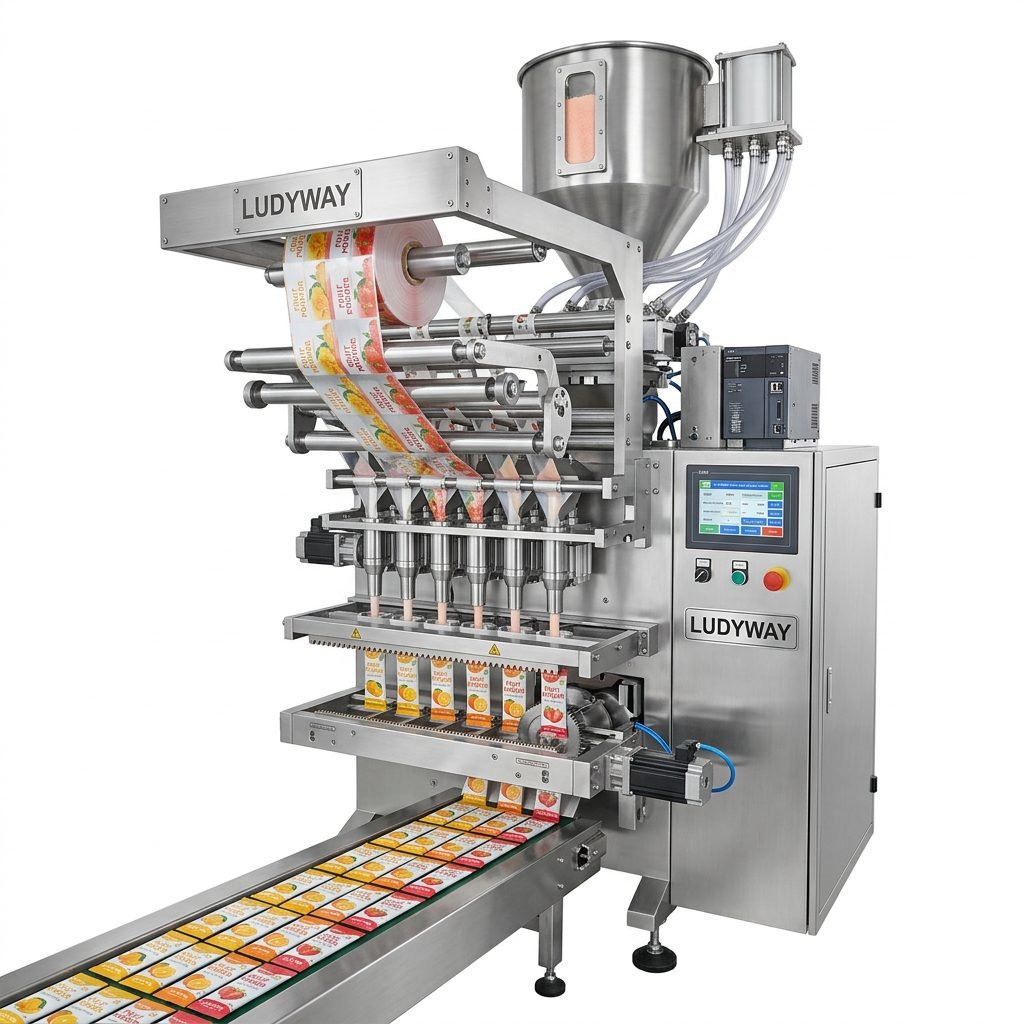
| Number of lanes | High | Multi-lane machines boost productivity but increase complexity |
| Material contact parts | Medium | Sanitary or corrosion-resistant materials improve durability and compliance |
| Customization level | High | Tailored engineering can solve special packaging needs |
| Auxiliary equipment | Medium to High | Feeders, conveyors, printers, checkweighers, and cartoners affect total investment |
Common Types of Automatic Packaging Machines
Different businesses need different machine formats. The best choice depends on the product, bag style, and production scale.
1. Vertical Form Fill Seal Machines
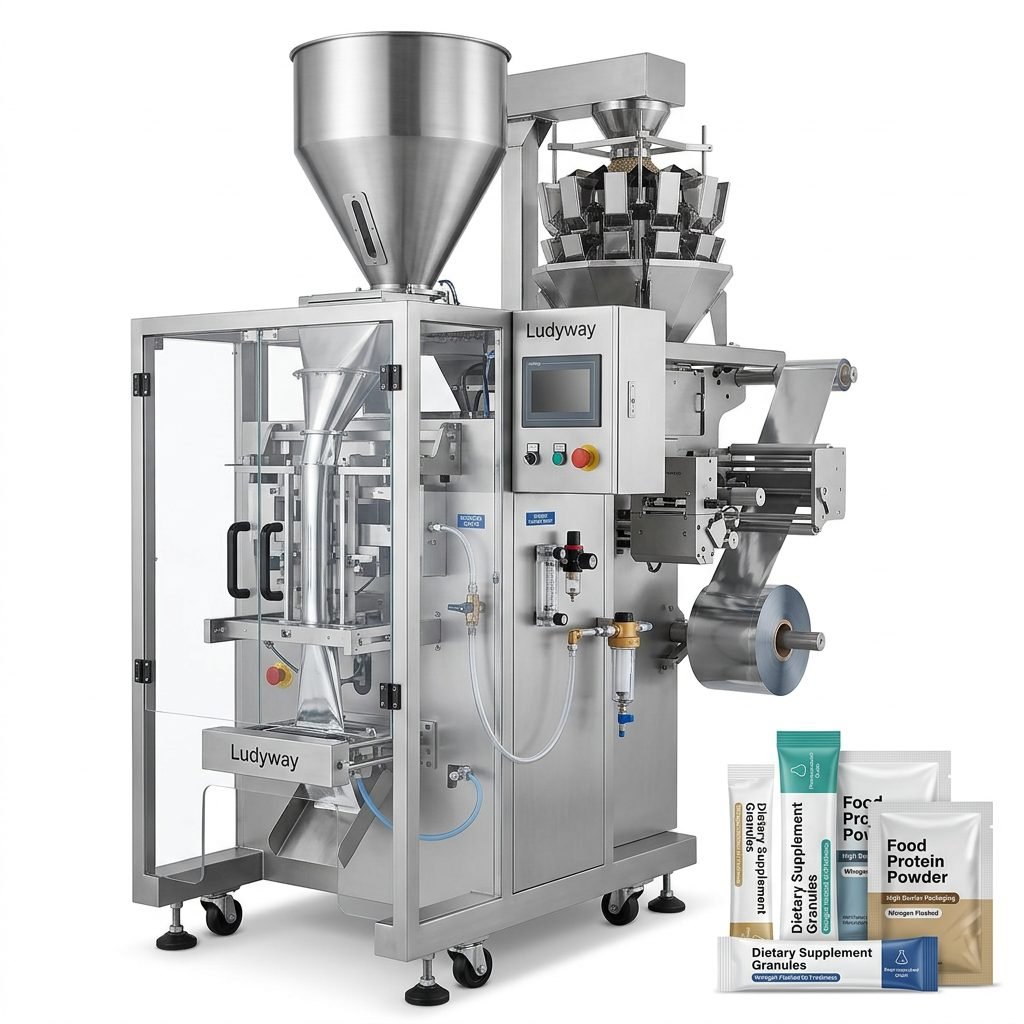
Suitable for powders, granules, and some liquids. These machines form the bag from film roll, fill it, and seal it automatically. They are commonly used for snacks, spices, coffee, sugar, detergent, and agricultural products.
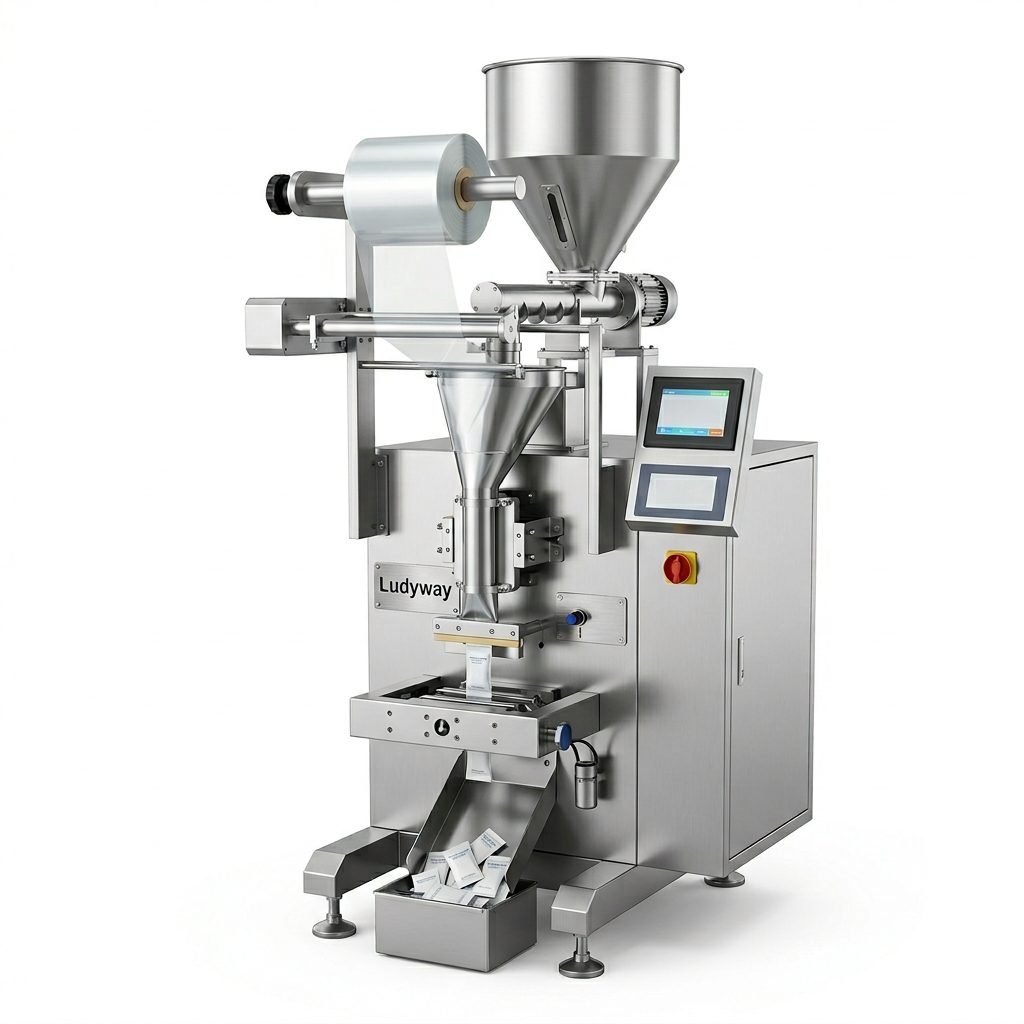
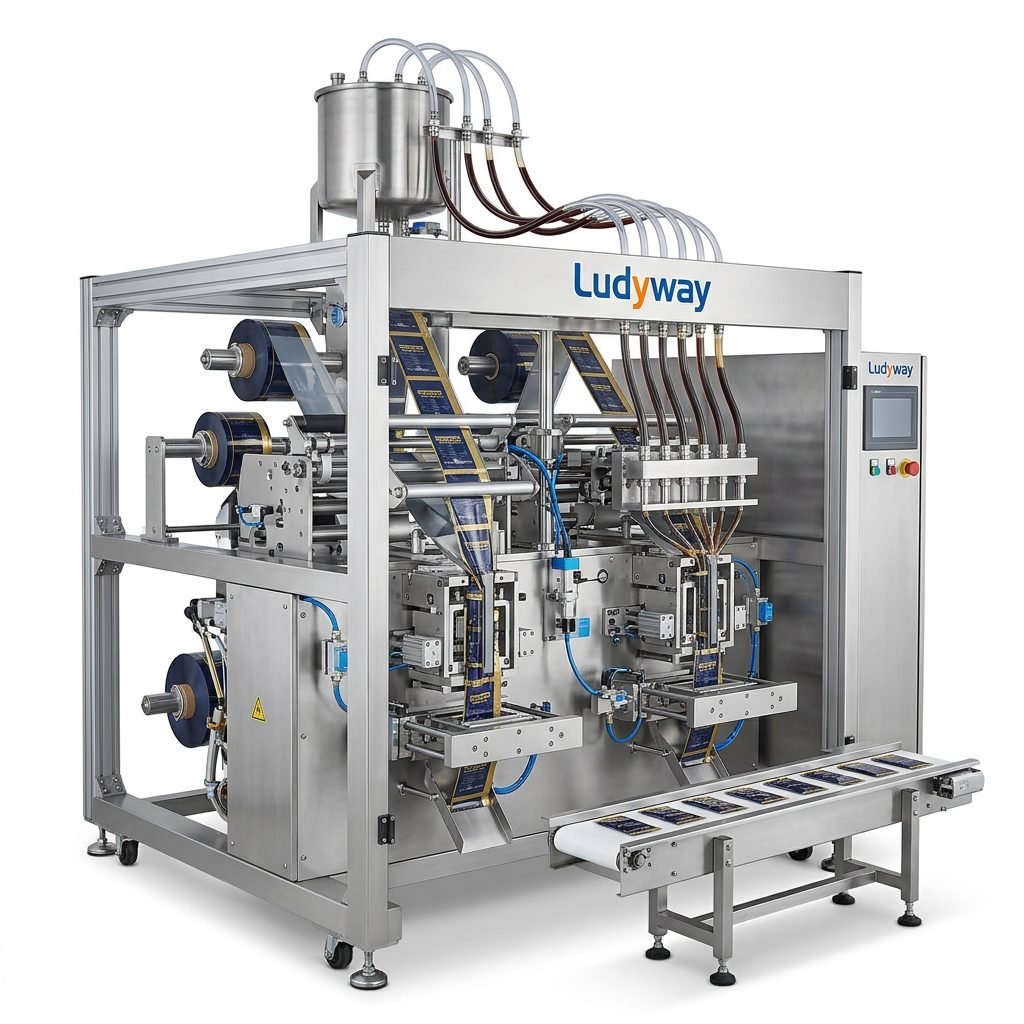
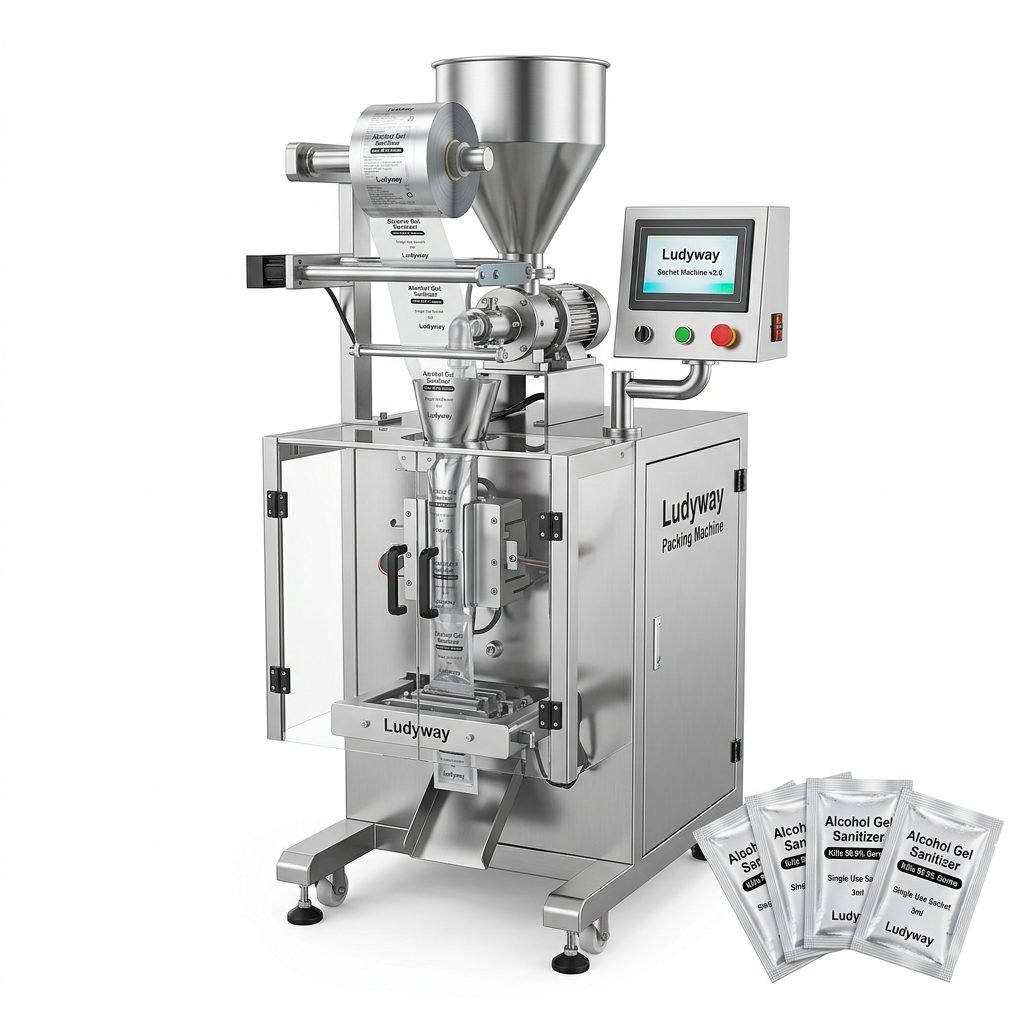
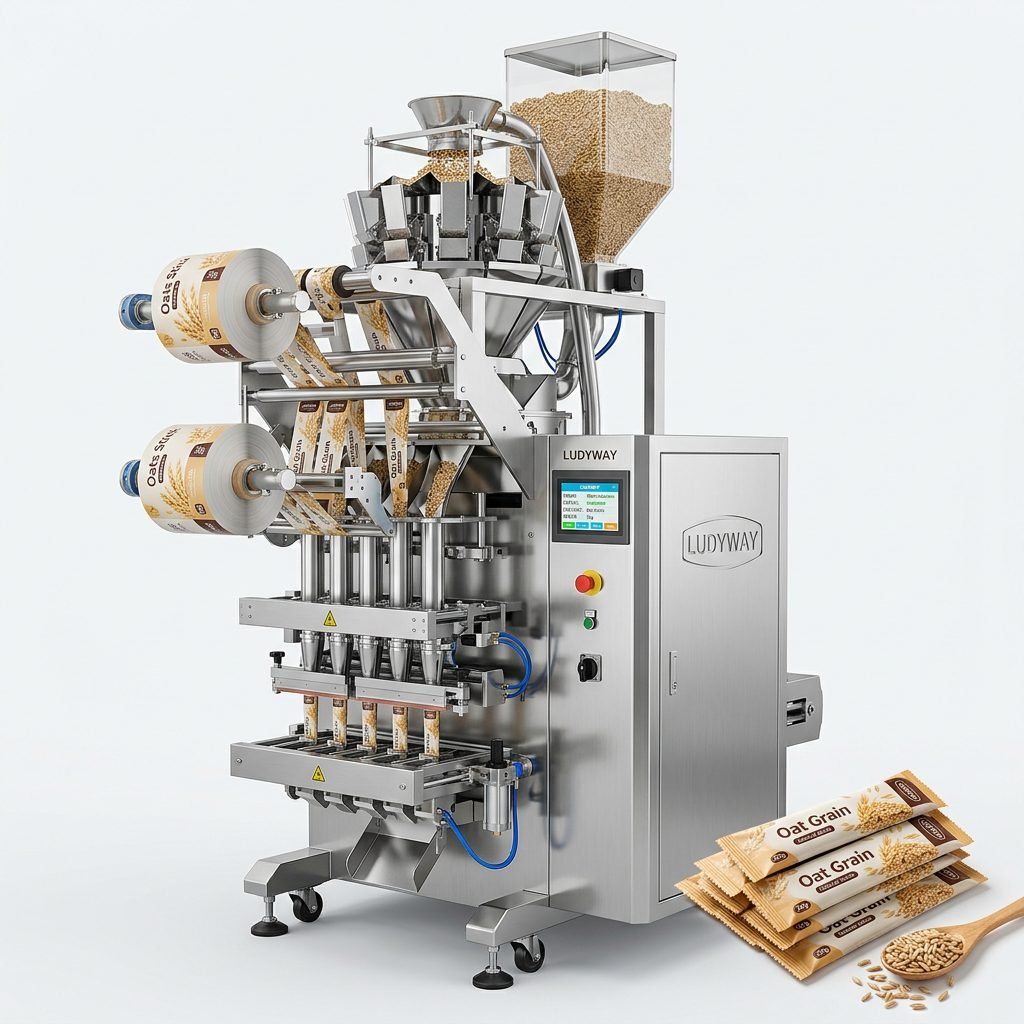
2. Sachet and Stick Pack Machines
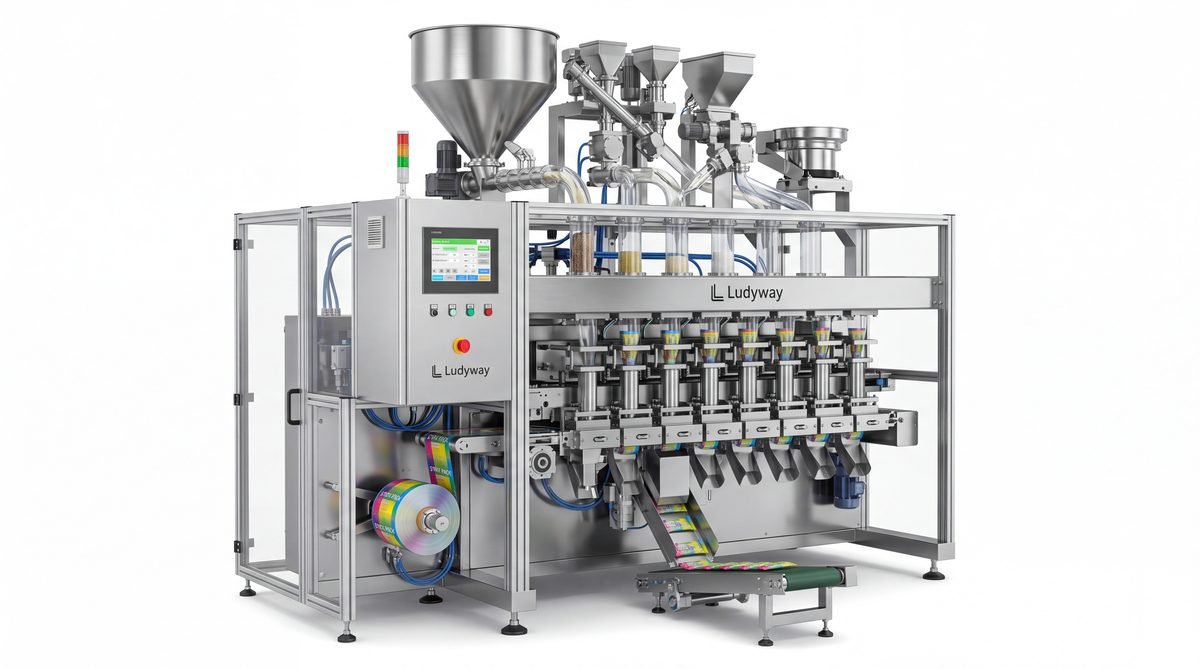
Ideal for single-dose packaging, especially in food, health supplements, pharmaceutical powders, cosmetics, and liquids. Multi-lane versions deliver very high output for small-format packs.
3. Premade Pouch Packing Machines
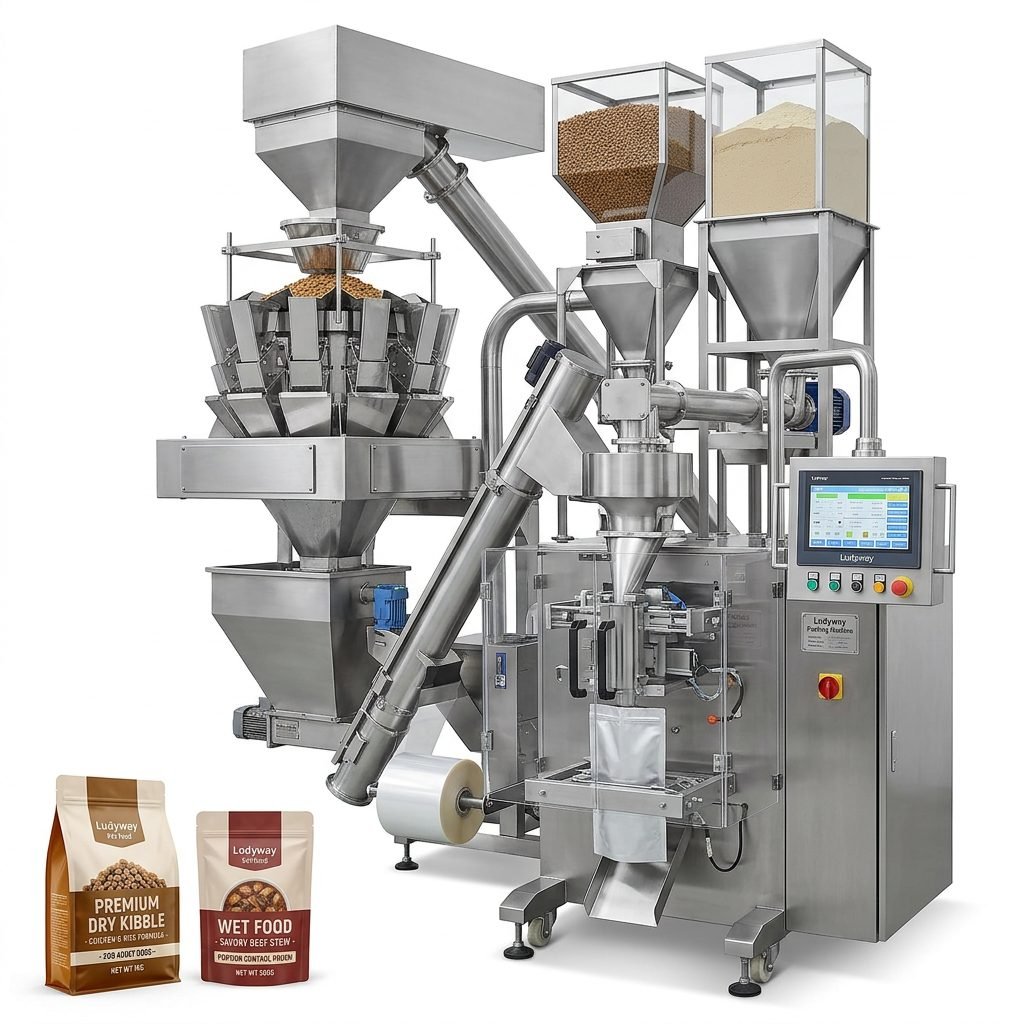
Best for businesses wanting a premium pouch appearance, resealable formats, or more complex package shapes. These systems are widely used for pet food, sauces, nutrition powders, and household products.
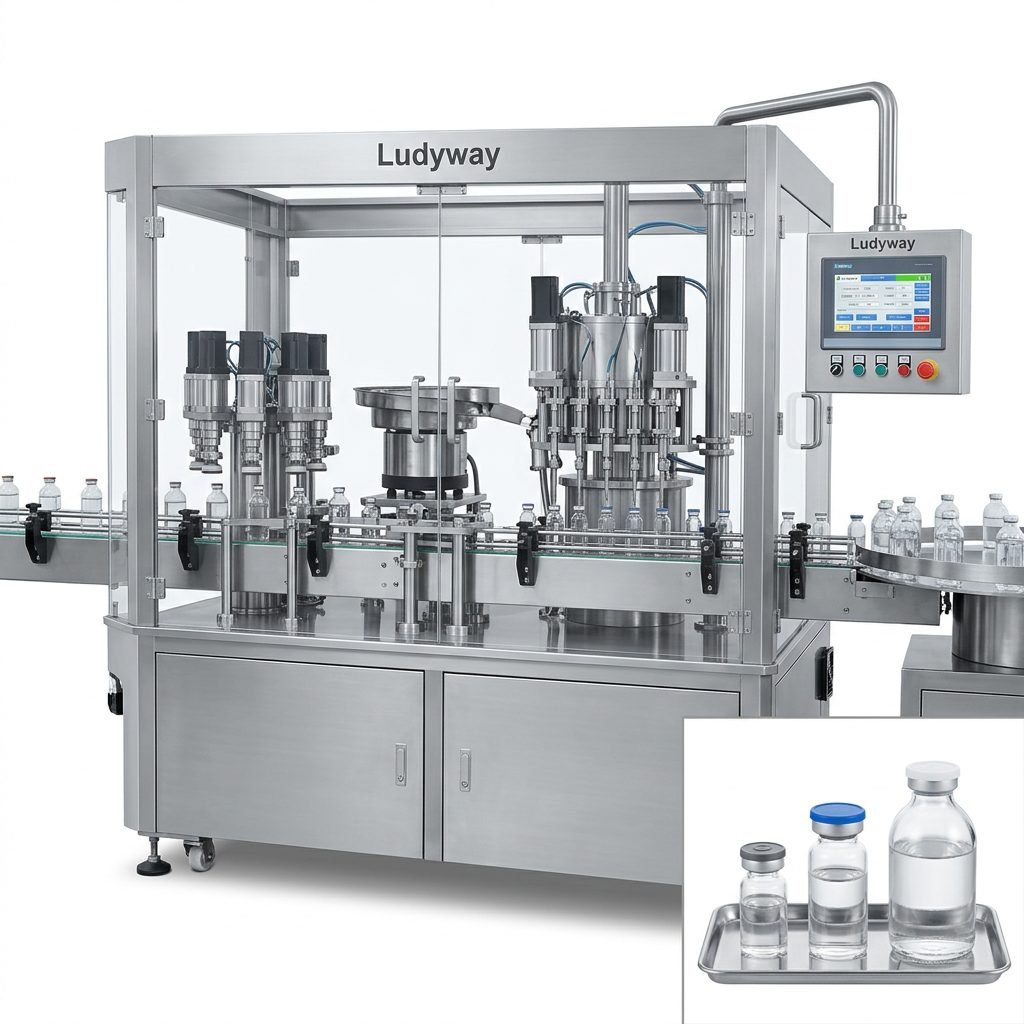
4. Bottle Filling and Packaging Lines
Suitable for capsules, tablets, liquids, oral solutions, shampoos, lotions, and chemical products. These lines may include unscrambling, filling, capping, labeling, coding, and cartoning.
5. Turnkey Packaging Lines
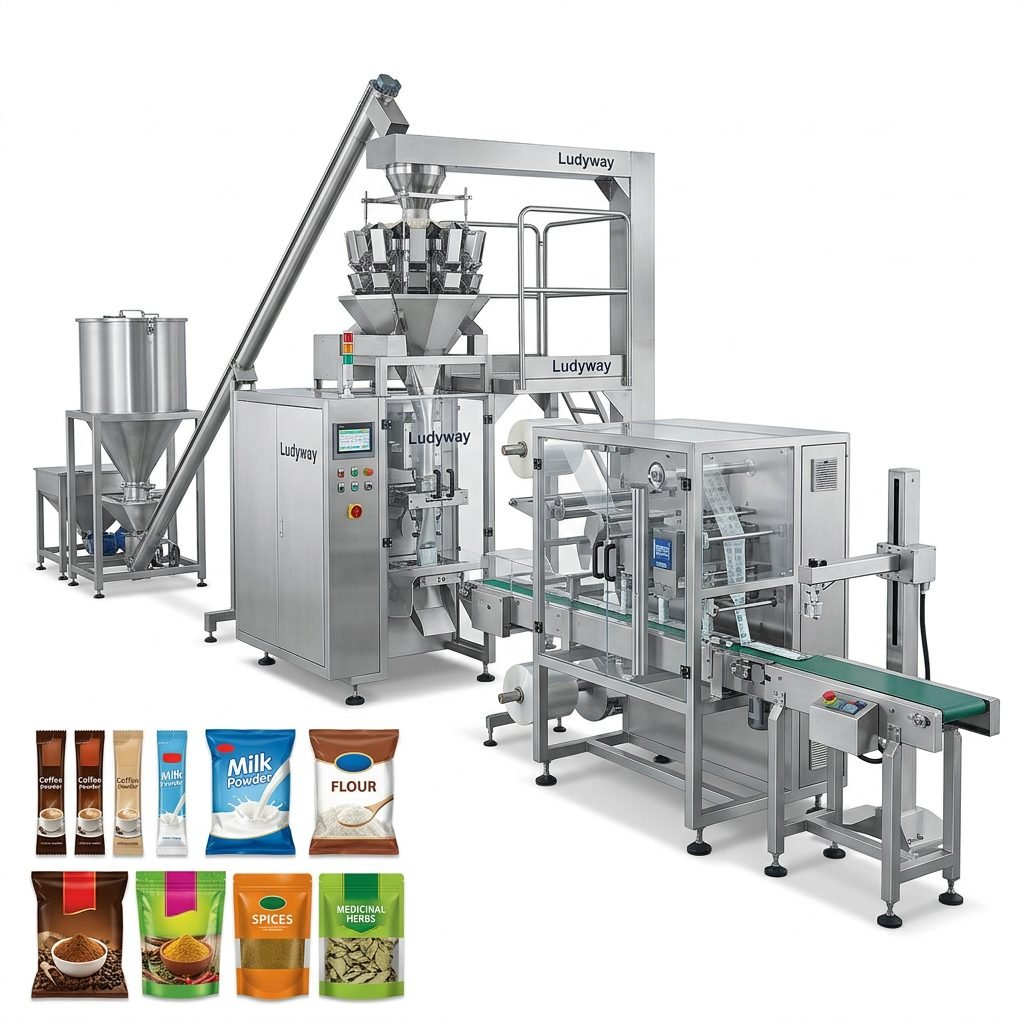
A turnkey line integrates upstream feeding and downstream packaging processes into one coordinated solution. It is often the best option for medium to large manufacturers aiming for consistent capacity, traceability, and lower labor dependence.
How to Match the Machine to Your Product
A packaging machine should be chosen based on the physical behavior of your product, not just the package style you prefer.
| Product Type | Recommended Machine | Key Consideration |
|---|---|---|
| Free-flowing granules | Cup filler / multihead weigher / VFFS | Speed and weight consistency |
| Fine powders | Auger filler / stick pack / sachet machine | Dust control and accuracy |
| Liquids | Liquid pump filling machine | Leak prevention and seal integrity |
| Pastes / gels / creams | Piston filler / sachet or tube machine | Viscosity handling and cleanability |
| Tablets / capsules | Counting line / blister / bottle line | Counting precision and compliance |
Questions to Ask Before Comparing Prices
If you want accurate packaging machine quotations, prepare clear technical information first. This helps manufacturers recommend the right model instead of giving a rough price that may not fit your production reality.
- What product are you packing?
- Is it powder, granule, liquid, paste, or mixed material?
- What package style do you need?
- What bag size, filling volume, and target speed are required?
- Do you need coding, labeling, cartoning, checkweighing, or case packing?
- What level of automation do you expect in 1 to 3 years?
- Do you need GMP, food-grade, or chemical-resistant construction?
- Will the machine handle one product or multiple SKUs?
Low Price vs. Real Value
A lower machine price may look attractive at first, but the real cost of ownership includes much more than procurement.
- Downtime caused by unstable sealing or inaccurate filling
- Material waste from poor bag forming and film tracking
- Labor cost due to manual adjustments and frequent intervention
- Replacement part costs and after-sales response time
- Inability to scale production when demand grows
In many cases, a slightly higher initial investment results in better output, lower waste, stronger consistency, and faster ROI.
How to Choose the Right Supplier
The machine itself matters, but the manufacturer behind it matters just as much. A reliable supplier should be able to support machine design, testing, customization, export delivery, installation guidance, and long-term technical service.
For buyers looking for scalable automation, Ludyway automatic packing machine solutions are often considered for food, pharmaceutical, health supplement, cosmetic, and chemical applications. With more than 30 years of manufacturing experience, a factory of over 20,000 square meters, and a broad product portfolio covering standalone equipment and turnkey lines, the company is positioned to support both growing brands and high-output industrial projects.
Key Features That Improve Packaging Efficiency
When evaluating different machines, pay close attention to the features that directly affect day-to-day production performance.
Servo Control System
Helps improve precision, speed stability, and repeatability.
Intelligent HMI Operation
Makes recipe storage, changeover, troubleshooting, and operator training easier.
Accurate Dosing Devices
Critical for reducing giveaway, especially in high-value powders or active ingredients.
Quick Changeover Design
Useful for factories handling multiple SKUs and pack sizes.
Integrated Quality Control
Checkweighers, metal detectors, vision inspection, and coding systems improve compliance and consistency.
Best Machine Choice by Business Stage
| Business Stage | Recommended Direction | Main Goal |
|---|---|---|
| Startup brand | Compact automatic machine | Control budget and improve consistency |
| Growing manufacturer | Higher-speed automatic line | Increase capacity and reduce labor |
| Established industrial producer | Turnkey integrated packaging line | Scale output, data control, and automation |
| Regulated sectors | Compliance-focused customized machine | Meet hygiene, traceability, and validation needs |
Tips to Get an Accurate Quotation Faster
- Send product photos or samples
- Share target bag dimensions and pack weight
- Explain your desired output per minute or per hour
- Mention whether you need one machine or a complete line
- List your voltage, factory layout, and special compliance requirements
- Provide expected future expansion plans
Final Buying Insight
The right automatic packing machine is the one that fits your current production needs while leaving room for future expansion. Instead of asking only “What is the price?”, ask “Which machine gives my business the best packaging efficiency, quality stability, and long-term return?”
When product type, package format, speed, automation level, and supplier capability are all matched correctly, your packaging investment becomes a growth tool rather than just another factory expense.