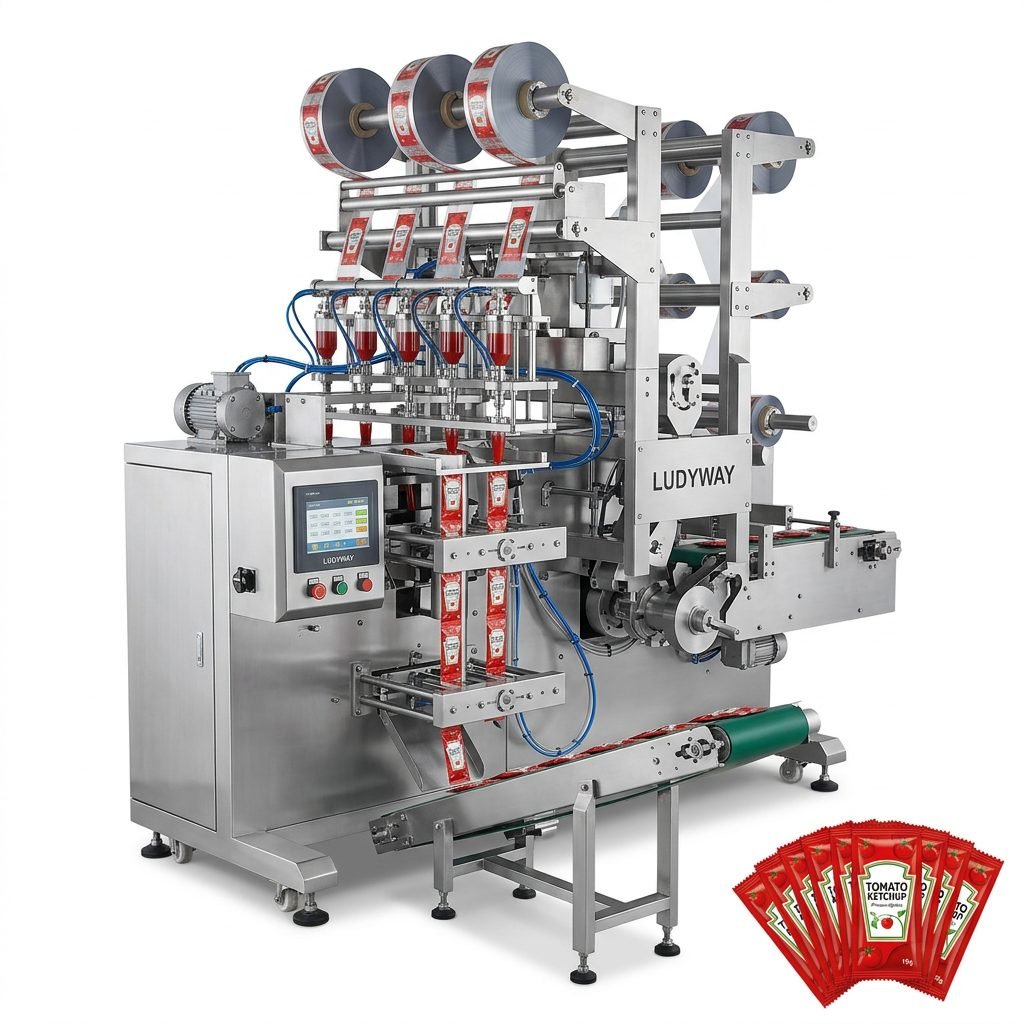
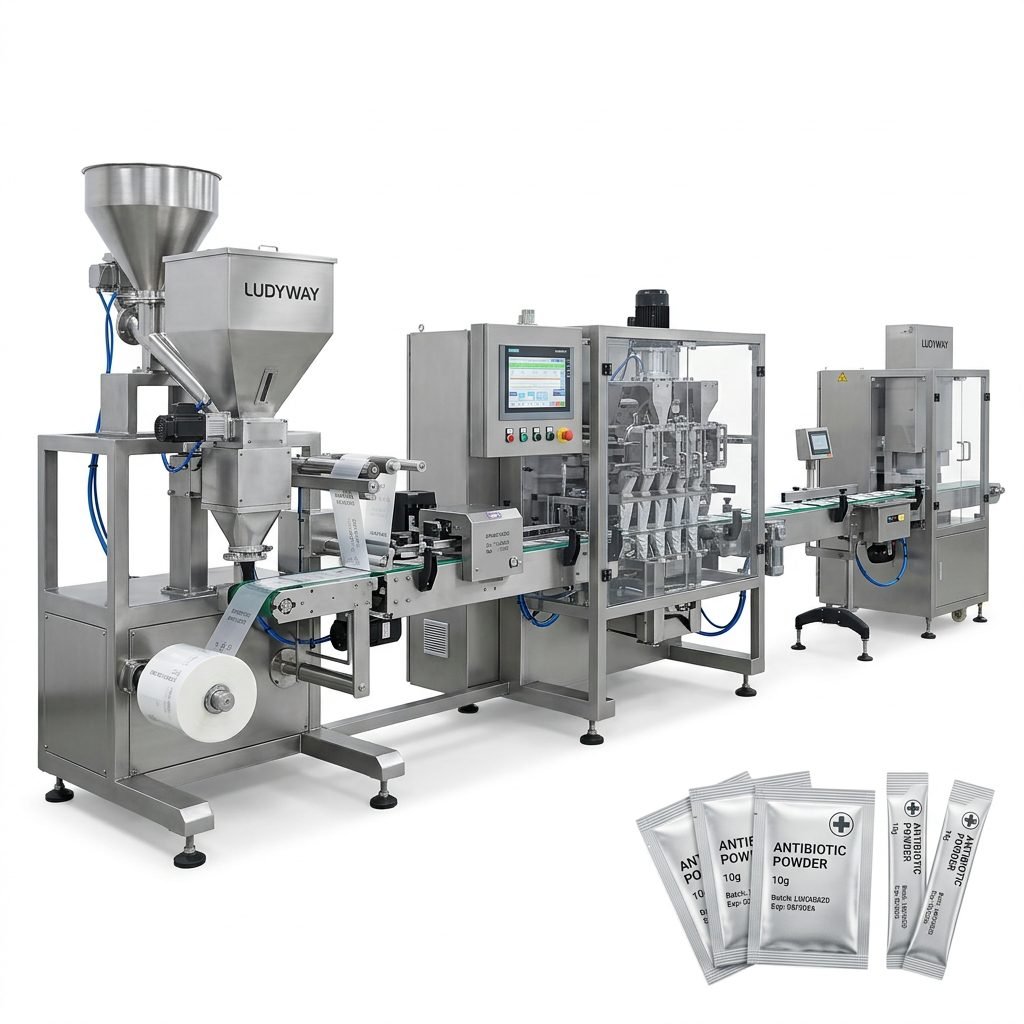
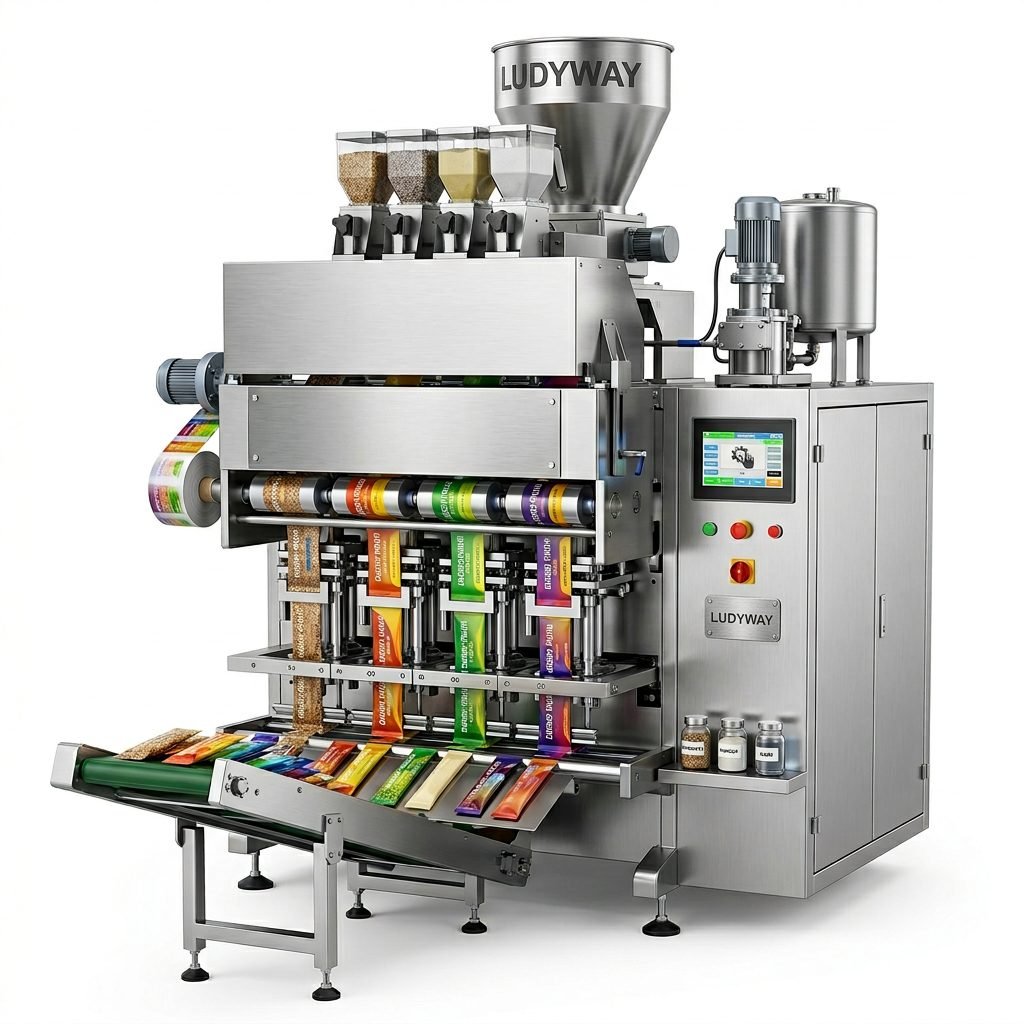
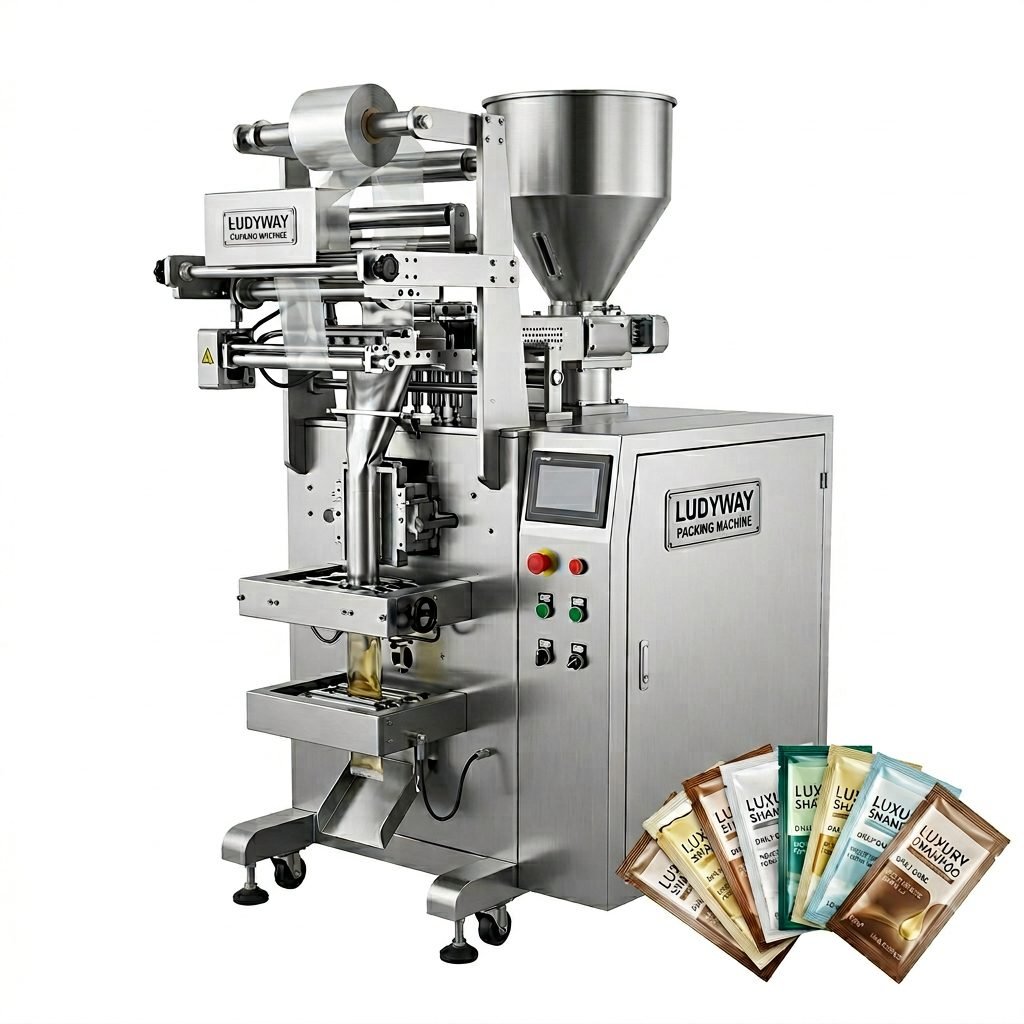
For rice producers, exporters, and food manufacturers, selecting the right rice vacuum packing machine is a critical decision that affects product shelf life, transportation efficiency, brand presentation, and overall profitability. Vacuum packaging effectively removes oxygen, protecting rice from moisture, pests, and oxidation while maintaining its natural aroma and quality. This guide walks you through the essential factors to consider when choosing a vacuum packing solution tailored to your production needs.
Understanding Rice Vacuum Packaging Technology
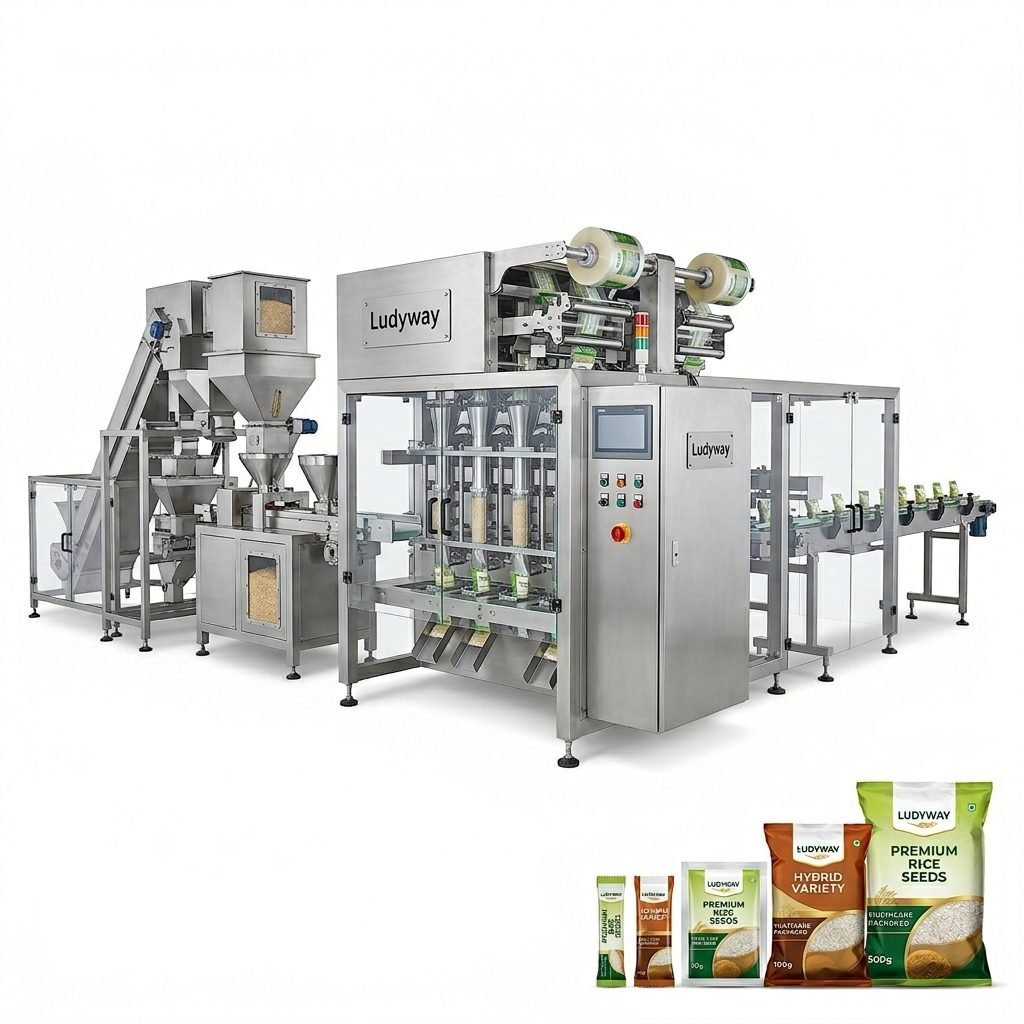
Rice vacuum packaging involves removing air from the package before sealing, creating an oxygen-depleted environment that significantly extends shelf life. Modern rice vacuum packing machines vary widely in automation level, production speed, bag format compatibility, and vacuum chamber design. According to industry data from the PMMI Business Intelligence library, demand for automated vacuum packaging equipment continues to grow as manufacturers seek to improve efficiency and product protection.
Key Factors to Evaluate Before Purchasing
When investing in a rice vacuum packing machine, several technical and operational factors require careful evaluation. Making the right choice depends on your specific production environment and business goals.
1. Production Capacity and Speed Requirements
Your target output volume directly determines the type of machine you need. Small-scale operations may suffice with a single-chamber vacuum machine producing 2-4 bags per minute, while high-volume rice processors often require double-chamber or continuous band vacuum systems capable of 8-15 bags per minute or more. Consider both current throughput needs and future growth projections when assessing capacity.
2. Vacuum Level and Sealing Quality
The effectiveness of rice preservation depends on achieving a consistent, high-level vacuum with reliable heat sealing. Look for machines with adjustable vacuum pressure settings and durable sealing bars that handle various film thicknesses. Poor sealing leads to air leakage, compromising the entire packaging process. Industry standards such as those referenced by the Flexible Packaging Association provide useful benchmarks for seal integrity testing.
3. Bag Size and Material Compatibility
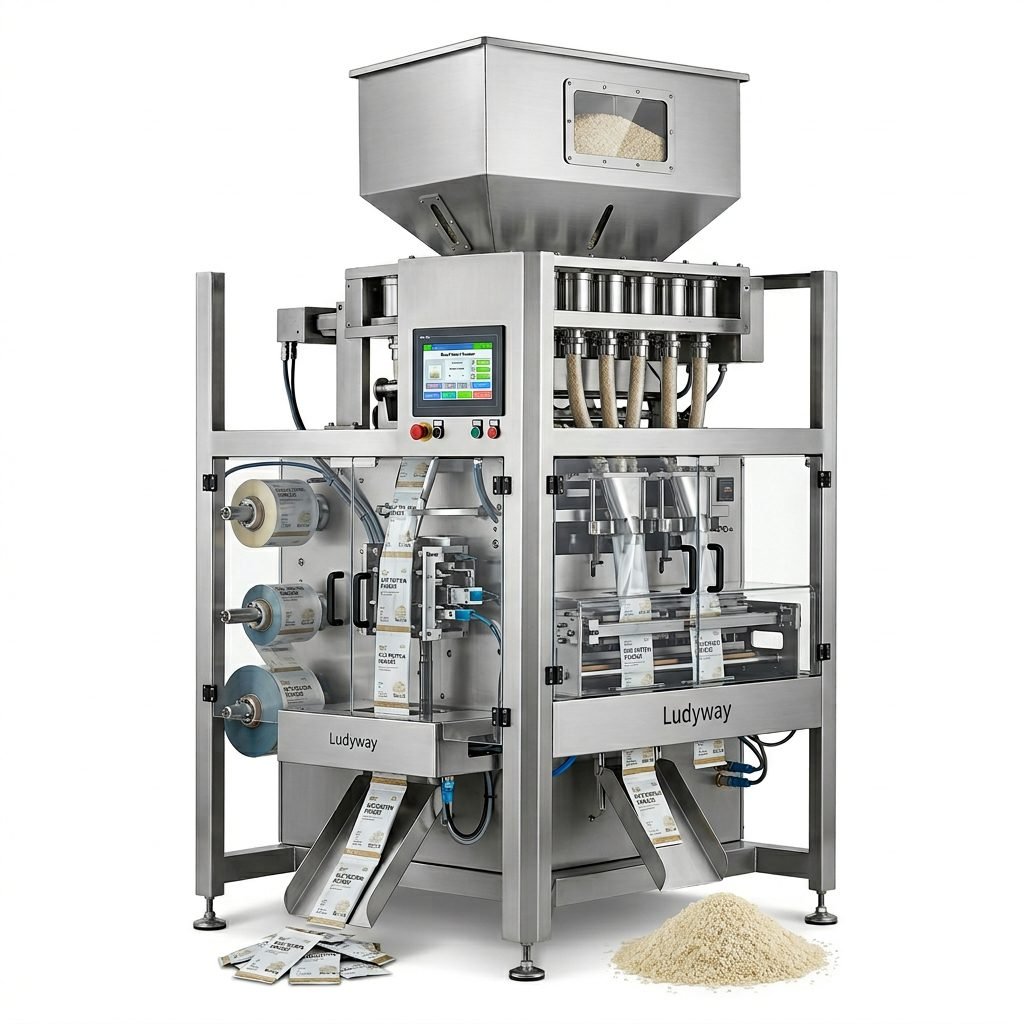
Different market segments require different packaging formats. Your rice vacuum packing machine must accommodate the bag dimensions you plan to use — from small 1kg retail packs to large 25kg bulk bags. Verify that the machine supports your chosen film materials, including:
- PA/PE (Nylon/Polyethylene) — excellent barrier properties, commonly used for premium rice
- PET/PE laminates — good clarity and printability for retail display
- Aluminum foil laminates — maximum barrier protection for export and long-term storage
- Biodegradable films — emerging options for brands focused on sustainability
4. Automation Level and Integration
Manual, semi-automatic, and fully automatic rice vacuum packing machines each suit different production scales. Fully automatic systems can integrate weighing, bag forming, filling, vacuumizing, sealing, and printing into one continuous line, drastically reducing labor costs. Consider whether the machine can connect with upstream weighing systems and downstream cartoning or palletizing equipment for a complete packaging line solution.
5. Hygiene Standards and Material Compliance
Food-grade construction is non-negotiable. The machine should feature stainless steel food-contact surfaces, easy-clean designs, and compliance with relevant regulations. Manufacturers exporting to international markets should ensure their equipment meets applicable standards, including those outlined by the FDA food packaging regulations and ISO packaging standards.
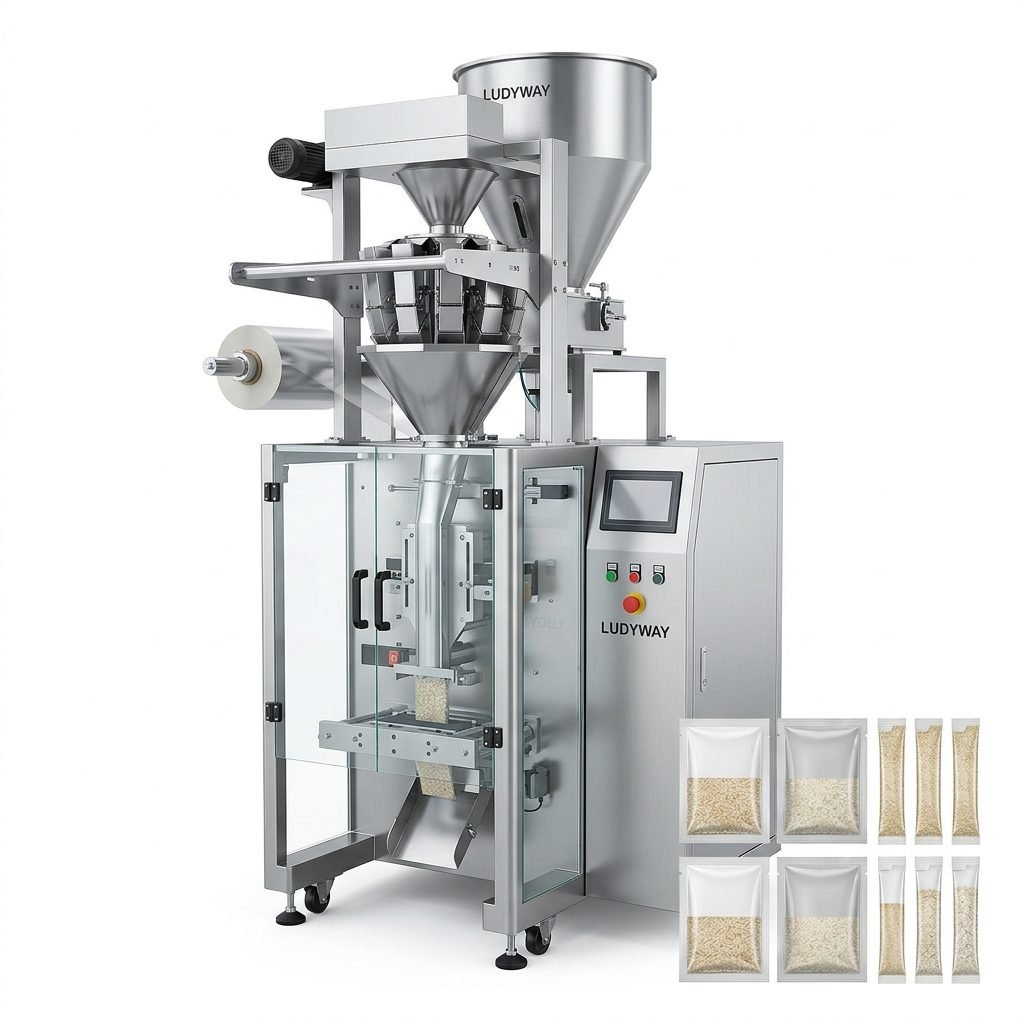
Comparing Types of Rice Vacuum Packing Machines
The table below summarizes the most common configurations available in the market today, helping you match machine type to application requirements.
| Machine Type | Best For | Typical Speed | Key Advantage |
|---|---|---|---|
| Single-Chamber Vacuum | Small farms, boutique brands | 2-4 bags/min | Low initial investment, simple operation |
| Double-Chamber Vacuum | Medium processors, co-packers | 4-8 bags/min | Continuous operation, higher throughput |
| Continuous Band Vacuum | Large mills, export packers | 8-15+ bags/min | High automation, consistent quality |
| Rotary Vacuum System | High-volume industrial use | 15-30+ bags/min | Maximum speed, full integration ready |
| Multi-Lane Stick Pack Vacuum | Single-serve, travel packs | 40-100+ lanes/min | Small format, portion control |
Additional Features Worth Considering
Beyond basic functionality, several advanced features can enhance the value of your rice vacuum packing machine investment:
- Gas flushing (MAP) — injects nitrogen or CO₂ after vacuum for added protection of delicate rice varieties
- Inline printing and coding — applies batch numbers, dates, and QR codes as part of the packaging process
- Multi-head weighing integration — ensures precise portion control with minimal product giveaway
- Leak detection systems — automatically rejects improperly sealed packages before they leave the line
- Remote diagnostics and IoT connectivity — enables predictive maintenance and production monitoring
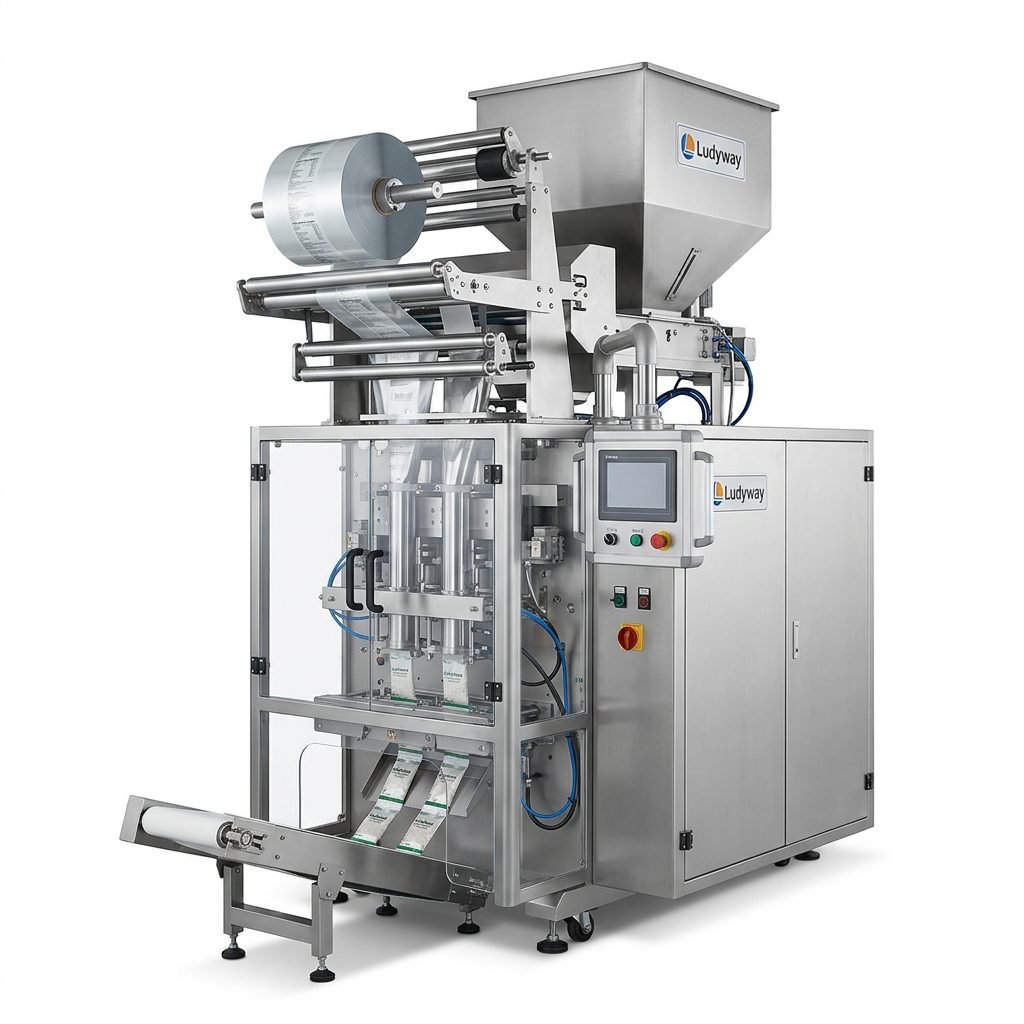
Evaluating Manufacturer Support and Service
The relationship with your equipment supplier extends far beyond the initial purchase. When selecting a rice vacuum packing machine, assess the manufacturer’s ability to provide comprehensive after-sales support, including installation, operator training, spare parts availability, and ongoing technical assistance. The best suppliers offer remote diagnostics and can dispatch technicians quickly when on-site intervention is needed. This long-term partnership approach is especially critical for companies planning to scale their packaging operations over time.
Cost Considerations Beyond the Purchase Price
The true cost of ownership for a rice vacuum packing machine includes several ongoing factors. Energy consumption, vacuum pump oil changes, sealing bar and Teflon tape replacements, labor requirements, and downtime all contribute to your operational expenditure. A slightly higher upfront investment in a reliable, efficient machine with strong manufacturer support often yields lower total cost of ownership over a 5-10 year equipment lifecycle. Review resources from PMMI state of the industry reports for broader packaging industry cost benchmarking.
Sourcing from Experienced Packaging Machinery Manufacturers
Working with an established packaging machinery manufacturer helps ensure you receive equipment designed for reliability, efficiency, and compatibility with international standards. Companies with extensive experience across industries understand the nuances of different product types and packaging materials. Ludyway Machinery, a China-based packaging machinery manufacturer with more than 30 years of industry experience and a 20,000-square-meter manufacturing facility, provides automatic packaging equipment and integrated solutions for manufacturers worldwide, serving customers in over 100 countries and regions. Their approach spans machine selection, system integration, customization, installation, commissioning, and technical support — offering a single partner for the entire packaging journey.

Frequently Asked Questions About Rice Vacuum Packing Machines
What vacuum level is recommended for rice packaging?
Most rice applications achieve optimal results with vacuum levels between -0.08 MPa and -0.095 MPa (relative to atmospheric pressure). The exact setting depends on rice variety, packaging film properties, and desired shelf life. Over-vacuumizing can cause sharp rice grains to puncture the film, so testing with your specific materials is essential.
How do I determine the right bag size range?
Analyze your target market segments — retail bags (1kg, 2kg, 5kg), food service packs (10kg, 15kg), or bulk bags (20kg, 25kg). Choose a rice vacuum packing machine with a chamber or sealing bar adjustable to accommodate your full required range, allowing flexibility as market demands shift.
Can one machine handle multiple rice varieties?
Yes, most rice vacuum packing machines work effectively with different rice types — long grain, short grain, jasmine, basmati, brown rice, and parboiled — provided the filling and weighing system is properly calibrated. The vacuum and sealing parameters may need adjustment for each variant to optimize package appearance and seal integrity.
Making Your Final Decision
Selecting the right rice vacuum packing machine requires balancing technical specifications, production needs, budget, and long-term business objectives. Prioritize build quality, manufacturer support, and the flexibility to grow with your business. For further industry insights, consult resources from the Flexible Packaging Association and European Commission packaging regulations. With thorough evaluation and the right manufacturing partner, your vacuum packaging investment can deliver consistent product protection, reduced waste, and enhanced brand value for years to come.