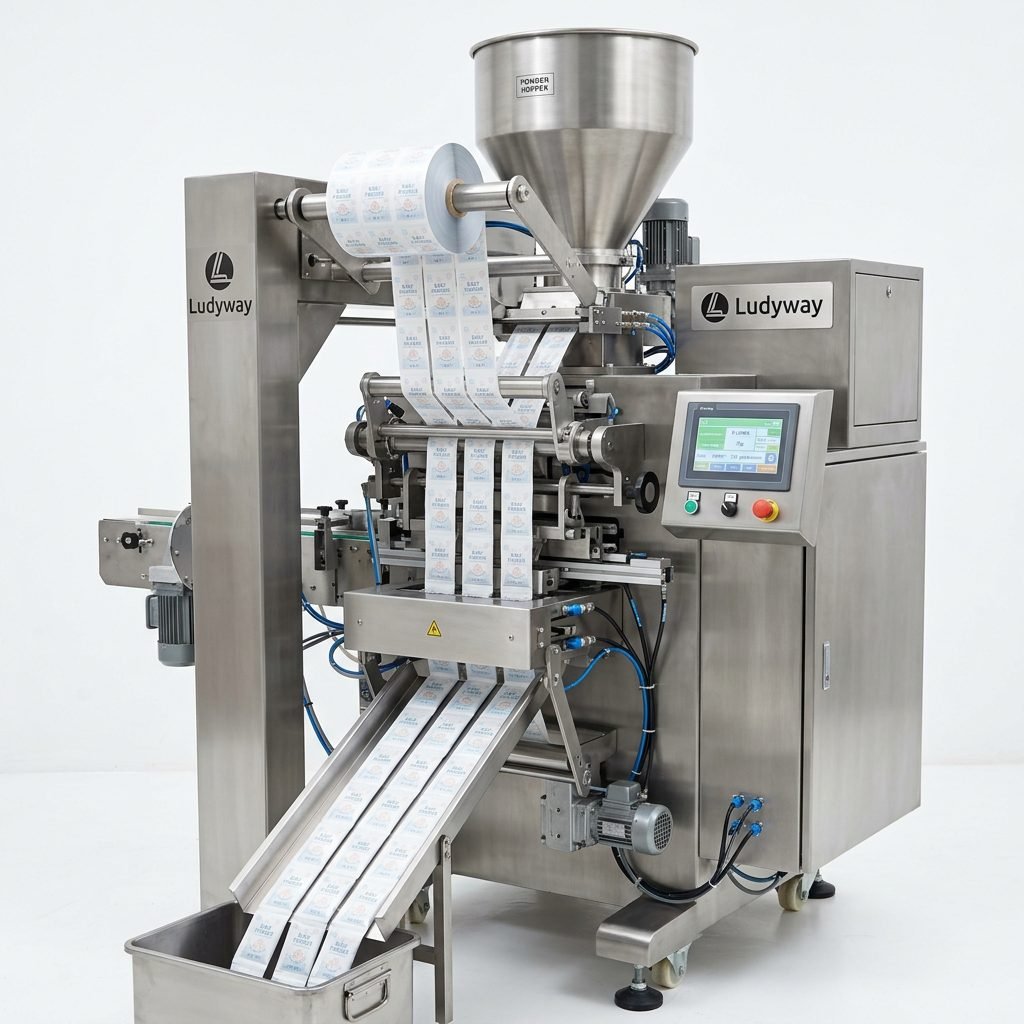
Establishing a vegetable packaging machine production line in the United States requires careful orchestration of regulatory compliance, equipment selection, and facility planning. Whether you are packing fresh-cut produce, frozen vegetables, or dried granular products, the efficiency of your packaging line directly impacts shelf life, food safety, and profitability. This guide walks you through the essential steps to build a compliant, high-speed operation tailored to the U.S. market.
Understanding the U.S. Regulatory Landscape
Before installing any machinery, you must align with federal and state regulations. The FDA Food Packaging and Food Contact Substances guidelines dictate the materials and processes safe for human consumption. If your line handles organic vegetables, USDA Organic certification adds another layer of compliance. Furthermore, adherence to PMMI – The Association for Packaging and Processing Technologies standards ensures your equipment meets industry-wide safety and operational benchmarks.
Key Compliance Checkpoints
- Food Contact Substance (FCS) Approval: Ensure packaging films and components are FDA-approved.
- FSMA Compliance: The Food Safety Modernization Act requires preventive controls and traceability in your packaging process.
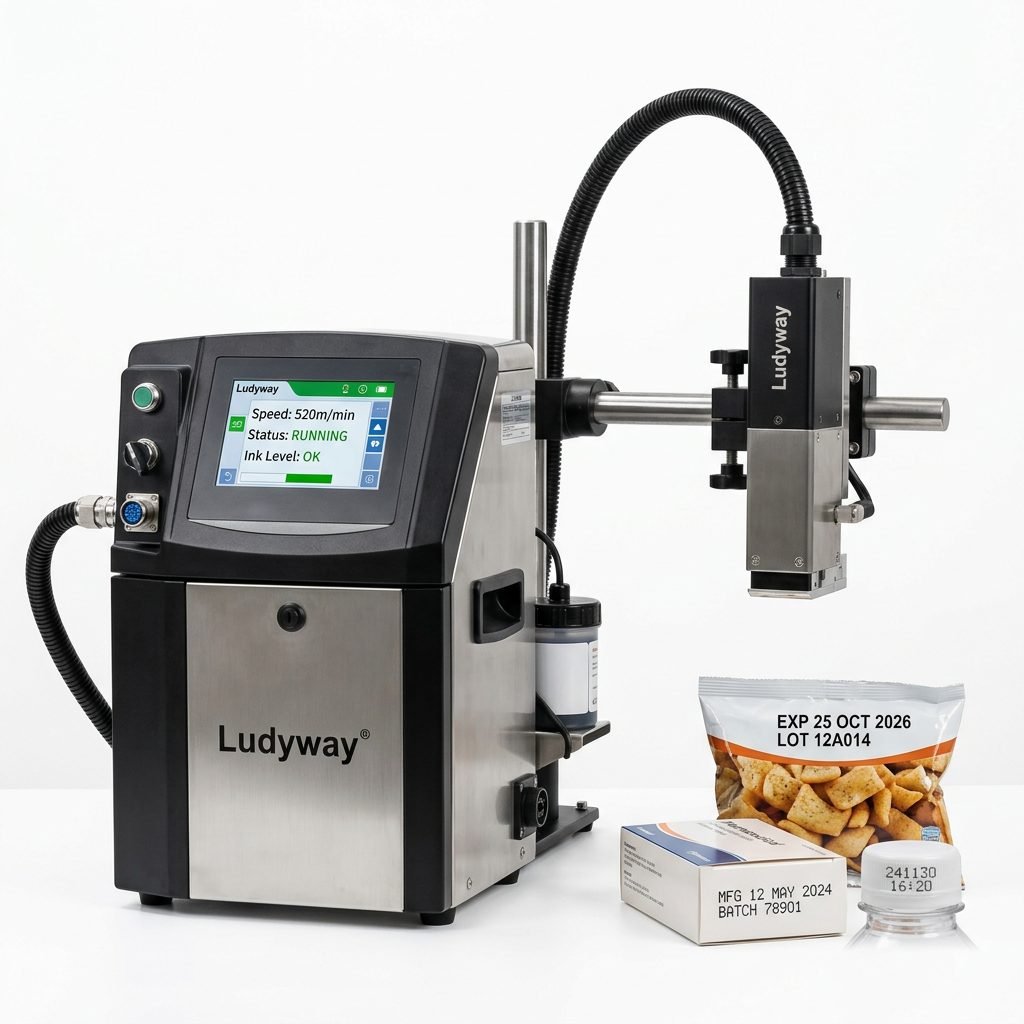
- Labeling Requirements: Accurately display net weight, nutritional facts, and country of origin as per FDA regulations.
Mapping Out Your Production Goals
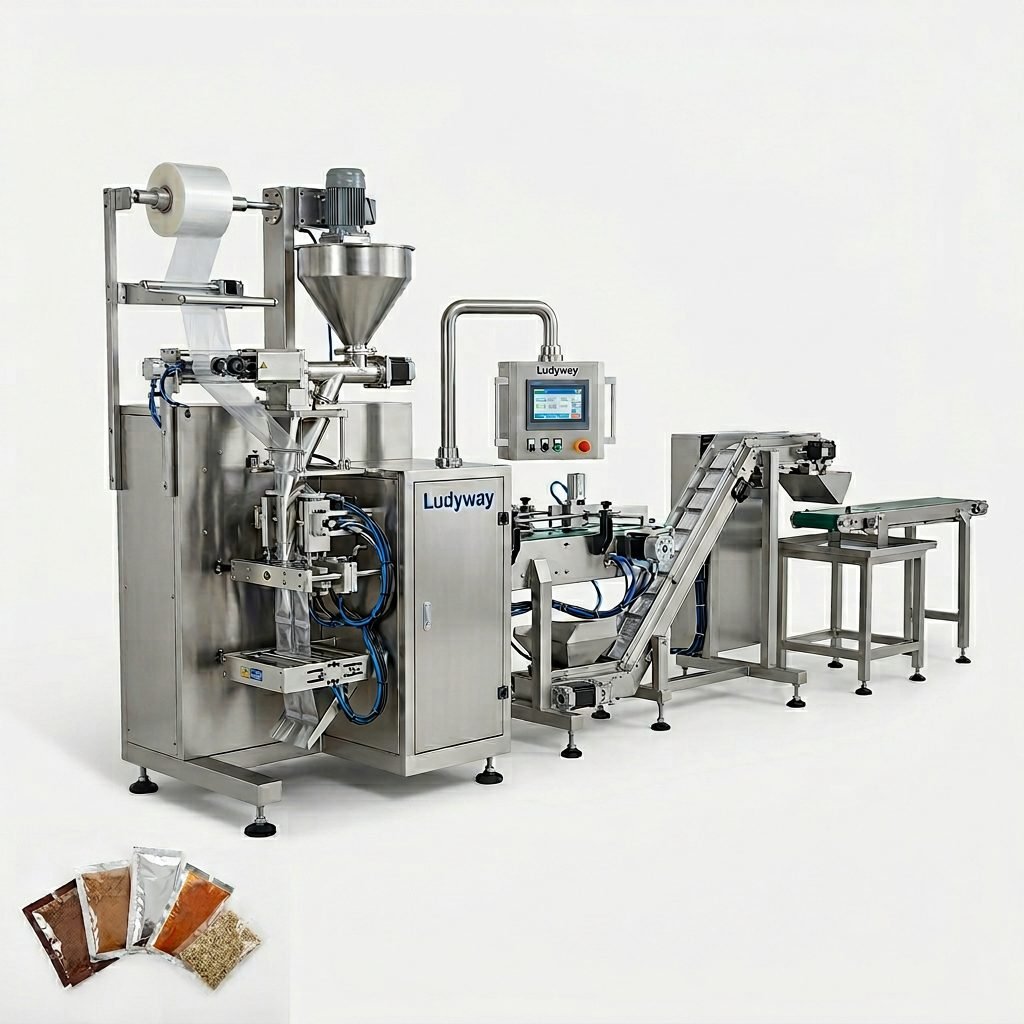
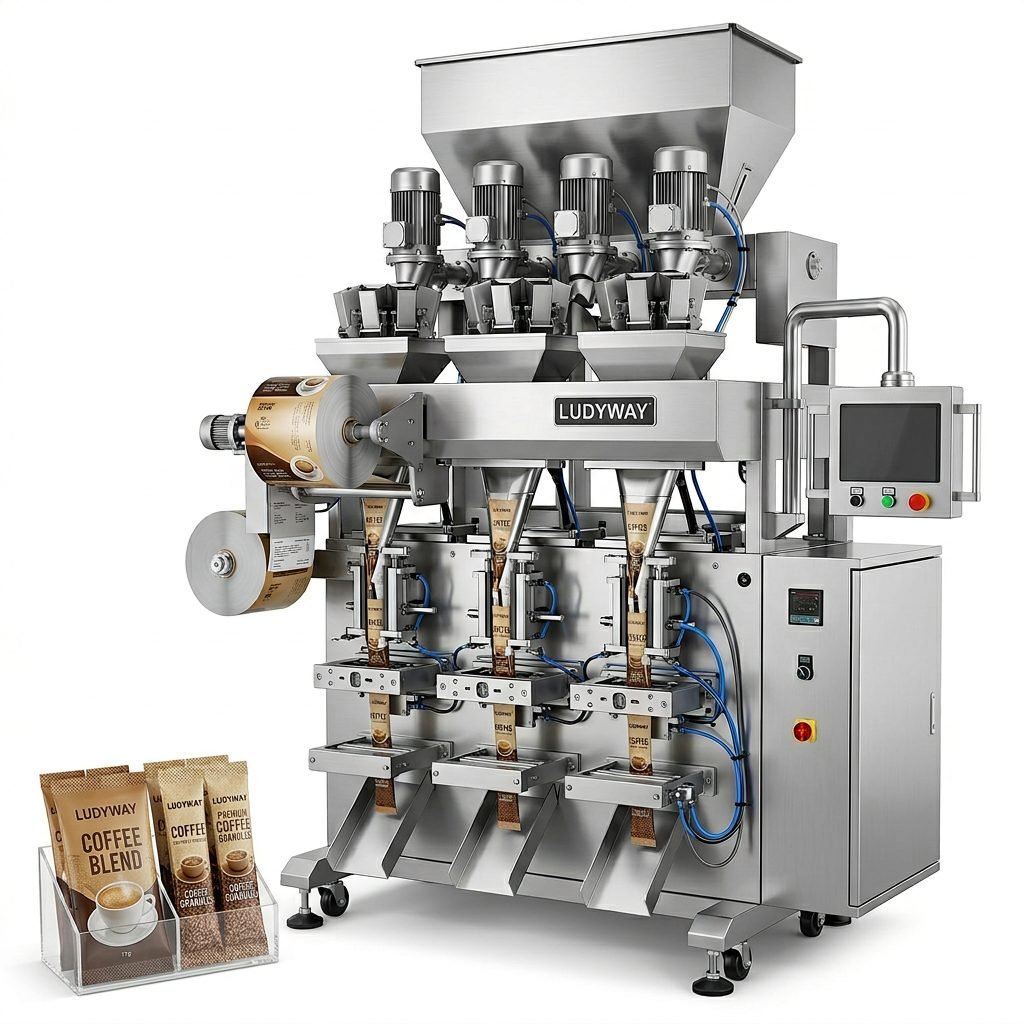
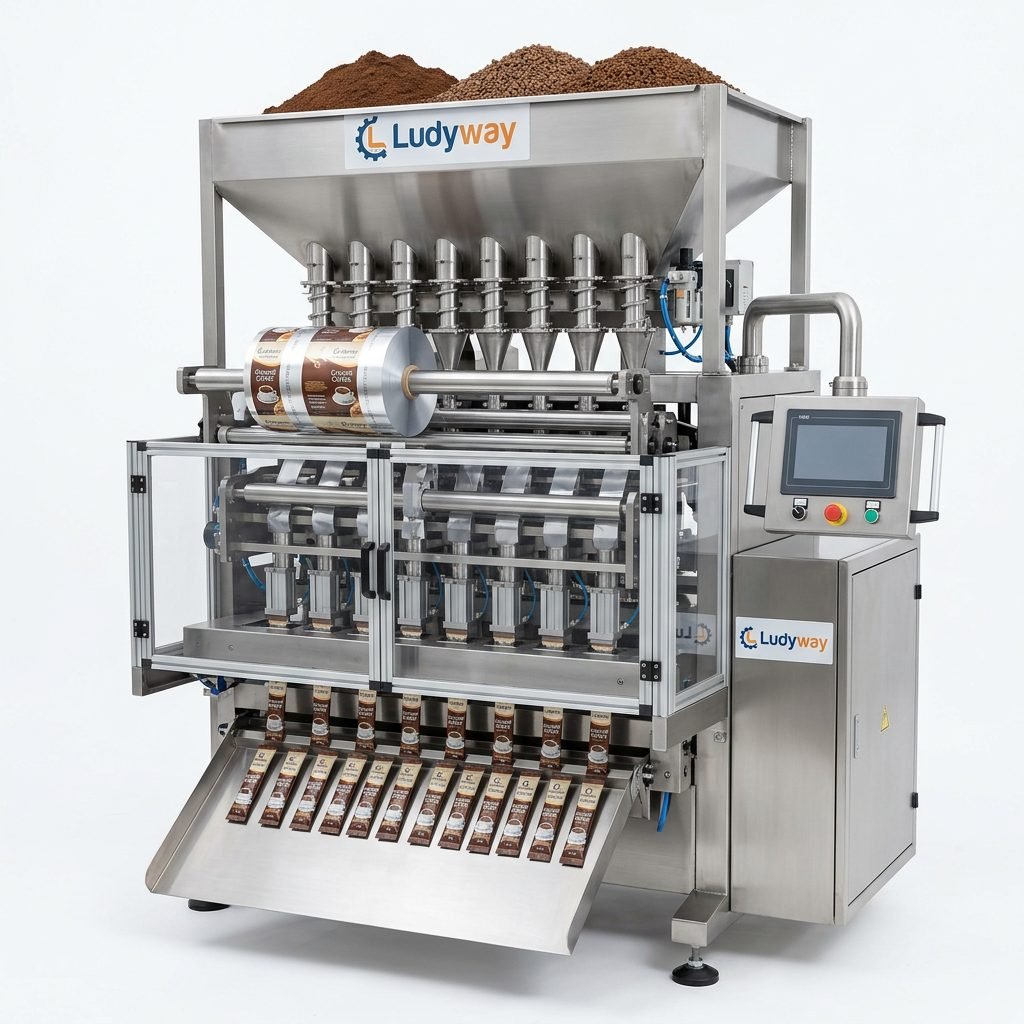
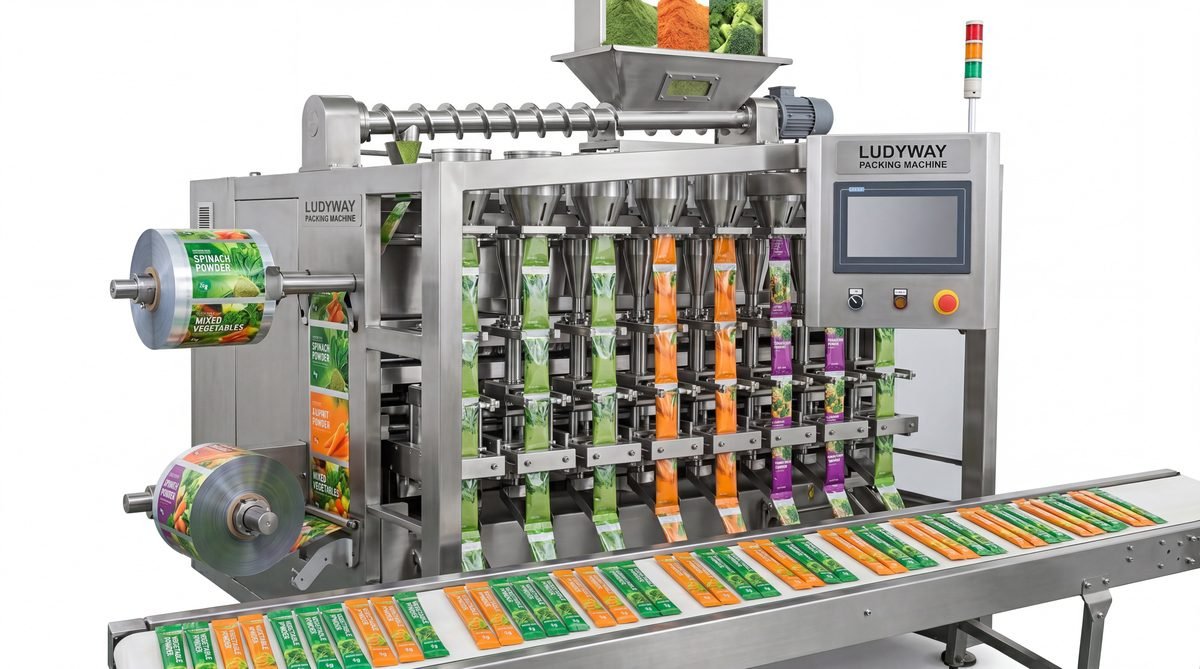
Defining output capacity early determines the scale of your vegetable packaging machine investment. Assess whether you need a single-lane system for startup volumes or a multi-lane sachet and stick pack machine for high-speed automated production. Consider the vegetable format: granular, powdered, whole, or liquid-based (such as sauces or juices).
| Vegetable Format | Recommended Machine Type | Typical Speed (Packs/Min) |
|---|---|---|
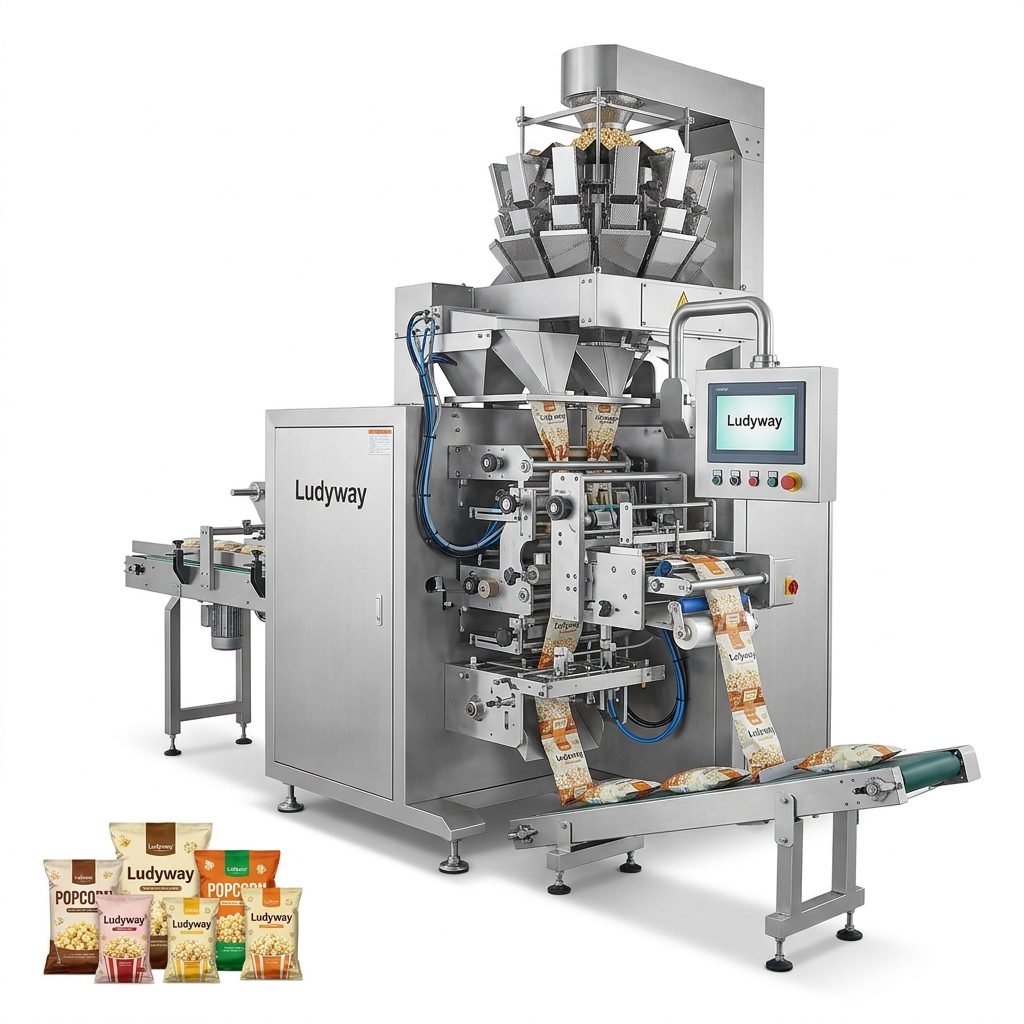
| Whole / Fresh Cut | Vertical Form Fill Seal (VFFS) / Tray Sealer | 30 – 80 |
| Granules (e.g., Dried Veggies) | Multi-Lane Stick Pack Machine | 200 – 600 |
| Powders (e.g., Spinach, Kale) | Auger Filler & Multi-Lane Sachet System | 150 – 400 |
| Liquids (e.g., Juices, Extracts) | Liquid Filling & Sealing Line | 100 – 300 |
Selecting the Right Vegetable Packaging Equipment
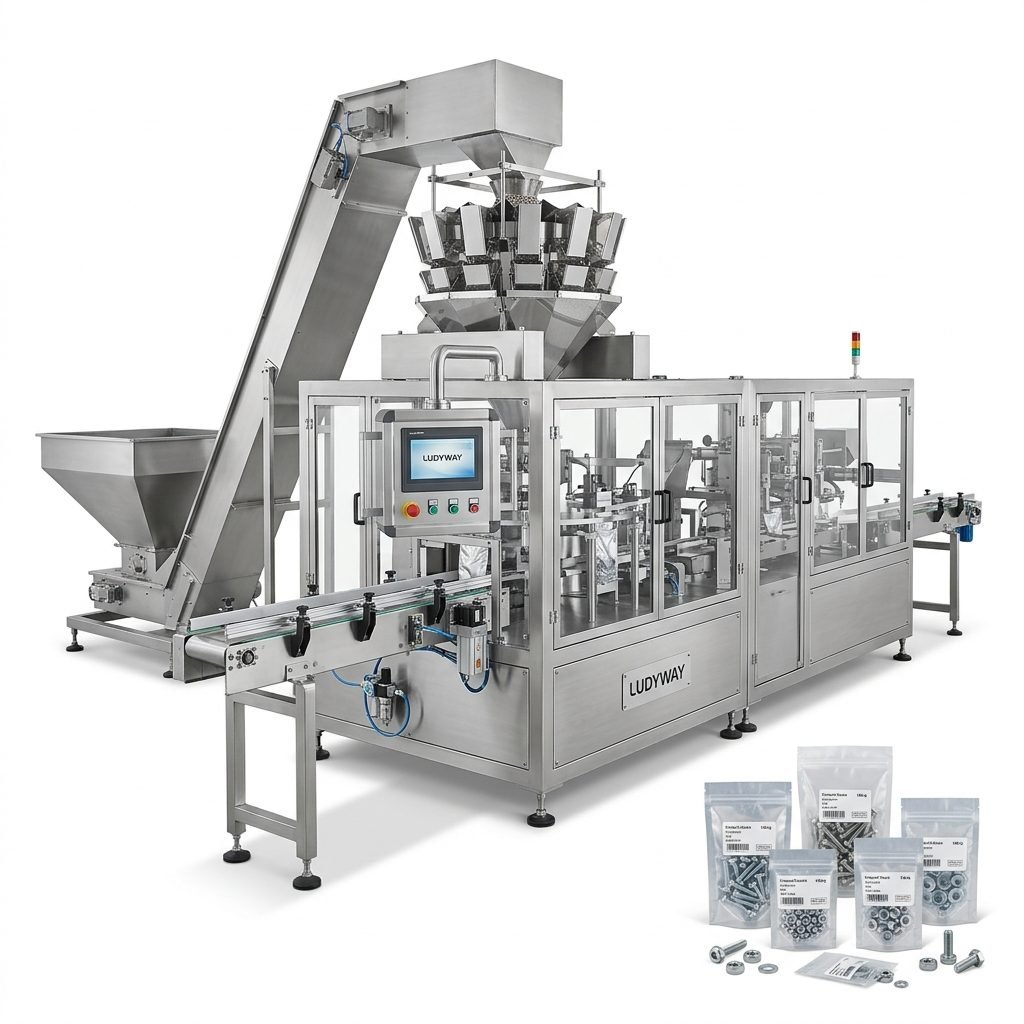
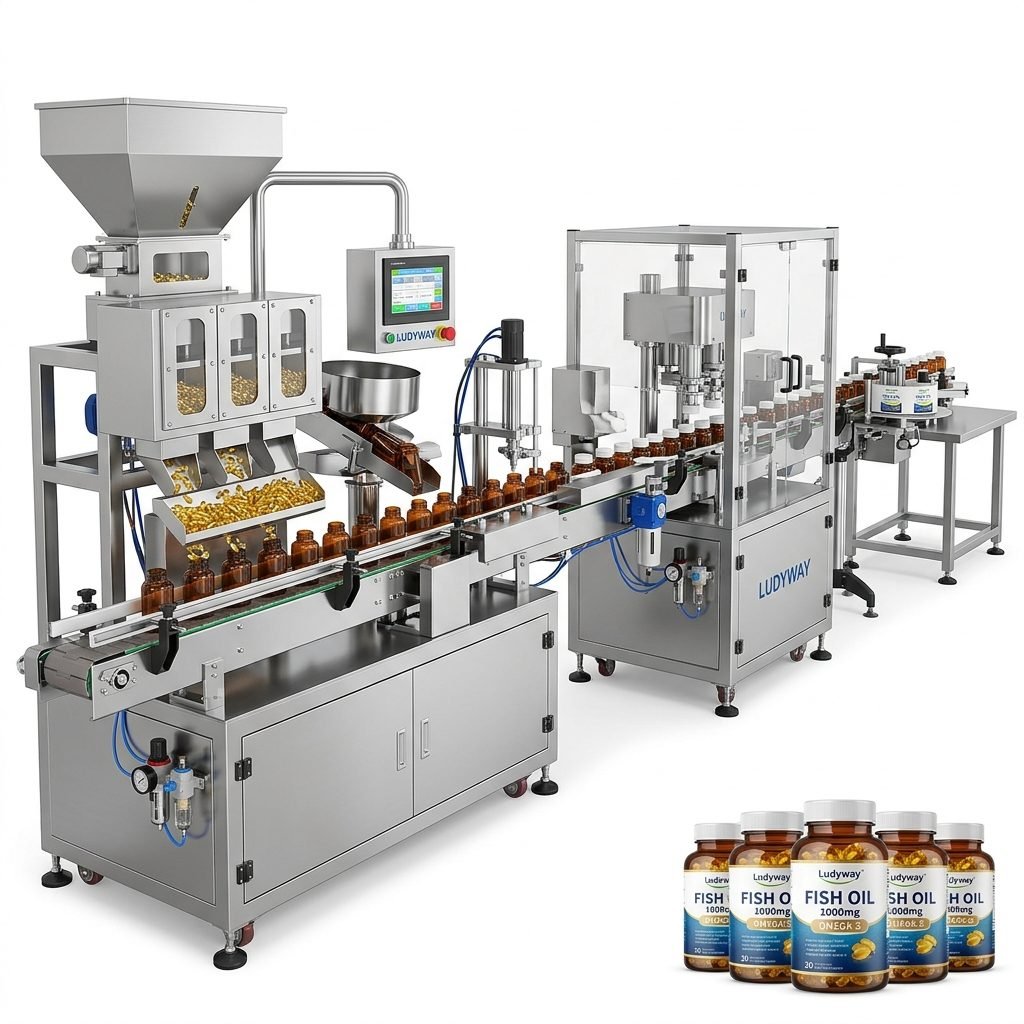
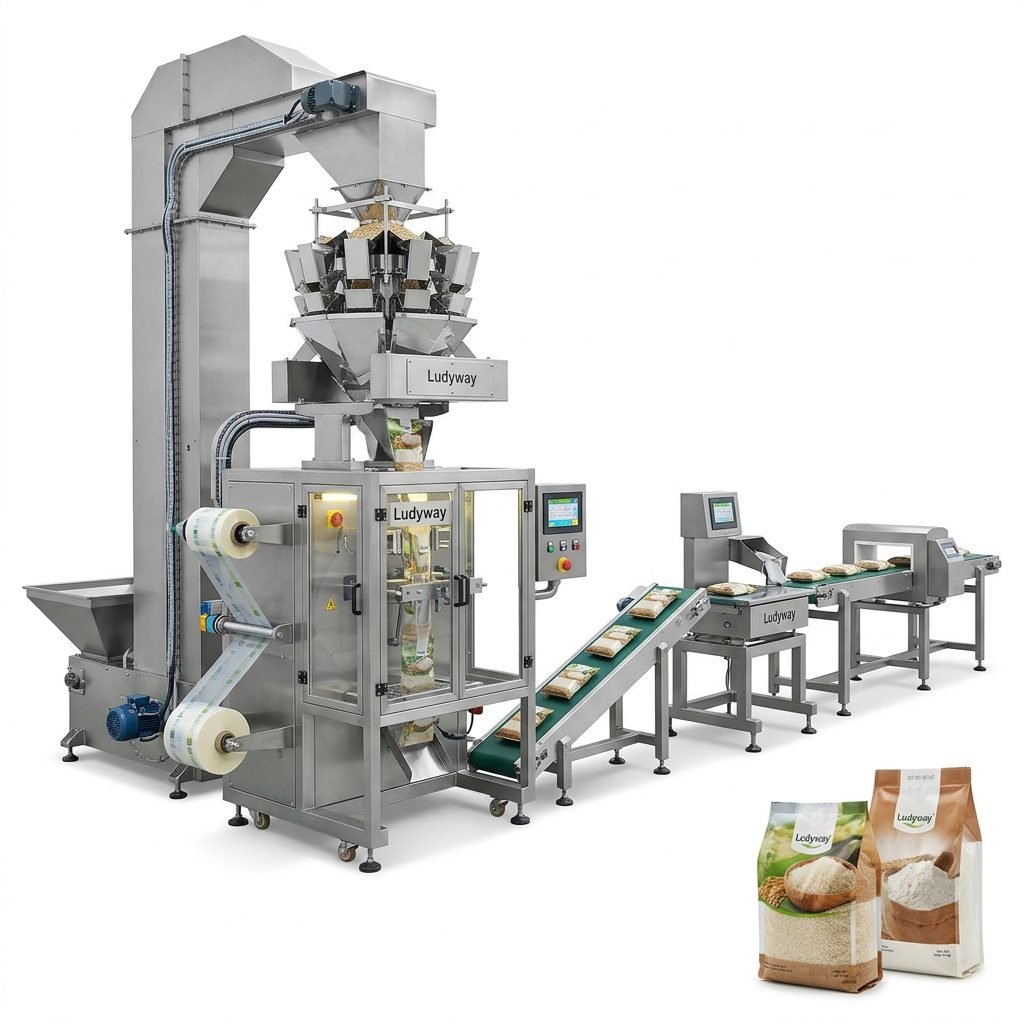
Choosing the correct machinery is critical. A robust vegetable packaging machine production line integrates feeding, weighing, filling, sealing, and secondary packaging. For granular and powder vegetables, a multi-lane stick pack machine maximizes throughput while minimizing floor space. For fresh produce, modified atmosphere packaging (MAP) extends shelf life significantly.
Essential Line Components
- Weighing and Dosing Systems: Multi-head weighers for granules; auger fillers for powders.
- Primary Packaging Unit: VFFS, HFFS, or multi-lane sachet machines.
- Inspection Systems: Metal detectors and checkweighers aligned with PMMI Business Intelligence Standards.
- End-of-Line Automation: Case packers, palletizers, and stretch wrappers.
Optimizing Your Facility Layout
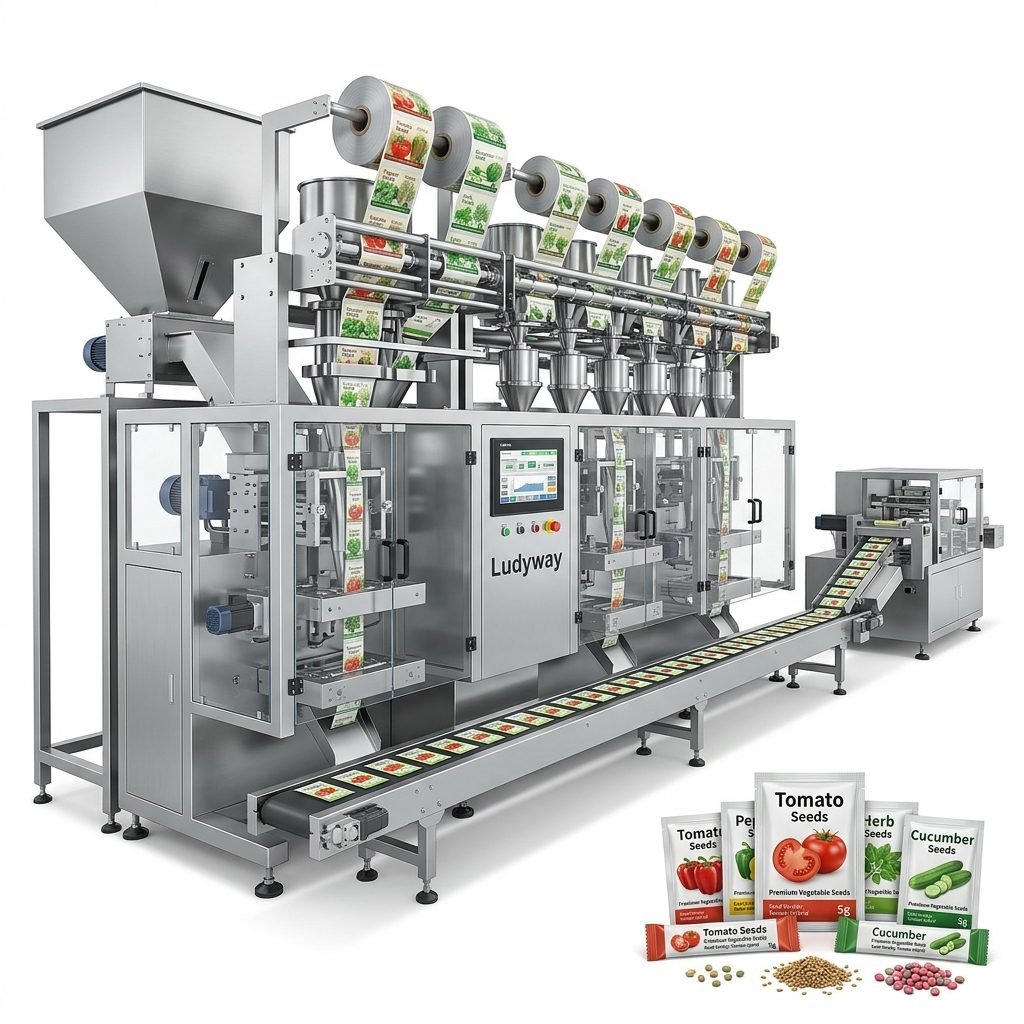
The physical setup of your U.S. production line must follow logical material flow patterns to prevent cross-contamination. A well-designed layout separates raw vegetable receiving areas from final packaging zones. You must also account for drainage, sanitation, and employee access pathways, especially when packing frozen or fresh produce.
Workflow Zoning Strategy
- Receiving & Pre-Processing Zone: Inspect and prepare raw vegetables.
- Processing Zone: Freeze, dry, or blend ingredients into the required format (granule, powder, or whole).
- Packaging Zone: The core of the vegetable packaging machine production line, enclosed for hygiene control.
- Post-Packaging Automation: Automated cartoning and palletizing stations.
- Warehouse & Logistics: Palletized goods ready for dispatch.
Installation, Validation, and Workforce Training
Bringing a complete packaging line online involves rigorous Installation Qualification (IQ) and Operational Qualification (OQ). Your team must be trained not just on machine operation, but also on strict sanitation protocols and safety lockout-tagout procedures. For integrated turnkey solutions, manufacturers like Ludyway provide on-site support and technical training to ensure the line meets targeted performance metrics from day one.
Maintenance and Continuous Improvement
Preventative maintenance schedules are non-negotiable for vegetable machinery to prevent rust and bacterial growth in wet environments. Establish a Total Productive Maintenance (TPM) plan that includes daily washdowns, blade sharpening, and seal integrity checks. Regularly reviewing performance data helps you fine-tune the line for maximum OEE (Overall Equipment Effectiveness), particularly when scaling from regional to national U.S. distribution.
Related Industry Resources
- PMMI – 2025 State of the Industry Report
- Flexible Packaging Association – Industry Resources
- ISO – Packaging Standards
- U.S. EPA – Sustainable Materials Management
Setting up a vegetable packaging machine production line in the United States is a strategic investment. By combining compliant facility design with advanced multi-lane equipment and rigorous quality controls, you can build a profitable operation ready to serve the growing demand for packaged produce across North America.