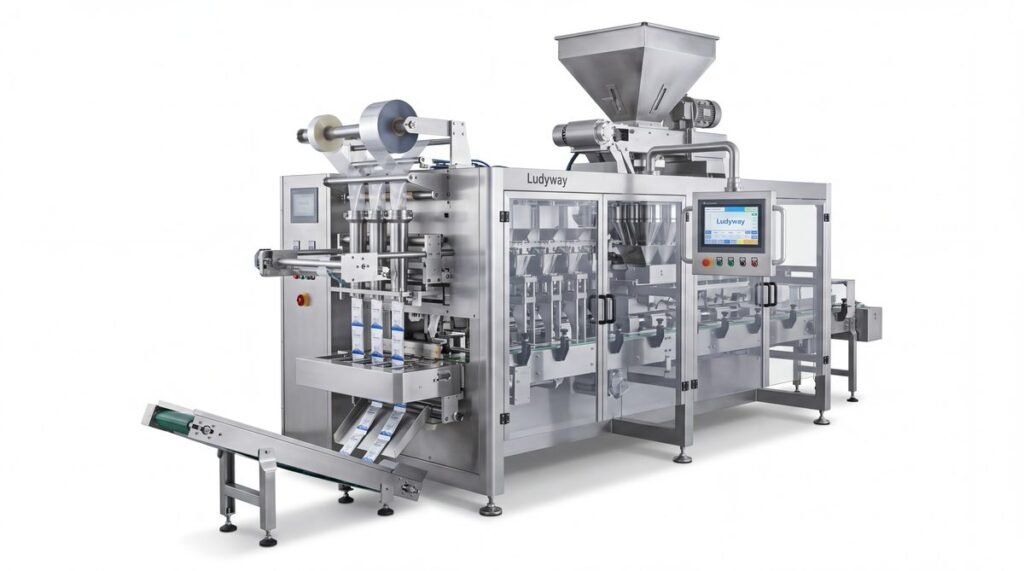
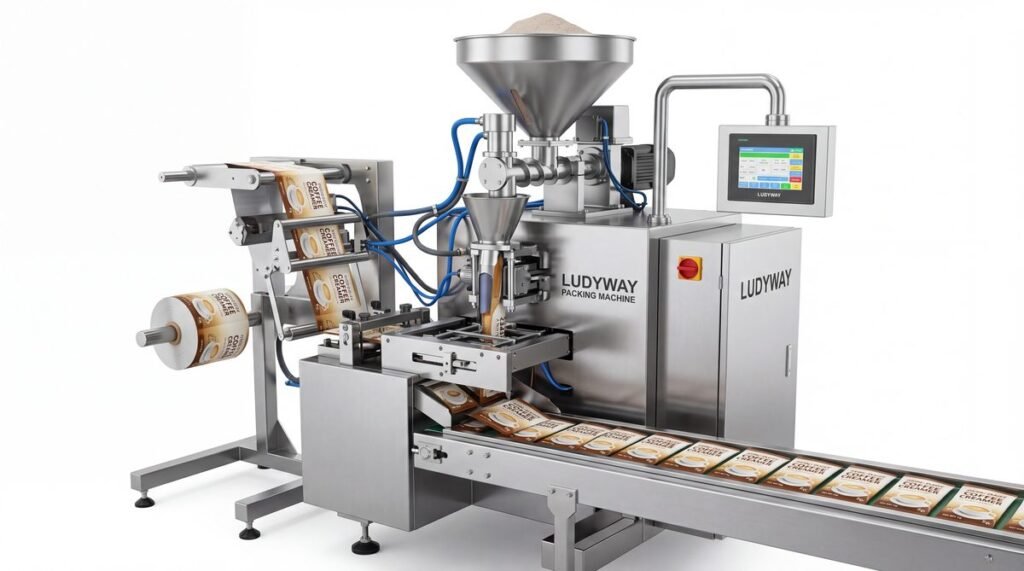
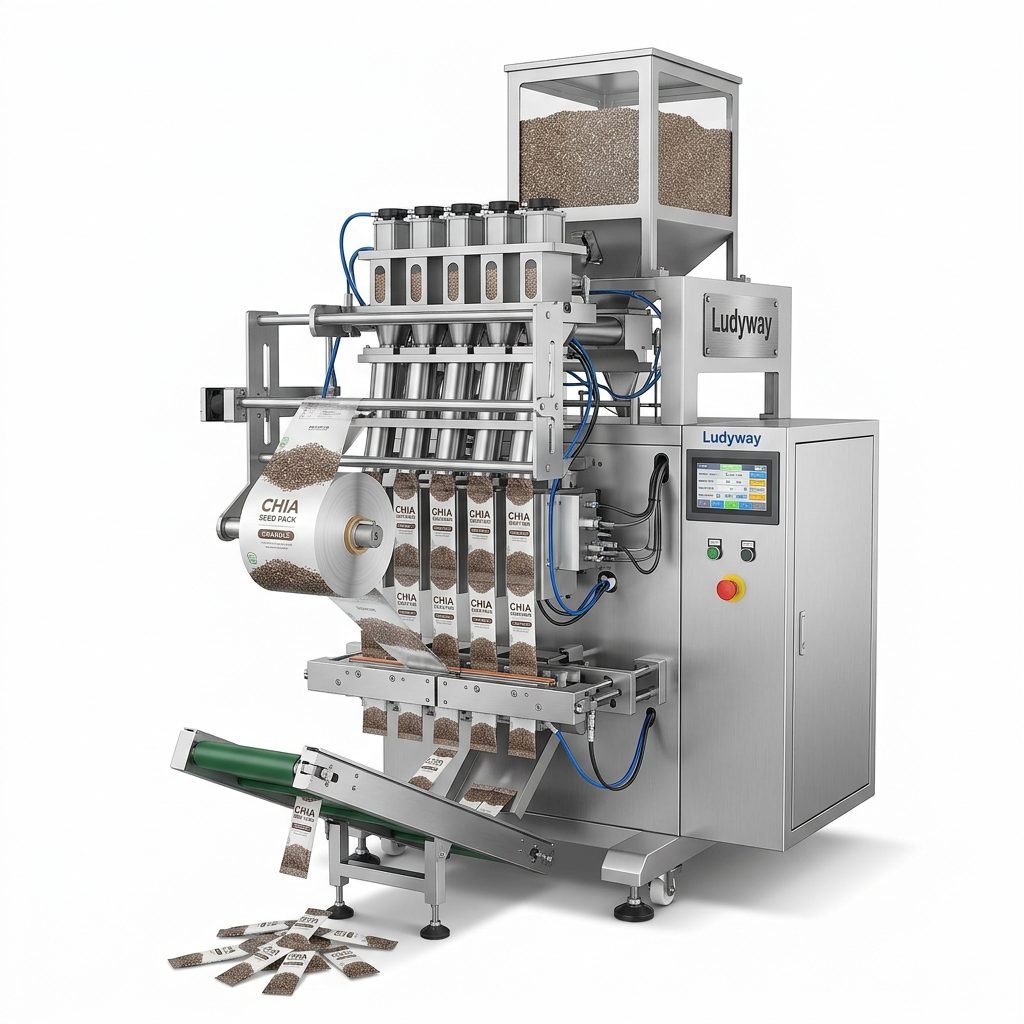
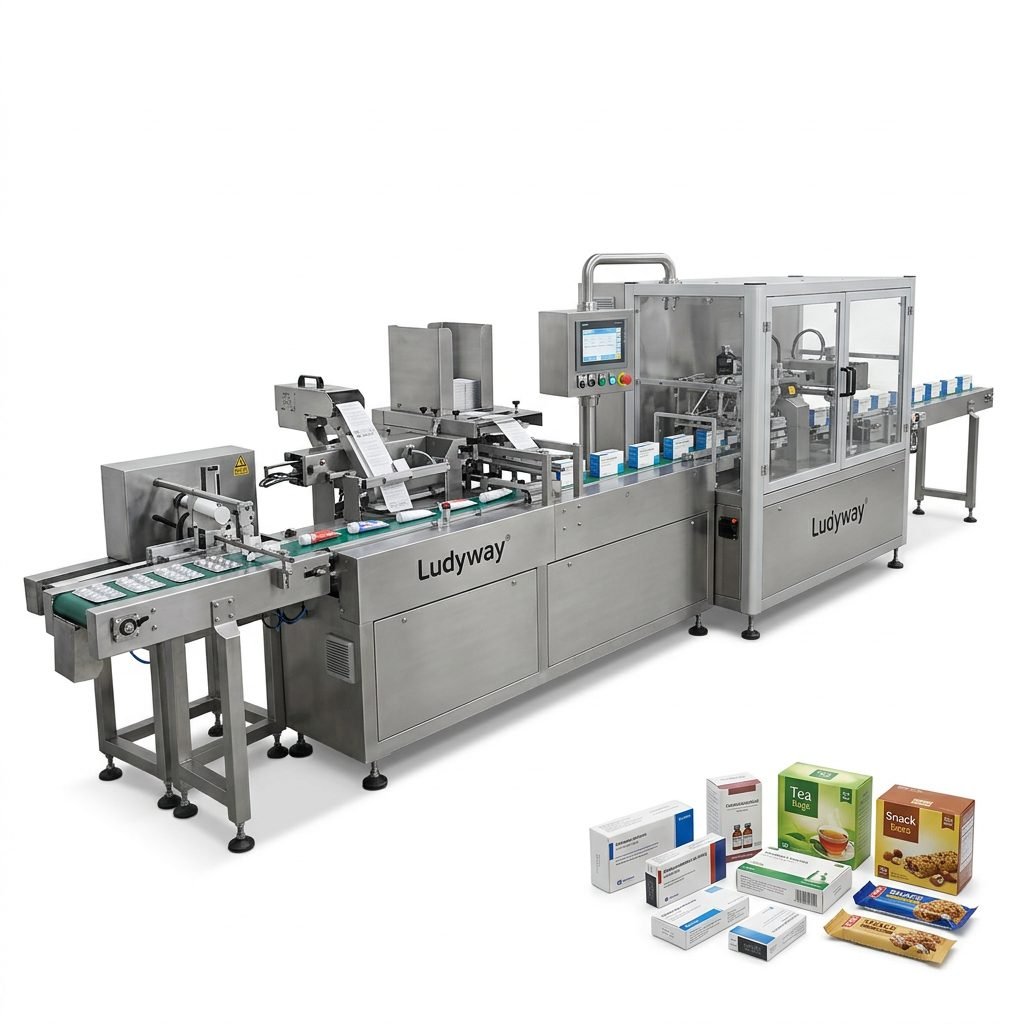
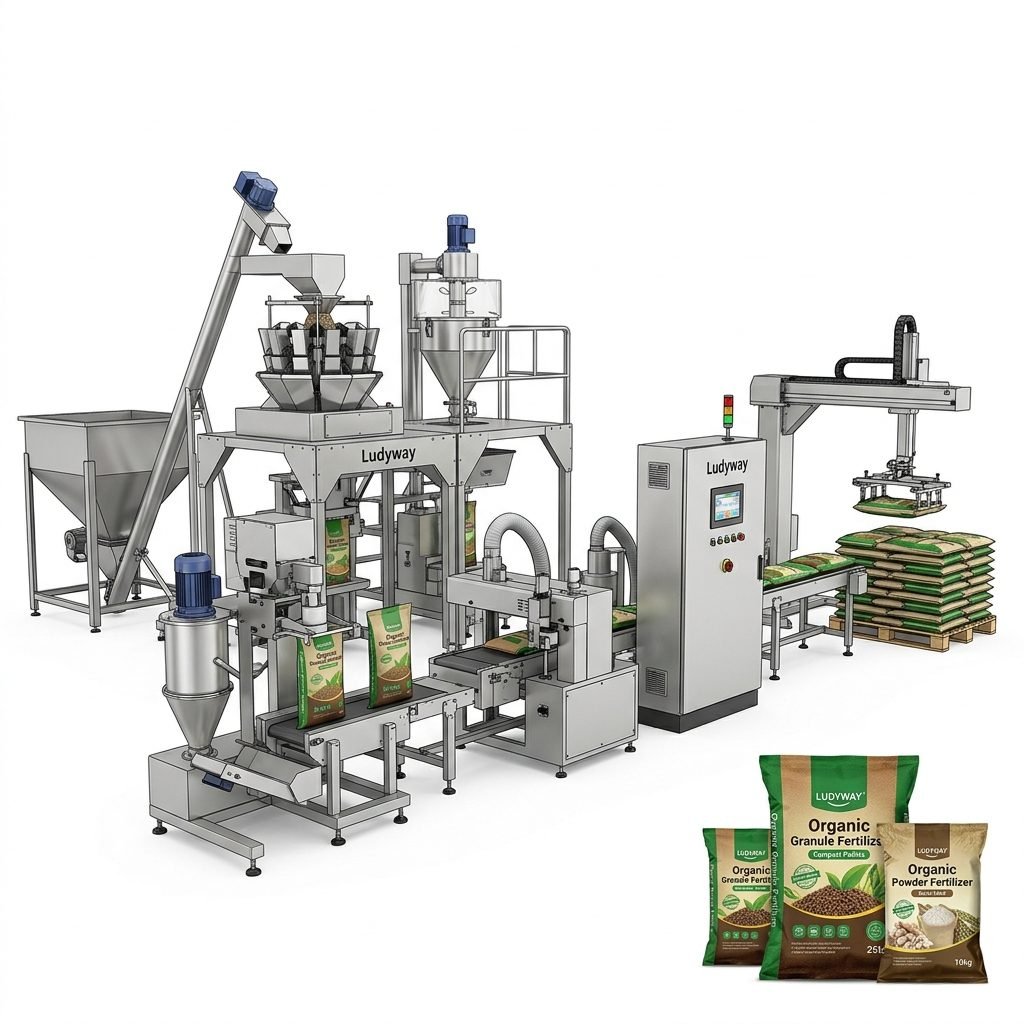
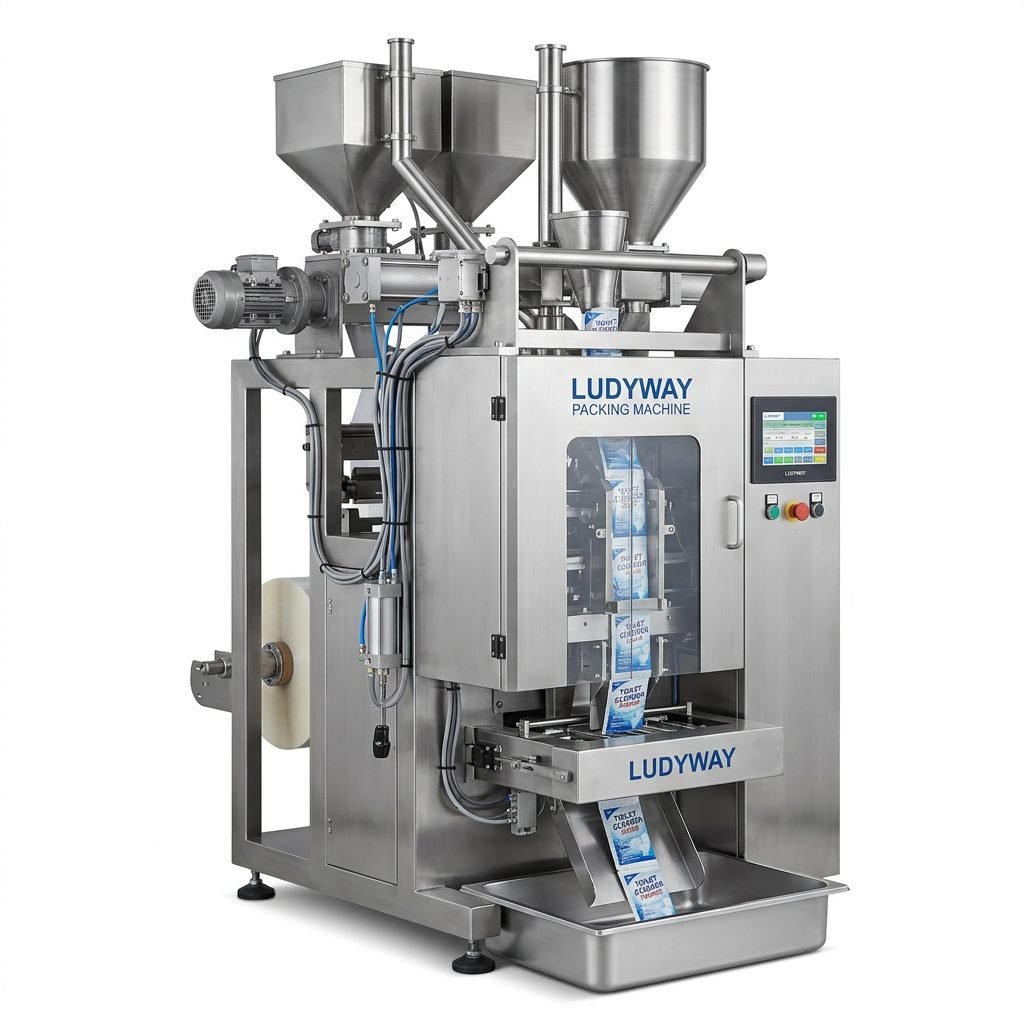
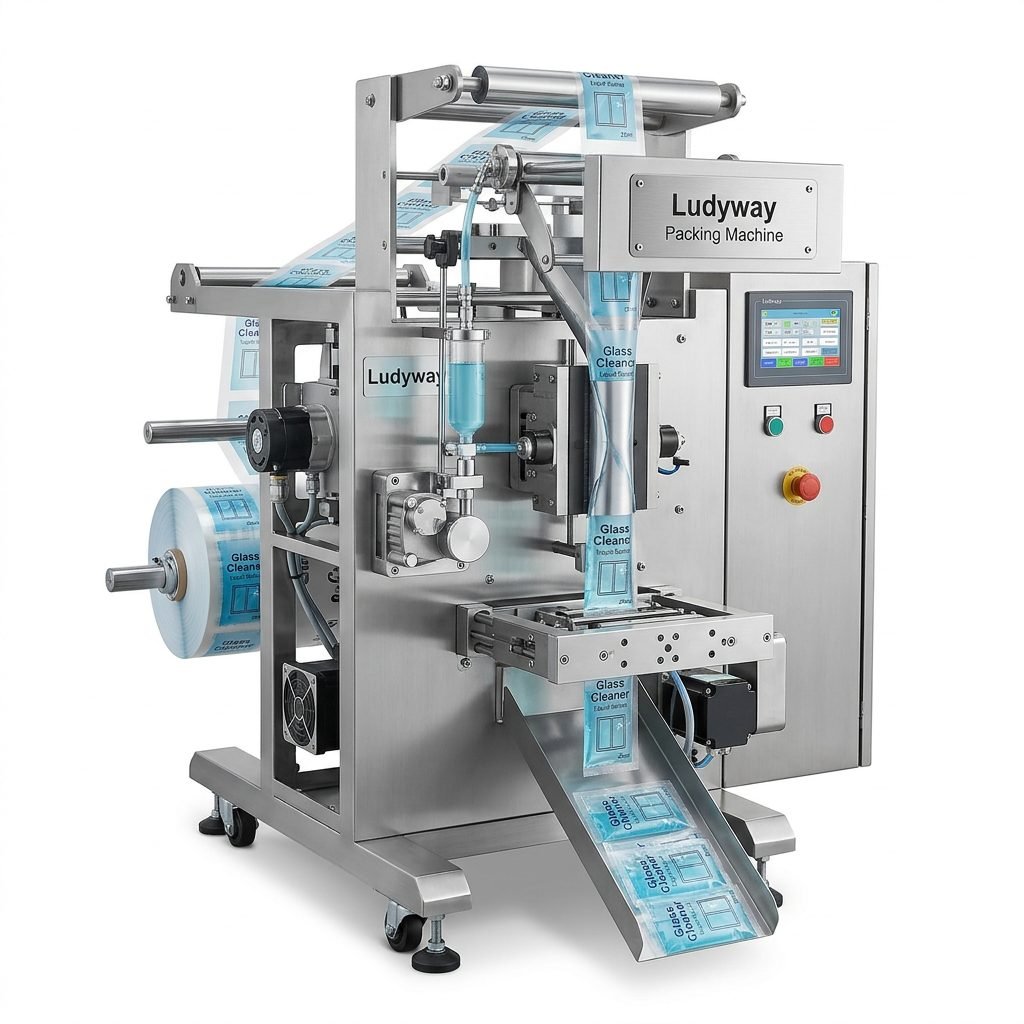
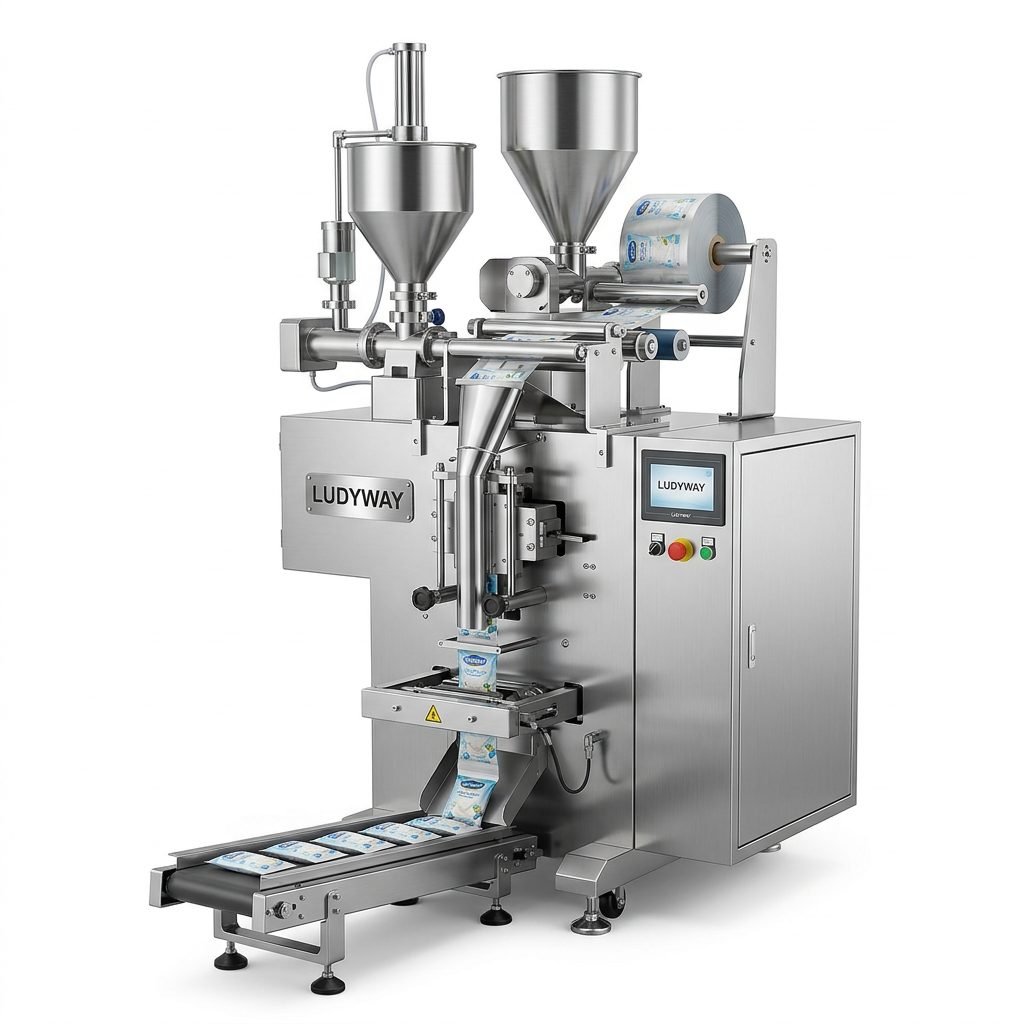
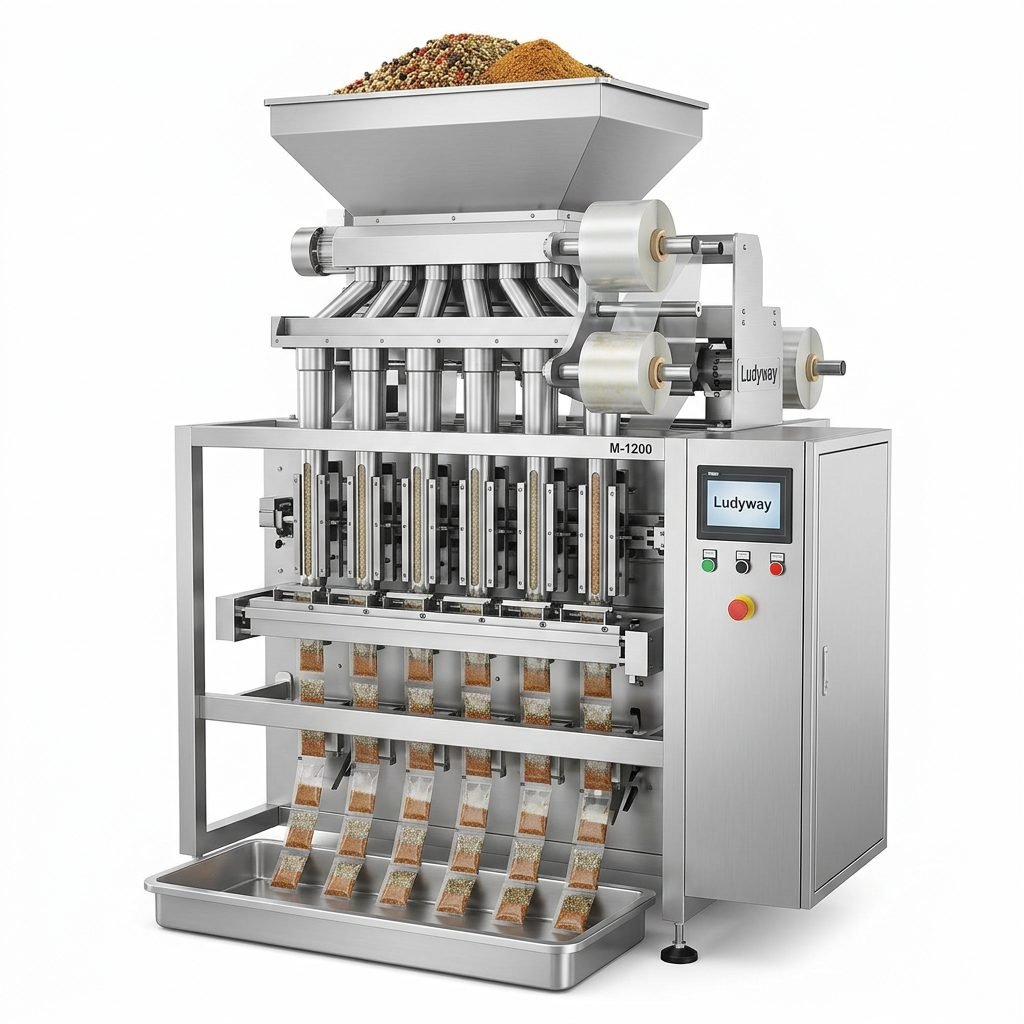
A water sachet packing machine is designed to automatically form, fill, seal, and cut sachets for purified water, drinking water, flavored water, and other liquid products. For manufacturers looking to improve packaging speed, hygiene, consistency, and labor efficiency, this type of equipment offers a highly practical solution for modern liquid sachet production.
From small startup bottling alternatives to high-output beverage operations, automatic liquid sachet packaging systems are widely used because they deliver compact packaging, lower material cost, and efficient distribution. They are especially suitable for markets where single-use water sachets remain a convenient and affordable packaging format.
What Is a Water Sachet Packing Machine?
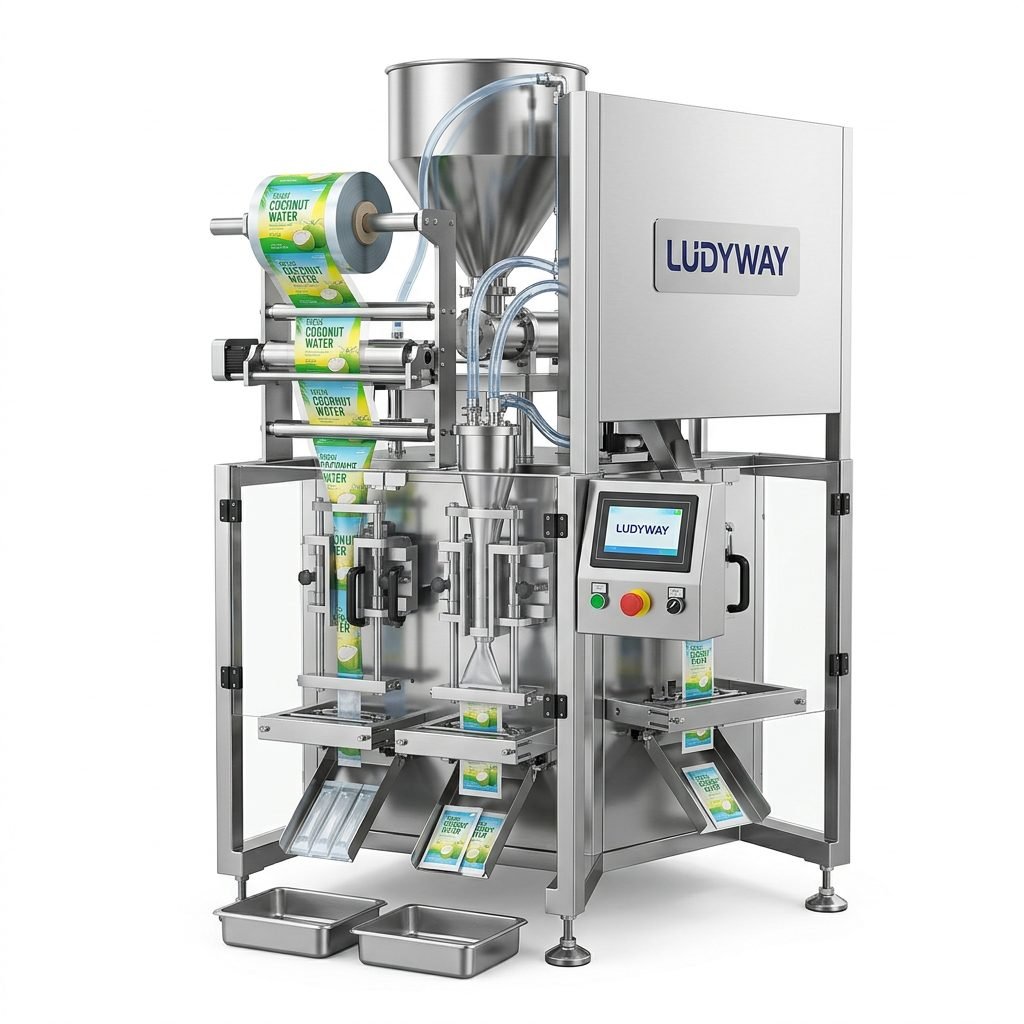
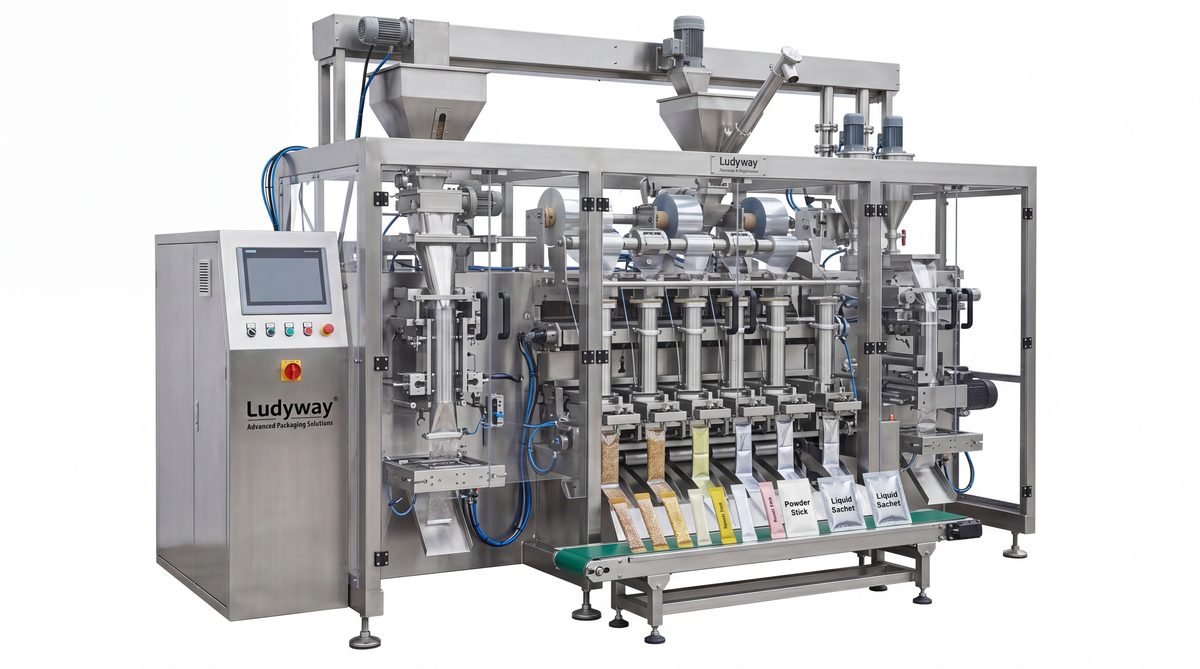
A water sachet packing machine is an automated packaging system that converts packaging film into sealed sachets, doses a precise amount of liquid water into each pack, and completes the sealing process in one continuous cycle. Depending on the configuration, the machine may produce pillow sachets, stick packs, or other small-format liquid packs.
Most modern systems are equipped with:
- Automatic film unwinding and alignment
- Liquid filling units with accurate volume control
- Heat sealing stations for leak-resistant closure
- Date coding or batch coding integration
- Cutting and discharge systems for finished sachets
Why Automatic Water Sachet Packaging Is in High Demand
As beverage brands and private-label producers pursue higher output with lower operating cost, the demand for automatic water sachet packaging equipment continues to grow. The main reason is simple: automation helps reduce manual intervention while improving product quality and production stability.
- Faster output: Automatic systems can package large quantities of water sachets continuously.
- Better hygiene: Closed filling and sealing reduce contamination risks.
- Accurate filling: Consistent dosing lowers product waste and improves customer trust.
- Reduced labor costs: Fewer operators are required compared with manual filling methods.
- Attractive retail format: Sachets are lightweight, portable, and easy to distribute.
Key Features to Look for in a Water Sachet Packing Machine
| Feature | Why It Matters |
|---|---|
| Automatic liquid filling | Improves dosing precision and production efficiency |
| Reliable sealing system | Helps prevent leakage during storage and transport |
| Food-grade contact parts | Supports hygiene and easier cleaning |
| PLC and touch screen control | Makes operation simpler and parameter changes faster |
| Adjustable sachet size | Allows flexible production for different pack volumes |
| Stable frame structure | Supports long-term continuous operation |
How the Machine Works
The packaging cycle is typically straightforward but highly efficient. Film is fed into the machine, shaped into sachets, filled with a measured quantity of water, heat-sealed, and then cut into individual units. In fully automated production, the machine can also be integrated with water treatment, storage tanks, conveyors, coding systems, checkweighers, and secondary packaging equipment.
Typical process flow:
- Water supply and filtration
- Liquid storage and feeding
- Film forming
- Volumetric or pump filling
- Heat sealing
- Sachet cutting
- Discharge and collection
Applications Beyond Drinking Water
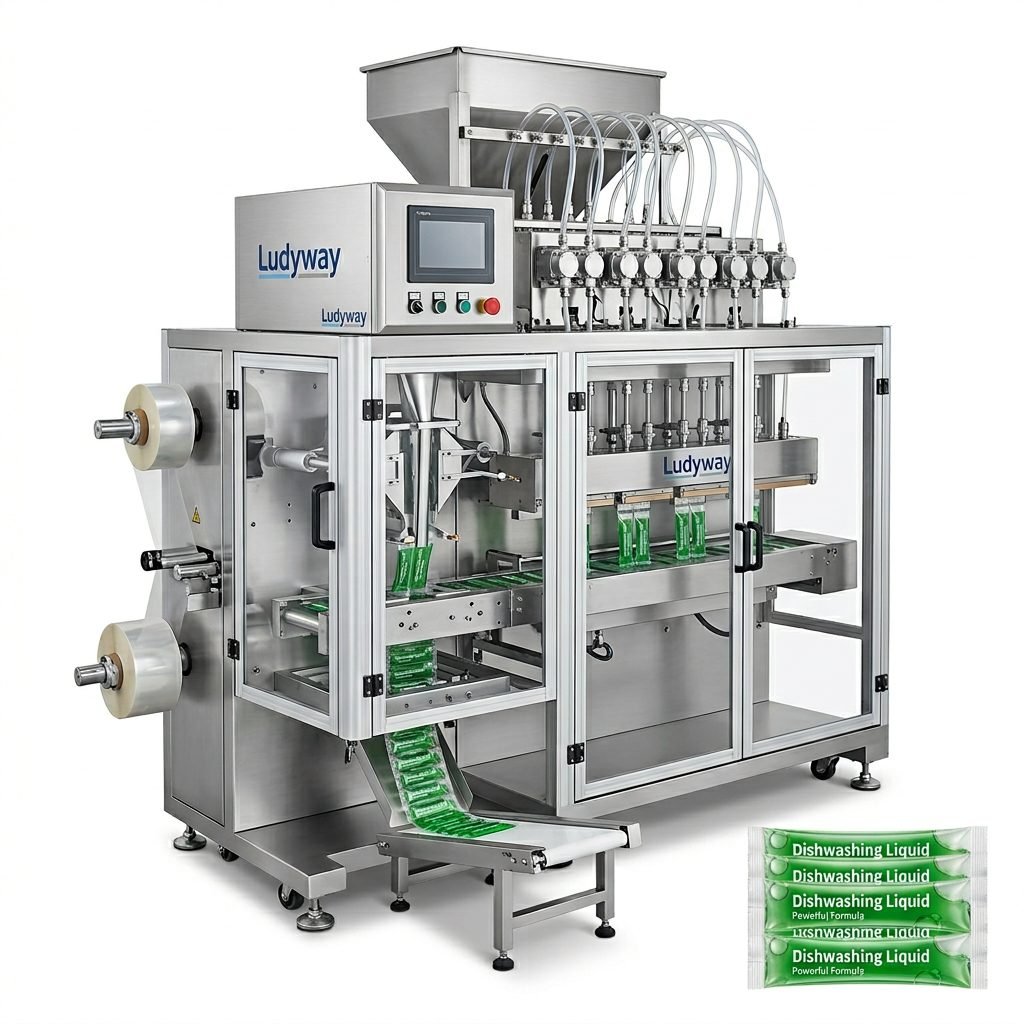
Although commonly used for water sachets, the same packaging principle can also be applied to many liquid products with similar flow characteristics. This makes the equipment valuable for businesses planning future product expansion.
Common applications include:
- Purified drinking water
- Mineral water
- Coconut water
- Electrolyte drinks
- Flavor water products
- Oral liquid products
- Cleaning liquids in sachet format
Benefits for Manufacturers and Brands
Choosing a high-quality automatic water sachet packaging machine can produce measurable improvements across production, logistics, and brand presentation.
Operational advantages:
- Higher daily production capacity
- Lower packaging material consumption in some applications
- Consistent sachet appearance
- Lower product giveaway from inaccurate filling
- Reduced risk of seal failure
- Better suitability for scalable packaging lines
Commercial advantages:
- Portable packs for retail and distribution
- Flexible pack sizes for different customer segments
- Faster turnaround for contract packaging projects
- Stronger brand image through neat and uniform presentation
Single-Lane vs. Multi-Lane Water Sachet Packing Machines
The best machine choice depends on required output, budget, available floor space, and product strategy. For many growing businesses, understanding the difference between single-lane and multi-lane equipment is essential.
| Machine Type | Best For | Main Advantage |
|---|---|---|
| Single-lane | Lower to medium production volumes | Simpler setup and lower initial investment |
| Multi-lane | High-speed industrial output | Greater production efficiency per cycle |
How to Choose the Right Water Sachet Packing Machine
Before purchasing, businesses should evaluate not only machine speed, but also packaging objectives, maintenance expectations, and line integration needs.
Important buying considerations:
- Production capacity: How many sachets per hour or per day are required?
- Filling volume: What pack size will be produced?
- Film compatibility: What packaging materials will be used?
- Liquid characteristics: Is the product pure water only, or other beverages too?
- Automation level: Standalone machine or complete line integration?
- Cleaning and sanitation: Are easy washdown and hygienic design needed?
- After-sales support: Are spare parts, technical training, and service available?
A dependable manufacturer should also be able to recommend suitable configurations based on your plant layout, local market needs, and long-term production plan.
Maintenance and Hygiene Tips
For liquid packaging, especially drinking water, cleanliness and machine stability are essential. Proper maintenance helps extend equipment life and keeps production reliable.
Recommended practices:
- Clean liquid contact parts regularly
- Inspect seals and heating elements frequently
- Monitor filling accuracy and leakage rate
- Check film tracking and tension control
- Replace wear parts according to maintenance schedules
- Train operators on sanitation and troubleshooting procedures
Why Turnkey Packaging Solutions Matter
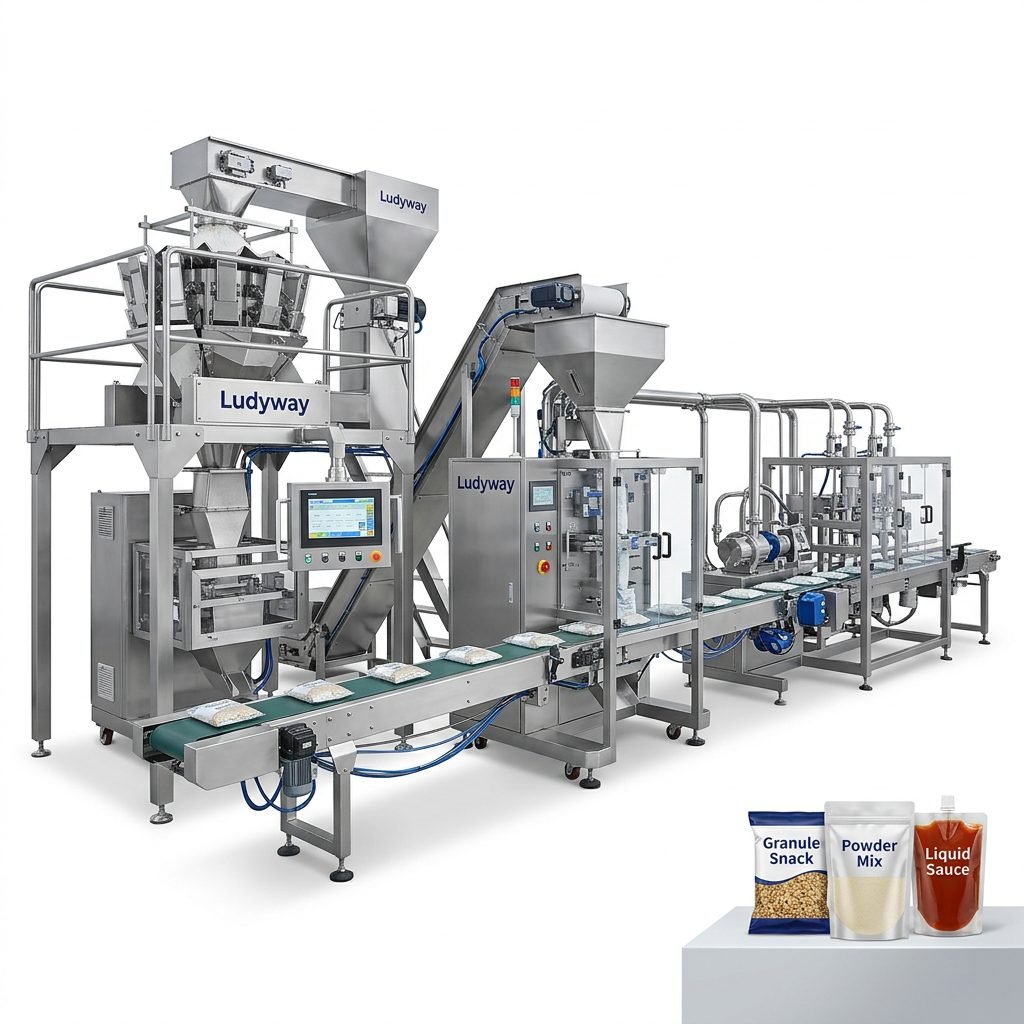
For many buyers, purchasing only the sachet machine is not enough. A complete packaging solution may include water treatment equipment, storage tanks, conveyors, coding systems, inspection devices, cartoning, and end-of-line automation. This integrated approach improves compatibility between machines and shortens commissioning time.
Manufacturers that can provide both standalone equipment and full-line engineering often help customers reduce sourcing complexity and achieve smoother project implementation.
Reliable Packaging Partner for Liquid Sachet Projects
If you are sourcing a dependable solution for water and liquid sachet production, Ludyway water sachet packing machine solutions can support a wide range of packaging requirements. As one of China’s leading packaging machine and turnkey packaging line manufacturers, the company has more than 30 years of industry experience, a factory of over 20,000 square meters, and export service coverage across more than 100 countries and regions.
Final Buying Checklist
| Checklist Item | What to Confirm |
|---|---|
| Output target | Daily or hourly sachet volume needed |
| Sachet format | Size, shape, and sealing style |
| Automation level | Standalone machine or complete production line |
| Material compatibility | Film structure and sealing performance |
| Quality control | Leak prevention, filling accuracy, coding options |
| Service support | Installation, training, spare parts, technical assistance |
A well-matched automatic water sachet packing machine can help beverage businesses increase productivity, improve hygienic packaging standards, and build a stronger position in competitive liquid packaging markets. Choosing the right system today creates a more efficient and scalable production foundation for tomorrow.