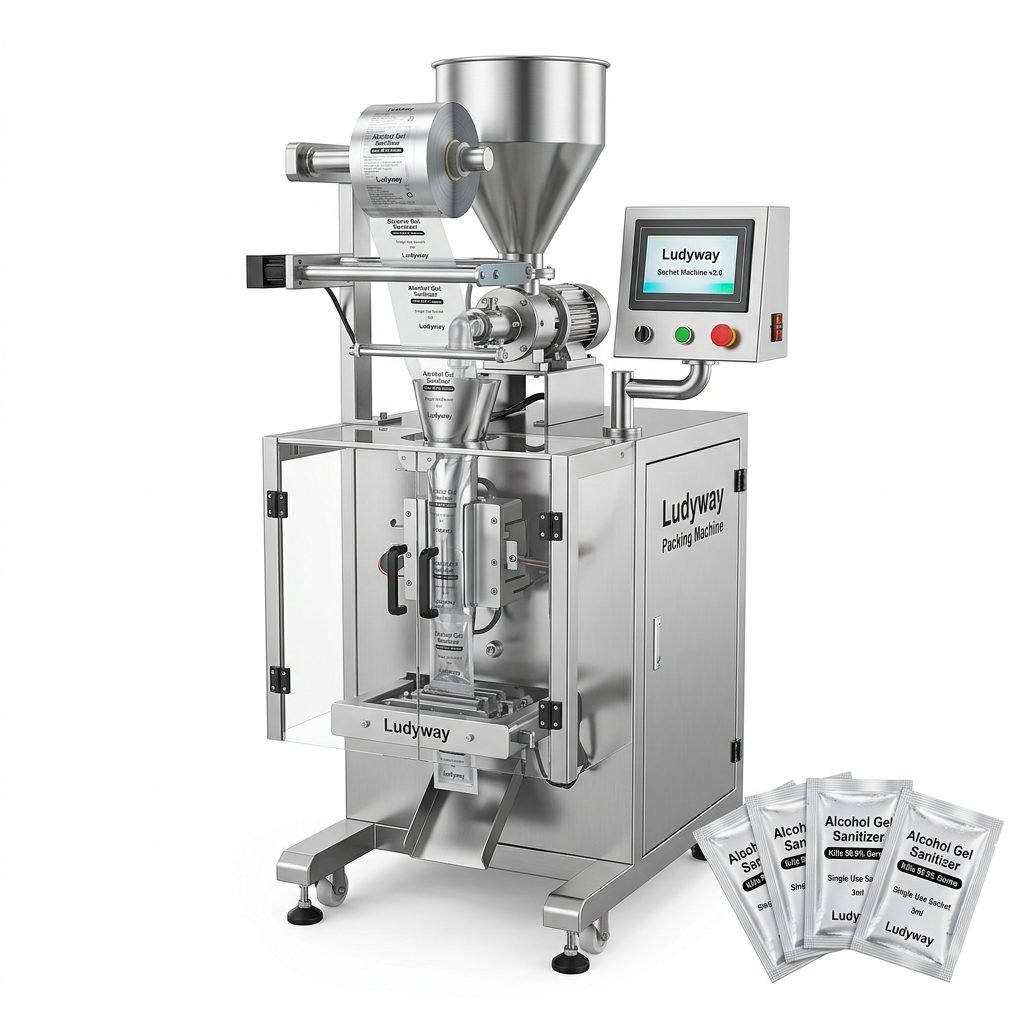
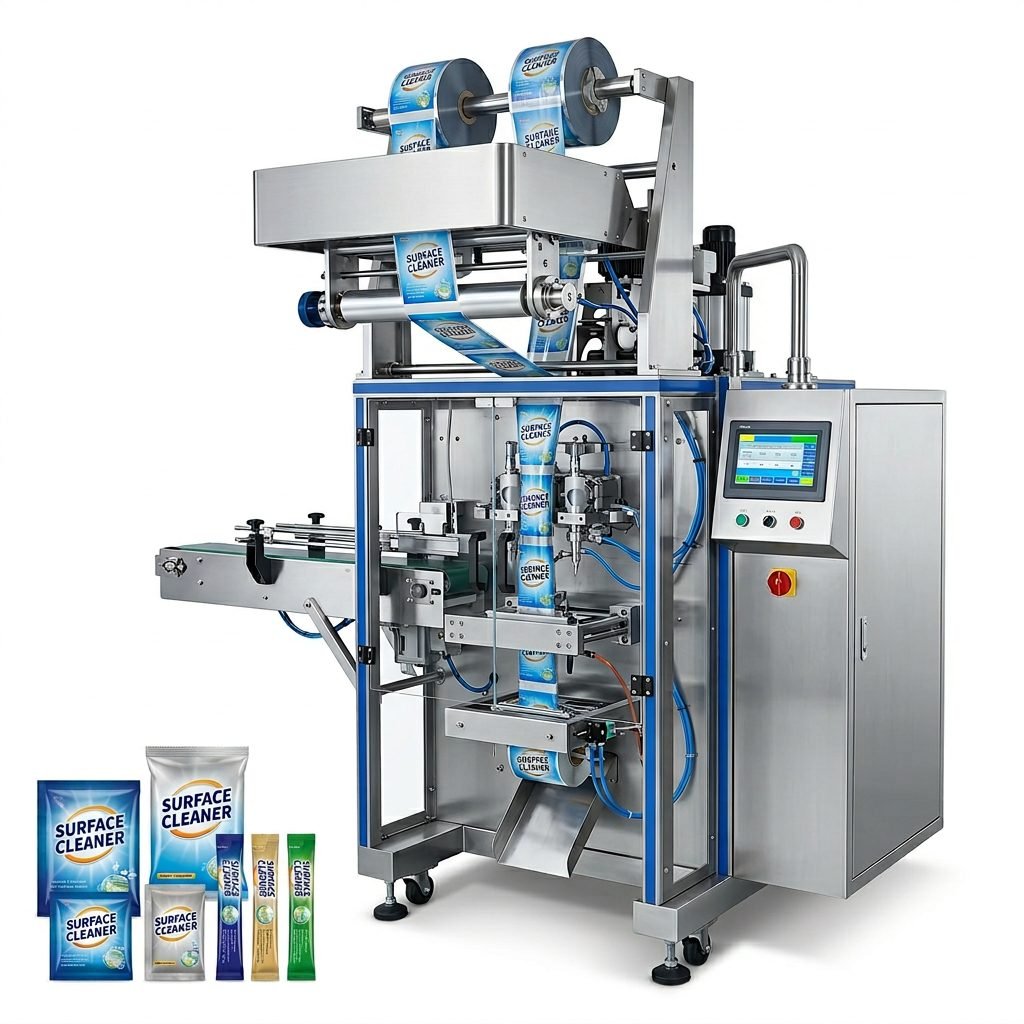
Mineral water packing machines are essential for brands that want to bottle, cap, label, wrap, and deliver water products with high efficiency, stable quality, and lower labor dependence. From small bottled water startups to large-scale beverage factories, the right equipment can significantly improve output, hygiene control, packaging consistency, and operating profitability.
In today’s competitive beverage market, consumers expect safe, clean, and professionally packaged mineral water. That means producers need more than a simple filling system. They need a complete packaging solution that supports rinsing, filling, capping, labeling, date coding, shrink wrapping, case packing, and palletizing. A modern mineral water packing line helps businesses meet these expectations while keeping production fast and cost-effective.
What Is a Mineral Water Packing Machine?
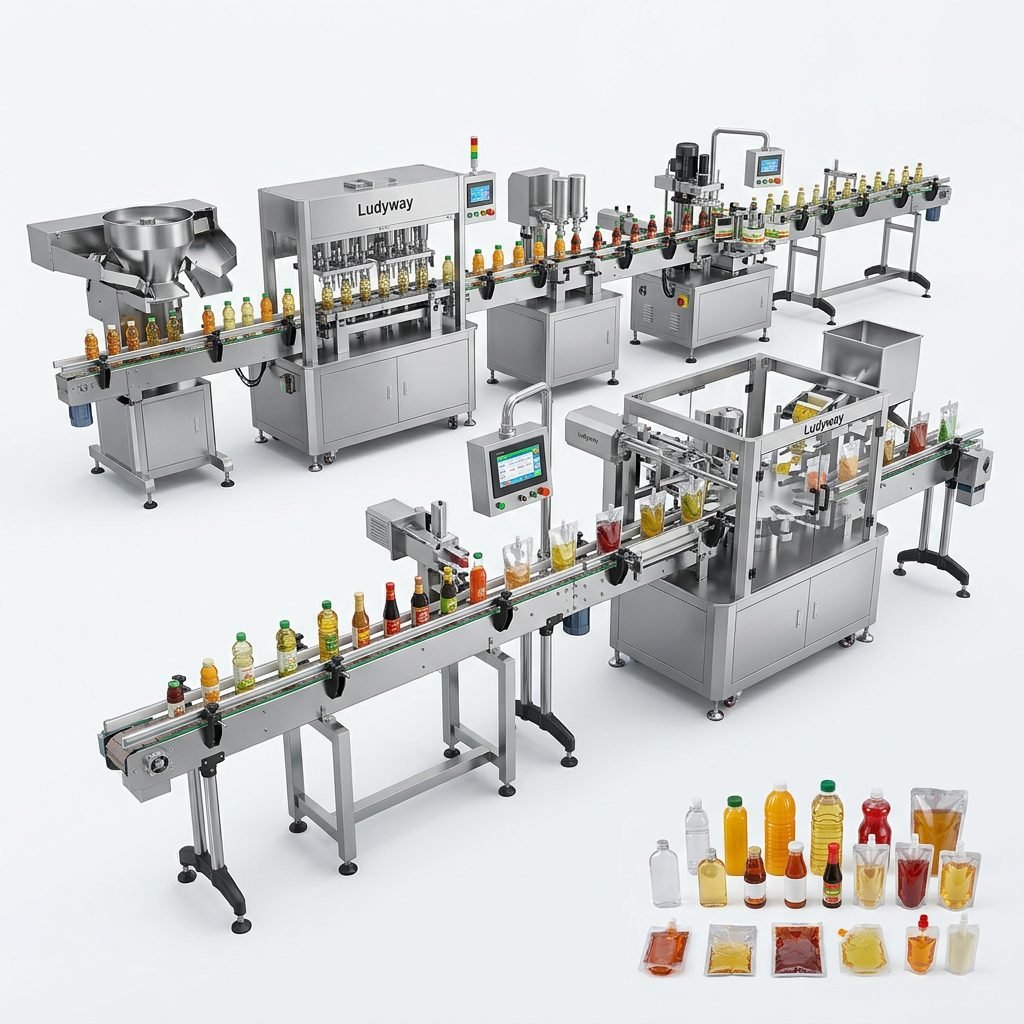
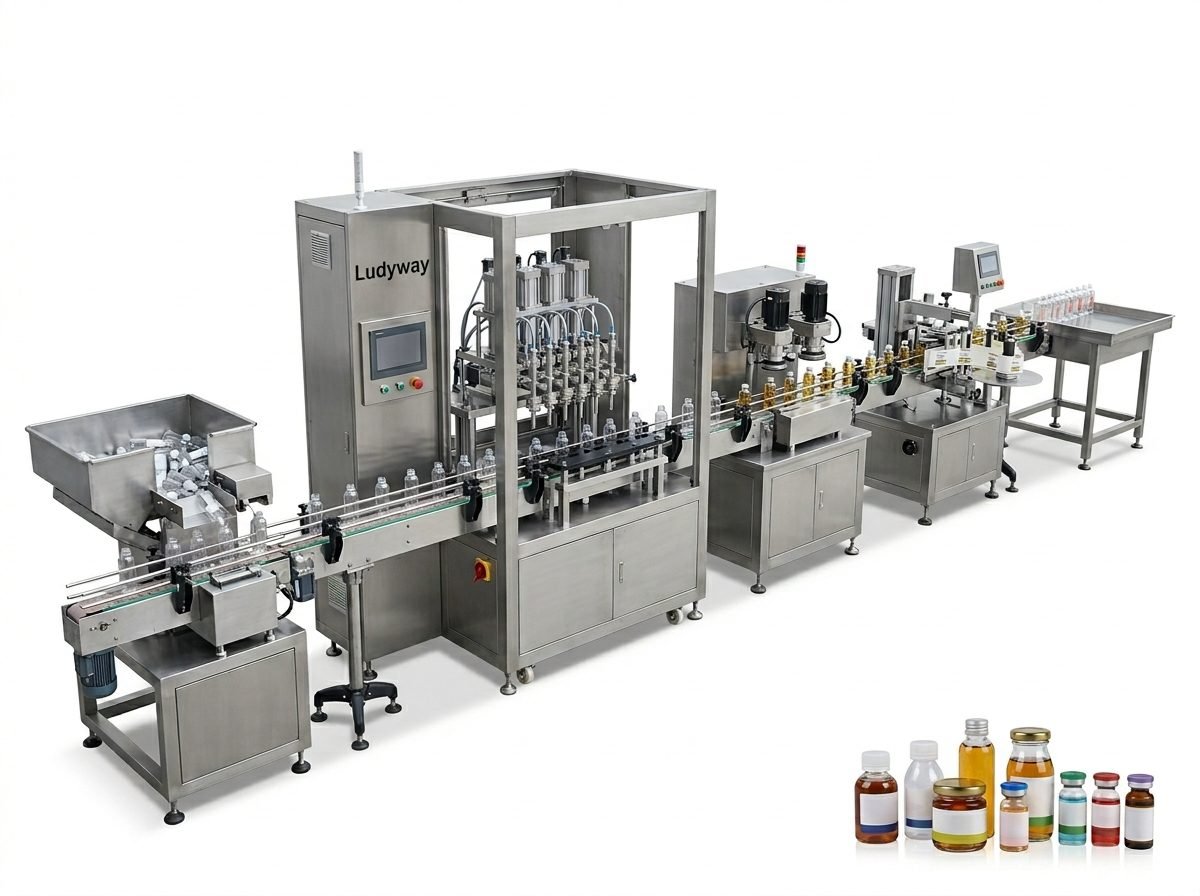
A mineral water packing machine is a system designed to package drinking water into bottles or other containers through automated processing steps. Depending on production needs, the machine may operate as a standalone unit or as part of a complete bottling line. In most mineral water plants, the line includes:
- Bottle unscrambling or bottle feeding
- Bottle rinsing or air cleaning
- Water filling
- Cap placing and capping
- Leak inspection
- Labeling
- Date or batch code printing
- Shrink wrapping or carton packing
- Conveying and palletizing
These systems are commonly used for PET bottled mineral water in sizes such as 250ml, 350ml, 500ml, 1L, 1.5L, and larger formats. With the right configuration, a factory can adapt packaging for retail, wholesale, hospitality, sports, or export channels.
Why Automation Matters in Water Bottling and Packaging
Water is one of the highest-volume beverage categories in the world, so efficiency directly affects business performance. An automated mineral water packing machine helps companies maintain reliable production while reducing manual errors and contamination risks.
- Higher output: Automated systems can run continuously and handle large production volumes.
- Better hygiene: Reduced human contact supports food-grade sanitation requirements.
- Consistent filling accuracy: Uniform bottle fill levels improve brand presentation and reduce waste.
- Lower labor costs: Fewer manual operations are needed across the line.
- Improved packaging quality: Stable capping, labeling, and wrapping reduce rejection rates.
- Scalability: Modular lines can be expanded as production grows.
Main Types of Mineral Water Packing Machines
1. Bottle Rinsing, Filling, and Capping Monoblock Machines
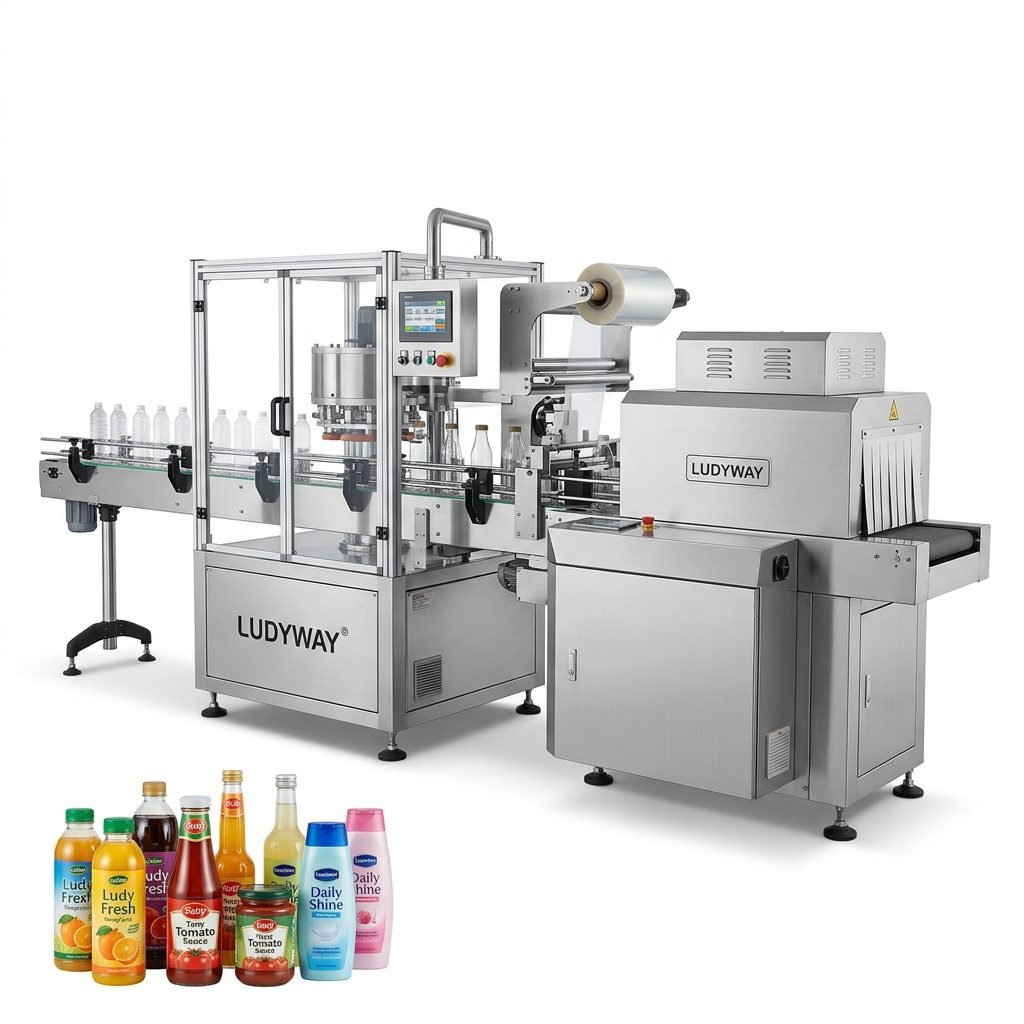
These integrated machines combine three core processes into one compact system. They are ideal for mineral water plants that need efficient production with a smaller footprint. The monoblock design improves synchronization and reduces transfer issues between stations.
2. Automatic Labeling Machines
Labeling machines apply sleeve labels, self-adhesive labels, or OPP labels to water bottles. Clean and accurate labeling is important for shelf appeal, barcode readability, and compliance with retail or export requirements.
3. Shrink Wrapping and Secondary Packaging Machines
Once bottles are filled and labeled, they are often grouped into packs such as 6, 12, or 24 bottles. Shrink wrapping systems protect products during transport and improve handling efficiency in warehouses and supermarkets.
4. Conveying and Line Integration Equipment
Conveyors, accumulation tables, and transfer systems keep the entire line moving smoothly. Proper integration reduces stoppages and keeps every stage balanced.
Key Features to Look for in a Mineral Water Packing Machine
Choosing the right machine requires more than comparing speed alone. Buyers should consider long-term reliability, maintenance requirements, bottle compatibility, and downstream packaging needs.
| Feature | Why It Matters |
|---|---|
| Production speed | Determines whether the line can meet daily output targets |
| Filling accuracy | Reduces product giveaway and improves consistency |
| Bottle size flexibility | Supports multiple SKUs and future packaging changes |
| Cap compatibility | Ensures tight sealing and reliable bottle integrity |
| Material quality | Food-grade stainless steel improves sanitation and durability |
| Automation level | Affects labor savings, efficiency, and production control |
| Maintenance access | Makes cleaning, parts replacement, and servicing easier |
| Line integration capability | Allows seamless connection with labeling, wrapping, and palletizing systems |
Applications Across Different Water Packaging Formats
Mineral water packing machines can be configured for different market needs. This flexibility is especially important for brands serving retail chains, restaurants, offices, schools, gyms, and export distributors.
- Single-serve retail bottles
- Family-size bottled water
- Multipack shrink-wrapped bundles
- Promotional bottle packs
- Private label water products
- Export-ready bottled water packaging
Benefits of a Complete Turnkey Bottling and Packaging Line
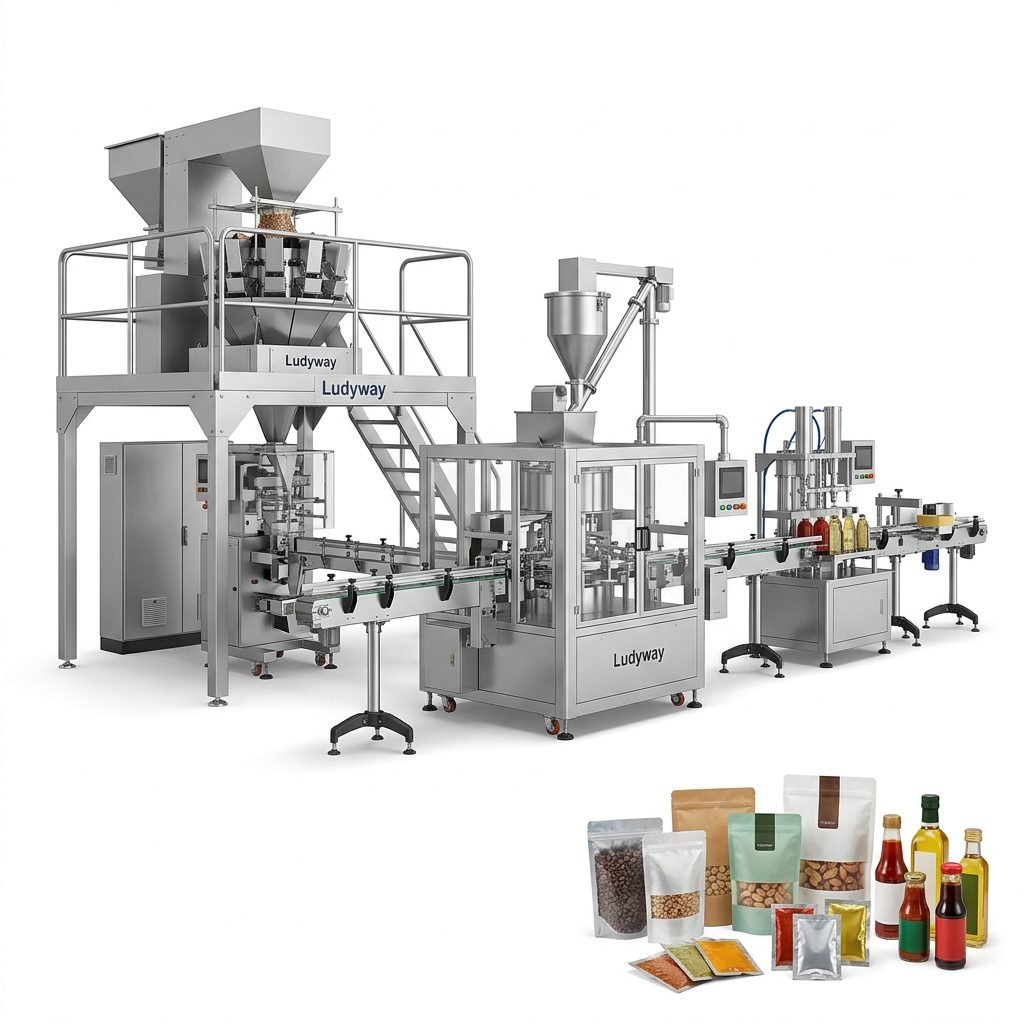
Many water producers no longer want to source machines separately from different suppliers. A turnkey system offers a more efficient path to production because all core equipment is designed to work together. This can reduce installation complexity and improve long-term line stability.
For buyers looking for end-to-end automation, Ludyway provides packaging machinery and turnkey packaging line solutions backed by more than 30 years of manufacturing experience, serving customers in over 100 countries and regions.
Advantages of turnkey solutions include:
- Better compatibility between machines
- Streamlined project planning and installation
- Centralized technical support
- More efficient factory layout design
- Reduced commissioning time
- Improved long-term production coordination
How to Choose the Right Mineral Water Packing Machine
The best equipment depends on production goals, bottle format, local labor costs, and your future expansion plans. Before investing, it helps to define your technical and commercial priorities clearly.
Questions to ask before buying:
- What is your target bottles-per-hour output?
- Which bottle sizes will you run now and later?
- Do you need still water only, or other beverages too?
- What type of label will you use?
- Will bottles be packed in shrink film, cartons, or trays?
- Do you need a compact line or a fully automated high-speed plant?
- What level of after-sales support and spare parts availability is required?
Common Challenges in Bottled Water Packaging
Even a good product can face packaging issues if the machine selection is poor or the line is not properly matched. Understanding these risks early helps avoid costly downtime.
| Challenge | Recommended Solution |
|---|---|
| Inconsistent fill levels | Use precision filling systems and stable line calibration |
| Cap leakage | Ensure accurate torque control and cap compatibility |
| Bottle jams | Optimize conveyor layout and bottle handling design |
| Label misalignment | Select precise labeling equipment with reliable sensors |
| High labor dependency | Increase automation at packing and palletizing stages |
| Frequent downtime | Choose robust equipment and maintain preventive servicing schedules |
Industries and Business Types That Benefit Most
Mineral water packing machines are suitable for a wide range of business models, including:
- Mineral water brands
- Drinking water bottling plants
- Private label beverage manufacturers
- Hospitality and catering suppliers
- Regional distributors building in-house brands
- OEM and contract beverage packers
Why Efficient Packaging Equipment Supports Brand Growth
A mineral water business grows not only through product quality, but also through packaging reliability. Retail buyers, distributors, and end consumers all notice packaging appearance, bottle integrity, cap security, and multipack convenience. Efficient machinery helps ensure that every bottle reaching the market reflects the same standard.
Over time, the right packing machine can support higher output, stronger product consistency, reduced operating cost, and easier expansion into new channels. For businesses planning to increase production capacity or launch new water SKUs, investing in automated bottling and packaging equipment is often a strategic move rather than just a technical purchase.
Final Buying Considerations
When comparing mineral water packing machines, focus on total production value instead of only the initial machine price. A lower-cost system may create more downtime, higher maintenance needs, and inconsistent packaging results. A well-engineered solution should deliver stable performance, hygienic operation, flexible bottle handling, and dependable technical support.
For manufacturers seeking efficient solutions for bottling and packaging water, a modern automated line can create measurable gains in productivity and product presentation. Whether you need an entry-level bottling setup or a high-speed turnkey packaging line, choosing equipment that matches your production goals is the key to long-term success.