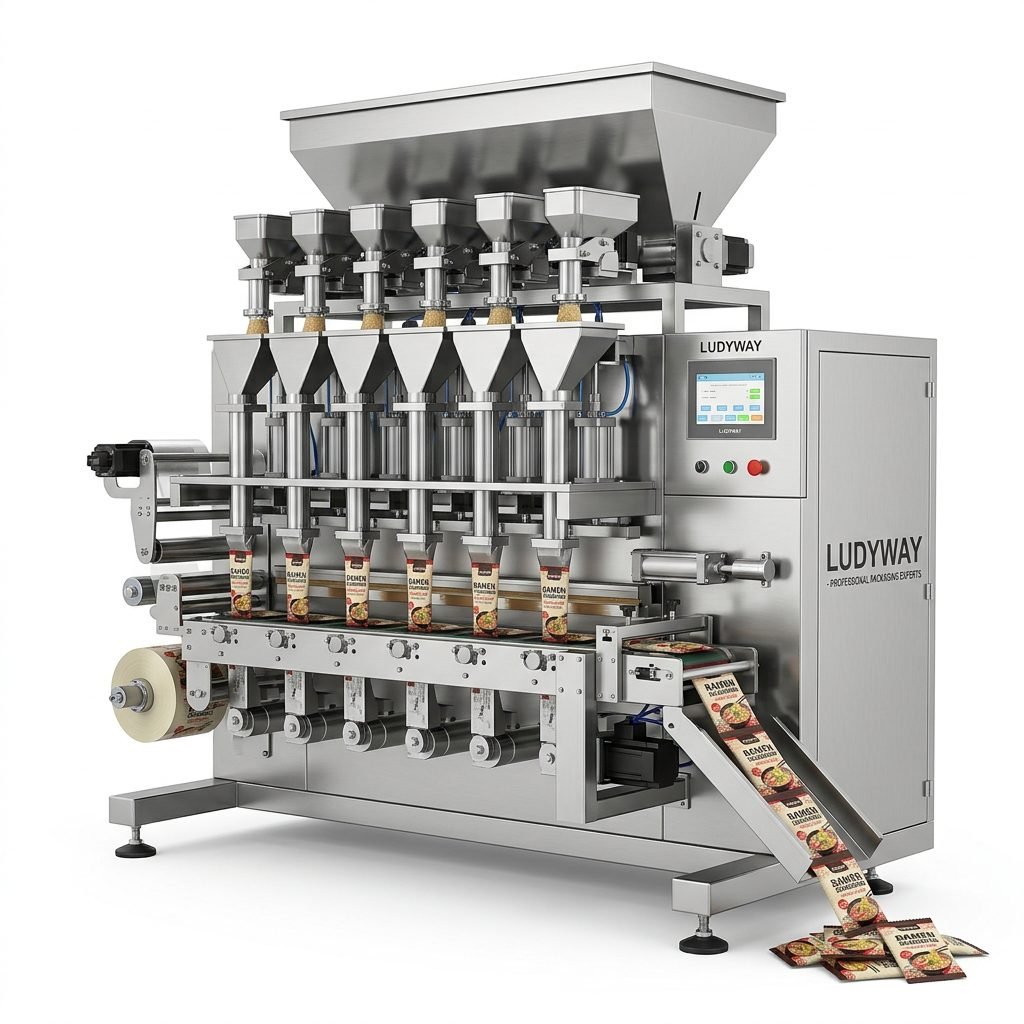
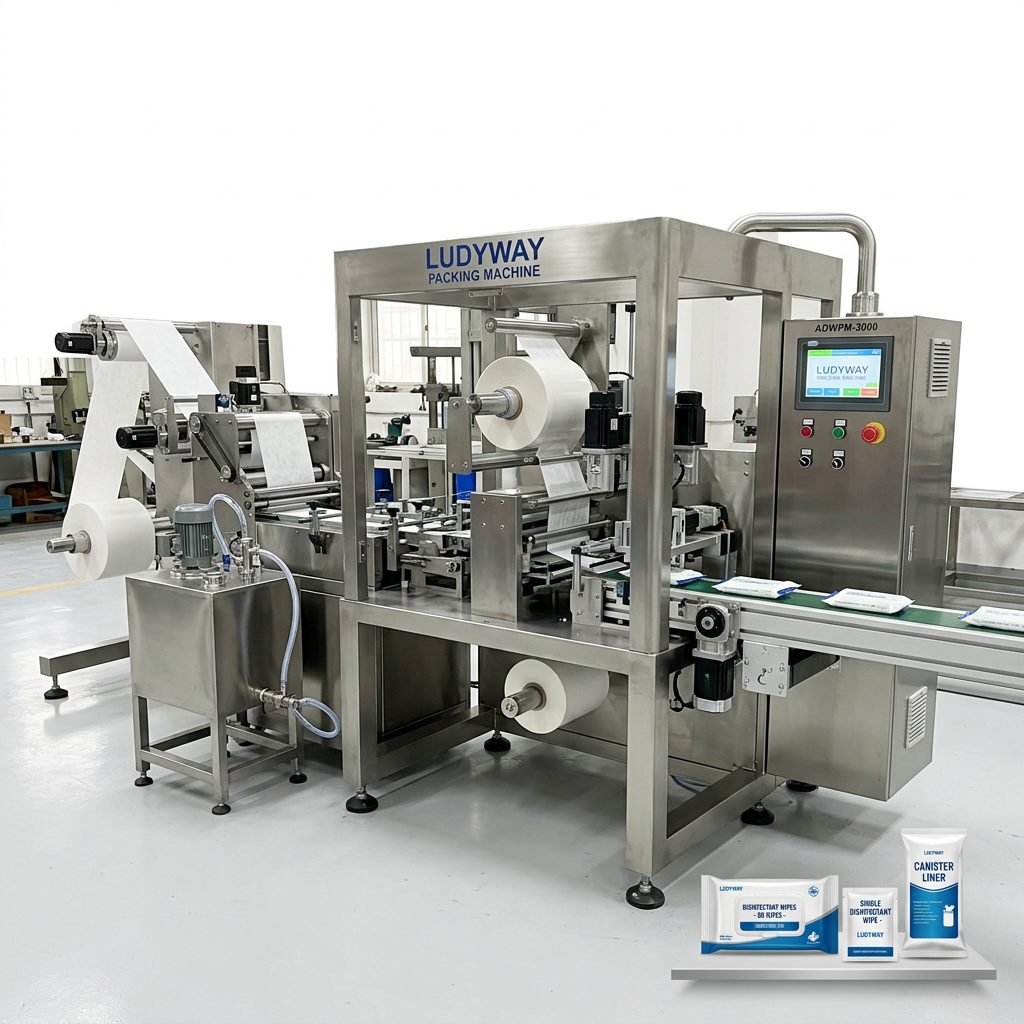
The vegetable processing industry in South America is experiencing rapid growth, driven by increasing domestic consumption and expanding export opportunities. Setting up a vegetable packaging machine production line requires careful planning, understanding of local regulations, and selection of the right equipment. This complete guide walks you through every step of the process, from initial assessment to full operation.
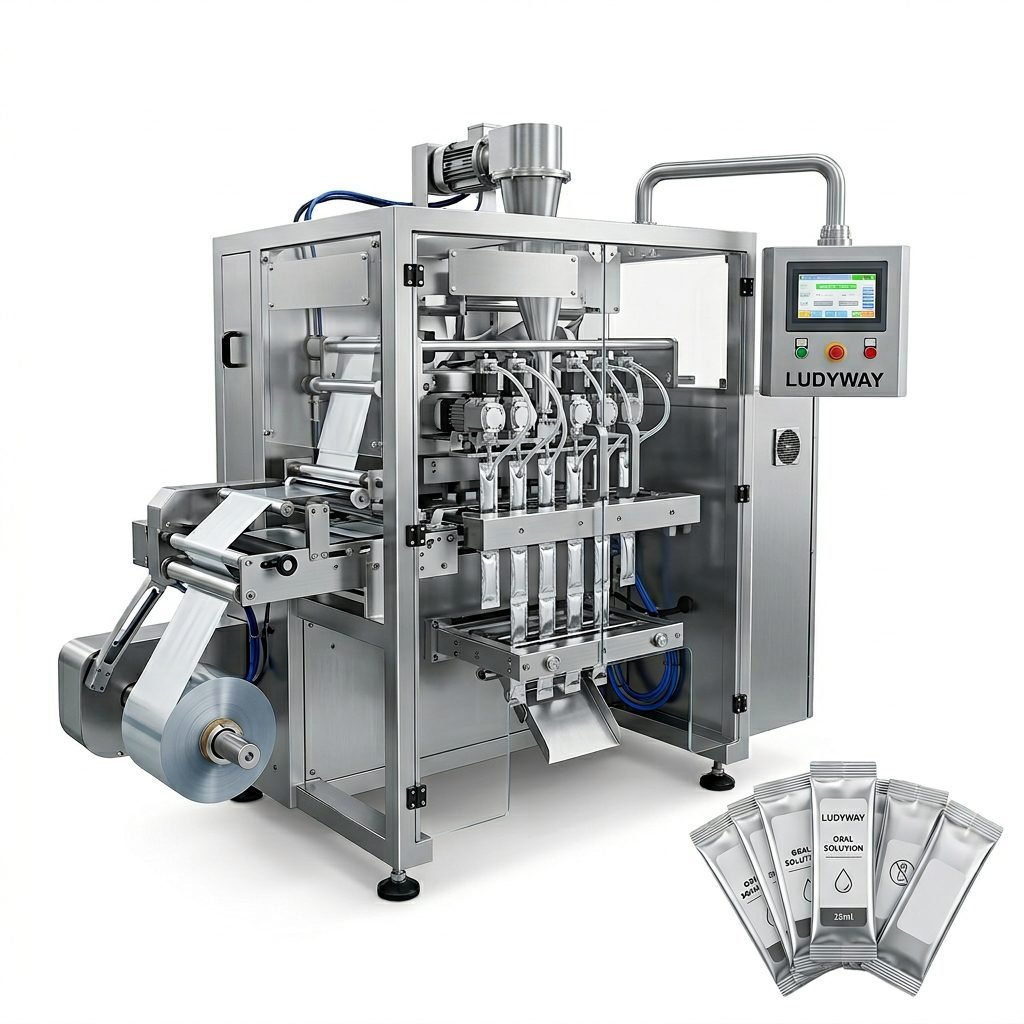
Understanding the South American Vegetable Packaging Market
Before investing in machinery, you need to understand the regional market dynamics. Countries like Brazil, Argentina, Chile, Peru, and Colombia are major agricultural producers with distinct packaging requirements. The demand for fresh-cut vegetables, frozen produce, and ready-to-cook meal kits is rising across the continent.
- Brazil leads the market with its vast agricultural output and developed food processing sector
- Chile and Peru focus heavily on export-oriented vegetable packaging for North American and European markets
- Colombia and Argentina are seeing growth in domestic retail-ready packaging formats
- Local consumer preferences favor both flexible pouches and rigid containers depending on the product type
Key Market Drivers in the Region
| Market Factor | Impact on Packaging Needs | Key Countries |
|---|---|---|
| Supermarket Expansion | Higher demand for shelf-ready packaging | Brazil, Argentina |
| Export Growth | Compliance with international standards | Chile, Peru, Ecuador |
| Urbanization | Increased convenience food packaging | Colombia, Uruguay |
| Cold Chain Development | More frozen vegetable packaging lines | All major markets |
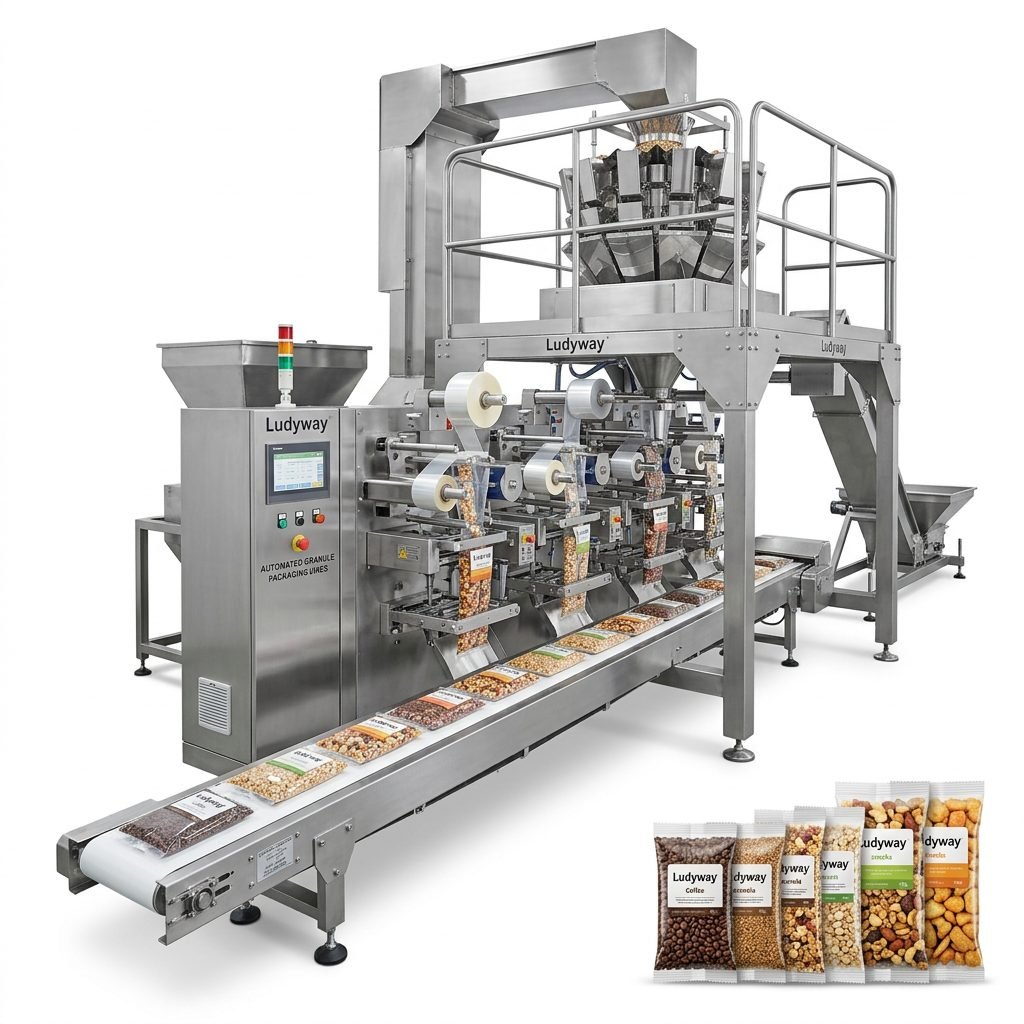
Step 1: Assessing Your Production Requirements
The first step in setting up your vegetable packaging line is defining your production goals. Consider the following factors carefully, as they will determine your equipment selection and facility layout.
- Production Capacity: How many packages per hour or per day do you need? Small operations may require 500-1000 packs/hour, while industrial lines handle 5000+ packs/hour
- Packaging Format: Will you use pillow pouches, stand-up pouches, vacuum packs, or tray sealing? Each format requires different machinery configurations
- Vegetable Types: Fresh-cut, frozen, dried, or mixed vegetables each have unique handling and sealing requirements
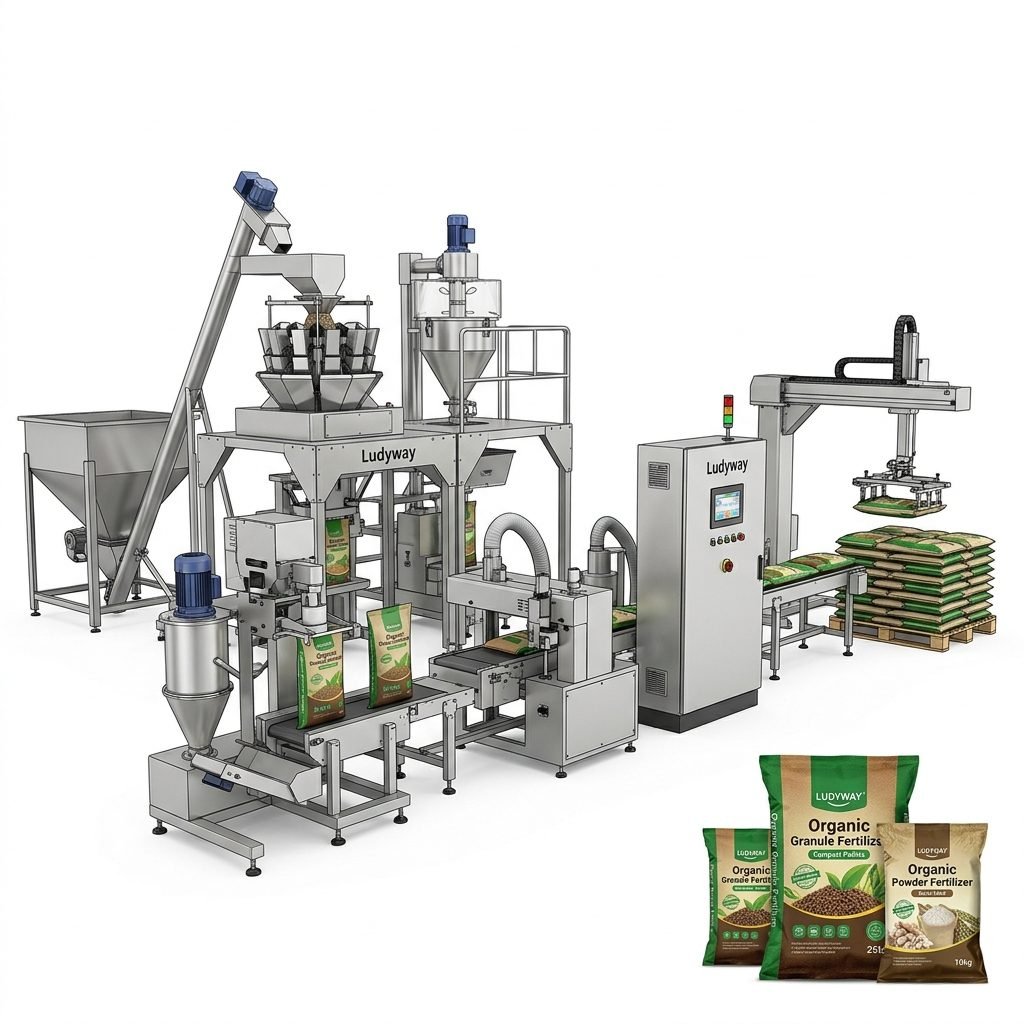
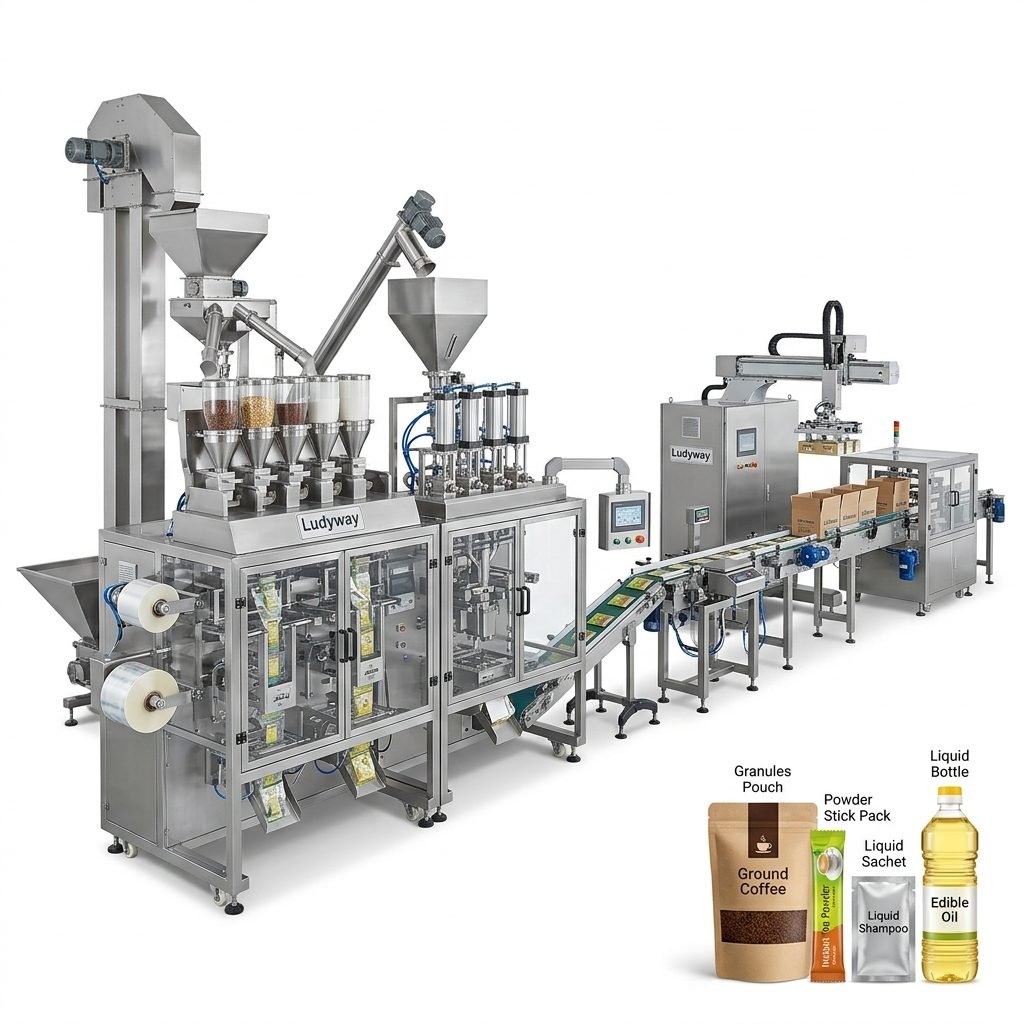
- Automation Level: Semi-automatic, fully automatic, or a complete turnkey line including weighing, filling, sealing, and cartoning
Step 2: Facility Planning and Layout Design
Your facility layout directly impacts production efficiency and food safety compliance. In South America, you must adhere to local regulations as well as international standards if exporting.
Essential Facility Zones
| Zone | Requirements | Equipment Needed |
|---|---|---|
| Raw Material Receiving | Temperature-controlled, easy access for deliveries | Inspection tables, washing stations |
| Processing Area | Stainless steel surfaces, drainage systems | Cutting machines, blanchers, conveyors |
| Packaging Room | Controlled humidity and temperature | Weighing, filling, sealing machines |
| Finished Goods Storage | Organized racking, FIFO system | Palletizers, stretch wrappers |
Step 3: Selecting the Right Packaging Equipment
Choosing the appropriate machinery is critical for long-term operational success. Your equipment must handle the specific characteristics of vegetables—moisture content, size variation, and fragility—while maintaining high throughput and seal integrity.
Core Machinery for Vegetable Packaging Lines
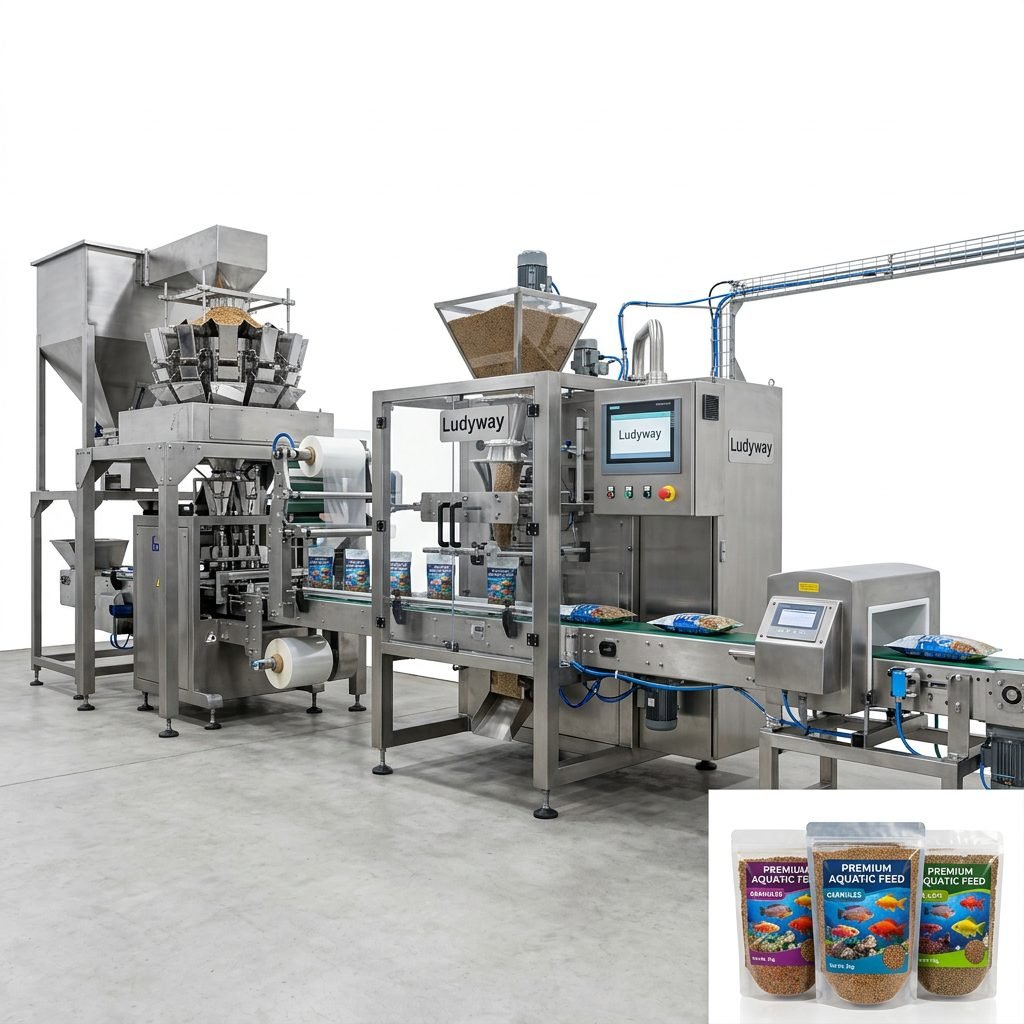
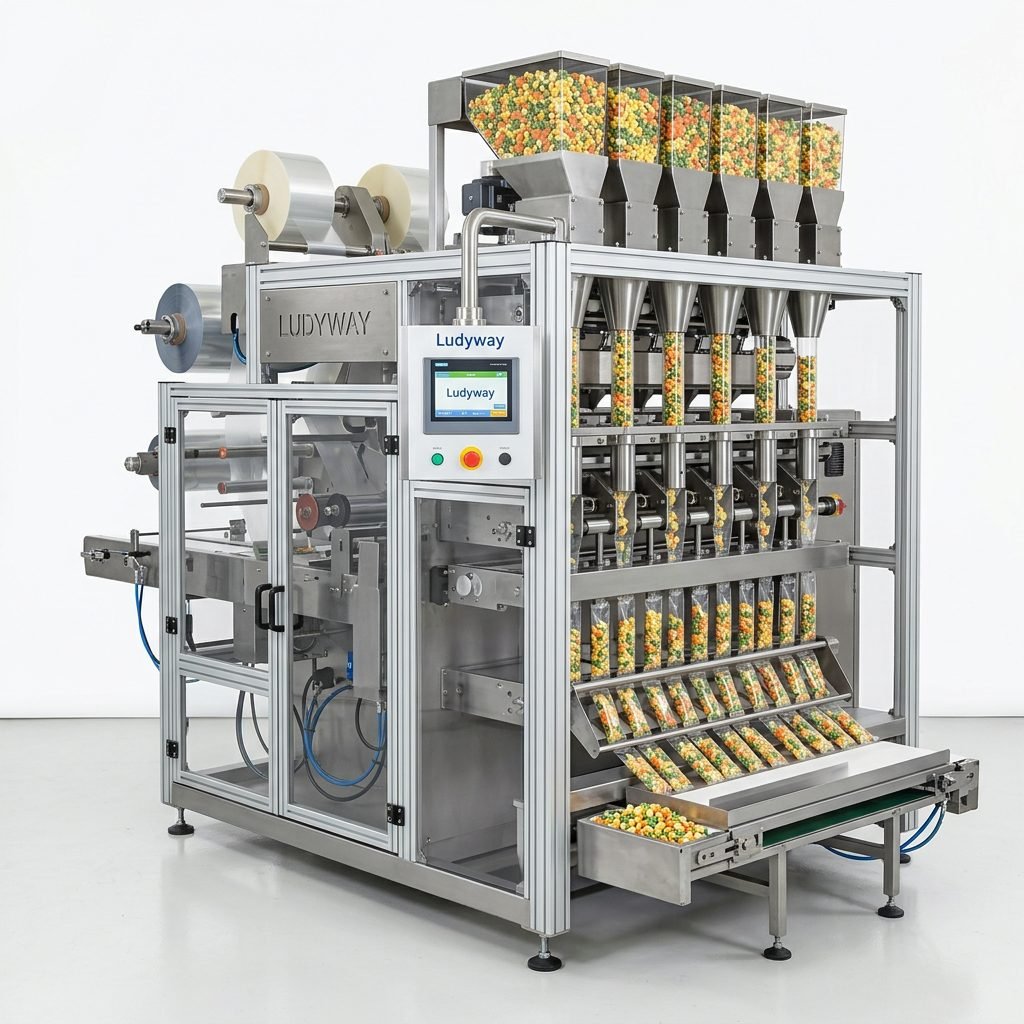
- Multi-head Weigher: Ensures accurate portioning for mixed vegetables and salad packs
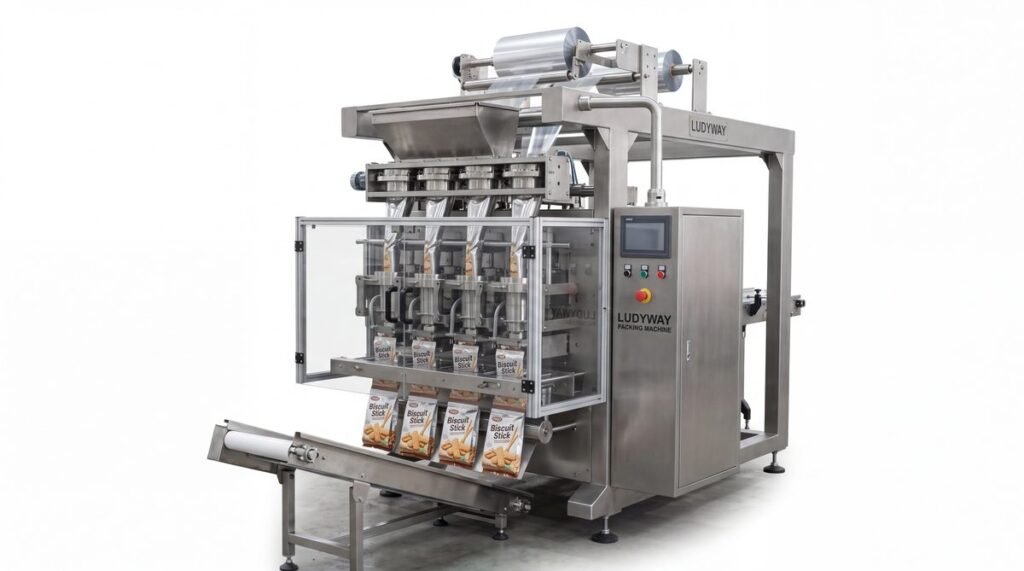
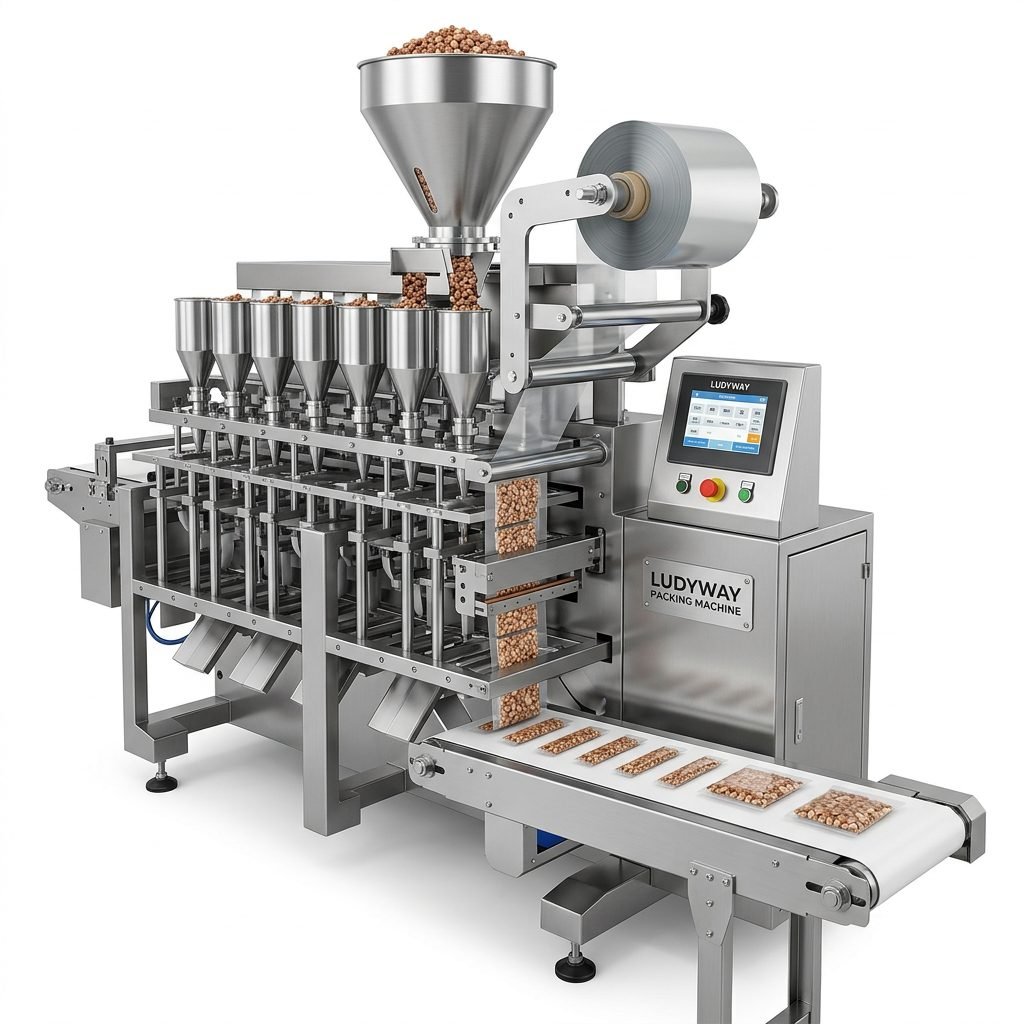
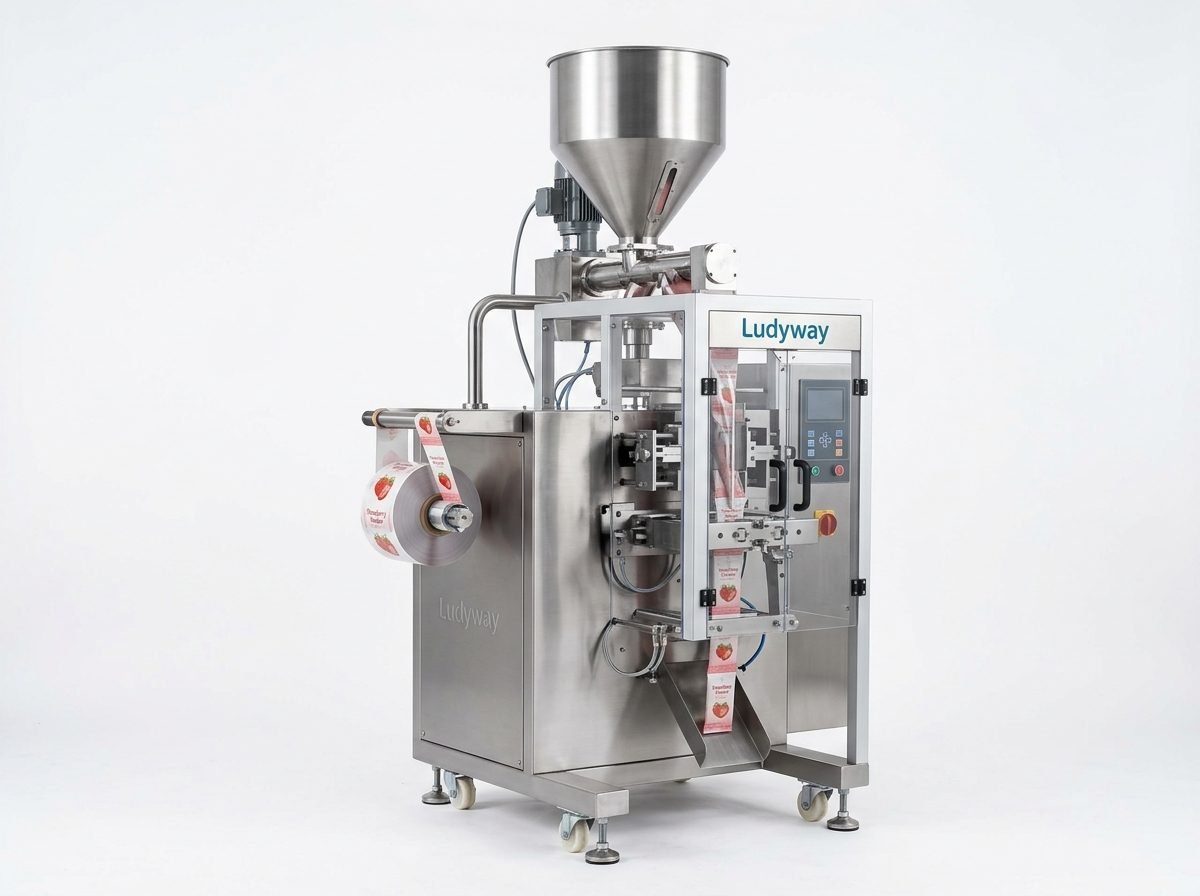
- Vertical Form Fill Seal (VFFS) Machine: Ideal for pillow bags and pillow pouches of frozen or fresh-cut vegetables
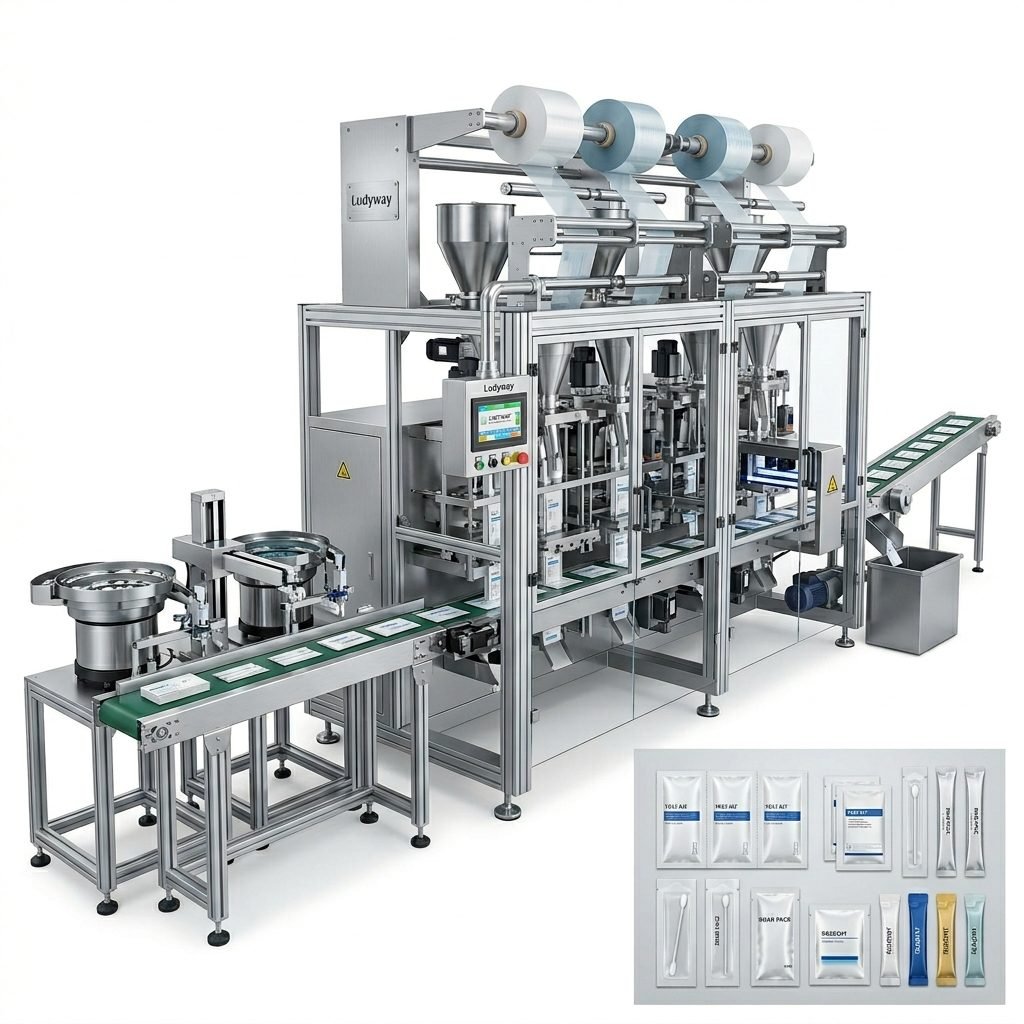
- Rotary / Preformed Pouch Fill-Seal Machine: Handles stand-up pouches and zipper bags popular in retail markets
- Tray Sealer: For modified atmosphere packaging (MAP) that extends shelf life of fresh vegetables
- Vacuum Packaging Machine: Essential for extended shelf life products and export markets
- Checkweigher and Metal Detector: Critical for quality assurance and food safety compliance
Step 4: Regulatory Compliance and Certifications
South American countries have specific food safety regulations. Additionally, if you plan to export, you must meet international standards such as FDA (for US markets), EU regulations, or Mercosur standards for regional trade. Key certifications to pursue include HACCP, ISO 22000, and BRCGS.
Country-Specific Regulatory Bodies
| Country | Regulatory Body | Key Standard |
|---|---|---|
| Brazil | ANVISA / MAPA | RDC standards, SIF certification |
| Argentina | SENASA / INAL | Código Alimentario Argentino |
| Chile | SEREMI de Salud | Reglamento Sanitario de los Alimentos |
| Peru | DIGESA | DS 007-98-SA |
| Colombia | INVIMA | Resolución 2674 de 2013 |

Step 5: Installation and Commissioning Process
Proper installation is essential for maximizing equipment lifespan and performance. The commissioning process in South America requires coordination with local technical teams and adherence to utility specifications that may differ from other regions. Voltage standards, compressed air requirements, and water quality all need verification before installation begins.
- Conduct a site readiness assessment including utility connections and floor leveling
- Coordinate with the equipment supplier for on-site technical support during installation
- Perform factory acceptance testing (FAT) before shipment when possible
- Complete site acceptance testing (SAT) with actual vegetable products
- Calibrate all weighing and filling systems for local environmental conditions
- Document all standard operating procedures (SOPs) in both Spanish/Portuguese and English
Step 6: Staff Training and Operational Excellence
Investing in comprehensive operator training pays dividends in reduced downtime and consistent package quality. Your training program should cover machine operation, cleaning procedures, basic troubleshooting, and safety protocols. Many South American facilities benefit from bilingual training materials.
Training Modules
| Training Area | Duration | Participants |
|---|---|---|
| Machine Operation Basics | 3-5 days | All operators and supervisors |
| Maintenance and Troubleshooting | 2-3 days | Maintenance technicians |
| Food Safety Protocols | 1-2 days | Quality control team |
| Changeover Procedures | 1 day | Line leaders and setup technicians |
Step 7: Maintenance Schedules and Spare Parts Management
Establishing a proactive maintenance program prevents unexpected downtime. In many South American locations, shipping spare parts from overseas can take weeks, so maintaining an adequate local inventory is crucial. Partner with a reliable packaging machine manufacturer that offers responsive after-sales support and maintains regional spare parts distribution.
Critical Spare Parts Checklist
- Sealing elements: Heat seal jaws, Teflon tapes, heating cartridges
- Wear components: Belts, bearings, and cutting blades
- Sensors and electronics: Photocells, temperature controllers, PLC modules
- Pneumatic components: Cylinders, valves, and air fittings
- Forming tubes and filling nozzles: Specific to your packaging dimensions
Step 8: Quality Control and Inspection Systems
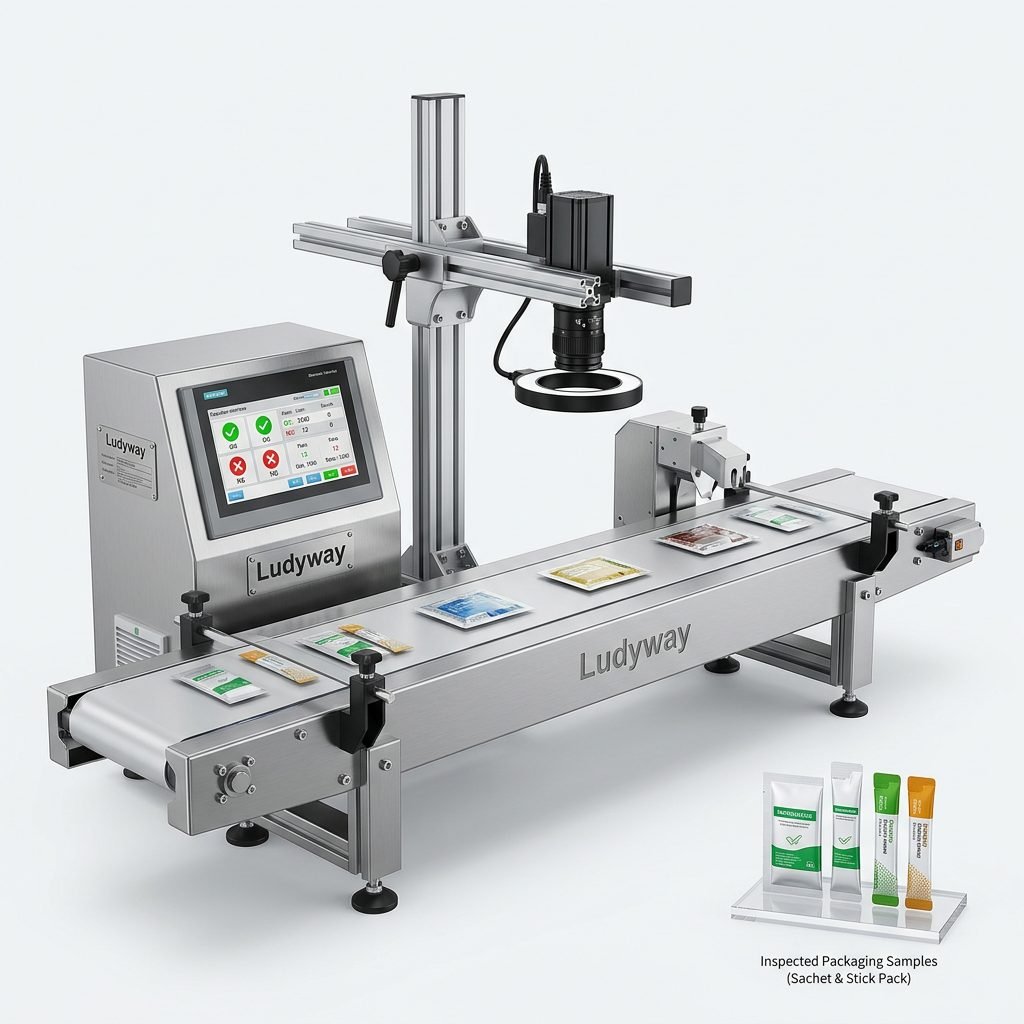
Implementing robust quality control checkpoints throughout your packaging line ensures consistent product quality and reduces customer complaints. Modern vision inspection systems can detect seal defects, foreign objects, and label errors automatically, complementing manual quality checks.
- In-line checkweighing ensures every package meets weight specifications
- Metal detection and X-ray inspection provide critical food safety assurance
- Seal integrity testing verifies package hermeticity through vacuum decay or burst testing
- Vision systems inspect print quality, label placement, and code verification
Cost Considerations and ROI Analysis
Understanding the total investment required helps you plan your budget realistically. The cost of setting up a vegetable packaging line in South America varies significantly based on automation level, production capacity, and the machinery supplier you choose. Consider both capital expenditure (CAPEX) and operational expenditure (OPEX) when calculating your expected return on investment.
Estimated Investment Breakdown
| Cost Category | Small Line (Est.) | Medium Line (Est.) | Full Turnkey Line |
|---|---|---|---|
| Packaging Machinery | $50,000 – $150,000 | $150,000 – $400,000 | $400,000 – $1,000,000+ |
| Facility Modifications | $20,000 – $50,000 | $50,000 – $150,000 | $150,000 – $350,000 |
| Installation & Commissioning | $10,000 – $25,000 | $25,000 – $60,000 | $60,000 – $150,000 |
| Training & Documentation | $5,000 – $10,000 | $10,000 – $20,000 | $20,000 – $40,000 |
Common Challenges and Solutions
Setting up operations in South America presents unique challenges that you should anticipate. From logistics and customs clearance to local labor availability, being prepared can save months of delays.
- Import procedures: Work with experienced customs brokers familiar with industrial machinery imports; Mercosur trade agreements can reduce duties for intra-regional sourcing
- Voltage and utility differences: Many South American countries use 220V/60Hz or 380V/50Hz; specify your requirements clearly when ordering equipment
- Technical support availability: Choose a supplier with regional service partners or remote diagnostic capabilities; this significantly reduces downtime risks
- Climate considerations: High humidity in tropical regions requires additional attention to sealing and moisture-sensitive product handling
Partnering with the Right Equipment Supplier
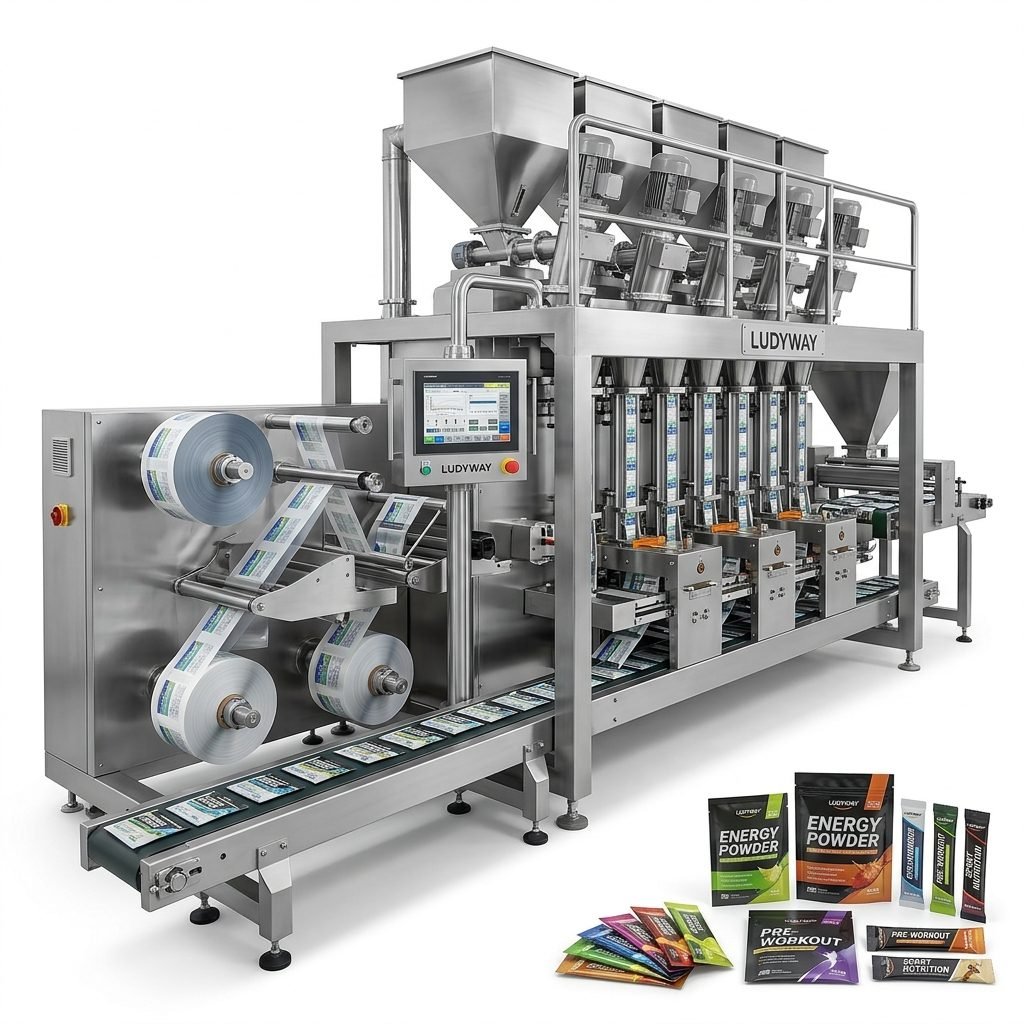
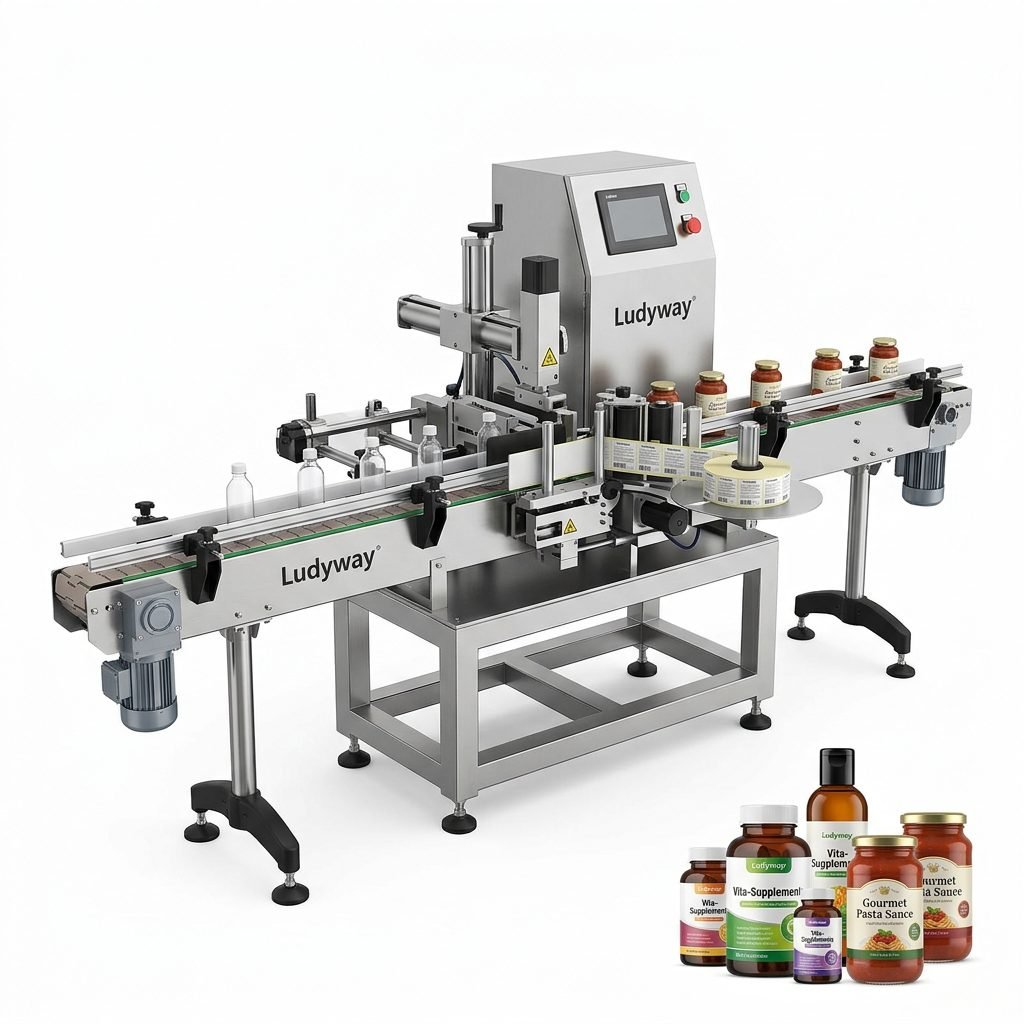
Selecting a reliable machinery partner is one of the most important decisions you will make. Look for a manufacturer with proven experience in vegetable packaging, a strong international presence, and comprehensive after-sales support. Ludyway is one of the largest packaging machine manufacturers in China, offering advanced packaging equipment and turnkey production solutions for the food industry. With over 30 years of expertise and customers in more than 100 countries, they provide reliable solutions for granule, powder, liquid, and vegetable packaging applications.
Future-Proofing Your Production Line
As the South American market continues to evolve, your packaging line should be flexible enough to adapt to new packaging formats, materials, and sustainability requirements. Consider modular equipment designs that allow you to add capacity or change formats without replacing entire systems. The trend toward eco-friendly packaging is accelerating across the continent, with countries like Chile and Colombia introducing legislation on single-use plastics.
Sustainability Considerations
- Choose machinery compatible with biodegradable and recyclable films
- Implement energy-efficient motors and drives to reduce operational costs
- Design your line to minimize material waste during changeovers
- Consider mono-material packaging structures that are easier to recycle
Setting up a vegetable packaging machine production line in South America is a significant but rewarding investment. By following this comprehensive guide—from market analysis and facility planning to equipment selection, regulatory compliance, and ongoing maintenance—you can build an efficient, reliable, and profitable packaging operation. The key to success lies in thorough preparation, choosing the right technology partners, and staying adaptable to the dynamic needs of this growing region.