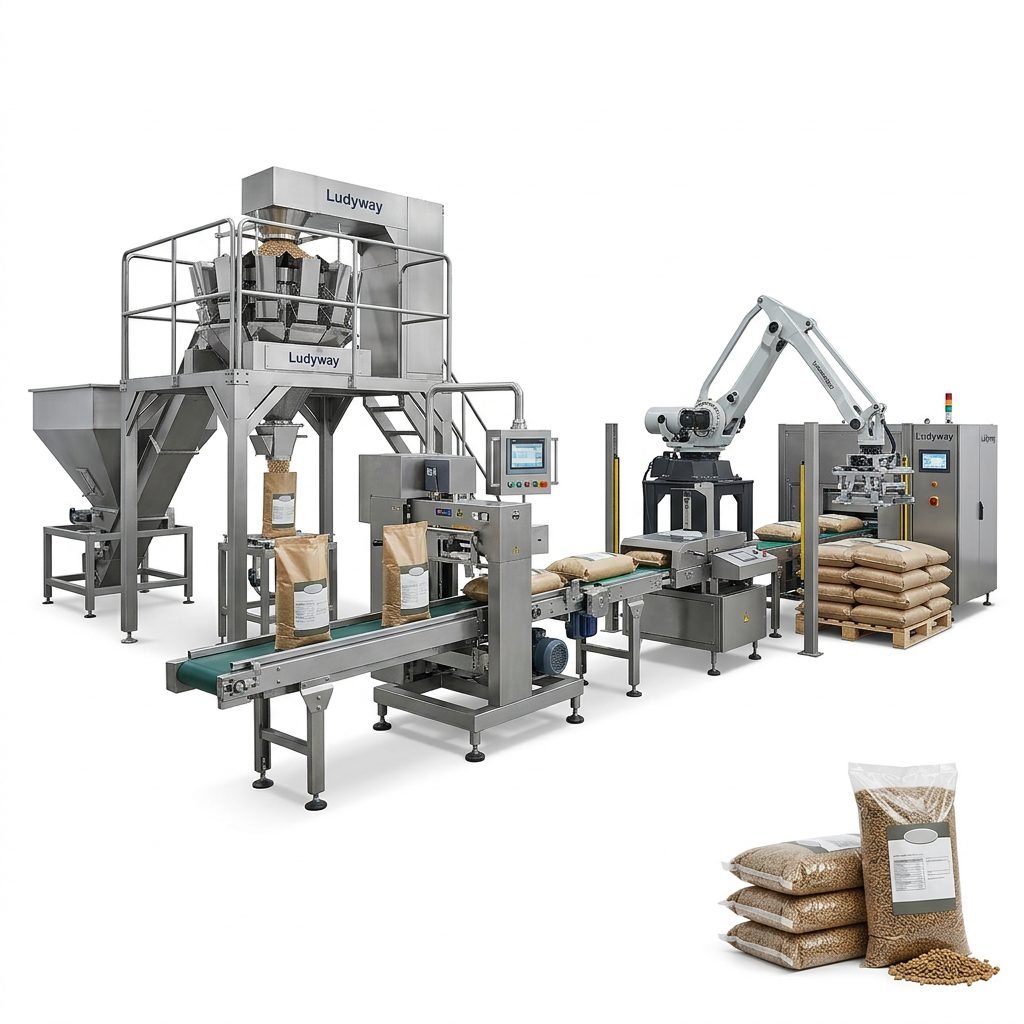
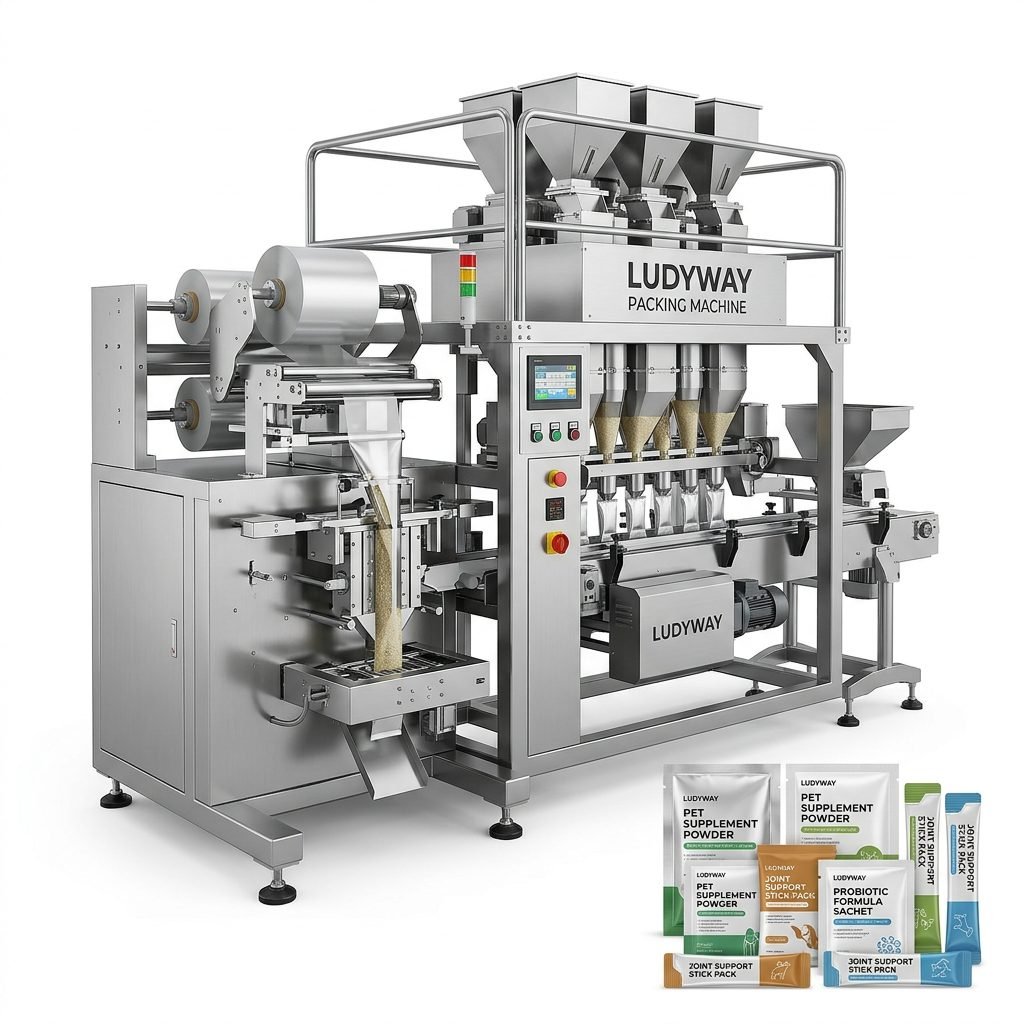
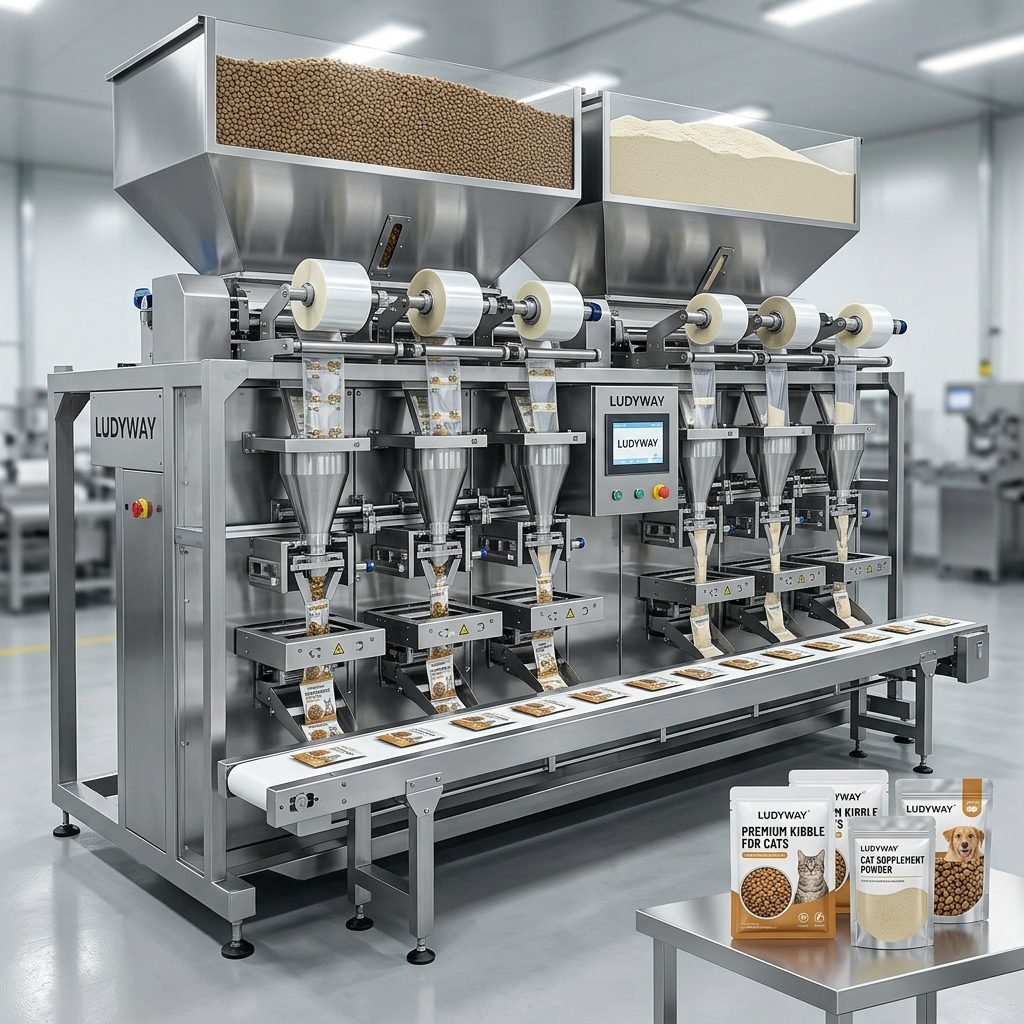
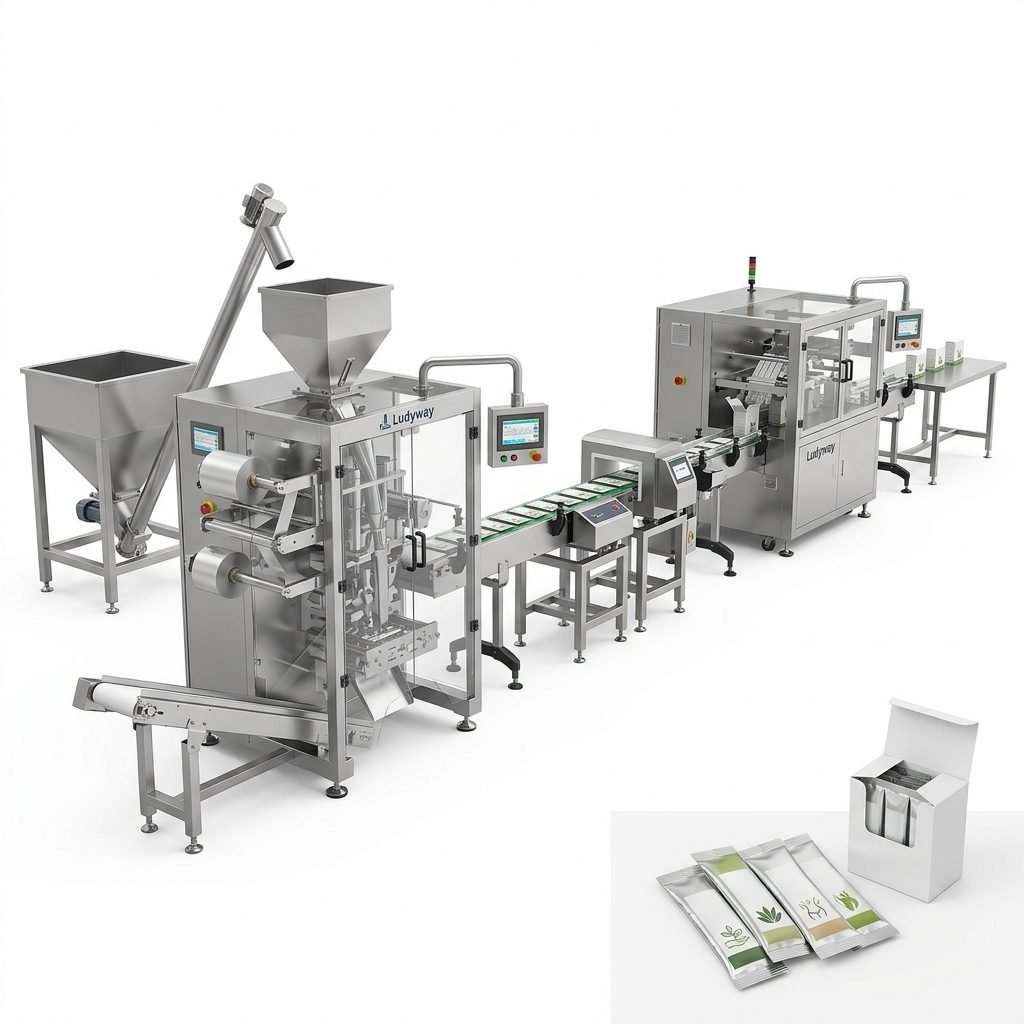
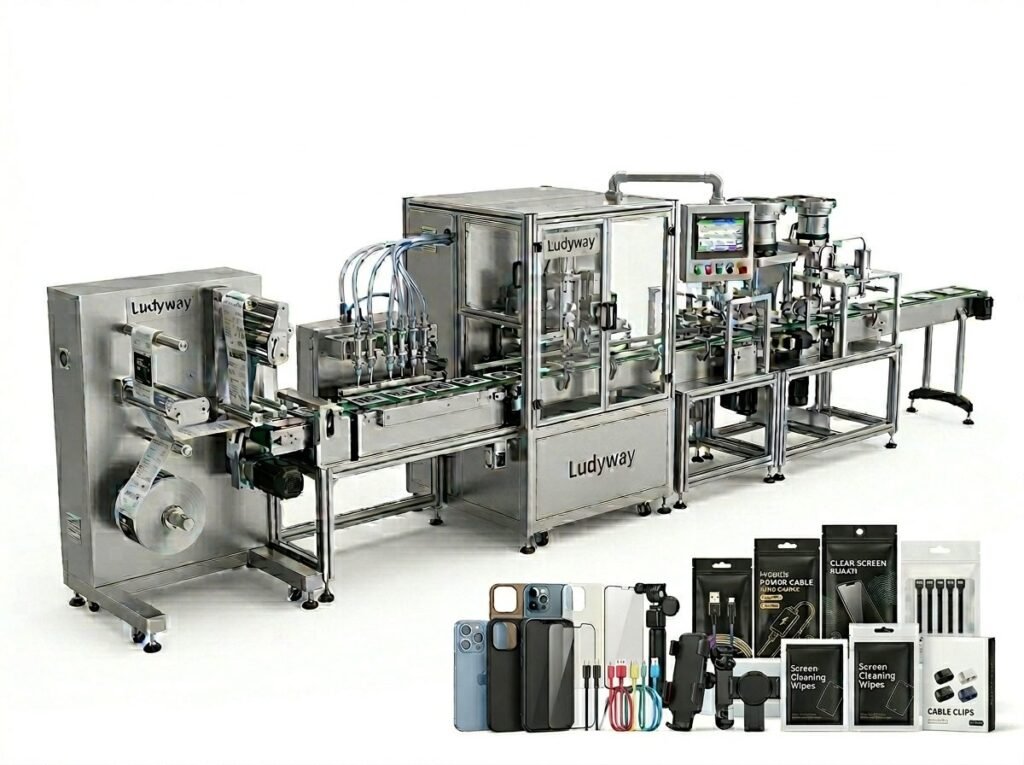
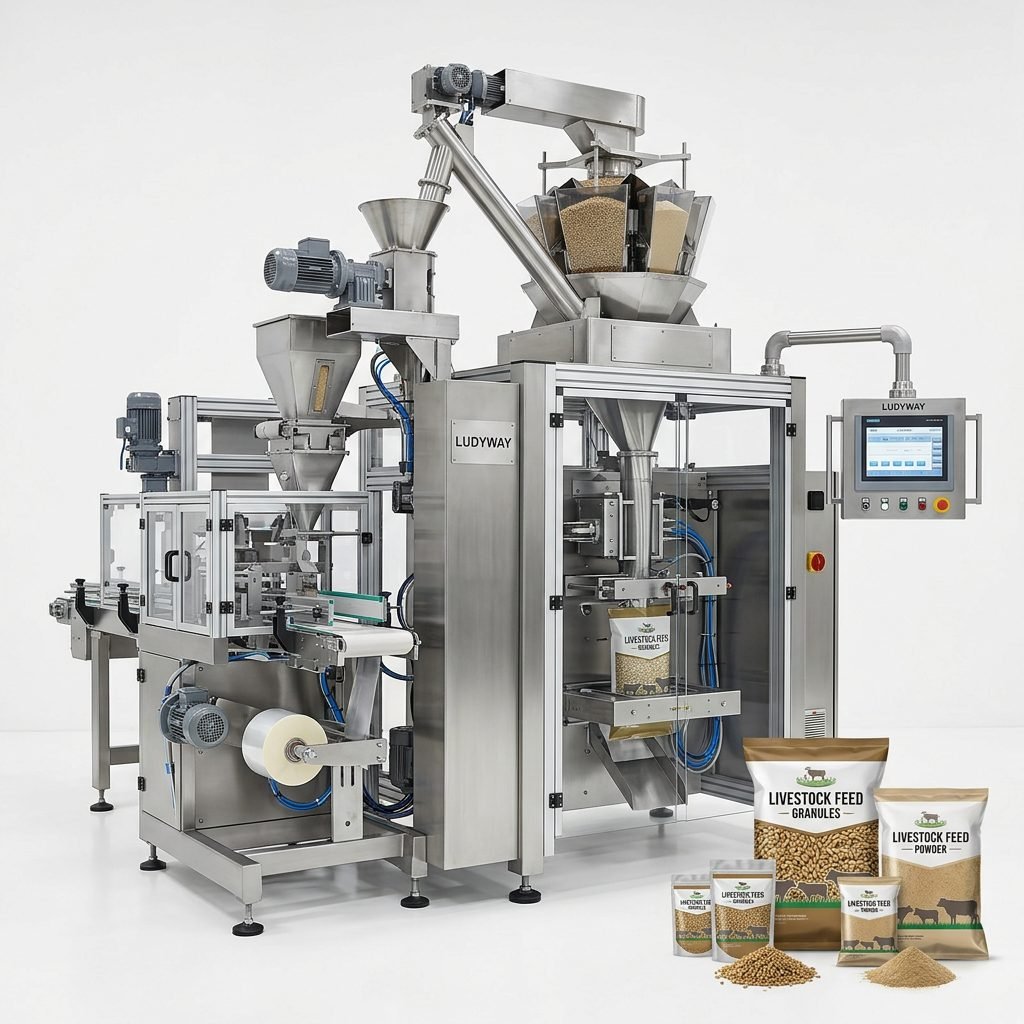
Choosing the right medicine packing machine is not just about speed or price. In pharmaceutical and medical product packaging, the equipment must support product safety, dosing accuracy, compliance, hygiene, traceability, and long-term production stability. Whether you pack powders, granules, liquids, tablets, wipes, or sterile medical consumables, selecting the correct system can directly affect product quality, operational costs, and regulatory confidence.
This guide explains how to evaluate packaging equipment for medical products, what machine types are commonly used, and which technical factors buyers should compare before making an investment.
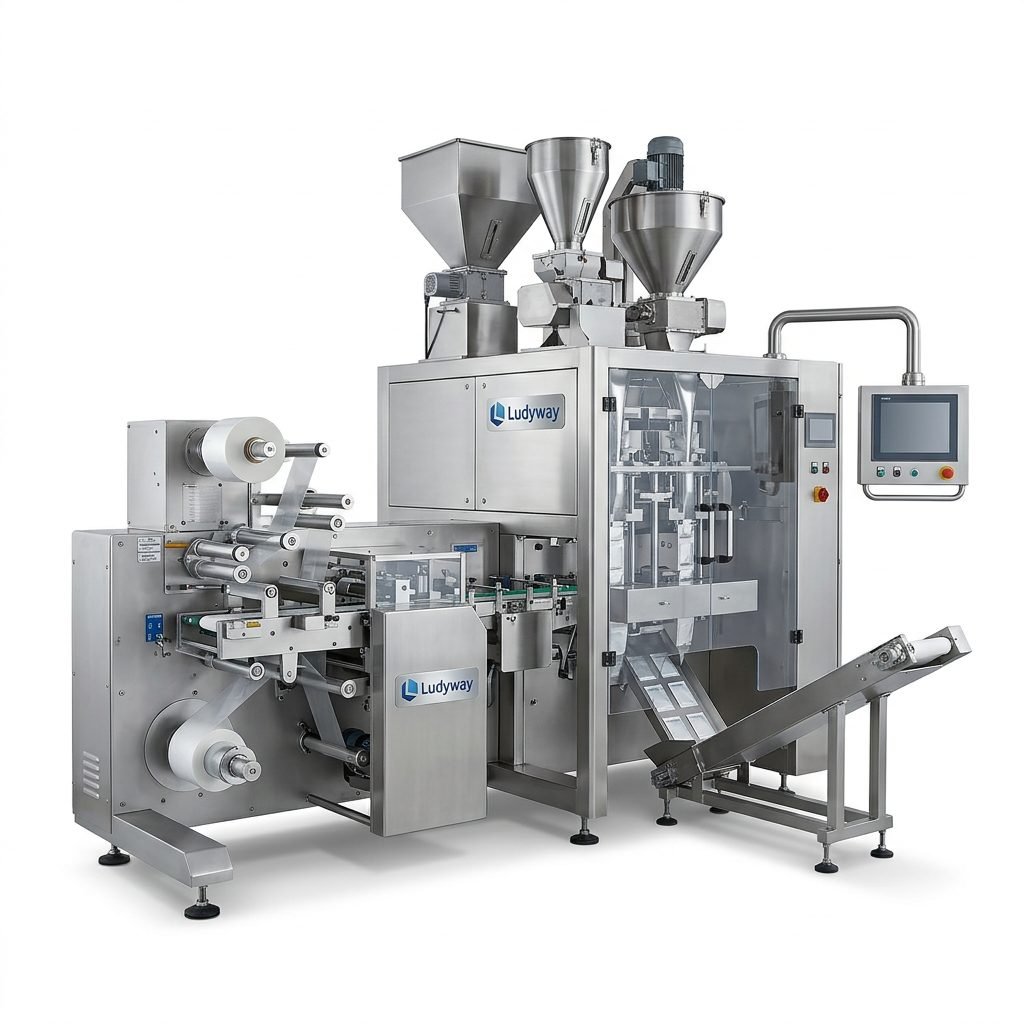
Why the Right Medicine Packing Machine Matters
Medical packaging equipment does much more than fill and seal. It protects sensitive products from contamination, ensures consistent unit presentation, and helps manufacturers meet strict packaging requirements. A poor equipment choice may lead to:
- Inconsistent filling weights or volumes
- Seal failures and leakage
- Cross-contamination risks
- Excessive downtime and maintenance
- Difficulty with batch coding and traceability
- Low packaging efficiency during scale-up
For pharmaceutical companies, nutraceutical brands, medical consumable suppliers, and contract packers, the right machine should support both current production needs and future growth.
Start by Defining Your Medical Product Type
The first step is to match the machine to the physical form of your product. Different medical products require different feeding, dosing, sealing, and handling methods.
| Product Type | Typical Packaging Format | Recommended Equipment |
|---|---|---|
| Powders | Sachets, stick packs, bottles | Auger filling machine, multi-lane sachet machine |
| Granules | Sachets, stick packs, pouches | Volumetric cup or weighing filling system |
| Liquids | Sachets, ampoules, bottles | Liquid filling and sealing machine |
| Gels or pastes | Sachets, tubes, pouches | Piston filling or servo-controlled filling machine |
| Tablets or capsules | Blisters, strips, bottles | Tablet counting, blister packaging, bottle filling line |
| Medical wipes or pads | Single-use sachets | Wipe packaging machine with liquid dosing |
If your product is moisture-sensitive, oxygen-sensitive, sticky, dusty, or free-flowing, these characteristics should be discussed early with the equipment supplier.
Choose the Right Packaging Format
The packaging format affects machine structure, output speed, material compatibility, and downstream processes such as cartoning or case packing.
Common medical packaging formats include:
- Sachets: Suitable for unit-dose powders, granules, liquids, gels, and wipes
- Stick packs: Ideal for oral powders, supplements, and travel-size medical products
- Pouches: Used for larger doses or specialty formats
- Bottles: Common for tablets, capsules, liquids, and syrups
- Blister packs: Preferred for tablets and capsules requiring high protection and count control
- Strip packs: Compact and efficient for single-dose pharmaceutical units
If your brand offers multiple SKUs, it may be better to invest in flexible equipment that supports quick changeovers instead of a machine built for only one pack size.
Key Factors to Evaluate Before Buying
1. Filling Accuracy
For medicine and healthcare products, accurate dosing is critical. Even small variations can create compliance issues or product waste. Ask the supplier for real test data based on your exact product, not just generic machine claims.
2. Hygiene and Cleanability
Medical packaging equipment should be easy to clean and designed to reduce dust buildup, residue retention, and contamination risk. Look for contact parts made from suitable stainless steel and a structure that allows fast cleaning access.
3. Material Compatibility
The machine should work well with your chosen packaging film or container material. Seal strength, barrier performance, and print registration all depend on material compatibility.
4. Production Speed
The fastest machine is not always the best choice. Select a speed range that matches your upstream and downstream capacity. Stable production at realistic speed is more valuable than theoretical maximum output.
5. Automation Level
Some operations only need a standalone machine, while others require a complete automated line with feeding, filling, sealing, coding, inspection, cartoning, and palletizing. The best option depends on labor cost, plant layout, and growth plans.
6. Validation and Documentation Support
Pharmaceutical buyers often need equipment documents for qualification and validation. Confirm what documentation is available, such as machine drawings, electrical diagrams, user manuals, test reports, and quality inspection records.
7. Changeover Efficiency
If you run multiple product sizes or formulations, changeover time matters. Servo adjustments, recipe storage, and tool-free adjustments can significantly improve productivity.
How to Match Equipment to Different Medical Applications
Powder Medicines
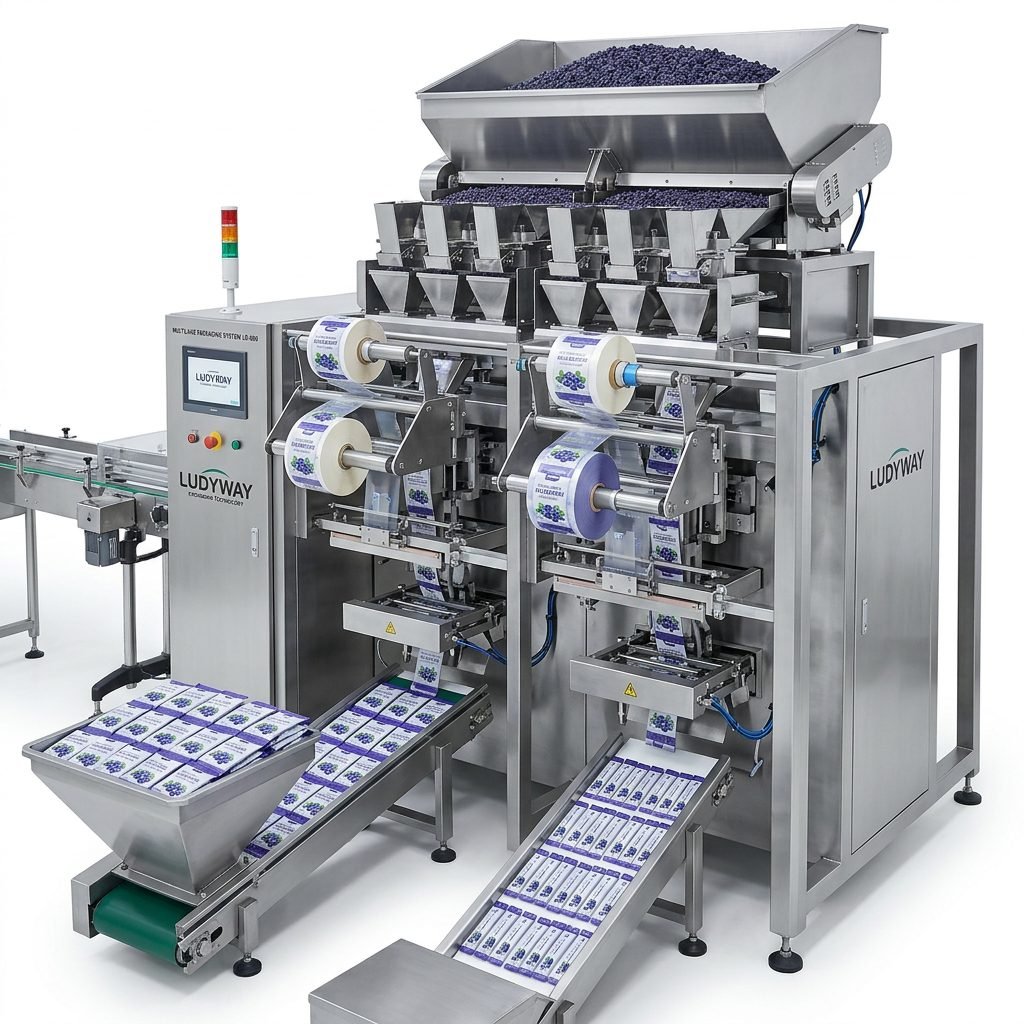
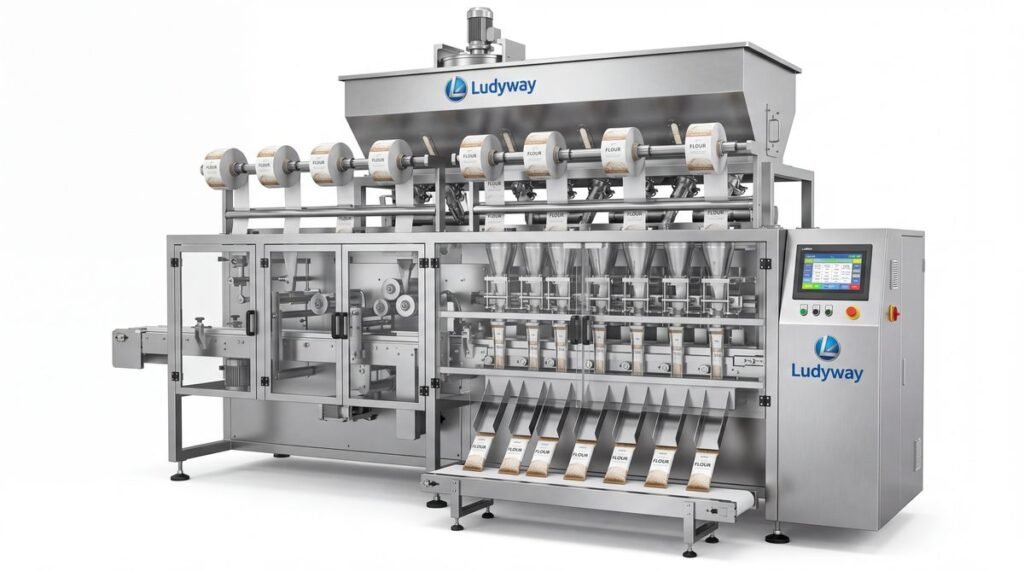
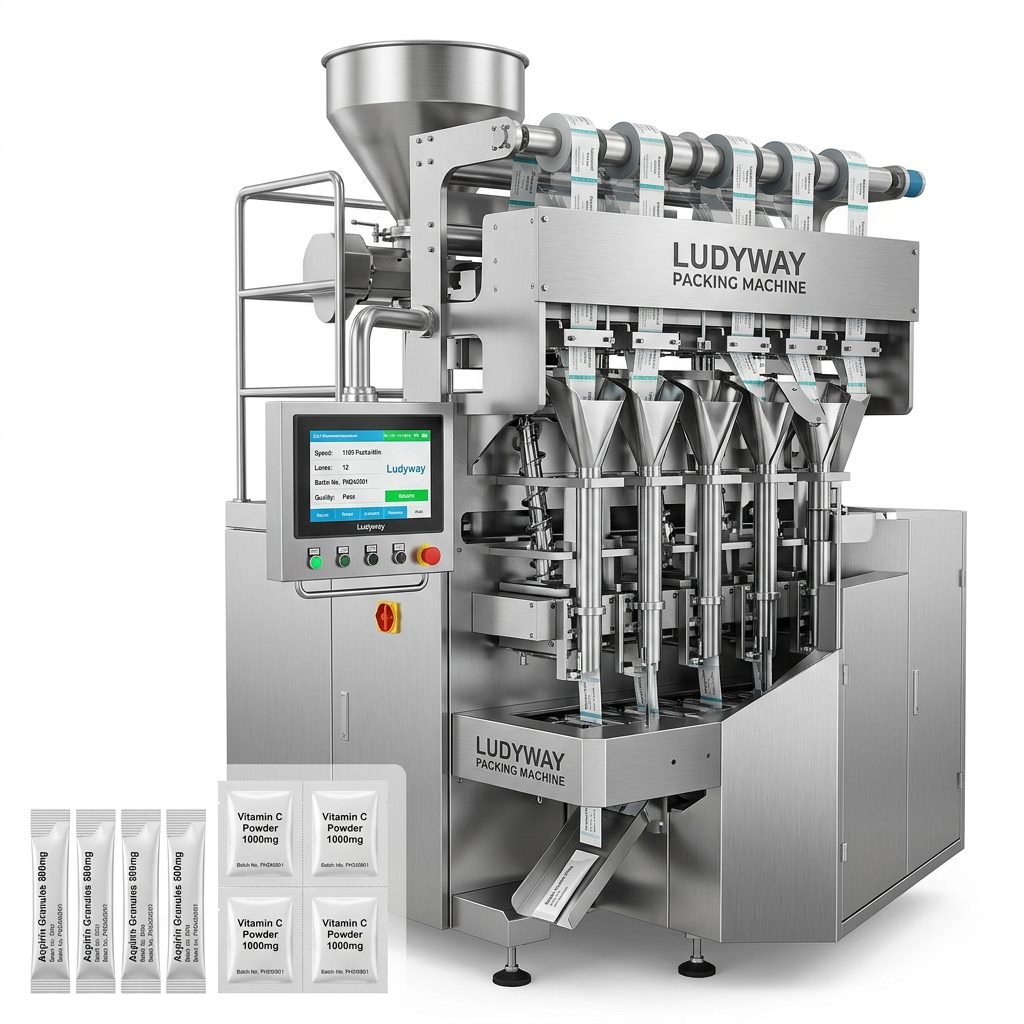
For oral powders, electrolyte products, probiotics, and similar applications, a multi-lane sachet or stick pack machine with auger dosing is often an efficient solution. It supports unit-dose packaging and high output while maintaining good consistency.
Granule Medicines
Granule medicines, herbal granules, and cold medicine products often require stable feeding and precise filling. Machines with volumetric cup fillers or weighing systems are widely used depending on particle size and flowability.
Liquid Medicines
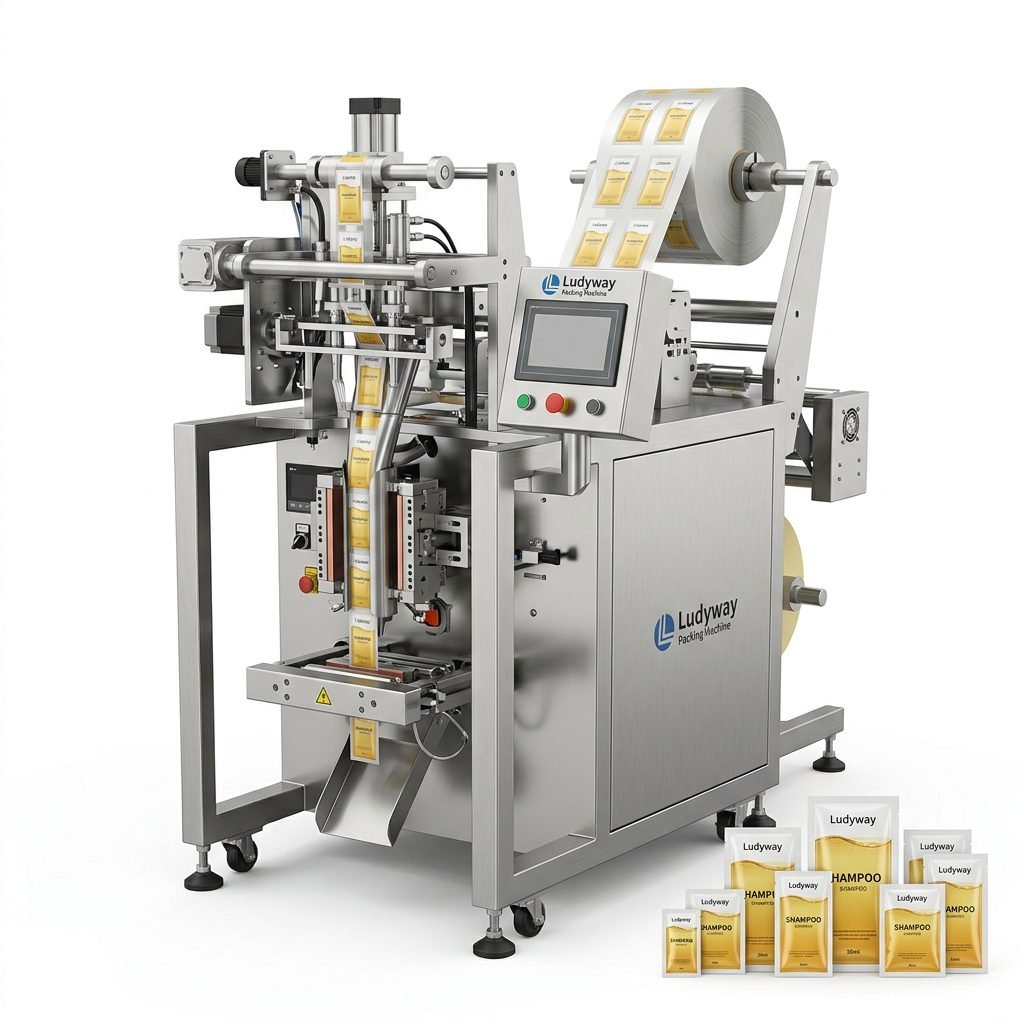
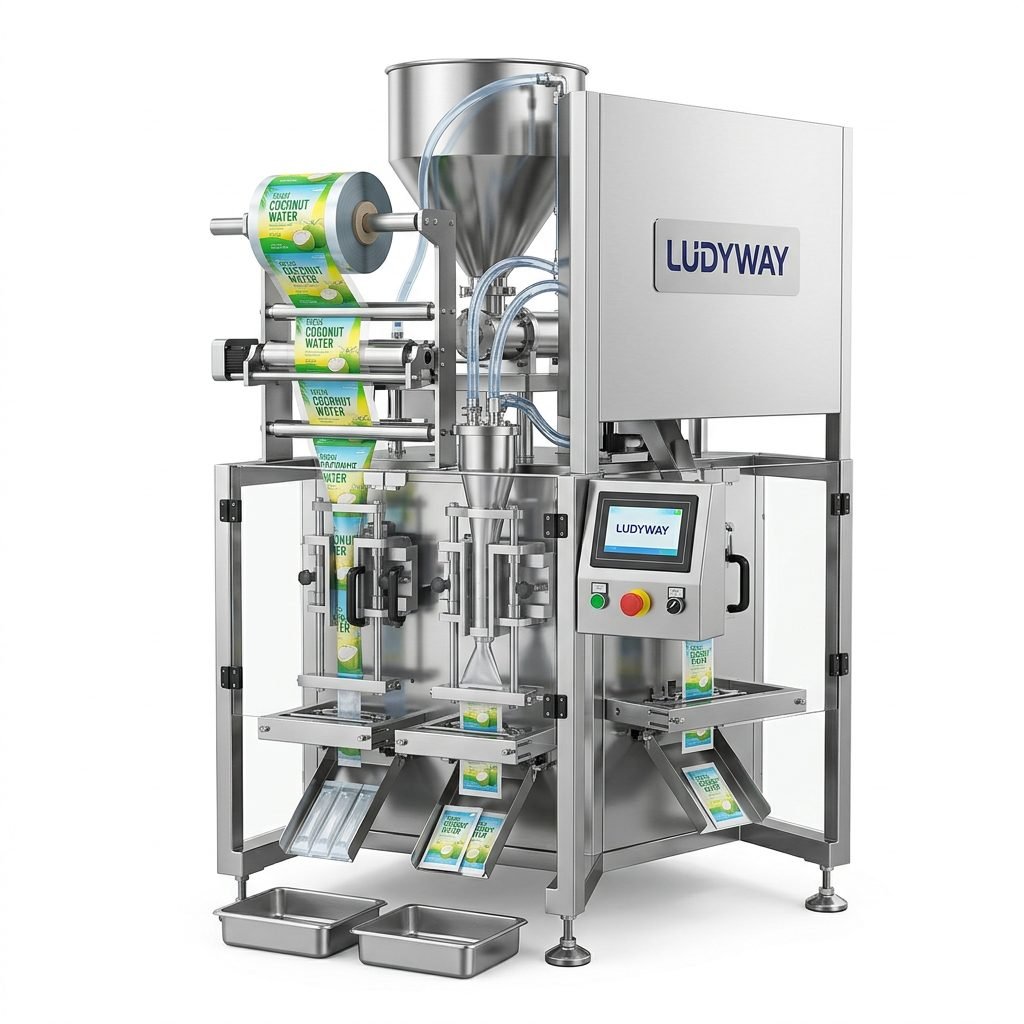
For syrups, oral liquids, disinfectants, and medical-use liquids, buyers should focus on anti-drip filling, seal quality, and CIP-friendly design when applicable. Viscosity and foaming behavior should be tested before final machine selection.
Medical Wipes and Pads
Single-use alcohol pads, disinfectant wipes, and similar products require coordinated folding, wetting, pouch forming, and sealing. In these cases, the packaging system must maintain cleanliness while preserving moisture content and seal integrity.
Single Machine or Turnkey Packaging Line?
This depends on your production scale and project complexity.
| Option | Best For | Advantages |
|---|---|---|
| Standalone machine | Small to medium production | Lower investment, simpler installation, flexible use |
| Integrated packaging line | Large-scale or automated factories | Higher efficiency, lower labor cost, better line coordination |
| Turnkey solution | Complex projects with multiple process steps | Unified engineering, easier supplier management, system compatibility |
If your goal is long-term automation, a turnkey approach can reduce integration problems between filling, sealing, coding, inspection, cartoning, and final packing stages.
Questions to Ask a Packaging Machine Supplier
- Has this machine packed products similar to mine before?
- What filling accuracy can be achieved with my actual sample?
- What is the real running speed under production conditions?
- Which packaging materials are recommended?
- How easy is it to clean and maintain?
- What spare parts and after-sales support are available?
- Can the machine connect to coding, inspection, cartoning, or case packing equipment?
- What customization options are available for pack size, sealing type, or plant layout?
Common Mistakes Buyers Should Avoid
- Choosing only by price: lower initial cost may lead to higher maintenance and product loss.
- Ignoring future expansion: today’s small batch project may quickly require more capacity.
- Skipping product testing: actual samples are essential for verifying filling and sealing performance.
- Underestimating changeover needs: frequent SKU changes can reduce output if the machine is not designed for flexibility.
- Overlooking service capability: technical support and spare parts availability matter just as much as the equipment itself.
What Makes a Reliable Packaging Partner
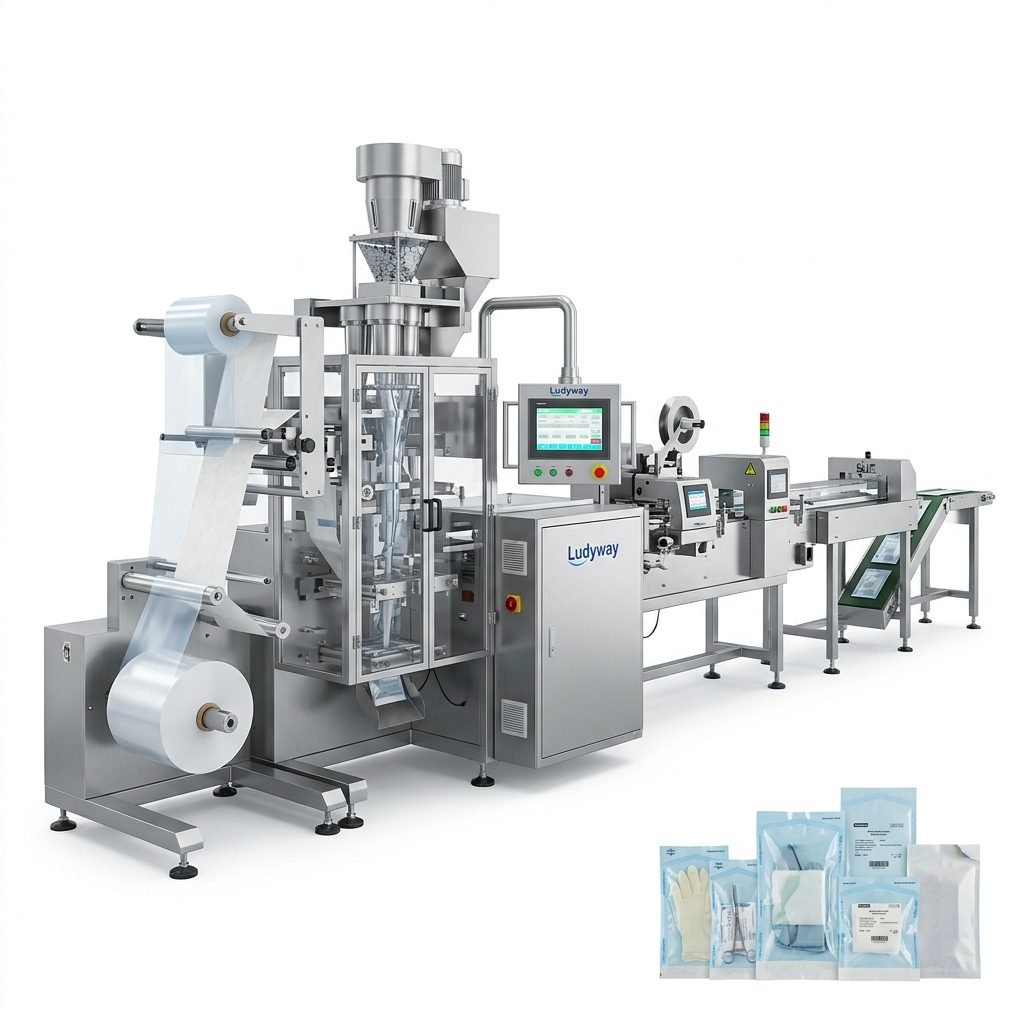
A strong equipment supplier should offer more than machinery. Buyers should look for engineering experience, export capability, application understanding, and the ability to provide both standalone systems and complete lines. For businesses seeking scalable solutions in healthcare and pharmaceutical packaging, pharmaceutical packaging machines from Ludyway can be considered as part of a broader turnkey automation strategy.
With more than 30 years of industry experience, a large manufacturing base, and broad export coverage, the right supplier can help shorten project timelines and improve line reliability from design through installation.
Final Buying Checklist
- Confirm product type: powder, granule, liquid, gel, tablet, wipe, or device
- Choose the right package format: sachet, stick pack, pouch, bottle, blister, or strip
- Verify filling accuracy with real product samples
- Assess cleanliness, sealing quality, and machine stability
- Check output speed against your actual production target
- Review expansion options for future automation
- Confirm documentation, training, spare parts, and technical support
The best medicine packing machine is the one that fits your product characteristics, compliance needs, packaging style, and long-term production strategy. By comparing equipment on performance, hygiene, flexibility, and supplier support, buyers can make a more confident and cost-effective investment.