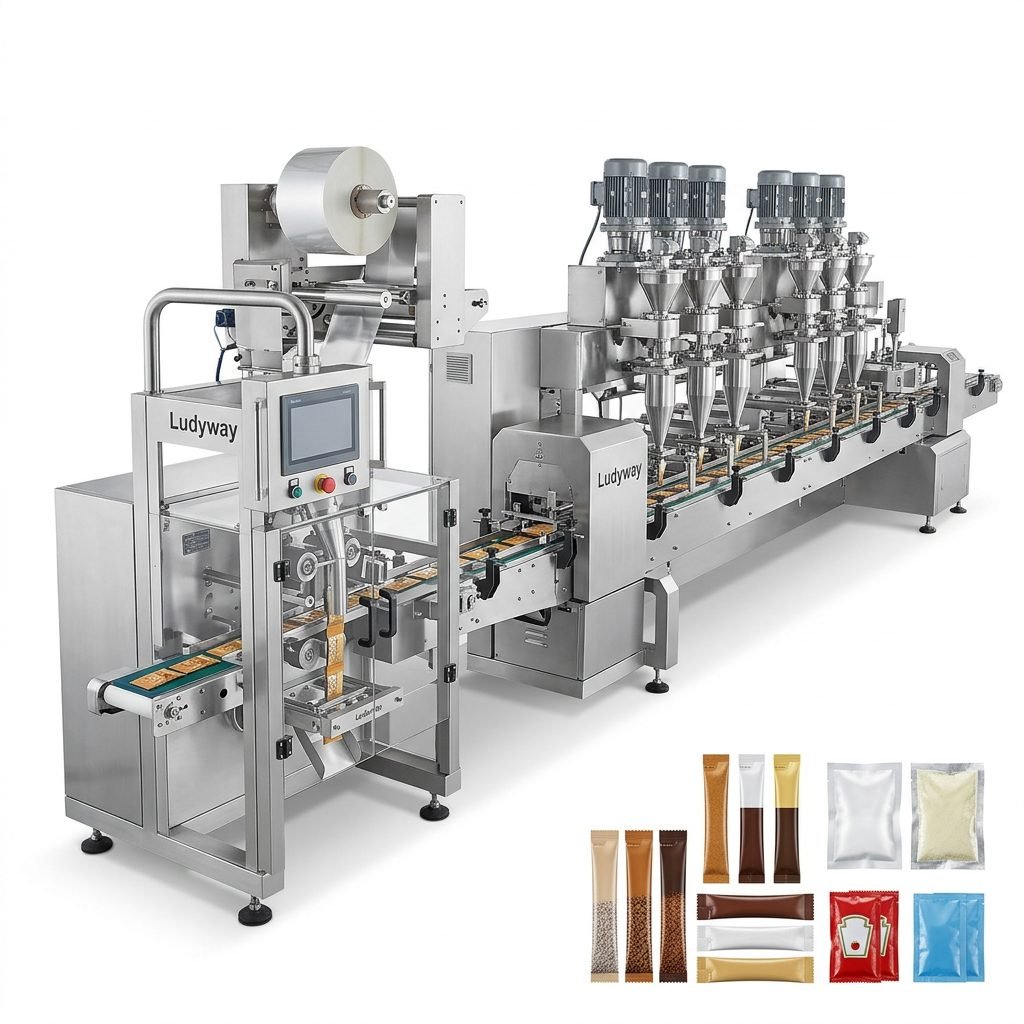
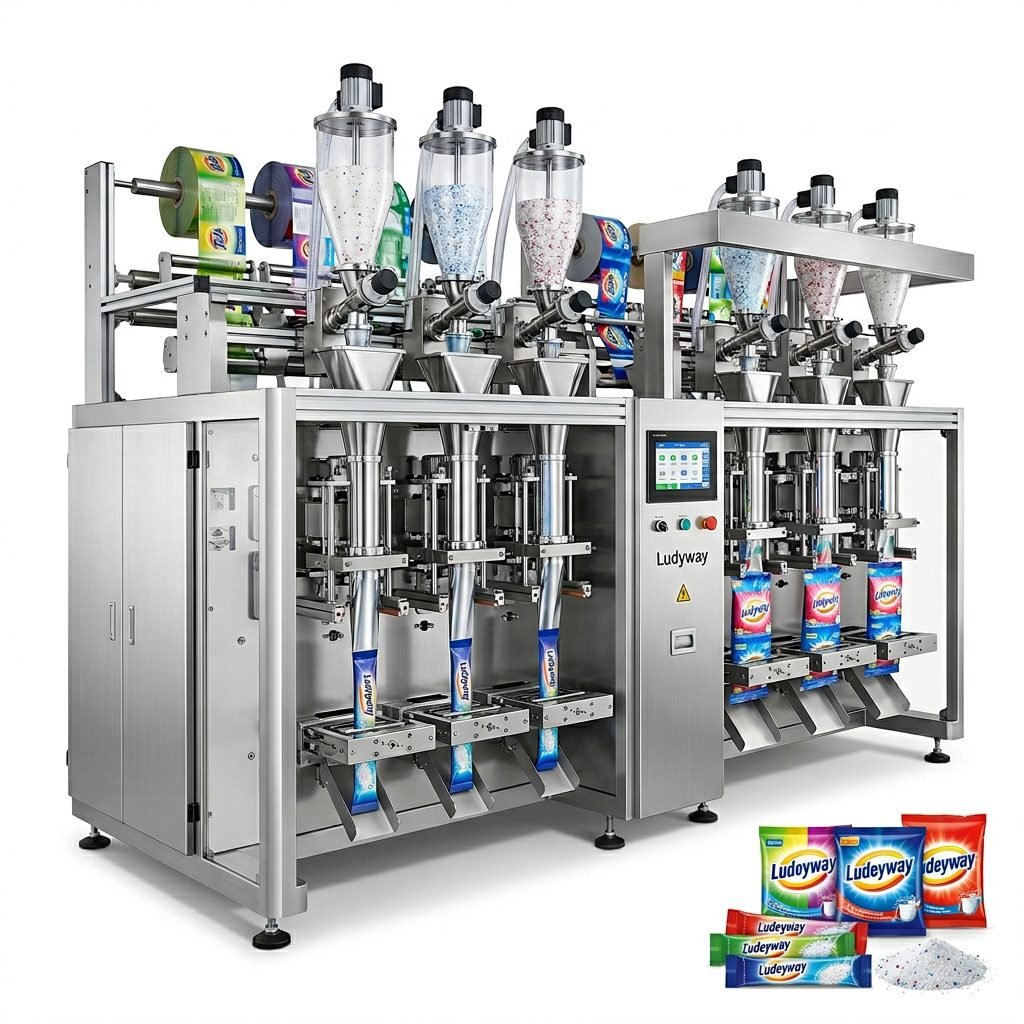
Automatic sachet packing machines are widely used for packaging powders, granules, liquids, and pastes into small, sealed packs for retail and single-use applications. From instant coffee and sugar to shampoo, ketchup, health supplements, and pharmaceutical granules, sachet packaging offers a practical format that is easy to store, transport, display, and consume.
For manufacturers, the right machine can improve production speed, reduce material waste, maintain filling accuracy, and support a more consistent finished package. Understanding how these systems work and what to look for before buying can help you make a better investment decision.
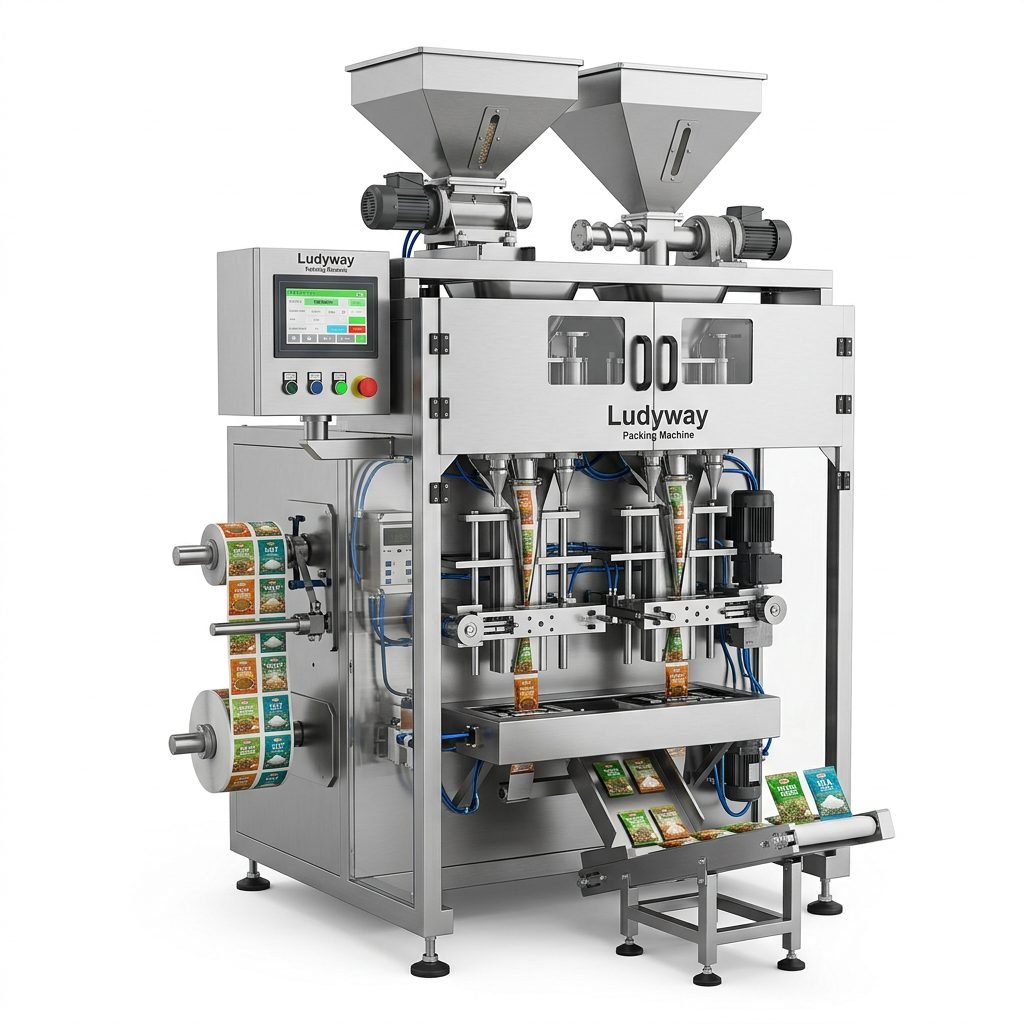
What Is an Automatic Sachet Packing Machine?
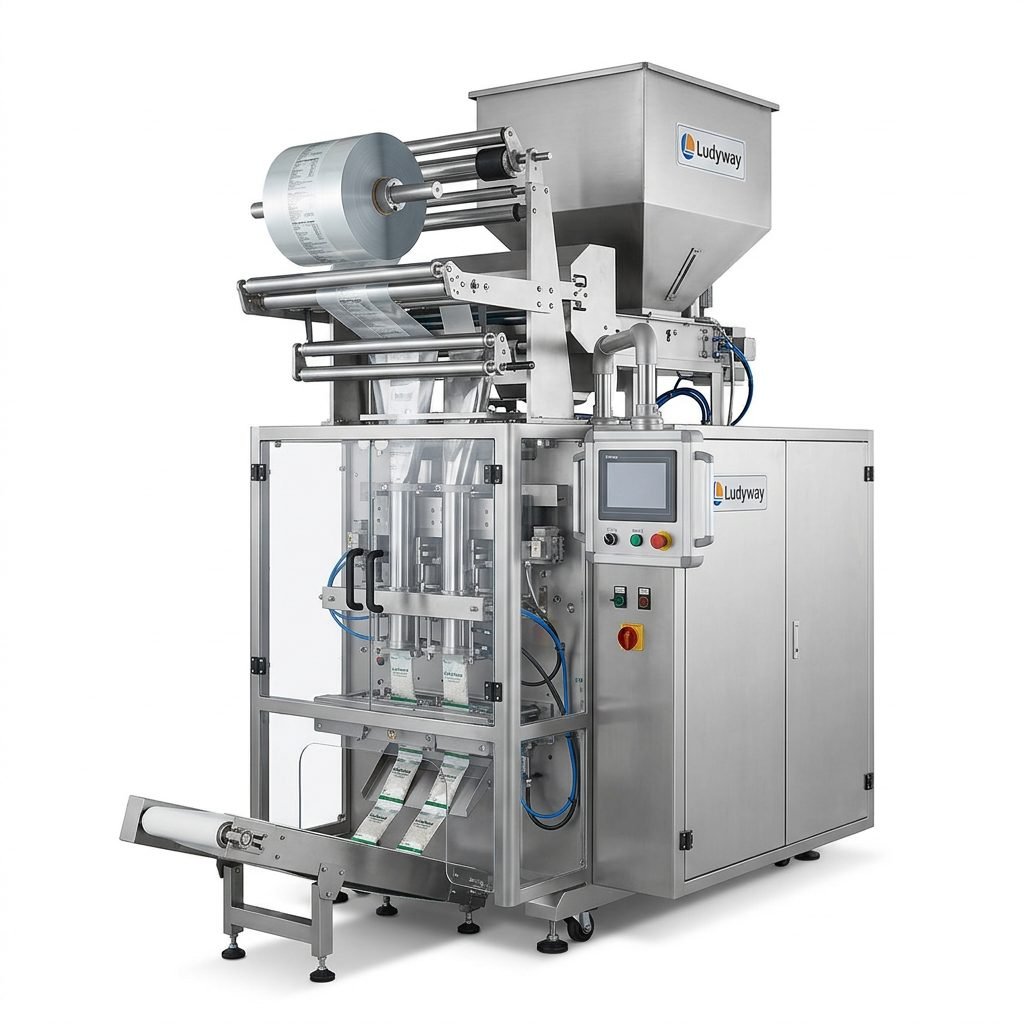
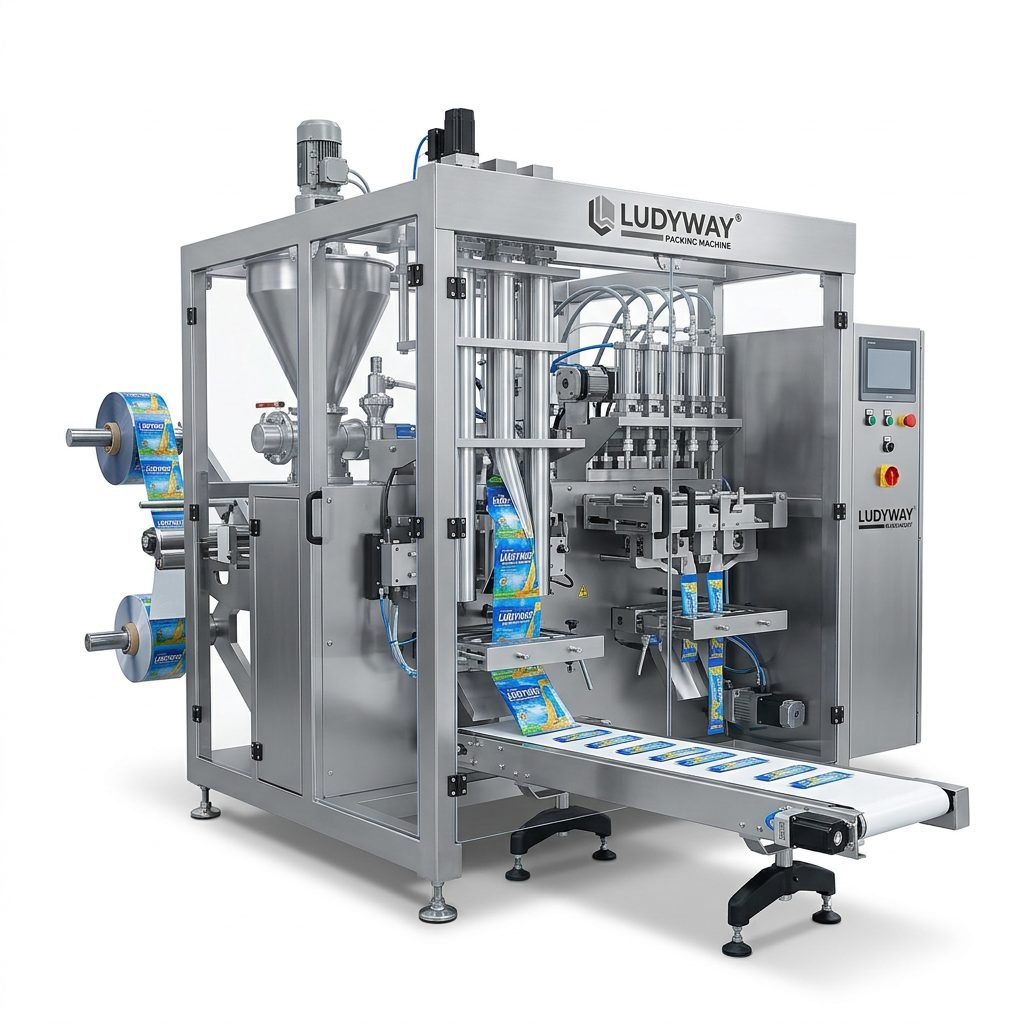
An automatic sachet packing machine is equipment designed to form, fill, and seal small packets at high speed with minimal manual intervention. Depending on the product and packaging style, the machine may produce 3-side seal, 4-side seal, back-seal, or stick pack formats.
These machines are commonly used in industries such as:
- Food and beverage
- Pharmaceutical
- Nutraceutical and health supplement
- Cosmetics and personal care
- Chemical and household products
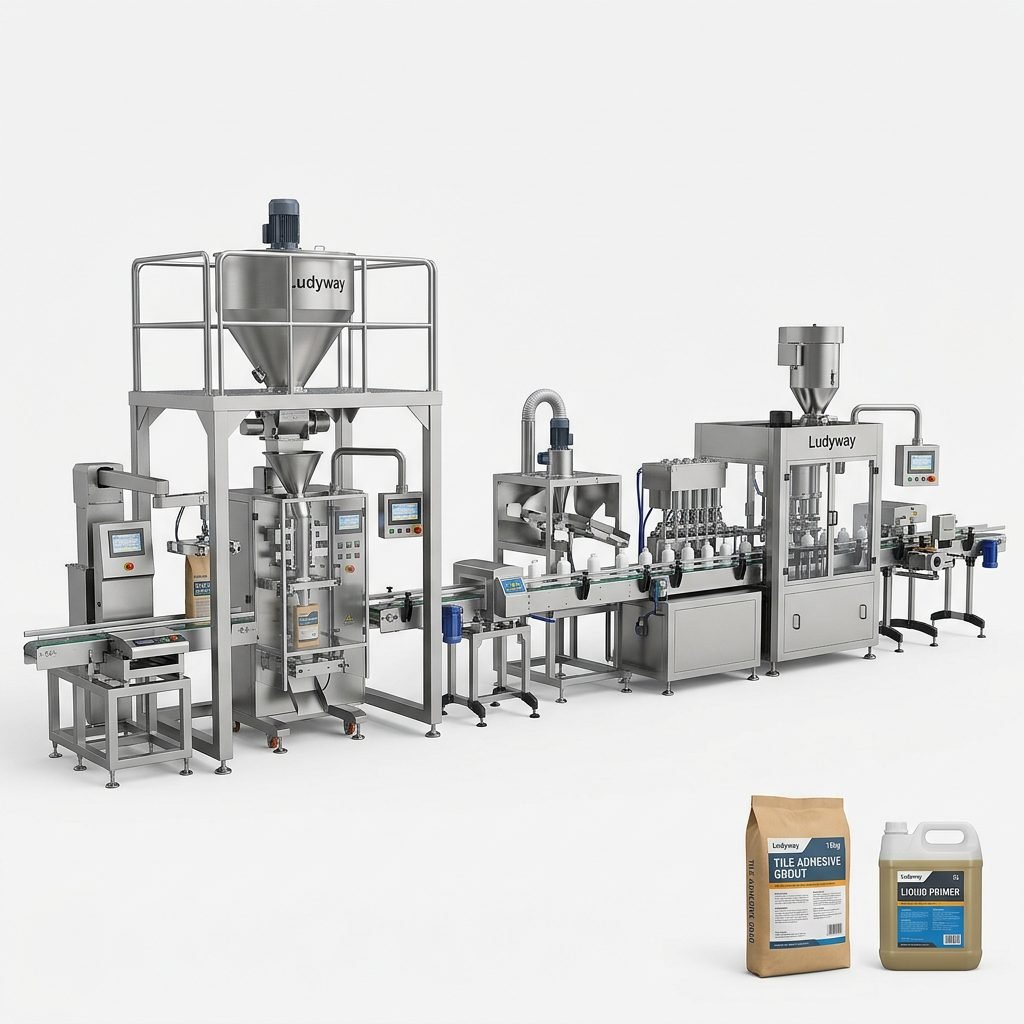
In many factories, sachet machines are also integrated with dosing systems, conveyors, cartoning units, coding devices, checkweighers, and other end-of-line equipment to create a more automated packaging workflow.
How an Automatic Sachet Packing Machine Works
Although machine structures vary by product type, most automatic sachet packing machines follow a similar sequence of operations.
- Film unwinding: Packaging film is fed from a roll into the machine.
- Bag forming: The film is shaped into the sachet format through a forming collar or sealing structure.
- Product dosing: The machine dispenses a measured amount of product using a suitable filling system.
- Sealing: Heat sealing jaws create the vertical and horizontal seals.
- Cutting: The connected sachets are cut into individual packs.
- Discharge: Finished sachets are output for collection, inspection, or downstream packaging.
Common Filling Systems
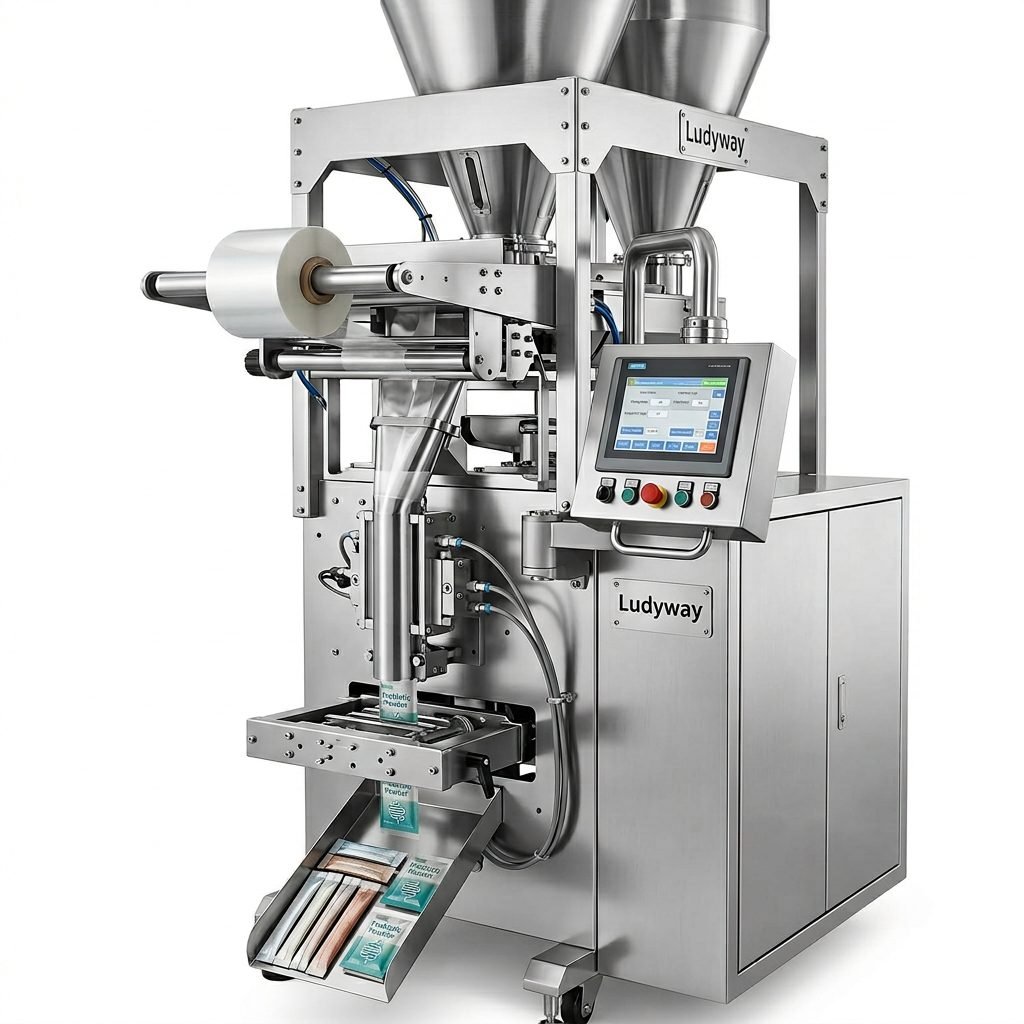
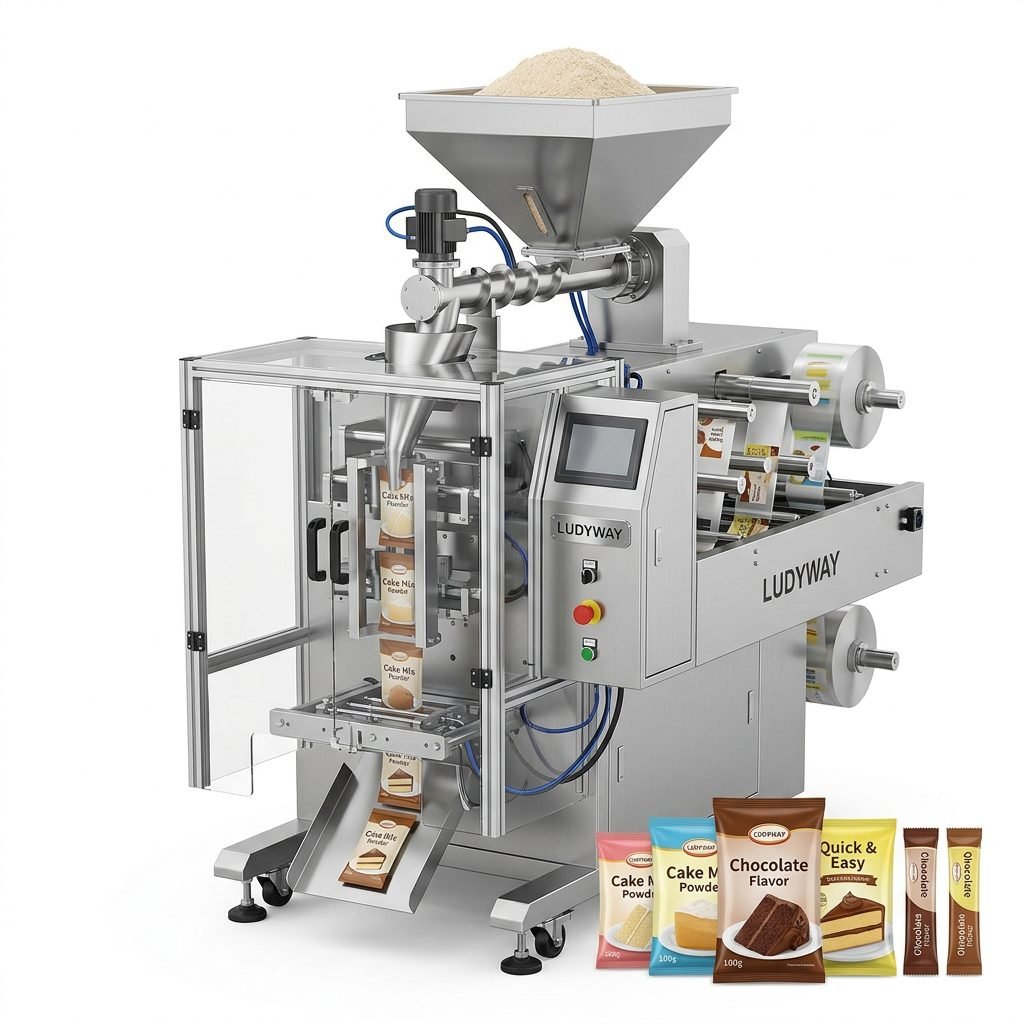
- Auger fillers for fine powders such as milk powder, coffee powder, and supplements
- Volumetric cup fillers for free-flowing granules like sugar, salt, and seeds
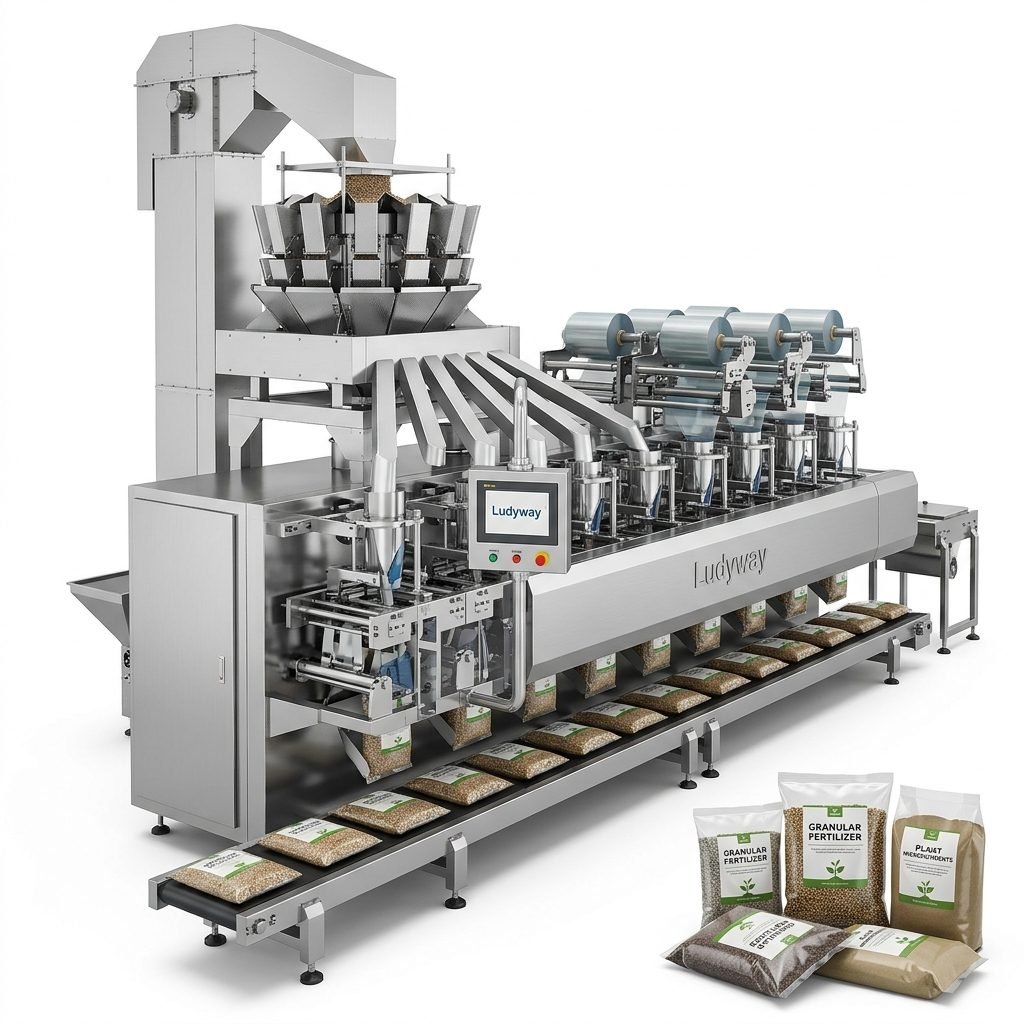
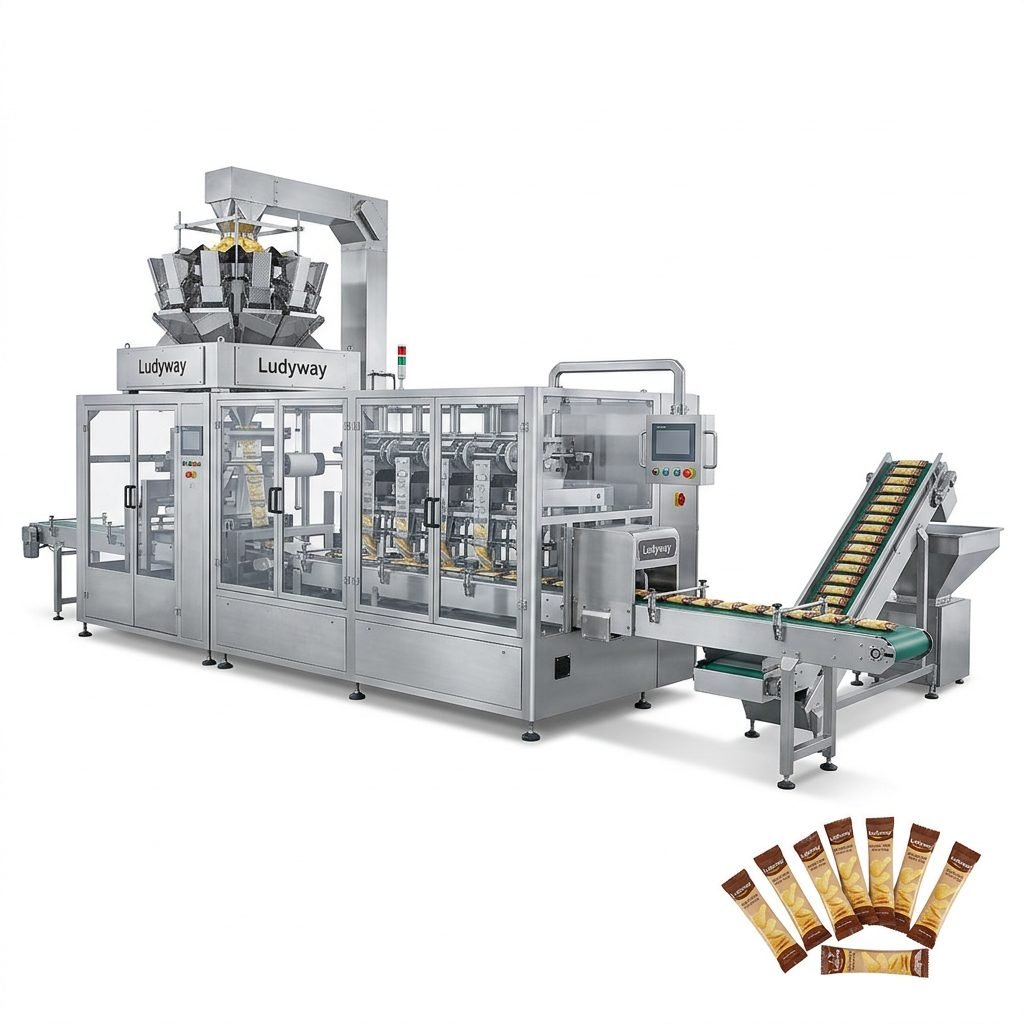
- Multihead weighers for higher-accuracy granule applications
- Piston pumps for creams, sauces, gels, and pastes
- Liquid pumps for water-like or low-viscosity liquids
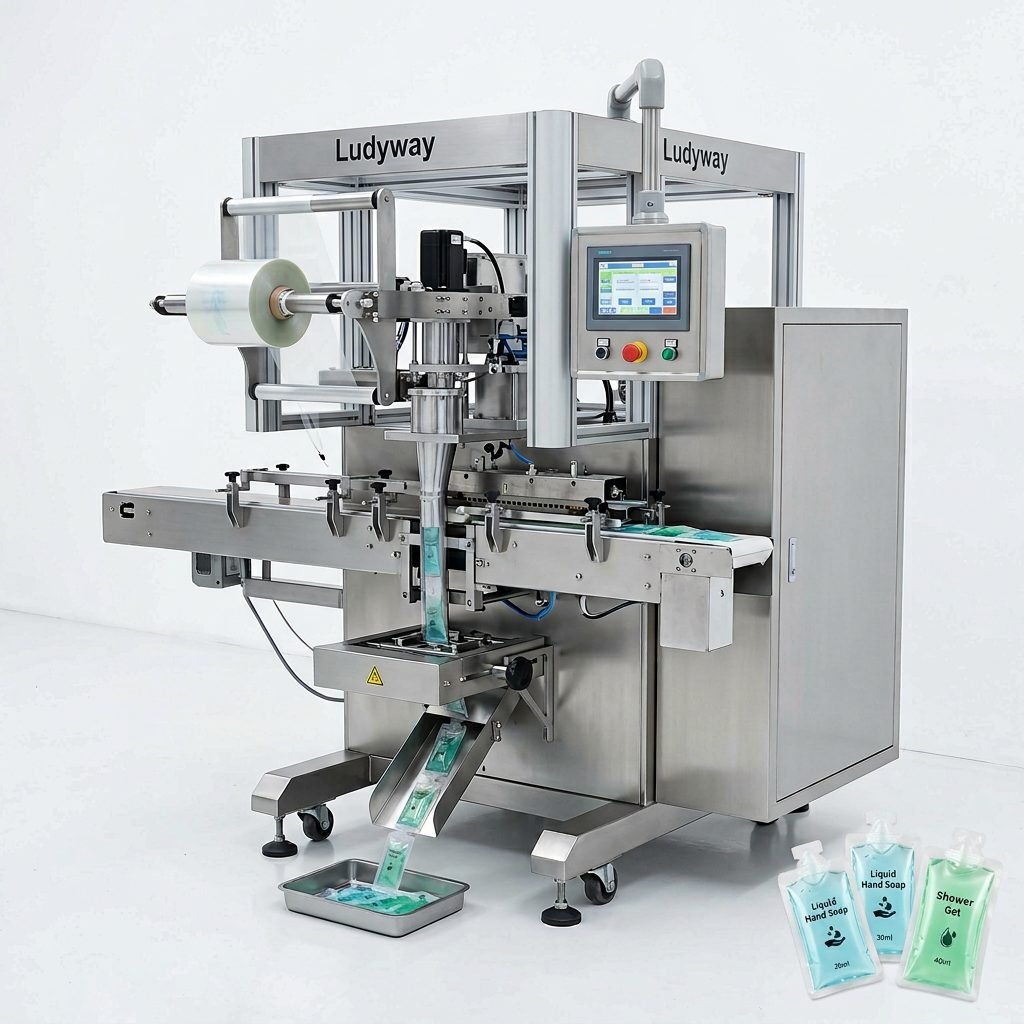
Main Components of a Sachet Packing Machine
To evaluate a machine properly, it helps to know the main modules that affect performance and reliability.
| Component | Function |
|---|---|
| Film feeding system | Pulls packaging film smoothly and accurately |
| Forming unit | Shapes the film into the desired sachet structure |
| Dosing/filling system | Measures and fills the product |
| Sealing system | Creates secure, leak-resistant seals |
| Cutting device | Separates individual sachets |
| PLC and HMI controls | Manage settings, recipes, alarms, and operation |
| Date coding/printing unit | Prints batch number, date, or traceability information |
Types of Automatic Sachet Packing Machines
1. Powder Sachet Packing Machines
Best for products such as coffee powder, protein powder, spices, milk powder, pharmaceutical powder, and supplement blends. These machines usually use auger filling systems for precise dosing.
2. Granule Sachet Packing Machines
Used for sugar, salt, seeds, desiccants, snack granules, veterinary granules, and other free-flowing products. Cup fillers or weighing systems are common choices.
3. Liquid and Paste Sachet Packing Machines
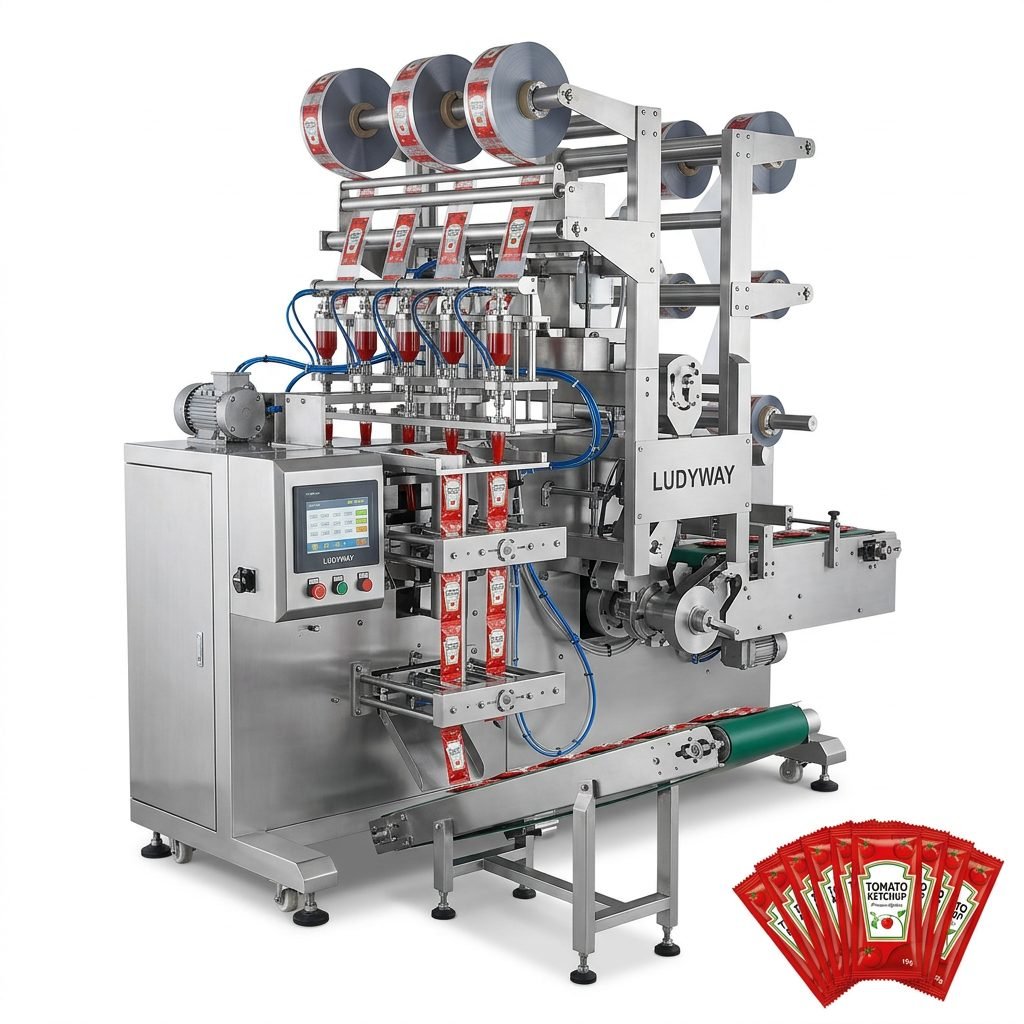
Suitable for ketchup, sauces, honey, shampoo, lotion, gels, and detergents. They often include pump-based filling systems and anti-drip design features.
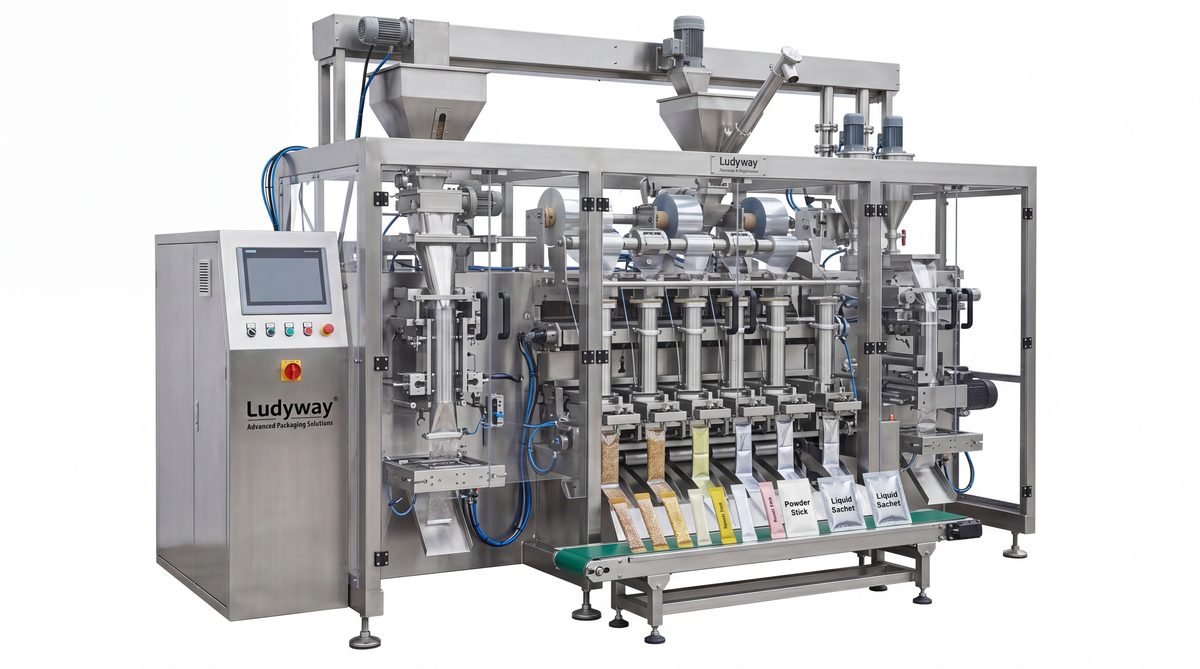
4. Multi-Lane Sachet Packing Machines
Designed for high-output production. Multi-lane models can produce several sachets in one cycle, making them ideal for brands that need high volume with consistent dimensions and seal quality.
Key Benefits of Automatic Sachet Packing Machines
Higher Production Efficiency
Automation significantly increases output compared with manual or semi-automatic packing. This allows manufacturers to meet demand more easily while keeping production stable.
Better Filling Accuracy
Accurate dosing reduces giveaway and helps maintain product consistency. This is especially important in pharmaceutical, nutraceutical, and premium food applications.
Improved Packaging Consistency
Uniform sachet size, seal quality, and print positioning support a more professional appearance and better shelf presentation.
Reduced Labor Dependence
A well-configured machine lowers the need for manual filling and sealing, helping reduce labor cost and operator variability.
Lower Material Waste
Stable film tracking and accurate sealing help minimize film waste, leakage, and rejected packs.
Scalable Automation
Sachet packers can often be integrated into a broader packaging line with feeding, counting, cartoning, case packing, and palletizing systems.
Applications Across Industries
| Industry | Typical Products | Common Machine Type |
|---|---|---|
| Food | Sugar, coffee, spices, sauces, soup mix | Powder, granule, liquid, multi-lane |
| Pharmaceutical | Granules, oral powder, medical samples | High-precision sachet systems |
| Health supplement | Collagen, electrolyte powder, vitamins | Powder and stick/sachet machines |
| Cosmetics | Shampoo, lotion, serum, cream | Liquid and paste sachet machines |
| Chemical | Detergent, cleaners, additives | Granule, powder, liquid models |
How to Choose the Right Automatic Sachet Packing Machine
Choosing the right machine is not only about speed. It should match your product characteristics, packaging requirements, factory conditions, and future growth plans.
1. Understand Your Product Characteristics
- Is the product powder, granule, liquid, or paste?
- Does it flow easily or tend to bridge, foam, or stick?
- Does it require dust control, hygienic design, or corrosion resistance?
2. Confirm Sachet Format and Size
- 3-side seal, 4-side seal, back-seal, or stick pack
- Sachet length and width range
- Required fill weight or volume
3. Estimate Your Output Requirement
If your target volume is low to medium, a single-lane model may be enough. If you need mass production, multi-lane sachet packing machines are often more efficient and cost-effective over time.
4. Check Accuracy and Seal Quality
For many buyers, seal reliability and filling precision matter more than maximum speed. Ask for sample testing with your actual product and film material before purchase.
5. Evaluate Machine Construction and Controls
- Food-grade or pharma-suitable contact parts
- Stable servo control system
- Easy-to-use HMI interface
- Convenient cleaning and maintenance access
- Available spare parts and remote support
6. Think About Future Integration
If you expect business growth, consider whether the machine can connect with upstream feeding systems and downstream cartoning or case packing equipment. This can save major upgrade costs later.
Questions to Ask a Sachet Packing Machine Supplier
- What products has this machine packed successfully?
- What is the actual speed range with my product?
- What filling accuracy can be achieved?
- Which packaging films are compatible?
- How long does format changeover take?
- Are installation, training, and after-sales support included?
- Can the machine be customized for special sachet sizes or materials?
Common Buying Mistakes to Avoid
- Choosing a machine only based on price
- Ignoring product flowability and filling method compatibility
- Overestimating speed without checking real production conditions
- Not testing actual packaging film and product samples
- Overlooking cleaning, maintenance, and spare part availability
- Buying a standalone machine when line integration is actually needed
Why Customization Matters
No two production environments are exactly the same. A machine for pharmaceutical granules may require different accuracy, dust control, and validation features than one used for seasoning powders or cosmetic liquids. That is why many manufacturers prefer suppliers that can offer flexible configurations rather than one standard model.
For businesses looking for scalable packaging automation, Ludyway sachet packing machine solutions are often considered for projects involving food, pharmaceutical, health supplement, cosmetic, and chemical applications, especially where customized machine layouts or turnkey packaging line integration are required.
Who Should Invest in an Automatic Sachet Packing Machine?
This type of equipment is especially suitable for:
- Manufacturers moving from manual to automated packaging
- Brands expanding single-dose or travel-size product lines
- Factories needing faster output with lower labor dependence
- Export-oriented businesses requiring consistent packaging quality
- Companies planning full packaging line automation in stages
Final Considerations Before Purchase
The best automatic sachet packing machine is the one that fits your product, target output, sachet format, hygiene standard, and long-term production strategy. Instead of focusing only on machine speed, pay close attention to dosing accuracy, sealing stability, machine durability, and technical support.
A well-matched sachet machine can help improve efficiency, reduce operational cost, and support strong product presentation in competitive markets. With the right equipment configuration, manufacturers can achieve both reliable daily production and a clear path for future expansion.