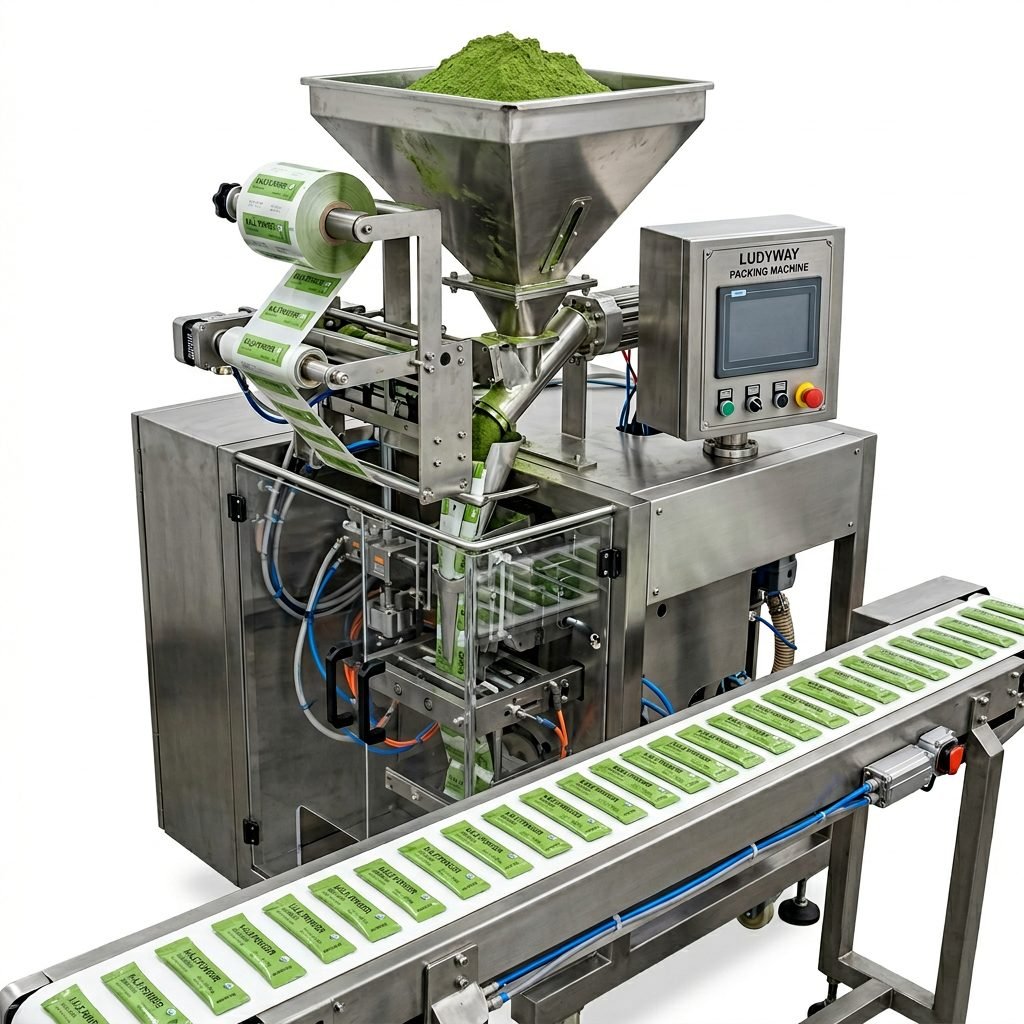
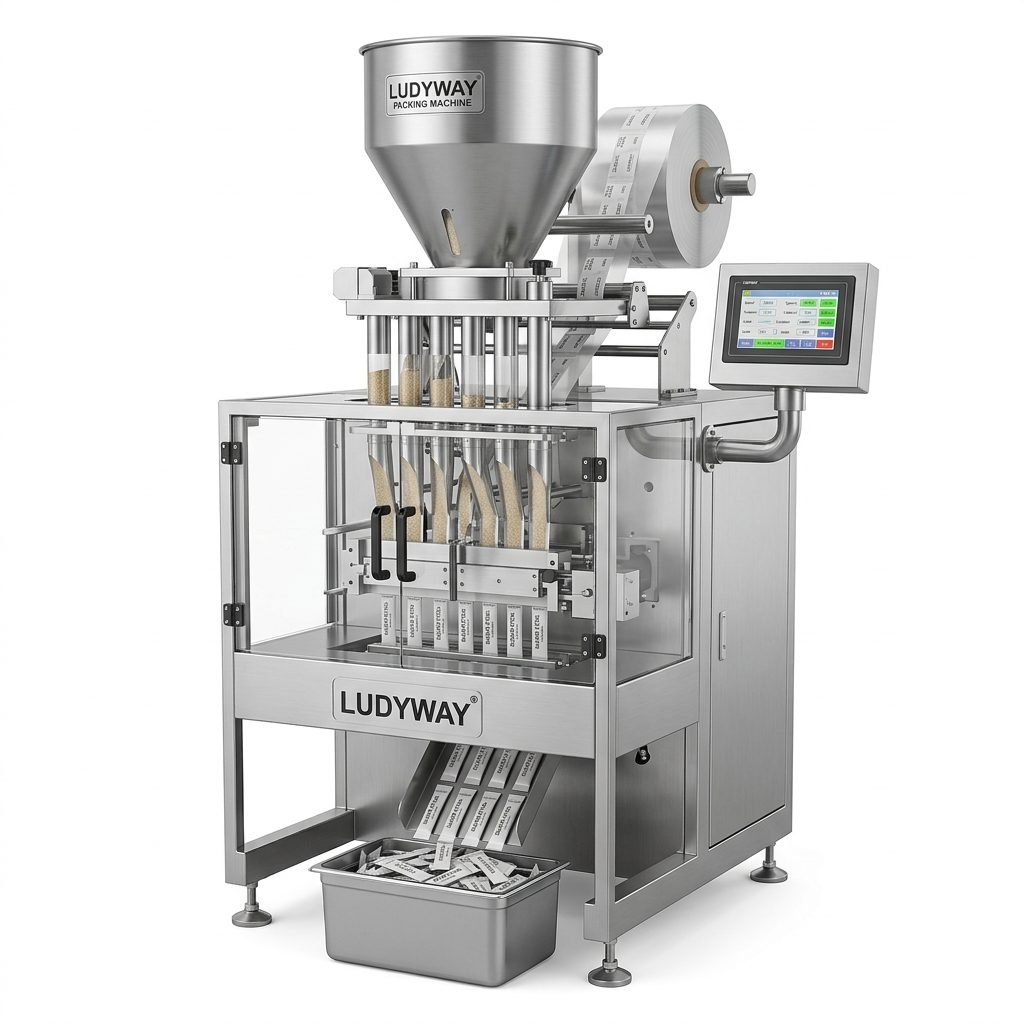
Film packaging is one of the most practical and cost-effective ways to protect products, improve shelf presentation, and support high-speed production. From food and pharmaceuticals to cosmetics and chemical products, manufacturers rely on packaging machines for film packaging to achieve consistent sealing, better product protection, and scalable output.
Choosing the right machine is not simply about speed. It also depends on product type, film material, package style, automation level, maintenance needs, and long-term production goals. This guide explains the main machine types, their benefits, and the key points to evaluate before investing.
What Is a Film Packaging Machine?
A film packaging machine is equipment that uses flexible packaging film to form, fill, wrap, seal, or overwrap products. Depending on the application, the machine may work with:
- Roll film for continuous automatic packaging
- Printed laminate film for branded retail packs
- Single-layer or multi-layer barrier films
- Heat-sealable plastic films such as PE, PP, PET, BOPP, and composite structures
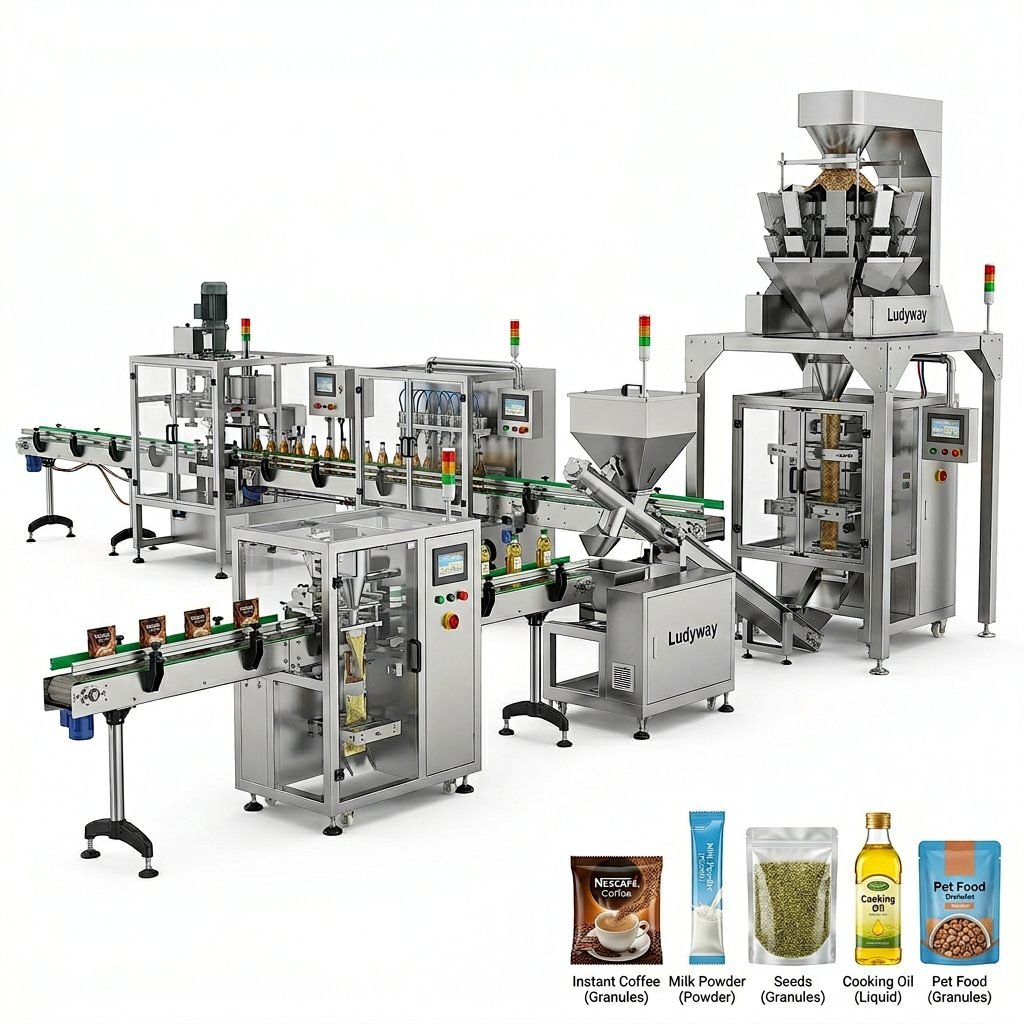
These machines are widely used for sachets, stick packs, pouches, pillow bags, shrink-wrapped bundles, and flow-wrapped products. In high-volume factories, film packaging machines are often integrated with feeders, checkweighers, coding systems, cartoners, and case packers.
Main Types of Packaging Machines for Film Packaging
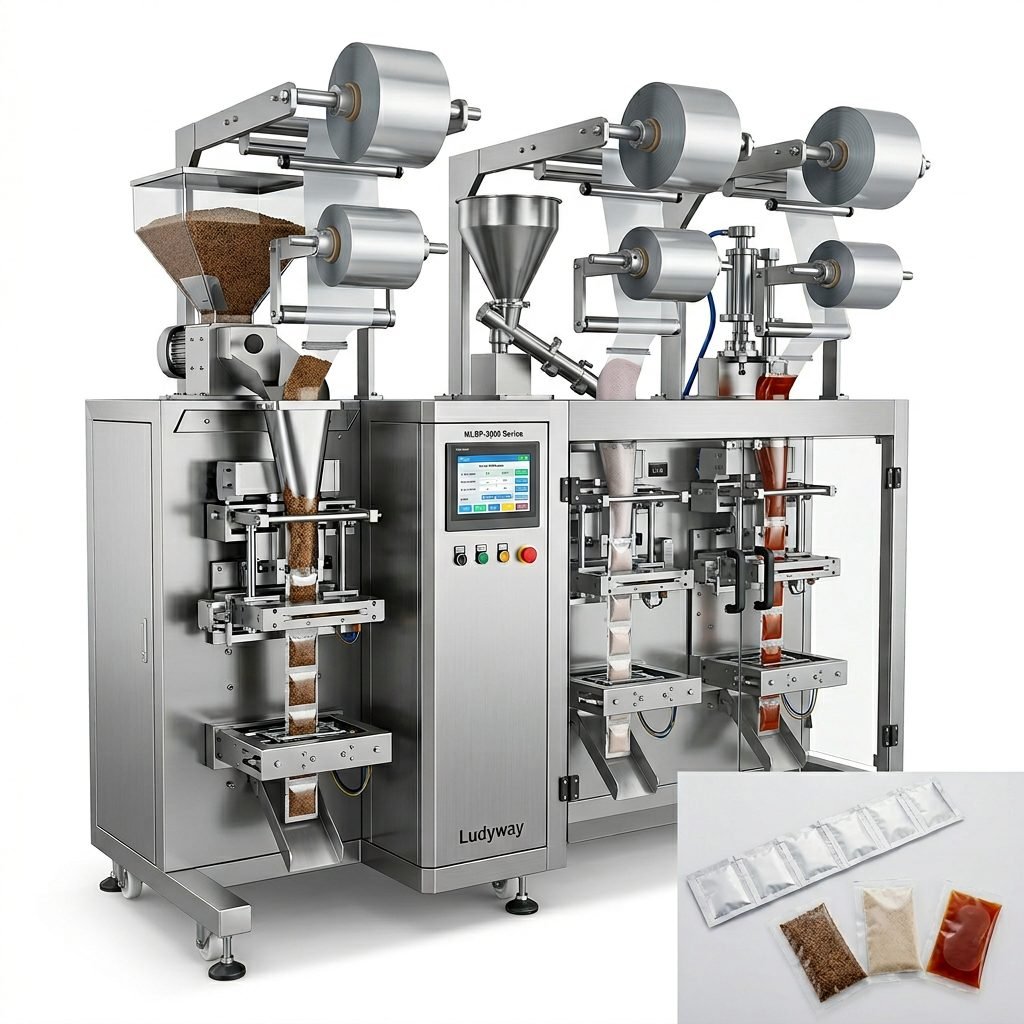
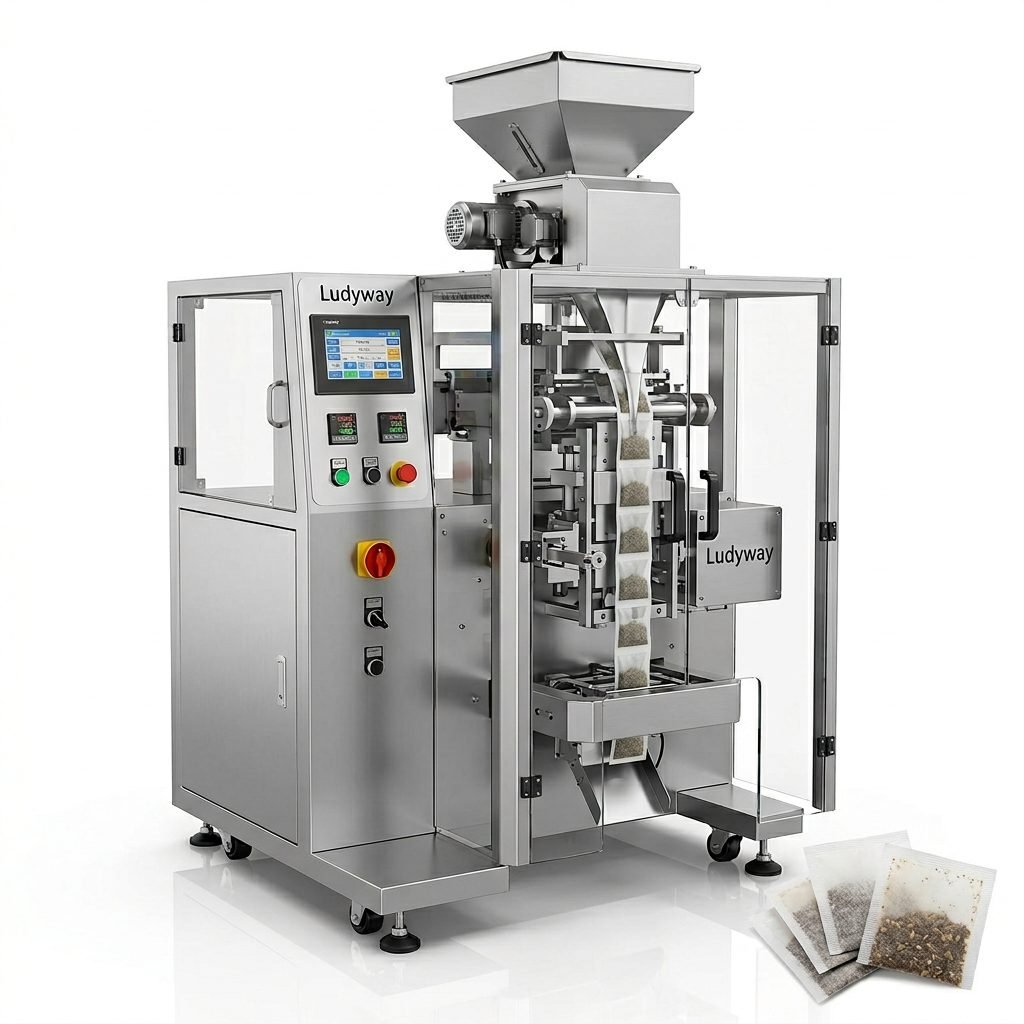
1. Vertical Form Fill Seal Machines (VFFS)
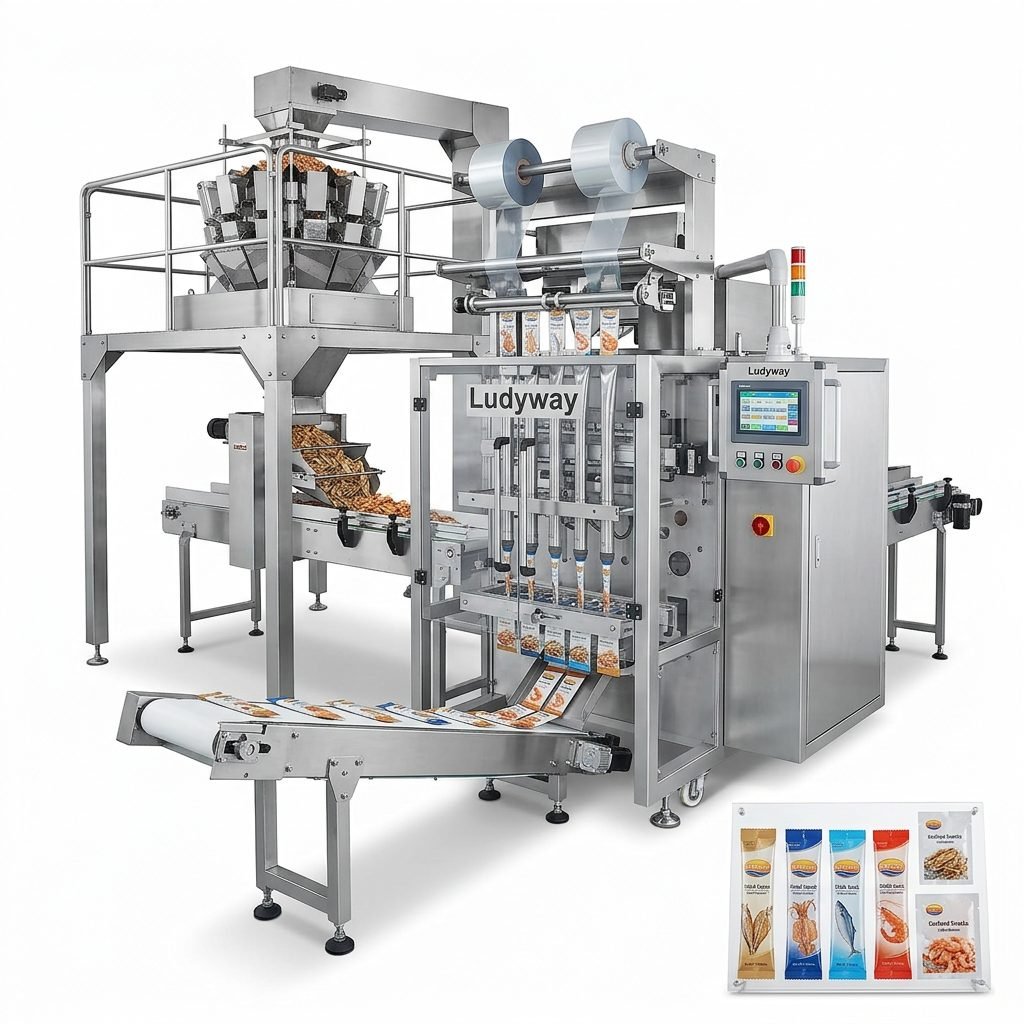
VFFS machines form bags from roll film vertically, fill the product, and seal the package in one continuous process. They are commonly used for powders, granules, snacks, coffee, sugar, spices, and similar products.
- Suitable for pillow bags, gusset bags, and sachets
- Efficient floor-space usage
- Well suited for medium to high output
- Can be combined with auger fillers, volumetric cups, or multihead weighers
2. Horizontal Flow Wrapping Machines
Flow wrappers package solid items horizontally using film wrapped around the product. They are ideal for bakery goods, biscuits, bars, medical devices, frozen food, and personal care products.
- Excellent for single-piece or tray-based items
- High packaging speed
- Neat appearance with strong shelf appeal
- Good for products requiring easy loading and precise positioning
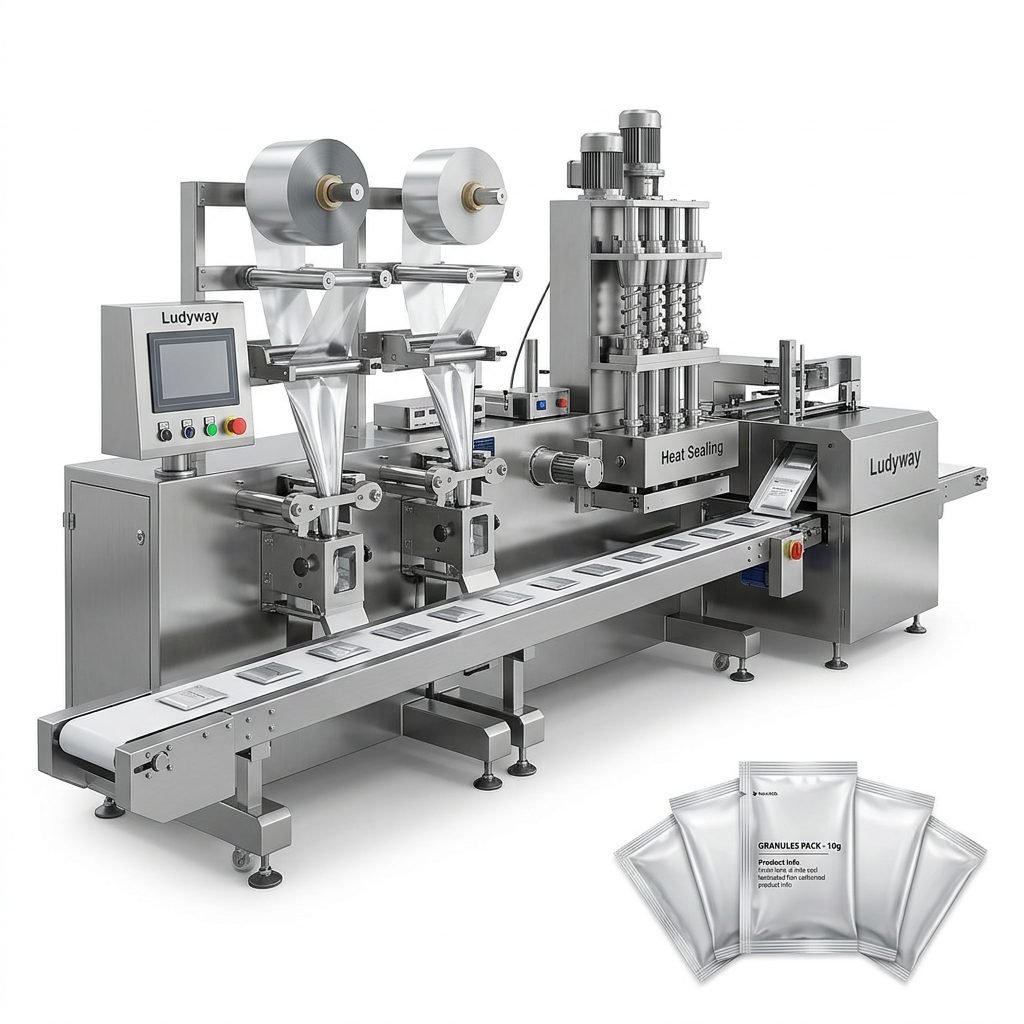
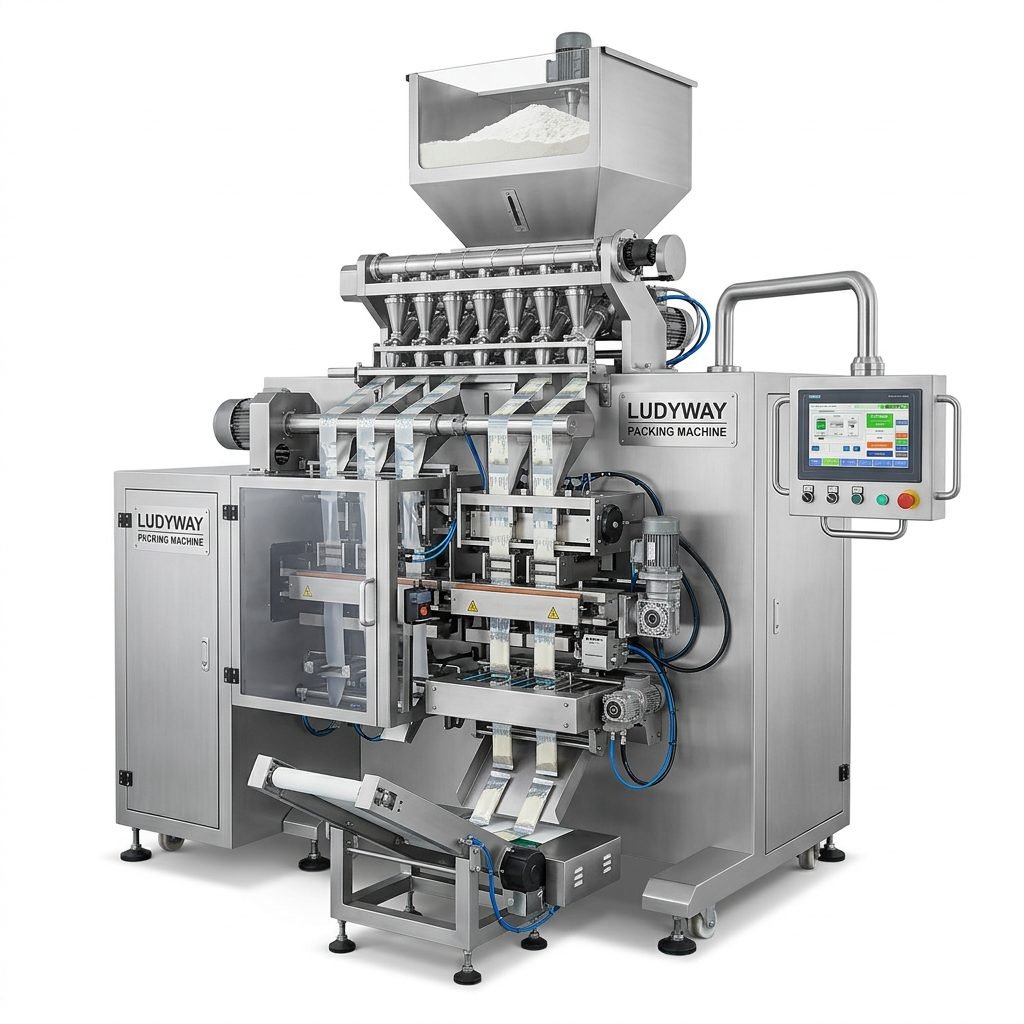
3. Sachet Packaging Machines
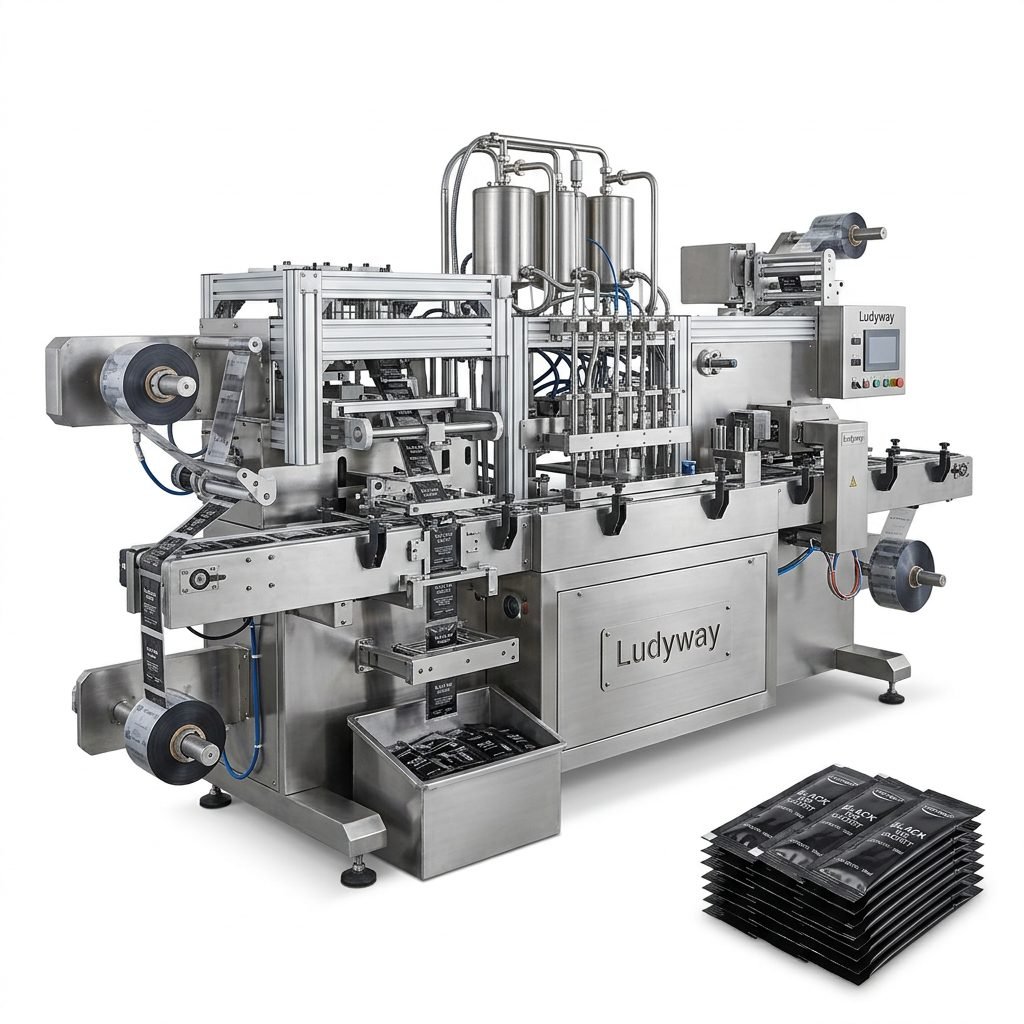
Sachet machines create small, sealed packets for liquids, powders, granules, creams, and gels. They are popular in foodservice, healthcare, and personal care markets.
- Ideal for single-use packaging
- Supports retail, travel-size, and sample packs
- Works with 3-side seal or 4-side seal formats
- Can run on single-lane or multi-lane systems
4. Stick Pack Machines
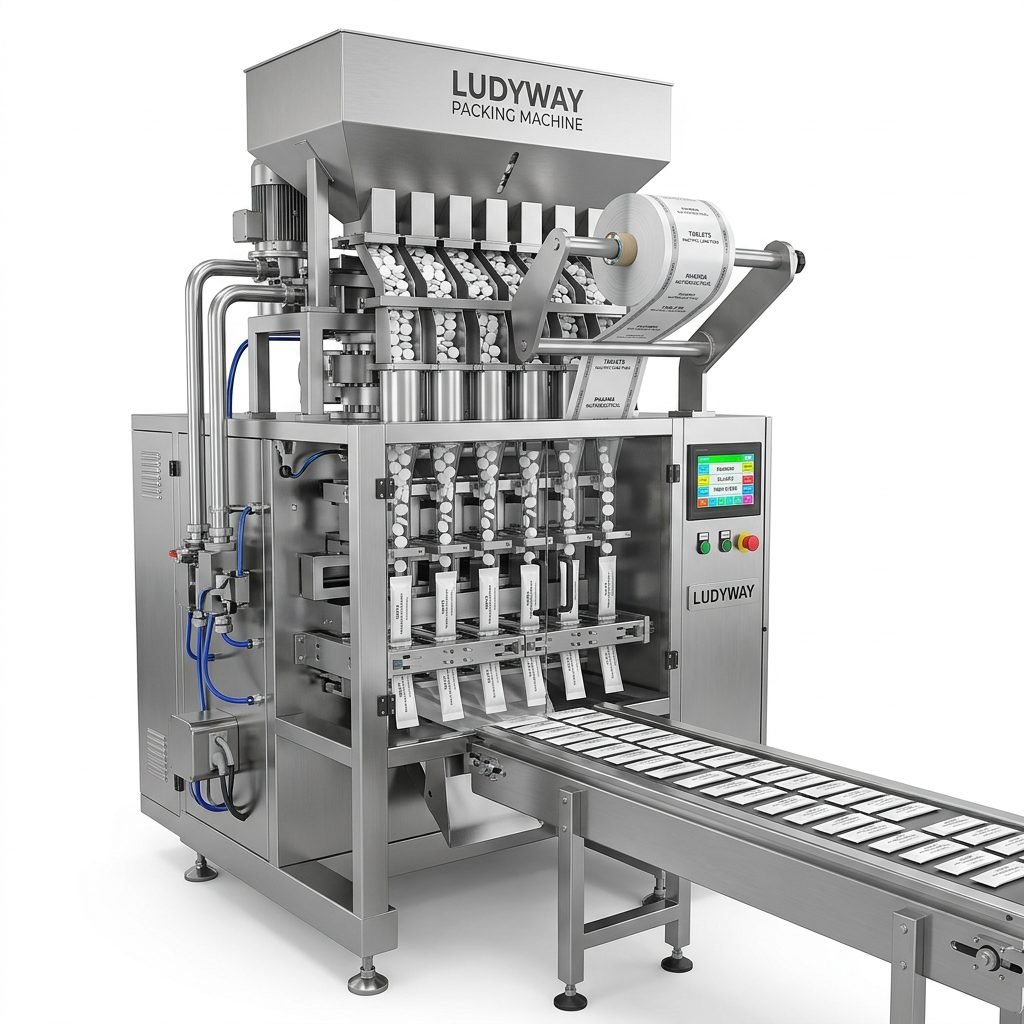
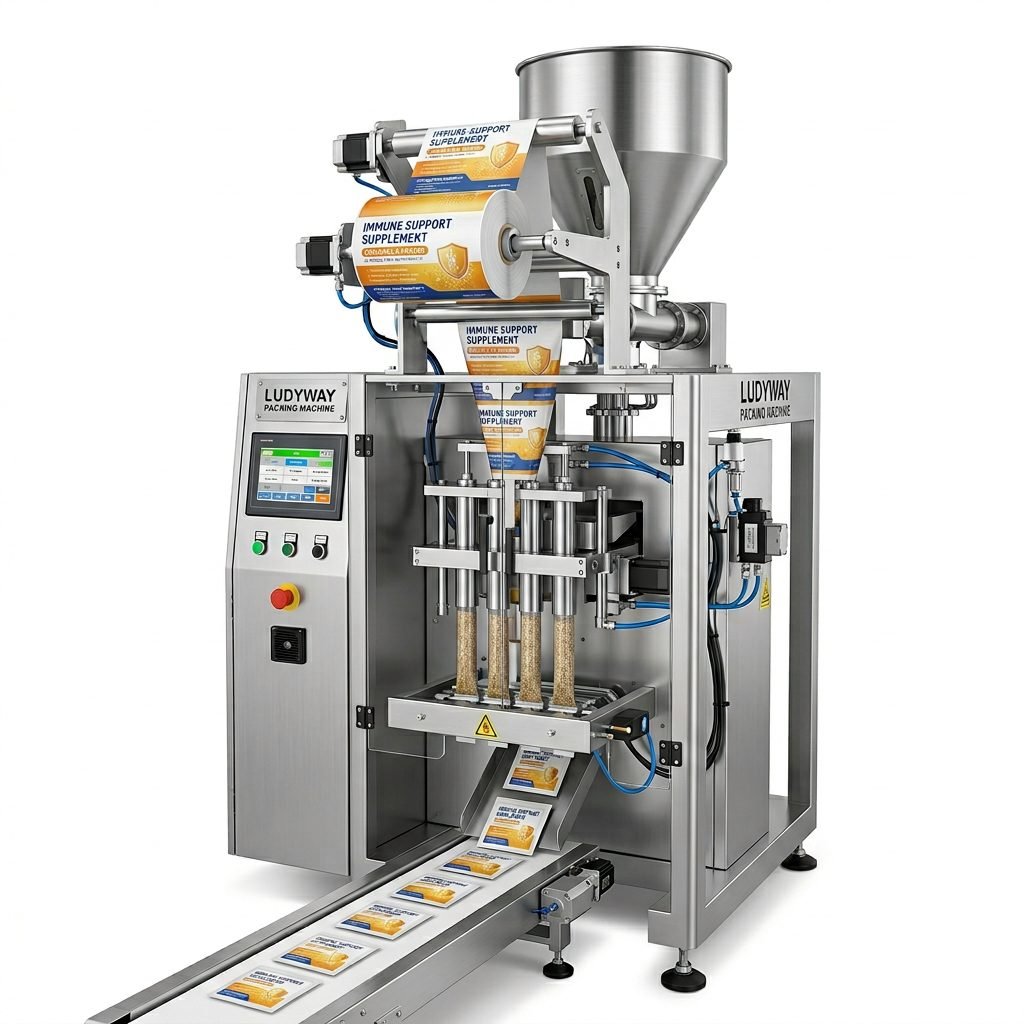
Stick pack machines are designed for slim, narrow packs used for drink mixes, coffee, sweeteners, health supplements, and pharmaceutical powders or granules.
- Compact package format
- Excellent material efficiency
- Common in high-output multi-lane production
- Popular for convenience and dosage accuracy
5. Shrink Wrapping Machines
Shrink wrapping systems wrap products or grouped items with film and apply heat so the film shrinks tightly around the pack.
- Used for bottles, cartons, multipacks, and promotional bundles
- Improves transport stability
- Enhances tamper visibility
- Often used in secondary packaging
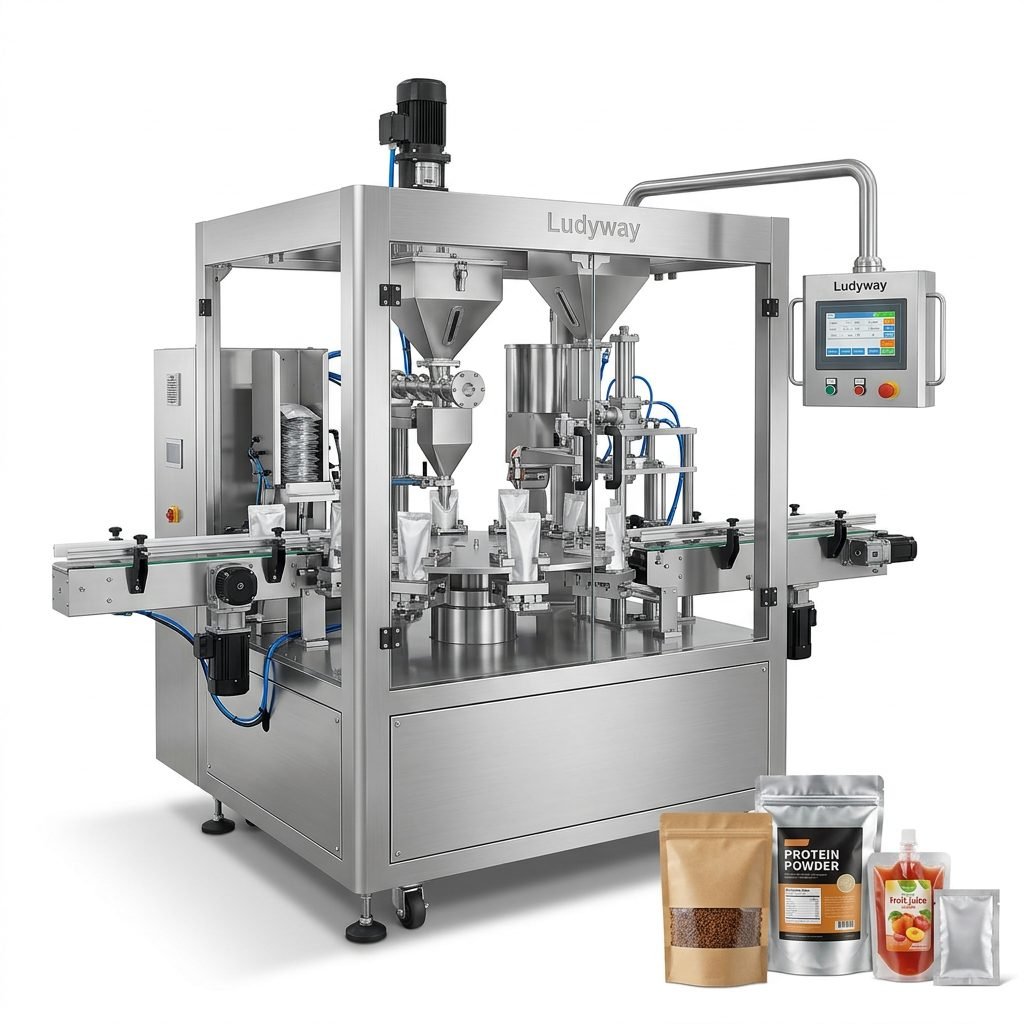
6. Premade Pouch Filling and Sealing Machines
Although these machines do not form the pouch directly from film roll, they still rely on flexible film-based packaging. They are a strong option for stand-up pouches, zipper bags, shaped pouches, and premium retail packaging.
- Attractive package presentation
- Good for premium and specialty products
- Flexible with liquids, powders, and solids
- Suitable when packaging design matters as much as speed
Benefits of Using Film Packaging Machines
| Benefit | Why It Matters |
|---|---|
| Lower packaging material cost | Flexible film usually costs less than rigid packaging and reduces shipping volume. |
| High production efficiency | Automatic forming, filling, and sealing reduce labor and increase output consistency. |
| Improved product protection | Proper film structure can offer moisture, oxygen, light, and contamination barriers. |
| Flexible pack styles | Manufacturers can produce sachets, stick packs, pouches, wraps, and multipacks. |
| Better branding | Printed film supports attractive shelf-ready packaging and strong visual identity. |
| Scalability | Machines can range from entry-level models to fully automated integrated packaging lines. |
Which Industries Commonly Use Film Packaging?
Film packaging machines are highly versatile and are used across many industries:
- Food: coffee, sugar, spices, sauces, snacks, cereal, drink powders, frozen foods
- Pharmaceutical: oral powders, granules, medical sachets, wipes, tablets in overwrap
- Health supplements: collagen, protein powder, electrolyte mixes, vitamins
- Cosmetics: shampoo, lotion, serum, cream, face mask sachets
- Chemicals: detergent, disinfectant, additives, cleaners, industrial powders
- Pet products: treats, pet supplements, powdered nutrition, feed additives
How to Choose the Right Packaging Machine for Film Packaging
Match the Machine to the Product Form
Start with the physical characteristics of your product. This is one of the most important selection factors.
- Powders often require auger filling systems
- Granules may use cup fillers or weighing systems
- Liquids and pastes need piston pumps or liquid dosing systems
- Solid individual items are often better suited to flow wrapping or shrink wrapping
Define Your Package Style
The machine must support the final packaging format you plan to sell. Ask:
- Do you need sachets, stick packs, pillow bags, or premade pouches?
- Do you require zipper, tear notch, euro hole, or easy-open features?
- Will the pack be sold individually or packed into cartons later?
Consider Required Output Speed
Production targets should drive machine specification. A business packing samples or pilot batches may need a compact semi-automatic or lower-speed automatic model. A high-volume factory may require:
- Multi-lane stick pack or sachet systems
- Servo-driven controls
- Automatic film tracking
- Integrated case packing and cartoning
Check Film Compatibility
Not every machine works equally well with every film. Make sure the machine can handle your chosen film structure, sealing temperature range, thickness, and roll dimensions.
This is especially important if you use:
- High-barrier laminated film
- Recyclable mono-material film
- Thin film for material savings
- Printed film requiring accurate registration
Evaluate Automation and Line Integration
A standalone machine may be enough for smaller operations, but many manufacturers benefit from a complete line. Integration may include:
- Automatic feeding systems
- Date coding and printing
- Metal detection or X-ray inspection
- Checkweighing
- Cartoning and case packing
- Palletizing
If your business is scaling, it is often more cost-effective to choose a machine platform that can be expanded later.
Pay Attention to Hygiene and Compliance
For food, pharma, and personal care products, machine design should support cleaning, safety, and compliance. Look for features such as:
- Stainless steel contact parts
- Dust control or enclosed filling zones
- Easy tool-free changeover
- Validation support for regulated industries
- Stable sealing quality and traceable operation parameters
Review Maintenance and Technical Support
The true cost of a machine includes spare parts availability, operator training, troubleshooting response, and service life. A lower upfront price may not be the best investment if downtime becomes frequent.
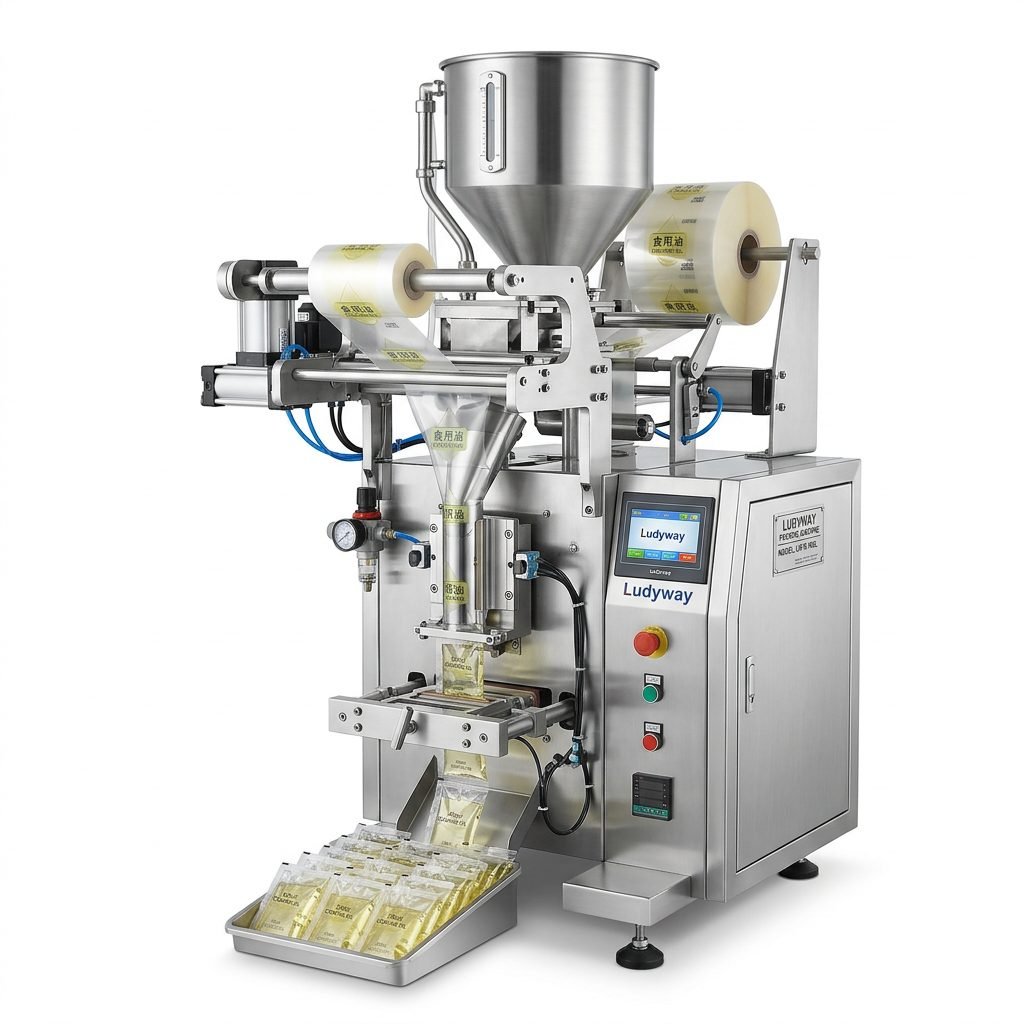
Buyers often prefer manufacturers with broad export experience and line integration capability. For example, Ludyway packaging machine manufacturer is known in the market for supplying both standalone equipment and turnkey packaging line solutions across food, pharmaceutical, health supplement, and related industries.
Quick Comparison of Common Film Packaging Machine Types
| Machine Type | Best For | Typical Pack Format | Speed Potential |
|---|---|---|---|
| VFFS | Powders, granules, snacks | Pillow bag, sachet, gusset bag | Medium to high |
| Flow Wrapper | Solid items, bakery, bars | Pillow-style overwrap | High |
| Sachet Machine | Powder, liquid, cream, granule | 3-side or 4-side seal sachet | Medium to very high |
| Stick Pack Machine | Drink mix, coffee, supplements | Stick pack | High to very high |
| Shrink Wrapper | Multipacks, secondary packaging | Shrink bundle | Medium to high |
| Premade Pouch Machine | Premium retail products | Stand-up or zipper pouch | Medium |
Common Mistakes to Avoid When Buying
- Choosing based only on price instead of total lifecycle value
- Ignoring film compatibility and seal performance
- Underestimating future production growth
- Buying a machine without proper after-sales support
- Not testing real product samples before final approval
- Overlooking changeover time if multiple SKUs are planned
Who Should Invest in a Turnkey Film Packaging Line?
A turnkey solution is especially valuable for businesses that need more than one machine and want all systems engineered to work together. This approach is often ideal for:
- Growing food brands expanding into multi-shift production
- Pharmaceutical and nutraceutical companies requiring higher consistency
- Export-oriented manufacturers needing reliable packaging standards
- Factories managing multiple product forms such as powders, granules, and liquids
With a properly designed line, manufacturers can reduce manual handling, improve quality control, and create a more stable packaging workflow from filling to final case packing.
Final Buying Checklist
- Product type: powder, granule, liquid, paste, or solid item
- Package format: sachet, stick pack, pouch, wrap, or bundle
- Speed target: current output and 3-year growth plan
- Film structure: sealing properties, barrier needs, print registration
- Automation level: standalone machine or integrated line
- Compliance: hygiene, traceability, industry standards
- Support: installation, training, spare parts, technical service
The right packaging machine for film packaging should fit both your current application and your long-term production strategy. When the machine matches your product, film, format, and throughput needs, it can become a major driver of efficiency, product quality, and business growth.