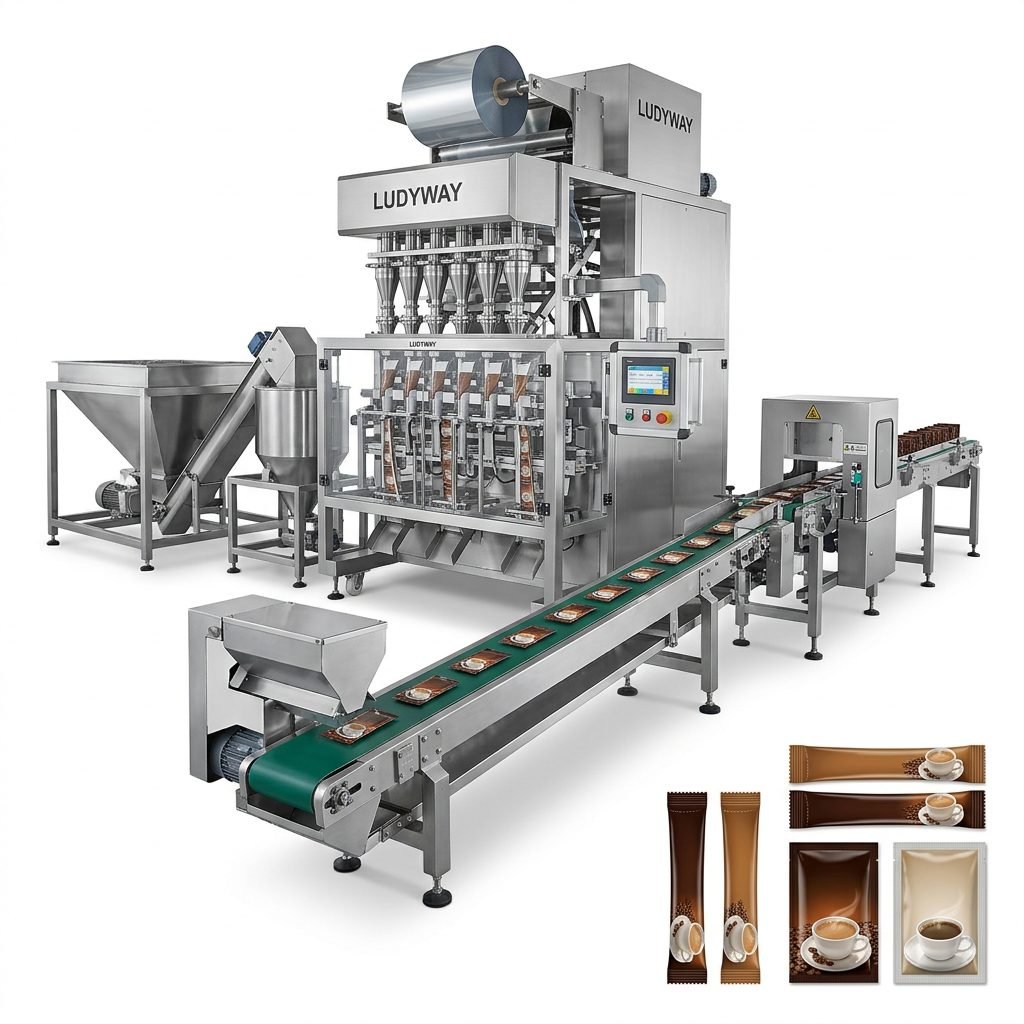
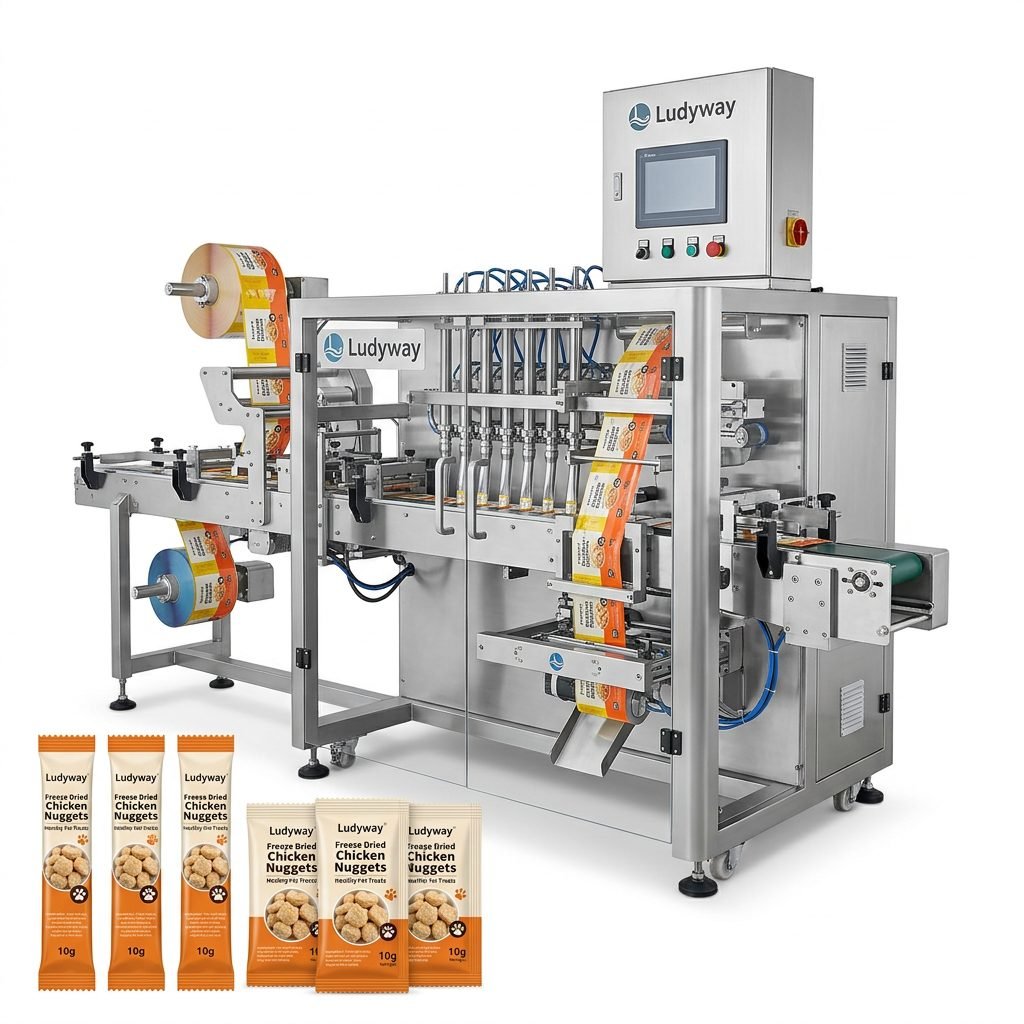
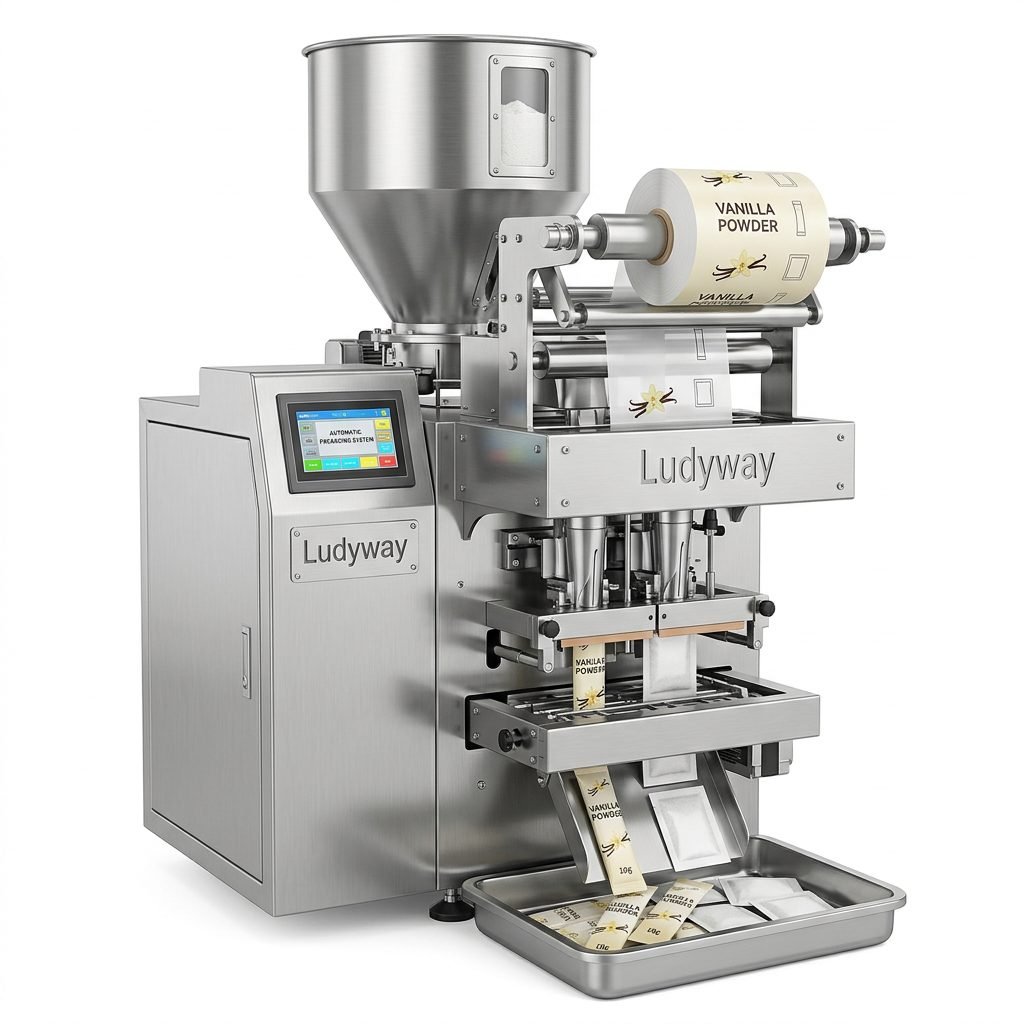
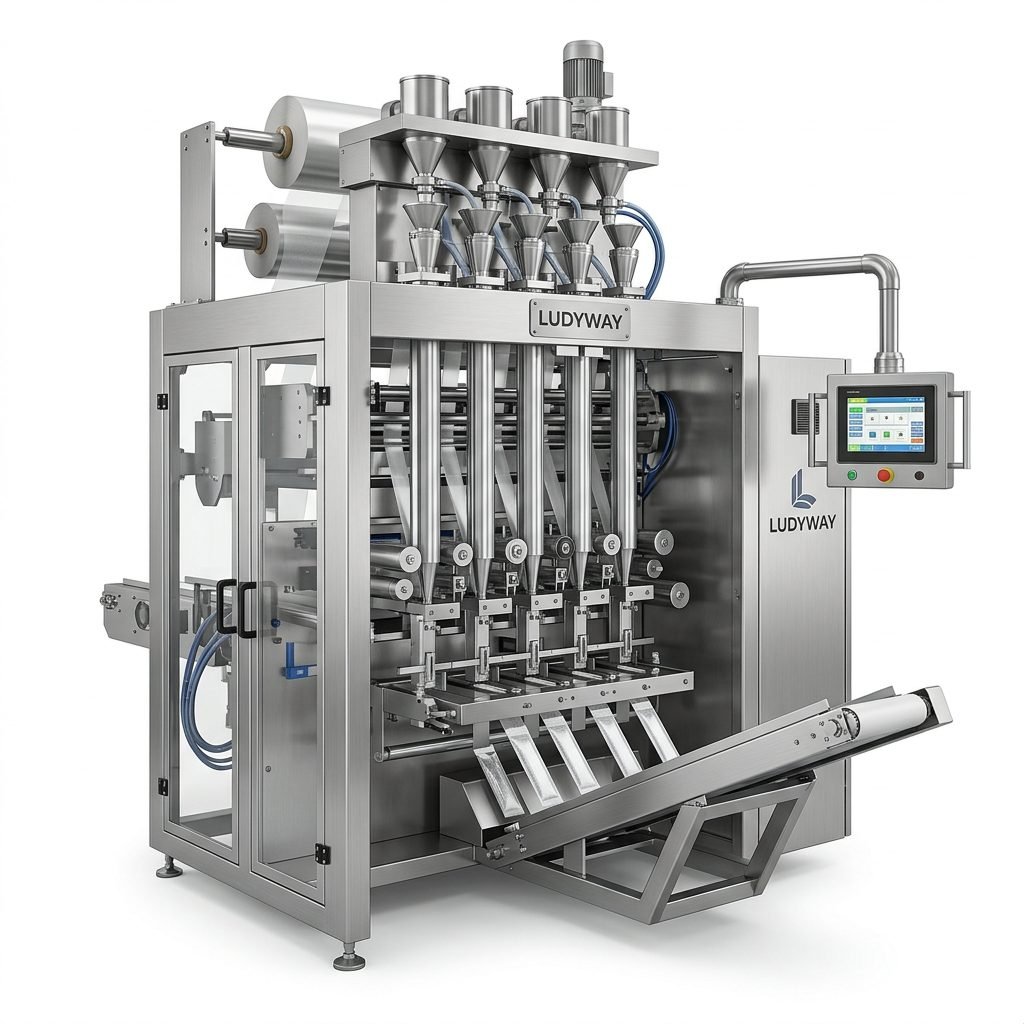
Choosing the right pre-made pouch filling machine is not only about buying equipment—it is about building a packaging process that matches your product, output goals, pouch style, labor plan, and long-term growth. Whether you package powders, granules, liquids, sauces, supplements, or pharmaceutical products, the right system can improve filling accuracy, production efficiency, sealing quality, and total operating cost.
A well-selected machine helps reduce waste, minimize downtime, support stable output, and keep packaging appearance consistent. On the other hand, the wrong machine can create issues such as pouch misfeeding, inaccurate filling, leaks, poor sealing, and unnecessary maintenance costs.
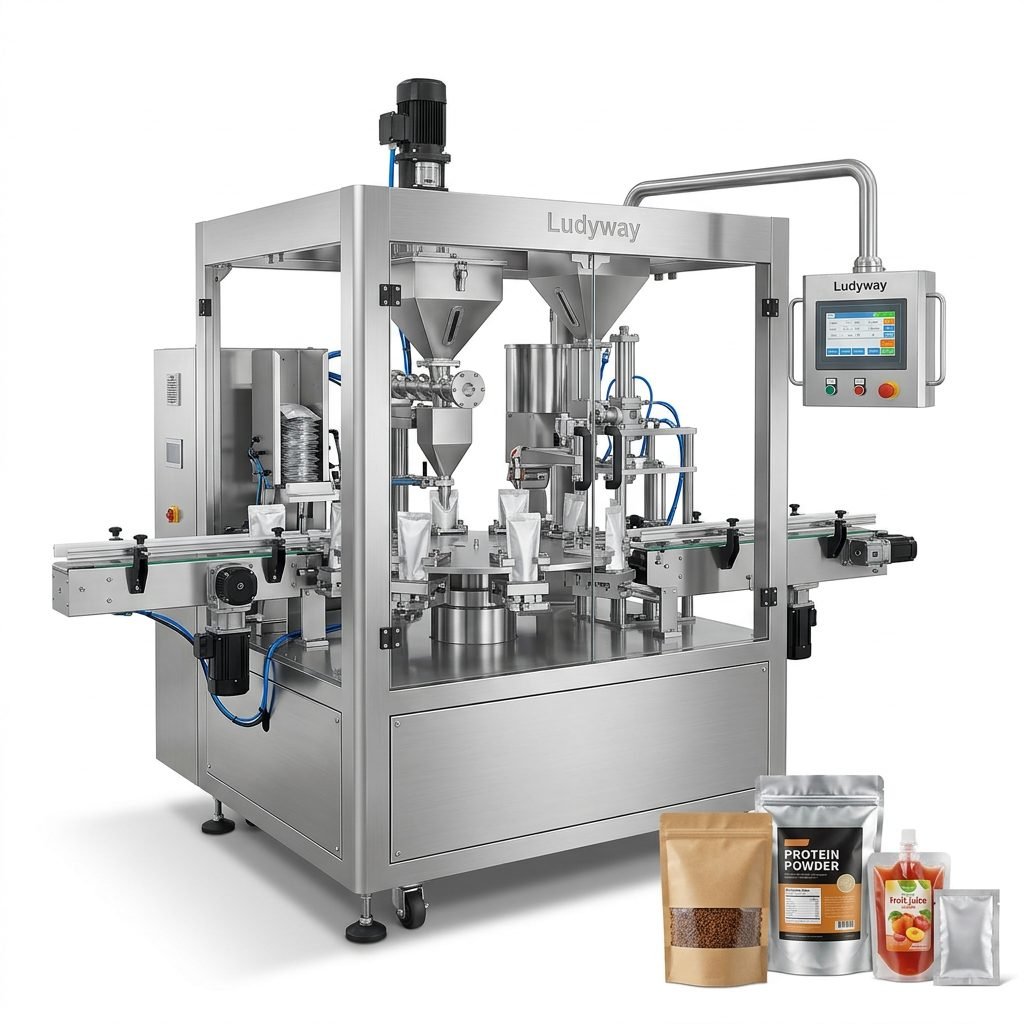
What Is a Pre-Made Pouch Filling Machine?
A pre-made pouch filling machine is an automated packaging system designed to pick up ready-made pouches, open them, fill the product, and seal them. These machines are widely used in food, pharmaceutical, cosmetic, chemical, and health supplement industries because they support attractive pouch formats and high packaging flexibility.
Compared with form-fill-seal systems, pre-made pouch machines are often preferred when companies need:
- High-quality retail pouch appearance
- Stand-up pouches, zipper pouches, spout pouches, or shaped bags
- Fast changeover between pouch sizes
- Premium packaging for higher-value products
- Reliable sealing for sensitive formulations
Why the Right Packaging Solution Matters
The ideal packaging solution should fit both your current production needs and your future business expansion. A pouch filling machine is not just a standalone unit—it interacts with feeding systems, weighing or dosing devices, coding units, inspection systems, conveyors, cartoning equipment, and even palletizing lines.
When the machine is properly matched to your application, you can expect:
- Higher line efficiency with fewer interruptions
- Improved seal integrity and better shelf performance
- Reduced giveaway and material waste
- More stable filling consistency
- Better labor utilization
- Smoother compliance with hygiene or regulatory requirements
Key Factors to Consider Before Choosing a Machine
1. Product Type and Filling Characteristics
The first step is understanding your product in detail. Different materials require different dosing and filling technologies. A machine suitable for coffee beans may not work well for protein powder, and a liquid sauce filler will differ greatly from a granule filler.
| Product Type | Recommended Filling Method | Important Considerations |
|---|---|---|
| Powders | Auger filler | Dust control, accuracy, anti-bridging design |
| Granules | Multihead weigher or cup filler | Flowability, particle size, speed |
| Liquids | Piston pump or liquid pump | Viscosity, dripping, cleaning method |
| Pastes / Sauces | Servo piston filler | Chunk handling, hot filling, sealing cleanliness |
| Tablets / Capsules / Small solids | Counting or weighing system | Precision, product damage prevention |
If your material is hygroscopic, sticky, dusty, fragile, corrosive, or heat-sensitive, these properties should be addressed early in machine design selection.
2. Pouch Style and Size Range
Pre-made pouch machines are selected according to pouch design. Common pouch options include:
- Stand-up pouches
- Flat pouches
- Zipper pouches
- Spout pouches
- Quad seal pouches
- Shaped pouches
You should confirm the full pouch specification range, including width, length, seal area, thickness, material structure, and whether the pouch needs special features such as zipper opening, nitrogen flushing, vacuum support, or spout positioning.
A machine with too narrow a pouch range can limit future SKUs, while an oversized machine may increase cost without adding value.
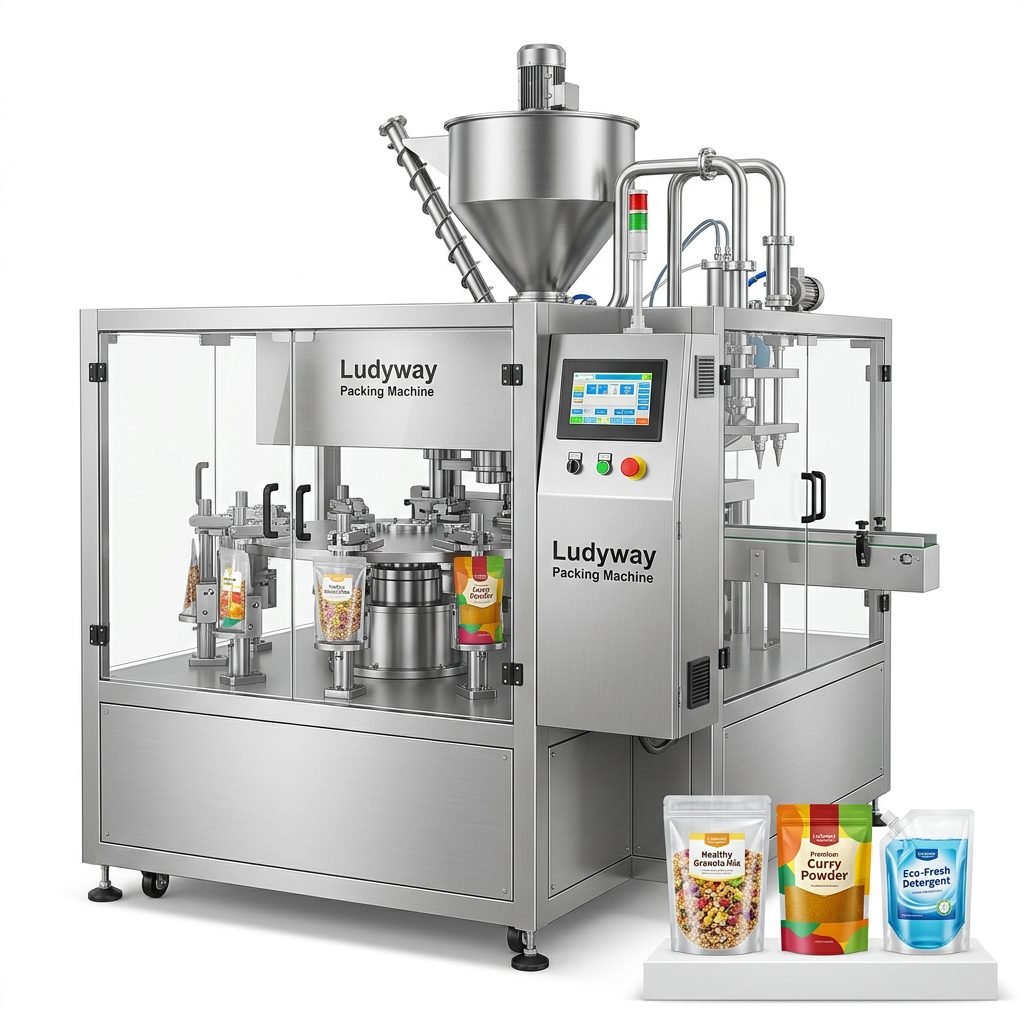
3. Production Speed Requirements
Required output has a major influence on machine structure. Entry-level operations may need moderate speeds, while high-volume manufacturers often need continuous, servo-driven, multi-station rotary systems with integrated feeding and inspection.
Ask the following:
- How many pouches per minute are required?
- Is the target based on average speed or peak speed?
- Will speed remain stable across all product types and pouch sizes?
- How much downtime is acceptable during changeover and cleaning?
Always evaluate real operating speed, not only the maximum speed listed in brochures. Actual speed depends on product flow, pouch opening stability, fill weight, and sealing conditions.
4. Filling Accuracy and Product Waste Control
For high-value products such as pharmaceuticals, nutraceuticals, specialty foods, and premium chemicals, filling precision directly affects profitability and compliance. Even small deviations can increase giveaway over time.
Look for machines with:
- Servo-controlled filling systems
- Stable weighing or dosing modules
- Recipe memory for quick parameter recall
- Automatic correction feedback
- Anti-drip or anti-dust design
5. Sealing Quality and Package Integrity
Excellent filling means little if the pouch seal fails. Seal quality affects product freshness, leakage prevention, transport durability, and consumer confidence.
To achieve reliable sealing, evaluate:
- Pouch material compatibility
- Heat seal temperature control
- Seal pressure and dwell time
- Clean seal zone management
- Optional gas flushing or vacuum systems
For liquid and paste applications, special attention should be given to preventing product contamination in the sealing area.
6. Automation Level and Integration Capability
Modern packaging lines rarely operate as isolated machines. The best pre-made pouch solution should integrate smoothly with upstream and downstream equipment such as elevators, pumps, weighing systems, metal detectors, checkweighers, coding units, labelers, cartoners, and palletizers.
A scalable automation plan helps businesses move from semi-automatic production to full turnkey systems as demand grows.
This is why many buyers work with experienced manufacturers such as Ludyway pre-made pouch packaging solutions, especially when they need customized integration for food, pharmaceutical, health supplement, or pouch-based production lines.
How to Match the Machine to Your Industry
Food Industry
Food manufacturers often need high flexibility because product types vary widely—from snacks, spices, coffee, sugar, grains, and frozen food to sauces, ready meals, and nutrition powders. Hygiene, washdown design, and sealing stability are critical.
- Choose food-grade contact parts
- Confirm CIP or easy-clean options if handling liquids or sauces
- Consider nitrogen flushing for freshness-sensitive products
- Check compatibility with zipper or stand-up retail pouches
Pharmaceutical and Health Supplement Industry
Pharma and supplement applications require greater attention to accuracy, dust control, validation support, traceability, and hygienic design. Pouch packaging for powders, granules, oral supplements, and medical-use products often needs stricter control systems.
- Prioritize precise dosing
- Review GMP-oriented design features
- Use inspection systems for weight and code verification
- Ensure documentation and after-sales support are available
Cosmetic and Personal Care Industry
For creams, gels, lotions, serums, and beauty products, clean appearance and leak-proof seals are essential. If your products are sold in travel-size or trial-pack formats, pouch aesthetics become especially important.
Chemical Industry
Chemical packaging may involve corrosive powders, detergents, industrial additives, or liquids with specific handling needs. Material compatibility, operator safety, and durable construction should guide the machine choice.
Questions You Should Ask a Packaging Machine Supplier
Before finalizing your decision, ask detailed technical and project questions. A reliable supplier should be able to answer clearly and provide application-based recommendations.
- What products has the machine already handled successfully?
- What pouch types and dimensions are supported?
- What is the actual stable production speed for my product?
- What filling accuracy can be achieved?
- How is sealing quality maintained for my pouch material?
- How long does changeover take?
- What spare parts and technical support are available?
- Can the machine be integrated into a complete packaging line later?
- What testing, inspection, and acceptance process is provided?
- What training is included for operators and maintenance staff?
Common Mistakes to Avoid
- Choosing based only on price instead of lifecycle value
- Ignoring actual product behavior during filling
- Overlooking pouch material and sealing compatibility
- Buying a machine without future expansion capacity
- Underestimating cleaning and maintenance requirements
- Skipping real sample testing before purchase
Signs of a High-Quality Pre-Made Pouch Filling Solution
| Feature | Why It Matters |
|---|---|
| Servo-driven control | Improves stability, accuracy, and repeatability |
| Flexible pouch handling | Supports multiple SKUs and easier expansion |
| Strong seal control | Reduces leakage and protects product quality |
| User-friendly HMI | Speeds up setup, training, and troubleshooting |
| Easy cleaning design | Reduces downtime and improves hygiene |
| Integration readiness | Supports complete automation and future upgrades |
| Reliable after-sales support | Ensures faster maintenance response and less downtime |
Should You Choose a Standalone Machine or a Turnkey Line?
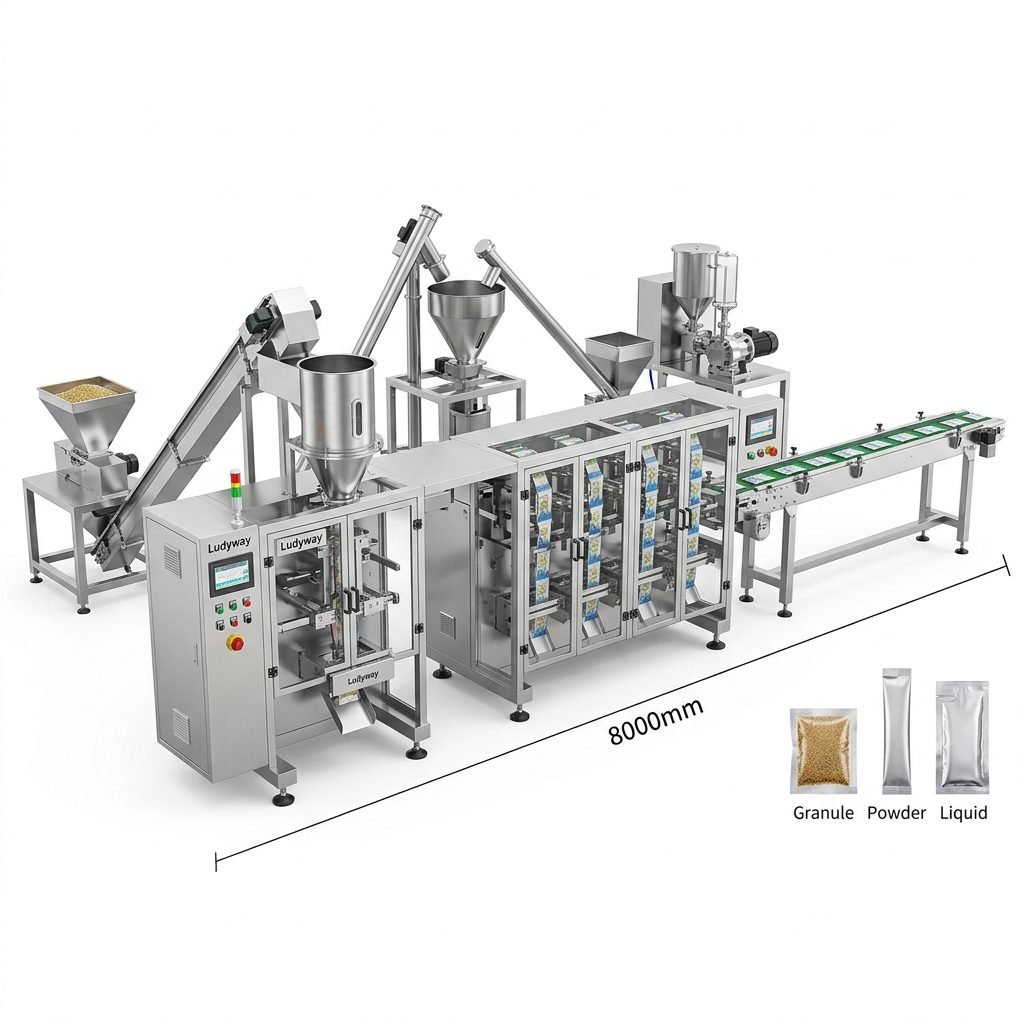
The answer depends on your production scale and operational goals. A standalone pre-made pouch filler can be suitable for businesses launching a new product or upgrading one section of production. A turnkey line is usually a better choice for manufacturers seeking complete automation, consistent throughput, and centralized line control.
A turnkey solution may include:
- Product feeding system
- Weighing or dosing equipment
- Pre-made pouch filling and sealing machine
- Date coding and inspection units
- Cartoning or case packing system
- Conveying and palletizing equipment
Final Buying Advice for Efficient Filling
The best pre-made pouch filling machine is the one that fits your product characteristics, pouch format, efficiency target, and factory workflow. Focus on real production performance, not just catalog specifications. Request sample testing, review machine configuration carefully, and evaluate whether the supplier can support future upgrades and line expansion.
If you choose correctly, your packaging system can deliver long-term benefits in speed, accuracy, appearance, labor savings, and operational reliability. That makes the machine not simply a purchase, but a strategic investment in better packaging performance.