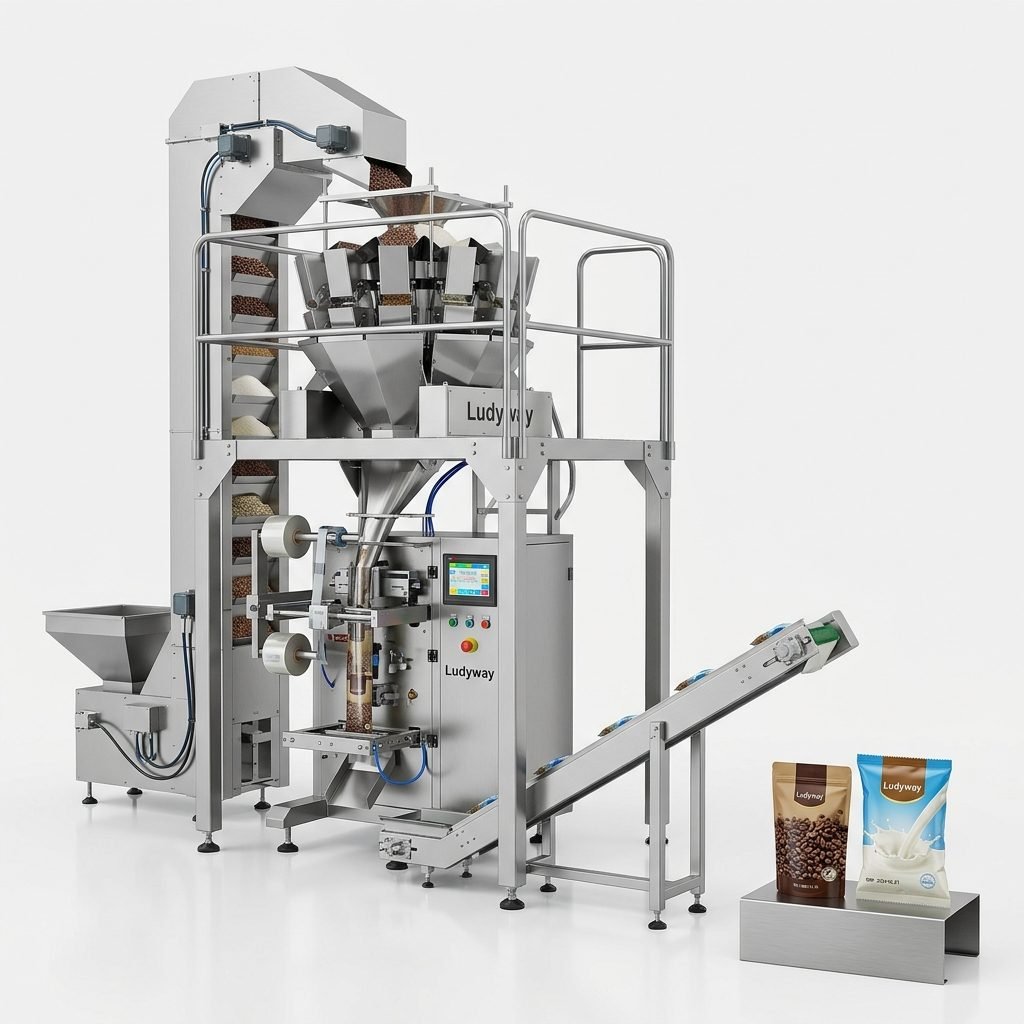
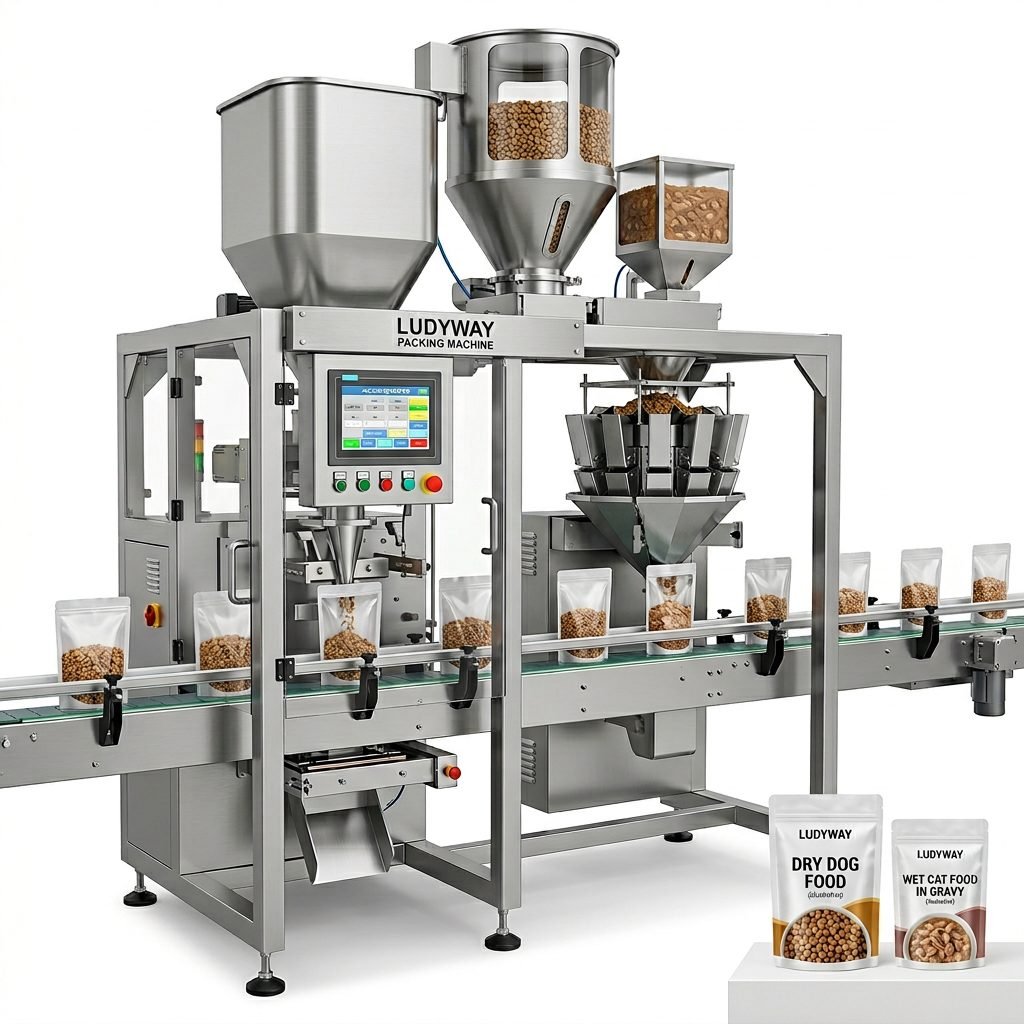
Choosing the right cardboard packing machine can significantly improve packaging speed, carton consistency, labor efficiency, and shipping performance. Whether you pack food, pharmaceuticals, cosmetics, chemicals, or consumer goods, the best solution is not simply the fastest machine on paper—it is the system that matches your product type, carton style, line speed, factory layout, and long-term production goals.
For manufacturers planning equipment upgrades, the smartest approach is to evaluate the entire packaging flow: product infeed, filling, carton forming, sealing, labeling, inspection, and end-of-line handling. A well-matched cardboard packing system reduces downtime, supports scalability, and helps protect product quality throughout transport and storage.
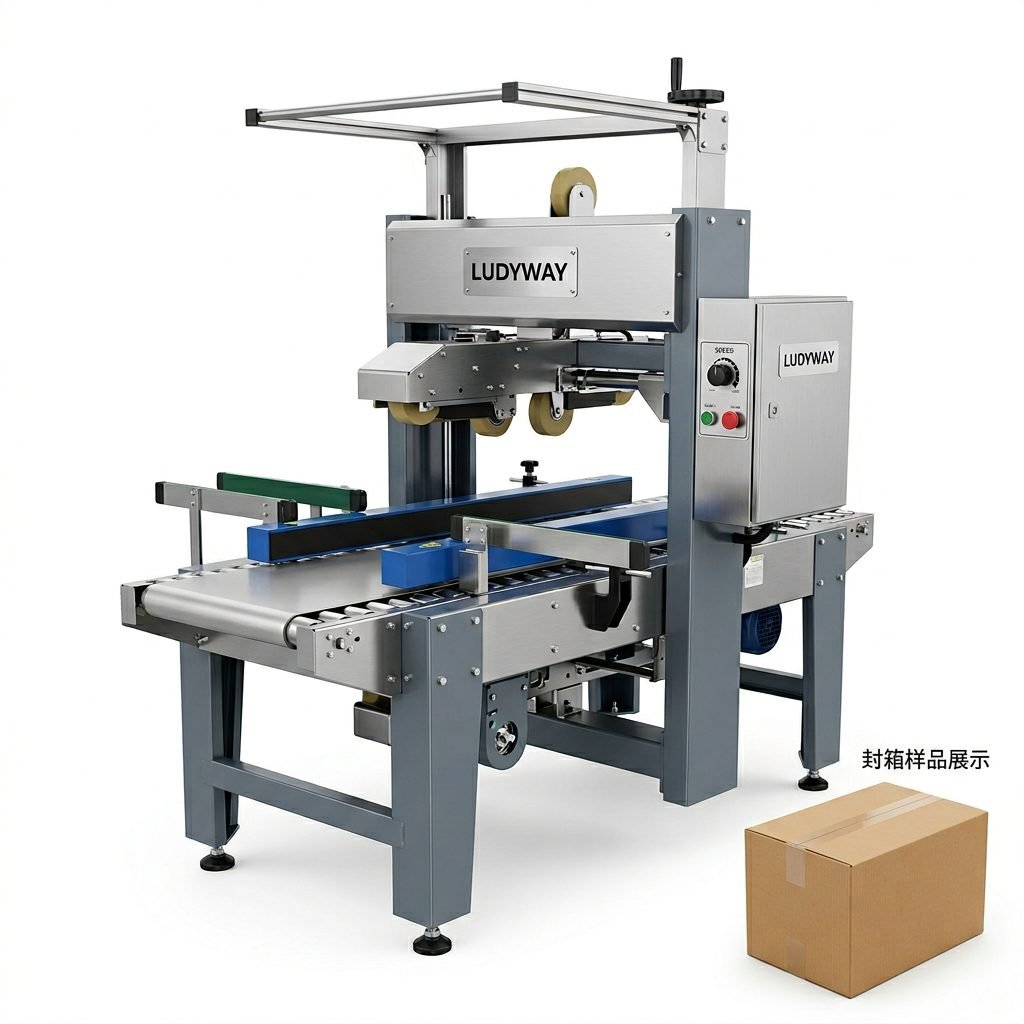
What Is a Cardboard Packing Machine?
A cardboard packing machine is packaging equipment designed to handle cartons, boxes, or corrugated cases used for product protection and distribution. Depending on the application, this may include:
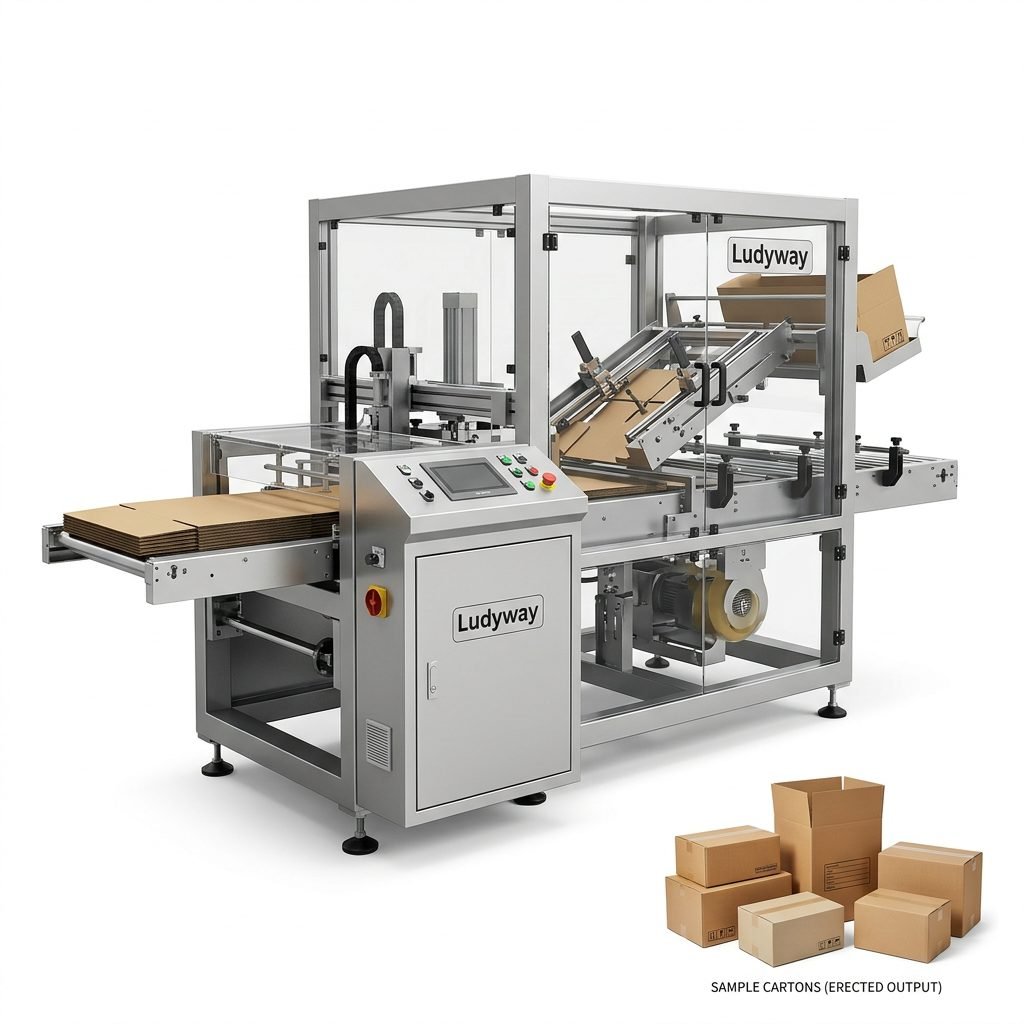
- Carton erectors for automatic box forming
- Carton sealing machines for tape or glue sealing
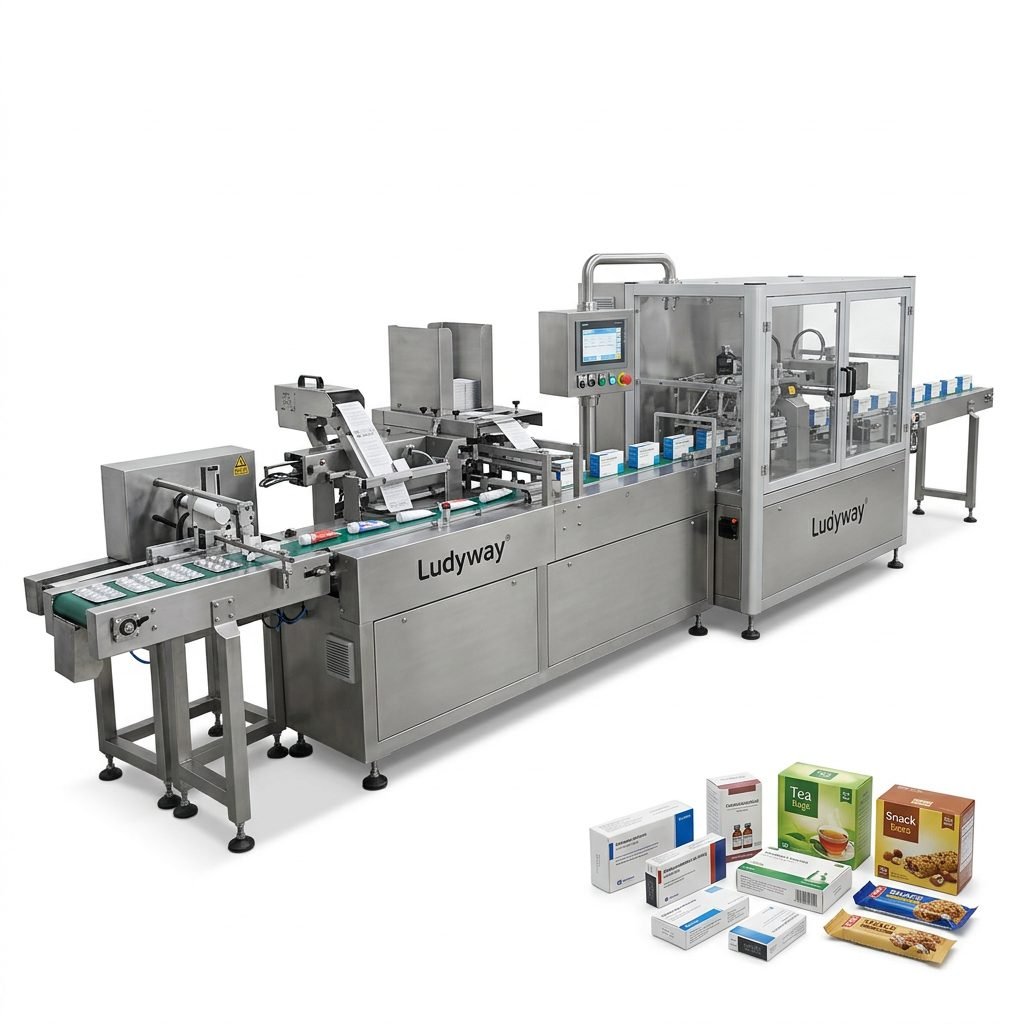
- Cartoning machines for loading products into cartons
- Case packers for secondary packaging
- Labeling and coding systems for traceability
- Palletizing units for end-of-line automation
In modern factories, cardboard packing equipment often works as part of an integrated packaging line rather than as a single standalone machine.
Why Choosing the Right Solution Matters
An unsuitable machine can create more problems than it solves. Common issues include unstable carton forming, poor sealing quality, product jams, wasted packaging material, and high maintenance costs. By contrast, a properly selected system brings several measurable benefits:
- Higher throughput with more stable production cycles
- Lower labor dependency in repetitive manual packing tasks
- Improved packaging quality for shipping and shelf presentation
- Better product protection during warehousing and transport
- Scalable automation for future production expansion
Key Factors to Consider Before Buying
1. Product Type and Packaging Format
Start with the product itself. Dry powders, granules, liquids, bottles, pouches, sachets, tubes, and blister packs all require different handling methods before they enter a cardboard carton. Fragile or irregular products may need custom feeding or buffering systems.
Ask these questions:
- Is the product rigid, flexible, fragile, or dusty?
- Will it be packed individually or grouped?
- Does the carton need inserts, leaflets, or dividers?
- Is primary packaging already automated?
2. Required Output Speed
Machine speed should match your real production needs, not just the highest advertised speed. A line running steadily at a moderate speed often performs better than a high-speed line with frequent stoppages.
| Production Scenario | Recommended Approach | Typical Priority |
|---|---|---|
| Small batch, many SKUs | Flexible, quick-change equipment | Changeover efficiency |
| Medium-volume daily production | Balanced automation with stable sealing/cartoning | Reliability |
| High-volume industrial output | Integrated high-speed turnkey line | Throughput and uptime |
3. Carton Size Range and Changeover Time
If your business handles multiple box sizes, machine flexibility becomes essential. Check the adjustment range, tooling design, servo control options, and average changeover time. In fast-moving operations, every minute of setup matters.
Tip: If you regularly run different SKUs, prioritize tool-free or low-tool changeover designs.
4. Level of Automation
Cardboard packing solutions can be semi-automatic, fully automatic, or fully integrated into a turnkey line. The right level depends on your labor costs, production targets, and floor space.
- Semi-automatic: lower initial investment, suitable for smaller volumes
- Fully automatic: reduced labor, stronger consistency, higher output
- Turnkey integrated line: best for scalable factories seeking end-to-end automation
5. Material Compatibility
Not all cardboard materials behave the same way. Corrugated board thickness, carton rigidity, moisture sensitivity, and print finish can all affect machine performance. Make sure the machine is tested with your real packaging samples.
6. Floor Space and Line Layout
A compact footprint may be important for factories with limited space. However, compact equipment should still allow enough room for operation, maintenance access, material loading, and future expansion. Evaluate the complete line layout rather than one machine in isolation.
7. Maintenance and Spare Parts
Long-term performance depends on maintenance practicality. Look for machines with accessible wear parts, clear HMI diagnostics, standardized components, and dependable after-sales support. Low downtime is often more valuable than a slightly lower purchase price.
Types of Cardboard Packing Machines
Carton Erectors
These automatically form flat cardboard blanks into boxes. They are ideal for companies that want to reduce manual box assembly and improve consistency at the start of the line.
Carton Sealers
These machines close cartons using tape, hot melt glue, or both. They are widely used in logistics, food production, daily chemicals, and pharmaceutical shipping operations.
Cartoning Machines
Cartoners load products into retail or secondary cartons. They are common for sachets, blister packs, pouches, tubes, bottles, and small bagged products.
Case Packers
Case packers place grouped products into larger corrugated cases for transport. They are often used downstream of filling, sealing, and labeling equipment.
Integrated End-of-Line Systems
These combine erecting, loading, sealing, labeling, inspection, conveying, and palletizing into one automated workflow. For growing manufacturers, this is often the most efficient path to consistent packaging performance.
How to Match the Machine to Your Industry
| Industry | Typical Packaging Need | Best Machine Focus |
|---|---|---|
| Food & Beverage | Fast packing, hygiene, stable sealing | Cartoning + sealing + inspection |
| Pharmaceutical | Accuracy, traceability, clean design | Cartoner with coding and vision check |
| Cosmetics | Presentation, SKU flexibility | Flexible cartoning solution |
| Chemical | Durability, leak control, dust handling | Robust sealed carton system |
| Pet Food & Feed | High throughput, larger packs | Case packing and heavy-duty sealing |
Questions You Should Ask a Supplier
- Can the machine run my actual cardboard sample and product format?
- What is the stable operating speed in real production conditions?
- How long does size changeover take?
- What components are used for PLC, servo, sensors, and pneumatics?
- What training, installation, and after-sales support are available?
- Can the machine connect with upstream and downstream equipment?
- Are customized turnkey solutions available for future expansion?
Common Mistakes to Avoid
Many buyers focus too heavily on initial price. In reality, total ownership cost depends on uptime, labor savings, consumables, maintenance, and scalability. Avoid these common mistakes:
- Buying a machine with speed far beyond actual needs
- Ignoring carton material differences during testing
- Overlooking future SKU or format changes
- Choosing standalone equipment without line compatibility
- Underestimating after-sales service importance
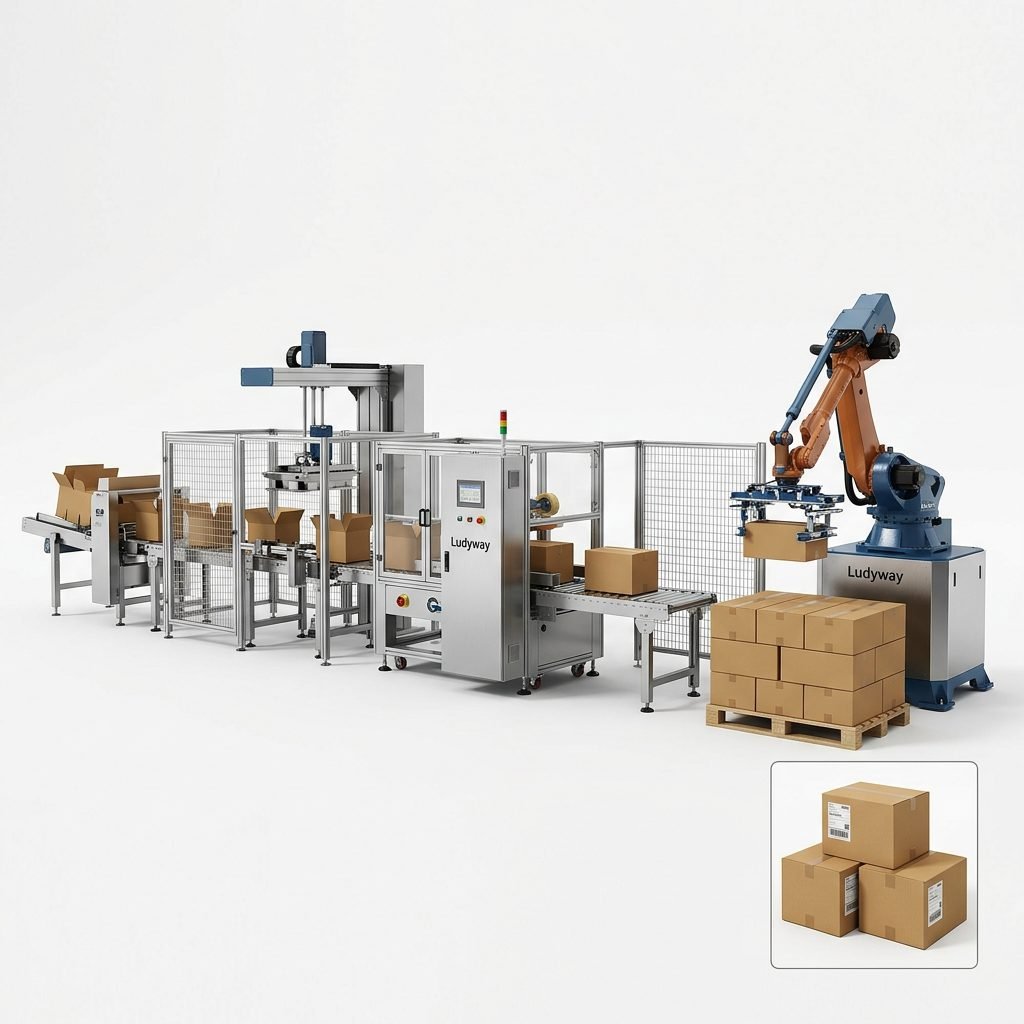
When a Turnkey Packaging Line Is the Better Choice
If your production includes filling, sealing, counting, labeling, carton packing, and palletizing, buying isolated machines from different sources can create integration issues. A turnkey system offers smoother communication, unified control logic, better line matching, and simpler project management.
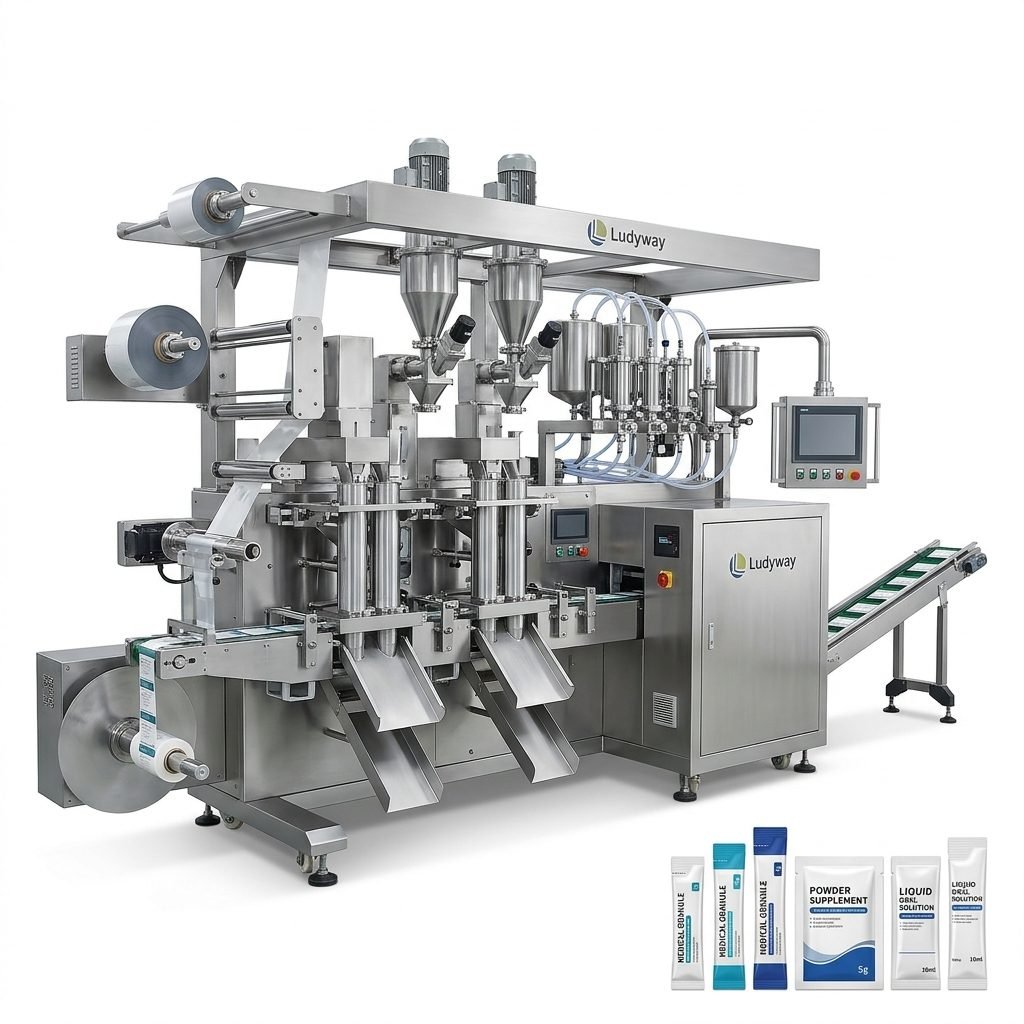
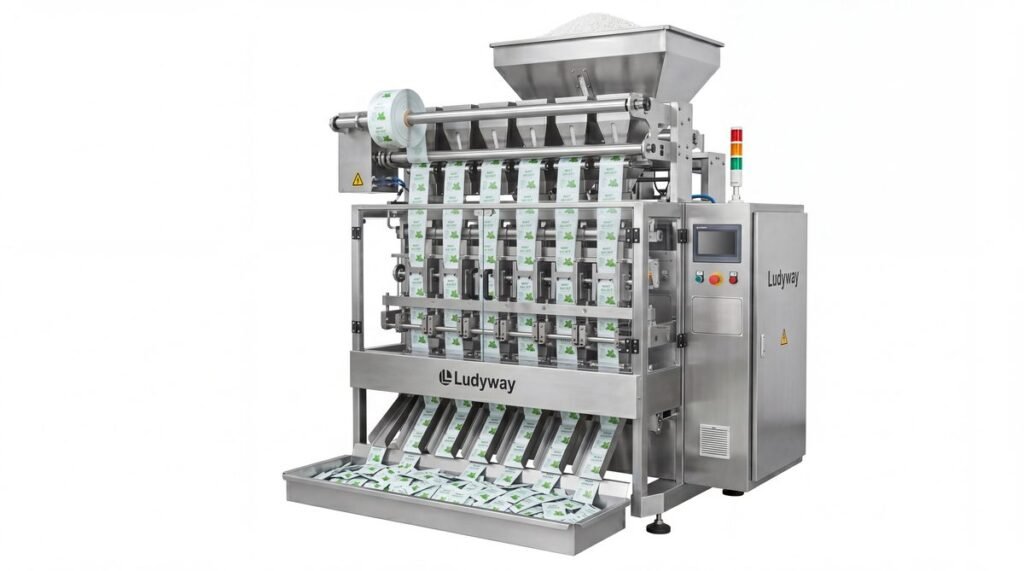
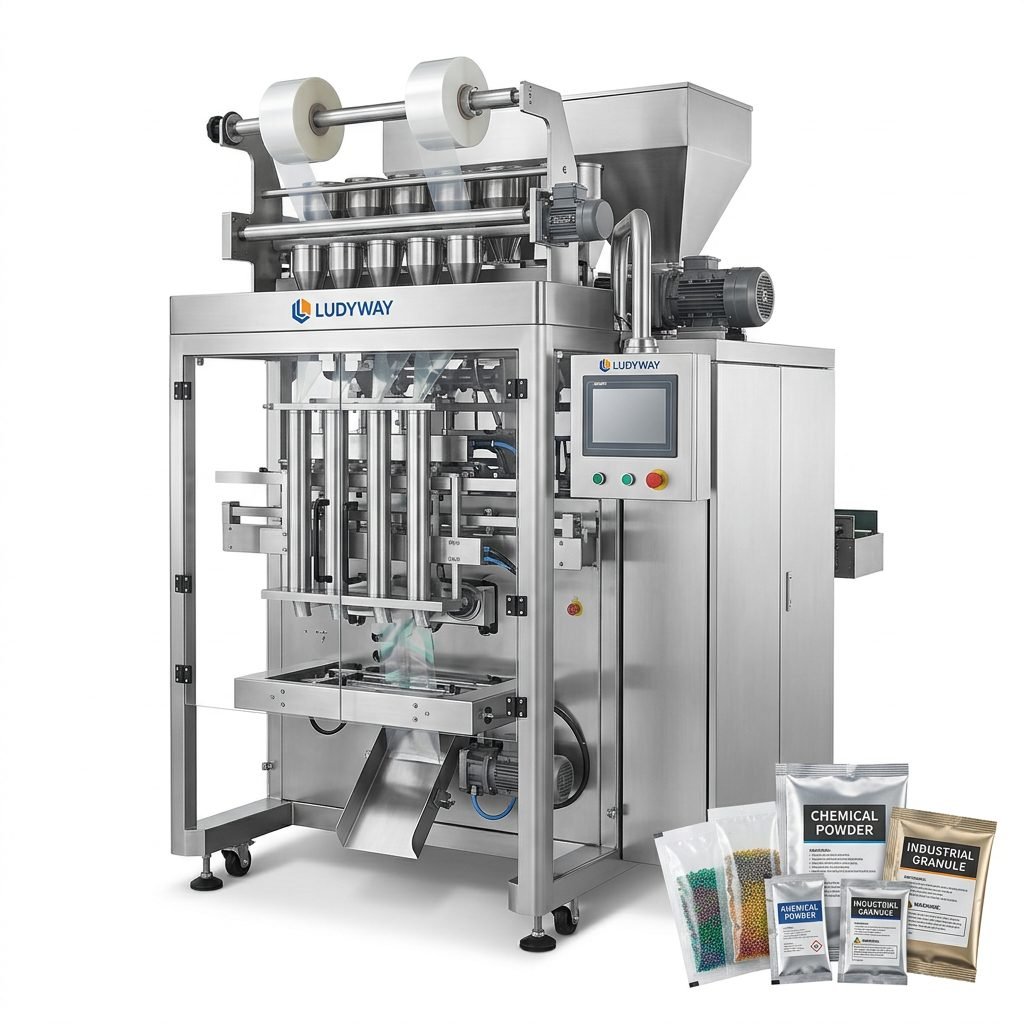
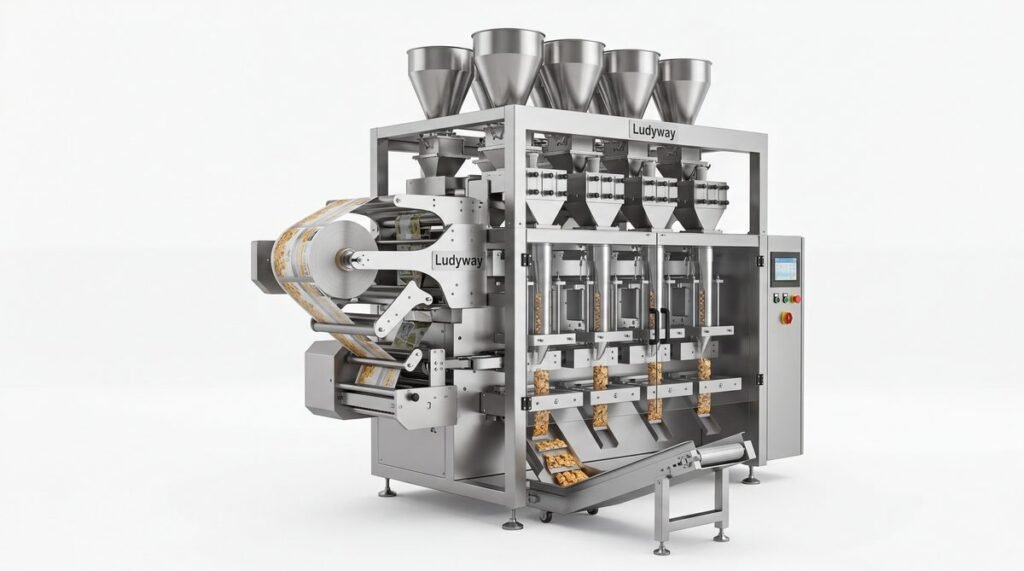
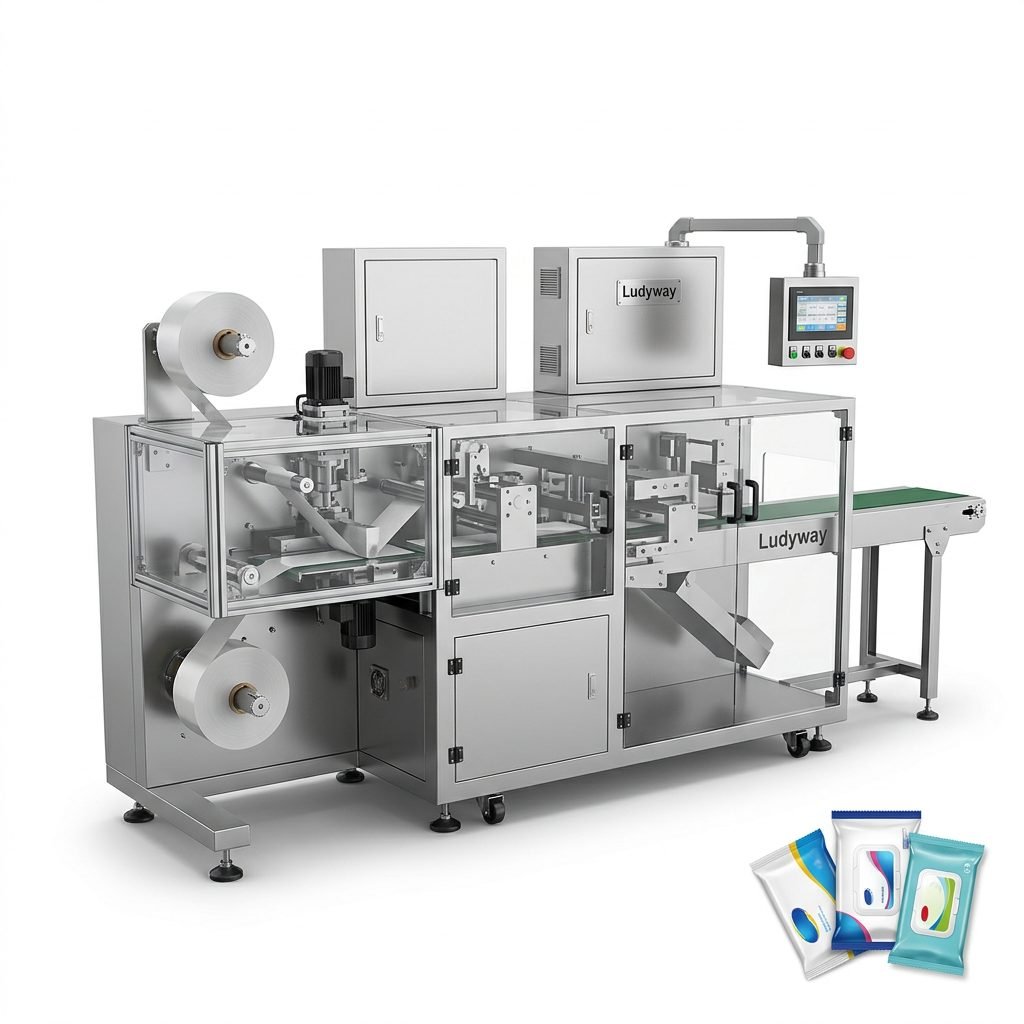
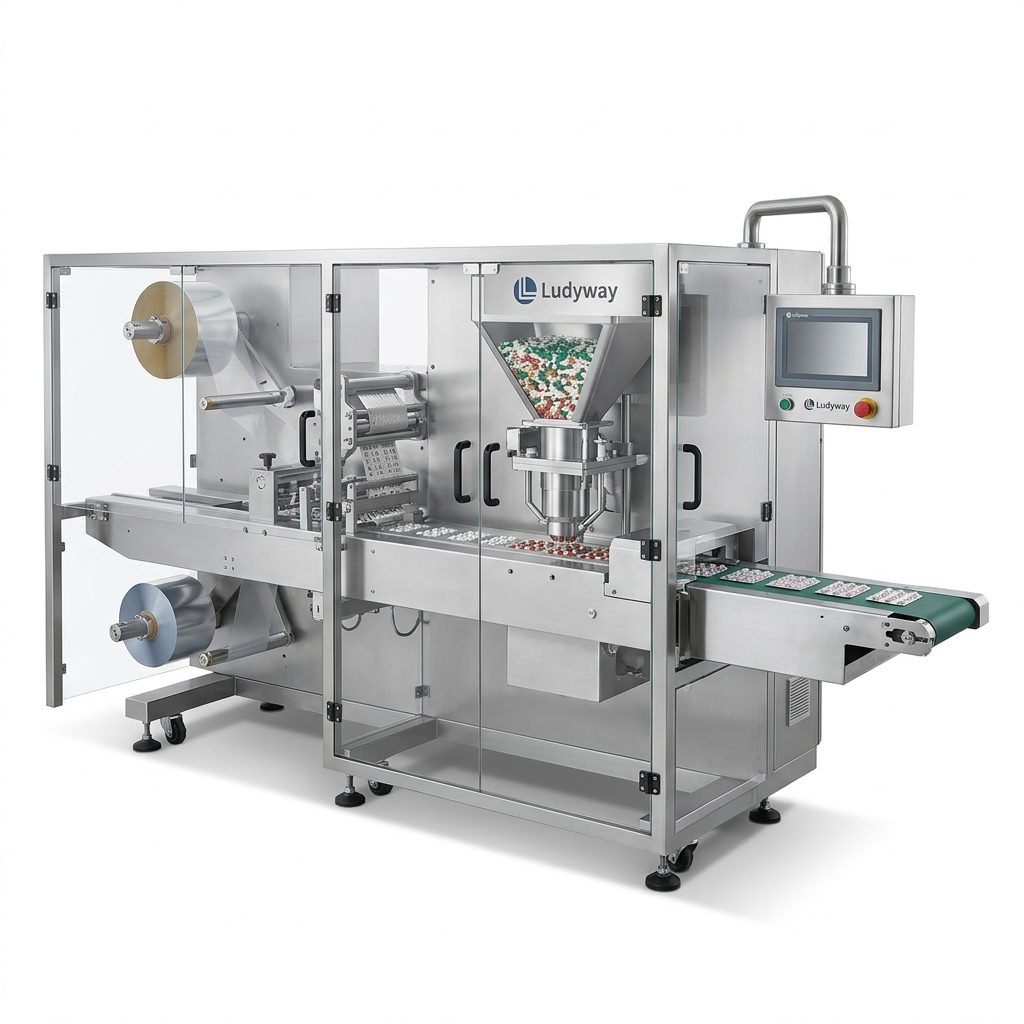
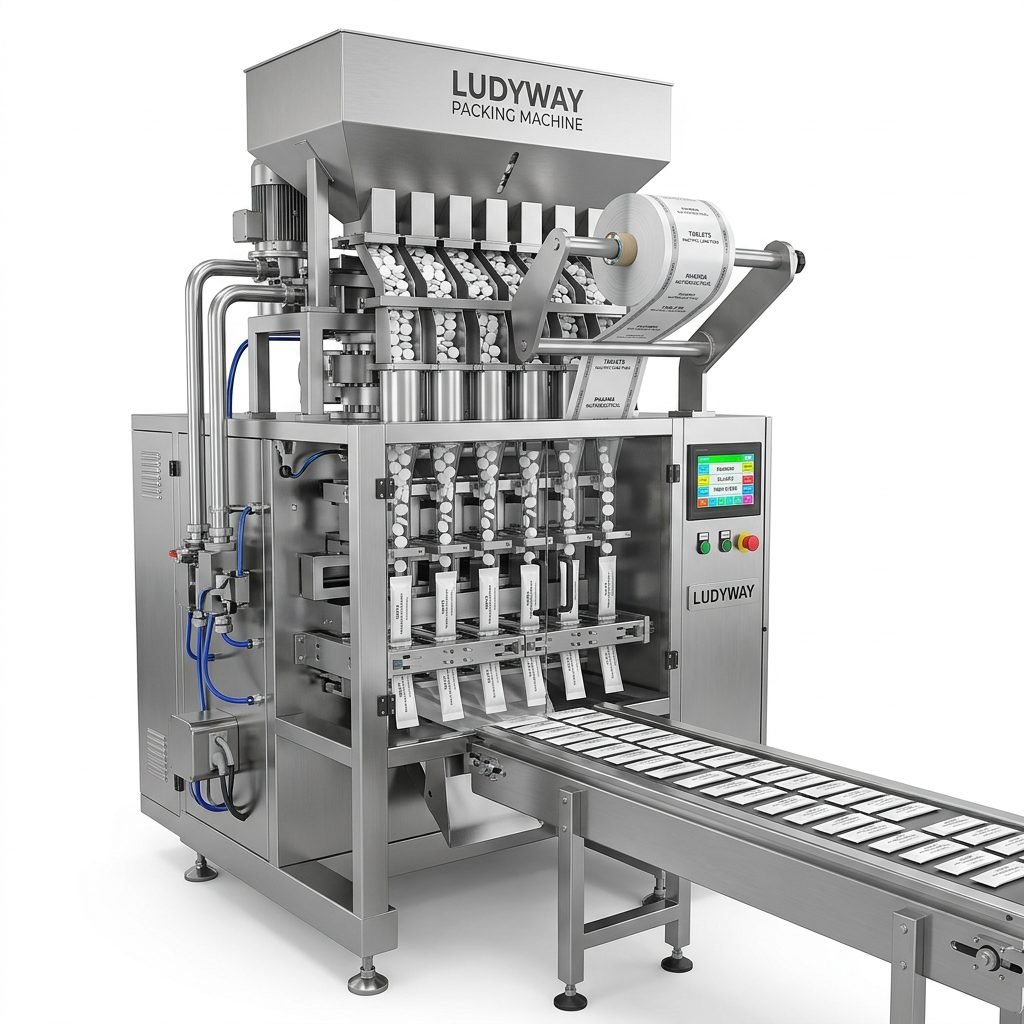
For companies seeking complete automation, Ludyway packaging machine solutions are often considered for projects that require reliable standalone equipment as well as full packaging lines across food, pharmaceutical, health supplement, cosmetic, chemical, and related industries.
Checklist for Choosing the Best Cardboard Packing Machine
- Define product type and final carton format
- Confirm speed requirement based on actual output goals
- Evaluate flexibility for different carton sizes and SKUs
- Review automation level against labor and investment plans
- Test real samples before final decision
- Check integration ability with the full production line
- Assess service capability and spare parts support
Final Buying Insight
The best cardboard packing machine is the one that fits your operation efficiently, reliably, and sustainably. Instead of chasing only speed or price, focus on application suitability, carton compatibility, automation logic, and long-term line performance. A carefully selected solution can reduce labor pressure, improve packaging quality, and create a stronger foundation for future growth.
If you compare machines through real sample testing, technical evaluation, and full-line planning, you will be in a much better position to choose a packaging solution that truly supports efficient production.