Packaging accuracy is more than a production target—it is a direct driver of quality, safety, compliance, and customer trust. Whether a business packs food, pharmaceuticals, cosmetics, chemicals, or pet products, even a small filling or sealing deviation can create waste, legal risk, product complaints, and brand damage.
In modern manufacturing, accurate packaging means every unit is filled, sealed, labeled, coded, and presented exactly as intended. This consistency supports operational efficiency while protecting both the product and the end user.
What Is Packaging Accuracy?
Packaging accuracy refers to how precisely a packaging process meets required specifications. These specifications may include:
- Correct fill weight or volume
- Proper pouch, sachet, bottle, or carton sealing
- Accurate label placement and barcode printing
- Consistent package dimensions and appearance
- Correct counting, dosing, and product positioning
- Reliable date coding, batch coding, and traceability data
When packaging is accurate, products arrive on the market in the right quantity, in the right format, and in a condition that matches consumer expectations and regulatory requirements.
Why Packaging Accuracy Matters So Much
In highly competitive industries, packaging is not only the final production step—it is the final proof of manufacturing control. Inaccurate packaging can quickly turn a good product into a costly problem. Overfilled sachets raise material costs, underfilled packs create customer dissatisfaction, poor seals cause leakage, and mislabeling can trigger recalls.
Accurate packaging helps companies move from reactive quality control to proactive process stability. It creates a repeatable system where output is measurable, dependable, and easier to scale.
Key Benefits of Packaging Accuracy
1. Better Product Quality
Packaging accuracy ensures that each product unit meets the same quality standard. For powders, granules, liquids, and creams, consistent dosage and secure sealing preserve product integrity from factory to shelf.
This is especially important in industries where product performance depends on exact quantity or formulation. A slight inconsistency may alter taste, texture, efficacy, or usability.
2. Improved Consumer Safety
Safety is one of the strongest reasons to prioritize packaging precision. In pharmaceuticals, nutraceuticals, chemicals, and food applications, inaccurate filling or labeling may expose users to the wrong dose, allergen information, or handling instructions.
Correct sealing, coding, and labeling reduce contamination risk and help prevent dangerous mix-ups.
3. Higher Customer Satisfaction
Customers notice packaging consistency immediately. They expect every pouch, sachet, bottle, or carton to look professional and contain exactly what was promised. Underfilled or leaking products create disappointment and reduce repeat purchases.
Accurate packaging supports a reliable user experience, which strengthens trust and improves online reviews, retailer confidence, and long-term loyalty.
4. Lower Product Waste
Overfilling may seem minor, but across thousands or millions of packs, it results in serious product giveaway and raw material loss. Underfilling, on the other hand, can lead to rejected batches and rework.
By maintaining precise control, manufacturers can protect margins and use materials more efficiently.
5. Stronger Regulatory Compliance
Many industries are governed by strict packaging, labeling, and measurement rules. Food, pharmaceutical, and chemical manufacturers in particular must prove that packaged products are compliant, traceable, and safe for distribution.
Accurate packaging helps businesses meet legal requirements for net content, serialization, batch tracking, tamper evidence, and shelf-life marking.
6. Greater Production Efficiency
A precise packaging process reduces stoppages, rejects, operator intervention, and downstream problems. When machines consistently hit target specifications, the line becomes easier to run at high speed without sacrificing reliability.
This is one reason many manufacturers invest in automated filling, checkweighing, sealing, and inspection systems.
How Inaccurate Packaging Affects Business Performance
| Packaging Issue | Business Impact | Customer Impact |
|---|---|---|
| Underfilling | Complaints, compliance risk, returns | Feels cheated or misled |
| Overfilling | Product giveaway, margin loss | Usually unnoticed, but raises cost |
| Poor sealing | Leakage, spoilage, rework | Receives damaged or unsafe product |
| Incorrect labels | Recall risk, legal exposure | Confusion, health or usage risk |
| Inconsistent pack appearance | Weak shelf appeal, reduced brand value | Questions product quality |
Industries Where Packaging Accuracy Is Critical
Food and Beverage
In food packaging, accuracy affects freshness, flavor consistency, shelf life, nutrition labeling, and portion control. Products such as spices, coffee, drink powders, sauces, snacks, and seasonings rely on precise filling and reliable sealing to maintain quality.
Pharmaceutical and Health Products
For medicines, supplements, and medical consumables, there is very little room for error. Exact dose control, tamper resistance, traceability, and hygienic packaging conditions are essential to patient safety and regulatory approval.
Cosmetics and Personal Care
Creams, lotions, serums, shampoos, and sachet samples must be filled and sealed consistently to avoid leakage and preserve brand presentation. Premium cosmetic brands often depend on packaging precision to support a premium image.
Chemical and Industrial Products
Industrial powders, liquids, detergents, additives, and treatment chemicals often require precise dosing for safe use and transportation. Packaging errors in this sector can lead to handling hazards and costly logistics issues.
Main Causes of Packaging Inaccuracy
Understanding the causes of packaging errors is the first step to preventing them. Common issues include:
- Inconsistent raw material flow characteristics
- Worn dosing or sealing components
- Poor machine calibration
- Operator error or insufficient training
- Unstable production speed
- Incorrect packaging material specifications
- Lack of in-line inspection and feedback control
Powders, granules, liquids, and pastes all behave differently during filling, so packaging equipment must be matched carefully to product properties.
How Automation Improves Packaging Accuracy
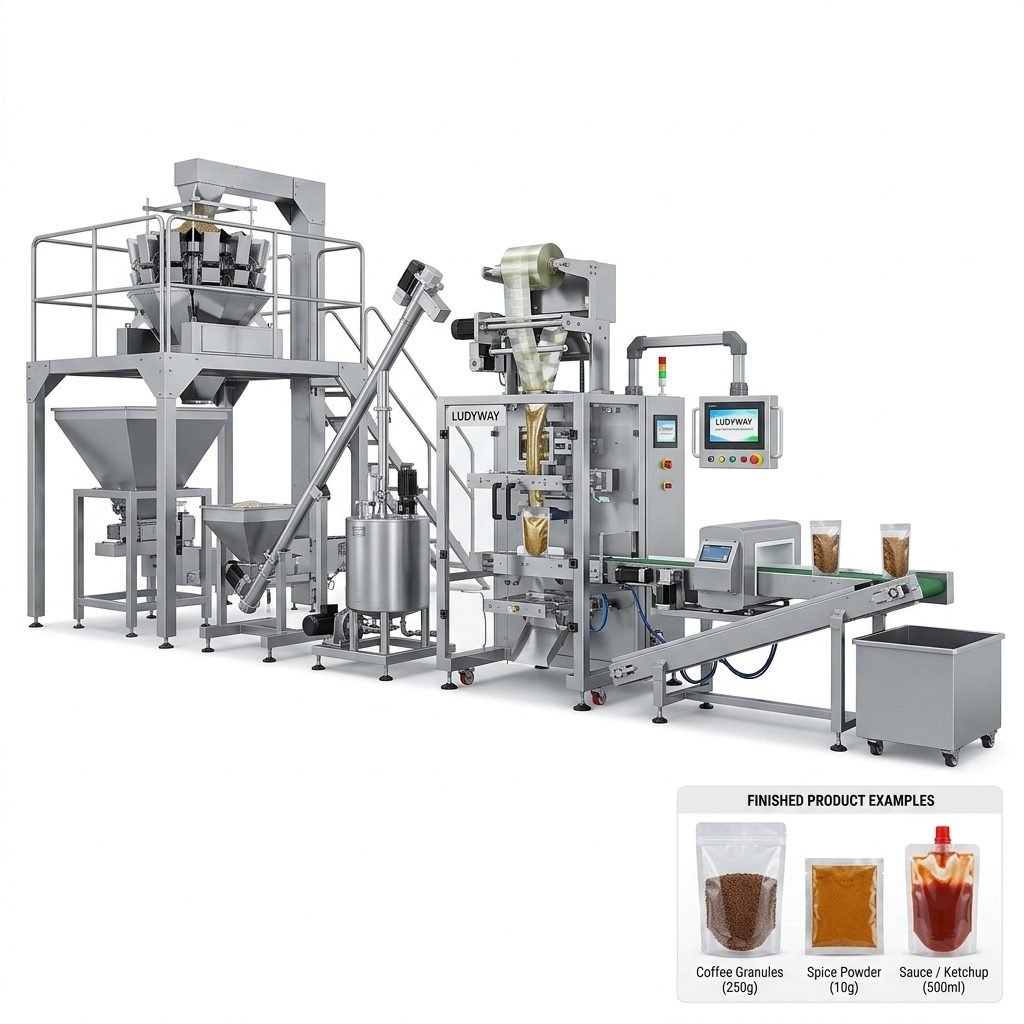
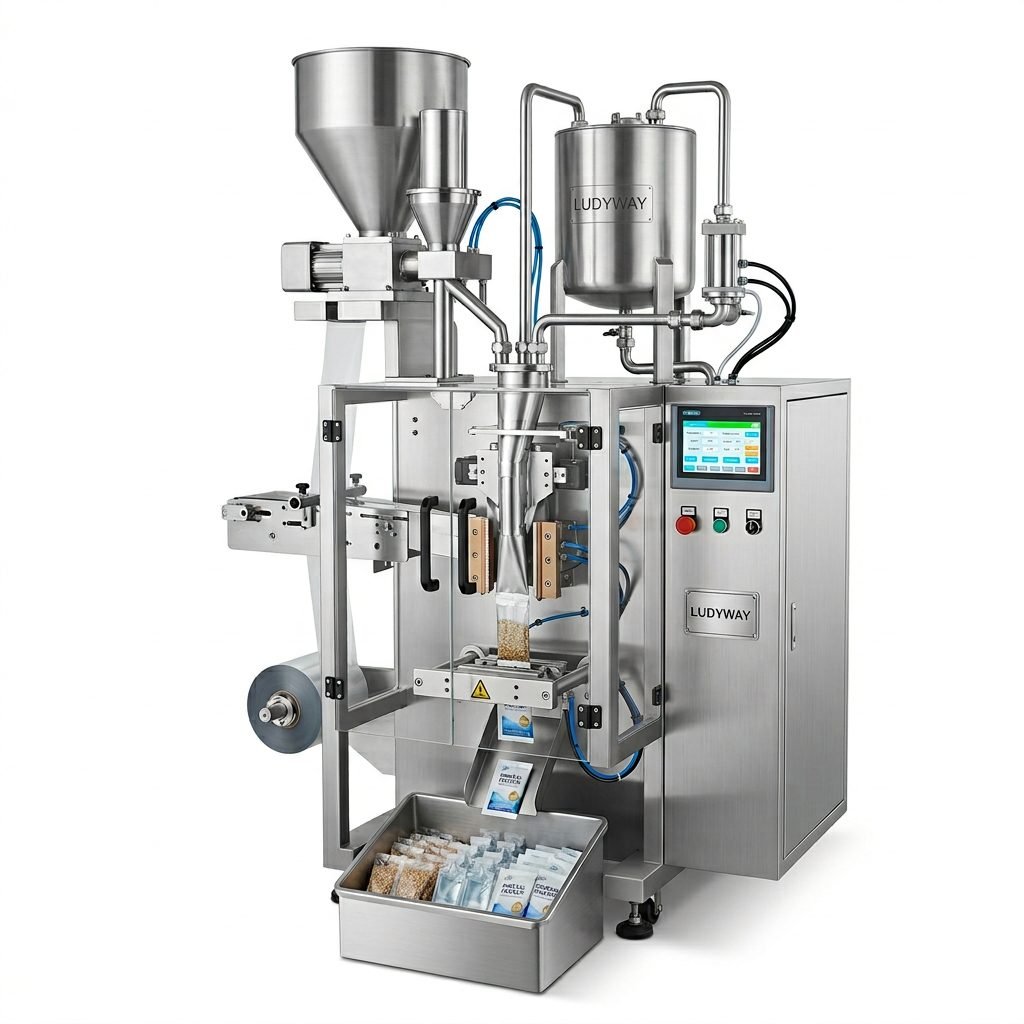
Modern automated packaging lines play a major role in improving precision and repeatability. Compared with manual or semi-automatic methods, automated systems can maintain tighter tolerances and better process control across large production volumes.
Typical accuracy-enhancing features include:
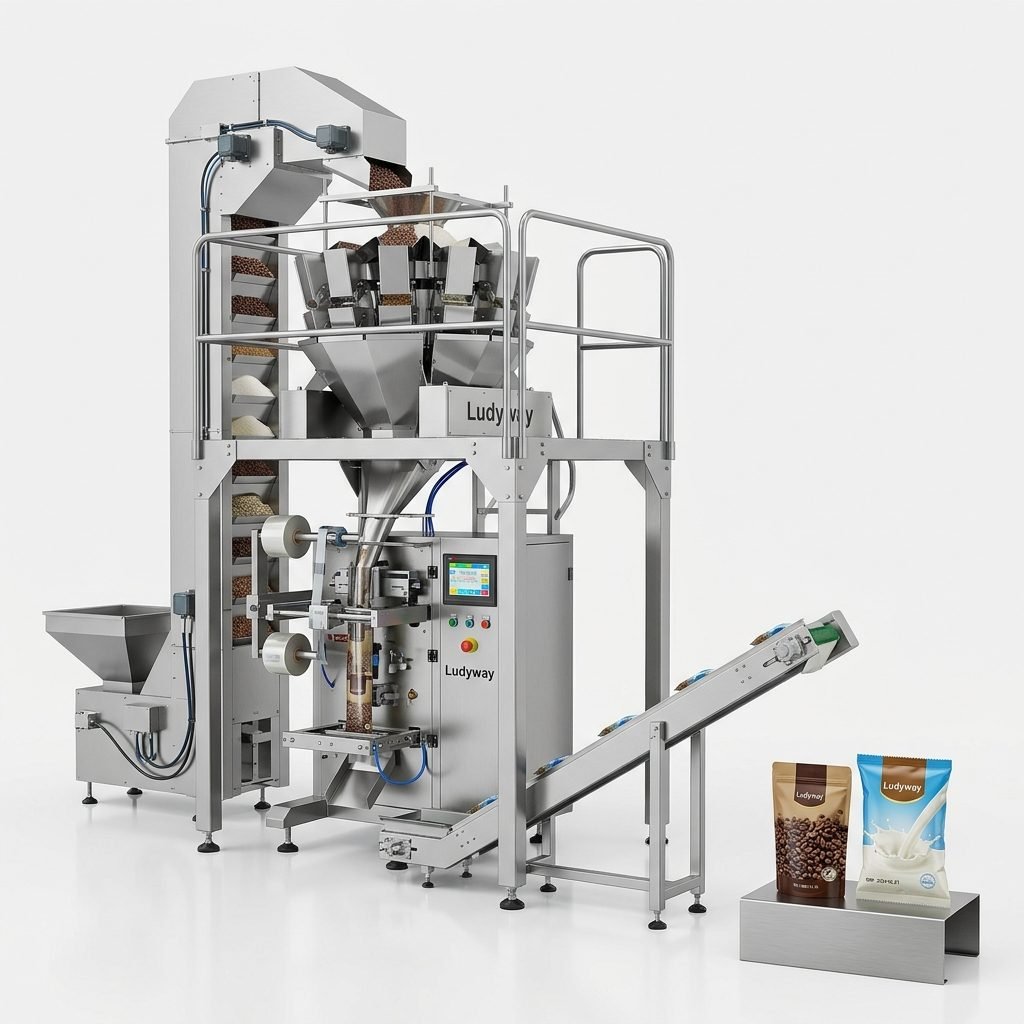
- Servo-driven filling systems for stable dosing
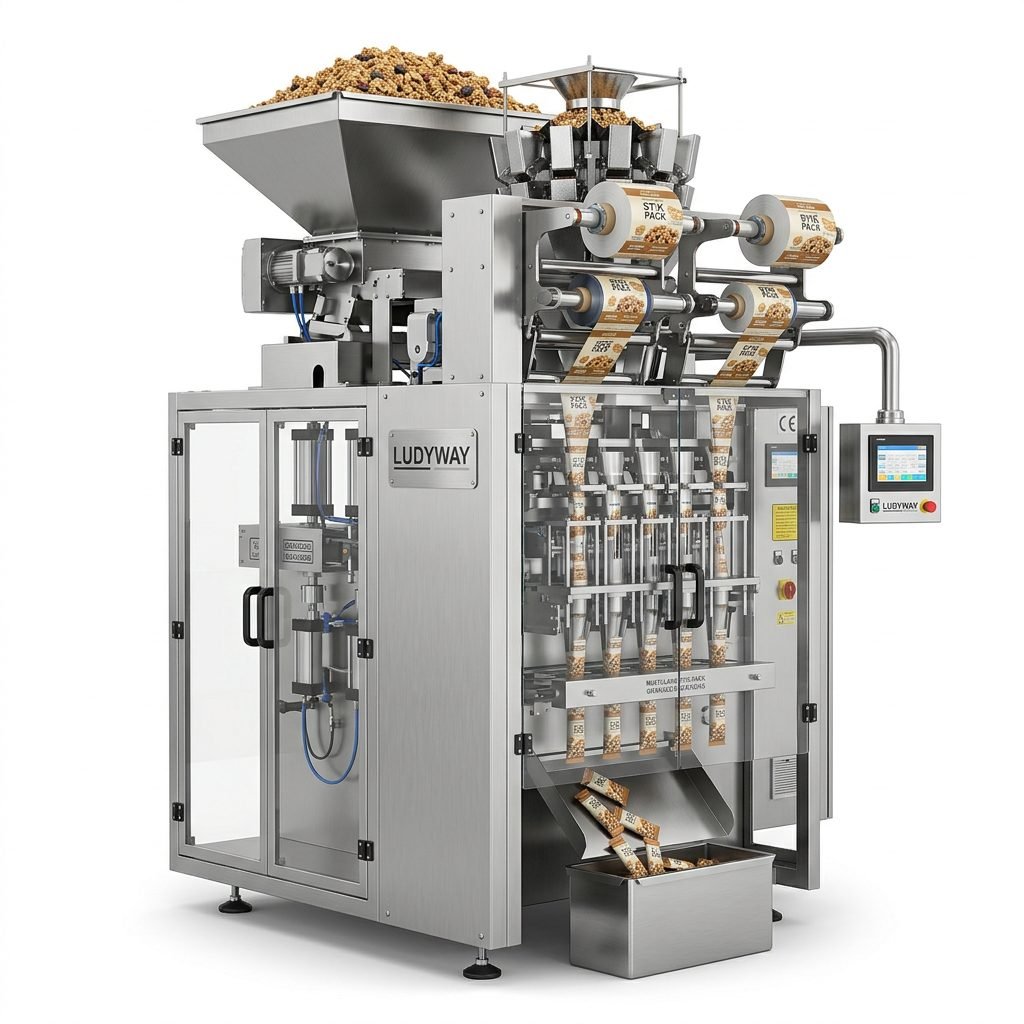
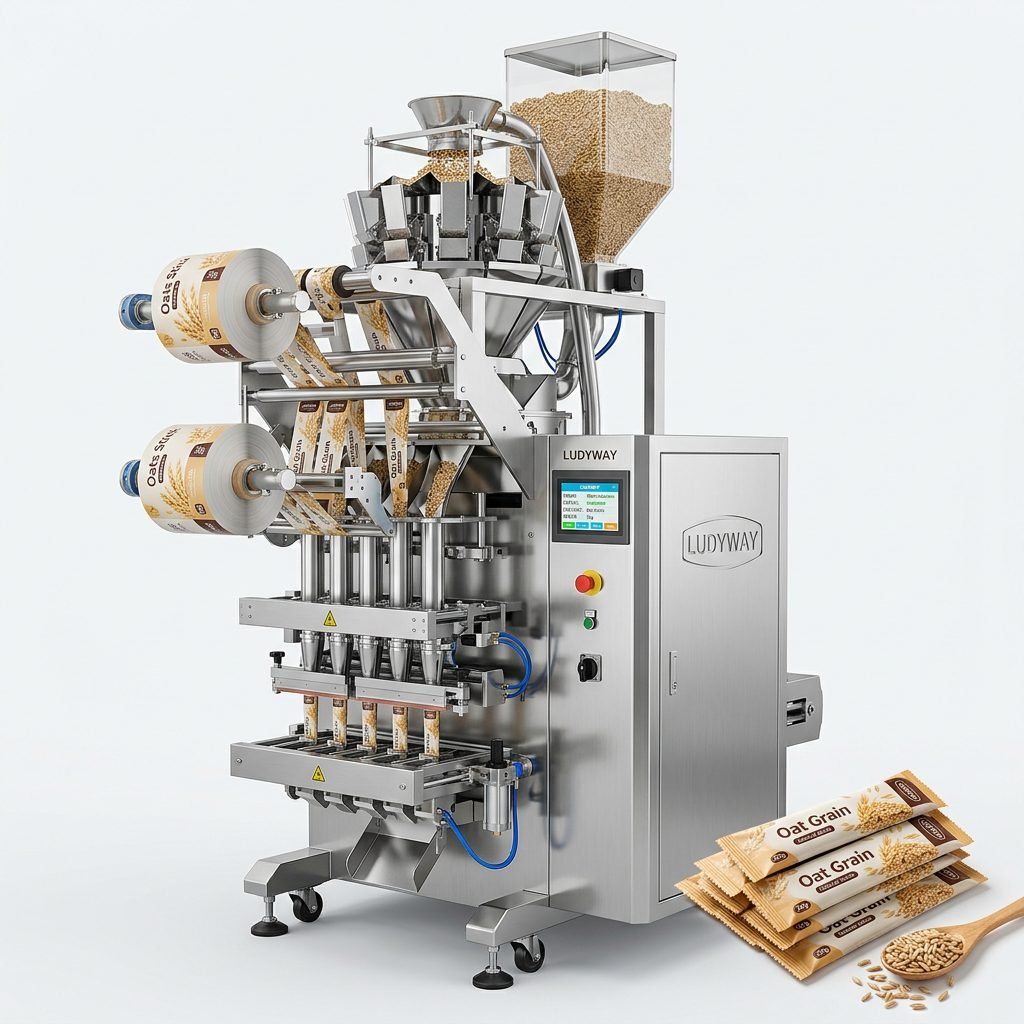
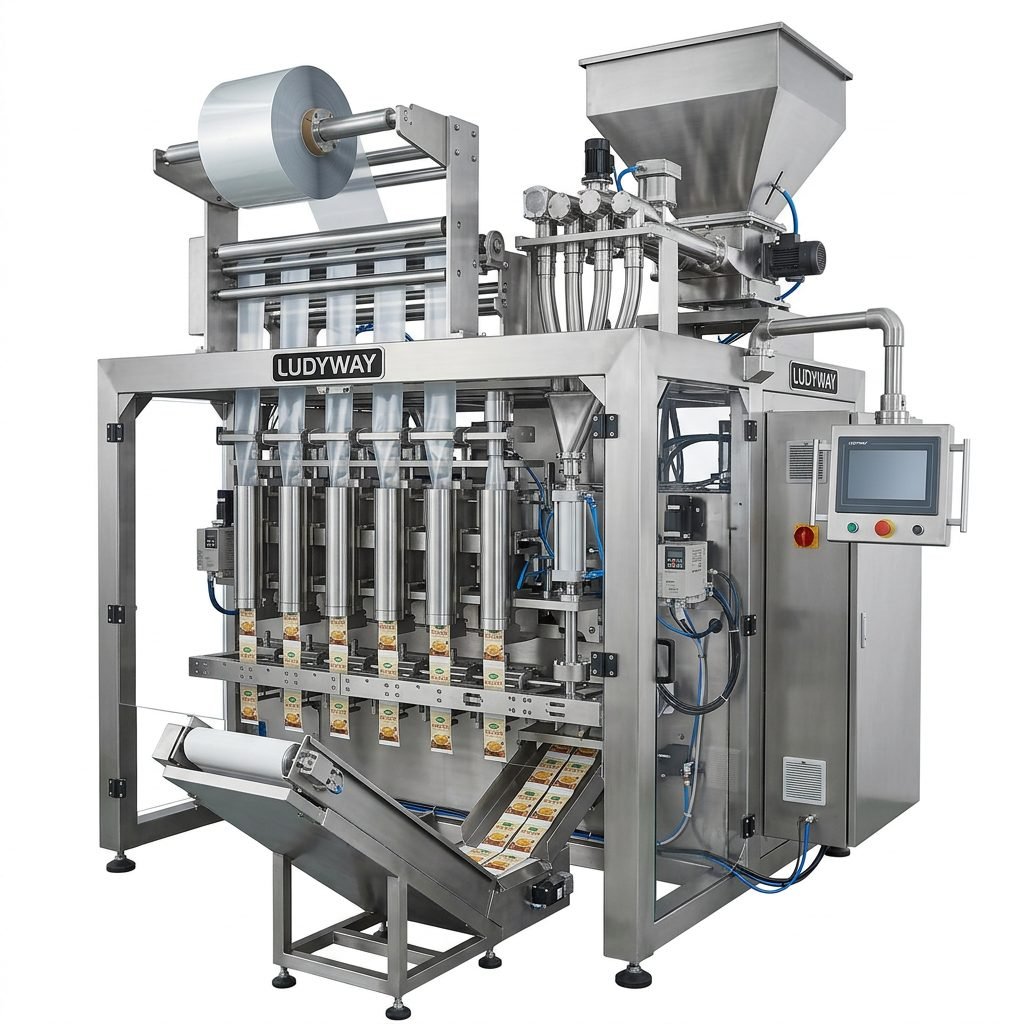
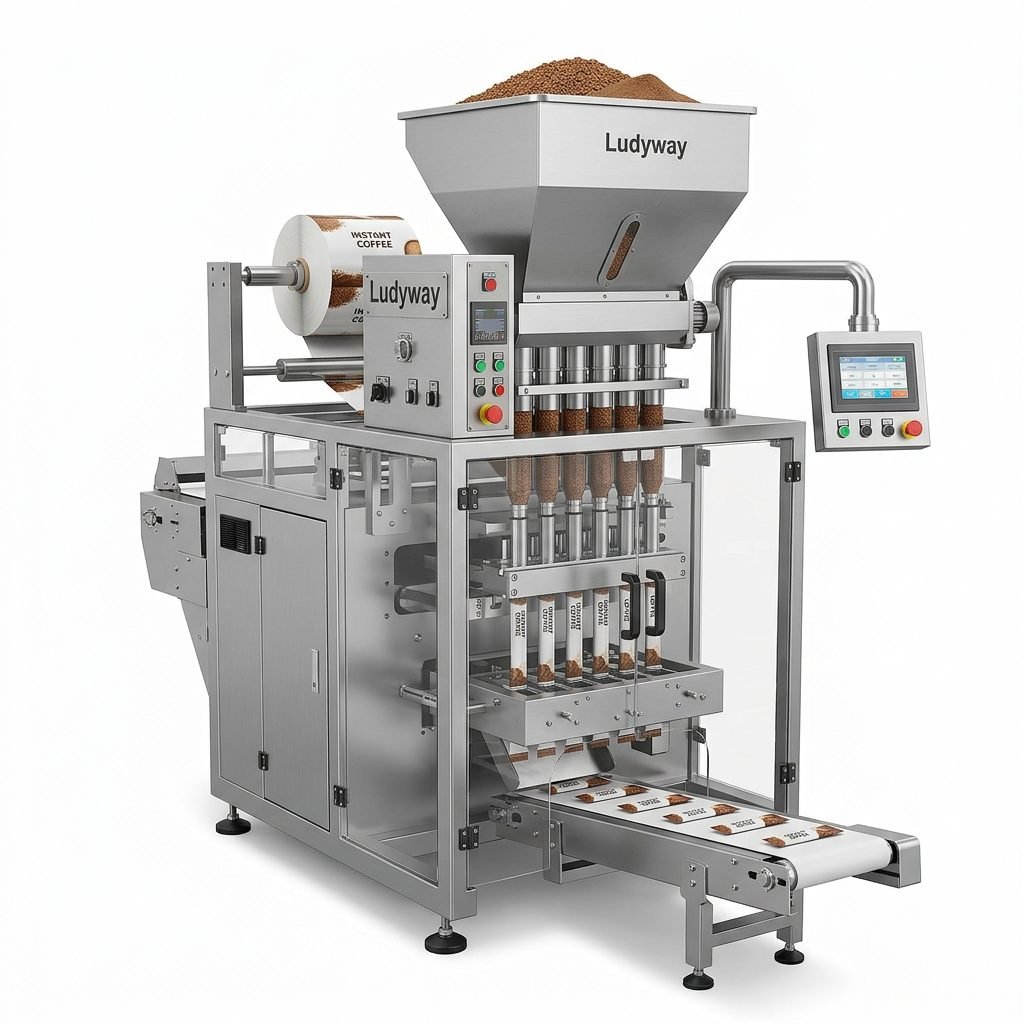
- Multi-lane synchronized control for high-speed sachet or stick pack production
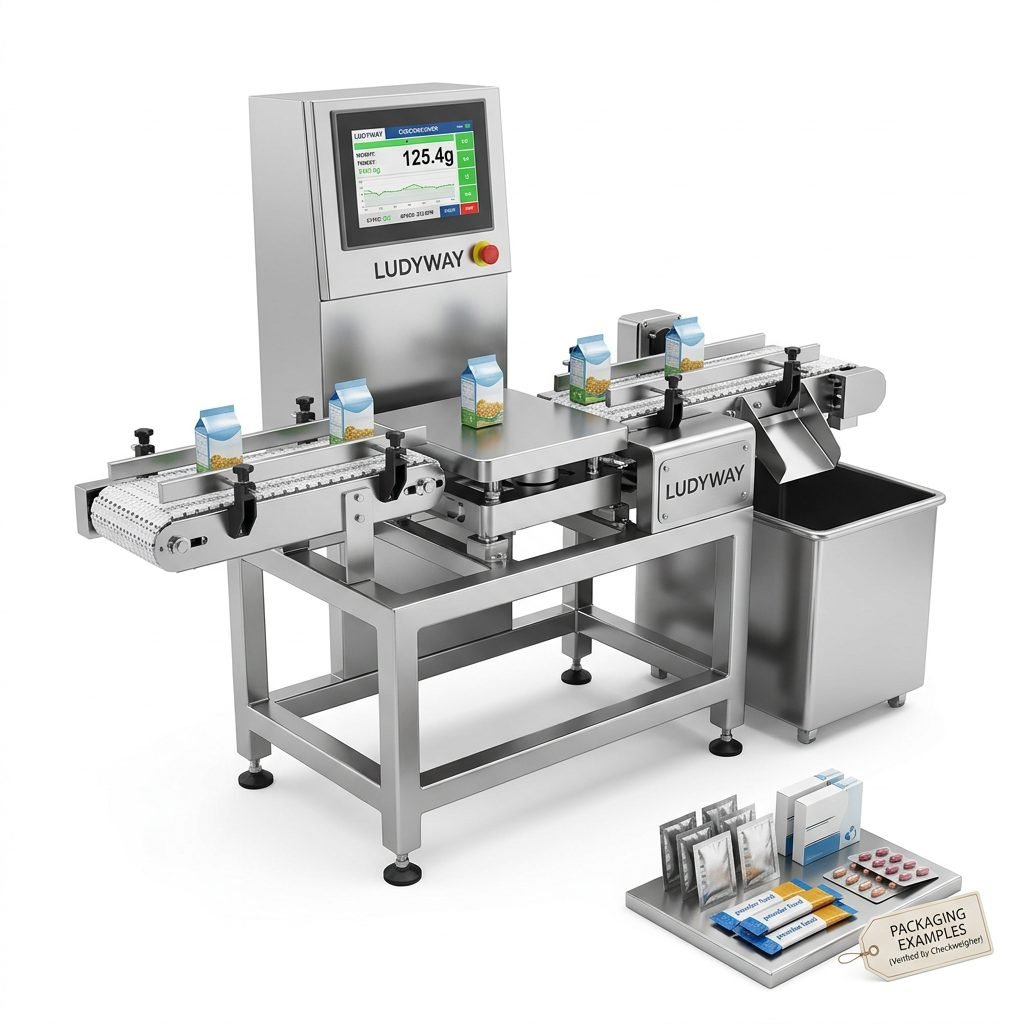
- Checkweighers for real-time fill verification
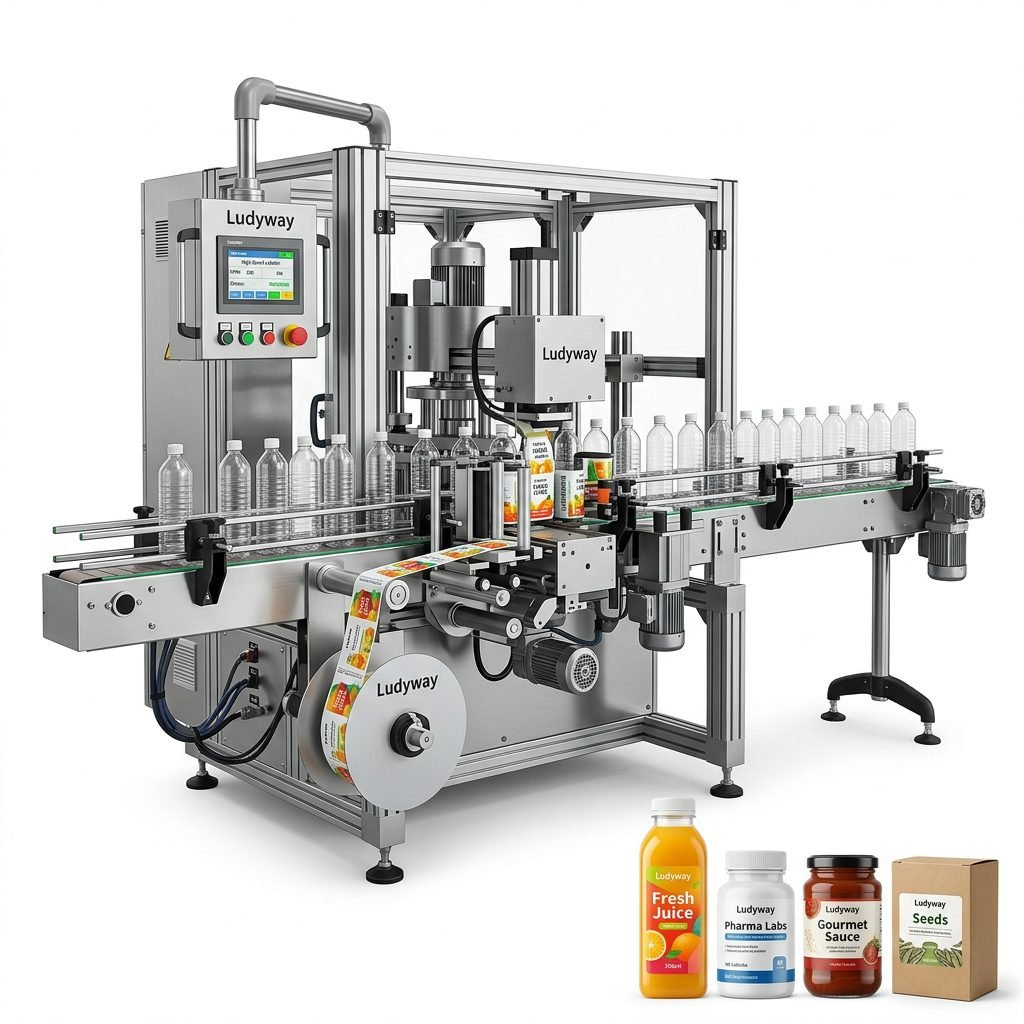
- Vision inspection for label and code validation
- Automatic reject systems for defective packs
- Integrated sealing temperature and pressure monitoring
- Data tracking for quality documentation and line optimization
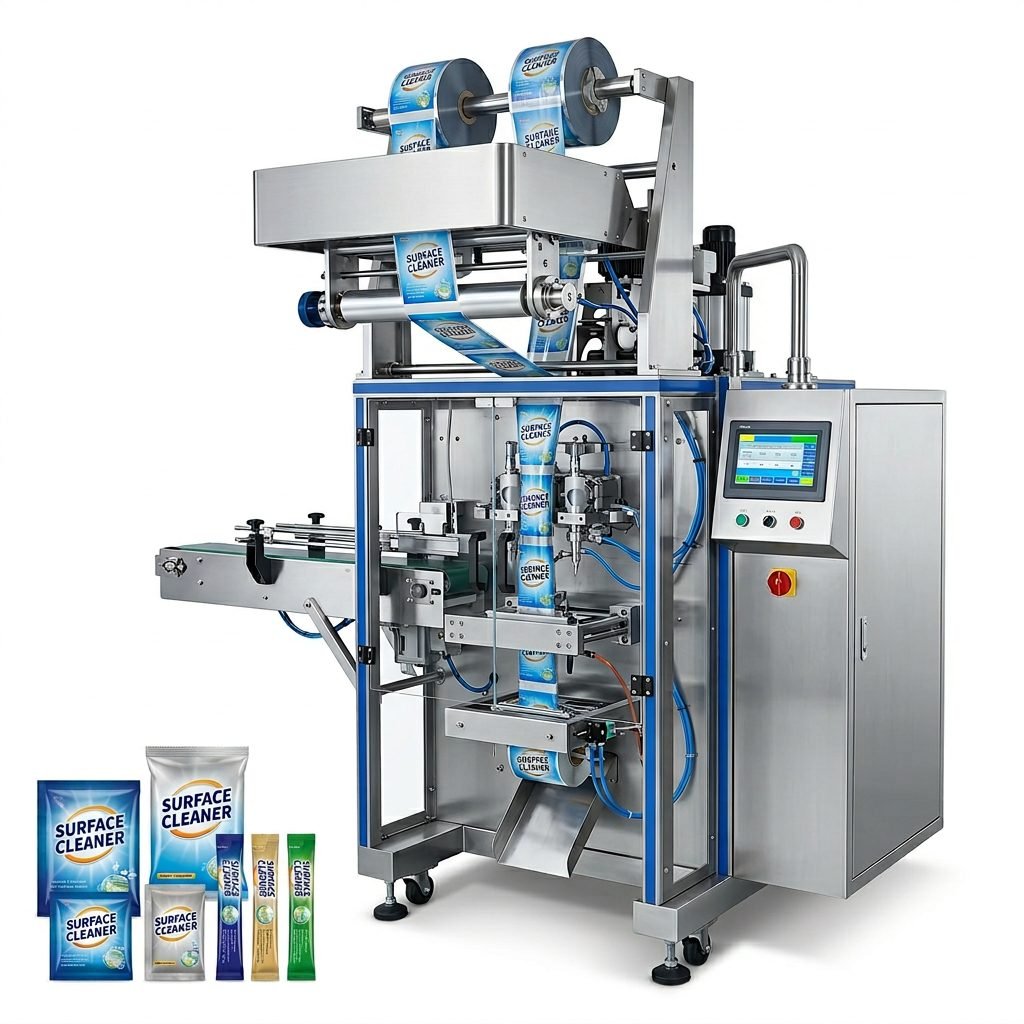
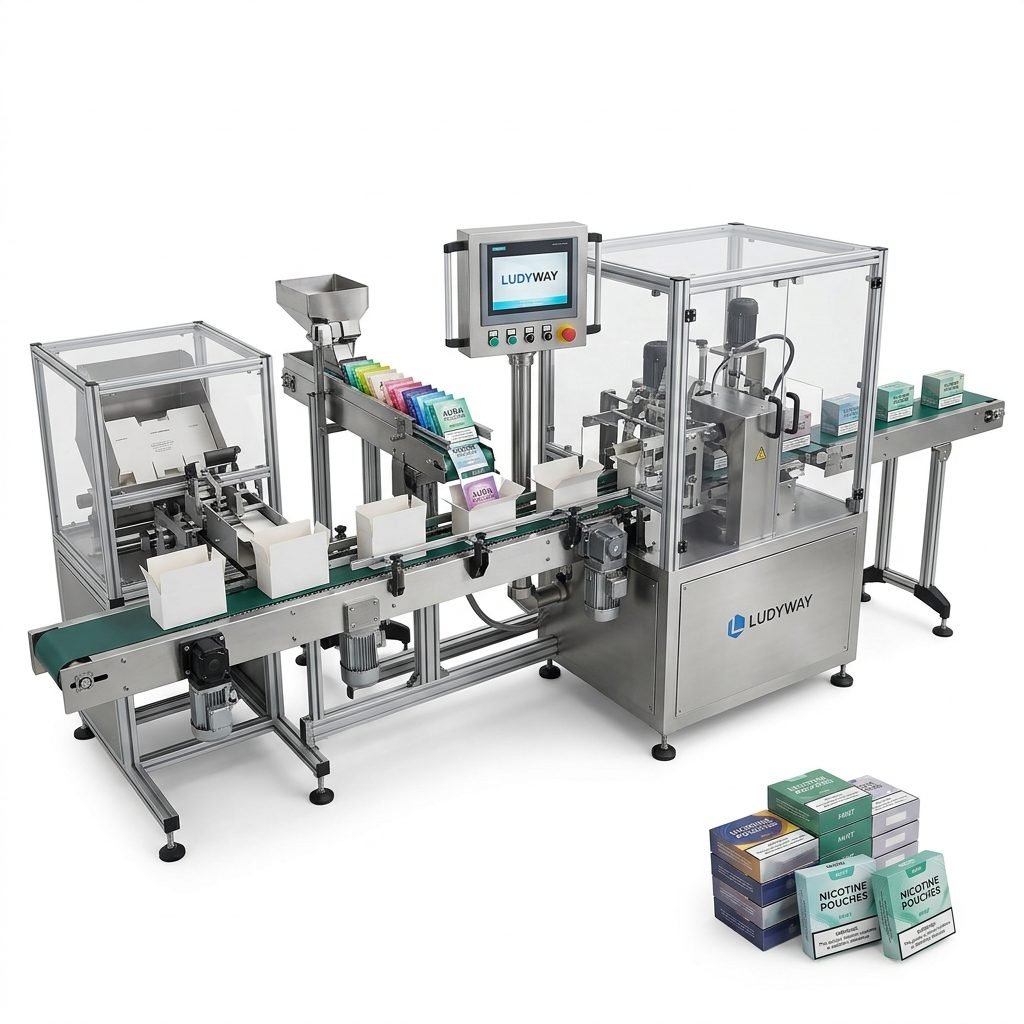
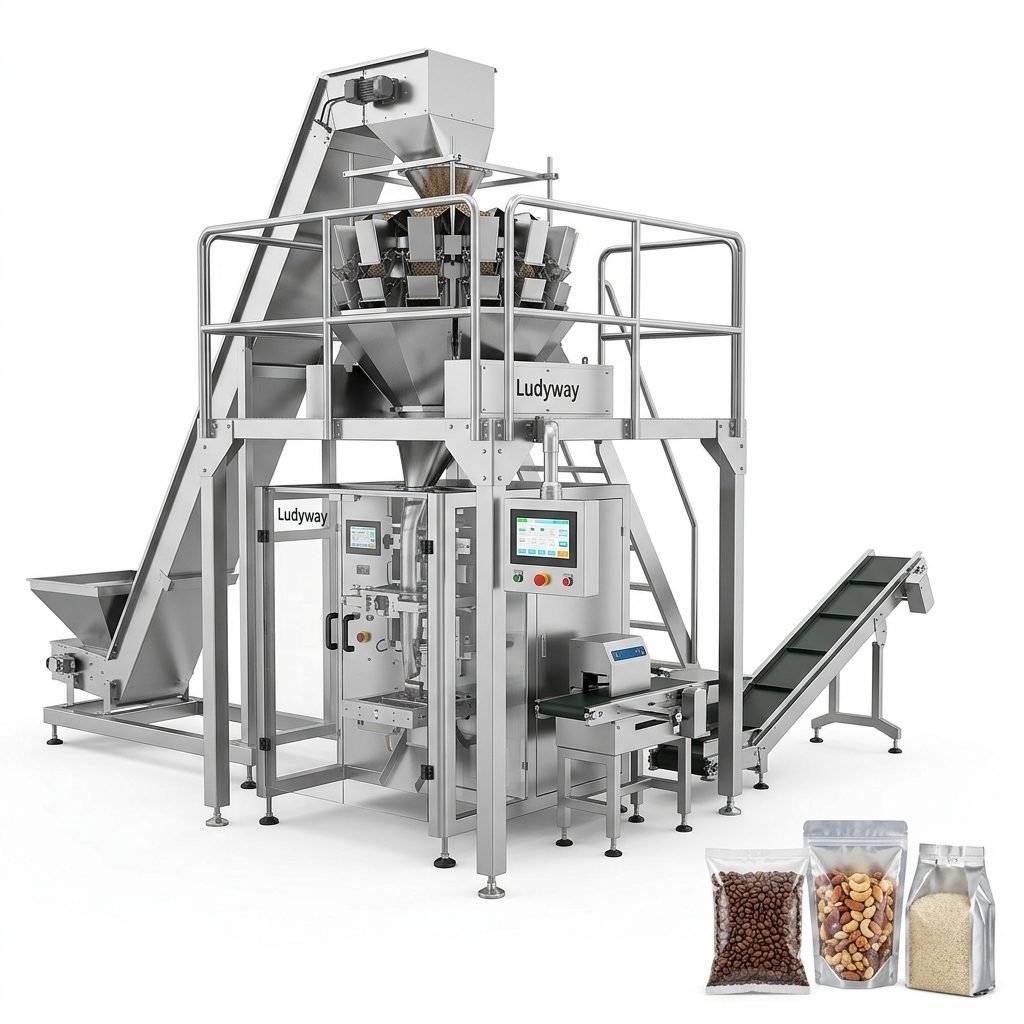
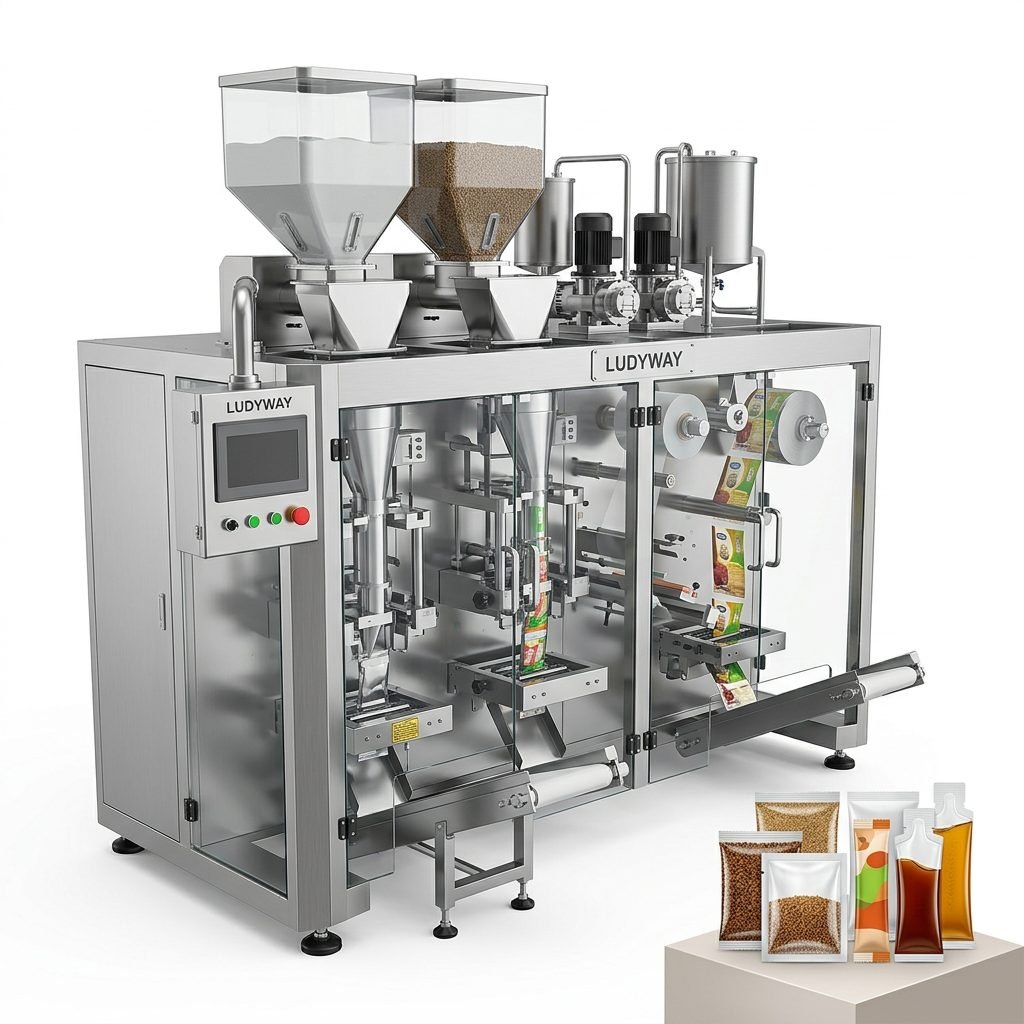
Manufacturers looking to improve packaging consistency often work with experienced suppliers such as Ludyway packaging machine manufacturer to build more accurate and scalable packaging solutions for food, pharmaceutical, cosmetic, chemical, and related industries.
Packaging Accuracy and Brand Reputation
Every package represents the brand in front of distributors, retailers, and end users. If customers repeatedly experience leaking sachets, short weight packs, unreadable labels, or poor carton quality, they may assume the product itself is unreliable.
On the other hand, clean, consistent, and accurate packaging sends a message of professionalism. It shows that the brand values detail, safety, and customer experience.
Best Practices for Maintaining High Packaging Accuracy
| Best Practice | Why It Matters |
|---|---|
| Routine calibration | Keeps fill weights and volumes within target range |
| Preventive maintenance | Reduces wear-related drift and sealing issues |
| Operator training | Improves setup quality and problem response time |
| In-line inspection | Detects errors before products reach customers |
| Packaging material validation | Supports stable sealing and appearance consistency |
| Process data monitoring | Helps identify trends and optimize performance |
Simple Signs Your Packaging Process Needs Improvement
- Frequent customer complaints about quantity or leakage
- High reject or rework rates
- Visible inconsistencies between packs
- Unexpected material loss or giveaway
- Failed quality checks or audit findings
- Retailer feedback about damaged or mislabeled products
If any of these issues are recurring, the packaging process may need better control systems, machine upgrades, or a more suitable equipment configuration.
Final Thoughts on Packaging Accuracy
Packaging accuracy is important because it connects production performance with real-world business results. It protects product quality, improves safety, supports compliance, reduces waste, and strengthens customer satisfaction.
In today’s market, precision is not optional. Brands that invest in accurate packaging systems are better positioned to control costs, reduce risk, and deliver a consistent experience that customers can trust.
The more accurate the package, the stronger the product reputation behind it.