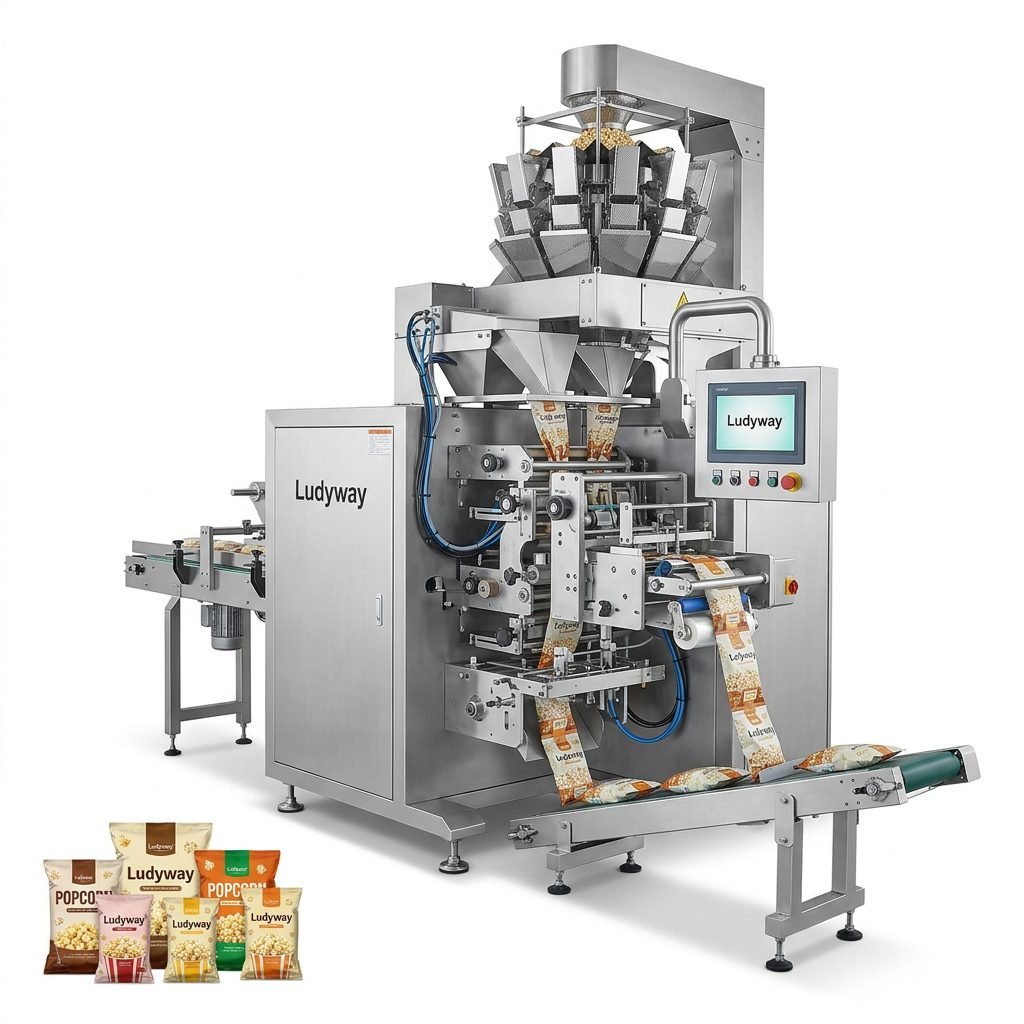
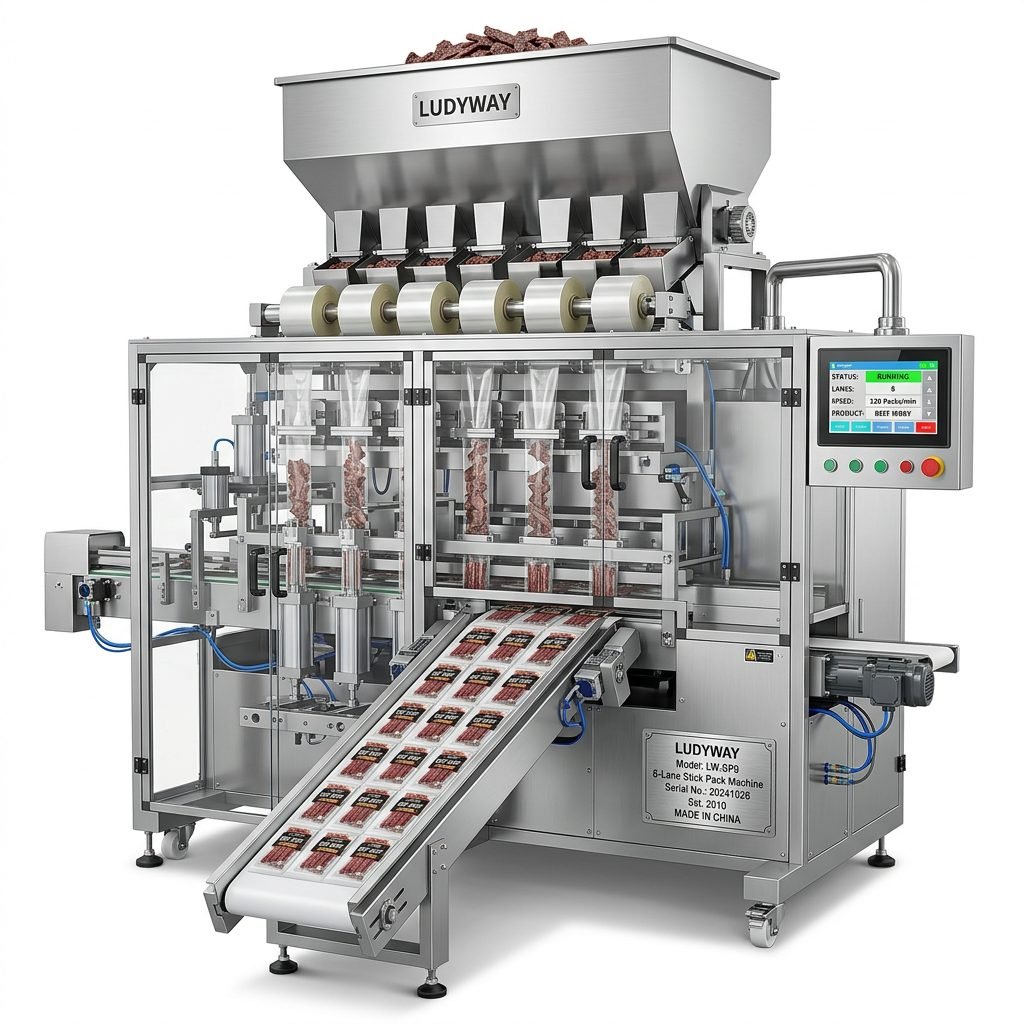
Buying a used blister packaging machine can be a smart move for manufacturers that want to increase output without paying the full cost of new equipment. For pharmaceutical, healthcare, nutraceutical, cosmetic, and consumer goods businesses, the right machine can improve packaging consistency, protect products, and support compliance goals. The key is not simply finding a low price, but choosing equipment that fits your product, packaging material, production volume, and long-term business plan.
A poor buying decision can lead to frequent downtime, difficult changeovers, sealing defects, unavailable spare parts, and expensive retrofits. A well-selected machine, however, can deliver strong return on investment and help your plant move toward more stable and efficient packaging operations.
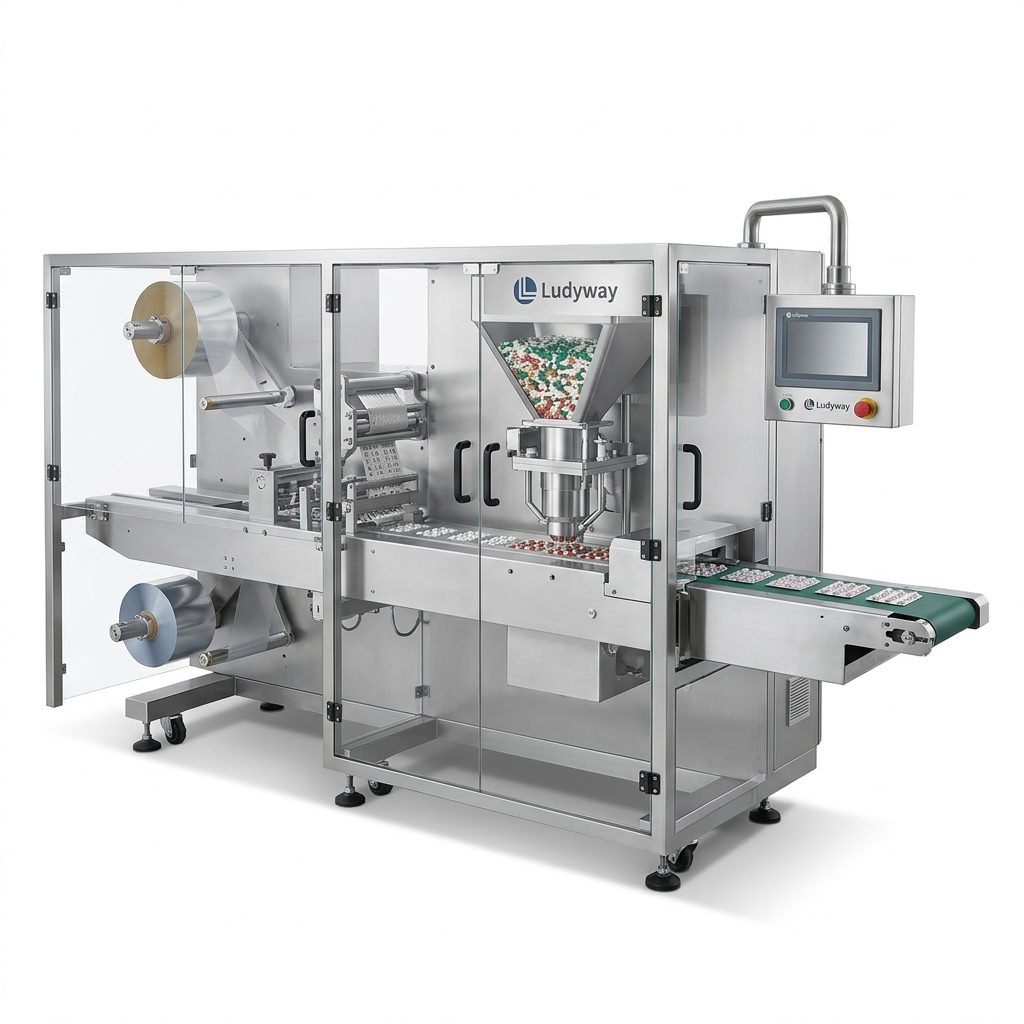
Why businesses choose a used blister packaging machine
Many companies enter the used machinery market for one simple reason: value. A quality pre-owned blister packer can cost significantly less than a new model while still offering reliable performance. This is especially attractive for businesses that are:
- Expanding capacity on a limited budget
- Launching a new product line and reducing upfront risk
- Replacing an older machine quickly
- Testing market demand before investing in a full new line
- Adding backup equipment for peak production periods
Used equipment can also reduce lead time. In some cases, a refurbished blister machine can be installed much faster than waiting months for a newly built system.
Start with your product and packaging requirements
Before comparing machine brands, speeds, or prices, define what you actually need the machine to do. The more clearly you understand your packaging application, the easier it becomes to eliminate unsuitable machines.
Key questions to answer
- What products will be packed: tablets, capsules, softgels, ampoules, lozenges, medical devices, or small consumer goods?
- What cavity format is required?
- What blister material will be used: PVC, PVDC, PET, PP, Alu-Alu, or cold form foil?
- What lidding material is needed?
- What output per minute or per shift is required?
- Will multiple SKUs run on the same machine?
- Do you need coding, vision inspection, cartoning, or serialization support?
If your products are sensitive to moisture, oxygen, light, or transport damage, the blister machine must support the right forming and sealing technology. Material compatibility is one of the most important checkpoints when evaluating used equipment.
Understand the main types of blister packaging machines
Not all blister machines are built the same. Knowing the major machine categories helps you narrow your options faster.
| Machine Type | Best For | Typical Advantage | Possible Limitation |
|---|---|---|---|
| Thermoforming blister machine | PVC/PVDC and similar films | Good speed and visibility | May offer lower barrier than cold form |
| Cold forming blister machine | High-barrier pharma products | Excellent protection | Slower speed and less product visibility |
| Rotary blister machine | Higher-speed applications | Efficient continuous production | Can be more complex to maintain |
| Flat-plate blister machine | Precision sealing and small to mid output | Stable sealing quality | May not match the speed of rotary models |
How to evaluate machine condition
When buying used machinery, condition matters more than age alone. A well-maintained older machine can outperform a newer machine that was poorly operated.
Check these areas carefully
- Forming station: inspect heating, molding quality, tooling condition, and film feeding stability.
- Sealing station: verify pressure consistency, sealing temperature control, and seal appearance.
- Feeding system: confirm it matches your product shape and delivers accurate feeding without jams.
- Cutting station: inspect punch precision, alignment, and edge cleanliness.
- Drive system: review servo motors, gearboxes, chains, belts, and lubrication history.
- Electrical system: check PLC, HMI, sensors, wiring, and control cabinet condition.
- Safety features: verify guards, interlocks, emergency stops, and compliance suitability.
Ask for maintenance logs, parts replacement records, and operating manuals. If possible, watch the machine run with material and product, not just empty cycles.
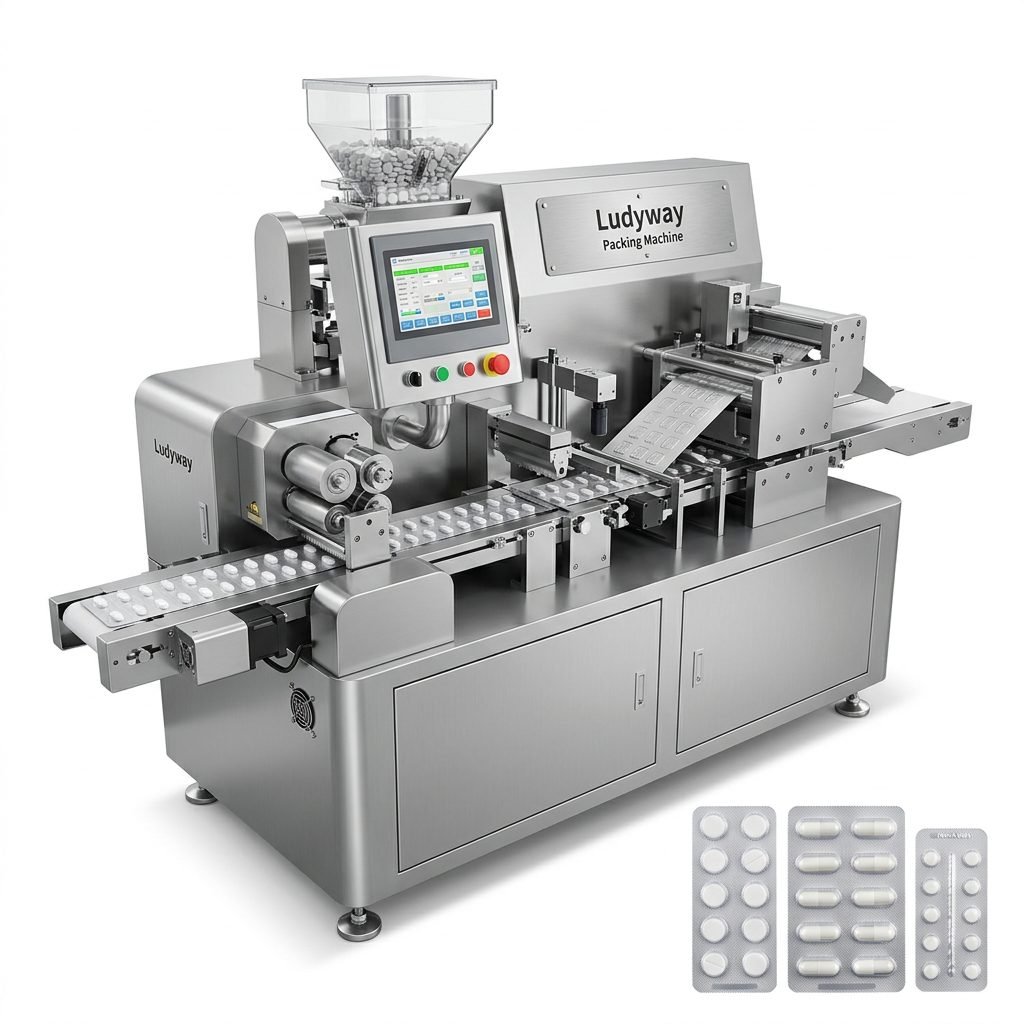
Match the machine speed to your real production needs
One common mistake is buying based on maximum speed alone. A machine rated for very high output may sound attractive, but if your plant runs small batches with frequent SKU changes, a slightly slower machine with easier changeover may be the better investment.
Consider:
- Current daily and monthly output
- Expected growth over the next 2 to 5 years
- Number of format changes per week
- Labor skill level on your shop floor
- Downtime tolerance during maintenance
The best used blister packaging machine is the one that fits your real operating pattern, not just the highest nameplate speed.
Tooling availability and changeover costs
Tooling is often overlooked during the buying process. If the machine does not include the correct blister tooling for your product, you may face additional costs and delays. Custom molds, sealing plates, feeding channels, and cutting dies can become a significant part of the total project budget.
Ask the seller:
- What tooling is included?
- Is the tooling compatible with your cavity design?
- How long does changeover take?
- Are extra format parts available?
- Can new tooling still be manufactured for this machine model?
Compliance and validation considerations
For pharmaceutical and healthcare companies, compliance is critical. A used blister machine should be assessed not only for mechanical performance but also for documentation and validation readiness.
Important points include:
- Machine documentation and wiring diagrams
- IQ/OQ support potential
- Material contact part suitability
- Audit trail and data handling requirements
- Cleaning access and sanitation design
- Support for printing, coding, and inspection systems
If your market requires strict regulatory control, it may be worth choosing a used machine that can be upgraded with modern controls, inspection modules, or traceability systems.
Look beyond the purchase price
A low selling price does not always mean low total cost. The full ownership picture should include transport, installation, spare parts, tooling modification, operator training, electrical conversion, and future maintenance.
| Cost Factor | Why It Matters |
|---|---|
| Purchase price | Only the starting point of the investment |
| Refurbishment | May be needed for stable performance and safety |
| Tooling | Custom formats can add major cost |
| Shipping and installation | Heavy equipment handling can be expensive |
| Training | Improves startup efficiency and reduces operator errors |
| Spare parts | Essential for minimizing future downtime |
Spare parts and after-sales support are essential
A used machine from a discontinued or unsupported platform can become a problem very quickly. Before buying, confirm that critical wear parts and electrical components can still be sourced. Also verify whether technical support is available for installation, troubleshooting, and upgrades.
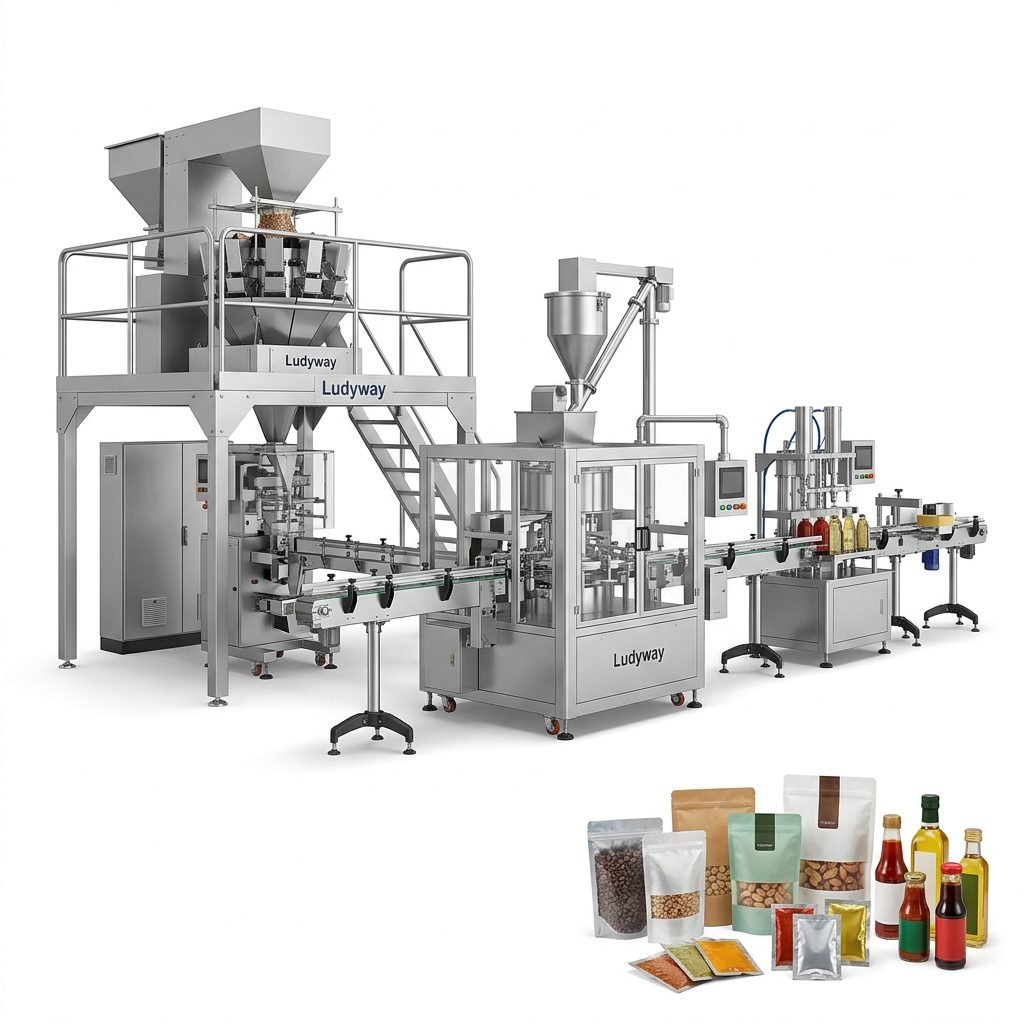
Businesses often prefer suppliers with broad engineering capability and packaging line experience. For companies looking for packaging automation expertise, blister packaging machine solutions from Ludyway may also be worth evaluating alongside other packaging formats and turnkey line planning.
Questions to ask before you buy
- What year was the machine manufactured?
- How many operating hours does it have?
- Why is it being sold?
- Has it been refurbished, and what was replaced?
- Can it run your exact blister materials?
- Is the machine currently under power for inspection or testing?
- Are manuals, drawings, and PLC backups included?
- What spare parts come with the machine?
- Can the seller provide installation or commissioning support?
- What are the voltage and utility requirements?
When refurbished equipment is better than standard used equipment
There is a big difference between “used as-is” and “professionally refurbished.” Refurbished machines are often cleaned, inspected, repaired, tested, and in some cases upgraded with new controls or safety systems. If your operation cannot tolerate unstable performance, paying more for refurbishment may be the smarter option.
Refurbishment may include:
- Replacement of bearings, belts, seals, and wear parts
- New PLC or HMI upgrades
- Rewiring and electrical standardization
- Servo tuning and mechanical alignment
- Safety guarding improvements
- Trial runs and performance testing
Should you buy a standalone machine or a complete line?
Some businesses only need the blister machine itself. Others should think more broadly. If your goal is efficient end-to-end production, a standalone unit may not solve bottlenecks in feeding, cartoning, coding, inspection, or case packing.
A complete approach may be better if you need:
- Product feeding integration
- Vision inspection
- Cartoning and leaflet insertion
- Batch coding and serialization
- Case packing and palletizing
Thinking in terms of total line efficiency rather than a single machine purchase often leads to better long-term results.
Red flags to avoid
- Seller refuses live testing
- No maintenance records or unclear machine history
- Visible corrosion, poor wiring, or missing safety guards
- Obsolete controls with no spare parts support
- Unusually low price with no explanation
- Machine format clearly mismatched to your product dimensions
- Long downtime before removal from previous site
A practical shortlist for choosing the right machine
Use this simple checklist before making a final decision:
| Selection Point | What to Confirm |
|---|---|
| Product fit | Machine supports your product shape, size, and fragility |
| Material fit | Compatible with your blister film and lidding foil |
| Capacity | Matches real production needs and growth plans |
| Condition | Mechanically and electrically sound |
| Tooling | Available, affordable, and suitable for changeovers |
| Compliance | Documentation and upgrade potential meet your market needs |
| Support | Spare parts, service, and technical guidance are available |
Final buying perspective
Choosing the right used blister packaging machine is ultimately about balancing cost, condition, compatibility, and support. A machine that looks inexpensive on paper can become costly if it requires major modification or has limited parts availability. On the other hand, a carefully selected and properly inspected used blister machine can deliver excellent value and help your business scale efficiently.
If you define your product needs clearly, inspect the machine thoroughly, verify tooling and compliance requirements, and evaluate long-term support, you will be in a much stronger position to make a reliable investment.