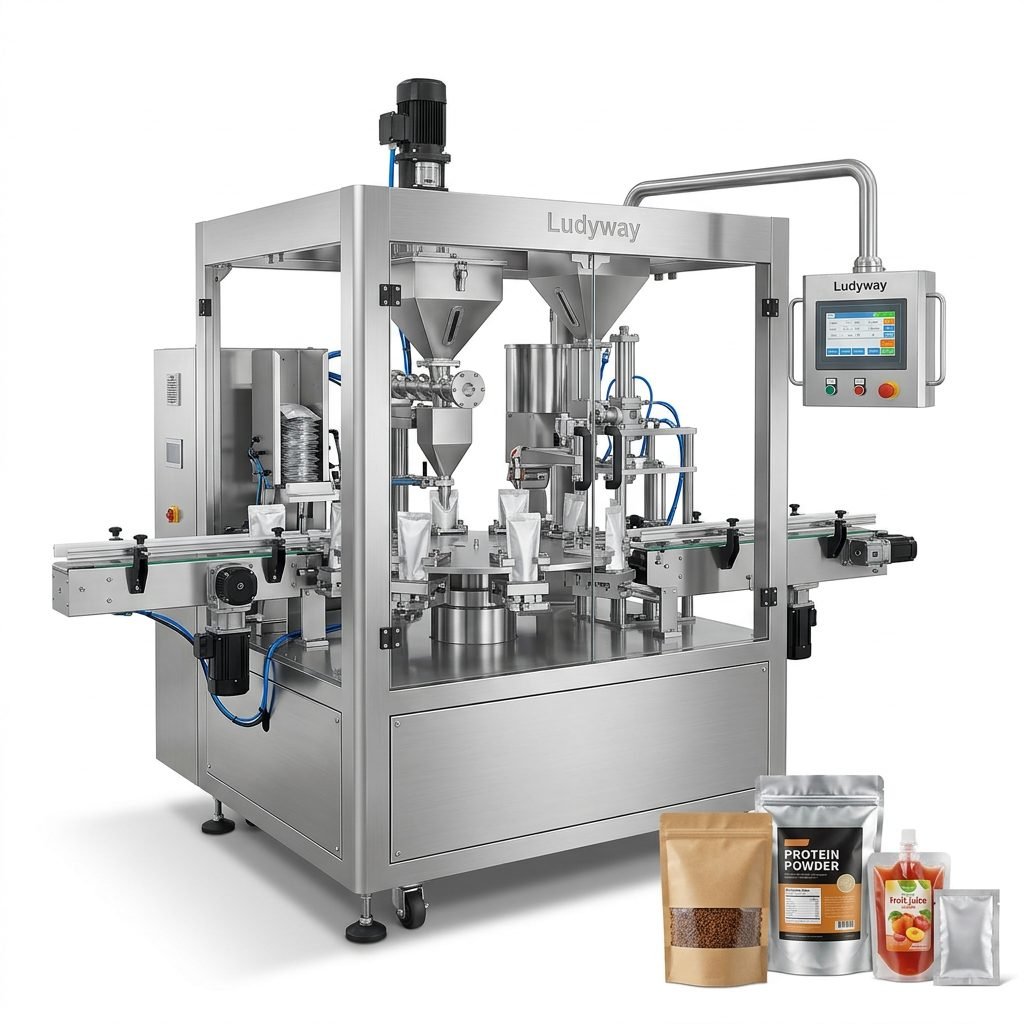
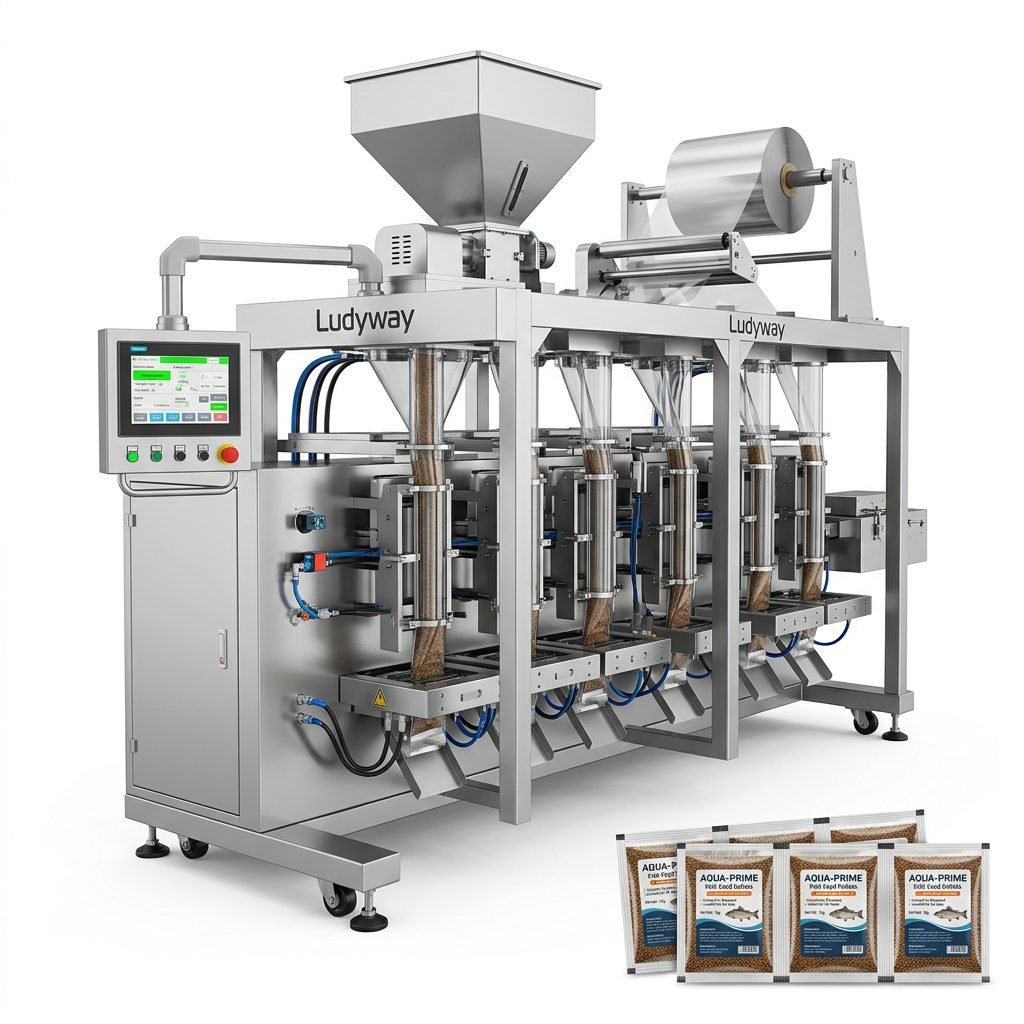
Coffee brands today face growing pressure to package faster, reduce waste, maintain fill consistency, and deliver a clean, professional look in every sachet. A modern coffee sachet packing machine helps manufacturers meet these goals by combining precise powder dosing, reliable sealing, and high-output automation in one streamlined system.
Whether you produce instant coffee, freeze-dried coffee, 3-in-1 coffee mixes, cappuccino powder, or functional coffee blends, the right machine can significantly improve production efficiency while protecting product quality and brand reputation.
Why Coffee Sachet Packaging Demands High Accuracy
Coffee powder is a product category where dose precision matters. Even a small variation in sachet weight can affect taste, customer satisfaction, cost control, and compliance with retail packaging standards. Fine or free-flowing coffee powders may also create dust, bridging, or inconsistent filling if the packaging system is not properly designed.
- Uniform fill weight for each sachet
- Stable sealing to protect aroma and freshness
- High-speed output for large-volume production
- Clean operation with reduced powder leakage
- Reliable coding, counting, and downstream integration
For coffee producers, the machine is not just a packaging tool. It is a key part of product consistency, shelf performance, and profitability.
What Is a Coffee Sachet Packing Machine?
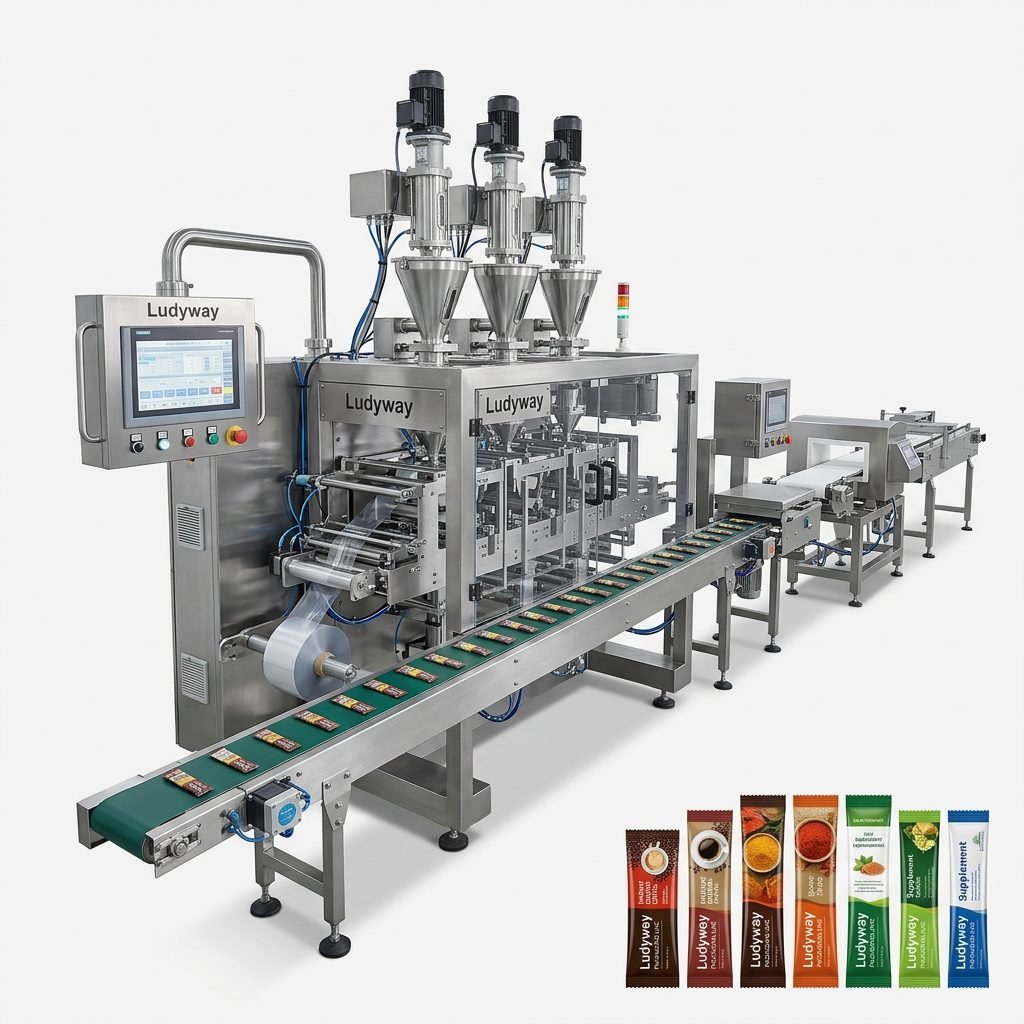
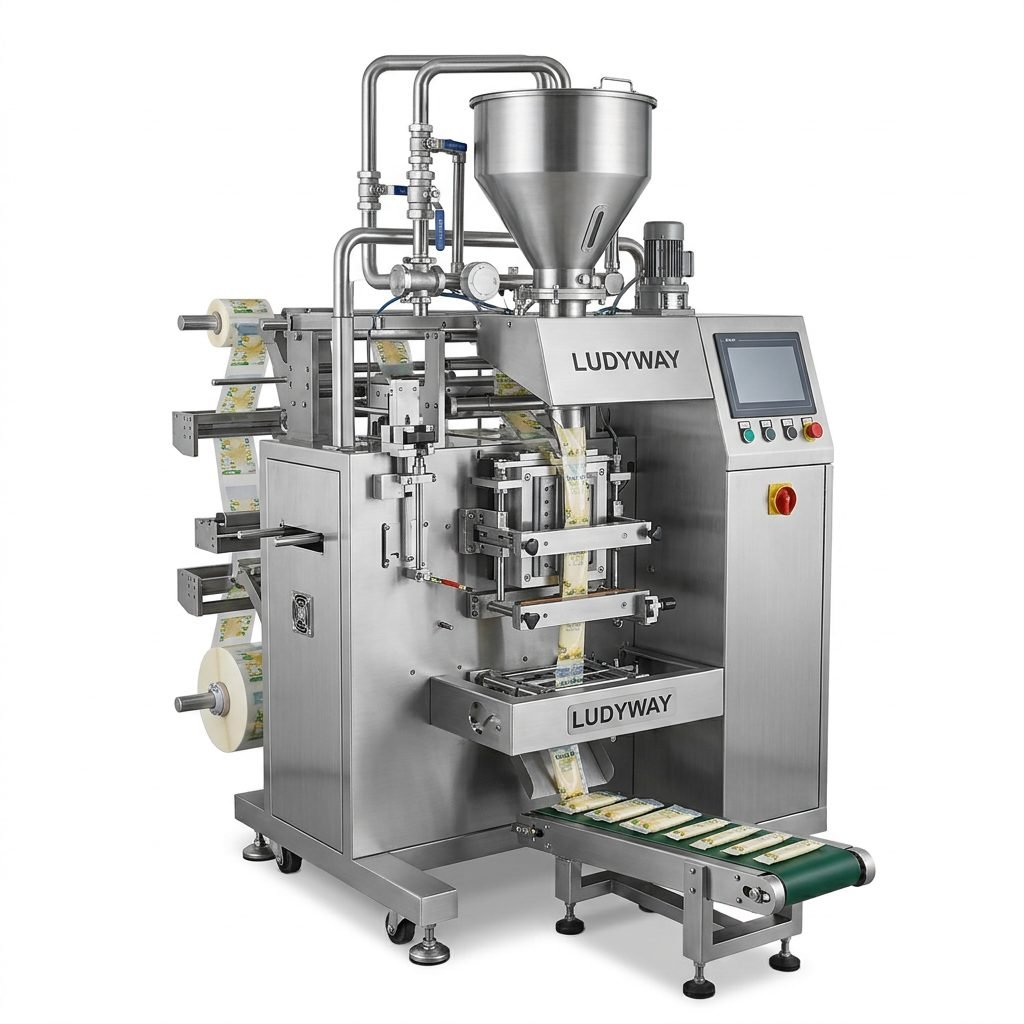
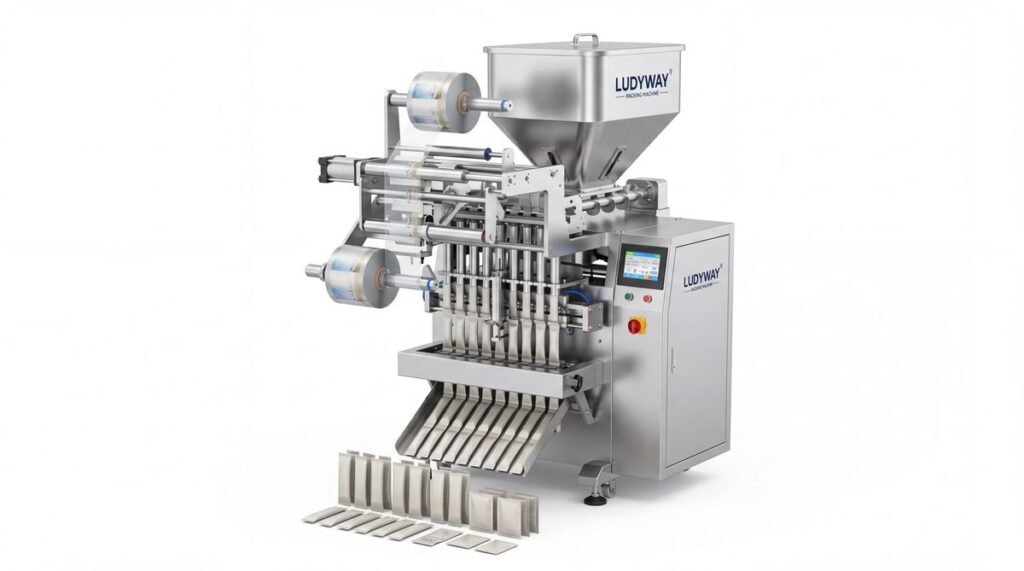
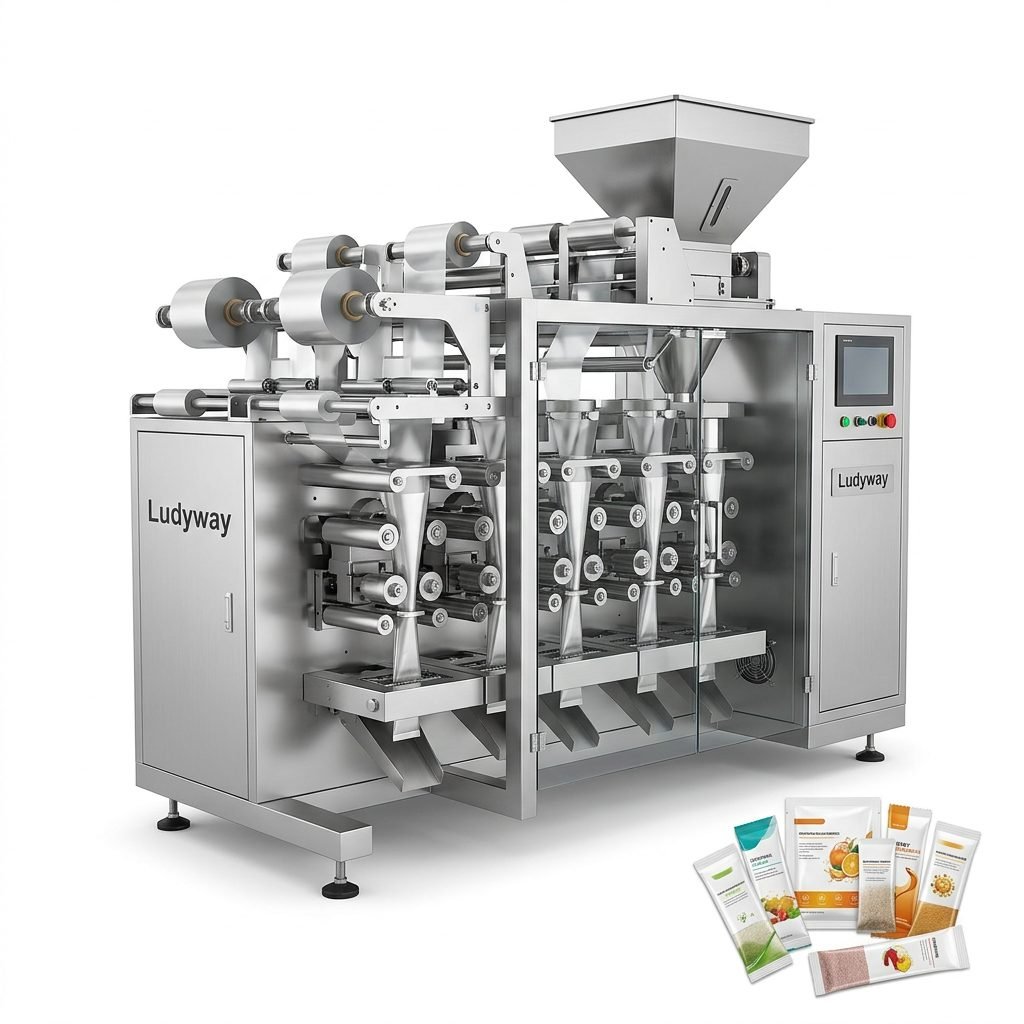
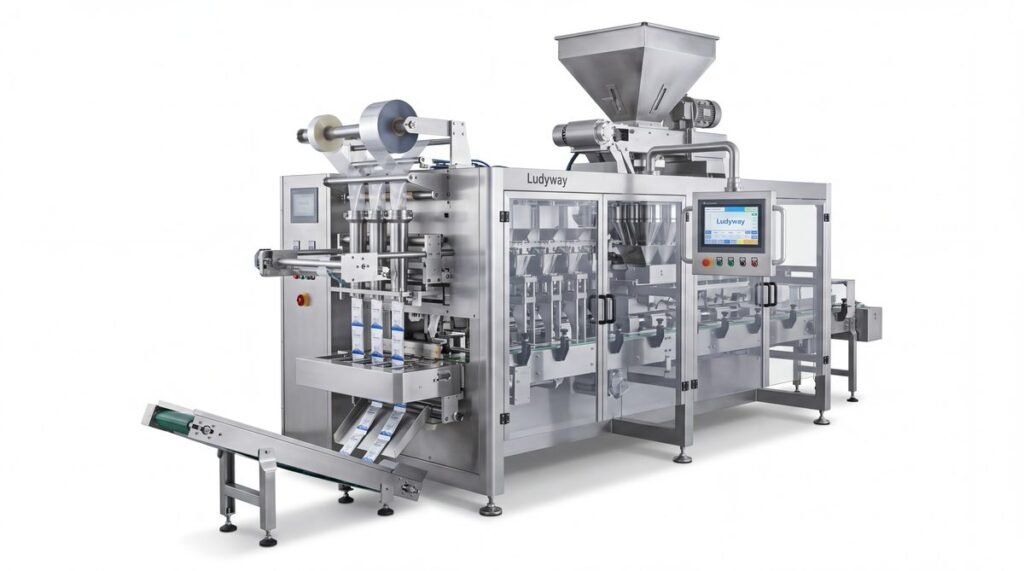
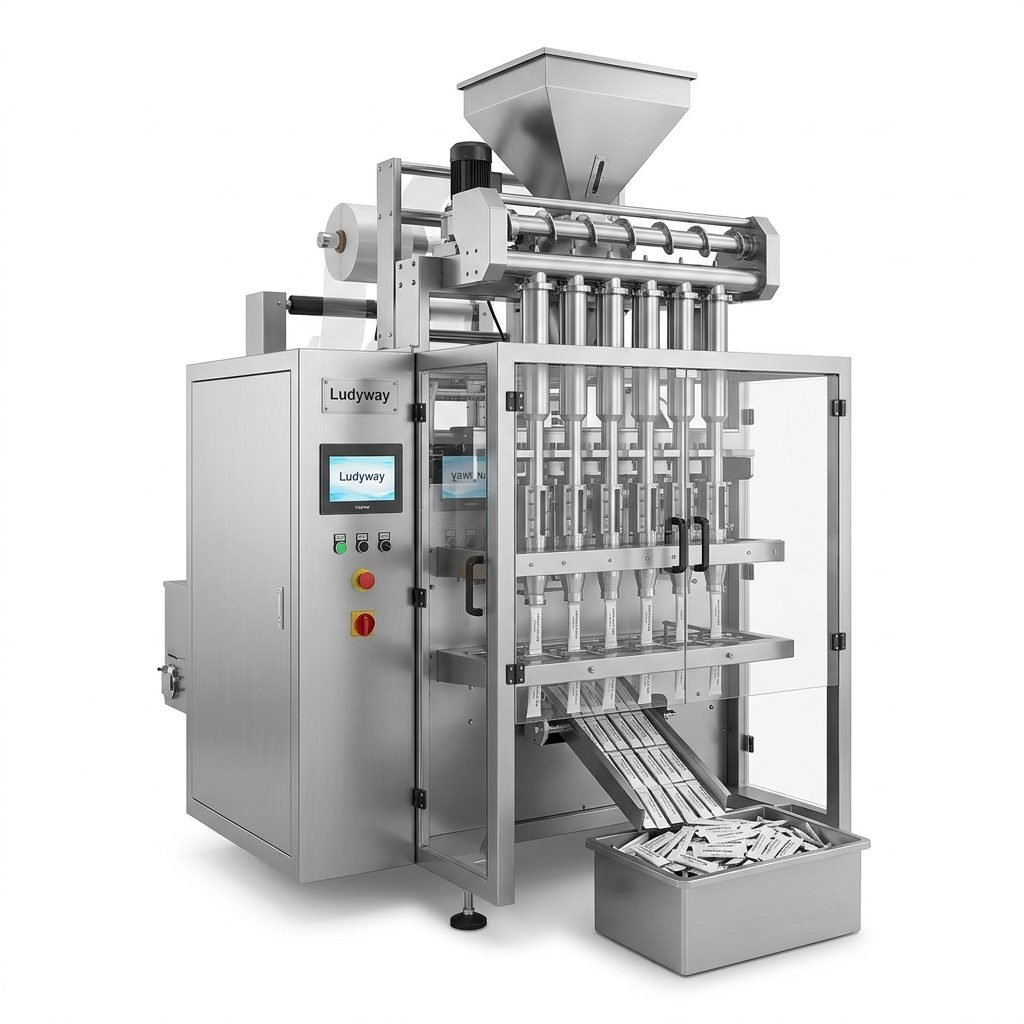
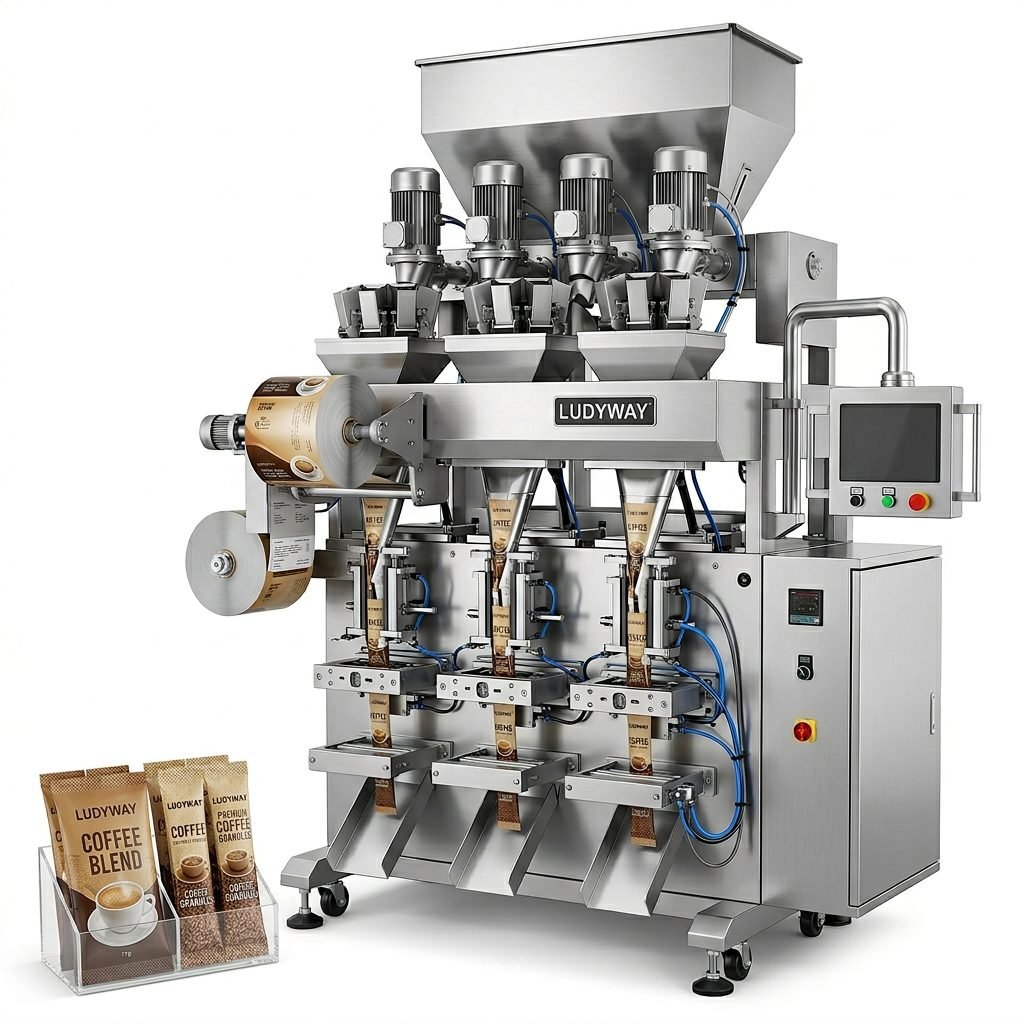
A coffee sachet packing machine is an automated system designed to form, fill, and seal small sachets or stick packs with coffee powder or coffee granules. Depending on the production requirement, the machine can operate in single-lane or multi-lane configurations and may include auger filling, volumetric dosing, servo control, coding units, conveyors, and final cartoning support.
These machines are commonly used for:
- Instant coffee sachets
- Freeze-dried coffee granules
- Ground coffee single-serve packs
- Coffee creamer and coffee mix sachets
- Functional beverage coffee powders
- Private label retail coffee packaging
Core Benefits of an Automated Coffee Sachet Packing Machine
1. Faster Production Speeds
Automated systems allow coffee manufacturers to handle higher demand without depending heavily on manual labor. Multi-lane models are especially suitable for high-volume sachet output and continuous operation.
2. Improved Fill Consistency
Precision dosing systems help reduce underfilling and overfilling. This lowers material loss and improves packaging uniformity across batches.
3. Better Product Protection
Proper sealing technology helps block moisture, air, and contamination, which is essential for preserving coffee aroma and flavor.
4. Reduced Operating Costs
With stable automation, businesses can reduce labor intensity, minimize rework, and improve line efficiency over time.
5. Flexible Packaging Formats
The same platform can often be configured for different sachet sizes, fill volumes, and film structures, making it easier to adapt to changing market needs.
Key Features to Look For
Not all coffee sachet machines deliver the same performance. When evaluating equipment, buyers should focus on the features that directly affect output, fill quality, and long-term reliability.
| Feature | Why It Matters for Coffee Packaging |
|---|---|
| Auger or precision dosing system | Improves powder fill accuracy and reduces variation |
| Multi-lane configuration | Increases production output for large-volume orders |
| Servo control system | Enhances machine stability and repeatability |
| Dust-control design | Helps maintain cleanliness and sealing quality |
| Date coding and batch printing | Supports traceability and retail compliance |
| Easy changeover | Reduces downtime between product formats |
| Integrated inspection options | Improves final packaging quality assurance |
Single-Lane vs. Multi-Lane Coffee Sachet Machines
The best machine type depends on your production volume, packaging goals, and investment plan.
Single-Lane Machines
- Suitable for startups or smaller batch production
- Lower initial investment
- Simpler format change and operation
- Ideal for pilot lines or niche coffee products
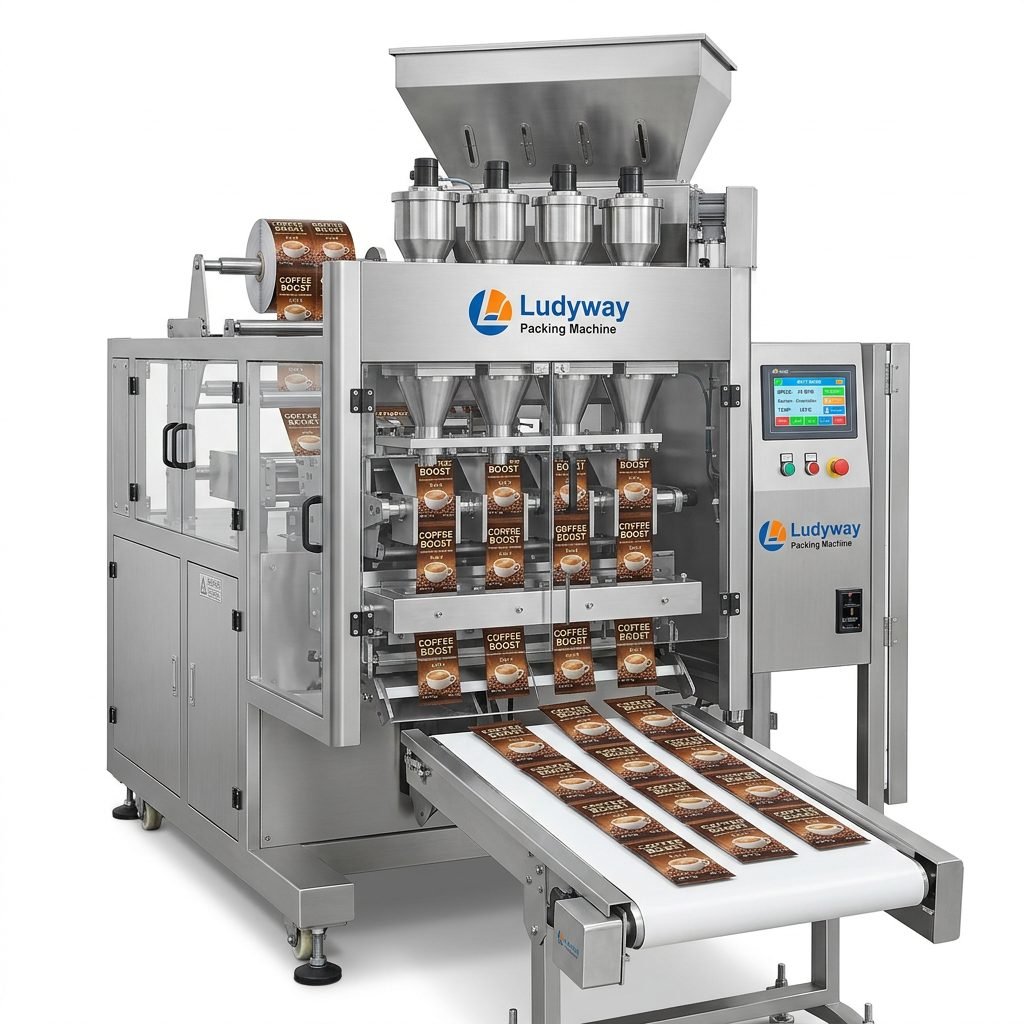
Multi-Lane Machines
- Designed for high-speed mass production
- Higher overall output per minute
- Better for established brands and OEM suppliers
- More efficient for large retail or export orders
If your business is packaging thousands of coffee sachets per shift, a multi-lane coffee sachet packing machine is often the most cost-effective option over the long term.
Common Coffee Products Packed in Sachets
Modern sachet packaging systems can handle a wide range of coffee-based products, including:
- Instant coffee powder
- Spray-dried coffee
- Freeze-dried coffee granules
- 3-in-1 coffee mixes
- Latte and cappuccino powders
- Mushroom coffee blends
- Energy coffee drink powders
- Coffee creamer combinations
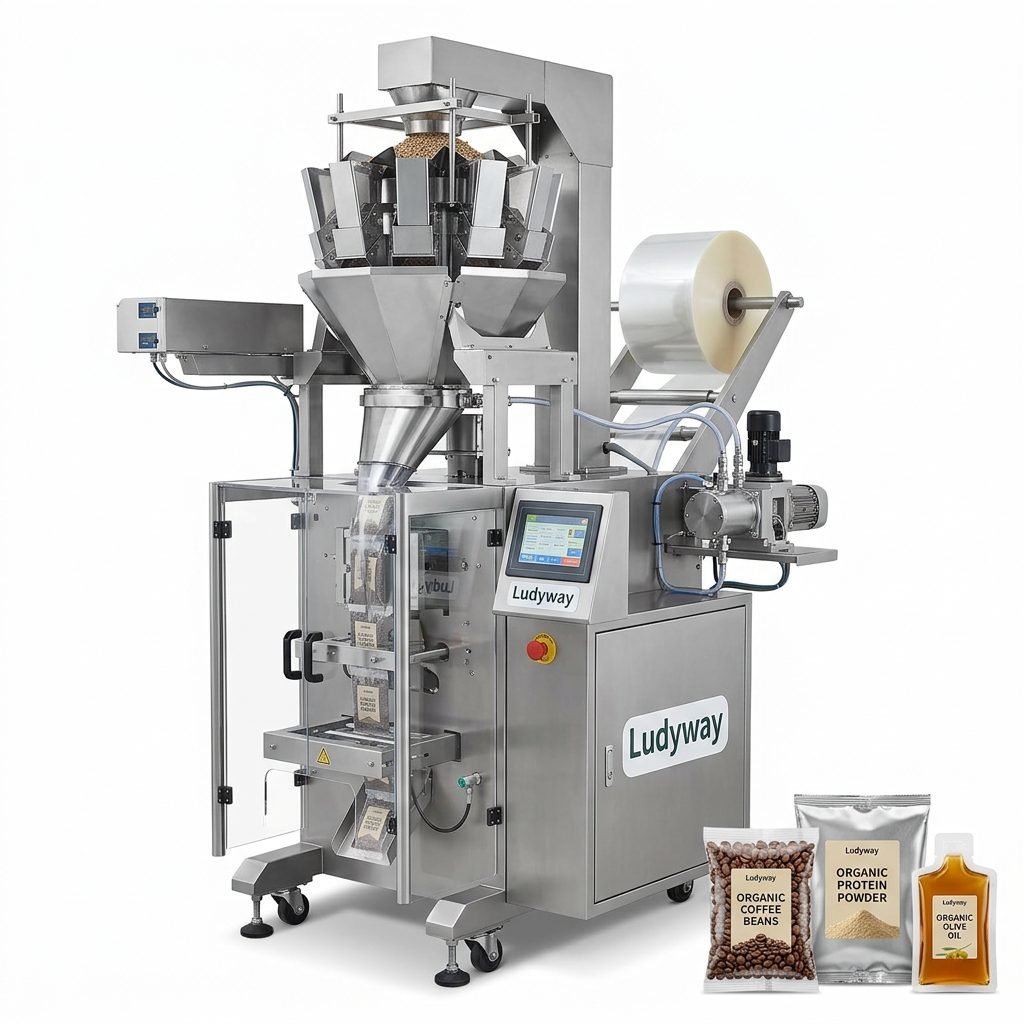
Different product characteristics may require different filling technologies. Fine powders usually need stable auger filling, while larger coffee granules may benefit from volumetric or cup-based systems depending on flow behavior.
How the Packaging Process Works
A standard coffee sachet packaging workflow usually includes the following stages:
- Film unwinding and alignment
- Sachet forming
- Powder or granule dosing
- Filling into each sachet lane
- Heat sealing
- Code printing or marking
- Cutting and discharge
- Inspection, counting, cartoning, or secondary packing
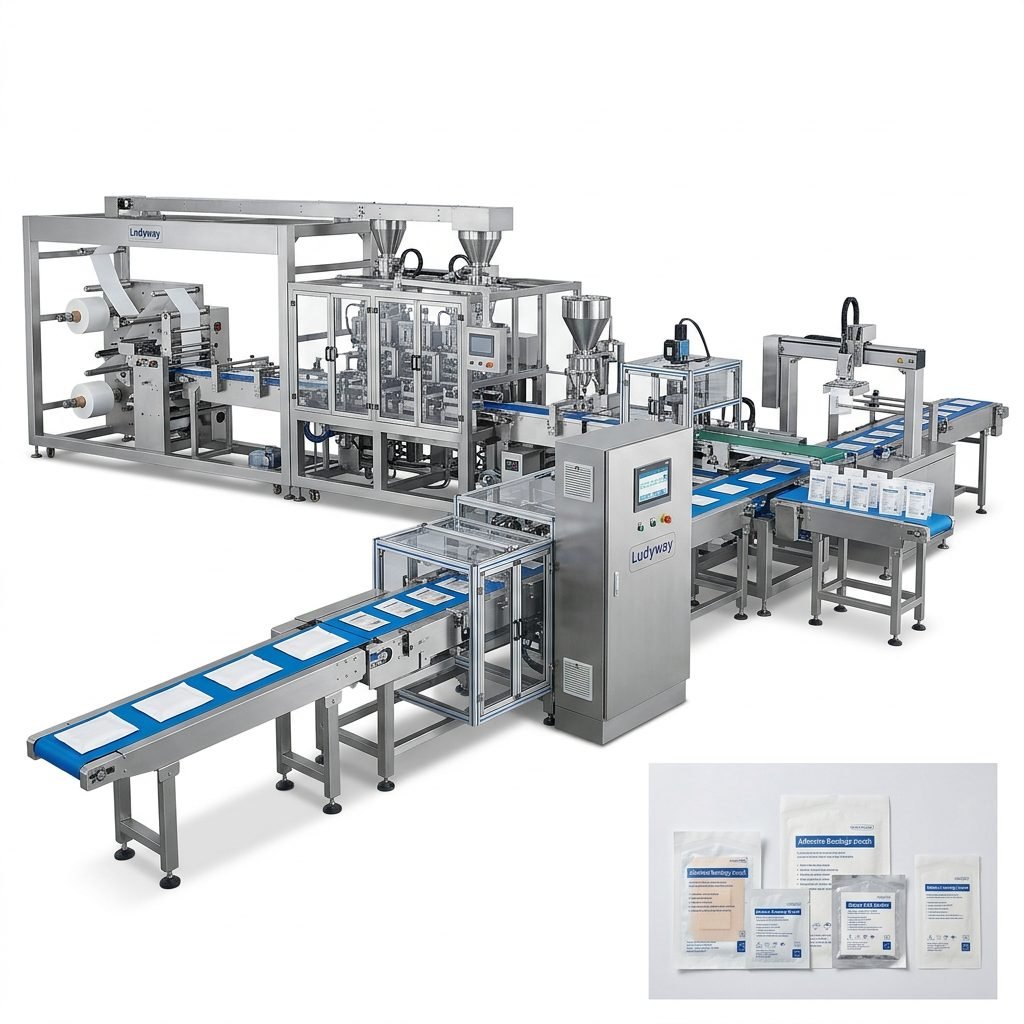
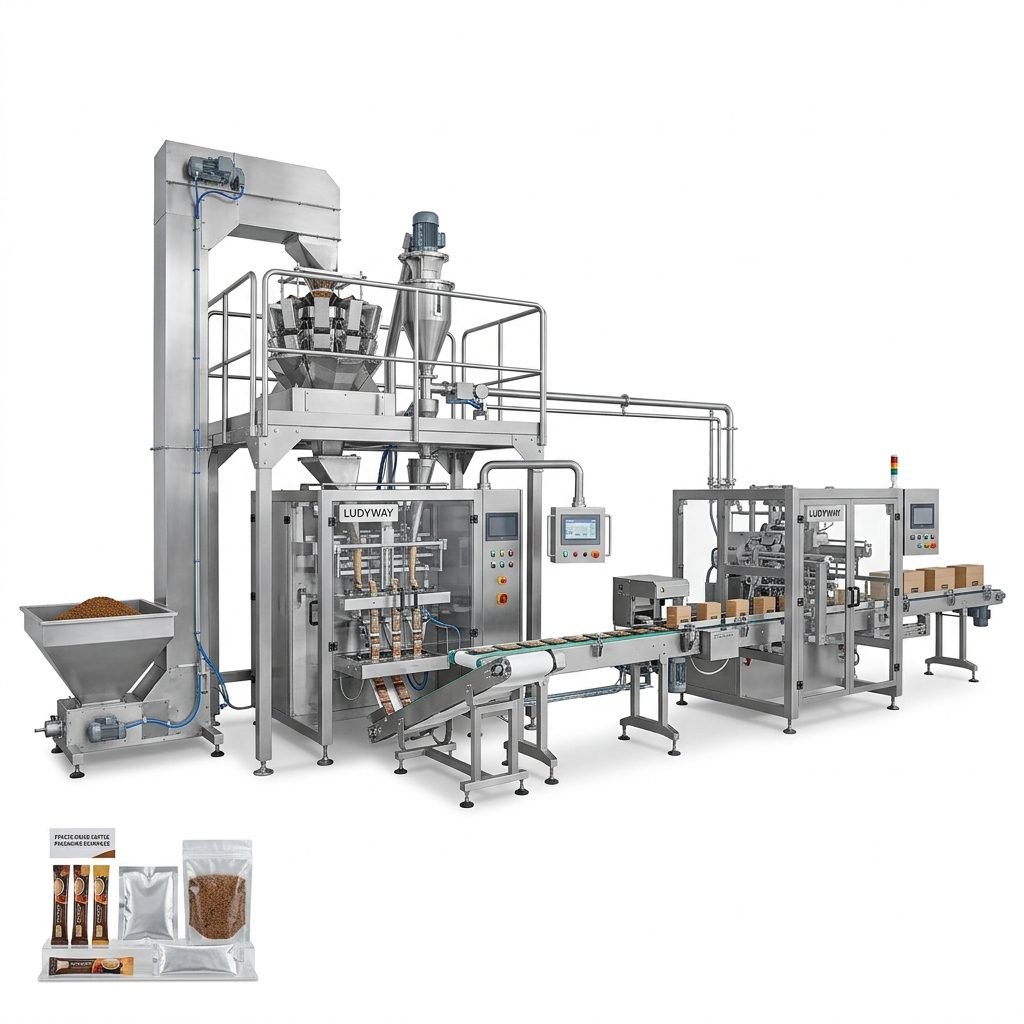
In advanced lines, automation can also include feeders, checkweighers, visual inspection, metal detection, and final case packing for a more complete turnkey solution.
Industries That Benefit from Coffee Sachet Packaging Machines
While coffee is the main application, these machines are also valuable for related sectors that package powdered beverage products in single-serve formats.
| Industry | Typical Products |
|---|---|
| Coffee & beverage | Instant coffee, latte powder, cappuccino mix |
| Food manufacturing | Drink powders, cocoa mix, milk tea powder |
| Health supplements | Functional powders, collagen drinks, energy blends |
| Private label packaging | Retail sachets for supermarkets and e-commerce |
How to Choose the Right Coffee Sachet Packing Machine
Before selecting a machine, it is important to evaluate your real production requirements rather than choosing based on speed alone.
Important Selection Factors
- Type of coffee product: powder, granule, or mixed formulation
- Desired sachet size and shape
- Output target per minute or per shift
- Required fill accuracy tolerance
- Packaging film compatibility
- Level of automation needed for upstream and downstream integration
- Cleaning and maintenance requirements
- Available factory space and utility conditions
Buyers should also ask whether the system can support future expansion. A modular machine design often makes it easier to increase output or add accessories later.
Turnkey Packaging Lines for Coffee Sachets
Many coffee manufacturers no longer want a standalone machine only. They prefer integrated systems that connect powder feeding, sachet filling, sealing, inspection, counting, cartoning, and final packing into one coordinated line.
A turnkey packaging line can offer:
- More stable end-to-end production
- Lower manual handling between stages
- Improved factory workflow
- Better traceability and quality control
- Higher overall equipment efficiency
For businesses looking for scalable automation, Ludyway coffee sachet packing machine solutions are backed by more than 30 years of industry experience, a manufacturing facility of over 20,000 square meters, and a broad portfolio covering packaging machinery as well as complete turnkey lines for food, pharmaceutical, and health-related products.
Maintenance Tips for Long-Term Performance
To keep a coffee sachet machine running efficiently, routine maintenance is essential. Coffee powder can be fine, dusty, and sometimes slightly oily, depending on the blend, so cleanliness and inspection directly affect machine life and pack quality.
- Clean filling and sealing areas regularly
- Inspect auger and dosing parts for buildup
- Check film tracking and sealing temperature consistency
- Monitor wear parts and replace them before failure
- Calibrate fill weight periodically
- Train operators on daily inspection routines
Signs It Is Time to Upgrade Your Current Packaging Equipment
If your packaging operation struggles with frequent downtime, weight inconsistency, poor seals, or rising labor dependence, it may be time to invest in a more advanced machine.
Typical warning signs include:
- High product giveaway due to inaccurate dosing
- Too many rejected sachets from weak sealing
- Low production speed during peak demand
- Difficulty switching between coffee formats
- Excessive manual handling and operator fatigue
Final Thoughts on Efficient Coffee Sachet Packaging
A reliable coffee sachet packing machine is a smart investment for manufacturers that want fast output, accurate filling, and consistent packaging quality. From small single-serve instant coffee packs to high-volume multi-lane production of premium sachets, the right automation setup can improve efficiency across the entire packaging process.
By choosing a machine built for powder handling, stable sealing, and scalable integration, coffee producers can meet market demand with greater confidence, lower waste, and stronger product presentation.