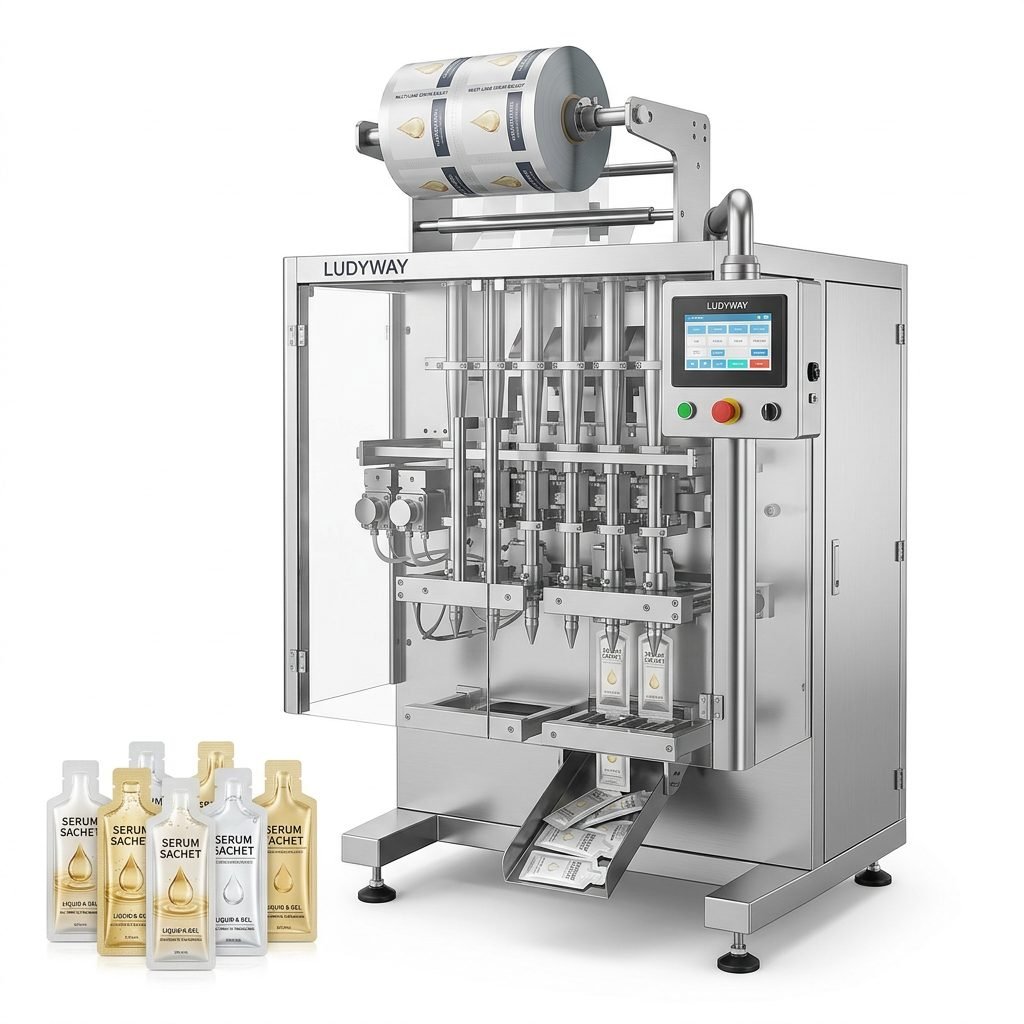
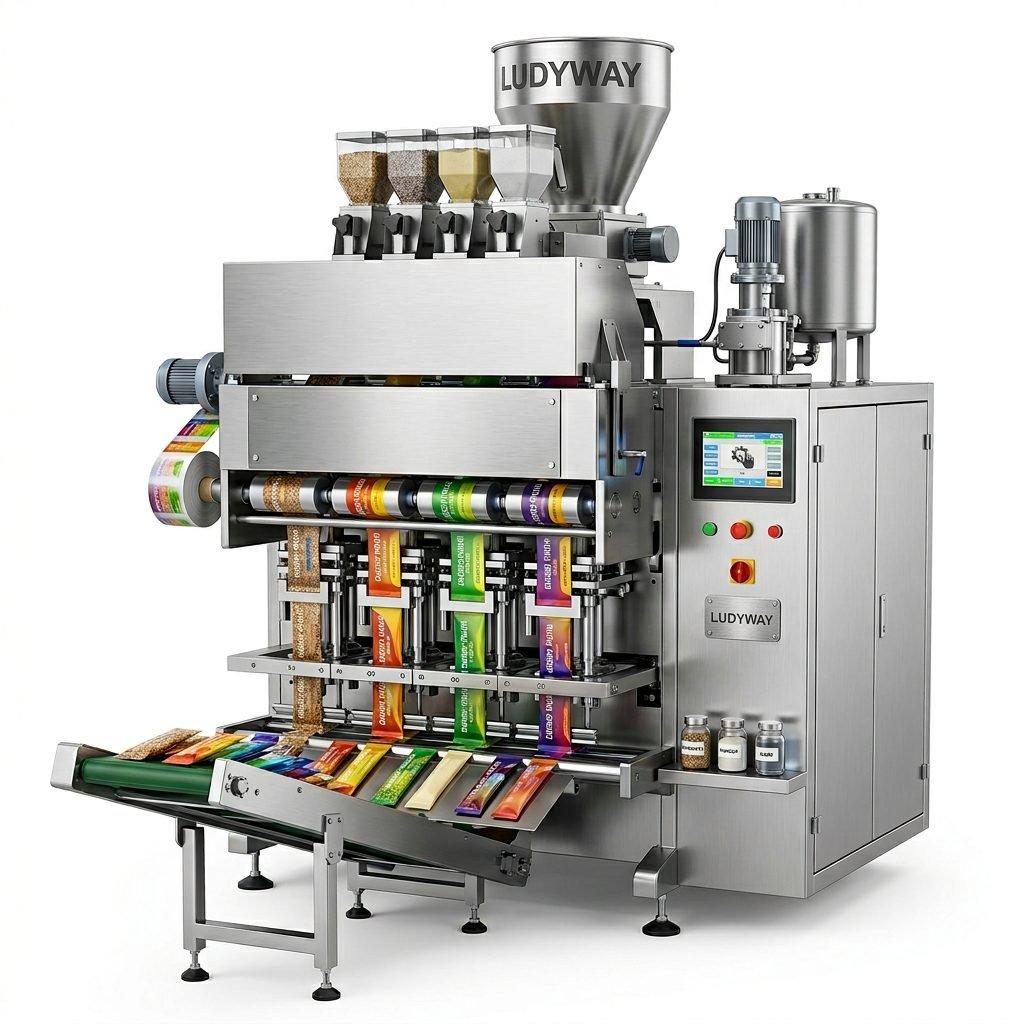
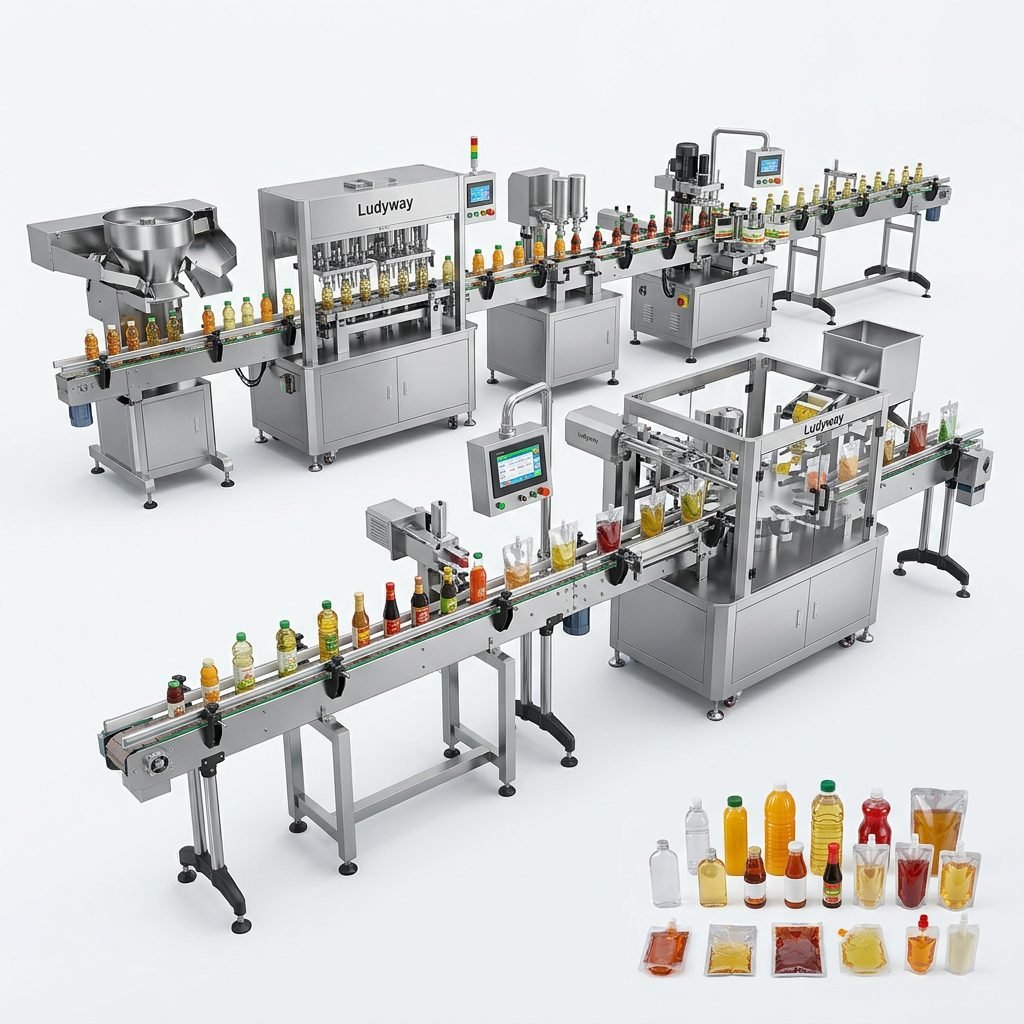
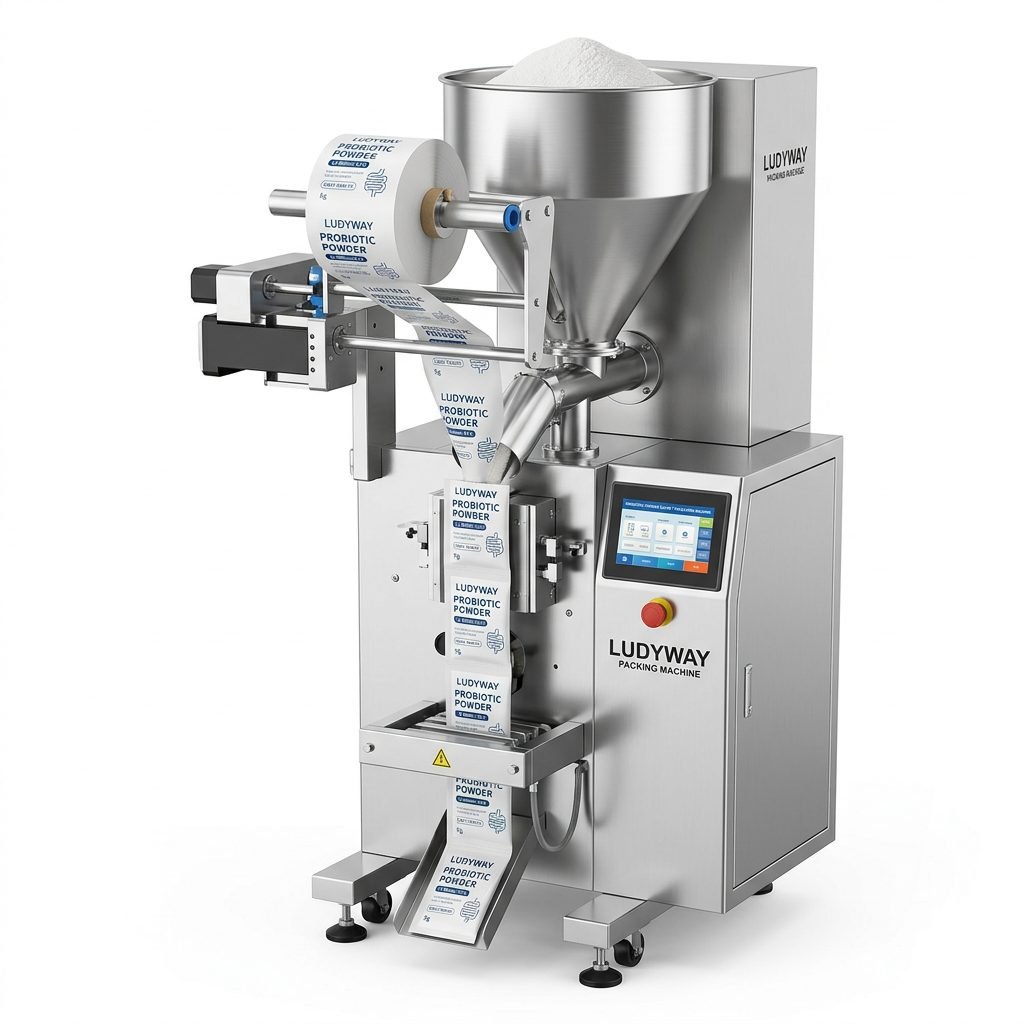
Cereal packaging plays a critical role in preserving freshness, protecting product quality, and improving shelf appeal. Whether you produce corn flakes, granola, muesli, puffed grains, or mixed breakfast cereals, selecting the right machine can directly affect output efficiency, packaging consistency, and long-term operating cost.
Modern cereal manufacturers need packaging systems that can handle fragile products gently, weigh accurately, seal reliably, and adapt to different bag sizes or retail formats. From small startups to high-volume food plants, the best solution depends on your cereal type, target capacity, automation level, and packaging style.
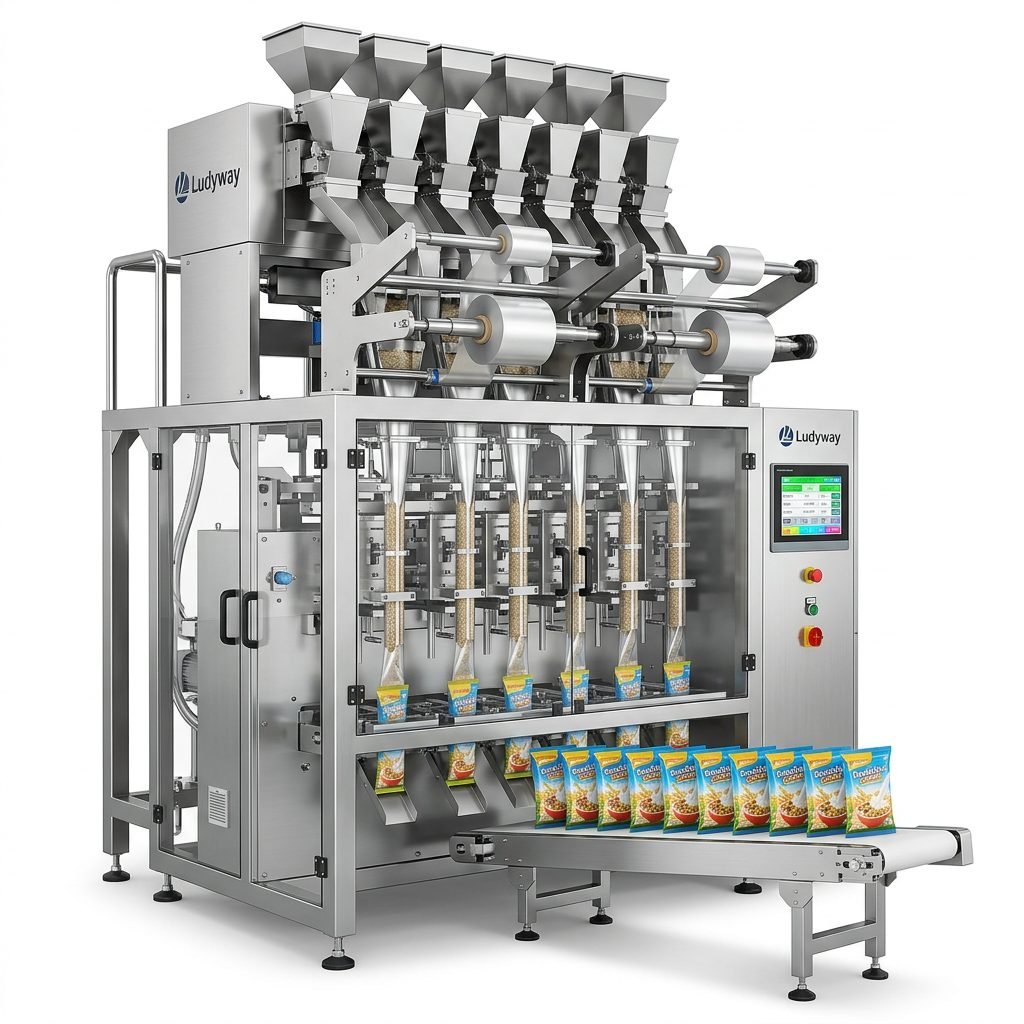
Why Cereal Packaging Machines Matter
Cereal products are often lightweight, irregular in shape, and sometimes fragile. This makes packaging more challenging than many standard dry goods. A suitable machine helps ensure:
- Accurate weighing to reduce giveaway and control costs
- Gentle handling to minimize breakage and dust
- Consistent sealing to maintain freshness and shelf life
- Higher production speed for growing retail demand
- Better packaging appearance for stronger shelf performance
- Reduced labor dependence through automation
For food brands competing in supermarkets, convenience stores, and e-commerce channels, packaging is not just a protective layer—it is also part of the product experience.
Main Types of Cereal Packaging Machines
1. Vertical Form Fill Seal (VFFS) Machines
VFFS machines are among the most common options for cereal packaging. They form the bag from roll film, fill it with product, and seal it in one automated process.
These machines are ideal for:
- Granola
- Corn flakes
- Oat clusters
- Puffed cereals
- Muesli blends
- Bulk cereal packs
They are widely used because they offer a strong balance between flexibility, speed, and cost efficiency.
2. Premade Pouch Packaging Machines
These machines fill and seal ready-made pouches, such as stand-up pouches, zipper bags, and flat pouches. They are suitable for premium cereal products and retail-ready packaging.
They are especially useful when presentation matters and when brands want more attractive, resealable packaging.
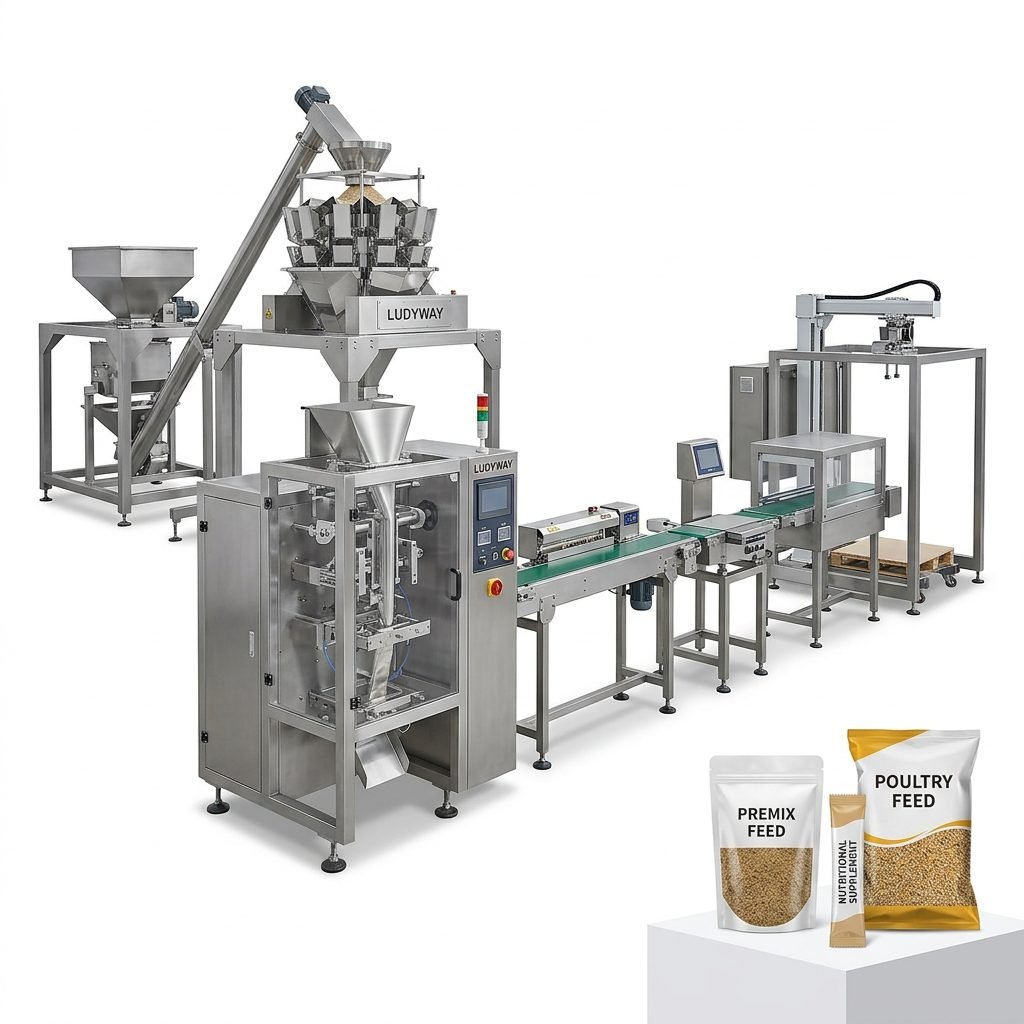
3. Multihead Weigher Packaging Systems
A multihead weigher is often integrated with a VFFS machine or pouch packing machine. It uses multiple weighing buckets to find the most accurate combination for each fill.
This is one of the best choices for cereal because it supports:
- High-speed operation
- Improved weighing accuracy
- Better handling of mixed ingredients
- Lower product waste
4. Cup Filling Machines
Cup filling systems use volumetric measurement instead of weight-based dosing. They are generally more suitable for free-flowing cereal products with relatively consistent bulk density.
They can be a cost-effective option for certain medium-speed applications, though they are usually less precise than multihead weighing systems.
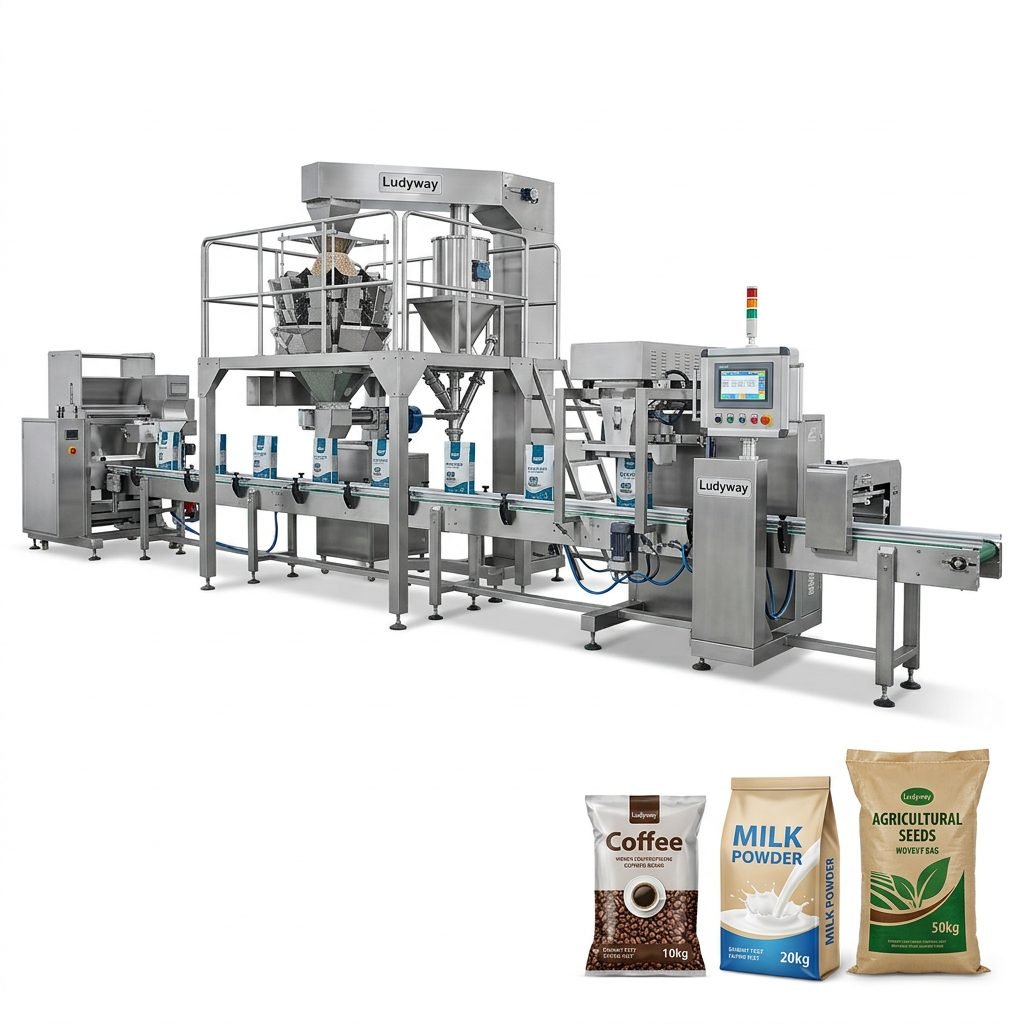
5. Fully Automatic Turnkey Packaging Lines
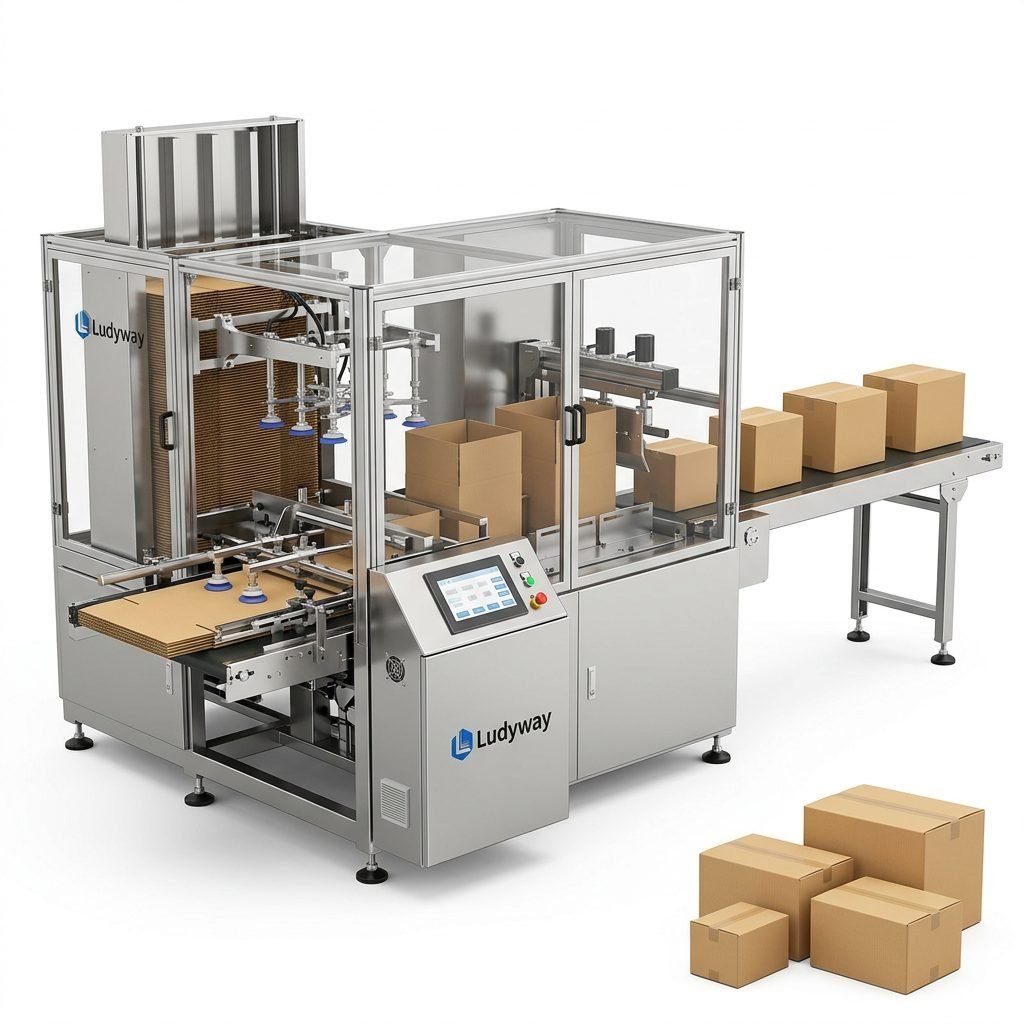
Large cereal manufacturers often require more than a single machine. A complete line may include feeding, weighing, bagging, sealing, metal detection, checkweighing, labeling, cartoning, and palletizing.
For businesses planning long-term expansion, turnkey lines provide stronger process integration and improved production management.
Common Packaging Formats for Cereal
| Packaging Format | Best For | Advantages |
|---|---|---|
| Pillow bags | Standard cereal products | Economical, fast, widely used |
| Gusseted bags | Larger retail and family packs | More stable shape, better shelf presence |
| Quad seal bags | Premium cereal lines | High-end appearance, strong structure |
| Stand-up pouches | Granola, healthy cereal mixes | Modern look, convenient storage |
| Zipper pouches | Reusable consumer packs | Resealable, freshness retention |
| Carton with inner bag | Traditional boxed cereals | Familiar retail format, printable outer box |
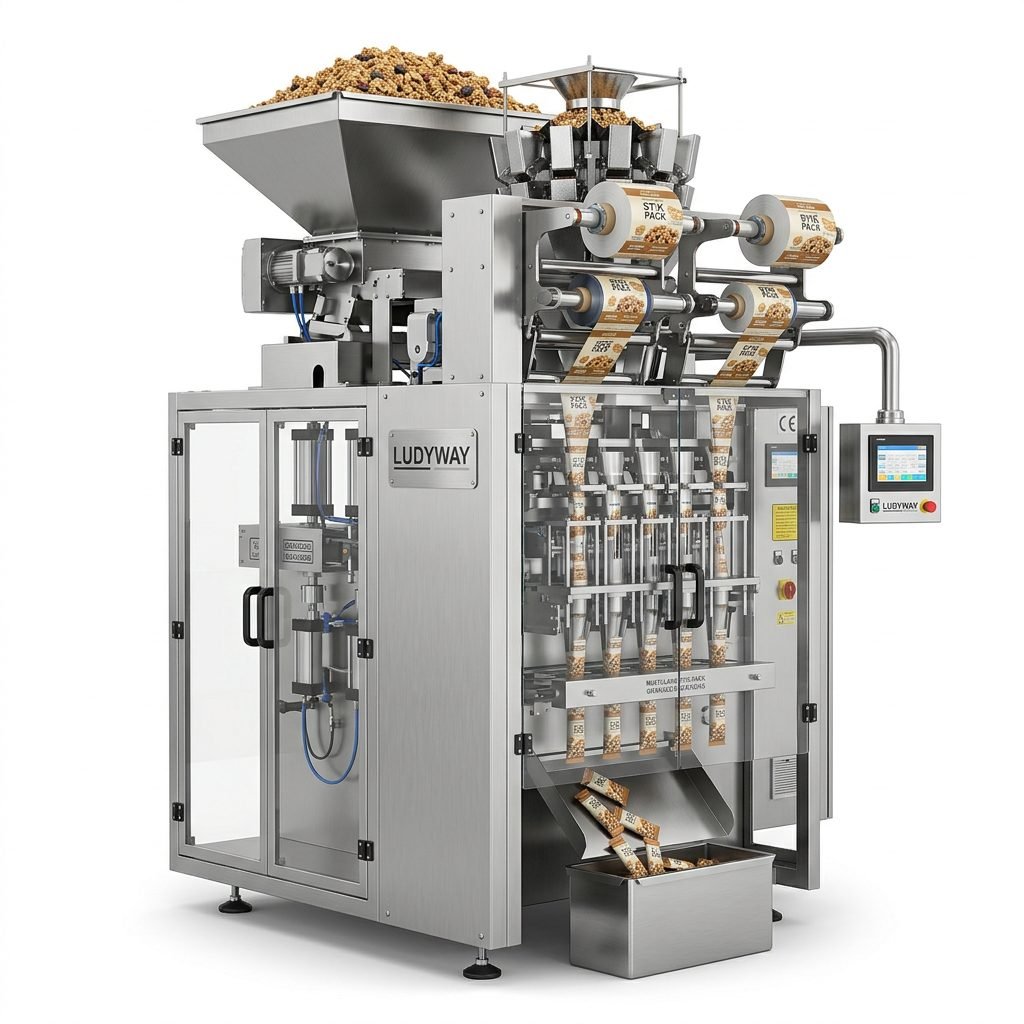
Key Features to Look For
Accurate Weighing System
Cereal packaging profitability depends heavily on fill accuracy. Even a small overfill repeated across thousands of bags can create substantial product loss. Multihead weighers are often the preferred choice for achieving both speed and precision.
Gentle Product Handling
Some cereals, such as flakes or puffed products, break easily. Machines should include smooth transfer paths, controlled drop heights, and stable feeding systems to protect product integrity.
High-Speed Output
If your plant serves major retail chains or export markets, you may need a packaging machine capable of continuous high-speed production. The right speed should match your upstream mixing and processing capacity.
Flexible Bag Size Adjustment
Many cereal brands sell multiple SKUs, from single-serve packs to family-size bags. A machine with easier size changeover reduces downtime and improves production flexibility.
Reliable Sealing Performance
Good sealing is essential for moisture protection, freshness, and transport durability. For cereals, especially those containing oils, nuts, or dried fruit, a stable sealing system is extremely important.
Food-Grade Construction
Stainless steel contact parts, hygienic design, and easy cleaning features help meet food safety standards and simplify maintenance.
Smart Control System
Touchscreen controls, recipe storage, alarm monitoring, and production data functions make operation easier and support more efficient line management.
Integration with Auxiliary Equipment
Cereal packaging often benefits from integrated systems such as:
- Bucket elevators
- Platform systems
- Metal detectors
- Checkweighers
- Date coders
- Cartoners
- Case packers
- Palletizers
How to Choose the Right Cereal Packaging Machine
Understand Your Product Characteristics
Start by evaluating the physical nature of your cereal:
- Is it fragile or dense?
- Is it uniform or mixed with nuts and dried fruit?
- Does it generate dust?
- Does it need nitrogen flushing for freshness?
Product behavior directly influences the ideal feeding, weighing, and sealing technology.
Define Your Packaging Format
The machine must match your target packaging style. Pillow bags and boxed liners require different solutions than premium stand-up zipper pouches.
Estimate Your Production Volume
A small food business may only need moderate speed, while large cereal processors often require fully automated systems with minimal manual intervention. Buying too small can restrict growth; buying too large may increase unnecessary investment.
Consider Accuracy vs. Budget
If product cost is high or your cereal contains multiple valuable ingredients, a more advanced weighing system can quickly pay for itself through reduced giveaway.
Check Changeover and Maintenance Requirements
If you run many product sizes or seasonal SKUs, simpler adjustment and easy cleaning should be high priorities.
Review Future Expansion Needs
Choosing a modular packaging solution can make future upgrades easier, such as adding cartoning, secondary packing, or robotic palletizing later.
Evaluate Supplier Experience
It is important to work with a manufacturer that understands food packaging applications and can offer both machine support and line customization. Ludyway cereal packaging machine solutions are backed by more than 30 years of packaging industry experience, with capabilities covering standalone machines and turnkey packaging lines for food manufacturers worldwide.
Single Machine vs. Complete Packaging Line
| Option | Suitable For | Main Benefit |
|---|---|---|
| Standalone packaging machine | Small to medium production | Lower initial investment |
| Integrated packaging line | Medium to large factories | Higher automation and smoother workflow |
| Turnkey packaging line | Large-scale or export-focused brands | End-to-end efficiency and easier system coordination |
Common Challenges in Cereal Packaging
- Product breakage during feeding and filling
- Inconsistent bag weight from low-precision dosing
- Dust affecting sealing quality
- Slow manual packing limiting output
- Frequent downtime during size changes
- Poor package appearance reducing shelf competitiveness
The right machine addresses these issues through better weighing technology, product-friendly handling, and more stable automation.
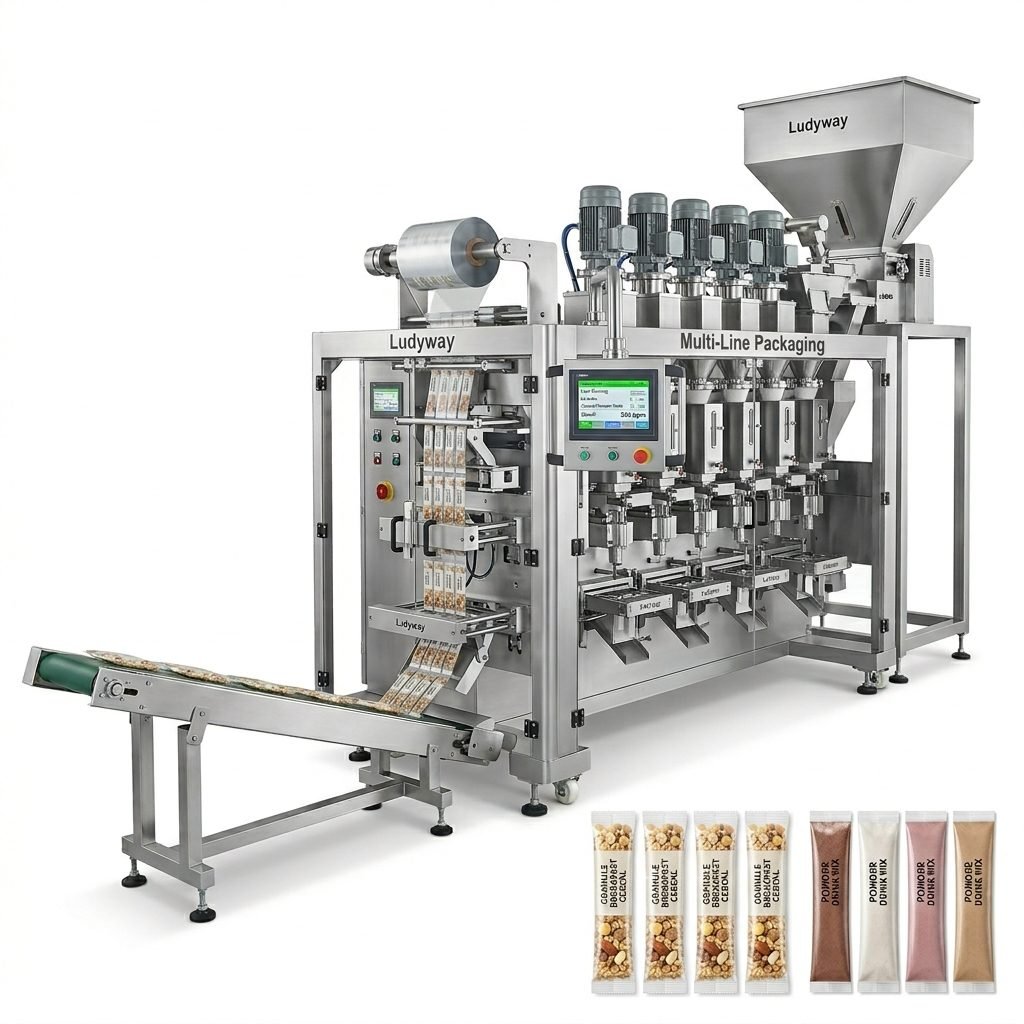
Best Applications for Cereal Packaging Equipment
Depending on machine design, cereal packaging systems can be used for:
- Breakfast cereals
- Granola clusters
- Oatmeal mixes
- Muesli
- Puffed rice and corn products
- Health cereal blends
- Children’s cereal products
- Bulk foodservice cereal packs
- Single-serve cereal portions
Questions to Ask Before Buying
- What cereal types will the machine handle?
- What is the expected bags-per-minute output?
- What weighing accuracy can it achieve?
- Can it handle fragile cereals without excessive breakage?
- What bag styles and sizes are supported?
- How long does product changeover take?
- Can the machine integrate with metal detection and checkweighing?
- Is remote support or after-sales service available?
- Can the system be expanded into a full packaging line later?
Final Buying Insight
The best cereal packaging machine is not simply the fastest or most advanced model. It is the one that fits your cereal type, production target, package design, and growth strategy. For many manufacturers, accuracy, gentle handling, and flexibility are more valuable than raw speed alone.
By comparing machine types carefully and choosing a supplier with real application experience, you can build a packaging process that improves efficiency, protects product quality, and supports stronger brand performance in the market.