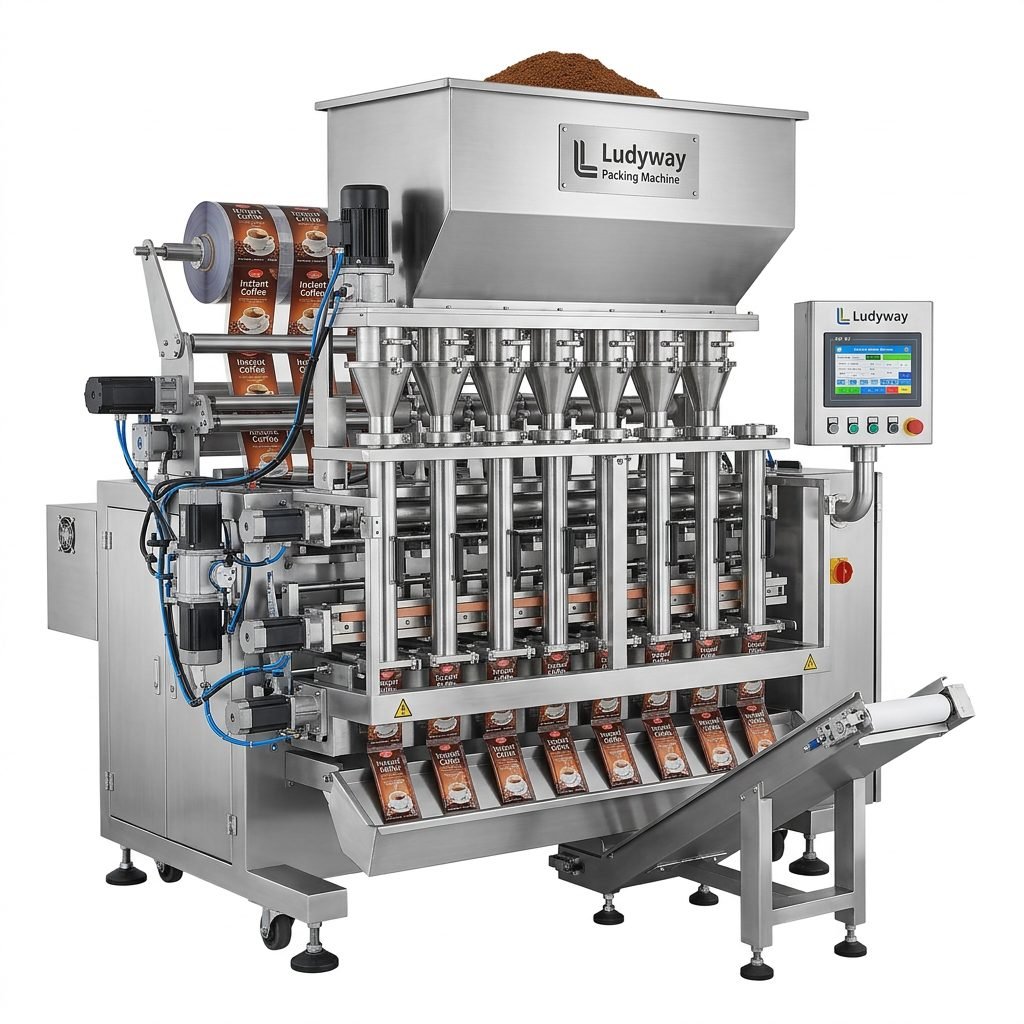
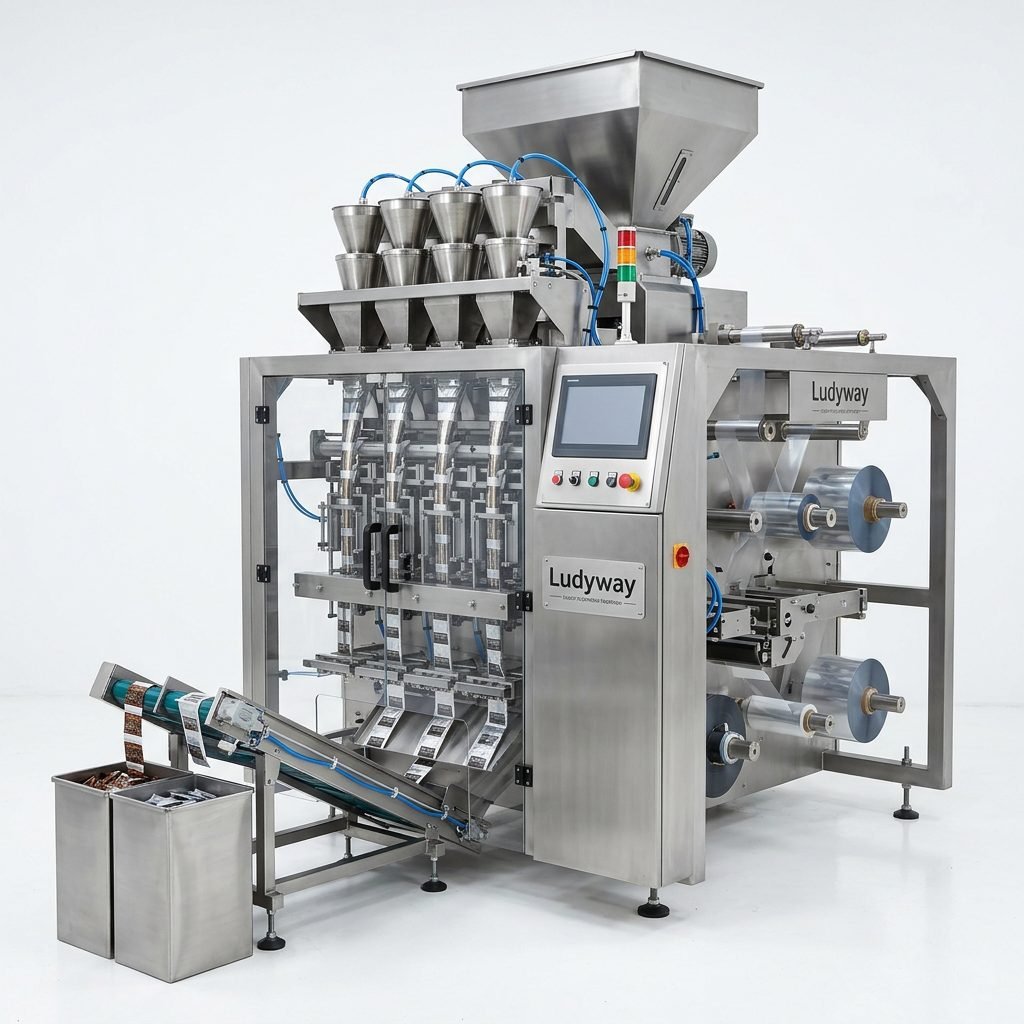
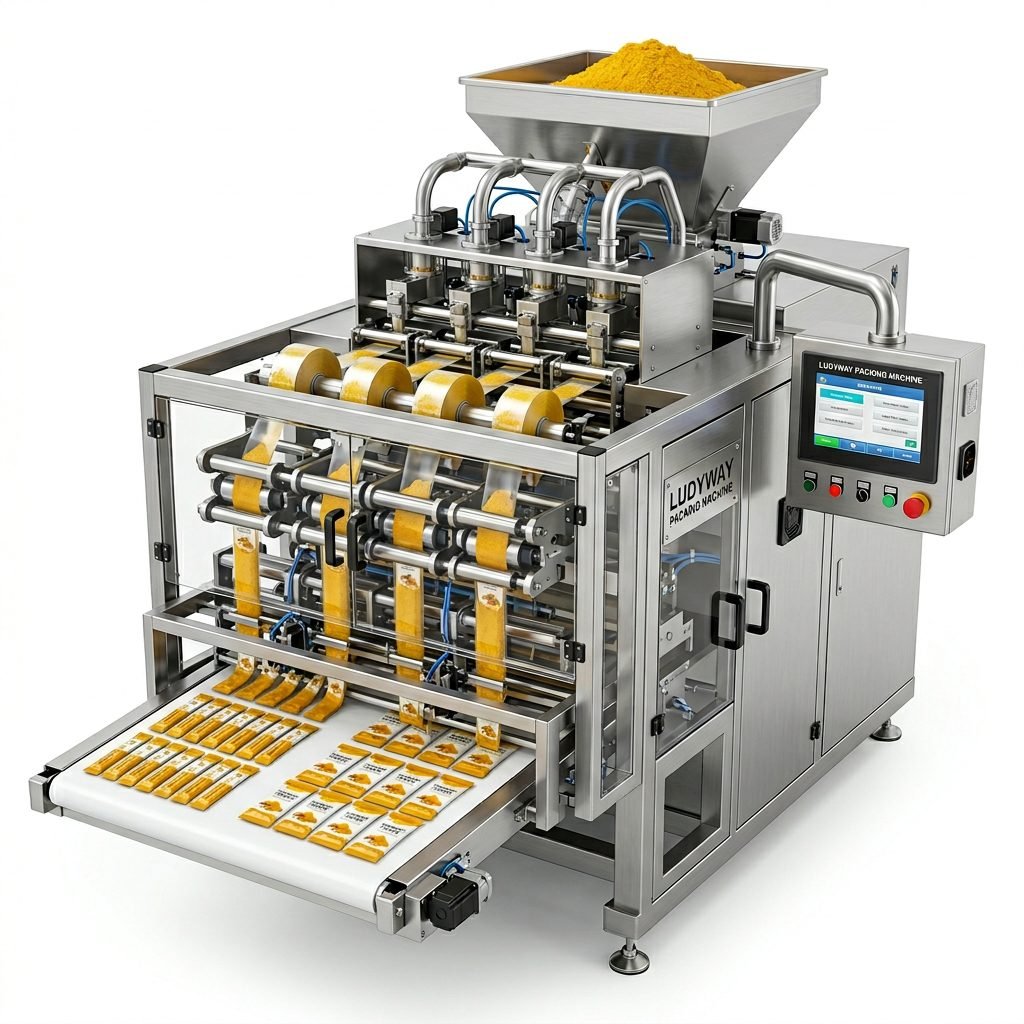
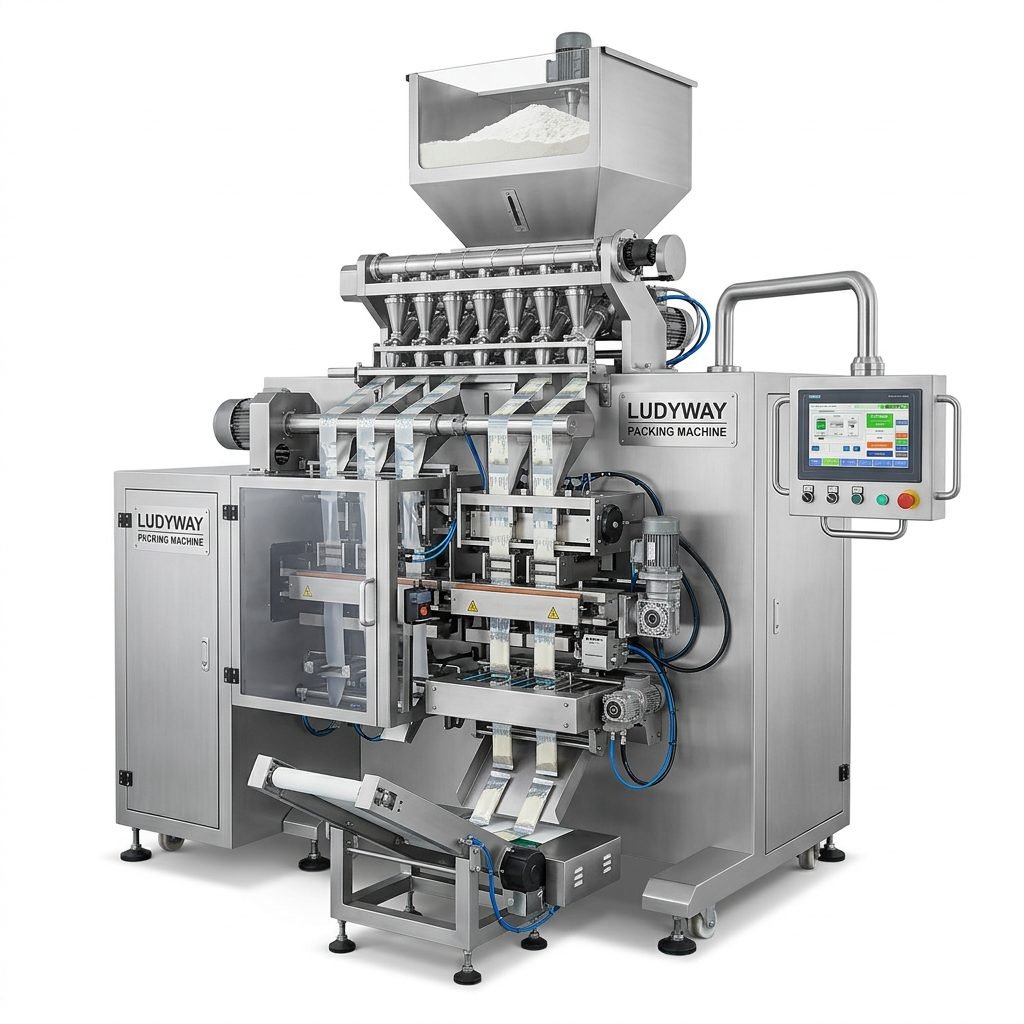
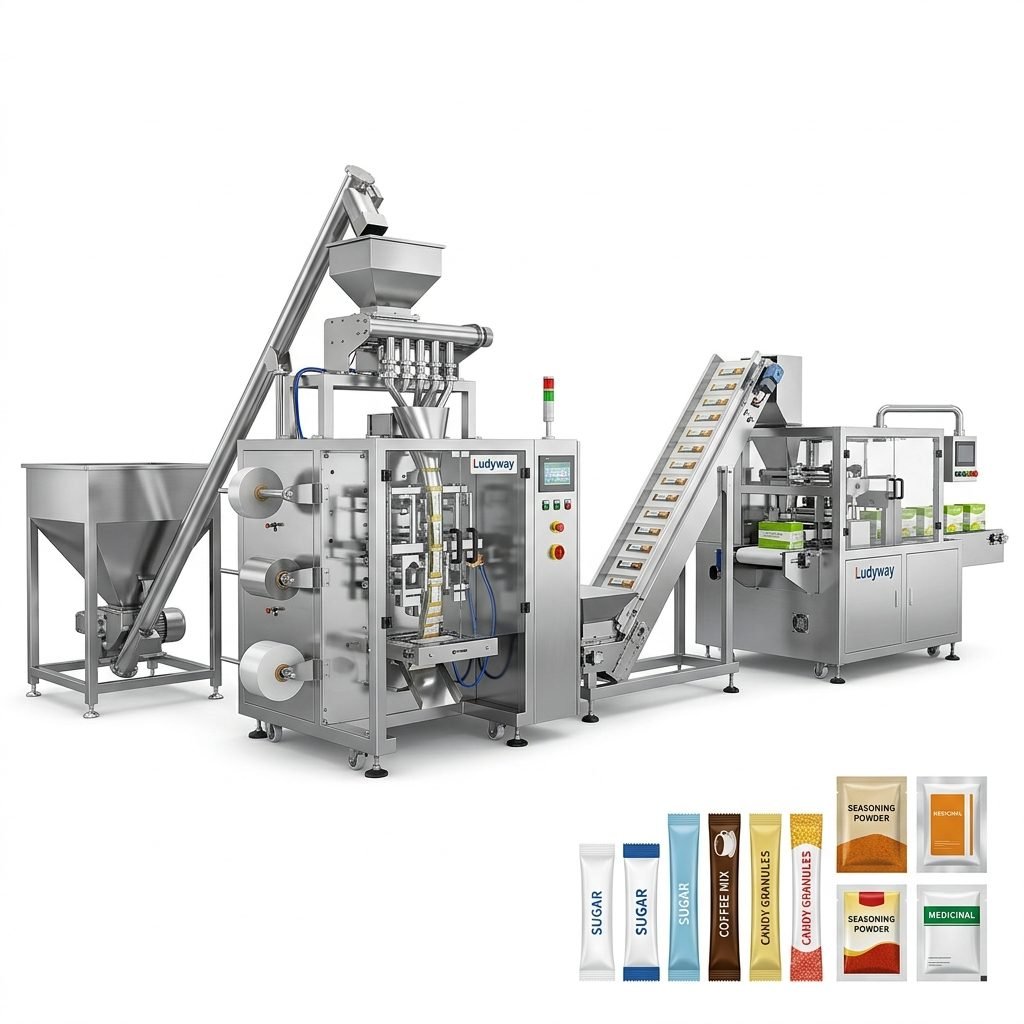
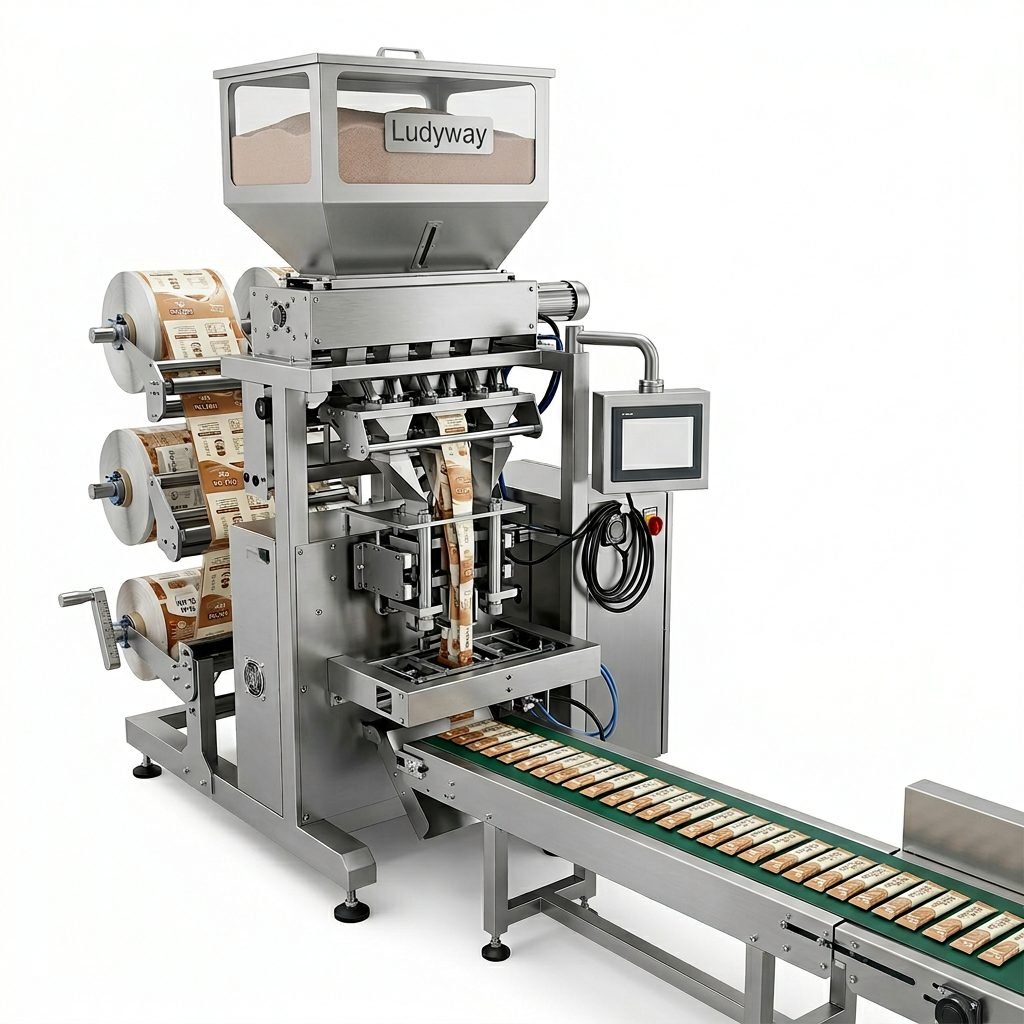
Choosing the right packaging making machine is not only about buying equipment that can fill, seal, or pack products. It is about building a production system that matches your product type, packaging format, output goals, compliance needs, labor plan, and future growth. The right machine can improve efficiency, consistency, and profitability, while the wrong one may lead to downtime, waste, and costly upgrades.
For manufacturers in food, pharmaceutical, health supplement, cosmetic, chemical, and pouch-based industries, equipment selection should begin with a clear understanding of your packaging process from raw material feeding to final case packing.
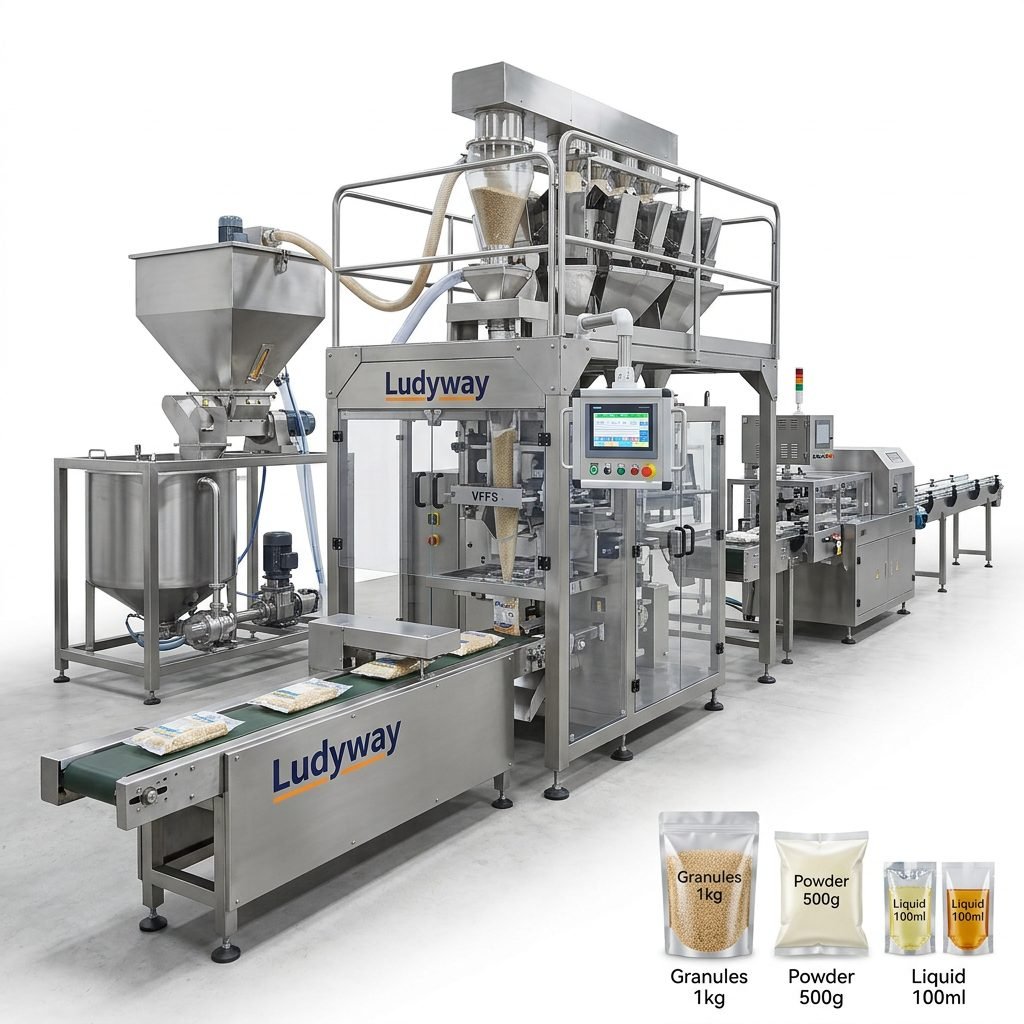
Why the Right Packaging Machine Matters
Packaging equipment directly affects production speed, product protection, shelf appeal, labor cost, and delivery performance. When a machine is properly matched to the application, businesses usually benefit from:
- Higher output per shift
- Lower material waste and packaging defects
- Better filling accuracy and seal integrity
- Reduced manual intervention
- Easier cleaning, maintenance, and changeover
- More stable long-term operation
In competitive sectors such as instant foods, nutraceutical powders, liquid sachets, and pharmaceutical packaging, these advantages can make a meaningful difference in operating margin and customer satisfaction.
Start with Your Product Characteristics
Before comparing machine models, define exactly what you are packing. Different materials behave very differently in automated systems, so product properties should guide the machine structure and dosing method.
Key product factors to evaluate
- Material form: granule, powder, liquid, paste, tablet, capsule, pouch, or irregular part
- Flowability: free-flowing, sticky, fluffy, dusty, or viscous
- Particle size: fine powder, coarse granule, mixed texture
- Sensitivity: moisture-sensitive, oxygen-sensitive, heat-sensitive, fragile
- Hygiene level: food-grade, pharma-grade, cleanroom-compatible, corrosive chemical handling
For example, a free-flowing granule may work well with volumetric cups or multi-head weighing, while a fine health supplement powder often needs an auger dosing system for precision. Liquids and pastes may require piston pumps, servo pumps, or specialized anti-drip filling systems.
Match the Machine to the Packaging Format
Packaging format is one of the biggest decision points. Your chosen machine must support the exact pack style required by your market, distribution channel, and brand positioning.
| Packaging Format | Typical Products | Common Machine Type |
|---|---|---|
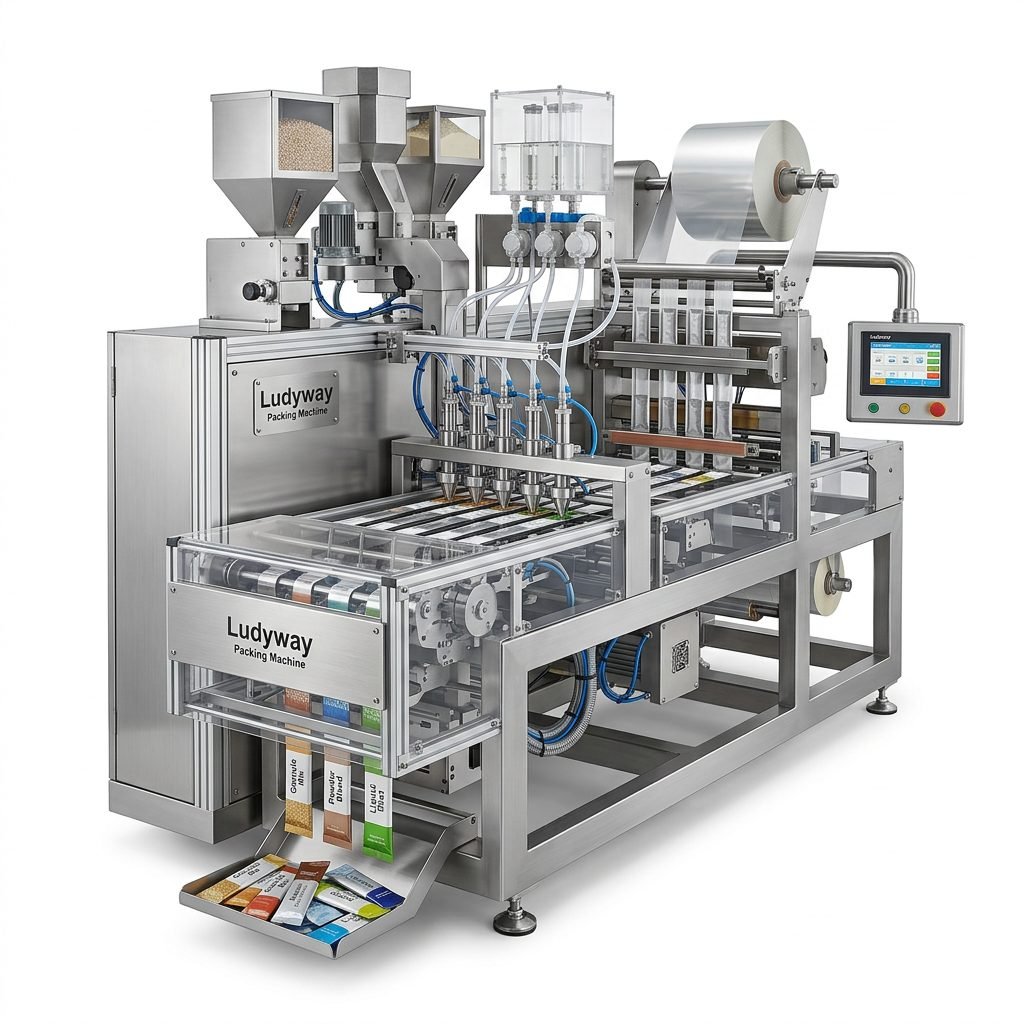
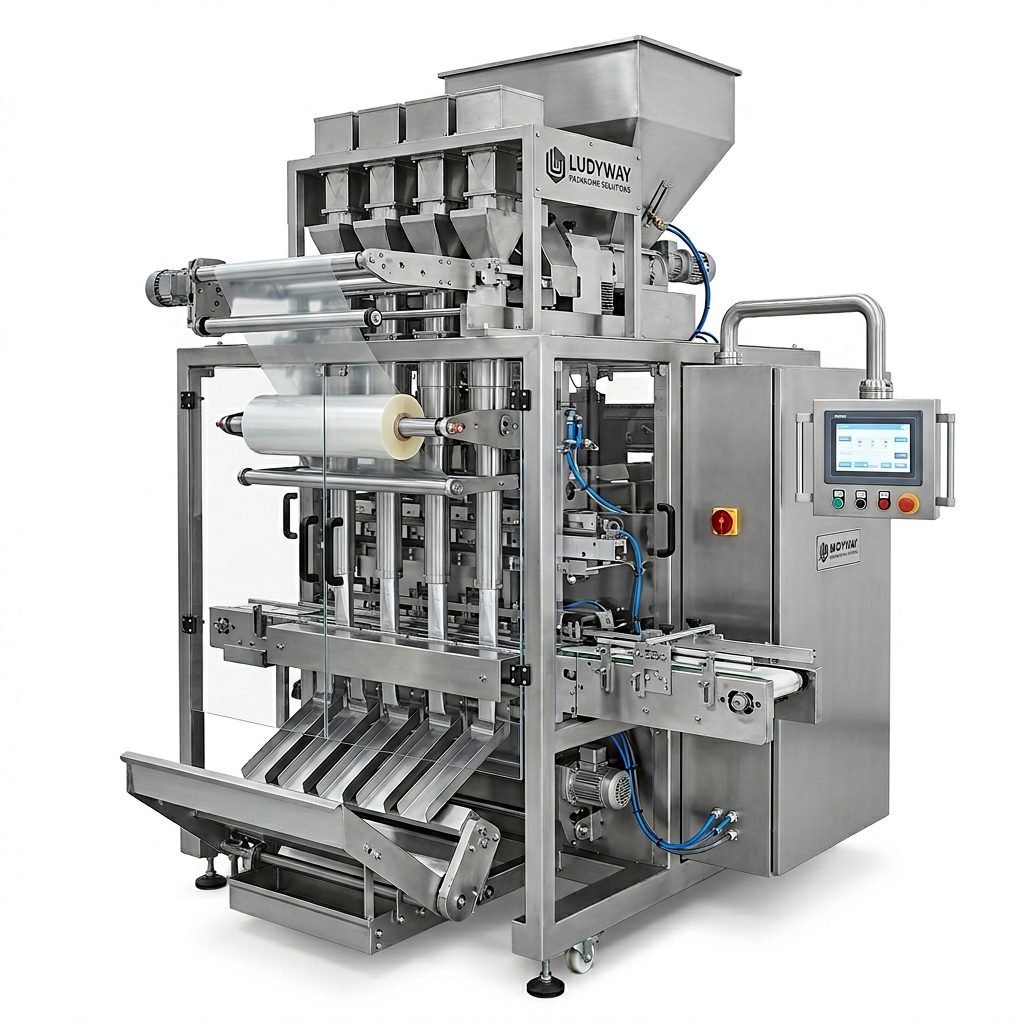
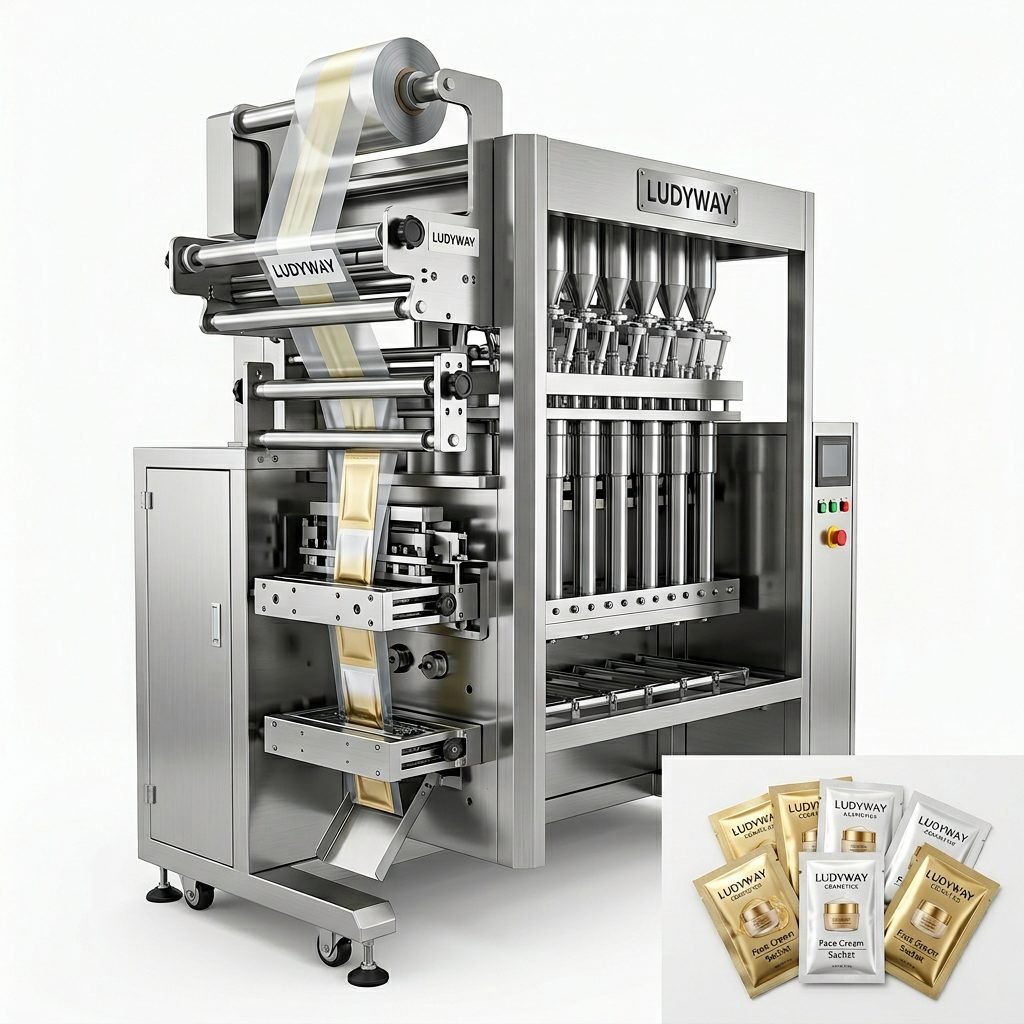
| Sachets | Powders, liquids, seasonings, cosmetics | Multi-lane sachet packing machine |
| Stick packs | Drink powders, supplements, coffee, gels | Multi-lane stick pack machine |
| Pouches | Snacks, pet food, powders, liquids | Premade pouch or pouch form-fill-seal machine |
| Bottles / jars | Capsules, tablets, syrups, lotions | Filling, capping, labeling line |
| Large bags | Feed, fertilizer, grains, bulk powders | Bagging line with weighing and conveying |
If your business plans to expand into multiple SKUs, it is wise to select machinery with format flexibility and easier tooling changes.
Consider Speed, Capacity, and Production Goals
Many buyers focus only on maximum speed, but the better question is whether the machine can deliver stable real-world output under your daily operating conditions.
Ask these practical questions
- What is your target packs per minute or bags per hour?
- How many shifts will the machine run each day?
- Do you need a standalone unit or a full automatic line?
- How often will operators change film, product, or pack size?
- Will seasonal demand require future capacity expansion?
A machine that is rated for very high speed but frequently stops for adjustments may underperform compared with a slightly lower-speed machine with better reliability. Always evaluate actual efficiency, not only brochure speed.
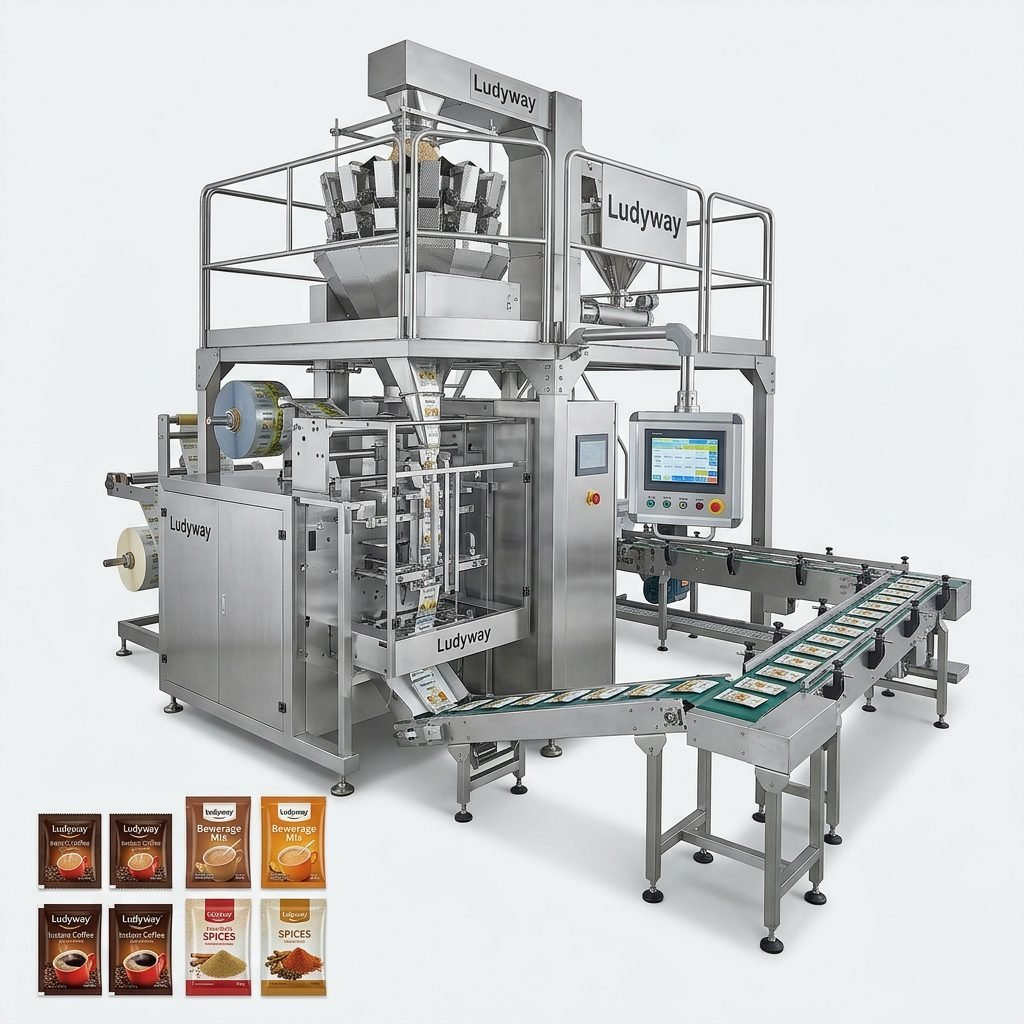
Choose the Right Level of Automation
Packaging making machines range from semi-automatic units to complete turnkey packaging lines. The best choice depends on labor availability, product complexity, floor space, budget, and long-term production strategy.
Semi-automatic equipment may suit you if:
- You are launching a new product with uncertain demand
- Your production volume is still relatively low
- You need lower initial investment
Fully automatic equipment may be better if:
- You require high-volume continuous production
- Labor cost or labor shortages are a concern
- You want better consistency and traceability
- You need to integrate coding, inspection, cartoning, or palletizing
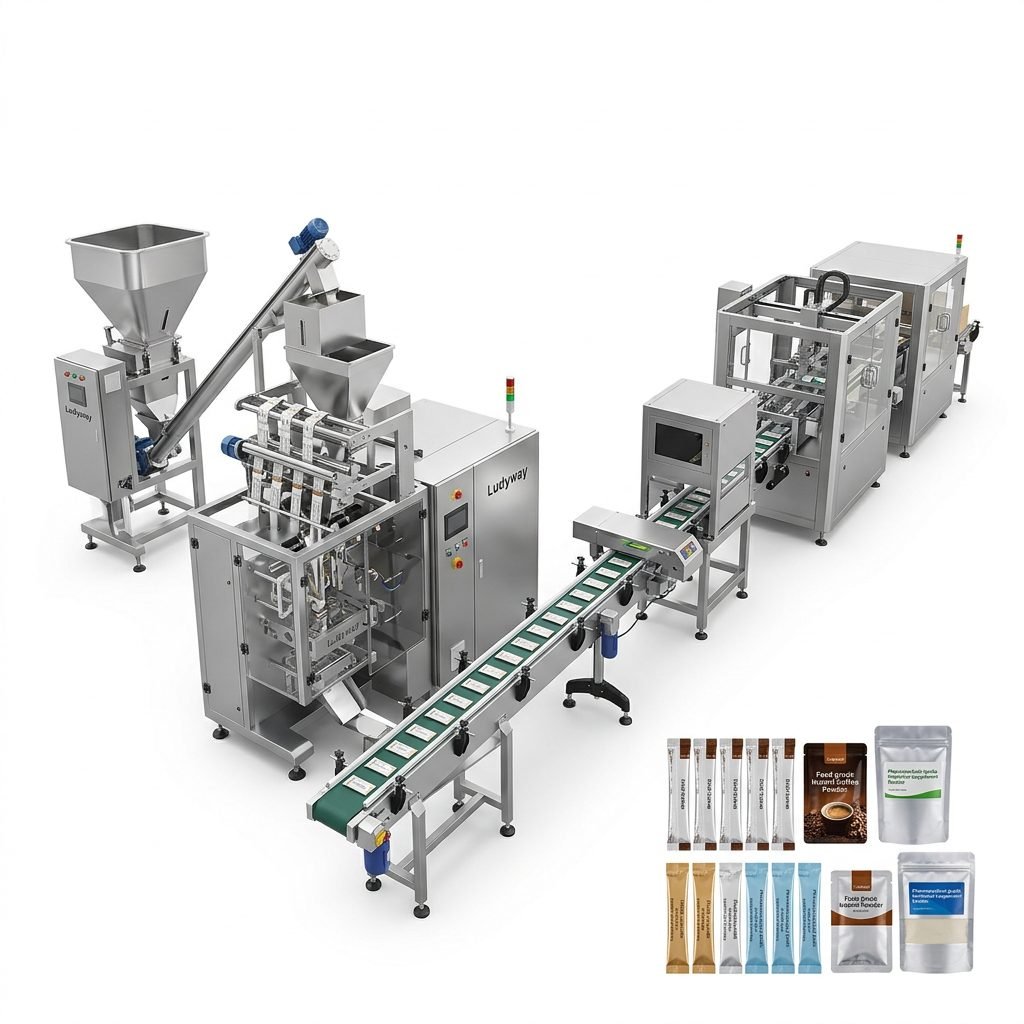
In many cases, manufacturers benefit most from a scalable setup: a core packaging machine that can later be connected with feeders, conveyors, checkweighers, metal detectors, coding systems, case packing, and palletizing modules.
Evaluate Accuracy and Product Consistency
Packaging quality is not just about appearance. For many industries, filling accuracy is essential for cost control, compliance, and brand trust.
Underfilling can create regulatory or customer issues, while overfilling quietly increases giveaway and reduces margin. This is especially important in high-value products such as nutraceutical powders, pharmaceutical granules, cosmetic sachets, and specialty chemicals.
Important performance indicators include
- Filling accuracy tolerance
- Seal strength and seal consistency
- Package appearance and edge quality
- Waste rate during startup and changeover
- Reject rate during continuous operation
Material Compatibility and Machine Construction
The machine should be built from materials appropriate for your production environment. For food, pharma, and health products, stainless steel contact parts and hygienic structures are usually expected. For corrosive or aggressive chemicals, specialized material compatibility becomes even more important.
| Industry | What to Look For |
|---|---|
| Food | Food-grade contact parts, easy cleaning, dust control, sanitary design |
| Pharmaceutical | High precision, validation support, cleanroom compatibility, traceability |
| Cosmetic | Accurate dosing, leak prevention, clean appearance, flexible pack formats |
| Chemical | Corrosion resistance, safe sealing, dust or vapor management |
| Animal feed / pet food | High throughput, robust conveying, durable weighing and bagging systems |
Do Not Ignore Changeover Time
If your factory handles multiple product sizes or packaging formats, fast changeover is a major efficiency factor. A machine with easier adjustments, servo controls, memory settings, and tool-less format changes can save significant downtime over a year.
This is particularly useful for contract packers and brands with many SKU variations.
Think Beyond the Main Machine
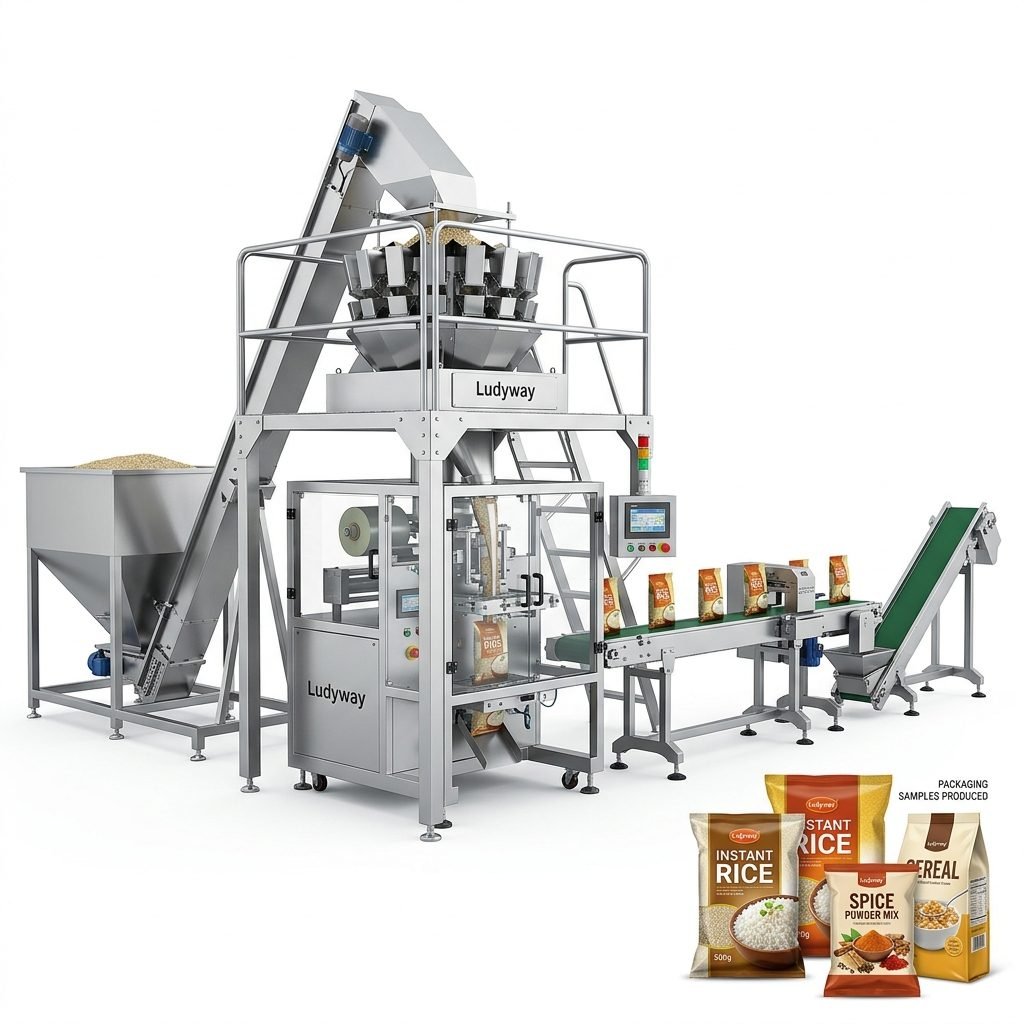
Packaging production rarely depends on a single unit. The most efficient result often comes from a complete process layout that includes upstream and downstream equipment.
Typical line components may include
- Feeding and conveying systems
- Weighing or dosing units
- Main filling and sealing machine
- Date coding or printing system
- Checkweigher and metal detector
- Sorting, counting, cartoning, and case packing
- Palletizing and wrapping
When these components are properly integrated, production becomes smoother and easier to manage. Companies seeking a full solution often prefer working with an experienced supplier of both machines and line integration, such as Ludyway packaging machine solutions.
Check Reliability, Maintenance, and Spare Parts Support
Even advanced packaging making machines need maintenance. The difference lies in how easy it is to service the equipment and how quickly support is available.
Before buying, confirm:
- Availability of spare parts
- Remote technical support capability
- Operator and maintenance training
- Machine manuals and troubleshooting guidance
- Lead time for consumables and replacement components
A lower-priced machine may become expensive if service delays stop production. Long-term support is often just as important as initial machine performance.
Pay Attention to Compliance and Quality Standards
For regulated industries, packaging equipment should align with applicable production standards and documentation needs. This is especially relevant for pharmaceutical, medical, health supplement, and certain export-oriented food applications.
Buyers should review:
- Electrical and safety configuration
- Documentation for qualification or validation if required
- Quality inspection procedures before shipment
- Traceability features and batch coding compatibility
- Sealing performance and contamination control design
Assess Total Cost, Not Just Purchase Price
The true value of a packaging machine lies in total operating economics. Instead of focusing only on upfront cost, compare the broader return on investment.
Include these cost factors in your evaluation
- Initial machine price
- Installation and commissioning
- Energy consumption
- Packaging material efficiency
- Labor savings
- Downtime risk
- Maintenance and spare parts cost
- Future upgrade flexibility
A more capable machine may cost more at the beginning, but if it improves output, reduces waste, and lowers labor dependency, the investment can pay back faster.
Questions to Ask a Packaging Machine Supplier
To make a confident decision, ask detailed technical and commercial questions before placing the order.
- Which machine model best fits my product and pack type?
- What speed can be achieved with my actual product?
- What filling system is recommended and why?
- How accurate is the machine in long production runs?
- How long does format changeover take?
- Can the machine connect with future line equipment?
- What testing can be done before shipment?
- What technical support is available after installation?
Best Choice by Application Type
Different industries usually prioritize different machine features. The table below offers a simplified selection guide.
| Application | Priority Feature | Recommended Direction |
|---|---|---|
| Instant drink powders | High speed, fine powder accuracy | Multi-lane stick pack or sachet machine |
| Sauces and liquids | Leak-free filling, clean seals | Liquid sachet or pouch filling system |
| Pharma granules | Precision, validation, hygiene | Pharmaceutical sachet or stick pack system |
| Pet food and feed | Durability, throughput, weighing stability | Bagging line or pouch packaging line |
| Cosmetic samples | Appearance, accurate small-dose filling | Multi-lane sachet or tube filling solution |
Final Selection Tips for Efficient Packaging Production
The best packaging making machine is the one that fits your product, production rhythm, factory conditions, and growth plan. A smart decision balances speed, quality, automation, flexibility, and service support.
To reduce selection risk, prepare product samples, define your packaging goals clearly, and request application-based recommendations rather than generic machine quotes. When machine design is aligned with real production needs, packaging efficiency improves across the entire line.
Quick checklist before you buy
- Define product type and packaging format
- Confirm required speed and accuracy
- Choose the right filling technology
- Evaluate automation level and future expansion
- Review hygiene, safety, and compliance requirements
- Check service, testing, and spare parts support
- Calculate total cost of ownership
With the right equipment strategy, manufacturers can build an efficient packaging operation that supports stable quality, lower waste, and stronger long-term competitiveness.