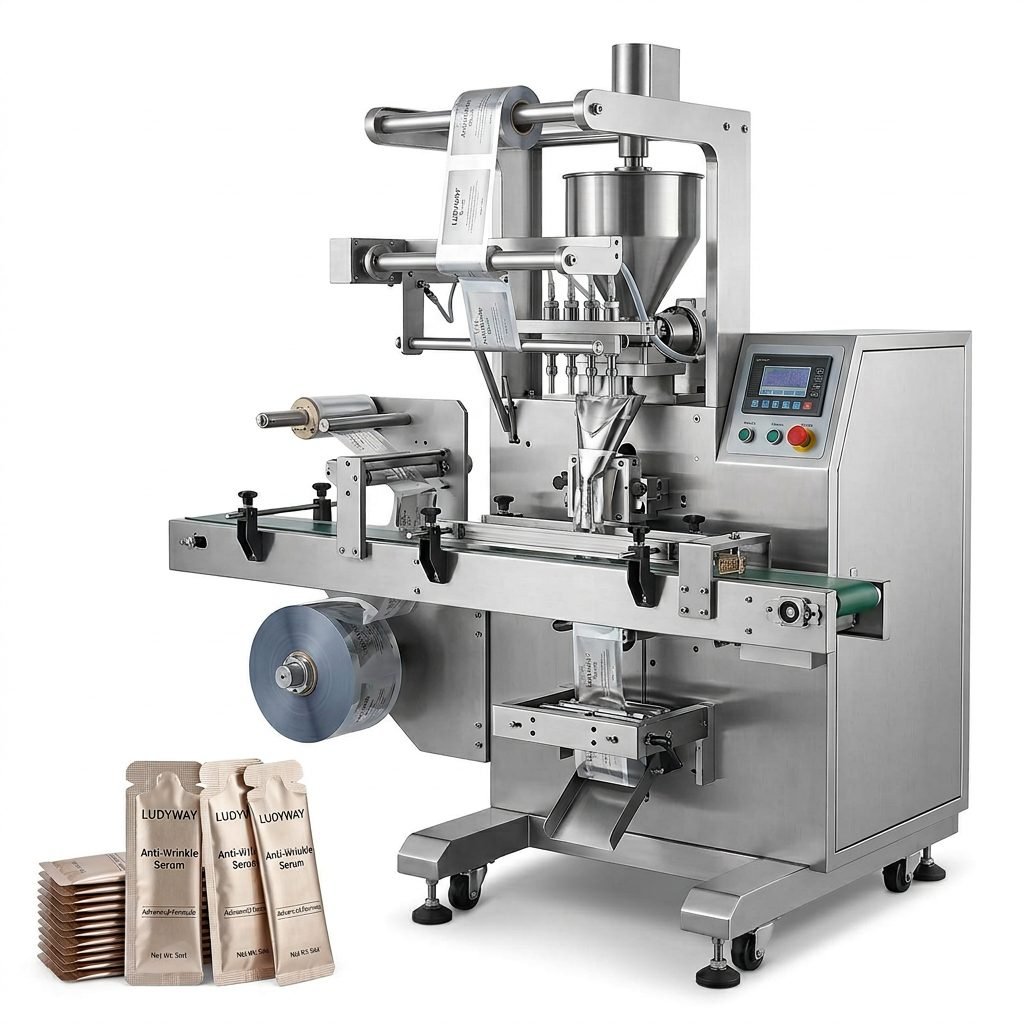
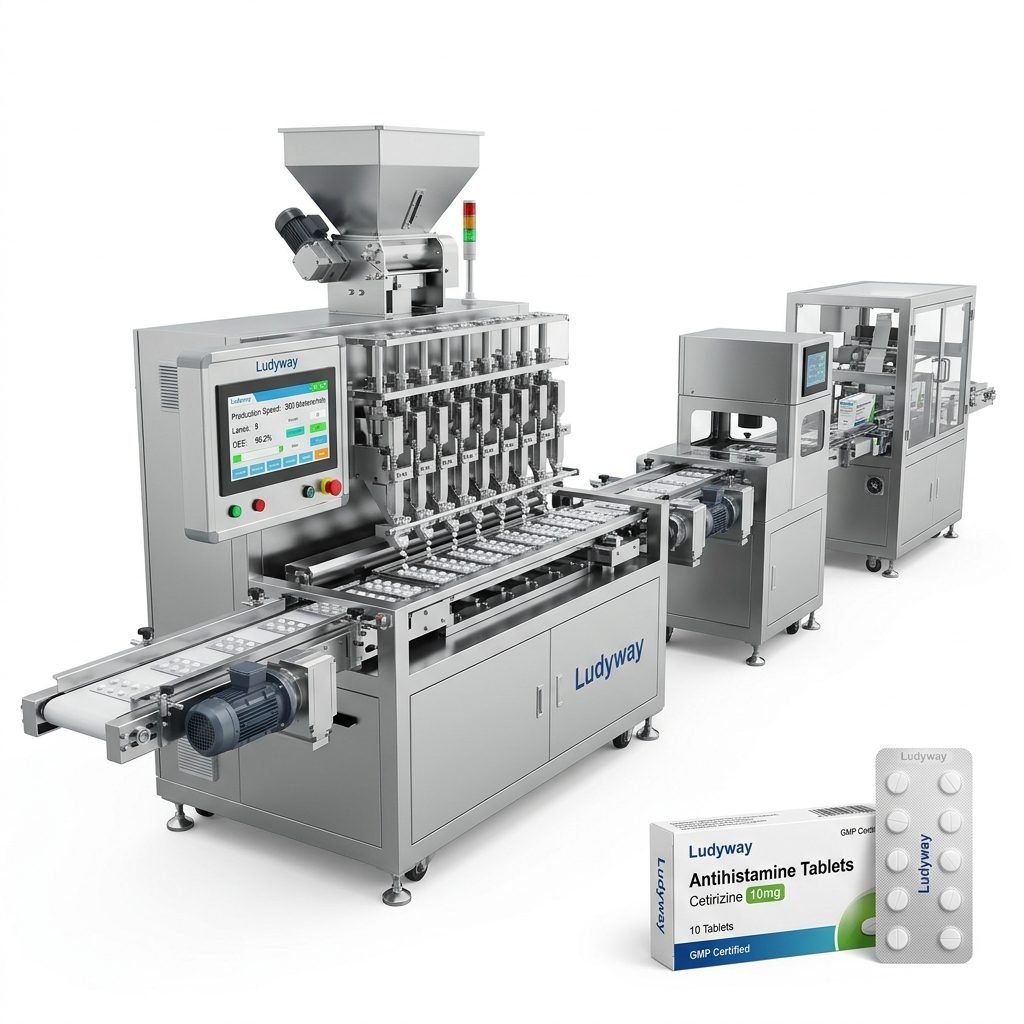
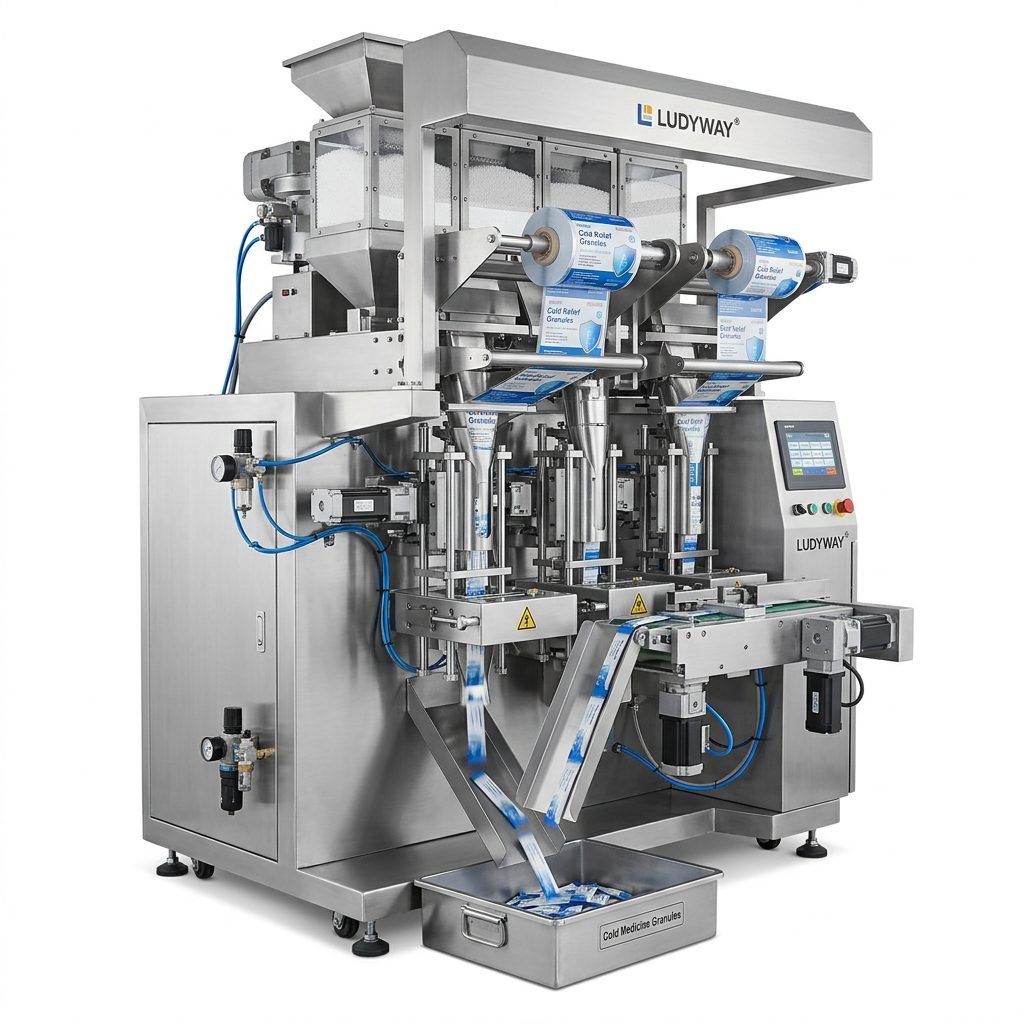
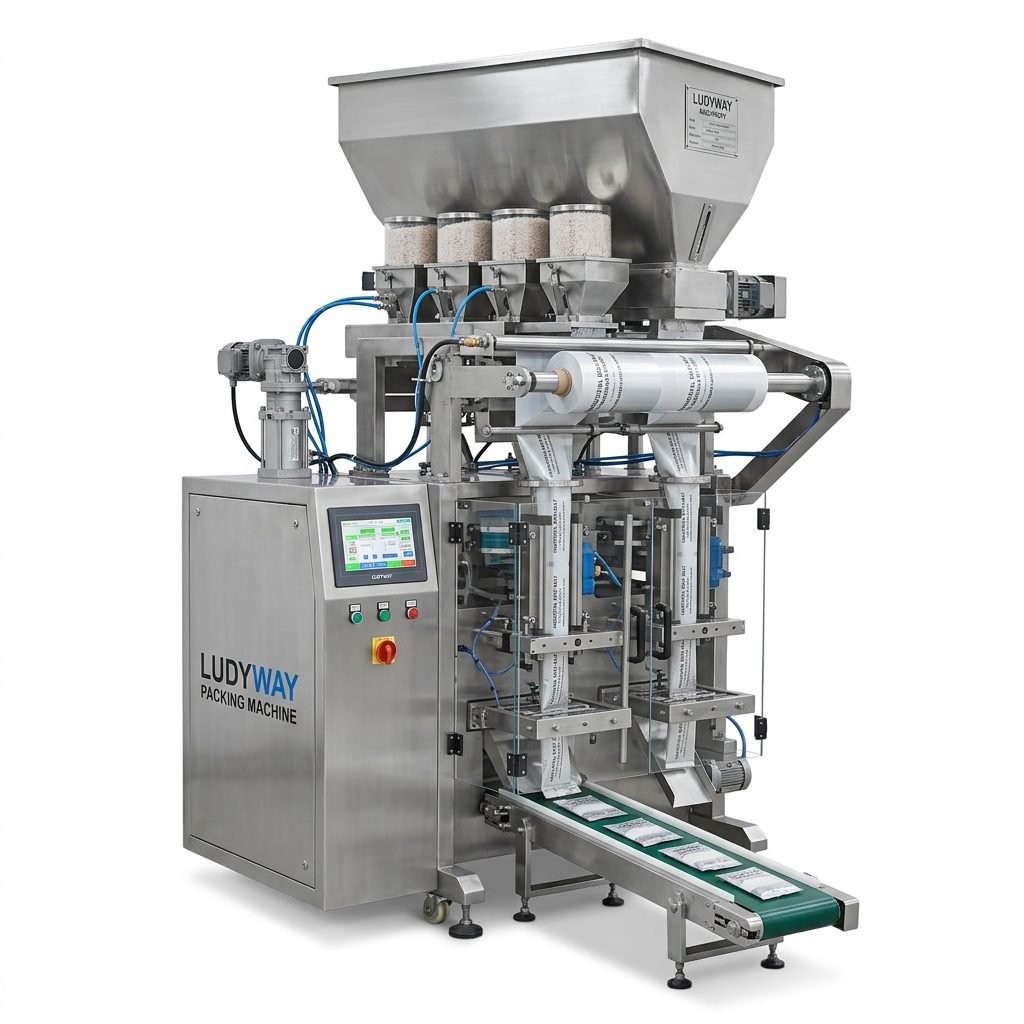
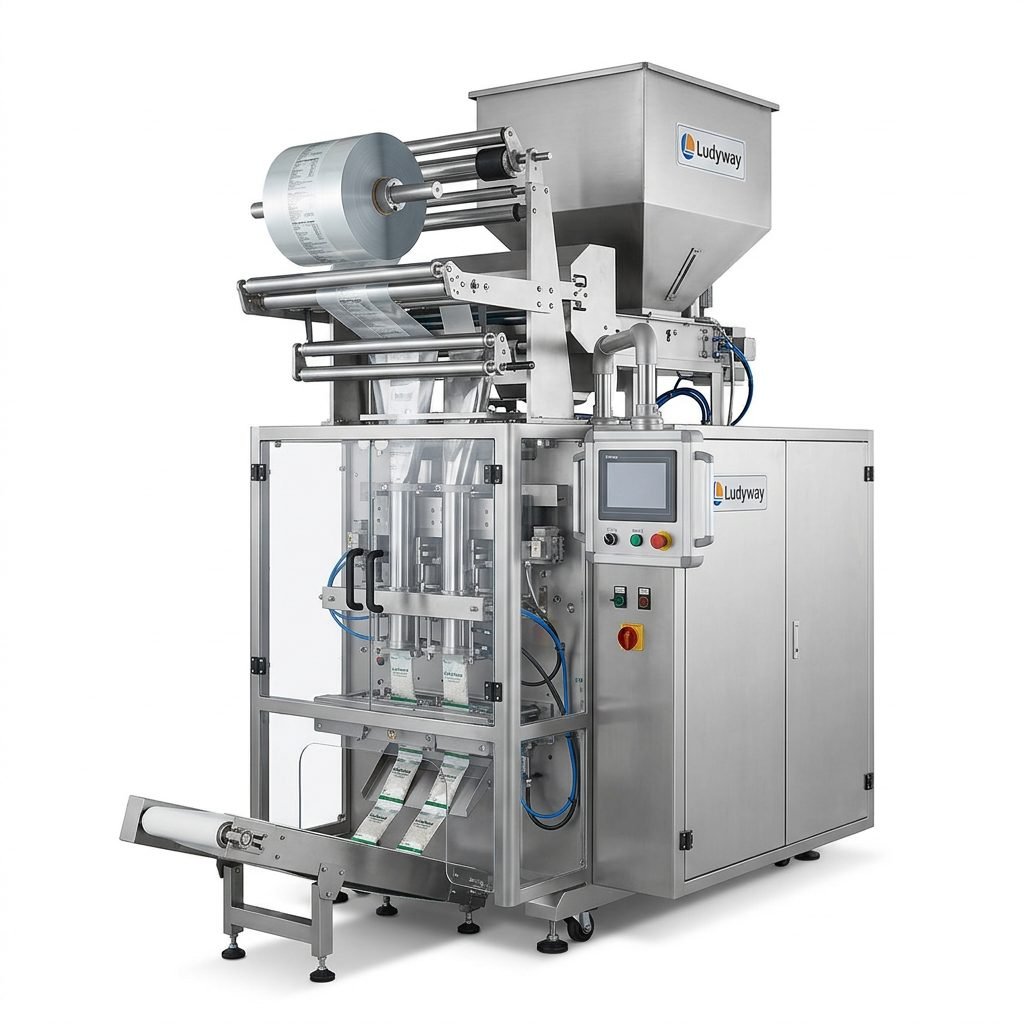
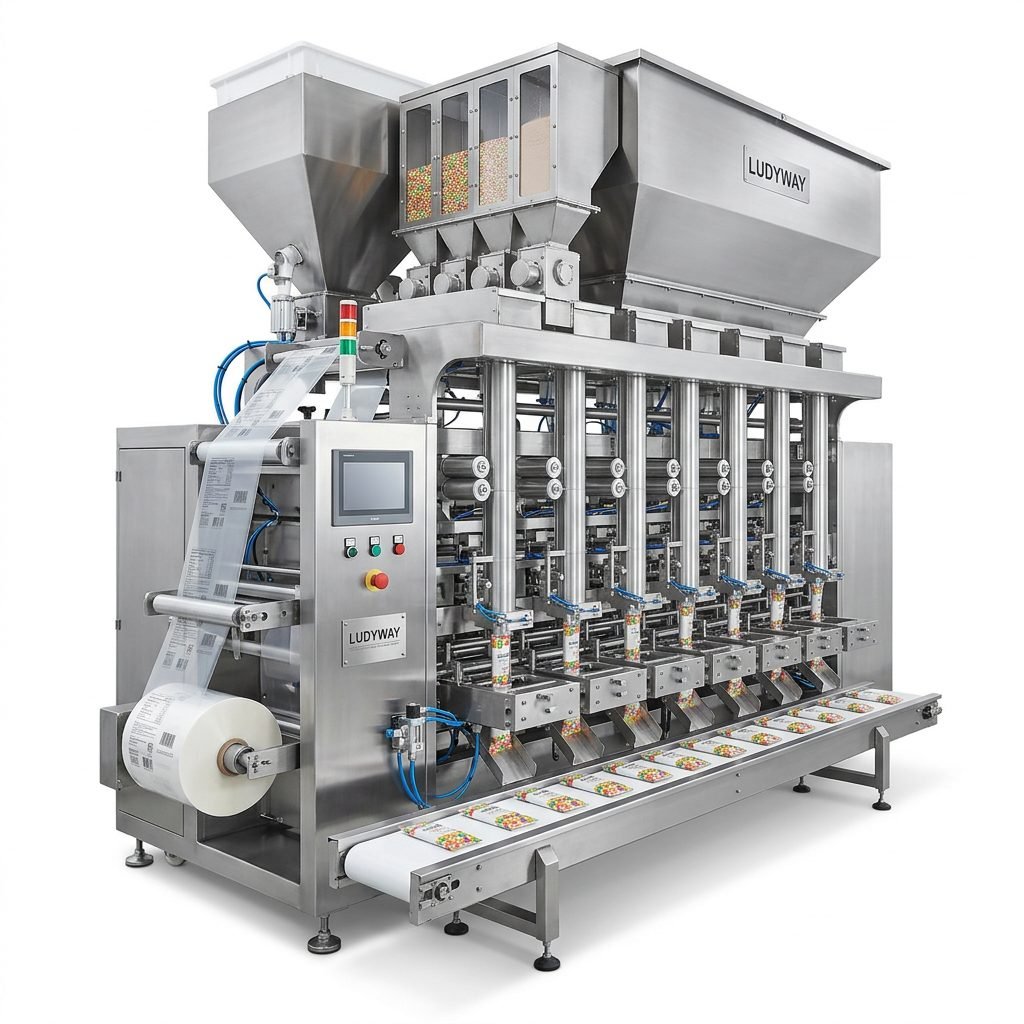
A 25 kg bag packing machine is designed to automate the weighing, filling, bag clamping, sealing, and discharge of bulk materials into medium-weight sacks. For manufacturers handling powders, granules, pellets, flakes, or blended materials, this type of equipment delivers a strong balance between speed, precision, labor reduction, and packaging consistency.
In industries such as food processing, chemicals, fertilizers, minerals, construction materials, and animal nutrition, 25 kg bagging has become a standard format for warehousing, transport, and wholesale distribution. A reliable automated system helps businesses reduce product giveaway, improve output stability, and maintain cleaner production environments.
What Is a 25 kg Bag Packing Machine?
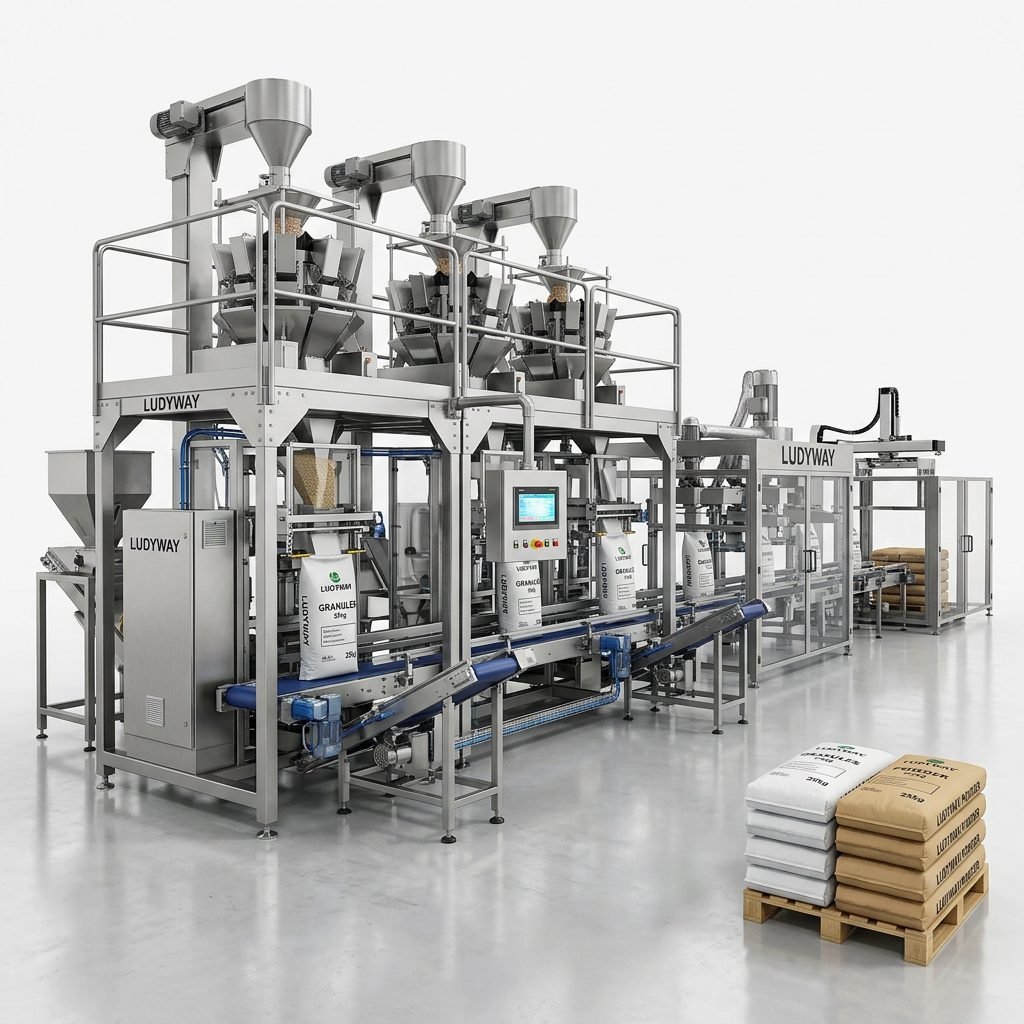
A 25 kg bag packing machine is an automated or semi-automated packaging system used to fill products into pre-made open-mouth bags, valve bags, woven sacks, paper bags, PE bags, or laminated packaging. The machine typically includes:
- Material feeding system
- Weighing unit for accurate dosing
- Bag holding or bag placing mechanism
- Filling spout or discharge gate
- Bag sealing or sewing system
- Conveyor for bag transfer
- Optional checkweigher, metal detector, palletizer, and dust collector
Depending on the product characteristics, the machine may use gravity feeding, screw feeding, belt feeding, net weighing, or gross weighing technology. The goal is the same: to package exactly 25 kg per bag with repeatable accuracy and minimal waste.
Why 25 kg Bag Packaging Is So Widely Used
The 25 kg bag size is popular because it offers a practical compromise between handling efficiency and shipping economy. It is large enough for wholesale and industrial supply, yet still manageable for storage, stacking, and downstream logistics.
- Easy warehouse handling for palletized transport
- Suitable for wholesale distribution across many industries
- Lower packaging cost per kilogram than smaller packs
- Better inventory control for factories and distributors
- Compatible with automated sewing, sealing, and palletizing
Common Materials Packed in 25 kg Bags
Modern bagging systems can handle a broad range of bulk materials. Machine selection should always be based on product flowability, particle size, dust level, moisture content, and target output.
| Material Type | Examples | Recommended Feeding Method |
|---|---|---|
| Powders | Flour, starch, cement additives, chemical powder, milk powder | Screw feeder / auger system |
| Granules | Rice, seeds, fertilizer granules, resin pellets, sugar | Gravity feeder / vibration feeder |
| Pellets | Animal feed, plastic pellets, mineral pellets | Belt feeder / gravity feeder |
| Irregular solids | Mixed grains, flakes, coarse additives | Customized weighing and feeding system |
Main Benefits of an Automated 25 kg Bag Packing Machine
1. Higher Packaging Accuracy
Accurate dosing is one of the biggest advantages of automation. Overfilling leads to direct product loss, while underfilling can create compliance and customer satisfaction issues. A quality machine uses advanced weighing control to keep each 25 kg bag within a tight tolerance.
2. Improved Production Efficiency
Manual bagging is slow and labor-intensive. Automated systems streamline the full process, allowing operators to oversee production rather than physically handling every filling step. This supports more consistent throughput over long shifts.
3. Reduced Dust and Cleaner Operation
For powders and fine granules, dust management is essential. Many machines can be equipped with enclosed filling heads, dust extraction ports, and sealed transfer points to help keep the work area cleaner and safer.
4. Lower Labor Dependency
A well-designed 25 kg bagging line can reduce the number of workers needed for weighing, filling, bag holding, stitching, and conveying. This is especially valuable for factories facing labor shortages or rising labor costs.
5. Better Bag Appearance and Stacking Quality
Consistent filling volume and stable bag handling improve final bag shape. This matters for pallet stability, warehouse organization, transport safety, and overall brand presentation in B2B markets.
How the 25 kg Bag Packing Process Works
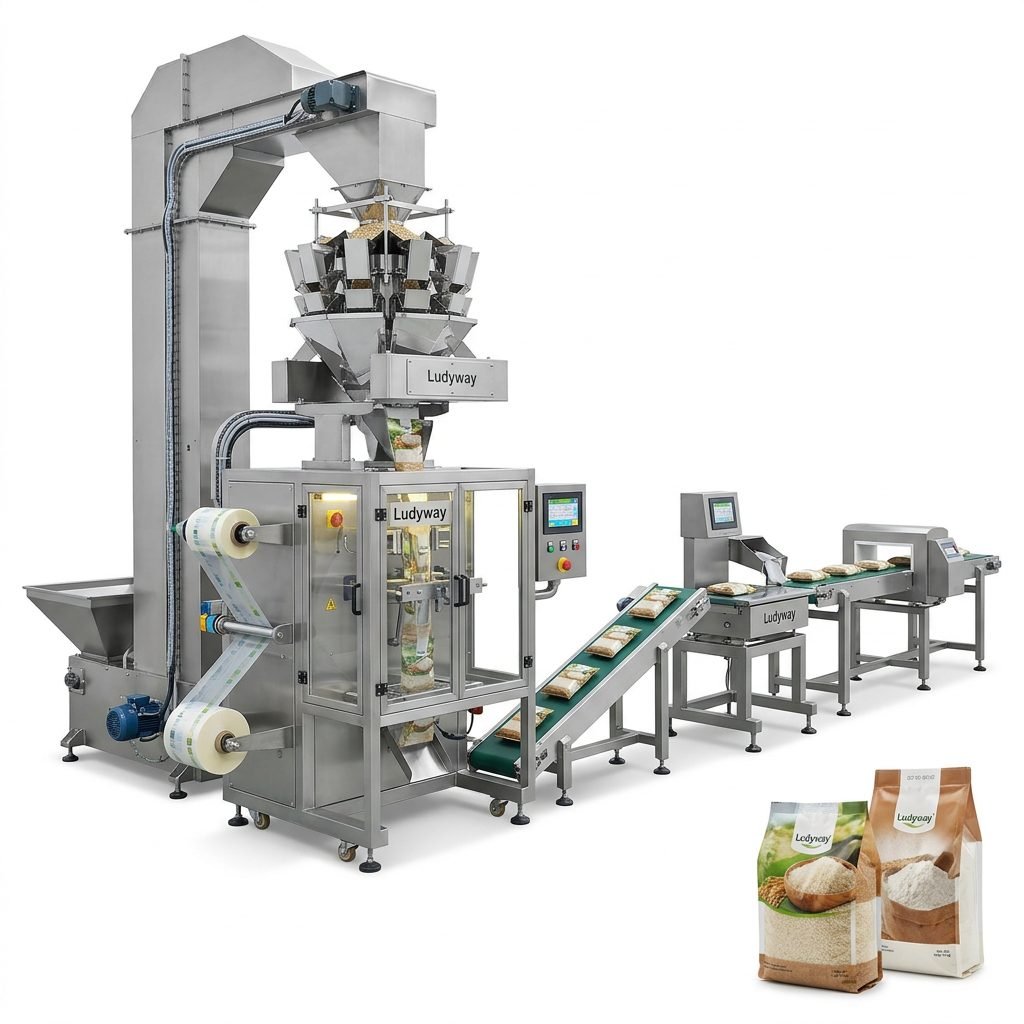
Although configurations vary, the typical workflow follows a logical sequence:
- Bulk product enters the storage hopper
- Feeding device transfers material to the weighing system
- The machine measures the target 25 kg weight
- The operator or automatic bag placer positions the bag
- Product is discharged into the bag
- The filled bag is released to a conveyor
- The bag is sewn, heat sealed, folded, or valve-sealed
- Optional systems inspect, label, palletize, or wrap the finished bag
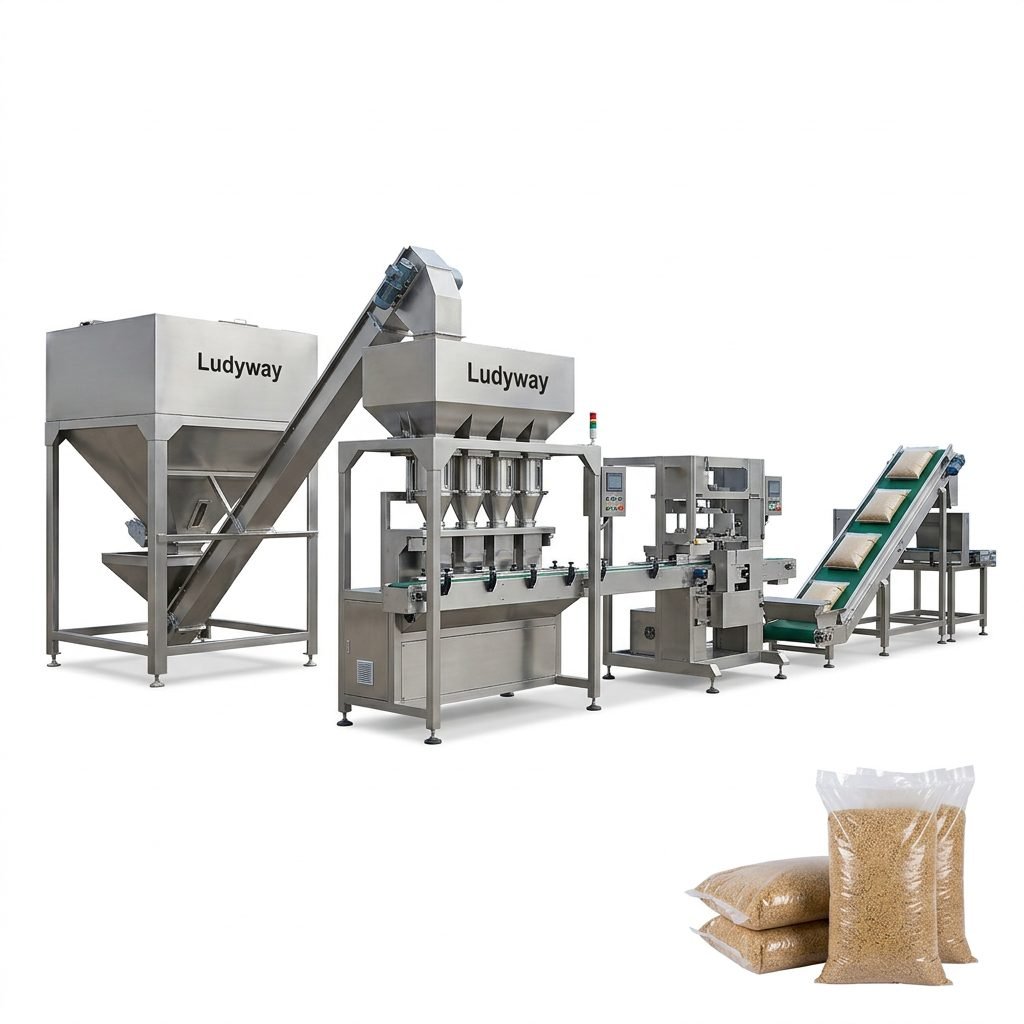
For high-volume operations, the bag packing machine is often integrated into a complete packaging line that includes upstream conveying and downstream logistics automation.
Types of 25 kg Bag Packing Machines
Open-Mouth Bag Packing Machine
This is one of the most common solutions for 25 kg packaging. The machine fills through the open top of the bag, then sends it to a sewing or sealing station. It is widely used for grains, feed, fertilizer, chemicals, and powdered products.
Valve Bag Filling Machine
Valve bags are filled through a special valve opening and are often used for ultra-fine powders such as cement, dry mortar, and mineral products. They offer efficient dust control and neat bag shape.
Gross Weighing Bagging Machine
In this system, the bag remains attached to the filling spout while both the product and the bag are weighed together. It is suitable for many standard applications and offers a compact structure.
Net Weighing Bagging Machine
Product is weighed before being discharged into the bag. This method often provides higher speed and improved precision, especially for automated lines with continuous bag handling.
Semi-Automatic vs. Fully Automatic Systems
Semi-automatic models usually require manual bag placement. Fully automatic systems can perform automatic bag feeding, opening, filling, conveying, sealing, and palletizing, making them ideal for larger production facilities.
Key Features to Look For
| Feature | Why It Matters |
|---|---|
| High-precision load cells | Ensures accurate 25 kg filling and reduces giveaway |
| PLC + touchscreen control | Simplifies operation, recipe storage, and troubleshooting |
| Dust control design | Improves hygiene, visibility, and workplace safety |
| Stainless steel contact parts | Important for food, pharmaceutical, and corrosive applications |
| Flexible bag compatibility | Supports different materials and bag styles |
| Integration capability | Allows connection with conveyors, sewing units, palletizers, and printers |
Industries That Benefit Most
A 25 kg bag packing machine is used across a wide range of sectors:
- Food industry: flour, rice, sugar, starch, grains, salt, additives
- Animal feed industry: feed pellets, premixes, supplements
- Chemical industry: resins, powders, detergents, additives
- Agriculture: seeds, fertilizer granules, soil conditioners
- Construction materials: mortar additives, mineral powder, dry blends
- Industrial materials: pellets, granules, recycled materials
How to Choose the Right Machine for Your Product
Not all bulk materials behave the same way. Choosing the correct machine requires matching the technical design to real production conditions.
Consider Product Characteristics
- Is the material free-flowing or sticky?
- Does it generate dust?
- Is it fragile and easily broken?
- Does it bridge in the hopper?
- Does it require sanitary design?
Define Output Requirements
Your target bags per hour directly affects machine configuration. Small factories may only need a semi-automatic station, while large plants often need fully automatic bagging, sealing, and palletizing.
Match the Bag Type
The packing solution should be compatible with your preferred bag material and sealing style, such as stitched woven bags, heat-sealed PE bags, or valve paper sacks.
Think About Plant Layout
The available floor space, material feeding height, and downstream transport method all influence final machine selection. A compact line design can improve productivity in limited spaces.
Plan for Future Expansion
Many manufacturers start with one bagging unit and later add automatic palletizing, wrapping, coding, or inspection. Choosing a scalable system can protect your long-term investment.
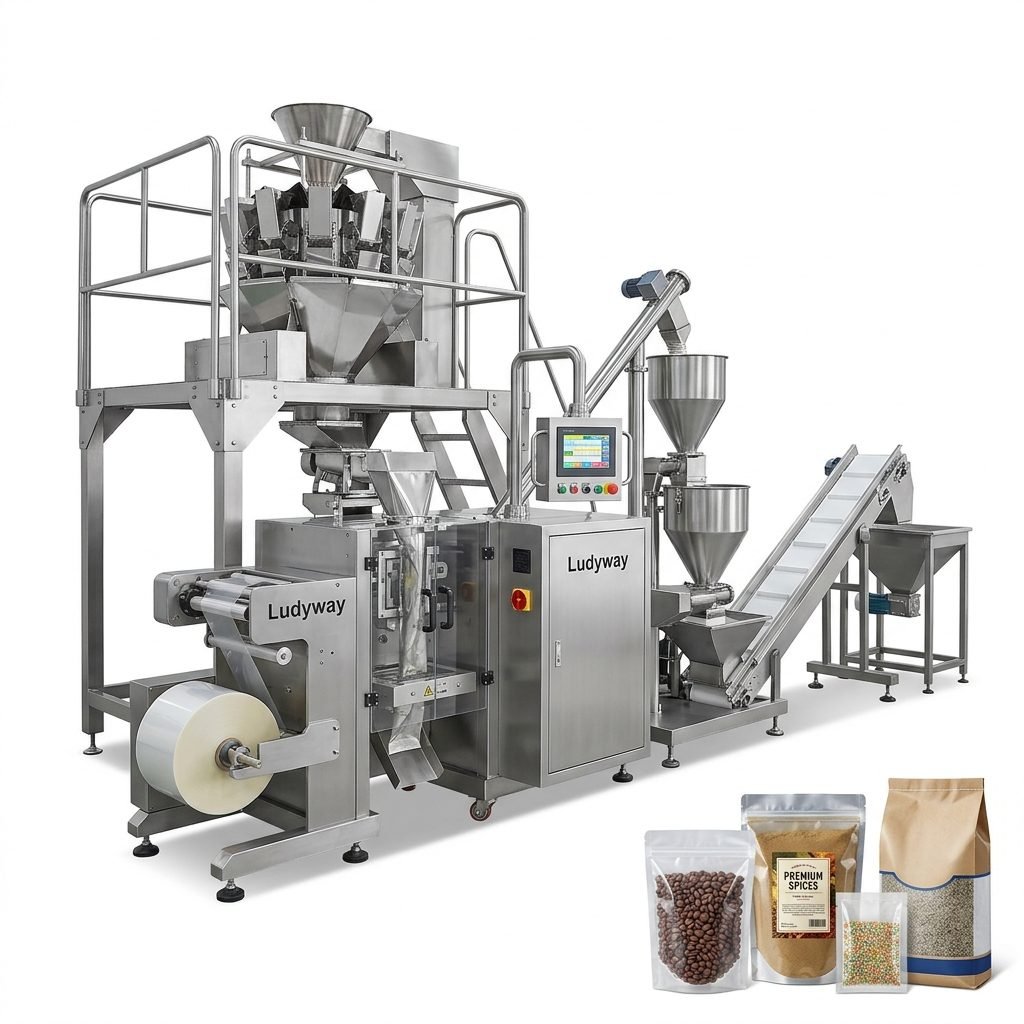
Automation Options for Complete Bagging Lines
A standalone 25 kg bag packing machine can already improve productivity, but a complete line provides much greater efficiency. Popular add-ons include:
- Storage silo or hopper system
- Screw conveyor, belt conveyor, or bucket elevator
- Automatic bag feeding device
- Bag sewing machine or heat sealing machine
- Checkweigher and rejection unit
- Metal detection and X-ray inspection
- Inkjet coding or label printing
- Robotic palletizer
- Pallet wrapping system
Integrated automation reduces bottlenecks between filling and end-of-line handling while improving overall line balance.
Maintenance Tips for Long-Term Performance
Even a high-quality machine needs proper maintenance to preserve accuracy and uptime. Recommended practices include:
- Clean product-contact areas regularly
- Inspect load cells and weighing calibration
- Check sealing, sewing, and clamping components
- Lubricate moving parts based on the maintenance plan
- Monitor pneumatic pressure and air quality
- Replace worn feeding screws, belts, and seals in time
- Train operators on correct bag placement and startup procedures
Preventive maintenance helps minimize unplanned downtime and supports stable bag weight consistency over time.
Why Accuracy Matters in 25 kg Bag Packaging
If a factory fills thousands of 25 kg bags each month, even a small overfill adds up to substantial product loss. For example, a minor average overfill across every bag can significantly increase material cost over a year. That is why many companies invest in high-precision weighing control, stable feeding systems, and reliable calibration routines.
Accuracy is not only about saving product. It also supports:
- More professional customer delivery standards
- Better compliance with packaging specifications
- Improved pallet weight consistency
- Reduced complaints from distributors and end users
Choosing a Reliable Packaging Equipment Partner
When sourcing a 25 kg bag packing machine, buyers should look beyond the initial price. A dependable supplier should offer engineering support, customization, installation guidance, spare parts access, and after-sales service.
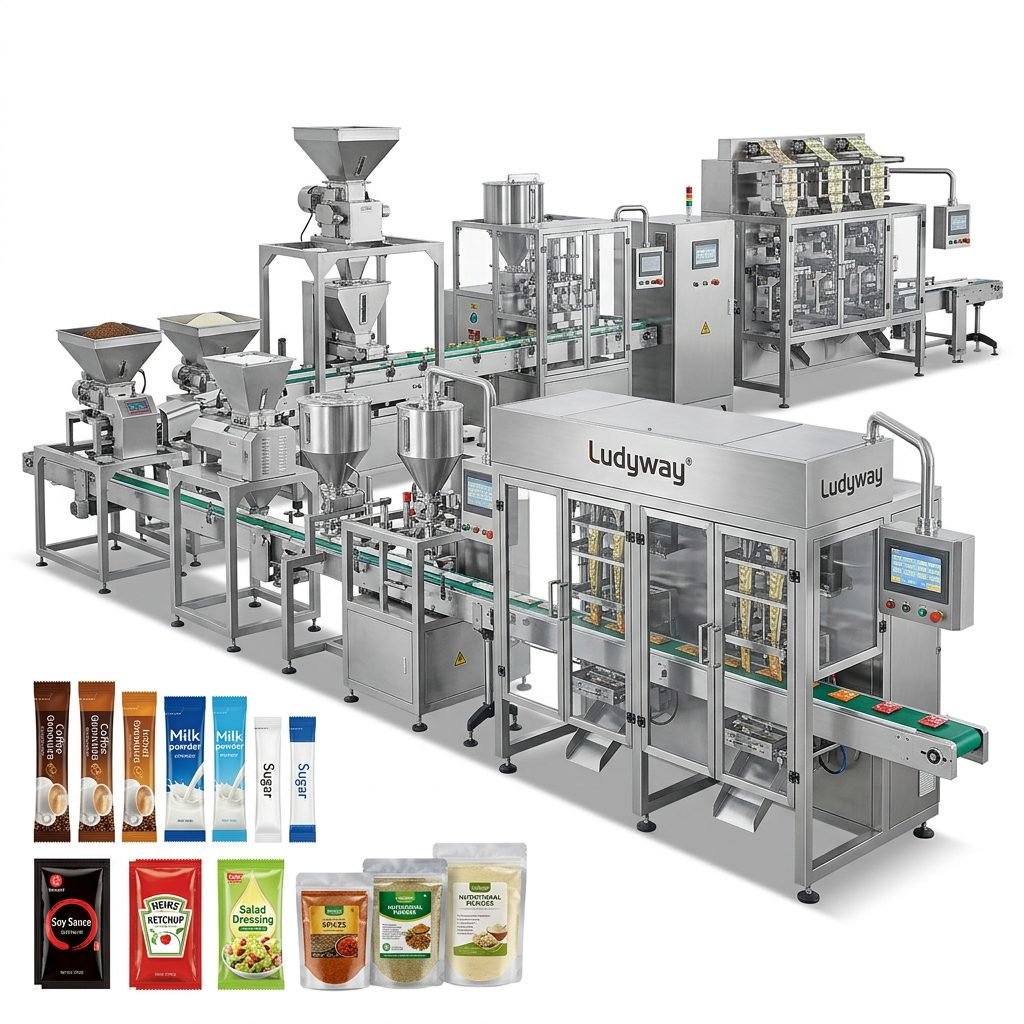
As one of China’s leading packaging machine and turnkey line manufacturers, Ludyway provides packaging solutions for granules, powders, liquids, and integrated production lines, backed by more than 30 years of industry experience and broad export service capability.
Final Considerations Before Buying
Before making a final decision, prepare a clear technical brief covering:
- Product name and bulk density
- Bag weight target: 25 kg
- Required speed in bags per hour
- Bag type and bag dimensions
- Desired accuracy tolerance
- Plant layout and automation level
- Power supply and compressed air conditions
- Special hygiene, dustproof, or anti-corrosion requirements
With the right configuration, a 25 kg bag packing machine can become a core asset for improving packaging efficiency, reducing waste, and supporting long-term production growth.
FAQ About 25 kg Bag Packing Machines
What products can a 25 kg bag packing machine handle?
It can handle powders, granules, pellets, flakes, seeds, feed, fertilizers, resins, food ingredients, and many chemical materials, depending on the feeding and weighing design.
Is a 25 kg bag packing machine suitable for powder products?
Yes. Powder applications often use auger or screw feeding systems, along with dust collection and sealed filling structures for cleaner and more accurate operation.
What is the difference between semi-automatic and fully automatic bagging?
Semi-automatic systems usually require manual bag loading, while fully automatic lines can complete bag feeding, filling, closing, conveying, and palletizing with minimal operator intervention.
Can the machine be customized for different bag materials?
Yes. Many machines can be tailored for woven sacks, kraft paper bags, PE bags, valve bags, and laminated industrial bags.
How can I improve packaging line efficiency further?
Adding conveyors, sealing units, checkweighers, coding systems, palletizers, and wrapping equipment can create a more efficient and consistent turnkey packaging line.